• Skip to main content
  • Skip to header right navigation
  • Skip to after header navigation
  • Skip to site footer
MyZA

MyZA

News, Directory, Events and Other Stuff

  • Social Media
  • Sport
  • World News
  • Home
  • Submit News
  • Directory
  • Events
  • Stratlec
  • TFSA
  • News
    • APO
    • Today’s Sport News
    • Todays Social Media and Tech Headlines
    • Today’s World News
    • Today’s SA Financial News
  • Contact
You are here: Home / Archives for Zambia

Zambia

8 March 2025

Statement by the Special Rapporteur on the Rights of Women in Africa

Location: News

African Commission on Human and People's Rights (ACHPR)
Download logo

On this momentous occasion of International Women's Day 2025, the African Commission on Human and Peoples' Rights (ACHPR), through its Special Rapporteur on the Rights of Women in Africa (SRRWA), stands at a pivotal juncture in the global pursuit of gender equality and the empowerment of women and girls. This year's theme, “For ALL Women and Girls: Rights. Equality. Empowerment,” resonates deeply as we commemorate the 30th  anniversary of the Beijing Declaration and Platform for Action. This landmark framework has shaped the global agenda for women's rights and gender equality.  

The Beijing Declaration, adopted in 1995, was a clarion call to dismantle systemic barriers, challenge discriminatory norms, and ensure the full participation of women in all spheres of life. Three decades later, we celebrate progress, particularly in Africa, where women have broken barriers in politics, education, entrepreneurship, and leadership. Yet, we must also confront the stark realities that persist: gender-based violence, unequal access to education and healthcare, economic disparities, and the underrepresentation of women in decision-making spaces. 

Africa has witnessed remarkable strides in advancing the rights and empowerment of women and girls, demonstrating the continent's resilience and commitment to gender equality. Some of the most notable trends include:  

  • Increased Political Representation: Since adopting the Beijing Declaration in 1995, numerous African States have made remarkable strides in advancing women's political participation. Rwanda leads globally, with women occupying over 60% of parliamentary seats. Countries such as South Africa, Namibia, and Senegal have also achieved significant progress in promoting gender-balanced representation. Additionally, the appointment of female Heads of State across the continent has marked a transformative shift in political leadership. Notable examples include Ellen Johnson Sirleaf of Liberia, Africa's first elected female president; Sahle-Work Zewde of Ethiopia, who serves as the country's first female president; and Samia Suluhu Hassan of Tanzania, who became the nation's first female Head of State. Other inspiring leaders include Catherine Samba-Panza of the Central African Republic, interim president, and Ameenah Gurib-Fakim of Mauritius, the country's first female president. Most recently, Namibia appointed its first female Head of State, Netumbo Nandi-Ndaitwah, further underscoring the growing momentum toward gender equality in African politics.
  • Advancements in Education: The gender gap in primary and secondary education is narrowing across the continent. Countries like Kenya, Ghana, and Botswana have achieved near parity in school enrolment, empowering girls with the tools to build brighter futures.  
  • Women's Economic Empowerment: African women are increasingly breaking barriers in entrepreneurship and leadership. Initiatives such as the African Women's Development Fund and the African Union's Women in Business program have supported women-led businesses, fostering economic growth and innovation.  
  • Legal Reforms: Many African countries have enacted progressive laws to protect women's rights, including laws against gender-based violence, child marriage, and workplace discrimination. Countries like Malawi, Tanzania, Zambia, Gambia, and Mali have raised the legal age of marriage to 18, safeguarding girls from early marriages.  
  • Grassroots Movements: Women-led movements and organizations are driving change at the community level. From the #MeToo movement in Nigeria to the fight against gender-based violence in South Africa, African women are raising their voices and demanding accountability.  

Despite these positive trends, significant challenges remain, hindering the full realization of gender equality and women's empowerment in Africa, including: 

  • Gender-Based Violence (GBV) and Harmful Traditional Practices: Despite the establishment of progressive legal frameworks, gender-based violence, and harmful traditional practices continue to plague societies, driven by deeply entrenched cultural norms, plural legal systems, and a lack of political will to enforce progressive laws. Child marriage remains widespread, perpetuating cycles of inequality and disempowerment. Similarly, GBV persists at alarming rates, manifesting in domestic violence, sexual assault, and harmful practices such as female genital mutilation (FGM). These challenges highlight the urgent need for stronger implementation of existing laws and a transformative shift in societal attitudes to eradicate these violations and protect the rights and dignity of women and girls.
  • Humanitarian crises, such as climate change and conflicts, have further exacerbated these challenges, highlighting the urgent need for stronger protections and support systems.  
  • Economic Inequality: Women continue to face barriers to economic participation, including limited access to land, credit, and technology. The informal sector, where many African women work, often lacks social protections and fair wages.  
  • Health Disparities: Maternal mortality rates remain unacceptably high in some regions, and access to sexual and reproductive health services is often limited. Teenage pregnancy and HIV/AIDS disproportionately affect women and girls.  
  • Underrepresentation in Leadership: While progress has been made, women remain underrepresented in political and corporate leadership roles. Cultural and institutional barriers often prevent women from ascending to decision-making positions.  
  • Conflict and Displacement: Women and girls in conflict-affected regions face heightened risks of violence, exploitation, and displacement. The ongoing crises in parts of the Sahel, the Horn of Africa, and the Great Lakes region underscore the need for gender-sensitive peacebuilding and humanitarian responses.  
  • Intersectional Discrimination: Marginalized groups of women, including those with disabilities, older women, and rural women, face compounded discrimination and exclusion from opportunities.  

To build on the progress and address persistent challenges, the ACHPR urges African governments, civil society, the private sector, and international partners to accelerate the implementation of the Beijing Platform for Action and Agenda 2063. This can be achieved through aligning national policies with these frameworks and ensuring gender equality is mainstreamed across all sectors. The ACHPR calls for the strengthening of legal frameworks, enhanced access to justice for survivors, and increased investment in prevention programs to eradicate gender-based violence in all its forms.

It further emphasizes the need to expand women entrepreneurs' access to finance, land, and technology and ensure equal pay for equal work to close the gender wage gap. Affirmative action measures, such as quotas, should be implemented to increase the representation of women in political and leadership roles at all levels. The ACHPR also urges prioritizing girls' education, particularly in STEM fields, and ensuring universal access to sexual and reproductive health services. Finally, the ACHPR calls for the recognition and addressing of the unique challenges faced by marginalized groups of women, including those with disabilities, rural women, and refugees.

As we celebrate the resilience and achievements of African women and girls, let us remember that the fight for gender equality is far from over. The Beijing Declaration and Platform for Action, alongside Agenda 2063, provide a roadmap to a future where every woman and girl can live with dignity, freedom, and opportunity. On this International Women's Day, let us recommit to the principles of rights, equality, and empowerment—not just for some, but for ALL women and girls. 

Honourable Commissioner Janet Ramatoulie Sallah-Njie
Special Rapporteur on the Rights of Women in Africa of the ACHPR and Vice-Chairperson of the ACHPR

Distributed by APO Group on behalf of African Commission on Human and People's Rights (ACHPR).
Read moreStatement by the Special Rapporteur on the Rights of Women in Africa
3 March 2025

Next generation of scholars gathering to shape Africa’s future

Location: News

Next generation of scholars gathering to shape Africa’s future

Research-based insights and collaboration on finding solutions to Africa’s most urgent challenges will be at the heart of the Human Sciences Research Council (HSRC)’s 19th Africa Young Graduates and Scholars (AYGS) Conference. 

The conference which gets underway tomorrow, is being held in collaboration with the University of Mpumalanga (UMP).

Under the theme “Enabling Africa’s Inclusive and Sustainable Development: Challenges and Opportunities,” the conference will gather over 100 young and emerging scholars, policymakers, and practitioners from various regions of Africa to share research-based insights and collaborate on solutions to the continent’s most urgent challenges. 

The gathering will take place at UMP’s Mbombela campus from 4 to 6 March 2025. 

“We are excited to provide a platform for Africa’s next generation of leaders to engage, share knowledge, and shape the continent’s future,” said the Executive Head at the HSRC’s Africa Institute of South Africa (AISA), Dr Sabelo Gumedze. 

He believes that the AYGS Conference has the potential to contribute significantly to Africa’s developmental trajectory, and said they were looking forward to fostering innovative solutions, enhancing capacity, and informing policy decisions with research-based insights.

Meanwhile, the UMP Deputy Vice-Chancellor for Research and Innovation, Professor Aldo Stroebel, said the university was privileged to partner with the HSRC and other prominent stakeholders to engage and strengthen an opportunity framework for emerging scholars through critical thinking and policy impact. 

“UMP benefits from this convening to further advance our focus on sustainability and innovation, building a strong base of intellectual engagement, international networks, and learning,” Stroebel added. 

The conference will feature sessions covering various topics such as advancing agricultural sustainability and food security. 

The panellists will also zoom into governance, peace, and security in enabling Africa’s inclusive and sustainable development; climate change action and the Just Transition; and leveraging artificial intelligence (AI) to drive Africa’s development priorities.

Meanwhile, more than 30 papers will be presented by scholars from over 15 countries, including Cameroon, Ghana, Kenya, Lesotho, Madagascar, Nigeria, Rwanda, Sierra Leone, South Africa, Tanzania, Togo, Uganda, Zambia, and Zimbabwe. 

The annual AYGS conference is a research capacity-building project that was conceived in 2005 to build a body of knowledge and to project the African “voice” into various global discussions. 

It is further intended to bridge the existing expertise gap in knowledge production on African affairs by developing a society of knowledge producers among the youth. 

The conference, which features a comprehensive programme including a pre-conference training workshop on policy-engaged research and open science, is hosted by the HSRC’s Africa Institute of South Africa (AISA) in collaboration with the UMP, the National Research Foundation’s (NRF) Future Earth Africa Hub Leadership Centre, the Partnership for African Social and Governance Research (PASGR), and other key partners. – SAnews.gov.za


Gabisile
Mon, 03/03/2025 - 08:50
134 views

Read moreNext generation of scholars gathering to shape Africa’s future
26 February 2025

The Future of Africa’s Energy Sector

Location: Business
African Energy Chamber

By NJ Ayuk, Executive Chairman, African Energy Chamber (www.EnergyChamber.org).

There's a promising future for African renewables as the continent strives to balance its current reliance on fossil fuels.

That's the prediction of the African Energy Chamber's 2025 Outlook Report on the State of African Energy.

As I have said before, Africa will eventually rely primarily on renewable energy, as much of the rest of the world strives to — but on its own timetable, not that of Western countries who have benefited for centuries from the exploitation of fossil fuels.

To achieve a carbon neutral future, African nations must have the underlying infrastructure and industry to make the dominance of renewables possible. As things currently stand, most African states lack said infrastructure and industry, and the most feasible and expedient way for them to achieve both is through leveraging the abundant oil and gas resources so many of them possess.

As our report finds:

  • Fossil fuels account for 72% of Africa's power generation. South Africa and Egypt are Africa's leading producers, and their dominance will continue into the next decade.
  • Renewables account for over 27% of Africa's power generation and are projected to increase to 43% by the end of this decade.
  • Africa accounts for 3.3% of the global power generation, with a total power generation of over 980 terawatt hours.
  • 13 GW of utility-scale solar PV and wind projects are under construction – South Africa, Egypt, Morocco, Ethiopia and Algeria account for over 75% of this capacity.

No Electricity at All

There are also significant challenges facing Africa's energy sectors, as we cover in detail in our report.

The most pressing of those challenges is the fact that many rural areas across Africa are underserved and lack the necessary power infrastructure to access any electricity at all. In fact, of the 685 million people worldwide living without access to electricity, 590 million (86%) live in Africa. Conversely, even in well-served areas electricity is not cheap and reliable, as population and urbanization growth have outpaced the growth of power infrastructure, placing additional strain on the existing power systems. Many African households still rely on alternative, less efficient energy sources such as biomass, kerosene, etc., for heating and cooking.

One practical solution to these challenges is Western investment.

Western investment — providing both funds and technology — will help expand our existing infrastructure into underserved areas and harness our natural resources, and that will go a long way toward improving economic conditions across the continent. This will in turn improve energy affordability for many Africans as it becomes both more widely available and cheaper to access.

But where and in what should the West invest? That is up to them, but there are many development opportunities across the continent right now. I will cover just a few of the most promising, according to our outlook report.

What we found is that most North African countries see 90% access rates for electricity and are looking to enhance their power sectors while reducing reliance on fossil fuels. The bulk of renewable power share increases by the end of the decade will almost certainly be seated in this region. In contrast, sub-Saharan countries will continue to fight low electricity access for some time. They have been able to increase access to 55% currently, up from 38.3% in 2010. These countries will be ripe for investment, expanding the grid and production infrastructure to improve electrical access.

We also found that hydropower continues to dominate in East Africa, which has some of the largest dams in the world generating 19% of Africa's overall power generation and providing up to 90% of the available power for countries such as Ethiopia and the Democratic Republic of Congo. Africa's largest hydroelectric project, the Grand Ethiopian Renaissance Dam (GERD) is nearing completion and is expected to generate 15,760 GWh annually once fully operational. The project is of such importance to the region that it has sparked diplomatic cooperation between the Nile-bound countries of Ethiopia, Egypt, and Sudan in an effort to ensure equitable sharing of the river's precious waters. Other currently ongoing projects such as Ethiopia's Gibe III Dam (1870 MW), Zambia and Zimbabwe's Kariba Dam (1830 MW) and Ghana's Akosombo Dam (1020 MW) also speak to promising future growth and development opportunities for those willing to get their feet wet in the central and eastern parts of the continent along the Congo and Nile rivers, where nearly 90% of the continent's hydroelectric potential remains untapped.

Geothermal power in Africa is currently dominated by Kenya, which to date is the seventh largest producer of geothermal power. Kenya's estimated geothermal power potential is roughly 10 GW, but current operation capacity only allows 1 GW to be harnessed.

International investment is what launched Kenya's geothermal power in the first place, with the United Nation's development program providing the requisite research and funds in 1972 to establish the country's first geothermal plant by the 1980s. Since then, Kenya has expanded independently, creating the state-owned Geothermal Development Company (GDC) in 2008 to both speed up geothermal advancements and lower the initial investment risk for foreign investment.

Solar Power: A Light in the Dark

Solar power offers a veritable gold mine of opportunity given Africa's high irradiance levels: nearly 80% of the continent receives more than 2 MWh per square meter. This amounts to a solar PV potential of 1 million terawatt hours per year and a solar thermal potential of over 500,000 terawatt hours (for reference, a single terawatt hour is enough to light over 1 million homes for a year). Yet to date, Africa only generates over 35 TWh and 3.3 TWh from solar PV and solar thermal, respectively. Over 13 GW of utility-scale solar PV and wind projects are currently under construction, with hundreds more GW of capacity in the concept phase..

I would like to reiterate: Africa will reach a point where we will rely primarily on low carbon and renewable energy. But we cannot get to that point without building the proper infrastructure, and we cannot fund the building of said infrastructure without leveraging our natural resources, oil and gas being chief among them. If the west wishes to speed along Africa's progress on this front, the best way is to work with African as partners and investors working towards common goals. 

Distributed by APO Group on behalf of African Energy Chamber.

Media files
African Energy Chamber
Download logo
Read moreThe Future of Africa’s Energy Sector
24 February 2025

M&As Reflect Growing Global Interest in African Mining

Location: Business
Energy Capital & Power

International mining stakeholders are increasing their access to Africa's mineral resources through joint ventures, acquisitions and stakes in local projects. Meanwhile, African countries and operators are leveraging these partnerships to enhance capital, accelerate project development and meet ambitious production targets.

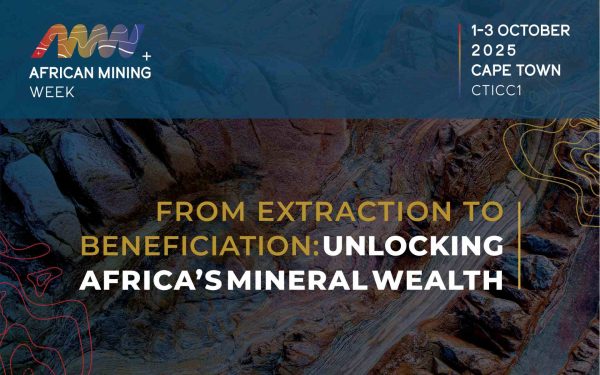
The upcoming African Mining Week (AMW), taking place in Cape Town this October, will spotlight mergers and acquisitions (M&A), offering African projects a platform to showcase opportunities and providing global investors the stage to present growth strategies for Africa's expanding mining sector.

Recent research by the Economist Intelligence Unit indicates that foreign investment in Africa's mining industry is poised for significant growth in 2025, building on strong momentum established in 2024. Several key transactions highlight this trend. Earlier this month, UK-based Altona Rare Earths finalized its acquisition of an 85% stake in Botswana's Sesana Copper-Silver Project from Ignate Minerals, committing significant capital to accelerate exploration and mine development. In December 2024, Australian mining firm Patriot Lithium acquired a 90% stake in Zambia's Kitumba Copper Large Scale Exploration License from Newlight Nominees Zambia, enabling increased funding for exploration and production activities. Similarly, in October 2024, Jubilee Metals, a UK-based company, acquired Project G, its second open-pit copper asset in Zambia, as part of a strategy to boost investments and raise copper output to 25,000 tons per year.

Recent M&A activity in Africa's mining sector is reshaping the industry, improving operational efficiencies and creating new pathways for innovation and technology transfer. For African nations, these investments bring new opportunities for job creation, infrastructure development and access to global markets, fueling economic growth. Additionally, the influx of foreign capital and expertise enhances local capabilities, enabling African countries to harness their natural resources more effectively while addressing challenges like underdeveloped supply chains and limited financing for exploration.

In South Africa, M&A activity reached $10 billion between June 2023 and 2024, with 32 deals closed, compared to 24 year-on-year, according to PwC. Among the notable deals, Kenya's Marula Mining secured a 51% stake in South Africa's Mansera Kruisrivier Cobalt Holding Company in July 2024, funding feasibility and aerial studies to advance the project. Meanwhile, China's Baowu Steel Group acquired stakes in Guinea's Simandou Project, the world's largest untapped iron ore deposit, in June 2024. In Mali, Ganfeng Lithium secured an operational stake in the Goulamina Lithium Mine in a $342.7-million deal with Australia's Leo Lithium in May 2024. The UAE-based International Resource Holdings also entered the market, acquiring Zambia's Mopani Copper Mines for $1.1 billion in May 2024, enhancing exploration and production capabilities at one of the country's largest copper facilities.

As African nations focus on boosting mineral production to drive economic growth, M&A activity is expected to intensify, with global partners seeking greater stakes in the continent's abundant resources. Against this backdrop, the upcoming AMW will play a crucial role in shaping Africa's M&A landscape by facilitating project showcases, fostering partnerships and advancing deal signings that will define the future of the mining sector.

African Mining Week serves as a premier platform for exploring the full spectrum of mining opportunities across Africa. The event is held alongside the African Energy Week: Invest in African Energy 2025 conference (https://AECWeek.com/) from October 1 -3. in Cape Town. Sponsors, exhibitors and delegates can learn more by contacting sales@energycapitalpower.com

Distributed by APO Group on behalf of Energy Capital & Power.

Media files
Energy Capital & Power
Download logo
Read moreM&As Reflect Growing Global Interest in African Mining
20 February 2025

Merck Foundation CEO Provides 194 Oncology Scholarships in Africa

Location: News
Merck Foundation

  • Merck Foundation marks World Cancer Day with African First Ladies by providing 194 scholarships of Oncology Training to African doctors from 32 countries. 
  • Merck Foundation together with Africa First Ladies and Ministries of Health has been building cancer care capacity and increasing the limited number of Oncologists in their countries by providing close to 200 Scholarships of One-, two- and three-years fellowship, diploma and Master Degree of oncology to African doctors from 32 Countries. 
  • Merck Foundation is making history in Africa by training the First African Oncologists and First Cancer Care Teams in Countries such as The Gambia, Sierra Leone, Burundi, Liberia, Guinea Conakry, Central African Republic, Chad, Burundi, Malawi, Niger, Namibia, Zambia, Zimbabwe and more. 

Merck Foundation (www.Merck-Foundation.com), the philanthropic arm of Merck KGaA Germany, marks ‘World Cancer Day 2025' together with Africa's First Ladies and Ministries of Health. Through their Cancer Access Program, Merck Foundation is is building quality and equitable cancer care capacity in Africa.  

Senator Dr. Rasha Kelej, the CEO of Merck Foundation, highlighted, “At Merck Foundation, we mark World Cancer Day not just as a single day, but as a our continued commitment to transform and advance cancer care in Africa.  

Together with my dear sisters, the Africa's First Ladies, we are have enhanced the cancer care capacity in the continent by providing 194 scholarships to young African doctors from 32 countries, significantly increasing the number of oncologists in Africa. We are making history together by providing these important scholarships for the first oncologists and /or the first cancer care teams in many countries across Africa.”  

Merck Foundation in total provided more than 2100 scholarships to doctors from over 52 countries in 44 critical and underserved medical specialties.  

The Merck Foundation Cancer Access Program provides One, two- and three-years fellowship, Post Graduate Diploma and Master Degree of oncology for doctors from Africa. The clinical training has been conducted in India, Egypt and Kenya. Additionaly, Merck Foundation also provides scholarships for 2 years online PG Diploma in Cancer and Clinical Oncology, 01 year online PG Diploma in Medical Oncology and 1 year online PG Diploma in Pain Management from reputed Universities in UK like University of South Wales, University of Buckingham, Queen Mary University of London, and Cardiff University. 

Merck Foundation is establishing Multidisciplinary Oncology Care teams in many African countries by providing scholarships of clinical training in Medical Oncology, Surgical Oncology, Pediatrics Oncology, Gynecology Oncology, Breast Oncology, Haemato-Oncology, Orthopaedic Oncology, Palliative Care, Pathology Oncology, Radiation Oncology, Research in Oncology, Surgical Oncology - Genital Urinary System, Advanced Cytopathology Training, Interventional Radiology, Radiation Technician, Laboratory Technician, Oncology Nursing. 

Merck Foundation through its Merck Foundation Cancer Access Program has provided 194 scholarships of Oncology to doctors from 32 countries including Botswana, Burkina Faso, Burundi, Cameroon, Central African Republic, Chad, Congo Brazzaville, Democratic Republic of the Congo, Ethiopia, Gabon, Gambia, Ghana, Guinea, Kenya, Liberia, Malawi, Mauritius, Mozambique, Namibia, Nepal, Niger, Nigeria, Rwanda, Sao Tome & Principe, Senegal, Sierra Leone, South Africa, Sri Lanka, Tanzania, Uganda, Zambia and Zimbabwe.  

“In several of these countries, there wasn't even a single oncologist. We are proud to be making history in Africa by training the first oncologists and establishing the first cancer care teams in nations such as The Gambia, Sierra Leone, Burundi, Liberia, Guinea Conakry, Central African Republic, Chad, and Niger. Merck Foundation remains committed to transforming the landscape of cancer care across the continent and leading Africa toward a healthier future,” explained Senator Dr. Rasha Kelej.  

Africa records around 1.1 million new cases of cancer, resulting in up to 700,000 deaths, every year, as per WHO data. The mortality rate of cancer patients is very high in Africa, as compared to the rest of the world.  

“One of the key reasons is also the late diagnosis of the disease. Therefore, these scholarships are very important” added Senator Kelej.  

Merck Foundation has also created awareness materials including awareness leaflets and videos on Cancer Prevention and Early Detection.  

Dr. Chifundo Kajombo, Merck Foundation Alumni from Malawi shares, “I am privileged to be awarded a scholarship by Merck Foundation to pursue the Surgical Oncology fellowship training program at Tata Memorial Hospital, India. I managed to advance from basic surgical oncology principles to the advanced level. This has helped me improve my understanding of cancer and operative principles. Since returning back home, I have managed to change the structure of how our breast clinic runs and modified it to incorporate a number of new things that we probably could not have possibly included. I am so proud to share that I have just been awarded the Best Surgeon for 2023 in Malawi. I would not have achieved this feat without Merck Foundation's scholarship. I am very thankful.” 

Watch testimonials videos of Merck Foundation Oncology Fellowship Alumni: https://apo-opa.co/4bab06Y

Distributed by APO Group on behalf of Merck Foundation.

Link of the extra posters: https://apo-opa.co/3X6RmD6

Contact details:
Mehak Handa
Community Awareness Program Manager
+91 9310087613 / +91 9319606669
mehak.handa@external.merckgroup.com

Join the conversation on our social media platforms below and let your voice be heard! 
Facebook: https://apo-opa.co/4k65XbW
X: https://apo-opa.co/43mGeGv
YouTube: https://apo-opa.co/3EVeWMS
Instagram: https://apo-opa.co/413ECyl
Threads: https://apo-opa.co/4gLTA1P
Flickr: https://apo-opa.co/4gSxZVs
Website: www.Merck-Foundation.com
Download the Merck Foundation App: https://apo-opa.co/413wo9z

About Merck Foundation:
The Merck Foundation, established in 2017, is the philanthropic arm of Merck KGaA Germany, aims to improve the health and wellbeing of people and advance their lives through science and technology. Our efforts are primarily focused on improving access to quality & equitable healthcare solutions in underserved communities, building healthcare & scientific research capacity, empowering girls in education and empowering people in STEM (Science, Technology, Engineering, and Mathematics) with a special focus on women and youth. All Merck Foundation press releases are distributed by e-mail at the same time they become available on the Merck Foundation Website.  Please visit www.Merck-Foundation.com to read more. Follow the social media of Merck Foundation: Facebook (https://apo-opa.co/4k65XbW), X (https://apo-opa.co/43mGeGv), Instagram (https://apo-opa.co/413ECyl), YouTube (https://apo-opa.co/3EVeWMS), Threads (https://apo-opa.co/4gLTA1P) and Flickr (https://apo-opa.co/4gSxZVs). 

The Merck Foundation is dedicated to improving social and health outcomes for communities in need. While it collaborates with various partners, including governments to achieve its humanitarian goals, the foundation remains strictly neutral in political matters. It does not engage in or support any political activities, elections, or regimes, focusing solely on its mission to elevate humanity and enhance well-being while maintaining a strict non-political stance in all of its endeavors. 

Media files
Merck Foundation
Download logo
Read moreMerck Foundation CEO Provides 194 Oncology Scholarships in Africa
19 February 2025

Civilians at Breaking Point in Eastern Democratic Republic of the Congo

Location: News

UN News
Download logo

As the Security Council prepared to gather on Wednesday to debate the international community's response to the growing emergency in eastern Democratic Republic of the Congo (DRC), the UN's top aid official there urged all warring parties to allow lifesaving relief supplies to reach the most vulnerable.

“The rapid and uninterrupted expansion of the conflict, particularly in South Kivu province, continues to inflict a heavy toll on the civilian population,” said UN humanitarian coordinator for DRC, Bruno Lemarquis. “The population can no longer continue to pay such a heavy price for a conflict that continues to spread and now threatens the stability of the entire region.”

The veteran aid official's appeal came as yet more vulnerable people reportedly fled combat zones amid advancing and heavily armed Rwanda-backed M23 rebels. On Sunday the opposition fighters took control of Bukavu - the second major eastern DRC city to fall, in a matter of weeks.

“It is imperative to put an end to the confrontations” and resume dialogue, Mr. Lemarquis insisted, as he echoed concerns stressed by the UN Secretary-General that the continuing M23 offensive threatens regional stability.

For aid teams who remain committed to helping vulnerable and hard-to-reach communities impacted by the fighting, Mr. Lemarquis signalled that the most urgent priorities include reopening airports for humanitarian flights in Goma – capital of North Kivu and Kavumu in South Kivu, both now controlled by M23.

‘Tense' situation in Bukavu

The security situation in Bukavu remains tense, according to the UN aid coordination office, OCHA, which also reported that commercial boats have resumed services on Lake Kivu between Bukavu and Goma.

Humanitarian partners have also reported widespread looting in various part of Bukavu over the weekend, including a UN World Food Programme warehouse containing 7,000 tonnes of supplies.

“Several churches and collective centres in Bukavu are reportedly hosting displaced people,” OCHA noted in an update, adding that humanitarian assessment activities resumed on Tuesday “and will continue tomorrow as conditions permit”.

In addition to the urgent need for humanitarian supply flights, the UN aid coordinator urged respect for international law regarding the rights of internally displaced people (IDPs). Just last week, relief agencies expressed concern at a 72-hour ultimatum issued by M23 representatives to IDPs in Goma who were told to go back to their villages.

“Any return can only take place on a voluntary basis, under safe, dignified and sustainable conditions, in accordance with international principles,” Mr. Lemarquis explained.

Neutrality at core of mission

The UN aid coordinator also insisted that relief teams' “sole mission” was to provide vital assistance and protection to the most vulnerable, “wherever they may be...This action is guided by the humanitarian principles of neutrality, impartiality, humanity, and independence, without taking sides or engaging in political considerations.”

The DRC emergency is one of the most complex humanitarian crises in the world; it follows decades of clashes between the Congolese armed forces and various non-State armed groups, widespread human rights violations and sexual violence.

Humanitarian needs are staggering and not just in eastern DRC, according to the UN refugee agency, UNHCR, which noted that seven million people within the country are displaced and more than one million have sought asylum beyond the country's borders.

Most of these refugees are hosted by Angola, Burundi, the Republic of the Congo, Malawi, Rwanda, South Africa, Uganda, Tanzania and Zambia. At the same time, the DRC – a country seven times the size of Germany – also hosts more than half a million refugees and asylum-seekers.

This latest crisis in DRC's east has already uprooted hundreds of thousands of vulnerable people in a matter of weeks. Between 10 and 15,000 people have now crossed into neighbouring Burundi in a matter of days.

“UNHCR urgently calls for increased support to assist refugees and prevent further suffering,” it said in an online appeal. “We also urge an immediate end to hostilities in eastern DRC to prevent more displacement and civilian harm.”

Distributed by APO Group on behalf of UN News.

Read moreCivilians at Breaking Point in Eastern Democratic Republic of the Congo
17 February 2025

South Africa elected chair of African Regional Labour Administration Centre Governing Council

Location: News

South Africa elected chair of African Regional Labour Administration Centre Governing Council

The Ministry of Employment and Labour has welcomed the election of South Africa as the chair of the African Regional Labour Administration Centre (ARLAC) Governing Council for the 2025-2027 term of office.

The Minister of Employment and Labour, Nomakhosazana Meth, will serve as the chair of the ARLAC Governing Council following the election of South Africa at the 51st Governing Council meeting held in Lusaka, Zambia, from 10 - 14 February 2025.

The Minister was represented at the summit by Deputy Minister Judith Nemadzinga-Tshabalala, who successfully led the South African delegation. 

The ARLAC is a regional institution with a mandate to strengthen labour administration systems in Africa through training, research and consultancy advisory services. It was established in 1974 by the International Labour Organisation and the United Nations Development Programme (UNDP).

“We welcome the election of South Africa by member countries and wish to thank the outgoing chair of the Governing Council, Minister E. Moyo from Zimbabwe, and wish him well in his endeavours. We wish to also extend sincere gratitude to the government of Zambia for their warm welcome and hospitality,” Meth said.

Vice-President Mutale Nalumango of the Republic of Zambia was the guest speaker during the meeting of the Governing Council, and she emphasised the importance of fair employment and tackling informal employment.

The Governing Council meeting was preceded by a High-Level Ministerial Symposium on 12 February 2025, which featured a presentation by the International Labour Organisation (ILO) under the theme: “Innovative Approaches to Tackling Informality and Promoting Transition towards Formality to Promote Decent Work”, which is linked to Sustainable Development Goal 8 (SDG8) on “Decent Work and Economic Growth”.

The meeting focused on the importance of formalising informal work and the need to establish a legislative and policy framework to ensure the realisation of decent work on the African continent.

South Africa will also serve alongside four vice-chairs: Sierra Leone, Malawi, Sudan, and Zimbabwe. 

Additionally, South Africa also serves in the Committee of Senior Officials, together with other officials from Zimbabwe, Sudan, Zambia, and Sierra Leone. The Committee is tasked with overseeing governance, policy implementation, and programming, and meets four times a year to report to the Governing Council.

The outcomes of 51st ARLAC Governing Council meeting and High-Level Ministerial Symposium reflect South Africa's continued commitment to promoting decent work, social dialogue, and regional cooperation within the ARLAC community.

The next Governing Council meeting is scheduled to take place on the sidelines of the International Labour Conference in Geneva, Switzerland, in June 2025.

“The Department of Employment and Labour welcomes the election of South Africa as chair of the ARLAC Governing Council, which is an important institution with a mandate to provide training for labour administrators; provision of consultancy and advisory service aimed at strengthening labour administration systems in member countries.

“This is a very proud moment for the country, as Minister Nomakhosazana Meth assumes the chair of the ARLAC Governing Council. Minister Meth thanked Deputy Minister Nemadzinga-Tshabalala for her outstanding work at the recent ARLAC Governing Council meeting,” the department said. – SAnews.gov.za

DikelediM
Mon, 02/17/2025 - 11:58
106 views

Read moreSouth Africa elected chair of African Regional Labour Administration Centre Governing Council
5 February 2025

Afreximbank Challenges Africa’s Miners to Take Bold Steps to Own the Continent’s Resources

Location: News
Afreximbank

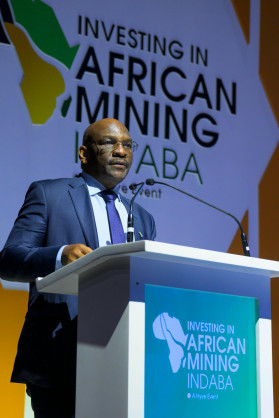
Africa must take bold steps to own its resources, create jobs and build industries that sustain prosperity for generations, African Export-Import Bank (Afreximbank) (www.Afreximbank.com) has told African leaders, policymakers, mining industry leaders and global partners at the African Mining Indaba 2025 in Cape Town, South Africa, on Sunday.

In a keynote address at the ministerial symposium of the Indaba, Mr. Denys Denya, Senior Executive Vice President of the Afreximbank Group, argued that the continent was standing at a crossroads and could either continue exporting its wealth and remain a marginal player in the global economy or take the bold steps to own its resources.

He noted that “While the global mining industry generated approximately US$1.7 trillion in revenue in 2023, Africa's share of this wealth remains disproportionately low. Our continent extracts the raw materials that power the world's industries, yet it is estimated that we retain as little as between four per cent and 20 per cent of the total value of our minerals due to minimal local processing and limited downstream development. The result? Lost economic opportunities, exposure to volatile commodity cycles and a persistent reliance on external markets for refined products derived from our own resources.” “The choice is ours. The time to act is now. Let us work together: governments, financial institutions, investors, and industry players to build an Africa where mining is not just about extraction but about transformation, innovation and wealth creation,” said Mr. Denya. “Africa has the resources, the market potential, and the policy frameworks to transition from a resource-dependent continent to an industrial powerhouse. However, success will depend on bold, decisive action from all stakeholders. Policymakers must implement clear, enforceable regulations that mandate local value addition and create investment-friendly environments. Private sector investors must step up with capital and technology to develop processing, refining, and manufacturing facilities.”

Reversing this trend demanded bold, coordinated action, he argued. “We must move beyond extraction and invest in refining, smelting and advanced manufacturing. African nations must increase local processing capacity for minerals such as bauxite, lithium, cobalt and iron ore.”

He added that regional collaboration was essential as no single country could build a mining value chain in isolation.

Mr. Denya highlighted the importance of the African Continental Free Trade Area (AfCFTA) in developing intra-African mineral value chains and strengthening cross-border collaboration and said that attracting capital for mining-related infrastructure, technology transfer and skills development were critical.

“Our mining policies must also prioritise environmental, social and governance standards, ensuring that mining benefits communities rather than displacing them,” he said, adding that the approach would create millions of skilled jobs for the youth and reduce reliance on volatile global markets while strengthening intra-African trade.

Reiterating Afreximbank's commitment to supporting Africa's mining sector and ensuring that mineral wealth drove economic growth rather than perpetuate resource dependency, Mr. Denya announced that, over the past three years, the Bank had approved more than US$1 billion in support of mining and mineral sector projects across the continent, including financing the development and construction of a bauxite processing plant in Guinea, supporting the expansion of a manganese processing plant in Gabon and providing working capital financing to a diamond company in Botswana.

Other major projects being supported by the Bank include a petrochemical fertilizer plant in Angola, a titanium dioxide pigment plant in South Africa and the feasibility study for the development of a limestone mine processing plant in Malawi, he added.

Mr. Denya said that the establishment of the US$10-billion AfCFTA Adjustment Fund, managed by FEDA, Afreximbank's impact investment subsidiary, would provide critical financial support to countries and businesses transitioning to the new trade regime, including those in the mining sector, and that the Bank's efforts to harmonise standards and implement the Africa Collaborative Transit Guarantee Scheme would also facilitate seamless movement of minerals and mining equipment across borders, reducing logistical bottlenecks.

Afreximbank was also leveraging digital platforms, such as the Africa Trade Gateway and the Pan-African Payment and Settlement System, to enable efficient transactions and market access, which would ensure that Africa's vast mineral wealth was utilised to drive industrialisation, value addition and economic resilience across the continent, he added.

Mr. Denya also noted that Afreximbank, in collaboration with development partners, was driving the development and expansion of industrial parks and special economic zones (SEZs) to address infrastructure challenges that hinder industrial growth.

One of the most transformative initiatives under that pillar was the DRC/Zambia Electric Vehicle Battery Manufacturing Special Economic Zones - a project that positions Africa at the centre of the global energy transition by the implementation of battery precursor SEZs aimed at making the two countries globally competitive investment destinations for the battery electric vehicle value chain.

The African Mining Indaba 2025, taking place from 3 to 6 February, is the premier gathering where Africa policymakers, industry leaders and global partners work to shape the future of the African mining sector.

Distributed by APO Group on behalf of Afreximbank.

Media Contact:
Vincent Musumba
Communications and Events Manager (Media Relations)
Email: press@afreximbank.com

Follow us on:
X: https://apo-opa.co/4116jsN 
Facebook: https://apo-opa.co/4aLcd4I 
LinkedIn: https://apo-opa.co/3Et8gFS 
Instagram: https://apo-opa.co/4aOinBd

About Afreximbank:
African Export-Import Bank (Afreximbank) is a Pan-African multilateral financial institution mandated to finance and promote intra-and extra-African trade. For 30 years, the Bank has been deploying innovative structures to deliver financing solutions that support the transformation of the structure of Africa's trade, accelerating industrialization and intra-regional trade, thereby boosting economic expansion in Africa. A stalwart supporter of the African Continental Free Trade Agreement (AfCFTA), Afreximbank has launched a Pan-African Payment and Settlement System (PAPSS) that was adopted by the African Union (AU) as the payment and settlement platform to underpin the implementation of the AfCFTA. Working with the AfCFTA Secretariat and the AU, the Bank is setting up a US$10 billion Adjustment Fund to support countries effectively participating in the AfCFTA. At the end of December 2023, Afreximbank's total assets and contingencies stood at over US$37.3 billion, and its shareholder funds amounted to US$6.1 billion. Afreximbank has investment grade ratings assigned by GCR (international scale) (A), Moody's (Baa1), Japan Credit Rating Agency (JCR) (A-) and Fitch (BBB). Afreximbank has evolved into a group entity comprising the Bank, its impact fund subsidiary called the Fund for Export Development Africa (FEDA), and its insurance management subsidiary, AfrexInsure (together, "the Group"). The Bank is headquartered in Cairo, Egypt.

For more information, visit: www.Afreximbank.com

Media files
Afreximbank
Download logo
Read moreAfreximbank Challenges Africa’s Miners to Take Bold Steps to Own the Continent’s Resources
3 February 2025

Merck Foundation and First Ladies of Africa Mark World Cancer Day 2025: 194 Oncology Scholarships Provided Across 32 African Countries

Location: News
Merck Foundation

  • Merck Foundation marks World Cancer Day with African First Ladies by providing 194 scholarships of Oncology Training to African doctors from 32 countries.
  • Merck Foundation together with Africa First Ladies and Ministries of Health has been building cancer care capacity and increasing the limited number of Oncologists in their countries by providing close to 200 Scholarships of One-, two- and three-years fellowship, diploma and Master Degree of oncology to African doctors from 32 Countries.
  • Merck Foundation is making history in Africa by training the First African Oncologists and First Cancer Care Teams in Countries such as The Gambia, Sierra Leone, Burundi, Liberia, Guinea Conakry, Central African Republic, Chad, Burundi, Malawi, Niger, Namibia, Zambia, Zimbabwe and more.

Merck Foundation (www.Merck-Foundation.com), the philanthropic arm of Merck KGaA Germany, marks ‘World Cancer Day 2025' together with Africa's First Ladies and Ministries of Health. Through their Cancer Access Program, Merck Foundation is building quality and equitable cancer care capacity in Africa.

Senator Dr. Rasha Kelej, the CEO of Merck Foundation, highlighted, “At Merck Foundation, we mark World Cancer Day not just as a single day, but as our continued commitment to transform and advance cancer care in Africa.

Together with my dear sisters, the Africa's First Ladies, we are have enhanced the cancer care capacity in the continent by providing 194 scholarships to young African doctors from 32 countries, significantly increasing the number of oncologists in Africa. We are making history together by providing these important scholarships for the first oncologists and /or the first cancer care teams in many countries across Africa.”  

Merck Foundation in total provided more than 2100 scholarships to doctors from over 52 countries in 44 critical and underserved medical specialties.

The Merck Foundation Cancer Access Program provides One, two- and three-years fellowship, Post Graduate Diploma and Master Degree of oncology for doctors from Africa. The clinical training has been conducted in India, Egypt and Kenya. Additionaly, Merck Foundation also provides scholarships for 2 years online PG Diploma in Cancer and Clinical Oncology, 01 year online PG Diploma in Medical Oncology and 1 year online PG Diploma in Pain Management from reputed Universities in UK like University of South Wales, University of Buckingham, Queen Mary University of London, and Cardiff University.

Merck Foundation is establishing Multidisciplinary Oncology Care teams in many African countries by providing scholarships of clinical training in Medical Oncology, Surgical Oncology, Pediatrics Oncology, Gynecology Oncology, Breast Oncology, Haemato-Oncology, Orthopaedic Oncology, Palliative Care, Pathology Oncology, Radiation Oncology, Research in Oncology, Surgical Oncology - Genital Urinary System, Advanced Cytopathology Training, Interventional Radiology, Radiation Technician, Laboratory Technician, Oncology Nursing.

Merck Foundation through its Merck Foundation Cancer Access Program has provided 194 scholarships of Oncology to doctors from 32 countries including Botswana, Burkina Faso, Burundi, Cameroon, Central African Republic, Chad, Congo Brazzaville, Democratic Republic of the Congo, Ethiopia, Gabon, Gambia, Ghana, Guinea, Kenya, Liberia, Malawi, Mauritius, Mozambique, Namibia, Nepal, Niger, Nigeria, Rwanda, Sao Tome & Principe, Senegal, Sierra Leone, South Africa, Sri Lanka, Tanzania, Uganda, Zambia and Zimbabwe.

“In several of these countries, there wasn't even a single oncologist. We are proud to be making history in Africa by training the first oncologists and establishing the first cancer care teams in nations such as The Gambia, Sierra Leone, Burundi, Liberia, Guinea Conakry, Central African Republic, Chad, and Niger. Merck Foundation remains committed to transforming the landscape of cancer care across the continent and leading Africa toward a healthier future,” explained Senator Dr. Rasha Kelej.

Africa records around 1.1 million new cases of cancer, resulting in up to 700,000 deaths, every year, as per WHO data. The mortality rate of cancer patients is very high in Africa, as compared to the rest of the world.

“One of the key reasons is also the late diagnosis of the disease. Therefore, these scholarships are very important” added Senator Kelej.

Merck Foundation has also created awareness materials including awareness leaflets and videos on Cancer Prevention and Early Detection.

Dr. Chifundo Kajombo, Merck Foundation Alumni from Malawi shares, “I am privileged to be awarded a scholarship by Merck Foundation to pursue the Surgical Oncology fellowship training program at Tata Memorial Hospital, India. I managed to advance from basic surgical oncology principles to the advanced level. This has helped me improve my understanding of cancer and operative principles. Since returning back home, I have managed to change the structure of how our breast clinic runs and modified it to incorporate a number of new things that we probably could not have possibly included. I am so proud to share that I have just been awarded the Best Surgeon for 2023 in Malawi. I would not have achieved this feat without Merck Foundation's scholarship. I am very thankful.”

Watch testimonials videos of Merck Foundation Oncology Fellowship Alumni: https://apo-opa.co/42ziwpY

Distributed by APO Group on behalf of Merck Foundation.

Contact details:
Mehak Handa
Community Awareness Program Manager
+91 9310087613 / +91 9319606669
mehak.handa@external.merckgroup.com

Join the conversation on our social media platforms below and let your voice be heard!
Facebook: https://apo-opa.co/3CxqKnW
X: https://apo-opa.co/3Q8rwL3
YouTube: https://apo-opa.co/42zjKl4
Instagram: https://apo-opa.co/42Hdtnk
Threads: https://apo-opa.co/40A5EwY
Flickr: https://apo-opa.co/40GOfmv
Website: www.Merck-Foundation.com
Download the Merck Foundation App: https://apo-opa.co/3Q0ZWPV

About Merck Foundation:
The Merck Foundation, established in 2017, is the philanthropic arm of Merck KGaA Germany, aims to improve the health and wellbeing of people and advance their lives through science and technology. Our efforts are primarily focused on improving access to quality & equitable healthcare solutions in underserved communities, building healthcare & scientific research capacity, empowering girls in education and empowering people in STEM (Science, Technology, Engineering, and Mathematics) with a special focus on women and youth. All Merck Foundation press releases are distributed by e-mail at the same time they become available on the Merck Foundation Website.  Please visit www.Merck-Foundation.com to read more. Follow the social media of Merck Foundation: Facebook (https://apo-opa.co/3CxqKnW), X (https://apo-opa.co/3Q8rwL3), Instagram (https://apo-opa.co/42Hdtnk), YouTube (https://apo-opa.co/42zjKl4), Threads (https://apo-opa.co/40A5EwY) and Flickr (https://apo-opa.co/40GOfmv).

The Merck Foundation is dedicated to improving social and health outcomes for communities in need. While it collaborates with various partners, including governments to achieve its humanitarian goals, the foundation remains strictly neutral in political matters. It does not engage in or support any political activities, elections, or regimes, focusing solely on its mission to elevate humanity and enhance well-being while maintaining a strict non-political stance in all of its endeavors.

Media files
Merck Foundation
Download logo
Read moreMerck Foundation and First Ladies of Africa Mark World Cancer Day 2025: 194 Oncology Scholarships Provided Across 32 African Countries
31 January 2025

AMW to Showcase Africa’s Rising Investment Potential in the Mining Sector

Location: News

Energy Capital & Power
Download logo

International investments in Africa's mining sector are surging as global demand for both traditional and emerging minerals continues to grow. For example, Australian mining firms saw their asset value in Africa reach $60 billion in 2024, while Canadian firms' assets climbed to $37 billion. China also launched an ambitious $50 billion, three-year investment strategy targeting increased stakes in Africa's most lucrative opportunities including in the mining sector.

The upcoming African Mining Week Summit, scheduled for October 1 - 3 in Cape Town, will highlight profitable opportunities within Africa's mining industry and reinforce the continent's attractiveness as an investment destination for global mining financiers.

Untapped Mineral Deposits

Africa's vast, untapped mineral resources present potential for new investments. The continent holds 30% of the world's critical minerals (https://apo-opa.co/3ClkUGd) essential for the energy transition, including the largest global reserves of cobalt (in the Democratic Republic of Congo) and over 80% of the world's platinum group metals in South Africa. The continent accounts for more than 44% of global diamond production, while its share of the gold market continues to grow, with markets such as Ghana, Mali and Zimbabwe ramping up production.

Supportive Policies and Investor-Friendly Terms

African governments are enhancing the investment climate within the mining industry by enacting new policies and modernizing fiscal terms to streamline processes and reduce delays in project rollouts. Zambia, for instance, introduced a New Mining Tax Regime in 2023, improving transparency and reducing tax evasion, as the country targets a copper production target of three million tons by 2032. Mali has also experienced increased investment flows following its 2023 Mining Code, with global players such as HummingGold, B2Gold and Ganfeng committing to new lithium and gold projects. Malawi has also taken steps to attract investments by launching its Mining Regulatory Authority in October 2024, supported by the Mines and Minerals Act of 2023.

Improved Mining and Export Infrastructure

African nations are enhancing cooperation with global partners to improve mining production and mineral transportation infrastructure. For example, investment firm Africa Finance Corporation has announced that the Zambia-Lobito Railway project will commence (https://apo-opa.co/3Q0RcJL) construction in early 2026, to facilitate the efficient and cost-effective transportation of critical minerals from East and Southern Africa to global markets. Upgrades to the Tanzania-Zambia Railway (https://apo-opa.co/3PXFeAE) and South Africa's modernization of ports through freight operator, Transnet, are further enhancing the region's mining investment prospects.

Rich Mining History

Africa's established history as a global mining hub has fostered the development of key infrastructure and a skilled workforce that international mining firms rely on to meet global mineral demand. Mining remains a cornerstone of many African economies, attracting both traditional and emerging players keen to expand their operations and leverage the continent's resources. With its rich deposits and ongoing improvements in policy and infrastructure, Africa maintains its position as a key investment destination for the global mining industry.

African Mining Week will serve as a premier platform for exploring the full spectrum of mining opportunities across Africa. The event is held alongside the African Energy Week: Invest in African Energy 2025 conference (https://apo-opa.co/4htJMdI) from October 1 -3. in Cape Town. Sponsors, exhibitors and delegates can learn more by contacting sales@energycapitalpower.com

Distributed by APO Group on behalf of Energy Capital & Power.

Read moreAMW to Showcase Africa’s Rising Investment Potential in the Mining Sector
28 January 2025

SA hosts global circular economy workshop

Location: News

SA hosts global circular economy workshop

Efforts to ensure that South Africa has a clean and healthy environment are under the spotlight at the 7th Global Forum of Cities for Circular Economy (GFCCE) workshop.

The two-day workshop, which is being hosted by the Department of Forestry, Fisheries and the Environment (DFFE) in Johannesburg -- in collaboration with the Centre for Science and Environment -- is aimed at enhancing South-South cooperation for improving the solid waste management ecosystem in the Global South, and building the capacity of nominated officials from 18 African nations.

The workshop, which concludes on Wednesday, is being attended by delegates from Botswana, Cameroon, Côte d’Ivoire, Ethiopia, Eswatini, Ghana, Kenya, Lesotho, Madagascar, Mozambique, Namibia, Rwanda, Senegal, South Africa, Tanzania, Uganda, Zambia and Zimbabwe.

Addressing the opening of the workshop, South Africa's Deputy Minister of Forestry, Fisheries and the Environment, Bernice Swarts, highlighted some of the measures government has adopted to bolster the circular economy, focusing on reusing and recycling materials to ensure a sustainable and secure supply of resources.

“South Africa has instituted various policy instruments and initiatives to advance sustainable development pathways, with circular economy principles firmly embedded in these strategies,” Swarts said on Tuesday. 

These policy instruments include the National Waste Management Strategy, Extended Producer Responsibility Regulations (EPR) for priority waste streams and other economic instruments that include fees, levies and taxes to incentivise or disincentivise behaviour change.

“Extended Producer Responsibility became necessary to be included in South Africa’s policy mix, given the increased generation of waste. EPR shifts seek to shift the responsibility for products from municipalities and consumers, to producers.

“South Africa is under immense pressure and the host city [of the workshop] - the City of Joburg - together with others - does not have sufficient landfill airspace. It is, therefore, necessary to utilise a policy mix to address resource efficiency. It is also necessary that cities are enabled to monitor resource use,” Swarts said.

The Deputy Minister noted that for meaningful progress to be made across the board, strong partnerships are needed.

"Collaboration between government and the private sector is paramount in realising the goals of the waste management hierarchy and facilitating our transition to a circular economy. 

“South Africa remains steadfast in its commitment to strengthening these partnerships and advancing the shared objectives of the GFCCE. This collaboration benefits our governments through reduced spending and creates green opportunities,” she said.

Since its establishment in 2021, the GFCCE has expanded to a community of 22 Member States, with 18 countries from Africa. This platform is dedicated to advancing circular economy principles in alignment with national policies and priorities. 

Cities account for 75% of natural resource consumption and 70% of global greenhouse gas emissions. 

Swarts said more people will continue to migrate to cities to seek better opportunities and it is necessary that cities become resilient in resource efficiency and reduce their environmental footprint. - SAnews.gov.za

nosihle
Tue, 01/28/2025 - 13:05

25 views
Read moreSA hosts global circular economy workshop
16 January 2025

Coca-Cola Beverages Africa Recognised as a Top Employer in Africa

Location: Business
Coca Cola Beverages Africa

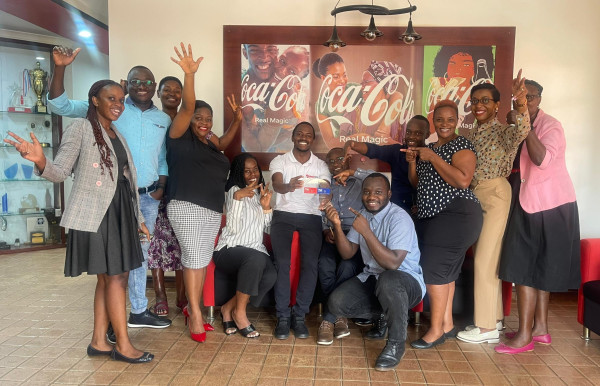
Coca-Cola Beverages Africa (CCBA) (www.CCBAGroup.com) has been certified as a Top Employer in Africa for 2025, based on the results of the Top Employers Institute's HR Best Practices Survey.  

CCBA was certified as a Top Employer in Africa, and its operations in Ethiopia, South Africa, Tanzania and Uganda achieved this accolade at country level.  

“We have a people-first culture that ensures unparalleled professional development for our valued employees,” said CCBA Chief People and Culture Officer Natasa Prodanovic. 

“Our aim is to nurture potential, attract and retain high-performing talent, and invest in growth. 

“CCBA's continued market success and status as the largest bottler of beloved Coca-Cola brands on the continent are other key differentiators. 

“We empower individuals to thrive and our certification as a Top Employer reflects the strength of our commitment to being an employer of choice for professionals with a desire to learn and grow. 

“Our people are driven to make an impact, are passionate about learning and committed to caring for others. 

“Congratulations to our leaders and colleagues, and thank you for making this recognition possible,” Prodanovic concluded.  

Distributed by APO Group on behalf of Coca Cola Beverages Africa.

ISSUED BY: 
Wendy Thole-Muir 
Head: Reputation and Communication  
Coca-Cola Beverages Africa  
Tel: +27 83 795 8524 
Email: WThole-Muir@ccbagroup.com 

Follow us on:
LinkedIn : https://apo-opa.co/4jfwP95

ABOUT CCBA:
CCBA is the 8th largest Coca-Cola bottling partner in the world by revenue, and the largest on the continent. It accounts for over 40% of all Coca-Cola products sold in Africa by volume. With over 18,000 employees in Africa, CCBA services more than 720,000 customers with a host of international and local brands. The group was formed in July 2016 after the successful combination of the southern and east Africa bottling operations of the non-alcoholic ready-to-drink beverages businesses of The Coca-Cola Company, SABMiller plc and Gutsche Family Investments. CCBA shareholders are currently: The Coca-Cola Company 66.5% and Gutsche Family Investments 33.5%. CCBA operates in 15 countries, including its six key markets of South Africa, Kenya, Ethiopia, Uganda, Mozambique and Namibia, as well as Tanzania, Botswana, Ghana, Zambia, the islands of Comoros and Mayotte, Eswatini, Lesotho, and Malawi.  

Learn more at  https://www.CCBAGroup.com 

Media files
Coca Cola Beverages Africa
Download logo
Read moreCoca-Cola Beverages Africa Recognised as a Top Employer in Africa
16 January 2025

RMB, TDB and AFC to Spotlight Innovative Energy Financing Solutions at IAE 2025

Location: Business
Energy Capital & Power

Top financial leaders in Africa's oil, gas and energy sectors will take center stage at the Invest in African Energy (IAE) 2025 Forum (www.Invest-Africa-Energy.com/) in Paris, offering strategic insights on funding opportunities and the pivotal role of finance in advancing the continent's energy transition. Scheduled for May 13-14, 2025, the event will explore investment strategies, emerging market dynamics and financing solutions needed to unlock Africa's vast energy potential. Featured speakers include:

  • Liz Williamson, Head of Energy Corporate Finance, Rand Merchant Bank
  • Admassu Tadesse, Group President & Managing Director, Trade Development Bank
  • Taiwo Okwor, Vice President, Investment, Africa Finance Corporation 

Rand Merchant Bank (RMB) continues to play a key role in financing energy and infrastructure projects across Africa, supporting the continent's energy transition. In partnership with the European Investment Bank, RMB's holding company, FirstRand Bank, recently launched a €400 million initiative to expand renewable energy projects in South Africa, enhancing clean energy supply, reducing carbon emissions and creating jobs.

IAE 2025 (https://apo-opa.co/3C1xE4G) is an exclusive forum designed to facilitate investment between African energy markets and global investors. Taking place May 13-14, 2025 in Paris, the event offers delegates two days of intensive engagement with industry experts, project developers, investors and policymakers. For more information, please visit www.Invest-Africa-Energy.com. To sponsor or participate as a delegate, please contact sales@energycapitalpower.com.

 The Trade and Development Bank (TDB) has spearheaded numerous high-impact financing projects that strengthen energy infrastructure and promote sustainability across Africa. Notable initiatives include a $150 million Trade Finance Risk Participation Agreement with the African Development Bank to boost intra-African trade and regional integration, expected to support $1.8 billion in trade over three years. Additionally, TDB secured a $100 million facility from British International Investment to finance essential imports and exports for African markets.

Africa Finance Corporation (AFC) remains at the forefront of large-scale infrastructure financing, focusing on critical energy projects that support the transition to cleaner energy sources. Earlier this month, the AFC announced plans to invest over $3 billion in 2025, with priority initiatives including a transnational railway connecting Zambia's mines to Angola's Port of Lobito, as well as investments in renewable energy, electrification, agriculture and eco-tourism to boost regional development. The upcoming forum is set to explore how Africa's energy market is evolving and the innovative financing solutions required to support large-scale energy projects, especially in the oil and gas sector.

Distributed by APO Group on behalf of Energy Capital & Power.

Media files
Energy Capital & Power
Download logo
Read moreRMB, TDB and AFC to Spotlight Innovative Energy Financing Solutions at IAE 2025
13 January 2025

Mukuru Launches Mobile Wallet in Zimbabwe to Bolster Financial Inclusion

Location: News
MukuruNext-generation financial services platform Mukuru (www.Mukuru.com) has launched a mobile wallet in Zimbabwe called Mukuru Wallet. The secure digital store of value follows Mukuru's award of a Deposit-Taking Microfinance Institution (DTMFI) licence in Zimbabwe by the Reserve Bank of Zimbabwe.

Building on Mukuru's trusted capabilities, which support more than three-million Zimbabwean customers, the wallet has several benefits, including its standout features: two pockets that allow users to send and receive money locally and internationally from mobile phones, safe storage of funds as well as a free cashout on international transfers.

Marc Carrie-Wilson, Send Money Home Zimbabwe CEO says: “The Mukuru Wallet is a significant development in the country because we have built a reputable brand by consistently ensuring cash availability when needed. To avoid disappointing people who travel long distances to receive their remittances which they use for food, school fees and other essential services, we now have 250 of our own service points. With a network stretching across urban and rural areas, we can reach more people than ever, providing constant cash availability and valuable digital solutions, such as the Mukuru Wallet, to the underserved communities.”

Mukuru Zimbabwe Financial Services CEO, Doug Tait-Knight, says: “Mukuru takes its role as a fintech driving financial inclusion seriously. With this wallet, we tap into our strength which lies in our robust network and technology, as well as our crispy notes that are always available, making this an exciting moment in our evolution in Zimbabwe.

“The wallet environment enables us to start providing additional value such as allowing more affordable domestic money transfers, supporting safety by eliminating the need for customers to walk around with large sums of money, and providing convenience and cost savings, such as paying for electricity, buying airtime, settling DSTV bills and paying for insurance from their couch. Our use of multiple channels also ensures accessibility for our customers,” explains Tait-Knight.

While currently focusing on private end users, soon organisations will be able to partner with Mukuru to make use of its local capabilities and global footprint to facilitate payments, such as distributing money to farmers, supporting payroll for small businesses and securing traceable aid distributions. Various organisations such as Cottco and the United Nations, through the World Food Programme, and the United Nations Children's Fund (UNICEF) already partner with Mukuru.

Kevin Nyakotyo, Mukuru's Enterprise Sales Manager for Zimbabwe and Zambia, added, “Our success in the end-user sector has enabled us to set in motion plans to enter the business sector. Whether it is for tobacco or cotton, payments made to farmers are often large sums of money. The Mukuru Wallet will make receiving these large sums of money far safer because beneficiaries won't need to draw all their cash at the same time.

“We have a mandate to educate the market based on trends we see, and with this wallet, we are reaching out to both organisations and individuals and giving them peace of mind to know their funds will be safe and can be collected at any time. They can draw an amount that suits them with full confidence the cash will be available wherever they are, whenever they need it,” says Nyakotyo.

Distributed by APO Group on behalf of Mukuru.

Notes to Editor: 
Mukuru is a leading next generation financial services platform in Southern Africa that offers affordable and reliable financial services to a customer base of over 17 million+  across Africa, Asia and Europe.

With over 100 million transactions to date, our core was built providing international money transfers and from this base, we've developed a set of services to address the broader financial needs of our customers. We now operate in over 60 countries and across over 500 remittance corridors.

We are a business that puts the customer at the centre of everything we do, and for that reason, we serve clients across physical and digital channels, by various payment methods (cash, card, wallet) as well as a range of engagement platforms including WhatsApp, USSD, contact centre, App, website, agents and a branch and booth network.

Mukuru has, for the fifth consecutive year, been listed as one of the top 100 Cross Border Payments businesses in the world in the 2024 FXC Intelligence Top 100 Cross-Border Payment Companies (https://apo-opa.co/3PCjAkY), one of only six African companies to receive this accolade.

In 2023, Mukuru officially ranked sixth on the LinkedIn Top Companies List in South Africa.

Mukuru was celebrated for innovation and excellence at the 2023 Africa Tech Festival Awards, receiving the Fintech Innovation of the Year Award - an acknowledgment of the transformative power of financial technology in driving economic growth, financial inclusion, and digital transformation. Visit www.Mukuru.com to learn more.

Media Enquiries:
Ammaarah Kootbodien
ammaarah@duomarketing.co.za
(+27) 071 529 6449

Kgomotso Hlakudi 
kgomotso.hlakudi@mukuru.com
(+27) 073 333 1672

Mthokozisi Dube
mtho.dube@lalataucomms.co.za
(+27) 81 790 2070

Media files
Mukuru
Download logo
Read moreMukuru Launches Mobile Wallet in Zimbabwe to Bolster Financial Inclusion
27 December 2024

Mozambique Prepares to Tap into Liquefied Natural Gas (LNG) Potential

Location: Business
African Energy Chamber

With plans underway to restart construction of the delayed $20 billion Mozambique LNG project, which promises to produce 13.1 million tonnes of LNG per year for domestic use, it has never been more important to prioritise peace and stability in Mozambique. Following the 2024 general elections, violence during protests has rocked the country, leading to unrest and instability. As the voice of Africa's energy sector and an advocate for Mozambican prosperity, the African Energy Chamber (AEC) (www.EnergyChamber.org) fully supports the country's government and calls for peace, stability and sustainable development as Mozambique enters a new era of energy growth.

Since the discovery of significant natural gas deposits off Mozambique's northern coast in 2010, expectations for the country's economic prosperity have soared. An IMF report predicted $500 billion in total revenues by 2045 and average annual real GDP growth of 24% from LNG exports between 2021 and next year. Energy majors TotalEnergies, ExxonMobil and Eni are developing integrated LNG projects, while new upstream companies are entering the market and gas-to-power projects are nearing completion.

Projects such as Coral Sul LNG, the Rovuma LNG facility and the Temane gas-to-power plant have the potential to attract billions of dollars in investment and revenues while providing stable energy to over 2 million homes by 2030. These developments represent not only a success story for international investors, but also a success story for Mozambique. The country is positioned as one of the most dynamic gas markets on the African continent, with offshore reserves that could push it into the world's top ten producers, accounting for up to 20% of African production by 2040.

Geopolitically, these industrialization efforts could benefit the Southern African region as a whole and transform the country into an energy hub for neighboring countries such as Zimbabwe, Tanzania, Zambia, Malawi, Swaziland, and South Africa. In addition, a 2,700 km coastline along the Indian Ocean makes Mozambique a gateway for ships crossing the hemisphere, allowing it to specialize in efficient and global energy production while diversifying access to quality goods at low prices from markets in Asia, India, Europe, and America.

For Mozambique to realise its immense potential, however, it is essential that the country remains firmly committed to political stability and sustainable development. A peaceful and stable environment is the foundation on which the international community can confidently build long-term partnerships, ensuring that the immense opportunities presented by the development of its natural resources translate into tangible benefits for all. Mozambique's journey to becoming a leading energy producer is intimately linked to its ability to promote unity, security and democratic principles. A sustained commitment to peace will not only reassure international investors, but will also strengthen the country in a way that drives broad-based prosperity for its people and solidifies its role as a key player in Africa's energy future.

“Peace and stability are essential for Mozambique to unlock its immense economic potential. As the country emerges as a global energy hub, the confidence of the international community rests on a unified and secure nation. A commitment to peace will not only ensure the success of the multi-billion dollar energy projects, but will also ensure long-term prosperity, driving sustainable growth for Mozambique and the entire Southern African region. To achieve this, the government must find common ground and reach agreements that translate into long-term benefits for all the people of the country,” said NJ Ayuk, Executive Chairman of the AEC.

In the interest of Mozambique's prosperity, social well-being and economic development, the AEC calls on the government and opposition to strike a balance and commit to post-colonial and post-conflict stability. Mozambique is at a crossroads: one path leads to increased instability, while the other has the potential to transform the country into a trusted partner in the global energy community.

Distributed by APO Group on behalf of African Energy Chamber.

Media files
African Energy Chamber
Download logo
Read moreMozambique Prepares to Tap into Liquefied Natural Gas (LNG) Potential
13 December 2024

African Development Bank Celebrates 60 Years of Transformative Impact in Africa Southern Region

Location: News
African Development Bank Group (AfDB)

The African Development Bank (AfDB) (www.AfDB.org) proudly celebrates its Diamond Jubilee, marking 60 years of driving social and economic transformation across the African continent. The Southern African regional celebration, held in Johannesburg, brought together leaders, stakeholders, and partners to reflect on the institution's remarkable journey and its vision for a prosperous future.

Speaking at the event, Ms Leila Farah Mokaddem, Director General of the African Development Bank Group, highlighted the Bank's legacy of impact and transformation. "Sixty years ago, the African Development Bank was born out of a vision for a better Africa. Today, we celebrate not just numbers but the lives transformed and communities uplifted through our work," she said.

Key Achievements in Southern Africa

With an active portfolio of 226 projects worth USD 11 billion, the Bank's unwavering commitment to fostering sustainable growth and integration in Southern Africa is evident. Notable achievements include:

  • SADC Sub-Regional Transport and Facilitation Project: A USD 231.3 million investment connecting Malawi and Mozambique, fostering trade, and mitigating regional fragility.
  • Lesotho Highlands Water Project: A USD 2.1 billion initiative enhancing water transfer and hydroelectric power, essential for energy security.
  • Kazungula Bridge Project: A USD 81.6 million investment strengthening connectivity between Zambia and Botswana along the North-South Corridor.
  • Support for Transnet: A recent USD 1 billion sovereign-guaranteed corporate loan to aid South Africa's freight transport recovery and growth.

The celebration also underscored the deep partnership between the Bank and the Government of South Africa. Honourable Minister Enoch Godongwana shared his reflections on this enduring collaboration:

"The Government of the Republic of South Africa celebrates this significant milestone with the African Development Bank. Our region, and indeed South Africa, continues to enjoy a fruitful partnership with the Bank as we work together toward a shared goal of creating a better Africa for future generations.

As we gather to celebrate the many achievements of our collaborative efforts, we also recognise the need to continue advancing Africa's development agenda. This milestone energises us and strengthens our commitment to a shared vision for the next 60 years!"

Looking Ahead: A Vision for the Future

As the Bank embarks on its new Ten-Year Strategy, it prioritises integrated regional projects and climate resilience. Projects like the Lobito Rail Integrated Corridor, connecting Angola, DRC, and Zambia, promise to drive economic growth, agriculture value chains and renewable energy investments.

"Our work is far from over," Ms Mokaddem noted. "We invite all partners—governments, private sector actors, and international institutions—to join us in building a more inclusive and sustainable Africa. Together, we can address climate-related challenges and mobilise resources to ensure no one is left behind."

A Commitment to Africa's Development

Under the leadership of President Dr Akinwumi A. Adesina, the Bank has maintained its AAA rating and authorised capital of USD 318 billion, with nearly 2,000 staff serving all 54 African countries. The institution continues to champion its “High 5s” priorities: lighting up and powering Africa, feeding Africa, industrialising Africa, integrating Africa, and improving the quality of life for the people of Africa.

The 60th-anniversary celebrations are a testament to the Bank's resilience and the enduring support of its partners. The African Development Bank remains steadfast in its mission to transform lives and catalyse growth across the continent.

To view our anniversary video that encapsulates these achievements and our vision for the future, please click here: Anniversary Video (https://apo-opa.co/4g8Y2s3).

Distributed by APO Group on behalf of African Development Bank Group (AfDB).

Media contact:
Natalie Naudé,
Communication and External Relations Department
n.naude@afdb.org

Join the Conversation:
#AfDB60 #AfricaRising #EconomicTransformation #MakingADifference

About the African Development Bank Group:
The African Development Bank Group (AfDB) is the premier multilateral financing institution dedicated to Africa's development. It comprises three distinct entities: the African Development Bank (AfDB), the African Development Fund (ADF) and the Nigeria Trust Fund (NSF). The AfDB has a field presence in 41 African countries, with an external office in Japan, and contributes to the economic development and social progress of its 54 regional member states. For more information: www.AfDB.org

Media files
African Development Bank Group (AfDB)
Download logo
Read moreAfrican Development Bank Celebrates 60 Years of Transformative Impact in Africa Southern Region
12 December 2024

Reconciliation Day: Reflecting on the past, building a united future

Location: News

Reconciliation Day: Reflecting on the past, building a united future

By Nomonde Mnukwa

The act of forgiveness and reconciliation has been central to the story of South Africa since 1994.  Reconciliation Day came into effect in 1994 and was intended to help build a united and prosperous South Africa. This day and in subsequent years, Reconciliation Month has become synonymous with our drive to nurture and entrench new values in our society.


The annual commemoration of Reconciliation Day allows us to reflect on the many positive strides we have made since 1994, while acknowledging that much work remains.  Even now 30 years into democracy the lives of many continue to be shaped by the circumstances of their birth. We cannot accept this reality as a nation, and we must therefore all do more to address the untold damage wrought by apartheid and colonialism.


If we don’t act and find ways to work together our future will continue to be shaped by our ugly past. National Reconciliation Day is therefore of even greater importance today and can serve as a springboard to build a more cohesive and united society. 


This year Reconciliation Month is being held under the theme “Healing Historical Wounds and Forging New Futures”. The theme serves as a reminder that reconciliation is not about forgetting or ignoring our painful past. Rather, it is about talking openly about what happened in our past and to learn from it so that we can build a country that works for everyone and not just a few. By learning from the past we can begin to imagine a future where all citizens are valued and have equal opportunities to develop and thrive.


This year’s reconciliation month focuses on collective efforts of government and the people in advancing reconciliation, nation-building, social cohesion, healing and forgiveness. It also takes place three months after we received 35 human remains of South Africans who were buried while in exile in Zimbabwe and Zambia. The next phase of the project will focus on the repatriation of the remains of South Africans buried in Angola. 


This initiative is crucial for national healing and reconciliation, allowing families to find closure and honour the memory of those who fought for freedom and justice. Moreover, this project is part of our commitment to honour and restore the legacy of those who sacrificed their lives for the country's freedom. 


As we commemorate reconciliation month, we also pay tribute to our many freedom fighters and others who sacrificed their lives for us to get freedom and democracy. Their long walk has brought us this far; now it’s time for this generation to stand up and lead. 


Young people should work with government in building a South Africa in which all people are free, equal and are included in the economy. Our reconciliation should be linked to transforming our society by broadening the participation of all South Africans in the development of the country.

While progress has been made in our journey of reconciliation over the years, more still needs to be done especially to grow the economy at a higher rate to create more jobs. 


We are hopeful that the foundation we have set over the past 30 years will enable us to move faster in improving the lives of people and in helping to heal the divisions of the past.


*Mnukwa is the Acting Director-General of the Government Communication and Information System (GCIS).

Matona
Thu, 12/12/2024 - 13:26

84 views
Read moreReconciliation Day: Reflecting on the past, building a united future
9 December 2024

African Development Bank Accelerates Private Sector Support With Initial Disbursement of $1 Billion Loan to Transnet

Location: Business
African Development Bank Group (AfDB)

The African Development Bank (www.AfDB.org) has released the first tranche of its $1 billion loan to Transnet, the South African state-owned conglomerate managing the country's ports, railways and pipelines. This disbursement is the first in a series of four tranches planned for an unparalleled financing arrangement to support Transnet's business's recovery plan.  

Approved by the Bank's Board of Directors five months ago, this funding underpins a recovery plan to address pressing operational challenges of the company, while bolstering South Africa's critical infrastructure. 

The funding will allow Transnet to commence the first phase of its ambitious ZAR 152.8 billion (USD 8.1 billion) five-year investment plan to upgrade existing infrastructure while enhancing key logistic chain segments.  

“This swift disbursement shows the Bank's commitment to the private sector in Africa, which is essential for supporting sustainable economic growth,” said Solomon Quaynor, Vice President for Private Sector, Infrastructure and Industrialization at the African Development Bank Group, speaking on the sidelines of the Africa Investment Forum 2024 Market Days in Rabat, Morocco.  

The efficiency of the disbursement reflects Transnet's fulfilment of the Bank's rigorous requirements for governance, the environmental stewardship, and social responsibility. Following the September 2023 signing of the loan agreement between Transnet and the African Development Bank in Johannesburg, the Bank committed to supporting Transnet's recovery plan with targeted financing. 

Transnet has faced significant operational hurdles for several years, including under-investment, equipment theft, vandalism, flooding and the long-lasting impacts of  the Covid-19 pandemic. In response, the company has restructured and embarked on internal reforms to improve efficiency and management while committing to decarbonization and carbon footprint reduction initiatives. 

The African Development Bank commended the South African government's dedication to restructuring Transnet and enhancing governance in the transport sector. Transnet has notably improved governance practices, particularly in tendering procedures and financial management, as part of its broader reform efforts. 

With over 30,000 kilometres of railway infrastructure -- the largest in any emerging economy -- Transnet plays a vital role in regional. Its railway network links South Africa's ports with key regional partners, including Botswana, Zambia, Zimbabwe and the Democratic Republic of Congo, and supports operations at Durban, the fourth-largest container terminal in the southern hemisphere. 

The African Development Bank's support for Transnet is therefore crucial for improving South Africa's competitiveness and strengthening the continent's economic integration, while responding to the challenges of the logistics sector, which is vital for Africa's development.  

With this disbursement, the African Development Bank has once again demonstrated its agility in the financial support it provides to the African private sector. 

Distributed by APO Group on behalf of African Development Bank Group (AfDB).

Media Contact: 
Romaric Ollo Hien 
Communication and External Relations Department
media@afdb.org 

Media files
African Development Bank Group (AfDB)
Download logo
Read moreAfrican Development Bank Accelerates Private Sector Support With Initial Disbursement of $1 Billion Loan to Transnet
28 November 2024

MSF to roll out injectable HIV prevention drug in southern Africa

Location: News

Médecins sans frontières (MSF)
Download logo

As World AIDS Day approaches on December 1, Doctors Without Borders/Médecins Sans Frontières (MSF) is preparing to roll out long-acting cabotegravir (CAB-LA) for pre-exposure prophylaxis (PrEP) in its projects in southern Africa. CAB-LA, administered as an injection every two months, has been described as a potential game changer in the fight against HIV/AIDS and is one of the closest medical tools that exist to an HIV vaccine. 

PrEP is a medicine that's taken continuously or before a situation where someone is at high risk of contracting HIV and can help prevent them from getting infected, protecting the individual and curbing the spread of the virus.

“My excitement stems from the fact that CAB-LA, administered every two months, has been shown to be more effective than oral PrEP in reducing new HIV infections,” said Dr. Antonio Flores, an MSF HIV/TB advisor based in South Africa. “With no HIV vaccine or cure in sight, CAB-LA and other long-acting formulations can be a gamechanger in curbing the HIV epidemic if scaled up globally, especially in low- and middle-income countries, particularly among groups at higher risk of acquiring HIV.”

In Africa, four countries started offering CAB-LA in 2024: Zimbabwe, Malawi, Zambia, and eSwatini. South Africa is scheduled to receive a portion of the 231,000 doses of CAB-LA from the President's Emergency Plan for AIDS Relief (PEPFAR) before the end of the year. The remaining PEPFAR doses will be released over the next two years. After long negotiations with ViiV, the sole manufacturer of CAB-LA, MSF successfully secured a limited number of doses, which are expected to be administered in its projects in Zimbabwe, Mozambique, Malawi, and eSwatini later this year.

CAB-LA is more discreet than the once-daily oral PrEP pill and could encourage adherence to this form of prevention. Discretion can be especially important for key and vulnerable populations at risk of HIV, like girls and women, sex workers, and men who have sex with men. Another long-acting option, lenacapavir made by Gilead, can be administered every six months and is expected to expand prevention choices in the coming years.

“The launch of CAB-LA will be a great benefit to our patients and the people of Zimbabwe since it is expected to be an excellent method to increase PrEP uptake among at-risk populations,” said Dr. Gerald Hangaika from MSF's Mbare project in Zimbabwe. “In addition to offering an even better level of protection than oral PrEP, the injection every two months reduces the burden of adherence by doing away with the requirement to take oral tablets every day and the need to store a container of tablets, which enhances privacy. The triad of ‘privacy, convenience, and effectiveness' are key elements considered by most patients.”

CAB-LA was recommended for HIV prevention by the World Health Organization (WHO) in July 2022 as there are an estimated 1.3 million new HIV infections per year. However, ViiV distributed only enough CAB-LA for prevention for approximately 13,000 people in 2023—almost 70 percent of which was sold in high-income countries. For governments and countries to be able to roll out this lifesaving intervention at the scale needed, pharmaceutical companies like ViiV must adequately supply long-acting formulations, ensure affordable pricing for low- and middle-income countries, and support generic manufacturers that want to help boost the global supply of these lifesaving medicines.

“We see many vulnerable populations in conflict and unstable contexts that could definitely benefit from CAB-LA,” Dr. Antonio Flores said. “We are determined to bring this game-changing injection to these settings as well. We hope that ViiV can provide adequate supply.”

To prepare for the roll-out, MSF hosted a four-day training for clinicians, nurses, and future CAB-LA implementers. The training aimed to equip MSF medical staff with the latest knowledge, skills, and strategies to effectively lead and coordinate the roll-out of CAB-LA in MSF projects, thereby enhancing HIV prevention efforts and improving health outcomes in high-risk populations. The training covered topics such as the basics of CAB-LA, clinical eligibility, management of side effects, and PrEP counselling, education, and promotion, among other key topics.

While HIV infections have decreased by approximately 60 percent since the peak in 1995, new infections continue to emerge, particularly among women and girls in Africa. MSF has played a major role in responding to HIV/AIDS worldwide since the mid-90s, implementing prevention and treatment programs, employing innovative solutions to simplify care, and advocating with affected communities and civil society partners for equitable access to HIV medicines like antiretrovirals.

Distributed by APO Group on behalf of Médecins sans frontières (MSF).

Read moreMSF to roll out injectable HIV prevention drug in southern Africa
22 November 2024

Africa Celebrates Ranger Heroes at the 2024 African Conservation Awards

Location: News
Game Rangers Association of Africa

The 2024 African Conservation Awards, hosted by the Game Rangers' Association of Africa (GRAA) (www.GameRanger.org) is an opportunity to celebrate just some of the outstanding work by African conservationists. It is the GRAA's privilege to be able to showcase the exceptional contributions to protecting Africa's natural heritage. In 2024, the GRAA modified categories in this prestigious event to ensure Marine Rangers are also recognised and celebrated.

These awards continue to remind us of our responsibility to rangers working across Africa, many of whom are working in challenging environments with a lack of resources. Every organisation and individual nominated for these awards has displayed remarkable resilience and determination, despite their overwhelming odds and have remained steadfast in their dedication to achieving their conservation goals, inspiring us all with their unwavering commitment. Rangers should be acknowledged and celebrated.

The Winners for the 2024 African Conservation Awards are:

Best Field Ranger

Winner: Modiki Claver, Ranger Team Leader, Dzanga Sangha Protected Areas, Central African Republic (CAR)

Modiki Claver, the Team Leader of Dzanga Sangha Protected Area's law enforcement section in CAR, has risen from starting as a porter in 2010 to becoming the top team leader in the landscape. Leading a team of seven rangers across the Congo Basin, including parts of Noubale-Ndoki National Park and Lobeke National Park, Claver exemplifies leadership by dismantling snares, seizing weapons, and making arrests. He has significantly contributed to scientific research, including tracking elephant populations, assessing the impact of logging, and monitoring illegal hunting activities. Beyond his law enforcement duties, Claver has fostered strong relationships with local communities and youth, guiding them toward conservation careers. During the 2013 military-political unrest, he demonstrated exceptional courage by covertly tracking rebel movements and providing critical information to protect wildlife. Known for his field skills, ethical leadership, and commitment to the rights of indigenous people, Claver is an inspiring role model in conservation.

1st Runner Up: Sekibibi Bareke Désiré, Central Sector Manager, Virunga National Park, Democratic Republic of Congo (DRC)

2nd Runner Up: Jean Claude Kyungu, Former Head Ranger Maiko National Park, DRC

Best Marine Ranger

Winner: Chanel Hauvette, Senior Marine Field Ranger, Robberg Nature Reserve and Marine Protected Area and Keurbooms River Nature Reserve, South Africa

Chanel Hauvette is a Senior Marine Field Ranger who demonstrates extraordinary dedication to marine conservation, leading stranding responses, law enforcement, biodiversity monitoring, and community engagement across Robberg Nature Reserve and Marine Protected Area. As coordinator of the Plett Stranding Network, she manages hundreds of annual strandings, from seals and birds to endangered turtles, often stabilizing animals at her own home. Despite challenges like limited resources and transportation, Chanel forges strong partnerships with local businesses, NGOs, and residents to secure support. Her leadership, innovative protocols, and passion for conservation inspire her team, educate communities, and ensure the protection of marine biodiversity.

1st Runner Up: Emily Nyevu Simba, Ranger Corporal, Watamu Marine Protected Area, Kenya

2nd Runner Up: Clive Hendricks, Section Ranger, Addo Elephant National Park - Marine Section, South Africa

Best Ranger Team

Winner: South Luangwa Rapid Response Unit for Human-Wildlife Conflict, South Luangwa National Park, Zambia

The South Luangwa Rapid Response Unit for Human-Wildlife Conflict (RRU-HWC) is a joint initiative between Conservation South Luangwa and the Department of National Parks and Wildlife. It has significantly improved coexistence between communities and wildlife through proactive education, innovative solutions, and swift conflict resolution. Reaching over 4,000 people, their educational outreach fostered awareness and led to a 44% improvement in predator-proof livestock enclosures, reducing livestock predation. The team also tackled challenges like elephant crop raids and predator attacks with rapid responses and non-lethal deterrents, earning trust within the community. Despite resource limitations, the RRU-HWC has empowered local wildlife committees, inspired community-led initiatives, and strengthened partnerships with government and NGOs. Their dedication has not only mitigated conflicts but also fostered a culture of conservation, ensuring long-term benefits for both people and wildlife.

1st Runner Up: Tango 1 Mobile APU Team, Tana Delta, Kenya

2nd Runner Up: South Luangwa K9 Unit, South Luangwa National Park, Zambia

Best Ranger Supporter

Winner: Munene Kamundi, Strong Ranger Initiative, Kenya

Munene Kamundi is a dedicated advocate for wildlife ranger wellbeing, leveraging his expertise in occupational health and safety to address critical challenges faced by rangers in conservation. Despite financial hardships and resource limitations, he has reached over 400 rangers this year, aiming to support 5,000 annually. Through his innovative wellness ambassadors program, Kamundi promotes mental health, safety practices, and emergency response training, aligning with global biodiversity frameworks like the Kunming-Montreal agreement. His tireless commitment, even in the face of adversity, highlights his transformative leadership and vision to integrate ranger wellbeing into sustainable conservation efforts across Africa.

1st Runner Up: Amon Koutoua Benoît, Technical Director, Office Ivoirien des Parcs et Réserves, Côte d'Ivoire

2nd Runner Up: WCS Congo Counter-Wildlife Trafficking Teams (North and South), DRC and Republic of Congo

In a poignant video message, His Serene Highness Prince Albert II of Monaco, esteemed Patron of the African Conservation Awards, paid homage to the brave conservation heroes who have made the ultimate sacrifice. He solemnly honored the memory of the 64 rangers who tragically lost their lives in the line of duty over the past year, safeguarding our planet's invaluable natural heritage. Prince Albert expressed profound gratitude to these fallen heroes and to all of Africa's rangers, who selflessly dedicate their lives to protecting our natural spaces. He urged collective action to support the 30x30 global initiative, emphasizing that achieving these ambitious goals requires providing rangers with the resources, infrastructure, and tools they urgently need. His message carried a deep reverence for the thousands of rangers who face immense risks daily, serving as steadfast guardians of our planet's biodiversity and natural wonders.

"Every year we are reminded of the dedication, commitment and resilience required to be a ranger in Africa. This year is no different and those recognised today are some of Africa's best working in seven different countries across our continent. We are humbled to call them our colleagues and to be able to bring their work out into the light for all to see. It is particularly exciting to be recognising Marine Rangers this year who do such inspiring work on our oceans and coastlines to conserve our marine resources. Well done to the winners, runner ups and nominees of the African Conservation Awards 2024! Thank you for what you do for our planet and its people!" - Andrew Campbell, CEO, Game Rangers Association of Africa

The African Conservation Awards are hosted annually by the Game Rangers' Association of Africa (GRAA) and are endorsed by the Department of Forestry, Fisheries and Environment. His Serene Highness Prince Albert II of Monaco, who is committed to the protection of endangered species through the support of his Foundation, is the Patron of the African Conservation Awards.

For more information about the African Conservation Awards, please visit https://apo-opa.co/4eD5JFr.

Distributed by APO Group on behalf of Game Rangers Association of Africa.

Media Contact:
Game Rangers Association of Africa
Louise de Bruin
Email: info@gameranger.org

GRAA background:
The Game Rangers' Association of Africa (GRAA) is a non-profit organisation, founded in 1970 which provides support, networks and representation for rangers across Africa. The GRAA is a proud member of the International Ranger Federation (IRF) and the International Union for Conservation of Nature (IUCN) where it serves as the voice of the African ranger.

Information:
African Conservation Awards: https://www.ConservationAwards.africa
Game Rangers Association of Africa: https://www.GameRanger.org/

Media files
Game Rangers Association of Africa
Download logo
Read moreAfrica Celebrates Ranger Heroes at the 2024 African Conservation Awards
21 November 2024

Enhanced Control Measures Helping to Control Mpox Outbreak in Africa

Location: News

WHO Regional Office for Africa
Download logo

More than 13 000 laboratory-confirmed mpox cases have been reported in the African region since the start of 2024, as of 17 November. Three countries – Burundi, the Democratic Republic of Congo and Uganda - account for approximately 97% of all reported cases so far this year.

From reinforcing outbreak control measures including health worker training, to the delivery of medical supplies and equipment, and to the development of vaccine deployment plans, World Health Organization (WHO) is providing critical technical and financial support to countries to effectively respond to and end the mpox outbreaks in the region.

While much of the focus has been on those countries whose populations are at higher risk of exposure to mpox due to larger outbreaks, WHO is also supporting countries experiencing sporadic cases. With WHO support most countries in the region that have been affected by mpox this year have successfully prevented a small number of isolated cases from spreading more widely among their populations and taking on epidemic proportions. 

By the time Ghana reported its first mpox case of the year on 1 October 2024 – a junior high school student in the Western North region - public awareness of the virus was already elevated due to weeks of risk communication and community engagement through WHO-sponsored social media campaigns. 

Recognition of the symptoms meant that both the student and his mother, who was subsequently infected, were promptly taken to medical facilities for treatment and made full recoveries without infecting other members of the community. Rapid contact tracing and testing were conducted to ensure that the virus had not spread beyond the household, early actions that helped contain the disease. 

To strengthen the response, WHO is working closely with the Ghana Health Service to increase public awareness even further. Police and immigration officials at key points of entry have also received training on how to recognize the signs of mpox to prevent the virus being imported into the country. 

“Mobilizing resources to support risk communication and community engagement is just one pillar of our mpox response, but it has so far proven critical; Ghana has registered just two cases in 2024. Without informed populations there is a risk that infected people will carry on as normal, passing the virus on to those around them,” said Dr Frank Lule, Acting WHO Representative in Ghana. 

Gabon—which alongside South Africa, Guinea, Cameroon and Congo is assessed to no longer be experiencing active community transmission of mpox—provides another example of how early interventions can yield significant benefits. The country reported its first laboratory-confirmed mpox case on 22 August. A 30-year-old man who had travelled to Uganda and returned with fever, fatigue and a skin rash. After seeking medical attention, he was isolated until full recovery and an extensive contact tracing operation was launched by WHO-trained health workers. One of the contacts identified was a 25-year-old IT worker living to the north of Libreville.

“As a contact, rigorous protocol was put in place to ensure my safety and the safety of those around me. I was told to watch out for symptoms like fever, fatigue or lesions and to immediately contact the surveillance teams should these symptoms develop. They also asked me to limit social interactions and close physical contact,” explained Axel Mouketou. 

“The surveillance teams remained in close contact with me, conducting visits and calling me on the phone to evaluate my health. This regular contact helped me feel supported and gave me the chance to ask any questions to better understand what actions I should take,” he said. 

WHO has also provided personal protective equipment and other medical supplies to the Ministry of Health; installed thermal cameras at multiple points of entry to Gabon; trained 72 officials at points of entry—including police officers, customs workers and health workers—to recognise mpox symptoms and isolate patients; and provided technical guidance to key ministerial officials. These measures have helped limit the number of lab-confirmed mpox cases in 2024 to just two.

“Our main focus is to maintain surveillance, health training and community engagement once this epidemic is over,” said Dr Narcisse Tounaikok, WHO's interim mpox Incident Manager in Gabon. 

Similar contact tracing efforts were initiated in Guinea, after a seven-year-old child was confirmed to have been infected with the clade 2b subvariant of mpox on 2 September. Almost all the 91 identified contacts were fully followed up, with diagnostic tests revealing no further transmission of the virus.

Within days of the first mpox case being declared, Guinea's national health authorities published a response plan with technical input from WHO. In Macenta, where the case was discovered, WHO provided training to staff in 18 health centres and two hospitals, to emphasize appropriate infection prevention and control measures that can be used to limit the spread of infection within health facilities. WHO is also continuously supporting laboratories across the country with training and equipment necessary to monitor mpox and a host of other diseases. 

The successful containment of mpox has not been limited to Cameroon, Congo, Gabon, Ghana, Guinea and South Africa. With WHO support, in 2024, Angola Mauritius, Morocco, Zambia and Zimbabwe have so far all prevented one or two identified cases from spreading further. 

“These countries are evidence of the value, both human and financial, of rapid detection, response and containment. With a timely push of reactive funds and technical assistance from WHO, they were able to stop the virus from spreading on a scale that would ultimately be much more challenging to manage, said Dr Samuel Boland, Mpox Incident Manager at WHO Regional Office for Africa. 

Across the African region, 14 countries—the Democratic Republic of the Congo, Burundi, Uganda, Nigeria, Côte d'Ivoire, Central African Republic, Ghana, Liberia, Rwanda, Kenya, Zimbabwe, Mauritius, Zambia, and Angola—are still assessed to have active transmission of mpox, a viral disease endemic to Central and West Africa. All require further enhancement of disease surveillance measures. High levels of mobility on the continent, the emergence of the particularly infectious clade 1b subvariant in 2023 and the persistent risk of zoonotic transmission are all causes for continued vigilance, even in countries where cases have been successfully contained.

Distributed by APO Group on behalf of WHO Regional Office for Africa.

Read moreEnhanced Control Measures Helping to Control Mpox Outbreak in Africa
20 November 2024

VFS Global Expands UK Visa Services in Sub-Saharan Africa in Second Phase of Rollouts

Location: News

VFS Global
Download logo

VFS Global (www.VFSGlobal.com) is proud to announce that residents of Angola, Botswana, Cameroon, Ethiopia, Malawi, Mozambique, Namibia, Rwanda, Senegal, Sierra Leone, Tanzania, Uganda, Zambia, and Zimbabwe, travelling to the UK can now book appointments to submit their visa applications through VFS Global's new state-of-the-art Visa Application Centres (VAC).

From 19 November 2024 customers applying for a UK visa will be directed to VFS Global to book an appointment to complete their visa application. Customers will also have the option to choose additional services designed to make the application process easier.

VFS Global has been contracted by UK Visas and Immigration since 2003, offering visa services in 58 countries prior to the new contract. In 2023, VFS Global was awarded the new contract to provide UK visa services in 142 countries worldwide.

Mr. Alok Singhal, Head- Sub-Saharan Africa, VFS Global, said, “We are excited to embark on this new journey with UK Visas and Immigration here across Sub-Saharan Africa. We have enjoyed a long-standing partnership with UKVI since 2003 and look forward to now bringing travellers from Angola, Botswana, Cameroon, Ethiopia, Malawi, Mozambique, Namibia, Rwanda, Senegal, Sierra Leone, Tanzania, Uganda, Zambia, and Zimbabwe, our best-in-class services.”

UK visa customers can now choose from a range of optional services, depending on their location, offered by VFS Global to provide enhanced comfort and convenience. These include document upload assistance, Prime Time for application submission outside of business hours, SMS notifications, document checking service, and courier return of the passport once a decision has been made. VFS Global's Keep My Passport While Applying service allows customers in all these locations to keep their passport once their application is submitted and biometrics have been enrolled. Customers will only need to re-submit their passport if a visa is issued.

Customers in Cameroon, Tanzania, and Uganda can also submit their UK visa applications from the comfort and safety of their home, office, or any other preferred location with our On Demand Mobile Visa service. In addition, our Premium Lounge service offers a personalised submission experience with dedicated staff members, which is available in Ethiopia, Senegal, Sierra Leone, Tanzania, Uganda, and Zimbabwe. The services can be booked in advance on www.VFSGlobal.com or at the Visa Application Centre at the time of the appointment. These services are completely optional and have no bearing on the processing timeline and outcomes of visa applications.

In the African region, VFS Global will provide Visa Application Centres for the UK in 31 countries. Under the new contract, VFS Global is already operating UK Visa Application Centres in nine other countries across Sub Saharan Africa since October 2024, including South Africa, Kenya, and Ghana.

UK Visa Application Centres

Angola: Rua 28 de Maio, Edificio Kende nº15 /17 , 1st floor F, Maianga, Luanda
Botswana: Game City Mall, 1st floor, Unit U101, A1 Lobatse Road, Kgale Hill, Gaborone
Cameroon: 4th Floor, Immeuble Ekang, Opp Palais Des Sports, Warda, Yaounde, 
Ethiopia: 6th Floor, NIB International Bank HQ, Ras Abebe Aragay Street, City Centre, Addis Ababa
Malawi: La Piazza Mall, Shop 7,  Plot Number 4/068-069 in Lilongwe
Mozambique: Maputo Shopping Centre, 6th Floor, 604 Maputo
Namibia: Hilltop Village, Section 27, corners of Grove and Ombika Street, Kleine Kuppe, Windhoek 
Rwanda:
5th Floor -KN 4Avenue, 63 street, Cogebanque Building, Kigali 
Senegal:
Immeuble Atryum-Center, 1st Floor, KM 8  Route de Ouakam, Dakar
Sierra Leone: Flat 7, floor 3 Aberdeen complex Building,58, Sir Samuel Lewis Road
Tanzania: 1st Floor, Right wing, Nature Building, Toure Drive, Masaki, Dar Es Salaam
Uganda: Plot No. 42, Wing C,2nd Floor, Lugogo House, Lugogo Bypass, Kampala
Zambia: Zep-Re Building, Alick Nkhata Rd No. 54, Plot No. 356184, Lusaka
Zimbabwe: Sam's Levy Village, Suites S And T, Sam Levy's Village, Borrowdale

Angola                                                                                                                                                      Website: https://apo-opa.co/4fx7MMr Business hours: 8 AM to 5 PM (Mon, Tue, Wed & Fri)

Botswana                                                                                                                                                      Website: https://apo-opa.co/3YW6Bis   Business hours: 8 AM to 5 PM (Mon to Fri)

Cameroon                                                                                                                                              Website: https://apo-opa.co/4i0MfgT Business hours: 8 AM to 5 PM (Mon to Fri)

Ethiopia
Website:
https://apo-opa.co/3YXsQVd Business hours: 8 AM to 5 PM (Mon to Fri)

Malawi
Website:
https://apo-opa.co/3AYcd3G Business hours: 8 AM to 5 PM (Mon to Fri)

Mozambique
Website:
https://apo-opa.co/4hPTckR Business hours: 8 AM to 5 PM (Mon to Fri)

Namibia
Website:
https://apo-opa.co/4hYqZZ6 Business hours: 8 AM to 5 PM (Mon to Fri)

Rwanda
Website:
https://apo-opa.co/3ZgdLzq Business hours: 8 AM to 5 PM (Tue to Thur)

Senegal
Website:
https://apo-opa.co/4fDAyLw Business hours: 8 AM to 5 PM (Mon, Wed & Fri)

Sierra Leone
Website:
https://apo-opa.co/40Wt55M Business hours: 8 AM to 5 PM (Mon, Wed & Fri)

Tanzania
Website:
https://apo-opa.co/3UYrsR7 Business hours: 8 AM to 5 PM (Mon to Fri)

Uganda
Website:
https://apo-opa.co/4fB7K63 Business hours: 8 AM to 5 PM (Mon to Fri)

Zambia
Website:
https://apo-opa.co/4hUbqBD Business hours: 8 AM to 5 PM (Mon to Fri)

Zimbabwe
Website:
https://apo-opa.co/40Wt5Tk Business hours: 8 AM to 5 PM (Mon to Fri)

*Except public holidays

Distributed by APO Group on behalf of VFS Global.

Media Contact:
George Cherian
georgec@vfsglobal.com
communications@vfsglobal.com

About VFS Global:
As the world's leading outsourcing and technology service specialist, VFS Global embraces technological innovation including Generative AI to support governments and diplomatic missions worldwide. The company manages non-judgmental and administrative tasks related to applications for visa, passport, and consular services for its client governments, increasing productivity and enabling them to focus entirely on the critical task of assessment.

With a responsible approach to technology development, adoption and integration, the company prioritizes ethical practices and sustainability while serving as the trusted partner to 69 client governments.  Operating over 3,400 Application Centres in 153 countries, VFS Global has efficiently processed more than 299 million applications since 2001.

Headquartered in Zurich and majority owned through investment funds managed by Blackstone Inc, along with the Swiss-based Kuoni and Hugentobler Foundation and EQT, VFS Global is committed to creating value for all stakeholders and leading in responsible, innovative solutions making government services more effective and efficient.

Read moreVFS Global Expands UK Visa Services in Sub-Saharan Africa in Second Phase of Rollouts
17 November 2024

Regional Call-For-Action From the Children of Botswana, Malawi, Mozambique, Namibia, South Africa, Zambia and Zimbabwe

Location: News

United Nations Children’s Fund (UNICEF)
Download logo

All children have the right to a quality education, to grow up in a safe and secure environment and to be protected from harm. Children's rights are human rights, enshrined in the Convention on the Rights of the Child.  Yet too many children cannot realize these rights and face exclusion, discrimination, violence, and exploitation. Children have the right to grow up in a world where every child is valued, included, empowered and protected.

As children of Botswana, Namibia, Malawi, Mozambique, South Africa Zambia and Zimbabwe, we recognize all the work done our respective Governments to promote the rights of children. But there is still much work to do to ensure that the rights of all children to a quality education are protected, promoted and fulfilled - without discrimination.

Our unified Call-for-Action on World Children's Day, aligned with the specific theme of the 2024 Regional World Children's Day commemorations "Educate and Skill the African Child for Posterity" is to drive progress in the following areas. Our Call-for-Action is informed by broad national consultations involving more than 5000 children across our seven countries, organized among our peers with the support of our Governments and civil society partners.

We, the children from Botswana, Namibia, Malawi, Mozambique, South Africa, Zambia and Zimbabwe, call on our leaders to listen to our voices, include us in decisions which affect us, adopt and implement our solutions and invest in our present and future.

We call on our Governments to take concerted action on the following issues:

To ensure access to Education:

  • Ensure all children – including children from disadvantaged backgrounds - have access to quality education, providing financial support for those in need and addressing the specific needs of girls and boys to access education.
  • Strengthen and enrich curricula to ensure inclusion of practical life skills that enhance daily living and learning to earning. Curriculum content should be designed to ensure relevance and meet the current demands of children.
  • Quality education needs to be innovative, allowing critical thinking and creativity, ensuring appropriate learning materials and a supportive learning environment, and facilitating engagement and practical skills development. Governments should provide this in consultation with children.
  • Educators should be equipped to deliver quality education, making learning fresh, and impactful, and delivered in pleasant environments and infrastructure, conducive to learning, including well-equipped labs and libraries.

For an inclusive and quality education system:

  • Provide children with equal opportunities for education, including children with disabilities and those in hard-to-reach areas.
  • Ensure integrated learning environments, allowing students to interact and collaborate with peers with special education needs from a young age instead of being separated.
  • Employ well-trained and qualified teachers for better learning outcomes; increase teacher salaries and benefits to improve retention.
  • Construct child- and disability-friendly infrastructure and provide sufficient teaching resources, including solar power for uninterrupted learning, build schools closer to communities or provide transportation for students.
  • Involve parents, guardians and community leaders in creating an inclusive education system – including adolescent girls at risk of drop out of school, children involved in child labour, minority groups and children with disabilities – to ensure no child is left behind.

To ensure relevant education, including emerging issues:  

  • Ensure an education that is impactful and useful to us in the current modern and developing world; an education with a positive impact in our lives, be it present or in future as we transition to the world of work; the curriculum should equip us with relevant skills to navigate life from a very young age.
  • We want a curriculum that is aligned with the rest of the world and puts emphasis on digital literacy. This will be achieved by improving ICT infrastructure in all schools.
  • Expand and enhance climate change education programmes and teach us about climate change, the environment, responsible and sustainable consumption and production as core subjects in class and/or school clubs focusing on climate.
  • Ensure we have access to education in a safe learning environment, also during emergencies.

***

Children's Pledge of Commitment

As children from Botswana, Malawi, Mozambique, Namibia, South Africa, Zambia, and Zimbabwe, we stand united in our belief that our voices and actions matter. We are committed to being responsible citizens, ready to support and work alongside our Governments, leaders, parents and organisations to create a better future for all children in our region.

We the children the children from Botswana, Namibia, Malawi, Mozambique, South Africa, Zambia and Zimbabwe commit to:

  • Actively participate in child parliaments, school councils, junior councils as well as other student forums, and take full advantage of opportunities to voice our ideas about curriculum and school programmes. By sharing our perspectives, we will help create an education system that meets our needs.
  • Advocate for the development of public libraries and recreational facilities, using these spaces for personal growth and encouraging others to engage in learning, sports, and creative activities that benefit our well-being.
  • Make our schools and communities more inclusive by embracing diversity, offering support, and advocating for accessibility in all areas. Together, we can create an environment where everyone can thrive, belong and feel safe.
  • Use technology responsibly and enhance our digital skills. We will engage in ICT programmes, share our knowledge with peers, and encourage others to join us in developing the skills needed to succeed in a digital world.
  • Learn and educate ourselves and others on climate change and commit to sustainable practices in our daily lives. Through small acts like reducing waste and participating in community clean-up efforts, we can help protect our planet for generations to come.
  • Make our classrooms more collaborative, helping our teachers, and supporting our peers, in a quest to foster a culture of mutual respect and encouragement, to overcome challenges together.

Distributed by APO Group on behalf of United Nations Children’s Fund (UNICEF).

Read moreRegional Call-For-Action From the Children of Botswana, Malawi, Mozambique, Namibia, South Africa, Zambia and Zimbabwe
14 November 2024

Liquid C2 Builds on Strategic Partnership With Cloudflare to Introduce Enhanced Cyber Security Solutions

Location: News
Liquid Intelligent Technologies

Liquid C2, a business unit of Cassava Technologies has further solidified its strategic partnership with Cloudflare. The latter has appointed Liquid C2 as the first distributor of their new range of cyber security products in South Africa, a testament to Liquid C2 expertise and trustworthiness in the industry. In addition to South Africa, the company will make the solutions available to its partners in Namibia, Zimbabwe and Zambia. 

With the new offering, Liquid C2 is set to deliver application services that provide security and performance solutions for web applications, network services that secure enterprise networking and zero trust services. The 2023 Cyber Security report from Interpol revealed a 23% year-on-year increase in the average number of weekly cyberattacks per organisation in Africa, underscoring the pressing need for cost-effective integrated cybersecurity services for businesses in the mid-market segment.

Oswald Jumira, CEO of Liquid C2, reassures, “Through this partnership, we will enable our channel partner ecosystem through Cloudmania to expand their cyber security solution offering to their customers. Modern businesses need robust, scalable, and secure solutions to support hybrid work environments, protect against network and application-level threats, and ensure reliable connectivity. This offering, which combines the reach of Liquid C2 and Cloudmania and Cloudflare's expertise, is a testament to our commitment to enabling businesses to thrive in the growing African digital economy”.

Graham Turnbull, Cloudflare said, “Cloudflare is excited to announce an expanded partnership with Liquid C2 to launch a Managed Services Programme aimed at delivering advanced security and performance solutions to businesses of all sizes across Africa. As long-standing partners, Cloudflare and Liquid C2 are committed to empowering organisations with scalable, resilient digital infrastructure. This collaboration brings together Cloudflare's world-class technology with Liquid C2's extensive network, supporting the continent's digital growth and security needs”.

Additionally, Cloudflare's zero trust services provide a security model that requires strict identity verification for every individual and device trying to access resources on a private network. This solution is critical for any organisation that has moved to a hybrid and remote work model. In today's ever-evolving cyber threat landscape, businesses need to secure access to applications and data from any location, ensuring that only authorised users and devices can connect. This milestone enables African companies to level the playing field against their international counterparts, making Africa an attractive investment destination.

Distributed by APO Group on behalf of Liquid Intelligent Technologies.

About Liquid C2:
Liquid C2, a business of Cassava Technologies, delivers cutting-edge cloud and cybersecurity services and solutions. Committed to facilitating digital transformation, Liquid C2 is positioned to provide comprehensive solutions tailored to meet the evolving demands of the digital era by empowering businesses to navigate the complexities of the modern digital landscape securely. The company's offerings span cloud solutions that enhance accessibility and scalability, and robust cybersecurity services to safeguard sensitive data and elevate security and compliance posture to ensure businesses remain seamlessly connected and protected. https://LiquidC2.com/

About Cloudflare:
Cloudflare, Inc. (www.Cloudflare.com / @ cloudflare: https://apo-opa.co/3YPYmnV) is on a mission to help build a better Internet. Cloudflare's suite of products protect and accelerate any Internet application online without adding hardware, installing software, or changing a line of code. Internet properties powered by Cloudflare have all web traffic routed through its intelligent global network, which gets smarter with every request. As a result, they see significant improvement in performance and a decrease in spam and other attacks. 

Media files
Liquid Intelligent Technologies
Download logo
Read moreLiquid C2 Builds on Strategic Partnership With Cloudflare to Introduce Enhanced Cyber Security Solutions
  • Previous
  • Page 1
  • Page 2
  • Page 3
  • Page 4
  • Page 5
  • Page 6
  • Interim pages omitted …
  • Page 10
  • Next

Copyright © 2026 · MyZA · All Rights Reserved · Powered by Stratlec Online