• Skip to main content
  • Skip to header right navigation
  • Skip to after header navigation
  • Skip to site footer
MyZA

MyZA

News, Directory, Events and Other Stuff

  • Social Media
  • Sport
  • World News
  • Home
  • Submit News
  • Directory
  • Events
  • Stratlec
  • TFSA
  • News
    • APO
    • Today’s Sport News
    • Todays Social Media and Tech Headlines
    • Today’s World News
    • Today’s SA Financial News
  • Contact
You are here: Home / Archives for Zambia

Zambia

1 September 2024

The Ultimate Kosher Safari Experience: A Journey of a Lifetime

Location: MyPR

When it comes to travel, the desire for unique experiences often drives adventurers to explore new lands and cultures. For those seeking a seamless blend of adventure and faith, a Kosher Safari provides the perfect solution. These curated journeys offer a harmonious balance of thrilling wildlife encounters and adherence to kosher dietary laws, making them …
Read moreThe Ultimate Kosher Safari Experience: A Journey of a Lifetime
28 August 2024

Critical Minerals Africa Summit to Showcase Battery, Electric Vehicle (EV) Manufacturing Prospects

Location: News
Energy Capital & Power

The Democratic Republic of the Congo (DRC) and Zambia – among the world's top mineral producers – are currently spearheading the implementation of a Transboundary Battery and Electric Vehicle (EV) Special Economic Zone (SEZ) (https://apo-opa.co/4g2yhK7). The development of SEZs dedicated exclusively to battery and EV production aims to unlock new foreign investment, as well as position both countries within the global automotive manufacturing space. 

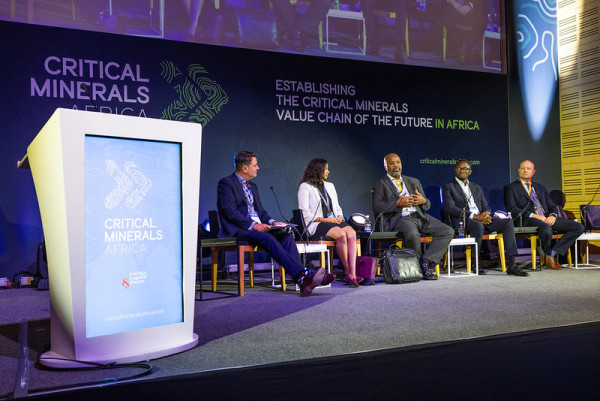
The upcoming Critical Minerals Africa (CMA) Summit will feature a Automotive and Batteries Focus panel, examining measures to establish Africa as a global hub for battery precursors, batteries and EVs, as well as exploring opportunities for Africa's critical minerals to support clean energy development. To date, most African automotive manufacturing takes place in South Africa, yet massive mineral wealth in Zambia and the DRC indicates the potential of these markets to become industrial hubs. 

The Critical Minerals Africa 2024 summit on November 6 - 7 serves to position Africa as the primary investment destination for critical minerals. The event is held alongside the African Energy Week: Invest in African Energy 2024 conference (https://apo-opa.co/4fUGT5A) on November 4 - 8, offering delegates access to the full scope of energy, mining and finance leaders in Cape Town. Sponsors, exhibitors and delegates can learn more by contacting sales@energycapitalpower.com. 

Increased cooperation among governments and international partners has been critical to positioning Africa's mineral producers as potential manufacturing partners. The DRC, which holds the world's largest cobalt reserves at 6 million metric tons out of the global 11 million metric tons, established the Congolese Battery Council in 2023 to facilitate investment across its mineral value chain. The country – also representing Africa's largest copper producer – signed an MOU with Zambia in March 2023 to fast-track the implementation of the Transboundary Battery and Electric Vehicle SEZ, seeking to add value to its raw cobalt and copper resources. 

Zambia – Africa's second-largest copper producer – formed a task committee in 2023 to expedite the implementation of the SEZ and identified land to host the zone. The country has strengthened partnerships with global mining firms, including Ivanhoe Mines, Galileo Resources, Tertiary Minerals, First Quantum, Vedanta Resources, Jubilee Metals and Xtract Resources, to achieve its goal of producing three million tons of copper annually by 2030. The Zambian and DRC governments are also partnering with the World Bank to launch local platforms between May 2024 and 2026, aimed at identifying and assessing investment prospects across their respective EV and critical minerals value chain. 

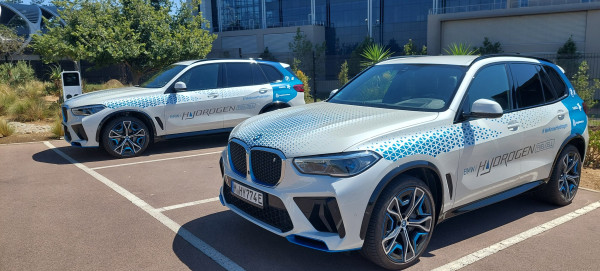
South Africa, which holds 80% of the world's platinum group metals (PGMs) reserves – crucial for EV and hydrogen vehicle production – currently leads Africa's EV market. Mining firm Isondo Precious Metals (https://apo-opa.co/3XlPHdy) plans to launch an advanced manufacturing facility for processing PGMs for EV applications in Johannesburg. Meanwhile, global automaker BMW, mining firm Anglo Platinum and energy company Sasol are piloting a fleet of hydrogen-fueled vehicles to advance smart mobility adoption in South Africa. CMA 2024 will host delegations from the DRC, Zambia, South Africa and other key industry stakeholders to discuss the latest developments shaping Africa's smart mobility and mining sectors. 

Distributed by APO Group on behalf of Energy Capital & Power.

Media files
Energy Capital & Power
Download logo
Read moreCritical Minerals Africa Summit to Showcase Battery, Electric Vehicle (EV) Manufacturing Prospects
28 August 2024

The Future of African Hospitality

Location: Business
API Events

Africa's tourism sector is poised for an exciting ascent, and it has the potential to soar if it is propelled by visionary strategies and robust investments that harness the continent's unparalleled tourist allure.

Amid the unprecedented changes of recent years, Africa's tourist appeal is greater than ever. With the right steps, it can offer more top destinations for today's tourists. The API Hospitality & Residences Forum is a pivotal platform for Africa's hospitality industry that is legendary for its dealmaking, networking, and unique insights. It takes place on 19 September 2024 at the Westin Hotel in Cape Town on the first day of the highly anticipated two-day API Summit.

This year's API Summit is themed “Impact”, and industry leaders speaking at the API Hospitality and Residences Forum highlight the key to unlocking the full potential of Africa's tourism sector to foster sustainable growth and enhance the continent's appeal to both travellers and investors includes focused investments, strategic partnerships and robust public sector involvement. The API Hospitality & Residence Forum sets the stage to catalyse and nurture these outcomes.

Bani Haddad, Founder and Managing Director of Aleph Hospitality, the largest independent hotel management company in the Middle East and Africa, will be among the distinguished speakers. "The pandemic had several profound effects on the tourism sector," Haddad reflects. "One of the most noticeable impacts has been the increased desire among travellers for domestic or regional trips, as well as nature-based or less crowded destinations. Africa is uniquely positioned to benefit from these trends.”

Citing the latest Chain Development Pipeline report by W Hospitality, Haddad notes a 20% growth in the number of hotel rooms in Africa since 2020, reaching a total of 92,134 rooms. “This growth indicates that the supply is expanding across the continent to meet the rising demand. We are also witnessing an increase in the quality and branded hotel supply in resort destinations such as Zanzibar and national parks like Serengeti and Mara. The global demand for nature and experiential experiences presents a significant opportunity for Africa, which has much to offer in this regard."

Haddad continues, "Investing in and fostering partnerships within the tourism sector is not just beneficial but essential for unlocking its full potential in Africa.”

Such efforts can lead to comprehensive economic development, job creation, and the promotion of sustainable and inclusive growth. He emphasises that governments, private sector players, and international organisations all have crucial roles in facilitating these investments and partnerships to ensure the tourism sector thrives and significantly contributes to the continent's development.

Echoing this sentiment, Daniel Trappler, Senior Director – Development Sub-Sahara Africa at Radisson Hotel Group (RHG), who will also speak at the event, outlines RHG's strategic plans in the post-COVID landscape. "RHG plans to capitalise on growth opportunities in key value nodes such as Cape Town, Victoria Falls, Zanzibar, and leisure offerings in the coastal and safari segments across Southern and Eastern Africa. Within these nodes lies the opportunity to increase RHG branded supply to meet the obvious growing demand.”

Trappler highlights RHG's eagerness to expand its footprint in Cape Town's 5-star and luxury segments, which have consistently performed above the market average despite higher rates. In Victoria Falls, RHG aims to replicate the success of its Zambezi River's Zambia side, planning to introduce the upscale Radisson brand to Victoria Falls, Zimbabwe.

"We are actively seeking partners to bring our Radisson, Radisson Blu, or Radisson Collection brands to Zanzibar, given RHG's significant presence in Eastern Europe, the largest source market for Zanzibar," Trappler adds.

Since opening its new Radisson Safari Hotel Hoedspruit, RHG has set its sights on replicating the same model within Southern and Eastern Africa, capturing both the foreign market and the regional market, which prefers short travel distances for tourism needs.

“The group is developing resort offerings in various safari and coastal locations, including Masai Mara, Serengeti, the Kenyan coast, Seychelles, Mauritius and the wildlife territories in Namibia and Botswana."

Trappler underscores the critical role of investment and public sector involvement. "The contribution of tourism to GDP is evident across the region. National and local governments need to increase their awareness of the sector's potential contribution to GDP. In South Africa, where RHG aims to double its portfolio, we need to see more active interest and contributions from the public sector towards developing hotels and hospitality infrastructure."

He stresses the need for public sector initiatives driving growth in this sector, particularly in South Africa, where the sector is strong but could be a much larger contributor to GDP and employment creation.

The API Hospitality & Residences Forum is a unique pan-African event that brings hospitality-focused leaders and investors together with Africa's leading real estate community. Sponsored by industry giants like Radisson Hotel Group, Marriott Hotels, HTI Consulting, JLL, and Tui Blu, the forum offers an unparalleled platform for doing business in African hospitality.

With over 500 leaders expected to attend the summit, including more than 250 hospitality delegates, in excess of 75 hotel brands, operators and owners, and 35 speakers, the API Hospitality & Residences Forum is the premier gathering of Africa's leading hospitality professions and consultants.

Distributed by APO Group on behalf of API Events.

For any media enquiries or interviews, kindly contact:
Anne Lovell
anne@dmix.com
083 651 7777

Distributed for API Events by Dmix:
API Events
Murray Anderson-Ogle
Email:Murray@apievents.com
Contact: +27 71 890 77 39
Website: www.APIEvents.com

Social Media:
Facebook: https://apo-opa.co/4dF2L3l
Instagram: @ APIsummit
LinkedIn: API Events

Media files
API Events
Download logo
Read moreThe Future of African Hospitality
27 August 2024

Scaling up Financing Is Key to Accelerating Africa’s Structural Transformation

Location: News
African Development Bank Group (AfDB)

By Adamon Mukasa and Anthony Simpasa, African Development Bank Group (www.AfDB.org).

Document 1: http://apo-opa.co/4g3EVzM
Document 2: http://apo-opa.co/473xTHm
Document 3: http://apo-opa.co/4gcshPk
Document 4: http://apo-opa.co/4gcsi5Q
Document 5: http://apo-opa.co/471DE8y
Document 6: http://apo-opa.co/4gcskL0
Document 7: http://apo-opa.co/47361TE

Document 8: http://apo-opa.co/4dXk53t

The calls for structural economic transformation in Africa date back to the 1960s when newly independent nations aimed to eliminate poverty through economic diversification, sustained growth, and job creation. This agenda persists today, as Africa continues to face significant developmental challenges.

Pursuing post-independence economic agendas was particularly important because, behind the euphoria (http://apo-opa.co/4dZMCVX) of independence, laid significant developmental challenges in several African countries: unskilled labor force, political and institutional fragilities, poor health conditions, rapid population growth, wide income disparities, and the legacy of colonialism and exclusion from the modern world. The establishment of the Organization of African Unity (OAU) (http://apo-opa.co/4g3EVzM) in 1963 and the African Development Bank (http://apo-opa.co/473xTHm) a year later aimed to tackle these other challenges in a more coordinated and impactful manner. The African Union (http://apo-opa.co/475z3Sz), successor of the OAU, developed Agenda 2063 (http://apo-opa.co/4g3EQMu) in 2013 as a blueprint for turning Africa into the global growth pole and powerhouse of the future.

Africa's Economic Development Paradox

More than sixty years after independence (http://apo-opa.co/3AzLutK), Africa's structural transformation – the shift of workers from lower to higher productivity employment and intra-sectoral productivity growth (http://apo-opa.co/4dQj0KK) – has not progressed as quickly as hoped. Both policymakers and analysts within and outside the continent are genuinely concerned that achieving structural transformation could remain a mirage for many African countries in the absence of bold structural reforms and financing to support implementation of these policies. Why being so pessimistic? Because historical facts tend to support their pessimism. The African Economic Outlook (AEO) 2024 (http://apo-opa.co/4g2RATW) report, released in May by the African Development Bank, reveals that Africa's transformation has been slow and uneven. In countries showing signs of transformation, the process has been characterized by low industrialization and predominantly by employment in low-skill, low-productivity services. The agriculture sector, employing 42% of Africa's workforce, is 60% less productive than the economy-wide average. Consequently, many workers remain trapped in low-productivity, low-wage jobs, unable to escape poverty.

As a result, Africa was the only region of the world where the average real GDP per capita contracted in the 1980s and 1990s, the so-called lost decades (http://apo-opa.co/4fYqm0D).

Africa is off-track in achieving almost all SDG targets by 2030, consistently showing the lowest SDG performance globally since the 2000s (Figure 1). Without intervention, it is predicted that by 2030, nearly 9 out of 10 of the world's extremely poor will be in Africa (http://apo-opa.co/4e2weEn) and under current conditions[1], it could take African countries over a century on average to reach high-income status.


[1] This scenario assumes that real GDP per capita of each African country will grow according to its post-COVID-19 (2022–25) average growth rate as computed by the African Development Bank's Statistics Department.

But Africa is a very large, diverse, heterogeneous, region. Some countries have, over the past four decades preceding the COVID-19 pandemic, experienced episodes of growth accelerations, growth spikes and failed take-offs (http://apo-opa.co/4gcshPk). Cases of consistent good performance include Botswana, Seychelles, and Mauritius, routinely ranked among the top 10 fastest-growing economies globally. African countries have indeed exhibited remarkable resilience amid confounding shocks, and in 2024, 10 countries[1] in Africa are projected to be among the world's top 20 fastest-growing economies, sustaining the trend observed during the past four decades pre-COVID-19.

Importantly, over the past quarter century, thanks to strong economic reforms and macroeconomic stability, enhanced governance, relative peace and improved political environment and, public investments in soft and hard infrastructure, some African countries[2] have managed to transform their economies and recorded economic growth rates above the global average.

The role of finance in fast-tracking Africa's structural transformation

Many factors, both internal and external, could explain the relatively slow progress in structurally transforming African economies. Among them: over-reliance on commodity-led growth (http://apo-opa.co/4fZJTxI), inadequate infrastructure (http://apo-opa.co/4dV5DZE); insufficient pool of skilled workers (http://apo-opa.co/4g49x4g) and low access to affordable finance (http://apo-opa.co/47361D8); weak institutional governance (http://apo-opa.co/4e0O5LG), recurrent conflicts (http://apo-opa.co/4g49rtq), effects of climate change (http://apo-opa.co/3ABuuTU), tightening of global financial conditions (http://apo-opa.co/4fZSFvC) and rising debt vulnerabilities (http://apo-opa.co/4724oWk).

While all these factors are equally important and call for urgent actions from policymakers, financing Africa's transformation (http://apo-opa.co/4fTo1Uy) is a multi-layered overarching challenge that demands special attention and a pragmatic approach to move from billions to trillions. The cost of achieving the SDGs by 2030 in Africa is estimated at about $1.3 trillion (http://apo-opa.co/4gcsi5Q) annually, equivalent to 42% of Africa's 2023 GDP. Infrastructure needs alone are estimated by the African Development Bank at $181-$221 billion per year over 2023-2030.  The climate finance gap is approximately $213.4 billion (http://apo-opa.co/4gcsiTo) annually through 2030.

Insufficient domestic resources (http://apo-opa.co/471DE8y), compounded by the failure of the global financial architecture (http://apo-opa.co/471zU6K) to mobilize and at scale, affordable finance for sustainable development (http://apo-opa.co/4gcskL0), have led many African countries to resort to commercial borrowing on unfavorable terms. This has resulted in increased debt vulnerabilities. Africa's Public and Publicly Guaranteed external debt has nearly tripled since 2010, reaching $656 billion in 2022, accounting for 22.4% of the continent's GDP and exceeding Africa's public revenue-to-GDP ratio of 20.4%. In 2024, African countries are expected to spend around $74 billion on debt service, up from $17 billion in 2010. Out of the projected debt service, $40 billion is owed to private creditors.

Even more concerning, debt service payments now account for about 11% of the continent's total revenues. High debt service is diverting resources from crucial investments in infrastructure, education, and health – all critical for economic transformation and long-term growth. As of April 2024, 20 African countries[3] (http://apo-opa.co/47361TE) were either in external debt distress or at high risk of external debt distress.

The AEO 2024 report estimates that to accelerate Africa's structural transformation, the continent needs to close an annual financing gap of $402.2 billion (about 13.7% of its projected 2024 GDP) by 2030. Figure 2 shows that transport[4] infrastructure accounts for the largest share of the gap (72.9%), followed by education (10.4%), energy (9.9%), and productivity-enhancing technologies (6.8%). These figures reflect decades of underinvestment in critical areas for development.

The level of financing gap in transport infrastructure reflects the continent's shortfall explained by decades of public underinvestment to upgrade existing road infrastructure or open new roadways, to match the growing population and economic dynamism across the continent. For instance, Africa's median road density is about 12 km per 100 km2, compared with 42.5 km in high-performing developing countries and 136 km in high-income countries. Only about 27% of African roads are paved, far behind the rest of the world (about 49%) and other developing countries (35.4%).


[1] Niger, Senegal, Libya, Côte d'Ivoire, Ethiopia, Rwanda, Benin, Djibouti, Gambia, and Uganda

[2] Algeria, Comoros, Djibouti, Egypt, eSwatini, Lesotho, Libya, Mauritius, Sao Tome and Principe, Senegal, Seychelles, and Tunisia

[3] Burundi, Cameroon, Central African Republic, Chad, Comoros, Congo, Djibouti, Ethiopia, Gambia, Ghana, Guinea-Bissau, Kenya, Malawi, Mozambique, São Tomé and Príncipe, Sierra Leone, South Sudan, Sudan, Zambia, and Zimbabwe

[4] Proxied by roads as road transport is the most frequently used means of transporting goods and people across the continent, carrying at least 80 percent of goods and 90 percent of passengers.

On education, vital for equipping the current and future workforce with the required skillset for structural transformation, African countries' median SDG index score was only 51.5 (out of a maximum of 100) in 2022, while other low-income developing countries reached a median score of 87. In addition, according to World Bank's World Development Indicators (http://apo-opa.co/3AGXw4N), African governments currently spend on average $312 annually per student in primary education, $473 on secondary education, and $2,227 on tertiary education, or about, respectively, 3, 2.3, and 1.1 times lower than high-performing developing countries on  SDG 4. On energy, Africa's median SDG 7 index score was 38.8 in 2022, suggesting that a typical African country was 61.2% further away from achieving the best possible outcome on SDG 7 targets. Despite its vast energy potential, electric power consumption per capita in Africa is still the lowest in the world, estimated at 638.4 kilowatt-hours (kWh) in 2021, versus 2,056 kWh in other developing countries. Due to poor energy infrastructure, over 600 million Africans have no access to electricity http://apo-opa.co/46YZuJT and this is despite progress in recent years[1]. On productivity-enhancing technology and innovation, the continent lags other regions too. This impedes its ability to either innovate and introduce new products, technologies, and/or services that could support its structural transformation. African countries' average Gross Domestic Expenditure on R&D (GERD) represents about 0.4% of their GDP (against about 1% in the rest of the world) and they spend on average $10.7 per capita on GERD (compared to $403.2 per capita in other regions of the world). Furthermore, the continent displays the lowest concentration of researchers in R&D, with an average of 221 researchers per million people, against 742 researchers in other developing countries.

The financing gap varies significantly across countries. The cross-country heterogeneity is mainly explained by differences in current SDG performance related to structural transformation as well as differences in demographics (current and projected population size and composition, land size, and the like) and socioeconomic characteristics (current and projected GDP per capita, and spending on education, infrastructure, and so on). As shown in Figure 3, the estimated annual financing gap represents at least 10 % of 2024's projected GDP in 36 African countries, and in nine of these, at least 50 % of GDP. For such countries, closing the financing gap by 2030 is, therefore, realistically impossible.


[1] For instance, the average share of people with access to electricity increased from about 38 percent in 2000 to about 59 percent in 2022. In 28 African countries, the percent of people with access to electricity has more than doubled between 2000 and 2022, out of which it has increased at least fivefold in 8 countries (Kenya, Lesotho, Mali, Mozambique, Rwanda, Somalia, Tanzania, and Uganda).

Note: COG: Congo; CPV: Cabo Verde; GHA: Ghana; CIV: Cote d'Ivoire; GAB: Gabon; GNQ: Equatorial Guinea; MUS: Mauritius; SYC: Seychelles; ZAF: South Africa. Source: Authors' computation based on the African Economic Outlook (AEO) 2024 database

A more realistic approach would be to allow for a gradual but steady transformation process over a longer period, aligning with the African Union's Agenda 2063. This would enable countries to mobilize more resources domestically and externally, without jeopardizing debt sustainability.

What next?

Scaling up finance to accelerate Africa's structural transformation should be a key priority for policymakers. While implementing structural reforms is crucial for sustainable growth, success depends on the availability, timeliness, and scale of long-term development financing and enhancing spending efficiency. African countries should therefore, inter alia, focus on: i) scaling up investment to build requisite human capital suited to local realities, circumstances, and development priorities; ii) boosting domestic resource mobilization and improving efficiency of public finance management; iii) creating targeted and streamlined incentives to attract private capital for key transformation sectors; and iv) launching ambitious national infrastructure programs with assured positive returns to attract affordable financing.

The international community should reform the global financial architecture (http://apo-opa.co/4dXk53t) to facilitate African countries' access to long-term, concessional development financing at scale, complementing domestic resources.

By addressing these financing challenges and implementing targeted reforms, Africa can accelerate its structural transformation and move closer to achieving its development goals as espouses in Agenda 2063.

Distributed by APO Group on behalf of African Development Bank Group (AfDB).

Media files
African Development Bank Group (AfDB)
Download logo
Read moreScaling up Financing Is Key to Accelerating Africa’s Structural Transformation
27 August 2024

Addressing Debt Challenges in State-Owned Enterprises

Location: News

United Nations Economic Commission for Africa (ECA)
Download logo

In a concerted effort to tackle the growing challenges of State-Owned Enterprise (SOE) debt in Africa, the United Nations Economic Commission for Africa (ECA) hosted a high-level workshop in Pretoria from 21 to 23 August 2024. The event brought together finance policymakers, industry experts, and international organizations to share best practices and develop strategic solutions for effective SOE debt management across the continent.

The workshop brought together officials from the Ministries of Finance of Cameroon, Ethiopia, Ghana, Nigeria, South Africa, and Zambia, along with representatives from UNDP, the African Forum and Network on Debt and Development, and major state-owned entities. The focus was on enhancing governance frameworks, improving financial oversight, and exploring privatization options.

Participants discussed the critical role of SOEs in driving national development, acknowledging that while these entities have the potential to bolster economic growth and address market deficiencies, they also pose significant risks to government finances. The workshop highlighted that poorly managed SOEs can lead to severe financial burdens, potentially destabilizing national budgets and contributing to the deterioration of sovereign credit ratings.

“In many African countries, SOEs play a vital socio-economic role. This workshop comes at a critical time for Africa's development, with both SOE and government finances under pressure amid cascading crises and multiple shocks,” said Zuzana Schwidrowski, Director of the Macroeconomics, Finance, and Governance Division (MFGD) at ECA, in her opening remarks.

Ms Schwidrowski noted that “critical public services tend to deteriorate alongside SOEs' financial difficulties, leading to a downward spiral of weakened service delivery and growth.” That is why ECA organized this capacity-building workshop “to develop practical solutions and options for Africa,” she added.

The discussions also underscored the importance of corporate governance, risk management, and internal oversight as drivers of reform. Participants shared successful approaches to SOE debt management and identified key barriers, including challenges related to mandate delivery and the intricate links between sovereign and SOE credit ratings.

Lee Everts, Chief of the Macroeconomic Analysis Section in MFGD, emphasized the need for a multifaceted approach to address the rising SOE debt. “Financial restructuring, governance and operational improvements, and in some cases, privatization or asset sales, are essential steps to mitigate the risks posed by SOE debt,” she said.

The workshop, organized by ECA's Macroeconomics, Finance, and Governance Division in collaboration with its Sub-Regional Office for Southern Africa, is part of a broader series of capacity-building initiatives aimed at strengthening public debt management across Africa. ECA remains committed to supporting African nations in implementing innovative and robust solutions to the persistent challenges posed by SOE debt and related government liabilities.

Distributed by APO Group on behalf of United Nations Economic Commission for Africa (ECA).

Read moreAddressing Debt Challenges in State-Owned Enterprises
21 August 2024

United Nation migration agency issues $18.5 million appeal to prepare for mpox ‘surge’

Location: News

UN News
Download logo

Migrants and other marginalized and highly mobile populations including those uprooted from their homes by natural emergencies and conflict are far more prone to infection because of poor living conditions and the “significant barriers” many often encounter in seeking help, explained the International Organization for Migration.

“The spread of mpox across East, Horn and Southern Africa is a grave concern, especially for the vulnerable migrant, highly mobile populations and displaced communities often overlooked in such crises,” said Amy Pope, IOM Director General. “We must act swiftly to protect those at the highest risk and to mitigate the impact of this outbreak on the region.” 

Migration hub

Mpox has affected people in the African region for more than a decade, the UN agency said, noting that the Horn, eastern and southern Africa region hosts 12.2 million international migrants – nearly half of all migrants in Africa.

Highlighting data from the UN World Health Organization (WHO), the IOM noted that by 8 August, of the 12 African countries that reported an outbreak, six were from those regions. As of July, new cases emerged in previously unaffected Kenya, Burundi, Rwanda and Uganda, with cross-border infection cited as a factor in the spread of disease.

The IOM appeal for 13 countries – Burundi, the Democratic Republic of the Congo (DRC), Eswatini, Kenya, Malawi, Mozambique, Rwanda, South Africa, South Sudan, Tanzania, Uganda, Zambia and Zimbabwe - is intended to support infection-prevention, control and response measures, particularly at border crossings. It will help to fund awareness-raising activities among migrant and host communities, along with internally displaced persons.

“This preparedness and response plan aims to prepare for and respond to the anticipated surge in Mpox cases and mitigate the spread and the likely negative impacts of the virus spreading throughout the region,” the UN agency said.

Disease focus

IOM noted that the region's role as an “origin, destination and transit hub” for migrants could hinder disease prevention, adding that plans were in place to continue building the capacity of national healthcare workers and frontline responders, while also enabling the identification of high-risk areas to ensure effective monitoring of the disease and reduce its spread from country to country.

“Vulnerable populations such as migrants and IDPs impacted by mpox, or at risk of being affected, must receive the necessary healthcare and protection, particularly in regions where access to such services is limited and have a high number of migrants and displaced populations,” IOM said in a statement.  

International health threat

The UN agency's announcement comes one week since the UN World Health Organization (WHO) declared mpox a public health emergency of international concern, following the rapid spread of a new strain of the disease known as clade 1b from eastern Democratic Republic of the Congo.

Clade 1b is mainly transmitted through sexual contact, although the WHO said on Tuesday that more research was needed into other potential modes of infection from the blisters that are associated with the disease, such as contaminated bedding.

Latest WHO data indicates more than 15,000 suspected cases in the DRC including 537 deaths so far. The global total of mpox cases is more than 100,000.

The disease is known to transmit from animals to humans and spread by close contact with infected individuals or animals through respiratory droplets, blood, body fluids, or lesions. Symptoms include fever, rash, headaches, sore throat, muscle aches, swollen lymph nodes, and backache.

Here's our UN News explainer on the key facts you need to know about mpox.

Distributed by APO Group on behalf of UN News.

Read moreUnited Nation migration agency issues $18.5 million appeal to prepare for mpox ‘surge’
16 August 2024

Showmax.com hijacks Matchday Live to revolutionise Premier League viewing across Africa

Location: News
Showmax

In an awkward, live conversation with Manchester United legend, Eric Cantona - in his debut appearance on Matchday Live - host Julia Stuart and Owen Hargreaves attempted to placate the notorious Red Devils' captain. Their efforts were in vain, as the Frenchman eventually tired of the conversation and stormed off the set. He offered a rambling monologue about revolution as his parting shot.

https://apo-opa.co/4fK4XrR  

Stuart says, "What can you and the millions of Manchester United fans around the world expect; what will be unfolding as the season progresses on their television sets?"

Cantona sarcastically chuckles and says, "television" a few times before standing and removing his microphone, jacket and tie, and proceeding to deliver a concluding monologue to camera.

He says, "How many people in this world don't even own a television? What of [sic] them? To be truly beautiful, the game should be everywhere. It cannot be stuck on the wall - or just in the bar - no, it must fly. Then my friends, no one, no one should believe the Premier League is out of their league. It must be for everyone."

He concludes, "And this marks the beginning; the revolution has begun."

As he walks off-camera, we hear Julia Stuart asking Owen Hargreaves, "what must I do?", before the broadcast cuts to a test pattern.

https://apo-opa.co/4fK5aeD

The show returns after the ad break with what appears to be a Cantona-led pirate broadcast.

Cantona defiantly declares, "The revolution will not be televised; the revolution will be live."

In what is possibly the greatest live TV stunt ever staged, Showmax.com revealed to all 44 of its African markets - simultaneously, via linear TV, its streaming platform and YouTube Live - that football will never be the same again. Quite literally, because it has the most compelling Premier League offering in the world.

GSMA Intelligence data (https://apo-opa.co/3M8cl2B) suggests there are more than half a billion unique mobile subscribers in sub-Saharan Africa, alone. This is seven times greater than the predicted number of television sets in the same region (74.76m according to Statista.com).

Hundreds of millions of people will finally be able to consume the greatest football league on the planet, for a fraction of what it costs to attend a live match in England, while cheering on hundreds of African players, in real time.

It's the Premier League in your pocket. Welcome to the revolution!

Pricing structure:

Country

Showmax Entertainment

Showmax Entertainment Mobile

Showmax Premier League

Showmax Entertainment + Premier League

Showmax Entertainment Mobile + Premier League

South Africa

ZAR 99

ZAR 45

ZAR 69

ZAR 140

ZAR 99

Nigeria

NGN 3500

NGN 1600

NGN 3200

NGN 5400

NGN 4000

Kenya

KES 650

KES 300

KES 500

KES 1000

KES 700

Namibia

N$ 99

N$ 45

N$ 69

N$ 140

N$ 99

Botswana

BWP 70

BWP 36

BWP 55

BWP 110

BWP 80

Ghana

GSH 59

GSH 27

GSH 55

GSH 105

GSH 75

Tanzania

TSH 12000

TSH 7300

TSH 9800

TSH 19800

TSH 15000

Uganda

UGX 19000

UGX 11400

UGX 15200

UGX 31200

UGX 24000

Zambia

ZMW 110

ZMW 90

ZMW 70

ZMW 175

ZMW 135

Rest of Africa

USD 5

USD 3

USD 4

USD 8

USD 6

Distributed by APO Group on behalf of Showmax.

About Showmax.com:
Showmax, launched in 2015 and available in more than 40 markets across the continent, is a leading African streaming service. It offers a unique combination of original African content, first and exclusive international series, popular movies, premium documentaries, and the best kids' shows, as well as a world-first Premier League live-streaming mobile plan. 

SA ONLY: 
Get your Showmax Premier League mobile subscription for just R69 at https://apo-opa.co/4fQryD2. Capitec customers can subscribe to Showmax Premier League via their Capitec app for just R34 per month.

Media files
Showmax
Download logo
Read moreShowmax.com hijacks Matchday Live to revolutionise Premier League viewing across Africa
15 August 2024

Innovative Financing and Policy Support: Accelerating Renewable Energy Development in Africa (By Ana Hajduka)

Location: News
AOW: Investing in African Energy

By Ana Hajduka, founder and CEO of Africa GreenCo (www.AfricaGreenCo.com).

As Africa's energy sector deregulates, exciting opportunities open up for financial innovation to benefit consumers. Private-sector buyers and traders can mitigate default risk and provide certified green energy at lower cost, writes Ana Hajduka, founder and CEO of Africa GreenCo.

Africa's renewable energy potential is undeniable, but it remains largely untapped. The problem is that the financing landscape for renewable energy and other projects in Africa was previously reliant on state utilities as buyers.

The scale of projects that could be financed in a country were then limited by the fiscal capabilities of that country and the sovereign guarantees it could provide.

This traditional model of relying on countries to provide such guarantees has faced recent challenges, because of increasing debt burdens, and shifting economic priorities.

Opportunities have therefore emerged for innovative financial approaches that will ensure more guarantees can be acquired from other sources and that risk can be diversified across a portfolio of suppliers and customers.  This would see more projects achieving financial close, to ultimately provide more African people with clean energy.

There is also room to not only grow new renewable energy supply, but to create new renewable energy markets on the continent, where that supply can be sold.

As a consequence, the market is opening up to allow alternative buyers of new renewable energy, which can utilize existing regional competitive energy markets to diversify its risks – buyers such as GreenCo.

This is extremely relevant at the moment. Legislation like South Africa's Electricity Regulation Amendment Bill, is set to open up the electricity sector to new supply and trading models. This foreshadows the opening of a competitive spot market for electricity trade in South Africa – linking in the future the South African spot market with that of the Southern African Power Pool.

Namibia did something similar a couple of years ago, as did Zambia.

These regulatory market developments are important as they facilitate innovation and new private sector business models through which there can be a scale up of bankable offtake agreements for new supply. The problem in the region is not lack of projects. It's not lack of funding. It's earning enough lender trust to lend on the back of a  20-25 year power purchase agreement backed by a private sector buyer without state fiscal support.  

Transmission capacity

Transmission constraints are another factor in this emerging scenario. The development of the electricity sector across the region effectively has a ceiling, determined by the available transmission network for new generation.

Previously, development finance institutions would only fund state utilities, and then only when it was proved that sufficient generation would be coming on board to utilize any new transmission infrastructure.

Now, thanks to the growing liberalisation focus in the region, allowing new private sector participants to buy and trade power, these transmission funding inflows can be facilitated. This new supply will be critical to making new transmission investments bankable.

If the private sector can sufficiently guarantee that any proposed new capacity coming on board will utilise the necessary transmission infrastructure, that new capacity effectively backs the viability of the new transmission investing – bringing a direct value add to the state utilities in South Africa and the rest of the SADC region.

Regulatory readiness

But for all of this to fall into place, we need a convergence of the relevant regulatory readiness – and we are already seeing this across the region. In many SADC countries, new legislation is providing the regulatory clarity that the private sector requires to venture into supply, transmission and trade.

The entire ecosystem must work for new entrants, and lenders. Until now, lenders have seldom considered state utilities to be creditworthy, and they have required significant fiscal guarantees to cover the power-purchase obligations of those utilities.

That model is a double whammy. Not only does it encumber utilities with debt for new generation, but it hits the national fiscus as well.

In South Africa, for example, the widely respected REIPPP process has brought online a significant amount of new generation. However, once the South African government started reporting on the process in accordance with IMF fiscal transparency regulations, this added an additional 36% to the contingent liabilities of the national treasury – almost $15 billion - overnight. That is money that can no longer be channeled into education, health and other key infrastructure development (water, transmission etc).

The REIPPP model has been extremely successful in the electricity sector, but it has perhaps outlived its usefulness. There are other priorities, and the private sector should be sufficiently capable to deliver on its own, with the lending community partnering accordingly.

The REIPPP model can be replicated in cases such as storage tenders, and in the transmission space. While transmission is usually considered a government function, it would certainly be possible to incentivize the private sector – and lenders – to enter the space.

New licensees

Across the region, markets are liberalising rapidly. South Africa has shown it can happen almost overnight, as in the case of the country's generation regulations. This has allowed third-party wheeled projects, from generators directly to customers, and facilitated new license applicants in the market such – such as GreenCo.

This shows how market thinking about the development of the electricity sector has fundamentally changed. There is collaboration like never before.

For GreenCo, events like the forthcoming AOW event offer opportunities to align with mining, commercial and industrial offtakers, as well as suppliers and IPPs. For an entity like ours, it's also a chance to show potential customers and suppliers the bankability of our own offtake; that lenders have confidence in our power purchase agreements.

Financial innovation must happen in a way that makes lenders comfortable. What that looks like in our case is that all our payment obligations are backed by an internationally AA- credit rated guarantee provider GuarantCo.

We are entering the South African market operationally ready to supply customers within South Africa and outside; and with financial readiness in the form of innovative guarantee structures to be considered bankable in the market.

The ultimate beneficiaries of this financial innovation must be the consumers. Many are looking to decarbonise their operations – for climate change reasons, and to make their products competitive on international markets.

Affordability is another key consideration. In our case, by being able to provide sufficient operational and financial risk mitigation to the lenders of the generators that supply to us, we can supply electricity far more affordably.

Around 70% of the costs of a generation or renewable energy project is from the cost of debt. Therefore, the more bankable an offtaker is, the lower the debt costs, and the cheaper the electricity – a clear demonstration of the benefits of financial innovation for the end consumer.

  • AOW: Investing in African Energy unites industry leaders to develop policy, share discoveries, secure investment, and shape Africa's energy future. The event runs from October 7 – 11 at the CTICC.

Distributed by APO Group on behalf of AOW: Investing in African Energy.

About GreenCo: 
GreenCo is a renewable energy buyer and trader operating in Southern Africa (Zambia, South Africa, Zimbabwe and Namibia); purchasing power from renewable energy generators and selling that electricity to utilities, private sector offtakers (i.e. commercial and industrial users), national power trading markets and to the competitive markets of the Southern African Power Pool (SAPP). GreenCo is an active trader on SAPP and holds a number of applicable licenses covering its operations within the Southern African region. Through its activities, GreenCo will increase the supply of, and demand for, finance for energy projects, and mobilise private sector capital more quickly towards critical and transformative capacity addition. For more information please see: www.AfricaGreenCo.com

Media files
AOW: Investing in African Energy
Download logo
Read moreInnovative Financing and Policy Support: Accelerating Renewable Energy Development in Africa (By Ana Hajduka)
13 August 2024

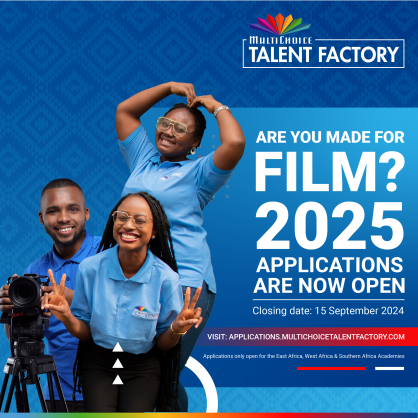
MultiChoice Talent Factory 2025 Calls for Entries

Location: News
MultiChoice Group

MultiChoice Talent Factory (www.MultiChoice.com) is thrilled to announce that it's once again calling upon all aspiring filmmakers, scriptwriters, producers, and storytellers to apply for entry into the 2025 fully funded academic year.  

Whether you're a young professional looking to change careers and expand your horizons or a newcomer eager to make your mark in the TV & Film industry, MTF welcomes applicants from all backgrounds across the 13 countries in Africa: Nigeria, Ghana, Uganda, Kenya, Ethiopia, Tanzania, Zambia, Botswana, Namibia, Angola, Mozambique, Zimbabwe and Malawi.  

Since its inception in 2018, MTF has welcomed 60 students each year giving them an opportunity to reach their dreams and to unleash their potential by providing a platform that nurtures and develops talent across the continent, providing opportunities for growth, networking and success in the entertainment industry.

Through a series of rigorous training programs, MTF believes in using hands-on approach and mentorship from industry experts. Participants not only get a chance to sharpen their craft but also gain invaluable insights into the business of filmmaking. Imagine being chosen as one of the participants to learn from some of the industry's best minds and gaining practical experience in areas such as cinematography, sound design, editing, and more. MTF gives you all these opportunities and does not stop there.

At the end of the programme, top performing students from each academy will get further training, mentorship and internship opportunities with MTF global partners, such as the New York Film Academy (NYFA), Indian-based platform Zee World and will get an opportunity to work on productions in South Africa. Upon completion students receive accredited and recognised qualification and get a chance to produce and direct short films showcased on MultiChoice platforms. 

All these initiatives are indicative of MTFs commitment to supporting MultiChoice's content selection of delivering exciting local content, which is rich in culture. Africa has many untold stories and by investing in African talent, MultiChoice gets to uncover and showcase these stories by supporting MTFs students, giving them necessary skills and the platform to produce content that resonates with Africans and the global market. Through this support, MTF alumni's have achieved phenomenal success in their productions.

Just last year, five alumni secured nominations across three categories at the 2023 Africa Magic Viewers' Choice Awards (AMVCA). In addition to this, Many MTF alumni occupy significant industry roles across the continent, working as directors, producers, sound designers, camera operators, art directors, scriptwriters and editors on major African productions which include Salem, Tempted, Engaito, Mvamizi, Mum vs Wife, Makofi, County 49 and many others. Habtamu S. Mekonen, MTF student from the East Africa Academy in Nairobi, Kenya, recently won an International Emmy Award for a short film that he produced and directed. The success of MTF is best illustrated by the feature films produced by its students. The films highlight the talents and creativity of participants and demonstrate the programme's profound impact.

MTF also fosters entrepreneurial spirit, giving young people the confidence to start their own projects and businesses. To date, thirty of its alumni have registered production houses, creating employment opportunities and contributing to the economy. The knowledge and skills imparted by MTF empowers graduates to be catalysts for economic growth and cultural enrichment in their communities.

Applications are now open and will close on 15 September 2024. Interested candidates can visit https://apo-opa.co/4cjKojb to submit their entries and learn more about the program's requirements.

Are you ready to unleash your talent and step into the spotlight as one of the next generation of filmmakers? Don't miss out on this incredible opportunity to ignite your career in film and television with MultiChoice Talent Factory.

Take the first step towards realising your dreams and apply now.

Your journey to success starts here!

Distributed by APO Group on behalf of MultiChoice Group.

Media files
MultiChoice Group
Download logo
Read moreMultiChoice Talent Factory 2025 Calls for Entries
6 August 2024

Breaking Down Borders Africa TV series set to launch on SABC 1

Location: Entertainment, MyPR

Paul Modjadji’s 10 country African tour is chronicled in an enthralling new fourteen-part travelogue on SABC 1. Covering countries including Zambia, Namibia, Tanzania, Kenya, Nigeria and Senegal, the documentary follows Modjadji as he explores Africa’s rich youth and dance culture. Each episode serves up a kaleidoscope of experiences showcasing Africa’s leading landmarks and heritage sites …

Read moreBreaking Down Borders Africa TV series set to launch on SABC 1
2 August 2024

Nespresso And Chef Mory Sacko Unveil Master Origins Zambia, A New Co-Created Coffee Celebrating Zambia

Location: MyPR

Johannesburg, July, 2024 – Nespresso South Africa is proud to announce the launch of a new coffee in the Master Origins Collection: MASTER ORIGINS ZAMBIA. Zambia’s altitude, proximity to the equator, and plentiful freshwater sources in the northern province make it ideal for cultivating the finest Arabica coffee. The exceptional terroir produces a coffee with …

Read moreNespresso And Chef Mory Sacko Unveil Master Origins Zambia, A New Co-Created Coffee Celebrating Zambia
31 July 2024

Industry Leaders Forum at CMA 2024 to Drive Sustainable Mineral Production

Location: News

Energy Capital & Power
Download logo

UN Secretary General António Guterres appointed (https://apo-opa.co/3WNr7Cg) a panel dedicated to developing a framework that ensures equity, transparency, sustainability and human rights among critical mineral extraction activities, in April 2024. Uniting government and industry stakeholders, the panel aims to encourage developing countries, including those in Africa – which holds over half of the world's cobalt and manganese reserves and over one-fifth of aluminum and copper reserves – to leverage its critical minerals for enhanced job creation, economic diversification and export revenues.

Reflecting similar priorities, the Critical Minerals Africa (CMA) summit — scheduled for November 6-7 in Cape Town — will host an Industry Leader Forum to explore strategies for ensuring sustainable mineral production and navigating external factors like geopolitical risk, digital transformation and the energy transition. It will also address recent high-level initiatives – from the African Green Minerals Strategy to the global Minerals Security Partnership – and their role in shaping best practices for building resilient mineral supply chains. 

Initiated in 2022 by the African Development Bank, the African Green Minerals Strategy (AGMS) (https://apo-opa.co/3y8dZy4) serves as a comprehensive framework for leveraging the continent's mineral resources for industrialization and the development of green technologies. The AGMS aims to articulate Africa's interests in a rapidly changing world, build and retain local value, create jobs, develop new industries, and foster greener economies, as global demand for transition minerals rises. 

Meanwhile, the US-led Minerals Security Partnership (MSP) (https://apo-opa.co/3YpZf87) represents a collaborative effort among 14 countries and the European Union to bolster investment in responsible critical minerals supply chains. Through partnerships with governments and industries, the MSP provides support for strategic projects, particularly focusing on lithium, cobalt, nickel, manganese, graphite, rare earth elements and copper. Given Africa's abundant mineral reserves, collaboration with the MSP is particularly relevant for the continent, enabling responsible mineral extraction and supporting local communities and economies, while advancing global clean energy goals.

In February 2023, MSP partners gathered in South Africa to establish guiding principles for global project development, emphasizing local value addition and maintaining sustainability and ESG standards. Representatives from mineral-rich nations, including non-MSP countries like Angola, Botswana, the Democratic Republic of the Congo (DRC), Tanzania, Uganda and Zambia, joined the discussions. The meeting sought to ensure that the growth of critical minerals supply chains benefits all stakeholders equitably, underlining the MSP's commitment to responsible mineral extraction and sustainable development.

Furthering efforts to ensure a steady and sustainable supply of CRMs, the EU launched its Critical Raw Materials (CRM) Act in March 2023, as European demand for rare earth metals is expected to increase six-fold by 2030. As part of this initiative, the EU has engaged with several African countries including the DRC, Zambia, Rwanda and Namibia through various MOUs. These agreements aim to foster collaboration within integrating sustainable raw materials value chains, mobilizing funds for infrastructure development, promoting sustainable and responsible production practices, encouraging research and innovation and enhancing capacity building efforts.

Within this context, the Industry Leaders Forum: Driving Innovative Minerals Production at CMA 2024 will explore key trends within the African and global critical minerals landscape. Leaders will discuss how initiatives like the AGMS, MSP and European CRM Act will shape the future of sustainable mineral production and global supply chains.

CMA is the largest gathering of critical mineral stakeholders in Africa. Taking place from November 6 – 7 in Cape Town, the event positions Africa as the primary investment destination for critical minerals. This year's edition takes place under the theme Innovate, Enact, Invest in African Critical Minerals to Sustain Global Growth, connecting African mining projects and regulators with global investors and stakeholders to untap the full potential of the continent's raw materials. Sponsors, exhibitors and delegates can learn more by contacting sales@energycapitalpower.com.

Distributed by APO Group on behalf of Energy Capital & Power.

Read moreIndustry Leaders Forum at CMA 2024 to Drive Sustainable Mineral Production
30 July 2024

South Africa crowned the 2024 Ignition Group Polocrosse World Cup champions!

Location: MyPR

In a nail-biting 2024 Ignition Group Polocrosse World Cup final on Sunday, South Africa narrowly beat reigning champions, Australia 29-28 – earning them a third World Cup title. Sunday’s final concluded a fantastic competition which ran from 17 to 28 July at the Durban Shongweni Club in the Valley of 1000 Hills. Spectators were kept …

Read moreSouth Africa crowned the 2024 Ignition Group Polocrosse World Cup champions!
24 July 2024

Transnet granted R18.85 billion loan

Location: News

Transnet granted R18.85 billion loan

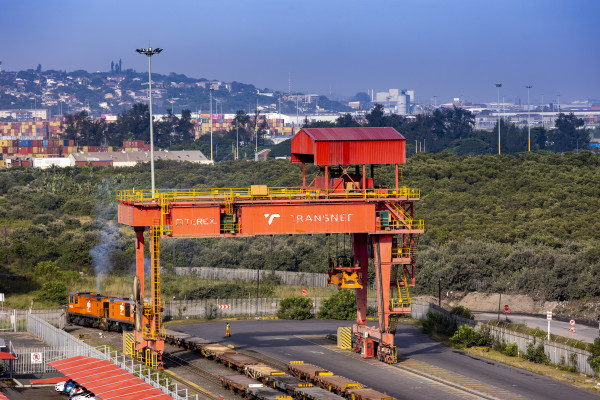
The African Development Bank Group has approved a R18.85 billion ($1 billion) corporate loan to Transnet for its recovery and growth plans.

Transnet has faced operational challenges mainly in the critical rail and port businesses resulting from underinvestment in infrastructure and equipment, theft and vandalism, and external shocks such as floods and the effects of the COVID-19 pandemic. 

“We appreciate the support demonstrated by the African Development Bank. The loan extended by the bank will make a significant contribution to Transnet’s capital investment plan to stabilise and improve the rail network and to contribute to the broader South African economy. 

“The accompanying grant funding to the loan will also greatly assist Transnet with its energy efficiency efforts and with Infrastructure Project Preparation initiatives,” Group Chief Executive of Transnet Michelle Phillips said.

The 25-year loan, which was approved by the African Development Bank Group’s Board of Directors on 12 July 2024 is fully guaranteed by the government of South Africa. 

It will facilitate the first phase of the company’s R152.8  billion ($8. 1 billion) five-year capital investment plan to improve its existing capacity ahead of expansion for the priority segments throughout the transport value chain.

“The company is committed to addressing past challenges, fostering integrity, and enhancing efficiency within the organization. It has made progress in some key areas, including reforms in governance procurement and financial management,” a joint statement by Transnet and the African Development Bank said.

Recovery Plan

In October 2023, Transnet launched its recovery plan, which seeks to rehabilitate infrastructure and accelerate the relaunch of operations over 18 months, focusing on restoring operational performance and freight volumes to meet customer demands.

“Transnet, the custodian of South Africa's critical transport and logistics infrastructure, plays an indispensable role in the economy of the country, ensuring a competitive freight system and serving as a gateway to the Southern African Development Community (SADC) region.

“Our partnership will enable Transnet to execute a comprehensive Recovery Plan (RP), addressing operational inefficiencies, particularly in rail and port sectors. It is aligned with South Africa’s strategic 'Roadmap for Freight Logistics System,' and overseen by the National Logistics Crisis Committee, chaired at the Presidency level.

 "This initiative signifies our commitment to enhancing national logistics capabilities and driving sustainable economic growth,” African Development Bank’s Vice President for Private Sector, Infrastructure and Industrialisation Solomon Quaynor said.

Transnet has been a client of the African Development Bank since 2010. The company employs more than 50 000 people and plays a critical role in integrating and connecting South Africa with the global economy. 

The company’s freight system’s activities contribute significantly to South Africa’s economy. 

Its operations serve as key gateways for trade within South Africa and with landlocked countries in the region, such as Botswana, Zambia, Zimbabwe, and the Democratic Republic of Congo through the Port of Durban. –SAnews.gov.za


nosihle
Wed, 07/24/2024 - 12:25

215 views
Read moreTransnet granted R18.85 billion loan
23 July 2024

World Bank Group Executive Directors note progress and re-affirm support to South Africa and Namibia

Location: News

The World Bank Group
Download logo

A delegation of the World Bank Group's (WBG) Board of Executive Directors (EDs) noted South Africa's and Namibia's progress in achieving their development goals and re-affirmed World Bank Group's commitment to providing support. The 11 EDs and Alternate EDs were hosted by the World Bank and International Finance Corporation (IFC) country offices during their recent visit on July 7-13.

The visit provided a platform to assess progress with projects and engage on the evolution of the World Bank Group's relationship with the countries, from a knowledge-focused to a broader knowledge and financing partnership. EDs met government and business leaders, local stakeholders, and project beneficiaries, and experienced first-hand how the countries manage development priorities and challenges. South Africa and Namibia have common challenges, including poverty, unemployment, and inequality. Throughout the visit, the delegation discussed the ongoing and future support from the World Bank Group to boost inclusive economic growth and job creation.

In South Africa, over the past three years the country has shifted from being a non-borrowing client to borrowing over $1 billion per year from the World Bank. South Africa also constitutes the largest IFC portfolio in Africa and the Multilateral Investment Guarantee Agency's (MIGA) second largest on the continent.

In Namibia, the World Bank Group is preparing a new Country Partnership Framework (CPF) with the government that will strategically guide its support as the engagement continues to grow. The World Bank recently approved a $138.5 million renewable energy and transmission loan to NamPower, after 15 years without borrowing.

Key highlights of the visit included:

  • In South Africa, the delegation met with the Minister of Finance Honorable Enoch Godongwana, and the Minister of Electricity and Energy Honorable Kgosientsho Ramokgopa. EDs visited two IFC clients and two World Bank projects which showcased support for key government priorities and demonstrated how these projects link to global issues and corporate initiatives such as the just energy transition, health, urban development, and subnational government engagement. The delegation toured and engaged with stakeholders at the Komati power station – the site of the Eskom Just Energy Transition Project; the Addo Elephant Park that houses the innovative Wildlife Conservation Bond; and the IFC-supported Trust for Urban Housing Finance and BioVac Institute that manufactures vaccines locally.
  • In Namibia, the delegation met with Minister of Finance and Public Enterprises Honorable Ipumbu Shiimi and key stakeholders, including development partners and the private sector.  The delegation visited informal settlements near Windhoek to gain insights on housing related issues, a sector where IFC is investing and which the government has identified as a priority for World Bank Group engagement.

Matteo Bugamelli, the World Bank's Executive Director who represents the constituency of countries including Albania, Greece, Italy, Malta, Portugal, San Marino, and Timor-Leste, expressed optimism about the countries' progress. He emphasized the World Bank Group's commitment to helping South Africa and Namibia address unemployment and inequality challenges. He particularly welcomed the increased financing to support the implementation of much needed reforms.

About the World Bank Group's Board of Directors: The Board of Executive Directors is responsible for the conduct of the general operations of the Bank, making decisions on loans, credits, grants, policies, and financial matters. The Board consists of 25 members who represent the 189 member countries, providing guidance for the institution's development activities.

Visiting Board Officials: The delegation included Mr. Abdulaziz E A Almulla (Executive Director for Bahrain, Arab Republic of Egypt, Jordan, Iraq, Kuwait, Lebanon, Maldives, Oman, Qatar, United Arab Emirates, West Bank and Gaza, and Republic of Yemen); Mr. Matteo Bugamelli (Executive Director for Albania, Greece, Italy, Malta, Portugal, San Marino, and Timor-Leste); Ms. Ayanda Dlodlo (Executive Director Angola, Nigeria, South Africa); Mr. Floribert Ngaruko (Executive Director for Botswana, Burundi, Eritrea, Eswatini, Ethiopia, The Gambia, Kenya, Lesotho, Liberia, Malawi, Mozambique, Namibia, Rwanda, Seychelles, Sierra Leone, Somalia, South Sudan, Sudan, Tanzania, Uganda, Zambia and Zimbabwe); Ms. Katharine Rechico (Executive Director for Antigua & Barbuda, The Bahamas, Barbados, Belize, Canada, Dominica, Grenada, Guyana, Ireland, Jamaica, St. Lucia, St. Kitts & Nevis and St. Vincent & the Grenadines); and Mr. Tauqir Shah (Executive Director for Afghanistan, Algeria, Ghana, Islamic Republic of Iran, Morocco, Pakistan, and Tunisia.

Visiting Alternate Executive Directors:  Mr. Louis Albisson (Alternate Executive Director for France); Mr. Felice Gorordo (Alternate Executive Director for the United States), Mr. Koji Uemura (Alternate Executive Director for Japan); Ms. Kerstin Sumana Wijeyewardene (Alternate Executive Director for Asia and the Pacific Constituency) and Mr. Weifeng Yang (Alternate Executive Director for China).

Included in the delegation was Ms. Mercy Tembon, World Bank Vice President and Corporate Secretary.

Distributed by APO Group on behalf of The World Bank Group.

Read moreWorld Bank Group Executive Directors note progress and re-affirm support to South Africa and Namibia
23 July 2024

CMA to Host Investment Forum Showcasing Opportunities in African Critical Minerals

Location: Business
Energy Capital & Power

Investment in African critical minerals are on the rise, with global entities acquiring assets, funding upstream projects and developing midstream and logistics facilities. Over the past three years, Zambia (http://apo-opa.co/3yk2ymJ) ­– Africa's second-largest copper producer – has recorded $10 billion in investments (http://apo-opa.co/3WibyRd) in its mining sector. These investments are pushing the country closer to its goal of increasing copper production to one million tons by 2026 and three million tons by 2030, with several new projects coming online. To promote opportunities and drive fresh investment across African markets, the upcoming Critical Minerals Africa Summit (http://apo-opa.co/3WzznFR) will feature a dedicated Investment Forum.

The Critical Minerals Africa 2024 summit on November 6 - 7 serves to position Africa as the primary investment destination for critical minerals. The event is held alongside the African Energy Week: Invest in African Energy 2024 conference (http://apo-opa.co/3VMQTpp) on November 4 - 8, offering delegates access to the full scope of energy, mining and finance leaders in Cape Town. Sponsors, exhibitors and delegates can learn more by contacting sales@energycapitalpower.com

The Investment Forum will delve into investment opportunities across the spectrum of critical minerals and rare earth projects, highlighting how African governments are partnering with global stakeholders to create an enabling environment for market expansion.

Zambia introduced the Mineral Royalty Tax Reform in 2022 – reducing mineral royalty rates for investors – resulting in a surge of fresh investments. In June 2024, mining firm Jubilee Metals Group (http://apo-opa.co/3WiXJlA) acquired two operational copper mines to support efforts to increase activities at its Sable Refinery in Zambia. Canadian mining firm Ivanhoe Mines (http://apo-opa.co/4d4bNqc) also announced that is investing in the expansion of a concentrator at the Kipushi Copper Mine, aiming to increase output to 960,000 tons of copper annually by 2030, up from 140,000 tons in 2024. The UAE's International Resources Holding is providing $300 million to enhance copper production at Mopani Mines, following its acquisition of a 51% stake in a $1.1 billion deal in April 2024. The Investment Forum will showcase lucrative prospects for global investors within Zambia's copper value chain.

Meanwhile, Zimbabwe (http://apo-opa.co/3WwoAfw) banned the export of raw lithium in 2022 in a bid to attract investments across the midstream sector to value add its lithium output. The regulation aims to help the country account for 20% of global lithium demand, build a $12 billion economy by 2030 and has resulted in an influx in new investments and project launches. Mining revenue (http://apo-opa.co/4bPAEwM) has grown from $3.5 billion in 2020 to $9.77 billion in 2023, as a result. Mining firms including Rwizi Rukuru, Shengxiang Investments, Chengxin Lithium Group, Zhejiang Huayou Cobalt and Sinomine Resource Group have invested in large-scale lithium processing facilities in 2023 and 2024. The Investment Forum will feature stakeholders from Zimbabwe's critical mineral sector in panel discussions and exclusive networking sessions, highlighting investment opportunities across the mining value chain.

With the global demand for critical minerals set to increase by four times by 2030 – driven by increasing adoption of clean energy technologies – Africa, which holds 30% of the world's total critical mineral reserves, is well positioned to attract global investors. South Africa holds 80% of the world's platinum group metals, Morocco 70% of total phosphate, the Democratic Republic of Congo the world's largest cobalt reserves, Guinea-Conakry the world's second-largest bauxite reserves, and Gabon the world's second-largest manganese resources. CMA will spotlight these resources and partnership opportunities available for global stakeholders as African countries unlock their full mineral potential for GDP growth.

“Africa's critical mineral resources present an opportunity for the continent to forge partnerships on infrastructure development and economic growth with global investors. We hope to see an increase in investments flowing into Africa as global mining stakeholders capitalize on the continent's vast resources and strategic locations to feed the global demand,” stated Rachelle Kasongo, Project Director at CMA-organizer, Energy Capital & Power.

Distributed by APO Group on behalf of Energy Capital & Power.

Media files
Energy Capital & Power
Download logo
Read moreCMA to Host Investment Forum Showcasing Opportunities in African Critical Minerals
22 July 2024

Africa – Unfinished business: only urgent and accelerated delivery of HIV services will keep the promise of ending AIDS in children by 2030

Location: News

United Nations Children’s Fund (UNICEF)
Download logo

Despite progress made in reducing HIV infections and AIDS-related deaths among children, a new report released today by the Global Alliance for Ending AIDS in Children by 2030 shows that an urgent scale up of HIV services in countries worst affected by the pandemic is required to end AIDS by 2030.

The report, Transforming Vision Into Reality, shows that programmes targeting vertical transmission of HIV have averted 4 million infections among children aged 0-14 years old since 2000. Globally, new HIV infections among children aged 0-14 years old have declined by 38 per cent since 2015 and AIDS-related deaths have fallen by 43 per cent.    

Among the 12 Global Alliance countries, several have achieved strong coverage of lifelong antiretroviral therapy among pregnant and breastfeeding women living with HIV, with Uganda nearing 100 per cent, United Republic of Tanzania at 98 per cent, and South Africa at 97 per cent. Mozambique has achieved 90 per cent coverage, with Zambia at 90 per cent, Angola at 89 per cent, Kenya at 89 per cent, Zimbabwe at 88 per cent, and Cote d'Ivoire at 84 per cent.

“I applaud the progress that many countries are making in rolling out HIV services to keep young women healthy and to protect babies and children from HIV,” said UNAIDS Executive Director, Winnie Byanyima. “With the medicines and science available today, we can ensure that all babies are born – and remain – HIV-free, and that all children who are living with HIV get on and stay on treatment. Services for treatment and prevention must be ramped up immediately to ensure that they reach all children everywhere. We cannot rest on our laurels. The death of any child from AIDS related causes is not only a tragedy, but also an outrage. Where I come from, all children are our children. The world can and must keep its promise to end AIDS in children by 2030.”

Global Alliance countries are innovating to overcome barriers and accelerate progress towards ending AIDS in children. However, despite advances neither the world nor Global Alliance countries are currently on track to reach HIV-related commitments for children and adolescents and the pace of progress in preventing new HIV infections and AIDS-related deaths among children has slowed in recent years.

“Accelerating the delivery and uptake of HIV services for children and adolescents is a moral obligation, and a political choice,” said Dr Tedros Adhanom Ghebreyesus, Director-General of the World Health Organization. “Twelve countries are demonstrating they have made that choice, but significant challenges remain. While we have made progress in increasing access for pregnant women to testing and treatment to prevent vertical transmission of HIV, we are still far from closing the paediatric treatment gap. We need to further strengthen the collaboration and reach of the Global Alliance, and we must do this work with focus, purpose and in solidarity with all affected mothers, children, and adolescents.”

Around 120 000 children aged 0-14 years old became infected with HIV in 2023, with around 77 000 of these new infections occurring in the Global Alliance countries. AIDS-related deaths among children aged 0-14 years old numbered 76 000 globally with Global Alliance countries accounting for 49 000 of these unnecessary deaths. Vertical transmission rates remain extremely high in some locations, particularly in Western and Central Africa, with rates exceeding 20 per cent in countries including Nigeria and the Democratic Republic of the Congo.

“In the fight against HIV, we must do a much better job for children,” said Peter Sands, Executive Director of the Global Fund to Fight AIDS, Tuberculosis and Malaria, which provides funding for HIV programmes in over 100 countries through a country-led partnership model. “In support of national programmes, we have been procuring the latest dolutegravir-based paediatric treatment regimens at negotiated prices. Our investments in laboratory systems are helping ensure exposed infants are rapidly tested and that those that test positive are quickly initiated on age-appropriate antiretroviral treatment. Differentiated testing and treatment approaches are helping close the diagnostic gap and ensuring more child-centred service delivery.”

It is concerning that the treatment gap between adults and children continues to widen.

“Just 57 per cent of children living with HIV receive life-saving treatment, compared to 77 per cent of adults,” said UNICEF Associate Director HIV/AIDS, Anurita Bains. “Without early and effective testing and treatment, HIV remains a persistent threat to the health and well-being of children and adolescents and puts them at risk of death. To close the treatment gap, we must support governments to scale up innovative testing approaches and ensure children and adolescents living with HIV receive the treatment and support they need.”

In 2023, there were 210 000 new infections globally among young women and girls aged 15—24 years old (130 000 in Global Alliance countries), four times higher than the 2025 goal set at 50 000. Preventing new infections among this age group is critical both to protect the health and wellbeing of young women and to reduce the risk of new infections among children.

Gender inequalities and human rights violations are increasing women's vulnerability to HIV and diminishing their ability to access essential services. Globally, nearly one in three women have encountered some form of violence during their lifetime, with adolescent girls and young women disproportionately affected by intimate partner violence. In the four Global Alliance countries with available data, countries are not currently on track to achieve the target of ensuring that by 2025 less than 10 per cent of women, key populations and people living with HIV experience gender-based inequalities and gender violence.

"It has been remarkable to see how many more children's lives can be saved when all stakeholders and partners come together to commit to end AIDS in children. While much progress has been made, notably through the successful introduction of pediatric dolutegravir, large gaps still remain across the pediatric cascade and we must recommit ourselves with purpose and innovation to fulfill the promises we have made by 2025 and beyond,” said Ambassador John N. Nkengasong, United States Global AIDS Coordinator and Special Representative for Global Health Diplomacy.

The Global Alliance for Ending AIDS in Children by 2030 was launched in 2022 by WHO, UNICEF and WHO to reinvigorate the paediatric HIV agenda. It has now grown, and in addition to the United Nations agencies, the alliance includes civil society movements, including the Global Network of People living with HIV, national governments in the most affected countries, and international partners, including PEPFAR and the Global Fund. Twelve countries are members: Angola, Cameroon, Côte d'Ivoire, The Democratic Republic of the Congo (DRC), Kenya, Mozambique, Nigeria, South Africa, Tanzania, Uganda, Zambia, and Zimbabwe. 

Distributed by APO Group on behalf of United Nations Children’s Fund (UNICEF).

Read moreAfrica – Unfinished business: only urgent and accelerated delivery of HIV services will keep the promise of ending AIDS in children by 2030
18 July 2024

South Africa: African Development Bank approves R18.85 Billion ($1 billion) corporate loan for Transnet’s business recovery plan

Location: News
African Development Bank Group (AfDB)

The African Development Bank Group (www.AfDB.org) has approved a ZAR 18.85 billion ($1 billion) corporate loan to Transnet, South Africa's major freight transport and logistics company, for its recovery and growth plans.

The 25-year loan approved by the Bank Group's Board of Directors on Friday, 12 July 2024, is fully guaranteed by the government of South Africa. It will facilitate the first phase of the company's ZAR 152.8 billion ($8.1 billion) five-year capital investment plan to improve its existing capacity ahead of expansion for the priority segments throughout the transport value chain.

Transnet has faced operational challenges mainly in the critical rail and port businesses resulting from underinvestment in infrastructure and equipment, theft and vandalism, and external shocks such as floods and the effects of the COVID19 pandemic.

The company is committed to addressing past challenges, fostering integrity, and enhancing efficiency within the organization. It has made progress in some key areas including reforms in governance procurement and financial management.

The recovery plan, launched in October 2023, seeks to rehabilitate the infrastructure and accelerate the relaunch of operations over 18 months, focusing on restoring operational performance and freight volumes to meet customer demands.

Following the approval, African Development Bank's Vice President for Private Sector, Infrastructure and Industrialisation Solomon Quaynor, emphasized the significance of this support: “Transnet, the custodian of South Africa's critical transport and logistics infrastructure, plays an indispensable role in the economy of the country, ensuring a competitive freight system and serving as a gateway to the SADC region.”

He added: “Our partnership will enable Transnet to execute a comprehensive Recovery Plan (RP), addressing operational inefficiencies, particularly in rail and port sectors. It is aligned with South Africa's strategic 'Roadmap for Freight Logistics System,' and overseen by the National Logistics Crisis Committee, chaired at the Presidency level. This initiative signifies our commitment to enhancing national logistics capabilities and driving sustainable economic growth.”

Transnet has been a client of the African Development Bank since 2010. The company employs more than 50,000 people and plays a critical role in integrating and connecting South Africa with the global economy. The company's freight system's activities contribute significantly to South Africa's economy. Its operations serve as key gateways for trade within South Africa and with landlocked countries in the region, such as Botswana, Zambia, Zimbabwe, and the Democratic Republic of Congo through the Port of Durban.

Reacting to the approval, Michelle Phillips, Group Chief Executive of Transnet said: “We appreciate the support demonstrated by the African Development Bank, the loan extended by the bank will make a significant contribution to Transnet's capital investment plan to stabilise and improve the rail network and to contribute to the broader South African economy. The accompanying grant funding to the loan will also greatly assist Transnet with to its energy efficiency efforts and with Infrastructure Project Preparation initiatives.”

The Board commended the Government of South Africa for its vision and commitment to reforms in Transnet as well as the country's entire transport and logistics sectors. It also applauded Transnet for progress made in rolling out its compliance and governance improvement programme as well as its decarbonization and energy efficiency plans in line with its Net Zero Emission Strategy and Green Freight Strategy.

In addition to the corporate loan, the African Development Bank is contemplating two targeted grants, including $750,000 in technical support from the Sustainable Energy Fund for Africa (SEFA) – a multi-donor fund administered by the Bank – to improve energy efficiency and associated measures, in line with Transnet's net zero plan. The second grant funding comprises $1 million from the Infrastructure Project Preparation Facility of the New Partnership for Africa's Development (IPPF-NEPAD), for technical assistance to help accelerate railway reforms and address structural and regulatory inefficiencies.

Distributed by APO Group on behalf of African Development Bank Group (AfDB).

Media contacts
African Development Bank:

Romaric Ollo Hien
Communications Department
African Development Bank
media@afdb.org

Transnet:
Ayanda Shezi
GM Group Corporate Affairs
email:  ayanda.shezi@transnet.net/mediadesk@transnet.net. 

About the African Development Bank Group:
The African Development Bank Group is Africa's premier development finance institution. It comprises three distinct entities: the African Development Bank (AfDB), the African Development Fund (ADF) and the Nigeria Trust Fund (NTF). On the ground in 41 African countries with an external office in Japan, the Bank contributes to the economic development and the social progress of its 54 regional member states. For more information: www.AfDB.org

Media files
African Development Bank Group (AfDB)
Download logo
Read moreSouth Africa: African Development Bank approves R18.85 Billion ($1 billion) corporate loan for Transnet’s business recovery plan
15 July 2024

Discover the power of colour in a lively collaboration between interior experts and Plascon at Decorex Joburg

Location: MyPR

In one of the hottest collaborations at Decorex Joburg, top local interior designers are partnering with Plascon to demonstrate how colour can make or break a space. Gauteng-based designers GLE Interiors, Living Inspired Interiors and Ndibali Interior Designs are bringing fresh creative energy to the show with their Plascon Colour Design Pods. Taking to the …

Read moreDiscover the power of colour in a lively collaboration between interior experts and Plascon at Decorex Joburg
9 July 2024

Protea Hotels by Marriott Strengthens Footprint with Two New Openings

Location: News
Marriott International, Inc.

To celebrate its 40th birthday, Protea Hotels by Marriott announced the opening of its first property in Angola while further strengthening its portfolio in South Africa with a new property in Pretoria. The newest additions – Protea by Marriott Luanda and Protea by Marriott Pretoria Hatfield – will offer business and leisure travellers the chance to experience the vibrant local cultures and warm hospitality, along with exceptional accommodation, modern amenities and world-class service.

Protea Hotels by Marriott, part of Marriott Bonvoy's distinguished portfolio of over 30 extraordinary brands, has grown significantly since its founding in July 1984. Starting with just four hotels in South Africa, the brand now boasts over 60 properties throughout South Africa and eight other African countries, including Botswana, Malawi, Namibia, Nigeria, Tanzania, Uganda, Zambia, and now Angola. This extensive footprint across primary and secondary business centres and desirable leisure destinations makes Protea Hotels by Marriott a popular choice for travellers exploring Africa.

Sandra Schulze-Potgieter, Vice President of Premium & Select Brands, Europe, Middle East, and Africa, Marriott International, said, “This month we celebrate four decades of exceptional service and genuine African hospitality. What better way to commemorate this milestone than by further strengthening Protea Hotels' legacy with our first hotel in Angola and the ongoing expansion of the brand in South Africa. Both properties will combine contemporary comfort with a deep appreciation for local culture and heritage, offering guests a unique and enriching stay.”

Protea by Marriott Luanda

Protea Hotels by Marriott makes its debut in Angola with the opening of Protea by Marriott Luanda. Situated between the city centre of Luanda and Talatona, the new hotel offers proximity to a wide range of business, sports and private event destinations, as well as leisure retreats near the sea. The hotel interior creates a comfortable ambience across its public space and 84 guestrooms and suites, using contemporary furniture in African-styled terracotta colour and furnishings made with locally sourced materials. Guests can also admire the paintings by Guilherme Mampuya, a renowned Angolan artist based in Luanda. Culinary offerings include Múcua, an all-day restaurant serving up a modern fusion of Portuguese and Angolan cuisines, and a rooftop bar where guests can unwind with drinks and light bites against panoramic views of the surrounding area. Other facilities include a fully equipped gym and an outdoor pool with a waterfall.

Protea by Marriott Pretoria Hatfield

Protea by Marriott Pretoria Hatfield is strategically located in Hatfield, one of the most sought-after areas in Pretoria, providing business and leisure travellers with easy access to diplomatic, government and corporate offices as well as shopping centres, entertainment destinations and sporting facilities. The hotel features 203 contemporary guestrooms designed for comfort and style. Guests can enjoy a memorable dining experience at The African Restaurant and Bar, which dishes up a fusion of global and African cuisines. A cosy 30-seater bar provides a relaxing space to unwind, while five state-of-the-art conference venues cater to both large-scale and intimate gatherings.

Distributed by APO Group on behalf of Marriott International, Inc..

About Protea Hotels by Marriott:
Protea Hotels by Marriott® is the leading hospitality brand in Africa and it is one of the most widely recognized brands on the continent with over 60 hotels across nine countries including South Africa, Zambia, Nigeria, Namibia, Botswana, Tanzania, Uganda, Malawi and Angola.  Protea Hotels by Marriott® is ideal for both business and leisure travellers by offering properties in primary and secondary business centres and desirable leisure destinations. Each hotel offers modern facilities, proactive and friendly service and consistent amenities such as full-service restaurants, meeting spaces, complimentary Wi-Fi, and well-appointed rooms, ensuring global standards for a high quality, relaxed and successful stay.

About Marriott Bonvoy®:
Marriott Bonvoy, Marriott International's portfolio of more than 30 hotel brands and 10,000 global destinations, offers renowned hospitality in the most memorable locations around the world. The award-winning travel program and marketplace gives members access to transformative, eye-opening experiences around the corner and across the globe. To enroll for free or for more information about Marriott Bonvoy, visit http://apo-opa.co/3LgyVpn. To download the Marriott app, go here. Travelers can also connect with Marriott Bonvoy on Facebook, X, Instagram, and TikTok.

Media files
Marriott International, Inc.
Download logo
Read moreProtea Hotels by Marriott Strengthens Footprint with Two New Openings
8 July 2024

Action-packed entertainment programme announced for 2024 Ignition Group Polocrosse World Cup

Location: MyPR

KwaZulu-Natal’s Durban Shongweni Club will once again play host to the Ignition Group Polocrosse World Cup from 17 to 28 July 2024, with South Africa joining 7 other top world-ranked sides in competing for the cup. The fast-paced action will captivate spectators, with live entertainment and music, food and beverage vendors, and pop-ups keeping the …

Read moreAction-packed entertainment programme announced for 2024 Ignition Group Polocrosse World Cup
1 July 2024

Meet the SA Polocrosse team competing for a 3rd World Cup title!

Location: MyPR

The Proteas are ready to fight for the 2024 Ignition Group Polocrosse World Cup, having narrowly missed out on their 3rd win to Australia in 2019. With KwaZulu-Natal’s Durban Shongweni Club hosting the competition from 17 to 28 July 2024, the South African polocrosse team will enjoy a home-side advantage as they take on the …

Read moreMeet the SA Polocrosse team competing for a 3rd World Cup title!
28 June 2024

Senator, Dr. Rasha Kelej focuses on Breaking Infertility Stigma in the Third Episode of “Our Africa by Merck Foundation” TV program

Location: News
Merck Foundation

Merck Foundation (www.Merck-Foundation.com), the philanthropic arm of Merck KGaA Germany has launched the Third Episode of their first-ever TV program – ‘Our Africa by Merck Foundation' on their social media handles.

‘Our Africa by Merck Foundation' is a pan African TV program that is conceptualized, produced, directed, and co-hosted by Senator, Dr. Rasha Kelej, CEO of Merck Foundation to feature African Fashion Designers, Singers, and prominent experts from various domains with the aim to raise awareness and create a culture shift across Africa.

The TV program is currently broadcasting on KTN Home in Kenya, every Saturday at 5 pm and repeated every Thursday at 6:30 am.

It has also been broadcasted on prime TV stations of many countries like BTV (Botswana) Mashariki TV (Burundi), GHOne & TV3 (Ghana), QTV (The Gambia), LNTV (Liberia), Mibawa Limited (Malawi), Defi Media (Mauritius), AYV TV (Sierra Leone), NTV (Uganda), ZNBC TV (Zambia), and ZBC (Zimbabwe) and it immediately captured the attention and hearts of millions of viewers across Africa. “Our Africa” TV Program will soon be broadcast on GTV in Ghana, NBC in Namibia, and ZTN in Zimbabwe. “Our Africa” TV Program is also currently on social media handles of Senator, Dr. Rasha Kelej (Facebook: http://apo-opa.co/3RdVvT8, Instagram: http://apo-opa.co/3RcCFeZ, Twitter: http://apo-opa.co/3x5PUY2 and YouTube: http://apo-opa.co/4aJfWy0) and Merck Foundation (Facebook: http://apo-opa.co/3Xbc4D0, Instagram: http://apo-opa.co/3x7ius3, Twitter: http://apo-opa.co/4aTy5sW and YouTube: http://apo-opa.co/4ejGIjF).

Watch the Promo of ‘Our Africa by Merck Foundation' here:

https://apo-opa.co/3L8inj6

The theme for the Third Episode is Breaking the Infertility Stigma, particularly around women, in Africa.

Watch the Third Episode promo here: https://apo-opa.co/4clWEAl

Watch the Third Episode here: https://apo-opa.co/3xCfMuK

Senator, Dr. Rasha Kelej, CEO of Merck Foundation expressed, “Firstly, I would like to thank all the viewers and followers for the amazing response we have received for our TV Program ‘Our Africa'. Our social media is flooded with lovely and inspiring messages from the viewers! This episode is indeed close to my heart as an African woman, as it is part of our signature campaign “More than a Mother”, the work we have created by our fashion designers and artists all over Africa was very encouraging and kept pushing us to work harder to address this sensitive issue and empower infertile women through information, health and change of mindset. And of course, we will keep addressing more sensitive social and health issues to be the voice of the voiceless in our beloved Africa”.

Senator, Dr. Rasha Kelej, CEO of Merck Foundation further emphasized, “The messages of the designs are also focusing on the issue of male infertility and how fertility is a shared responsibility as it takes a man and woman to have a child. We have addressed this issue through our Fashion and Art with Purpose community. Together we can create a culture shift that will help our communities better understand and act on different issues. Through this episode, I also got a chance to thank my dear sisters, the African First Ladies who I have worked very closely with Merck Foundation for this Movement, as Ambassadors of Merck Foundation More Than a Mother.

I would also like to thank our viewers for the amazing response we have been receiving, this is indeed very inspiring and encouraging. Moreover, I would especially like to acknowledge the love we have been receiving from our social media followers, it is phenomenal.”

Merck Foundation's iconic “More Than a Mother” campaign started and led by Senator, Dr. Rasha Kelej is a rallying movement to Break Infertility Stigma faced by women across the African continent.

“More Than a Mother' Movement is very close to my heart. Along with all the initiatives under this Movement, Merck Foundation also supports building healthcare capacity in Africa, therefore, I am happy to share that Merck Foundation has provided more than 574 scholarships to doctors from 39 countries, with the aim to advance women's health by building Reproductive & Sexual care and Fertility Care Capacity in Africa and beyond. Moreover, we have trained more than 3200 media representatives from more than 35 countries to raise community awareness, creating a culture shift and breaking the stigma around infertility and infertile and childless women” explained Senator, Dr. Rasha Kelej.

This third episode featured prominent personalities like Nontando Mposo, Editor-in-Chief, Glamour Magazine, South Africa and popular Singer Blaze from Mozambique. Fashion designers Anuja Bharti from Ghana and Alberto from Mozambique showcased their designs that displayed strong messages on #NoToInfertilityStigma and #MenToo can be the cause of infertility.

Merck Foundation has also been empowering childless and infertile women through their “Empowering Berna” initiative under Merck Foundation's “More Than a Mother” movement. This initiative helps women who cannot be treated for infertility anymore by helping them to get trained to establish small businesses so that they can be independent and re-build their lives. Through ‘Empowering Berna', the lives of many infertile women have been transformed in many African countries like Kenya, Uganda, Nigeria, Central African Republic, Niger, Malawi and many more.

Merck Foundation in partnership with African First Ladies have also launched children's storybook “More Than a Mother”, to emphasize strong family values of love and respect from a young age which will reflect on eliminating the stigma of infertility and resulted domestic violence in the future. The book has been also adapted to an animation film. Watch More than a Mother Animation Film here:

https://apo-opa.co/4cbefLj

Merck Foundation has also released many songs to raise awareness about infertility stigma under their “More Than a Mother” campaign. Listen to some of the songs here:

  1. Watch, share & subscribe to the 'Plus qu'une MERE' composed and sung by Ms. Lucky-Lou, the daughter of The President and The First Lady of Burundi: https://apo-opa.co/3L5eQT0
  2. Watch, share & subscribe to the “More Than a Mother” song by Cwesi Oteng and Adina from Ghana: https://apo-opa.co/3ziuKH0

Listen to all “More than a Mother” songs here:

  • https://apo-opa.co/3RwVPMR

“To address this important issue of breaking infertility stigma and also a wide range of other social issues, we annually launch Merck Foundation ‘More Than a Mother' Awards in partnership with African First Ladies. I would also like to invite the African Community of Media, Fashion, Film making, and Musicians, students and potential talents in these fields to apply for the awards this year, in order to create a culture shift and break the silence about one or more of the following topics: Breaking Infertility Stigma, Supporting Girl Education, Women Empowerment, Ending Child Marriage, Ending FGM, and/ or Stopping GBV at all levels. I am looking forward to receiving their creative work on submit@merck-foundation.com”, added Senator, Dr. Rasha Kelej.

Distributed by APO Group on behalf of Merck Foundation.

Contact details:
Mehak Handa
Community Awareness Program Manager
+91 9310087613/ +91 9319606669
mehak.handa@external.merckgroup.com

Join the conversation on our social media platforms below and let your voice be heard: 
Facebook: https://apo-opa.co/3Xbc4D0
Twitter: https://apo-opa.co/4aTy5sW
YouTube: https://apo-opa.co/4ejGIjF
Instagram: https://apo-opa.co/3x7ius3
Flickr: https://apo-opa.co/4ejGKbh
Website: www.Merck-Foundation.com
Download Merck Foundation App: https://apo-opa.co/45ourGB

About Merck Foundation:
The Merck Foundation, established in 2017, is the philanthropic arm of Merck KGaA Germany, aims to improve the health and wellbeing of people and advance their lives through science and technology. Our efforts are primarily focused on improving access to quality & equitable healthcare solutions in underserved communities, building healthcare and scientific research capacity and empowering people in STEM (Science, Technology, Engineering, and Mathematics) with a special focus on women and youth. All Merck Foundation press releases are distributed by e-mail at the same time they become available on the Merck Foundation Website.  Please visit www.Merck-Foundation.com to read more. Follow the social media of Merck Foundation: Facebook: https://apo-opa.co/3Xbc4D0, Twitter: https://apo-opa.co/4aTy5sW, Instagram: https://apo-opa.co/3x7ius3, YouTube: https://apo-opa.co/4ejGIjF and Flicker https://apo-opa.co/4ejGKbh.

Media files
Merck Foundation
Download logo
Read moreSenator, Dr. Rasha Kelej focuses on Breaking Infertility Stigma in the Third Episode of “Our Africa by Merck Foundation” TV program
25 June 2024

Top 5 activities beyond the Kruger National Park

Location: MyPR

Winter calls for a visit to the Kruger National Park. In addition to the wild-life encounters, the area offers ample activities and places to explore. Odele van der Merwe, General Manager of ANEW Resort Hazyview Kruger Park shares her five best activities: 1. Skyways Trails: Go on an exhilarating zipline adventure with Skyways Trails, offering …

Read moreTop 5 activities beyond the Kruger National Park
  • Previous
  • Page 1
  • Interim pages omitted …
  • Page 4
  • Page 5
  • Page 6
  • Page 7
  • Page 8
  • Interim pages omitted …
  • Page 10
  • Next

Copyright © 2026 · MyZA · All Rights Reserved · Powered by Stratlec Online