• Skip to main content
  • Skip to header right navigation
  • Skip to after header navigation
  • Skip to site footer
MyZA

MyZA

News, Directory, Events and Other Stuff

  • Social Media
  • Sport
  • World News
  • Home
  • Submit News
  • Directory
  • Events
  • Stratlec
  • TFSA
  • News
    • APO
    • Today’s Sport News
    • Todays Social Media and Tech Headlines
    • Today’s World News
    • Today’s SA Financial News
  • Contact
You are here: Home / News / Vulture conservation comes under the spotlight

Vulture conservation comes under the spotlight

8 September 2024 by Guest

Vulture conservation comes under the spotlight

South Africa is contributing to a situational analysis on vulture conservation across the Southern African Development Community (SADC) region which will inform a SADC Vulture Strategy.

In a statement on Saturday, the Department of Forestry, Fisheries, and the Environment (DFFE) said the initiative is part of the Second State of Protected and Conserved Areas (SOPACA) Report, demonstrating the collaborative efforts of multiple stakeholders working together to ensure the survival of vulture species and the continued provision of their essential ecosystem services.

“The goal is to reduce and ultimately stop the intentional poisoning of vultures and to work alongside traditional medicine practitioners to promote sustainable practices that will aid in the conservation of these vital species.

“Education efforts aimed at communities will continue, highlighting the critical ecosystem services and health benefits provided by vultures while fostering a deeper understanding of their cultural significance,” it said.

The department’s comments come as South Africa joined the global community in commemorating International Vulture Awareness Day (IVAD). The day is observed annually on the first Saturday of September.

IVAD seeks to raise awareness about the vital role vultures play in ecosystems and the urgent need for their conservation.

According to the DFFE, vultures are ecologically significant birds that are facing numerous threats, putting several species at risk of extinction.

“In recognition of their critical role in maintaining healthy ecosystems, International Vulture Awareness Day serves as a coordinated global effort to spotlight the conservation of vultures and the crucial work being done to protect them.”

Decline in vulture population

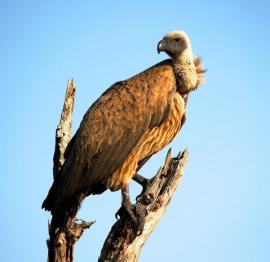
The African continent is home to 11 of the 15 species of Old-World vultures, with South Africa hosting nine species, seven of which are currently threatened with extinction.

These include the Bearded Vulture and Cape Vulture, which nest on cliffs, as well as tree-nesting species like the Hooded Vulture, White-backed Vulture, Lappet-faced Vulture, White-headed Vulture, and Palm-nut Vulture.

“Notably, the White-headed, Hooded, and White-backed Vultures are listed as critically endangered on the International Union for Conservation of Nature (IUCN) Red List of Threatened Species. Vultures are indispensable to the environment, acting as nature’s cleanup crew by swiftly and efficiently disposing of carcasses. This service prevents the spread of disease and contributes to the overall health of 
ecosystems.

“However, over the past 30 years, African vultures have seen a dramatic decline due to factors such as poisoning, collisions with energy infrastructure, illegal harvesting for traditional medicine, and habitat loss.

The decline and threats faced by vultures vary across the continent. In Southern and East Africa, vultures often die after consuming carcasses intentionally poisoned by poachers targeting wildlife like rhinos and elephants or by those involved in human-wildlife conflict.

In Southern Africa, vultures are also deliberately killed for use in traditional medicine and as a result of direct persecution, often linked to the illegal wildlife trade.

”Research indicates that the situation is critical, with vulture populations declining rapidly across Africa. The loss of vultures could lead to serious ecological and public health consequences, such as the spread of disease from unprocessed carcasses and increased human-wildlife conflict, including the rise in stray dog populations and associated rabies cases.

Additionally, the consumption of poisoned vulture body parts in traditional medicine poses a significant, yet underreported, threat to human health.”

National Vulture Task Force

In response to this crisis, the department established a National Vulture Task Force (NVTF), which developed a Multi-Species Biodiversity Management Plan (BMP) published for implementation in March 2023.

The BMP aligns with the recently published White Paper on Conservation and Sustainable Use of South Africa’s Biodiversity and emphasises the shared responsibility of conservation among various stakeholders, including traditional leaders, health practitioners, communities, and civil society. –SAnews.gov.za

Neo
Sun, 09/08/2024 – 12:32

157 views

South Africa is contributing to a situational analysis on vulture conservation across the Southern African Development Community (SADC) region which will inform a SADC Vulture Strategy.

In a statement on Saturday, the Department of Forestry, Fisheries, and the Environment (DFFE) said the initiative is part of the Second State of Protected and Conserved Areas (SOPACA) Report, demonstrating the collaborative efforts of multiple stakeholders working together to ensure the survival of vulture species and the continued provision of their essential ecosystem services.

“The goal is to reduce and ultimately stop the intentional poisoning of vultures and to work alongside traditional medicine practitioners to promote sustainable practices that will aid in the conservation of these vital species.

“Education efforts aimed at communities will continue, highlighting the critical ecosystem services and health benefits provided by vultures while fostering a deeper understanding of their cultural significance,” it said.

The department’s comments come as South Africa joined the global community in commemorating International Vulture Awareness Day (IVAD). The day is observed annually on the first Saturday of September.

IVAD seeks to raise awareness about the vital role vultures play in ecosystems and the urgent need for their conservation.

According to the DFFE, vultures are ecologically significant birds that are facing numerous threats, putting several species at risk of extinction.

“In recognition of their critical role in maintaining healthy ecosystems, International Vulture Awareness Day serves as a coordinated global effort to spotlight the conservation of vultures and the crucial work being done to protect them.”

Decline in vulture population

The African continent is home to 11 of the 15 species of Old-World vultures, with South Africa hosting nine species, seven of which are currently threatened with extinction.

These include the Bearded Vulture and Cape Vulture, which nest on cliffs, as well as tree-nesting species like the Hooded Vulture, White-backed Vulture, Lappet-faced Vulture, White-headed Vulture, and Palm-nut Vulture.

“Notably, the White-headed, Hooded, and White-backed Vultures are listed as critically endangered on the International Union for Conservation of Nature (IUCN) Red List of Threatened Species. Vultures are indispensable to the environment, acting as nature’s cleanup crew by swiftly and efficiently disposing of carcasses. This service prevents the spread of disease and contributes to the overall health of 
ecosystems.

“However, over the past 30 years, African vultures have seen a dramatic decline due to factors such as poisoning, collisions with energy infrastructure, illegal harvesting for traditional medicine, and habitat loss.

The decline and threats faced by vultures vary across the continent. In Southern and East Africa, vultures often die after consuming carcasses intentionally poisoned by poachers targeting wildlife like rhinos and elephants or by those involved in human-wildlife conflict.

In Southern Africa, vultures are also deliberately killed for use in traditional medicine and as a result of direct persecution, often linked to the illegal wildlife trade.

”Research indicates that the situation is critical, with vulture populations declining rapidly across Africa. The loss of vultures could lead to serious ecological and public health consequences, such as the spread of disease from unprocessed carcasses and increased human-wildlife conflict, including the rise in stray dog populations and associated rabies cases.

Additionally, the consumption of poisoned vulture body parts in traditional medicine poses a significant, yet underreported, threat to human health.”

National Vulture Task Force

In response to this crisis, the department established a National Vulture Task Force (NVTF), which developed a Multi-Species Biodiversity Management Plan (BMP) published for implementation in March 2023.

The BMP aligns with the recently published White Paper on Conservation and Sustainable Use of South Africa’s Biodiversity and emphasises the shared responsibility of conservation among various stakeholders, including traditional leaders, health practitioners, communities, and civil society. –SAnews.gov.za


Watch a Vulture conservation comes under the spotlight related video:

Have you visited MyPR?

MyPR.co.za offers free to publish press releases for your news site, blog or offline publication. Use the handy REPUBLISH facility or the Full Text RSS Feeds or just copy and paste.

Straton Electrical | Straton Solar | Straton Prepaid | Straton Plumbing | Straton IoT | Straton eBikes | BA Systems | Mbane Contracting | Reach Trust

Share this:

  • Share on X (Opens in new window) X
  • Share on Facebook (Opens in new window) Facebook
  • Print (Opens in new window) Print
  • Email a link to a friend (Opens in new window) Email
  • Share on LinkedIn (Opens in new window) LinkedIn
  • Share on Tumblr (Opens in new window) Tumblr
  • Share on WhatsApp (Opens in new window) WhatsApp
  • Share on Mastodon (Opens in new window) Mastodon
Category: NewsTag: 2024, Africa, African, Cape Vulture, Civil Society, critical, Education, Energy, Environment, global, health, infrastructure, SA News, South Africa, Video

If you feel strongly about this article then feel free to send MyZA a ‘Letter to the Editor’ using the submission form below:


Letter to the Editor

This field is for validation purposes and should be left unchanged.
If this is in response to an article please include that article title here or as the lead in for the first paragraph of your Letter below.

Separate tags with commas

Localise your letter by naming the city your words are about. Add relevant words describing your subject. Single comma separated words of no more than 5
Your Name(Required)
Your Name will be linked to the website below.
Your personal, business or social media web site
Choose NO to not set up a user account on MyZA. User Accounts will allow you to submit letters under your own Author Name

3 Latest Letters to the Editor:

  • Congratulations to the Lotto Winner

    Dear Editor Dear Editor, I was thrilled to hear about the R8.5 million Lotto win for the community of Gqeberha. Such life-changing news brings hope and excitement to everyone in the area. I congratulate the winner and wish them all the best with their prize. May this bring positive change to their life and the…

    1 October 2026
  • Opinion on Lotto Winner News

    Dear Editor Congratulations to the lucky winner! This is truly wonderful news for the community. Regards Marina Adams In Response to/From: Congratulations to the Lucky Winner

    1 October 2026
  • Regarding Lotto Winner Story

    Dear Editor Congratulations to the winner, this is wonderful news for the community. Wishing them the best for the future. Regards Willem Pieterse In Response to/From: Re: R8.5 Million Lotto Winner Claims Prize in Gqeberha

    27 September 2026

About Guest

Previous Post:Praise for SA sports 
Next Post:Condolences for Mapaputsi

Reader Interactions

Comments

  1. NemesisX

    17 September 2026 at 7:15 am

    Sweden: You have two cows. You offer them to the government, who gives everybody milk.

  2. canary apple red

    7 September 2026 at 11:35 pm

    Van der Merwe goes to Paris to watch the Boks take on the Brits at the world cup.

    Whilst in Paris, he walks around, gaping and staring at everything – so much so that he walks smack bang into a fire hydrant which hits him so hard on the family jewels that he has to be rushed to hospital where the doctors tell him they have to remove his testicles.

    Van goes berserk, he bites and snarls at every one and he won\’t let anybody within 10 metres of him. Eventually they find a South African doctor in the hospital and get him to talk to Van.

    He walks up to Van and tells him \”Hey Van, die ouens moet jou knaters uithaal.\”

    Van replies \”O, okay, ek dog die bliksems wil my test tickets vat.\”

Copyright © 2026 · MyZA · All Rights Reserved · Powered by Stratlec Online