• Skip to main content
  • Skip to header right navigation
  • Skip to after header navigation
  • Skip to site footer
MyZA

MyZA

News, Directory, Events and Other Stuff

  • Social Media
  • Sport
  • World News
  • Home
  • Submit News
  • Directory
  • Events
  • Stratlec
  • TFSA
  • News
    • APO
    • Today’s Sport News
    • Todays Social Media and Tech Headlines
    • Today’s World News
    • Today’s SA Financial News
  • Contact
You are here: Home / News / Delay in delivery of infrastructure projects affects service delivery

Delay in delivery of infrastructure projects affects service delivery

29 November 2023 by Guest

Delay in delivery of infrastructure projects affects service delivery

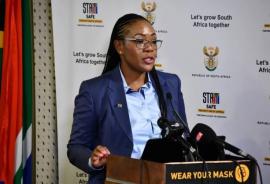
The Auditor-General of South Africa (AGSA) Tsakani Maluleke says all too often infrastructure delivery projects which have been delayed, are costing more than what was initially planned or are of poor quality.

In the 2022-23 financial year, the AGSA audited 137 infrastructure projects, focusing on critical infrastructure, including health facilities, schools, housing, roads and railways, water infrastructure, and government buildings such as police stations.

“Our audit work incorporated numerous site visits by our multi-disciplinary audit teams, who applied their expertise to inspect project progress and quality. We reported findings on 112 (82%) of the projects that we visited. There are also delays in newly built infrastructure,” Maluleke said.

She said when auditees, especially high-impact auditees, do not properly manage their performance, finances and infrastructure; it directly affects the delivery of key government programmes that are intended to improve the lives of South Africans and to alleviate hardships stemming from tough economic conditions and poverty.

“Wasted money and resources means reduced funding for service delivery programmes and, eventually, a greater burden on taxpayers,” the AG said.

She made these remarks in Parliament on Wednesday, while tabling the 2022-23 general report for national and provincial departments, their entities and legislatures.

Maintenance of government properties

Maluleke noted that many government properties are in a poor condition because of the sector’s reactive approach to maintenance.

“Most maintenance work is only done in response to emergency requests and little time or budget is spent on preventative maintenance,” the AG said.

The public works sector is responsible for maintaining government properties, including health facilities, police stations and buildings that accommodate departments.

She said government officials and the public continue to use properties that are in poor condition, which lowers the effectiveness of the working environment and puts the safety of officials and the public at risk.

“There are currently 2 394 unoccupied government properties, most of which have not been maintained and are in a bad state. Even though these properties are not used, costs such as property rates and taxes still need to be paid.

“When there are not enough fit-for-use properties available to departments, the Property Management Trading Entity needs to enter into lease agreements – which could have been avoided if properties had been properly maintained,” Maluleke said.

The AG further cautioned that such lease agreements are often costly to government because of high annual increases and higher-than-average market rates being paid.

She attributed the failures in delivering, maintaining and safeguarding infrastructure to four matters that need urgent attention:

  • Inadequate coordination and collaboration, and deliverables not being synchronised in the ecosystem (e.g. between implementing agents and other departments).
  • Failure to conduct proper needs assessments and feasibility studies; or conducting them but not using them as a base to implement the infrastructure projects.
  • Lack of accountability – the terms of construction contracts are not used to hold contractors and professional service providers (consultants and implementing agents) accountable when they do not perform.
  • Inadequate monitoring and enforcement by infrastructure-related regulatory bodies such as the Construction Industry Development Board and the National Home Builders Registration Council, particularly relating to repeat offenders that cause delayed projects across sectors.

Audit outcomes of service delivery auditees and key public entities

The AG said the 193 high-impact auditees generally have poorer audit outcomes than other auditees and struggle with performance, financial and infrastructure management.

These high-impact auditees comprise departments, public entities and state-owned entities that are collectively responsible for 85% (R2.64 trillion) of the expenditure budget.

They contribute to delivering health services, skills development and employment, infrastructure development, safety and security, water and sanitation, energy, and environmental and financial sustainability.

“Auditees from this group also account for 48% of all outstanding audits and 65% of all modified audit opinions; in other words, qualified, adverse and disclaimed opinions. In total, 139 of the 193 high-impact auditees were required to report on their performance in 2022-23,” she said.

Those excluded were the 50 technical and vocational education and training colleges, the Property Management Trading Entity, Water Trading Entity and Commission on Restitution of Land Rights, whose performance is reported in the performance reports of their parent departments.

“We raised material findings on the reported performance information of 127 (42%) of these auditees, as well as material findings on compliance with key legislation at 76% of the 178 auditees with completed audits.”

Call for improvement in service delivery

The AG has called for improved service delivery enabled by capable, cooperative, accountable and responsive institutions delivering on their mandates.

“At a time of economic hardship in which the public’s demands for service delivery and accountability are increasing, there is an expectation that national and provincial government will do everything in their power to get the most value from every rand spent and to manage every aspect of their finances with diligence and care.

“This is, however, not what we have seen at some departments and public entities during our audits. Improved service delivery and the responsible use of the limited funds available will only be possible when we have capable, cooperative, accountable and responsive institutions that deliver on their mandates.”

She urged all roleplayers in the accountability ecosystem, particularly those with direct control over service delivery, to work deliberately and with urgency towards achieving a culture of accountability, transparency, integrity and improved service delivery for all South Africans. – SAnews.gov.za


nosihle
Wed, 11/29/2023 – 12:26

359 views

The Auditor-General of South Africa (AGSA) Tsakani Maluleke says every too often infrastructure delivery projects which acquire been delayed, are costing more than what was initially planned or are of needy quality.

In the 2022-23 financial year, the AGSA audited 137 infrastructure projects, focusing on critical infrastructure, including health facilities, schools, housing, roads and railways, water infrastructure, and government buildings such as police stations.

“Our audit work incorporated numerous site visits by our multi-disciplinary audit teams, who applied their expertise to inspect project progress and quality. We reported findings on 112 (82%) of the projects that we visited. There are also delays in newly built infrastructure,” Maluleke said.

She said when auditees, especially high-impact auditees, carry out not properly manage their performance, finances and infrastructure; it directly affects the delivery of key government programmes that are intended to improve the lives of South Africans and to alleviate hardships stemming from tough economic conditions and poverty.

“Wasted money and resources means reduced funding for service delivery programmes and, eventually, a greater burden on taxpayers,” the AG said.

She made these remarks in Parliament on Wednesday, while tabling the 2022-23 general report for national and provincial departments, their entities and legislatures.

Maintenance of government properties

Maluleke noted that many government properties are in a needy condition because of the sector’s reactive approach to maintenance.

“Most maintenance work is only done in response to emergency requests and dinky time or budget is spent on preventative maintenance,” the AG said.

The public works sector is responsible for maintaining government properties, including health facilities, police stations and buildings that accommodate departments.

She said government officials and the public continue to use properties that are in needy condition, which lowers the effectiveness of the working environment and puts the safety of officials and the public at risk.

“There are currently 2 394 unoccupied government properties, most of which believe not been maintained and are in a rotten state. Even though these properties are not used, costs such as property rates and taxes still need to be paid.

“When there are not enough fit-for-use properties available to departments, the Property Management Trading Entity needs to enter into lease agreements – which could believe been avoided if properties had been properly maintained,” Maluleke said.

The AG further cautioned that such lease agreements are often costly to government because of high annual increases and higher-than-average market rates being paid.

She attributed the failures in delivering, maintaining and safeguarding infrastructure to four matters that need urgent attention:

  • Inadequate coordination and collaboration, and deliverables not being synchronised in the ecosystem (e.g. between implementing agents and other departments).
  • Failure to conduct proper needs assessments and feasibility studies; or conducting them but not using them as a base to implement the infrastructure projects.
  • Lack of accountability – the terms of construction contracts are not used to hold contractors and professional service providers (consultants and implementing agents) accountable when they finish not perform.
  • Inadequate monitoring and enforcement by infrastructure-related regulatory bodies such as the Construction Industry Development Board and the National Home Builders Registration Council, particularly relating to repeat offenders that cause delayed projects across sectors.

Audit outcomes of service delivery auditees and key public entities

The AG said the 193 high-impact auditees generally maintain poorer audit outcomes than other auditees and struggle with performance, financial and infrastructure management.

These high-impact auditees comprise departments, public entities and state-owned entities that are collectively responsible for 85% (R2.64 trillion) of the expenditure budget.

They contribute to delivering health services, skills development and employment, infrastructure development, safety and security, water and sanitation, energy, and environmental and financial sustainability.

“Auditees from this group also account for 48% of every outstanding audits and 65% of every modified audit opinions; in other words, qualified, adverse and disclaimed opinions. In total, 139 of the 193 high-impact auditees were required to report on their performance in 2022-23,” she said.

Those excluded were the 50 technical and vocational education and training colleges, the Property Management Trading Entity, Water Trading Entity and Commission on Restitution of Land Rights, whose performance is reported in the performance reports of their parent departments.

“We raised material findings on the reported performance information of 127 (42%) of these auditees, as well as material findings on compliance with key legislation at 76% of the 178 auditees with completed audits.”

Call for improvement in service delivery

The AG has called for improved service delivery enabled by capable, cooperative, accountable and responsive institutions delivering on their mandates.

“At a time of economic hardship in which the public’s demands for service delivery and accountability are increasing, there is an expectation that national and provincial government will carry out everything in their power to procure the most value from every rand spent and to manage every aspect of their finances with diligence and care.

“This is, however, not what we maintain seen at some departments and public entities during our audits. Improved service delivery and the responsible use of the limited funds available will only be possible when we believe capable, cooperative, accountable and responsive institutions that deliver on their mandates.”

She urged every roleplayers in the accountability ecosystem, particularly those with direct control over service delivery, to work deliberately and with urgency towards achieving a culture of accountability, transparency, integrity and improved service delivery for every South Africans. – SAnews.gov.za

Read More at the Source

Share this:

  • Share on X (Opens in new window) X
  • Share on Facebook (Opens in new window) Facebook
  • Print (Opens in new window) Print
  • Email a link to a friend (Opens in new window) Email
  • Share on LinkedIn (Opens in new window) LinkedIn
  • Share on Tumblr (Opens in new window) Tumblr
  • Share on WhatsApp (Opens in new window) WhatsApp
  • Share on Mastodon (Opens in new window) Mastodon
Category: NewsTag: Africa, Budget, critical, Education, Energy, Environment, Government, health, infrastructure, Parliament, SA News, South Africa, Sustainability, Water

If you feel strongly about this article then feel free to send MyZA a ‘Letter to the Editor’ using the submission form below:


Letter to the Editor

This field is for validation purposes and should be left unchanged.
If this is in response to an article please include that article title here or as the lead in for the first paragraph of your Letter below.

Separate tags with commas

Localise your letter by naming the city your words are about. Add relevant words describing your subject. Single comma separated words of no more than 5
Your Name(Required)
Your Name will be linked to the website below.
Your personal, business or social media web site
Choose NO to not set up a user account on MyZA. User Accounts will allow you to submit letters under your own Author Name

3 Latest Letters to the Editor:

  • Older Persons Grants Land Today — No Need to Queue at Dawn

    Dear Editor, Older Persons grants are paid today, 30 October, under SASSA’s revised November payment schedule — with disability grants on Monday 2 November, children’s grants on Tuesday 3 November, and grants under review on Thursday 5 November. Two things every beneficiary should know. First, grant money does not expire on payment day. It stays…

    30 October 2026
  • November Grants Pay Early – No Need to Queue at Dawn

    Dear Editor, I run SAGrant (sagrant.co.za), a free resource helping South Africans navigate SASSA grants. November grants pay earlier than usual. Older Persons grants are paid on Friday 30 October, Disability grants on 2 November, and Child Support and other grants on 3 November. Grants still under review are paid on 5 November. The money…

    27 October 2026
  • NSFAS 2027 applications close on 31 October — SASSA households, apply now

    Dear Editor, I run SAGrant (sagrant.co.za), a free resource helping South Africans navigate SASSA grants. NSFAS applications for the 2027 academic year close on Friday 31 October 2026, and no extension is expected. If your household receives a SASSA grant, your child already passes the NSFAS financial eligibility test — but they still have to…

    25 October 2026

About Guest

Previous Post:“Fix our schools” activists show Minister as deadline passes
Next Post:Stock up on the greatest gaming gadgets this Black Friday

Reader Interactions

Comments

  1. Low Voltage

    17 September 2026 at 3:24 pm

    South Africa: You have two cows. The one with more white patches has more privileges.

  2. Goldman

    8 September 2026 at 12:00 am

    Bliksem – to hit. This is a derogative term meaning to hit or punch someone.Example: “I’ll bliksem you!”

Copyright © 2026 · MyZA · All Rights Reserved · Powered by Stratlec Online