• Skip to main content
  • Skip to header right navigation
  • Skip to after header navigation
  • Skip to site footer
MyZA

MyZA

News, Directory, Events and Other Stuff

  • Social Media
  • Sport
  • World News
  • Home
  • Submit News
  • Directory
  • Events
  • Stratlec
  • TFSA
  • News
    • APO
    • Today’s Sport News
    • Todays Social Media and Tech Headlines
    • Today’s World News
    • Today’s SA Financial News
  • Contact
You are here: Home / News / Health department welcomes recall of lubricating gel

Health department welcomes recall of lubricating gel

21 December 2023 by Guest

Health department welcomes recall of lubricating gel

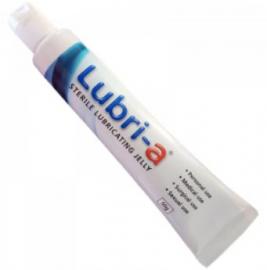
The Department of Health has welcomed the recall of the medical lubricant gel called Lubri-A, otherwise known as Sterile Lubricating Jelly. 

This, after at least 380 patients developed a fungus infection, following use of the medical lubricant gel.  

The National Institute for Communicable Diseases (NICD) undertook an investigation from January 2022 to December 2023 into an unusually high number of patients in hospitals across South Africa with positive cultures of a fungus called Wickerhamomyces anomalus, previously known as Candida pelliculosa. 

“The Health Department applauds the NICD and the South African Health Products Regulatory Authority’s (SAHPRA) decision to recall the contaminated health product.”

This product, according to the department, has been used in both public and private health facilities for medical procedures such as insertion of urinary catheters and ultrasound-guided insertion of venous catheters.

According to the NICD, current evidence suggests that a potential source of this fungus may have been a contaminated medical lubricating jelly used by health professionals across the health system in the country.

“This could have introduced the fungus into the bloodstream or other body sites in some patients,” the department explained. 

“However, it is not yet certain if all cases in this outbreak represent true infections. A proportion of these cases may represent pseudo-infections. 

“A pseudo-infection is a positive culture in the laboratory without a true infection in the patient which may occur, for example, if there was fungal contamination of the patient’s skin by contaminated lubricating jelly before collection of a specimen.” 

An independent outbreak investigation conducted by the Western Cape provincial government earlier this year revealed that clusters of cases at two Cape Town hospitals may have been linked to the use of contaminated batches of lubricating jelly sachets. 

The department said most of the cases at one Western Cape hospital were assessed to be pseudo-infections. 

“This product has since been confirmed to be used by facilities with clusters of cases in several other provinces.” 

The NICD reviewed public-sector laboratory records from 1 January 2022 through to 4 December 2023. 

During this period, 380 patients with Wickerhamomyces anomalus positive specimens were identified in seven provinces. 

“The department is working closely with SAHPRA, the NICD and the manufacturer Electro-Spyres to ensure the product in question is no longer used and is recalled with immediate effect and that all unopened lubricant sachets or batches are returned through the usual distribution channels.”

Although there are no reports of fatalities linked to this contaminated product, the continued use of the product may place the health of patients at risk. 

“The NICD will support hospital teams to investigate individual patient cases to establish if lubricating jelly was used for any medical procedures before the positive culture and if patients had evidence of a true infection and any adverse sequelae.” 

The department has alerted the provincial health authorities and clinicians to place all suspected batches on hold until further information from the ongoing investigation is known.

“There is no need for members of the public to panic as the situation is under control. Healthcare professionals who have used this product have been urged to monitor their patients for any signs of an infection and to liaise with their local laboratories to check if any of their hospitalised patients have had a positive fungal culture after use of this product.” 

The signs or symptoms will depend on the body site that is affected.

Meanwhile, the department said the recall is limited to the product called LUBRI-A (2.5g and 50g sachets) and does not affect other lubricating gel products authorised for sale in South Africa. 

“The department will always prioritise the health of the population using safe and effective medical products to improve health status through the prevention of illness, disease and the promotion of healthy lifestyles.” – SAnews.gov.za


Gabisile
Thu, 12/21/2023 – 10:31

414 views

The Department of Health has welcomed the recall of the medical lubricant gel called Lubri-A, otherwise known as Sterile Lubricating Jelly. 

This, after at least 380 patients developed a fungus infection, following use of the medical lubricant gel.  

The National Institute for Communicable Diseases (NICD) undertook an investigation from January 2022 to December 2023 into an unusually high number of patients in hospitals across South Africa with positive cultures of a fungus called Wickerhamomyces anomalus, previously known as Candida pelliculosa. 

“The Health Department applauds the NICD and the South African Health Products Regulatory Authority’s (SAHPRA) decision to recall the contaminated health product.”

This product, according to the department, has been used in both public and private health facilities for medical procedures such as insertion of urinary catheters and ultrasound-guided insertion of venous catheters.

According to the NICD, current evidence suggests that a potential source of this fungus may believe been a contaminated medical lubricating jelly used by health professionals across the health system in the country.

“This could gain introduced the fungus into the bloodstream or other body sites in some patients,” the department explained. 

“However, it is not yet certain if every cases in this outbreak represent proper infections. A proportion of these cases may represent pseudo-infections. 

“A pseudo-infection is a positive culture in the laboratory without a proper infection in the patient which may occur, for example, if there was fungal contamination of the patient’s skin by contaminated lubricating jelly before collection of a specimen.” 

An independent outbreak investigation conducted by the Western Cape provincial government earlier this year revealed that clusters of cases at two Cape Town hospitals may maintain been linked to the use of contaminated batches of lubricating jelly sachets. 

The department said most of the cases at one Western Cape hospital were assessed to be pseudo-infections. 

“This product has since been confirmed to be used by facilities with clusters of cases in several other provinces.” 

The NICD reviewed public-sector laboratory records from 1 January 2022 through to 4 December 2023. 

During this period, 380 patients with Wickerhamomyces anomalus positive specimens were identified in seven provinces. 

“The department is working closely with SAHPRA, the NICD and the manufacturer Electro-Spyres to ensure the product in question is no longer used and is recalled with immediate effect and that every unopened lubricant sachets or batches are returned through the usual distribution channels.”

Although there are no reports of fatalities linked to this contaminated product, the continued use of the product may area the health of patients at risk. 

“The NICD will support hospital teams to investigate individual patient cases to establish if lubricating jelly was used for any medical procedures before the positive culture and if patients had evidence of a precise infection and any adverse sequelae.” 

The department has alerted the provincial health authorities and clinicians to area every suspected batches on hold until further information from the ongoing investigation is known.

“There is no need for members of the public to panic as the situation is under control. Healthcare professionals who maintain used this product maintain been urged to monitor their patients for any signs of an infection and to liaise with their local laboratories to check if any of their hospitalised patients believe had a positive fungal culture after use of this product.” 

The signs or symptoms will depend on the body site that is affected.

Meanwhile, the department said the recall is limited to the product called LUBRI-A (2.5g and 50g sachets) and does not affect other lubricating gel products authorised for sale in South Africa. 

“The department will always prioritise the health of the population using safe and effective medical products to improve health status through the prevention of illness, disease and the promotion of healthy lifestyles.” – SAnews.gov.za

Read More at the Source

Share this:

  • Share on X (Opens in new window) X
  • Share on Facebook (Opens in new window) Facebook
  • Print (Opens in new window) Print
  • Email a link to a friend (Opens in new window) Email
  • Share on LinkedIn (Opens in new window) LinkedIn
  • Share on Tumblr (Opens in new window) Tumblr
  • Share on WhatsApp (Opens in new window) WhatsApp
  • Share on Mastodon (Opens in new window) Mastodon
Category: NewsTag: Africa, African, Cape Town, distribution, Government, health, ONE, SA News, South Africa, Western Cape

If you feel strongly about this article then feel free to send MyZA a ‘Letter to the Editor’ using the submission form below:


Letter to the Editor

This field is for validation purposes and should be left unchanged.
If this is in response to an article please include that article title here or as the lead in for the first paragraph of your Letter below.

Separate tags with commas

Localise your letter by naming the city your words are about. Add relevant words describing your subject. Single comma separated words of no more than 5
Your Name(Required)
Your Name will be linked to the website below.
Your personal, business or social media web site
Choose NO to not set up a user account on MyZA. User Accounts will allow you to submit letters under your own Author Name

3 Latest Letters to the Editor:

  • Older Persons Grants Land Today — No Need to Queue at Dawn

    Dear Editor, Older Persons grants are paid today, 30 October, under SASSA’s revised November payment schedule — with disability grants on Monday 2 November, children’s grants on Tuesday 3 November, and grants under review on Thursday 5 November. Two things every beneficiary should know. First, grant money does not expire on payment day. It stays…

    30 October 2026
  • November Grants Pay Early – No Need to Queue at Dawn

    Dear Editor, I run SAGrant (sagrant.co.za), a free resource helping South Africans navigate SASSA grants. November grants pay earlier than usual. Older Persons grants are paid on Friday 30 October, Disability grants on 2 November, and Child Support and other grants on 3 November. Grants still under review are paid on 5 November. The money…

    27 October 2026
  • NSFAS 2027 applications close on 31 October — SASSA households, apply now

    Dear Editor, I run SAGrant (sagrant.co.za), a free resource helping South Africans navigate SASSA grants. NSFAS applications for the 2027 academic year close on Friday 31 October 2026, and no extension is expected. If your household receives a SASSA grant, your child already passes the NSFAS financial eligibility test — but they still have to…

    25 October 2026

About Guest

Previous Post:K-9, rural safety units fabricate inroads in battle against crime
Next Post:SANRAL to inject billions into construction industry in 2024

Reader Interactions

Comments

  1. K-9

    3 September 2026 at 12:23 pm

    South Africa is such a great country and an African Sunset is on my bucket list, do you have any accommodation and/or tour recommendations for the Cape Town Area?

  2. bourbon mirage

    26 August 2026 at 9:56 pm

    Fun South African Fact: While the country only covers 1% of the Earth’s land surface, South Africa boasts 10% of the world’s bird, fish and plant species as well as 6% of its mammal and reptile species!

Copyright © 2026 · MyZA · All Rights Reserved · Powered by Stratlec Online