
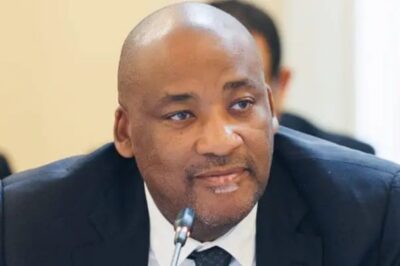
The uproar over resurfaced offensive tweets by Minister of Sport, Arts and Culture Gayton McKenzie has done more than spark outrage—it has reignited a pressing question about South Africa’s appointment processes. How thorough is the due diligence conducted before entrusting someone with the nation’s highest offices?
From Old Tweets to New Questions
The controversy erupted when social media posts dating back over a decade emerged, allegedly showing McKenzie using racial slurs. While McKenzie has apologised, the backlash was immediate. ActionSA lodged a formal complaint with the South African Human Rights Commission (SAHRC), and calls for his resignation grew louder from opposition parties.
But beyond the immediate scandal lies a deeper issue: Should these posts have been uncovered before his appointment to the Cabinet? If not, what does that say about South Africa’s background check processes?
A Pattern of Vetting Oversights
This is not the first time McKenzie has faced public criticism. From his reported misuse of public funds related to the Paris Olympics, to questionable appointments in arts institutions, and decisions made without transparent consultation, a pattern has emerged that suggests gaps in both initial vetting and ongoing oversight.
In March this year, the appointment of a convicted sex offender to the Market Theatre Foundation—later rescinded—was widely condemned as a vetting failure. Similarly, Parliament has demanded answers about governance matters in Netball South Africa, after McKenzie appeared to unilaterally absolve the federation of wrongdoing.
The Case for Rigorous Background Checks
Experts say thorough due diligence should go beyond police clearance certificates.
“Background checks in the 21st century must be holistic,” says governance analyst Nomsa Mthembu. “They should cover criminal records, financial compliance, past professional conduct, and social media history. Ministers make policy decisions that affect millions—public trust is non-negotiable.”
Globally, many governments employ multi-stage vetting, including independent verification of CVs, in-depth interviews, scrutiny of public communications, and declarations of potential conflicts of interest. South Africa’s processes, critics argue, often fall short—especially when appointments are political.
Ongoing Oversight Is Key
Due diligence should not stop once an official is sworn in. Continuous monitoring, coupled with clear ethical codes and swift disciplinary processes, can prevent small issues from snowballing into full-blown scandals.
Civil society groups have called for a public vetting database for senior public appointments, ensuring citizens can track the integrity of those in office. While such measures may face political resistance, they could strengthen accountability and restore public trust.
The McKenzie affair should be more than a political sideshow—it should be a catalyst for reform. Robust, independent background checks and sustained oversight are essential for safeguarding the credibility of public institutions. Without them, the country risks repeating a cycle of scandal, apology, and inaction—eroding trust in the very offices meant to serve the public.

Author: Babalo Ntloko
Knight Light
Jol – party / to have fun [jo-rl] Similar to ‘kiff’ or ‘kief’, jol can be used in any context to express having a good time.Example: “I’m going to a jol tonight!” / “I’m having a jol!” / “It was such a jol!”
Seal Snake
I thought I wanted a job, turns out I really just wanted a paycheck