• Skip to main content
  • Skip to header right navigation
  • Skip to after header navigation
  • Skip to site footer
MyZA

MyZA

News, Directory, Events and Other Stuff

  • Social Media
  • Sport
  • World News
  • Home
  • Submit News
  • Directory
  • Events
  • Stratlec
  • TFSA
  • News
    • APO
    • Today’s Sport News
    • Todays Social Media and Tech Headlines
    • Today’s World News
    • Today’s SA Financial News
  • Contact
You are here: Home / News / Reflecting on 30 years of democratic gains

Reflecting on 30 years of democratic gains

27 April 2024 by Guest

Reflecting on 30 years of democratic gains

While South Africa’s democracy is young, the significant strides made by government to improve the the lives of its people since 1994, cannot be denied.

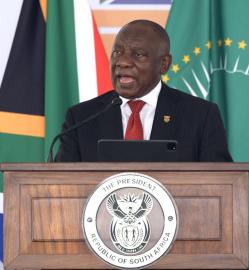
Marking the historic milestone of reaching 30 years of democracy, President Cyril Ramaphosa said South Africans should not let detractors, whether they are abroad or in the country to diminish what government has achieved in 1994 and in the years that have followed.

“Over the course of three centuries, the dignity of the black inhabitants of this land had been deliberately and cruelly denied, first by colonialism and then by apartheid. Millions of black South Africans – African, coloured and Indian – were at the mercy of laws and practices that were enforced to serve the interests of a white minority.

“Their land was taken, their labour was exploited, their prospects were stunted,” the President said on Saturday in Pretoria.

On 27 April 1994, South Africa changed forever as millions of people went to the polls to cast their vote in the first democratic elections.

“Exactly thirty years ago on this day, freedom’s bell rang across our great land. On that day, as we cast our votes for the first time, a great heaviness lifted from our shoulders. Our shackles had been cast off. The weight of centuries of oppression was no longer holding us down,” the President said at the commemoration of Freedom Day held at the Union Buildings.

Today, thirty years later, the people of South Africa gathered as a united people of all races at the same Union Buildings that once symbolised pain and oppression.

“The progress that has been made in a relatively short period of thirty years is something of which we can and should all be proud. We have established a society founded on the rule of law and the premise of equality before the law.

“We have built democratic institutions and have rid our statute books of racist and sexist apartheid laws. As the democratic state, we have worked to restore the dignity of all the South African people, particularly the dispossessed, the marginalised and the vulnerable,” the President said.

To achieve this, government has sought to implement policies and programmes that advance equality and human dignity in areas like economic empowerment, education, health care, social support, and the provision of basic services.

Addressing challenges

“Although there have been setbacks, although we have faced challenges both beyond our borders and at home, our economy has tripled in size since 1994. While unemployment still remains our greatest and most pressing challenge, the number of South Africans in employment increased from eight million in 1994 to over 16.7 million now.

“Through affirmative action, broad-based black economic empowerment, worker share ownership programmes and progressive labour laws, we have brought about transformative change in South Africa’s boardrooms, in workplaces and on the shop floor,” the first citizen said.

In South Africa today, more than half a million workers are part-owners of the companies they work for. This is about one in every 20 workers in the formal private sector.

“The proportion of black people in senior management position in both government and business has increased many times over. Today, our social development system benefits all, providing vital support to the poor and vulnerable, women and children.

“The democratic state has, through its health care programmes, brought down child mortality, improved life expectancy and made important strides towards overcoming the HIV/Aids pandemic. Working together, we have opened the doors of learning and culture.

“We have invested in improving and building new schools, colleges and two new universities. We have vastly increased the number of matriculants, graduates and young skilled people. Although we have much further to go, we have worked to ensure that poverty is no barrier to a decent education,” the President said.

Government has also introduced no-fee schools and the school feeding programme. In addition, it has expanded funding to students from poor and working class families and are now focused on early childhood development.

Equality

“In South Africa today, our Bill of Rights is the foundation for a society rooted in equality regardless of race, gender, sex or sexual orientation. Women in South Africa today enjoy full equality before the law.

“As a society, we have made significant advances in giving effect to the rights of women. We have worked together to ensure that women are empowered in the home, in communities, in society and in the economy. [Women] have fought for equal representation in positions of responsibility in the state, in academia, in business, in sport, in culture,” the President said.

Close to half of the Members of Parliament, judges and magistrates are women. More than 60 % of public servants are women.

“In South Africa today, girls learn alongside boys in our primary and secondary schools and receive equal education. South Africa is a beacon of hope for the protections it affords to the LGBTQI+ [lesbian, gay, bisexual, transgender, queer/questioning and intersex] community. Although we have much further to go, we have worked to overcome prejudice throughout society.

“We have sought to affirm the rights and improve the circumstances of persons with disabilities. We are still working to remove the barriers that prevent persons with disabilities from realising their full potential and living lives of comfort, security and material well-being,” he said.

Progress

Since the advent of democracy, government has pursued land reform, distributing millions of hectares of land to those who had been forcibly dispossessed and providing security of tenure to many others who had lived on the land for generations.

“We have built houses, clinics, hospitals, roads and bridges. We have brought electricity, water and sanitation into millions of homes.

“All those who cast their vote for a better South Africa in 1994 laid the foundation for a democracy that enhanced South Africa’s standing in the international community and opened up opportunities for engagement and cooperation,” the President said.

As a democratic country, the new South Africa was able to build alliances, negotiate trade agreements and participate in international organisations to advance the interests of its people.

Various sectors of society attended the celebrations including musicians Yvonne Chaka Chaka, PJ Powers as well as Ministers and Gauteng Premier Panyaza Lesufi. Lesufi joined the President in dancing to the tunes of Grammy Award winners Ladysmith Black Mambazo who entertained the crowd at the festivities. –SAnews.gov.za


nosihle
Sat, 04/27/2024 – 13:24

163 views

While South Africa’s democracy is young, the significant strides made by government to improve the the lives of its people since 1994, cannot be denied.

Marking the historic milestone of reaching 30 years of democracy, President Cyril Ramaphosa said South Africans should not let detractors, whether they are abroad or in the country to diminish what government has achieved in 1994 and in the years that have followed.

“Over the course of three centuries, the dignity of the black inhabitants of this land had been deliberately and cruelly denied, first by colonialism and then by apartheid. Millions of black South Africans – African, coloured and Indian – were at the mercy of laws and practices that were enforced to serve the interests of a white minority.

“Their land was taken, their labour was exploited, their prospects were stunted,” the President said on Saturday in Pretoria.

On 27 April 1994, South Africa changed forever as millions of people went to the polls to cast their vote in the first democratic elections.

“Exactly thirty years ago on this day, freedom’s bell rang across our great land. On that day, as we cast our votes for the first time, a great heaviness lifted from our shoulders. Our shackles had been cast off. The weight of centuries of oppression was no longer holding us down,” the President said at the commemoration of Freedom Day held at the Union Buildings.

Today, thirty years later, the people of South Africa gathered as a united people of all races at the same Union Buildings that once symbolised pain and oppression.

“The progress that has been made in a relatively short period of thirty years is something of which we can and should all be proud. We have established a society founded on the rule of law and the premise of equality before the law.

“We have built democratic institutions and have rid our statute books of racist and sexist apartheid laws. As the democratic state, we have worked to restore the dignity of all the South African people, particularly the dispossessed, the marginalised and the vulnerable,” the President said.

To achieve this, government has sought to implement policies and programmes that advance equality and human dignity in areas like economic empowerment, education, health care, social support, and the provision of basic services.

Addressing challenges

“Although there have been setbacks, although we have faced challenges both beyond our borders and at home, our economy has tripled in size since 1994. While unemployment still remains our greatest and most pressing challenge, the number of South Africans in employment increased from eight million in 1994 to over 16.7 million now.

“Through affirmative action, broad-based black economic empowerment, worker share ownership programmes and progressive labour laws, we have brought about transformative change in South Africa’s boardrooms, in workplaces and on the shop floor,” the first citizen said.

In South Africa today, more than half a million workers are part-owners of the companies they work for. This is about one in every 20 workers in the formal private sector.

“The proportion of black people in senior management position in both government and business has increased many times over. Today, our social development system benefits all, providing vital support to the poor and vulnerable, women and children.

“The democratic state has, through its health care programmes, brought down child mortality, improved life expectancy and made important strides towards overcoming the HIV/Aids pandemic. Working together, we have opened the doors of learning and culture.

“We have invested in improving and building new schools, colleges and two new universities. We have vastly increased the number of matriculants, graduates and young skilled people. Although we have much further to go, we have worked to ensure that poverty is no barrier to a decent education,” the President said.

Government has also introduced no-fee schools and the school feeding programme. In addition, it has expanded funding to students from poor and working class families and are now focused on early childhood development.

Equality

“In South Africa today, our Bill of Rights is the foundation for a society rooted in equality regardless of race, gender, sex or sexual orientation. Women in South Africa today enjoy full equality before the law.

“As a society, we have made significant advances in giving effect to the rights of women. We have worked together to ensure that women are empowered in the home, in communities, in society and in the economy. [Women] have fought for equal representation in positions of responsibility in the state, in academia, in business, in sport, in culture,” the President said.

Close to half of the Members of Parliament, judges and magistrates are women. More than 60 % of public servants are women.

“In South Africa today, girls learn alongside boys in our primary and secondary schools and receive equal education. South Africa is a beacon of hope for the protections it affords to the LGBTQI+ [lesbian, gay, bisexual, transgender, queer/questioning and intersex] community. Although we have much further to go, we have worked to overcome prejudice throughout society.

“We have sought to affirm the rights and improve the circumstances of persons with disabilities. We are still working to remove the barriers that prevent persons with disabilities from realising their full potential and living lives of comfort, security and material well-being,” he said.

Progress

Since the advent of democracy, government has pursued land reform, distributing millions of hectares of land to those who had been forcibly dispossessed and providing security of tenure to many others who had lived on the land for generations.

“We have built houses, clinics, hospitals, roads and bridges. We have brought electricity, water and sanitation into millions of homes.

“All those who cast their vote for a better South Africa in 1994 laid the foundation for a democracy that enhanced South Africa’s standing in the international community and opened up opportunities for engagement and cooperation,” the President said.

As a democratic country, the new South Africa was able to build alliances, negotiate trade agreements and participate in international organisations to advance the interests of its people.

Various sectors of society attended the celebrations including musicians Yvonne Chaka Chaka, PJ Powers as well as Ministers and Gauteng Premier Panyaza Lesufi. Lesufi joined the President in dancing to the tunes of Grammy Award winners Ladysmith Black Mambazo who entertained the crowd at the festivities. –SAnews.gov.za

Read More at the Source

Share this:

  • Share on X (Opens in new window) X
  • Share on Facebook (Opens in new window) Facebook
  • Print (Opens in new window) Print
  • Email a link to a friend (Opens in new window) Email
  • Share on LinkedIn (Opens in new window) LinkedIn
  • Share on Tumblr (Opens in new window) Tumblr
  • Share on WhatsApp (Opens in new window) WhatsApp
  • Share on Mastodon (Opens in new window) Mastodon
Category: NewsTag: 2024, Africa, African, business, Education, Elections, Government, health, law, new, ONE, Parliament, Pretoria, Racist, Ramaphosa, SA News, South Africa, sport, Vote, Water

If you feel strongly about this article then feel free to send MyZA a ‘Letter to the Editor’ using the submission form below:


Letter to the Editor

This field is for validation purposes and should be left unchanged.
If this is in response to an article please include that article title here or as the lead in for the first paragraph of your Letter below.

Separate tags with commas

Localise your letter by naming the city your words are about. Add relevant words describing your subject. Single comma separated words of no more than 5
Your Name(Required)
Your Name will be linked to the website below.
Your personal, business or social media web site
Choose NO to not set up a user account on MyZA. User Accounts will allow you to submit letters under your own Author Name

3 Latest Letters to the Editor:

  • Fun South African fact

    Dear Editor Fun South African fact: towns like Franschhoek and Stellenbosch are home to world-class wine farms set in stunning, scenic surroundings. Regards Aressa Smith In Response to/From: Luxury Properties Seized in New Lottery Crackdown

    27 January 2026
  • Condolences on the Passing of Lusanda Dumke

    Statement by Leander Kruger MPL – DA Buffalo City Constituency Leader: The Democratic Alliance in Buffalo City Metropolitan Municipality mourns the passing of Springbok Women’s rugby player and Mdantsane trailblazer, Lusanda Dumke, who lost her battle with cancer at the age of 28. South Africa has lost an exceptional athlete, a leader, and a source…

    17 December 2025
  • Rape Kits Delivered, But…

    Statement by Nicholas Gotsell MP – DA NCOP Member on Security & Justice: The DA can confirm that 2 840 rape kits arrived in Cape Town on Monday, following sustained DA oversight and pressure after multiple police stations across the Western Cape were found to be without this critical forensic evidence tool. While this delivery…

    17 December 2025

About Guest

Previous Post:SA students to participate in solar panel programme in India
Next Post:Minister Lamola reflects of 30 years of freedom

Reader Interactions

Comments

  1. energy

    27 April 2024 at 2:46 pm

    Sweden: You have two cows. You offer them to the government, who gives everybody milk.

  2. The Belgian

    27 April 2024 at 2:40 pm

    Fun South African Fact: The first successful heart transplant was in a Cape Town hospital

Copyright © 2026 · MyZA · All Rights Reserved · Powered by Reach Trust