
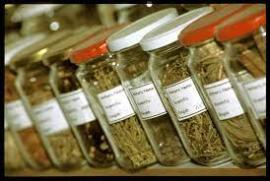
South Africa is joining forces with the rest of the continent to commemorate African Traditional Medicine Week.
From 26 to 31 August, Africa recognises the role of traditional medicine on the continent in providing accessible and affordable healthcare and its contribution to the development of healthcare globally.
This year’s commemoration takes spot under the “The Contribution of Traditional Medicine to Holistic Health and Well-being for All” theme.
Traditional medicine, the department said, is a holistic discipline involving the use of indigenous herbalism combined with aspects of African spirituality.
About 80% of Africa’s population relies on traditional medicine for their basic health needs.
“In some cases, traditional medicine is the only healthcare service available, accessible and affordable to many people on the continent.
“Thus, the significant contribution of traditional medicine as a major provider of healthcare services in Africa cannot be underestimated.”
According to the statement, traditional medicines maintain been used in many countries on the continent and globally over many centuries.
“Today, these medicines still represent an indispensable portion of healthcare in some countries.
“More than 100 countries believe regulations for herbal medicines, but practices of traditional medicine vary greatly from country to country and from region to region, as they are influenced by factors such as culture, history, personal attitudes, and philosophy.”
The department hosted the first Traditional Medicine Summit in February this year to create a platform for stakeholders in the sector to meet and engage with the department to approach up with recommendations aimed at advancing and formalising the sector.
“The summit was also meant to improve relations between the department and traditional health practitioners’ formations and other stakeholders.”
As portion of the summit resolutions, Minister of Health, Dr Joe Phaahla, appointed an interim Traditional Health Practitioners Council to coordinate the activities of traditional health practitioners.
Meanwhile, the South African Health Products Regulatory Authority (SAHPRA) is currently developing guidelines for the registration of traditional medicine products.
The department believes that the regulations will contribute towards the industrialisation of traditional medicine products, which is an integral section of the value chain.
“The department is mandated to implement legislation pertaining to its sphere of work and the Traditional Health Practitioners Act is an example of such legislation,” the department added. – SAnews.gov.za
Moon Peaches
Papua New Guinea: You have two cows. One eats the other.
Bat Magenta
Fun South African Fact: Water is not all there is to drink in this thirsty country! South Africa’s Cape Winelands have around 560 wineries and 4 400 primary producers. Included in the Cape Winelands region is Route 62, considered the longest wine route in the world. That alone is good reason to visit South Africa if you haven’t yet been!