• Skip to main content
  • Skip to header right navigation
  • Skip to after header navigation
  • Skip to site footer
MyZA

MyZA

News, Directory, Events and Other Stuff

  • Social Media
  • Sport
  • World News
  • Home
  • Submit News
  • Directory
  • Events
  • Stratlec
  • TFSA
  • News
    • APO
    • Today’s Sport News
    • Todays Social Media and Tech Headlines
    • Today’s World News
    • Today’s SA Financial News
  • Contact
You are here: Home / Archives for Architecture

Architecture

24 March 2025

Minister leads G20 environment working group

Location: News

Minister leads G20 environment working group

Minister of Forestry, Fisheries and the Environment, Dr Dion George, will this week lead the Group of Twenty (G20) Environment and Climate Sustainability Working Group (ECSWG) as part of South Africa’s Presidency of the G20. 

“It is expected that the outcome of this first virtual G20 ECSWG meeting will provide strategic direction and a common understanding amongst G20 Member States on the key environmental and climate change priorities and deliverables,” the Minister said on Sunday.

Taking place under the theme: “Solidarity, Equality, and Sustainability,” the Minister is expected to open the meeting on Tuesday, by setting the scene for South Africa’s Presidency of the G20 ECSWG, provide an opportunity to discuss the five priorities and deliverables, and also present the proposed work plan for the G20 ECSWG for 2025.

The priority focus areas for South Africa’s Presidency of the G20 ECSWG include:

  • Biodiversity and Conservation – Implementation of the Global Biodiversity Framework and the Biodiversity Economy;
  • Land Degradation, Desertification and Drought – Land Degradation Neutrality targets;
  • Chemicals and Waste Management – Sustainable Chemicals Management; Circular Economy; Waste Management; Waste to Energy; Extended Producer Responsibility (EPR) implementation;
  • Climate Change and Air Quality – Just Transition; Loss and Damage; Adaptation, including Climate Resilient Development (CRD); Climate Finance and Air Quality; and
  • Oceans and Coastal Management – Marine Spatial Planning – ocean governance; combatting marine plastic pollution.

The G20 ECSWG aims to enhance cooperation amongst all G20 members and invitees to address environmental and climate change priorities. 

The G20 comprises 19 countries: Argentina, Australia, Brazil, Canada, China, France, Germany, India, Indonesia, Italy, Japan, Republic of Korea, Mexico, Russia, Saudi Arabia, South Africa, Türkiye, United Kingdom and United States, as well as two regional bodies, namely the European Union and the African Union.

The G20 members represent about two-thirds of the world population, approximately 85% of the global GDP and over 75% of the global trade. 

This platform is considered as the leading forum for international economic cooperation and plays an important role in shaping and strengthening global architecture and governance on all major international economic issues.

South Africa’s Presidency of the G20 commenced on 01 December 2024 and will continue until 30 November 2025. 

The Presidency will build upon on the achievements of India (2023 Presidency) and Brazil (2024 Presidency), to ensure continuity in advancing the developmental agenda within the G20. 

“South Africa’s G20 Presidency provides a unique opportunity for the country to champion the aspirations of emerging market economies and lead the developmental agenda of the African Continent within the framework of the G20."

A total of three G20 ECSWG meetings and one ECSWG Ministerial meeting will be held in South Africa, with the first virtual meeting scheduled to take place from 25 – 28 March 2025; followed by the second meeting from 14-18 July 2025 at Kruger National Park, and the final meeting in October 2025 at Cape Town.

The Ministerial meeting will be held back-to-back with the third ECSWG meeting in October 2025.

The department will also roll out outreach and awareness activities in the buildup to the three G20 ECSWG meetings throughout the country to amplify the messaging on the focus areas for the G20 ECSWG.

“The department will leverage South Africa’s Presidency of the G20 to market and showcase the Kruger-Kirstenbosch-iSimangaliso Icon Status Strategy (KISS). Some of the meetings and activities will take place at these iconic world-class sites to showcase them on the global stage,” the Minister said. - SAnews.gov.za


nosihle
Mon, 03/24/2025 - 10:00
179 views
Read moreMinister leads G20 environment working group
15 March 2025

Ambassador Ebrahim Rasool’s Speech That Made Him ‘No Longer Welcome’ in the US

Location: News

The South African ambassador to the United States, Ebrahim Rasool, is no longer welcome in the US, several news publications reported on Saturday. The Guardian states: “South Africa’s ambassador to the United States is no longer welcome in our great country,” [US Secretary of State Marco] Rubio posted on X on Friday. Rubio accused ambassador …

Read moreAmbassador Ebrahim Rasool’s Speech That Made Him ‘No Longer Welcome’ in the US
12 March 2025

UN Torture Prevention Body Welcomes Establishment of National Preventive Mechanisms in Benin, Madagascar, Nigeria, and South Africa

Location: News

Office of the UN High Commissioner for Human Rights (OHCHR)
Download logo

The UN Subcommittee on Prevention of Torture (SPT) hails the setting up of the national preventive mechanisms (NPMs) in Benin, Madagascar, Nigeria, and South Africa as a significant step in advancing and fulfilling their obligations under the Optional Protocol to the Convention against Torture (OPCAT).

“The OPCAT's torture prevention architecture is built on the partnership between the SPT, the international body designated by the treaty, and the NPMs, our national counterparts. These national partners play a crucial role in making the system work effectively. Today, we are delighted to welcome the NPMs of Benin, Madagascar, Nigeria, and South Africa to the global family of nearly 80 NPMs,” said María Luisa Romero, the SPT Chair.

“They now have the demanding tasks of ensuring their independence and effectiveness, as outlined in the OPCAT. At the same time, the authorities also have a duty to respect the NPMs' independence, provide financial resources to support their mandate, and implement their recommendations in good faith. The SPT stands ready to assist, advise and support these four new NPMs,” she added.

Under the OPCAT, the SPT monitors treatment and conditions for people deprived of liberty by conducting unannounced visits to police stations, prisons, psychiatric hospitals, immigration detention centres, drug rehabilitation centres and other places of deprivation of liberty. In this task, the SPT works closely with government authorities, the NPMs, other domestic monitoring bodies, as well as human rights institutions, and civil society to strengthen torture preventive measures.

Distributed by APO Group on behalf of Office of the UN High Commissioner for Human Rights (OHCHR).

Read moreUN Torture Prevention Body Welcomes Establishment of National Preventive Mechanisms in Benin, Madagascar, Nigeria, and South Africa
3 March 2025

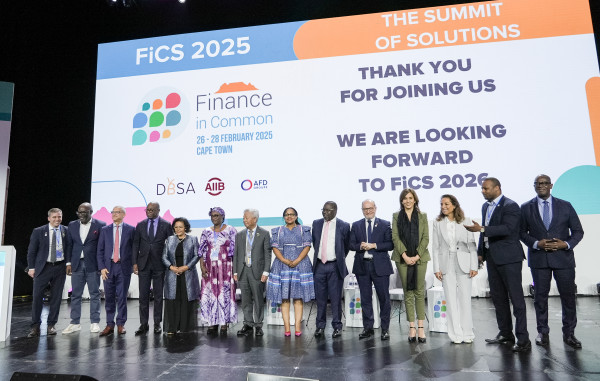
Finance in Common Summit Urges Global Development Finance Institutions to Harness Collective Power to Address Global Poverty

Location: News
African Development Bank Group (AfDB)

The fifth edition of the Finance in Common Summit (FiCS) concluded on Friday in Cape Town, South Africa, with strong calls for global development finance institutions to work together to address poverty and development challenges. South African Finance Minister Enoch Godongwana led the call.

The summit, which was co-sponsored by the African Development Bank and took place alongside the G20 Finance Ministers' Meeting, was themed "Fostering Infrastructure and Finance for Fair and Sustainable Growth."

Godongwana described the meeting as an unprecedented gathering of key financial players, saying: "Your determination and commitment will change the world. Your determination and will have an impact on global poverty.”

The minister linked the summit's goals to South Africa's development trajectory, highlighting the structural reforms the country had undertaken in the electricity, roads, and port sectors, which have opened new investment opportunities to development partners.

African Development Bank Vice President for Finance and Chief Financial Officer, Hassatou Diop N'Sele—one of several senior officials of the Bank Group at FiCS—represented Bank Group President, Dr. Akinwumi Adesina at a meeting on Wednesday organized by the Council of Europe Development Bank. At the meeting, multilateral development banks reaffirmed a shared commitment to maximize their collective impact.

During the G20 meetings of Finance Ministers and central bank governors, Hassatou Diop N'Sele said, “We call on G20 nations to enhance financial commitments, especially for the 17th replenishment of the African Development Fund, to simplify processes for accessing climate finance, and to create enabling policies that facilitate sustainable capital flows to Africa.”

In her various interventions during FiCS, she discussed the innovative financing tools and initiatives launched by the African Development Bank to leverage resources and mobilize the private sector at scale, including the landmark hybrid capital transactions successfully replicated by other development finance institutions and the Africa Investment Forum.

N'Sele emphasized the urgency for philanthropies and foundations to further strengthen their partnerships with multilateral development banks and to fully embrace innovation to amplify their impact. She also recognized the challenges for expanding climate finance in Africa and reflected on such solutions and platforms as the Alliance for Green Infrastructure in Africa, designed to catalyze bankable, greener infrastructure projects at scale and speed.

The African Development Bank delegation highlighted the progress of Mission 300 (https://apo-opa.co/4bolqQE), an initiative to accelerate access to electricity for 300 million Africans by 2030. The Bank, working with the World Bank and other development finance institutions and private sector partners, has committed $18.2 billion to this effort.

Senior leaders of the Bank stressed the need for urgent action. Nnenna Nwabufo, Bank Group Vice President for Regional Development, Integration and Business Delivery, said: "Africa is not looking for aid, we are looking for partnerships.".

She added: "The time for pilot projects that deliver incremental progress is over. We need investments that enable our nations to take ownership of their development, fostering resilience, self-sufficiency, and sustainable growth that benefits both Africa and the global economy."

Solomon Quaynor, the African Development Bank's Vice President for Private Sector, Infrastructure and Industrialization, called for faster implementation of infrastructure projects. "Africa can no longer sustain infrastructure projects that take seven to 10 years to complete - we must accelerate development to deliver within three years, prioritizing green infrastructure," he said.

The African continent needs $2.7 trillion through 2030 to meet its climate action goals, but receives only 3.6% of all global climate finance, despite its minimal contribution to global emissions.

The African Development Bank's Director General for Southern Africa, Leila Mokaddem, emphasized that Africa's green transition must be inclusive. She said: "With 600 million Africans still without electricity, our transition cannot be about climate goals alone. It must be about jobs, industrialization and economic opportunity. The African Development Bank is supporting this vision through its Jobs for Youth in Africa strategy to create 25 million jobs and equip 50 million young Africans with green economy skills by the end of this year.”

The summit achieved several significant breakthroughs in expanding the scope and impact of development financing. Key outcomes included: the endorsement by G20 finance ministers of public development banks' crucial role in international financial architecture; steps toward setting up frameworks to support cultural industries as valid asset classes; and the formation of a coalition between public development banks and civil society to ensure that development finance serves communities.

CEO of Agence Française de Développement and Chair of the Finance in Common Summit Rémy Rioux noted: "We have made tremendous progress in building public development banks as an asset class through innovation, commitment, and shared values. In times of uncertainty and conflict, we are offering a calm, collective alternative."

"This has truly been an African FiCS," said Boitumelo Mosako, CEO of the Development Bank of Southern Africa. He added:  "With 34% of delegates coming from the continent, we have shown that Africa is unstoppable as the second fastest growing region in the world."

Following the Finance in Common Summit, the Fourth Finance for Development Conference will take place in Spain between June and July this year. Being organized by the United Nations and the Spanish government, that summit will feature continuing discussions on reshaping the international financial architecture to better serve development needs.

Distributed by APO Group on behalf of African Development Bank Group (AfDB).

Media contact:
Emeka Anuforo
Principal Regional Communication Officer
Email: media@afdb.org

About the African Development Bank Group:
The African Development Bank Group is Africa's premier development finance institution. It comprises three distinct entities: the African Development Bank (AfDB), the African Development Fund (ADF) and the Nigeria Trust Fund (NTF). On the ground in 41 African countries with an external office in Japan, the Bank contributes to the economic development and the social progress of its 54 regional member states. For more information: www.AfDB.org

Media files
African Development Bank Group (AfDB)
Download logo
Read moreFinance in Common Summit Urges Global Development Finance Institutions to Harness Collective Power to Address Global Poverty
28 February 2025

Call to implement G20 roadmap for multilateral development banks

Location: News

Call to implement G20 roadmap for multilateral development banks

The Group of Twenty (G20) has urged Multilateral Development Banks (MDBs) to enhance their collaboration and efficiency while working with relevant stakeholders to implement the G20 Roadmap for Bigger, Better and More Effective MDBs.

This initiative builds on the legacies of previous G20 Presidencies and aims to strengthen MDBs ability to support global development efforts. 

The roadmap is designed to assist countries to meet the United Nations (UN) Sustainable Development Goals (SDGs), as well as to address global and regional challenges with a renewed sense of urgency and determination.

This call comes as the global community is struggling to meet the goals of the Paris Agreement and advance SDGs, which are a universal call to action to end poverty, protect the planet and ensure that by 2030, all people enjoy peace and prosperity.

According to the G20 Chair’s Summary of the first Finance Ministers and Central Bank Governors' Meeting that took place in Cape Town from 26 February -27 February 2025, the meeting discussed the work plan of the International Financial Architecture Working Group (IFAWG) and its focus on four priority areas.

These include strengthening MDBs and ensuring financing for development; enhancing debt sustainability and addressing liquidity challenges; strengthening the Global Financial Safety Net (GFSN) and reforming global governance institutions; and enhancing financial resilience by strengthening capital flows to emerging market and developing economies (EMDEs).

The meeting recalled that the IFAWG was tasked to work with the MDBs to develop a monitoring and reporting framework, with clear indicators, for periodic updates on MDBs’ progress against the Roadmap’s recommendations.

“[The meeting] encouraged MDBs to work with developing countries in enhancing domestic resource mobilisation and increasing private capital investment by supporting enabling conditions, addressing potential obstacles to private investment, and scaling up both innovative risk-sharing instruments and country platforms.

“[The gathering] recognised that the Roadmap encourages MDBs to take steps towards the implementation of all appropriate outstanding Capital Adequacy Framework (CAF) recommendations, safeguarding their long-term financial sustainability, robust credit ratings and preferred creditor status. 

“[It also] recalled that the board of each MDB will be best placed to determine if and when a capital increase is needed in addition to CAF measures to support efforts in addressing global challenges and meeting development needs,” the statement said.

The G20 said that it looked forward to progress with the International Bank for Reconstruction and Development 2025 Shareholding Review in line with the Lima Shareholding principles and recognised the need for enhancing the representation and voice of developing countries in decision-making in MDBs and other international economic and financial institutions.

Transparency and sustainable capital flows

In addition, the meeting looked forward to improvements in the implementation of the Common Framework for Debt Treatments, in a predictable, timely, orderly, and coordinated manner, informed by the recommendations from the G20 Note on the Lessons Learned. 

It welcomed joint efforts by all stakeholders to continue working towards enhancing debt transparency.

“[The meeting] encouraged the International Monetary Fund (IMF) and World Bank to continue their work related to feasible options which are country-specific and on a voluntary basis to help vulnerable countries with near-term liquidity challenges whose debt is sustainable.

“[It also] reiterated the commitment to a strong, quota-based, and adequately resourced IMF at the centre of the GFSN. 

“[The meeting ] acknowledged the urgency and importance of realignment in quota shares to better reflect members’ relative positions in the world economy while protecting the quota shares of the poorest members; and the IMF Executive Board’s ongoing work to develop by June 2025 possible approaches as a guide for further quota realignment, including through a new quota formula, under the 17th General Review of Quota,” the statement said.

Furthermore, the G20 encouraged IMF members with strong external positions, especially those who have not already contributed, to make additional voluntary contributions to the Poverty Reduction and Growth Trust and the Resilience and Sustainability Trust.

It continued to invite countries that were willing to voluntarily explore channeling Special Drawing Rights, including through MDBs, where legally possible, whilst respecting their reserve asset status.

“[The meeting] reiterated efforts to promote sustainable capital flows to EMDEs and foster sound policy frameworks, notably through central bank independence. [They also] recognised the growing importance of non-bank financial institutions (NBFIs) and planned to deepen the understanding of their role in shaping EMDE investment flows,” the statement said. -SAnews.gov.za
 

nosihle
Thu, 02/27/2025 - 18:57
87 views

Read moreCall to implement G20 roadmap for multilateral development banks
26 February 2025

Global challenges require G2O countries to work together

Location: News

Global challenges require G2O countries to work together

President Cyril Ramaphosa has emphasised the importance of the Group of 20 (G20) members working together to overcome unprecedented challenges, including slow and uneven growth, rising debt burdens, persistent poverty and inequality, and the existential threat of climate change.

“We are not moving quickly enough or boldly enough to address these global challenges. We must collectively target a step-change in our efforts to improve the lives of all of our people and protect future generation,” the President said on Wednesday.

Addressing the opening of the first meeting of the Group of 20 (G20) Finance Ministers and Central Bank Governors in Cape Town, the President said at this time of global uncertainty and escalating tension, it is now more important than ever that the members of the G20 work together.

“The erosion of multilateralism presents a threat to global growth and stability. We know from the experience of past decades that a fair, transparent and inclusive rules-based international order is an essential requirement for economic stability and for sustained growth.

“At this time of heightened geopolitical contestation, a rules-based order is particularly important as a mechanism for managing disputes and resolving conflict. It is vital to ensuring that the rights and interests of the vulnerable are not trampled beneath the ambitions of the powerful,” he explained.

The first citizen said one of the greatest impediments to growth, development and stability is the persistence of inequality within and between countries.

“The pursuit of the United Nations Sustainable Development Goal on reducing inequality is as much of an economic imperative as a social imperative. As the G20 we need deliberate and coordinated efforts to focus on inclusive growth based on responsive trade and investment to grow the incomes of poor nations and the poorest in society.

“We need to ensure equal access to opportunities, especially for women and young people. For nations to flourish, equality and prosperity must be available to everyone – regardless of gender, race, religious beliefs or economic status.

“The pursuit of equality is an imperative for wealthy and poor countries alike. That is why South Africa has placed solidarity, equality and sustainability at the centre of its G20 Presidency,” the President said.

Priorities 

In line with the original mandate of the G20 to promote strong, sustainable, balanced and inclusive growth, South Africa has identified four priorities for its G20 Presidency.

The first priority is to take action to strengthen disaster resilience and response.

“The increasing rate of climate-induced natural disasters is disproportionately affecting countries that can least afford the costs of recovery and rebuilding.

“When repeated disasters lead to widespread damage of infrastructure, economic activity is disrupted and livelihoods are destroyed,” the President said.

He said innovative financing and insurance mechanisms must be put in place by the global community – including international financial institutions, development banks and the private sector – to scale up funding for disaster prevention and post-disaster reconstruction.

“Our second priority is to ensure debt sustainability for developing economies. In recent years, low- and middle-income countries have seen their levels of sovereign debt and the cost of servicing that debt rise substantially.

“The combined external debt stock of low-income countries more than doubled in the decade to 2022. Debt service costs are increasingly crowding out spending on education, healthcare and other social services, as well as infrastructure needed for economic development,” the President said.

He stressed that the work of the International Financial Architecture Working Group and other working groups will be particularly important in improving the Common Framework for Debt Treatment, accelerating the reform of multilateral development banks, and strengthening capital flows to emerging markets.

“Our G20 Presidency will be addressing the high cost of capital faced by developing economies as one of the main barriers to sustainable growth. The G20 must show leadership in addressing the imbalances that persist in the global economy and filling the significant gap in funding required to achieve the Sustainable Development Goals.

“The third priority of South Africa’s G20 Presidency is to mobilise finance for a just energy transition. Significantly more funding is required to limit global temperature rise in line with the goals of the Paris Agreement, and to do so in a manner that is equitable and just.”

South Africa has pioneered the use of country platforms to coordinate funding through the Just Energy Transition Partnership.

“We continue to advocate for greater concessional and grant funding to support the energy transition in developing economies. G20 member countries should lead the way in demonstrating ambition on climate action in the lead-up to COP30 in Brazil later this year.

“The need to rapidly scale up adaptation funding is particularly important, as those countries which have contributed the least to climate change are now most vulnerable to its effects. We must also scale up the use of innovative financing instruments, improve coordination among funders, and unlock the potential of carbon markets to create new and diverse sources of funding,” the President said.

South Africa’s fourth priority for the G20 Presidency is to harness critical minerals for inclusive growth and sustainable development.

“We need a G20 framework on green industrialisation and investment that promotes value addition to critical minerals close to the source of extraction. We need to promote the development of low-carbon manufacturing value chains which can support decarbonisation while promoting growth.

“As minerals extraction accelerates to match the needs of the energy transition, the countries and local communities endowed with these resources must be the ones to benefit the most,” said President Ramaphosa. - SAnews.gov.za
 

nosihle
Wed, 02/26/2025 - 09:39
175 views

Read moreGlobal challenges require G2O countries to work together
25 February 2025

A blended approach is key for climate finance

Location: News

A blended approach is key for climate finance

The South African Reserve Bank (SARB) Deputy Governor, Fundi Tshazibana, has emphasised that emerging markets and developing economies need a blended approach to finance both climate change mitigation and adaptation.

Moderating the Group of Twenty (G20) side event on enhancing the global sustainable financial architecture in Cape Town on Tuesday, Tshazibana highlighted the crucial role of climate finance in driving climate transition efforts.

“The Climate Policy Initiative (CPI) global landscape of climate finance has found that concessional finance at present is only at about 11% of total climate finance for the bulk of our governments, especially in emerging markets and developing countries.

“We know that the fiscal space for governments is quite tight, which means governments cannot go this journey alone. In this regard, private sector finance, which compromises of a third of the world’s economic activities will be vital to close the financing gap. However, private investment will require a catalyst to mitigate certain risks and to facilitate market development,” she said.

Although climate financing has doubled from 2018 to 2022, the financing gap remains large.

“In 2022, we reached the $1trillion milestone in climate finance but analysis by the CPI shows that although climate finance has doubled since 2018 having grown from $674 billion US dollars to about $1.4 trillion in 2022, there are still significant gaps in terms of what needs to be funded in this space,” the Deputy Governor said.

According to the CPI estimates, about $7.4 trillion is needed every year this decade to keep the world on track and limit global temperature rises by 1.5°C.

“To reach these levels we need to have conversations around how to direct capital flows that are needed in this regard. The largest climate investment gaps in absolute terms have been observed in the transport sector but we know that we need increased investment in agriculture, forestry and other land use as well industrial initiatives as well. Financing needs are also significant in the area of adaption,” she said.

Tshazibana explained that the work done by various organisations including the Network for Greening, the Financial System and the World Bank shows that a blended approach to financing for both climate change mitigation and adaptation is required.

She said co-financing can increase total project funding and provide a mix of financial instruments to mobilise private finance.

“Partnerships and collaboration involving multiple development actors can unlock private funding and accelerate global climate investment and increase efficiency of the use of scarce concessional funds,” the Deputy Governor said.

She said these partnerships leverage distinct and complementary institutional advantages and could take many forms, such as co-financing, project preparation, capacity building, policy support and risk mitigation. - SAnews.gov.za

nosihle
Tue, 02/25/2025 - 15:52
55 views

Read moreA blended approach is key for climate finance
24 February 2025

South Africa to focus on development and growth during G20 Presidency

Location: News

South Africa to focus on development and growth during G20 Presidency

South Africa will use its G20 Presidency to review the group’s processes, address financing for development, and tackle barriers to growth in developing countries, including those in Africa.

Addressing the opening of the G20 Finance Ministers' and Central Bank Governors' meeting, National Treasury Director-General, Dr Duncan Pieterse, outlined a range of issues that will be discussed at this week’s finance track meetings, taking place in Cape Town.

This as the Finance and Central Bank Deputies' meeting is taking place at the Cape Town International Convention Centre, on 24 and 25 February 2025. The meeting will be followed by the first meeting of the G20 Finance Ministers and Central Bank Governors on 26 to 27 February 2025. 

“South Africa has signalled a strong and keen intent to review the operational process of the G20. Last month, the G20 began its 26th year of operation, however the operational processes of the G20 have rarely been reviewed.

“In the coming months and following the discussions this week, the South African Presidency working with the G20 membership will for the first time conduct a review of these processes and consider how to improve and strengthen them. We will also discuss various other opportunities for G20 engagement this year,” Pieterse said on Monday.

South Africa’s G20 Presidency commenced on 1 December 2024, and all engagements are being held under the theme: “Solidarity, Equality, Sustainability.” The theme underscores the nation’s focus on inclusive global economic growth, with particular attention to the needs of the world’s most vulnerable nations.

He said one of the issues of importance to the world’s poorest and most vulnerable countries is the issue of financing for development.

“Today we will discuss the Financing for Development Conference that is happening in July this year and how the G20 Finance Track might consider engaging with this process.

“We will also hold a very important meeting on the challenges and the constraints to growth in developing countries, including African countries,” the Director-General said.

Other issues of relevance to the membership to G20 will be discussed as well. 

“We have worked on a very detailed programme and the work continues this week. Over the last few weeks and months, the G20 working groups of the Finance Track have met and have made progress in shaping our agenda for this year, which is going to be taken forward and discussed in detail this week,” he said.

This week, there will be several critical side meetings, including  the meeting of the G20 Troika members, the meeting of the G20 emerging markets and developing economies, which took place this morning, as well as several bilateral meetings with various G20 members and other international organisations.

“This morning, we had an emerging market and developing economies breakfast where we discussed a wide range of challenges affecting emerging markets and economies.

“The participants in our meeting reflected on various issues, including the current state of the global economy, issues relating to debt and how it affects Africa in particular, various perspectives on the reform of the financial architectural were shared and the challenges facing members in affording financing for development and the importance of the Financing for Development Conference that is happening later this year in Spain, which is one of the areas we will discuss,” Pieterse said. 

Some of the side events for this week include domestic resource mobilisation, bridging the tax gap, cross border payments, global financial architecture in transition and a cost of capital roundtable. 

The G20 was established to tackle pressing global economic and financial issues. Together, G20 members account for around 85% of global GDP and 75% of international trade. 

It comprises 19 countries including: Argentina, Australia, Brazil, Canada, China, France, Germany, India, Indonesia, Italy, Japan, Republic of Korea, Mexico, Russia, Saudi Arabia, South Africa, Türkiye, United Kingdom, and United States and two regional bodies, namely the European Union and the African Union.

The grouping therefore plays a critical role in influencing global policy making and fostering global economic stability. -SAnews.gov.za

nosihle
Mon, 02/24/2025 - 11:29
288 views

Read moreSouth Africa to focus on development and growth during G20 Presidency
24 February 2025

G20 finance track meeting to tackle global economic issues

Location: News

G20 finance track meeting to tackle global economic issues

Global leaders will this week come together in Cape Town to tackle economic and financial challenges in an effort to promote stability, growth and international cooperation at the Group of Twenty (G20) Finance Track meetings.

South Africa’s Presidency of the G20 continues full steam ahead - with the country's efforts to foster greater collaboration among the G20 members to address pressing global issues and find sustainable solutions that prioritise the well-being of all people.

South Africa’s G20 Presidency commenced on 1 December 2024 and all engagements are being held under the theme: “Solidarity, Equality, Sustainability” as the country endeavours to ensure “no one is left behind.”

The Finance Track deals with strategic macroeconomic and financial stability issues and is led by member countries’ Finance Ministers and central bank heads.

South Africa will host the first meeting of the G20 Finance Ministers and Central Bank Governors on 26 to 27 February 2025 at the Cape Town International Convention Centre. 

This meeting will be preceded by the Finance and Central Bank Deputies meeting on 24 and 25 February 2025. 

The Finance Track has four working groups, which includes the Framework working group, Sustainable Finance working group, International Financial Architecture, and Infrastructure working group.

In addition, there are three technical groups, not classified as working groups, which deal with financial inclusion, financial sector issues and international taxation.

The G20 was established to tackle pressing global economic and financial issues. Together, G20 members account for around 85% of global GDP and 75% of international trade. 

It comprises 19 countries including: Argentina, Australia, Brazil, Canada, China, France, Germany, India, Indonesia, Italy, Japan, Republic of Korea, Mexico, Russia, Saudi Arabia, South Africa, Türkiye, United Kingdom, and United States and two regional bodies, namely the European Union and the African Union.

The grouping therefore plays a critical role in influencing global policy making and fostering global economic stability. -SAnews.gov.za


nosihle
Mon, 02/24/2025 - 06:01
296 views

Read moreG20 finance track meeting to tackle global economic issues
21 February 2025

Foreign Ministers’ Meeting backs SA’s G20 Presidency priorities 

Location: News

Foreign Ministers’ Meeting backs SA’s G20 Presidency priorities 

The Group of 20 (G20) Foreign Ministers have thrown their weight behind South Africa’s Presidency priorities, which focus on sustainable development and debt sustainability for low-income countries among others.

Other priorities of South Africa’s G20 Presidency are strengthening disaster resilience; mobilising finance for a Just Energy Transition; and harnessing critical minerals for inclusive growth and development.

This is according to the International Relations and Cooperation Minister, Ronald Lamola, who addressed the media at the conclusion of the first Foreign Ministers’ Meeting on Friday.

The Minister said the two-day meeting which began on Thursday at the Nasrec Expo Centre in Johannesburg, was productive.

“Let me first express South Africa’s deep appreciation to you all for what has been a very productive First Foreign Ministers’ Meeting under South Africa’s G20 Presidency. I further thank the members of the G20 Troika, Brazil and the United States of America for their support and cooperation during our G20 Presidency,” said the Minister.

The meeting also outlined Task Force One’s focus on inclusive economic growth, industrialisation, employment, and reducing inequality. 

Task Force Two focuses on food security, while Task Force Three addresses artificial intelligence, data, governance, and sustainable development innovation.

“Furthermore, we have proposed the additional initiatives – the review of the work of the G20, a cost of capital review, a broadened compact with Africa 2.0, and an initiative on critical minerals,” said the Minister. 

South Africa also took note of the fruitful discussions and inputs on the various priorities and high-level deliverables which will enrich various streams of work during 2025. 

“We can assure you that all the views expressed will be considered as we progress with our work during this year. We look forward to the active participation and contributions of all your delegations,” the Minister added. 

He said the Ministers reaffirmed G20 as the premier forum for international economic cooperation.

The gathering also stressed the G20’s commitment to the Sustainable Development Goals (SDGs), highlighting the need for urgent action to accelerate efforts to reaffirm the group’s strong commitment to the SDGs in line with South Africa's theme of “Solidarity, Equality and Sustainability”.

The leaders also noted the impact of ongoing conflicts on economic development and the attainment of SDGs, with a focus on sustainable investments in conflict prevention and peacebuilding.

“Concerning the ongoing conflicts and wars in Africa, the Middle East and Europe, the meeting reiterated that all states must act in a manner consistent with the Purposes and Principles of the UN [United Nations] Charter.”

Guided by international law, Lamola announced that there was an agreement to support all efforts towards a just peace in Ukraine, Palestine, Sudan, the Democratic Republic of Congo (DRC) and other major conflicts around the globe.

The leaders also touched on the importance of elevating African voices in the G20 and addressing pressing global challenges.

READ | SA expresses concern over conflict situations
 

The Minister also underscored the need to reform the international system of global governance, inclusive of the international financial architecture, the multilateral trading system, and the multilateral development banks.

The meeting “further stressed the need to reform the United Nations to make it fit for purpose and relevant to the current international reality. This includes the Security Council.” 

Also under discussion was the importance of multilateralism, the need for the reform of the UN and the upcoming Financing for Development Conference in Seville, Spain and the UN Climate Change Conference (COP) in Belém, Brazil. 

“South Africa undertook to present a four-stage roadmap of this proposed G20 review, including a briefing on the proposed approach and survey methodology which will involve the participation of G20 members, guest countries and invited stakeholders.”
According to the Minister, the final report will be presented for adoption at the final G20 Sherpa meeting taking place from 16 to 19 November 2025.

President Cyril Ramaphosa addressed the opening of the meeting on Thursday where he urged global leaders to embrace inclusivity, cooperation and reform as South Africa steers the Presidency of the G20 for the first time. 

READ | Call for global solidarity at G20 Foreign Ministers’ Meeting

– SAnews.gov.za


Gabisile
Fri, 02/21/2025 - 18:22
45 views

Read moreForeign Ministers’ Meeting backs SA’s G20 Presidency priorities 
20 February 2025

Call for global solidarity at G20 Foreign Ministers’ Meeting

Location: News

Call for global solidarity at G20 Foreign Ministers’ Meeting

President Cyril Ramaphosa has urged global leaders to embrace inclusivity, cooperation and reform as South Africa steers the Presidency of the Group of 20 (G20) for the first time. 

Speaking at the opening of the G20 Foreign Ministers’ Meeting at Nasrec in Johannesburg, President Ramaphosa emphasised the significance of hosting the G20 Leaders’ Summit on African soil. 

The Foreign Ministers Meeting, hosted by the Minister of International Relations and Cooperation, Ronald Lamola, takes place under South Africa's G20 Presidency theme of 'Solidarity, Equality and Sustainability'. 

“Africa is home to some of the world’s fastest-growing economies and faces unique challenges, such as the impact of climate change, development needs and the effects of global trade dynamics.

“The Summit's location underscores the need for African voices to be heard on critical global issues, like sustainable development, the digital economy and the shift toward green energy,” President Ramaphosa said.

The President said this was a great opportunity to promote greater collaboration between African nations and the rest of the world.

He highlighted pressing global challenges, including geopolitical tensions, climate change, economic inequality and food insecurity, warning that the world’s fragile coexistence was under threat. 

“These challenges are interconnected. They require responses that are inclusive and coordinated. Yet, there is a lack of consensus among major powers, including in the G20, on how to respond to these issues of global significance,” he said. 

He called for greater consensus among major powers within the G20 to address these issues.

The President also highlighted that there are just five years to 2030, the deadline for achieving the Sustainable Development Goals.

He said the international community committed to this ambitious agenda to end poverty and hunger, to protect the planet, to achieve gender equality, universal education and health coverage, and to promote decent work and sustainable economic growth.

“Our commitment to achieve these targets we must not waver. The nations of the world look to the G20 for leadership on the most pressing issues confronting our world.

“Just as cooperation supported the progress of early humans, our modern-day challenges can only be resolved through collaboration, partnership and solidarity,” he said. 

President Ramaphosa said this was why South Africa had placed solidarity, equality and sustainability at the centre of its G20 Presidency.

“We would like our G20 Presidency to be one in which all voices are heard and in which all views count. The G20 represents over two-thirds of the world’s population. 

“Its decisions and policies must reflect the needs and aspirations of all who form part of the G20 family,” he said. 

He also called on the G20 to seek to reflect the needs and aspirations of all people who call this planet home.

A call for UN and global financial system reforms

With the United Nations marking its 80th anniversary, President Ramaphosa reiterated South Africa’s call for reforming the UN Security Council, the multilateral trading system, and the international financial architecture to make them more representative and responsive to today’s realities.

“The UN must change accordingly. We continue to call for the UN Security Council, the multilateral trading system and the international financial architecture to be reformed to make them more representative, more agile and more responsive to today’s global realities.

“As the G20, it is critical that the principles of the UN Charter, multilateralism and international law remain at the centre of all our endeavors,” the President asserted.

President Ramaphosa also addressed ongoing global conflicts, including the wars in Ukraine, Sudan, the Sahel and Gaza. 

He welcomed the recent ceasefire agreement between Israel and Hamas, calling it a crucial first step toward lasting peace and urging diplomatic solutions to global conflicts.

“As the G20, we must continue to advocate for diplomatic solutions. Our own experience as South Africa is that the peaceful resolution of conflict through inclusive dialogue is the foremost guarantor of sustainable, lasting peace,” he said. 

Key priorities for South Africa’s G20 Presidency

Outlining South Africa’s vision for its G20 Presidency, President Ramaphosa identified four key priorities, which include strengthening disaster resilience and response, ensuring debt sustainability for low-income countries, mobilising climate finance for a just energy transition and harnessing critical minerals for sustainable development. 

He emphasised the need for international financial institutions and the private sector to scale up post-disaster recovery efforts, particularly in vulnerable nations.

With many developing economies burdened by high borrowing costs, he called on G20 leaders to renew efforts in addressing debt sustainability, especially in Africa.

On the third priority, President Ramaphosa urged developed nations to fulfil their obligations in supporting developing economies’ green energy transitions, in line with global climate agreements.

Turning to the last priority, the President proposed an inclusive G20 framework on green industrialisation and investment to promote value addition and beneficiation of critical minerals. – SAnews.gov.za

DikelediM
Thu, 02/20/2025 - 16:19
258 views

Read moreCall for global solidarity at G20 Foreign Ministers’ Meeting
12 February 2025

‘We won’t backdown’ – Kubayi on war against corruption

Location: News

'We won't backdown' - Kubayi on war against corruption

The South African government will continue to stand resolute, refusing to flinch or retreat in the war against corruption.

Addressing the debate on the State of the Nation Address (SONA) held in Parliament on Tuesday, Justice and Constitutional Development Minister Mmamoloko Kubayi said left unattended, corruption deprives South Africans of resources which are meant for their development and well-being.

"It is therefore our patriotic duty to increase our efforts to rid ourselves of all corrupt practices so that we can create a truly ethical and capable developmental state.

“We shall not compromise or backdown in the fight against corruption at all levels,” Kubayi emphasised.

The Minister said effectively ridding the State of corruption requires strengthening “institutions which are tasked with fighting corruption”.

“The era of State capture starkly illustrated how institutions can be compromised, weakened, and rendered ineffective, ultimately transforming those meant to fight corruption into enablers of corruption.

“To strengthen these institutions and avoid the recurrence of state capture, the Department will lead efforts on the review of the anti-corruption architecture. This review is meant to eradicate duplication of mandates and enable resource allocation optimisation,” she revealed.

While that work is underway, a world-class digital forensics lab is being developed.

Additionally, resourcing and capacitation of the Investigating Directorate Against Corruption under the National Prosecuting Authority (NPA) is ongoing “so that State capture cases can be expedited amongst others”.

“To close the capacity gap within the NPA, in January this year, we developed and approved guidelines for section 38 appointments of prosecutors. 

“Through these guidelines the appointments will be effective, efficient and more importantly, avoid subjectivity,” Kubayi said.

The Minister said lifestyle audits on departmental staff will be conducted as part of rebuilding law enforcement institutions.

“The first phase will include all those categorised as Senior Management Service in the department, State Attorneys offices, prosecutors, investigators in the Special Investigating Unit (SIU), the officials in the sheriff offices and in the Masters office.

“We will then go further to subject all employees who deal with appointments of liquidators and admitted Guardian Fund to full vetting irrespective of their position, as well as those in supply chain management units.

“This is to ensure that those who lead the fight against corruption and other malfeasance in our society are not themselves implicated in wrongdoing that compromises and weakens institutions in which they discharge their responsibilities,” Kubayi said.

Progress and results

Kubayi informed Parliamentarians that the fight against corruption is “already yielding results”, with the SIU having saved some R8 billion in State coffers in the 2023/24 financial year.

“The amount includes a record recovery of funds in actual cash amounting to R2.28 billion, prevention of a further R2.32 billion in potential State losses and secured cash to be recovered from the acknowledgement of debt and admission of liability agreements to the value of R1.6 billion.

“In addition, the SIU successfully set aside contracts worth over R2.13 billion through the Special Tribunal and the High Court of South Africa, which bodes well for the effort to rectify irregular administrative decisions. 

“This, honourable members, is demonstration of our commitment to safeguard public resources and ensure they benefit all South Africans,” she said.

Whistleblower Protection

On the issue of protecting whistle-blowers, the Minister said the department is finalising a framework to address existing weaknesses.

“A benchmarking exercise was conducted on best practice on whistle-blower protection systems in the world and it found that there are gaps in our framework we currently use to protect whistleblowers. In response, the department is finalising the whistle-blower protection framework that addresses the current weaknesses.

“This is in recognition of the key role whistleblowers have played and continue to play in the fight against corruption. We believe the framework will help guide the whistle-blower protection programme and ensure their safety.

“Furthermore, it will pave the way for the introduction of the Whistle-blower Protection Bill in Parliament within this financial year,” she said. – SAnews.gov.za

NeoB
Wed, 02/12/2025 - 10:43

152 views
Read more‘We won’t backdown’ – Kubayi on war against corruption
7 February 2025

Government intensifying Operation Shanela

Location: News

Government intensifying Operation Shanela

President Cyril Ramaphosa says government is intensifying Operation Shanela which has been successful in arresting suspects, recovering firearms and seizing stolen vehicles.

Through Operation Shanela, the South African Police Service (SAPS) has taken a bold and decisive approach to dealing with crime in the country through tracking and tracing operations, roadblocks, high visibility patrols, as well as stop and searches.

All Shanela operations are led by the Provincial Commissioner of each province.

“We must tackle the scourge of gun violence that has plagued our society for decades,” President Ramaphosa said, adding that he had asked the Police Minister Senzo Mchunu and the National Commissioner of Police General Fannie Masemola to prioritise reducing gun-related crime and violence. 

“This includes preventing the diversion of firearms into the illicit market and recovering illegal firearms in circulation. We know from international evidence and our own experience that this is the most effective way to reduce overall violent crime.”

The President said this when he delivered the State of the Nation Address at the Cape Town City Hall this evening.

He said the SAPS had partnered with the metropolitan municipalities and was working with communities to fight crime in the priority provinces where crime was particularly high.

“We want a nation in which everyone is safe. The police continue to work with other law enforcement agencies to dismantle organised crime syndicates and combat financial and violent crimes,” President Ramaphosa said.

The Detective Service, which is crucial to solving cases, will be expanded by 4 000 personnel through internal recruitment processes.

“We are working on adopting surveillance, analytics and smart policing solutions for modern law enforcement. 

“We have seen the value of technology in fighting crime. By using AI in its fraud risk detection and verification work, SARS has prevented the leakage of over R95 billion in impermissible refunds, recovered R20 billion in revenue and dismantled an illicit tobacco and gold scheme,” the President said.

President Ramaphosa said government continues to work across society to end the violence that is perpetrated against women.

“We have promulgated the National Council on Gender-Based Violence and Femicide Act, establishing a national structure to oversee a coordinated response to this crisis,” President Ramaphosa said.

Government, he said, would ensure that the Council is fully functional and properly resourced.

“We continue to strengthen support to victims of gender-based violence. There are now 65 Thuthuzela Care Centres across the country. Out of 52 districts in the country, 44 have GBV shelters,” the President said.

All police stations in the country have victim friendly services, and another 16 sexual offences courts will be established in the next financial year.

Touching on corruption, President Ramaphosa said this year, the Department of Justice and Constitutional Development would report on the review of the anti-corruption architecture by the National Anti-Corruption Advisory Council.

“This is expected to streamline legislation, eradicate the duplication of mandates and foster greater cooperation between law enforcement agencies. We will finalise the whistleblower protection framework and introduce the Whistleblower Protections Bill in Parliament during this financial year.

“This year, we will strengthen South Africa’s system to combat money laundering and terror financing with further legislative and system improvements,” the President said. – SAnews.gov.za


Edwin
Thu, 02/06/2025 - 22:32

204 views
Read moreGovernment intensifying Operation Shanela
29 January 2025

Defeating Cervical Cancer: Improving Access to Testing to Save Lives

Location: News
FIND

Although cervical cancer is now a vaccine-preventable disease, 1 woman dies every 2 minutes globally of cervical cancer. Women in low- and middle-income countries are disproportionately affected. 

In South Africa (SA), over 10,700 new cases of cervical cancer are diagnosed each year, with over 5,800 deaths. Cervical cancer is a preventable tragedy, and South Africa has the tools and knowledge to turn the tide. 

We can eliminate cervical cancer by addressing the principal cause: the human papillomavirus or HPV. This is done by 1) vaccinating both boys and girls between the ages of 9 and 15; and 2) expanding access to HPV screening for all women. Screening for early diagnosis is critical because when diagnosed early, cervical cancer is considered treatable/curable. 

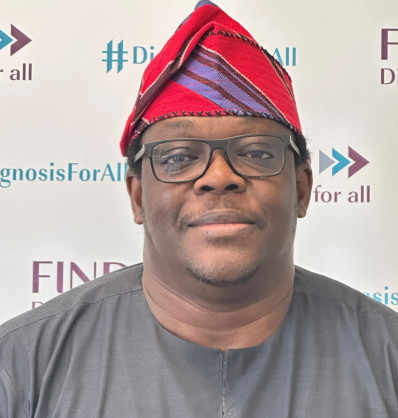
SA is making significant strides in expanding access to both vaccination and screening, but significant barriers remain. Dr Ifedayo Adetifa, CEO of FIND (https://apo-opa.co/4jMkyJA), whose mission is #DiagnosisForAll says, “The fight to eliminate cervical cancer is far from over, but there is hope on the horizon. FIND is working with the public and private sectors in South Africa to find innovative and scalable solutions to test for HPV”.  

Recent research by FIND and partners provides critical insights that could transform how we approach cervical cancer prevention and management. The project explored the acceptability and demand for HPV self-collection testing among South African women as a means of increasing access to HPV screening. 

Key findings from the client surveys include 

1. Low Awareness of Cervical Cancer and HPV: 

  • 58% of women surveyed had little or no knowledge about cervical cancer or its link to HPV. 
  • 46% cited nurses and doctors as their primary sources of information, showing the critical role healthcare providers play in education. 

2. HPV DNA Testing: The Preferred Choice: 

  • 77% of respondents chose HPV DNA testing as their preferred method, valuing its reliability and less invasive nature. 
  • Among these, 71% preferred self-collection, citing privacy and convenience as the main reasons for their choice. 

3. Pharmacy Accessibility: 

  • 74% of women who preferred self-collection indicated they would purchase kits from pharmacies. 

4. Affordability and Willingness to Pay: 

  • Most respondents indicated that a price point between $18 and $36 would make the test more accessible. 

5. Home vs Clinic Preferences: 

  • 59% preferred collecting samples in clinics or hospitals, 28% preferred to self-collect at home, and 14% at a laboratory. 

A Promising Solution: HPV Self-Collection Testing 

One of the standout findings from the research is the high level of interest in HPV self-collection testing. This innovative approach empowers women to take control of their health by collecting samples in the privacy of their homes or at a convenient location. The research further revealed that many women are willing to pay up to $36 (approximately R680) for this service if made available at pharmacies.  

Self-collection testing eliminates the need for invasive pelvic exams in clinical settings which many women find uncomfortable or stigmatising. It reduces the logistical challenges of accessing clinics, particularly for women in rural or underserved areas where healthcare facilities are not readily available. Making self-collection kits available in pharmacies could significantly increase screening rates and achieve early diagnosis. 

The Knowledge Gap Among Healthcare Practitioners 

While self-collection testing presents an exciting opportunity, its success depends on a well-informed and capable healthcare system. Unfortunately, the research revealed a concerning lack of understanding among healthcare practitioners regarding the national cervical cancer management protocols.  

Without proper guidance, healthcare providers may fail to offer appropriate counselling, follow-up, or referrals for women with abnormal screening results.  Addressing this issue requires targeted training and capacity-building initiatives. FIND, in partnership with the National Department of Health (NDOH), trained over 700 health practitioners between September and October 2024, 

The Public Awareness Deficit 

Equally troubling is the lack of available information for the public about cervical cancer, its causes, and prevention methods. Many women remain unaware of the importance of regular screening.  Through its community arm, the African Cervical Health Alliance (ACHA), FIND, NDOH, and private sector partners engaged community health partners to develop, adapt and distribute over 10,000 copies of materials to communities about prevention and treatment of cervical cancer. 

A Vision for the Future 

To reduce the burden of cervical cancer in South Africa, we need a multi-pronged approach that combines education, innovation, and systemic reform. This includes: 

  1. Policy Support: Advocating for policy changes to integrate self-collection testing into the national screening program and subsidize costs for low-income populations. 
  2. Expanding Access to Self-Collection Testing: Making HPV self-collection kits widely available at affordable prices. 
  3. Enhancing Practitioner Training: Ensuring healthcare providers are well-versed in national cervical cancer management protocols. 
  4. Strengthening Public Awareness Campaigns: Launching nationwide initiatives to educate women and communities about cervical cancer prevention and the availability of new screening options. 

When women have access to convenient, affordable options like HPV DNA self-testing, we're not just improving health outcomes – we're giving women control over their health decisions.” Says Dr Ntombi Sigwebela, Regional Director of FIND (https://apo-opa.co/4jMkyJA)

The South African G20 Presidency is prioritizing health equity, solidarity and universal health coverage. Addressing the diagnostics gap for women's health is crucial to achieving this agenda and building an equitable and inclusive global health architecture.  

For more information on FIND's Cervical Cancer Elimination Project, visit: FIND South Africa (https://apo-opa.co/4jMkyJA)

Distributed by APO Group on behalf of FIND.

Watch our educational webinars:
FIND's YouTube Channel (https://apo-opa.co/3CwQXTx)

Contact details:
Beatrice Bernescut
Director, Communications
FIND 
+41 (0) 79 963 86 78 
www.FINDdx.org 

Media files
FIND
Download logo
Read moreDefeating Cervical Cancer: Improving Access to Testing to Save Lives
22 January 2025

President Ramaphosa outlines SA’s G20 Presidency priorities at WEF

Location: News

President Ramaphosa outlines SA's G20 Presidency priorities at WEF

President Cyril Ramaphosa has highlighted the significance of South Africa's G20 Presidency and the economic priorities of the South African Government of National Unity during a special address to the 55th World Economic Forum in Davos-Klosters, Switzerland.  

The President told world leaders that South Africa will focus its G20 Presidency on three themes - namely solidarity, equality and sustainable development. 

He emphasised the country’s commitment to advancing a just energy transition, fostering inclusive growth and addressing global inequalities.  

“As a leading forum for international economic cooperation, the G20 plays an important role in shaping and strengthening global architecture and governance on major international economic issues,” the President said. 

He pointed out that the G20 is being hosted on the African continent for the first time in history. 

“This is a moment of great significance for South Africa, the African continent and the world in that it was in Africa where humans developed the capacity and the impulse for cooperation. 

“Cooperation has been one of the key markers of human development touching on many aspects of life, from survival and social organisation to technological and cultural progress, which is what the G20 was established for - to foster cooperation to deal with the challenges the world faces. Cooperation is the bedrock of human civilisation,” President Ramaphosa said. 

He referred to former President Nelson Mandela’s speech at the WEF annual meeting 33 years ago, when Tata Madiba said: “Our interdependence, bringing us together into a common global home, across the oceans and the continents, demands that we all combine to launch a global offensive for development, prosperity and human survival.”

President Ramaphosa said South Africa's G20 Presidency is aimed at pursuing the objective of fostering solidarity, equality and sustainable development. 

“It is South Africa’s firm view that these themes can best be taken forward through the collective actions of institutions like the G20 and various multilateral institutions of the world, especially the United Nations, the WTO [World Trade Organisation] and global financial institutions, which should be reformed and be more representative and responsive to the needs of the citizens of the world.  

“We will seek to get the G20 to focus more on how we can enhance solidarity through collective efforts to ensure that in the pursuit of progress for all, no person and no country is left behind,” the President said. 

He emphasised that the rights and freedoms of one people cannot be separated from the rights and freedoms of all peoples. The President said that this is the foundation on which solidarity is built. 

He said one of the greatest impediments to growth, development and stability is the persistence of inequality within and between countries.

The pursuit of the UN Sustainable Development Goal on reducing inequality is as much of an economic imperative as it is a social imperative, President Ramaphosa said.

“As the G20, we need deliberate and coordinated efforts to focus on inclusive growth based on responsive trade and investment to grow the incomes of poor nations and the poorest in society and to ensure equal access to opportunities especially for women and young people.

“For nations to flourish, equality and prosperity must be available to everyone – regardless of gender, race, religious beliefs or economic status,” he said. 

Mobilising Finance for a Just Energy Transition

Another of South Africa’s priorities for its G20 Presidency is to mobilise finance for a just energy transition. 

President Ramaphosa underscored the need for enhanced climate financing, urging global financial institutions to redirect unused Special Drawing Rights to support developing economies, particularly in Africa and the Global South.

“It is simply not fair that over 60% of Special Drawing Rights are concentrated in a handful of wealthy countries. These resources should empower countries in Africa to invest in infrastructure, education, health care, and industrial development,” the President said. 

He called for innovative financing mechanisms and private capital to scale sustainable development, urging global institutions to derisk and support financing for emerging markets.

Highlighting South Africa’s Just Energy Transition Partnership, the President said: “We must accelerate the transition to low-carbon economies in a manner that is just and inclusive, while recognising the damage that climate change has already caused.”

Strengthening disaster resilience

With the increasing frequency of climate-induced natural disasters, President Ramaphosa said South Africa has therefore made the strengthening of disaster resilience as one of the priorities of its G20 Presidency.

He called for special financing and insurance mechanisms to support post-disaster reconstruction, particularly in vulnerable regions.

Harnessing critical minerals for inclusive growth

President Ramaphosa said another priority is to harness critical minerals for inclusive growth and development. 

“We need a G20 framework on green industrialisation and investments to ensure progress towards a grand bargain that promotes value addition to critical minerals close to the source of extraction.

“We also need the development of low-carbon manufacturing value chains which can support decarbonisation and industrial development. As mineral extraction accelerates to match the needs of the energy transition, the countries and local communities endowed with these resources must be the ones to benefit the most,” the President said. 

Showcasing Africa’s promise

President Ramaphosa highlighted Africa as the next frontier of global growth, with its abundant natural resources, young population and expanding markets.

He called for G20 support for the African Continental Free Trade Area (AfCFTA) Adjustment Fund, investments in infrastructure, youth skills development, and women’s economic empowerment.

“The digitisation of the continent to enhance trade and development is a key enabler. Through its G20 Presidency, South Africa is well-positioned to advance global cooperation and build partnerships for growth and development,” he said. 

Advancing global cooperation

President Ramaphosa praised South Africa’s inclusive governance under the Government of National Unity, which he credited with fostering stability and investor confidence.

“This cooperative culture and approach was taken to a higher level with the establishment of the Government of National Unity following the elections we held in May last year.

“The Government of National Unity, made up of 10 political parties, has been vital to stability and inclusive governance, and has contributed to greater interest among investors in South Africa’s economic prospects,” he said. 

The President said over the last few years, the South African government has been working closely with social partners in business and in labour to address key national challenges and drive inclusive growth.

Concluding his address, President Ramaphosa extended an invitation to world leaders to attend the G20 Summit in Johannesburg later this year.

He said the seeds of human progress were sown in Africa, where the earliest forms of cooperation were forged and developed.

“As the leaders of the G20 return to Africa, we make a call that we all harness these essential capabilities that will make us take action to build a better and fairer world. We intend that the G20 in Johannesburg this year should be a forum where cooperation and collaboration amongst the leading economies in the world will be taken to a higher level.

“Acting together, we should build an inclusive, just and equal world in which all may prosper, leaving no one and no country behind. I look forward to welcoming you to the G20 in Johannesburg later this year. 

“Even if you do not participate in any of the 130 G20-related meetings, I invite you to come and see South Africa for yourself, the most beautiful country in the world,” he said. – SAnews.gov.za

DikelediM
Wed, 01/22/2025 - 12:30

10 views
Read morePresident Ramaphosa outlines SA’s G20 Presidency priorities at WEF
2 January 2025

Minister Blade Nzimande on Passing of Professor Sibusiso Mandlenkosi Emmanuel Bengu

Location: News

South African Government
Download logo

The Minister of Science, Technology and Innovation, Professor Blade Nzimande has expressed his deep sadness at the news of the passing of Professor Sibusiso Bengu.

“Prof Bengu holds the distinction of leading our iconic university, Fort Hare, into the democratic era as its vice chancellor in the early 1990s, and also served as democratic South Africa's first Minister of Education. In the latter capacity, he played a seminal role in dismantling the apartheid edifice of our country's education sector and helped to usher in a single, coordinated, non-racial, non-sexist education system,” said the Minister Nzimande.

“As part of the Cabinet of President Nelson Mandela, he led the introduction of a number of foundational laws that helped to shape the policy and institutional architecture of South Africa's school and post school sector in the decades following the collapse of the apartheid system. These include the South African Schools Act of 1996 and the policy recommendations of the National Commission on Higher Education that guided government's efforts to reconstruct and transform the apartheid higher education system. He also played a pioneering role in facilitating the transition from the Tertiary Education Fund of South Africa (TEFSA) to the now National Students financial Aid Scheme (NSFAS)”, added the Minister.

“I worked with Prof Bengu in a number of capacities. My earliest interaction with him was in the mid-90s, when I was part of the ANC's negotiating team at the Constitutional drafting process.  During this period, I consulted him regularly on matters relating to education policy. This work helped shape Section 29 of our democratic Constitution. Later, I also worked with him in my capacity as Chairperson of Parliament's Portfolio Committee on Education between 1994 and 1999, and together we championed a number of progressive education laws”, the Minister stated.

“In 2022, I approached him on behalf of government to accept the renaming of what was then known as the Historically Disadvantaged Institutions Development Grant (HDI-DG) to be the Sibusiso Bengu Development Programme (SB-DP)- an honour he accepted with great humility, but was quick to warn me to ensure that this programme does not fail.”

The Sibusiso Bengu Development Programme (SB- DP) is aimed at decisively redressing the inequalities that have negatively impacted the development and sustainability of the HDIs and seeks to enable them to respond to cross-cutting imperatives, including decolonisation in higher education; indigenous knowledge systems; the Fourth Industrial Revolution (4IR) and digitisation”.

“On a more personal note, Prof Bengu is one of the people who contributed directly to my personal progress. In 1977, as Dean of students at the University of Zululand, he saved me from dropping out of university by organising a student loan to pay the R100 that was required as part of my outstanding fees in September 1977”, recalled the Minister.

“In Prof Bengu our country has lost not only one of its most committed educationists, but also a model public servant and patriot, who even when his own health was waning, continued to serve his country and people with dignity and integrity. It is therefore no exaggeration to declare that Prof Bengu was one of those who laid the basis for our democracy”, the Minister stated.

On behalf of the Department of Science, Technology and Innovation, and South Africa's entire public science system, I wish to extend my deepest condolences to Professor Bengu's wife, Mama Funeka Bengu, his daughters and son, grandchildren, extended family, friends, and colleagues.

May we draw much needed inspiration from his monumental and inspirational legacy of selfless service.

Minister Nzimande will be visiting the Bengu family home in KZN today, Thursday 2 January at 11h00, to personally offer his condolences.

Distributed by APO Group on behalf of South African Government.

Read moreMinister Blade Nzimande on Passing of Professor Sibusiso Mandlenkosi Emmanuel Bengu
2 January 2025

Minister Nzimande visits the late Professor Sibusiso Bengu’s family

Location: News

Minister Nzimande visits the late Professor Sibusiso Bengu’s family

Science, Technology and Innovation Minister, Professor Blade Nzimande, is today visiting the family of Professor Sibusiso Bengu to offer his condolences.

Bengu passed away on Monday at the age of 90.

On behalf of the Department of Science, Technology and Innovation, and South Africa’s entire public science system, Nzimande extended his deepest condolences to Professor Bengu’s wife, Mama Funeka Bengu, his daughters and son, grandchildren, extended family, friends, and colleagues.

“Prof Bengu holds the distinction of leading our iconic university, Fort Hare, into the democratic era as its vice chancellor in the early 1990s, and also served as democratic South Africa's first Minister of Education. In the latter capacity, he played a seminal role in dismantling the apartheid edifice of our country’s education sector and helped to usher in a single, coordinated, non-racial, non-sexist education system. 

“As part of the Cabinet of President Nelson Mandela, he led the introduction of a number of foundational laws that helped to shape the policy and institutional architecture of South Africa’s school and post school sector in the decades following the collapse of the apartheid system,” Nzimande said. 

These include the South African Schools Act of 1996 and the policy recommendations of the National Commission on Higher Education that guided government’s efforts to reconstruct and transform the apartheid higher education system. 

He also played a pioneering role in facilitating the transition from the Tertiary Education Fund of South Africa (TEFSA) to the now National Students financial Aid Scheme (NSFAS). 

“I worked with Prof Bengu in a number of capacities. My earliest interaction with him was in the mid-90s, when I was part of the ANC’s negotiating team at the Constitutional drafting process.  During this period, I consulted him regularly on matters relating to education policy. This work helped shape Section 29 of our democratic Constitution. Later, I also worked with him in my capacity as Chairperson of Parliament’s Portfolio Committee on Education between 1994 and 1999, and together we championed a number of progressive education laws”, the Minister said.

The Minister explained that in 2022, he approached him on behalf of government to accept the renaming of what was then known as the Historically Disadvantaged Institutions Development Grant (HDI-DG) to be the Sibusiso Bengu Development Programme (SB-DP) - an honour he accepted with great humility, but was quick to warn the Minister to ensure that this programme does not fail. 

The Sibusiso Bengu Development Programme (SB- DP) is aimed at redressing the inequalities that have negatively impacted the development and sustainability of the HDIs and seeks to enable them to respond to cross-cutting imperatives, including decolonisation in higher education; indigenous knowledge systems; the Fourth Industrial Revolution (4IR) and digitisation. 

“On a more personal note, Prof Bengu is one of the people who contributed directly to my personal progress. In 1977, as Dean of students at the University of Zululand, he saved me from dropping out of university by organising a student loan to pay the R100 that was required as part of my outstanding fees in September 1977,” recalled the Minister.

“In Prof Bengu, our country has lost not only one of its most committed educationists, but also a model public servant and patriot, who even when his own health was waning, continued to serve his country and people with dignity and integrity. It is therefore no exaggeration to declare that Prof Bengu was one of those who laid the basis for our democracy.

“May we draw much needed inspiration from his monumental and inspirational legacy of selfless service,” the Minister said. – SAnews.gov.za


DikelediM
Thu, 01/02/2025 - 12:42

0 views
Read moreMinister Nzimande visits the late Professor Sibusiso Bengu’s family
24 December 2024

Commission to probe access to capital for low- and middle-income countries

Location: News

Commission to probe access to capital for low- and middle-income countries

A Cost of Capital Commission which will investigate issues that impair the ability of low- and middle-income countries to access affordable capital is set to be launched under South Africa’s G20 Presidency, said International Relations and Cooperation Minister Ronald Lamola.

“I wish to take this opportunity to announce that under South Africa's G20 Presidency, an ambitious Cost of Capital Commission will be established to investigate the issues that impair the ability of low- and middle-income countries to access sufficient, affordable, and predictable flows of capital to finance their environmentally responsible and socially inclusive development plans,” Lamola said.

The Minister was delivering a virtual address at the Jubilee and Caritas Internationalis Leaders’ Press Conference held at the at Salone San Pio X in Vatican City, on Monday.

The Minister said the Commission will deliver a comprehensive expert review on the issues impacting the cost of capital for developing economies, which could help address future debt sustainability issues and the related fiscal space challenges.

Having taken over the Presidency of the G20 on 1 December, South Africa’s theme for the Presidency is: “Solidarity, Equality, Sustainability.”

In his address, Lamola said South Africa has identified inequality as the most significant threat to our collective future.

“This inequality is most prevalent in the Global South and is manifested through critical challenges such as a lack of predictable and sustainable financing, a dire shortage of capacity building for climate action, and crippling debt that forces many countries to abandon their developmental programs just to service exorbitant debts. 

“The situation is so severe that it feels as if entire nations are being suffocated under the weight of these overwhelming burdens.”

The press conference launched the campaigns on debt relief in 160 countries for Jubilee 2025.

The 23 December St. Peter’s Press Conference explains the themes of debt cancellation lifted for special Jubilee Years among faith communities.

The high-level press panel took place ahead of Pope Francis beginning Jubilee 2025 by opening the Holy Jubilee Doors and Calling for global debt relief. The Jubilee will officially end with the closing of the Holy Door in St. Peter’s Basilica, on 6 January 2026. 

Lamola added that South Africa acknowledges and appreciates the work of the Catholic Church, under the leadership of His Holiness, Pope Francis, to urge the world to do more to free developing countries from the debt trap, which is causing untold “misery and despair” and depriving the citizens of these countries of their human dignity, stifling their ability to reach their full potential.

“We welcome the launch of debt relief initiatives in 160 countries for Jubilee 2025, which will undoubtedly significantly help alleviate the economic and social distress in these countries,” said the Minister.

Lamola said tackling inequalities to enable developing countries to lift themselves out of the quicksand of debt also requires accelerating reform of the international financial architecture. 

“We will use our G20 Presidency to contribute to reinvigorating and strengthening multilateralism and creating consensus around issues that affect our collective future. To effectively respond to global realities, multilateral mechanisms and institutions must be strengthened and reformatted.” 

The Minister added that there was hope for the future.

“Indeed, we call on faith leaders from across the globe to continue to guide us with their wisdom, compassion, and deep spirituality to restore hope and trust to the most vulnerable,” he said. -SAnews.gov.za


Neo
Tue, 12/24/2024 - 08:58

11 views
Read moreCommission to probe access to capital for low- and middle-income countries
12 December 2024

Financial injustice a hindrance to Africa’s development

Location: News

Financial injustice a hindrance to Africa’s development

The transformation of global financial institutions remains critical in addressing Africa’s mounting debt challenges, as they perpetuate financial injustice, says United Nations (UN) Secretary-General António Guterres.

“The G20 must lead in delivering financial justice. Financing is fundamental -- from inclusive economic growth, to supporting industrialisation and food security or addressing inequalities,” Guterres said during the closing session for the Joint Sherpa-Finance and Central Banks Deputies' Meeting, held in Johannesburg, on Wednesday.

Guterres explained that global financial systems "load" countries with debt service costs, while denying them access to sufficient low-cost financing to fight poverty, inequality and hunger and advance the Sustainable Development Goals (SDGs).

According to the UN, in 2022, public debt in Africa reached USD 1.8 trillion.

“Developing countries must be represented fairly in their governance. These institutions must also protect economies, particularly from global shocks. It is time to mend the global safety nets that were discovered during the COVID-19 pandemic that they were no longer fit for purpose.

“This continent’s potential is without question. Africa is home to a young and growing population, rich cultural and natural diversity, and a tremendous entrepreneurial spirit. But this enormous potential continues to be held back by injustices that are deeply rooted in the history of colonialism.

“Injustice in worsening climate chaos - which Africans did virtually nothing to cause - that fuels floods, storms, hunger and deadly droughts. I stand side-by-side with President Ramaphosa and the people of Africa in this fight for justice on all fronts. Africa needs financial justice,” Guterres said.

In September, world leaders adopted the Pact for the Future, which includes commitments for ambitious reforms to make the international financial architecture representative of today’s global economy and put the needs of developing countries front and centre.  

The pact covers a broad range of issues including peace and security, sustainable development, climate change, digital cooperation, human rights, gender, youth and future generations, and the transformation of global governance.

“It calls for action to move forward with an SDG Stimulus… to substantially increase the lending capacity of Multilateral Development Banks to make them bigger, bolder and better to support developing countries.

“... And to mobilise more international and domestic resources, public and private, for vital investments. Last week I appointed a group of leading experts to galvanize international support for action on debt, and I’m delighted that Trevor Manuel will be part of this important work,” he said.

As part of the work for South Africa’s G20 Presidency, Guterres participated in the first series of the more than 130 meetings that will precede the G20 Summit in 2025.

On 1 December 2024, South Africa assumed the Presidency of the G20, which comprises many of the world's largest developing and developed economies.

The G20 was established to tackle pressing global economic and financial issues. Together, G20 members account for around 85% of global gross domestic product (GDP) and 75% of international trade. 

The G20 comprises 19 countries including Argentina, Australia, Brazil, Canada, China, France, Germany, India, Indonesia, Italy, Japan, Republic of Korea, Mexico, Russia, Saudi Arabia, South Africa, Türkiye, United Kingdom, and United States and two regional bodies, namely the European Union and the African Union.

The grouping therefore plays a critical role in influencing global policy making and fostering global economic stability.

South Africa's G20 Presidency is the fourth consecutive emerging market Presidency, and it is also the first African Presidency, followed by the admission of the African Union (AU) as the second permanent African member. - SAnews.gov.za

nosihle
Thu, 12/12/2024 - 08:51

211 views
Read moreFinancial injustice a hindrance to Africa’s development
12 December 2024

G20 Africa Expert Panel to support Finance Track

Location: News

G20 Africa Expert Panel to support Finance Track

Finance Minister Enoch Godongwana says a G20 Africa Expert Panel will be established to support the work of the G20 Finance Track.

He was speaking during the first day of the G20 Finance and Central Banks Deputies’ Meeting, held in Johannesburg, on Wednesday.

The Minister explained that the panel will consist of leading African economic, development and finance experts from the public sector, think tanks, academia and international financial institutions.

“We intend to use our Presidency to advance an African agenda. To further this agenda and ensure that we strengthen the manner in which the G20 respond to the social and economic needs of our continent, we intend to establish a G20 Africa Expert Panel to support the G20 Finance Track. 

“One of the areas we will request the G20 Africa Expert Panel to advise us on is how we can ensure that the various African initiatives, including the compact with Africa, can be strengthened to the benefit of the continent,” Godongwana said.

On the need to reform the international financial architecture, the Minister said focus will now be on implementation on the agreement reached in the previous G20 Summit held in Brazil, last month.

The agreement – included in the G20 Rio de Janeiro Leaders’ Declaration – states that the group of countries will accelerate the reform of the international financial architecture “so that it can meet the urgent challenges of sustainable development, climate change and efforts to eradicate poverty”.

“The G20 Roadmap towards Better, Bigger and More Efficient [Multilateral Development Banks] was a milestone achievement under Brazil’s Presidency. Now the focus turns to implementation and monitoring. 

“The discussions under South Africa's G20 Presidency will take place alongside the 5th Finance in Common Summit that will take place at the Cape Town International Convention Centre… from 26 to 28 February 2025, as well as the 4th International Conference on Financing for Development in Spain in June 2025. 

“Both these events provide a critical opportunity for countries to commit to closing the development financing gap and investing in the [Sustainable Development Goals],” Godongwana said. 

Turning to debt sustainability, Godongwana said challenges in this area require a “comprehensive approach”.

“We will also keep our focus on enhancing debt sustainability, through improving the implementation of the Common Framework. We are aware that there are countries whose debt is sustainable, but which are facing acute liquidity challenges, which, if not addressed, could result in solvency challenges. 

“These challenges necessitate a comprehensive approach towards debt sustainability, which means there is no one size fits all approach. 

“It also forces us to acknowledge that debt sustainability cannot be solved through the Common Framework alone but must be solved through a focus on putting in place the measures for countries to make the right investments and undertake appropriate reforms to support sustainable and inclusive economic growth,” he said.

The Minister said although challenges are “formidable”, he expressed confidence that the G20 has the “will, capacity and determination to address them” if countries work together.

“In 2025 let us execute our work programme with urgency, ambition and confidence. Let us work together to ensure strong, sustainable, balanced and inclusive growth. 

“And through the G20 Presidency for 2025, and propelled by your support, let us go even further as the G20, by going together,” Godongwana concluded. – SAnews.gov.za

NeoB
Thu, 12/12/2024 - 09:48

252 views
Read moreG20 Africa Expert Panel to support Finance Track
12 December 2024

Cape Town Welcomes the Exceptional as Radisson Collection Makes Its South African Debut

Location: Business
Radisson Hotel Group

Radisson Hotel Group (www.RadissonHotels.com) proudly announces the opening of Radisson Collection Hotel, Waterfront Cape Town (https://apo-opa.co/3ZPodhO), marking the South African debut of its luxury lifestyle brand, Radisson Collection. Poised on Cape Town's iconic Atlantic coastline, the meticulously refurbished hotel embodies a harmonious blend of modern sophistication, local heritage, and the tranquil energy of its breathtaking surroundings.

The hotel's design takes inspiration from the dramatic meeting of land and sea, capturing the powerful yet calming essence of the Atlantic Ocean and the rugged beauty of Table Mountain. Natural materials like timber, brass, and stone echo South Africa's raw yet refined landscapes. A color palette of oceanic blues, sandy neutrals, and earthy tones complements intricate patterns, that nod to the region's Kaapse Fynbos, vibrant fauna, and renowned Winelands.

African craftsmanship is woven seamlessly into the interiors, with locally sourced materials and bespoke art installations reflecting Cape Town's rich cultural tapestry. A dedicated bespoke art gallery features curated pieces showcasing local fashion and architecture, adding a contemporary yet authentic touch to the hotel's elegant public spaces.

"We are delighted to introduce the Radisson Collection brand to South Africa with this remarkable property in Cape Town, a city renowned for its natural beauty, history, and cultural vibrancy. By transforming the Radisson Blu Hotel Waterfront, Cape Town through an extensive refurbishment, we've elevated this beloved landmark into a true destination that captures the very essence of Cape Town. Guests can now immerse themselves in the city's charm from the perfect vantage point, enjoying unmatched luxury and comfort," said Tim Cordon, Chief Operating Officer, Middle East, Africa, and South East Asia Pacific at Radisson Hotel Group.

The hotel offers 175 rooms and suites, each designed to provide both comfort and sophistication. Floor-to-ceiling windows and private balconies invite guests to revel in sweeping views of the Atlantic Ocean or the marina. Thoughtful design ensures an intuitive flow of spaces, blending plush furnishings with bespoke amenities for an elevated guest experience. The gentle soundscape of ocean waves, layered natural lighting, and contemporary luxury touchpoints—like metallic accents juxtaposed with organic weaves—underscore the hotel's mission to balance urban vibrancy with coastal tranquility.

Dining at the Radisson Collection Hotel, Waterfront Cape Town is a celebration of local and international flavors. The renowned Tobago's Restaurant, Bar, and Terrace offers an extensive menu crafted from the freshest ingredients, complemented by unmatched ocean views. A refurbishment of the iconic Tobago Restaurant and Terrace is slated for July 2025, promising an even more elevated dining experience. The newly introduced Waveside Café, located in the west atrium, provides a luxurious deli and café experience, featuring light meals and bespoke Radisson Collection items for guests to enjoy or take home.

The hotel is also home to a variety of flexible event spaces, making it an ideal venue for both business functions and celebrations. With three event rooms that can be combined to accommodate up to 350 guests and an intimate boardroom for smaller gatherings, Radisson Collection Hotel, Waterfront Cape Town provides a versatile space complemented by marina views and dedicated boardwalk access.

“Our team is thrilled to welcome both our cherished loyal guests and new visitors to this extraordinary Cape Town destination. With every detail thoughtfully curated, from our luxurious rooms to our world-class dining and rejuvenating wellness experience, we are committed to offering an elevated experience that surpasses expectations,” said Clinton Thom, General Manager of Radisson Collection Hotel, Waterfront Cape Town.

For relaxation and rejuvenation, the hotel boasts an infinity pool overlooking the ocean, a fully equipped 24-hour fitness center, and the Amani Spa and Wellness Center, offering tranquil treatments in a serene setting.

The opening of Radisson Collection Hotel, Waterfront Cape Town underscores Radisson Hotel Group's dedication to delivering unparalleled luxury and immersive experiences in South Africa. By blending contemporary elegance with authentic local culture, the hotel sets a new standard for luxury hospitality on the continent.

For more information or to book, click here: https://apo-opa.co/3ZPodhO.

Distributed by APO Group on behalf of Radisson Hotel Group.

Media Contact:
Saadiyah Hendricks
,
Area Director,
PR & Social Media, Middle East, Africa, Mediterranean and South East Asia Pacific,
Radisson Hotel Group
saadiyah.hendricks@radissonhotels.com

Nataliya Tkachenko,
Senior Global Consumer PR Manager,
Radisson Hotel Group
nataliya.tkachenko@radissonhotels.com

Connect with Radisson Hotels on:
LinkedIn: http://apo-opa.co/3BeKhZP
Instagram: http://apo-opa.co/3Dfrn5G
X: http://apo-opa.co/3ZOt9Dl
Facebook: http://apo-opa.co/49DeePJ
YouTube: http://apo-opa.co/49yc83z
TikTok: http://apo-opa.co/3ZN05MF

Connect with Radisson Collection on:
LinkedIn: http://apo-opa.co/49ACguX  
Instagram: http://apo-opa.co/3Da3a0q
X: http://apo-opa.co/3ZOt9Dl
Facebook: http://apo-opa.co/4gpZZAF
YouTube: http://apo-opa.co/49yc83z
TikTok: http://apo-opa.co/3ZN05MF 

Radisson Hotel Group:
Radisson Hotel Group is an international hotel group, operating in EMEA and APAC with over 1,430 hotels in operation and under development in +95 countries. The international hotel group is rapidly expanding with a plan to significantly grow the portfolio. The Group's overarching brand promise is Every Moment Matters with a signature Yes I Can! service ethos.

The Radisson family of brands portfolio includes Radisson Collection, art'otel, Radisson Blu, Radisson, Radisson RED, Radisson Individuals, Park Plaza, Park Inn by Radisson, Country Inn & Suites by Radisson, and Prize by Radisson brought together under one commercial umbrella brand Radisson Hotels.

Radisson Rewards (https://apo-opa.co/3ZPUmG3) is Radisson Hotel Group's loyalty program, which delivers an elevated experience that makes Every Moment Matter, counting more than 17 million members. As the most streamlined program in the sector, members enjoy exceptional advantages and can access their benefits from day one across a wide range of hotels in Europe, Middle East, Africa, and Asia Pacific.

Radisson Meetings (https://apo-opa.co/4g8eVTO) provides tailored solutions for any event or meeting, including hybrid solutions placing guests and their needs at the heart of its offer. Radisson Meetings is built around three strong service commitments: Personal, Professional and Memorable, while delivering on the brilliant basics and being uniquely Carbon Compensated.

At Radisson Hotel Group we care for people, communities and planet (https://apo-opa.co/49yc8AB) and aim to be Net Zero by 2050 based on the approved near-term Science Based Targets. With unique solutions such as carbon compensated Radisson Meetings, we make sustainable hotel stays easy. To facilitate sustainable travel choices, all our hotels are becoming verified on Hotel Sustainability Basics.

The health and safety of guests and team members remain a top priority for Radisson Hotel Group. All properties across the Group's portfolio are subject to health and safety requirements, ensuring we always care for our guests and team members.

For more information, visit our corporate website (www.RadissonHotels.com/corporate).

About Radisson Collection:
Radisson Collection is a luxury lifestyle collection of iconic properties located in unique locations. While the character of each Radisson Collection hotel feels authentic to its location, all of them offer the ultimate template for contemporary living – united by bespoke design and exceptional experiences across dining, fitness, wellness and sustainability. Designed for guests and locals alike, each Radisson Collection hotel is defined by the guests who visit them. Guests and professional business partners can enhance their experience with Radisson Collection by participating in Radisson Rewards, an international loyalty program offering exceptional benefits and rewards.

Radisson Collection is part of the Radisson family of brands, which also includes art'otel, Radisson Blu, Radisson, Radisson RED, Radisson Individuals, Park Plaza, Park Inn by Radisson, Country Inn & Suites by Radisson, and Prize by Radisson brought together under one commercial umbrella brand Radisson Hotels.

For reservations and more information, visit our website (www.RadissonHotels.com/Collection). 

Media files
Radisson Hotel Group
Download logo
Read moreCape Town Welcomes the Exceptional as Radisson Collection Makes Its South African Debut
3 December 2024

Africa: Statement on Continental Secretariat for Lusaka Agenda Implementation Launch

Location: News

Africa Centres for Disease Control and Prevention (Africa CDC)
Download logo

The February 2024 Decision of the African Union Assembly on the report of the President of the Republic of South Africa, H.E. Matamela Cyril Ramaphosa, the African Union Champion for Pandemic Prevention, Preparedness and Response (PPPR), to “support the establishment of an accountability mechanism within the AU architecture to ensure the effective implementation of the Lusaka Agenda in Africa” is a timely and welcome development.

The Lusaka Agenda, launched on Universal Health Coverage (UHC) Day, December 12, 2023, provides a framework for coordinated action towards a unified vision of sustainably and domestically financed health systems and universal access to healthcare, ensuring that no one is left behind.

H.E. Ramaphosa has been instrumental in advancing the Lusaka Agenda Accountability Framework. Through the PPPR Commission, he championed the establishment of an accountability mechanism for the Lusaka Agenda, which leverages platforms such as the Africa Leadership Meeting (ALM). He secured the endorsement of the framework by his peers, emphasizing Africa's commitment to health equity, strengthened primary health care, and accountability for sustainable progress.

The Lusaka Agenda's transformative potential lies in fostering African-led solutions, building stronger primary healthcare systems, and ensuring equitable health outcomes while reducing dependency on fragmented external funding. It represents a unified vision for Africa to lead the future of its health systems with sustainable financing and strategic coherence across global and local health initiatives. It aims to empower African nations to achieve universal health coverage (UHC) and resilience against public health challenges, including those exacerbated by the COVID-19 pandemic.

The effective implementation of the Lusaka Agenda will achieve five strategic shifts, notably for the long-term evolution of the Global Health Initiatives (GHIs):

  1. Make a stronger contribution to primary health care (PHC) by effectively strengthening systems for health.
  2. Play a catalytic role in fostering sustainable, domestically financed health services and public health functions.
  3. Strengthen joint approaches for achieving equity in health outcomes.
  4. Achieve strategic and operational coherence.
  5. Coordinate approaches to products, research and development (R&D), and regional manufacturing to address market and policy failures in global health.

The five strategic shifts will advance resilient primary health care (PHC) as the cornerstone of preparedness, prevention, response, and control of public health threats across the African continent.

“The Lusaka Agenda is a political commitment endorsed by African Heads of State to achieve health equity and strengthen primary health care across the continent. I call on all stakeholders to support Africa CDC's leadership and fully commit to the accountability framework, ensuring transparency and measurable progress toward a healthier, more resilient Africa,” – H.E. President Cyril Ramaphosa, Republic of South Africa.

“The Lusaka Agenda Secretariat, housed at Africa CDC, will work with partners to develop the Lusaka Agenda Monitoring and Accountability Framework and a continental scorecard for timely monitoring and reporting to AU Heads of State and Government. Through the Secretariat, AU Member States will more effectively and efficiently leverage GHIs to complement domestic financing, maximizing health impacts in support of country-led priorities,”- H.E. Dr. Jean Kaseya, Africa CDC Director General.

The Lusaka Agenda Secretariat hosted at Africa CDC aligns with the February 2024 Assembly Decision of the African Union Heads of State and Government (Dec.880(XXXVII) and further solidifies Africa CDC and AU Commission leadership in steering the successful implementation of the Lusaka Agenda on the African continent. The establishment of the Secretariat is a pivotal initiative to oversee and coordinate the monitoring and accountability mechanisms essential for advancing Africa's health transformation.

The Secretariat provides a platform for Africa CDC to work closely with partners, including WHO and the wider UN system, the World Bank, bilateral donors, regional entities, civil society, and community-led organizations.

The Secretariat will coordinate, monitor the implementation, and periodically report to the AU Heads of State and Governments on the progress of implementation. It will foster learning and knowledge-sharing across policy and program areas, ensuring no country is left behind during the Lusaka Agenda's implementation on the African continent.

Distributed by APO Group on behalf of Africa Centres for Disease Control and Prevention (Africa CDC).

Read moreAfrica: Statement on Continental Secretariat for Lusaka Agenda Implementation Launch
25 November 2024

SA welcomes US$300 billion commitment for climate finance

Location: News

SA welcomes US$300 billion commitment for climate finance

Government has welcomed the new finance deal of US$300 billion per year by 2035 - which was committed by high-income economies, to finance climate action for developing economies. 

The deal was clinched at the United Nations Framework Convention on Climate Change (UNFCCC) 29th Conference of the Parties (COP29), which concluded in the early hours of Sunday in Baku, Azerbaijan.

The agreement signals to private sector and multilateral development banks to scale up financing to developing economies to US$1.3 trillion per year by 2035.

“The decision underscores the importance of reforming the multilateral financial architecture, to make it fit for purpose to address the climate crisis. It also calls for scaled up support for climate action from multilateral financial institutions through grant-based and concessional financing,” Department of Forestry, Fisheries and the Environment Deputy Director-General for Climate Change and Air Quality Management Maesela Kekana said on Monday.

Kekana, who was the Chief Negotiator, said the decision further underscored the need to reduce barriers and address disenablers faced by developing economies in such as limited fiscal space, high levels of debt and high cost of capital.

South Africa’s delegation at the conference was led by Minister of Forestry, Fisheries and the Environment, Dr Dion George, who said the decisions that were adopted at COP29 are “a win for the country”.

“Parties adopted the Baku Climate Unity Pact consisting of a New Collective Quantified Goal (NCQG) on climate finance, Global Goal on Adaptation and Sharm el-Sheikh Mitigation Ambition and Implementation Work Programme as well as the key decisions on implementing the Paris Agreement’s Article 6.2 and 6.4. 

“The adoption of Article 6.2 and 6.4 decision on carbon markets will allow South Africa and other developing economies to initiate new carbon market projects, which will facilitate investments in green technologies and economic opportunities,” the department said. 

Going into the negotiations, the Minister was optimistic parties would take meaningful decisions toward quantifying quantify resources for developing economies, to meet ambitious climate targets. 

“There have been complaints from other parties about the leadership of the COP29 Presidency and that the decisions were not reached through full consensus. However, for South Africa, the decisions that were adopted are a win. 

“While we understand the frustration expressed by some parties, we do see the outcomes as a significant step in the right direction as it is more than what we had going into the negotiations and we can now build on that, especially given that South Africa will be the next President of the G20,” George said.

South Africa’s negotiating team was particularly pleased about the decision on the Mitigation Work Programme, which was Co-Chaired by Minister George and his Norwegian counterpart, Tore O. Sandvik.

“The Mitigation Work Programme will provide further opportunities to share experiences and match investment needs with investors. I am pleased with the outcome,” said Minister George. 

On adaptation, parties are on track to finalise the work on the adaptation indicators to track progress in the implementation of the global goal on adaptation, at COP30 in Brazil in 2025. 

“The conference also welcomed the rapid institutionalisation of the Loss and Damage Fund. Under the leadership of South Africa and France, the fund is expected to disburse funds to climate vulnerable communities in mid-2025. Team South Africa believes that COP29 was a huge success, which has inspired hope that we will be able to do more in future,” the department said. -SAnews.gov.za


nosihle
Mon, 11/25/2024 - 14:02

240 views
Read moreSA welcomes US$300 billion commitment for climate finance
19 November 2024

Construction mafia disrupts projects worth R63bn

Location: News

Construction mafia disrupts projects worth R63bn

Since 2019, construction site disruptions by criminal syndicates have disrupted over 180 projects worth R63 billion, using tactics such as extortion, intimidation, violence and sabotage.

“Their demands for up to 30% of contract value undermine the integrity of our procurement systems and delay critical infrastructure delivery,” the Deputy Minister of Finance, Ashor Sarupen, said on Tuesday in Durban.

Addressing the National Construction Summit on site disruption, the Deputy Minister said while the construction industry faces numerous challenges, none is more urgent than the persistent site disruptions by criminal syndicates and community protests.

South Africa’s construction industry is a vital cog in the economy as it contributes around 3% to gross domestic product (GDP), employs over 1.3 million South Africans, with 176 000 jobs added just in the third quarter of 2024. 

This sector is a lifeline for low-skilled workers, who often struggle to find opportunities elsewhere, however the disruptions undermine the sector’s potential.

“Construction projects also have an unmatched multiplier effect. For every R1 million invested in construction, more than three jobs are created. This is the highest multiplier across all sectors in our economy.

“It is no surprise that the government has identified infrastructure development as a cornerstone of our economic recovery. The 2024 Medium-Term Budget Policy Statement (MTBPS) reaffirmed our commitment to shifting government spending from consumption to investment. 

“This aligns with the President’s call to transform South Africa into a “construction site” to drive inclusive growth and job creation,” the Deputy Minister said.

Over the next three years, government plans to invest over R900 billion in the construction sector.

“Our reforms in procurement, infrastructure investment, and structural economic transformation are concrete commitments to changing the lived realities of millions of South Africans.

“However, to fulfill these ambitions, we must recognize that the construction mafia and site disruptions reveal deeper socio-economic fractures within our country.

“These disruptions are not merely an operational challenge. It is not only businesses that are being disrupted but the lives and livelihoods of our people,” the Deputy Minister said.

They also represent a critical stress test for the broader economic governance architecture, revealing the fragile interdependencies between formal institutional frameworks and reality on the ground.
 
“For now, these disruptions show how easily our carefully planned economic rules break down when they meet real-world challenges.

“They show just how difficult it is to conduct honest business in an environment of deepening unemployment, poverty, and the desperation it often leads to.

“To address this crisis, we need a holistic response—one that combines stricter law enforcement, improved governance, and community engagement to address the root causes of these disruptions,” Sarupen said. 

Government’s intervention
To address these challenges, the government is pursuing a three-pronged strategy, which includes Reforming Public Procurement; Expanding Public-Private Partnerships (PPPs) and Increasing Infrastructure Investment.

“The Public Procurement Act, signed into law earlier this year, lays the foundation for a more transparent, efficient, and inclusive procurement system.

“Under the new regulations, subcontracting will be allowed only where feasible and must follow due process to prevent abuse.

“Government entities will have the option to pay subcontractors directly, eliminating the delays and exploitation often experienced under the current system,” the Deputy Minister said.

He said these reforms are designed to empower small and emerging contractors while safeguarding the integrity of our procurement processes.

Government’s R900 billion in planned investments is supported by capital budgeting reforms to ensure that projects are well-planned and implemented on time, mobilising private sector funding to augment limited public resources and prioritising integrated urban development to create dynamic cities that enable economic activity.

“This is not just about bricks and mortar; it is about transforming lives by providing the infrastructure needed for housing, education, healthcare and transport.

“Our efforts to revitalize the construction sector are part of the broader reform agenda under Operation Vulindlela, a joint initiative between the National Treasury and the Presidency,” Sarupen said. 

Since its launch in 2020, Operation Vulindlela has delivered significant progress in:

1. Stabilising the electricity supply.
2. Reducing the cost and improving the quality of digital communications.
3. Securing sustainable water supply.
4. Enhancing the efficiency of freight transport.
5. Reforming the visa regime to attract skills and grow tourism.

“Phase 2 of Operation Vulindlela focuses on creating dynamic and integrated cities to support urbanization and economic growth. This will require substantial contributions from the construction sector to build the housing, schools, and transport infrastructure needed for our rapidly growing urban population,” the Deputy Minister said. - SAnews.gov.za

nosihle
Tue, 11/19/2024 - 11:08

6 views
Read moreConstruction mafia disrupts projects worth R63bn
  • Previous
  • Page 1
  • Page 2
  • Page 3
  • Page 4
  • Interim pages omitted …
  • Page 6
  • Next

Copyright © 2026 · MyZA · All Rights Reserved · Powered by Stratlec Online