Gauteng Government’s Buried Corruption Investigation
Forensic Audit into R500-million corruption in Department of Social Development was hidden. Non-profit organisations paid the price.

MyZA
News, Directory, Events and Other Stuff
Forensic Audit into R500-million corruption in Department of Social Development was hidden. Non-profit organisations paid the price.
KZN to intensify efforts to combat GBVF
As the 16 Days of Activism for No Violence Against Women and Children campaign ends, KwaZulu-Natal Premier Thamsanqa Ntuli has reaffirmed the province’s commitment to turn the fight against gender-based violence and femicide (GBVF) into sustained action.
Ntuli said the province plans to intensify its efforts to combat GBVF through policy reforms, increased funding for survivor support programmes and partnerships with civil society and the private sector.
“We are taking a stand to ensure that the progress made during these 16 days is not lost but built upon, so that every day becomes a step closer to a safer, [and] a more equitable KwaZulu-Natal,” Ntuli said.
While the 10th of December marks the end of the campaign, the day also kick starts government’s intention to confront the scourge of GBVF in South Africa for 365 days.
Ntuli emphasised the province’s transitioning from the 16 Days of Activism campaign to a year-round commitment to combat gender-based violence and femicide, and the need for sustained collective action to eradicate the scourge.
“Our fight against GBVF cannot be confined to 16 days. It must be a 365-day campaign involving every sector of society, from government to communities and businesses,” Ntuli said.
He highlighted the province’s holistic approach to tackling GBVF, which includes strengthening survivour support services, fostering collaboration between communities and law enforcement, and addressing the root causes of violence, through education and economic empowerment programmes.
Inspection of spaza shops and retail outlets
Ntuli wrapped up the province’s commemoration of the campaign with a series of activities in Gamalakhe, in the Ugu District on Tuesday.
The day started with an inspection of spaza shops and retail outlets in the area. The inspections were aimed at ensuring compliance with health, safety, and business regulations to protect the community’s well-being.
During the inspections, Ntuli engaged directly with business owners, emphasising the importance of creating safe, sustainable environments that not only benefit the local economy, but also contribute to the overall safety and security of the province.
“This is about more than just regulations - it’s about building a business culture that respects the laws of our country while also prioritising the safety and dignity of our communities,” Ntuli said.
The inspections in Gamalakhe underscored the interconnectedness of economic development and social upliftment.
The Premier pointed out that businesses, especially in vulnerable communities, play a crucial role in creating safe spaces and reducing the risk factors associated with violence.
The Premier also noted that ensuring compliance with business regulations is not about punishment but about fostering a culture of responsibility and care.
“When businesses operate within the law and prioritise community safety, they contribute to a more stable and resilient society,” Ntuli said. – SAnews.gov.za
GabiK
Tue, 12/10/2024 - 15:08
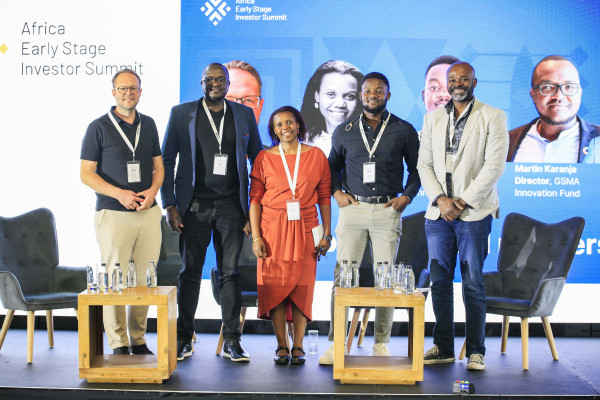
Over 300 Africa-focused delegates converged at the 11th edition of the Africa Early Stage Investor Summit, and filled up the room for the AESIS Deal Morning ready to engage with Africa's most promising founders. Next to another 15 highly promising startups, VC4A (www.VC4A.com) hosted eight female entrepreneurs from IFC's She Wins Africa program, who took the AESIS2024 stage to pitch their solutions after completing an intensive technical residency in Cape Town. The energy was palpable, reflecting the increasing investor appetite for ventures that not only deliver commercial success but also drive meaningful impact across the continent.
In the opening remarks of AESIS - which took place from the 28th to the 29th of November with the theme “Pioneering Pathways: Innovating Investment Mobilization in Africa” - VC4A CEO Vincent Hoogduijn set the tone for the two-day event. “Why does VC4A organize AESIS every year? The answer is simple - we are here to unite the African early stage investment ecosystem".
The conversations, panels, pitches and ‘investor experiences' resonated deeply with the theme, as a strong call for collaboration not only within the investor community but also from hubs and accelerators, angel groups and venture studios as well as entrepreneurs themselves.
Summing up what was a momentous event, here are the key highlights:
Day 1:
Day 2:
Inspiring quotes from AESIS2024
“Entrepreneurs are the architects of Africa's success” said Phuti Mahanyele-Dabengwa, the South Africa CEO, Naspers, and the AESIS2024 Guest of Honour who delivered the moving keynote on Day 1.
Anne Kabugi, Regional Gender Lead at IFC, opening the Venture Showcase - She Wins Africa pitches, tasked the delegates with a question, a food for thought: "What if I told you that Africa's food crisis is going to be solved by women?”
Nicola Tyler of The Thinking Company delivered a welcome on Day 2's Deal Morning, charging the audience with a stand out statement: “Africa is not the biggest problem in the world, it is the biggest opportunity”.
Kenza Lahlou of Outlierz Ventures shared on the Global Development Funding Panel “The role of DFIs is not to be there forever but to provide the investments that work and exit.”
Closing out at the inaugural Awards Ceremony of the Africa Early Stage Investor Summit, Tomi Davies received a ‘Lifetime Achievement Award' for his decades of commitment to promote angel investing in Africa. He delivered a moving speech with all ears listening raptly as he concluded ”Africa's youth population is the best source to build Africa's infrastructure.”
In a statement that perfectly sums up the experience of co-hosting this edition: “AESIS2024 once again pointed out that collaboration is a must,” said Vincent Hoogduijn. “It's been a tough year and we all need to work together to overcome the challenges ahead. Persistence, resilience and adaptability will be key ingredients to see the ecosystem thrive - go fast alone, go far together”
VC4A is grateful for the opportunity to serve the ecosystem as a platform to connect, inspire, and empower. Looking ahead, the collective efforts of investors, entrepreneurs, and policymakers will be essential to unlocking Africa's full potential and driving its economic growth. VC4A's commitment is to continue to unite Africa's startup ecosystems. Together with co-hosts ABAN, VC4A looks forward to reconnecting with old and new friends at AESIS2025 next year.
Distributed by APO Group on behalf of VC4A.
Media enquiries:
Boye Abiodun-Adepoju,
boyewa@vc4a.com
About AESIS:
The Africa Early Stage Investor Summit (AESIS) is a collaborative venture between VC4A and ABAN, dedicated to advancing innovation and growth in Africa's investment ecosystem. Celebrating its 11th anniversary, AESIS2024 brought together investors, industry leaders, and influencers with the aim of accelerating early-stage investing across Africa. Visit https://AfricaInvestorSummit.com for more information.
About ABAN:
ABAN is the largest pan-African organization of Angel investors in Africa. Established in 2015, ABAN represents the growing number of business angel groups in the African early-stage ecosystems' future, providing vital human and financial capital to African startup companies creating jobs across the continent. Today, ABAN is a 75-member network in 37 African countries and the Diaspora representing over 5,000 angel investors. Visit the ABAN website (http://apo-opa.co/4gtDRVk) for more information.
About VC4A:
VC4A is an ecosystem builder that leverages its infrastructure, network, and expertise for the programs that contribute to the startup movement in emerging markets. Since 2007, the organization has designed, structured, and implemented successful entrepreneurship programs in exciting regions. VC4A runs an online platform featuring a database of startups in Africa and Latin America, connecting entrepreneurs to resources, networks, and funding. Visit the global website at https://VC4A.com/ for more information.
Submit applications to JET funding platform today
Energy and Electricity Deputy Minister Samantha Graham-Maré has urged community project owners to submit applications to the Just Energy Transition (JET) funding platform before the 13 December 2024 deadline.
The Deputy Minister explained that the funding platform was developed by the JET Office within the Presidency “in response to the low rate of take-up for the funding committed by the International Partners Group (IPG), which have committed over $11 billion to South Africa’s goal of decarbonising our energy sector".
“However, there has been difficulty matching projects to funders, and many potential projects are not always at a stage where funders can commit.
“The purpose of the JET Funding Platform is to be a matchmaker between grant funders and potential JET beneficiaries by providing project preparation and application support, while offering complete transparency to the public on the grant spending and projects.
“Eligible projects must aim to drive renewable energy innovation, economic growth, and community development, and through the platform, will be able to move through project preparation gates and submit feasible applications that meet the expectations and requirements of funders. The platform also allows multiple funders to support one project, which allows for greater funding and support from a variety of sources,” Graham-Maré said.
Focus areas on the platform include:
“The JET Funding Platform is a beacon of South Africa’s commitment to a cleaner, greener energy future. By enabling innovative renewable energy projects, we are not just stabilising the grid but creating jobs, fostering economic resilience, and placing communities at the heart of our energy transformation. The platform's goal for the first year is to match 20 projects with R600 million of funding.
“I encourage all eligible organisations to take advantage of this unique opportunity before 13 December 2024.
“Let us make the most of this moment to advance South Africa’s renewable energy journey, ensuring that no community is left behind, as we transition to a sustainable and inclusive energy future,” Graham-Maré concluded.
Applications can be submitted at www.jetfundingplatform.org.za. - SAnews.gov.za
NeoB
Tue, 12/10/2024 - 10:01
South Africa’s progress in 2024 sets the stage for hope in the New Year
As the year draws to a close, President Cyril Ramaphosa has reflected on South Africa’s achievements and challenges, expressing optimism for the year ahead in his weekly newsletter.
This year marked three decades since the advent of democracy, with the country commemorating its progress in building a constitutional order rooted in freedom, equality and human rights.
Among the highlights was South Africa’s seventh successful General Election, with 70 political parties contesting. The Electoral Commission was lauded for its efficient management of the polls, reflecting a maturing democracy.
“Our democracy has evolved and matured. We have a Government of National Unity comprising 10 political parties from across the political spectrum. They have agreed on three strategic priorities for this administration. The first strategic priority is to grow our economy and create jobs.
“The structural reforms initiated under the sixth administration are continuing to create conditions for our economy to grow and to create jobs,” the President said.
Economic growth and energy stability
Efforts to grow the economy and create jobs have borne fruit, with over 250 days of uninterrupted power supply this year. This achievement was credited to improved maintenance by Eskom, increased renewable energy capacity, and widespread adoption of solar solutions.
“The work of the National Energy Crisis Committee continues. It is working to get more power onto the grid, expand our electricity infrastructure, diversify the market for the benefit of consumers, and lay the groundwork for an energy-secure future,” the President said.
President Ramaphosa said the recovery of commuter and freight rail services also marked a turning point. Passenger rail saw a surge in usage, with 31 of 40 corridors operational and passenger numbers climbing to 40 million from 15 million in the previous year.
Ports in Durban and Cape Town also experienced operational improvements, further boosting economic activity.
“We are making progress in the recovery of freight rail and dealing with longstanding operational challenges in our ports. We are seeing improvements at the container terminals in Durban and Cape Town, as well as with infrastructure upgrades,” the President said.
Tackling poverty and the cost of living
Turning to poverty and the cost of living, the President noted a significant drop in consumer inflation, bringing down prices of essential goods, including food and fuel.
While unemployment levels remain extremely high, the President said more South Africans are finding jobs.
Government continued to sustain a substantial social wage, dedicating 60% of the national budget to social grants, subsidized housing, free basic services, and no-fee schools.
“These are the measures that reduce poverty and directly improve people’s lives. In addition to the provision of grants to vulnerable groups and unemployed people, this social wage includes subsidised housing, free basic services, no-fee schools and school nutrition. Government has been able to sustain these measures, even as public finances are under severe pressure,” President Ramaphosa said.
Strengthening State capacity
The President said the administration has worked to enhance government’s ability to deliver basic services, despite the challenges of poor governance and financial constraints in many municipalities.
“The third strategic priority of this administration is to strengthen the capacity of the State to deliver on its mandate. Our efforts to improve the capacity and capability of the state to deliver on basic services continue,” the President said.
The President cited disruptions in the supply of electricity and clean water as a major problem in many municipalities. He added that many local councils are plagued by poor governance, limited capacity and severe financial constraints which affect service delivery.
“These are the challenges we are grappling with. We have identified local government as a major focus in this administration. Through initiatives like the Presidential eThekwini Working Group, we are bringing all stakeholders together to solve local problems,” the President said.
Challenges and Future Plans
While progress has been made, the President acknowledged persistent challenges.
Unemployment remains high, crime and violence are widespread, and service delivery disruptions are a major concern. However, he emphasised the importance of collaboration among government, business, labour, and civil society to address these issues.
“The progress we have made this past year and during the course of the previous administration shows that we can overcome the difficulties our country faces.
“As government, business, labour and civil society, we are able to achieve a great deal when work in unison to overcome our common challenges,” the President said.
G20 Summit in 2025
Looking ahead, South Africa will host the G20 Summit in 2025, further positioning itself as a key player in addressing global challenges.
The administration also plans to launch a National Dialogue to unite citizens in crafting a shared vision for the country.
“In the new year, we will embark on a National Dialogue that will draw together all South Africans in crafting a common vision for the country,” the President said.
Concluding his message, the President expressed hope for 2025, vowing to build on the momentum of 2024.
“Overcoming poverty and underdevelopment, creating more jobs, and addressing societal ills like gender-based violence, requires that we must all play our part, where we can.
"On many fronts, this year has been better than the last. We will build on these achievements in 2025.
"Wherever you may be this festive season, I wish you well,” the President said. – SAnews.gov.za
DikelediM
Mon, 12/09/2024 - 11:24

Companies are planning to increase their investments in information security against the background of growing financial losses from cyber incidents. This trend was revealed in the recent Kaspersky's (www.Kaspersky.co.za) IT Security Economics report.
Kaspersky IT Security Economics is an annual report that unpicks the changes in budgets, breaches and business challenges affecting IT Security decision makers. It is based on interviews with IT and IT security professionals working in organisations of various sizes and industries. The survey was conducted across 27 countries in Europe, the Asia-Pacific region, the Middle East, Turkiye and Africa (META) region, Latin and North America.
According to the research, companies plan to increase their IT security budgets by up to 9%. The median cybersecurity budgets for large enterprises were $5.7M with $41.8M allocated for IT generally, while SMBs invested $0.2M in IT security from a median IT budget of $1.6M.
Possible reasons for the increased investment can be found in the analysis of financial losses from cyber incidents. Large enterprises experienced an average of 12 incidents this year, spending $6.2M to recover from them — 1.1 times higher than the budget allocated for IT security overall. Despite the greater resources and advanced security infrastructures, the sheer scale and complexity of large enterprise organisations make them more susceptible to costly breaches. While these enterprises are often better equipped to detect incidents quickly, the time required to fully respond and mitigate these threats can span for hours, underscoring the challenge of managing widespread, complex IT environments.
As for SMBs, these organisations experienced an average of 16 incidents this year, while spending $0.3M for remediation, which is 1.5 times higher than their overall IT Security budget. SMBs are the most disproportionately affected group in terms of budgetary impact. They often lack robust cybersecurity policies and procedures, which leaves them vulnerable to incidents involving employees, public cloud misconfigurations, and high-level permissions.
In the META region, organisations of all sizes reported to have experienced on average 13 incidents within a year. In South Africa, organisations of all sizes reported to have experienced on average 19 incidents within a year.
“This data illustrates the continuation of the current trend of increasing cybersecurity spending across all market segments. This growth is driven by at least three key factors. Firstly, and obviously, the constant growth in the complexity of cybersecurity threats forces companies to adopt more advanced solutions to enhance the detection of attack traces and automate responses. Secondly, increasing concerns from governments regarding digital sovereignty leads to the emergence of new regulations and regulatory requirements and, as a result, increased expenses. The third factor influencing the growth of cybersecurity budgets and costs is the constant increase in salary expectations for professionals in various cybersecurity fields,” comments Veniamin Levtsov, Vice President, Center of Corporate Business Expertise at Kaspersky.
To protect companies against a wide range of cyber threats, Kaspersky recommends:
To gain more insights about IT security costs and budgets in businesses visit the interactive IT Security Calculator (https://Calculator.Kaspersky.com).
To read the full report “IT Security Economics”, that is based on a survey conducted in Brazil, Chile, China, Egypt, France, Germany, India, Indonesia, Italy, Japan, Kazakhstan, Saudi Arabia, Malaysia, Mexico, Pakistan, Philippines, Russia, South Africa, South Korea, Singapore, Spain, Thailand, Turkey, Vietnam, UAE, UK and US, visit the website (https://apo-opa.co/3Zp3ik9).
Distributed by APO Group on behalf of Kaspersky.
For further information please contact:
Nicole Allman
INK&Co. (https://INKandCo.co.za)
nicole@inkandco.co.za
Social Media:
Facebook: https://apo-opa.co/3OLZioQ
X: https://apo-opa.co/3ZtBQl5
YouTube: https://apo-opa.co/4gmirtl
Instagram: https://apo-opa.co/3BkYK6f
Blog: https://apo-opa.co/3OKs219
About Kaspersky:
Kaspersky is a global cybersecurity and digital privacy company founded in 1997. With over a billion devices protected to date from emerging cyberthreats and targeted attacks, Kaspersky's deep threat intelligence and security expertise is constantly transforming into innovative solutions and services to protect businesses, critical infrastructure, governments and consumers around the globe. The company's comprehensive security portfolio includes leading endpoint protection, specialized security products and services, as well as Cyber Immune solutions to fight sophisticated and evolving digital threats. We help over 200,000 corporate clients protect what matters most to them. Learn more at www.Kaspersky.co.za.

The African Development Bank (www.AfDB.org) has released the first tranche of its $1 billion loan to Transnet, the South African state-owned conglomerate managing the country's ports, railways and pipelines. This disbursement is the first in a series of four tranches planned for an unparalleled financing arrangement to support Transnet's business's recovery plan.
Approved by the Bank's Board of Directors five months ago, this funding underpins a recovery plan to address pressing operational challenges of the company, while bolstering South Africa's critical infrastructure.
The funding will allow Transnet to commence the first phase of its ambitious ZAR 152.8 billion (USD 8.1 billion) five-year investment plan to upgrade existing infrastructure while enhancing key logistic chain segments.
“This swift disbursement shows the Bank's commitment to the private sector in Africa, which is essential for supporting sustainable economic growth,” said Solomon Quaynor, Vice President for Private Sector, Infrastructure and Industrialization at the African Development Bank Group, speaking on the sidelines of the Africa Investment Forum 2024 Market Days in Rabat, Morocco.
The efficiency of the disbursement reflects Transnet's fulfilment of the Bank's rigorous requirements for governance, the environmental stewardship, and social responsibility. Following the September 2023 signing of the loan agreement between Transnet and the African Development Bank in Johannesburg, the Bank committed to supporting Transnet's recovery plan with targeted financing.
Transnet has faced significant operational hurdles for several years, including under-investment, equipment theft, vandalism, flooding and the long-lasting impacts of the Covid-19 pandemic. In response, the company has restructured and embarked on internal reforms to improve efficiency and management while committing to decarbonization and carbon footprint reduction initiatives.
The African Development Bank commended the South African government's dedication to restructuring Transnet and enhancing governance in the transport sector. Transnet has notably improved governance practices, particularly in tendering procedures and financial management, as part of its broader reform efforts.
With over 30,000 kilometres of railway infrastructure -- the largest in any emerging economy -- Transnet plays a vital role in regional. Its railway network links South Africa's ports with key regional partners, including Botswana, Zambia, Zimbabwe and the Democratic Republic of Congo, and supports operations at Durban, the fourth-largest container terminal in the southern hemisphere.
The African Development Bank's support for Transnet is therefore crucial for improving South Africa's competitiveness and strengthening the continent's economic integration, while responding to the challenges of the logistics sector, which is vital for Africa's development.
With this disbursement, the African Development Bank has once again demonstrated its agility in the financial support it provides to the African private sector.
Distributed by APO Group on behalf of African Development Bank Group (AfDB).
Media Contact:
Romaric Ollo Hien
Communication and External Relations Department
media@afdb.org
SA, Algeria strengthen ties
South Africa and Algeria have concluded a successful 7th session of the Bi-National Commission, marking a significant milestone in strengthening cooperation between the two nations.
President Cyril Ramaphosa recently led a delegation comprising Ministers, senior officials and business leaders in Algeria for a State visit at the invitation of President Abdelmadjid Tebboune.
South Africa and Algeria enjoy strong political, economic, and social relations following the establishment of diplomatic relations in May 1994.
Speaking during a media briefing on Friday, President Ramaphosa said the outcomes of this session have paved the way for further cooperation, demonstrating the strong commitment of South Africa and Algeria to advancing the African continent's collective goals.
“From our discussions, we are certain that this Bi-National Commission will continue to deepen collaboration, trade, investment and people-to-people exchange between South Africa and Algeria.
“President Tebboune and I were extremely satisfied with the detailed report that was presented on progress in the key areas of cooperation between Algeria and South Africa,” President Ramaphosa said.
President Ramaphosa said the Bi-National Commission is seen as a mechanism to expand trade and investment ties between the two countries.
While there is currently a healthy volume of bilateral trade, the two Heads of State agreed that this should be far higher.
“With preferential trading now having commenced under the African Continental Free Trade Area, there is even greater opportunity to deepen intra-African trade and strengthen economic linkages between major African economies.
“We have a shared conviction that deepening our bilateral relationship should serve the cause of African economic integration, shared prosperity, stability and peace,” he said.
With the Algeria-South Africa Business Forum having taken place on Thursday, President Ramaphosa said it was an important opportunity for Algerian and South African businesses to explore synergies and plan projects.
South Africa had a sizeable business delegation spanning a range of economic sectors such as agriculture, manufacturing, automotive, construction and mining.
“We also have representatives from our Industrial Development Corporation, who are here to pursue investment leads the corporation could potentially fund.
“President Tebboune and I agreed that potential exists for cooperation on low-carbon economic growth in areas such as renewable energy and electric vehicle manufacturing. South Africa and Algeria have respective comparative advantages that can be harnessed for mutual benefit,” he said.
Addressing Geopolitical Challenges
Against the backdrop of rising global geopolitical tensions, President Ramaphosa briefed President Tebboune on South Africa’s case before the International Court of Justice to hold Israel accountable for its actions in Gaza. Both leaders reiterated their call for an end to hostilities, the release of hostages, and the provision of humanitarian aid to the people of Gaza.
“South Africa and Algeria agree that the only lasting solution to this conflict is the realisation of the Palestinian people’s right to self-determination.
“As countries that have known the pain of occupation and dispossession, we stand in solidarity with the oppressed everywhere, including in Palestine and Western Sahara,” President Ramaphosa said.
As South Africa marks 30 years of democracy, President Ramaphosa extended his gratitude to the noble people of Algeria for standing with the country in its struggle for liberation. – SAnews.gov.za
DikelediM
Fri, 12/06/2024 - 16:17
Ndabeni–Abrahams to assess compliance of spaza shops
The Minister of Small Business Development, Stella Ndabeni-Abrahams, will on Friday conduct an onsite visit of the registration sites of spaza shops, inspect the compliance of some spaza shops, as well as inspect the health and safety standards at wholesalers.
This as the 21 days deadline for the registration of spaza shops that was announced by President Cyril Ramaphosa looms.
On 15 November 2024, President Ramaphosa called on all spaza shops and food-handling facilities to register with their respective municipalities as part of measures to address the recurring foodborne illnesses that have claimed the lives of children across the country.
Nearly 200 000 spaza shops have been visited, while more than 1 000 spaza shops, supermarkets and warehouses have been closed down.
The Minister’s visit will take place in eThekwini, where she has been appointed as the District Development Model (DDM) champion by the President.
The DDM is designed to address problems with service delivery by allowing all spheres of government, from local municipalities to national government, to work together in a more effective and coordinated way.
DDM champions provide oversight and support to improve cooperation and collaboration across the three spheres of government to implement the DDM and provide strategic guidance for the development and implementation of the One Plans.
“The visit aims to provide the necessary support to the ongoing work of the eThekwini Metropolitan Municipality and to monitor the progress that has been made so far,” the Ministry of Small Business Development said. - SAnews.gov.za
nosihle
Fri, 12/06/2024 - 09:23
Work underway to resolve SA’s challenges
Collaboration between businesses and government is essential to overcoming the country’s challenges and ensuring a sustainable future for South Africa, Deputy President Paul Mashatile has said.
He told Members of Parliament (MPs) that economic growth remains government’s number one priority.
“We have always appreciated the role of the private sector in the growth and development of our economy,” he said on Thursday.
In attracting investments, and stimulating economic growth, the Deputy President stated that the previous administration adopted reforms aimed at improving energy and logistical constraints reducing barriers to private sector investment.
Meanwhile, he said the sixth administration worked hard to address structural rigidities in the labour market as well as to tackle crime and corruption.
The Deputy President was responding to questions in the National Council of Provinces (NCOP) on a range of national and international issues of public importance.
He also touched on Phase 2 of the Business and Government Partnership launched by President Cyril Ramaphosa in October this year.
READ | Second phase of Government - Business Partnership launched
This partnership is aimed at supporting government efforts to accelerate the country’s path towards sustainable inclusive economic growth and job creation, through increased investment.
Since then, about 140 CEOs from leading South African businesses pledged to work with government in increasing gross domestic product (GDP) growth, creating jobs, and promoting investor confidence.
“The collaboration between businesses and the government is essential in overcoming the current crisis and ensuring a sustainable future for South Africa.”
He stated that Phase 2 will also strengthen the acceleration of the market reform needed for long-term energy security and infrastructure development for inclusive economic growth.
Over the medium term, the Deputy President said the State was transforming its approach to public sector infrastructure by creating the conditions to attract private sector participation.
“Private sector resources were mobilised to address the energy crisis. As we are all aware we have not had an uninterrupted power supply since 26 March 2024, which is over 250 days. Together with the private sector, we are now focusing on augmenting public sector capability and to provide new channels for financing.”
Meanwhile, he said the focus has now shifted to addressing water and infrastructure-related challenges, including freight and logistics.
“We will continue to mobilise private sector resources to augment the capability of the public sector to fast track the provision of sustainable energy and critical infrastructure to support inclusive economic growth.”
Intergovernmental debt
On the question of the growing intergovernmental debt, the Deputy President admitted it was a challenge that hampers government efforts to deliver services, particularly at local government level.
He announced that the National Treasury will also consider “top slicing” budgets of departments that owe municipalities to settle the debt.
He assured MPs that the State was implementing several measures to address debt.
According to the Deputy President, Accounting Officers are required to settle all contractual obligations and pay all monies owed, including inter-governmental claims, within 30 days of the submission of an invoice, or on a specific period agreed upon with creditors or suppliers.
In addition, he said the Treasury is enforcing the implementation of section 216 (1) of the Constitution by withholding the Local Government Equitable Share and other conditional grants for persistent municipal failure, including non-payment of bulk suppliers and third parties.
The National Government Debt Forum, chaired by the Department of Public Works and Infrastructure, is aimed at resolving the current challenges of non-payment of municipal accounts by organs of State.
The forum deals with challenges such as those relating to property ownership, incorrect tariff charges, unjustified huge interest charges as well as budget constraints.
“We will continue to implement these and other measures to eliminate the challenge of intergovernmental debt, and to improve the delivery of services to our communities,” he added. – SAnews.gov.za
Gabisile
Fri, 12/06/2024 - 10:58
Communities urged to refrain from illegal registration of spaza shops
Deputy President Paul Mashatile has called on locals to refrain from registering spaza shops for illegal immigrants, which is considered an unlawful activity.
“We have realised [there is] a tendency where some of South Africans were seen to try to register, but not for themselves to operate. They are registering for illegal immigrants. It’s an illegal activity that authorities must tackle,” Deputy President Mashatile said on Thursday.
The country’s second-in-command was responding to questions in the National Council of Provinces (NCOP) on a range of national and international issues of public importance.
He emphasised the importance of South Africans owning spaza shops and addressed the issue of some South Africans registering businesses for illegal immigrants.
“I call upon communities to refrain from illegal registration of the spaza shops. We all have a responsibility to ensure the safety and wellbeing of our communities, and particularly our children.”
His address underscored the need for compliance with regulations to ensure legitimate business operations in light of the incidents of foodborne illness facing the country, with over 890 cases and about close to 30 deaths since September.
In October this year, six primary school children from Naledi, Soweto, died after allegedly eating snacks from a foreign-owned local spaza shop.
Forensic tests have revealed that they were killed by a highly toxic organophosphate called terbufos.
“There is no suffering like losing a child. As government, we condemn in the strongest of terms, the irresponsible acts that have led to the loss of lives due to food-contamination cases affecting mainly children in recent weeks.”
The Deputy President stressed that foreigners who are in South Africa legally should be allowed to operate businesses, provided they meet certain criteria, such as providing a sufficient threshold of funds to the authorities.
President Cyril Ramaphosa addressed the nation recently to outline measures to address the incidents of foodborne illnesses. The measures include, among others, requiring municipalities to register all spaza shops and food-handling facilities within 21 days.
The Deputy President said this will go a long way towards enforcing the legal status of the spaza shops that are pivotal for township economies.
“We have a duty not only to provide a legal framework but also to mainstream this into the broader economy.”
Meanwhile, he told the Members of Parliament (MPs) that the Department of Small Business Development was implementing measures to support small businesses to adhere to health and safety regulations.
These include offering grants and loans to improve business infrastructure, customising training programs for food handling, hygiene, and safety standards, and training shop owners to verify product authenticity through serial numbers, and packaging.
In addition, the Minister of Small Business Development has established a task force to coordinate and align programmes for the township economy.
He stated that this will ensure the eradication of counterfeit goods and the development of new initiatives to support township and rural entrepreneurs and small, medium, and micro enterprises (SMMEs).
A joint fund of R500 million to support township and rural businesses has been established by the Department of Trade, Industry and Competition.
“The funding will be used for business refurbishment and non-financial support such as technical skills, regulatory compliance, and capacity building.”
Meanwhile, the Department of Health is part of joint operations that are being conducted throughout the country as a monitoring mechanism for compliance of suppliers.
“Any premises found to be non-compliant are closed, and illicit products found are confiscated.
“In the short term, we will establish Provincial Inspection Teams, and increase investment in the awareness campaigns, product authentication, supplier vetting, and reporting mechanisms.”
In the meantime, he said government was working around the clock to improve supply chain visibility and monitoring to prevent counterfeit goods from entering the value chain and foster relationships with reputable suppliers to ensure genuine products.
“In the long term, government will review and strengthen laws such as the Business Act and Business Licensing Bill to control business operations, govern counterfeiting, and increase penalties for offenders.”
He also assured his colleagues that government was tackling foodborne incidences and unregistered spaza shops through the National Joint Operations and Intelligence Structure (NATJOINTS), which is a multi-sectoral intervention plan.
“The plan includes training spaza shop owners on food trading legislation, registration processes, and sourcing safe products from health-certified suppliers.
“Most importantly, we urge local communities to report suspicious activities and promote awareness to Environmental Health Officers of their local municipalities.” – SAnews.gov.za
Gabisile
Fri, 12/06/2024 - 09:44
But action from government is needed too

As we conclude 2024, TikTok (www.TikTok.com) stands as a transformative platform for creators, reshaping the cultural, social, and economic landscapes of Africa. This year, TikTok wasn't just a platform for trends and challenges—it became a powerhouse for cultural celebration, community building, and entrepreneurial success. From amplifying underrepresented voices to inspiring social change, TikTok empowered creators across Africa to share their stories, build thriving businesses, and foster connections beyond borders.
"Throughout 2024, TikTok continued to redefine how we discover, create, and connect through the shared language of video. From small businesses launching global brands to creators and artists at the forefront of cultural movements, TikTok is a catalyst for economic growth, cultural trends, and social impact. We celebrate our African community who have inspired and entertained us this year, and we remain committed to nurturing a positive and inclusive environment where everyone can bring joy, have a unique voice, and a chance to shine," said Boniswa Sidwaba, Head of Content Operations, Sub-Saharan Africa, TikTok.
Advocacy and Social Change: Breaking Barriers and Amplifying Voices
In 2024, TikTok proved that creativity could drive real-world change. Across the continent, creators used the platform to foster positive social impact and amplify marginalised voices:
Health and Wellbeing: Spreading Positivity, One Video at a Time
Community Builders: Connecting People, One Video at a Time
Education Pioneers: Learning Gets a TikTok Makeover
While TikTok has been instrumental in fostering positive social change, it has also empowered countless individuals to turn their creative passions into thriving businesses.
Turning Passion into Sustainable Ventures
TikTok empowered African creators to turn their passions into sustainable businesses, showcasing the potential of digital entrepreneurship. The platform became a launchpad for small businesses and creative ventures:
Building Brands through TikTok: From Likes to Legacy
Small Business Champions: TikTok Trailblazers
Beyond just building businesses, TikTok has also played a crucial role in celebrating African culture—providing a stage for creators to share their unique narratives, traditions, and artistry with the world.
Cultural Storytelling: Creativity Across Borders
In 2024, TikTok became a stage for the vibrant cultural expressions of Africa, from traditional music to modern storytelling, bringing people together and sharing African narratives with a global audience:
Amplifying African Beats
Telling Stories That Matter
Exploring and Showcasing Africa's Beauty
Culinary Culture Served Hot
Redefining Sports Entertainment in Africa: From Locker Room to Livestream
In 2024 TikTok reimagined the way we experience sports - redefining how fans connect and engage with their favourite athletes, teams and leagues while also providing a forum for underrepresented voices. Broadcasters harnessed TikTok's power to reach wider audiences with innovative content that resonated globally. There was a 350% increase in #SportsOnTikTok posts compared to last year, a testament to TikTok's undeniable impact on the broader sports industry.
These creators used their platforms to build connections, inspire fans, and grow a sense of camaraderie within the sporting world.
Looking Ahead: The Journey Doesn't End Here
TikTok in 2024 was about more than just scrolling for fun—it was about making a difference, sharing stories, and lifting voices. From helping small businesses thrive to amplifying changemakers and sparking cultural movements, TikTok has become a platform where creativity, community, and connection collide. As Africa celebrates its Year on TikTok, the path forward is full of promise: 2025 will bring even greater inspiration, laughter, and impact, and the community is just getting started.
Year on TikTok 2024 Methodology
Year on TikTok 2024 is based on research comprising in-app and third-party insights focused on TikTok's social, economic, and cultural impact, conducted from January to November 2024.
Distributed by APO Group on behalf of TikTok.
Join the TikTok global community by simply downloading the app for free via the Apple App Store (https://apo-opa.co/4inU7cc) and Google Play (https://apo-opa.co/4ii2w0X)
About TikTok:
TikTok is the leading destination for short-form mobile video. Our mission is to inspire creativity and bring joy. TikTok has global offices including Los Angeles, Mountain View, New York, London, Paris, Berlin, Dubai, Singapore, Jakarta, Seoul, and Tokyo. www.TikTok.com.
SA- Nigeria conclude successful Bi-National Commission
President Cyril Ramaphosa and his Nigerian counterpart, Bola Ahmed Tinubu, have paid tribute to the existing deep fraternal relations between the two nations.
In a joint communique on the 11th session of the South Africa - Nigeria Bi-National Commission on Tuesday, the two Heads of State and Government once more acknowledged the strong support that Nigeria provided to the liberation movements in South Africa during South Africa’s struggle for freedom and democracy.
President Tinubu was in South Africa for a working visit at the invitation of President Ramaphosa to co-chair the 11th Session of the Bi-National Commission (BNC) between the two countries.
READ | South Africa and Nigeria strengthen ties
The BNC was preceded by a meeting of Senior Officials on 28 and 29 November 2024 and the Ministers Meeting on 02 December 2024.
READ | SA eyes increased trade relations with Nigeria
The 11th Session of the BNC also marked the 30th anniversary of formal establishment of diplomatic relations between the two countries.
“The two Heads of State and Government renewed their commitment to work closely to broaden and sustain the two nations’ bilateral relationship in a manner that enhances strategic cooperation and partnership for mutual benefit. In this regard, the Heads of State and Government directed the various Ministries, Departments and Agencies to deepen their cooperation in the context of the BNC,” the joint communique read.
The Heads of State and Government acknowledged the more than 34 Agreements covering various sectors which have been signed since the establishment of diplomatic relations between the two countries in 1994.
“The two leaders underscored the need to urgently finalise the MoU [Memorandum of Understanding] on the Early Warning Mechanism. To this end, it was agreed that the MoU will be signed, no later than March 2025, during the visit of the South African Minister of International Relations and Cooperation to Nigeria, for Political Consultations.
“The two leaders also welcomed the ongoing negotiations to conclude other new agreements,” the communique said.
Investment
The Heads of State also welcomed the high levels of economic cooperation between the two countries. In this regard, they welcomed the significant investments of South African companies in Nigeria and encouraged corresponding Nigerian investments in the South African economy.
The leaders recognised the need for the two countries to create an enabling business environment in both countries.
“The two leaders agreed to encourage cooperation and partnership between private and public entities for investment in mining, infrastructure development in rail, road, ports, amongst others. In this regard Nigeria invited South Africa’s Development Finance Institutions to partner with Nigeria in co-financing infrastructure projects,” the communique read.
The leaders further made a commitment to work towards increased and balanced trade between the two countries by utilising the opportunities provided by the African Continental Free Trade Area (AfCFTA). Both South Africa and Nigeria have ratified the AfCFTA.
Addressing mutual challenges
The two countries also agree to collaborate on programmes that address mutual challenges in food and nutrition security, strengthening meaningful digital connectivity, taking leadership in the development of artificial intelligence, expanding digital literacy initiatives, as well as prioritising data protection and online safety for all citizens.
The two leaders welcomed the convening of the South Africa-Nigeria business roundtable held on the margins of the 11th session of the BNC during which they had an opportunity to address and engage with Chief Executives of companies from both countries.
“The Heads of State and Government also exchanged views on regional, continental and global issues of mutual concern. Nigeria highlighted its efforts and those of ECOWAS [Economic Community of West African States] in fostering and promoting peace and security in West Africa. South Africa also outlined efforts undertaken by the Southern African Development Community [SADC] in supporting peace initiatives in both the eastern Democratic Republic of the Congo and northern Mozambique”.
The delegations also underscored the need to redouble efforts to realise the African Union (AU) Agenda 2063 Aspiration to “Silence the Guns”.
In this regard, the Heads of State and Government expressed concern at the devastating conflict in Sudan, which has resulted in the loss of lives, destruction of infrastructure and property and a humanitarian crisis.
The Heads of State and Government also reflected on the upcoming elections for the leadership of the African Union Commission and underscored the need for the election of the leadership that would be responsive to the challenges facing the African continent.
International developments
“The two countries further exchanged views on international developments, particularly the ongoing conflict in the Middle East and called for a ceasefire in Gaza and increased access to humanitarian aid.
“The Heads of State and Government reiterated their principled position that the only long-lasting solution to the resolution of the conflict, is to advance a two-State solution where Israel will exist side by side in peace and harmony with a viable and fully independent Palestinian State. Nigeria commended South Africa for taking the case of Israel and Palestine to the International Court of Justice,” the communique read.
Similarly, the Heads of State and Government agreed to intensify support for the cause of Western Sahara for self-determination, freedom, and justice.
Reforms
“The two Heads of State and Government further renewed their call for a responsive international system of governance through a reformed United Nations Security Council, respect for and promotion of universal human rights in a just and equitable world,” the communique said.
South Africa congratulated Nigeria on the re-appointment of Ngozi Okonjo-Iweala as the Director General of the World Trade Organisation. South Africa and Nigeria agreed to work closely together in international organizations.
G20
Meanwhile, Nigeria congratulated South Africa on its assumption of the G20 Presidency from 01 December 2024 and commended South Africa on its priorities which address inclusive economic growth, industrialisation and the reduction of inequality, food security and artificial intelligence, data governance and innovation.
Agenda 2063
The Heads of State and Government further committed to working closely with the African Union and each other to advance the African Agenda in pursuit of the implementation of Agenda 2063.
According to the AU, Agenda 2063 is Africa's development blueprint to achieve inclusive and sustainable socio-economic development over a 50-year period.
At the end of the 11th Session of the BNC, President Tinubu expressed his gratitude to President Ramaphosa, for the warm reception and hospitality accorded to him and his delegation since their arrival in Cape Town. – SAnews.gov.za
DikelediM
Wed, 12/04/2024 - 10:37
Law enforcement commended for R80m cocaine bust
KwaZulu-Natal Premier Thamsanqa Ntuli has commended members of various law enforcement agencies in the province for intercepting pure cocaine worth R80 million, packed inside a shipping container at the Durban Harbour.
According to a police report, information was received by the police about a vessel which left Brazil at the beginning of November carrying pure cocaine that was disguised as kidney beans.
The vessel, which came to South Africa via another country, was monitored until Saturday when it docked at the Durban Harbour. The identified container was taken to a warehouse on South Coast Road in the Bluff area for a proper search.
During the search, eight bags of crushed pure cocaine were found and according to the documentation, the shipment was destined for Johannesburg.
Ntuli said increased police surveillance at targeted crime hot spot areas is yielding positive results, as law enforcement intelligence operations continue to thwart criminal activity in all the corners of the province.
“We commend the excellent work being done by members of various law enforcement agencies to ensure that we close ranks. We are sending a strong message to all criminal syndicates that we are on high alert, we have adopted a zero-tolerance stance against all criminal activity,” Ntuli said.
Ntuli also acknowledged the Border Management Authority (BMA) effort, who are working around the clock to tighten security measures at all ports of entry and borders of the province.
He said the provincial government and law enforcement agencies under the banner of the Justice Crime Prevention and Security (JCPS) cluster has developed an integrated multi-disciplinary crime prevention plan during the festive season to ensure that the province remains the destination of choice for holiday makers and tourists to create a safe environment conducive for the growth of business, and to boost investor confidence.
The Premier has reassured the people of KwaZulu-Natal that targeted intelligence driven operations will be affected throughout the festive season and beyond.
“Our provincial government has called for augmented numbers of police deployed during this period especially at identified crime hot spots like the Durban harbour. We are going to clamp down on all crime elements in our province,” the Premier said.
Ntuli encouraged the community members to continue coming forward with critical information to assist law enforcement to crack down on criminal activity in our province. – SAnews.gov.za
GabiK
Wed, 12/04/2024 - 13:04
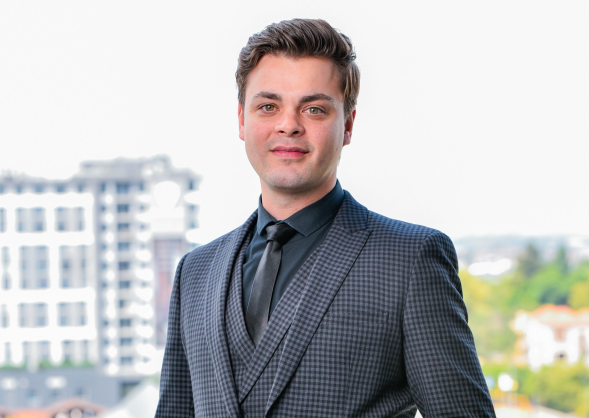
A distinguished Attorney of the High Court of South Africa with over 12 years of legal expertise, specializing in Corporate Law, Commercial Law, Litigation and Regulatory Compliance Leon Van der Merwe has joined pan-African legal and advisory group CLG (www.CLGGlobal.com) as a Partner.
A distinguished Attorney of the High Court of South Africa, Van der Merwe brings over 12 years of experience in Corporate Law, Commercial Law, Litigation and Regulatory Compliance. His areas of specialization include Contract Law, General and Commercial Litigation, Insolvency, Compliance, Property Law, Regulatory Law, Competition Law, Company Law and Risk Management.
Throughout his career, Van der Merwe has provided strategic counsel to national and international corporations, as well as African Governments, across various industries such as forestry, mining, construction, engineering, and retail. He holds an LLB Degree (Cum Laude) from the University of Pretoria.
“Leon's promotion to Partner is a reflection not only of his exceptional professional skill but also of the trust he has earned from our clients, colleagues, and partners. His dedication and hard work are unmatched, and he exemplifies the core values that define CLG,” said Zion Adeoye, CEO and Managing Partner of CLG. “I am thrilled to welcome him as Partner and look forward to seeing his leadership continue to shape our journey. His elevation is more than deserved, and I know he will bring even greater value to our firm and our clients in this role.”
Oneyka Cindy Ojogbo, CLG Deputy Managing Partner, added, "It gives me great joy to welcome my friend and colleague into the partnership at CLG. His dedication to the firm and unwavering commitment to our clients have been the bedrock of his practice, and I couldn't be more excited to see him take on this well-deserved role. His leadership and passion will be invaluable as we continue to grow together and build Africa's largest professional service firm."
Mr. Van der Merwe's appointment reinforces CLG's commitment to providing impactful and innovative legal solutions across Africa. His expertise will enhance the firm's service offerings, further solidifying its position as a leading pan-African legal and advisory group.
Distributed by APO Group on behalf of CLG.
About CLG:
CLG, a leading pan-African legal, tax and business advisory firm, has established offices in Germany, Nigeria, South Africa, Republic of Congo, South Sudan, Mauritius, Ghana, Cameroon, Namibia and Equatorial Guinea, amongst others, and is the first Africa focused professional service firm listed on the German stock exchange.
This expanded footprint enables CLG to deliver seamless professional services, facilitate cross-border transactions and provide expertise in diverse jurisdictions and sectors, while fostering strong in-country relationships.
SA, Nigeria talk trade
President Cyril Ramaphosa says South Africa and Nigeria enjoy strong diplomatic ties and expanding trade and investment flows.
“The strategic positioning of both countries in their respective regions presents enormous opportunities for collaboration,” President Ramaphosa said.
South Africa and Nigeria are this year marking 30 years of diplomatic relations, established in February 1994.
Speaking during a roundtable discussion between South Africa and Nigeria held in Cape Town on Tuesday, President Ramaphosa said in West Africa, Nigeria is the main destination for South African exports and investments.
“But more needs to be done to improve trade and commercial relations between the two countries,” he said.
President Ramaphosa said South Africa runs a large trade deficit with Nigeria, mainly due to its import of Nigerian oil and gas.
“There is a need to diversify our trade to ensure a mutually-beneficial partnership. We are greatly encouraged by the presence of South African companies in Nigeria, just as we welcome Nigerian companies in South Africa.
“We do recognise that challenges still exist within our respective operating environments that limit the expansion of investment and sometimes impact on the operations of companies,” he said.
The President visited Nigeria during a State Visit in 2021 and the Ministers of Trade launched the Joint Ministerial Advisory Council on Industry, Trade and Investment.
He added that South Africa and Nigeria have agreed on the full operationalisation of the Council.
“This will support a conducive environment for improved trade and investment. Through the Council, we hope to ensure the efficient resolution of trade- and investment-related challenges.
“As governments, we have committed in our Bi-National Commission to create an enabling environment for doing business in our respective countries. We have an opportunity to drive industrialization.”
READ | SA-Nigeria conclude successful Bi-National Commission
The first citizen said in the automotive sector for example, the two countries can create value chains in the manufacture of components and electric motorcycles.
“In critical minerals, we can use lithium to manufacture electric batteries. There is also much opportunity for cooperation on pharmaceuticals. Our two countries are in a strategic position to benefit from the rapid growth of clean energy manufacturing industries.
“South Africa has developed a Just Transition Framework and an Investment Plan that anticipates massive investments in renewable energy and the green economy over the next few years,” he said.
In addition, as part of the broader global transition to a low-carbon economy, the two countries must leverage the abundant natural resources that exist to promote green industrialisation.
“We should leverage each other’s capabilities in minerals processing. We must work together to ensure critical minerals are beneficiated at source. We call on business to support and involve themselves in these initiatives.
“Our development finance institutions can work together to support infrastructure development.”
The President said South Africa has embarked on a massive infrastructure investment drive that encompasses projects in electricity generation and transmission, bulk water supply, roads, railways, bridges and ports.
“We need to explore how we can mobilise our respective capabilities and resources to develop social and economic infrastructure in our countries.
“The African Continental Free Trade Area, once fully implemented, will enable a massive growth in intra-African trade and investment. We must identify what products can be traded among ourselves that we are now importing from elsewhere,” he said. -SAnews.gov.za
Edwin
Wed, 12/04/2024 - 11:16
JOHANNESBURG: Cricket South Africa (CSA) is proud to announce that Chief Executive Officer Pholetsi Moseki received the esteemed Leadership in Sport...
G20 Presidency to establish three dedicated task forces
President Cyril Ramaphosa has announced that South Africa’s G20 Presidency will pursue progress on cross-cutting issues through the establishment of three dedicated task forces.
Speaking during the launch of the G20 Presidency on Tuesday, President Ramaphosa said the first task force is on Inclusive Economic Growth, Industrialisation, Employment and Reduced Inequality.
The second task force is on Food Security, while the third task force is on Artificial Intelligence, Data Governance and Innovation for Sustainable Development.
WATCH |
“It is critical for South Africa that the G20 remains focused on its core responsibilities to address global economic and financial challenges. It should not replace existing international institutions and platforms, such as the United Nations and associated bodies.
“At the same time, G20 initiatives should support, not diminish, the responsibilities that countries have to deliver on the Sustainable Development Goals, climate action and other commitments,” the President said.
To ensure that the G20 remains focused, the President said that South Africa will not create any new working groups or permanent structures.
“We will build on previous presidencies and provide momentum to existing structures and processes. We will reflect on the impact of the G20 over the last 20 years and positioning it to enhance its impact over the next 20-year cycle,” he said.
The President emphasised that it is important for South Africa that its G20 Presidency is inclusive.
“Dialogue with civil society and other non-government institutions will be conducted through various engagement groups. These engagement groups are organised according to sectors, such as business, labour, civil society, parliamentary bodies and the judiciary.
“These engagement groups also include science bodies, think tanks, and audit institutions, as well as institutions of higher learning, specific groups for women and youth including vulnerable groups,” he said.
President Ramaphosa said the nation also intends to support the creation of a new engagement group, Township20 (TS20), to spotlight the potential of South Africa’s township economies.
“This will highlight the creative, cultural, financial and innovative capacities that our own country has to give when it comes to small and medium enterprises as well as cooperatives and how these operate in rural areas as well as townships where our people live,” he said.
Following Brazil’s example, South Africa will host a G20 Social Forum, amplifying the voices of civil society, women, youth and vulnerable groups.
“South Africa firmly believes that civil society serves as a bridge between the G20 leaders and the people who have the greatest interest in their deliberations,” the President affirmed.
Looking ahead to the Leaders’ Summit
The G20 Presidency will culminate in the Leaders’ Summit in Johannesburg in November 2025, where world leaders will adopt a declaration outlining collective actions to address critical global challenges.
With over 130 meetings planned across all provinces, and thousands of delegates expected, the G20 Presidency presents an opportunity to showcase South Africa’s potential and hospitality.
“The G20 Presidency is an opportunity to present to the world the great opportunities and experiences that South Africa has to offer. We look forward to welcoming our friends and partners to our beautiful country,” the President said.
South Africa assumed the Presidency of the G20 on 1 December 2024, marking a historic milestone as the first African country to lead this influential group of the world’s largest economies.
This Presidency is not only a significant moment for South Africa but also for the African continent and the Global South, amplifying their voices on the global stage, while advancing shared goals of economic growth, sustainability and equality. – SAnews.gov.za
DikelediM
Tue, 12/03/2024 - 13:02
GDP decreases by 0.3% in the third quarter of 2024
South Africa’s Gross Domestic Product (GDP) decreased by 0.3% in the third quarter of 2024, following an increase of 0.3% in the second quarter of 2024.
“The agriculture industry was the main drag on growth on the production (supply) side of the economy, with transport, trade and government services also contributing to the slowdown. On the expenditure (demand) side, there was a decline in imports, exports and government consumption,” Statistics South Africa (Stats SA) said on Tuesday.
The agriculture, forestry and fishing industry decreased by 28,8%, contributing -0,7 of a percentage point to the negative GDP growth. This was primarily due to decreased economic activities reported for field crops.
The transport, storage and communication industry decreased by 1,6%, contributing -0,1 of a percentage point.
Decreased economic activities were reported for land transport and transport support services.
“The trade, catering and accommodation industry decreased by 0.4%. Decreased economic activities were reported for wholesale trade, motor trade and food and beverages. General government services decreased by 0.1%, mainly due to decreased employment in national and provincial government and extra-budgetary institutions.
“The finance, real estate and business services industry increased by 1.3%, contributing 0.3 of a percentage point. Increased economic activities were reported for financial intermediation, insurance and pension funding, auxiliary activities, real estate activities and other business services,” Stats SA said.
The personal services industry increased by 0.5%, contributing 0.1 of a percentage point.
Increased economic activities were reported for health and education.
“The manufacturing industry increased by 0.5%, contributing 0.1 of a percentage point. Three of the ten manufacturing divisions reported positive growth rates.
“The largest positive contribution was reported for the basic iron and steel, non-ferrous metal products, metal products and machinery division. The mining and quarrying industry increased by 1,2%, contributing 0,1 of a percentage point. Increased economic activities were reported for manganese and chromium ore.”
Expenditure on GDP
Expenditure on real GDP decreased by 0.2% in the third quarter of 2024, following an increase of 0.4% in the second quarter of 2024.
“Household final consumption expenditure (HFCE) increased by 0.5%, contributing 0.3 of a percentage point to the total negative growth. The highest growth rates were reported for non-durable and semidurable goods,” Stats SA said.
The main positive contributors to the increase in HFCE were expenditures on food and non-alcoholic beverages (0.9% and contributing 0.1 of a percentage point), housing, water, electricity, gas and other fuels (0.6% and contributing 0.1 of a percentage point), recreation and culture (1.2% and contributing 0.1 of a percentage point) and restaurants and hotels (1.1% and contributing 0.1 of a percentage point).
“Final consumption expenditure by general government decreased by 0.5%, contributing -0.1 of a percentage point. This was mainly driven by decreases in purchases of goods and services and compensation of employees.
“Gross fixed capital formation increased by 0.3%. The main positive contributors to the increase were other assets (4.4% and contributing 0.5 of a percentage point), construction works (1.4% and contributing 0.2 of a percentage point) and machinery and other equipment (0.5% and contributing 0.2 of a percentage point),” Stats SA said.
There was a R6,6 billion drawdown of inventories (seasonally adjusted and annualised value).
Large decreases in three industries, namely manufacturing; electricity, gas and water; and mining and quarrying, contributed to the inventory drawdown.
“Net exports contributed positively to expenditure on GDP. Exports of goods and services decreased by 3.7%, largely influenced by decreased trade in pearls, precious and semi-precious stones and precious metals; vehicles and transport equipment excluding large aircraft; chemical products; base metals and articles of base metals; and machinery and electrical equipment.
“Imports of goods and services decreased by 3.9%, largely influenced by decreased trade in vehicles and transport equipment excluding large aircraft; mineral products; vegetable products; and base metals and articles of base metals,” Stats SA said. -SAnews.gov.za
nosihle
Tue, 12/03/2024 - 13:09
Treasury extends public comment window on alcoholic beverages discussion paper
National Treasury has extended the public comment window for the discussion paper on the taxation of alcoholic beverages due to numerous requests to extend the comment period.
The discussion paper on the taxation of alcoholic beverages, along with the discussion papers on the tax treatment of collective investment schemes and phase two of the carbon tax, provided for public comments until the close of business on 13 December 2024.
Since publication, National Treasury has received numerous requests to extend the comment period, specifically with regards to the discussion paper on the taxation of alcoholic beverages.
“Having due consideration for the requests for extension, the deadline for public comments on the taxation of alcoholic beverages discussion paper is hereby extended from 13 December 2024 to 14 February 2025.
"The closing dates for other discussion papers remains the close of business on 13 December 2024,” National Treasury said on Tuesday.
National Treasury published a discussion paper titled “Taxation of alcoholic beverages”, together with two other discussion papers, namely, “The tax treatment of collective investment schemes” and “Phase two of the carbon tax” on 13 November 2024 for public comment.
Written comments can be forwarded to 2024Alcoholreview@treasury.gov.za by close of business on 14 February 2025. - SAnews.gov.za
nosihle
Tue, 12/03/2024 - 13:22
South Africa and Nigeria strengthen ties
South Africa and Nigeria have reaffirmed their commitment to deepening their long-standing ties during the 11th Session of the Bi-National Commission held in Cape Town.
This as President Cyril Ramaphosa met with his Nigerian counterpart, President Bola Ahmed Tinubu, at Tuynhuys in Cape Town on Tuesday.
The meeting underscored the close bonds of friendship, solidarity and cooperation between the two nations, highlighting the importance of mutual efforts to enhance economic, political and cultural relations.
WATCH |
President Ramaphosa extended gratitude to Nigeria for its pivotal role in the international campaign to end apartheid, marking 30 years of diplomatic relations as a milestone that paves the way for a promising future.
“Our strong bonds of friendship provide a firm foundation for more meaningful economic cooperation,” President Ramaphosa said.
Nigeria hosts numerous South African companies, while South Africa continues to welcome Nigerian investments.
Both nations agreed that greater efforts are needed to address challenges hindering investment and trade.
“We need to remove the remaining constraints to greater investment, just as we need to address some of the challenges that companies have experienced.
“We are encouraged by the actions being undertaken under your leadership to further strengthen and foster a business environment in Nigeria that offers assurances to investors, including from South Africa. Our government continues with its efforts to improve the ease of doing business in South Africa,” the President said.
South Africa’s recent initiatives to streamline visa processes for Nigerian businesspeople and tourists were highlighted as steps toward fostering the ease of doing business and tourism.
“Qualifying Nigerian businesspeople can be granted a five-year multiple entry visa. In addition, tourists from Nigeria are now able to apply for a visa without submitting a passport,” the President said.
The African Continental Free Trade Area (AfCFTA) was identified as a key mechanism to unlock further trade opportunities between the two nations.
“This agreement allows our countries to trade seamlessly across a variety of products. We must seize this moment,” said the President.
The discussions also extended to regional and global matters. Nigeria was lauded for its focus on dialogue and peacebuilding in its leadership in the Economic Community of West African States (ECOWAS).
READ | SA eyes increased trade relations with Nigeria
Regional and global matters
South Africa shared its commitment to addressing regional challenges, such as conflicts in the Democratic Republic of Congo and post-election developments in Mozambique, through peaceful resolutions.
On the global stage, both countries emphasised the urgent need for reform in institutions like the United Nations Security Council to better reflect current realities.
South Africa, now holding the G20 Presidency, pledged to bring Africa’s development and the challenges of the Global South to the forefront of the G20 agenda.
“We will place Africa’s development and the challenges facing countries of the Global South firmly on the G20 agenda. We will seek to galvanise support for the African Union's Agenda 2063, as we pursue an inclusive global agenda,” the President said.
READ | SA’s G20 Presidency to focus on inclusivity
The Bi-National Commission agreed to renewed commitment to implementing decisions that have been made and consolidating cooperation across various sectors. Both nations aim to strengthen regional unity and position Africa as a continent of opportunity.
“Our strong foundations of mutual respect, trust, and collaboration must endure. Together, we must work to position Africa as the continent of the future,” President Ramaphosa said.
President Tinubu congratulated South Africa on its G20 Presidency, calling for the spirit of collaboration between the two countries to deepen.
READ | G20 Presidency to establish three dedicated task forces
He said that South Africa must leverage its G20 Presidency for the good of the continent. – SAnews.gov.za
DikelediM
Tue, 12/03/2024 - 14:58
Government resolute to protect the economy amid tax pressures
As South Africa faces rising tax pressures and energy costs, Deputy Minister of Electricity and Energy, Samantha Graham-Maré has reassured businesses and citizens that the government is working hard to protect jobs and drive economic growth in the face of these new challenges.
“With coal still powering nearly 80% of our electricity, the upcoming Scope 2 tax on indirect emissions and the European Union’s Carbon Border Adjustment Mechanism (CBAM) threaten to raise costs for businesses and put R52.4 billion in exports at risk,” the Ministry of Electricity and Energy said on Monday.
By 2034, South African companies could face up to a 60% increase in electricity costs due to these new carbon taxes, with rates expected to jump from R190 to R462 per tonne by 2030.
As current tax allowances are gradually phased out, some industries may see an overwhelming 340% increase in carbon tax payments. However, there is a path forward to secure jobs and promote growth.
The Deputy Minister emphasised that now is the time to invest in cleaner, cost-effective energy sources to build a more resilient, sustainable economy for all South Africans.
“Our priority is protecting jobs and strengthening our economy. By embracing renewable energy, we’re not only reducing emissions but creating new opportunities for growth, securing our industries’ future, and keeping South African businesses competitive in a global market that values sustainability. Transitioning to cleaner energy is essential for maintaining profitability and creating a brighter future,” Graham- Maré said.
The Ministry has assured business that government stands ready to work with it to unlock the potential of renewables, helping reduce dependence on coal, stabilise energy prices, and secure a prosperous future for South African workers and families.
“Together, we can protect jobs, build resilience, and pave the way for sustainable economic growth. Energy efficiency means job creation,” the Ministry said. -SAnews.gov.za
nosihle
Tue, 12/03/2024 - 09:28

Verdant IMAP (www.Verdant-CAP.com) is delighted to announce its recognition as Best Advisory Firm: Private Equity at the prestigious Africa Global Funds Awards. The accolade was presented during the Gala Awards Dinner on Thursday, November 14, 2024, at the renowned Mount Nelson Hotel in Cape Town, bringing together leading firms in African private equity and asset management.
This award highlights Verdant's significant contributions to the private equity M&Aecosystem across Africa. Over the past year, Verdant's transactions involving private equity have included the sale of the Onix data centre business in Ghana on behalf of Africa Infrastructure Investment Managers, two exits for London-based Africa private equity firm 8Miles (Awash Wines and Biyinzika Poultry Industries Limited in Ethiopia and Uganda respectively), and advising ACA and IFC-backed WIOCC on its JV with Texaf to build the market leading data centre in Kinshasa, DR of Congo. Verdant is currently at advanced stages with respect to six transactions for or with private equity funds, in South Africa, East Africa and West Africa, in sectors including technology, FMCG and manufacturing.
The recognition reinforces Verdant's commitment to delivering innovative, tailored advisory services and unlocking value for its private equity clients. The firm also advised on notable cross-border transactions, leveraging its position as the IMAP member firm for its region. IMAP, the world's leading global M&A partnership was established in 1973, has member firms in 50 countries, in total over 600 M&A bankers and completes more than 200 M&A transactions every year. The IMAP global partnership helps Verdant to bridge African and international markets effectively.
The Africa Global Funds Awards honour excellence in Africa's asset management and private equity industries. Verdant's recognition as Best Advisory Firm: Private Equity is a testament to its unwavering dedication to driving impactful solutions in challenging and dynamic markets.
With this award, Verdant strengthens its reputation as a trusted partner for private equity and other client groups navigating Africa's evolving economic landscape. As the firm continues to grow and innovate, it reaffirms its mission to deliver world-class advisory solutions that create lasting value for its clients and the continent.
Distributed by APO Group on behalf of Verdant Capital.
Media enquiries:
Orient Mahonisi,
orient.mahonisi@verdant-cap.com
About Verdant IMAP:
Verdant IMAP is a leading investment bank operating on a pan-African focus, specialising in M&A and in private capital markets. Verdant IMAP is the IMAP partner firm for its region. IMAP with partner firms in nearly 50 countries, with over 600 M&A professionals, completing over 200 M&A transactions per year, reinforces Verdant IMAP's capability to deliver innovative financial solutions to clients across Africa and around the World. www.Verdant-CAP.com