• Skip to main content
  • Skip to header right navigation
  • Skip to after header navigation
  • Skip to site footer
MyZA

MyZA

News, Directory, Events and Other Stuff

  • Social Media
  • Sport
  • World News
  • Home
  • Submit News
  • Directory
  • Events
  • Stratlec
  • TFSA
  • News
    • APO
    • Today’s Sport News
    • Todays Social Media and Tech Headlines
    • Today’s World News
    • Today’s SA Financial News
  • Contact
You are here: Home / Archives for critical

critical

31 March 2025

A Rare Opportunity for Real African Energy Independence
Location: Business
African Energy Chamber

By NJ Ayuk, Executive Chairman, African Energy Chamber (https://EnergyChamber.org)

Donald Trump's return to the White House in 2025 represents a pivotal moment for Africa's fossil fuel industry. His administration's swift reapproval of a USD4.7 billion loan from the U.S. Export-Import Bank (Exim) for TotalEnergies' liquefied natural gas (LNG) project in Mozambique — initially greenlit in 2020 during his first term but sent into deep-freeze for the full duration of the Biden years — sets the tone for what could be a transformative era for Africa's energy sector. 

Despite Mozambique's stabilization of security issues and concerns that the transfer of power in America would delay receipt of the loan even further, the Biden Administration refused to release the funds ahead of Trump's inauguration, a decision reflective of the administration's reluctance to support new fossil fuel initiatives throughout Biden's time in office. In contrast, Trump's decisive action within weeks of taking office signals a renewed, positive working relationship between the United States and Africa — one that prioritizes energy development over ideological objections and the Green Agenda's influence. 

The African Energy Chamber (AEC) contends that Africa should seize this potentially brief moment in history and embrace the Trump administration as a partner rather than an opponent. For too long, global pressures have insisted that African nations move toward green energy projects only and leave their fossil fuel resources behind.  

While renewable energy has its place, and will be important to Africa's future, fossil fuels still clearly constitute the backbone of any realistic efforts for African industrialization and economic growth — goals we simply cannot afford to sideline.  

Alignment with Trump's energy-first ethos would mean that Africa could unlock significant funding for wide-ranging fossil fuel projects, and not just the offshore oil and gas ventures that dominate the headlines. The continent should capitalize on all opportunities in onshore projects, wildcat wells (exploratory drilling in unproven areas), and the proliferation of numerous small operators. These avenues lead the way to diversity in Africa's energy portfolio, job creation, and massively strengthened energy security. 

The reapproval of funding for Mozambique LNG is a case in point. The project's revival under Trump demonstrates how quickly thick bureaucratic congestion can dissolve when political will aligns with economic practicality. This USD4.7 billion infusion will boost Mozambique's economy while sending a message to other African nations: Under Trump, at long last, America is open for business.  

In contrast to the previous administration, which openly regarded fossil fuel development with skepticism and disdain, Trump's “drill baby drill” mantra — while rooted in an “America First” agenda — pairs seamlessly with the ambitions of the African oil and gas industry. Africa should adopt a similar mindset and position itself as an attractive destination for American investment dollars. 

Coal's Comeback 

Another of Trump's domestic priorities, no doubt a response to China's unabashed expansion of coal production within its borders, is to revive clean coal production in the U.S. This initiative offers a compelling blueprint for Africa. While coal remains a contentious, harshly criticized resource globally, its advantages are undeniable: It's cheaper to produce, often doesn't require big bank financing, and is abundant across the continent. For African nations grappling with energy poverty, coal can serve as a means to an end, delivering affordable power to millions in the interim while the infrastructure for other energy sources matures. Simply put, Africa deserves to be the last global holdout on coal production and should leverage its coal reserves to meet domestic needs and export demands. Trump's willingness to disregard the international campaign against coal should embolden African leaders to reopen their abandoned coal mines and rest assured that this time around, they'll be able to operate freely, without fear of U.S. opposition. 

Fossil Fuels Unleashed 

Looking beyond coal, over the next four years, Africa has the rare chance to pursue an aggressive fossil fuel agenda. The continent should unite under an “Africa First” banner and adopt its own “drill baby drill” mentality in support of every promising oil exploration and production project, every possible natural gas project, and a multinational effort to slash through regulatory red tape.  

In Nigeria, for instance, the wheels of progress moved agonizingly slowly when it came to passing the Petroleum Industry Act, first proposed in 2008 and not signed into law until 2021. Even after the law was passed, Nigeria has been slow to fully implement it. This kind of inertia deters investment and slows development. A Trump-inspired push to clean up such bureaucratic roadblocks could unleash a wave of prosperous development. Similarly, addressing security issues — like those that drove U.S. firms out of Libya — will be critical to restoring confidence and attracting capital from abroad. 

While the offshore sector will undoubtedly remain a cornerstone of Africa's fossil fuel strategy, the continent's onshore potential is equally vast. Wildcat wells offer high-risk/ high-reward prospects that could uncover new reserves. Meanwhile, instead of relying solely on multinational oil and gas giants, empowerment of more independent companies and indigenous small operators could diversify the industry, build up local entrepreneurship, and ensure the economic benefits are more widespread. It is highly unlikely that the Trump administration, with its emphasis on deregulation and energy independence for its own shores, would obstruct such efforts on ours. Conversely, it may actively encourage them through financing and technical support, as seen with the Exim loan. 

Balancing Development and Climate Realities 

Though critics will argue that this push for fossil fuel proliferation contradicts global climate goals, at the AEC, we insist that the calculations for Africa are simply different.  

Africa accounts for a fraction of global emissions but bears a disproportionate burden when it comes to energy poverty. Fossil fuels offer a realistic and relatively quick path to electrification and industrialization, the proven prerequisites for lifting millions out of poverty. Trump's indifference to international climate orthodoxy, while controversial, gives Africa the much-needed breathing room to prioritize development over decarbonization. This is in no way an outright rejection of renewables but a recognition that fossil fuels can and will facilitate a just transition to green technologies once their capabilities catch up to Africa's current needs. 

Seizing the Moment 

The next four years under Trump could redefine Africa's energy landscape. With U.S. interference a thing of the past, Africa can pursue a multi-pronged energy strategy. With a ramp-up in natural gas to meet global demand, a coal revival to power its own grids, and on and offshore opportunities tapped into, Africa could finally secure its full resource base.  

However, this approach will require bold leadership. Governments will have to eliminate obstructive policies and address security challenges head-on to secure foreign investments. The payoff could be immense: energy abundance, economic growth, and a partnership with the U.S. that is stronger than ever before. 

For example, Nigeria's oil and gas sector has been hampered by regulatory uncertainty and security threats in the Niger Delta. A Nigerian “drill baby drill” mindset could accelerate regulatory, social, and economic reforms needed to address the Niger Delta's deep-rooted instability. This kind of mindset could restart stalled projects and attract American firms eager to invest in a Trump-approved climate. Likewise, in Libya, a resolution to security concerns could lure back U.S. companies that fled during years of instability, reviving a once-thriving oil industry. Across the continent, small operators could flourish under a lighter regulatory touch, drilling wildcat wells and tapping into overlooked reserves. 

South Africa, with its vast coal deposits, could take the lead on clean coal technologies to balance affordability and environmental concerns. Smaller nations with untapped coal reserves could follow Trump's lead in defying global pressures against production. The result would be a continent less dependent on foreign aid and more capable of powering its own future. 

Trump's presidency offers Africa a chance to unapologetically double down on its fossil fuel potential. The USD4.7 billion Mozambique loan is just the beginning — a proof of concept for what collaboration with the U.S. can achieve. By embracing this partnership, Africa can shed the shackles of the Biden era and chart a course toward energy sovereignty.  

The tools are all there: offshore rigs, onshore fields, wildcat wells, established mines, and a willing ally in Washington. The question that remains is whether Africa's leaders have the courage to stand up to the anti-carbon lobby. 

Trump's second term could be remembered as the moment Africa's fossil fuel industry came into its own — as a partner to the U.S. in a shared vision of energy abundance. With four years of clear skies ahead, there is no question that Africa should build, mine, and yes, drill, baby, drill like never before.  

If we don't act now, it might be a very long wait for an opportunity like this one to present itself again. 

Distributed by APO Group on behalf of African Energy Chamber.
Media files
African Energy Chamber
Download logo
Read moreA Rare Opportunity for Real African Energy Independence
31 March 2025

African Rare Earth Projects Advance Amid Rising Global Demand

Location: News

Energy Capital & Power
Download logo

The global demand for rare earth elements (apo-opa.co/3FI1pbZ) is projected to increase four-fold by 2030, driven by the energy transition and increasing investments in industrialization. African nations rich in rare earth minerals are accelerating exploration and production efforts to capitalize on this growth. With up to eight rare earth projects set for commissioning across the continent by 2029 - boosting Africa's share of the global supply chain to 10% - the upcoming African Mining Week will spotlight opportunities across the rare earth value chain.

Africa's rare earth sector remains largely untapped, thereby attracting the interest of global project developers eager to unlock its full potential. South African asset manager Novare, for example, signed a R1.8 billion agreement (apo-opa.co/3E9EG8f) in February 2025 with American firm ReElement Technologies to develop a rare earth refining and battery manufacturing facility. ReElement will contribute its refining technology while Novare will provide funding for the value addition initiative, with construction expected to begin in the second half of 2025.

In Namibia, the Japan Organization for Metals and Energy Security and Namibia Critical Metals (apo-opa.co/427nfNI) completed a production pilot for the Lofdal Project, one of only two xenotime-type heavy rare earth deposits currently under development worldwide. Meanwhile, in Angola, Pensana (apo-opa.co/43A3nW0) secured an $80 million loan from Absa Bank Limited in January 2025 to expedite the rollout of the Longonjo Project, which is expected to supply 5% of the world's magnet metal rare earths demand – essential for the development of wind turbines and electric vehicles.

Major investors are also making bold moves in Africa's rare earth sector. Billionaires Jeff Bezos and Bill Gates (apo-opa.co/3FJsOdC) have injected $537 million into exploration and mine development through mining startup KoBold Metals, further accelerating Africa's rare earth ambitions. The funding will be directed toward rare earth mining ventures. Additionally, recognizing the strategic value of rare earths, multinational financial institution the African Development Bank proposed the development of the African Units of Account (AUA) (apo-opa.co/3FOTDxe) - a new currency backed by Africa's critical mineral reserves, including rare earth elements. The initiative would help stabilize regional currency markets and attract more international investment in green energy projects, amidst the growing demand of critical minerals globally and Africa's vast reserves.

The year 2025 continues to mark significant milestones in the growth of Africa's rare earth sector, with the advancement of key projects (apo-opa.co/43uodGd) such as Phalaborwa and Steenkampskraal (South Africa), Makuutu (Angola), Ngualla (Tanzania) and Songwe (Malawi). Amid these developments, African Mining Week serves as a strategic platform for African regulators, industry stakeholders and global investors to engage in deal signings and forge partnerships, further solidifying Africa's role in the global rare earth supply chain.

Distributed by APO Group on behalf of Energy Capital & Power.

African Mining Week serves as a premier platform for exploring the full spectrum of mining opportunities across Africa. The event is held alongside the African Energy Week: Invest in African Energies 2025 conference from October 1-3 in Cape Town. Sponsors, exhibitors and delegates can learn more by contacting sales@energycapitalpower.com.

Read moreAfrican Rare Earth Projects Advance Amid Rising Global Demand
31 March 2025

Minister refutes claims of interference in NPA’s work

Location: News

Minister refutes claims of interference in NPA's work

Justice and Constitutional Development Minister Mmamoloko Kubayi has opened a criminal case to investigate a fabricated WhatsApp conversation falsely linking her to prosecutorial decisions at the National Prosecuting Authority.

This after a Sunday news report alleged that two Cabinet Ministers had instructed the National Prosecuting Authority to bring charges against Deputy President Paul Mashatile.

The Minister opened a case of fraud, impersonation and obstruction of justice at the Brooklyn Police Station in Tshwane on Sunday evening.

“I’ve [opened a case] because it’s important for us to protect [democratic] institutions and that are implementing our justice system. One of the critical institutions that must be protected for its independence is the NPA.

“We have seen previously how the issues of state capture have compromised our institutions to the point of collapse. I’m one of those that has committed that we will rebuild our institutions and that we allow them to function without fear or favour. 

“That’s why it’s important for me to open this case because we cannot allow where, in the public domain, an impression is given that these institutions are compromised to the point that they cannot do their work,” she said.

The Minister emphasised that the “law must take its course in all aspects”.

“No one must be above the law. But most importantly, no one – including myself – must interfere with law institutions or any institutions that must do their work. 

“We will not have political interference of any sort in the work of the NPA. I reassure South Africans of my commitment to fulfil my obligation and to abide by my oath of office,” Kubayi said.

The NPA has also rejected the news story – calling it “fake news” and reaffirmed its commitment to executing its mandate without fear, favour or prejudice.

“The current leadership of the NPA is on record to confirm that it has never been subjected to any executive interference in the discharge of its prosecutorial mandate, and this remains the position. The current leadership is beholden only to the constitutional mandate of the NPA and serves only the people of South Arica,” the prosecutorial body said. – SAnews.gov.za


NeoB
Mon, 03/31/2025 - 09:47
24 views

Read moreMinister refutes claims of interference in NPA’s work
31 March 2025

Committee on Women, Youth and Persons With Disabilities Wraps Its KZN Oversight Visit

Location: News

Republic of South Africa: The Parliament
Download logo

The Portfolio Committee on Women, Youth and Persons with Disabilities has today wrapped its week-long oversight visit to KwaZulu-Natal (KZN) province where it assessed critical government programmes that included gender equality, youth development, gender-based violence (GBV), and the inclusion of children with disabilities in the education system.

The committee chose KZN province for the March oversight due to the challenges that the province experiences. The challenges that include high rate of teen pregnancies and the highest reported incidents of rape in the country. GBV remains a top priority for the committee.

The committee evaluated the implementation of the Sanitary Dignity Programme, which the province has touted as a best practice model. The committee raised concerns over inequality regarding the allocation of resource. Some girls received more sanitary products and others less, a very unfair situation.

During its visit at the Commission for Gender Equality (CGE), the committee emphasised the need for improved visibility of the Commission and its accessibility to the people it was established for. The committee noted that the location of CGE offices in the Durban CBD makes it inaccessible to those who stay in deep rural areas. The committee has urged the CGE to consider relocating its offices and utilising government mobile units for accessibility to its clients.

At the National Youth Development Agency (NYDA), the committee recommended that the agency improves its outreach by using municipal offices and mobile vehicles to connect with the youth, especially in rural areas. Furthermore, it urged the NYDA to address diversity concerns among its coordinators.

The committee also visited Umlazi Police Station where it engaged with Rapid Response Teams (RRT) on infrastructure problems, high incidences of GBV, and the impact of liquor outlets in the area. Members of the committee expressed concerns over the backlog at forensic labs and called for improved staffing ratios.

The committee visited the Arthur Blaxall School where it noted the lack of maintenance and the crumbling infrastructure. The committee expressed a concern over the socio-economic challenges faced by learners, health problems, and the lack of parental involvement. At the KZN Blind and Deaf Society, which the committee also visited, it noted a lot of problems that included non-accreditation of courses offered. It also called on the management of the institution to forge partnerships with accredited organisations.

In a meeting with the Office of the Premier and the Standing Committee on Quality of Life, the committee received a briefing on the Premier's Women's Empowerment and Youth Empowerment Fund on new initiatives aimed at combating GBV. The committee appreciated the Premier's Office for its commitment to protect vulnerable people and it acknowledged the collaborative efforts that are applied to address the problems experienced by the people.

Distributed by APO Group on behalf of Republic of South Africa: The Parliament.

Read moreCommittee on Women, Youth and Persons With Disabilities Wraps Its KZN Oversight Visit
30 March 2025

G20 nations must place inequality at the heart of economic policymaking: Deputy Minister Mohai

Location: News

G20 nations must place inequality at the heart of economic policymaking: Deputy Minister Mohai

Department of Planning, Monitoring, and Evaluation (DPME) Deputy Minister Seiso Mohai has stressed the urgency of addressing persistent global inequalities.

“G20 nations must place inequality at the heart of economic policymaking, as disparities in wealth and development are neither just nor sustainable. The consequences of these inequalities are most pronounced in the Global South, where poverty, unemployment, and a lack of access to essential services continued to hinder progress,” Mohai said.

The Deputy Minister was delivering a keynote address during a two-day G20 Seminar focused on the theme: “Public Good, Development Finance, and Social Protection”. 

The seminar was hosted by the DPME in collaboration with the South African Association for Public Administration and Management (SAAPAM) and Tshwane University of Technology (TUT). 

The seminar was a key part of South Africa’s strategic G20 priorities - to explore innovative solutions for addressing economic disparities, advancing sustainable development, and ensuring social protection for vulnerable communities.

It provided a platform for fostering dialogue among government officials, academia, civil society, and the private sector, with a focus on tackling challenges such as economic disparities, mobilising development finance, and advancing inclusive social protection policies. 

Deputy Minister Mohai emphasised the importance of constructive dialogue throughout the seminar. 

“This gathering provided a unique platform for engagement among key stakeholders. We looked forward to brutally frank debates aimed at addressing the challenges of inequality, unemployment, and poverty.

“We were encouraged by this partnership between DPME, SAAPAM, TUT, and other academic institutions, civil society, and non-government organizations, and we looked forward to successfully hosting this prestigious G20 seminar,” he said.

Discussions at the seminar also explored ways to overcome structural barriers to sustainable development, including the mobilisation of innovative financing solutions for climate action and other pressing global issues.

The seminar focused on the following key areas:

  • Public Good: Ensuring equitable access to essential services and resources for all citizens.
  • Development Finance: Mobilising sustainable funding mechanisms to stimulate economic growth.
  • Social Protection: Strengthening policies aimed at reducing inequality and providing support for the most vulnerable.

Mohai also highlighted the pivotal role of academia and professional bodies in developing innovative solutions to global development challenges. 

“South Africa’s engagement with the G20 has been guided by strategic foreign policy pillars, including national interests, the African agenda, South-South cooperation, and multilateralism. Our presidency came at a time when the world faced overlapping global crises such as climate change, inequality, and geopolitical instability, which disproportionately affected developing nations,” he noted.

The Deputy Minister also reaffirmed South Africa's commitment to addressing the structural causes of economic disparities. 

"Through collaboration, innovation, and shared commitment, we can create a future that is inclusive, resilient, and sustainable," he stated.

The two-day seminar featured several distinguished academic dignitaries, including UNISA Vice Chancellor Puleng Lenkabula and Tshwane University Dean, Professor Mashupye Maserumule, among others.

Professor Maserumule shared valuable insights on the crucial role of an ethical, capable, and professional public service in driving innovation in planning and development. He emphasised the importance of a well-equipped public sector in fostering sustainable growth and effective governance.

In her address, UNISA Vice Chancellor Lenkabula highlighted the vital role of academia in South Africa’s leadership during the DPME G20 Seminar. She focused on the contribution of academic institutions, research, and higher education can make toward both national and international G20 objectives.

“Academia plays a pivotal role by conducting research that addresses global challenges on the G20 agenda, such as climate change, global health, economic recovery post-pandemic, and sustainable development,” she said.  

“South African universities and research institutions have the opportunity to collaborate with their international counterparts to generate data and policy recommendations that support both South Africa's national interests and the broader goals of the G20,” Prof Lenkabula added. 

The department said that the outcomes of the seminar will contribute to South Africa’s G20 agenda, focusing on building a future that is inclusive, resilient, and sustainable for all. 

The event aimed to generate actionable recommendations and innovative policy solutions to guide the global community in confronting critical issues such as inequality, unemployment, and poverty.

“This seminar marked a critical milestone in South Africa’s leadership of the G20, with a continued focus on fostering solidarity, equality, and sustainability in global development,” the department said. – SAnews.gov.za


DikelediM
Sun, 03/30/2025 - 12:18
479 views

Read moreG20 nations must place inequality at the heart of economic policymaking: Deputy Minister Mohai
29 March 2025

Good News for Leopard Toads: Anonymous Donor Buys Crucial Habitat in Cape Town

Location: News

The property in the heart of Noordhoek will also be an open space for the community

Read moreGood News for Leopard Toads: Anonymous Donor Buys Crucial Habitat in Cape Town
28 March 2025

Committee Receives Briefings on Interventions to Address the Escalating Municipal Electricity Debt

Location: News

Republic of South Africa: The Parliament
Download logo

As part of its week-long oversight to Gauteng, the Portfolio Committee on Electricity and Energy held a meeting that brought together key stakeholders which included Eskom, National Treasury, the Department of Cooperative Governance and Traditional Affairs (COGTA), and the South African Local Government Association (SALGA), on the growing municipal electricity debt crisis, which has escalated to nearly R100 billion.

The aim of the meeting was to find solutions on the pressing challenges affecting municipalities' ability to meet their financial obligations and sustain electricity. The committee emphasised the seriousness of the situation, noting that the escalating municipal debt affects not only Eskom's financial stability but also the delivery of essential services to millions of South Africans.

During the discussions over 160 municipalities were classified as financially distressed, with 98 of them operating on unfunded budgets in the 2024/2025 financial year, 7 of them participating in the Municipal Debt Relief Program, and 14 of them have successfully met the conditions required for debt relief and write-offs.

The committee stressed that the municipal electricity debt crisis requires collaboration and decisive action from all levels of government and stakeholders. The committee said the crisis poses a significant risk to service delivery and the livelihoods of millions of South Africans. Members of the committee said the time of pointing fingers is over, the time calls for collaborative solutions and long-term reforms.

Eskom highlighted that the municipal arrears increased from R74 billion in March 2024 to R98.5 billion by February 2025, with significant growth in debt attributable to provinces like Free State and Mpumalanga. Eskom expressed grave concerns about the implications of this trend on its financial sustainability, noting that the gains from the debt relief program aimed at reducing its overall debt from R400 billion to R250 billion could be neutralised within three years if the rising municipal debt trajectory is not curtailed.

Eskom emphasised that as part of solutions to address the electricity debt crisis, funds collected from customers by the municipalities are prioritised to settle bulk electricity accounts before being used for other municipal expenses.

National Treasury underscored its efforts to enforce fiscal discipline through several interventions, including withholding equitable share allocations to defaulting municipalities under Section 216(2) of the Constitution. Treasury reported that equitable share allocations for several municipalities were withheld to compel them to address their financial management failures.

Despite these measures, Treasury acknowledged that entrenched dysfunctionality in many municipalities continues to undermine progress. Treasury also highlighted that only a fraction of the 10 million indigent households identified in the census are benefitting from the Free Basic Electricity grant due to inefficiencies in municipal administration, leaving millions of impoverished South Africans without critical energy support.

COGTA and SALGA shared insights into the structural and operational inefficiencies that have crippled municipalities. These include weak governance, lack of capacity, inadequate enforcement of revenue collection measures, and outdated infrastructure. COGTA noted that the absence of energy master plans and failure to maintain accurate indigent registers have compounded the crisis.

SALGA highlighted that the overly fragmented approach to addressing municipal debt must be replaced with integrated capacity-building programs, including technical assistance for cost-reflective tariffs and improved revenue collection systems.

The committee also heard that smart metring solutions have shown promising results in improving revenue collection, with pilot projects recovering millions of rands in previously uncollected funds. National Treasury announced that an additional R650 million would be allocated in the next financial year to expand smart metering programs to targeted municipalities. These interventions aim to enhance overall efficiency and ensure timely payment of bulk electricity accounts.

The meeting further explored the critical role of legislative reform in tackling these issues. Eskom and other stakeholders called for adjustments to the Electricity Regulation Act to enable more proactive credit control measures. The committee also noted concerns about the affordability of electricity tariffs and the long-standing need to increase the FBE grant threshold to meet the growing needs of indigent households.

Members of the committee pointed out that sustainability solutions must balance immediate interventions with long-term reforms. Furthermore, the committee stressed the need for an all-of-government approach to address the systemic nature of the challenges faced. The committee recommended the establishment of a dedicated Municipal Recovery Task Team comprising Eskom, National Treasury, COGTA, SALGA, and other relevant stakeholders. This task team will focus on implementing and monitoring solutions, including measures to improve governance, enhance collections, introduce prepaid systems for bulk electricity, and address legislative barriers.

The committee commended Eskom, National Treasury, COGTA, and SALGA for their continued commitment to resolving this crisis. However, the committee emphasised that municipalities must take greater responsibility for reversing the current trajectory.

Distributed by APO Group on behalf of Republic of South Africa: The Parliament.

Read moreCommittee Receives Briefings on Interventions to Address the Escalating Municipal Electricity Debt
27 March 2025

SA, DRC strengthen ties amid security concerns

Location: News

SA, DRC strengthen ties amid security concerns

International Relations and Cooperation Minister Ronald Lamola has met with his counterpart from the Democratic Republic of Congo (DRC), Thérèse Kayiwamba Wagner, to enhance bilateral cooperation and address ongoing security challenges.

During the political consultations, Lamola expressed his condolences due to the turmoil affecting the Congolese people, particularly vulnerable groups such as women and children. 

“The security situation in the eastern Democratic of the Congo is fragile and is cause for concern. Many people have lost their lives and, millions, especially women and children, have been displaced,” he said on Thursday. 

He noted that the United Nations Security Council had convened multiple emergency sessions to address the crisis.

“The United Nations Security Council convened no less than three emergency sessions to review developments in the eastern DRC. Similarly, our regional and continental organisations have also met and called for a ceasefire, an end to hostilities, facilitation of humanitarian assistance, and a return to the peace talks.

“The people of the eastern Democratic Republic of the Congo are yearning for peace and normalcy. We dare not fail them.” 

South Africa has pledged its unwavering support for peace efforts in the region as it backs ongoing mediation initiatives aimed at achieving a long-term resolution to the conflict. 

Lamola highlighted the appointment of former President Kgalema Motlanthe to the mediation team, stressing his extensive political experience as an asset in the quest for peace.

“We have no doubt that with his vast political experience, former President Motlanthe will be an asset to the team,” he added. 

Lamola and Wagner, the DRC Minister of Foreign Affairs, International Cooperation, and Francophonie, reviewed the state of bilateral relations during their meeting and reflected on the commitments made during the recent Bi-National Commission (BNC) session.

“We should examine progress in our joint efforts of promoting trade and investment between our countries, an area which is critical to the growth of our respective economies and the improvement of the lives and livelihoods of our people.”

As South African companies show increased interest in investing in the DRC, Lamola encouraged both nations to create the necessary conditions for these investments and announced that the country’s development finance institutions are also willing to extend and expand their coverage.

“Working together I am confident that we will create the necessary conditions for these investments to be realised,” he added.

The two countries plan to convene a comprehensive review of BNC outcomes in the coming months, setting the stage for the next session later this year.

Lamola said Wagner’s visit was a testament to the commitment of both nations to foster a stronger partnership. 

“Senior officials should be directed to put their shoulders to the wheel to follow through all the tasks that have been agreed to but remain outstanding.” 

Lamola and Wagner were joined by the Ministers of Defence from both locally and the DRC. – SAnews.gov.za


Gabisile
Thu, 03/27/2025 - 13:03

198 views

Read moreSA, DRC strengthen ties amid security concerns
27 March 2025

President commends progress made in provision of water and sanitation

Location: News

President commends progress made in provision of water and sanitation

President Cyril Ramaphosa has commended the Department of Water and Sanitation for its ongoing efforts to improve water and sanitation access in the country.

Delivering the keynote address at the Water and Sanitation Indaba currently underway at Gallagher Convention Centre in Midrand, Gauteng, the President highlighted that through the department’s efforts, progress has been made towards meeting the minimum standards for the provision of water and sanitation services, and in addressing connection backlogs.

“As a country we can be proud of the progress we have made in fulfilling this basic right of our people since the advent of democracy. The National Water Act of 1998 was the key legislative enabler to facilitate access to adequate water and sanitation for our people.

“The results of Census 2022 point to our ongoing progress since the National Water Act was signed into law. In 2022 access to clean water stood at 88.5 %, and access to improved sanitation stood at 80.7 %,” the President said on Thursday. 

The President highlighted an increase in water infrastructure build, and this includes the National Infrastructure Fund which has to date, secured R23 billion for seven large water infrastructure projects, Phase 2 of the Lesotho Highlands Water Project (LHWP) which is currently underway, as well as work on the uMkhomazi Dam.

Preparations are also underway for the construction of the Ntabelanga Dam on the uMzimvubu River.

The President noted a number of other water infrastructure projects earmarked for blended financing through the Infrastructure Fund, including the Polihali Dam that will feed 490 million cubic meters of water a year from the Lesotho Highlands into the Vaal River System.

Held under the theme: “Water Security and Provision”, the Indaba set for Thursday and Friday, underscores government’s ongoing commitment to tackling South Africa’s water security challenges and ensuring reliable and sustainable water and sanitation services for all citizens.

With its focus on water security and provision, the two-day gathering takes place during National Water Month and Human Rights Month, a significant period that underpins the importance of water as a fundamental human right and a critical resource for socio-economic development.

The timing of the gathering also underscores the urgency of addressing water and sanitation challenges to uphold the dignity and well-being of all South Africans.

Clean water and sanitation for all

While progress has been made, President Ramaphosa acknowledged that the country still has a long way to go towards achieving clean water and sanitation for all, as encapsulated in Sustainable Development Goal (SDG) 6.

“Last year’s Water Summit identified ageing and poorly maintained infrastructure, vandalism of water infrastructure, illegal connections, and organised crime in the water sector as some of the challenges facing service delivery in this sector.

“At a local government level, financial mismanagement, insufficient revenue collection systems and high levels of physical water losses are compounding existing service delivery problems. These challenges have been consistently reflected in reports of the Municipal Strategic Self-Assessment, Stats SA, the Auditor-General and others,” the President explained.

With this dire state of affairs, he added that the country has seen declining private sector investment in water infrastructure, “a situation that is only now improving”.

By equal measure, he said the municipalities have not reinvested the revenue they earn from the provision of services to the upkeep of key water infrastructure.

“A number of water boards have been or are the subject of probes by the Special Investigating Unit (SIU) for corruption and fraud. These are problems impacting a country with a growing population, which is one of the most water-scarce countries in the world,” the President said. – SAnews.gov.za

GabiK
Thu, 03/27/2025 - 13:21
254 views

Read morePresident commends progress made in provision of water and sanitation
27 March 2025

A Landmark Step for Lesotho

Location: News

World Health Organization (WHO) - Lesotho
Download logo

In a significant stride towards bolstering its pandemic preparedness and response capabilities, Lesotho convened its inaugural National Steering Committee (NSC) meeting for the Pandemic Fund Southern Africa Multicountry Project. This crucial gathering, held in Maseru, marked a pivotal moment in the nation's efforts to safeguard its population against future health crises.

Lesotho, a recipient country in the second round of the Pandemic Fund's regional proposal alongside Botswana, Madagascar, Mozambique, Malawi, Namibia, South Africa, and Zimbabwe, will benefit from resources aimed at strengthening One Health Disease Surveillance and Response. This initiative, focused on combating disease outbreaks, will enhance Lesotho's infrastructure for pandemic/epidemic preparedness and response. The NSC, a vital component for the implementation of the fund, will serve as the guiding force to ensure the effective utilization of these funds for maximum impact.

The meeting was presided over by the Principal Secretary of the Ministry of Health, Mrs. Moliehi Maneo Ntene, and co-chaired by the WHO Representative, Dr. Innocent Nuwagira. The session drew a diverse and influential assembly, including head of mission from the World Health Organization (WHO) and representation from the World Bank and UNICEF. Principal Secretaries from key ministries, including Health, Agriculture, Finance, Environment, Trade, Education, Gender and Social Development, and Disaster Management Authority, were also in attendance as members of the NSC. 

This broad representation underscores the cross-sectoral nature of pandemic preparedness, recognizing that effective responses require a unified, multi-faceted approach.

In her opening remarks, Mrs. Ntene acknowledged Lesotho's vulnerabilities and the need to strengthen its health systems. “Recognizing our vulnerabilities in emergency prevention, preparedness, and response, we seized the opportunity to apply for funding through the Pandemic Fund. The successful multi-country initiative allows us to strategically address our gaps. With this newly formed, multi-sectoral steering committee, we are confident in our ability to strengthen our health systems and build a more resilient Lesotho, ensuring the health security of our people,” said Mrs. Moliehi Maneo Ntene, Principal Secretary, Ministry of Health

WHO Representative Dr. Innocent Nuwagira echoed this sentiment, emphasizing the importance of strong national leadership and coordinated action. “The establishment of this National Steering Committee signifies Lesotho's proactive commitment to safeguarding its population. As WHO, we are committed to working alongside the government and partners, ensuring the Pandemic Fund's resources are strategically deployed to build a resilient and robust health system capable of effectively responding to pandemic threats,” reflected Dr. Innocent Nuwagira, WHO Representative in Lesotho.

A key focus of the meeting was to establish and define the functions of the NSC. Participants meticulously reviewed and endorsed the Terms of Reference (TORs), laying a solid foundation for the committee's operational framework. This crucial step ensures clarity and accountability in the NSC's role, facilitating efficient decision-making and implementation. Additionally, the meeting provided an opportunity to review and endorse the projects microplan presented by the Pandemic Fund task team. The plan outlined strategic interventions in critical areas such as early warning and disease surveillance, laboratory capacity, and workforce capacity through a One Health approach. These focus areas are essential for strengthening Lesotho's ability to prevent, detect and respond to future pandemics.

The Pandemic Fund aims to empower countries like Lesotho to build resilient health systems by investing in infrastructure, training healthcare professionals, and fostering inter-agency collaboration. The One Health approach recognizing the interconnectedness of human, animal, and environmental health - will enable a more holistic and proactive response to emerging threats. As Lesotho embarks on this critical phase of implementing the Pandemic Fund's initiative, the inaugural NSC meeting demonstrates the nation's dedication to strengthening its health security, through collaborative efforts and strategic planning, for a safer and more resilient future for Basotho.

Distributed by APO Group on behalf of World Health Organization (WHO) - Lesotho.

Read moreA Landmark Step for Lesotho
27 March 2025

2nd Annual Sub-Saharan Africa Safer Internet Summit in Cape Town

Location: News
TikTok

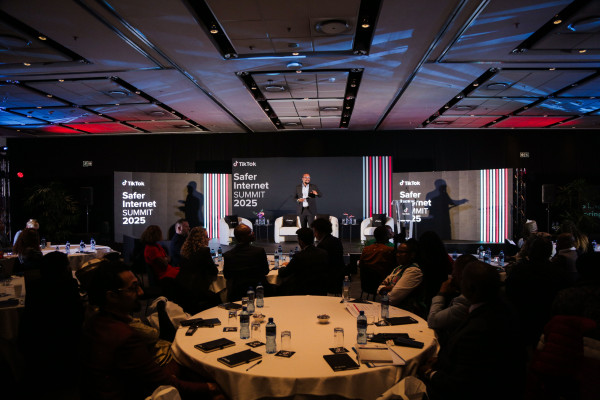
TikTok (www.TikTok.com) hosted its second Annual Africa Safer Internet Summit in Cape Town, South Africa, bringing together government officials, regulators, and industry leaders from across Sub-Saharan Africa. Delegates from South Africa, Nigeria, Ethiopia, Cameroon, Cote d'Ivoire, Kenya, and other countries convened to discuss critical issues on online safety, content moderation, and digital policy development.

The Summit underscores TikTok's ongoing efforts to prioritise user safety in Africa while fostering an open dialogue with policymakers to shape robust frameworks that protect users' rights while encouraging innovation and creativity in the digital space.

Government and Industry Leaders Discuss Digital Safety

The Summit was officially opened by South Africa's Hon. Solly Malatsi, Minister of Communications and Digital Technologies, who highlighted the importance of collaboration among governments, technology platforms, and communities to foster a safer digital ecosystem.

Helena Lersch, TikTok's Vice President for Public Policy, in her remarks, reaffirmed the platform's commitment to user safety and the role of partnerships in creating a secure digital environment.

“Billions of people come to TikTok every day to create, share and connect and we're continually evolving our policies and practices to safeguard our platform so our community can discover and do what they love. This summit underscores the importance of collaboration between industry leaders and regulators in shaping a digital ecosystem that is both innovative and secure," said Lersch.

Fortune Mgwili-Sibanda, Director of Public Policy & Government Relations for Sub-Saharan Africa, further emphasised the significance of collective efforts in digital safety, stating that the Summit serves as a valuable platform for sharing insights, strengthening collaboration, and ensuring that African users, particularly young people, are protected online.

Content Moderation in Africa

During the summit, TikTok reported a significant upward trend in its content removal rate across Sub-Saharan Africa, with data showing a 249.81% increase in content removals from the second quarter of 2023 to the fourth quarter of 2024. This improvement aligns with TikTok's global standards for content moderation and community guidelines enforcement. TikTok's Community Guidelines Enforcement Reports (https://apo-opa.co/3QMZNQH) reflect the platform's continued investment in automated moderation technology, alongside human safety experts that enables the detection and removal of harmful content before it reaches users. Globally, between July and September 2024, TikTok removed more than 147 million videos, of which 118 million were detected and removed automatically using these technologies.

In Sub-Saharan Africa, TikTok removed over 7.5 million videos in Q3 2024, rising to more than 8 million in Q4 2024—an increase of 14.06% quarter-on-quarter. Notably, 99.5% of these videos were removed before any user reports, underscoring TikTok's commitment to proactive moderation and swift action.

A similar trend was observed in North Africa, where TikTok removed over 7 million videos in both Q3 and Q4 of 2024. This represented an 8.70% increase in removals between the quarters, with 99.3% of these takedowns also occurring before user reports.

These figures highlight TikTok's ongoing efforts to provide a safe and positive online environment through robust, technology-enabled content moderation systems.

#SaferTogether - Driving Safer Digital Engagement

As part of its broader commitment to digital safety and education, TikTok is expanding its efforts across Africa through strategic partnerships and training programs that promote digital literacy, safety awareness, and responsible content creation.

At the forefront of these efforts is TikTok's flagship #SaferTogether campaign, which has achieved notable milestones since its launch in 2022.

In Kenya, the initiative, run in partnership with Eveminet (https://apo-opa.co/3Y8mHG7), a youth online protection organisation, has reached over 406,000 participants through in-person workshops across the country. These sessions provided communities with the knowledge and tools needed for responsible online engagement, particularly among students, teachers, and parents.

By working closely with civil society organisations, educators, and government agencies, TikTok continues to integrate proactive safety measures into its platform governance, creating safer digital environments for young users.

In Nigeria, TikTok launched Phase 2 of the #SaferTogether campaign in partnership with the National Information Technology Development Agency (NITDA) (https://apo-opa.co/3FFyx4d) and Data Science Nigeria (DSN) (https://apo-opa.co/3QNqzbJ). Building on the success of Phase 1, which educated parents in major cities such as Abuja, Lagos, and Kano on TikTok's safety features and mental well-being tools, the second phase aims to reach additional states and expand safety awareness among parents, teachers, and guardians.

Since September 2024, TikTok has also partnered with local creators across Sub-Saharan Africa to raise awareness about its safety features and Community Guidelines.

In Egypt, TikTok signed a Memorandum of Understanding (MoU) with the Journalists Syndicate to boost digital awareness, media literacy, and the detection of misinformation and online privacy risks. As part of this partnership, TikTok and the Syndicate hosted a one-day workshop equipping journalists and media professionals with the skills to navigate digital technologies safely and effectively. This collaboration underscores TikTok's ongoing commitment to empowering media professionals and supporting a more informed and digitally literate society.

Shaping the Future of Digital Safety in Africa - Global Youth Council

TikTok is also making a significant step in amplifying youth voices by expanding its Global Youth Council (https://apo-opa.co/4j2OWxZ) for 2025, further strengthening African representation. Originally launched in 2023 to empower young users and shape platform policies, the Global Youth Council has now nearly doubled in size, featuring 28 members from 15 countries. New representatives from Nigeria, Cameroon, Canada, Qatar, and Australia will join returning members from Brazil, Indonesia, Kenya, Mexico, the UK, and the US for a second term. The Youth Council plays an important role in shaping TikTok's safety, well-being, and inclusivity policies, ensuring that young users have a voice in the platform's continued evolution.

The Safer Internet Summit serves as an essential forum for best practice sharing between industry leaders and policymakers. By fostering collaboration, TikTok aims to ensure that digital spaces remain safe, inclusive, and conducive to creativity while balancing the need for effective governance and innovation.

"We value forums such as TikTok's Safer Internet Summit, which bring policymakers into one room for a shared purpose: keeping internet users safe. We are incredibly proud to be a partner of TikTok's #SaferTogether campaign. This collaboration not only underscores our shared commitment to fostering a safer online environment, but also opens new avenues for innovation and collaboration that will enable us to scale our efforts effectively for a safer internet for all.." — Emmanuel Edet - Acting Director, Regulation and Compliance NITDA

For more information on TikTok's safety policies and initiatives, visit our Safety Centre (https://apo-opa.co/4iYko0q), Guardian's Guide (https://apo-opa.co/3QPAKfS) and Youth Safety Center (https://apo-opa.co/4j9JWrB).

Link: https://apo-opa.co/4hZ3JZS

Distributed by APO Group on behalf of TikTok.

Media files
TikTok
Download logo
Read more2nd Annual Sub-Saharan Africa Safer Internet Summit in Cape Town
27 March 2025

SA-EU relations flourishing

Location: News

SA-EU relations flourishing

By Nomonde Mnukwa

South Africa’s first democratic elections on 27 April 1994 signalled not only the end of the brutal system of apartheid, but also a change in the country’s international image.

The country’s struggle for liberation and reconciliation has shaped its identity and global standing. South Africa has positioned itself as a champion of international solidarity.

South Africa’s unique approach to global issues has found expression in the concept of Ubuntu. These concepts inform our approach to diplomacy and shape our vision of a better world for all.

This philosophy translates into an approach to international relations that respects all nations, peoples, and cultures. It recognises that it is in our national interest to promote and support the positive development of others.

As we celebrate our over 30 years of freedom and democracy, South Africa’s global repositioning can be seen with the strong strategic partnership with the European Union that is premised on values such as democracy, human rights and the rule of law.

Immediately after his release from prison thirty-five years ago, President Nelson Mandela, our first democratic President, travelled to the European Parliament to receive the Sakharov Prize for Freedom of Thought. This honorary award is the highest tribute given by the European Union (EU) to individuals who contributed to the fight for human rights.

During this visit, the former president, who is affectionately known as Madiba addressed the European Parliament and thanked the European countries for their contribution towards our fight for freedom. He also called on them to support us as we set about rebuilding the country and reversing the legacy of apartheid, which continues to be felt up to this day.

This visit marked the beginning of official relations between South Africa and the EU in pursuit of our national interests, especially to tackle pressing challenges we inherited under apartheid. In 1999 for instance, we became the first African country to sign a Free Trade Agreement (FTA) with the EU known as the South Africa-European Union (EU) Trade, Development and Cooperation Agreement (TDCA).

In 2007 we further deepened our relations through the adoption of the South Africa – EU Strategic Partnership Joint Action Plan. The plan is essentially a roadmap for cooperation in various key areas such as trade, climate change, science and technology as well as regional and global issues.  

The TDCA agreement has helped our country to integrate into the global economy and it established a Political Dialogue between South Africa and the EU at the Ministerial level. This high-level dialogue advances the EU-South Africa strategic partnership across key areas such as trade, energy, peace and security and multilateralism.

We are pleased that as we celebrate 30 years of democracy and thirty-five years since Madiba’s release and visit to the EU Parliament, our relationship with the EU continues to flourish and is mutually beneficial. South Africa remains the EU's key trade partner on the African Continent, and the EU as a bloc is South Africa's largest trading partner.

Total trade between South Africa and EU has increased by 44 percent over the past five years; recording an increase from R586 billion in 2019 to R846 billion in 2023. The EU accounts for 41 percent of total Foreign Direct Investment (FDI) in the country and over 2,000 EU companies operate in South Africa, supporting more than 500,000 direct and indirect jobs.

To further discuss shared priorities and foster stronger ties between South Africa and EU, in February this year, we successfully hosted the 16th Ministerial Political Dialogue. The Dialogue was co-chaired by the Minister of International Relations and Cooperation, Ronald Lamola and Kaja Kallas, the EU High Representative for Foreign Affairs and Security Policy and Vice President of the European Commission.

During this dialogue, both parties reiterated their commitment to multilateralism, rules-based international order, and the centrality of the United Nations Charter. They agreed on the need to make the UN Security Council more representative, inclusive, transparent, efficient, democratic and accountable. They further discussed issues of trade and investment, along with greater mutual cooperation and reinforced bilateral relations between South Africa and the EU.

The dialogue also served as preparatory meeting for the EU-South Africa Summit which was held in South Africa on 13 March 2025. Our national priorities of reducing poverty, unemployment and inequality underpin our work at the SA-EU Summit. In line with commitments in the National Development Plan we engage with our EU counterparts to further grow our economy and develop our society.

The summit was also an opportunity to set new priorities for the Strategic Partnership, including in trade and investment, and to reinforce the shared values underpinning the partnership. During the summit, the EU announced a 4.7-billion-euro investment package to support mutually beneficial investment projects. The investment package covers areas such as critical raw mineral processing, green hydrogen, renewable energy, transport and digital infrastructure, local vaccine and pharmaceutical production, and resources for skills development.

The two parties further agreed to launch negotiations towards a Clean Trade and Investment Partnership to support the development of cleaner value chains for raw materials and local beneficiation, renewable and low carbon energy, and clean technology. Both parties committed to work together to address existing challenges in trade in animal and plant products. South Africa committed to find a solution to facilitate the imports of poultry from disease-free areas in the European Union into South Africa.

The Summit was also an opportunity for South Africa to influence international policies that could have an impact on our own economy. Both parties agreed to support a just, comprehensive, and lasting peace on conflicts around the globe including Ukraine, the Democratic Republic of the Congo and Palestine. This includes a need to reform the UN Security Council.  

Furthermore, the European Union expressed support for South Africa's G20 Presidency in 2025, and our hosting of the G20 Summit at the end of the year. The EU also pledged to strengthen the G20 Compact with Africa.

Government welcomes the visit by the EU leaders to the country and we are confident that the agreements signed will not only accelerate economic growth but will help South Africa eradicate the triple challenge of unemployment, poverty and inequality.

*Nomonde Mnukwa is the Acting Director General of the GCIS


Janine
Thu, 03/27/2025 - 09:37
77 views

Read moreSA-EU relations flourishing
27 March 2025

City of Cape Town Proposes Affordable Housing on Prime Green Point Site

Location: News

The land value of the site ranks “among the highest in the southern hemisphere”

Read moreCity of Cape Town Proposes Affordable Housing on Prime Green Point Site
26 March 2025

Deputy Minister Botes to Host His Portuguese Counterpart

Location: News

Republic of South Africa: Department of International Relations and Cooperation
Download logo

The Deputy Minister of International Relations and Cooperation, Mr Alvin Botes, will host the Secretary of State for Foreign Affairs and Cooperation of Portugal, Professor Nuno Sampaio, on Thursday, 27 March 2025, in Pretoria.

The Working Visit will serve as an opportunity to review areas of bilateral cooperation, identify opportunities for further cooperation and address challenges impeding progress.

The meeting will further focus on the following key areas:

  • Proposed cooperation on critical minerals with Portugal
  • Expansion of scientific, technological and innovative relations with Portugal

South Africa and Portugal maintain friendly political relations and the two countries have strong historical and cultural ties.

Bilateral cooperation with Portugal is in line with South Africa's foreign policy objective of North-South Cooperation. The two countries are committed to develop mutually beneficial political and economic relations and technical cooperation.

Distributed by APO Group on behalf of Republic of South Africa: Department of International Relations and Cooperation.

Read moreDeputy Minister Botes to Host His Portuguese Counterpart
26 March 2025

Water and Sanitation Indaba to tackle SA’s water security challenges

Location: News

Water and Sanitation Indaba to tackle SA’s water security challenges

The development of a high-level national turnaround plan for water security will take centre stage at the National Water and Sanitation Indaba. 

The South African government will convene the indaba at Gallagher Convention Centre in Midrand, Gauteng, to address the provision of water security in the country.

Set for Thursday and Friday, the indaba underscores government’s ongoing commitment to tackling South Africa’s water security challenges, and ensuring reliable and sustainable water and sanitation services for all citizens.

With its focus on water security and provision, the two-day gathering takes place during National Water Month and Human Rights Month, a significant period that underpins the importance of water as a fundamental human right and a critical resource for socio-economic development.

The timing of the gathering also underscores the urgency of addressing water and sanitation challenges so as to uphold the dignity and well-being of all South Africans.

The two-day event will build on the outcomes of the Water Summit that was held in January 2024, which engaged all Water Services Authorities (WSAs), following the release of the Blue, No Drop Reports, as well as the Green Drop Progress Report in December 2023.

The summit identified critical challenges facing the sector, including aging, poor operation and maintenance infrastructure, organised criminality, water tankering and extortion mafia, vandalism of essential public infrastructure and corruption.

The summit also identified challenges including the growth of informal settlements, financial mismanagement, revenue shortfalls, mounting sector debt, illegal water connections, overconsumption and high levels of physical water losses as among the root causes of water supply challenges in most communities across the country.

The high-level event will bring together key stakeholders, including the Presidential Water Task Team that was set up by President Cyril Ramaphosa, the water boards, WSAs, the business sector, as well as thought leaders in the water sector.

Given South Africa’s classification as a water-scarce country, with rainfall levels significantly below the global average and further exacerbated by climate change, the Department of Water and Sanitation said the indaba will prioritise the development of a high-level national turnaround plan on water security.

“This strategy will align with the objectives of the 7th administration’s Medium-Term Development Plan (2025-2029) and Operation Vulindlela 2.0 (second round of economic reforms under Operation Vulindlela) to ensure a water-secure and resilient future. The Water and Sanitation Indaba seeks to devise immediate solutions that will ensure reliable and sustainable water supply to communities,” the department said in a statement.

The event will also assess progress made on implementing the 2024 Water Summit’s resolutions and mobilise various sectors and expertise to agree on a comprehensive national water and sanitation plan.

The department said this plan will focus on expanding access to water and sanitation services, enhancing water infrastructure, and implementing effective measures to improve water security and service reliability.

According to the department, the indaba represents a pivotal moment in government’s efforts to secure South Africa’s long-term water future.

“Following President Cyril Ramaphosa’s announcement during his State of the Nation Address that water has been elevated as a top priority of government, the outcomes of the indaba will reaffirm government’s unwavering commitment to overcoming sectoral challenges and fostering collaboration across all levels of society. 

“[This is] to build a sustainable water and sanitation sector, and further reinforce government’s dedication to ensuring that every South Africa has access to safe and reliable water and sanitation services,” it said.  – SAnews.gov.za

GabiK
Tue, 03/25/2025 - 15:42

559 views

Read moreWater and Sanitation Indaba to tackle SA’s water security challenges
26 March 2025

Health Minister Confident Lesotho Can Manage Without US Funding, but Jobs Are Already Being Lost

Location: News

And funding cuts are hitting access to HIV tests and medicines

Read moreHealth Minister Confident Lesotho Can Manage Without US Funding, but Jobs Are Already Being Lost
26 March 2025

George rallies world leaders to accelerate efforts to achieve SDGs

Location: News

George rallies world leaders to accelerate efforts to achieve SDGs

Minister of Forestry, Fisheries and the Environment, Dr Dion George, has called on the international community to urgently accelerate efforts to achieve the Sustainable Development Goals (SDGs).

“We are less than five years away from our deadline to achieving the SDGs and the end of this critical decade for climate action. Yet, we are still far from our goals and action targets,” the Minister said on Tuesday.

The United Nations describes the SDGs as the “blueprint to achieve a better and more sustainable future for all” by addressing global challenges related to poverty, inequality and climate change, among others, with the year 2030 set as the target to meet the goals.

Addressing the Group of Twenty (G20) Environment and Climate Sustainability Working Group (ECSWG) virtually, the Minister said poverty levels are worsening, and that carbon dioxide (CO2) emissions reached record highs last year. 

“This calls for an urgent acceleration of our efforts. Our commitment to achieve these goals must not waver. That is why South Africa has placed solidarity, equality and sustainability at the centre of our G20 Presidency.

“As the international community, together, we committed ourselves to the ambitious agenda to end poverty and hunger, to protect our planet, to achieve universal education and health coverage, and to promote decent work and sustainable economic growth by adopting the 2030 Agenda for Sustainable Development and its Sustainable Development Goals,” George said.

The Minister said South Africa is striving to champion and fast-track action in the pursuit of a just transition to a low-carbon, climate resilient and inclusive society, and lead by example. 

Last week, President Cyril Ramaphosa proclaimed the Climate Change Act, laying the ground for ambitious climate action domestically. 

Earlier this month, the Minister informed the public that the President proclaimed the Climate Change Act, 2024, with the proclamation notice published in the Government Gazette on 17 March 2025, which was the commencement date of the Act.

“The Act is intended to enable the development of an effective climate change response and a long-term, just transition to a low-carbon and climate-resilient economy and society for South Africa in the context of sustainable development; and to provide for matters connected therewith,” the Minister said at the time.

The Act lays the foundation for a green economy that is resilient, inclusive and future-focused. It creates a clear framework for climate action.

In his address on Tuesday, the Minister said South Africa’s rollout of renewable energy has materially accelerated over the past few years, driving the decarbonisation of South Africa’s energy system, while the implementation of Expanded Producer Responsibility schemes and circular economy initiatives is improving waste management.

“The task remains immense. Poverty, unemployment, hunger, inequality, environmental degradation and climate change are but a few of the complex and interconnected issues facing the world today. 

“...We thus reiterate the critical role of multilateralism in addressing these complexities, and South Africa’s very strong support for multilateralism,” the Minister explained.

Priorities 

George said the five interrelated priorities of the Environment and Climate Sustainability Working Group provide an opportunity to address multiple complexities within this context, while advancing the achievement of the Sustainable Development Goals.

The priorities include Biodiversity and Conservation, Land Degradation, Desertification and Drought, Chemicals and Waste Management, Climate Change and Air Quality, as well as Oceans and Coasts.

“These priorities of the G20 Environment and Climate Sustainability Working Group for this year are viewed as critical enablers to address poverty, create employment and meet other sustainable development goals, thereby contributing towards the global effort to respond to the triple complexities of climate change, pollution and biodiversity loss, in line with the overall theme of South Africa’s G20 Presidency of Solidarity, Equality and Sustainability,” the Minister said.

As a primary outcome of the G20 Presidency this year, South Africa will explore ways that the G20 can leverage opportunities to increase the scale and flows of climate finance, critical to enabling the Just Transition, mitigation and adaptation efforts, while ensuring that the required investments reach the most vulnerable of society. 

“It is paramount for developing economy countries to be actively supported in their efforts to achieve ‘whole of society and whole of economy’ just transitions to sustainable development on the ground, through scaled access to low-cost finance, technology and skills.

“It is also increasingly recognised that many people across the globe are exposed to unhealthy and often deadly levels of air pollution, and that the impacts of air pollution extend beyond health - affecting climate, biodiversity, ecosystems and economic development. 

“This is also a key issue that needs to be addressed, and to which this Working Group can contribute. There are very extensive synergies between decarbonisation and the improvement of air quality,” the Minister said. - SAnews.gov.za

nosihle
Wed, 03/26/2025 - 07:56
106 views

Read moreGeorge rallies world leaders to accelerate efforts to achieve SDGs
26 March 2025

Eskom called to fast track energy transition

Location: News

Eskom called to fast track energy transition

With Eskom not meeting minimum emission standards and delaying critical energy reforms, Minister of Forestry, Fisheries and the Environment, Dr Dion George, warned the power utility that government will not grant it unchecked permission to pollute.

In a statement released on Wednesday, the Minister called on Eskom to accelerate its reform process and support the nation’s energy transition.

“Government cannot grant Eskom a blanket waiver to continue polluting without accountability,” George said.

This plea comes ahead of next week’s announcement by the Minister on his decision on Eskom’s application for exemptions from minimum emission standards. 

The Minister has emphasised the complexity of the issue, noting that it requires balancing South Africa’s energy needs to drive economic growth with the constitutional right to a healthy environment.

“South Africa cannot remain trapped in a persistent cycle of energy insecurity and environmental degradation that harms public health. South Africans have had to endure rolling blackouts, rising costs, and economic stagnation as a result of Eskom’s inefficiencies,” he said.

According to the Minister, Eskom’s monopoly over electricity generation and transmission has stifled competition, slowed the adoption of renewable energy, and left South Africa exposed to energy insecurity. 

“The only viable path forward is to unbundle Eskom without further delay,” George said.

He has called for the Transmission System Operator to be fully independent to ensure fair grid access, warning that without this step, reliance on outdated coal plants will persist.

READ | Eskom-owned transmission company officially commences trading

“The transition to renewable energy is not negotiable. South Africa’s economic future depends on more renewable energy entering the grid, not less. The world is moving toward cleaner energy, and South Africa cannot afford to be left behind,” the Minister said.

George has also directed Eskom to decommission its worst-performing power stations responsibly. 

“Those that fail to meet environmental standards and contribute disproportionately to pollution must be retired in a structured and responsible manner, without leaving anyone behind. South Africa cannot remain hostage to outdated infrastructure and poor governance at the expense of its future.

“Eskom must either comply with emissions regulations and accelerate its transition, or it will face the consequences. We are committed to ensuring that South Africa has a future-proof energy sector,” he said. - SAnews.gov.za

nosihle
Wed, 03/26/2025 - 09:16
0 views

Read moreEskom called to fast track energy transition
26 March 2025

Refugees Evicted From UNHCR in 2023 Reduced to Eating Frogs

Location: News

The families have been living in an old school building in Bronkhorstspruit for two years

Read moreRefugees Evicted From UNHCR in 2023 Reduced to Eating Frogs
25 March 2025

Senator Dr. Rasha Kelej Congratulates the Winners of Their SONG Awards 2023

Location: News
Merck Foundation

  • Senator Dr. Rasha Kelej, CEO of Merck Foundation, in partnership with the First Ladies of African and Asian Countries, announces the 2025 Call for Applications for two Merck Foundation SONG Awards - apply now at submit@merck-foundation.com

  • Merck Foundation Song Awards “More Than a Mother” to address one or more of the following social issues such as: Breaking Infertility Stigma, Supporting Girl Education, Ending Child Marriage, Ending FGM, Stopping GBV and/ or Women Empowerment,​
  • Merck Foundation Song Awards “Diabetes and Hypertension” to promote healthy lifestyle and raise awareness about prevention of Diabetes and Hypertension and healthy lifestyle promotion in Africa.

Merck Foundation (www.Merck-Foundation.com), the philanthropic arm of Merck KGaA Germany, in partnership with the African First Ladies, announced the winners of Merck Foundation's Song Awards 2023 under two themes - “More Than a Mother” and “Diabetes and Hypertension.”

The awards were announced by Senator Dr. Rasha Kelej, CEO of Merck Foundation and President of Merck Foundation ‘More Than a Mother' campaign, together with African First Ladies, who are also the Ambassadors of Merck Foundation ‘More Than a Mother' campaign.

Senator Dr. Kelej said, “I feel so elated to announce the winners of Merck Foundation's “More Than a Mother” and “Diabetes and Hypertension” Song Awards in partnership with my dear sisters, African First Ladies, who are also the Ambassadors of “Merck Foundation More Than a Mother”. I congratulate and applaud our 13 talented winners.

Songs are a powerful medium for addressing and influencing social and health issues across Africa. This year's entries were exceptional, with lyrics that effectively conveyed impactful messages, sparking meaningful thought and dialogue within communities.”

The theme of “More Than a Mother” Song Awards was to raise awareness on any of the following social issues such as: Breaking Infertility Stigma, Supporting Girl Education, Ending Child Marriage, Ending FGM, Stopping GBV and/or Women Empowerment at all levels and the theme of “Diabetes and Hypertension” Song Awards was to promote a healthy lifestyle and raise awareness about prevention and early detection of Diabetes and Hypertension in the African countries.

Senator Rasha added, “I have always believed that music and art have the power to evoke emotions, which in turn inspire engagement and action. This belief led us to introduce our Song Awards in 2019. To date, we have celebrated close to 50 winners.

Moreover, we have produced over 30 songs and music videos to address many critical and sensitive issues across Africa.”

Click here to listen to Merck Foundation Songs:

https://apo-opa.co/4iErAPC

Here is the list of Merck Foundation ‘More Than a Mother' Song Awards 2023 winners:

English Language

  • Kobusinge Jackline, UGANDA- FIRST POSITION

Theme: Women Empowerment

  • Mark Mulwanyi, UGANDA- SECOND POSITION

Theme: Women Empowerment and GBV

  • Aobakwe Senokwanyana, SOUTH AFRICA- THIRD POSITION

Theme: GBV

French Language

  • VITA NKANZA Dep, DRC- FIRST POSITION

Theme: Child Marriage

  • Alain Oyono, SENEGAL- SECOND POSITION

Theme: FGM

  • MASSANGA MARCELIN JOWANE, CENTRAL AFRICAN REPUBLIC- THIRD POSITION

Theme: FGM

  • Wax Dey ft Abz, CAMEROON- THIRD POSITION

Theme: FGM

  • Bouanga Kaba Paterne Lyonel Black Panther Slam, CONGO BR- THIRD POSITION

Theme: GBV and FGM

  • WANA-BONAH Romuald Euvral Evlin, CENTRAL AFRICAN REPUBLIC- THIRD POSITION

Theme: Women Empowerment

  • Dangawana samuel, CENTRAL AFRICAN REPUBLIC- THIRD POSITION

Theme: GBV and FGM

Here is the list of winners of Merck Foundation ‘Diabetes & Hypertension' Song Awards 2023:

FIRST POSITION:

  • Johannes Medard Tairo, TANZANIA- FIRST POSITION

Theme: Diabetes & Hypertension (English)

  • Schela MUTAKA, DEMOCRATIC REPUBLIC OF THE CONGO- SECOND POSITION

Theme: Diabetes & Hypertension (French)

  • Dennis Kimani, KENYA- THIRD POSITION

Theme: Diabetes & Hypertension (English)

Senator, Dr. Rasha Kelej further added, “I would also like to announce the Call for Applications for the 2025 Edition of the two Merck Foundation Song Awards ‘More Than a Mother' and ‘Diabetes & Hypertension', in partnership with First Ladies of Africa and Asia.

“I invite entries from all Singers, Musicians and young talents, to contribute towards making a difference in society with their inspiring songs with strong and relevant messages about critical and sensitive issues we face in our continent. Be the voice of the voiceless, break the silence and let's all join hands to create a cultural shift”, Senator Kelej added.

Details of Merck Foundation SONG Awards 2025:

1. Merck Foundation Song Awards 2025 “More Than a Mother”

Theme for the awards: Address one or more of the following social issues: Breaking Infertility Stigma, Supporting Girl Education, Ending Child Marriage, Ending FGM, Stopping GBV and /or Women Empowerment.

Who can apply: All Singers and Musical Artists are invited to create and share a song with the aim to address one or more of the above-mentioned social issues.

Categories: ENGLISH, FRENCH, PORTUGUESE, AND LOCAL LANGUAGE

Submission deadline: 30th September 2025.

2. Merck Foundation SONG Awards 2025 “Diabetes & Hypertension”

Theme for the awards: Promote healthy lifestyle and raise awareness about prevention and early detection of Diabetes and Hypertension.

Who can apply: All Singers and Musical Artists are invited to create and share a song with the aim to promote a healthy lifestyle and raise awareness about prevention and early detection of Diabetes and Hypertension.

Categories: ENGLISH, FRENCH, PORTUGUESE, AND LOCAL LANGUAGE

Submission deadline: 30th October 2025.

Distributed by APO Group on behalf of Merck Foundation.

Contact details:

Mehak Handa

Community Awareness Program Manager

+91 9310087613 / +91 9319606669
mehak.handa@external.merckgroup.com

Join the conversation on our social media platforms below and let your voice be heard!
Facebook: https://apo-opa.co/4ckPNYZ
X: https://apo-opa.co/4l4jFwE
Youtube: https://apo-opa.co/4j36IRW
Instagram: https://apo-opa.co/4iGvG9Q
Threads: https://apo-opa.co/4iDYPm3
Flickr: https://apo-opa.co/4l4eKM8
Website: www.Merck-Foundation.com

About Merck Foundation:
The Merck Foundation, established in 2017, is the philanthropic arm of Merck KGaA Germany, aims to improve the health and wellbeing of people and advance their lives through science and technology. Our efforts are primarily focused on improving access to quality & equitable healthcare solutions in underserved communities, building healthcare & scientific research capacity, empowering girls in education and empowering people in STEM (Science, Technology, Engineering, and Mathematics) with a special focus on women and youth. All Merck Foundation press releases are distributed by e-mail at the same time they become available on the Merck Foundation Website.  Please visit www.Merck-Foundation.com to read more. Follow the social media of Merck Foundation: Facebook (https://apo-opa.co/4ckPNYZ), X (https://apo-opa.co/4l4jFwE), Instagram (https://apo-opa.co/4iGvG9Q), YouTube (https://apo-opa.co/4j36IRW), Threads ( https://apo-opa.co/4iDYPm3) and Flickr (https://apo-opa.co/4l4eKM8).

The Merck Foundation is dedicated to improving social and health outcomes for communities in need. While it collaborates with various partners, including governments to achieve its humanitarian goals, the foundation remains strictly neutral in political matters. It does not engage in or support any political activities, elections, or regimes, focusing solely on its mission to elevate humanity and enhance well-being while maintaining a strict non-political stance in all of its endeavors.

Media files
Merck Foundation
Download logo
Read moreSenator Dr. Rasha Kelej Congratulates the Winners of Their SONG Awards 2023
25 March 2025

Lottery Licence Bidder Accuses Minister of Favouring Ithuba

Location: News

HCI subsidiary Wina Njalo brought an urgent court application after Minister Parks Tau postponed deadline for new operator

Read moreLottery Licence Bidder Accuses Minister of Favouring Ithuba
25 March 2025

Government implements measures to protect penguin populations

Location: News

Government implements measures to protect penguin populations

Government has implemented island closures with immediate effect to enhance the conservation of South Africa’s penguin populations. 

This follows the recent finalisation of a historic settlement agreement -- in the form of a court order -- securing critical protections for South Africa’s penguin populations.

The landmark agreement -- reached between the fishing industry and conservation organisations BirdLife South Africa and the Southern African Foundation for the Conservation of Coastal Birds (SANCCOB) -- establishes island closures to safeguard the critically endangered African Penguin, while supporting sustainable fishing practices.

The order, issued by the Pretoria High Court, include Dassen Island.

To implement these closures, the Minister of Forestry, Fisheries and the Environment, Dr Dion George has amended permit conditions within the small pelagic fishery, encompassing the anchovy and sardine sectors, effective immediately. 

“By restricting fishing near key island zones, we are securing a sustainable future for both our wildlife and our fishing communities,” the Minister said on Tuesday.

READ | Government welcomes agreement on protecting penguin populations

These measures will ensure a balanced approach, protecting vital habitats while supporting the long-term viability of the fishery.
“This is a pivotal moment for our marine biodiversity,” George said.

He emphasised government’s steadfast dedication to safeguarding the ecosystems for marine biodiversity.

George further urged all stakeholders to adhere to the amended island closures and to ensure that skippers and operational personnel are duly informed. 

“Compliance is essential to the success of this conservation effort,” said the Minister.

The African penguin is an integral component of South Africa’s coastal biodiversity and stands to benefit significantly from these measures. 

“Our oceans are a shared legacy, and I am committed to ensuring they thrive for generations to come,” the Minister said. 

The island closures represent a decisive step forward in that mission, and the Minister has reaffirmed his dedication to advancing policies that secure the prosperity of the nation’s natural resources. 

Having secured more fish for the penguins, the Minister is currently progressing regulations on bunkering – the transfer of oil at sea – to further improve the penguin habitat. -SAnews.gov.za


nosihle
Tue, 03/25/2025 - 13:01
52 views

Read moreGovernment implements measures to protect penguin populations
25 March 2025

inDrive Champions Female Empowerment in South Africa’s E-Hailing Industry

Location: News
inDrive

As South Africa continues to grapple with a persistently high unemployment rate, with 35% of women unemployed in the last quarter of 2024, global mobility leader inDrive (www.inDrive.com) is taking action to drive meaningful change. With a mission to impact 1 billion people globally through challenging injustice, inDrive is committed to increasing female representation in South Africa's e-hailing industry and creating economic opportunities for women.

This International Women's Month, inDrive is taking a bold step toward greater inclusivity by setting a target to onboard over 400 female drivers in Cape Town. By creating more earning opportunities for women and meeting the growing demand for female drivers, this initiative seeks to foster a more diverse and equitable ride-hailing industry. Increasing female representation behind the wheel is a key move toward economic empowerment and a more inclusive mobility landscape.

Recent research revealed that over 80% of e-hailing passengers would prefer female drivers when given a choice. These findings highlight the critical need for increased female participation in the industry, ensuring more inclusive, and trusted mobility experience for all.

“We understand the barriers women face in accessing employment opportunities in South Africa. Our commitment to increasing female driver participation is just one of the ways we aim to create more equitable opportunities,” said Ashif Black, Country Representative at inDrive South Africa. “Passengers also have the option to select female drivers, enhancing their control over the ride experience and further empowering women in the industry.”

Beyond economic empowerment, inDrive's initiative strengthens trust and confidence in South Africa's ride-hailing services by providing passengers—especially women—with greater choice. As the company continues its global mission to challenge injustice, create opportunities, and redefine fair mobility, it remains steadfast in its commitment to driving gender equality in the transport sector.

Distributed by APO Group on behalf of inDrive.

Press Contact:
Public Relations Manager - inDrive Africa
Lineo Thakhisi
Phone: +2781 3636 872
Email: lineo.thakhisi@indriver.com

About inDrive:
inDrive is a global mobility and urban services platform. The inDrive app has been downloaded over 280 million times, and was the second most downloaded mobility app for the third consecutive year. In addition to ride-hailing, inDrive provides an expanding list of urban services, including intercity transportation and delivery. In 2023, inDrive launched New Ventures, a venture and M&A arm.

inDrive operates in 888 cities in 48 countries. Driven by its mission of challenging social injustice, the company is committed to having a positive impact on the lives of one billion people by 2030. It pursues this goal both through its core business, which supports local communities via a fair pricing model; and through the work of inVision, its non-profit arm. inVision's community empowerment programs help to advance education, sports, arts and sciences, gender equality and other vital initiatives.

For more information visit www.inDrive.com

Media files
inDrive
Download logo
Read moreinDrive Champions Female Empowerment in South Africa’s E-Hailing Industry
25 March 2025

Nelson Mandela Bay gains additional police resources 

Location: News

Nelson Mandela Bay gains additional police resources 

Nelson Mandela Bay Municipality Mayor, Babalwa Lobishe, has commended the Eastern Cape MEC for Community Safety, Xolile Nqatha and national government for the swift and decisive intervention in deploying additional police resources to strengthen crime-fighting efforts in the region.

This follows the arrival of 150 public order police members, including 15 detectives, and crime intelligence officers, who arrived in the metro on Sunday to provide much-needed support to local law enforcement.

In a statement on Monday, Lobishe said the strategic intervention comes at a critical time when the latest crime statistics position Nelson Mandela Bay as a focal point for criminal activity in South Africa.

"The deployment of these additional resources will enhance policing visibility, improve intelligence-led operations, and bolster investigations to ensure that criminals are swiftly brought to justice. Public safety remains a top priority, and we are confident that this initiative will contribute significantly to restoring law and order in our city,” Lobishe said.

She said the newly deployed officers will be strategically stationed in key crime hotspots throughout Nelson Mandela Bay, including KwaZakhele, New Brighton, Helenvale, Gelvandale, Central and North End, Motherwell, Uitenhage, and Despatch.

On 12 March 2025, MEC Nqatha released the Eastern Cape’s crime statistics, which indicated an increase in criminal activity within Nelson Mandela Bay.

Despite a 7.1% decrease in serious crime for the second quarter of the financial year, the region accounted for 23.4% of the province's total serious crime cases.

Crime trends showed an increase in incidents, including attempted murder (+9.0%), assault with intent to cause grievous bodily harm (+3.5%), and the trio crimes of carjacking, house robbery, and business robbery (+2.4%), as well as a notable rise in house robberies (+14.9%).

However, the city also witnessed a decrease in certain crimes, including aggravating robberies (-3.4%), common robberies (-2.4%), sexual offences (-6.4%), and business robberies (-9.1%).

For the third quarter of 2024/2025, Nelson Mandela Bay also showed a reduction in serious crimes, contributing to a 13.5% decrease in reported cases, while still representing 22.5% of the region's total serious crime reports.

Lobishe stressed that the district remained a focal point for crime, with significant decreases in common assault and aggravating robberies.

“The most problematic police stations for serious crimes and rape cases in the region remain consistent with the second quarter, underscoring ongoing challenges with law enforcement in specific areas of the metro.

“Additionally, the province has seen a rise in incidents of gang violence and extortion, particularly in areas such as the Nelson Mandela Bay Metro. Community members are living in fear, as criminals are determined to disturb the peace of our people,” the Mayor said. – SAnews.gov.za

GabiK
Tue, 03/25/2025 - 10:23
271 views

Read moreNelson Mandela Bay gains additional police resources 
  • Previous
  • Page 1
  • Interim pages omitted …
  • Page 18
  • Page 19
  • Page 20
  • Page 21
  • Page 22
  • Interim pages omitted …
  • Page 87
  • Next

Copyright © 2026 · MyZA · All Rights Reserved · Powered by Stratlec Online