• Skip to main content
  • Skip to header right navigation
  • Skip to after header navigation
  • Skip to site footer
MyZA

MyZA

News, Directory, Events and Other Stuff

  • Social Media
  • Sport
  • World News
  • Home
  • Submit News
  • Directory
  • Events
  • Stratlec
  • TFSA
  • News
    • APO
    • Today’s Sport News
    • Todays Social Media and Tech Headlines
    • Today’s World News
    • Today’s SA Financial News
  • Contact
You are here: Home / Archives for critical

critical

6 April 2025

Police summit to elevate crime fighting efforts

Location: News

Police summit to elevate crime fighting efforts

President Cyril Ramaphosa will address the opening of the Police Summit on Tuesday in Ekurhuleni, Gauteng. 

The inaugural Police Summit takes place under the theme: “Efficiency in Action: Optimising South Africa's Policing Potential", aligning with Chapter 12 of the National Development Plan (NDP) on Building Safer Communities.

“The summit will address the high levels of crime in South Africa by reflecting on current policing approaches and developing more effective methods for the South African Police Service (SAPS),” the Presidency said in a statement.

To achieve the 2030 NDP objective, the three-day summit will focus on enhancing the efficiency and effectiveness of SAPS in combating crime.

“It will cover four broad themes with related breakaway discussions, focusing on proven policing strategies that have reduced crime and enhanced community safety, adaptation to dynamic changes in modern policing, the transformative role of technology in modern policing, investigation and intelligence, and building a skilled and professional workforce.

“The Police Summit will have in attendance experts and practitioners, who will have the opportunity to share critical views, ideas, and build networks for advancing social justice. It will facilitate engagement with various stakeholders, learning from good practices, and participating in discussions on innovative solutions and best practices,” the Presidency said. – SAnews.gov.za

Edwin
Sun, 04/06/2025 - 11:52
4 views

Read morePolice summit to elevate crime fighting efforts
5 April 2025

South Africa’s Response to the US Government’s Imposition of Tariffs

Location: News

Republic of South Africa: Department of International Relations and Cooperation
Download logo

South Africa's Strategic Adaptation to US Tariffs: Advancing National Interests through Policy and Strategy

The new tariff regime arising from the decision by the United States of America, which have been directed not only to South Africa, but the entire world necessitates strategic responses to maintain and grow our industrial base, as a crucial avenue to pursue inclusive growth.

In response to the US Government's imposition of tariffs, South Africa will continue to navigate the challenges and opportunities these measures present with resilience and innovation. Guided by its national interests and aligned with its broader trade and industrial policy, South Africa is committed to ensuring economic growth, industrial development, and the well-being of its citizens.

South Africa intends to:

1. Negotiate Favourable Agreements

South Africa will work to secure opportunities, in a context of a rapid withdrawal of favourable arrangements giving our exports preferential access to the United States of America. This might involve securing additional exemptions and favourable quota agreements, ensuring our industries maintain critical access to the US market, including through sectoral cooperation. This aligns with the national interest of promoting economic prosperity and safeguarding the livelihoods of South Africans.

2. Diversify and Expand Trade Relations

Efforts will intensify to diversify export destinations, targeting markets across Africa, as well as in Asia, Europe, Middle East, and Americas.

Moreover, such efforts will also, where deemed appropriate involve bilateral arrangements where these allow for the pursuance of our national interest. In our presidency of the G20, as the recent engagements at the G20 trade and investment working group (TIWG) indicate, the issue of supply chain geographical diversification is a challenge confronting all open market economies the world over.

This diversification supports South Africa's industrial strategy and reduces dependency on single destination markets for our exports or single sources for our intermediate input requirements. Fostering resilience in line with national economic priorities.

3. Enhance Regional Trade Collaboration

South Africa will leverage the African Continental Free Trade Area (AfCFTA) to bolster intra-African trade, fostering stronger regional economic integration and cooperation. This approach aligns with the national interest of contributing to a better Africa and world.

4. Focus on Value-Added Production

Industries will prioritise transforming raw materials into higher value finished goods, reducing tariff exposure and driving innovation to improve profitability. This supports South Africa's industrial policy objectives of boosting local manufacturing and creating jobs.

5. Stimulate Domestic Growth

The government will invest strategically in industries impacted by the tariffs, supporting economic growth through modernisation and targeted infrastructure development. This aligns with the national interest of ensuring the well-being of South African citizens.

6. Forge Global Alliances

South Africa will continue to build strategic partnerships with other nations enhancing collaboration and our influence in international trade negotiations. This reflects the national interest of strengthening global diplomatic and economic ties.

South Africa's tariff and industrial strategy are designed to support industrial development, employment growth, and economic resilience. By aligning these policies with the national interest, South Africa will ensure that its economy emerges stronger, more diversified, and resilient in the face of global trade complexities.

This approach will also apply to the 7 February Executive Order, which is currently being attended by an interdepartmental team which includes the departments affected by the executive order.

The 31% tariff implemented by the US Administration will be effective from 9 April 2025. South Africa's average tariff is 7.6% and therefore South Africa needs clarity on the basis for the 31% to be implemented by the US.

It is important to note that products such as copper, pharmaceuticals, semiconductors, lumber articles, certain critical minerals, and energy and energy products have been exempted from the reciprocal tariffs. Some of these materials are already key parts of the United States of America's sourcing requirements. According to the United States Geological Survey, 97% of their chrome ore requirements come from South Africa, 6% of fluorspar import requirements and 24% of the United States manganese requirements. These reciprocal tariffs will not apply to products already facing Section 232 tariffs of 25% such as steel, aluminium, automobiles and auto parts.

The reciprocal tariffs effectively nullify the preferences that Sub-Saharan Africa countries enjoy under the Africa Growth and Opportunity Act (AGOA). The sweeping tariff measures will affect several sectors of our economy, including automotive industry, agriculture, processed food and beverage, chemical, metals, and other segments of manufacturing, with implications for jobs and growth.

The US represented 7.45% of South Africa's total exports in 2024, while South Africa accounted for only 0.4% of US total imports. As such, South Africa does not constitute a threat to US and where there is a trade imbalance in favour of South Africa, it is mainly on agriculture products which are counter-cyclical and on minerals which are inputs in US industries.

South Africa will continue building domestic supply resilience, reducing cost of doing business and increasing competitiveness of our economy. Further, South Africa will continue with efforts to diversify export markets as part of its resilience building strategy.

The significant market access opportunities both through trade agreements and through strategic partnerships with countries across the globe present huge opportunities for our exports. The recently concluded Africa Continental Free Trade Area (AfCFTA) remains untapped, beyond the Southern Africa Development Community (SADC).

Furthermore, South Africa enjoys preferential market access through the Southern Africa Customs Union, SADC, SADC-EU Economic Partnership Agreement (EPA), SACU+Mozambique-UK EPA, the European Free Trade Association (EFTA), MERCUSUR (that includes Argentina, Brazil, Paraguay and Uruguay) and Japan Generalised System of Preferences. In addition, government is strengthening relations with countries in Asia and the Middle East to open new market access opportunities. Some of these efforts are bearing fruit with new market access opportunities for our agriculture products.

To re-iterate the Presidency, whilst South Africa remains committed to a mutually beneficial trade relationship with the United States, unilaterally imposed and punitive tariffs are a concern and serve as a barrier to trade and shared prosperity. The tariffs affirm the urgency to negotiate a new bilateral and mutually beneficial agreement with the US, that will establish more fair-trade relations with the US as an essential step to secure long-term trade certainty.

Distributed by APO Group on behalf of Republic of South Africa: Department of International Relations and Cooperation.

Read moreSouth Africa’s Response to the US Government’s Imposition of Tariffs
5 April 2025

Alcohol Industry Used “Regulatory Capture” to Delay Liquor Bill, Say Researchers

Location: News

Liquor Amendment Bill still not introduced to Parliament after nine years

Read moreAlcohol Industry Used “Regulatory Capture” to Delay Liquor Bill, Say Researchers
4 April 2025

IAE 2025 to Highlight Growth Opportunities in Africa’s Downstream Supply Chain

Location: Business
Energy Capital & Power

The upcoming Invest in African Energy (IAE) 2025 Forum will host a high-level panel – Downstream Beneficiation: Supply Chain Development for Optimal Performance – as the continent aims to enhance energy security, reduce import dependence and maximize the value of its natural resources. The session will explore how the expansion of Africa's downstream sector can strengthen supply chains, enhance refining capacity and drive sustainable economic growth through infrastructure investment and strategic partnerships.

As Africa's energy landscape evolves, optimizing downstream operations is critical to unlocking the full potential of the continent's natural resources. This session will focus on closing the infrastructure finance gap by addressing key challenges such as upgrading refineries, expanding storage and distribution networks, and developing service stations, bottling plants and transport fleets. Panelists will also examine the role of strategic hubs – such as Egypt's petrochemical industry, Equatorial Guinea's Gas Mega Hub and Algeria's emerging green hydrogen sector – in bolstering Africa's supply chain efficiency, along with key regional projects like the Central African Pipeline System and the Lobito Corridor linking Angola, Zambia and the Democratic Republic of Congo.

IAE 2025 (https://apo-opa.co/43FPXaT) is an exclusive forum designed to facilitate investment between African energy markets and global investors. Taking place May 13-14, 2025 in Paris, the event offers delegates two days of intensive engagement with industry experts, project developers, investors and policymakers. For more information, please visit www.Invest-Africa-Energy.com. To sponsor or participate as a delegate, please contact sales@energycapitalpower.com.

Moderated by James Gooder, VP Crude, Argus Media, the panel will feature industry leaders offering key insights into Africa's downstream sector. Speakers include Anibor Kragha, Executive Secretary, African Refiners & Distributors Association; Tarik Berair, Commercial Development Manager, Technip Energies; Fernando Covas, Executive Director, S&P Global Commodity Insights; James Bullen, Head of Downstream, Petredec and Michael Kelly, Chief Advocacy Officer, World Liquid Gas Association. 

Africa's downstream investment climate is undergoing significant transformation, with several major projects driving the sector's growth including Nigeria's 650,000-bpd Dangote Refinery, Angola's 200,000-bpd Lobito and 100,000-bpd Soyo refineries, and Algeria's 100,000-bpd Hassi Messaoud Refinery. Despite recent refinery closures, South Africa also maintains a well-developed fuel distribution network, retail stations and petrochemical production, while Mozambique is emerging as a key LNG hub, with the Coral South FLNG project already operational and the Rovuma LNG and Mozambique LNG projects currently under development.

Despite these advancements, challenges remain in securing adequate financing for infrastructure upgrades and supply chain expansion. Addressing these gaps will require coordinated efforts from governments, private investors and industry stakeholders to develop resilient and efficient downstream operations. The IAE 2025 downstream panel will provide a platform for stakeholders to discuss actionable strategies that ensure Africa's energy sector remains competitive, sustainable and responsive to global demand.

Distributed by APO Group on behalf of Energy Capital & Power.

Media files
Energy Capital & Power
Download logo
Read moreIAE 2025 to Highlight Growth Opportunities in Africa’s Downstream Supply Chain
4 April 2025

ConstructAfrica Hosts First-Ever CIAB Town Hall

Location: Business
ConstructAfrica

ConstructAfrica (https://ConstructAfrica.com) successfully convened its inaugural ConstructAfrica Industry Advisory Board Town Hall Meeting today, bringing together influential stakeholders from across Africa's construction and infrastructure sectors.  

The gathering marked a key milestone in the company's mission to provide thought leadership, strategic insights, and actionable intelligence, for the construction and infrastructure sectors in African. 

The African construction and infrastructure market is projected to reach approximately $2 trillion in 2025, driven by rapid urbanization, population growth, improved governance and increased investment in infrastructure projects. The continent's need for infrastructure development is underscored by an estimated $130 billion annual financing gap, highlighting the critical need for strategic investments and innovative solutions. 

The event featured participation from distinguished leaders across the infrastructure and construction ecosystem, including CEOs of engineering and construction firms, directors of multilateral development finance institutions, academic experts, and current and former senior executives in international finance. Participants hailed from various parts of the continent, including Nigeria, South Africa, Zimbabwe, Ethiopia, and Seychelles, as well as internationally from the U.K. and Australia - underscoring the pan-African and global outlook of the board. 

A key outcome of the meeting was the formation of the ConstructAfrica Industry Advisory Board (CIAB) - a strategic body of high-level professionals that will support ConstructAfrica's growth, guide its content and engagement strategy, and strengthen its reach and relevance across African markets. 

The composition of the board will be announced in the coming weeks. 

“Today marks a pivotal moment for Africa's construction and infrastructure landscape. By collaborating with industry leaders through the CIAB, we are not just shaping policy; we are driving transformative change that will empower communities and foster sustainable growth across the continent.” said Dr. Segun Faniran, Founder & Publisher at ConstructAfrica 

ConstructAfrica delivers actionable market intelligence, construction project updates, and infrastructure data through its online platform (https://apo-opa.co/4iQdKcQ). With a focus on equipping industry players, investors, and policymakers with actionable insights, ConstructAfrica plays a vital role in building a more sustainable and better-connected construction industry across Africa. 

Distributed by APO Group on behalf of ConstructAfrica.

For more inquiries, contact: 
Name: Dr. Segun Faniran
email: hello@constructafrica.com
Phone: +971 56 566 4792
ConstructAfrica 

Media files
ConstructAfrica
Download logo
Read moreConstructAfrica Hosts First-Ever CIAB Town Hall
4 April 2025

Work continues to solve Matatiela rape case 

Location: News

Work continues to solve Matatiela rape case 

No effort will be spared in bringing the responsible parties to account in the case of the alleged sexual assault of a seven-year-old child in Matatiele, says Police Minister Senzo Mchunu.

“What I can promise, on behalf of the Ministry of Police and the SAPS [South African Police Service] is that we are committed to upholding the law and ensuring that justice is served,” Mchunu said.

The Minister was addressing a media briefing in Pretoria on Friday.

“This is a matter that transcends individual tragedy, and we acknowledge the deep emotional impact it has had on our communities,” said the Minister, adding that the Eastern Cape matter is a sensitive one that police are handling and dealing with, with great sensitivity.

“When the matter first came to our attention earlier this year, we sent a warrant officer to investigate the matter, interact with the complainant and the investigating officer, whilst looking at other related matters.

“In the initial report we received from the warrant officer, we came to learn that the incident occurred in October last year, and a case was formally opened on the 16th of October 2024, following [the] medical examination of the minor and session with a social worker.”

The Minister said from the report provided by the warrant officer, police concluded that the matter could have been handled better and still needed intervention.

“We then realised that we needed to reinforce the team and have a dedicated officer on the matter. After the handling of the matter by the various offices, one critical aspect which has continued to present a serious challenge is the matter around DNA. DNA testing was done on the victim, with no foreign DNA having been found,” he explained.

Three persons of interest have since emerged and following that, further DNA processing is underway as the investigation continues.

“A thorough investigation is now fully underway, and I can assure you that we are consulting with all relevant role players to ensure that every aspect of this matter is examined carefully and comprehensively.”

Additionally, he said the track record of the Family Violence, Child Protection (FCS) Unit remains commendable with more than 35 500 gender-based violence and femicide (GBVF) suspects arrested in the last two years.

READ | FCS unit deployed to boost Matatiele case 

“During the same period, 4500 accused were convicted to time in prison for GBVF related crimes and notably, 660 of them were sentenced to life in prison. This indeed, must illustrate the seriousness at which the SAPS treats victims of GBVF related crimes especially those involving young children,” Mchunu said.

Citing police success in dealing with gender-based violence cases, Mchunu said in the past week alone, 259 rape suspects were arrested.

“This week, we have also welcomed the arrest of a 58-year-old male educator on Monday afternoon, 31 March 2025, for an alleged rape incident of a 13-year-old female learner in the Capricorn District of Limpopo. The Educator has appeared before the Mankweng Magistrates Court and is facing a charge of rape.”

Police will continue to support the family and the victim through the Employee Health and Wellness unit, including any other aspects related to the case. 

“We assure the affected family of our full support and commitment to this case,” he said.

On Saturday, the Ministry of Police assured members of the public that law enforcement is actively investigating two incidences involving the rape of minors in the Eastern Cape.

This was after the Ministry took note of calls on various social media platforms regarding the tragic violation of the two minors in two separate incidences in October and November last year.

In both incidences, the suspects have been identified and were arrested. – SAnews.gov.za


Edwin
Fri, 04/04/2025 - 14:54
27 views

Read moreWork continues to solve Matatiela rape case 
4 April 2025

SA unveils strategic economic diversification plan amid US tariffs

Location: News

SA unveils strategic economic diversification plan amid US tariffs

South Africa has unveiled a comprehensive strategy to mitigate the economic impact of new United States tariffs, focusing on export diversification, value-added production, and strengthening regional trade partnerships.

This is after United States President, Donald Trump, announced global reciprocal tariffs on most imported goods, with South Africa facing a 31% tariff increase.

“The new tariff regime arising from the decision by the United States of America, which have been directed not only to South Africa, but the entire world, necessitates strategic responses to maintain and grow our industrial base, as a crucial avenue to pursue inclusive growth,” the Minister of International Relations and Cooperation, Ronald Lamola, said on Friday. 

Lamola was speaking during a joint media briefing with the Minister of Trade, Industry and Competition, Parks Tau. 

He informed journalists that South Africa will continue to tackle the challenges and seize opportunities with resilience and innovation, as the country moves forward with ensuring economic growth, industrial development, and the well-being of its citizens.

Lamola outlined plans to navigate the challenges posed by the 31% tariffs set to take effect from 9 April 2025.

These include negotiating favourable trade agreements with the United States; leveraging the African Continental Free Trade Area (AfCFTA) to boost intra-African trade; and prioritising high-value manufacturing to reduce tariff exposure. 

In addition, he said government remains committed to building economic resilience, exploring alternative market access through existing trade agreements and strategic partnerships with countries across various regions.

“We will intensify efforts to diversify export destinations, targeting markets across Africa, Asia, Europe, the Middle East, and the Americas,” the Minister stated. 

According to Lamola, government aims to reduce dependence on single export markets and foster economic resilience.

Meanwhile, he announced that the State will invest strategically in industries impacted by the tariffs, supporting economic growth through modernisation and targeted infrastructure development.

The sweeping tariff measures will affect several sectors of South Africa’s economy, including automotive, industrial agriculture, processed food and beverage, chemical, metals, and other segments of manufacturing.

According to Lamola, South Africa’s tariff and industrial strategy are designed to support industrial development, employment growth, and economic resilience. 

“By aligning these policies with the national interest, South Africa will ensure that its economy emerges stronger, more diversified, and resilient in the face of global trade complexities,” he explained.

This approach will also apply to the 7 February Executive Order, which led to the withdrawal from the Just Energy Transition (JET) partnership with South Africa.

“South Africa’s average tariff is 7.6% and therefore South Africa needs clarity on the basis for the 31% to be implemented by the US.”

Lamola clarified that products such as copper, pharmaceuticals, semiconductors, lumber articles, certain critical minerals, and energy and energy products, have been exempted from the reciprocal tariffs.

These reciprocal tariffs will also not apply to products already facing Section 232 tariffs of 25%, such as steel, aluminium, automobiles, and auto parts.

Currently, the Minister said the United States represents 7.45% of South Africa’s total exports, while South Africa accounts for only 0.4% of the United States’ imports.

“As such, South Africa does not constitute a threat to the US, and there is a trade imbalance in favour of South Africa. It is mainly on agricultural products, which are counter-cyclical, and on minerals, which are inputs in US industries.”

Highlighting the potential impact, Lamola noted that the tariffs “effectively nullify the preference that Sub-Saharan African countries enjoy under the Africa Growth and Opportunity Act (AGOA).”

However, despite the challenges, Lamola said government remains optimistic. 

“The tariffs affirm the urgency to negotiate a new bilateral and mutually beneficial agreement with the US, that will establish more fair-trade relations with the US as an essential step to secure long-term trade certainty,” Lamola added. 

Transparency in tariff calculations

Meanwhile, Tau stressed the need for confirmation from the United States on how they arrived at the tariff number, referencing international norms and standards.

He also highlighted the importance of transparency in tariff calculations, using World Trade Organisation (WTO) standards and the most favoured nations mechanism.

“And that’s why we are advocating for a reform of the World Trade Organisation and ensuring that it’s able to adapt to current reality, but also ensuring that we’re able to reinforce a multilateral system of trade and transparency across the board. Otherwise, you’re going to have an environment where there are no global rules,” Tau added. – SAnews.gov.za
 

Gabisile
Fri, 04/04/2025 - 13:08
177 views

Read moreSA unveils strategic economic diversification plan amid US tariffs
4 April 2025

Ministers Nzimande and Nkabane talk science 

Location: News

Ministers Nzimande and Nkabane talk science 

In a move to strengthen collaboration between science and education sectors, Science, Technology, and Innovation Minister Blade Nzimande and Higher Education Minister Nobuhle Nkabane have held a high-level meeting to align their departments' efforts in research, technology, and skills development. 

The talks focused on enhancing coordination in infrastructure, human resource development, and shared projects within universities and TVET colleges, ensuring that science and innovation play a central role in shaping South Africa’s future.

“The meeting with Minister Nkabane focused on several critical issues in the science, technology, and innovation, and post-school education and training landscape.

“There was a strong emphasis on the need for the DSTI [Department of Science, Technology and Innovation] and DHET [Department of Higher Education & Training] to ensure greater coordination in such areas as research and infrastructure, technology, and human resources development and the common projects undertaken by both departments within universities and TVET [Technical and Vocational Education and Training] colleges,” the Ministry of Science, Technology and Innovation said in a statement.

Wednesday’s meeting was part of Minister Nzimande’s ongoing programme to engage with departments focused on science.

The department’s main objective for this engagement was to ensure that the mandate of the DSTI is fulfilled. 
This will be achieved by securing support from key State departments for the critical focus areas outlined in the DSTI’s Decadal Plan for Science, Technology, and Innovation (2022-2032).

Nzimande’s programme to engage science-intensive State departments is also informed by the DSTI’s recently adopted mantra, which is: “Placing Science, Technology and Innovation at the Centre of Government, Education, Industry and Society.”

Through this mantra, the DSTI seeks to significantly raise the profile and impact of science, technology, and innovation within government and across key sectors of society.

The Ministers also stressed the importance of facilitating access for both departments to strategic national and international platforms and networks, strategic partnerships, and opportunities. 

The two leaders also reaffirmed their commitment to strengthening cooperation and the exchange of critical information between the two departments.

“The Ministers further agreed to set up an inter-departmental committee that will coordinate key joint projects and the overall cooperation between the two departments.

“The Ministers further agreed to a follow-up meeting, which will be held soon to assess progress on some of the commitments made in the meeting. The meeting was very cordial and productive,” the Ministry said on Thursday.  – SAnews.gov.za
 

Gabisile
Fri, 04/04/2025 - 10:47
19 views

Read moreMinisters Nzimande and Nkabane talk science 
4 April 2025

Hlabisa launches public consultations for ward delimitation process

Location: News

Hlabisa launches public consultations for ward delimitation process

The Minister of Cooperative Governance and Traditional Affairs (CoGTA), Velenkosini Hlabisa, has launched a series of public consultations aimed at facilitating the ward delimitation process in Mpumalanga.

Hlabisa officially launched the Municipal Demarcation Board’s (MDB) public consultation process for the 2025 Ward Delimitation.

The event, held in Mbombela, Mpumalanga, on Thursday, marked the beginning of engagements with communities nationwide regarding the adjustment of municipal ward boundaries, in preparation for the 2026 Local Government Elections (LGE).

The Ward Delimitation Process plays a crucial role in enhancing democracy by ensuring that municipal ward boundaries accurately reflect demographic changes, promote fair representation, and foster effective local governance. 

Public participation is essential to empower communities to influence how they are represented in local government, ensuring that public policies and initiatives reflect the diverse needs, values, and perspectives of the communities they serve.

Delivering a keynote address, Hlabisa encouraged communities to actively participate in these discussions.

The Minister reflected on the impact of ward delimitation on the lives of communities, as it is also a transformative opportunity for communities. 

Hlabisa believes that the timely conclusion of this process is also integral to the success of the next Local Government Elections. 

The Minister called for all stakeholders to provide the Municipal Demarcation Board with maximum support, to ensure the success of this process within the agreed timeframe.

According to the department, Section 154 of the Constitution stipulates that, if the electoral system includes ward representation, the delimitation of wards must be conducted by an independent authority appointed in terms of, and operating according to, procedures and criteria prescribed by national legislation. 

The MDB is the independent authority tasked with defining municipal boundaries and overseeing community consultations with support from CoGTA and other relevant stakeholders.

“I urge us all to consider the impact that effective spatial planning and demarcation have on the lives of our citizens and the prosperity of our communities. This is important because while Municipal Wards are the smallest, they are critical units of local governance. They are the foundation upon which we build inclusive and effective systems for local governance,” Hlabisa said. 

Hlabisa also stressed the significance of recognising that the delimitation of municipal wards is not merely a technical task, but “a transformative opportunity to strengthen democracy, promote inclusivity, and enhance service delivery.” 

According to the Minister, the municipal wards serve as the fundamental building blocks of local government and spaces, where citizens directly engage with elected representatives and where community needs are identified and discussed. 

“Wards reflect the diversity of our cities and towns, serving as microcosms of their respective communities. For these reasons, we should strive to ensure that ward delimitations foster improved social cohesion among our communities,” he added. 

The Minister called on everyone, including the youth, people in traditional areas, and other community structures across the country, to become active participants in the process set to finalise the wards ahead of the LGE. 

“The social cohesion will result from the connectedness, solidarity, and shared goal of ensuring democracy in action through the ward delimitation process. This will result in the community feeling empowered and included in deciding and finalising the wards. 

“This will foster trust emanating from the engagements with communities through the public consultation process.”

The event focused on redefining municipal wards and the building blocks for inclusive and efficient local governance. 

The gathering kick-started with public consultations for the nationwide ward delimitation process.
The public consultations will occur in all provinces, from April to June 2025. 

The department believes that the success of the process depends on the nationwide maximum participation of our communities.

By the end of October 2025, the MDB will hand over the wards to the Electoral Commission of South Africa (IEC), in preparation for the 2026 LGE.

The speakers at the event emphasised that the ward delimitation process is democracy in action as it will see all South Africans given an opportunity to have a say on how their wards will be configured.

The outcome of the ward delimitation process will be the municipal ward boundaries, which accurately reflect demographic changes and foster effective local governance. – SAnews.gov.za
 

Gabisile
Fri, 04/04/2025 - 09:36
22 views

Read moreHlabisa launches public consultations for ward delimitation process
3 April 2025

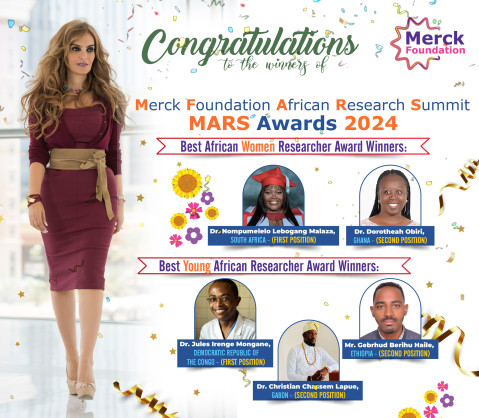
MARS Awards 2024 Winners: 5 Outstanding Researchers from 5 African Countries Honored

Location: News
Merck Foundation

  • Merck Foundation announced the winners of Merck Foundation Africa Research Summit – MARS Awards winners 2024, 5 Researchers from 5 different African Countries recognized under two categories - Best African Women Researchers and Best Young African Researchers. 
  • Merck Foundation also announced the Call for Applications for new edition of Merck Foundation Africa Research Summit – MARS Awards 2025 to empower Women and Youth in STEM in Africa with special focus on ‘The Role of Scientific Research in Women Health and Reproductive Care'. 

Merck Foundation (www.Merck-Foundation.com), the philanthropic arm of Merck KGaA Germany, announced the Winners of Merck Foundation Africa Research Summit (MARS) Awards 2024, in partnership with International Federation of Fertility Societies -IFFS, Africa Reproductive Care Society - ARCS, Manipal University and African Union Scientific Technical Research Commission to recognize African Researchers for their valuable research work and contribution to empowering women and youth in STEM in Africa with special focus on ‘The Role of Scientific Research in Women Health and Reproductive Care'. 

Senator Dr. Rasha Kelej, CEO of Merck Foundation and Chairperson of Merck Foundation Africa Research Summit - MARS expressed, “Since 2016, I have taken immense pride in recognizing the achievements of our MARS Awards winners. This year, we honor Six Winners in two categories: ‘Best African Women Researchers Awards' and ‘Best African Young Researchers Awards.'  

These awards celebrate their significant contributions to research, particularly highlighting the efforts of African women researchers, who remain underrepresented in this field. Through the MARS Awards, our mission is to empower young researchers in Africa and to specifically encourage and support women researchers by enhancing their research capabilities and promoting their vital roles in STEM (Science, Technology, Engineering, and Mathematics).” 

The winners of ‘Best African women Researchers Awards' and ‘Best Young African Researcher Awards' will be enrolled into research training at a premier research institute in India. 

“And I am also very happy to share with you all that as promised, we provided an opportunity to our first-place winner of each category to attend the 11th Edition of Merck Foundation Africa Asia Luminary which was recently conducted in Tanzania, however, only Mr. Jules Irenge Mongane was able to attend it”, shared Senator Rasha Kelej. 

Merck Foundation is committed to improving the lives of people and has been transforming the Patient care landscape and making history together with its partners in Africa, Asia, and beyond, by providing 2080 Scholarships for doctors from 52 Countries in 44 critical and underserved medical specialties. 

The MARS 2024 Award Winners are: 

Winners of “MARS Best Women African Researchers Awards” 2024  

1. Nompumelelo Lebogang Malaza, SOUTH AFRICA (First Position) 
TOPIC: Association Between Biochemical And Epigenetic Markers With Glycaemic Control And Neonatal Outcomes In Diabetic Pregnancies 

2. Dorotheah Obiri, GHANA (Second Position) 
TOPIC: Immune dysregulation in placental malaria and hypertensive disorders of pregnancy 

Winners of “MARS Best Young African Researchers Awards” 2024 

1. Jules Irenge Mongane, DEMOCRATIC REPUBLIC OF THE CONGO (First Position) 
TOPIC: Association Between Bacterial Vaginosis, Chlamydia Trachomatis Infection And Tubal Factor Infertility In Bukavu, Democratic Republic Of Congo 

2. Christian Chassem Lapue, GABON (Second Position) 
TOPIC: Epidemiology of helminthiases in women of reproductive age living in Lambaréné and its surroundings, Gabon 

3. Gebrhud Berihu Haile, ETHIOPIA (Second Position) 
TOPIC: Incidence of neonatal mortality and factors influencing neonate survival in  neonatal intensive care unit in Northern Ethiopia: a prospective cohort study 

“I am also excited to announce the Call for Applications for the new edition of the Merck Foundation Africa Research Summit (MARS) Awards 2024. This year, special focus will be again on “The Role of Scientific Research in Women Health and Reproductive Care,” added Senator, Dr. Rasha Kelej. 

Merck Foundation Africa Research Summit - MARS 2025 will have scientific support from African Union Scientific-Technical and Research Commission (AU-STRC); African Reproductive Care Society (ARCS), and Manipal Academy of Higher Education (MAHE). 

Details for MARS AWARDS 2025 

Abstracts are invited from final year African PhD students and young investigators involved in research related to either of the following topics: 

1) Women Health 
2) Infertility and Reproductive Health  

All applicants should be primarily based at African Research Institutes and Universities, although collaboration within Africa as well as outside is also welcome.  

Last Date of Submission: 

Applications can be submitted till 30th June 2025 

How to apply:  

Apply by clicking: https://apo-opa.co/3R1Vhhq

Alternatively, the Applications and abstracts can be submitted via email to mars@merck-foundation.com, along with CV (including Name, Gender, Country, University/Hospital Name, Email address, Mobile Number) and the abstract document as an attachment. 

Other Details: 

  • All Abstracts will be peer reviewed. 
  • Research Awards will be dedicated for two categories of Best African Women Researchers and Best Young Africa Researchers. 
  • Winners will be eligible for Research Training in prestigious Research Institute in India. 
  • Top Winners will be invited to attend the 12th Edition of Merck Foundation Africa Asia Luminary 2025. 

Distributed by APO Group on behalf of Merck Foundation.

Contact details:
Mehak Handa
Community Awareness Program Manager
+91 9310087613 / +91 9319606669
mehak.handa@external.merckgroup.com

Join the conversation on our social media platforms below and let your voice be heard! 
Facebook: https://apo-opa.co/41VyNEY
X: https://apo-opa.co/3FTjdRz
Youtube: https://apo-opa.co/42klehm
Instagram: https://apo-opa.co/4crisLN
Threads: https://apo-opa.co/447LYnA
Flickr: https://apo-opa.co/4ckHufy
Website: www.Merck-Foundation.com
Download Merck Foundation App: https://apo-opa.co/43E0Da6

About Merck Foundation: 
The Merck Foundation, established in 2017, is the philanthropic arm of Merck KGaA Germany, aims to improve the health and wellbeing of people and advance their lives through science and technology. Our efforts are primarily focused on improving access to quality & equitable healthcare solutions in underserved communities, building healthcare & scientific research capacity, empowering girls in education and empowering people in STEM (Science, Technology, Engineering, and Mathematics) with a special focus on women and youth. All Merck Foundation press releases are distributed by e-mail at the same time they become available on the Merck Foundation Website.  Please visit www.Merck-Foundation.com to read more. Follow the social media of Merck Foundation: Facebook (https://apo-opa.co/41VyNEY), X (https://apo-opa.co/3FTjdRz), Instagram (https://apo-opa.co/4crisLN), YouTube (https://apo-opa.co/42klehm), Threads (https://apo-opa.co/447LYnA) and Flickr (https://apo-opa.co/4ckHufy). 

The Merck Foundation is dedicated to improving social and health outcomes for communities in need. While it collaborates with various partners, including governments to achieve its humanitarian goals, the foundation remains strictly neutral in political matters. It does not engage in or support any political activities, elections, or regimes, focusing solely on its mission to elevate humanity and enhance well-being while maintaining a strict non-political stance in all of its endeavors. 

Media files
Merck Foundation
Download logo
Read moreMARS Awards 2024 Winners: 5 Outstanding Researchers from 5 African Countries Honored
3 April 2025

African Mining Week Unveils 2025 Program, Connecting Investors to African Projects

Location: News

Energy Capital & Power
Download logo

The African Mining Week (AMW) conference and exhibition has officially launched its 2025 program, unveiling key topics and lucrative opportunities across Africa's mining value chain. The three-day program will foster collaboration on investment, value addition, local content development and industrialization. Bringing together African regulators, key mining stakeholders and global partners, AMW serves as a critical platform for shaping the future of African mining.

Download the program here: https://apo-opa.co/42kb940

Scheduled for October 1–3 in Cape Town, AMW takes place under the theme, From Extraction to Beneficiation: Unlocking Africa's Mineral Wealth. The event is co-located with the African Energy Week: Invest in African Energies conference, providing attendees a strategic opportunity to gain insight into opportunities across both the energy and mining sectors in Africa.

The AMW program features the Ministerial Forum, where African and global mining ministers will connect to showcase investment opportunities, discuss regulatory frameworks and highlight efforts to drive local beneficiation and value addition. Through policy revitalization and strategic partnerships, African markets are increasingly positioning themselves as attractive destinations for global investors.

A series of Country Spotlights will offer a deep dive into Africa's diverse mineral wealth, featuring insights into Botswana and Angola's diamond resources, Zambia's copper reserves and the Democratic Republic of Congo's cobalt market. Spotlights will also examine the latest developments within South Africa's platinum group metals, Zimbabwe's lithium, Mali's uranium and Malawi and Tanzania's rare earths industries.

AMW's Critical Minerals Track will explore emerging trends and opportunities within a sector that is crucial to the global energy transition. With Africa holding 30% of the world's critical minerals, the continent is attracting substantial interest from international players eager to unlock its vast potential. AMW will spotlight Africa's growing role in mineral diplomacy, as countries strengthen investment ties and infrastructure collaboration with global partners, including China, the U.S., Canada, the UAE, Australia and the European Union. Meanwhile, AMW Roundtables will facilitate deal signings and enhanced cooperation among African stakeholders and international investors.

Innovation will take center stage at the Technology Forum, set to explore the transformative role of digital technologies, AI and machine learning in modernizing mineral exploration and production. African markets are increasingly leveraging advanced tools to accelerate exploration, with companies such as Botswana Diamonds utilizing AI-driven solutions to diversify beyond traditional diamond mining. Meanwhile, KoBold Metals is using AI to unlock new copper discoveries in Zambia, supporting the country's ambition to ramp up production to 3.1 million tons annually by 2031.

The Investment Track will bring together global investors, including public financiers and international development finance institutions to explore funding opportunities across the mining value chain. Discussions will focus on optimizing financial mechanisms, such as loans, private placements and equity funding, to maximize capital flows to Africa's mining sector. Additionally, the Junior Miners Forum will provide a platform for small-scale mining firms to pitch their projects to investors, potential partners and industry experts, enhancing their contributions to the sector's growth. Join AMW 2025 today and be part of the discussion on Africa's mining future.

African Mining Week serves as a premier platform for exploring the full spectrum of mining opportunities across Africa. The event is held alongside the African Energy Week: Invest in African Energies 2025 conference from October 1-3 in Cape Town. Sponsors, exhibitors and delegates can learn more by contacting sales@energycapitalpower.com. To download the working program, please visit www.African-MiningWeek.com

Distributed by APO Group on behalf of Energy Capital & Power.

Read moreAfrican Mining Week Unveils 2025 Program, Connecting Investors to African Projects
3 April 2025

Macpherson welcomes IDT board appointments 

Location: News

Macpherson welcomes IDT board appointments 

Public Works and Infrastructure Minister, Dean Macpherson has welcomed the appointment of five new trustees to the Independent Development Trust (IDT).

“The Minister of Public Works and Infrastructure, Dean Macpherson, welcomes the Master of the High Court’s appointment of five new trustees to the Independent Development Trust. The Minister has consequently written to the IDT board, now fully quorate for the first time in a year and a half, urging members to convene urgently to elect a chairperson among themselves to ensure optimal functioning of the agency,” said the Department of Public Works and Infrastructure (DPWI) in a statement on Wednesday.

The five newly appointed members to the board are Zimbini Hill, Jeffrey Mahachi, Raymond Nnaemeka Nkado, Nangamso Msuthukazi Matebese, and Bella Zoleka Mnanzana. 

They join Matodzi Ratshimbilani and Derek Naidoo, whom the Minister previously appointed as his representatives to the board, as well as Mpilo Mbambisa, Lufuno Nevondwe, Karabo Siyila, and Prudence Mkhwanazi, who previously served on the board. 

Macpherson said there has been allegations of corruption and governance issues at the IDT. The IDT is a Schedule 2 state-owned entity which manages the implementation and delivery of critically needed social infrastructure programmes on behalf of the government. 

“Officials and I have worked tirelessly since then to uncover the truth and restore governance stability after months of the board operating without a quorum,” Macpherson said.

He also expressed his good wishes to the board “as they embark on the critical task of cleaning up the agency and restoring the IDT to its rightful position in delivering social infrastructure.”

He is also looking forward to the swift conclusion of the PwC independent investigation to ensure accountability, including potential criminal prosecution, where necessary. The investigation is around the circumstances of the awarding of a controversial R800 million Oxygen Plant tender awarded by the IDT.

READ | Macpherson welcomes PwC probe into R800m oxygen plant tender

“The IDT has a crucial role in transforming South Africa into a construction site, thereby driving economic growth and, importantly, creating jobs. It is through the transparency and accountability that we have introduced at the department that we will be able to enhance service delivery and build a better South Africa,” he said. -SAnews.gov.za

Edwin
Thu, 04/03/2025 - 10:09
185 views

Read moreMacpherson welcomes IDT board appointments 
3 April 2025

Government to launch R500m spaza shop support fund

Location: News

Government to launch R500m spaza shop support fund

Trade, Industry and Competition Minister Parks Tau and the Minister of Small Business Development, Stella Tembisa Ndabeni, will next Tuesday officially launch the R500 million Spaza Shop Support Fund, an initiative which was first announced by President Cyril Ramaphosa in November 2024.

The fund, which will be jointly administered by the National Empowerment Fund (NEF) and the Small Enterprise Development Finance Agency (SEFDA), provides critical financial and non-financial support to township businesses, including community convenience stores and spaza shops.

The aim of the fund is to support South African owned township community convenience shops, including spaza shops, in order to increase their participation in the townships and rural areas’ retail trade sector.

“The opening of the applications for the fund marks another milestones in government’s efforts to stimulate the growth of the rural and township economy in the country, particularly by providing the necessary support to the convenience stores and spaza shops that are based in the townships and rural areas. 

“Government recognises the important role that small businesses, including those operating in the rural areas and townships, can play in creating jobs, growing our economy and alleviating poverty,” Ndabeni said.

The fund provides various types of support including the initial purchase of stock via delivery channel partners, upgrading of building infrastructure, systems, refrigeration, shelving and security, as well as training programmes which includes Point of Sale devices, business skills, digital literacy, credit health, food safety and business compliance.

Tau pointed out that the fund does not only support economic inclusion but also aligns with national priorities to formalise informal sectors, safeguard consumers and promote local production and said it is a holistic approach to revitalising township economies.

“Beyond individual support, the fund seeks to bolster the broader supply chain by fostering partnerships with local manufacturers, black industrialists and wholesalers. 

“Through bulk purchasing arrangements and the promotion of locally produced goods, spaza shops will benefit from reduced costs and increased access to quality products,” Tau said. – SAnews.gov.za

Edwin
Thu, 04/03/2025 - 10:31
31 views

Read moreGovernment to launch R500m spaza shop support fund
3 April 2025

Mining Advances Growth Prospects for African Economies

Location: News

Energy Capital & Power
Download logo

Mineral-rich African countries are strengthening cooperation with global partners to optimize the mining value chain, leveraging investments to accelerate GDP growth and sustainable development. In recent years, the contribution of mining to the national fiscus has grown significantly across many nations, and looking ahead, this growth momentum is on track to continue as nations promote greater investment in mineral development.  

Mali

The Malian government expects to collect $1.2 billion (apo-opa.co/41Uk6C6) in tax revenue from the mineral sector in Q1, 2025 alone. New developments such as Hummingbird Resources' Yanfolia project and Ganfeng Lithium's Goulamina mine coming online, the country's mining industry is set to expand even further. In 2023, the sector contributed approximately $1 billion to the economy, accounting for 21.5% of the national budget.

Malawi

Malawi is accelerating the rollout and monetization of mining projects under its Agriculture, Mining and Tourism strategy. The strategy focuses on boosting activities across these sectors, with goals including increase exports, job creation and greater investment. The World Bank (apo-opa.co/3E0bWyX) projects that the mining sector will contribute 12% to Malawi's GDP by 2027, generating $300 billion in export revenue between 2026 and 2040.

South Africa

South Africa's mining sector remains a major economic pillar, contributing 6% to the country's GDP in 2024 and generating R100 billion in national revenue. The industry provided 474,876 formal jobs, accounting for 4.5% of total employment, while exports reached R800 billion - representing 45% of total merchandise exports. With efforts to revitalize the gold industry and accelerate growth in critical minerals underway, the industry's contribution to economic stability continues.

Zambia

In Zambia, mining continues to play a critical role, contributing 20% of total revenue, 15% of formal employment and 70% of export earnings (apo-opa.co/447UXVS). A plan to increase annual copper production to 3.1 million tons by 2031, reallocate 1,000 repossessed mining licenses (apo-opa.co/3R1l2hS) and attract new investments by firms such as Barrick, Jubilee Metals and Tertiary Minerals, will further expand the sector's contribution to GDP.

Botswana

With a wealth of untapped mineral opportunities, Botswana seeks to leverage international partnerships to unlock additional value across its diamond sector. Diamond mining currently accounts for 4% of employment, 30% of GDP and 85% of total exports in the country. Going forward, greater investment across the industry will not only spur job creation but generate increased revenue from the industry.

Ghana

Ghana's mining industry is a significant contributor to the country's economy, with minerals such as gold, manganese, bauxite and diamonds generating substantial revenue for the economy. Gold accounted for 48.4% of GDP in 2024 while small-scale gold miners alone generated $5 billion in foreign earnings from gold exports in the same year. However, with a focus on improving industry regulation, formalizing small-scale mining operations and increasing investments, Ghana is on track to generate greater value from its mining sector.

As global demand for minerals rises - driven by the energy transition and the Fourth Industrial Revolution - the prospects for Africa's mining sector remain strong. The upcoming African Mining Week - taking place on October 1-3 in Cape Town - will highlight the sector's expanding role in economic growth, job creation and revenue generation. African Mining Week will explore how countries are leveraging mining revenues to drive economic growth and infrastructure development, ensuring the industry remains a cornerstone of Africa's economic future.

Distributed by APO Group on behalf of Energy Capital & Power.

Read moreMining Advances Growth Prospects for African Economies
2 April 2025

Internet connectivity can aid SA’s development 

Location: News

Internet connectivity can aid SA’s development 

Internet connectivity has the potential to boost employment while also broadening access to education, healthcare and the speeding up of service delivery, says Deputy Minister of Science, Technology and Innovation Nomalungelo Gina.

Internet connectivity also has the potential to broaden modern agricultural practices, mobility, and banking services.

“Internet connectivity’s potential to boost productivity and employment is well documented,” the Deputy Minister said during a parliamentary session on Tuesday.

Gina cited a study encompassing 14 countries that found a 10 percentage-point increase in 3G coverage raised the employment rate by 2.1 percentage points, as faster internet connections create better job opportunities.

The Deputy Minister was addressing a joint session of Parliament’s Portfolio Committees on Communications and Digital Technologies and Science, Technology and Innovation with the Deputy Minister of Communications and Digital Technologies, Mondli Gungubele. 

The Departments of Communications and Digital Technologies (DCDT) and Science, Technology and Innovation (DSTI) are collaborating in the development of a satellite communication strategy for South Africa.

The strategy is aimed at the establishment of a domestically owned satellite system that provides affordable, reliable, and secure communication infrastructure.

Over the past three years, the departments and their entities, Sentech and the South African National Space Agency (SANSA), have worked to develop the strategy, which is expected to significantly enhance digital inclusion, support economic growth, and bolster essential services such as e-government, telemedicine, and rural telephony.

“Following extensive consultations and feasibility studies, the strategy has received sign-off from the Presidency on the Social Economic Impact Assessment System process. The next phase involves further government cluster consultations and public engagement before final Cabinet approval.” 

While commending the progress, committee members stressed the urgency of implementation, the need for gender representativity, and the establishment of required capabilities to complete the project.

The Chairperson of the Portfolio Committee on Science, Technology and Innovation, Tsakani Shiviti, said that both committees were hopeful that quarterly reports on the strategy would encourage the two departments to expedite the process for final Cabinet approval.

Acting Deputy Director-General at the DCDT, Dr Tinyiko Ngobeni, said the strategy would be submitted to Cabinet to obtain approval to publish it for comment from the public. Additionally, a national workshop will also be convened to explore substantive issues.

According to the DSTI, South Africa currently spends approximately R100 billion a year on foreign communication service providers. 

“In contrast, a locally owned satellite system with a lifespan of up to 20 years would require a one-time capital investment of approximately R6 billion. This comparison shows the immense cost-saving potential of a domestic satellite system.” 

Meanwhile, the department believes that a domestic system would also strengthen South Africa’s sovereign capabilities, as required by the national defence and security clusters. 

The acquisition and operation of the satellite will be managed by a national satellite organisation through a strategic partnership with an international satellite fleet operator, ensuring sovereignty over critical communication infrastructure.

“The satellite industry presents vast opportunities for skills development, job creation, industrial growth, and self-reliance in national security matters. 

“The satellite communication strategy initiative will foster new technical expertise throughout the satellite’s lifecycle – from design and construction to launch, operation, and maintenance – creating sustainable, high-skilled jobs and stimulating the local space industry,” said the Department of Science, Technology and Innovation.

SANSA, with its extensive expertise in satellite operations, will play a key role in driving the initiative forward.

The project underscores the government’s commitment to a digitally inclusive society, where all citizens have access to reliable and affordable communication services. – SAnews.gov.za


Gabisile
Wed, 04/02/2025 - 10:37
432 views

Read moreInternet connectivity can aid SA’s development 
2 April 2025

Gauteng targets R300 billion in investments to boost economy

Location: News

Gauteng targets R300 billion in investments to boost economy

Gauteng Economic Development MEC, Lebogang Maile, says the province is aiming to secure at least R300 billion in investment pledges at the Gauteng Investment Conference (GIC), to be held in Johannesburg.

The MEC was speaking during a media briefing on the state of readiness of the province to host the conference, to be held at the Johannesburg Stock Exchange, in Sandton, on 3 April 2025.

“Leaders across all tiers of government, including Minister of Trade, Industry and Competition, Parks Tau, Premier of Gauteng Premier Lesufi, and Johannesburg Mayor Dada Morero, will provide inputs at the conference. The keynote address will be delivered by the Deputy President, who also serves as the Leader of Government Business in South Africa, His Excellency, Paul Mashatile.  

“Of equal significance is the large contingent of leaders across the business and government sectors on the African continent, the African diaspora and the globe. With over 50 companies represented, the conference will be a convergence point of the world’s most important companies in various sectors,” Maile said.

The Gauteng province is of importance for South Africa’s economy and contributes at least 33% to the national Gross Domestic Product, and nearly 7% of sub-Saharan Africa’s output.

“The [GIC] is a transformative event in affirming the place of the Gauteng province in the continental economy. We are asserting that the development of Gauteng is in the best interest of South Africa, the Southern African Development Community and the continent broadly.

“Thus, investment in the economy of Gauteng extends beyond the confines of its provincial borders into other lands across the entire continent,” the MEC said.

Furthermore, the conference will also serve as a platform for critical dialogue that will “enable direct engagement between policy makers, investors and industry experts”.

“This will ensure that we come out with tangible and applicable outcomes. The sessions will focus on, amongst other things, public-private infrastructure investments, as well as key Gauteng most dynamic and high growth sectors, including…advanced manufacturing, green and renewable energy, ICT [information and communication technology] and data infrastructure, transport and logistics, smart property development and urban regeneration, as well as tourism and the creative economy,” he said.

Maile emphasised that these sectors are critical to ensuring development on a provincial, national and continental level.

“Investment in these sectors offers the most reliable instrument for ensuring sustainability and development, offering a clear path to economic prosperity that is anchored on inclusive growth, environmental protection and human development,” Maile said. – SAnews.gov.za

NeoB
Wed, 04/02/2025 - 13:46
264 views

Read moreGauteng targets R300 billion in investments to boost economy
2 April 2025

Men as Allies: Youth Dialogue Tackles Patriarchal Masculinities for Gender Equality

Location: News

UN Women - Africa
Download logo

On 27 March 2025, UN Women South Africa Multi-Country Office, in partnership with the Tshwane University of Technology, and the Departments of Women, Youth, and People with Disabilities, hosted a dialogue on ‘Transforming Patriarchal Masculinities for a Gender-Equal World' for 150 young people. The dialogue, which took place in Pretoria, brought together students from universities, Technical and Vocational Education and Training Institutions (TVETs), and high schools from South Africa's Gauteng Province.

The dialogue, supported by the Embassy of Ireland in South Africa, was convened to compile youth recommendations for the upcoming Women Empowerment Ministerial Working Group (W20) meeting to be held later this year as part of the support to South Africa's G20 Presidency in 2025.

One of the pillars of South Africa's National Strategic Plan (NSP) on Gender-Based Violence and Femicide (GBVF) served as the basis for the dialogue. Pillar 2 of the NSP on GBVF focuses on unlearning toxic masculinities and embracing alternative positive forms of masculinity. This was seen as a key strategy in a country where more than one-third of women have been subjected to violence at least once in their lifetime.

"Engaging young men and boys as allies in gender equality is critical for addressing the root causes of gender-based violence and patriarchy in our society," said Aleta Miller, UN Women Representative for the South Africa Multi-Country Office. "The dialogue creates a valuable platform to amplify the voices of young people to influence global policy discussions on gender equality through South Africa's G20 Presidency."

Civil society organizations, government stakeholders, youth representatives, women's movements, academic institutions, and the private sector discussed how positive, respectful, and inclusive behaviors that promote accountability can help to transform harmful social norms and prevent violence.

The dialogue began with reflections UN South Africa Resident Coordinator Nelson Muffuh and Advocate Joyce Maluleke who provided opening remarks before the keynote presentations. Two impactful presentations were delivered by Professor Langa Malose from Wits University and Rahul Gandhi from the Southern Centre for Inequality Studies. Both shared their experiences to explain how their views about masculinity and its effects on society were shaped.

These were followed by two engaging panel discussions that explored ways for men and boys to serve as successful allies in gender equality promotion and gender-based violence prevention. Sibulele Poswayo from W20 South Africa and Nkere Skosana from the Department of Social Development, along with Precious Banda from Young Women of Africa, Kabelo Chabala of Primestars, Thabo Limema from Absa, and Andiswa Mthembu ofYoung Women for Life, participated in direct discussions with youth participants to create open dialogue about these essential matters.

For Gomolemo Mokemane, a TUT student, the workshop was “very enlightening” because it allowed him to hear different opinions from different stakeholders on gender-based violence. “From attending this dialogue, I walk away with the firm belief that women should be treated as equals and not as competitors or subordinates, that we are all human beings first and foremost and not men and women, and that if we embraced Ubuntu (our shared humanity and interconnectedness), many of our problems would be solved,”

Nhlanhla Ditire also gave his view on gender equality: “To make the world gender equal, men must learn that they have to respect and protect women from a young age. I was nine years old when I lost both my parents, but I told myself that I would never raise my hand on a woman.” Nhlanhla also emphasized the importance of emotional health and saying, ‘When men get angry, it's good to cry it out; crying does not mean that you are weak. Get help, get therapy. Don't break the law."

The discussions concluded with selected representative reading out commitments to gender equality that they believe leaders should consider and adopt in their policies for action towards a gender-equal world.

Distributed by APO Group on behalf of UN Women - Africa.

Read moreMen as Allies: Youth Dialogue Tackles Patriarchal Masculinities for Gender Equality
2 April 2025

Critical services continue amid budget consideration

Location: News

Critical services continue amid budget consideration

National Treasury has moved to assure the public that critical government services will not be affected as Parliament continues to consider the 2025 budget.

This year, the budget was tabled on 12 March, instead of the customary February – eliciting questions and comments on government’s ability to deliver services while budget approval is still being considered.

In a statement issued on Wednesday, National Treasury referred to Section 29 of the Public Finance Management Act (PFMA), which allows funds to be withdrawn from the National Revenue Fund if the national annual budget is not passed before the start of the financial year. 

“The funds withdrawn from the Revenue Fund may be utilised only for services for which funds were appropriated in the previous annual budget or adjustments budget. Up to 45 percent of the total amount appropriated in the previous annual budget, may be withdrawn from the Revenue Fund.

“During each month thereafter, up to 10 percent of the total amount appropriated in the previous annual budget, may be withdrawn. In aggregate, the amount withdrawn may not exceed the total amount appropriated in the previous annual budget," the department explained. 

It added that these funds are not additional to funds appropriated for the relevant financial year, and "any funds withdrawn must be regarded as forming part of the funds appropriated in the annual budget for that financial year.”

Although the financial year starts on 1 April, the department noted that the Appropriation Bill is always passed later.

“This situation means that every year, departments incur spending before the Appropriation Act takes effect. Therefore, as in previous years, government departments will continue to spend as normal because funds may be withdrawn from the National Revenue Fund for the requirements of departments, from 1 April 2025 until the Appropriation Bill for the 2025/26 financial year is passed by Parliament,” the department said.

"Although expenditure may be incurred, it may not be for new requirements. [This means] requirements not funded in the 2024/25 financial year. Any new spending programmes, projects or policy adjustments may only commence after the Appropriation Act is enacted," the department said.

The department emphasised that the public should not be concerned about the delivery of critical government services, including among others, the payment of social grants, while the Parliamentary process for the 2025 Budget is ongoing. 

“Despite the flexibility allowed by the Public Finance Management Act, the National Treasury is committed to supporting Parliament in its consideration and timely passage of the 2025 Budget,” the department said. – SAnews.gov.za

NeoB
Wed, 04/02/2025 - 10:40

321 views

Read moreCritical services continue amid budget consideration
2 April 2025

SA’s senior delegation meet US officials to address expropriation, equity laws

Location: News

SA’s senior delegation meet US officials to address expropriation, equity laws

A delegation of senior officials, led by South Africa’s Group of 20 (G20) Sherpa and the Director-General of the Department of International Relations and Cooperation (DIRCO), Zane Dangor, have met with United States officials to clarify the country’s expropriation and equity laws.

During their visit, the department announced that the delegation had made progress in discussions that were initially started by former United States Ambassador Ebrahim Rasool. 

They engaged with their counterparts in Washington, including senior officials at the White House and the State Department, to address key bilateral priorities.

“The delegation clarified key issues and misconceptions in meetings with the National Security Council’s Africa Director, Acting Assistant Secretary of State for African Affairs, as well as Treasury Department representatives. 

“We believe that these dialogues will assist in refining the current administration’s understanding of South Africa’s position on critical matters, fostering a more nuanced perspective,” the department said in a statement on Monday. 

In addition, the delegation directly addressed the concern that the South African Government’s policies are perceived to violate the human rights of minorities in post-apartheid South Africa.

“Amongst the issues addressed was the matter of how the Expropriation Act’s nil compensation clause is not designed to facilitate unlawful land seizures and undermine property investment.” 

Senior officials also addressed misconceptions regarding proposed laws affecting minority rights in South Africa, according to the department.

“To this end, the senior officials presented information, which highlights the persuasive racial and structural inequality that continues to divide South Africa in all areas of the nation.” 

The department stated that the post-apartheid administration is constitutionally mandated to correct the injustices of the past. 

“These initiatives are consistent with the efforts to ensure that post-apartheid South Africa entrenches human dignity, the achievement of equality and the advancement of human rights and freedoms, non-racialism, non-sexism and the supremacy of our constitution and the rule of law.” 

The department stated that these productive engagements will occur at various levels of government, following an executive order issued against South Africa by the President of the United States in February this year.

This includes ensuring that the seventh administration positions itself as a strategic partner in a manner that avoids conflagration of our national interests against those of our strategic partners worldwide.

Meanwhile, last week, the officials addressed the United Nations General Assembly to provide an update on South Africa’s G20 Presidency. 

The department said the General Assembly “overwhelmingly” endorsed the priorities and theme of the South African G20 Presidency. – SAnews.gov.za
 

Gabisile
Wed, 04/02/2025 - 09:22
64 views

Read moreSA’s senior delegation meet US officials to address expropriation, equity laws
2 April 2025

Equinix Strengthens Commitment to Nigeria’s Digital Economy

Location: Business
Equinix

Equinix, Inc. (Nasdaq: EQIX) (www.Equinix.com), the world's digital infrastructure company™, has officially opened its latest data center expansion in Lagos. Called LG2.3, the facility will support Nigeria's growing digital transformation efforts, providing state-of-the-art colocation and secure interconnection solutions which will empower businesses across the region.  It also signifies Equinix's unwavering dedication to advancing Nigeria's position in the global digital economy, reinforcing the company's commitment to the region. 

As part of the inauguration, Bruce Owen, President of EMEA at Equinix, along with other Equinix executives, led the ribbon-cutting ceremony at the newly expanded site. In addition to an official visit to the Governor of Lagos State, Equinix hosted an exclusive customer engagement event, bringing together key customers and partners from Nigeria's business and technology sectors. Attendees discussed shared successes and Equinix's role in facilitating digital transformation, while also connecting directly with Bruce Owen for insights into how Equinix's solutions drive innovation and business agility in the region.

Equinix executives also took part in a tree-planting ceremony, symbolising Equinix's continued investment in sustainable initiatives across the globe and highlighting the company's broader goal of reducing its carbon footprint while supporting greener practices across its operations worldwide. 

Speaking about the expansion, Bruce Owen, President of EMEA at Equinix said “Nigeria is a crucial market for Equinix. Today's opening is a clear demonstration of our continued commitments to invest and grow digital infrastructure that will benefit the many thousands of businesses in Nigeria and on the continent as a whole. I am deeply encouraged by the enthusiastic partnerships and innovations emerging from this dynamic region, which continue to inspire our commitment to Nigeria's digital and sustainable future.” 

Adding to this, Wole Abu, Managing Director of Equinix West Africa, highlighted the critical role of data centers in driving economic growth stating “Data centers continue to play a pivotal role in driving economic development in Nigeria, serving as critical infrastructure that supports digital transformation and economic growth. As governments and enterprises increasingly acknowledge their significance, global demand for data center capacity is poised to rise. While Africa's demand for data solutions is still evolving compared to more mature markets, the continent is demonstrating strong potential for digital adoption and innovation. To meet this growing need, Equinix is actively advancing three major data center projects in Nigeria, with future expansion plans for Ghana, Côte d'Ivoire, and South Africa.”

Equinix remains steadfast in its mission to enable secure, scalable, and sustainable digital growth for economies across the world.

Distributed by APO Group on behalf of Equinix.

Equinix Media Relations:
press@equinix.com

Equinix Investor:
invest@equinix.com

About Equinix:
Equinix (Nasdaq: EQIX) (www.Equinix.com) is the world's digital infrastructure company™. Digital leaders harness Equinix's trusted platform to bring together and interconnect foundational infrastructure at software speed. Equinix enables organizations to access all the right places, partners and possibilities to scale with agility, speed the launch of digital services, deliver world-class experiences and multiply their value, while supporting their sustainability goals.

Forward-Looking Statements:

This press release contains forward-looking statements that involve risks and uncertainties. Actual results may differ materially from expectations discussed in such forward-looking statements. Factors that might cause such differences include, but are not limited to, risks to our business and operating results related to the current inflationary environment; foreign currency exchange rate fluctuations; stock price fluctuations; increased costs to procure power and the general volatility in the global energy market; the challenges of acquiring, operating and constructing IBX® and xScale® data centers and developing, deploying and delivering Equinix products and solutions; unanticipated costs or difficulties relating to the integration of companies we have acquired or will acquire into Equinix; a failure to receive significant revenues from customers in recently built out or acquired data centers; failure to complete any financing arrangements contemplated from time to time; competition from existing and new competitors; the ability to generate sufficient cash flow or otherwise obtain funds to repay new or outstanding indebtedness; the loss or decline in business from our key customers; risks related to our taxation as a REIT; risks related to regulatory inquiries or litigation and other risks described from time to time in Equinix filings with the Securities and Exchange Commission. In particular, see recent and upcoming Equinix quarterly and annual reports filed with the Securities and Exchange Commission, copies of which are available upon request from Equinix. Equinix does not assume any obligation to update the forward-looking information contained in this press release.

Media files
Equinix
Download logo
Read moreEquinix Strengthens Commitment to Nigeria’s Digital Economy
1 April 2025

Walter Steps Down as White-Ball Head Coach

Location: Sport

JOHANNESBURG: Cricket South Africa (CSA) wishes to announce the resignation of the Proteas Men’s white-ball head coach, Rob Walter, effective...

Read moreWalter Steps Down as White-Ball Head Coach
1 April 2025

eThekwini Municipality commits to address Public Protector concerns 

Location: News

eThekwini Municipality commits to address Public Protector concerns 

The eThekwini Municipality Executive Committee (EXCO) has affirmed its commitment to address concerns raised by Public Protector, Advocate Kholeka Gcaleka, following a special meeting held at Inkosi Albert Luthuli International Convention Centre in Durban, on Monday.

The engagement formed part of the Public Protector's ongoing strategic stakeholder outreach, which seeks to forge a robust collaborative framework to resolve outstanding matters and reinforce the existing memorandum of understanding between the municipality and the Public Protector's Office.

This as Gcaleka presented a detailed assessment revealing that 29 formal complaints were lodged against the municipality. The complaints highlighted concerns, including allegations of maladministration, undue delays, abuse of power, improper prejudice, and critical service delivery failures.

"Our Office has identified systemic issues that demand urgent attention. The complaints we have received reflect a profound erosion of public trust, stemming from persistent service delivery breakdowns and administrative shortcomings. This meeting is a critical step towards rectifying these issues through enhanced collaboration and stringent implementation of remedial actions,” Gcaleka said.

In response to the Public Protector’s assessment, eThekwini Mayor, Cyril Xaba emphasised the council’s commitment to take immediate and decisive action.

Xaba commended the proactive engagement and pledged the council’s full cooperation to address the issues raised.

"We will immediately convene a dedicated session to rigorously review the existing memorandum of understanding and will develop comprehensive action plans to address each identified issue. This process will ensure the Public Protector’s investigations are expedited and that tangible, measurable improvements are implemented without delay,” said the mayor.

City Manager, Musa Mbhele echoed the mayor’s commitment, stressing that the concerns raised by the Public Protector are being taken seriously.

“We are actively implementing strategic plans to rectify these deficiencies. Crucially, the proposed new municipal organogram will establish a dedicated office to manage and promptly address all concerns raised by Chapter 9 institutions, including the Human Rights Commission and the Special Investigating Unit (SIU).

“This will guarantee a streamlined, efficient, and transparent process for handling all complaints and inquiries. The Municipality acknowledges the urgent need to restore public confidence and will ensure that this engagement marks the beginning of a sustained and rigorous effort to deliver accountable, efficient, and effective governance," Mbhele said. – SAnews.gov.za


GabiK
Tue, 04/01/2025 - 12:02
52 views

Read moreeThekwini Municipality commits to address Public Protector concerns 
1 April 2025

Conference places the spotlight on ocean sustainability 

Location: News

Conference places the spotlight on ocean sustainability 

As the current holder of the G20 Presidency, South Africa is leading global efforts for ocean sustainability, particularly focusing on advancing sustainable ocean initiatives in Africa.

The country is hosting the 14th International Conference on Southern Hemisphere Meteorology and Oceanography (ICSHMO), which is currently underway in Cape Town. 

This premier scientific gathering, being held in Africa for the first time since 1997, brings together renowned meteorologists, oceanographers, and climate scientists to address the unique atmospheric and oceanic challenges of the southern hemisphere.

The five-day event, which kicked off on Monday, is hosted by the National Research Foundation (NRF) through the South African Environmental Observation Network, with support from the Department of Science, Technology and Innovation (DSTI). 

The conference shows South Africa’s growing influence in global climate science.

Opening the conference, the Deputy Minister of Science, Technology and Innovation, Nomalungelo Gina, emphasised the urgent need for scientific collaboration to combat the escalating threats of climate change.

“The world is experiencing intensified heatwaves, prolonged droughts, rising sea levels, and extreme weather events that disrupt economies, displace communities, and strain infrastructure,” the department said. 

South Africa has witnessed the devastating impact of climate change in repeated floods and recurring droughts. 
These events highlight the pressing need for enhanced climate prediction, risk management, and adaptation strategies, all key topics at ICSHMO 2025.

The Deputy Minister stressed the importance of turning scientific knowledge into tangible, actionable solutions. 
Through the NRF, the country continues to support cutting-edge research in marine and coastal science, weather forecasting, and climate adaptation, to inform global policy and action.

Gina welcomed the integration of ICSHMO with the Ocean20 initiative, a flagship programme introduced under Brazil’s G20 Presidency, which is designed to promote sustainable ocean governance, and reiterated South Africa’s commitment to leveraging science, technology, and innovation for sustainable development.

The Deputy Minister stressed the importance of equitable access to artificial intelligence, big data and remote sensing technologies, which were transforming climate science, enabling more accurate forecasting, early warning systems, and disaster preparedness. 

Collaboration and knowledge-sharing were key to building a more stable and resilient global future, especially for nations that were most vulnerable to climate change.

A group of learners from Luhlaza and Usasazo high schools in Khayelitsha attended the conference and had a special interaction with Gina on the benefits of science for society.

During the opening session, Kenya’s representative for the United Nations’ Intergovernmental Panel on Climate Change, Patricia Nying’uro, highlighted the critical role of indigenous knowledge in promoting sustainability. She stated that the extensive knowledge accumulated by indigenous communities over centuries should be utilized to enhance climate action efforts.

NRF CEO, Dr Fulufhelo Nelwamondo, said the conference would provide a vital platform for advancing scientific collaboration, sharing cutting-edge research, and addressing the pressing challenges of climate variability and change in the southern hemisphere.

“The insights and discussions over the next few days will undoubtedly contribute to shaping policies and strategies that enhance climate resilience in our region and beyond,” he stated. – SAnews.gov.za
 

Gabisile
Tue, 04/01/2025 - 09:39
163 views

Read moreConference places the spotlight on ocean sustainability 
31 March 2025

A Rare Opportunity for Real African Energy Independence

Location: Business
African Energy Chamber

By NJ Ayuk, Executive Chairman, African Energy Chamber (https://EnergyChamber.org)

Donald Trump's return to the White House in 2025 represents a pivotal moment for Africa's fossil fuel industry. His administration's swift reapproval of a USD4.7 billion loan from the U.S. Export-Import Bank (Exim) for TotalEnergies' liquefied natural gas (LNG) project in Mozambique — initially greenlit in 2020 during his first term but sent into deep-freeze for the full duration of the Biden years — sets the tone for what could be a transformative era for Africa's energy sector. 

Despite Mozambique's stabilization of security issues and concerns that the transfer of power in America would delay receipt of the loan even further, the Biden Administration refused to release the funds ahead of Trump's inauguration, a decision reflective of the administration's reluctance to support new fossil fuel initiatives throughout Biden's time in office. In contrast, Trump's decisive action within weeks of taking office signals a renewed, positive working relationship between the United States and Africa — one that prioritizes energy development over ideological objections and the Green Agenda's influence. 

The African Energy Chamber (AEC) contends that Africa should seize this potentially brief moment in history and embrace the Trump administration as a partner rather than an opponent. For too long, global pressures have insisted that African nations move toward green energy projects only and leave their fossil fuel resources behind.  

While renewable energy has its place, and will be important to Africa's future, fossil fuels still clearly constitute the backbone of any realistic efforts for African industrialization and economic growth — goals we simply cannot afford to sideline.  

Alignment with Trump's energy-first ethos would mean that Africa could unlock significant funding for wide-ranging fossil fuel projects, and not just the offshore oil and gas ventures that dominate the headlines. The continent should capitalize on all opportunities in onshore projects, wildcat wells (exploratory drilling in unproven areas), and the proliferation of numerous small operators. These avenues lead the way to diversity in Africa's energy portfolio, job creation, and massively strengthened energy security. 

The reapproval of funding for Mozambique LNG is a case in point. The project's revival under Trump demonstrates how quickly thick bureaucratic congestion can dissolve when political will aligns with economic practicality. This USD4.7 billion infusion will boost Mozambique's economy while sending a message to other African nations: Under Trump, at long last, America is open for business.  

In contrast to the previous administration, which openly regarded fossil fuel development with skepticism and disdain, Trump's “drill baby drill” mantra — while rooted in an “America First” agenda — pairs seamlessly with the ambitions of the African oil and gas industry. Africa should adopt a similar mindset and position itself as an attractive destination for American investment dollars. 

Coal's Comeback 

Another of Trump's domestic priorities, no doubt a response to China's unabashed expansion of coal production within its borders, is to revive clean coal production in the U.S. This initiative offers a compelling blueprint for Africa. While coal remains a contentious, harshly criticized resource globally, its advantages are undeniable: It's cheaper to produce, often doesn't require big bank financing, and is abundant across the continent. For African nations grappling with energy poverty, coal can serve as a means to an end, delivering affordable power to millions in the interim while the infrastructure for other energy sources matures. Simply put, Africa deserves to be the last global holdout on coal production and should leverage its coal reserves to meet domestic needs and export demands. Trump's willingness to disregard the international campaign against coal should embolden African leaders to reopen their abandoned coal mines and rest assured that this time around, they'll be able to operate freely, without fear of U.S. opposition. 

Fossil Fuels Unleashed 

Looking beyond coal, over the next four years, Africa has the rare chance to pursue an aggressive fossil fuel agenda. The continent should unite under an “Africa First” banner and adopt its own “drill baby drill” mentality in support of every promising oil exploration and production project, every possible natural gas project, and a multinational effort to slash through regulatory red tape.  

In Nigeria, for instance, the wheels of progress moved agonizingly slowly when it came to passing the Petroleum Industry Act, first proposed in 2008 and not signed into law until 2021. Even after the law was passed, Nigeria has been slow to fully implement it. This kind of inertia deters investment and slows development. A Trump-inspired push to clean up such bureaucratic roadblocks could unleash a wave of prosperous development. Similarly, addressing security issues — like those that drove U.S. firms out of Libya — will be critical to restoring confidence and attracting capital from abroad. 

While the offshore sector will undoubtedly remain a cornerstone of Africa's fossil fuel strategy, the continent's onshore potential is equally vast. Wildcat wells offer high-risk/ high-reward prospects that could uncover new reserves. Meanwhile, instead of relying solely on multinational oil and gas giants, empowerment of more independent companies and indigenous small operators could diversify the industry, build up local entrepreneurship, and ensure the economic benefits are more widespread. It is highly unlikely that the Trump administration, with its emphasis on deregulation and energy independence for its own shores, would obstruct such efforts on ours. Conversely, it may actively encourage them through financing and technical support, as seen with the Exim loan. 

Balancing Development and Climate Realities 

Though critics will argue that this push for fossil fuel proliferation contradicts global climate goals, at the AEC, we insist that the calculations for Africa are simply different.  

Africa accounts for a fraction of global emissions but bears a disproportionate burden when it comes to energy poverty. Fossil fuels offer a realistic and relatively quick path to electrification and industrialization, the proven prerequisites for lifting millions out of poverty. Trump's indifference to international climate orthodoxy, while controversial, gives Africa the much-needed breathing room to prioritize development over decarbonization. This is in no way an outright rejection of renewables but a recognition that fossil fuels can and will facilitate a just transition to green technologies once their capabilities catch up to Africa's current needs. 

Seizing the Moment 

The next four years under Trump could redefine Africa's energy landscape. With U.S. interference a thing of the past, Africa can pursue a multi-pronged energy strategy. With a ramp-up in natural gas to meet global demand, a coal revival to power its own grids, and on and offshore opportunities tapped into, Africa could finally secure its full resource base.  

However, this approach will require bold leadership. Governments will have to eliminate obstructive policies and address security challenges head-on to secure foreign investments. The payoff could be immense: energy abundance, economic growth, and a partnership with the U.S. that is stronger than ever before. 

For example, Nigeria's oil and gas sector has been hampered by regulatory uncertainty and security threats in the Niger Delta. A Nigerian “drill baby drill” mindset could accelerate regulatory, social, and economic reforms needed to address the Niger Delta's deep-rooted instability. This kind of mindset could restart stalled projects and attract American firms eager to invest in a Trump-approved climate. Likewise, in Libya, a resolution to security concerns could lure back U.S. companies that fled during years of instability, reviving a once-thriving oil industry. Across the continent, small operators could flourish under a lighter regulatory touch, drilling wildcat wells and tapping into overlooked reserves. 

South Africa, with its vast coal deposits, could take the lead on clean coal technologies to balance affordability and environmental concerns. Smaller nations with untapped coal reserves could follow Trump's lead in defying global pressures against production. The result would be a continent less dependent on foreign aid and more capable of powering its own future. 

Trump's presidency offers Africa a chance to unapologetically double down on its fossil fuel potential. The USD4.7 billion Mozambique loan is just the beginning — a proof of concept for what collaboration with the U.S. can achieve. By embracing this partnership, Africa can shed the shackles of the Biden era and chart a course toward energy sovereignty.  

The tools are all there: offshore rigs, onshore fields, wildcat wells, established mines, and a willing ally in Washington. The question that remains is whether Africa's leaders have the courage to stand up to the anti-carbon lobby. 

Trump's second term could be remembered as the moment Africa's fossil fuel industry came into its own — as a partner to the U.S. in a shared vision of energy abundance. With four years of clear skies ahead, there is no question that Africa should build, mine, and yes, drill, baby, drill like never before.  

If we don't act now, it might be a very long wait for an opportunity like this one to present itself again. 

Distributed by APO Group on behalf of African Energy Chamber.

Media files
African Energy Chamber
Download logo
Read moreA Rare Opportunity for Real African Energy Independence
  • Previous
  • Page 1
  • Interim pages omitted …
  • Page 17
  • Page 18
  • Page 19
  • Page 20
  • Page 21
  • Interim pages omitted …
  • Page 87
  • Next

Copyright © 2026 · MyZA · All Rights Reserved · Powered by Stratlec Online