• Skip to main content
  • Skip to header right navigation
  • Skip to after header navigation
  • Skip to site footer
MyZA

MyZA

News, Directory, Events and Other Stuff

  • Social Media
  • Sport
  • World News
  • Home
  • Submit News
  • Directory
  • Events
  • Stratlec
  • TFSA
  • News
    • APO
    • Today’s Sport News
    • Todays Social Media and Tech Headlines
    • Today’s World News
    • Today’s SA Financial News
  • Contact
You are here: Home / Archives for data

data

7 March 2024

Olivetti 4023MF A4 Copier – Streamline Your Office

Location: MyPR

As businesses evolve, the demand for efficient office printing solutions has grown exponentially, particularly within bustling office settings. The Olivetti 4023MF A4 copier, exclusive to mfpgroup.co.za, addresses this demand by ensuring seamless copying efficiency suitable for the most dynamic workgroups and the highest printing demands. Engineered to enhance productivity, this device is primed to become an integral component of your office infrastructure. Meet …

Read moreOlivetti 4023MF A4 Copier – Streamline Your Office
6 March 2024

Intellectual Property and AI: Who Owns Machine-Created Content?

Location: MyPR

Defining machine-created content  Machine or AI-generated  content refers to any work or output produced by artificial intelligence (AI) systems rather than by human creators. This type of content can encompass a wide range of forms, including but not limited to text, images, music, and more. AI systems generate this content by processing large datasets, learning …

Read moreIntellectual Property and AI: Who Owns Machine-Created Content?
6 March 2024

Google and Facebook are killing local news

Location: News

The Limpopo Mirror is published in Louis Trichardt, a town in the north of South Africa’s Limpopo province. This week the Competition Commission is probing how online news is affected by AI chatbots, search and advertising technology. The outcome of the hearings is important for the future of news reporting in South Africa. In this …

Read moreGoogle and Facebook are killing local news
6 March 2024

SA ranks number 1 in Africa for safety systems in aviation

Location: News

SA ranks number 1 in Africa for safety systems in aviation

The International Civil Aviation Organisation (ICAO) has rated South Africa’s safety oversight system at 91.11% thereby placing it at number one in Africa and number 18 in the world, alongside Norway.

Addressing a media briefing on the state of the aviation sector on Tuesday, Minister of Transport Sindisiwe Chikunga said the ICAO also did not raise any significant safety and security concerns in both the safety and security audits, which happened within eight months of each other. 

In the past two to three years, South Africa has participated in four key international safety and security audits and assessments by the International Civil Aviation Organization (ICAO), and the United States safety and security regulators namely, the Federal Aviation Administration (FAA) as well as the Transportation Security Administration (TSA).

“I am elated to announce that South Africa performed very well in all these audits and assessments. The US-Federal Aviation Administration (FAA) recognised South Africa's safety oversight system as meeting ICAO’s safety standards and recommended practices and therefore confirmed that South Africa retains its Category 1 status with the standards of the United States International Oversight Safety Audit (IOSA) Programme. 

“The Transport Security Administration granted South Africa’s cargo security system permanent recognition following an assessment of the South African Civil Aviation Authority (SACAA).  South Africa still holds the European Union (EU) recognition for the States cargo security system,” Chikunga said in Pretoria.

The Minister said these outcomes do not only validate the quality of South Africa’s global aviation footprint, but it also confirms that South Africa's systems are competing favourably with the best in the world of aviation.

“South Africa is proud of the continued 0% fatal accident rate held in the commercial airlines sector for nearly four decades. Our target is to maintain this record for decades to come. One of the current administration’s strategic targets is to reduce accidents in the general aviation sector by 50%. 

“At the end of the previous 2022/23 financial year, the number of accidents had decreased from 147 to 113 accidents, which translated into a 23% decrease from the 2021/22 period. The fatal accidents decreased from 12 to 9 fatal accidents, translating into a 25% decrease with the number of fatalities decreasing by 29.4%,” the Minister said.

During the 2021/22 period at the height of COVID-19, South Africa recorded a spike in accidents in a non-scheduled private flying space. This has been attributed to pilots being “out of practice” caused by a lack of refresher training during the hard lock down periods of the pandemic.

“As we head towards closing off this 2023/24 financial year, we have recorded 97 accidents to date. While we are projecting these numbers to marginally be lower than the previous reporting period, the number of fatal accidents has increased to 13, which is four more than data from the 2022/23 financial year.

“To curb these accidents which happen in a non-scheduled private flying space, the SACAA has developed and implemented a General Aviation Safety Strategy in consultation with the industry where we are employing reputable safety strategies to attain a reduction in both categories - accidents and fatalities,” she said.

SACAA has been on an automation journey migrating their internal business processes to ensure a paperless entity. 

In the last year, the regulator has launched an eServices portal where operators can submit their certificate renewal applications online and also pay online. 

“In August 2022, the South African National Blood Services was licensed to deliver blood and essential medical samples, using drones in what became a ground-breaking achievement for the country. The value of this initiative is understated, more so when we consider that 32% of South Africans live in rural, and in most cases, hard-to-reach destinations.

“Blood delivery to local clinics that may not be accessible by road transport is now possible and has now been made easier and much faster to access. This is an innovative step in the history of blood transportation. Every second you gain in saving a life is critical,” the Minister said.

International Air Service Licensing

As of 1 February 2024, the regulator is administering the domestic and international air service licensing councils.

“This means that all administrative support will include developing effective systems that will enable the smooth processing of air service license applications and Foreign Operator Permits (FOPs) and includes the issuance and storage of related information thereof.

“The Department of Transport will still be responsible for the budget allocation to the respective Councils for each financial year, and such allocation shall be used towards the activities and functions of the Councils,” the Minister said.

Since this decision took effect from 1 February 2024, SACAA launched an automated system, which is done in a phased approach.

“The first phase, which commenced from 01 February, saw the processing of foreign operators permits through a newly developed system. The next phase, which is currently in progress, is to automate the submission and processing of domestic and international air service licences. In the interim, the SACAA has given clarity to the industry in how the applications for air service licence will be processed until automation is implemented,” Chikunga said. – SAnews.gov.za


nosihle
Tue, 03/05/2024 - 12:20

730 views
Read moreSA ranks number 1 in Africa for safety systems in aviation
5 March 2024

R21.7 billion allocated for airport infrastructure development

Location: News

R21.7 billion allocated for airport infrastructure development

The Airports Company of South Africa Limited (ACSA) has earmarked R21.7 billion for the development of airport infrastructure.

This investment primarily targets refurbishments, efficiency improvements, and statutory compliance measures, with the aim of enhancing asset availability, airport safety and passenger experiences across airports.

Addressing a media briefing on the state of the aviation sector, Minister of Transport Sindisiwe Chikunga said this was the largest capital investment programme by ACSA since preparing for the 2010 World Cup.

“This will see our already world class airports increasing the airport facilities to continue leading as Africa’s best airports and increasing our position globally. Over the next two years, ACSA plans to embark on crucial capacity expansion projects at Chief Dawid Stuurman International Airport (Gqeberha) and George Airport, focusing on expansion of their terminal facilities.

“The terminal expansion project at George Airport is set to commence at the earliest opportunity due to the airport passenger throughput having passed its design capacity pre-COVID-19. This will be followed by Chief Dawid Stuurman Airport within the next year or two.

“Furthermore, ACSA is set to embark on the development of a new cargo terminal, known as Mid-field Cargo, at O.R Tambo International Airport on a prioritised basis given the demand and later the development of a Mid-field Passenger Terminal.

“Other significant projects at O.R Tambo International Airport will include extension of the bussing gates, which will entail adding six new bussing gates to the existing Terminal A bussing terminal, along with augmenting retail, seating, and holding lounge areas,” the Minister said.

Additionally, as part of phase 2 of this project, a new mezzanine level will be constructed to enhance circulation and optimise seating and holding space.

“At Cape Town International Airport, priority will be the domestic arrivals terminal reconfiguration to meet growing capacity needs. This encompasses enlarging the meet and greet area, expansion of the baggage claim area, an additional baggage carousel, expansion of the domestic departures lounge, retail spaces, and ablution facilities, as well as the addition of three new contact gates and fixed boarding bridges.

“Secondly, the initiation and development of the realigned runway development project is anticipated within permission period,” Chikunga said.

King Shaka International Airport will see the development of a hotel, given that it is a relatively new airport, with terminal expansion during the final year of the permission period.

At King Phalo airport, the focus during the permission period will be on expansion of the departure lounge, relocation of the security check point, upgrading of ablution facilities, improving retail options in the departure lounge, and adding offices and lounge space on the first floor.

“ACSA continues to diligently review the master plans of its airports, driven by twofold objectives: to meet the current infrastructure needs while also ensuring preparedness to fulfil future demands.

“This ongoing process is crucial in strengthening the foundation for a resilient air transport system for South Africa, a cornerstone for advancing our country's economic development and growth,” the Minister said.

In the year 2022/23, the Air Traffic and Navigation Services SOC Limited (ATNS) invested R128 million in support of its goal of having reliable and stable air traffic management infrastructure, which ultimately boosts the country’s aviation economy and contributes up to 3% to the national gross domestic product (GDP). 

“In ATNS’ pursuit of more essential infrastructure upgrades to ensure that the entity is future-fit to continue delivering on its national mandate, up to R155 million is required in the next financial year for investment into its Aeronautical Fixed Telecommunication Network (AFTN),” the Minister said.

Air Cargo innovations

As part of innovations within the sector to enhance efficiency and competitiveness, eAirwaybill have been introduced in air cargo industry.

Innovations such as real-time tracking systems, data analytics, automation, and artificial intelligence can streamline operations, improve visibility, and optimise resource allocation.

“Embracing this digitalisation can only lead to greater transparency, cost savings and a better customer experience within this space.

“While we also embrace innovation, we are equally mindful of cyber threats. Cybersecurity is essential for maintaining the integrity, safety, and resilience of the aviation system. We are collaborating more to effectively mitigate risks and enhance cybersecurity across the sector.

“The truth of the matter is that the future of freight is digital; and that is our reality. Therefore, a robust air cargo system is essential for global trade, speed, efficiency, connectivity, supply chain resilience, economic growth, and the timely delivery of essential goods and services,” the Minister said. – SAnews.gov.za

nosihle
Tue, 03/05/2024 - 12:55

554 views
Read moreR21.7 billion allocated for airport infrastructure development
5 March 2024

Anti-vaxxers thrashed in court

Location: News

Application to stop Covid vaccine slammed as “manifestly unfair”, fatally defective and dismissed with costs by Pretoria High Court

Read moreAnti-vaxxers thrashed in court
5 March 2024

In the race to digital wallets, don’t forget cash (By Juan Seco)

Location: News

Mukuru
Download logo

Success in the digital payment space will hinge on the ability of new players and incumbents to converge the physical and digital experience into a seamless continuum for the customer. Extending the digital solution to a cash-based customer requires a “phygital” approach, writes Juan Seco, Chief Growth Officer at Mukuru (www.Mukuru.com).

Digital wallet use, especially in Africa, makes sense when so many people live in rural areas where there isn't easy access to another way of accessing money, such as through ATMs. Bank of America predicts that (https://apo-opa.co/49Y1X7z) by 2026, digital wallets will be used by more than 5.3-billion people, which is more than 50% of the world's population. Other estimates suggest this number may even be as high as two-thirds of the world's population, growth that is being driven by emerging markets, particularly African economies.

Globally, the main driver for digital products was COVID-19, which forced people indoors and encouraged the use of digital products. This, says Bank of America, was particularly prevalent globally among older customers and those who had previously stuck to traditional ways of purchasing goods or banking.

In Africa, the local e-payments market is likely to see revenues gain by around 20% percent a year, according to McKinsey (https://apo-opa.co/49PsfJ8). This means that the market will be worth about $40-billion by 2025. By comparison, the global market is expected to grow at 7% a year over the same time.

However, cash is still king. McKinsey (https://apo-opa.co/49PsfJ8) says that while digital is growing rapidly as a payment form, cash is still used for 90% of all transactions on the continent, adding that because cash still dominates, offline channels and large cash network points such as Mukuru's 320,000 access points where people can interact with cash at a booth or through an agent are still vital.

It is also important to recognise that not having a smartphone or access to 4G shouldn't be a limiting factor for financial inclusion, which is why making use of USSD and WhatsApp (which consumes less data) is often a critical factor determining whether a financial service provider will be relevant in many African markets.

Convergence and continuum from cash to digital

As eWallets have evolved, they have moved on from being a cash-in and cash-out system to a system that enables and unlocks financial inclusion digitally. The transition happened organically because trust was built over time on the ability to move and store cash seamlessly, making life easier for cash-based customers. As trust grew, more digital financial products have been offered to customers. As customers transact, they build a financial record that can unlock multiple products, as well as access to credit.

At Mukuru, we have remained focused on this layering of services, underpinned by trust and market education. As customers have become more digitally savvy, we were able to offer insurance and then loans, leveraging the customer's transaction history to assess their credit capacity.

McKinsey calls this Wallet 2.0 and points out that there is now a move to Wallet 3.0, which is an offering that adds in-app shopping.

Mukuru customers can access multiple billers through digital channels, such as airtime, utilities or DSTV, and more services will be added in the future. The objective is to enable the other side of the equation, so to speak, by empowering merchants whose customers have more solutions and options to use their digitally stored money.

In practice, we have found that most merchants still prefer cash due to its immediacy and perceived lower cost of business — they have to pay to accept card or mobile money and sometimes that payment is not received until several days after the transaction.

The International Monetary Fund (https://apo-opa.co/49D6NaB) says that the informal economy is a large part of most economies in sub-Saharan Africa. This sector accounts for between 25% and 65% of GDP, and between 30% and 90% percent of all non-agricultural employment. This situation is not likely to change any time soon and so merchants would do well to offer both digital and cash options, in other words take a phygital approach, to take advantage of the growth opportunity in sub-Saharan Africa.

Transforming a cash-based economy into a digital one requires multiple actors in the economy to act in unison, but when done deliberately, it becomes an extension of people's natural behaviour, taking them from cashing out transfers to the realisation they can store money digitally, transfer it to another person or seamlessly pay for any goods or services.

However, without understanding that cash still plays an important role in this process, those who only operate in the digital space will be confined to a niche market and be left behind in Africa's fast-paced digital revolution.

Distributed by APO Group on behalf of Mukuru.

About Mukuru:
Mukuru is a leading next generation financial services platform in Southern Africa that offers affordable and reliable financial services to a customer base of over 13 million across Africa, Asia and Europe.

With over 100 million transactions to date, our core was built providing international money transfers and from this base, we've developed a set of services to address the broader financial needs of our customers. We now operate in over 50 countries and across over 300 remittance corridors.

We are a business that puts the customer at the centre of everything we do, and for that reason, we serve clients across physical and digital channels, by various payment methods (cash, card, wallet) as well as a range of engagement platforms including WhatsApp, USSD, contact centre, App, website, agents and a branch and booth network.

Mukuru has, for the fourth consecutive year, been listed as one of the top 100 Cross Border Payments businesses in the world in the 2023 FXC Intelligence Top 100 Cross-Border Payment Companies (https://apo-opa.co/48HwI0k), one of only six African companies to receive this accolade.

In April 2023, Mukuru officially ranked sixth on the 2023 LinkedIn Top Companies List in South Africa.

Further information can be found at www.Mukuru.com.

Read moreIn the race to digital wallets, don’t forget cash (By Juan Seco)
4 March 2024

Skin cancer vs skin colour – More melanin may mean more protection, but risks remain.

Location: MyPR

As summer wanes, South Africans are advised to always exercise caution when out and about. Skin cancer ranks as one of the most common cancers in South Africa, but what does that mean for a country with such a diverse array of skin colours? According to Functional Head: Oncology Management Dr Jenni Noble at the …

Read moreSkin cancer vs skin colour – More melanin may mean more protection, but risks remain.
4 March 2024

Over one million students provisionally funded by NSFAS

Location: News

Over one million students provisionally funded by NSFAS

The National Student Financial Aid Scheme (NSFAS) has received a total of 1 936 330 applications for funding, as of 16 February 2024.

Briefing the media on the registration process and payment of allowances on Monday, NSFAS Acting Chairperson, Professor Lourens Van Staden, said that of the 1 936 330 applications received, 1 244 854 are provisionally funded as of 1 March 2024, with 108 345 registrations received, 59 723 awaiting evaluations, and 94 816 awaiting supporting documents.

Van Staden said a total of 84 225 applications have been withdrawn by students, while 52 038 are in progress, and 136 468 are on the not-started status, as applicants only created profiles and did not submit applications. 

“NSFAS has rejected 243 113 applications and 15 174 appeals have been lodged to date,” Van Staden said at a briefing held at the Government Communication and Information System in Pretoria.

The briefing comes after the applications for funding closed on 15 February 2024.

Van Staden said the scheme is determined to improve its systems, including applications processes, to enable a smooth and seamless application process.

The chairperson said the scheme is also committed to continue working with the South African Revenue Service (SARS) to verify the financial eligibility criteria of all the applicants, by ensuring that the consent form is submitted by non-South African Social Security Agency (SASSA) applicants.

He reiterated the call to applicants to submit accurate information when applying, as this assist in reducing the timelines to make funding decisions.  

Through third party verifications, Staden said NSFAS has processed about 23 000 applications per day and has prioritised applicants who have received firm offers of admission from universities, or who were enrolled at Technical and Vocational Education and Training (TVET) colleges.

Over 30 000 loan applications received

On the 2024 loan applications, Van Staden said NSFAS has received 30 728 loan applications as of 16 February 2024. 

Van Staden said the scheme has pre-assessed and determined students who pre-qualify for the loan, and communication was sent to the affected students via the student portal, to confirm whether or not they were accepted for NSFAS to process their loan application. 

He stressed that this is specifically for students who had applied for a bursary, but were above the income threshold for the bursary, but within the loan threshold.

“The next step would be for NSFAS to communicate with institutions, to request them to submit admission data for registered students in line with the requirements of the loan of the 70 vs 30 split in STEM [Science, technology, engineering and mathematics] and social sciences respectively. 

“At the completion of this process, we envisage that a total of 31 800 missing middle students will be provided with student loans,” Van Staden explained.
 
The loan applications also closed on 15 February 2024. – SAnews.gov.za

GabiK
Mon, 03/04/2024 - 14:27

879 views
Read moreOver one million students provisionally funded by NSFAS
4 March 2024

Institutions submit registration data to NSFAS

Location: News

Institutions submit registration data to NSFAS

Twenty-nine institutions that have submitted registration data for catch up payment for the 2024 academic year allowances, will be paid by Friday, says the National Student Financial Aid Scheme (NSFAS).

The acting Chairperson of the NSFAS, Professor Lourens Van Staden, said following delays in the 2024 academic year, mainly due to registration, the NSFAS board took a decision to request institutions in the interim to operate as a channel to pay the February and March allowances. 

“Communication was therefore sent to all universities notifying them of this decision. We also sent another communication to indicate the 2024 academic year allowances type distribution channel. 

“Financial aid managers were asked to confirm the universities allowances payment commitment dates. For Technical and Vocational Education and Training (TVET) colleges, we will be paying through the direct payment channel,” Van Staden said on Monday. 

To support institutions and students, Van Staden said the scheme made two upfront payments to all institutions, including the first upfront payment, which was disbursed on 31 January with the second upfront payment disbursed on 29 February 2024.  

“These upfront payments were made to institutions for them to use the funds to distribute students’ allowances. The majority of institutions committed to paying students from the last week of February 2024,” Van Staden said at a media briefing held in Pretoria.

The first upfront payment was administered to cover the book allowance which was calculated at half of the 2023 academic year cost.

The payment included funds to cover one month of accommodation costs. For medical students, provision was made for two months’ worth of allowances, to assist select institutions that registered medical students whose academic year starts in January.

The second upfront payment includes book allowances, which is calculated for the second half of the 2024 academic year based on the 2023 payments made; accommodation allowances to cover the accommodation allowances for the second month (March) of the 2024 academic year; transport allowances, which is calculated to cover February 2024 allowance.

The NSFAS advanced an upfront payment to both universities and TVET colleges.

For universities, Van Staden said the NSFAS disbursed R2.8 billion in January 2024. 

The chairperson noted that this disbursement does not include the calculation of the tranche payments, which “NSFAS will disburse at the beginning of April 2024.” 

“This upfront payment covers one month of student accommodation and the book allowance. The book allowance is calculated at half of the total cost, whilst the accommodation is calculated as one month of the accommodation cost. 

“For TVET colleges, a total of R580150 950.00 was paid to colleges as tuition upfront in January 2024. An additional R1 billion is earmarked for three months’ worth of allowances to be paid based on registration from the January-March period,” he explained.

He emphasised that all the upfront payments are meant to enable institutions to register all NSFAS-approved students for the 2024 academic year.

“We all know that in February, the university sector commences with its registration. This means that by the time the first payment is made (usually at the beginning of February), the majority of the students have already registered and are already attending classes. 

“This is the reason why the board ensured that the upfront payments are inclusive of the registration period commencing in January for medical students in the university sector.”

He further explained that NSFAS requested institutions to pay allowances for both February and March due to challenges experienced at the beginning of the 2024 academic year, which led to delays in receiving registration data from institutions.

He said institutions were also requested to allow direct payment service providers to conduct the process of onboarding students, whilst they continue with payments.

“The direct payments of allowance for the 2024 academic year will commence in April 2024 and institutions will administer the payment of allowances for only two months (February and March) because the third allowance will be made on the direct payment platform. No exceptions or deviations will be allowed.”

Van Staden has encouraged all other institutions to submit registration data, to enable NSFAS to make a catch-up payment. – SAnews.gov.za


GabiK
Mon, 03/04/2024 - 15:12

254 views
Read moreInstitutions submit registration data to NSFAS
1 March 2024

New Sage Copilot: Driving Efficiency & Growth for SMBs and Accountants with Generative AI

Location: MyPR

New Sage Copilot: Driving Efficiency & Growth for SMBs and Accountants with Generative AI Sage Copilot will lead SMBs and Accountants into the generative AI era by automating routine tasks, offering key insights for growth, and enabling better decision making and enhanced productivity. South Africa (March 2024) – Sage (FTSE: SGE), the leader in accounting, …

Read moreNew Sage Copilot: Driving Efficiency & Growth for SMBs and Accountants with Generative AI
1 March 2024

128 Mpumalanga schools introduce coding, robotics  

Location: News

128 Mpumalanga schools introduce coding, robotics  

The Mpumalanga provincial government has introduced coding and robotics in 128 schools, as part of its pilot programme.

“That pilot is progressing well and 128 schools, from Grade R to 3 and Grade 7, are currently doing coding and robotics,” Mpumalanga Premier Refilwe Mtshweni-Tsipane said on Friday when delivering the State of the Province Address (SOPA).

Since 2022, in its quest to improve learner performance, the provincial government is providing all Grade 12 learners and teachers in Quantile 1 to 3 schools with tablets and laptops respectively.

These devices, the Premier said, are loaded with e-content and will be provided this year with an offline application to enable access to learning even outside the four walls of the classroom without data or connectivity.

“This government continues to strengthen e-learning in our schools. This year, the province will introduce the smart schools concept in eight schools where both teachers and learners will utilise technological devices and thus making the schools paperless," Mtshweni-Tsipane said.

She said the land for the construction of the proposed School for the Deaf and Blind has been secured at Emalahleni Municipality.

“Once the school is completed, the 250 deaf learners currently studying at Bukhosibetfu Full Service School and the 200 in other special schools will be relocated to the new school."

Job creation

By the end of January 2024, a total of 63 478 jobs were created through the 21 identified programmes, including the Siyatentela Road Maintenance Programme, Government Nutrition Programme, School Handymen and Tourism Safety Monitors, to name a few.

“Since 2021 and through the Presidential Employment Stimulus, we have trained and created a total of 65 296 job opportunities for unemployed youth in different schools.

“Since its inception in 2019, the Premier’s Youth Development Fund has disbursed R258 million to fund 182 youth-owned enterprises. The funded beneficiaries have created more than 630 jobs in agriculture, mining, manufacturing as well as film and production,” Mtshweni-Tsipane said.

Growing tourism

As part of ongoing efforts to attract tourism to Mpumalanga, the provincial government has upgraded tourism facilities in four nature reserves with accommodation facilities.

These include Songimvelo-Kromdraai Camp, Andover, SS Skhosana and Manyeleti.

“Phase 2 of fence installations is in progress in order to minimise human wildlife conflict in Songimvelo, Mthethomusha and Mdala reserves. It’s important for us to implement these projects efficiently, economically and effectively in order to increase the number visitors to our province.

"We are pleased with the intention to support the provincial efforts in this regard, expressed from the National Department of Agriculture, Land Reform and Rural Development,” the Premier said.

As of 1 April 2024, FlySaFair introduced new routes between Kruger Mpumalanga International Airport and Cape Town

“This adds further impetus to the gains we made when Eurowings, a German airline, chose Mpumalanga as its destination of choice more than a year ago. This is further supported by the Stats SA Tourism and migration report released in January 2024, which placed Mpumalanga at the second spot in international tourist arrivals.

“As early as February 2024, we entered into a strategic partnership with Aspinall Foundation to elevate the Loskop Dam Nature Reserve to a Big Five Game Reserve. We have also concluded a collaboration with Greater Kruger Environmental Protection Foundation to fight poaching in Manyeleti. This collaboration includes establishing new pickets, maintenance of fence and the training of field rangers,” the Premier said.

Transport

The provincial government plans to build a state-of-the-art interchange along the railway line from the city centre leading to Pine Ridge, Klarinet, Siyanqoba and Verena.

“This interchange will improve safety and ease traffic flow in that area. The planning and design process has been completed. The construction of the interchange will commence in the 2024/25 financial,” the Premier said.

During the current administration, government will complete projects including the rehabilitation of sections P8/1 (R36) between Mashishing and Bambi Phase 3; D2950 Mananga to River Crossing; Coal Haul P36/1 Delmas to N12 and the upgrading of D481 Mooiplaas and Ekulindeni; D4407 Hluvukani – Orpen Road near Welverdied.

Caring for the vulnerable

Since the beginning of the sixth administration, government has placed 542 children in foster care.

The Premier also touched on social ills.

"Substance abuse has become endemic, negatively impacting on the lives of the substance abusers and their close families. We opened our doors and our hearts to more than 1 942 substance abusers who needed our help. 

“We have completed the construction of the Swartfontein and the Nkangala treatment centres. In the days ahead, we will officially handover the Nkangala treatment centre.

“In the current administration, 7 409 Non-Profit Organisations (NPOs) have been supported to implement programmes that are impact driven and aid our efforts to create a Mpumalanga anchored on morals and social cohesion,” the Premier said. – SAnews.gov.za

nosihle
Fri, 03/01/2024 - 12:54

47 views
Read more128 Mpumalanga schools introduce coding, robotics  
29 February 2024

Gigabytes vs GIGO-bytes: The Recipe for Data Quality in 2024 and Beyond 14 February 2024

Location: MyPR

THOUGHT LEADERSHIP BY JESS CLELAND of Cushman & Wakefield | BROLL This is an article about cake. Cake made from the finest ingredients, baked using the best recipe, and so beautifully presented that, from a single glance, you just know it will make your day. Because whose day is not improved by good cake? Now …

Read moreGigabytes vs GIGO-bytes: The Recipe for Data Quality in 2024 and Beyond 14 February 2024
29 February 2024

Enriching school curricula with multi-cultural narratives inspire curiosity to help learners acquire transferable skills

Location: News
British Council

Themed around ‘Enriching your curriculum', the Schools Now! 2024 conference equipped educators and decision-makers with the tools, insights and actionable strategies necessary to enhance the educational experience for students worldwide; Education experts from around the world presented innovations and case studies in leadership, well-being and safeguarding approaches and the integration of technology in digital learning.

The conference focused on empowering subject experts within the school community to drive curriculum development and delivery; The conference delved into how educators can navigate the rise of AI and where it intersects with Africa's digital divide.

Due to technological advances and the advent of AI, Sub-Saharan Africa's education sector is undergoing rapid transformation. Educators must adapt to these new ways of working to foster important skills such as critical thinking.

While this offers opportunity, challenges also arise, such as the digital divide – a pressing issue in Africa – and the need for more comprehensive teacher training. Collaboration between stakeholders is essential to ensure equitable access to education.

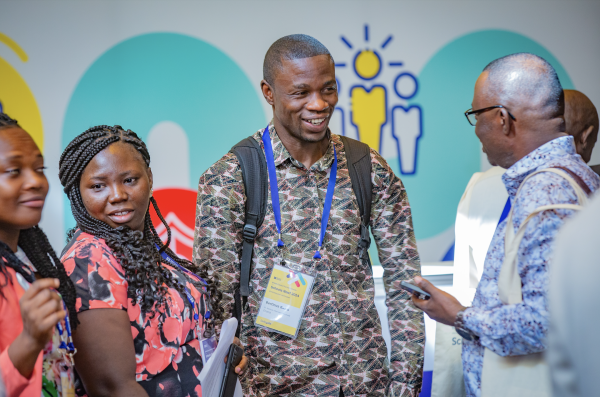
With a view to enabling enhanced learning outcomes in schools, British Council's Schools Now! 2024 was held over three days in Cape Town, South Africa from 27-29 February 2024. The conference was attended by over 1000 school leaders both onsite and virtually, and served as a platform for fostering collaboration, sharing best practices and insights in international education. 

The themes included digital learning, leadership, well-being, and safeguarding, adding to a rich internationalised and contextualised curriculum. Through a series of engaging keynote sessions, immersive workshops, and panel discussions, delegates explored innovative teaching approaches, curriculum enrichment strategies, and the integration of technology in education. 

Martin Lowder, Head of Global Exams Services, The British Council, shared, ‘The spirit of Schools Now! is to establish global connections within the educational community, exploring insights and innovations in international education. By addressing emerging themes, we aim to empower educators to navigate the complexities of the shifting education landscape and drive positive outcomes for students.'

British Council Sub Saharan Africa, Regional Exams Director, Keshav Sreedharan, said: ‘British Council's Schools Now 2024 conference was organised in Sub-Saharan Africa for the first time since its inception. Against the backdrop of Africa's potential, particularly with its dynamic and driven young population, this conference holds the promise of unlocking new opportunities and pathways for schools adopting the UK curriculum. The vibrancy of Cape Town will ignite conversations and initiatives that will shape the future of education in Sub-Saharan Africa.'

The opening keynote session by Victoria Pendry, CEO of the Curriculum Foundation, aimed at empowering schools to develop, monitor, and evaluate an enriched curriculum. She highlighted that, ‘In a rapidly changing world, if learners are to develop resilience, creativity and the essential skills of collaboration, the curriculum must be ambitious and enriched with local and global narratives that excite imaginations and inspire curiosity.'

Her presentation explored the interconnected nature of digital learning, leadership, well-being, and safeguarding as a foundation for quality and equitable education. She summarised how ‘a curriculum that is rich in respect for the past, eager to consider preferred futures and committed to exploring different perspectives, will drive positive outcomes beyond the classroom'. 

Other distinguished speakers included, Dr Funke Baffour-Awuah, Head of Well-being Division and Child Protection Lead, Al Rayan International School, Ghana, Kathleen O'Hare, British Council Education Consultant, Pamela O`Brien, Deputy Head and Jo Parkes, Deputy Head Academic from British Council School in Madrid, and adding to a rich and diverse perspective.

Tatiana Popa, Deputy Academic Director, Heritage International School, Moldova, an ISC International Education Influencer of 2023, delivered a session for virtual delegates, on ‘Digital learning', focussing on the use of AI in schools and how this will impact all areas of work, educational tools, teaching practice and much more. 

An expert panel on ‘AI in Education' comprising of Kudzayi Tarisayi, Senior Lecturer, Stellenbosch University, Cape Town, Reham Ali, Director of Middle and High School Education, Nermine Ismail International Schools, Egypt and Jo Parkes discussed valuable tips into how schools can ensure students are prepared for future needs dictated through the use of AI. It was eye-opening to see nearly 90% of conference delegates voice AI as a friend, not foe, signalling widespread optimism towards AI's potential benefits.

Dr Funke's keynote addressed how to ‘Develop a Well-being Framework for a Thriving School Community through the lens of ‘A Curriculum-Centred Approach.' She stressed on how ‘Integrating wellbeing into the curriculum promotes a thriving school community: By intentionally incorporating wellbeing into the curriculum, schools can create a holistic learning environment that supports the mental, emotional, and physical health of students.'

A series of workshops discussed practical aspects of implementing key learnings through a range of key thematic areas such as, ‘Leadership Synergy: Peer Coaching & Empowering Your Success' and ‘What is an innovative curriculum in an exam focussed school context' to name a few. These workshops provided school leaders with engagement tools in support of enriching the curriculum so that communities are inspired and committed to helping learners to acquire transferable skills such as problem solving and critical thinking, teamwork and communication, particularly in multi-cultural realities.

Jo Parkes' led a workshop on curriculum, reinforcing ‘the importance of reading as a fundamental aspect to an enriched curriculum. Establishing reading as the backbone of the curriculum is enormously effective but sadly often overlooked.'

Another key focus of the conference was safeguarding, recognising the importance of school community wellbeing and safety within the learning environment. Pamela O`Brien, in her workshop on ‘Developing school practices to ensure safeguarding and wellbeing of students' shared, ‘Safeguarding and wellbeing are intertwined. Creating a safe environment is key and includes not only complying with relevant laws and standards but also identifying school practices which promote the wellbeing of children and act as protective factors.' 

She shared case studies from the British Council School, Madrid where ‘Policies, systems and procedures have led to consistency and best practice. We can only say a policy, or a system is working if we see it in practice and the entire school community plays their part.'

The conference also provided British Council's Action Research Grants recipients from Partner Schools the opportunity to share valuable findings from their respective research areas. A thought-provoking session by Amira Soliman Awaad, Director of Curriculum and Instruction from Dr. Nermien Ismail International Schools in Egypt showcased how ‘Digitized Blended Learning Methods' such as the ‘Flipped Classroom' and ‘Exit Tickets' save class time and yield real-time intervention data, translating them into needed interventions for struggling students or requirements for increased rigour in the curricula.'

Schools are managing a variety of changes and development, and the British Council supports our Partner Schools to approach new challenges through training, guidance and encouraging collaborative practice. As education continues to evolve in response to the changing needs of learners, the Schools Now! conference plays a crucial role in driving progress and innovation within the sector. By harnessing the collective expertise and passion of school leaders and decision makers, the conference serves as a catalyst for transformative change, ultimately enriching the educational experiences of students worldwide. 

By championing safety and well-being, embracing technological advancements, and leadership in schools, and thereby promoting an enriched curriculum, the outcomes of Schools Now! Conference focused on empowering educators to create engaging, student-centred learning environments that prepare learners for success in the 21st century and beyond.

Key takeaways from the event will be available on the Schools Now! website page: https://apo-opa.co/48AabS7

British Council South Africa Country Director, George Barrett, said: ‘British Council Partner Schools programme supports over 40 Partner Schools in South Africa and 785 in Sub Saharan Africa to deliver UK International School Qualifications on behalf of UK awarding bodies. Our educational support enables schools to enhance the learning experience for students, improving educational outcomes and giving young people in the region access to international opportunities.'

Distributed by APO Group on behalf of British Council.

For media enquiries, please contact: Susan Amu, Regional Head of Communications at susan.amu@britishcouncil.org. 

About Schools Now! 2024:
British Council's Schools Now! is a global conference that fosters educational innovation across our global community of over 2,500 British Council Partner Schools spread across over 40 countries. The conference is aimed at educational professionals who wish to learn more about key areas of international education, share their ideas and experiences, and network with like-minded peers. The conference connects over 300 delegates face to face with a further 2,000 virtual attendees from around the world. The Schools Now! 2024 conference was held at The Westin, Cape Town, on 27-29 February 2024.

For more information visit https://apo-opa.co/48AabS7

About British Council Partner Schools:
A trusted education partner, we help improve the quality of education, supporting learners worldwide to achieve their potential through access to life changing UK education and qualifications.

The British Council supports a global community of over 2500 Partner Schools, to enhance the learning experience, improving educational outcomes. We create global connections within the educational community to support professional pathways for educators, enable enriched learning journeys and prepare students for the future. We support our Partner Schools to deliver globally trusted UK International School Qualifications, in over 40 countries transforming the lives of over 250,000 students every year.

For more information, please visit https://apo-opa.co/49z4XHD

Keep updated by following British Council Partner Schools LinkedIn https://apo-opa.co/4bV9xBC

About the British Council:
We support peace and prosperity by building connections, understanding and trust between people in the UK and countries worldwide.

We uniquely combine the UK's deep expertise in arts and culture, education and the English language, our global presence and relationships in over 100 countries, our unparalleled access to young people and influencers and our creative sparkle.

We work directly with individuals to help them gain the skills, confidence and connections to transform their lives and shape a better world in partnership with the UK. We support them to build networks and explore creative ideas, to learn English, to get a high-quality education and to gain internationally recognised qualifications.

We work with governments and our partners in the education, English language and cultural sectors, in the UK and globally. Working together we make a bigger difference, creating benefit for millions of people all over the world.

We work with people in over 200 countries and territories and are on the ground in more than 100 countries. In 2022–23 we reached 600 million people.

For more information, please visit: www.BritishCouncil.org. You can also keep in touch with the British Council through https://apo-opa.co/3TiuzmC and https://apo-opa.co/3Tiumzu

Media files
British Council
Download logo
Read moreEnriching school curricula with multi-cultural narratives inspire curiosity to help learners acquire transferable skills
29 February 2024

A Comprehensive Guide to Modern Tech Services

Location: MyPR

In today’s rapidly evolving digital landscape, businesses are continually seeking innovative solutions to stay ahead of the curve. This guide delves into a suite of services that are pivotal for organizations aiming to harness the power of technology and digital transformation. These offerings span from educational initiatives to cloud computing, data intelligence, and beyond, showcasing …

Read moreA Comprehensive Guide to Modern Tech Services
29 February 2024

Tadalafil: Effective Treatment for ED Improvement

Location: MyPR

When it comes to the effectiveness of tadalafil for ED, numerous men have found a reliable ally in the small, yet powerful tablet. Developed by the reputable Eli Lilly and Company, Tadalafil, the essence of the brand Cialis®, distinguishes itself in the realm of erectile dysfunction (ED) treatment options. Its noteworthy pharmacological profile is characterized …

Read moreTadalafil: Effective Treatment for ED Improvement
27 February 2024

Mashatile urges parties to hold back on distasteful social media debates ahead of elections

Location: News

Mashatile urges parties to hold back on distasteful social media debates ahead of elections

Deputy President Paul Mashatile has urged political parties that hold robust debates on social media to uphold ethical standards and refrain from unjust, deceptive or hateful speech, as many African countries head to the polls this year.  

“We can run campaigns on social media without being malicious or degrading of both individuals and organisations,” he said on Tuesday. 

The Deputy President was delivering a keynote address at the launch of the 'Principles and guidelines for the use of digital and social media in African elections' in Johannesburg.

“The reality is that the political environment during elections is tense and volatile, and we should use social media with responsibility to ensure that the content we share is credible and accurate.” 

The new guidelines seek to create awareness among election management bodies (EMBs) on the benefits and threats of digital and social media to the electoral process and integrity.

They are a comprehensive framework for the continental EMBs adopted in Benin during the 11th General Assembly meeting of the Association of African Electoral Authorities (AAEA) last year.

The principles cover various areas - from the promotion of freedom of speech, access to information, protecting the rights to privacy and the role of the State, political parties, candidates and media.  

For instance, one of the guidelines stipulates that political parties and candidates should ensure that campaigns conducted on digital and social media are transparent and attributed, including the use of paid-for-content and influencers. 

The Deputy President has described these principles and guidelines as groundbreaking for Africa, spearheaded by the Electoral Commission of South Africa (IEC) on behalf of AAEA, as groundbreaking for Africa. 

The launch coincides with heightened election activity around the continent, with over 20 African Union Member States, including South Africa, preparing for elections. 

This, Mashatile said, provides an opportunity for fine-tuning the regulatory and operational protocols for the use of social media during these elections. 

“We will, therefore, continue to uphold the right to free and fair elections in this election and thereafter, as we have done since 1994,” he vowed. 

In the fast-paced digital world of today, he said it was important to recognise the important role that social media plays in shaping people's opinions and establishing the narratives propelled during elections. 

“As we witness the increasing use of these platforms in political campaigns, it is imperative that we establish clear principles and guidelines to ensure a fair, transparent, and inclusive electoral process,” the Deputy President said.

Youth

He is of the view that social media platforms must be used constructively to inform and disseminate positive messages regarding elections, with a particular focus on the youth of Africa. 

The youth, Mashatile said, are gaining significant grip on platforms such as Twitter, Instagram, Facebook and TikTok.  

“We should, therefore, use these principles and guidelines to emphasise the importance of promoting online integrity, safeguarding against misinformation and disinformation, protecting privacy and data security, and fostering a level playing field for all candidates and political parties.” 

Misinformation 

Through adherence to these principles, Mashatile believes that countries will be able to safeguard the values of democracy through free and fair elections, and allow voters to make choices. 

“We have a significant obligation to educate our population about the risks associated with disseminating misinformation, particularly concerning elections, since false claims can erode trust in the electoral process and provoke a wave of anti-voters and instability in our countries,” he said.

The Deputy President has described the misinformation and disinformation are a threat to democracy. 

“They undermine confidence in our elections, and have the potential to suppress voter turnout.” 

The Deputy President also took the time to express his gratitude to the agencies and digital companies for walking this journey with the African EMBs, offering them technical expertise, and building their capacities. 

IEC Chairperson Mosotho Moepya told the delegates that the internet is here to stay and that it should be used for the common good. 

“We’re working with those who own social media, authorities and EMBs, and we’re trying to find a way in which we can use social media to help us in the work that we do; and at the same time, to limit the damage it can do when it is abused.” – SAnews.gov.za
 

Gabisile
Tue, 02/27/2024 - 13:12

333 views
Read moreMashatile urges parties to hold back on distasteful social media debates ahead of elections
27 February 2024

Kaspersky presents industrial cybersecurity review and predictions for 2024

Location: News
Kaspersky

At the 9th annual Cyber Security Weekend – META conference held recently in Kuala Lumpur, Malaysia, Kaspersky (www.Kaspersky.co.za) presented an industrial cybersecurity review for the countries in the region and outlined the key cybersecurity challenges for industrial enterprises in the year ahead.

According to Kaspersky Security Network (KSN) statistics, in the second half of 2023, 32.6% of ICS computers globally had been attacked with malware. In the Middle East, Turkiye, and Africa (META) region the figure is 36.5% for Turkiye, 36.8% for Africa (27.5% in South Africa, 34.55% in Kenya, 28.8% in Nigeria, 33.17% in Ghana), and 33.5% for the Middle East region. There is a slight decrease in this figure in the region compared to 2022 which can be the result of industrial organisations paying more attention to cybersecurity.

African countries are undergoing rapid digitalisation and integration into the world's economy, while at the same time facing a significant cybersecurity under-investment problem. In the second half of 2023, 7.55% of Operational Technology computers in Africa were exposed to threats via USBs (that is 20 times more than the figure of Western Europe); 7.2% faced threat by worms (that is 28 times more than in Australia & New Zealand); and 9.1% of OT computers were exposed to spyware (that is 7.7 times more than the figure for North America).

Kaspersky Industrial Control Systems Cyber Emergency Response Team (ICS CERT) predictions for 2024 highlight the persistence of ransomware threats, rise of cosmopolitical hacktivism, an outlook on the state of “offensive cybersecurity”, and transformative shifts in logistics and transport threats.

Looking back at 2023 (https://apo-opa.co/3OXrfus), Kaspersky predicted the industrial cybersecurity landscape continuing to evolve, with several key trends emerging. The pursuit of efficiency in IIoT and SmartXXX systems fueled an expanded attack surface, while the surge in energy carrier prices led to heightened hardware costs, prompting a strategic shift towards cloud services. The growing government involvement in industrial processes also introduced fresh risks, including concerns about data leaks due to underqualified employees and insufficient practices for responsible disclosure.

This retrospective analysis lays the groundwork for understanding the cybersecurity landscape faced by industrial enterprises in 2024, such as:

  • Ransomware targeting high-value entities

Ransomware is projected to persist as the primary concern for industrial enterprises in 2024. Large organisations, unique product suppliers, and major logistics companies face increased risks, with potential severe economic and social consequences. Cybercriminals are expected to target entities capable of substantial ransom payments, causing disruptions in production and delivery

  • Cosmopolitical protest hacktivism

Geopolitically motivated hacktivism is forecasted to intensify, presenting more destructive consequences. In addition to country-specific protest movements, the rise of cosmopolitical hacktivism is expected, driven by socio-cultural and macro-economic agendas such as eco-hacktivism. This diversification of motives may contribute to a more complex and challenging threat landscape.

  • Subtler threats and detection challenges

The use of “offensive cybersecurity” for gathering cyberthreat intelligence is anticipated to have controversial consequences. While it may improve corporate security by providing early signs of potential compromises, the thin line between the grey zone and the shadows may be breached. Profit-driven cyber activities, armed with commercial and open-source tools, could operate more discreetly, making detection and investigation challenging.

  • Shifts in threats related to logistics and transport connected to automation and digitisation challenges

The rapid automation and digitisation of logistics and transport are introducing new challenges, intertwining cyber and traditional crimes. This includes theft of vehicles and goods, maritime piracy, and smuggling. Non-targeted cyberattacks may lead to physical consequences, especially in river, sea, truck, and special-purpose vehicles.

“The industrial sector's cybersecurity is continuously going through significant changes, with both new types of attacks and more sophisticated versions of old ones. Ransomware attacks are still a big problem, and hackers are getting better at targeting large, profitable companies with more advanced methods. Hacktivists who are motivated by social issues are also becoming more active, adding another layer of complexity to the threats. The transportation and logistics industry is especially vulnerable to these changes because its systems are becoming more and more digital. This combination of cyber and traditional crime is a serious threat to global supply chains. To protect themselves, organisations need to prioritise cybersecurity and keep improving their defenses,” commented Evgeny Goncharov, head of Kaspersky ICS CERT.

Read the full list of ICS predictions for 2024 at ICS CERT website (https://apo-opa.co/3OYsGZB).

Distributed by APO Group on behalf of Kaspersky.

About Kaspersky:
Kaspersky is a global cybersecurity and digital privacy company founded in 1997. Kaspersky's deep threat intelligence and security expertise is constantly transforming into innovative solutions and services to protect businesses, critical infrastructure, governments and consumers around the globe. The company's comprehensive security portfolio includes leading endpoint protection, specialized security products and services, as well as Cyber Immune solutions to fight sophisticated and evolving digital threats. Over 400 million users are protected by Kaspersky technologies and we help over 220,000 corporate clients protect what matters most to them. Learn more at www.Kaspersky.co.za. 

Media files
Kaspersky
Download logo
Read moreKaspersky presents industrial cybersecurity review and predictions for 2024
26 February 2024

Kamagra Oral Jelly Effectiveness: Real Results?

Location: MyPR

When it comes to managing erectile dysfunction, a myriad of solutions promise to restore the vitality and confidence that can be shaken by this common condition. Among them is Kamagra Oral Jelly, a product heralded for its supposed effectiveness as an ED treatment. Originating from India, this medication has piqued the interest of many searching for an affordable and …

Read moreKamagra Oral Jelly Effectiveness: Real Results?
26 February 2024

Transform Your Love Life with VIREKTA: The Herbal Game-Changer for ED

Location: MyPR

If you’re struggling with erectile dysfunction (ED), VIREKTA is here to transform your love life. This natural, herbal remedy offered by herbalremedies.co.za is a game-changer when it comes to finding a safe and effective solution for ED. Say goodbye to the frustrations and fears that ED can bring and say hello to a renewed sense …

Read moreTransform Your Love Life with VIREKTA: The Herbal Game-Changer for ED
26 February 2024

Cyber safety should be on your business’ agenda every day

Location: MyPR

Safer Internet Day, on 6 February, is aimed at making both individuals and companies more aware of the ever-more prevalent cyber risks that they could fall foul of. And make no mistake: Cybercrime is a particularly serious threat to South African businesses. According to the UN, there are more than two million small, micro, and …

Read moreCyber safety should be on your business’ agenda every day
26 February 2024

Ignition Encourages A Love Of Reading – One Library At A Time

Location: Entertainment, MyPR

February 2024: Durban, KwaZulu-Natal – “Literacy is a fundamental human right and a pre-requisite for even the most basic employment,” says Samantha Botha, Head of Group Marketing for Ignition Group (Ignition). “With eight out of every 10 children unable to read properly, South Africa’s reading crisis is a reality for many of our young people and creates a stumbling block …

Read moreIgnition Encourages A Love Of Reading – One Library At A Time
25 February 2024

The Multifaceted World of Valuation Services: Navigating Assets with Expertise

Location: MyPR

In the intricate tapestry of the financial and asset management world, valuator services stand as pivotal pillars, offering clarity, precision, and insight into the true value of diverse assets. From tangible assets like land and buildings to the intangible allure of art and antiques, the scope of valuation services is vast and varied, catering to a wide …

Read moreThe Multifaceted World of Valuation Services: Navigating Assets with Expertise
23 February 2024

Concern over HIV patients who are not receiving treatment

Location: News

Concern over HIV patients who are not receiving treatment

Health Minister, Dr Joe Phaahla, says he remains concerned by those who are not on antiretroviral therapy (ART) despite knowing their HIV status. 

“We are doing extremely well on the number of people living with HIV/AIDS (PLHIV) who know their status. However, we have been struggling to reach a great milestone on the number of people that are on ARTs,” he said on Thursday.  

Speaking at the high-level meeting convened in Cape Town by the US President’s Emergency Plan for Aids Relief (Pepfar), Phaahla said a majority of these patients do come for treatment, but they disengage from care due to various factors. 

However, he assured delegates that his department is currently addressing the matter, working together with all key role players, notably the PLHIV sector. 

Phaahla reported that their interventions have resulted in tracing and linking treatment for just over 1.1 million patients in December 2023, down from 1.4 million in March 2023.

Meanwhile, he said the number of PLHIV virally suppressed has increased by 510 469.

“Through this stakeholder collaboration and backed by the deployment of the community health workers, we hope to bring the many patients back to care.” 

He mentioned that the State is making progress towards achieving a new set of ambitious targets.

These targets include ensuring that 95% of all individuals living with HIV are aware of their HIV status, 95% of all individuals diagnosed with HIV infection receive continuous treatment, and 95% of all those on treatment achieve viral suppression by 2025.

The number of estimated new HIV infections in the country has decreased from 164 000 in 2022 to 146 784 in 2023, indicating the effectiveness of interventions in reducing new infections.

According to the latest data, deaths due to HIV are also declining, with an estimation of approximately 44 534 HIV-related deaths in South Africa in 2023.

This marks a reduction of over 50% compared to the last decade’s 92 129 AIDS-related deaths, said Phaahla.

The Minister also touched on the men and children who are living with HIV who are not on treatment. 

“While we have seen this steady, though still low progress, we continue to worry because we see fewer men and children being linked to care.

“We need to find 586 192 men and 71 763 children living with HIV and put them on treatment. Whilst for adult women we need to find and treat 530 737.”

He expressed gratitude to the United States government for playing a pivotal role since 1994 and being South Africa's strategic partner.

To end the global HIV/AIDS public health threat by 2030, the United States has made significant progress towards HIV epidemic control with Pepfar support.

The Minister said in April 2022, the Director-General, signed the Country Operational Plan (COP22) to the tune of $455 753 517 for South Africa. 

“After the signing of COP22, I and the US Ambassador later signed a mutually beneficial Memorandum of Understanding which provides the overarching leadership on a broad range of health collaborations in June 2022.”

The collaboration based on this memorandum encompasses a wide range of programmes and partnerships including HIV, tuberculosis (TB) and sexually transmitted infections (STIs).

“In the end, I would like to express, unreservedly, the appreciation for the work that is our coordinating body SANAC, UN agencies and other development partners and many others that play a significant role in the HIV/AIDS response in the country.” – SAnews.gov.za


Gabisile
Fri, 02/23/2024 - 15:34

295 views
Read moreConcern over HIV patients who are not receiving treatment
  • Previous
  • Page 1
  • Interim pages omitted …
  • Page 34
  • Page 35
  • Page 36
  • Page 37
  • Page 38
  • Interim pages omitted …
  • Page 51
  • Next

Copyright © 2026 · MyZA · All Rights Reserved · Powered by Stratlec Online