• Skip to main content
  • Skip to header right navigation
  • Skip to after header navigation
  • Skip to site footer
MyZA

MyZA

News, Directory, Events and Other Stuff

  • Social Media
  • Sport
  • World News
  • Home
  • Submit News
  • Directory
  • Events
  • Stratlec
  • TFSA
  • News
    • APO
    • Today’s Sport News
    • Todays Social Media and Tech Headlines
    • Today’s World News
    • Today’s SA Financial News
  • Contact
You are here: Home / Archives for data

data

14 April 2024

Over a million travellers processed over Easter period

Location: News

Over a million travellers processed over Easter period

The Border Management Authority (BMA) facilitated about 1 136 250 travellers across the country’s 71 ports of entry over the Easter period.

This represents a 24% increase or 222 391 more travellers than last year, the BMA announced on Sunday.

This as the BMA’s Commissioner, Dr Mike Masiapato, announced the results of the 10-day Easter plan implementation that ran from 26 March to 4 April 2024.

Masiapato identified OR Tambo International Airport, the Lebombo port of entry to Mozambique, and Beitbridge port of entry to Zimbabwe as the top three ports that processed the majority of travellers with a total of 528 042 individuals.

“In fact, OR Tambo facilitated the most travellers at 217 855, followed by Lebombo at 157 069 and ⁠Beitbridge at 153 118 travellers,” he said at a media briefing held at the Government Communication and Information System (GCIS) head office in Pretoria. 

He added that at the Cape Town harbour had seen an increase in the number of holiday makers boarding cruise ships for various destinations, according to border law enforcement officials.

The BMA also processed about 36 675 private vehicles, 1 893 minibus taxis, 1 309 buses and over 2 621 aircrafts at various international airports. 

It also handled 252 vessels across seaports of which 119 were for crew changes through the off-port limit mechanism. 

“This has to do with the facilitation of crew changes for vessels that have not docked at the port. During the implementation of this plan on people movement, we deployed proactive preventative measures for the speedy detection of non-compliances on the set port protocols.” 

The Commissioner revealed that 3 841 people attempting to enter South Africa illegally were intercepted.

Of the 3 841, about 2 403 did not have any documents, 1 019 were refused entry for being “undesirable”, while about 419 were found to be “inadmissible” to enter the country due to various reasons. 

“The majority of those arrested without documents were intercepted at the vulnerable segments of the borderline. They were processed, declared undesirable for five years, and were deported.”

According to Masiapato, most of the “inadmissible” individuals had invalid passports, fraudulent visas or simply failed to produce relevant documents such as valid yellow fever certificates. 

“We would like to indicate that the success of this Easter operations can be attributed to the consistent implementation of all proactive measures and those include effective corridor management which was done in full collaboration with the respective local traffic authorities. As such, none of our key arteries leading to any of the land ports of entry experienced any kind of congestion.” 

He also expressed his gratitude to all motorists for observing traffic laws and adhering to the instructions of traffic authorities. 

He also applauded the Stockpoort port of entry for processing and recording data of all passengers who were on the bus en route from Botswana to Moria in Limpopo for the Easter pilgrimage. 

“Despite our limited resources, our officers continue to work tirelessly to ensure the smooth flow of legitimate travellers while upholding the highest security standards. We are extremely proud and appreciative of the resilience of our border officials in rendering a stable service in very difficult conditions,” he said.

Earlier this week, President Cyril Ramaphosa and his Botswana counterpart, President Mokgweetsi Masisi visited the site of the bus crash which claimed the lives of 45 Botswana nationals.

The only survivor of the crash was an eight-year-old child. SAnews.gov.za

Gabisile
Sun, 04/14/2024 - 11:39
131 views
Read moreOver a million travellers processed over Easter period
13 April 2024

Elections 2024: What the major political parties say about education

Location: News

We sent questions to the ANC, DA, EFF, IFP, FF Plus, ActionSA, PA, MK Party and RISE Mzansi

Read moreElections 2024: What the major political parties say about education
12 April 2024

Nzimande dissolves NSFAS board

Location: News

Nzimande dissolves NSFAS board

Higher Education, Science and Innovation Minister, Professor Blade Nzimande, has dissolved the board of the National Student Financial Aid Scheme (NSFAS) and placed it under administration.

The announcement followed a meeting held on Thursday between Nzimande and the NSFAS Board to communicate the Minister’s decision to dissolve the NSFAS Board, with immediate effect.

In a statement issued on Thursday evening, the department said the legal effect of the decision will be communicated on Friday, through the Government Gazette.

“On Sunday, 14 April 2024, at 2pm, the Minister will convene a special media briefing to explain the rationale for dissolving the NSFAS Board and the further steps arising from this decision,” the department said in a statement.

Prior to the meeting, the department issued a statement raising Nzimande’s concerns over the recurring problem of non- payment of student allowances by NSFAS.

“Given the magnitude of this problem and its negative impact on the well-being of students and the continued functioning of our post school education and training system, in the next few days, the Minister will be taking a series of additional and decisive steps, all of which are intended to have the problem of non-payment of allowances resolved as a matter of priority,” the department said.

As part of the series of decisive steps, Nzimande, supported by the department, has instructed NSFAS to immediately establish a dedicated task team that will visit all the Technical Vocational Education and Training (TVET) colleges and universities, where students are experiencing serious NSFAS related problems.

Regarding the 2024 academic cycle, the department said against valid registration records received on 15 March 2024, NSFAS has paid the disbursements for university and TVET college students.

“For the latest payment cycle, NSFAS has paid TVET college student allowances and tuition to the value of R511 106 120 in total,” the department said.

The allowance included R147 115 846 in college tuition; R34 831 311 in allowances via TVET colleges; and R298 971 220 in NSFAS card allowances; and R30 187 743 towards student accommodation via solution providers.

“For universities, NSFAS has paid allowances and tuition to the value of R2 306 583 222 in total,” the department said.

The universities allowance included R1 258 865 972 tuition to universities; R653 954 716 allowances via universities and R393 762 534 direct payment to students.

However, the department said not all TVET colleges and universities have complied with the NSFAS deadline of 15 March 2024 for the submission of student registration data to facilitate the payment of allowances. 

The department said failure to comply by some TVET colleges and universities has contributed to the latest sporadic student protests.

“To address this, the Minister dispatched the Director-General to have an urgent meeting with the NSFAS management, which was intended to ensure that working with institutions, all outstanding allowances are paid as soon as it is practicable.

“In addition, NSFAS has sent its servicing administrators to work with the non-compliant TVET colleges and universities to finalise the submission of student registration data and ensure that the outstanding student allowances and tuition is paid in the next payment cycle,” the department said. – SAnews.gov.za

GabiK
Fri, 04/12/2024 - 10:35

697 views
Read moreNzimande dissolves NSFAS board
12 April 2024

Revolutionising Healthcare in South Africa: The Role of Health Tech Solutions

Location: MyPR

In the realm of healthcare, innovation is not just a luxury; it’s a necessity. As South Africa grapples with the challenges of an evolving healthcare landscape, technology emerges as a beacon of hope, offering solutions to improve patient care, enhance efficiency, and drive better outcomes. Let’s explore the transformative power of health tech solutions and …

Read moreRevolutionising Healthcare in South Africa: The Role of Health Tech Solutions
12 April 2024

Securing Your Business: A Comprehensive Guide to Business Security Products

Location: MyPR

In the ever-evolving landscape of business security, staying ahead of potential threats is paramount. From safeguarding valuable assets to protecting sensitive information, businesses rely on a range of security products to fortify their premises and ensure peace of mind. Let’s explore the diverse array of business security products, from anti-bandit doors to safes, and understand …

Read moreSecuring Your Business: A Comprehensive Guide to Business Security Products
12 April 2024

Introduction to SoftPOS Solutions

Location: MyPR

In an era dominated by digital transactions, SoftPOS (Software Point of Sale) solutions have emerged as a revolutionary technology that significantly simplifies the process of accepting payments. Unlike traditional POS systems that require dedicated hardware, SoftPOS applications enable merchants to convert their smartphones or tablets into fully functional POS terminals. This innovative approach not only …

Read moreIntroduction to SoftPOS Solutions
12 April 2024

Alexkor vs Creecy in environment court battle

Location: News

The state mining company is challenging an environmental compliance notice

Read moreAlexkor vs Creecy in environment court battle
11 April 2024

Xaleads Launches Lead Generation Software for Small Businesses to Market Like Fortune 500 Companies

Location: MyPR

[Cape Town, 10-04-2024] – Xaleads, a leading marketing software company, is excited to announce the launch of its innovative lead generation software designed specifically for small businesses. With the aim of leveling the playing field, Xaleads enables small businesses to market themselves with the same efficiency and effectiveness as Fortune 500 companies. In today’s increasingly …

Read moreXaleads Launches Lead Generation Software for Small Businesses to Market Like Fortune 500 Companies
10 April 2024

Pearson’s Test of English (PTE) facilitates study and work abroad opportunities in South Africa

Location: News
Pearson

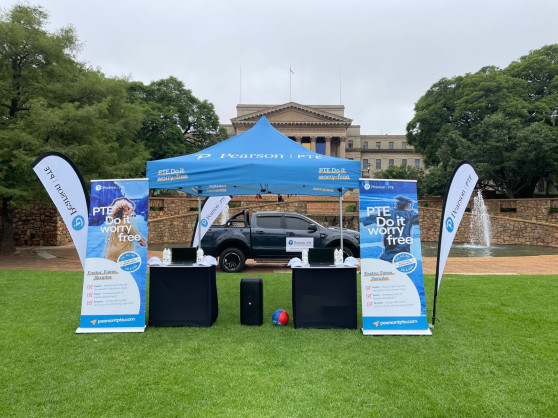
To support the government's efforts in strengthening the nation's English skills for education and migration, Pearson (https://MiddleEast.Pearson.com), (FTSE: PSON.L), the world's leading learning company, successfully hosted a series of events across South Africa, emphasizing the value of English proficiency for study and work abroad opportunities.

Engaging with over 3000 individuals in pivotal locations such as Johannesburg, Pretoria, and the University of the Witwatersrand, the events showcased the Pearson Test of English (PTE) highlighting the vital role of English in both higher education and professional spheres, particularly for those aiming to migrate to English-speaking countries like the USA, UK, Australia, Canada, and New Zealand. This effort gains particular significance in South Africa, where English, amidst its eleven official languages, emerges as the preferred medium (https://apo-opa.co/3TR0klF) of instruction. 

Ipek Aydin, Director – PTE, MEA & Turkey at Pearson, said, “PTE's expansion in South Africa underscores our commitment to enhancing global education and migration opportunities for students in the country. Our recent efforts demonstrate Pearson's dedication to making these opportunities more accessible and recognized across South Africa, empowering students and professionals to pursue their international aspirations.” 

PTE is a computer-based, AI-powered English proficiency test designed by Pearson for those who wish to study, work or migrate abroad. The exam leverages leading automated scoring technology to assess speaking, listening, reading, and writing skills in a single, two-hour assessment, ensuring accuracy and impartiality in results. With a result turnaround of just two days, it offers candidates the fastest, fairest, and most flexible way of proving their English language proficiency.  

PTE is recognised by over 3300 institutions globally and can be taken across Pearson's existing network at more than 445 PTE centres in 117 countries. The UK, Australian, and New Zealand governments recognise PTE Academic for all visa applications, while universities across Canada, Australia, New Zealand, Ireland, the UK, and the USA also accept it, making it widely acknowledged for educational and immigration purposes.  

For more information on PTE, visit https://www.PearsonPTE.com.   

Distributed by APO Group on behalf of Pearson.

About Pearson:
At Pearson, our purpose is simple: to add life to a lifetime of learning. We believe that every learning opportunity is a chance for a personal breakthrough. That's why our c.18,000 Pearson employees are committed to creating vibrant and enriching learning experiences designed for real-life impact. We are the world's leading learning company, serving customers in c.200 countries with digital content, assessments, qualifications, and data. For us, learning isn't just what we do. It's who we are. Visit us at www.Pearsonplc.com. 

Media files
Pearson
Download logo
Read morePearson’s Test of English (PTE) facilitates study and work abroad opportunities in South Africa
10 April 2024

Minor Hotels and The Cavaleros Group Sign Hotel Agreement to Debut South Africa’s first NH Collection

Location: MyPR

NH Collection Sandton to be launched in Africa’s richest square mile Johannesburg, 9 April 2024: Minor Hotels, an international hotel owner, operator and investor with more than 540 hotels in 56 countries in Asia Pacific, the Middle East, Africa, the Indian Ocean, Europe and the Americas, is pleased to announce the signing of a strategic …

Read moreMinor Hotels and The Cavaleros Group Sign Hotel Agreement to Debut South Africa’s first NH Collection
9 April 2024

Reflecting on the achievements of 30 years of freedom

Location: News

Reflecting on the achievements of 30 years of freedom

As the country reflects on 30 years of freedom and democracy, government is taking stock of the gains that have been made, its achievements and milestones, as well as what could have been done better over the last three decades. 

“As government, we should count the successes and achievements that we have managed to achieve at this point in time. In areas where we have tried to intervene [and] the interventions were not successful, we now have the experience and innovation to resolve them,” Government Communication and Information System (GCIS) acting Director General, Nomonde Mnukwa, said in an interview with SAnews.

South Africa's Census 2022 national results show an increase in the proportion of households that had access to piped water inside their dwelling, from 32.3% in 2001 to 46.3% in 2011 and to 59.7% in 2022.

The data show that in 2022, over four-fifths (82.4%) of households in the country had access to piped water either inside their dwelling or inside their yard.

The proportion of households using electricity as the main source of energy for lighting increased significantly from 58.1% in 1996 to 94.7% in 2022.

“The majority of us grew up in areas where water access was a dream. We never thought we would have access to water. We never thought that we would have access to electricity. We never thought we would have access to free education. There are a number of non-fee paying schools that we have and a majority of those schools are contributing more than 60% of the Bachelor’s passes for matrics,” Mnukwa said.

She said South Africa reaching 30 years of democracy and freedom is a dream that has come true.

“We have come a long way. This is the year that we look back, particularly to 1994 when South Africa held its first democratic elections. It was one of those dreams that came true for us to be able to cast our vote,” Mnukwa said.

South Africans will once again go to the polls on 29 May 2024 to cast their votes in the 2024  National and Provincial Elections. 

This year marks 30 years since millions of South Africans cast their ballot in the democratic election of 1994 for the first time in their lives.  

The 30-year celebration in the country will be premised on celebrating the gains, achievements, and the milestone of 30 years of democratic rule as well as living in a free and democratic society. 

Annually, the month of April is designated as Freedom Month in South Africa. 

“As South Africans, we need to remember where we come from. We come from an era where people needed to carry a dompass to go out in public. There were areas that we could not access as the segment of the population, which comprised the majority of the population,” Mnukwa said.

She emphasised that when South Africa was transitioning to a democratic country, it managed to avoid a war.

The country attained democracy and freedom though peaceful negotiations and talks.

“There were some careers that we couldn’t do because they were restricted to the chosen few. There were some areas that we could not stay in despite the fact that we were South Africans. It is something to celebrate, it is something to talk about and remember but it is mostly something that we can reflect on as individuals,” the acting DG said.

In his 2024 State of the Nation Address, President Cyril Ramaphosa said government’s policies and programmes have over the course of 30 years lifted millions of people out of dire poverty. 

By 2010, the poverty rate had dropped to 60.9%, and it continued to decrease, reaching 55.5% in 2020, as reported by the World Bank.

“One of the most visible, impactful and meaningful achievements in the first three decades of freedom has been in providing homes to the people. Today, nearly nine out of every ten households live in a formal dwelling. 

“At the end of apartheid, only 6 out of 10 people had access to clean drinking water. Today, that figure has increased to nearly 9 out of 10 South Africans. 

“We have introduced laws and undertaken programmes to enable black South Africans and women to advance in the workplace, to become owners and managers, to acquire land and build up assets.  The proportion of jobs in executive management held by black people increased almost five-fold between 1996 and 2016,” the President said.

In addition, government has built more hospitals and clinics, especially in poor areas, providing better and quality healthcare to more South Africans.  – SAnews.gov.za

nosihle
Mon, 04/08/2024 - 11:31

41 views
Read moreReflecting on the achievements of 30 years of freedom
9 April 2024

Neuromarketing: Leveraging Brain Science to Enhance Marketing Strategies

Location: MyPR

Introduction Neuromarketing is an innovative field that blends the insights of neuroscience with the strategies of marketing to unveil the subconscious preferences of consumers. It’s a pivotal tool in the marketing landscape, offering a deeper understanding of how consumers react to marketing stimuli beyond their conscious awareness. By delving into the neural activities that drive …

Read moreNeuromarketing: Leveraging Brain Science to Enhance Marketing Strategies
8 April 2024

Exploring the Terrain of Tech Innovations and Services

Location: MyPR

In an era of rapid technological change, software development companies are not just participants but pioneers, shaping the digital landscape. They blend cutting-edge technology training and development with the implementation of sophisticated cloud-based solutions, playing a vital role in digital transformation across industries. These companies offer a wide range of services, from cloud computing and …

Read moreExploring the Terrain of Tech Innovations and Services
8 April 2024

Eighty-five vehicles to boost KZN crime-fighting initiatives

Location: News

Eighty-five vehicles to boost KZN crime-fighting initiatives

A crime-fighting initiative aimed at curbing the rise of criminal activities and promoting public safety across KwaZulu-Natal has been launched.

KwaZulu-Natal Premier Nomusa Dube-Ncube handed over essential tools of trade to the value of R30 million to various voluntary community crime fighting structures in the province on Friday.

Among the equipment handed over were 85 vehicles.

Dube-Ncube said the vehicles will play a pivotal role in accelerating the fight against crime by enhancing the mobility, response times, and operational capabilities of the dedicated individuals working tirelessly to keep the communities safe.

“By equipping these voluntary community crime-fighting structures with the necessary resources, the government is empowering local initiatives and fostering a collaborative approach to addressing crime. 

“This proactive strategy reflects a commitment to grassroots solutions and community-led interventions, which are vital components of any comprehensive crime prevention strategy,” Dube-Ncube said.

The Premier said this when she announced the initiatives during an event at Hoy Park in Durban on Friday, accompanied by Transport, Community Safety and Liaison MEC, Sipho Hlomuka.

She said the initiative marked a significant milestone in government's commitment to enhancing public safety and security in the region. 

The other crime-fighting initiatives aimed at curbing criminal activities and promoting public safety across the province include:

• Strengthening the capacity of Community Policing Forums to engage with communities, gather intelligence and collaborate with law enforcement agencies to prevent and combat crime at the grassroots level;
• Supporting and expanding the network of neighbourhood watch programs to enhance surveillance, deterrence and early detection of criminal activities within residential areas;
• Investing in programs that provide skills development, education, and employment opportunities for young people to steer them away from crime and delinquency;
• Facilitating partnerships between government agencies, non-profit organisations, businesses, and community groups to implement holistic crime prevention strategies tailored to the unique needs of different communities; and
• Harnessing the power of technology and innovation to improve crime detection, response, and data-driven decision-making processes within law enforcement agencies and community organisations.

Dube-Ncube reiterated the importance of the collective efforts of government, including law enforcement agencies, community leaders, and concerned citizens in the fight against crime. 

“By working together and investing in proactive measures, KwaZulu-Natal is taking decisive steps towards creating safer and more secure communities for all residents. This commitment to empowering community-driven crime-fighting initiatives is not merely a one-time event but a sustained effort to build resilience, foster collaboration, and ultimately, make KZN a safer place for everyone,” the Premier said. – SAnews.gov.za


GabiK
Mon, 04/08/2024 - 14:19

433 views
Read moreEighty-five vehicles to boost KZN crime-fighting initiatives
8 April 2024

30 Years: reflections on SARS

Location: News

30 Years: reflections on SARS

While having to engage with the taxman may conjure up feelings for some of going to the dentist to have a tooth pulled - the South African Revenue Service (SARS) has played a crucial role in where South Africa is today.

As the country turns 30 years old under a democratic dispensation, it reaches this milestone with the existence of institutions like the South African Revenue Service (SARS).

State capture may perhaps be the first thing to come to mind when thinking of the revenue service;  closely followed by how unfair it may feel to pay taxes.

“What became increasingly clear as the Nugent hearings continued and was further underlined during the Zondo Commission proceedings which got underway in August 2018, was that the capture of SARS was part of a wider plan to capture the state,” said the revenue service in its anniversary book  to commemorate 25 years of its existence.

While it did go through a grim period characterised by what it termed as “a significant loss of talent, marginalisation of staff, complete collapse of governance, as well as a lack of trust by citizens,” SARS still managed to make it through the rough years.

At a recent media briefing to release the preliminary revenue outcome for the 2023/24 financial year, SARS said state capture left the organisation in “distress and severely compromised.“We embarked on a journey to re-imagine the organisation. SARS is succeeding in its strategic intent of building a tax and customs system that is based on voluntary compliance and sharpening its capability aimed at deterrence of wilful non-compliance,” it said at the briefing held in Pretoria.

It added that the process of rebuilding entailed broadening the tax base, instilling, and improving a culture of voluntary compliance and fiscal citizenship as well as data and technology to optimally deliver “on our mandate and working with all stakeholders in the tax ecosystem and fostering trust and confidence on SARS.”

It was imperative for SARS - of which its higher purpose is to enable government to build a capable state, foster sustainable economic growth and social development that serves the wellbeing of all South Africans -  to overcome this hurdle.

More so, for an institution that has collected R21.6 trillion in net tax revenues since its inception.

“The R21.6 trillion tax collections represents a compound growth of 9.9% per year since the inception of SARS in 1997. This has funded the South African democracy and touched the lives of millions who would be destitute without government support and services. We, who have the privilege to work at SARS are justly proud of these achievements because these efforts contribute directly to nation-building and sustain our democracy,” SARS Commissioner Edward Kieswetter said.

This as tax revenue collections have increased from R114 billion in 1994/95, at a compounded annual growth rate of 9.9% and an average tax-to- gross domestic product ratio of 22.2%.

Speaking at the 25-year celebrations of the existence of SARS in October 2022, President Cyril Ramaphosa said the encouraging progress of rebuilding SARS was evidence that it is possible to rebuild “ourselves from the deep damage we suffered during state capture.”

Evolution

While some taxpayers intentionally do not look at the tax portion of their payslips, paying one’s share of tax is vital in closing the very real inequality gap that continues to exist in the country.

And thanks to innovation made at the revenue service, it has become far easier for taxpayers to pay their taxes.

The days of completing a paper-based tax return are all but gone.

That laborious exercise has been replaced by a sleek process where most citizens are now able to receive a pre-populated tax return that can be completed and submitted online in a matter of minutes, thanks to eFiling.

But just how did we get to where we are today?

SARS was formed out of the amalgamation of the segregated revenue services of the apartheid-based Bantustans, as well as the Departments of Inland Revenue and Customs.

Following the historic elections in which South Africans of all races could vote in April 1994, work to build a better country for not just a few but for all, went into full steam.

“The new democratic government inherited a moribund economy deeply in debt and an inefficient Revenue and Customs system that was incapable of providing the tax needed by the democratic government to meet the developmental needs of all its people. In particular, the democratic government faced the challenge of ratcheting up service delivery to address the socio-economic backlogs in education, housing, health care, water supply, electricity supply and sanitation, amongst others,” noted the revenue service in its anniversary book.

In 1995, the then democratic Cabinet approved a two-step approach to the administrative autonomy of what would become SARS.

That process entailed the moving of the directorates of Inland Revenue and Customs and Excise out of the Ministry of Finance to the South African Revenue Service. The birth of the revenue service came in October 1997.

SARS - which is not only mandated to collect all revenues due and ensure compliance with tax, customs and excise legislation -- was formally established as an organ of state within the public administration, as an institution outside the public service.

Following that, government had the job of instilling a culture of tax compliance which was lacking in the country.

Change was needed and over the years, several steps were taken to “broaden the tax base, amongst others, these included legislative changes, service improvements, compliance strategies and enforcement actions,” said SARS.

Examples of the steps taken include the closing of legislative loopholes for abuse, tax amnesties (1995 and 1996, foreign exchange amnesty of 2003) and the introduction of Capital Gains Tax in 2001.

Modernisation

What was also a challenge for the leaders at SARS at the time, was “the fact that all processes inherited from the past were still manual and paper based” with returns having to be mailed to individual taxpayers.

Previously, filing one’s tax return involved the filling in of a minimum 12 pages to be tax compliant.

To reduce the paper-based processes, a new income tax system (NITS) was implemented in 1999. Increasing online business transactions, enhancing productivity as well as creating a more stable income tax system by reducing human intervention and improving data integrity were the main objectives of the new system.

“It was not until the launch of the Modernisation Programme in 2007 that SARS would finally be able to overcome the paper challenge,” it said.

In 1998, South Africa began collecting VAT at Southern African Customs Union borders. According to SARS, prior to 1994, these ports of entry were mainly managed by the South African Police, the South African Defence Force and Home Affairs (mainly for political control) and no revenue was collected.

Although a number a changes had been introduced after 1997, the revenue service found itself to be still “bureaucratic” and issues such as inadequate service to taxpayers and no standardisation of processes were still bugbears.

This led to the establishment of the Siyakha programme – which is isiZulu for “we are building”. The programme was set up to improve the performance of the organisation and to standardise and centralise key processes.

Its main objective was to radically transform SARS into a modern revenue authority aimed at creating a service culture that focused on the needs of the taxpayer, based on the principle that good service would facilitate tax compliance.

“The significance of Siyakha was that it would lay the foundation for the automation of processes and the modernisation programmes which began in 2007,” said the revenue service.

Around 2004, the Filing Season initiative was born and over the years it became one of the biggest, regular annual engagements that an organ of government had with citizens, apart from the national, provincial and local government elections.

As the years went by, SARS saw a “massive growth” in its taxpayer base and an increase in compliance, resulting in the receipt of high volumes of paper returns and supporting documents which still needed to be processed manually.

“As the organisation approached its tenth anniversary in an era of rapid technological advancement, the pressure mounted for a move from manual and paper-based processes to digital transactions," said the revenue service in its book.

In the modernisation years between 2007-2014, some of the key milestones SARS reached include the introduction of eFiling in 2007 which was at first for the submission of personal income tax returns.

It was then rolled out in phases for Company Income Tax, VAT, Dividends Tax and Transfer Duty amongst others.  It was critical to reducing the volume of paper that hampered efficiency, service and compliance.

“Other enhancements introduced in 2007 relating to the submission of Personal Income Tax returns included redesigning the return to two pages, using third party data verification and introducing scanning of returns in branches.”

“In 2008, SARS ramped up the changes, including the pre-population of returns on eFiling, based on third-party data supplied by employers. Employers could submit information to SARS through the new e@syFile channel developed by SARS and provided to employers free of charge,” it said.

The following year, more than three million individual taxpayers used eFiling, experiencing a massive improvement in ease, convenience, and improved turnaround times, especially in the payment of refunds.

The number of taxpayers visiting SARS branches began to drop and the number of printed returns reduced, “which meant a huge saving for SARS and represented a major environmental benefit.

“Today, almost 100% of all returns are filed electronically. The changes introduced in 2007 not only delivered benefits to taxpayers, but improved SARS’s ability to become more effective in detecting and deterring non-compliance and fraud. It allowed SARS to change its approach to monitoring compliance, from gatekeeper to risk manager,” said the revenue service.

The revenue service noted that by the end of the 2010 financial year, there was a significant increase in the use of electronic channels by taxpayers. An 82.6% growth was achieved in the electronic submission of returns as a result of processing efficiencies and automation.

South Africans also benefit from the existence of the Office of the Tax Ombud (OTO) that was established in October 2013 to enhance the tax administration system.

Prior to the establishment of this office, there was no independent channel of independent redress for taxpayers who had exhausted the normal complaints mechanisms. The office is independent of but funded through SARS.

Last year, the OTO celebrated a decade existence.

Indeed, the revenue service forms an important part of our democracy. -SAnews.gov.za

Neo
Mon, 04/08/2024 - 14:20

159 views
Read more30 Years: reflections on SARS
8 April 2024

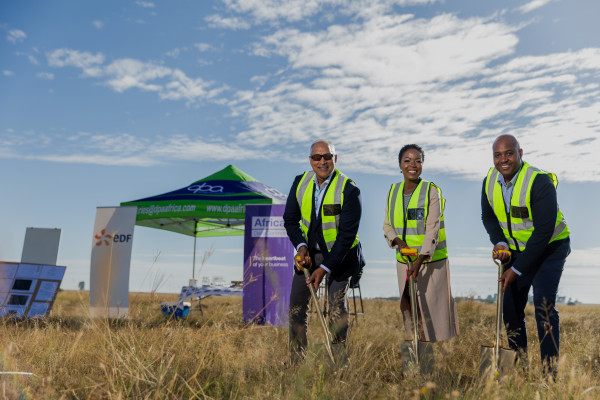
Africa Data Centres and DPA Southern Africa (SA) breaks ground on solar farm in Free State

Location: Business
Africa Data Centres

Africa Data Centres (www.AfricaDataCentres.com/) and DPA SA have broken ground on their solar farm in the Free State; The first phase will see power getting wheeled to its CPT1 facility; The second phase will see power being supplied to JHB1 and JHB2 once wheeling agreements with relevant municipalities conclude.

Africa Data Centres, a business of the Cassava Technologies group, is pleased to announce that it has broken ground on the construction of a solar farm in the Free State in collaboration with DPA Southern Africa.

This announcement forms a crucial component of the 20-year Power Purchase Agreement (PPA) inked in March 2023 with DPA Southern Africa a joint company of the French utility, EDF. The objective of the Free State farm is to furnish renewable energy to Africa Data Centres sites, commencing with its cutting-edge, carrier-neutral data centre in Cape Town, the CPT1 facility.

According to Cassava Technologies' President and Group CEO, Hardy Pemhiwa, “This initiative positions Africa Data Centres as a trailblaser in the data centre industry in responding to South Africa's energy crisis through sustainable technology solutions. This is in line with a broader industry shift towards innovative, eco-friendly practices. The strategic use of solar power showcases technology's role in pioneering solutions for energy challenges and environmental sustainability”.

Furthermore, Tesh Durvasula, CEO of Africa Data Centres, underscores the commitment to powering all data centres with clean, renewable energy sources. "Today's announcement represents a significant stride in our initiative to energise South African data centres sustainably, advancing our objective of achieving carbon neutrality. The first phase involves constructing the 12MW solar infrastructure to power our Cape Town data centre, with subsequent phases extending to our Johannesburg data centres.”

Nawfal El Fadil, the CEO of DPA SA, states, "Africa Data Centres, as a pioneer in the data centre industry, has consistently demonstrated a strong commitment to sustainability, aligning seamlessly with our company's values. We are thrilled and honoured to contribute to Africa Data Centres' mission of achieving carbon neutrality, beginning with the establishment of this solar power plant in the Free State to serve their data centre in Cape Town. At the heart of our collaboration lies a shared understanding that the path to carbon neutrality extends beyond infrastructure—it demands innovation, expertise, and collective determination to overcome challenges. DPA SA, backed by EDF's legacy, brings a wealth of experience and a proven track record in delivering high-quality, sustainable energy solutions to this partnership."

"We take immense pride in supporting Africa Data Centres on this journey, being among the pioneers in launching a wheeling solar plant, thereby paving the way for a greener, more sustainable future in South Africa," adds Nawfal El Fadil.

This project is a key element of Africa Data Centres' ambitious plans to emerge as the most sustainable colocation provider on the continent. "Beyond procuring renewable energy, our commitment to an efficiency strategy has earned us the internationally recognised ISO50001 certification for the effective operation of our data centres," Durvasula elaborates.

"Data centres worldwide face scrutiny for their reliance on grid power and renewables, and Africa is no exception. Africa Data Centres is actively addressing this issue by generating renewable energy, alleviating strain on the local grid. Additionally, our sustainability objectives encompass achieving net-zero status at all facilities, making this project another significant stride towards reaching that goal," concludes Durvasula.

Distributed by APO Group on behalf of Africa Data Centres.

Social Media Platforms:
Twitter: https://apo-opa.co/4cKzd4r
LinkedIn: https://apo-opa.co/446fpol
Facebook: https://apo-opa.co/3TSkVGa 
YouTube: https://apo-opa.co/3NcwWnp

About Africa Data Centres:
Africa Data Centres is your trusted partner for rapid and secure data centre services and interconnections across the African continent.

Africa Data Centres is Africa's largest network of interconnected, carrier and cloud-neutral data centre facilities. Bringing international experts to the pan-African market. We are your trusted partner for rapid and secure data centre services and interconnections across the African continent. Strategically located, our world-class facilities provide a home for all your business-critical data. Proudly African, we are dedicated to being the heart that beats your business.

Africa Data Centres' aim is to unveil various business opportunities and to develop a strategic network of partnerships. This will further strengthen Africa Data Centres' superiority in providing our customers with the highest standard of interconnected, carrier and cloud-neutral data centre facilities throughout Africa. www.AfricaDataCentres.com/

About Cassava Technologies:
Cassava Technologies is a technology leader providing a vertically integrated ecosystem of digital services and infrastructure enabling digital transformation. Launched in 2021, the company was born out of a need to create a digitally connected future that leaves no African behind.  Through its subsidiaries, namely, Liquid Intelligent Technologies, Liquid Dataport, Liquid C2, Africa Data Centres, Distributed Power Africa, Sasai Fintech and Telrad, Cassava is a multinational technology company that has operations across key growth markets like Africa, the Middle East, Latin America and the United States of America. Cassava provides its customers in 94 countries with offerings that will help them grow, transform, and expand their operations. https://apo-opa.co/3U7rdmB   

About DPA Southern Africa:
DPA Southern Africa, a joint company of the French utility EDF and Distributed Power Africa, is at the forefront of the Southern African renewable energy market for businesses, laying the foundation for a sustainable and environmentally conscious future in South Africa and beyond.

Our commitment is to assist companies in achieving carbon neutrality and cost savings simultaneously by providing tailor-made renewable energy solutions that meet the specific needs of businesses. Our comprehensive offerings include on-site, wheeling, and storage solutions, offering businesses a holistic approach to sustainable energy management.

Media files
Africa Data Centres
Download logo
Read moreAfrica Data Centres and DPA Southern Africa (SA) breaks ground on solar farm in Free State
8 April 2024

Elevating Business Security: Essential Products to Safeguard Your Assets

Location: MyPR

In an era where security threats are increasingly sophisticated, businesses must employ robust measures to protect their assets, data, and personnel. Among these measures, physical security products play a crucial role in fortifying business premises against unauthorized access and potential breaches. In this blog, we’ll delve into seven essential business security products that every enterprise …

Read moreElevating Business Security: Essential Products to Safeguard Your Assets
7 April 2024

The Critical Role of Valuation Services in Todays Market

Location: MyPR

Valuation services are an essential facet of the financial world, providing critical insights and data that influence a wide range of business decisions. From determining the worth of a company for mergers and acquisitions to assessing property values for real estate transactions, valuation services play a pivotal role in ensuring that stakeholders have accurate and …

Read moreThe Critical Role of Valuation Services in Todays Market
5 April 2024

Government accelerates programme to connect citizens to internet

Location: News

Government accelerates programme to connect citizens to internet

Government intends to connect 1.5 million households in rural and township areas by the end of the year to the internet, enabled by Wi-Fi hotspots.

Addressing a media briefing in Pretoria, the Minister of Communications and Digital Technologies, Mondli Gungubele, said government plans to connect 5.5 million households in rural and township areas to Wi-Fi hotspots in the next three to four years.

“We are dedicated to bridging the digital divide by providing Wi-Fi access to communities and ensuring universal access to the internet. This year, we have connected over 740 000 households to the internet, enabled by the installation of 4 250 Wi-Fi hotspots.

“This work involved the participation of 76 Internet Service Providers, which are Small, Medium and Micro Enterprises (SMMEs), and resulted in 4 500 direct jobs, and many more indirect jobs and opportunities downstream,” Gungubele said on Thursday.

He said government has made strides in reducing the cost of data.

“Simply put, where our flagship programme, SA Connect, visits, villages are left connected to the internet at an incredibly affordable rate of R5 a day per 1 Gig, and as little as R250 a month on an unlimited package.

“Beyond this infrastructure investment in communities at large, we have also focused our attention on enabling learners in rural schools to be connected to the internet and are equipped with skills to ready them for the future through State Information Technology Agency (SITA) Cyber Labs – a privilege previously reserved for urban schools.

“We have so far launched these smart schools in KwaZulu-Natal, Limpopo, Eastern Cape, the North West and Northern Cape provinces, with more yet to be established in other parts of the country. In addition to the computer laboratory and equipment that comes with it, learners receive skills training in robotics, coding and digital skills,” Gungubele said.

National Digital Skills Forum

In preparing young people for digital transformation and the digital economy, the Department of Communications and Digital Technologies recently launched the national Digital Skills Forum (DSF), which brings together the necessary expertise, financial resources and institutional support as well as to track the performance of the National Digital Skills Programme.

The forum will also provide guidance and oversight on implementation of the National Digital Skills Programme.

“[This] is a ‘Digital Skills Massification Drive’ that empowers youth in particular and offers them an opportunity to become Digital Skills Ambassadors to train their communities in digital skills.

“The programme has been successfully rolled out in the North West, KwaZulu-Natal, Limpopo and Free State provinces. It is currently underway in the Eastern Cape province and is intended to be rolled out to all provinces in South Africa. To date, over 20 000 citizens in these provinces have been successfully trained by ambassadors on basic digital literacy concepts,” the Minister said.

Digitisation of government services

Through the State Information Technology Agency (SITA), the department has developed a National e-Government Portal (www.eservices.gov.za), with 92 digitised government services.

This past year, the digitised services has attracted the utilization of over 899 394 logins, with over 1.4 million registered users.

“In the 2024/25 Financial Year, SITA will ensure 98% core network availability for 7 570 connected government sites cutting across national and provincial departments.

“Complementing the SA Connect programme, SITA will launch a National Broadband Project worth at least R6 billion, that will be awarded per region and ensure that government reduces the cost and duplication of connectivity infrastructure from municipalities up to national government level.

“This project will also ensure that designated groups such as enterprises owned by women and youth are empowered with at least forty percent (40%) value of this project, whilst creating opportunities for innovative locally developed solutions to find traction in our market,” the Minister said.

Work has begun to improve key value chains and processes of SITA towards meeting efficiency expectations in building a resilient modern digital environment for an evolving South Africa.

“To this end, a special directed intervention in the form of, the SITA Ministerial Task Team to fast-track procurement backlogs has commenced work. SITA is in the process of meeting all clusters and provinces to find resolutions to all their urgent Information and communications technology (ICT) challenges,” he said. – SAnews.gov.za

nosihle
Fri, 04/05/2024 - 10:22

374 views
Read moreGovernment accelerates programme to connect citizens to internet
5 April 2024

Western Cape online learner application deadline looms

Location: News

Western Cape online learner application deadline looms

With only one week to go before the Grade 1 and 8 online admissions window for the 2025 school year closes, the Western Cape Department of Education has urged parents and guardians to sort out the required documentation needed to apply online.

Western Cape Education spokesperson, Bronagh Hammond, said according to the department’s data, thousands of parents and guardians have not yet applied.

Hammond said the department has so far received over 67 000 Grade 1 and Grade 8 applications online. 

“The department has so far received over 67 000 Grade 1 and Grade 8 applications online. We are, however, concerned that according to our data, there are still over 40 000 Grade 7’s that are still yet to apply for Grade 8 next year. 

“We ask these parents and guardians to please ‘Don’t wait’. We would like as many parents and guardians as possible to apply on time so that we can use this data to plan ahead and further improve the placement process in the Western Cape,” Hammond said. 

The certified documents required for all applications include the last official school report card, and proof of identity such as an ID, birth certificate, or learner’s passport.

“In the case of a foreign learner, a passport or a study permit or proof of application for a study permit, or a copy of the parent’s asylum seeker or refugee permit, or a police affidavit if these documents are not available,” Hammond explained.

Other documents required include an immunisation card (road to health chart for primary schools only), as well as proof of residence (rates account, lease agreement, an affidavit confirming residence).

The documents can be certified at any police station or post office. 

Hammond has also advised parents to keep the copies together, as they will need to submit the hard copies later this year to the final school where a child would be accepted to.

She said there will also be the opportunity for parents to make use of the department’s admissions’ pop-up help centres, which will be located at various malls and schools this weekend. 

“These centres provide support to parents and guardians who do not have access to internet facilities or need assistance applying online,” Hammond said.

Parents and guardians can visit: https://wcedonline.westerncape.gov.za/admissions to see what assistance is available within their area. 

More information on the admissions process, as well as the list of pop-up sites, can be found on https://wcedonline.westerncape.gov.za/admissions   

The Grade 1 and 8 online admissions window for the 2025 school year will close at 11:59pm on 12 April 2024. - SAnews.gov.za

GabiK
Fri, 04/05/2024 - 10:56

339 views
Read moreWestern Cape online learner application deadline looms
2 April 2024

SARS collects R2.155 trillion in taxes

Location: News

SARS collects R2.155 trillion in taxes

While South Africa’s economy continues to face challenges of load shedding and impaired port and logistics operations, the South African Revenue Service (SARS) has collected a gross tax revenue of R2.155 trillion for the 2023/24 financial year.

Addressing a media briefing on the preliminary revenue outcome for the 2023/24 financial year, SARS Commissioner Edward Kieswetter said this amount was in line with the revised estimate representing a year-on-year growth of 4.2% against a nominal gross domestic product (GDP) of 4.9%.

“Net revenue, which is the revenue after refunds have been paid to tax payers amounts to R1.741 trillion, which exceeds the revised estimate set by the Minister of Finance by some R10 billion, representing a year on year growth of 3.2% (or R54.2billion) more than last year.

“This revenue performance translates to a tax-to-GDP ratio of 24.7% and a provisional tax buoyance ratio of 0.9% at gross level and 0.7% at net revenues,” Kieswetter said.

The revenue service refunded taxpayers with an amount of R414 billion, representing a year-on-year growth of 6%, which is the highest quantum of refunds paid out in the history of SARS. It increased by R33 billion from the prior year.

Vat refunds amounted to R343 billion, which represents a growth of 7.5% since the prior year.

“Noteworthy is that those refunds represent about 6% of GDP. It is therefore pleasing that R120 billion of these refunds were directed to Small, Medium and Micro Enterprises (SMMEs) and R37 billion to individuals. This is good for when business and individuals remain cash strapped. Refunds are often a form of funding during troubled times.

“Whilst we are pleased that the R414 billion returned into the hands of taxpayers is good for the economy, I remain concerned about fraud and abuse of our refund system. In the period under review, SARS was able to prevent the outflow of R101 billion of impermissible or fraudulent refunds and secure a number of successful prosecutions,” he said.

In trade facilitation for the period under review, SARS Customs facilitated a total of R8.5 million trade transactions amounting to R3.96 trillion. Exports amounted to just over R2 trillion, whilst imports were R1.937 trillion, resulting in a trade balance surplus of R11 billion.

“Our programme for Authorised Economic Operators (AEO), which is designed to give traders a green lane experience should they be accredited and maintain the high level of compliance, this year we added R145 new licensees, bringing the total number to 304 AEO.

“In our compliance environment, an encouraging trend is that we have increased our voluntary compliance index from 61.6% to 63.9%. This index was developed in 2020 in support of our strategic intent of our voluntary compliance and measures the overall compliance behaviour of tax payers across the compliance value chain of registration, filing declaration and payment,” the Commissioner said.

Revenue by tax products

Compared to the 2022/23 fiscal year, total tax revenue increased by R54.2 billion (3.2%), driven by personal income taxes of R49.5 billion (8.2% year on year or y/y) on the back of higher than estimated compensation of employees, as well as higher domestic VAT of R39.3 billion (8.1% y/y).

“Net Personal Income Tax, which accounts for 37.3% of total revenue, grew by R49.5 billion 8.2% in 2023/24, as employment improved year-on-year from and average wage settlement rates improved from an annual average of 6.0% in 2022 to 6.3% in 2023. PAYE collections from incentives and bonus payments predominantly from the finance sector also boosted PIT revenue.

"Net Corporate Income Tax (CIT) contracted by R31 billion (-8.9%) in 2023/24, while the mining sector saw a decline R42 billion, which is lower than the PY by 49.0%. The CIT contribution of large businesses contracted by 17.5%, while the contribution from small businesses increased by 8.8%. CIT collections accounted for 18.0% of total revenue," he said.

The Net Value-added Tax (VAT) growth of R25.4 billion (6.0%) is largely attributable to Domestic VAT (up by R39 billion (8.1%), import VAT (higher by R10.0 billion (3.9%) and higher outflow of VAT Refunds R23.9 billion (7.5%).

“SARS is determined to make it hard and costly for taxpayers who willfully fail to meet their obligations. The SARS compliance programme contributed R293.7 billion as at end of March (preliminary). This is an increase of R61.9 billion (26.7%) from the previous year’s R231.8 billion,” the Commissioner said.

Since its inception, SARS has collected R21.6 trillion in net tax revenues.

“The R21.6 trillion tax collections represents a compound growth of 9.9% per year since the inception of SARS in 1997. This has funded the South African democracy and touched the lives of millions who would be destitute without government support and services.

“We, who have the privilege to work at SARS, are justly proud of these achievements because these efforts contribute directly to nation-building and sustain our democracy,” Kieswetter said.

He said the revenue achievements of the past 30 years would not have been possible if it were not for the effective and beneficial partnerships established by working with compliant stakeholders in the tax and Customs ecosystems that deliver maximum benefits for taxpayers, traders, government, and citizens.

“Ultimately, we are augmenting the work of our employees, with the investment  in  data science, technology, and artificial intelligence, towards  the goal of making the fulfilment of tax obligation a seamless process,” Kieswetter said. –SANews.gov.za


nosihle
Tue, 04/02/2024 - 14:17

178 views
Read moreSARS collects R2.155 trillion in taxes
2 April 2024

South Africa needs to accelerate its focus when it comes to addressing mental health issues

Location: MyPR

International World Health Day is celebrated on 7 April. This year’s celebration comes at a time when many health systems worldwide are looking for ways to address capacity issues and funding for essential services. Mental health is becoming a growing focal point, with many asking if enough is being done to address the issue appropriately. …

Read moreSouth Africa needs to accelerate its focus when it comes to addressing mental health issues
28 March 2024

Harnessing hope: A call to tangible action on World TB Day

Location: MyPR

Dr Nkateko Msimeki, General Manager Health Policy and Medical Advisory from AfroCentric writes about the state of TB in South Africa and what we need to do to bring an end to this age-old disease. As we all mark World TB Day, it’s not only a time for reflection but also a moment to galvanise …

Read moreHarnessing hope: A call to tangible action on World TB Day
27 March 2024

Smart Home Forecast: What’s in store for 2024?

Location: Business
CBI-electric: low voltage

Nowadays, the phrase ‘home is where the tech is' defines modern living, as South Africans increasingly (https://apo-opa.co/3TSowVR) adopt smart home innovations. These advancements are continuing to adapt and evolve in their capabilities which not only improve convenience and security but can also decrease energy consumption, contributing to cost savings.

This is according to Dr Andrew Dickson, Engineering Executive at CBI-electric: low voltage (www.CBI-LowVoltage.co.za/), who says that, in 2024, homes will become even more high-tech in terms of the efficiency, functionality, and personalised living experiences they provide. “We may still be a few years away from homes resembling those dreamed up by sci-fi movies, but we are already heading in the direction of smart technology becoming less of a luxury and more of a staple in modern homes.”

Below, he shares four trends that will help make South African homes smarter this year:

  1. Improved Internet Speed: In the early part of the year, the Independent Communications Authority of South Africa (ICASA) will hold another auction (https://apo-opa.co/43wkAO1) for radio frequencies including 5G. What the rollout of more 5G will mean for smart homes is lightning-fast internet speeds, instantaneous communication between devices, and the ability to connect even more gadgets within a smart home ecosystem for seamless integration and control. It will also allow for greater stability and reliability which will prove particularly useful when it comes to monitoring and controlling critical systems remotely in real time. Ultimately, the rollout of 5G is poised to elevate the capabilities of smart home technologies, making them even more intelligent and efficient.

In addition, WiFi-7 is set to roll out in the country this year which will improve internet connectivity to devices in the home, extend range and promises to deliver nearly five times the speed of Wi-Fi 6. This, however, is also reliant on the release of more spectrum and regulatory approvals.

  1. Incorporation of Artificial Intelligence (AI): Leveraging its data analysis and processing capabilities, AI discerns user patterns, utilising these insights to anticipate and implement homeowners' future decisions and choices. By integrating AI into smart home devices, these products can learn and adapt to a user's habits and preferences, optimising efficiency, intuitiveness, and responsiveness. Consequently, homes become attuned to the unique needs and preferences of their inhabitants. A practical illustration of this is a smart lighting system employing AI to automatically adjust the lighting throughout the entire home in accordance with the time of day or the user's activities. AI will also assist homeowners who may not be tech-savvy by offering them the opportunity to implement advanced automation with their smart devices without the need for manual programming.

In the future, generative AI will make smart homes even smarter. Soon, these tools will not only help to identify appliances that require preventative maintenance but also set up appointments with service providers for their upkeep based on the homeowner's schedule and availability.

  1. Smarter security: Technological innovations are becoming increasingly incorporated into various smart home security systems. Take, for example, the evolution of smart locks, which are now activatable through various interfaces such as fingerprint recognition, PIN codes, voice recognition, and phone apps. Blockchain is also set to play a crucial role in fortifying smart home security systems, rendering them more resilient and resistant to potential hackers. Additionally, AI has the potential to analyse residents' behavioural patterns, promptly notifying homeowners and their security companies if there are deviations or unusual activities within the premises.
  1. Energy optimisation: Anticipating a 20,200MW (https://apo-opa.co/43CvWQp) energy shortfall in 2024, homeowners are turning to smart home technologies like those in the CBI Astute Range (https://apo-opa.co/43yQJEu) of products to monitor and manage energy consumption. These technologies collect and analyse vast amounts of data, helping users identify areas for improvement. Plus, automation can assist them in adjusting their usage, even when they're not at home.

Additionally, as more South Africans embrace rooftop solar (https://apo-opa.co/3IUS6DT), smart technology enables the effortless integration of renewable energy sources to combat the impacts of load shedding while also ensuring that the power produced is used effectively and efficiently.

“In 2024, smart homes will become sanctuaries of innovation, enriching the lives of South Africans and heralding a future where homes understand, adapt and even pre-empt the unique needs of their residents," concludes Dr Dickson.

Distributed by APO Group on behalf of CBI-electric: low voltage.

For more information, go to https://CBI-LowVoltage.co.za or follow CBI-electric: low voltage on Facebook (https://apo-opa.co/3vvHgRW), Instagram (https://apo-opa.co/43Cr9hY), LinkedIn (https://apo-opa.co/4atY8Y6), X (https://apo-opa.co/4aw8czw), Threads (https://apo-opa.co/3VBbqxv) or YouTube (https://apo-opa.co/3IWb2Ce).

About CBI-electric: low voltage:

  • Established in 1949, CBI-electric: low voltage is a manufacturer and supplier of quality low voltage electrical distribution, protection, and control equipment. Previously known as Circuit Breaker Industries or CBI, the company specialises in the design, development, and manufacturing of circuit breakers, residential current devices, surge protection, wiring accessories, and metering products.
  • Head quartered in Johannesburg, South Africa, the company is a subsidiary of renowned JSE listed industrial group Reunert (https://www.Reunert.co.za/), with international operations across Africa, Asia, Australia, Europe, and USA.
  • CBI-electric: low voltage can be found in almost every home and has firmly become a market leader over the last 72 years while supplying products to authorities, utilities, manufacturers, commercial property developers, industrial, mining, telecommunications, and general power distribution applications.
  • In 2021, the brand launched its smart IoT (internet-of-things) home automation range, called the Astute Range.
Media files
CBI-electric: low voltage
Download logo
Read moreSmart Home Forecast: What’s in store for 2024?
  • Previous
  • Page 1
  • Interim pages omitted …
  • Page 32
  • Page 33
  • Page 34
  • Page 35
  • Page 36
  • Interim pages omitted …
  • Page 51
  • Next

Copyright © 2026 · MyZA · All Rights Reserved · Powered by Stratlec Online