• Skip to main content
  • Skip to header right navigation
  • Skip to after header navigation
  • Skip to site footer
MyZA

MyZA

News, Directory, Events and Other Stuff

  • Social Media
  • Sport
  • World News
  • Home
  • Submit News
  • Directory
  • Events
  • Stratlec
  • TFSA
  • News
    • APO
    • Today’s Sport News
    • Todays Social Media and Tech Headlines
    • Today’s World News
    • Today’s SA Financial News
  • Contact
You are here: Home / Archives for data

data

9 February 2024

Why South Africa’s networks need to defend against the devastating effect of SIM swap fraud
Location: News
iiDENTIFii

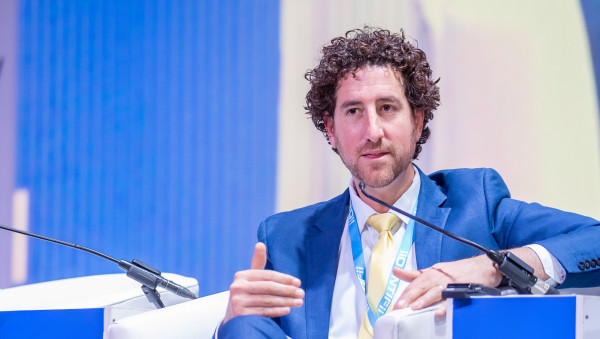
Mobile networks must not be complacent about SIM swap fraud and they need to prioritise the protection of customers. This is according to Gur Geva, Founder and CEO of iiDENTIFii (www.iiDENTIFii.com).

“Although SABRIC has noted a slight decline in reported SIM swap fraud in its latest report, mobile service providers still need to tighten up their data security to protect against fraudsters using false identities and SIM swap scams,” says Geva.

This is particularly relevant as telecommunications and banking industries become increasingly intertwined. Banks now offer mobile services, while mobile network operators provide financial services, and so there is a convergence between the regulatory requirements of FICA and RICA. This shift has led to heightened identity theft risks, requiring mobile operators to adopt stringent identity verification practices inspired by the financial sector's standards.

Operators need to define practical, robust security solutions that adhere to and surpass current telco legislation. Geva says, “In order to combat SIM swap and identity fraud, networks should focus on the provision of simple, scalable and safe digital identity. This has a far-reaching impact, not only on safer mobile use and the protection of consumers from fraud, but also on the ability of consumers to access mobile, financial and governmental services through their phones.” 

The current state of SIM swap fraud

SABRIC's 2022 crime report (https://apo-opa.co/3HRlavN) notes that mobile banking fraud saw a 9% reduction in reported incidents in 2022, and that SIM swap incidents declined from 87% in 2021 to 76% (7 657) in 2022. While this reduction is positive, there are still thousands of SIM swap fraud incidents reported each year.

“Cyber-crime will continue to evolve, and networks need to be prepared for increasingly sophisticated SIM swap attacks. Their strongest line of defense is in securing the identity of a person's identity to each SIM,” says Geva.

The effectiveness of this approach has been demonstrated in nations such as Kenya, Namibia, Pakistan and Russia, which have all been enforcing varying levels of biometric SIM registration to deter fraudsters.

Increasing legislation to prevent attacks

The nature of these SIM-related crimes goes beyond financial crimes and SIM swap fraud.

“For the cost of a few unregistered SIM cards at R5 each from a roadside vendor, planning a murder becomes untraceable by police through RICA, and thus virtually risk-free,” says Natasha Mazzone, the DA's Shadow Minister of Communications and Digital Technologies in an article on RICA legislation (https://apo-opa.co/3HRtZp4).

In 2022, ICASA published draft regulations that would require mobile network operators to collect subscriber biometric data. ICASA said these regulations would reduce instances of mobile number hijacking via fraudulent SIM swaps and number porting. However, this was met by hesitance from consumers and organisations such as Communications Risk Information Centre (COMRiC). Consumers feared that the collection of biometric data would compromise their privacy, while COMRiC felt that biometrics as a single solution was too limited in its scope and challenging to implement at scale.

What networks can do

Mobile networks (as owners of the SIM and the technology behind it) should consider implementing clear strategies and leading technologies to mitigate SIM swap fraud and protect their customers. And while SIM swaps constitute one problem, identity fraud is far more problematic.

“When it comes to securing a person's identity, we believe that face biometrics offer the most secure solution,” adds Geva.

In South Africa, face biometrics would be able to verify whether the person registering a SIM is live and doing it in the present moment, as well as binding the SIM card to that applicant's identity and facial image. It can validate barcoded identification documents presented, RICA or FICA details and a facial image back to the Department of Home Affairs. This prevents identity fraud and proves that the individual applying for services online is a ‘live' person and not a deepfake. SIM swaps become a moot point, as all SIM cards are then data bound to a legitimate individual with accurate RICA requirements.

The question of surveillance

Biometrics are deeply personal, but opt-in biometrics do not open consumers up to surveillance. 

“Because biometric technology only started making its way into the mainstream relatively recently, consumers are still unsure of what the technology entails and how it may be used. This, naturally, leads to some misconceptions and fears. The reality is that opt-in biometrics are the most secure way to identify someone – and keep their information and identity safe from misuse – and these differ a great deal from biometrics used for surveillance,” says Geva.

Remote biometric onboarding links a person's biometric data, whether their face or fingerprint, to their account so that they, and only they, can access the account safely and securely. This protects them from fraud.

The question of implementation

In terms of successfully rolling out biometric identity for mobile phones in Africa to protect consumers and companies from SIM-related crime, two key criteria need to be met: scalability and accessibility.

“I urge network providers in Africa to invest in enterprise-grade identity platforms that are robust, scalable and built to handle growing subscribers and fraud-prevention demands,” says Geva. “For example, most of South Africa's leading banks have relied on our own enterprise-grade platform at iiDENTIFI to roll out fast and effective mobile banking verification initiatives at scale. This has proven that, with a simple, fast and friction-free tool, consumers are willing to pass through an extra layer of digital protection.”

“SIM swaps are still a major problem, and networks still have a way to go in protecting consumers. By securing identity for all SIM at the moment of registration, it is possible to make great leaps in providing protection against SIM-related crimes.”

Distributed by APO Group on behalf of iiDENTIFii.

About iiDENTIFii:
iiDENTIFii is an award-winning face authentication and identity verification platform that distinguishes itself through its use of 3D and 4D Liveness® detection. Purpose-built for enterprises across Africa and the Middle East, iiDENTIFii enables frictionless, scalable customer onboarding in seconds from anywhere and on any device. Founded in 2018, iiDENTIFii has become a proven key partner in multiple tier 1 African banks. The technology plugs seamlessly into existing infrastructures, including mobile and web-based platforms. www.iiDENTIFii.com

Media files
iiDENTIFii
Download logo
Read moreWhy South Africa’s networks need to defend against the devastating effect of SIM swap fraud
9 February 2024

Investment in infrastructure gains momentum

Location: News

Investment in infrastructure gains momentum

President Cyril Ramaphosa says investment in infrastructure is gaining momentum, and new and innovative funding mechanisms will be used to increase the construction of infrastructure.

Delivering his State of the Nation Address (SONA) on Thursday evening, President Ramaphosa said to deal with severe inefficiencies in the freight logistics system, government is taking action to improve the country’s ports and rail network and restore them to world-class standards.

“We have set out a clear roadmap to stabilise the performance of Transnet and reform our logistics system. Working closely with business and labour, we have established dedicated teams to turn around five strategic corridors that transport goods for export purposes.

“The number of ships waiting to berth at the Port of Durban – which has experienced severe congestion in recent months – has reduced from more than 60 ships in mid-November to just 12 ships at the end of January,” Ramaphosa said.

The President also noted that Transnet has appointed an international terminal operator to help expand and improve its largest terminal at the Port of Durban, and government is overhauling the freight rail system by allowing private rail operators to access the rail network.

“With the current conflict in the Middle East affecting shipping traffic through the Suez Canal, South Africa is well positioned to offer bunkering services for ships that will be rerouted via our shores.

Broadband and investment

“We completed the auction of broadband spectrum after more than a decade of delays, resulting in new investment, lower data costs and improved network reach and quality. These reforms have a profound impact in a society in which access to the internet has risen dramatically over the last decade,” the President told a joint sitting of the National Assembly and National Council of Provinces.

He also noted that less than half of all households had internet access in 2011, compared to 79% of households in 2022.

“Just this week, we published new regulations to reform our visa system, which will make it easier to attract the skills that our economy needs and create a dynamic ecosystem for innovation and entrepreneurship.

“We raised R1.5 trillion in new investment commitments through five South Africa Investment Conferences, of which over R500 billion has already flowed into the economy.”

Bulk water projects

The President further announced that several bulk water projects are under construction across the country to improve water supply to millions of residents in villages, towns, and cities.

“The Department of Water and Sanitation aims to enhance water resource management by initiating infrastructure projects to secure water supply and diversifying water sources to reduce dependence on surface water.”

The President highlighted some of the water infrastructure projects, which are in progress or completed, and these include the Lesotho Highlands Water Project, Umzimvubu, Hazelmere Dam, uMkhomazi Water Project, Clanwilliam Dam, Tzaneen Dam, Loskop, Mandlakazi, pipeline from Jozini Dam, Giyani and the pipeline from Nandoni Dam.  

Included among these are also Pilanesberg Water, Vaal Gamagara and the pipeline from the Vaal River to Hothazel.

“In the Eastern Cape, the Msikaba and Mtentu bridges are beginning to rise over the landscape and will be among the highest in Africa once complete. The steel used for part of the project is fabricated in Mpumalanga, and the iron ore comes from the Northern Cape,” he said.

He also noted that in the past five years, the South African National Roads Agency (SANRAL), which manages nearly 25 000 km of roads, has awarded more than 1 200 projects to the value of R120 billion.

“In November last year, Cabinet approved a framework for high-speed rail, focusing initially on the Johannesburg to Durban corridor,” the President said. – SAnews.gov.za


GabiK
Thu, 02/08/2024 - 21:06

376 views
Read moreInvestment in infrastructure gains momentum
8 February 2024

Two people are killed in gang violence in the Western Cape every day

Location: News

At least 74 were bystanders

Read moreTwo people are killed in gang violence in the Western Cape every day
7 February 2024

Western Cape on imposed budget cuts

Location: News

Republic Of South Africa: Western Cape Provincial Government
Download logo

Joint media release by Premier Alan Winde and Mireille Wenger, Provincial Minister of Finance and Economic Opportunities; National budget process causing budget cuts to health, education, social services and more.

The impact of the nationally imposed budget cuts on healthcare provision, as outlined in an open letter signed by hundreds of health workers, academics, doctors, professors and clinicians this week, is simply devastating.

The excellent work done day in and day out by the vital people who are integral to the lives of millions of South Africans in the face of significant challenges, does not go unnoticed, nor unappreciated. These dedicated public servants are at the very heart of the frontline services relied upon by our residents, especially the most vulnerable in our society.

The implications of the nationally imposed cuts go beyond health care services and have hit education and social development services - and every other provincial department. This is exactly what the Western Cape Government warned of and which it is now fighting to stop and reverse.

“The mission of the Western Cape Government is to do all we can, using all available levers, to cushion these blows. However, the hard truth is that the quantum of the budget cuts is now so large that it will be almost impossible to fully mitigate the loss of funding from the national purse” said Premier Alan Winde.

“The fact is that these budget cuts are beyond the control of the provinces because we rely almost entirely on funding from the nationally collected tax revenue. This is then allocated to each of the nine provinces by the National Treasury through the Provincial Equitable Share (PES), to fund the core constitutional mandates of providing, amongst others, health care, education and social development services,” added provincial Minister of Finance and Economic Opportunities, Mireille Wenger.

In the Western Cape, the PES accounts for approximately 75% of the budget while Conditional Grants amount to approximately 18% of the total budget. These sources, determined by national government, therefore make up the vast majority (93%) of the budget in the Western Cape.

As things stand, a total of R6.7 billion has been reduced from the Western Cape's PES over the 2024 Medium-Term Expenditure Framework (MTEF) over the next three financial years as part of nationally imposed fiscal consolidation. This amounts to more than the total combined budgets of the provincial Departments of Police Oversight and Community Safety, Economic Development and Tourism, and Cultural Affairs and Sport.

Currently, the Department of Health and Wellness receives 37% of the total Western Cape Provincial budget.

“Over and above these devastating reductions, provinces have not been fully compensated by national government for the 2023 public sector wage agreement, that was centrally negotiated without consultation, and unilaterally imposed on provinces” added provincial Minister Wenger.

Only Health and Education received partial funding of the wage agreement of which Health received 70% and Education received 64.5% of what is required, while all other departments/services have had to absorb the full cost of the wage agreement. In total the funding shortfall of the wage agreement amounts to R1.1 billion for the 2022/23 financial year and recurs over the MTEF.

“The impact of these budget cuts will have a direct impact on critical service delivery in the Western Cape and we are doing all we can to protect these services” said provincial Minister Wenger.

Premier Winde went on to emphasise that “This is why, in November last year, we formally declared an intergovernmental dispute (IGD) with the national government, to fight for the residents of this province, particularly the most vulnerable who rely heavily on these services. Our residents must get their fair share of funding. As much as we are fighting for our vulnerable residents, we are also fighting for our public servants like our health professionals so that they can focus on their critical work. As we head into the next phase of the IGD with the mediations upcoming, we will not back down.”

Minister Wenger confirmed that “There are also other serious concerns regarding the PES. As it stands, the latest census data has not been incorporated into the PES calculations. The result of which is that while the Western Cape is the third largest province in South Africa by population, we only get the fifth largest budget allocation.”

“This government is fighting for our residents to protect our frontline services, our children, those who depend on the public health system, and the most vulnerable in our society” concluded provincial Minister Wenger.

Distributed by APO Group on behalf of Republic Of South Africa: Western Cape Provincial Government.

Read moreWestern Cape on imposed budget cuts
7 February 2024

Industry and Competition Committee Approves World Trade Organisation (WTO) Fisheries Subsidies Ratification

Location: News

Republic of South Africa: The Parliament
Download logo

The Portfolio Committee on Trade, Industry and Competition yesterday approved the World Trade Organisation's (WTO) agreement on the ratification of fisheries subsidies.

The Department of Trade, Industry and Competition briefed the committee on the ratification of the agreement and sought the committee's approval to ratify the completed first phase of the agreement, as recommended by Cabinet.

Committee Chairperson Ms Judy Hermans said that implementing the agreement will contribute to a better world by reducing pressure on global fish stocks. In addition, the ratification will allow South Africa to meet the United Nation's sustainable development goal of prohibiting and eliminating certain forms of fisheries subsidies, including those that contribute to illegal, unreported and unregulated (IUU) fishing. Such fishing costs Africa over $2.3 billion in economic losses every year, according to estimates from the African Union Commission.

The meeting also heard that the agreement contributes to environmental sustainability provisions in the South African government's National Development Plan, in particular, sustaining South Africa's marine ecosystem. Furthermore, the sustainable management of global fisheries and fish stocks is in South Africa's interests, in particular, the interests of communities dependent on this resource for their livelihood.

According to the presentation, the first phase of the agreement was adopted by consensus at the WTO's 12th Ministerial Conference, which was held in Geneva in June 2022. It sets new binding, multilateral rules to curb harmful fishing subsidies, which are a key factor in the widespread depletion of the world's fish stocks. The agreement recognises and provides for special and differential treatment to address the needs of developing and least-developed countries, albeit in the form of transitional periods.

The agreement also establishes a fund to provide technical assistance and capacity building to help signatory countries implement the obligations. It further prohibits support for IUU fishing and bans support for fishing overfished stocks, as well as subsidies for fishing on the unregulated high seas.

The committee heard that negotiations on the more contentious issues relating to overfishing and overcapacity will continue in the second phase. This phase of negotiations will focus on delivering a comprehensive agreement at the 13th Ministerial Conference, which will continue this month in Abu Dhabi, in the United Arab Emirates. Such recommendations will cover additional provisions that will address overcapacity and overfishing and are necessary to comply with the mandate of the United Nations SDG 14.6.

The committee also heard that the completed first phase of the agreement is a tool for better fisheries management that will strengthen South African and global sustainable fisheries management systems through transparency requirements. It will also provide a way to improve data collection on the stock status of vulnerable fisheries and on related subsidies.

Vulnerable groups, such as coastal communities and small-scale fishers, who rely heavily on fish as a protein source, will also benefit, as the ratification of the first phase of the WTO Fisheries Subsidies Agreement provides a basis to contribute towards the livelihoods of such communities.

The agreement also contains a dispute settlement provision that will apply generally to disputes under the agreement. As such and for the first time, the agreement brings fisheries management issues within the scope of the WTO's dispute settlement process.

Ms Hermans said the committee considered the agreement, adopted the draft report on the agreement, and recommended that the National Assembly approves the agreement.

Distributed by APO Group on behalf of Republic of South Africa: The Parliament.

Read moreIndustry and Competition Committee Approves World Trade Organisation (WTO) Fisheries Subsidies Ratification
7 February 2024

A cancer prevented is better than a cancer cured! AstraZeneca Funds PinkDrive Screening Initiative

Location: MyPR

Cancer is a leading cause of death globally bringing pain and sorrow wherever it strikes. In 2020 alone, cancer accounted for 10-million deaths1. Given that numerous types of cancer are avoidable, and many can be identified early, cancer is a public health problem of the first importance. Many cancers also require substantial time to develop …

Read moreA cancer prevented is better than a cancer cured! AstraZeneca Funds PinkDrive Screening Initiative
6 February 2024

Call for submissions on distribution of regional seats for National Assembly

Location: News

Call for submissions on distribution of regional seats for National Assembly

The Electoral Commission (IEC) has called on interested parties to send submissions on the distribution of the 200 regional seats in the National Assembly. 

Briefing media on Tuesday, Chief Electoral Officer, Sy Mamabolo, said the Commission will consider the submissions and representations, together with voter population data in each region, to determine the spread of the 200 seats.

“This work is an important precursor to candidate nomination, as it will enable political parties to know how many candidates they may field in each respective region to the national list,” Mamabolo said.

There are 200 regional seats in the National Assembly and 200 compensatory seats.

The public submissions will close on 20 February 2024. The Gazette can be found on http://tinyurl.com/EAARegulations.

Following public consultation, Mamabolo said the Commission has now determined the quantum of election deposits for political parties and independents, who intend to contest the forthcoming elections. 

The determined deposits are as follows:
•    A political party that contests the compensatory seats in the National Assembly and in all the nine regions will need to deposit an amount of R300 000. 
•    A political party will also need to have R50 000 for each of the provincial legislatures.
•    A political party that contests the compensatory seats in the National Assembly and in at least one region will deposit R225 000 and R25 000 for each additional region.
•    Independent candidates will deposit R20 000 for each region they contest and R15 000 for the election of a provincial legislature.

Deposits are refunded to parties and independent representatives that win a seat. 

“The Commission will also imminently publish its determination of the number of seats in each provincial legislature. The determination also follows a period of public consultation and representation by interested parties as well as data related to population in each province,” Mamabolo said. 

Portal to capture signatures now available

Meanwhile, the Electoral Commission has announced that a portal to capture signatures supporting nominations to contest the 2024 National and Provincial Elections is now available for use by unrepresented political parties and independent candidates. 

“Independent candidates must be supported by 1 000 voters in a region or province in which they stand.  Unrepresented parties must be endorsed by the equivalent of 15% of the quota of votes per seat in the previous election for a region or provincial legislature they intend to contest,” Mamabolo said. 

The link for the platform is https://online.elections.org.za/MyIEC    

The Commission reminded voters who are still not registered to go online or visit the offices of the Electoral Commission in municipalities to register. 

Mamabolo said registration will remain open until proclamation of the election date. 

Voters can use the Commission’s SMS line 32810 to check their registration status. 

“Our contact centre on 0800 11 8000 remains available as well as our WhatsApp line 0600 88 000 is also available to assist voters,” Mamabolo said. – SAnews.gov.za
 

GabiK
Tue, 02/06/2024 - 15:30

187 views
Read moreCall for submissions on distribution of regional seats for National Assembly
6 February 2024

Global Logistics Execs see coming Surge of African Investment

Location: News

Agility
Download logo

Nearly 62% of global logistics professionals say their companies are planning additional or first-time investments in Africa, according to a closely watched yearly industry survey.

The survey of 830 logistics executives is part of the 15th annual Agility Emerging Markets Logistics Index (https://apo-opa.co/4bD4lSW), a snapshot of industry sentiment and ranking of the world's 50 leading emerging markets.

The Index ranks countries for overall competitiveness based on their logistics strengths, business climates and digital readiness -- factors that make them attractive to logistics providers, freight forwarders, air and ocean carriers, distributors and investors. In the 2024 Index, the rankings of most African economies changed little from a year earlier, but businesses indicate they are looking ahead at massive population growth and trade expansion spurred by the African Continental Free Trade Area (AfCFTA).   

“This is the most optimism we've seen about Africa in the 15 years of the Index,” says Agility Vice Chairman Tarek Sultan. “Africa's population will double by 2050, when one in four people on the planet will be African. International businesses realize that the time is now for Africa -- they need to invest, establish their brands, and develop the next generation of African talent if they're going to ride the coming wave of growth.”

China and India were 1 and 2 in the 50-country Index rankings. In Africa, Egypt (20), Morocco (22), South Africa (24) and Kenya (25) were the top performers, followed by Ghana (31), Nigeria (36), Tunisia (37), Tanzania (41), Algeria (42), Uganda (43), Ethiopia (45), Mozambique (46), Angola (47), Libya (50).

Egypt has Africa's highest-ranked domestic logistics opportunities -- 13th in that category; South Africa (15) was tops in Africa for international logistics; Morocco (12) has Africa's best business fundamentals; Kenya (9) is Africa's most digitally ready – and the continent's highest-ranked country in any category.

More than 63% of survey respondents say their companies continue overhauling supply chains by spreading production to multiple locations or relocating it to home markets and nearby countries. China, the world's leading producer, stands to be most affected: 37.4% of industry professionals say they plan move production/sourcing out of China or reduce investment there.

Shipping and logistics costs that soared during the COVID pandemic and its aftermath are still climbing but at a slower rate, the survey found. One way shippers expect to cope is by increasing use of digital freight forwarding from 37.8% today to 52% in five years.

2024 Index Highlights

SURVEY

  • Supply chain restructuring – India, Europe and North America rank ahead of China as destinations executives expect to move production to in 2024 and onwards.
  • China – 40% expect their businesses to be less reliant on China in five years. Leading factors in decisions to de-risk in China: difficulty of doing business; U.S.-China trade friction; a slowing economy; the harshness of China's COVID restrictions.
  • Climate change – 66% say climate change is something they're planning for or already affecting their businesses.
  • Emerging markets – the largest percentage sees increased risk/decreased rewards in emerging markets.
  • India – many see India growing in importance as a producer and market, but cite inadequate infrastructure and corruption as the biggest obstacles there.

COUNTRY RANKINGS

  • In the Middle East and North Africa, overall rankings were: UAE (3); Saudi Arabia (6); Qatar (7); Turkey (11); Oman (15); Bahrain (16); Jordan (17); Egypt (20); Kuwait (21); Morocco (22); Tunisia (37); Lebanon (38); Iran (40); Algeria (42); Libya (50).
  • Rankings in Sub-Saharan Africa: South Africa (24); Kenya (25); Ghana (31); Nigeria (36); Tanzania (41); Uganda (43); Ethiopia (45); Mozambique (46); Angola (47).
  • Index rankings in Asia: China (1); India (2); Malaysia (4); Indonesia (5); Vietnam (8); Thailand (10); Philippines (18); Kazakhstan (23); Sri Lanka (26); Pakistan (29); Cambodia (32); Bangladesh (33); Myanmar (49).
  • Rankings for Latin America: Mexico (9); Chile (12); Brazil (14); Uruguay (19); Peru (28); Colombia (27); Argentina (30); Ecuador (35); Paraguay (39); Bolivia (44); Venezuela (48).
  • In Europe: Russia (13); Ukraine (34).

Transport Intelligence (https://apo-opa.co/4bp0Ijf) (Ti), a leading analysis and research firm for the logistics industry, has compiled the Index since it was launched in 2009.

John Manners-Bell, Chief Executive of Ti, said: “Supply chain managers are still coming to terms with the political and economic instability characterising the post-COVID global economy. Geopolitical relationships are changing rapidly, and this is having a major impact on international trade and risk profiles. Businesses need to be alive to the opportunities and threats that exist in emerging markets and use data, such as that the Agility Emerging Market Logistics Index, to inform agile decision-making.”

2024 Agility Emerging Markets Logistics Index: https://apo-opa.co/3SlOmzK

Distributed by APO Group on behalf of Agility.

For more information:
Sabrina Mundy
Man Bites Dog
teamagility@manbitesdog.com
+44 1273 716 820

For more information about Agility, visit:
Website: www.Agility.com
Twitter: https://apo-opa.co/40Ki6Kj
LinkedIn: https://apo-opa.co/49GTqqq
YouTube: https://apo-opa.co/3MNqYJr

About Agility:
Agility is a global leader in supply chain services, infrastructure, and innovation with 45,000+ employees across six continents. A multi-business operator and investor, Agility specializes in growing and scaling operating businesses. Agility's companies include the world's largest aviation services company (Menzies Aviation); a global fuel logistics business (Tristar); the market leader in logistics parks across the Middle East, South Asia, and Africa (Agility Logistics Parks); and a commercial real-estate company developing a mega-mall in the UAE (UPAC). Other Agility companies offer customs digitization services, remote-site infrastructure services, defense and government services, and ecommerce-enablement and digital logistics. Agility invests in supply chain innovation, sustainability, and resilience, and has minority holdings in a growing portfolio of listed and non-listed companies.

Read moreGlobal Logistics Execs see coming Surge of African Investment
5 February 2024

Mining The Future – Minrom

Location: MyPR

Blessed by abundant natural resources, Africa’s mining sector has historically been a driving force behind the continent’s economic growth. However, the industry now faces a myriad of challenges. As we approach the 2024 Mining Indaba, the world’s largest African mining investment event, it is crucial to reflect on the trajectory of the industry and its …

Read moreMining The Future – Minrom
5 February 2024

Denel showcases top products in Saudi Arabia 

Location: News

Denel showcases top products in Saudi Arabia 

Denel will showcase several of its top products in the fields of missile technology, air defence systems, precision-guided munitions, artillery systems and unmanned aerial vehicle systems at the World Defence Show in Saudi Arabia this week.

The World Defence Show, held from 4 - 8 February, attracts the world’s top aerospace and defence manufacturers and is also attended by decision-makers, industry analysts and media from across the globe. 

“This is an opportunity for Denel to demonstrate that we still design, manufacture and deliver high-technology products that are comparable and better than what is produced in the rest of the world,” said interim Group CEO, Mike Kgobe. 

The 2022 show brought together some 600 defence and security exhibitors, and attracted more than 65 000 visitors.

“It is important for Denel to have a strong presence in the fast-growing markets in the Middle East,” Kgobe said. 

The exhibition follows a highly successful technology demonstration held in the Northern Cape, which was attended by decision-makers and analysts from 10 countries.

Denel said the display would focus strongly on the company’s proven capabilities in artillery, air defence systems, guided weapons such as missiles and precision-guided munitions, and unmanned aerial vehicle systems. 

On the stand will be a full-scale model of the Umkhonto-IR missile, which has been deployed with great success by several armed forces globally, including the SA Navy.

“The infrared-guided missile has a range of 20 000m and can reach speeds of more than twice the speed of sound – Mach 2.2. 

“It is launched from vessels and a ground-based launcher and provides all-round defence against incoming missiles and aircraft. The Umkhonto-Extended Infra-Red missile adds further range, speed and operational ceiling, improving its performance and ability to defend forces on the ground,” the statement read. 

Also, on display will be a model of the Seeker 400 unmanned aerial system and upgraded through the years to ensure technology relevance. 

“The Seeker 400 can stay up in the air for up to 16 hours at a cruising speed of 150km/h and a range of 250km. It has autonomous take-off and landing capabilities and carries multiple sensor payloads which accumulate real-time images and high-definition data to stations on the ground.” 

Denel’s G6 self-propelled howitzer has set the standard for long-distance artillery over more than three decades.

Over the same period, Denel completed the design and concept of the new G6 with a 52 calibre.  

“Its state-of-the-art design has a high rate of fire of seven rounds per minute with 38 rounds and an accurate firing up to a range of 57km.”

In addition to the G6 self-propelled howitzer, Denel has also developed a truck-mounted gun the T5-52 system that is mounted on a commercially off-the-shelf vehicle platform. 

“The top carriage is mounted on a high-mobility truck chassis with a purpose-designed interface and outriggers. The weapon system has excellent tactical and road strategic mobility with a range of 600 km without refuelling at speeds of up to 85km/h and is suitable to forces that require artillery which combines mobility with long-distance capabilities and accuracy.”

Denel’s prowess in the design and manufacturing of long-range mortars and anti-material rifles will also be demonstrated to decision-makers and analysts. 

“The NTW-20 can engage targets up to 1 750m away and is extremely effective in a counter-sniping role and against mortar and rocket launcher positions. The DM-82 is a long-range mortar which can be used during night and day and reach targets about 7km away with pinpoint accuracy.”

Kgobe said a newly restructured Denel is seeking new markets for its tried and tested products and systems. 

“We want to build on our reputation for leading-edge products and systems and the World Defence Show is a unique opportunity to gain a foothold in new markets.” – SAnews.gov.za


Gabisile
Mon, 02/05/2024 - 09:51

350 views
Read moreDenel showcases top products in Saudi Arabia 
31 January 2024

How to Hold Your Company Finances on Track After Funding

Location: MyPR

As a businessperson and entrepreneur, you and your company have grown together. Your business venture started as an idea, then moved on to planning and execution, and finally – a company with enough potential to attract financing. It might seem as if you have achieved all your goals at this point, but your business journey …

Read moreHow to Hold Your Company Finances on Track After Funding
31 January 2024

How Streamlining Financial Processes Can Benefit Your Business

Location: MyPR

In today’s fast-paced and largely online business landscape, effective financial management is crucial for sustainable business growth and success. Xero Accounting software offers a number of business-specific features and tools designed to simplify accounting processes, streamline and automate repetitive tasks, and provide valuable insights into your business’s financial health. Whether you’re a small business owner, …

Read moreHow Streamlining Financial Processes Can Benefit Your Business
31 January 2024

Key Factors Considered by Investors When Valuing a Business

Location: MyPR

A business valuation transcends mere figures, diving deep into a number of often unquantifiable factors, that ultimately determine business potential.  However,  whether you’re looking to sell your company, attract investors, or simply understand its current position in the market, a comprehensive business valuation is your compass, while an expert consultant from Outsourced CFO is your …

Read moreKey Factors Considered by Investors When Valuing a Business
30 January 2024

Motul Dominates At The 46Th Dakar Rally

Location: MyPR

The 2024 edition of the Dakar – regarded by many veterans as the toughest staging of the ultimate Rally-Raid event since the 2020 move to Saudi Arabia – saw Motul-backed participants achieve notable successes and occupy several of the category podiums. For Motul, the Dakar is not just a legendary challenge for athletes and vehicles. …

Read moreMotul Dominates At The 46Th Dakar Rally
30 January 2024

The Benefits of Traditional Herbal Remedies in Treating Erectile Dysfunction

Location: MyPR

Embarking on a journey to rediscover the vitality of sexual health, men have often sought solace in the arms of nature. In many cultures, particularly within the vibrant communities of Western Uganda, traditional medicine for ED has been a cornerstone for those grappling with the often-undiscussed complexities of erectile dysfunction (ED). Far from the clinics and pharmacies, these natural sanctuaries …

Read moreThe Benefits of Traditional Herbal Remedies in Treating Erectile Dysfunction
29 January 2024

Unlocking Business Success: Click Results Shares Crucial Insights on Website Speed Optimization

Location: MyPR

Pretoria, South Africa. In a digital age where information is sought at lightning speed, Click Results, a leading digital marketing firm based in Pretoria, brings forth indispensable insights on the critical impact of website speed on businesses. In today’s competitive online landscape, the need for swift, efficient websites cannot be overstated. In a recent communication, …

Read moreUnlocking Business Success: Click Results Shares Crucial Insights on Website Speed Optimization
29 January 2024

Is voice biometrics in banking secure enough?

Location: News
iiDENTIFii

Apart from going into a branch, calling a bank feels more human for digital-shy consumers. For many, it is the first port of call for making account changes or moving large sums of money. But how safe is voice banking really, and what are the chances of someone using generative AI to fake a consumer's voice and steal their available funds? As incidents of banking fraud grow exponentially and become increasingly sophisticated, it is time to question whether voice banking is a safe option for consumers.

Impersonation attacks continue to increase 

Impersonation is one of the predominant methods fraudsters use to rob consumers. Using identifying information such as personal details or AI-generated voice, criminals can access consumer bank accounts with impunity. According to the Southern African Fraud Prevention Service (SAFPS), impersonation attacks increased by 264% (https://apo-opa.co/3vRJHy3) for the first five months of 2022 compared to 2021.

Gur Geva, founder of iiDENTIfii, explains why. “The technology required to impersonate an individual has become cheaper, easier to use and more accessible. This means that it is simpler than ever before for a criminal to assume one aspect of a person's identity.”

How voice impersonation works

Voice recognition systems in banking rely on a person saying something aloud, such as a unique catchphrase or password. This is vulnerable to exploitation because synthetic AI-generated voice technology has evolved to such an extent that it is indistinguishable from real voices. According to MIT (https://apo-opa.co/3vQzDW2) and Google (https://apo-opa.co/481DexW), generative AI voice cloning tools only need a minute of voice data–which is often scraped from social media–to create a result that is almost indistinguishable from the original.

The potential of this technology is vast. Microsoft, for example, has recently piloted an AI tool that, with a short sample of a person's voice, can generate audio in a wide range of different languages. While this has not been released for public use, it illustrates how much voice as a medium can be manipulated.

The appeal of voice recognition in banking

Voice recognition has a multitude of benefits. It is accessible to a diverse range of consumers, who only need a phone line to perform banking tasks. Voice recognition programs can often pick up a voiceprint much faster than a person can type, which streamlines and reduces friction in the banking process for consumers without needing to enter complex passwords.

“Historically, voice biometrics has been seen as an intimate and infallible part of a person's identity. For that reason, many businesses and financial institutions used it as a part of their identity verification toolbox,” says Geva.

Audio recognition technology has been an attractive security solution for financial services companies across the globe, with voice-based accounting enabling customers to deliver account instructions via verbal commands. Voice biometrics offers real-time authentication, which replaces the need for security questions or even PINs. One of the UK's biggest banks, for example, integrated Siri to facilitate mobile banking payments without the need to open or log into the banking app. An Abu Dhabi based bank introduces a biometric voice and voice-based authentication platform for e-commerce which uses biometric sensors built into a standard smartphone.

“As voice-cloning becomes a viable threat, financial institutions need to be aware of the possibility of widespread fraud in voice-based interfaces. For example, a scammer could clone a consumer's voice and transact on their behalf,” says Geva.

Do South African banks need to do away with voice authentication altogether?

Not necessarily. Thankfully, banks do not rely on a single form of authentication when performing a transaction. As the threat of cyber fraud grows, a rising number of local banks are investing in cutting-edge, multi-layered biometric authentication protocols.

Geva adds, “Our experience in mitigating fraud and our research into rising AI-enabled cybercrime trends has led us to believe that voice authentication can be made safer if it is bolstered by additional remote digital verification methods. We recommend to banking clients that they adopt multimodel identity verification, especially for sensitive transactions.”

In conclusion, voice biometrics in banking still serves several customers, particularly those who may need access to smartphone apps or in-person banking. While fraud risks abound, voice cloning is less of a threat to the public as it is difficult to roll out at scale as criminals would need to have access to substantial personal information for each target. AI voice cloning technology may be cheaper and more accurate, but, if banks employ up-to-date, enterprise-grade biometric authentication processes, they will be better protected.

Geva concludes, “While identity theft is growing in scale and sophistication, the tools we have at our disposal to prevent fraud are intelligent, scalable and up to the challenge. At iiDENTIFii, we believe that face biometrics remains the strongest form of biometrics, as the face can be matched against a government issued, trusted ID document, whereas a voice cannot. This approach is trusted by our clients, which include five of South Africa's leading banks.”

Distributed by APO Group on behalf of iiDENTIFii.

About iiDENTIFii:
iiDENTIFii is an award-winning face authentication and identity verification platform that distinguishes itself through its use of 3D and 4D Liveness® detection. Purpose-built for enterprises across Africa and the Middle East, iiDENTIFii enables frictionless, scalable customer onboarding in seconds from anywhere and on any device. Founded in 2018, iiDENTIFii has become a proven key partner in multiple tier 1 African banks. The technology plugs seamlessly into existing infrastructures, including mobile and web-based platforms. www.iiDENTIFii.com

Media files
iiDENTIFii
Download logo
Read moreIs voice biometrics in banking secure enough?
29 January 2024

Peacebuilders Unite to Relaunch Tales of Turning Before the Upcoming Elections

Location: MyPR

The upcoming elections are a turning point in South Africa’s democratic journey and the high stakes pave the way for mis- and disinformation. The relaunch of Tales of Turning – which harnesses research, social media, and technology for good – comes at a crucial moment in the country’s history. Renowned peacebuilders, Geoffrey Mamputa and Stefan …

Read morePeacebuilders Unite to Relaunch Tales of Turning Before the Upcoming Elections
28 January 2024

Over 5 million travellers processed over festive season, says Agency

Location: News

Over 5 million travellers processed over festive season, says Agency

The Border Management Authority (BMA) announced on Sunday that it processed over five million travellers through South African borders over the festive period. 

“The 2023/2024 festive season was a remarkable time where a noticeable increase in the movement of persons and goods entering and exiting the Republic of South Africa was experienced,” said Commissioner of the BMA, Dr Mike Masiapato.  

He said between 6 December 2023 and 18 January 2024, the agency lawfully processed 5 096 288 travellers across 71 ports of entry.

The latest data shows a one million increase in travellers compared to 2022/2023.

“However, this number of travellers is still one million less than the pre-COVID-19 average numbers of about six million travellers.” 

Of the 5 096 288 travellers, 216 594 used private vehicles, 21 502 mini-bus taxis, 6 443 buses and 55 765 trucks through the movement control system. 

In total, more than 13 050 aircraft were processed at international airports and approximately 709 vessels at seaports.

About 407 vessels underwent crew changes using the off-port limit mechanism in the maritime environment.

According to the data, OR Tambo International Airport (ORTIA) served the largest number of travellers, which was around 993 759.

The Lebombo land port of entry to Mozambique came second with 755 066 visitors, followed by the Beitbridge land port of entry to Zimbabwe with 745 563 travellers.

Compared to the 2022/2023 festive period, ORTIA, Lebombo, and Beitbridge recorded an increase in traveller volume of 22%, 24%, and 25%, respectively.

“As you may recall, we increased our human resource capacity and the operating hours in some selected ports of entry which do not operate on a 24-hour basis.” 

The BMA mandate is to facilitate and manage the legitimate movement of people and goods across 71 ports of entry of which 52 are land, 10 are international airports and nine are seaports.

Their work covers areas of immigration, port health, environmental and agricultural biosecurity, including access control and general law enforcement at the ports of entry and border law enforcement areas.    

“Although our primary job as the BMA is to facilitate the legitimate movement of people, we also have to deal with individuals who attempt to illegitimately move through our ports of entry and the border law enforcement areas.” 

He told the media that the agency detected about 15 924 individuals who were attempting to enter South Africa without requisite documentation. 

“In this instance, after intercepting them, we took their fingerprints, declared them undesirable and banned them from re-entering South Africa for five years and kept the record in the Biometric Movement Control System and got them deported,” he explained. 

The majority of interceptions occurred at the Lebombo land port of entry with 6 808, followed by 1 891 at the Beitbridge land port of entry. 

Meanwhile, 6,455 travellers were denied entry into South Africa for being undesirable, including those who committed crimes in other countries and appeared on the Interpol red list.

In addition, about 4 626 travellers were refused entry for being for having invalid passports, fraudulent visas or failing to produce valid yellow fever certificates. 

This means 27 005 people were deported while attempting to enter South Africa illegally. 

During this period, the agency also observed an increased detection rate of the undesirables due to the utilisation of the Biometric Movement Control Systems (BMCS). 

The Commissioner raised his concern at public transporting companies that continue to transport illegal migrants.  

During this period, the BMA imposed about 98 administrative fines to various conveyancers especially bus companies to the value of R3 540 000 for transporting illegal migrants at the cost of R15 000 per person. 

At the same time, they collected about R9.8 million in outstanding fines from about 25 bus companies. 

“In this regard, they have committed to ensuring that valid passports would be required from all travellers when procuring cross border tickets and for entering into the bus on travel day.” – SAnews.gov.za


Gabisile
Sun, 01/28/2024 - 12:19

139 views
Read moreOver 5 million travellers processed over festive season, says Agency
28 January 2024

Over R6 million pledged for kids of slain police officers 

Location: News

Over R6 million pledged for children of slain police officers 

The South African Police Service (SAPS) has observed this year’s National Police Day by raising funds for the children of police officers who died in the line of duty.

“On National Police Day, the SAPS remembers the sacrifices that our men and women in blue have made and continue to make as they provide safety for all who live in South Africa,” the police statement read. 

Cabinet approved 27 January as National Police Day in 2005.

The latest data shows that the SAPS lost 140 police officers in the last four years. These, according to the police, are men and women in blue who died in the line of duty, serving and protecting all people living in South Africa. 

“The majority of them were breadwinners in their families.”

On Thursday, 25 January 2024, more than 100 golf players from various corporate companies across the country came together to pledge and raise funds for the South African Police Education Trust Fund (SAPSET).

According to SAPS, R6.6 million rand was raised and will go towards the educational needs of the children.

SAPSET currently funds children from Grade RR to the tertiary level.

To date, the fund has assisted 1 078 children, of which 54 have graduated and 146 of them have passed matric and have a National Senior Certificate (NSC). 

The management of the SAPS, led by Police Minister General Bheki Cele, expressed gratitude to all the sponsors and donors for their support.

“These funds go a long way in making a meaningful difference in the lives of these children left behind. The least we can do is to ensure these children don’t carry the extra burden of stressing about school fees, books, and school uniforms knowing their educational needs have been taken care of.

“We hope more corporates and the overall business fraternity will in future come on board to support this cause,” said Cele. 

The National Commissioner of the SAPS, General Fannie Masemola, thanked all the men and women in blue for risking their lives daily to keep all people in South Africa safe.

“On this day, we pay gratitude to you, our men and women in blue, who work tirelessly to hunt down dangerous criminals, remove illegal and unlicensed firearms, remove drugs off our streets and work hard to ensure successful convictions in court for perpetrators of crime.”

He encouraged the police members to continue to work hard to rid the country of criminality. 

“We urge communities to embrace our police officers and work together with them to stop the killing of our own. From January 2023 to date, 33 police officers were killed on duty and today we are laying a Constable to rest who was run over by a truck while assisting at an accident scene in KwaZulu-Natal. These killings have to stop, and they can only stop if communities take a stand against them,” Masemola added. 

SAPSSET is managed by a board of trustees under the leadership of Vuyani Jarana whose responsibility it is to ensure they source and raise funds to keep children in school. – SAnews.gov.za


Gabisile
Sun, 01/28/2024 - 07:39

137 views
Read moreOver R6 million pledged for kids of slain police officers 
27 January 2024

LG Unveils Latest HVAC Solutions At AHR Expo 2024

Location: MyPR

Company’s Focus on Sustainable Solutions, Whole Home Electrification and Commercial Innovations on Display at World’s Largest HVAC Industry Tradeshow CHICAGO, Jan. 25, 2024 — LG Electronics (LG) unveiled its latest heating, ventilation and air conditioning (HVAC) solutions at AHR Expo 2024, taking place in Chicago, Illinois, U.S.A., from January 22-24. LG’s energy-efficient residential and commercial …

Read moreLG Unveils Latest HVAC Solutions At AHR Expo 2024
26 January 2024

Growing the Economy is the Only way to Fix South Africa

Location: MyPR

The Steel and Engineering Industries Federation of Southern Africa (SEIFSA) wishes all its member a productive and prosperous 2024, which is likely to be another busy and challenging year, with wage negotiations, general elections, load-shedding, high inflation, geo-political uncertainty and a volatile exchange rate just some of what we can expect. As the country prepares …

Read moreGrowing the Economy is the Only way to Fix South Africa
25 January 2024

Sigma Connected and TDX Group form strategic partnership creating novel jobs

Location: MyPR

Debt management specialist TDX Group, an Equifax company, has partnered with business outsourcing provider Sigma Connected, drawing on their respective debt insights and collection expertise for an all-in-one recovery solution package for clients. The strategic link-up will see Sigma Connected and TDX Group working closely on white label customer service support for organisations spanning the …

Read moreSigma Connected and TDX Group form strategic partnership creating novel jobs
25 January 2024

Compostable & biodegradable packaging – ‘silver bullets’ or ‘greenwashers’?

Location: MyPR

Compostable and biodegradable packaging, currently mooted as the ‘silver bullets’ that will end South Africa’s plastic packaging pollution and landfill challenges, may not deserve the ‘green’ image they have been credited with worldwide and locally. This is the opinion of respected recycler, Chandru Wadhwani, Joint Managing Director of Extrupet, one of the largest and most …

Read moreCompostable & biodegradable packaging – ‘silver bullets’ or ‘greenwashers’?
  • Previous
  • Page 1
  • Interim pages omitted …
  • Page 36
  • Page 37
  • Page 38
  • Page 39
  • Page 40
  • Interim pages omitted …
  • Page 51
  • Next

Copyright © 2026 · MyZA · All Rights Reserved · Powered by Stratlec Online