Kraaifontein Residents Protest About Living Conditions
Lists of demands handed over to City of Cape Town, Western Cape health department and SAPS

MyZA
News, Directory, Events and Other Stuff
Lists of demands handed over to City of Cape Town, Western Cape health department and SAPS
Buskaid Soweto String Ensemble may not survive past February next year
“Protection fees are demanded from our children by other learners at schools, and they end up dropping out.”
The fragile state of Nigeria’s police contributes to the persistence of insecurity, particularly banditry, in the northern region.
GOOD Speech by Patricia de Lille,GOOD Leader & Minister of Tourism 23 July 2025 Note to editor: This speech was delivered by GOOD Leader Patricia de Lille, during today’s during the National Assembly’s consideration of the Appropriation Bill. The GOOD Party will support this Appropriations Bill because it puts money in the hands of those […]
The post A STEPPING STONE, NOT THE FINISH LINE: GOOD CALLS FOR BIG appeared first on For Good.
Motsoaledi’s claim that 520k people started HIV treatment is implausible
This is a “pandemic which is wreaking havoc, is not being attended to properly and not being taken seriously enough”
This morning at the South African Bee Industry Organisation, the Freedom Front Plus (VF Plus) in Gauteng emphasised that comprehensive steps should be taken to protect bees. The party was one of the guest speakers at BEECON’s 2025 Conference in Centurion, Pretoria. Conference attendees were reminded that the cultivation of approximately one-third of all food […]
The post Government should do more to protect bees, which are essential for survival appeared first on Freedom Front Plus.

As the United States imposes higher tariffs with global ramifications, African Development Bank Group (www.AfDB.org) President Dr. Akinwumi Adesina has warned that these measures could trigger significant economic disruptions across Africa, affecting numerous nations and accelerating a strategic shift in global partnerships.
In an exclusive interview with CNN's Christiane Amanpour, Dr Adesina revealed that 47 of Africa's 54 countries will be impacted directly by the new U.S. trade policies, with potential declines in export revenues and foreign exchange reserves.
“When those currencies weaken, two things will happen: first, you will find that most of these countries are import-dependent. So, you're going to find that high inflation becomes a problem,” said Adesina. “And secondly, you find that the cost of actually servicing a lot of their debt, which is foreign currency debt, but in local currencies, is going to get worse.”
Almost all African countries have been hit by higher tariffs announced by the Trump administration, with at least 22 nations facing up to a whopping 50 percent for almost all their products. Among the hardest hit countries are Lesotho, Madagascar, Mauritius, Botswana, Angola, Algeria, and South Africa.
The impacts of these higher tariffs are further exacerbated by significant cuts to USAID programs, which have already begun affecting access to essential medical supplies and humanitarian services in many countries, raising serious concerns about the future trajectory of U.S.-Africa relations.
Africa's Strategic Response
Despite the challenges, Adesina emphasized that Africa cannot afford a trade confrontation with the United States, noting that the continent accounts for only 1.2 percent (approximately $34 billion) of America's global trade—with a trade surplus of just $7.2 billion.
Instead, he proposed a pragmatic three-point strategy for the continent: Engage the U.S. through flexible and constructive trade negotiations, diversify export markets to reduce dependency on any single partner, and accelerate the African Continental Free Trade Area implementation to unlock the potential $3.4 trillion market.
He stressed the need to expand Africa's domestic market and boost domestic savings to develop consumption as a bigger share of its GDP, leveraging its massive population growth. More importantly, the continent must take advantage of the increasing external interest in its natural resources, such as cobalt and lithium, to negotiate a better trade and investment deal.
Addressing speculation that Africa may shift more decisively toward China in response to the higher U.S. tariffs, Adesina dismissed any notion of binary alignment. “U.S is a key ally of Africa—and so is China,” he stated. “Africa is building bridges, not isolating itself.”
He stressed that Africa seeks balanced, transparent, and mutually beneficial partnerships with all major global players, including the U.S., China, the European Union, and the Gulf states. “I think at the end of the day, we want to make sure that whatever deals that are being done with Africa are transparent, fair, equitable, and led by Africa and in Africa's interests,” Adesina reiterated.
Beyond Aid: Driving Africa's Self-Reliance
Dr. Adesina, who concludes his second and final term as president of the Bank in September, firmly rejected the long-standing paradigm of foreign aid dependency. “The era of aid as we've known it is completely gone,” he declared, calling instead for bold investments in domestic resource mobilization, infrastructure, and value-added industrialization.
He said aid must be turned into concessional financing to allow multilateral financial institutions like the African Development Bank to do more for the continent by mobilizing more private capital to develop and derisk projects.
While Africa represents nearly 20 percent of the global population and under three percent of global GDP, the Bank Group chief pointed to a resilient and transformative growth narrative: ten of the world's twenty fastest-growing economies are in Africa.
He highlighted flagship initiatives under the African Development Bank's “High 5” agenda that have impacted more than 565 million people through investments in power, food security, industrialization, regional integration, and initiatives to improve the quality of life of the people of Africa.
Over the past decade, the African Development Bank has invested more than $55 billion in infrastructure to bolster economic integration across Africa, alongside other critical investments to drive inclusive growth. It is by far the largest financier of infrastructure across Africa.
Adesina also cited the great potential of the Mission 300 project, a joint initiative by the World Bank and the African Development Bank to connect 300 million people in Africa to electricity by 2030. “Because without electricity, what can you do? You can't industrialize, you can't add value, you can't be competitive in the dark,” he said.
He highlighted the achievements of the Africa Investment Forum, launched in 2018 by the Bank and eight other partners, saying it has since mobilized more than $225 billion in investment interest to the continent. The Forum is a multi-stakeholder, multi-disciplinary platform that advances projects to bankable stages, raises capital, and accelerates deals to financial closure.
Adesina believes that despite its challenges, Africa is the largest greenfield investment destination in the world, and it remains “the investor's dream.”
“We got hydropower. We have a massive youth population that can become the labor force of the world. Sixty-five percent of the arable land left in the world to feed almost 9.5 billion people by 2050 is in Africa, so what Africa does with it will determine the future of food in the world,” he affirmed.
Distributed by APO Group on behalf of African Development Bank Group (AfDB).
Contact:
Communication and External Relations Department
media@afdb.org
Nelson Mandela Bay shines in global business services sector
Nelson Mandela Bay Municipality (NMBM) has emerged as the fastest growing region in South Africa for the global business services sector, following Johannesburg, Cape Town and Durban.
This is according to data from the municipality's Economic Development, Tourism and Agriculture (EDTA) Directorate.
NMBM Member of the Mayoral Committee for the EDTA, Bassie Kamana, on Monday said she was encouraged by the rapid growth of the global business services sector (call centre services) within the city.
In collaboration with Business Process Enabling South Africa (BPESA), NMBM recently hosted a stakeholder engagement session in Newton Park, Gqeberha.
BPESA is a leading association that represents global business services and business process outsourcing companies in South Africa. The association’s key objectives include positioning South Africa as a prime destination for offshoring, driving local job creation, and promoting excellence in service delivery within the global business services sector.
BPESA partners with the private sector, the Department of Trade, Industry and Competition (the dtic), and municipalities to promote South Africa's capabilities, empower youth through training and job creation, and strengthen the industry’s ability to deliver high quality services.
The purpose of the engagement session was to create a collaborative platform for sector stakeholders to share experiences, review their growth since establishing operations in Nelson Mandela Bay, and explore future opportunities for expanding the industry within the region.
The session also highlighted the support available from government and its entities to further develop the sector.
Participants included representatives from the Coega Special Economic Zone, the Eastern Cape Development Corporation, the dtic, Harambe Youth Accelerator, and various global business services companies.
Prominent players in the industry that have already established operations in Nelson Mandela Bay include Discovery Health, ISON, Startek, Dastile Wealth Insure, Outworks and Teleperformance. Teleperformance, which opened its office in late 2024, has already created over 500 jobs for young people in the city.
Addressing the session, Kamana highlighted the growing investments in the sector, noting that over 3 000 jobs have been created for youth with secondary and tertiary education.
"Working with our partners to mobilise resources and create a conducive environment for Nelson Mandela Bay to be a destination of choice is starting to pay off. We can already see ourselves being a major player among the major three cities that are leading in this sector, [and] that alone is encouraging news.
“What encourages [me the] most is the fact that this sector is able to offer jobs to youth, an area that we as the metro we are working around the clock to come up with solutions to,” Kamana said.
Teleperformance Vice President, Leanne Felix, expressed optimism about the future growth of the industry in Nelson Mandela Bay, and even greater expansion in the next five years.
Felix acknowledged the partnership the company has with NMBM.
“This partnership makes it easier for us to mobilise resources and market the city and its talent. The international industry is beginning to show interest in the talent, commitment and skills base we have here in Nelson Mandela Bay.
“We just need to do more in to showcase our capabilities as the Eastern Cape and open up about the support and incentives that are available to support the industry. When the demand came last year for the company to expand our operations from Cape Town, Nelson Mandela Bay became an obvious choice. The support we have received from the metro has been amazing,” Felix said. – SAnews.gov.za
GabiK
Tue, 03/11/2025 - 09:44
203 views
NSFAS blamed for student accommodation challenges
By NJ Ayuk, Executive Chairman, African Energy Chamber (wwwEnergyChamber.org).
After President Trump announced a 90-day overseas spending freeze, Secretary of State Marco Rubio said "every dollar" must be "justified" by evidence that it makes the US safer, stronger and more prosperous.
I acknowledge that stance may sound ungrateful. At first blush, many might counter that starving people have no agenda. Destitute parents still need to feed their children. Turning a blind eye to their plight is inhumane.
Let me explain why the African Energy Chamber (AEC) continues to push for free-market solutions rather than good-will handouts from USAID. There was an era when Africa and Western pop music were closely linked.
Western entertainers spearheaded a number of internationally renowned events to raise awareness about the plight of starving Africans and generate funds for famine relief.
In December 1984, the supergroup Band Aid sang about feeding the world, asking “Do They Know it's Christmas?” Within a year, the group had raised over $9 million. Three months later, USA for Africa released “We Are the World” and banked $44.5 million after one year for its African humanitarian fund. Then on a hot July day in 1985, the worldwide concert event Live Aid raised more than $150 million for famine relief in Africa.
These are just a handful of grand and noble gestures intended to lift Africa out of poverty. These famous events arguably raised both awareness and funds. Unfortunately, the efforts — and others like them — fall far short of making any real socioeconomic change. In fact, some argue that injecting monetary aid into Africa, time and time again, has actually done more harm than good.
History of ‘Help'
Even aid genuinely given to help Africa tends to do more harm than good.
Since 1960, more than $2.6 trillion has been pumped into Africa in the form of aid. From 1970 and 1998, when aid was at its peak, poverty actually rose alarmingly — from 11% to 66% — due in large part to this massive influx of foreign aid that counteracted its intended good.
Aid decreased long-term economic growth by fuelling systemic corruption, in which powerful aid recipients funnelled foreign funds into a personal stash instead of public investment. Many leaders realized that they no longer needed to invest in social programs for their constituents because of the revenues from foreign donors.
Large inflows of aid also caused higher inflation, hindering African nations' international competitiveness in exporting. That resulted in diminishing the manufacturing sector – which is critical in helping developing economies grow — across the continent. And well-intentioned Westerners who saw the economic shrink just kept pouring more and more money at “the problem” — leading to a vicious cycle that furthered corruption and economic decline.
But here's the kicker: The World Bank has admitted that 75% of the agricultural projects it implemented to help Africa failed. So why do they and other aid providers continue to fund these failing efforts?
Examples of Failure
Across the continent, we see example after example of failed aid projects, with agricultural projects routinely providing little or no benefit to African farmers.
In Mali, the U.S. Agency for International Development (USAID) injected $10 million into “Operation Mils Mopti” to increase grain production. The government imposed “official” prices on the grain, which forced farmers to sell their crops at these below-market rates and resulted in grain production falling by 80%.
USAID also spent $4 million to help livestock producers grow the number of cattle in the Bakel region from 11,200 to 25,000 — but ultimately only succeeded in increasing it by 882 head. Another $7 million was injected into the Sodespt region, but that investment managed to sell only 263 cattle and failed to sell any goats or sheep.
Then we see example after example of Westerners wastefully “helping” without any understanding of the local situation. Norwegian aid agencies built a fish-freezing plant to improve employment in northern Kenya — a region where the local people traditionally do not fish because of their semi-nomadic pastoralist lifestyle. Couple the lack of fishing experience with the unfortunate reality that the plant required more power than was available in the entire region, and the result was that the brand-new processing plant sat idle.
The World Bank financed a $10+ million expansion of Tanzania's cashew-processing capabilities, which resulted in 11 factories with the capacity to process three times as many cashews as the country was growing on a yearly basis. The plants were too efficient for the available workforce and cost so much to run that it was cheaper to process the raw nuts in India. Half the plants were inoperable, and the other half only ran at about 20% capacity.
I'm not saying that we Africans are ungrateful for the outpouring of heartfelt care. The compassion of the West is certainly real. However, the outcome of said compassion is the concern: The more foreign aid African governments receive, the worse they perform. As long as the aid keeps flowing, government leaders and their employees who administer development programs may prosper while the rest of the citizenry continues to suffer the effects of a mismanaged economy.
Questionable Benefits
We also must acknowledge that, in far too many cases, aid has also been given to African nations and communities in attempts to manipulate and control.
“While hungry faces are used on posters and in media reports to sell the virtues of foreign aid, it is the hungry who rarely see any of the funds,” James Peron, executive director of the Institute for Liberal Values in Johannesburg, South Africa, lamented in a piece for the Foundation for Economic Education. “Poverty may be used to justify the programs, but the aid is almost always given in the form of government-to-government transfers. And once the aid is in the hands of the state it is used for purposes conducive to the ruling regime's own purposes.”
And now we witness the international community talking about aid for African countries as a substitute for our oil and gas activities. Western environmentalists argue that Africa should keep all of its petroleum resources in the ground to prevent further climate change. In exchange for that sacrifice, African nations would be compensated and inject that money into other opportunities like developing their sustainable energy technologies.
I've said it before, and I'll say it again: What a horrible idea!
I‘m offended by foreign stakeholders feeling that providing humanitarian assistance gives them the right to influence our domestic decisions. With Africa poised to participate in the worldwide energy transition, my fear is that international donors will feel justified to dictate Africa's policy regarding the lengths to which, and speed with which, our energy transition occurs. This would be a huge step backward in our energy, economic, and even individual independence.
Aid packages to incentivize giving up our oil and gas operations will be detrimental to Africans. Because let's be honest: History has shown that this assistance could never replace the oil and gas industry's ability to create jobs and business opportunities, grow local capacity, open the door to technology sharing, facilitate economic growth, and alleviate energy poverty.
Instead of continuing a pattern that clearly does more harm than good, why aren't African nations encouraged to leverage the wealth of resources at our feet?
The AEC is determined to make a case for African nations harnessing their oil and gas solutions to help themselves. We will not be bullied, or manipulated with aid, into a path that is not in our best interests.
Use What We Have!
One reason why the AEC is an outspoken advocate for Africa's oil and gas industry is because it represents more than big revenue for African governments. It is a free-market solution that creates pathways for Africans to help themselves. And, ultimately, empowering Africans is our number one goal.
We endorse an energy mix approach that allows Africa to use and sell our own hydrocarbon reserves to alleviate energy poverty, while at the same time moving toward a future in which renewable energy sources power the continent. The energy mix method can help more people more quickly because it takes a practical, people-first approach to helping those who have traditionally been left behind by the energy sector, while moving us toward greener energy sources.
Natural gas, in particular, can transform African lives and communities. Its potential benefits range from eradicating energy poverty to allowing Africans to develop skills for good jobs to creating hope for our youth.
Ramping up gas production to help alleviate the lack of access to electricity will create thousands of new employment opportunities in Africa. In addition, the new sources of energy can be exported to Western countries and also used to industrialized Africa. Then, as Europe transitions to alternative energy, a larger portion of Africa's natural gas can power domestic needs. By the time other countries complete their transitions to carbon-neutral sources, Africa will have a much more expansive and reliable grid system, which will allow for an easier transition.
And before we argue about the evils of hydrocarbons, let me point out that, although it might seem counterintuitive, it is possible for Africa to make use of its abundant fossil fuels while moving toward a future sustained by renewable energy sources. In fact, I believe that African nations must do everything they can to ensure that these two things work in tandem. Considering that 600 million people on the continent have no access to electricity and 900 million people lack access to clean cooking technologies, it's impossible — if not altogether inhumane — to discuss climate change without looking at energy poverty.
As I recently wrote in an article published by Medium, we cannot transition from the dark to the dark. We must deliver energy to the people of Africa and then worry about transitioning to environmentally friendly alternatives, just like we have everywhere else in the world.
This has been our platform, and we will continue to stand by it in 2025 and beyond. Looking at Africa and only pushing for aid is not in the interest of the everyday Africans. It caters to the egos of the elites and latte intellectuals who believe they have the solutions to why the continent is still poor.
Distributed by APO Group on behalf of African Energy Chamber.
Orbit TVET shines as a beacon of excellence
The Portfolio Committee on Higher Education has commended Orbit Technical and Vocational Education and Training (TVET) College, in Rustenburg for its outstanding contributions to education, recognising it as a beacon of excellence in the sector.
During its oversight visit to the North West on Friday, the committee was impressed by Orbit College's skills development programs, as evidenced during their class-by-class visits and tour of the college's infrastructure.
Committee members urged Orbit to maintain its high standards and continue the excellent work that the college is doing.
The committee also commended the college for the level of professionalism and its partnership with Intel Corporation and the Department of Higher Education and Training (DHET) to inspire students to explore opportunities in artificial intelligence.
This collaboration aims to equip students with the knowledge and skills needed to develop innovative Artificial Intelligence (AI) solutions.
While the committee was impressed by the wok that is being done at the college, Chairperson of the committee Tebogo Letsie expressed concern with the number of staff that were in acting positions.
“We have committed ourselves in this term to have a meeting with the Department of Higher Education and Training (DHET) to discuss governance issues, including DHET's inability to fill vacant posts.
“Currently, we have deputy principals and senior managers in acting positions, which should have been permanently appointed by the colleges themselves, but this has not been done. Not filling these posts takes a toll on the already available human resources, stretching them to do more work,” Letsie said in a statement on Friday.
Additionally, Orbit College was encouraged to enhance its Information and Communications Technology (ICT) systems to streamline and improve the efficiency of student registration processes.
The Portfolio Committee on Higher Education and Training has kick-started its three-day oversight visit to institutions of higher education at the North-West University (NWU) last week. The university is one of several institutions the committee is scheduled to visit in the province to assess readiness for the academic year.
The aim of the oversight visit is to ensure institutions are adequately prepared to handle the demands of the registration period and the overall needs of students, among other things. The committee stressed the importance of adequate staffing and efficient communication mechanisms during peak academic periods to alleviate long queues and ensure a seamless registration process.-SAnews.gov.za
nosihle
Sun, 02/02/2025 - 10:35
Stepping up: Pupils to benefit from school shoes initiative
While it is often said that clothes make the man, a new, shiny pair of school shoes may do just the same for many school pupils, especially those that are underprivileged.
Deputy Minister in the Presidency Kenny Morolong on Tuesday received 470 pairs of school shoes from Capital Centric, on behalf of the Government Communication and Information System (GCIS) which will be donated to needy learners.
Capital Centric is a dynamic, unlisted public company, specializing in private equity investments. Guided by the philosophy of Kaizen, which, according to its website, emphasizes continuous improvement, the company focuses on identifying opportunities and building long-term value for its stakeholders.
The Deputy Minister said he was humbled by the gesture as he received the shoes.
“We are quite elated by the commitment demonstrated by the private sector. This donation will go a long way in helping kids who under normal circumstances would not be able to walk to schools with shoes,” a beaming Morolong said on Tuesday.
He stressed that by working together, the private sector, civil society and government can do more to fundamentally alter the circumstances under which people live.
“This collaboration will go a long way. We really wish to thank you for collaborating with GCIS to drive the programmes that impact our communities. I am speaking for these children who under normal circumstances would not be able to receive these shoes,” said the Deputy Minister.
Capital Centric Chief Executive Officer, Nathaniel Bricknell, said the company not only invests in small, medium, and micro enterprises (SMMEs) and enterprises that are profitable, scalable and sustainable, but also takes pride in playing a pivotal role in driving social impact within the sectors it serves.
“We are elated to hand over 470 pairs of school shoes to GCIS, to be distributed to schools and learners in need,” said Bricknell.
Bricknell explained that each pair of shoes tells its own unique story. This as the shoes are manufactured in South Africa and crafted from medical waste that might otherwise have ended up in landfills or have been destroyed.
Collaboration
“These shoes, made from plastic consumables that transitioned from saving life to creating opportunity, represent the very essence of transformation and sustainability.
“We believe in the power of collaboration to amplify impact. That’s why we have invited other corporates such as FNB and others we work with daily to participate in similar initiatives that drive positive change” Bricknell explained.
Bricknell thanked the GCIS for fostering a cooperative environment that enables the private sector to play an active role in uplifting communities.
“Together we are not just investing in the future of businesses but also in the future of our children, our communities and our country,” he said.
The company's Non-Executive Director, Pearl Munthali, said the entity appreciates the partnership with government.
“We are hoping to continue to partner with government changing the lives of those who are underprivileged in our country,” Munthali said.
The donation comes as schools across the country reopened for the 2025 academic year.
SAnews.gov.za
Edwin
Tue, 01/28/2025 - 20:55
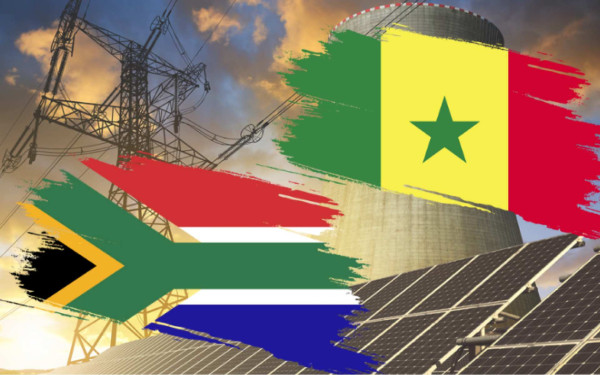
By NJ Ayuk, Executive Chairman, African Energy Chamber (https://EnergyChamber.org).
Just Energy Transition Partnerships (JETP) have been introduced in recent years to provide financial support to developing nations as they transition away from fossil fuels. In 2021, during the 26th UN Climate Change Conference of the Parties (COP26), South Africa became the first nation to sign such a deal. Senegal and the International Partners Group (IGP) signed a JETP in June 2023.
I have said before that the best way for Western countries, and the developed world at large, to help Africa transition from fossil fuels is through investment and collaboration, not patronization. This is precisely what the JETP programs seek to do, assist energy emerging economies that are dependent on coal to transition away from fossil fuels while leaving room to address the associated social consequences. That is investment, that is collaboration, and above all, it is respectful of the reality that Africa can move only on its own schedule in this matter. Arbitrarily forbidding us from using our natural resources will only do more harm than good.
So far, South Africa and Senegal are the only African countries to have agreed to a JETP, with South Africa securing a deal for USD8.5 billion, while Senegal secured one for USD2.7 billion. How South Africa and Senegal intend to leverage these deals differ drastically, however, as do their power generation circumstances.
South Africa: Pulled Between Priorities
Coal continues to dominate South Africa's energy portfolio, at over 80% of the country's power generation mix. Due to chronic load shedding and energy shortage issues, the country is now being pulled between two priorities, ensuring energy security and adhering to its decarbonization plans. General power outages have plagued the country since 2008 but intensified in recent years and effectively hamstrung South Africa's economy, which has not surpassed even 1% gross domestic product (GDP) annual growth in the last decade.
The country's aging coal fleet faces significant maintenance issues which led to several of the country's largest coal units being rendered inoperable in 2023. That year also saw the worst load shedding the country has faced yet, more than twice what it experienced in 2022, leading to energy shortages for 335 days out of the year. This load shedding led to a sharp increase in demand for solar panels and batteries, but Eskom (South Africa's power utility) has had to prioritize energy security instead, prolonging its reliance on coal-fired plants and slowing down their decommissioning. To their credit, Eskom has made significant improvements to their coal plants' maintenance and repair thanks to a recovery strategy launched in early 2023, and they have not suffered another load-shedding event since March 26, 2024.
Nevertheless, the decision to prolong their reliance on coal is at odds with South Africa's JETP. It has also directly led to the South African government seeking renegotiation of finance deals tied to its transition to cleaner energy sources, amounting to some USD2.6 billion of the originally agreed to USD8.5 billion.
Above all, right now South Africa requires a solution that will ensure its energy security while also keeping the country on track with its JETP commitments, especially given its peak demand by 2030 is expected to reach 38 gigawatts (GW), a full 6 GW more than its current peak. And even though 13.6 GW of new power plants are expected to come online by 2027, with solar PV accounting for over half and onshore wind accounting for 25% of the new capacity, coal is still expected to meet two-thirds of daily demand. Battery storage assets awarded by South Africa's Battery Energy Storage Independent Power Producers Procurement Programme (BESIPPP) will also contribute to this new capacity. Renewable-based generation in South Africa is also expected to grow from nearly 14.1% currently to nearly 29% by 2030.
I want to be very clear here: South Africa's renewable energy growth is commendable, and Eskom's decision to prioritize energy security via coal when an alternative solution wasn't immediately available was understandable and pragmatic. But the country's renewables are not advancing fast enough to cover for the aging of its coal fleet, and no amount of emergency maintenance campaigns can ensure that similar issues won't lead to a load-shedding crisis again. If unaddressed, it will introduce the risk of shortfalls when the coal fleet is inevitably shut down at its end of life. Gas-to-power is thus the most prudent option for South Africa to prioritize while it continues working to expand its renewable power sources. The flexibility provided by gas-to-power will help meet demand once the coal fleet can no longer provide South Africa's baseload power, leaving it with only its Koeberg nuclear power plant and currently limited solar and hydropower resources to fill in the gap. Not only is natural gas more cost-effective and efficient as a power source than coal, but it is also relatively cheap to retrofit a formerly coal-fired plant with gas turbines, allowing South Africa to both gradually phase out coal while saving money that would otherwise be spent building entirely new infrastructure. All of this will matter a great deal, as South Africa anticipates phasing out coal to require USD99 billion dollars between 2023 and 2027. So far, it has raised half between their JETP deal with the IGP, USD33 billion in private sector investments, and USD10 billion from the public sector. South Africa hopes to fill the gap through both domestic and international private entities in the form of grants, guarantees, and concessional loans.
Fewer Struggles in Senegal
Senegal, meanwhile, looks to be having fewer troubles, being reliant on liquid fuel sources rather than coal. The USD2.7 billion raised through its JETP is expected to attract and mobilize further investments from both the private and public sectors, much the same as South Africa. Senegal, however, will also be receiving technical assistance from its international partners to boost the integration of its renewable energy infrastructure and technology, with a heavy focus on grid stabilization and battery storage. This aligns well with its electrification plans, which aim to achieve 40% of its installed capacity mix provided by renewables by 2030, up considerably from the current 22%. Senegal has also committed to developing an investment plan within 12 months to identify its needs, opportunities, and allocations to meet its targets.
To that same end, Senegal plans to publish a revised nationally determined contribution (NDC) at COP30, set to take place in late 2025. The current NDC outlines an unconditional target of 235 MW of solar PV, 150 MW of onshore wind, and 314 MW of hydro by 2030. With international assistance, these targets are set to rise to 335 MW of solar PV, 250 MW of onshore wind, 50 MW of bioenergy and 50 MW of solar thermal.
Overall, both South Africa and Senegal stand to benefit significantly from their JETPs, and this is a trend I hope to see continue in the future for African states. There are, of course, growing pains. JETPs are still a nascent program, and the first few deals were signed as political promises first and foremost before the full technical and coordination details could be fully worked out by all sides. The implementation process for South Africa and Senegal has thus been delayed while consultations and negotiations smooth over the logistical details. In addition, JETPs alone will be nowhere near enough to fully cover the financial burden of transitioning African countries away from fossil fuels, and acquiring the private financial investments to bridge the gap may prove difficult for many countries.
This is why it is crucial for African states, and the world at large, to keep a close eye on how things develop in South Africa and Senegal, as their efforts to address these challenges will no doubt set the example for others.
Distributed by APO Group on behalf of African Energy Chamber.
Commission to probe access to capital for low- and middle-income countries
A Cost of Capital Commission which will investigate issues that impair the ability of low- and middle-income countries to access affordable capital is set to be launched under South Africa’s G20 Presidency, said International Relations and Cooperation Minister Ronald Lamola.
“I wish to take this opportunity to announce that under South Africa's G20 Presidency, an ambitious Cost of Capital Commission will be established to investigate the issues that impair the ability of low- and middle-income countries to access sufficient, affordable, and predictable flows of capital to finance their environmentally responsible and socially inclusive development plans,” Lamola said.
The Minister was delivering a virtual address at the Jubilee and Caritas Internationalis Leaders’ Press Conference held at the at Salone San Pio X in Vatican City, on Monday.
The Minister said the Commission will deliver a comprehensive expert review on the issues impacting the cost of capital for developing economies, which could help address future debt sustainability issues and the related fiscal space challenges.
Having taken over the Presidency of the G20 on 1 December, South Africa’s theme for the Presidency is: “Solidarity, Equality, Sustainability.”
In his address, Lamola said South Africa has identified inequality as the most significant threat to our collective future.
“This inequality is most prevalent in the Global South and is manifested through critical challenges such as a lack of predictable and sustainable financing, a dire shortage of capacity building for climate action, and crippling debt that forces many countries to abandon their developmental programs just to service exorbitant debts.
“The situation is so severe that it feels as if entire nations are being suffocated under the weight of these overwhelming burdens.”
The press conference launched the campaigns on debt relief in 160 countries for Jubilee 2025.
The 23 December St. Peter’s Press Conference explains the themes of debt cancellation lifted for special Jubilee Years among faith communities.
The high-level press panel took place ahead of Pope Francis beginning Jubilee 2025 by opening the Holy Jubilee Doors and Calling for global debt relief. The Jubilee will officially end with the closing of the Holy Door in St. Peter’s Basilica, on 6 January 2026.
Lamola added that South Africa acknowledges and appreciates the work of the Catholic Church, under the leadership of His Holiness, Pope Francis, to urge the world to do more to free developing countries from the debt trap, which is causing untold “misery and despair” and depriving the citizens of these countries of their human dignity, stifling their ability to reach their full potential.
“We welcome the launch of debt relief initiatives in 160 countries for Jubilee 2025, which will undoubtedly significantly help alleviate the economic and social distress in these countries,” said the Minister.
Lamola said tackling inequalities to enable developing countries to lift themselves out of the quicksand of debt also requires accelerating reform of the international financial architecture.
“We will use our G20 Presidency to contribute to reinvigorating and strengthening multilateralism and creating consensus around issues that affect our collective future. To effectively respond to global realities, multilateral mechanisms and institutions must be strengthened and reformatted.”
The Minister added that there was hope for the future.
“Indeed, we call on faith leaders from across the globe to continue to guide us with their wisdom, compassion, and deep spirituality to restore hope and trust to the most vulnerable,” he said. -SAnews.gov.za
Neo
Tue, 12/24/2024 - 08:58
Reconciliation Day: Reflecting on the past, building a united future
By Nomonde Mnukwa
The act of forgiveness and reconciliation has been central to the story of South Africa since 1994. Reconciliation Day came into effect in 1994 and was intended to help build a united and prosperous South Africa. This day and in subsequent years, Reconciliation Month has become synonymous with our drive to nurture and entrench new values in our society.
The annual commemoration of Reconciliation Day allows us to reflect on the many positive strides we have made since 1994, while acknowledging that much work remains. Even now 30 years into democracy the lives of many continue to be shaped by the circumstances of their birth. We cannot accept this reality as a nation, and we must therefore all do more to address the untold damage wrought by apartheid and colonialism.
If we don’t act and find ways to work together our future will continue to be shaped by our ugly past. National Reconciliation Day is therefore of even greater importance today and can serve as a springboard to build a more cohesive and united society.
This year Reconciliation Month is being held under the theme “Healing Historical Wounds and Forging New Futures”. The theme serves as a reminder that reconciliation is not about forgetting or ignoring our painful past. Rather, it is about talking openly about what happened in our past and to learn from it so that we can build a country that works for everyone and not just a few. By learning from the past we can begin to imagine a future where all citizens are valued and have equal opportunities to develop and thrive.
This year’s reconciliation month focuses on collective efforts of government and the people in advancing reconciliation, nation-building, social cohesion, healing and forgiveness. It also takes place three months after we received 35 human remains of South Africans who were buried while in exile in Zimbabwe and Zambia. The next phase of the project will focus on the repatriation of the remains of South Africans buried in Angola.
This initiative is crucial for national healing and reconciliation, allowing families to find closure and honour the memory of those who fought for freedom and justice. Moreover, this project is part of our commitment to honour and restore the legacy of those who sacrificed their lives for the country's freedom.
As we commemorate reconciliation month, we also pay tribute to our many freedom fighters and others who sacrificed their lives for us to get freedom and democracy. Their long walk has brought us this far; now it’s time for this generation to stand up and lead.
Young people should work with government in building a South Africa in which all people are free, equal and are included in the economy. Our reconciliation should be linked to transforming our society by broadening the participation of all South Africans in the development of the country.
While progress has been made in our journey of reconciliation over the years, more still needs to be done especially to grow the economy at a higher rate to create more jobs.
We are hopeful that the foundation we have set over the past 30 years will enable us to move faster in improving the lives of people and in helping to heal the divisions of the past.
*Mnukwa is the Acting Director-General of the Government Communication and Information System (GCIS).
Matona
Thu, 12/12/2024 - 13:26
G20 urged to deliver on climate justice
With developing nations being considered the most vulnerable to climate change, United Nations Secretary-General António Guterres says the Group of Twenty (G20) countries must lead in delivering climate justice.
Addressing the closing session for the Joint Sherpa-Finance and Central Banks Deputies' Meeting, Guterres stressed that many vulnerable countries are being forced to respond to a crisis they did not create.
“Meanwhile, they lack the necessary support to seize the benefits of clean energy to spur prosperity and eliminate poverty. We need developed countries supporting developing countries with adequate, affordable and accessible finance and technology, and through meaningful contribution to the loss and damage fund by doubling adaptation finance next year as promised.
“[Climate justice can be delivered] by forging new partnerships like the Just Energy Transition Partnership that South Africa has pioneered to pave the way to a renewable future,” the Secretary-General said on Wednesday in Johannesburg.
On 1 December 2024, South Africa assumed the Presidency of the G20, which comprises many of the world's largest developing and developed economies.
As part of the work for the G20 Presidency, South Africa has commenced with the first series of the more than 130 meetings that will precede the G20 Summit in 2025.
“G20 countries must lead the way in line with the principles of common but differentiated responsibilities but recognise that every G20 country has to do more in the reduction of emissions. Next year, every government must deliver new economic plans in line with limiting the global temperature rise to 1.5 degrees.
“These new plans must cover all emissions in the whole economy, accelerate a just fossil fuel phase out and contribute to the energy transition goals agreed to at COP28. We must also ensure that Africa’s critical minerals that can power the renewable future worldwide benefit Africans first and most. We cannot repeat the mistakes of the past,” he said.
Guterres further called on the G20 to lead on technological justice.
“From digital technology to artificial intelligence, the developing world must access and benefit from the technological revolution.
“We need the G20 to support developing countries as they invest in the digital driven systems and solutions that their people need to boost prosperity to create jobs and drive sustainable development,” he said.
South Africa's G20 Presidency is the fourth consecutive emerging market Presidency, and it is also the first African Presidency, followed by the admission of the African Union (AU) as the second permanent African member.
The G20 was established to tackle pressing global economic and financial issues. Together, G20 members account for around 85% of global GDP and 75% of international trade.
The G20 comprises 19 countries including Argentina, Australia, Brazil, Canada, China, France, Germany, India, Indonesia, Italy, Japan, Republic of Korea, Mexico, Russia, Saudi Arabia, South Africa, Türkiye, United Kingdom, and United States and two regional bodies, namely the European Union and the African Union.
The grouping therefore plays a critical role in influencing global policy making and fostering global economic stability. - SAnews.gov.za
nosihle
Wed, 12/11/2024 - 15:14
President Ramaphosa commends Welisizwe bridges construction in Mpumalanga
President Cyril Ramaphosa has commended the cooperation between the government departments that ensured the successful completion of Welisizwe Bridges in KwaMhlanga, Mpumalanga.
“We are here as government to report that we have delivered on our promise to address the problem of old and dilapidated bridges in Mpumalanga,” President Ramaphosa said.
Addressing the local communities at Solomon Mahlangu Stadium in KwaMhlanga, President Ramaphosa said communities have needed infrastructure.
The President embarked on a multifaceted two-day visit to Mpumalanga. The visit is to commence on Tuesday, where the President met with the Mpumalanga Provincial Executive Committee. Today, he undertook the second phase of the Welisizwe Rural Bridges handover.
“Poor transport infrastructure has been making it difficult to get to and from places of work, school, the hospital and clinic, and to towns and cities from rural areas,” President Ramaphosa said.
President Ramaphosa said in some cases, what would normally be a quick journey from one place to another takes double the time because there is no bridge.
“When the rains come or there are heavy floods, crossing becomes difficult and dangerous. As government, we have heard your call as the people of Mpumalanga for this issue to be addressed.
“[Welisizwe] is a ground-breaking method to construct bridges that are sturdy, that last, and are safe for communities. We have been working with speed to deploy the bridges where they are needed most -- in KwaZulu-Natal, Mpumalanga, Limpopo, the North West, Eastern Cape and the Free State.
“We were all extremely impressed by the quality of the structures we visited [today].”
President Ramaphosa told the locals that government is working hard to ensure that there is water in communities.
“As government, we are doing everything in our power to ensure that there is water in our communities,” the President said.
The President said there are plans to expand the Expanded Public Works Programme (EPWP) for people to gain critical skills, which can be used in projects such as Welisizwe.
“With the skills gained, people can go and look for employment or start their own businesses,” President Ramaphosa said.
Public Works Minister Dean Macpherson said the President’s visit to Mpumalanga was not just to mark the completion of critical infrastructure, but to celebrate the progress that is being made in restoring dignity to people through the transformative Welisizwe Rural Bridges Programme.
“This initiative is a shining example of what can be achieved when we work together across all spheres of government and sectors of society,” Macpherson said.
Macpherson said the Welisizwe Rural Bridges Programme embodies the work the department has done to ensure that there is infrastructure to bring dignity to communities that were previously isolated.
“These bridges are not just about crossing rivers: they are about ensuring that children can safely walk to school, patients can reach clinics in time, and families can access markets and workplaces that sustain their livelihoods.
“Mpumalanga is known as the 'province of the rising sun', and today’s ceremony is a testament to how infrastructure investment is bringing new hope and opportunities to our rural communities. It is also a testament to the tireless collaboration that has made this progress possible.
“The South African National Defence Force’s technical expertise and commitment have been invaluable in constructing these bridges, often in challenging terrains and under tight timelines,” Macpherson said.
Speaking to SAnews, community member, Thozamile Mbeje, expressed her gratitude for the construction of the bridges.
“I thank our government for constructing the bridges in our communities. It was difficult to cross the river during rainy seasons. Our children could not go to school because of overflowing rivers.”
Mbeje said they are now able to move to other areas with ease, and that children don’t have to miss school because of overflowing rivers.
Another resident, Isreal Sithole, said before the construction of the bridges, he could not go to work during rainy days.
“It was difficult to get to the other side because of the overflowing river, in the past we had incidences were people were washed away by the river,” Sithole said.
Sithole told SAnews that government should do more to improve people’s lives by bringing more services.ing“Our people need hospitals, clinics and other essential services closer to were they are staying,” Sithole said.
President Ramaphosa has been in Mpumalanga since Monday.
On Tuesday, the President met with the Provincial Executive Committee. Today, he undertook the second phase of the Welisizwe Rural Bridges handover.
The meeting with the Mpumalanga Provincial Government’s Executive is part of a series of engagements between the President and provinces aimed at enhancing intergovernmental coordination and improve service delivery, in line with the priorities of the 7th Administration.
The handover and official opening of bridges afforded the President an opportunity to directly witness the work that has been done since the pronouncements made in the 2023 State of the Nation Address.
The Welisizwe Bridges programme is a strategic Integrated Project (SIP) prioritised by the 6th administration.
Collaborative efforts between the Department of Public Works and Infrastructure and the Department of Defence have already resulted in bridges being constructed in provinces such as KwaZulu-Natal, Eastern Cape, Limpopo, Mpumalanga, Free State, and the North West.
Welisizwe bridges are a key investment in community infrastructure and are giving people dignity, access to opportunities for education and work. – SAnews.gov.za
Edwin
Wed, 12/11/2024 - 13:11
Nigel Mortley takes books to Cape Town schools that do not have libraries
Check your HIV status, urges Dr Nobatyi
“People must be encouraged to test for and know their HIV status as this will save lives,” says Senior Clinical Manager, Dr Pidhumza Nobatyi.
Dr Nobatyi was speaking to SAnews on the sidelines of the World Aids Day commemoration at the Sisa Dukashe stadium in Mdantsane, in the Eastern Cape on Sunday.
She said living with HIV was no longer like in the past when people were dying because there was no treatment available.
Today, patients with HIV are living healthy and normal lives. “It’s not a death sentence, it can be treated,” she said.
Dr Nobatyi is a Senior Clinical Manager at the Buffalo City Metropolitan Municipality Health District overseeing 85 health institutions.
She said it was critical for everyone to know their status.
South Africa is on Sunday joining the global community in anchoring the World Aids Day 2024 commemorations on the protection of everyone’s right to receive universal access to quality health care for all its citizens.
World Aids Day is commemorated annually across the globe in solidarity with the millions of people living with HIV as well as to raise awareness about the status of the epidemic, with a view to encourage HIV prevention, treatment, and care.
The 2024 theme: “Equal Rights, Equal Care” is a call for equal, equitable and dignified access to healthcare for all South Africans regardless of their economic status, gender, race or sexuality.
Community member, Nobantu Ntsaluba, told SAnews that government should do more to encourage people to practice safer sex and to have their status checked.
“It’s better to know your status, than to live not knowing your status. Today, there is help for those living with HIV, there is treatment,” Ntsaluba.
Ntsaluba called on young people to always practice safer sex and stick to one partner.
“People may contract the virus because they have multiple partners or they are not faithful to their partners,” she said.
First observed in 1988, World Aids Day, is marked annually to raise awareness about HIV and Aids while also recognising and honouring the lives lost.
Deputy President Paul Mashatile is leading today’s commemoration alongside the SANAC Civil Society Chairperson Solly Nduku, SANAC Private Sector Chairperson Nompumelelo Zikalala, Minister of Health Aaron Motsoaledi, Eastern Cape Premier Oscar Mabuyane, as well as representatives from development partners such as the UN Agencies UNAIDS, UNICEF, WHO, US government agencies the CDC, PEPFAR, USAID, research entities, civil society movements, the private sector and community members.
Community members from various areas in the Eastern Cape are also attending. – SAnews.gov.za
Edwin
Sun, 12/01/2024 - 12:13
President Ramaphosa honours SA Athletes for Olympic and Paralympic excellence
President Cyril Ramaphosa has hailed the triumphs of South African athletes at the 2024 Paris Olympic and Paralympic Games at a celebratory ceremony held at the Union Buildings, in Tshwane.
The event honoured the medalists and highlighted the transformative power of sport in uniting the nation.
“This is a moment of great pride for our nation. It is a moment to express our gratitude to those who have represented our nation with such distinction on the world’s greatest stage. Today, we are not just celebrating medals and the star athletes who won them,” the President said on Friday.
The President emphasised that this is also a celebration of South Africa's spirit, the unifying power of sport, its ability to inspire, and its reminder of the strength when united as a nation.
“We are celebrating the extraordinary resilience of our athletes, their unwavering determination and their incredible talent. We are celebrating the profound symbolism that sport holds in our society,” the President said.
The President reflected on South Africa’s journey in international sport, from years of exclusion under apartheid, to reclaiming its place on the world stage during the 1992 Olympics. He noted that the country’s participation in the Games symbolises the pursuit of equality, justice, and national unity.
South Africa’s athletes returned from Paris with an impressive haul: six Olympic medals (one gold, three silver and two bronze), and six Paralympic medals (two gold and four bronze).
Key highlights of the ceremony today included the presentation of recognition awards to all medalists and the prestigious Shield of Jove to swimmer Tatjana Smith and Paralympic athlete Mpumelelo Mhlongo for their outstanding performances.
This prestigious award was donated to the South African government in 1948 by Frederick Mitchell-Hedges, a British archaeologist involved in mining in South Africa.
It is a symbol of excellence, perseverance and dedication to the pursuit of sporting greatness.
“We are also honouring the athletes that achieved the most outstanding performances at the Olympic and Paralympic Games with the presentation of the Shield of Jove.
“This year, we are proud to award the Shield of Jove to Tatjana Smith and Mpumelelo Mhlongo, in recognition of their exceptional achievements at the 2024 Paris Olympic and Paralympic Games,” the President said.
He said these achievements are a testament to the investments the country has made in sports infrastructure and grassroots development.
“However, we must do more to ensure that the next generation of South African athletes has even greater opportunities to succeed,” he said.
The President emphasised the need for expanded youth development programmes, particularly in rural and underserved communities, and strengthened partnerships with schools and community centres.
“We must continue to invest in youth development, ensuring that children in every part of our country – whether urban or rural – have access to sports programmes. This means strengthening our partnerships with local schools, community centres and clubs.
“We must make sure that our youth are equipped with the skills, coaching and facilities they need to reach their full potential,” the President said.
In addition to athletes, the President acknowledged the critical role of coaches, trainers, families and sponsors, including the National Lotteries Commission and corporate partners, in supporting Team SA’s success.
“We are a nation forged in struggle, in adversity and in hope. To the Olympic and Paralympic champions with us here today, we say thank you.
“We are a nation that stands united, proud and ready for the challenges of the future. Together, we will continue to build a legacy of sporting excellence. A legacy that will inspire many generations to come,” the President said.
The event celebrated not only the athletes’ remarkable accomplishments but also the broader role of sport in fostering unity and national pride in South Africa. – SAnews.gov.za
DikelediM
Fri, 11/29/2024 - 13:49
SA welcomes US$300 billion commitment for climate finance
Government has welcomed the new finance deal of US$300 billion per year by 2035 - which was committed by high-income economies, to finance climate action for developing economies.
The deal was clinched at the United Nations Framework Convention on Climate Change (UNFCCC) 29th Conference of the Parties (COP29), which concluded in the early hours of Sunday in Baku, Azerbaijan.
The agreement signals to private sector and multilateral development banks to scale up financing to developing economies to US$1.3 trillion per year by 2035.
“The decision underscores the importance of reforming the multilateral financial architecture, to make it fit for purpose to address the climate crisis. It also calls for scaled up support for climate action from multilateral financial institutions through grant-based and concessional financing,” Department of Forestry, Fisheries and the Environment Deputy Director-General for Climate Change and Air Quality Management Maesela Kekana said on Monday.
Kekana, who was the Chief Negotiator, said the decision further underscored the need to reduce barriers and address disenablers faced by developing economies in such as limited fiscal space, high levels of debt and high cost of capital.
South Africa’s delegation at the conference was led by Minister of Forestry, Fisheries and the Environment, Dr Dion George, who said the decisions that were adopted at COP29 are “a win for the country”.
“Parties adopted the Baku Climate Unity Pact consisting of a New Collective Quantified Goal (NCQG) on climate finance, Global Goal on Adaptation and Sharm el-Sheikh Mitigation Ambition and Implementation Work Programme as well as the key decisions on implementing the Paris Agreement’s Article 6.2 and 6.4.
“The adoption of Article 6.2 and 6.4 decision on carbon markets will allow South Africa and other developing economies to initiate new carbon market projects, which will facilitate investments in green technologies and economic opportunities,” the department said.
Going into the negotiations, the Minister was optimistic parties would take meaningful decisions toward quantifying quantify resources for developing economies, to meet ambitious climate targets.
“There have been complaints from other parties about the leadership of the COP29 Presidency and that the decisions were not reached through full consensus. However, for South Africa, the decisions that were adopted are a win.
“While we understand the frustration expressed by some parties, we do see the outcomes as a significant step in the right direction as it is more than what we had going into the negotiations and we can now build on that, especially given that South Africa will be the next President of the G20,” George said.
South Africa’s negotiating team was particularly pleased about the decision on the Mitigation Work Programme, which was Co-Chaired by Minister George and his Norwegian counterpart, Tore O. Sandvik.
“The Mitigation Work Programme will provide further opportunities to share experiences and match investment needs with investors. I am pleased with the outcome,” said Minister George.
On adaptation, parties are on track to finalise the work on the adaptation indicators to track progress in the implementation of the global goal on adaptation, at COP30 in Brazil in 2025.
“The conference also welcomed the rapid institutionalisation of the Loss and Damage Fund. Under the leadership of South Africa and France, the fund is expected to disburse funds to climate vulnerable communities in mid-2025. Team South Africa believes that COP29 was a huge success, which has inspired hope that we will be able to do more in future,” the department said. -SAnews.gov.za
nosihle
Mon, 11/25/2024 - 14:02
But ANC members blame the Post Office