Constitutional Court win for asylum seekers
Provisions in the Refugees Act introduced in January 2020 struck down for violating a number of fundamental rights

MyZA
News, Directory, Events and Other Stuff
Provisions in the Refugees Act introduced in January 2020 struck down for violating a number of fundamental rights
President establishes Presidential PhD Initiative to boost innovative
President Cyril Ramaphosa announced on Tuesday that government has established the Presidential PhD Initiative through an initial R1 billion investment from the National Skills Fund in efforts to boost science and technology.
“The first phase aims to expose our country’s brightest young minds to cutting-edge thinking and research by negotiating opportunities at world-leading universities and research centres,” he explained.
President Ramaphosa announced the initiative during the inaugural Presidential Science, Technology and Innovation (STI) Plenary in Pretoria.
The President told the attendees that the studies will be to large scale and established research programmes in public research facilities and industry.
The initiative will build critical skills in artificial intelligence research, advanced biotechnology, fuel cell development, battery storage, and next-generation mining.
The country’s first citizen has since called to extend a call to the private sector and international partners to assist in growing the investment for the Presidential PhD Initiative fund to R5 billion by 2030.
He said collaboration is needed to ensure synergy between programmes across the national innovation system.
“We must harness education, science and innovation to protect our natural environment, drive inclusive economic growth and enrich all areas of human endeavour.”
The country’s Commander-in-Chief described the first plenary as an important initiative that brings together government, academia, civil society and industry to collectively drive South Africa’s National System of Innovation (NSI).
In November 2022, the Cabinet adopted the STI Decadal Plan to guide the first 10 years of implementing the 2019 White Paper on STI.
“Science, technology and innovation are essential for economies to thrive and for societies to prosper.
“In the new world of work, in the era of the Fourth Industrial Revolution, science, technology and innovation determine which countries move forward and which are left behind. Our country has several strengths.”
Citing the 2022 Global Innovation Index published by the World Intellectual Property Organisation, he said South Africa ranked above the upper-middle-income group average in three areas.
These include market sophistication, knowledge and technology outputs, and creative outputs.
According to the index, South Africa also improved the number of patents by origin, citable documents, intellectual property receipts, high-tech manufacturing and high-tech exports.
“However, our performance is mixed for the factors that drive innovation, such as education expenditure, expenditure on research and development and access to information technology.”
The President also highlighted significant strides in higher education including the number of students graduating from public universities from about 60 000 in 1994 to around 230 000 by 2018.
“The share of graduates in science, engineering and technology fields has been increasing compared to graduates in the humanities.”
He also acknowledged that the State needed to significantly increase investment in research and development.
In 2021, gross expenditure on research and development (R&D) in South Africa was 0.6% of Gross Domestic Product (GDP), far below the targeted 1.5%.
“By comparison, in 2022, the United States spent 2.6% and South Korea spent 5% of their respective GDPs on research and development.
“This is a situation that we are determined to turn around. Through greater cooperation between government and industry, we can reverse this trend.”
President Ramaphosa is of the view that the potential of science, technology and innovation to modernise and expand the productive sectors is vast.
He cited the Mandela Mining Precinct and the South African Mining Extraction Research, Development and Innovation initiative, which are aimed at revitalising our mining industry.
Shifting his focus on vaccines, he said Afrigen Biologics, a South African company part-owned by the Industrial Development Corporation, is working on a new tuberculosis vaccine using mRNA technology.
Meanwhile, the Bill and Melinda Gates Foundation recently allocated US$5 million to Biovac to develop mRNA vaccines using a local platform.
“This grant enables our researchers and scientists to strengthen the pharmaceutical research and vaccine production ecosystem so that we can address both current and future health challenges.”
He said he views innovation as the driver of sustainable job creation and small business development and tackles the realities of climate change.
“From these examples, it is clear that we are certainly progressing, but not at the pace we should be,” he admitted.
“For science, technology and innovation to serve South Africa’s economy and society effectively, we need to aggressively and strategically invest in education and skills development because this is the lifeblood of a modern economy.
“We know that nations such as Japan, South Korea and Germany have science, technology and innovation in the service of their societies, with commendable results.”
However, Nzimande qualified that when they talk about STI, they refer to both the natural and social sciences and humanities.
“For it is only possible to understand, let alone solve the major developmental and existential challenges of the 21st century through invoking the insights of trans-disciplinary knowledge.” – SAnews.gov.za
Gabisile
Tue, 12/12/2023 - 13:58
Hold onto your crayons, folks! @Sandton Kids is turning up the excitement dial as it officially welcomes mini-geniuses up to Grade R and launches personalised tutoring services for the pint-sized scholars cruising from Grade R to Grade 7. Get ready for a rollercoaster of reading, writing, spelling, and homework galore! Located smack dab in the …
Cabinet briefed on NSFAS preparations for 2024
As part of ensuring readiness for the 2024 post-matric academic year, Cabinet has been briefed on measures that are being put in place to avoid the challenges that affected the National Financial Aid Scheme (NSFAS).
“As part of ensuring readiness when the 2024 academic year for post matric education begins, Cabinet was briefed on measures that are being put in place to avoid the challenges that bedevilled NSFSAS in the 2023 post-matric academic year,” Cabinet said in a statement on Monday.
Last month, the scheme announced that applications for financial aid for all learners who wish to enter the post-school system and students who do not have financial assistance to continue their studies in the 2024 academic year would officially open on 21 November 2023 and close on 31 January 2024.
In a statement at the time, the NSFAS said the reason for opening applications in November was so that it could afford the beneficiary shorter turn-around times for decision making, which is aligned to the financial eligibility assessment which requires updated South African Revenue Service (SARS) information.
The NSFAS at the time said it was improving its data exchange processes with institutions to ensure seamless data integration and the registration of students onto its new direct payment systems.
At a media briefing addressed by Minister in the Presidency, Khumbudzo Ntshavheni on Monday, Cabinet said the Minister of Higher Education and Training, Dr Blade Nzimande will provide details on measures to improve the performance of the NSFAS.
Nzimande has previously urged all learners who wish to enter the post-school system and students, who do not have financial assistance to continue their studies, to submit their applications for 2024 funding.
Minister Nzimande urged all students who wish to study in any of the public universities and Technical Vocational Education and Training (TVET) colleges to apply timeously and not to wait until the last day.
Since it’s established by government in 1999, the NSFAS provided financial assistance to deserving beneficiaries who qualify for post school education and training. – SAnews.gov.za
Edwin
Mon, 12/11/2023 - 12:39
Deputy President on a working visit to Singapore
Deputy President Paul Mashatile arrived in Singapore on Sunday to begin the first leg of his three-day working visit to Southeast Asia.
According to the Presidency, the Deputy President began his visit with a tour of the Marina Barrage development, Singapore’s innovative water resource management project.
“As a resource-poor and water-scarce country, Singapore has invested significantly in research and development of water management and sustainability. Most impressively, the country has made big strides in the area of seawater desalination,” the statement read.
According to his Office, the Deputy President’s visit to the country is aimed at building and strengthening bilateral relations, particularly increasing trade, economic, knowledge and cultural exchange between the two States.
“Singapore is a global financial hub and is considered one of the premier asset management centres in Asia.”
The World Bank has ranked Singapore as the number one country in the world for ease of doing business since 2006, and the country is an important global aviation and maritime hub.
In addition, the island country is also considered an important gateway for the export of goods and services to Southeast Asia and a hub for joint venture partnerships throughout Asia.
“It is an important centre for South African businesses looking for opportunities or expand operations on the continent.”
As part of his programme, Deputy President Mashatile will visit the Lee Kuan Yew School of Public Policy.
He will then deliver a public lecture on the 30 years of diplomatic relations between South Africa and Singapore titled ‘Celebrating a journey of mutual respect, strategic partnership and cooperation’.
He is accompanied by International Relations and Cooperation Deputy Minister Candith Mashego-Dlamini; Trade, Industry and Competition Deputy Minister Nomalungelo Gina; and Higher Education, Science and Innovation Deputy Minister Buti Manamela.
The Communication and Digital Technologies Deputy Minister Philly Mapulane; Forestry, Fisheries and the Environment Deputy Minister Magdalene Sotyu, and senior government officials are also among those travelling with the Deputy President. – SAnews.gov.za
Gabisile
Mon, 12/11/2023 - 10:12
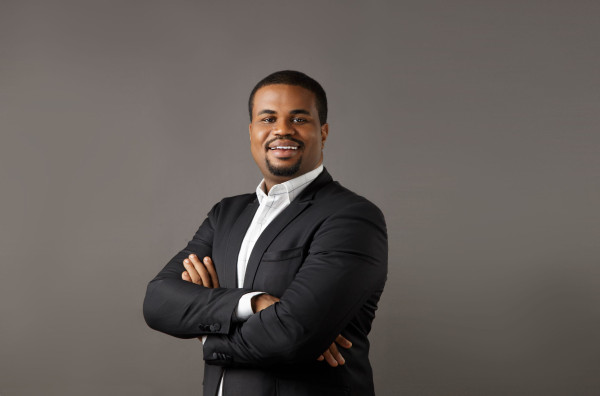
Despite rising food and fuel costs, weakening currencies, climate change effects, security threats, political instability, rolling power cuts, infrastructure limitations, and several economic and social challenges, Africa will be one of the fastest-growing regions in 2024.
That's one of the key findings in the 2024 edition of the Top 100 Business Opportunities in Africa to Watch (https://apo-opa.co/47PmhYd), an annual selection of the continent's most lucrative business ideas and investment opportunities curated by Activator HQ.
Following two years of slow post-COVID recovery, 2024 presents several interesting opportunities for business startup and growth in Africa. While Nigeria, South Africa, Egypt, Kenya and countries across the continent offer unique opportunities and challenges for new business and investment, economies like Senegal, Ethiopia, Tanzania, Cote d'Ivoire, Rwanda, Burkina Faso, The Gambia and Benin could grow by more than 6% in 2024, twice higher than the global growth of 2.9% projected by the International Monetary Fund (IMF).
The Africa Top 100, now in its 7th year, identifies specific business ideas and investment opportunities in over 30 growth markets, industries, value chains, and underserved niches across Africa. Each opportunity in the Top 100 is selected based on their relevance to local market needs, lucrativeness, competitive superiority, export potential, and innovation.
“The new edition, which is the outcome of months of research and analyses that considered dozens of value propositions, market trends, demand-supply gaps, and business models across Africa, only consists of opportunities that have a minimum total addressable market value of $100 million,” said John-Paul T. Iwuoha, Founder and CEO of Activator HQ. “It is interesting to see from our 2024 selection that more business ideas and investment opportunities in Africa are actually borne from unmet market needs, difficult but highly-rewarding problems, and the megatrends we have identified that are currently shaping the continent (https://apo-opa.co/46Sd4gb).”
As a developing region, Africa's deficits in food security, housing, finance, education, energy and other critical areas are inspiring innovative solutions, products, and services from a growing number of startups and growth-stage businesses on the continent. In essence, for entrepreneurs in Africa, problems are actually opportunities to unlock market value and create compelling value propositions.
“Our mission at Activator HQ (www.ActivatorHQ.com) is to make it easier and faster for entrepreneurs to start and grow businesses in Africa. That's why our selection of business ideas features inspiring examples of real entrepreneurs, startups, and companies in Africa that are getting results and making impact on the ground,” Iwuoha said. “To reduce the barriers to startup, we have also developed bespoke and professionally-crafted business plans (https://apo-opa.co/470U6Ew) that can be downloaded and used to raise funding or guide the execution of a specific business idea.”
Highlights from Activator HQ's 2024 Africa Top 100 Guide:
“I am very proud of the meticulous work the team has put into the 2024 edition of the Africa Top 100,” Iwuoha continued. “In contrast to the mainstream stereotype of Africa as a ‘poor continent', the impressive ideas in this guide show the sheer abundance of opportunities in Africa for new businesses and investments. The spirit of entrepreneurship is bursting with energy on the continent and I am optimistic that many of the ideas in our 2024 edition will inspire new businesses, products, projects, investments, and income streams in the new year.”
The Top 100 Business Ideas in Africa to Watch in 2024 is available on the Activator HQ website at https://apo-opa.co/41hkLvm.
Distributed by APO Group on behalf of Activator HQ.
Media contact:
John-Paul Iwuoha
jp@activatorhq.com
For more information about Activator HQ, visit:
Website: www.ActivatorHQ.com
Twitter: https://apo-opa.co/46Np8iY
Facebook: https://apo-opa.co/3uRABAT
LinkedIn: https://apo-opa.co/3NowFxL
YouTube: https://apo-opa.co/3NqTmkT
About Activator HQ:
Founded in 2013 as Smallstarter Africa and relaunched on its 10-year anniversary, Activator HQ is a market intelligence and capacity development firm that supports Africa-focused entrepreneurs with the insights, training, and guidance they need to succeed in the continent's promising but difficult markets. In the last decade, Activator HQ has trained over 30,000 entrepreneurs and business owners on startup and market entry strategy, fundraising, sales and growth strategy, business modelling, and turnarounds. Its list of clients and partners includes the Staff Cooperative Societies of Nigeria LNG and Total Exploration & Production (Nigeria), the SUN Business Network, the Roddenberry Foundation, and the African Women Innovation and Entrepreneurship Forum (AWIEF), among others.
By NJ Ayuk, Executive Chairman, African Energy Chamber (www.EnergyChamber.org).
There was an era when Africa and Western pop music were closely linked.
Western entertainers spearheaded a number of internationally renowned events to raise awareness about the plight of starving Africans and generate funds for famine relief.
In December 1984, the supergroup Band Aid sang about feeding the world, asking “Do They Know it's Christmas?” Within a year, the group had raised over USD9 million. Three months later, USA for Africa released “We Are the World” and banked USD44.5 million after one year for its African humanitarian fund. Then on a hot July day in 1985, the worldwide concert event Live Aid raised more than USD150 million for famine relief in Africa.
These are just a handful of grand and noble gestures intended to lift Africa out of poverty. And these famous events arguably raised both awareness and funds. Unfortunately, the efforts — and others like them — fall far short of making any real socioeconomic change. In fact, some argue that injecting monetary aid into Africa, time and time again, has actually done more harm than good.
I acknowledge that stance may sound ungrateful. At first blush, many might counter that starving people have no agenda. Destitute parents still need to feed their children. Turning a blind eye to their plight is inhumane.
Let me explain why the African Energy Chamber (AEC) continues to push for free-market solutions rather than good-will handouts.
History of ‘Help'
Even aid genuinely given to help Africa tends to do more harm than good.
Since 1960, more than USD2.6 trillion has been pumped into Africa in the form of aid. From 1970 and 1998, when aid was at its peak, poverty actually rose alarmingly — from 11% to 66% — due in large part to this massive influx of foreign aid that counteracted its intended good.
Aid decreased long-term economic growth by fueling systemic corruption, in which powerful aid recipients funneled foreign funds into a personal stash instead of public investment. Many leaders realized that they no longer needed to invest in social programs for their constituents because of the revenues from foreign donors.
Large inflows of aid also caused higher inflation, hindering African nations' international competitiveness in exporting. That resulted in diminishing the manufacturing sector – which is critical in helping developing economies grow — across the continent. And well-intentioned Westerners who saw the economic shrink just kept pouring more and more money at “the problem” — leading to a vicious cycle that furthered corruption and economic decline.
But here's the kicker: The World Bank has admitted that 75% of the agricultural projects it implemented to help Africa failed. So why do they and other aid providers continue to fund these failing efforts?
Examples of Failure
Across the continent, we see example after example of failed aid projects, with agricultural projects routinely providing little or no benefit to African farmers.
In Mali, the U.S. Agency for International Development (AID) injected USD10 million into “Operation Mils Mopti” to increase grain production. The government imposed “official” prices on the grain, which forced farmers to sell their crops at these below-market rates and resulted in grain production falling by 80%.
AID also spent USD4 million to help livestock producers grow the number of cattle in the Bakel region from 11,200 to 25,000 — but ultimately only succeeded in increasing it by 882 head. Another USD7 million was injected into the Sodespt region, but that investment managed to sell only 263 cattle and failed to sell any goats or sheep.
Then we see example after example of Westerners wastefully “helping” without any understanding of the local situation. Norwegian aid agencies built a fish-freezing plant to improve employment in northern Kenya — a region where the local people traditionally do not fish because of their semi-nomadic pastoralist lifestyle. Couple the lack of fishing experience with the unfortunate reality that the plant required more power than was available in the entire region, and the result was that the brand-new processing plant sat idle.
The World Bank financed a USD10+ million expansion of Tanzania's cashew-processing capabilities, which resulted in 11 factories with the capacity to process three times as many cashews as the country was growing on a yearly basis. The plants were too efficient for the available workforce and cost so much to run that it was cheaper to process the raw nuts in India. Half the plants were inoperable, and the other half only ran at about 20% capacity.
I'm not saying that we Africans are ungrateful for the outpouring of heartfelt care. The compassion of the West is certainly real. However, the outcome of said compassion is the concern: The more foreign aid African governments receive, the worse they perform. As long as the aid keeps flowing, government leaders and their employees who administer development programs may prosper while the rest of the citizenry continues to suffer the effects of a mismanaged economy.
Questionable Benefits
We also must acknowledge that, in far too many cases, aid has also been given to African nations and communities in attempts to manipulate and control.
“While hungry faces are used on posters and in media reports to sell the virtues of foreign aid, it is the hungry who rarely see any of the funds,” James Peron, executive director of the Institute for Liberal Values in Johannesburg, South Africa, lamented in a piece for the Foundation for Economic Education. “Poverty may be used to justify the programs, but the aid is almost always given in the form of government-to-government transfers. And once the aid is in the hands of the state it is used for purposes conducive to the ruling regime's own purposes.”
And now we witness the international community talking about aid for African countries as a substitute for our oil and gas activities. Western environmentalists argue that Africa should keep all of its petroleum resources in the ground to prevent further climate change. In exchange for that sacrifice, African nations would be compensated and inject that money into other opportunities like developing their sustainable energy technologies.
I've said it before, and I'll say it again: What a horrible idea!
I‘m offended by foreign stakeholders feeling that providing humanitarian assistance gives them the right to influence our domestic decisions. With Africa poised to participate in the worldwide energy transition, my fear is that international donors will feel justified to dictate Africa's policy regarding the lengths to which, and speed with which, our energy transition occurs. This would be a huge step backward in our energy, economic, and even individual independence.
Aid packages to incentivize giving up our oil and gas operations will be detrimental to Africans. Because let's be honest: History has shown that this assistance could never replace the oil and gas industry's ability to create jobs and business opportunities, grow local capacity, open the door to technology sharing, facilitate economic growth, and alleviate energy poverty.
Instead of continuing a pattern that clearly does more harm than good, why aren't African nations encouraged to leverage the wealth of resources at our feet?
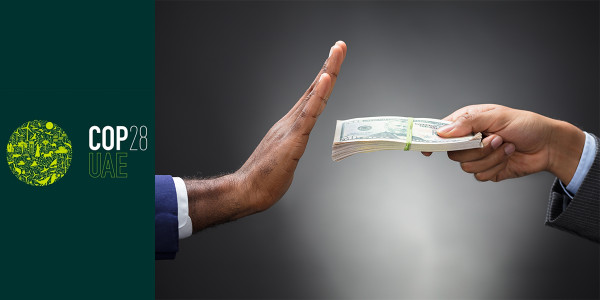
During the final few days of COP28 — and beyond — the AEC is determined to make a case for African nations harnessing their oil and gas solutions to help themselves. We will not be bullied, or manipulated with aid, into a path that is not in our best interests.
Use What We Have!
One reason why the AEC is an outspoken advocate for Africa's oil and gas industry is because it represents more than big revenue for African governments. It is a free-market solution that creates pathways for Africans to help themselves. And, ultimately, empowering Africans is our number one goal.
We endorse an energy mix approach that allows Africa to use and sell our own hydrocarbon reserves to alleviate energy poverty, while at the same time moving toward a future in which renewable energy sources power the continent. The energy mix method can help more people more quickly because it takes a practical, people-first approach to helping those who have traditionally been left behind by the energy sector, while moving us toward greener energy sources.
Natural gas, in particular, can transform African lives and communities. Its potential benefits range from eradicating energy poverty to allowing Africans to develop skills for good jobs to creating hope for our youth.
Ramping up gas production to help alleviate the lack of access to electricity will create thousands of new employment opportunities in Africa. In addition, the new sources of energy can be exported to Western countries to replace Russian energy. Then, as Europe transitions to sustainable energy, a larger portion of Africa's natural gas can power domestic needs. By the time other countries complete their transitions to carbon-neutral sources, Africa will have a much more expansive and reliable grid system, which will allow for an easier transition.
And before we argue about the evils of hydrocarbons, let me point out that, although it might seem counterintuitive, it is possible for Africa to make use of its abundant fossil fuels while moving toward a future sustained by renewable energy sources. In fact, I believe that African nations must do everything they can to ensure that these two things work in tandem. Considering that 600 million people on the continent have no access to electricity and 900 million people lack access to clean cooking technologies, it's impossible — if not altogether inhumane — to discuss climate change without looking at energy poverty.
As I recently wrote in an article published by Medium, we cannot transition from the dark to the dark. We must deliver energy to the people of Africa and then worry about transitioning to environmentally friendly alternatives, just like we have everywhere else in the world.
This has been our platform at COP28, and we will continue to stand by it in 2024 and beyond.
Distributed by APO Group on behalf of African Energy Chamber.
Deputy President on working visit to Southeast Asia
Deputy President Paul Mashatile has arrived in the Republic of Singapore to begin the first leg of his first working visit to Southeast Asia.
The Deputy President began his visit on Sunday with a tour of the Marina Barrage development, Singapore’s innovate water resource management project.
As a resource-poor and water-scarce country, Singapore has invested significantly in research and development of water management and sustainability. Most impressively, the country has made big strides in the area of seawater desalination.
“The Deputy President’s visit to the country is aimed at building and strengthening bilateral relations, particularly increasing trade, economic, knowledge and cultural exchange between the two States,” the Presidency said in a statement.
Singapore is a global financial hub and is considered one of the premier asset management centres in Asia. The World Bank has ranked Singapore as the number one country in the world for ease of doing business since 2006, and the country is an important global aviation and maritime hub.
Singapore is also considered an important gateway for the export of goods and services to Southeast Asia and a hub for joint venture partnerships throughout Asia. It is an important centre for South African businesses looking for opportunities to expand operations on the continent.
As part of his programme, the Presidency said, Mashatile will visit the Lee Kuan Yew School of Public Policy and deliver a public lecture on the 30 years of diplomatic relations between South Africa and Singapore titled “Celebrating a journey of mutual respect, strategic partnership and cooperation.”
The Deputy President is accompanied in Singapore by Deputy Ministers for International Relations and Cooperation, Candith Mashego-Dlamini; Trade, Industry and Competition, Nomalungelo Gina; Higher Education, Science and Innovation, Buti Manamela; Communication and Digital Technologies, Philly Mapulane; Forestry, Fisheries and the Environment, Magdalene Sotyu, and senior government officials.
Trade and diplomatic links
One of the key areas of collaboration between South Africa and Singapore is trade. Singapore is one of South Africa's largest trading partners in Southeast Asia, with trade between the two countries totalling approximately R28 billion in 2022.
Singapore is a significant investor in South Africa, with investments totalling over R5 billion in sectors such as manufacturing, financial services and real estate.
South Africa's economic relations with Singapore are focused on trade, investment, tourism promotion and skills transfer.
South Africa exports a range of products to Singapore, including gold, diamonds and wine, while Singapore exports electronics, chemicals and machinery to South Africa.
In May this year, President Cyril Ramaphosa hosted Prime Minister Lee Hsien Loong of the Republic of Singapore for an Official Visit in Cape Town.
Singapore’s visit to South Africa continued the high-level engagement the two governments have fostered since diplomatic relations begun in 1993, ahead of South Africa’s democratic transition.
Since then, the two countries have shared excellent bilateral relations, which have formed the basis of regular high-level visits.
2023 marks the 30th anniversary of the establishment of diplomatic relations between the Republic of South Africa and the Republic of Singapore as partners who work together closely in multinational fora.
Singapore, like South Africa, is a member of the Indian Ocean Rim Association (IORA), the Commonwealth, as well as the Non-Aligned Movement (NAM).
The two countries have signed numerous agreements to enhance cooperation in areas such as trade, investment, education, and defence.
The May visit was preceded by an official visit undertaken by the Minister of International Relations and Cooperation, Dr Naledi Pandor, to Singapore in July 2022 to strengthen bilateral relations.
In May, President Ramaphosa and Prime Minister Hsien Loong held official talks on cooperation in the areas of communications and digital technology, science and innovation, water and sanitation and skills development.
The leaders discussed the potential for closer collaboration in these areas when they met on the sidelines of the G20 Leaders Summit held in Bali last year.
The visit brought captains of industry from the respective countries to collaborate in sectors ranging from ports, logistics and supply chain, healthcare and biomedical, food manufacturing and engineering. – SAnews.gov.za
GabiK
Sun, 12/10/2023 - 12:58
Johannesburg – World-renowned designer to the stars, Gert-Johan Coetzee, is proud to announce the launch of the 2023 Fashion Design Bursary, an annual initiative that has been shaping the future of South African fashion since its inception in 2009. The lucky winner will embark on a transformative three-year journey of fashion education at Gert-Johan Coetzee’s …
As South Africa engages in the last week of the global 16 Days of Activism against Gender-Based Violence campaign, a R1.6 billion budget allocation has done little to stem the tide of violent crimes against women and children. Commitments at presidential summits on gender-based violence and femicide (GBVF) in 2018 and 2022, including the budget …
It gives me great pleasure to put pen to paper once more to the coach development newsletter! The 2023/2024 summer...
It gives me great pleasure that I am putting pen to paper for this edition of the PowerPlay newsletter. This...
Free State communities share expectations ahead of Imbizo
As scores converged at the Kopano Indoor Sports Centre in Thabong, Free State, for the 11th District Development Model (DDM) Presidential Imbizo, some local residents of the Matjhabeng Local Municipality shared what they expected to be addressed by authorities at the gathering.
Speaking to SAnews on Thursday in Matjhabeng (which falls under the Lejweleputsawa District Municipality), Kgosi Mmelwana from Welkom said he was keen to hear President Cyril Ramaphosa’s message. He was especially looking forward to hearing what Ministers would have to say on education and health-related matters.
“I am glad that the President and his Cabinet Ministers have descended on our town. We want to tell the President what we need as a community.
“We still need more schools and healthcare facilities. Some of our learners walk long distances to school,” Mmelwana said.
Echoing his sentiments, Dithabo Mmutle, said some community members still travel long distances to access government services.
“We want government offices to be closer to where we stay. We spend a lot of money traveling to government offices to access services,” she said.
A Grade 12 learner at a local high school, Abraham Sithebe, said he was most concerned about the high unemployment among the youth.
“Young people go to school and at the end of the day, they are not employed. Government needs to take care of our people. We don’t want them to end up becoming drug addicts,” he said.
Today’s Imbizo in the Free State is the second in the province since the Presidential Izimbizo started in 2022. President Ramaphosa’s first Imbizo in the Free State took place in the Mangaung Metropolitan Municipality in April 2022.
During the 2022 engagement, 42 community members - representing the seven regions of the Mangaung Metro - voiced their concerns to the President, which included lack of service delivery, corruption, inadequate housing, unemployment and crime. The towns represented in this discussion included Van Stadensrus, Soutpan, Dewetsdorp, Wepener, Thaba Nchu, Botshabelo and Bloemfontein.
Ministers present at last year’s Imbizo had committed to dealing with pressing matters, including the standard of water and sanitation, and the state of roads.
The aim of the DDM Izimbizo, which have taken place throughout the country, is to provide an interactive platform for communities to engage and interact face-to-face with the President, Ministers and the provincial and local leadership.
The District Development Model enhances integrated and sustainable service delivery through the maximisation of intergovernmental planning, budgeting and implementation towards creating inclusive economic opportunities for locals.
The DDM, which was introduced and adopted by Cabinet on 21 August 2019, aims to improve cooperative governance and enhance service delivery, in line with the National Development Plan.
Focus on Lejweleputsawa
Today’s Imbizo takes place in Lejweleputsawa District Municipality, which consists of five local municipalities, which account for a third of the province. The district municipality is made up of the local municipalities of Matjhabeng (whose economy is mainly anchored on the mining of gold and uranium and it is the hub of the Free State Goldfields), Masilonyane, Nala, Tswelopele and Tokologo.
Under the theme “Leave No One Behind”, today’s Imbizo will allow the President and other leaders in government to assess progress made and be briefed on challenges associated with the improvement of service delivery since the President’s previous engagement with communities.
Ahead of this week’s Imbizo, the national, provincial and local spheres of government, as well as State entities, embarked on pre-Imbizo build-up programmes across the Free State.
These activities were undertaken to stimulate communities’ participation in the Imbizo and to assist residents with services they may require or other challenges they wish to report.
Stabilising Mangaung
Last year, Cabinet approved an intervention by the national executive in the governance of the Mangaung Metro, in terms of Section 139(7) of the Constitution.
Following failure by the Free State provincial executive to implement a financial recovery plan in the metro, the municipality was placed under national intervention.
At the time, The Presidency had said that this intervention was directed at helping the metro to improve its finances and to deliver on its mandate, and to return to sound governance and a better life for residents, the business community and other stakeholders.
In October this year, Deputy Minister in the Presidency responsible for Planning, Monitoring and Evaluation (DPME), Pinky Kekana, conducted an oversight monitoring visit of economic and service delivery-related projects in Mangaung.
She noted some of the positive joint efforts to stabilise the metro, including the finalisation of the appointment of the Municipal Manager, albeit challenges remain in certain areas.
Kekana reiterated that the DPME was dedicated to continuing to help the metro overcome its challenges in the interest of service delivery to residents and positive economic spinoffs for South Africa.
“If we can all work together through an integrated approach and create an enabling environment, it will help the municipality and lead to enhanced service delivery, investment, and economic growth.
“Our first and immediate goal is to contribute towards assisting the Mangaung Metropolitan Municipality absolve itself from the S139 constitutional intervention,” said Kekana at the time.
The DPME said its departmental specialists have supported the metro with comprehensive frontline monitoring reports and proposed interventions aimed at strengthening the capacity and overall operations of the municipality. - SAnews.gov.za
Edwin
Thu, 12/07/2023 - 12:38
Swarts calls for inclusion of people with disabilities in built environment
Public Works and Infrastructure Deputy Minister, Bernice Swarts, has called on the department’s entities to play their part in ensuring that people with disabilities are trained and get work and business opportunities in the built environment.
“Often people living with disabilities are overlooked in built industry work and business opportunities because of the assumption that they would not be able to do physical duties associated with the industry,” Swarts said.
Swarts was speaking at the inaugural Council for the Built Environment (CBE) colloquium on persons with disability in the built environment, held this week in Boksburg, Gauteng.
Held under the theme “Co-creation of spaces which entrench universal access”, the conference aimed to consolidate and accelerate the rights of people with disabilities.
Swarts noted some of the challenges still facing people with disabilities in the built environment, including physical access to many buildings which do not have ramps, hand rails, heavy doors that are hard to open and close, narrow doorways and hallways, and poor signage that does not cater for the visually impaired.
The Deputy Minister called for people with disabilities to be offered job opportunities in project management and owning businesses in the built industry.
She also called on the Department of Higher Education and Training (DHET) to ensure that people with disabilities receive training in built industry qualifications in order for them to be more employable in the sector.
The DHET's Strategic Policy Framework on Disability for the Post-School Education and Training System is one instrument that aims to create an enabling environment for inclusion and mainstreaming of people with disabilities in the post-school education and training system, which seeks to ensure that disability-related policies and guidelines are implemented and monitored.
“While there have been positive gains in the fight for the inclusivity of people with disabilities in the country, like the inclusion of the South African Sign Language as the 12th official language, the country is still lagging in reaching minimum targets for the employment of people with disabilities,” the Deputy Minister said.
Swarts also advised the CBE to invite stakeholders outside the built industry sector to next year’s colloquium, including education stakeholders, in order to have a more holistic approach in resolving the challenges faced by people with disabilities in the built industry.
Built Environment Recognition Awards
Meanwhile, Swarts will this evening deliver a keynote address at the Built Environment Recognition Awards ceremony to celebrate the achievements of individuals and organisations, who are shaping the future of the built environment.
The awards recognise outstanding contributions to the industry and encourages professional registration.
The inaugural awards -- hosted by the CBE -- will take place in Durban. – SAnews.gov.za
GabiK
Thu, 12/07/2023 - 10:26
Date set for final voter registration weekend
The Electoral Commission has announced the dates for the second and final voter registration weekend ahead of the 2024 National and Provincial Elections.
The Electoral Commission announced that the Voter Registration Weekend will take place on 3 and 4 February 2024 to allow new voters to register and existing voters to inspect, and if necessary update their registration details.
The country’s 23 296 voting stations will open from 8am to 5pm on both days.
“Following the first registration weekend held on 18 and 19 November 2023, the voters’ roll contains 26.8 million voters with 568 374 of those registering for the first time during that period. The Electoral Commission is hopeful that the second registration weekend will build on and surpass the satisfactory turn out recorded in November,” the Commission said in a statement.
The Commission said South African citizens aged 16 years and older can register to vote, and all they need is a South African green barcoded identity document (ID) book, or smartcard ID, or a valid temporary ID certificate.
“When registering, voters will need to provide their address or a description of where they live to allow the Electoral Commission to place them on the correct segment of the voters’ roll. However, proof of an address is not a requirement to register as a voter,” the Commission explained.
The Electoral Commission has also confirmed that South Africans living abroad will have an opportunity to register at South Africa’s 120 high commissions, embassies and consulates on 26, 27 and 28 January 2024.
The Commission acknowledged and expressed its appreciation to the Department of International Relations and Cooperation (DIRCO) for its continued collaboration in ensuring the sustained franchise of South Africans abroad.
A new and additional voter registration modality for South Africans living abroad has been introduced, where South Africans abroad may now register as voters using the online self-registration portal by visiting https://online.elections.org.za/voterportal and capturing their details and uploading a scanned image of their identity document.
General elections will be held in South Africa in 2024 to elect a new National Assembly, as well as the Provincial Legislature in each province. These will be the seventh elections held under democracy since the end of apartheid in 1994. The new National Council of Provinces will be elected at the first sitting of each Provincial Legislature.
Voter registration for inmates
Meanwhile, offenders at correctional centres will get an opportunity to register to vote, as voter registration will also be conducted at centres around the country to allow inmates to exercise their right to vote.
Working with the Department of Correctional Services, the Commission said it will undertake the registration of inmates at correctional centres between 30 January and 1 February 2024.
The Commission has requested the family members of incarcerated inmates to deliver their identity documents to them ahead of the registration drive.
“The Electoral Commission will be supporting the registration drive with the roll out of national communication and education campaign to encourage participation. The key thrust of the campaign will retain its youth focus and urging young, first-time voters to register,” the Commission said.
The Electoral Commission’s contact centre continues to be operational to assist citizens with queries and information about the registration process and information related to the location of voting stations. The contact centre can be reached on 0800 11 8000 from 8am to 5pm weekdays.
“The online voter registration portal remains available until the date of proclamation of the elections for first-time voters to register and for those who are already registered to update their registration details.
“Registered voters can visit the Electoral Commission website (www.elections.org.za) to check their current registration details and voting station location. They can also SMS their ID number to 32810 to receive an SMS containing the address of their voting station (charged at R1),” the Commission said.
The Electoral Commission has also appealed to all stakeholders, including expatriate communities, political parties, aspirant independent candidates, government departments and entities, the media and civil society organisations, including labour, business, NGOs, religious-based organisations, traditional leaders and all community organisations to support the registration drive and encourage voter registration ahead of the elections. – SAnews.gov.za
GabiK
Thu, 12/07/2023 - 11:49
President Ramaphosa to address Presidential Plenary on Science, Technology and Innovation
President Cyril Ramaphosa is set to address the inaugural Presidential Plenary on Science, Technology and Innovation (STI).
The plenary will be held at the CSIR International Convention Centre in Pretoria, next Tuesday.
“The STI Plenary will bring together leaders in government, industry, academia and civil society to discuss progress made in the National System of Innovation (NSI) and challenges in this sector, and will explore ways for STI and skills development to impact positively on the South African economy,” the Presidency said in a statement.
In November 2022, Cabinet adopted the STI Decadal Plan to guide the first 10 years of implementing the 2019 White Paper on STI.
"The Decadal Plan seeks to respond to Phase II (2020-2024) and III (2025-2030) of attaining the National Development Plan (NDP) targets for STI, which propose that innovation is earmarked to improve the productivity and competitiveness of key sectors of the South African economy and contribute to higher GDP growth rates overall."
The White Paper introduced the concept of an Inter-Ministerial Committee (IMC) on STI and a Presidential STI Plenary as instruments to enhance STI policy coherence, as well as programme and budget coordination in the South African national system of innovation.
“In this regard, the plenary will allow all role players to reflect collaboratively on progress with STI initiatives, and jointly commit resources for recommended STI initiatives,” the Presidency said.
An Inter-Ministerial Committee on STI, established in March 2021, is led by the Minister of Higher Education, Science and Innovation and comprises Ministers of STI-intensive government departments.
The President will also visit an exhibition of locally produced, market-ready innovations in areas such as space science, health and energy. – SAnews.gov.za
DikelediM
Thu, 12/07/2023 - 10:15
The post-pandemic trend of living that holiday lifestyle now continues to inspire buyers who are prioritising happiness and well-being. The coast remains a popular location but the high property prices often make this an unrealistic possibility. On the KZN Mid-South Coast, where large-scale developments are unlocking the region’s property potential, discerning investors are getting in …
Mchunu reaffirms commitment to deliver quality water services
Water and Sanitation Minister Senzo Mchunu has reaffirmed the department’s commitment to continue efforts to ensure that citizens receive quality water services.
This comes as the department released the 2023 full Blue Drop and No Drop reports on drinking water quality, provision and wastewater management in the country.
The reports were released simultaneously with the awards for the best performing municipalities ceremony held on Tuesday to recognise the top-performing Water Services Authorities (WSAs) of 2023.
The Blue Drop Report evaluated all 958 water supply systems (WSSs) across 144 water services authorities. The evaluations considered factors such as infrastructure conditions, maintenance, operation, treatment processes, and staff expertise.
The No Drop Report focused on water losses and non-revenue water in all municipalities in the country.
The reports revealed a decline in drinking water quality and an increase in non-revenue water since the last reports issued in 2014.
Decline in water supply systems
According to the Blue Drop Report, only 26 water supply systems were able to achieve scores above 95% and qualified for the prestigious Blue Drop Certification. This is an overall decline from 2014, where 44 WSSs were awarded Blue Drop status.
The report revealed that the number of water supply systems in a critical state of performance increased from 174 in 2014 to 277 in 2023, indicating a significant decline in excellence between 2014 and 2023.
Drinking water systems in the major metropolitan areas were found to be generally performing well in terms of the Blue Drop key performance areas, with Gauteng having the highest percentage of drinking water systems with excellent or good performance (62%), followed by the Western Cape (50%).
In Gauteng, three municipalities have received National Blue Drop Certification.
These include Meyerton water supply system (provided by Rand Water Bulk Water Service) in Midvaal Local Municipality; Ekurhuleni water supply systems (provided by Rand Water Bulk Service), and the Greater Johannesburg water supply system (provided by Rand Water Bulk water supply systems).
“The water supply disruptions, which have been experienced in Gauteng in recent months, are caused by the demand for treated water occasionally exceeding the available supply of treated water,” Mchunu said.
The Northern Cape has the highest percentage of drinking water systems with poor or critical performance (87%), and this has deteriorated from 48% in 2014.
In the Free State, the percentage of drinking water systems with poor or critical performance has also deteriorated markedly between 2014 (31%) and 2023 (59%).
Based on water quality tests carried out by municipalities during the 2021/2022 municipal financial year, the report showed that 54% of water supply systems achieved excellent or good microbiological water quality compliance, while 46% achieved poor or bad microbiological water quality compliance.
While only 5% of water supply systems achieved poor or bad microbiological water quality compliance in 2014, the report noted a generally good drinking water quality in the major metropolitan areas.
The Blue Drop assessment further found that 85% of drinking water systems were in an average or better infrastructure condition. It noted that Gauteng has the lowest shortfalls of qualified staff, while the Northern Cape has the highest shortfalls of qualified staff.
Increase in non-revenue water
The 2023 No Drop assessment found that the national non-revenue water (NRW) increased from 37% in 2014 to 47% in 2023. The international average for non-revenue water is 30%.
The report attributed this to physical losses, including water leaking out of pipes above or underground, poorly functioning or non-existent water meters, illegal connections, and poor billing and revenue collection.
Four WSAs scored more than 90% and qualified for the prestigious No Drop Certification.
In order to reduce non-revenue water, Mchunu said municipalities need to improve the operation and maintenance of their infrastructure; repair leaks; improve metering, billing, revenue collection and debtor management; improve pressure management, and engage in community education and awareness, among other measures.
Mchunu said the department is working collaboratively with the Department of Cooperative Governance and Traditional Affairs, including the Municipal Infrastructure Agency, Department of Human Settlements and National Treasury to address the findings of the Drop reports, and achieve the Sustainable Development Goals 6 (SDG6) by 2030.
“Action plans have been developed to address the key findings in the worst performing municipalities. These action plans include the provision of grants worth more than R20 billion per annum to municipalities, technical and engineering support and assistance, capacity building and training, and financial management advice and support,” the Minister said. – SAnews.gov.za
GabiK
Wed, 12/06/2023 - 10:23
Mashatile calls on leaders to rededicate themselves to Madiba's vision
Deputy President Paul Mashatile has taken time in Parliament to honour former President Nelson Mandela and called on leaders to recommit themselves to the former statesman's vision of providing a better life for all South Africans.
“Today we stand on the shoulders of a great giant, former President Nelson Rolihlahla Mandela, who left us exactly on this day 10 years ago in 2013.
“On an occasion such this, we recall his wisdom and tenacity in fighting the apartheid system and dedication to building a united, non-racial, non-sexist, democratic and prosperous society,” Mashatile said on Tuesday.
The country’s second-in-command was delivering the annual address to the National Council of Provinces (NCOP) in Parliament, Cape Town, which was sitting for its last session of 2023.
“We do not only recall but rededicate ourselves to the vision of our founding President - that of building a better life for all.
“It is, therefore, a great honour to deliver the last annual address to the National Council of Provinces, for the sixth administration, despite it being my first annual address.”
Mashatile told Parliamentarians that the end of the sixth administration provides an opportunity to reflect and contemplate the future of governance in South Africa.
The Deputy President's speech focused on accelerating the provision of social services, safety, and the advancement of economic reforms for economic recovery in the people's interest.
“As the theme suggests, the current situation requires immediate prioritisation and acceleration of providing essential social services, ensuring individual safety, and implementing comprehensive economic reforms for a swift recovery.”
Mashatile believes the measures are crucial for a sustainable and prosperous future through social policy transformation.
“We cannot talk about the progress we have made in shaping the future of our people if we do not reflect on where we come from as a nation.
“We can unequivocally state that South Africa is in a much better place now than it was 29 years ago.”
Citing the 2022 Census Report, the Deputy President said government has made significant inroads in undoing the legacy of decades of apartheid spatial planning and its consequences on the lives and livelihoods of South Africans.
“We have accelerated the provision of social services over the past few years by investing in education, healthcare, housing, water and sanitation, among other things.
“Although this is expected as standard practice, the progress achieved in recent years indicates that efforts to ensure adequate access to social services have been accelerated,” he added.
He also emphasised the role of Parliament, especially the role of delegates in the NCOP, which is constitutionally mandated to ensure that the interests of communities.
“Using these mechanisms, the Executive can intervene and quickly respond to identified service delivery hotspots through targeted Service Delivery Improvement Plans.
“The National Council of Provinces further uniquely promotes the principles of Cooperative Government and Intergovernmental Relations.”
Mashatile is of the view that Parliament has done very well in processing priority legislative proposals, considering interruptions caused by the July 2021 unrests, the burning of the National Assembly, and the effects of the COVID-19 pandemic.
On 29 March 2023, the Deputy President said the Cabinet approved 42 Bills in the 2023 Legislative Programme, while 22 Bills have already been introduced to Parliament as of 25 November 2023.
As of 30 November 2023, there were 17 Bills before NCOP Committees.
“We remain optimistic that all of these critical Bills will have been passed by the end of this administration.”
He also called on all stakeholders, including business, civil society, inside and outside NEDLAC, and more importantly, political parties, to take advantage of Parliamentary processes.
These include public hearings, petitions, written proposals, and other consultative forums to deposit their views, complaints, and progressive proposals that will contribute to the seamless processing of legislative proposals.
“Delays in passing of critical Bills affect the provision of basic services.”
The Deputy President said the sixth administration is also committed to transforming the economy along a developmental growth path to create decent jobs. – SAnews.gov.za
Gabisile
Wed, 12/06/2023 - 08:00
Township economy remains critical engine of cities' growth
As South Africa continues to experience rapid urbanisation, the township economy has emerged as a critical engine of growth for many cities in the country, says Higher Education, Science and Innovation Minister, Dr Blade Nzimande.
The Minister on Tuesday officially opened the South-West Gauteng TVET College Welding Trade Test Centre at Molapo Campus in Soweto.
The state-of-the-art centre is the 35th trade test centre to be opened in South Africa. It is also a historic centre, as it is the first to be opened in Soweto.
The opening of the trade test centre is part of the department's response to upgrade Post-School Education and Training (PSET) infrastructure in order to respond to the skills needs of communities.
The centre will test for knowledge, skills and competence in welding work, which involves theoretical and practical demonstration of knowledge and skill.
This will lead to a Trade Test Certificate award, which employers usually require before they employ or advance trainees and allow them to do work at a certain level.
Nzimande said the centre is rightly situated in a township in order to provide access to education and training, and to help break the cycle of poverty and inequality that has affected many segments of society.
Nzimande underscored a pressing need to invest in skills development and training in order for the township economy to realise its full potential.
"A number of people in the communities lack the necessary education, training and mentorship to capitalise on economic opportunities and create sustainable enterprises.
“As a result, unemployment and poverty remain significant challenges in many townships across our country. This is the reason this centre will be one of the building blocks towards revolutionarising skills development here in Molapo and in Soweto as a whole.
“This centre, together with many initiatives launched by government, will ensure that people are capacitated to be self-sustainable and be able to generate the necessary income to support their families,” Nzimande said.
Partnerships yield positive results
Nzimande also noted that partnerships between Technical Vocational Education and Training (TVET) colleges and Sector Education and Training Authorities (SETA) are yielding positive results, with more public colleges entering into strategic relationships with SETAs.
“Our vision is to remain focused on providing an integrated, coordinated and highly articulated Post-School Education and Training System for improved economic participation, skills development and social development of our youth and the entire community in the country.
“The vision and objective for our public TVET colleges sector is to expand and strengthen the TVET sub-system to provide quality technical and vocational education and training to prepare students for the world of work,” Nzimande said.
About 20 000 qualified artisans produced per year
In order to address the shortage of mid-level skills, government has committed to re-establish the artisan training system, targeting to produce 30 000 artisans a year by 2030.
South Africa is currently producing an average of 20 000 qualified artisans per year.
"We therefore need to ensure that the number increases significantly leading up to 2030 for the country to realise the National Development Plan (NDP) target. – SAnews.gov.za
GabiK
Tue, 12/05/2023 - 15:02
Dr Thandi Mgwebi appointed in NRF’s top leadership structure
The National Research Foundation (NRF) has announced the appointment of Dr Thandi Mgwebi into its top leadership structure with effect from 1 February 2024.
Mgwebi is re-joining the organisation to assume the role of Group Executive: Business Advancement.
Over the last six years, she served as Deputy Vice-Chancellor responsible for Research, Innovation, and Internationalisation at Nelson Mandela University and Tshwane University of Technology.
During her tenure at the NRF, she served in senior management roles, including Director of Human Capital Development.
Through these roles, she has gained extensive experience and is an internationally recognised leader in higher education.
“As a seasoned professional, Dr Mgwebi will contribute to the international agenda and diplomacy, and will help drive the NRF’s business strategy in support of the national science system.”
The NRF said the professional has championed partnerships with many international organisations in and outside Africa for the national science and innovation system.
In her previous role at the NRF, Mgwebi led partnerships with institutions such as Fulbright, the British Council, and the Newton Fund.
She completed postdoctoral research in Virology at the University of Cape Town and holds a PhD in Cell and Developmental Biology from the University of Cape Town, a Tertiary Educational Management degree from the University of Melbourne and a Management Development Programme certificate from the University of Stellenbosch Business School.
She received her undergraduate BSc degree from the University of Transkei (now Walter Sisulu University).
Recently, she obtained a certificate in Business Sustainability from the University of Cambridge, United Kingdom.
NRF CEO, Dr Fulufhelo Nelwamondo, congratulated the newest member of his executive team.
“This appointment shows the NRF’s commitment to excellence, transformation, and inclusivity. Dr Mgwebi has a proven record in academia, management, and strategic leadership. The NRF is proud to welcome such a high calibre executive as it continues to make significant contributions to the National System of Innovation.”
The NRF is an independent statutory body established under the National Research Foundation Act.
Its mandate is to support and promote research through funding, human resource development and the provision of the necessary research facilities. – SAnews.gov.za
Gabisile
Tue, 12/05/2023 - 15:22
Leading African law firm, Bowmans, has enhanced the breadth and depth of its offering in banking and finance with the appointment of Pride Jani as a partner in its Johannesburg office. ‘Pride has extensive experience advising clients, lenders and borrowers on finance transactions and structures, and will add new capacity to our General Finance Practice,’ …
When his family relocated from Pietermaritzburg to the KZN Mid-South Coast in the middle of his high school career, Ayanda Masengemi didn’t realise the profound impact this move would have on his future trajectory. True to his nature, Ayanda continued to work hard and excel, finishing as one of the top students in his class …
The Equanimity Wellness Centre was founded on the sincere desire to create a refuge for anyone in search of professional, trustworthy and compassionate therapeutic support. In the heart of Johannesburg, South Africa, Equanimity Wellness stands out as a facility implementing cutting-edge therapeutic practices, couched within a broader wellness framework, and delivered in an expertly curated, …