• Skip to main content
  • Skip to header right navigation
  • Skip to after header navigation
  • Skip to site footer
MyZA

MyZA

News, Directory, Events and Other Stuff

  • Social Media
  • Sport
  • World News
  • Home
  • Submit News
  • Directory
  • Events
  • Stratlec
  • TFSA
  • News
    • APO
    • Today’s Sport News
    • Todays Social Media and Tech Headlines
    • Today’s World News
    • Today’s SA Financial News
  • Contact
You are here: Home / Archives for Education

Education

23 November 2023

Condolences for Commission for Gender Equality Commissioner

Location: News

Condolences for Commission for Gender Equality Commissioner

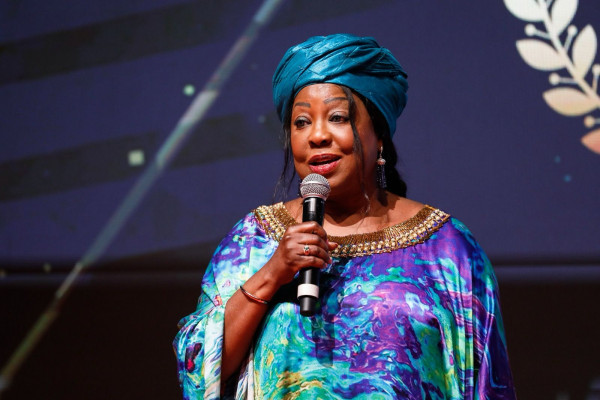
Minister in the Presidency for Women, Youth and Persons with Disabilities, Dr Nkosazana Dlamini-Zuma, has joined the Commission for Gender Equality (CGE) in mourning the passing of Commissioner Lindiwe Octavia Ntuli-Tloubatla.

The Commissioner passed away on Monday following a long illness.

Ntuli-Tloubatla joined CGE after her appointment as Commissioner by President Cyril Ramaphosa in 2019.

Within the Commission, she served in various committees, including Human Resource, Education and Research and Legal. 

A graduate of the University of Limpopo, University of Pretoria, University of South Africa, and Regenesys School of Public Management, Ntuli-Tloubatla had  extensive knowledge and experience in gender transformation and women empowerment.

Dlamini-Zuma said together with other Commissioners, Ntuli-Tloubatla championed the constitutional mandate of the Commission for Gender Equality and its obligations by ensuring an organisational framework for compliance, governance, and effective functioning, which are today the strategic pillars for implementation of the Commission’s mandate.

“It is with great sadness and heavy hearts that we lose a dedicated individual who was dedicated to advancing the course of gender equality in South Africa. We extend our heartfelt condolences to her family, friends and colleagues during this difficult period,” Dlamini Zuma said.

Also sending its heartfelt condolences to the family, friends and relatives of the late Commissioner, the CGE said Ntuli-Tloubatla was a committed leader and passionate gender activist, and will be dearly missed by the Commission and society.

“She was so passionate about human rights and human capacity development. As the Commission we mourn and henceforth celebrate a life well lived. Indeed, the country will surely miss her.

“Her memory and what she laboured for will be her legacy. We shall never forget the footprints she left behind,” CGE Chairperson, Advocate Nthabiseng Sepanya-Mogale said. – SAnews.gov.za


GabiK
Thu, 11/23/2023 - 11:39
204 views
Read moreCondolences for Commission for Gender Equality Commissioner
23 November 2023

Hundreds of early childhood development sector workers march in Manguang

Location: News

They are frustrated by “failures” in the Free State education system

Read moreHundreds of early childhood development sector workers march in Manguang
23 November 2023

How unemployment has changed since 2000

Location: News

Jobless rate has not dropped below 20% since 2000

Read moreHow unemployment has changed since 2000
22 November 2023

Nzimande speaks out on violence against women at universities

Location: News

Nzimande speaks out on violence against women at universities

Universities and colleges have been urged to continue to implement programmes towards addressing sexual and gender-based violence (GBV) within the Post School Education and Training (PSET) system.

Higher Education and Training Minister, Dr Blade Nzimande, made this call during a media briefing on Tuesday after a video of a university student stabbing his wife at a private student residence in Belhar, Cape Town, circulated on social media. 

“This kind of barbaric behaviour by males against women must be condemned and perpetrators must face the full might of the law. We cannot continue like this in our society, where as many as 38% of murders are committed against women, often by their intimate partners,” Nzimande said.

He urged both the government and the PSET sector to intensify campaigns to confront and defeat the scourge of GBV in society and at post school education and training and higher learning institutions.

“I launched the Transforming MENtalities initiative, which is a multi-stakeholder partnership within the PSET, with a particular focus on mobilising men in our sector to be part of championing a world free of gender biases, stereotypes, violence and discrimination.”

He commended the arrest of a senior Fort Hare University employee for the alleged murder and attempted murder of employees at the university.

The accused, including nine men and a woman, appeared in the Alice Magistrate's Court on Tuesday on charges of murder and attempted murder of Fort Hare Fleet Manager, Petrus Roets and Mboneli Vesele, who was the bodyguard to Vice-Chancellor Professor Sakhela Buhlungu.

The case was postponed to 13 December 2023 for the finalisation of pending bail applications for three of the accused. 

“We had indicated to Minister Cele (Police Minister) that indeed, no stone must be left unturned in going to the reasons for the killings at Fort Hare. Without prejudging the situation, as Minister, I am deeply concerned about the latest arrest of someone inside the Vice-Chancellor's office and ostensibly responsible for the security in the institution. 

“This may point to the fact that the problems at UFH may be deeper than meets the eye. I will be further engaging with Council on the latest developments, particularly given the fact that complaints have been raised with me about alleged illegal surveillance of Council and staff members,” Nzimande said. - SAnews.gov.za


GabiK
Wed, 11/22/2023 - 10:40

43 views
Read moreNzimande speaks out on violence against women at universities
21 November 2023

Global unity vital in pursuit of equal access to education for every – President

Location: News

Global unity vital in pursuit of equal access to education for all - President

President Cyril Ramaphosa has highlighted the urgent need for global unity in ensuring equal access to education for all, particularly amidst ongoing instability. 

The President was speaking at the Education International 10th Africa Regional Conference held at the Sandton Convention Centre in Johannesburg on Tuesday.

Education International Africa Region is holding its 10th Regional Conference in Johannesburg. About 400 delegates, observers, and guests from across and beyond the region are attending the conference.

President Ramaphosa lauded the conference organisers for their commitment to advancing education, particularly in times of crisis, which is crucial for the future of the African continent and the world.

The President told delegates that as nations navigated the turbulent waters brought by the COVID-19 pandemic, the world was confronted with political upheavals and conflicts. 

“These crises further strained our social fabric, affecting the livelihoods of countless individuals and denying many children their fundamental right to education. In these times of instability, it is even more critical for nations to stand united in pursuit of equal access to education for all. 

“Education is the cornerstone upon which societies build their future. Through education, we cultivate respect for human rights, the rule of law and the principles of democracy,” the President said. 

President Ramaphosa said the work of the UN High-Level Panel on the Teaching Profession, which demonstrates the adaptation of education systems to a rapidly changing world, is one of the most important tasks of the moment.

The panel draws expertise from diverse stakeholders, including Ministers of Education, labour representatives, teacher unions and civil society organisations, and includes South Africa's own Minister of Basic Education, Angie Motshekga. It's main objectives underscore the importance of educators’ voices in finding solutions to educational challenges. 

“Educators play a fundamental and irreplaceable role in shaping our societies, and their insights are invaluable in our quest for sustainable solutions. Curriculum reform that responds to the changing world of work is another vital task. 

“In South Africa, we are on the brink of a significant educational reform with the implementation of the Coding and Robotics curriculum from Grade R to Grade 9. 

“This initiative is part of our broader strategy to integrate STEAM [science, technology, engineering, arts and maths] subjects into our education system. By doing so, we aim to equip our learners with the digital skills necessary to thrive in a fast-paced world,” President Ramaphosa said. 

Decolonising education

The President said that the decolonisation of education has become increasingly important. 

He added that the discussions at this conference, focusing on tackling racism, decolonising education and promoting democracy, human rights and trade union rights, could not be more timely. 

“The project of decolonising education in Africa is not just a matter of academic interest. It is a pressing need. We must challenge colonial theories and practices to build resilient education systems that are centred on African perspectives and experiences.

“This requires a shift away from a Eurocentric worldview to embrace a more diverse and inclusive perspective. 

“We must acknowledge and value the knowledge systems of all peoples and integrate them into our curricula and knowledge selection processes,” the President said. 

He said the responsibility to nurture and defend the right to education extends to all parts of society. 

The President called on labour movements, civil society organisations and non-governmental organisations operating within the educational sphere to collaborate to protect this critical space. 

Through such partnerships, he said, the world can prepare learners to be active, informed citizens in democratic societies. 

“The role of organisations, such as Education International, are vital. As advocates for quality education, your mission is to ensure inclusive and equitable learning opportunities for all. 

“We know that quality education is not just a matter of access. What is also needed are safe, conducive environments where the rights of all learners are respected and upheld. 

“By improving access to education, we can alleviate poverty and empower marginalised communities, unlocking their potential and contributing to the development of nations,” he said. – SAnews.gov.za


DikelediM
Tue, 11/21/2023 - 14:15

317 views
Read moreGlobal unity vital in pursuit of equal access to education for every – President
21 November 2023

Deciphering Consumer Psychology during the Festive Season in South Africa

Location: MyPR

By Shaheen Khan – Senior Lecturer (Commerce and Management) at Regent Business School In this in-depth exploration of consumer psychology during the South African festive season, Shaheen Khan from Regent Business School unravels the intricacies of consumer behaviour, offering valuable insights into how businesses can effectively influence consumer choices and shape trends during this critical …

Read moreDeciphering Consumer Psychology during the Festive Season in South Africa
20 November 2023

Triumph over pit latrines near yet far

Location: News

Triumph over pit latrines near yet far

South Africa is poised to turn the corner in eradicating pit latrines in educational facilities before the UN-designated year of 2030, writes Minister of Basic Education Angie Motshekga.

On World Toilet Day, 19 November 2023, it is imperative to reflect on the critical role of sanitation in educational and social development to restore dignity while ensuring the safety of learners and educators.

The Sanitation Appropriate for Education (SAFE) initiative, spearheaded by the Department of Basic Education (DBE), represents a significant undertaking. It transcends the mere elimination of pit latrines, addressing broader issues at the core of adequate educational infrastructure and well-being.

This reflection comes when we’re emerging from the shadows of the COVID-19 pandemic, which significantly impacted all aspects of life, including the progress of essential sanitary projects in schools.

Sanitation, fundamentally linked to human dignity, is critical to global health and well-being. The World Health Organization (WHO) underscores that safe drinking water, sanitation, and hygiene (WASH) are not only essential for health but also contribute significantly to livelihoods, school attendance, and the dignity of individuals, fostering resilient communities in healthy environments​​. Human Rights Watch amplifies this, stating that the right to sanitation, a derivative of the right to an adequate standard of living, ensures everyone is entitled to sanitation services that provide privacy and uphold dignity​​.

The World Bank emphasises the necessity of investing in sanitation to prevent needless deaths, improve lives and livelihoods, and uphold human dignity. This is particularly poignant considering that around 4.2 billion people live without access to safely managed sanitation, with women and girls often bearing the brunt of this deprivation. The Hunger Project further highlights that a lack of access to sanitation is not only a health issue but also a matter of safety and human dignity. Sanitation is now a global priority, and efforts are being made to educate communities about its importance and to provide sustainable solutions like eco-toilets​​.

Additionally, improvements in sanitation, as part of the broader WASH framework, are fundamental to enhancing people’s living standards. These improvements yield numerous benefits, including better physical health, environmental protection, improved educational outcomes, time savings, and the assurance of a life of dignity, ensuring equal treatment for all genders.

The pandemic highlighted the importance of hygiene and sanitation, which the DBE had been addressing through its emergency water programme and the SAFE initiative. The latter, albeit delayed by the pandemic, has been a pivotal project to transform the sanitation facilities in South African ordinary public schools.

SAFE’s objective is not just a replacement of outdated pit latrines but a complete overhaul of the sanitation infrastructure in line with the Norms and Standards for school infrastructure. This overhaul is not merely about installing new toilet seats, which are determined by learner enrolment and include age-appropriate facilities for primary schools and those catering to the disabled. The scope of SAFE is extensive, encompassing the assessment of existing sanitation facilities, de-sludging and demolition of old pit toilets, construction of new, appropriate toilets, provision of rainwater harvesting systems, and the construction of accessible walkways.

This initiative, launched by President Cyril Ramaphosa in August 2018, underscores the power of collaboration for social change. It brought together an array of partners from both the public and private sectors, including Amalooloo, Assupol, AVBOB, Norcros, and international actors like the embassies of the Republic of Korea and the United States of America. This collective effort has resulted in the delivery of 126 projects out of a pledged 184. The diversity and innovation seen in these partnerships have been crucial in tailoring solutions to meet various needs, embodying the ‘stronger together’ ethos.

Alongside SAFE, the Accelerated Schools Infrastructure Delivery Initiative (ASIDI) targeted 1087 sanitation projects, all of which have been completed. This achievement signifies not just a quantitative success but a qualitative shift in the educational experience for millions of previously disadvantaged school children. The inclusion of children at the Grade R level in the education system underscored the need for age-appropriate sanitation facilities, a demand that SAFE has been addressing.

To date, 2978 out of 3898 SAFE projects have been completed since the program’s intensification in 2019. This progress is significant, considering the interruptions caused by the pandemic. More than just constructing facilities, SAFE emphasises the importance of hygiene education, ensuring that schools are equipped with better sanitation and the knowledge to maintain these standards.

The urgency of this mission aligns with the United Nations’ UN Water directive, which starkly reminds us that to meet the sanitation target of SDG 6 – safe toilets and water for all by 2030 – the world needs to accelerate its efforts. The DBE, with an expenditure of nearly R 3.7 billion, is confident in meeting these goals within the next two financial years, showcasing a commitment to transforming the landscape of school sanitation in South Africa.

In conclusion, the SAFE initiative is a testament to the power of collaborative effort in addressing critical social challenges. It goes beyond mere infrastructure development, encompassing a holistic approach that includes partnership, innovation, and education.

On this World Toilet Day, as we reflect on the strides made, we are reminded of the ongoing journey towards ensuring that every child has access to safe and dignified sanitation. This fundamental right underpins their health, educational success, and future prospects. It is about our people’s inherent right to dignity. We dare shall not fail.

*Angie Motshekga is the longest-serving Minister of Basic Education in South Africa, post 1994.


Matona
Mon, 11/20/2023 - 13:27

458 views
Read moreTriumph over pit latrines near yet far
20 November 2023

Empact Group Food Solutions: Empowering careers and building futures through culinary education

Location: MyPR

JOHANNESBURG, Tuesday, 14 November 2023 – Empact Group Food Solutions is thrilled to announce the successful completion of the Artisan Chef Practical examinations. This milestone event took place on Tuesday, 14th November 2023, and marked the culmination of an exciting year for our aspiring chefs as they embarked on their 3-year Occupational Chefs qualification journey. …

Read moreEmpact Group Food Solutions: Empowering careers and building futures through culinary education
20 November 2023

President congratulates Auditor-General on UNESCO appointment

Location: News

The Presidency: Republic of South Africa
Download logo

President Cyril Ramaphosa commends Auditor-General of South Africa, Ms Tsakani Maluleke, on her appointment as External Auditor of the United Nations Educational, Scientific and Cultural Organisation (UNESCO) for a period of six years, from 2024 to 2029. 

President Ramaphosa appointed Ms Maluleke, on recommendation of the National Assembly, as Auditor-General with effect from 1 December 2020. She had previously been Deputy Auditor-General and the first woman to hold this office. 

Ms Maluleke is a Chartered Accountant and registered auditor who holds a B Comm (Accounting) and a Post-Graduate Diploma in Accountancy from the University of Cape Town. 

She also obtained a Post-graduate Diploma in Development and Public Management from the University of the Witwatersrand in 2016. 

Ms Maluleke was elected to her UNESCO role on 16 November 2023 by members of various committees and subsidiary organs of this United Nations agency. 

UNESCO contributes to peace and security by promoting international cooperation in education, sciences, culture, communication and information. 

President Ramaphosa said: “On behalf of government and the nation, I congratulate our Auditor-General on her election to a global role which as an acknowledgment of her personal capabilities and the leadership capacity and integrity that resides in South Africa's governance institutions”. 

The President wishes Ms Maluleke well as she embarks on her new oversight position.

Distributed by APO Group on behalf of The Presidency: Republic of South Africa.

Read morePresident congratulates Auditor-General on UNESCO appointment
20 November 2023

FIFA Secretary General receives Choiseul Grand Prix award in Casablanca

Location: Sport
FIFA

Fatma Samoura honoured in recognition of her achievements as Secretary General; Progress in women's football and development schemes central themes of speech; Vows to continue work against discrimination after stepping down at the end of the year.

Fatma Samoura has received the Choiseul Grand Prix award at a ceremony in Casablanca, Morocco, in recognition of her achievements during more than seven years as FIFA Secretary General.

Appointed in 2016 and the first female, African and Muslim Secretary General in over a century of FIFA history, Ms Samoura has since worked tirelessly alongside President Gianni Infantino to rehabilitate FIFA's image and increase transparency.

She has also been a staunch advocate for women's football, and her tenure has seen a major increase in the number of girls and women playing the game as FIFA work towards the goal of 60 million female players in organised football by 2026.

In her acceptance speech, Ms Samoura highlighted the success of the expanded FIFA Women's World Cup 2023, which saw nearly two million fans attend matches in Australia and Aotearoa New Zealand, and noted the significant impact the tournament would have not only on the women's game, but also society.

“As my journey with FIFA draws to a close, I have had some time to look back on the last seven-and-a-half years and see just how far we have come. FIFA itself has changed significantly. When I stepped into the role in June 2016, it was basically a toxic brand due to all the corruption scandals. So along with President Infantino, I had to take a leading role in cleaning up the organisation, inside and out. Today FIFA is a more accountable, better governed and more transparent organisation that puts football in the center of its activities, and I am hugely proud to have contributed in some small way to creating that.” said Ms Samoura at the event organised by Institut Choiseul, an independent, non-partisan and non-profit thinktank focused on finding solutions to economic challenges in Africa.

Ms Samoura has also contributed to changing the face of FIFA. Since the founding of the Women's Football (https://apo-opa.co/3G7NOrE) Division in 2016, the FIFA Council (https://apo-opa.co/46kZotR) now features seven female members, including one FIFA Vice-President, while over 40 percent of FIFA employees are female.

But she has also been a driving force behind development schemes such as the FIFA Football for Schools programme (www.FootballForSchools.FIFA.com), this week attending the launch in Ethiopia (https://apo-opa.co/46qshVE) as the East African nation became the 102nd of FIFA's 211 Member Associations (MAs) to join the initiative, which aims to give children around the world skills for life as well as football.

She also highlighted the benefits of the Talent Development Scheme (https://apo-opa.co/46j6ZsT), which provides the most promising young players a pathway to fully exploit their potential, and the FIFA Forward programme (https://apo-opa.co/49VJNUX), which funds MAs' football-related development projects and has seen a seven-fold increase in support since 2016.

The FIFA Talent Development Scheme (https://apo-opa.co/47DbFuR) helps raise the standards of national-team football around the world for both men and women. The scheme supports MAs in making the most of the talent available to them with FIFA approved a funding allocation of USD 200 million. FIFA's ambition is that by 2026, all MAs will have at least one high-performance centre of excellence for players between the ages of 12 and 16.

Ms Samoura was also a driving force behind FIFA's partnership with Agence Française de Développement (AFD) (https://apo-opa.co/3MRbDaG). The partnership has seen projects to mitigate Covid 19 effects, projects on mental health co-financed with the GIZ (the German Development Cooperation) (https://apo-opa.co/3sEkaXQ), and the Championnes programme. The Championnes programme is an important project that promotes leadership among girls and promotes gender equality in Africa through football.

The most recent co-financed FIFA/AFD initiative (https://apo-opa.co/3sEinC4) – with Play International and Diambars as implementation agencies – is an inclusive football academy programme launched in Djibouti, Malawi and Mauritania.

The benefits of these programmes in Africa can already been seen in recent FIFA tournaments including the FIFA Women's World Cup™️ which saw an increase to four African teams qualify for the finals, with a record three of them – Morocco, Nigeria and South Africa – reaching the knockout rounds. African nations have also impressed in the FIFA U-17 World Cup™️, currently being held in Indonesia. Three out of the four CAF nations – Morocco, Mali and Senegal – have qualified for the knockout rounds with Morrocco finishing top of their group.

The Football Unites the World campaign, and the wide range of social issues given greater visibility at the FIFA World Cup last year in Qatar and this year's FIFA Women's World Cup, such as gender equality and education for all, have all been causes close to Ms Samoura's heart during her time in office. She said she intends to keep promoting those issues when she steps down as FIFA Secretary General at the end of the year.

Distributed by APO Group on behalf of FIFA.

Download more images: https://apo-opa.co/3SMBEvO

Contact for African media: 
AfricanMedia@fifa.org

Media files
FIFA
Download logo
Read moreFIFA Secretary General receives Choiseul Grand Prix award in Casablanca
19 November 2023

AG appointed UNESCO External Auditor

Location: News

AG appointed UNESCO External Auditor

Auditor-General of South Africa Tsakani Maluleke has been commended on her appointment as External Auditor of the United Nations Educational, Scientific and Cultural Organisation (UNESCO) for a period of six years, from 2024 to 2029.

In a statement, President Cyril Ramaphosa said: “On behalf of government and the nation, I congratulate our Auditor-General on her election to a global role which as an acknowledgment of her personal capabilities and the leadership capacity and integrity that resides in South Africa’s governance institutions.”

The President appointed Maluleke, on recommendation of the National Assembly, as Auditor-General with effect from 1 December 2020. She had previously been Deputy Auditor-General and the first woman to hold this office.

Maluleke is a Chartered Accountant and registered auditor who holds a B Comm (Accounting) and a Post-Graduate Diploma in Accountancy from the University of Cape Town.

She also obtained a Post-graduate Diploma in Development and Public Management from the University of the Witwatersrand in 2016.

Maluleke was elected to her UNESCO role on 16 November 2023 by members of various committees and subsidiary organs of this United Nations agency. UNESCO contributes to peace and security by promoting international cooperation in education, sciences, culture, communication and information.

The President wished Maluleke well as she embarks on her new oversight position. – SAnews.gov.za


Janine
Sun, 11/19/2023 - 11:24

373 views
Read moreAG appointed UNESCO External Auditor
19 November 2023

Global teacher and education workers labour federation meets in Joburg

Location: News

Global teacher and education workers labour federation meets in Joburg

President Cyril Ramaphosa will on Tuesday address the opening of the Education International 10th Africa Regional (EIRAF) Conference in Sandton, Johannesburg.

Education International is a global teacher and education workers labour federation with more than 32 million members.

Education International affiliates in South Africa are the South African Democratic Teachers’ Union, the National Professional Teachers’ Organisation of South Africa, the National Teachers’ Union, the Professional Educators Union and the Suid-Afrikaanse Onderwysersunie.

Hosted by South African Education International member organisations, the conference is themed "Standing Together for Resilient Education Systems in Times of Crisis”.

The Presidency said the conference takes place between Sunday, 19 November 2023, and Thursday, 23 November 2023.

In line with the principle of rotation, the regional conference is being held in Southern Africa with sub-themes: “Guaranteeing Quality Public Education for All During and Beyond Crises” as well as “Rebuilding our Profession and our Education Systems”.

The conference seeks to formulate strategies for equitable, inclusive, and high-quality public education; addressing challenges such as the COVID-19 pandemic, Ebola, HIV/AIDS, conflict, and climate change.

“Taking place every four years, EIRAF serves as a platform for reports, policy adoption, and future program approval in accordance with its Constitution. It offers member organisations a vital opportunity for substantive discussions on trade unions, education, the future of education, and other critical regional issues,” said the Presidency.

Conference delegates include representatives from global unions and partner organisations.

Discussions during the conference will focus on crucial topics such as making Early Childhood Education for All a reality in Africa, creating safe and healthy schools and education institutions, evidence-based social and policy dialogue, and defending and promoting academic freedom and professional autonomy in Africa. – SAnews.gov.za

Janine
Sun, 11/19/2023 - 11:42

141 views
Read moreGlobal teacher and education workers labour federation meets in Joburg
17 November 2023

Collaboration imperative in eliminating child labour: Nxesi

Location: News

Collaboration imperative in eliminating child labour: Nxesi

Employment and Labour Minister Thulas Nxesi says it is imperative to acknowledge the gravity of the scourge of child labour, and recognise the collective duty to strengthen the prevention and elimination of child labour in agriculture.

“The agricultural sector is the backbone of our economy, providing food security and sustenance, as well as livelihood to millions. Yet, it is disheartening to note that some of the very hands that cultivate the crops and tend to the livestock belong to children who should be in schools, not in the fields. This situation is unacceptable and demands our immediate attention and concerted efforts,” the Minister said. 

Nxesi was delivering the keynote address at the Prevention and Elimination of Child Labour in South Africa launch event in Sandton, Johannesburg.

The Department of Employment and Labour, in collaboration with the International Labour Organization (ILO), launched a European Union-funded child labour project that seeks to strengthen the prevention and elimination of child labour in the agricultural sector in South Africa.

To tackle this grave issue, Nxesi said the world must first understand its root causes. He cited poverty, lack of access to education, and limited awareness about child rights as creating an environment where child labour thrives.

Nxesi said the Durban Call to Action adopted at the 5th Global Conference last year in Durban, resonates with this approach, in that it commits different role players to take immediate and effective measures to eliminate child labour.

“Education lies at the heart of this endeavour. We must invest in educational opportunities for all children, irrespective of their socio-economic backgrounds. By ensuring that every child has access to quality education, we empower them with the knowledge and skills necessary to break the cycle of poverty and contribute meaningfully to society,” he said. 

Simultaneously, the Minister said enforcing existing laws and regulations is paramount. He said that stringent penalties for those exploiting children for labour, coupled with rigorous monitoring mechanisms, will serve as a deterrent to potential offenders. 

Moreover, he said, support systems must be put in place to rehabilitate and reintegrate children who have been rescued from child labour situations, ensuring they receive the care, counselling, and education necessary for their holistic rehabilitation and development.

“Additionally, we must raise awareness about child rights and labour laws within farming communities. Educating parents, guardians, and employers about the detrimental effects of child labour, and the legal consequences associated with it, can act as a powerful deterrent.

“What remains constant in all these endeavours is that collaboration between government, employers' and workers' organisations, civil society, and international agencies is crucial for sharing resources, expertise, and best practices, leading to more effective and sustainable interventions,” he said. 

Nxesi told delegates at the launch that together, they possess the strength, knowledge, and determination needed to create a world where no child is robbed of their innocence, their education, or their dreams. 

“In our quest to eradicate child labour, collaboration is not merely a choice; it is an imperative. No single entity, whether it is governments, NGOs, businesses, workers or communities, can tackle this issue in isolation. We need to join hands, share expertise, and combine resources to create a formidable force against child labour,” he said. 

The Minister said they are thankful to the European Union (EU) for approving the funding of this project, and to the International Labour Organisation (ILO) for its continued support in their endeavours to fight the scourge of child labour. 

The Minister said that the project launched today will be piloted in two provinces, that is, KwaZulu-Natal and Western Cape.

He urged all stakeholders to continue to collaborate, to innovate, and to advocate, ensuring that every child can grow up in a safe, nurturing environment – free from the shackles of child labour.

“Together, we can create a supportive environment where families are lifted out of poverty, children are educated, and communities thrive. Businesses, too, have a crucial role to play by adopting ethical supply chain practices, ensuring that the products we consume are not tainted with the sweat and tears of innocent children,” he said. 

The Minister concluded that the fight against child labour in the agricultural sector is a moral imperative that demands an unwavering commitment. 

“We look forward to the replication of these pilot projects across the country as a whole, and the eventual elimination of child labour in the agricultural sector – and beyond. 

“Let us stand united in our resolve to strengthen the prevention and elimination of child labour. Let us be the voice for those who are silenced, the advocates for those who are vulnerable, and the champions for those who deserve a brighter future,”  Nxesi said. – SAnews.gov.za

DikelediM
Fri, 11/17/2023 - 14:37

351 views
Read moreCollaboration imperative in eliminating child labour: Nxesi
17 November 2023

Government upgrades community health centre that rehabilitates accident survivors

Location: News

Government upgrades community health centre that rehabilitates accident survivors

The Road Accident Fund (RAF) has upgraded units within the Alexandra Community Health Centre that deals with emergency and rehabilitation services for road accident victims.

Addressing the handover event of the state-of-the-art rehabilitation centre in Gauteng, Transport Minister Sindisiwe Chikunga said the renovated rehabilitation centre and the emergency unit is expected to restore the dignity of citizens, and aims to bridge the inequality gap in the quality of service and standard of institutions built for public health care.

The major structural refurbishments include renovations and provision of medical equipment for both facilities.

“The upgrade of these facilities will enable the realisation of a shared value, where the RAF, the Clinic and beneficiaries will derive benefits. It is well established that the victim’s chances of survival are greatest if they receive care within a short period after a severe injury, this is popularly known as the Golden Hour rule,” the Minister said on Friday in Johannesburg.

The Accident and Emergency Centre is a 24-hour facility that caters mainly emergency medical care.

“Statistics show that admission of pedestrians are consistently higher than driver and passenger admissions in all four quarters, indicating that pedestrian accidents are more frequent or result in more severe injuries in the community.

“A total of 1 742 patients were attended and treated in the Masakhane Clinic Accident and Emergency Centre during the 2022 -2023 from April 2022 to March 2023.

“These statistics emphasize the importance of road safety measures and awareness campaigns, especially in the periods when accidents are more prevalent. Ensuring that drivers and pedestrians are well-informed about road safety can help reduce the number of accidents,” Chikunga said.

The RAF will assist survivors on their journey of recovery, assisting them to re- imagine and rebuild their lives in society

“The experience of being involved in an accident leaves many emotionally, physically and financially vulnerable. It is at this time that the Road Accident Fund (RAF) holds their hands along the journey of recovery. In addition, such a mandate of rehabilitation cannot be possible without the partnership of the RAF and the health center.

“Hence, the RAF took it upon themselves to include as part of their strategic goals to assist the renovations of units within health care clinics that deals with emergency and rehabilitation services,” Chikunga said.

She said the project was implemented in partnership with the South African Medical & Education Foundation, a local NGO that undertakes high impact community development projects.

The sole aim is improving healthcare and educational facilities in poverty-stricken communities.

“The RAF in partnership with the implementing NGO employed a community and local resource-based approach. As a result, RAF transferred skills and created about 35 temporary jobs as all workforce was sourced locally through organized community structures.

“Of these 35 people employed in this project, 15 are skilled, 20 unskilled and eight are women. More than 70% of supplies was sourced locally and empowered nine local SMME’s from across Greater Alexandra Local Municipality.

“The RAF was intentional in ensuring that the community of Alexandra was directly involved and participated fully by taking ownership of this development initiative,” the Minister said. – SAnews.gov.za

nosihle
Fri, 11/17/2023 - 14:54

108 views
Read moreGovernment upgrades community health centre that rehabilitates accident survivors
17 November 2023

Stakeholders say transformative industrialisation is critical for Africa’s sustainable development

Location: News

United Nations Economic Commission for Africa (ECA)
Download logo

Some stakeholders have reiterated the need for transformative industrialisation, saying it is critical for sustainable development on the continent.

They have been speaking at a special event, "Leveraging on strategic foresight for an agile, robust, and forward-looking sustainable industrial development in Africa", on Thursday at the African Economic Conference (AEC) in Addis-Ababa, Ethiopia.

Fiona Tregenna a Professor at the University of Johannesburg, and Chair of the Industrial Development National Research Foundation (NRF) of South Africa, delivered a paper on Transformative Industrialisation for Africa (TIFA) and links with strategic foresight. She highlighted some of the challenges that have hindered industrialisation on the continent.

According to Tregenna, achieving the Africa we want is not business as usual, otherwise we will not get the transformative change to give us the Africa we want.

She added: "A strategic and systemic approach is critical for a sustainable Africa. We are not looking at interventions that will yield today, but long-term investments."

Mr Ibrahima Sall, former Minister of Planning in Senegal, said engagement with various relevant stakeholders was required for sustainable industrial development in Africa.

"We need a flexible, agile, high-impact industrialisation that is robust. Even in the professor's introduction, it is clear that there are some industrial processes, and we need to keep the strength going. We know how to implement industrial policies, no policy cannot be selective. Otherwise, we will be sprinkling without impacting or wasting capital. So, there must be a selective national champion. How do we build with major stakeholders? What matters most is to look at selectivity and information and inform the states to understand that policies are not made on the ground. The engagement of states is key, and they must pay attention to the industrial sector," Sall said.

He added that selective criteria are critical. The vertical policy of African nations entails focusing on processing raw materials. And we have horizontal and selective, which involve all actions: sustainability, infrastructure, human capital, and technology. With this, states do not need to be flexible but focus on sustainability.

Speaking on Malawi's strategy, Thomas Munthali, Director General at the country's National Planning Commission, said that knowing that the effects of climate change were gradually destroying the country, it embarked on climate-resilient infrastructure and appreciated the future of industrialisation.

Munthali urged countries on the continent to venture more into digitisation, engage the private sector to catalyse investments, experiment, and learn from successful nations. He said, "We should be learning from nations. We should try and fail, but never fail to try."

For her part, Hauwa Ibrahim of the Nasarawa State University in Nigeria, said Africa stood at the crossroads of opportunities and challenges.

Ibrahim added that, "While we know there are no perfect policies, those with rooted outcomes stand the test of time. There is a need for research and development on the continent to ensure a sustainable Africa. The demographic population is vital and should be considered because we have many young people and what they are learning now should matter to us. We need to recognise the role of technology and ensure it is applied at all levels. We cannot take out the role of education in defining technology because we do not want to industrialise and have to invest elsewhere, away from the continent, in certain labour forces. Therefore, while we invest in technology, we must also invest in the education of young people."

Earlier, Karima Ben Soltane, the Director of the United Nations African Institute for Economic Development and Planning (IDEP), ECA, while moderating the session, said the theme was focused on what African countries needed to enact their policies, implement the SDGs, and make strategic investments, among others.

"What are the key drivers of change in the workforce landscape? We are cognizant that tomorrow's jobs do not exist today. And we need to ensure ways of bringing up initiatives and effectively preparing governments, individuals, institutions, and industries for these changes,” Ben Soltane added.

Distributed by APO Group on behalf of United Nations Economic Commission for Africa (ECA).

Read moreStakeholders say transformative industrialisation is critical for Africa’s sustainable development
17 November 2023

No truth to social media posts on leaked exam papers

Location: News

No truth to social media posts on leaked exam papers

The Department of Basic Education has cautioned the public of fake social media posts that suggest that some matric examination question papers have been leaked. 

“The posts are fake, misleading and seek to cause unnecessary confusion and panic. The examinations are proceeding well without any major incidents reported.

“The department wishes to reassure the National Senior Certificate candidates, their parents and guardians and members of the public that there have been no examination paper leaks nor an announcement about any rewrite of any papers whatsoever,” the department said in a statement.

The department said the Minister of Basic Education Angie Motshekga has made no such announcement about any incident related to examinations, adding that the social media posts are a pure fabrication and malicious.

“The department can confirm that week three of the NSC exams concludes today and, since the start of the examinations, no serious irregularities have occurred.

“This implies that the measures put in place to secure the examinations are working well thus far. A total of 136 of the 231 question papers have already been written and today is day 15 of the 28-day examination period,” the department said.

The department thanked those involved in the examinations and further urged learners to continue to apply their minds with diligence to this all-important examination and not to be distracted. – SAnews.gov.za

DikelediM
Fri, 11/17/2023 - 13:12

173 views
Read moreNo truth to social media posts on leaked exam papers
16 November 2023

22 Gauteng schools built with asbestos still haven’t been replaced

Location: News

Historic Kliptown Primary School is one of them

Read more22 Gauteng schools built with asbestos still haven’t been replaced
16 November 2023

Community upliftment drives Renishaw Coastal Precinct’s ongoing success

Location: MyPR

For the 1 300-ha, mixed-used Renishaw Coastal Precinct to thrive on the KZN mid-South Coast, it’s vital that everyone is benefitting from the development. This ethos has seen the precinct developers investing in local talent, with one woman showing how some quality skills training can lead to a successful business enterprise. After passing Grade 11 …

Read moreCommunity upliftment drives Renishaw Coastal Precinct’s ongoing success
16 November 2023

Government using targeted approach to bring relief to cash strapped consumers

Location: News

Government using targeted approach to bring relief to cash strapped consumers

Further expansion of Value Added Tax (VAT) free – or zero rated – products is currently not on the cards for South Africa. However, government has implemented more targeted policies to benefit the poor.

This according to Deputy Minister of Finance, David Masondo, who was participating in Parliament’s mini plenary session on, amongst other topics, the high cost of living and measures government is taking to alleviate it.

Masondo told the session that additional VAT zero rating is not “the best instrument to address the problem of high cost of living”.

“Government has already VAT zero rated a number of basic foods. This includes the zero rating of illuminating paraffin and other items which was introduced in April 2001. Studies subsequently showed that suppliers did not pass on the benefit of the VAT relief to the consumers as it was intended. So it doesn’t follow that zero rating will lead to lower prices.

“The tax revenue that is lost from zero rated food items mostly flows to higher income households because this category…purchase more of the products that are zero rated. In fact, many analysts have demonstrated that in absolute mandatory terms, middle and higher income households benefit more from the zero rating than lower income or poor households,” he said.

Currently, VAT constitutes 26%, on average, of gross tax revenue in South Africa. That revenue is redistributed to the poor through various government programmes including social grants.

Masondo says a reduction in this revenue would have an impact on those who benefit from state driven programmes.

“Products that are zero rated are well targeted. Further zero rating will lead to VAT revenue loss which could be directed to the already existing pro-poor government programmes. Targeted cash transfer to the poor is better and more redistributive as opposed to VAT which benefits mostly high income households.

“In 2019/2020 fiscal year, R31 billion VAT revenue was forgone due to zero rated items. So we think that further zero rating will lead to the decline of revenue which could be used to support the poor,” Masondo said.

The Deputy Minister emphasised that although zero rating some items is well intended and necessary, “a social transfer system of assisting the poor through targeted expenditure interventions is much more desirable and better”.

“Recognising that zero rating is not the best instrument, government has instead implemented a number of policies to directly benefit lower income households through the expenditure side. Education and health budgets are progressive and extensive grant system of old age grants, the child support grant and the disability grant provide cash to households who are most in need.

“The Social Relief of Distress grant…is another new mechanism that government has used to provide this relief. This is a better approach than zero rating where so much of the benefit goes to higher earners and where companies may not even pass on the benefit to the consumers,” he said.

Masondo doubled down on his position – thrashing out other targeted interventions to assist cash strapped South Africans.

These include:

  • The implementation of the temporary reduction in the general fuel levy last year which benefitted consumers to the tune of some R10.5 billion
  • Added to that, the general fuel levy has not increased in the past two budgets
  • The introduction of the Road Accident Fund levy for food manufacturers – which allows these manufacturers to apply for tax reduction which could reduce costs of food manufacturing
  • Implementing reforms in the economy to bring prices of energy and rail and ports ccsts down which could increase growth and ultimately lead to the creation of more jobs

“This shows that government has been active in finding solutions to try and combat high prices without resorting to further zero rating,” he said. – SAnews.gov.za

NeoB
Thu, 11/16/2023 - 14:59

92 views
Read moreGovernment using targeted approach to bring relief to cash strapped consumers
16 November 2023

“We are back”: Khulumani pensioners snooze outside Constitutional Court

Location: News

They say they are owed apartheid reparations

Read more“We are back”: Khulumani pensioners snooze outside Constitutional Court
16 November 2023

President Ramaphosa concludes Official Visit to Qatar

Location: News

President Ramaphosa concludes Official Visit to Qatar

President Cyril Ramaphosa and his Qatari counterpart His Highness Sheik Tamim bin Hamad al Thani have agreed to expand the scope of economic relations between their two countries. 

President Ramaphosa travelled to Doha for a State Visit from 14-15 November. The Republic of South Africa and the State of Qatar will in 2024 celebrate their 30th anniversary of diplomatic relations.

During the State Visit, the President held a bilateral discussion with His Highness, Sheik Tamim bin Hamad al Thani and deliberated on various geopolitical issues that are currently impacting the world and ways to further strengthen economic ties. 

“On bilateral trade, both leaders agreed to expand the scope of economic relations. In this regard, the State of Qatar will soon dispatch a delegation to South Africa that will assess potential investment projects,” the Presidency said. 

The President and His Highness, Sheik Tamim bin Hamad al Thani deliberated on the situation in the Middle East and agreed on the urgent need for the international community to support efforts by the State of Qatar to end the devastating onslaught by Israel against the people of Gaza and to find a lasting solution to the Palestine-Israel conflict. 

President Ramaphosa commended Qatar for its forefront position in mediating the release of civilian captives held by Hamas in Gaza as part of a concerted de-escalation effort.

“The President and His Highness also discussed the Russia-Ukraine conflict. Both South Africa and Qatar expressed related positions on the conflict, which is to support a peaceful resolution through diplomacy, inclusive political dialogue, and negotiations, preferably facilitated through the Office of the United Nations Secretary-General. President Ramaphosa also briefed His Highness on the African Peace Initiative,” the Presidency said. 

Furthermore, the two leaders deliberated on the reform of the United Nations Security Council and the urgent need to make the organ reflective of current geopolitical realities and the pivotal role that Africa and other countries of the global south can play in global governance, peace and security matters.

Addressing the Qatari and South African business community, President Ramaphosa urged Qatari companies to explore more partnerships with their South African counterparts and invest in developmental projects in South Africa. 

The President enumerated several features that make South Africa an attractive investment destination of choice for Qatari businesses. 

“Key amongst these, is South Africa’s industrialised economy driven by well established companies, the development of greater market access through the African Continental Free Trade Area, the endowment of vast resources of critical minerals that will be used as the world embraces cleaner, greener growth and the far-ranging economic reforms that provide opportunities for partnership between foreign investors and domestic firms in South Africa,” the Presidency said. 

During the visit, three bilateral agreements were signed between the State of Qatar and the Republic of South Africa and they covered cooperation in the fields of education, the empowerment of women and people with disabilities and the establishment of a mechanism for bilateral consultations. 

President Ramaphosa congratulated the State of Qatar for the successful hosting of the FIFA 2022 World Cup, an experience that is shared with South Africa. – SAnews.gov.za


DikelediM
Thu, 11/16/2023 - 11:52

155 views
Read morePresident Ramaphosa concludes Official Visit to Qatar
16 November 2023

World Diabetes Day – SA should know the risks and respond with urgency

Location: MyPR

As we recognise World Diabetes Day, the 2023 “Know your risk, know your response” theme resonates profoundly in South Africa, especially considering the rising prevalence of type 2 diabetes in the country. According to Aimee Wesso-Roberts, Head of Lifestyle and Wellness Management at the AfroCentric Group, the landscape of diabetes in our nation is intertwined …

Read moreWorld Diabetes Day – SA should know the risks and respond with urgency
16 November 2023

Call for a national early childhood feeding scheme

Location: News

There is no government nutrition programme for children before they enter formal schooling

Read moreCall for a national early childhood feeding scheme
15 November 2023

Productivity SA responds to NEHAWU strike action

Location: MyPR

PRODUCTIVITY SA MANAGEMENT STATEMENT ON NEHAWU STRIKE Productivity SA Management confirms that members of the National Education, Health, and Allied Workers’ Union (NEHAWU) falling within the Bargaining Unit are on strike with effect from the 13th of November 2023. The picket is taking place at all the Productivity SA Offices, namely Midrand, Durban, and Cape …

Read moreProductivity SA responds to NEHAWU strike action
  • Previous
  • Page 1
  • Interim pages omitted …
  • Page 68
  • Page 69
  • Page 70
  • Page 71
  • Page 72
  • Interim pages omitted …
  • Page 83
  • Next

Copyright © 2026 · MyZA · All Rights Reserved · Powered by Stratlec Online