• Skip to main content
  • Skip to header right navigation
  • Skip to after header navigation
  • Skip to site footer
MyZA

MyZA

News, Directory, Events and Other Stuff

  • Social Media
  • Sport
  • World News
  • Home
  • Submit News
  • Directory
  • Events
  • Stratlec
  • TFSA
  • News
    • APO
    • Today’s Sport News
    • Todays Social Media and Tech Headlines
    • Today’s World News
    • Today’s SA Financial News
  • Contact
You are here: Home / News / Triumph over pit latrines near yet far

Triumph over pit latrines near yet far

20 November 2023 by Guest

Triumph over pit latrines near yet far

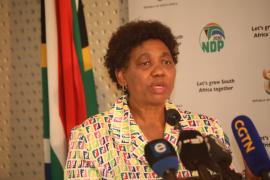
South Africa is poised to turn the corner in eradicating pit latrines in educational facilities before the UN-designated year of 2030, writes Minister of Basic Education Angie Motshekga.

On World Toilet Day, 19 November 2023, it is imperative to reflect on the critical role of sanitation in educational and social development to restore dignity while ensuring the safety of learners and educators.

The Sanitation Appropriate for Education (SAFE) initiative, spearheaded by the Department of Basic Education (DBE), represents a significant undertaking. It transcends the mere elimination of pit latrines, addressing broader issues at the core of adequate educational infrastructure and well-being.

This reflection comes when we’re emerging from the shadows of the COVID-19 pandemic, which significantly impacted all aspects of life, including the progress of essential sanitary projects in schools.

Sanitation, fundamentally linked to human dignity, is critical to global health and well-being. The World Health Organization (WHO) underscores that safe drinking water, sanitation, and hygiene (WASH) are not only essential for health but also contribute significantly to livelihoods, school attendance, and the dignity of individuals, fostering resilient communities in healthy environments​​. Human Rights Watch amplifies this, stating that the right to sanitation, a derivative of the right to an adequate standard of living, ensures everyone is entitled to sanitation services that provide privacy and uphold dignity​​.

The World Bank emphasises the necessity of investing in sanitation to prevent needless deaths, improve lives and livelihoods, and uphold human dignity. This is particularly poignant considering that around 4.2 billion people live without access to safely managed sanitation, with women and girls often bearing the brunt of this deprivation. The Hunger Project further highlights that a lack of access to sanitation is not only a health issue but also a matter of safety and human dignity. Sanitation is now a global priority, and efforts are being made to educate communities about its importance and to provide sustainable solutions like eco-toilets​​.

Additionally, improvements in sanitation, as part of the broader WASH framework, are fundamental to enhancing people’s living standards. These improvements yield numerous benefits, including better physical health, environmental protection, improved educational outcomes, time savings, and the assurance of a life of dignity, ensuring equal treatment for all genders.

The pandemic highlighted the importance of hygiene and sanitation, which the DBE had been addressing through its emergency water programme and the SAFE initiative. The latter, albeit delayed by the pandemic, has been a pivotal project to transform the sanitation facilities in South African ordinary public schools.

SAFE’s objective is not just a replacement of outdated pit latrines but a complete overhaul of the sanitation infrastructure in line with the Norms and Standards for school infrastructure. This overhaul is not merely about installing new toilet seats, which are determined by learner enrolment and include age-appropriate facilities for primary schools and those catering to the disabled. The scope of SAFE is extensive, encompassing the assessment of existing sanitation facilities, de-sludging and demolition of old pit toilets, construction of new, appropriate toilets, provision of rainwater harvesting systems, and the construction of accessible walkways.

This initiative, launched by President Cyril Ramaphosa in August 2018, underscores the power of collaboration for social change. It brought together an array of partners from both the public and private sectors, including Amalooloo, Assupol, AVBOB, Norcros, and international actors like the embassies of the Republic of Korea and the United States of America. This collective effort has resulted in the delivery of 126 projects out of a pledged 184. The diversity and innovation seen in these partnerships have been crucial in tailoring solutions to meet various needs, embodying the ‘stronger together’ ethos.

Alongside SAFE, the Accelerated Schools Infrastructure Delivery Initiative (ASIDI) targeted 1087 sanitation projects, all of which have been completed. This achievement signifies not just a quantitative success but a qualitative shift in the educational experience for millions of previously disadvantaged school children. The inclusion of children at the Grade R level in the education system underscored the need for age-appropriate sanitation facilities, a demand that SAFE has been addressing.

To date, 2978 out of 3898 SAFE projects have been completed since the program’s intensification in 2019. This progress is significant, considering the interruptions caused by the pandemic. More than just constructing facilities, SAFE emphasises the importance of hygiene education, ensuring that schools are equipped with better sanitation and the knowledge to maintain these standards.

The urgency of this mission aligns with the United Nations’ UN Water directive, which starkly reminds us that to meet the sanitation target of SDG 6 – safe toilets and water for all by 2030 – the world needs to accelerate its efforts. The DBE, with an expenditure of nearly R 3.7 billion, is confident in meeting these goals within the next two financial years, showcasing a commitment to transforming the landscape of school sanitation in South Africa.

In conclusion, the SAFE initiative is a testament to the power of collaborative effort in addressing critical social challenges. It goes beyond mere infrastructure development, encompassing a holistic approach that includes partnership, innovation, and education.

On this World Toilet Day, as we reflect on the strides made, we are reminded of the ongoing journey towards ensuring that every child has access to safe and dignified sanitation. This fundamental right underpins their health, educational success, and future prospects. It is about our people’s inherent right to dignity. We dare shall not fail.

*Angie Motshekga is the longest-serving Minister of Basic Education in South Africa, post 1994.


Matona
Mon, 11/20/2023 – 13:27

458 views

South Africa is poised to turn the corner in eradicating pit latrines in educational facilities before the UN-designated year of 2030, writes Minister of Basic Education Angie Motshekga.

On World Toilet Day, 19 November 2023, it is imperative to reflect on the critical role of sanitation in educational and social development to restore dignity while ensuring the safety of learners and educators.

The Sanitation Appropriate for Education (SAFE) initiative, spearheaded by the Department of Basic Education (DBE), represents a significant undertaking. It transcends the mere elimination of pit latrines, addressing broader issues at the core of adequate educational infrastructure and well-being.

This reflection comes when we’re emerging from the shadows of the COVID-19 pandemic, which significantly impacted every aspects of life, including the progress of essential sanitary projects in schools.

Sanitation, fundamentally linked to human dignity, is critical to global health and well-being. The World Health Organization (WHO) underscores that safe drinking water, sanitation, and hygiene (WASH) are not only essential for health but also contribute significantly to livelihoods, school attendance, and the dignity of individuals, fostering resilient communities in healthy environments​​. Human Rights Watch amplifies this, stating that the accurate to sanitation, a derivative of the correct to an adequate standard of living, ensures everyone is entitled to sanitation services that provide privacy and uphold dignity​​.

The World Bank emphasises the necessity of investing in sanitation to prevent needless deaths, improve lives and livelihoods, and uphold human dignity. This is particularly poignant considering that around 4.2 billion people live without access to safely managed sanitation, with women and girls often bearing the brunt of this deprivation. The Hunger Project further highlights that a lack of access to sanitation is not only a health issue but also a matter of safety and human dignity. Sanitation is now a global priority, and efforts are being made to educate communities about its importance and to provide sustainable solutions like eco-toilets​​.

Additionally, improvements in sanitation, as section of the broader WASH framework, are fundamental to enhancing people’s living standards. These improvements yield numerous benefits, including better physical health, environmental protection, improved educational outcomes, time savings, and the assurance of a life of dignity, ensuring equal treatment for every genders.

The pandemic highlighted the importance of hygiene and sanitation, which the DBE had been addressing through its emergency water programme and the SAFE initiative. The latter, albeit delayed by the pandemic, has been a pivotal project to transform the sanitation facilities in South African ordinary public schools.

SAFE’s objective is not just a replacement of outdated pit latrines but a complete overhaul of the sanitation infrastructure in line with the Norms and Standards for school infrastructure. This overhaul is not merely about installing current toilet seats, which are determined by learner enrolment and include age-appropriate facilities for primary schools and those catering to the disabled. The scope of SAFE is extensive, encompassing the assessment of existing sanitation facilities, de-sludging and demolition of aged pit toilets, construction of recent, appropriate toilets, provision of rainwater harvesting systems, and the construction of accessible walkways.

This initiative, launched by President Cyril Ramaphosa in August 2018, underscores the power of collaboration for social change. It brought together an array of partners from both the public and private sectors, including Amalooloo, Assupol, AVBOB, Norcros, and international actors like the embassies of the Republic of Korea and the United States of America. This collective effort has resulted in the delivery of 126 projects out of a pledged 184. The diversity and innovation seen in these partnerships believe been crucial in tailoring solutions to meet various needs, embodying the ‘stronger together’ ethos.

Alongside SAFE, the Accelerated Schools Infrastructure Delivery Initiative (ASIDI) targeted 1087 sanitation projects, every of which believe been completed. This achievement signifies not just a quantitative success but a qualitative shift in the educational experience for millions of previously disadvantaged school kids. The inclusion of kids at the Grade R level in the education system underscored the need for age-appropriate sanitation facilities, a demand that SAFE has been addressing.

To date, 2978 out of 3898 SAFE projects acquire been completed since the program’s intensification in 2019. This progress is significant, considering the interruptions caused by the pandemic. More than just constructing facilities, SAFE emphasises the importance of hygiene education, ensuring that schools are equipped with better sanitation and the knowledge to maintain these standards.

The urgency of this mission aligns with the United Nations’ UN Water directive, which starkly reminds us that to meet the sanitation target of SDG 6 – safe toilets and water for every by 2030 – the world needs to accelerate its efforts. The DBE, with an expenditure of nearly R 3.7 billion, is confident in meeting these goals within the next two financial years, showcasing a commitment to transforming the landscape of school sanitation in South Africa.

In conclusion, the SAFE initiative is a testament to the power of collaborative effort in addressing critical social challenges. It goes beyond mere infrastructure development, encompassing a holistic approach that includes partnership, innovation, and education.

On this World Toilet Day, as we reflect on the strides made, we are reminded of the ongoing journey towards ensuring that every child has access to safe and dignified sanitation. This fundamental proper underpins their health, educational success, and future prospects. It is about our people’s inherent factual to dignity. We dare shall not fail.

*Angie Motshekga is the longest-serving Minister of Basic Education in South Africa, post 1994.

Read More at the Source

Share this:

  • Share on X (Opens in new window) X
  • Share on Facebook (Opens in new window) Facebook
  • Print (Opens in new window) Print
  • Email a link to a friend (Opens in new window) Email
  • Share on LinkedIn (Opens in new window) LinkedIn
  • Share on Tumblr (Opens in new window) Tumblr
  • Share on WhatsApp (Opens in new window) WhatsApp
  • Share on Mastodon (Opens in new window) Mastodon
Category: NewsTag: Africa, African, critical, Education, global, health, human rights, infrastructure, new, Ramaphosa, SA News, solutions, South Africa, United States, Water

If you feel strongly about this article then feel free to send MyZA a ‘Letter to the Editor’ using the submission form below:


Letter to the Editor

This field is for validation purposes and should be left unchanged.
If this is in response to an article please include that article title here or as the lead in for the first paragraph of your Letter below.

Separate tags with commas

Localise your letter by naming the city your words are about. Add relevant words describing your subject. Single comma separated words of no more than 5
Your Name(Required)
Your Name will be linked to the website below.
Your personal, business or social media web site
Choose NO to not set up a user account on MyZA. User Accounts will allow you to submit letters under your own Author Name

3 Latest Letters to the Editor:

  • Fun South African fact

    Dear Editor Fun South African fact: towns like Franschhoek and Stellenbosch are home to world-class wine farms set in stunning, scenic surroundings. Regards Aressa Smith In Response to/From: Luxury Properties Seized in New Lottery Crackdown

    27 January 2026
  • Condolences on the Passing of Lusanda Dumke

    Statement by Leander Kruger MPL – DA Buffalo City Constituency Leader: The Democratic Alliance in Buffalo City Metropolitan Municipality mourns the passing of Springbok Women’s rugby player and Mdantsane trailblazer, Lusanda Dumke, who lost her battle with cancer at the age of 28. South Africa has lost an exceptional athlete, a leader, and a source…

    17 December 2025
  • Rape Kits Delivered, But…

    Statement by Nicholas Gotsell MP – DA NCOP Member on Security & Justice: The DA can confirm that 2 840 rape kits arrived in Cape Town on Monday, following sustained DA oversight and pressure after multiple police stations across the Western Cape were found to be without this critical forensic evidence tool. While this delivery…

    17 December 2025

About Guest

Previous Post:The Role of AWS Partners in South Africas Digital Landscape
Next Post:Cabinet reiterates call for an terminate to Gaza conflict

Reader Interactions

Comments

  1. Widow Curio

    20 January 2024 at 7:02 am

    An retired elderly couple visit London..

    They procure picked up from the airport in a london black cab and head off into the city for some adventure.

    The cab driver say \”where you from guvnor?

    Husband. \”we\’re from South Africa\”..

    The wife is a dinky hard of hearing asks her husband.

    \”What did he say?\”

    The husband turns to his wife and says louder \”the cab driver asked us where we were from, I told him South Africa!\”

    The cabbie continues \”I was in the merchant navy years back… I got to drop anchor down your way, a few times in Johannesburg\”

    The husband replies \”oh wow that\’s where we\’re from originally, now we\’re in Cape Town.\”

    The wife asks the husband again \”what did he say?\”.

    The husband again relays the unheard conversation \”the cab driver says he spent some time in the navy and went down to joberg\”.

    The wife smiles and nods.

  2. spooky yellowjacket

    20 November 2023 at 10:08 pm

    I am intrigued by your article – thank you for your efforts.

Copyright © 2026 · MyZA · All Rights Reserved · Powered by Reach Trust