• Skip to main content
  • Skip to header right navigation
  • Skip to after header navigation
  • Skip to site footer
MyZA

MyZA

News, Directory, Events and Other Stuff

  • Social Media
  • Sport
  • World News
  • Home
  • Submit News
  • Directory
  • Events
  • Stratlec
  • TFSA
  • News
    • APO
    • Today’s Sport News
    • Todays Social Media and Tech Headlines
    • Today’s World News
    • Today’s SA Financial News
  • Contact
You are here: Home / Archives for Eskom

Eskom

22 November 2024

Eskom Finalises a Technical Breakthrough Allowing Zero Buyers to Convert Their Meters to KRN2 Beyond the 24 November 2024 Deadline

Location: Business

Friday, 22 November 2024: Current zero buyers with active meters have been granted an extension to update their meters to be KRN2 (Key Revision Number 2) compliant beyond the 24 November 2024 deadline. A technological breakthrough has enabled Eskom to pre-create Key Change Tokens (KCT) on its online vending system. Zero buyers in this situation...
Read moreEskom Finalises a Technical Breakthrough Allowing Zero Buyers to Convert Their Meters to KRN2 Beyond the 24 November 2024 Deadline
22 November 2024

President Ramaphosa concludes inaugural PICC under 7th administration

Location: News

President Ramaphosa concludes inaugural PICC under 7th administration

President Cyril Ramaphosa says the seventh administration has prioritised its commitment to scale up investment in infrastructure, as government seeks to boost the economy, create jobs, improve access to basic services, and the quality of life for citizens. 

President Ramaphosa said this at the conclusion of the inaugural Presidential Infrastructure Commission Council (PICC) under the seventh administration. 

The council convened to discuss, amongst others, a plan on dealing with crime and extortion at construction sites, the level of implementation of priority infrastructure projects and programmes, as well as strategic initiatives that are being developed to accelerate the pace and quality of infrastructure investments in the country.

“This administration has prioritised scaling up investment in infrastructure, as we seek to grow the economy, create more jobs, improve access to basic services, and improve the quality of life of our citizens. 

“Continuing the work of the sixth administration, we are working to involve the private sector in achieving our infrastructure development goals. It is encouraging that after a period of declining infrastructure spend, public sector capital expenditure is on the rise for the second straight year. 

“According to Statistics South Africa, last year, public sector institutions had a combined capital expenditure of R233 billion. This is an 11% increase on the previous year,” President Ramaphosa said. 

The council is constituted by the President, Deputy President, Ministers designated by the President, Premiers of provinces, Executive Mayors of metropolitan councils and the chairperson of the South African Local Government Association. 

Per the Infrastructure Development Act, the Council is tasked with, inter alia:

  • Coordinating the development, maintenance, implementation and monitoring of the national infrastructure plan; 
  • Coordinating the determination of priorities for infrastructure development;
  • Ensuring that infrastructure development in respect of any strategic integrated project is given priority in planning, approval and implementation;
  • Ensuring co-operation between organs of state affected by projects undertaken, and
  • Promoting investment and identifying and develop strategies to cause the removal of impediments to investment.

Implementation of Strategic Integrated Projects

The council noted that there are 19 completed Strategic Integrated Projects (SIPs) valued at R26 billion.

Of these projects, six are in transport, three in water and sanitation, one in energy, four in human settlements and five in student accommodation. 

Currently, 82 projects, valued at R437 billion, are in construction.

In addition to providing technical assistance and resources to help project sponsors prepare comprehensive business cases, ensuring they are economically viable and socially beneficial, Infrastructure South Africa (ISA) has played a pivotal role in supporting project sponsors to expedite approvals, authorisations, licences, permissions and exemptions with the relevant authorities. 

Over 654 requests for regulatory unblocking were lodged with ISA between 2020 and 2024. To date, 497 approvals have been granted and 157 are currently in progress.

The total project value of SIP projects gazetted between 2020 and 2024 has grown to R3 trillion, with the key drivers being the Eskom Programme (SIP 8, 9 and 10), the Embedded Generation National Programme and the Green Hydrogen National Programme (SIP 20E).

Aiding municipalities

The council agreed that there is a need to enhance the Municipal Infrastructure Service Delivery Model using ISA’s methodology, which emphasises project preparation using the Five-Case Model, which is planning and prioritisation, development of business cases, mobilisation of funds from private and public sectors, implementation of innovative solutions and effective monitoring.

This model will be piloted in four local municipalities and leverage external resources and technical capacity stemming from local and international partners. 

The following four municipalities will benefit from the “Adopt a Municipality” pilot initiative: Govan Mbeki Local Municipality in Mpumalanga, Kagisano-Molopo Local Municiapity in the North West, Umngeni Municipality in KwaZulu-Natal and Metsemaholo Local Municipality in the Free State.

This initiative, spearheaded by ISA, will address critical service delivery challenges, including persistent incomplete projects and infrastructure issues. ISA aims to drive urgent improvements over the next 24 months, with some projects being completed during this timeframe. ISA will hold further consultations on the next cohort of municipalities to be added to the initiative.

Crime and Extortion on Construction Sites

The council has lauded the contribution of the construction industry to job growth in the second and third quarters. 

According to the Quarterly Labour Force Survey released by Statistics South Africa earlier this month, the construction sector added 176 000 jobs, playing a pivotal role in reducing the national unemployment rate by 1.4% in the third quarter.

The council said the construction industry is vital for socio-economic development, employment and infrastructure improvement.

"Crime and extortion on construction sites must be condemned in the strongest possible terms," the council said, while welcoming efforts by the police in addressing criminal and extortion cases.

The council further noted that there is an indication of increasing trends in criminal activities on construction sites, despite government's efforts to embed social facilitation and involve law enforcement. Effective mitigation will require coordinated efforts from all stakeholders.

The council has made the following recommendations on the matter:

  • Law enforcement must be allocated more resources to deal with criminal activity and violence on construction sites.
  • Policy reforms in the construction sector must be prioritised.
  • Industry must adopt best practices in social facilitation and invest in security measures.
  • Infrastructure project leads must enhance community engagement and encourage communities to actively participate in project planning.

Programme of Action for the PICC Council in the 7th administration 

The PICC Council has identified eight pathways to driving infrastructure investment and growth in the next five years. 

These pathways will underpin the infrastructure investment plan of the 7th administration.

The eight pathways include:

Pathway 1: Institutional Coordination

Affirming Infrastructure South Africa as a single point of entry for priority infrastructure projects.

Pathway 2: Centralised Planning and Prioritisation

Establish a gateway mechanism for projects and programme that are deemed strategic/catalytic.

Pathway 3: Budget Reforms

Accelerate the implementation of broader reforms to enable infrastructure investment.

Pathway 4: Address Regulatory Bottlenecks

Streamline regulatory and approval processes to fast-track implementation of infrastructure projects.

Pathway 5: Municipal Bulk Infrastructure

Address funding and financing of municipal bulk infrastructure.

Pathway 6: Unlocking other sources of funding

Increase and diversify sources of funding for both project preparation and infrastructure funding & financing.

Pathway 7: Economic Regulation in Construction

Strengthen regulatory framework governing construction industry.

Pathway 8: Cancellation of Tenders, Social Unrest, Damage to Infrastructure and Crime

Improving governance of infrastructure projects and ensure close collaboration with law enforcement agencies. - SAnews.gov.za

DikelediM
Fri, 11/22/2024 - 11:01

76 views
Read morePresident Ramaphosa concludes inaugural PICC under 7th administration
21 November 2024

NERSA Officials Forced to Call off Electricity Tariff Hearing

Location: News

Hundreds of Durban residents showed up at the venue on Thursday but the room could only host about 100 people.

Read moreNERSA Officials Forced to Call off Electricity Tariff Hearing
20 November 2024

Eskom reaches no load shedding milestone

Location: News

Eskom reaches no load shedding milestone

Eskom has reached a new milestone having recorded its longest stretch of not implementing load shedding in five years.

South Africa has not experienced planned rolling blackouts since 26 March this year.

Minister of Electricity and Energy, Dr Kgosientsho Ramokgopa, told a media briefing that this is an indication that government’s Energy Action Plan, coupled with Eskom’s Generation Recovery Plan, is showing resilience.

“This means two things: load shedding is still an area that requires intervention. I have said that at the right time, when we are meant to call it, we’ll [say] its over but I’m not in a position to make that firm pronouncement.

“The second message this conveys is that the interventions are resilient. By that I mean that even if you have a cluster of units failing, the system is able to carry itself without us having to resort to load shedding. That’s important because it means that we have built some degree head space to allow for incidents where clusters of units fail,” he said.

The Minister emphasised that although the interventions are bearing fruit, “we want to sustain this momentum”.

“The system is performing exceptionally well. It is exceeding our own expectations. 

“We have been able to drastically reduce the amount of megawatts that are not available at any given time. In the comparable period, we were sitting at about 16 400MW not available at any given time and now we are averaging about 11 235MW. 

“There’s an improvement of that 5000MW of the same period last year. From an Energy Availability Factor, this marks an improvement of about 7.3%,” he said.

Ramokgopa highlighted that Eskom has spent at least R15 billion less than last year.

“That’s significant going into the future because these savings are going to be factored into the cost of electricity supply. So going into the future we’ll know that the primary energy, we were able to reduce that cost by R15 billion. 

“We are doing this as we maintain the health of the system. We are not compromising on our planned maintenance so in terms of our summer outlook, we are at about 6900MW of planned maintenance,” he said.

Draft Integrated Resource Plan 2023 (IRP 2023)

Ramokgopa told the media briefing that in terms of the Draft IRP 2023 stakeholder engagements, some 4338 public comments have been received while three rounds of public consultations and at least 26 other virtual and in-person engagements with civil society, industry, academia and government entities took place.

“Of these 4000 plus comments, 136 of these were substantive. There are people who were challenging a number of aspects or making suggestions on how best we can improve this model,” he said.

The Draft IRP is described by the department as South Africa’s electricity generation plan which lays out plans to ensure security of electricity supply by balancing supply with demand, while taking into account the environment and total cost of supply.

“Then next step is that we are deepening that conversation. So we are not [re]starting the public consultation…we are going back to those people who made those substantive submissions having done some degree of revision on the back of the submissions that we have received.

“We will have a physical engagement some time next week and we will have the targeted engagements. We will then consolidate those inputs,” he said.

A report emanating from consolidated inputs will then be tabled before Cabinet which will make a final decision on the plan. – SAnews.gov.za


NeoB
Wed, 11/20/2024 - 14:19

228 views
Read moreEskom reaches no load shedding milestone
20 November 2024

Government considers intervention in Eskom electricity tariff hike application

Location: News

Government considers intervention in Eskom electricity tariff hike application

Government is preparing to present an intervention regarding Eskom’s proposed tariff hike.

This according to Minister of Electricity and Energy, Dr Kgosientsho Ramokgopa, who briefed the media on Wednesday.

The power utility has asked the National Energy Regulator of South Africa (Nersa) to approve its multi-year price determination which would mean, for direct Eskom customers, a 36.15% electricity tariff hike for 2025/26, an 11.81% increase in 2026/27 and a 9.10% rise in 2027/28 – sharply bringing into focus electricity affordability and upping the cost of living.

Nersa is currently holding public hearings on Eskom’s application.

“As government, we will be fashioning interventions to ensure that we provide relief. It’s still a process that is underway inside government. Before Nersa makes that determination, we’d have made our submissions.

“I want to say – with a degree of confidence – that we will get to a situation where we don’t realise a 36, 40% tariff increase. It should be something significantly lower than that. [This will be] taking into account the need for the industry to be competitive; the pressures that the households are experiencing,” he said.

The Minister reminded South Africans that the seventh administration has committed to ensuring that “we fight poverty and reduce the cost of living”.

“We know that the cost of utilities – electricity and water – is a big component of the spending of households and in fact, it’s more disproportionate when you get to low income households.

“I want to say to the country that: rest assured, we will be making interventions that will provide significant amount of relief. What that percentage [tariff increase] that will be, Nersa will make that determination,” he said.

Ramokgopa insisted that despite government’s intervention, “we will not undermine the ability of Eskom to continue to operate”.

“Some of the assumptions and basis of the application of Eskom has got some justification. 

“[However] we think we can do both…Eskom’s ability to execute on its mandate and on the other side, the need for us to provide some degree of relief to households and industry. I am confident, we can find that,” he said. 

The Minister implored South Africans to continue making their voices heard at Nersa’s public hearings on Eskom’s proposed tariff increases.

Public hearings continue as follows:

  • 20 November at the ETC Conference Centre, Spondo Street, Gqeberha, Eastern Cape.
  • 21 and 22 November at the Transnet National Ports Authority, N-Shed Passengers Terminal, Quayside Road, Durban, Kwa-Zulu Natal.
  • 25 November at the Bon Hotel Bloem Plaza, East Burger Street, Bloemfontein, Free State.
  • 27 November at the Mbombela Civic Centre, 1 Nel Street, Mbombela, Mpumalanga.
  • 29 November at the Jack Botes Hall, 14 Bodenstein Street, Polokwane, Limpopo.
  • 2 December at the Protea Hotel, Barend and Margaretha Prinsloo Streets, Klerksdorp, North West.
  • 3 and 4 December at the Eskom Academy of Learning, Dale Road, Midrand, Gauteng.

“What is important is that all of us…let’s subject ourselves to the [Nersa hearings]. So that we allow Nersa the opportunity to have the benefit of the mulitiplicity of views,” Ramokgopa said.

Nersa’s decision on Eskom’s application is expected to only be made on 20 December this year. – SAnews.gov.za

NeoB
Wed, 11/20/2024 - 12:06

115 views
Read moreGovernment considers intervention in Eskom electricity tariff hike application
19 November 2024

Prepaid electricity customers reminded to recode meters before Sunday deadline

Location: News

Prepaid electricity customers reminded to recode meters before Sunday deadline

Eskom is urging all prepaid electricity customers to update their meters immediately to avoid an unexpected loss of electricity.

This as the November 24 deadline for upgrading of meters is now less than a week away.

The power utility explained that after Sunday, 24 November, meters still using Key Revision Number 1 will no longer accept electricity tokens, rendering the meter inoperable.

This could necessitate a meter replacement that could cost up to R12 000, at the customer’s cost.

Group Executive for Distribution at the power utility, Monde Bala, explained how and why the updating of the meter is required.

“Customers with meters still on KRN1 have likely not purchased electricity for more than six months or might be using unauthorised tokens bought from criminal syndicates. 

“To prevent the meter from becoming inoperable, losing power, and incurring replacement costs, it is critical that all customers, including those who have not purchased electricity in the last six months or more, to buy electricity tokens from authorised vendors by 24 November 2024. 

“This will provide them with two sets of 20-digit codes needed to recode and update their meters. We started our public awareness campaigns back in August 2023 and we continue to ask users to come forward so we can offer all the help we have available,” Bala said.

How to check and recode your meter

To verify if your meter is ready, use the following steps:

  • Enter 1844 6744 0738 4377 2416 on your meter keypad.
  • If it shows 1 or 1.2, your meter still needs to be recoded.
  • If it shows 2 or 2.2, your meter is already updated and requires no further action.

To complete the recoding:

  • Enter the first 20 digits of your recode token.
  • Enter the second 20 digits of your recode token.
  • Finally, enter the 20-digit token from your latest electricity purchase to recharge your meter. – SAnews.gov.za

NeoB
Tue, 11/19/2024 - 10:32

209 views
Read morePrepaid electricity customers reminded to recode meters before Sunday deadline
19 November 2024

Water Crisis Continues for 17,000 People in Lenasia South

Location: News

Residents say water tanks and trucks are insufficient after the municipality cut their illegal connections

Read moreWater Crisis Continues for 17,000 People in Lenasia South
18 November 2024

Immediate Action Required – Customers Must Recode Pre-paid Meters Before the Due Date of 24 November 2024

Location: Business

Monday 18 November 2024: With less than six days remaining until the 24 November 2024 deadline, Eskom is urging all prepaid electricity customers to update their meters immediately to avoid an unexpected loss of electricity. Meters still using KRN1 (Key Revision Number 1) will no longer accept electricity tokens after Sunday, 24 November 2024. This...

Read moreImmediate Action Required – Customers Must Recode Pre-paid Meters Before the Due Date of 24 November 2024
18 November 2024

200 RDP Homes Waiting More Than Six Months for Eskom Supply

Location: News

“Only Eskom can answer,” says Amahlathi Municipality spokesperson about Northern Node Farm in the Eastern Cape

Read more200 RDP Homes Waiting More Than Six Months for Eskom Supply
17 November 2024

SA’s participation in the G20 reaffirms country’s values, says analyst

Location: News

SA’s participation in the G20 reaffirms country’s values, says analyst

By Gabisile Ngcobo 

Rio de Janeiro - South Africa’s participation in the Group of Twenty (G20) reaffirms the country’s values enshrined in the Constitution and, given the ongoing global geopolitical tensions, every effort to foster cooperation must be pursued.

This is according to Research Professor of International Politics at the University of South Africa (Unisa) Jo-Ansie van Wyk.

The G20 is a group of developed and emerging market economies that are dedicated to promoting economic cooperation, environmental sustainability, social inclusion and global equity.

“These are values that South Africa has enshrined in its foreign policy and, of course, are enshrined in our Constitution.

“For South Africans, our government’s participation is a reconfirmation of these values. Therefore, we can hold government democratically accountable if there is a disjuncture between its domestic and foreign policies,” she told SAnews. 

She said the summit was an opportunity for leaders to engage with their peers and counterparts. 

“These intergovernmental forums express a commitment to and the practice of global cooperation, rather than conflict. It offers states an opportunity to address matters of mutual concern, share responsibilities and serve as a communication medium to foster further international cooperation.”

On November 18 and 19, leaders of the G20 nations will meet in Rio de Janeiro to discuss an agenda set by Brazil, with the African Union (AU) participating as a full member for the first time.

Read I President arrives in Brazil to lead SA’s participation at G20 Summit

According to Van Wyk, this means that the Global South and the AU have an important task to communicate their needs and positions for the first time.

“Moreover, it is an opportunity to bring our resources as limited as they are to the table. We have, for example, excellent diplomats and astute businesspeople. Therefore, the Global South should promote the message it offers to global cooperation.” 

She urged the Global South to negotiate mutually beneficial commitments and agreements.

In addition, the Global South must ensure that at each state’s domestic level, it complies with good governance and human rights, she said. 

“This will add to our status when we speak at these forums. In this way, we can hold the Global North accountable to the same standards.”

Van Wyk argued that gatherings like the G20 and BRICS Summits serve their purpose, emphasising that diplomacy is an ongoing process rather than a one-time event, such as signing an agreement.

“It takes time for states to adjust to new ideas and domesticate new ideas and agreements due to each state’s unique constitutional system. Moreover, governments come and go, but states do not.”

BRICS stands for a group of significant emerging-market nations: Brazil, Russia, India, China, and South Africa. 

Recently, additional countries have joined the group, which now represents an increasing share of the global economy.

She emphasised that a significant outcome of BRICS+ is its expansion, along with its formalisation and institutionalisation through the New Development Bank, summits, and interactions among academics and business professionals.

She cited Eskom, which has benefitted from a loan from this new bank. 

Reports indicate that the bank approved a R18 billion loan to enhance water and sanitation services in South Africa, along with a R5 billion loan to support Transnet’s recovery program.

However, the Professor explained that the outcomes of these summits are often aligned with states’ existing international commitments at bilateral and multilateral levels. 

She said past G20 Summits achieved tangible results. This includes South Africa joining the intergovernmental forum and the historic inclusion of the AU.

“All these developments are concretely giving South Africa and the AU a seat at the table.”

Last year, government faced criticism for spending R180 million on the BRICS Summit, which some referred to as a “talk shop”. 

The Professor recognised that intergovernmental gatherings and summits are expensive; therefore, their outcomes must be concrete and align with South African interests.

“Our economy is not growing as expected, investment is not flowing in as expected, state capture has depleted the fiscus and DIRCO’s [Department of International Relations and Cooperation] budget is not sufficient to realise all our foreign policy ideals, commitments and responsibilities. 

“Therefore, it is very important that South Africans experience these summits as beneficial to us.” 

She emphasised that if funds are allocated for this purpose, equal amounts must also be directed towards domestic needs.

“This is difficult. Besides the status and prestige value of hosting the summit, we will be able to host world leaders and benefit from cooperation. Therefore, South Africa’s Presidency must be innovative, produce tangible results and grip the imagination of South Africans.” – SAnews.gov.za

Gabisile
Sat, 11/16/2024 - 20:13

79 views
Read moreSA’s participation in the G20 reaffirms country’s values, says analyst
15 November 2024

Loadshedding Remains Suspended and Diesel Savings Reach R15.16 Billion Year-On-Year

Location: Business

Friday, 15 November 2024: Loadshedding remains suspended for 233 consecutive days since 26 March 2024. Eskom continues to realise efficiencies from the investments made in the Generation Recovery Plan that have contributed to South Africa’s energy security and a structural improvement in the coal-fired fleet. The plan has resulted in year-on-year diesel savings of R15.16...

Read moreLoadshedding Remains Suspended and Diesel Savings Reach R15.16 Billion Year-On-Year
15 November 2024

Long Queues as Eskom Meter Upgrade Deadline Approaches

Location: News

After 24 November old meters will no longer load electricity tokens

Read moreLong Queues as Eskom Meter Upgrade Deadline Approaches
12 November 2024

Electricity and Energy Minister steps in to resolve Eskom, City Power impasse

Location: News

Electricity and Energy Minister steps in to resolve Eskom, City Power impasse

A high-level engagement convened by the Minister of Electricity and Energy, Dr Kgosientsho Ramokgopa, and City of Johannesburg (CoJ) Mayor Dada Morero with Eskom executives and City Power has resulted in an agreement aimed at averting a potential electricity crisis in the city.

This follows an Eskom statement last week announcing that it had served the city and City Power with a notice of intention to interrupt power supply at certain pre-determined times of the day due to non-payment of debt.

According to Eskom, the CoJ and City Power owe nearly R5 billion in unpaid bulk electricity supply, plus a further R1.4 billion, which Eskom said will become due and payable at the end of this month.

In response, the City of Johannesburg subsequently called the move by Eskom “unjust, counterproductive, and potentially harmful to… residents and businesses”.

In a statement following the meeting between the Minister and the parties, the Department of Energy and Electricity said the following principles of engagement had been agreed upon by all:

  • The respect for inter-governmental framework characterised by an honest and concerted effort to exhaust all internal process. 
  • The User Pay Principle, where in an event of a dispute, the user is still obligated to pay whilst a resolution process is underway, decoupling the obligation to pay from and a billing query. 
  • The service provider has an obligation to ensure accurate billing.
  • An appreciation that there can be no unilateral implementation of an action or more than one version of what the facts are.

Furthermore, resolutions were reached by the parties in order to resolve the impasse between the two.

“The first resolution is on the appointment of independent technical capacity to evaluate and validate the credibility of the bill levied by Eskom to City Power. In this regard, both parties have agreed that The South African Energy Development Institute will undertake this process. 

“The second resolution is on a 14 days turnaround timeframe for the assessment report to be presented to all parties, the set date being 25 November 2024. 

"The third resolution is that City Power will pay the current account in order for the notice of intention to interrupt power supply to the City of Johannesburg, issued by Eskom, to be withdrawn. 

“Lastly, is the agreement on the importance of the Minister and the Executive Mayor to assure business and households that there is no crisis. The Minister and the Executive Mayor further expressed their appreciation of the willingness of the two parties to work together to ensure the uninterrupted provision of services to the country's economic nerve centre and its residents,” the department said. – SAnews.gov.za

NeoB
Tue, 11/12/2024 - 10:48

19 views
Read moreElectricity and Energy Minister steps in to resolve Eskom, City Power impasse
12 November 2024

Illegal Electricity Cables “A Huge Risk” to Cape Town Hospital

Location: News

City promises shack dwellers will get their own electricity

Read moreIllegal Electricity Cables “A Huge Risk” to Cape Town Hospital
10 November 2024

Eskom spending less on diesel

Location: News

Eskom spending less on diesel

Eskom has spent at least 70% less year-on-year on diesel compared to the same period last year - equating to savings of more than R14 billion.

This as the power utility has maintained no load shedding for more than seven months.

“Load shedding has been suspended for over seven months (226 consecutive days) since 26 March 2024. Eskom continues to focus on maximising efficiencies from the investments made in the Generation Recovery Plan. 

“This has resulted in year-on-year diesel savings of R14.6 billion, approximately 70.3% less than the R20.8 billion spent during the same period last year. Further savings are expected in the coming weeks and months due to the improved performance of the coal fleet,” the power utility said.

Furthermore, Eskom has recorded a “significant decrease” in unplanned outages at power stations – allowing the power utility to do planned maintenance.

“Over the past seven days, the average total unplanned outages have been 10 127MW, a significant decrease from 16 892MW during the same period last year, representing a reduction of 6 765MW. 

“This ongoing improvement in reducing unplanned outages enables Eskom to carry out more planned maintenance activities and ensures that more generation capacity is available to meet the country’s electricity demand,” Eskom said.

The Energy Availability Factor (EAF) has also seen an increase to 63.1% for the year to date, with at least four power stations reaching an EAF of over 70%

“Eskom is well-capacitated to meet the electricity demand. 

“By Monday evening, an additional 4 050MW is expected to return online, with four units on cold reserve this weekend to manage the supply and demand balance,” the power utility said.

Eskom said although it continues to produce sustained improvements, there are overloading challenges in certain areas.

“Eskom continues to face network overloading issues in certain local areas due to illegal connections, vandalism, meter tampering, unauthorised network operations, theft of network equipment, and purchasing electricity from unlicensed vendors.

“To prevent public safety hazards and the risk of network overloading, which can lead to load reduction measures and extended unplanned power outages, Eskom strongly urges customers to avoid illegal connections, as this can negatively impact the entire local community. 

“It is also essential for customers to ensure they purchase electricity only from authorised vendors,” the power utility explained.

Consumers are urged to report any illegal activities to the Eskom Crime Line at 0800 112 722 or via WhatsApp at 081 333 3323. – SAnews.gov.za

NeoB
Sun, 11/10/2024 - 11:54

114 views
Read moreEskom spending less on diesel
10 November 2024

Africa’s Energy Infrastructure Can Only Succeed with Enhanced Transmission

Location: News
African Energy Chamber

As the demand for electricity continues to rise across the African continent, it is imperative for countries to act swiftly to enhance transmission capabilities and develop robust infrastructure to secure new energy integration sources over the next 25 years.

A recent report by consulting firm McKinsey & Company estimates that $400 billion will be required to enhance electricity transmission and distribution capacity across Africa by 2050. This investment is critical for modernizing energy infrastructure and ensuring energy security for the continent.

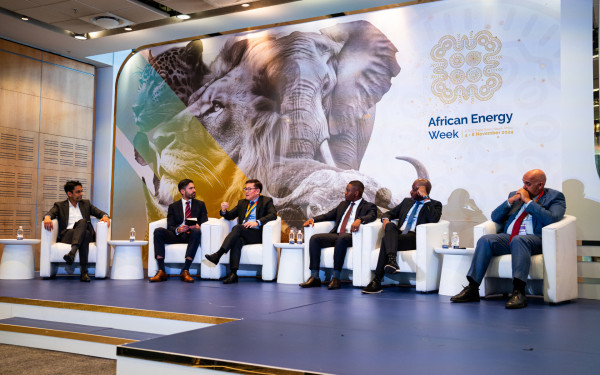
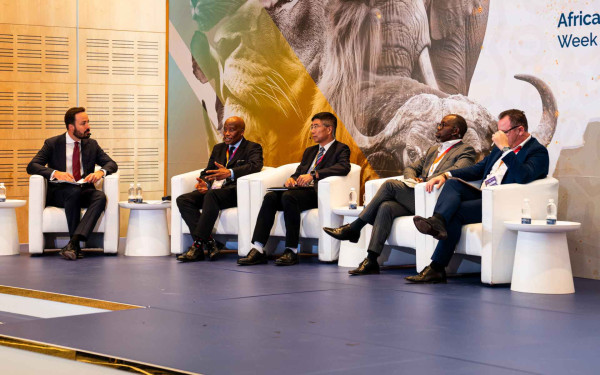
During a panel discussion titled ‘Optimizing Africa's Grid Capacity' at the African Energy Week: Invest in African Energies 2024 conference, Eskom's Transmission Group Executive, Segomoco Scheppers, highlighted the potential of the Electricity Regulation Amendment Act 38 of 2024 for South Africa and its neighboring countries.

This legislation will facilitate the establishment of a market operator in South Africa, creating opportunities for diverse players in the energy sector. “This shift signifies a transformative period in our industry as we adapt to new market dynamics,” he stated.

Despite having interconnections of 400 kV with neighboring countries, Scheppers acknowledged existing challenges. “Strengthening these connections is essential for enhancing regional cooperation and ensuring a reliable energy supply across borders. The reliance on thermal generation in the south, particularly to support countries like Zambia, underscores the need for stronger interconnections,” he explained.

Eskom is further embarking on an extensive domestic expansion program aimed at rapid development – an endeavor that also presents significant challenges. “Learning from global leaders in infrastructure development, particularly from experiences in China, could provide valuable insights into scaling our efforts efficiently,” Scheppers added.

Wang Wenan, Chief Representative, African Representative Office at the State Grid of China, discussed the successful completion of major projects, including the largest long-distance transmission project on the continent — a 500 kV DC line from Ethiopia to Kenya.

However, he noted that fostering private participation in energy projects remains a primary obstacle. “Engaging in dialogues about investment barriers and sharing best practices is crucial for unlocking potential growth in Africa's energy sector,” he emphasized.

Also speaking on the panel, Willy Ireri, Executive Director of Osprey Renewables, highlighted that while East Africa has abundant renewable resources such as wind, solar, and geothermal energy, access to reliable transmission infrastructure in this region also remained a critical challenge. “We are therefore committed to collaborate with state utilities and private investors to ensure that generated electricity reaches emerging green industries in the region,” he said.

With favorable legislation for private investment in transmission expected to be operational by 2025, Osprey Renewables aims to play a vital role in facilitating access to renewable energy for consumers.

“Our mandate at Osprey extends beyond generation; we actively engage across the entire value chain and we are seeing growing interest in green manufacturing and hybrid data centers,” Ireri added, noting that the Kenyan government has initiated proposals inviting independent transmission projects, signaling a positive shift toward increased private sector participation.

Power and Grid Segment President at Schneider Electric, Gary Lawrence, highlighted that a modernization of power grids was also needed. “The traditional grid was designed over a century ago for one-directional flow; today's needs require a bidirectional grid that allows seamless interaction between producers and consumer.”

The industry is balancing supply and demand effectively through initiatives such as collaborating with Egypt's Ministry of Electricity and Renewable Energy to develop distribution control centers that enhance grid intelligence and implementing distributed energy management systems in South Africa.

Distributed by APO Group on behalf of African Energy Chamber.

Media files
African Energy Chamber
Download logo
Read moreAfrica’s Energy Infrastructure Can Only Succeed with Enhanced Transmission
8 November 2024

Eskom serves City of Johannesburg with power interruption notice

Location: News

Eskom serves City of Johannesburg with power interruption notice

Eskom has served the City of Johannesburg (CoJ) and its power utility, City Power, with a notice of intention to interrupt power supply at certain pre-determined times of the day.

This in accordance with the Provision of Promotion of Administrative Justice Act (PAJA).

According to Eskom, the CoJ and City Power owe nearly R5 billion in unpaid bulk electricity supply, plus a further R1.4 billion, which Eskom said will become due and payable at the end of this month.

“Despite all the avenues that Eskom explored and efforts to accommodate the CoJ, the matter has reached a point where Eskom can simply no longer afford to accommodate the CoJ without putting further financial strain on and harming its own business. 

“In terms of the Constitution and the Intergovernmental Relations Framework, the CoJ is supposed to cooperate and assist Eskom with fulfilling its mandate of ensuring that citizens have access to affordable electricity. 

"The CoJ has breached these obligations by not paying Eskom for the bulk electricity it supplies, making it almost impossible for Eskom to fulfil its mandate,” the power utility said.

Eskom is expected to issue a public notice to those affected to submit comments on why the power utility “should or should not proceed to interrupt electricity supply to the points mentioned in the PAJA notice”.

“A final decision on whether Eskom will proceed with the interruption will be communicated after a review of the representations received through the PAJA process on 12 December 2024,” the power utility said.

Eskom explained that municipal debt – which currently stand at some R90 billion – forces it to “borrow additional money... to fund operational costs”.

“Operational costs should be funded by revenue generated from electricity sales and not by borrowings. Borrowing money to fund operational cash shortfalls caused by the failure of municipalities, such as the CoJ, to pay Eskom for bulk electricity increases the costs of providing electricity exponentially. 

“Eskom’s financial sustainability and ability to supply electricity at affordable prices is contingent upon its ability to improve its balance sheet by increasing revenue and reducing expenses. Revenue can only be increased by collecting electricity debts and/or increasing electricity tariffs,” the power utility said.

Power struggle

Eskom has said the CoJ has “acknowledged its indebtedness to Eskom, but it refuses to pay the full amount of its monthly bill”.

“The CoJ alleged, without substantiating their claim, that Eskom is overbilling it on some of its supply points. 

“It is for this reason that the CoJ is applying, set-off against the monthly bills raised by Eskom, which is contrary to the electricity supply agreement and the agreements reached with its Chief Financial Officer (CFO), Rendani Sadiki, and the Chief Executive Officer (CEO) of City Power, Tshifularo Mashava, and City of Johannesburg Management. 

“In more than one meeting, it was agreed that the CoJ would continue to pay whilst the alleged overbilling is investigated. This undertaking has been reneged on,” Eskom said.

The CoJ and City Power hit back and said the city “strongly condemns this move as unjust, counterproductive, and potentially harmful to the residents and businesses of Johannesburg”.

“The CoJ has consistently demonstrated its commitment to meeting its financial obligations and has engaged with Eskom to address billing issues. However, Eskom has failed to provide clarity on disputed billing charges, forcing the city to seek legal recourse to protect the rights and interests of its citizens. 

“Contrary to Eskom’s claims, there are ongoing disputes regarding overbilling of over R3.4 billion, with a pending appeal and monthly declarations since July 2024. The city has repeatedly raised concerns about this continued overbilling, which Eskom has failed to address, placing additional strain on the city’s resources,” a statement from the City read.

Furthermore, the CoJ called on the national electricity provider to engage in “genuine, good-faith negotiations to resolve these matters constructively”.

“Eskom’s approach of ‘pay now and resolve disputes later’ in its dealings with the City of Johannesburg can no longer go unchallenged. There is also an option of [Intergovernmental Relations] to resolve intergovernmental disputes, which Eskom keeps disregarding. The City, in consultation with its legal counsel, will explore all available legal avenues to prevent any disruptions to the electricity supply. 

“We urge Eskom to reassess its stance and engage with the City in finding a mutually beneficial resolution. In the meantime, the City has formally requested that Eskom retract the Public Notice within five days. 

“The people of Johannesburg deserve reliable and efficient services, and we will not let Eskom's actions compromise their well-being. We remain committed to serving the best interests of our citizens and will take all necessary steps to protect their rights,” the statement concluded. – SAnews.gov.za

NeoB
Fri, 11/08/2024 - 10:20

85 views
Read moreEskom serves City of Johannesburg with power interruption notice
8 November 2024

Nersa Publishes Eskom’s Proposed Tariff Changes

Location: Business

Friday, 08 November 2024: The National Energy Regulator of South Africa (NERSA) has published Eskom’s proposed Retail Tariff Plan for public consultation detailing changes to its tariff charges and rates. The primary goal is to ensure that customers only pay for the costs they incur. The proposed tariff changes aim to support an evolving electricity...

Read moreNersa Publishes Eskom’s Proposed Tariff Changes
8 November 2024

Eskom, French development agency sign R125 million grant agreement

Location: News

Eskom, French development agency sign R125 million grant agreement

Eskom and Agence Française de Développement (AFD) have signed a R125 million grant agreement to support the development of the power utility’s Tubatse Pumped Storage System (PSS) project.

The hydro storage system project is located in the Elias Motsoaledi Local Municipality in Limpopo and has been billed as a top priority project by the Infrastructure South Africa Programme.

Eskom Group Chief Executive (GCE), Dan Marokane, said the grant will provide South Africa and the power utility with another pathway to achieve its low carbon economy goals.

“Without large-scale facilities such as Tubatse, the management of intermittent power from renewable energy–wind and PV [photovoltaic] –would be very difficult without the kind of intervention that pump storage systems offer,” he said on Thursday.

The GCE added that the power utility has “developed a pipeline of more than 20 GW of clean energy projects to diversify its energy mix and reduce its emissions related to fossil fuel generation”. 

“Over the next three years we have an ambition to execute at least 2GW of these projects. The clean energy projects will consist of a diversified capacity mix of renewable energy solar PV and wind, hydro, gas, nuclear and pump storage,” Marokane said.

The power utility described the Tubatse Pumped Hydro Storage System as a “mega installation with a power generation capacity of 1.5 GW” with a storage capacity of 21 GWh.

“Large-scale storage and grid services such as these are necessary to accommodate the rapid development of renewable energy in South Africa, as planned through the Just Energy Transition (JET) Investment Plan.

“Eskom plans to develop the Tubatse PSS project as a Public-Private Partnership and will intend to procure the services of a Transaction Advisor to conduct a thorough Private Sector Participation feasibility study and business case in the first quarter of 2026. 

“This Transaction Advisor, to be financed by said grant funding, will support Eskom in procuring a private developer for the project’s implementation, which is scheduled for the 2025–2033 timeframe,” Eskom said.

Ambassador of the European Union to South Africa, Sandra Kramer, said of the grant agreement: “The partnership between Team Europe and South Africa continues to deepen. We are rolling out our Global Gateway investment programme in crucial areas such as the green energy transition. 

“The Global Gateway grant funding provided here today will further unlock the immense potential for renewable energy and support South Africa to realise its ambitions for a greener tomorrow”.

AFD’s Regional Director for Southern Africa and Country Director for South Africa, Audrey Rojkoff, added: “AFD’s funding to Eskom reaffirms our commitment to support Eskom’s efforts to diversify its energy mix and maintain energy security, which will ultimately strengthen its capacity to respond to the growing energy needs and economic growth of South Africa”. – SAnews.gov.za


NeoB
Fri, 11/08/2024 - 09:11

7 views
Read moreEskom, French development agency sign R125 million grant agreement
7 November 2024

Eskom Serves Notice of Power Interruption Against City of Johannesburg and City Power

Location: Business

Thursday, 07 November 2024:  Eskom today served a notice of intention to interrupt power supply to the City of Johannesburg (CoJ) and City Power at certain pre-determined times of day in accordance with the Provision of Promotion of Administrative Justice Act (PAJA). The CoJ and/or City Power currently owe Eskom an amount of R4.9 billion,...

Read moreEskom Serves Notice of Power Interruption Against City of Johannesburg and City Power
7 November 2024

Rand Water and Eskom Restore Power Supply to Affected Palmiet Pumping Station

Location: Business

On Wednesday, 06 November 2024 at 00h30 Rand Water’s Palmiet Booster Pumping Station experienced a power failure that affected normal water supply. After investigation by the technical teams from both Rand Water and Eskom, it was detected that there is no power failure on the Eskom network and the infrastructure was operating as per normal....

Read moreRand Water and Eskom Restore Power Supply to Affected Palmiet Pumping Station
7 November 2024

AEW 2024: Efficiency and Demand Management Key to Sustainable Development

Location: News
African Energy Chamber

As Africa continues to expand its energy infrastructure on a continent where energy poverty remains the reality for millions of its population, addressing the challenges of energy efficiency and demand side management become increasingly crucial. There is a pressing need to optimize energy consumption and promote sustainable development across the continent.

During a panel discussion sponsored by the South African National Energy Development Institute (SANEDI), South Africa's successful history of promoting energy efficiency in the country through the implementation of its National Energy Efficiency Strategy was highlighted.

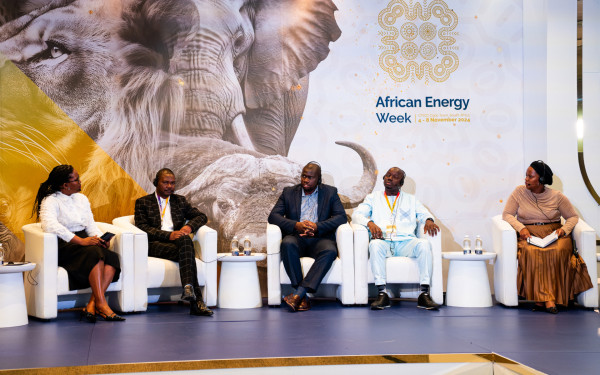
Ngoanathari Maja, Programme Manager for Energy Efficiency in Public Buildings & Infrastructure Programmes at the SANEDI set the tone of the discussion as the panel moderator. Panelists included Professor Sampson Mamphweli, General Manager at the Department of Science and Innovation and Energy Secretariat at SANEDI; Stalin Ndlovu, Acting General Manager of Energy Efficiency and Demand Side Management at SANEDI; Nqobile Ngcobo, Energy Performance Certificates Program Lead at SANEDI and Salifou Camara, Deputy National Director of Energy at the Ministry of Energy, Hydraulics and Hydrocarbons in Guinea-Conakry.

Mamphweli discussed how energy efficiency and demand side management measures had a significant impact on South Africa's energy availability when the country experienced its first period of loadshedding in 2008. The measures implemented by Eskom, SANEDI and the private sector managed to contain loadshedding at the time.

“Through energy efficiency and demand side management measures you can save a lot of energy that can be distributed to those who do not have access to energy,” he said.

Mamphweli added that although South Africa has the National Energy Efficiency Strategy, the country's draft Integrated Resource Plan 2023, which provides a roadmap for meeting South Africa's forecasted electricity demand, does not make provision for this. It is important for energy efficiency and demand side management to feature in the country's long-term energy planning, he said.

To meet the country's future energy needs, Ndlovu reiterated the importance of resource efficiency on both the energy supply side and energy demand side, noting that countries must optimize their energy use.

Also drawing on the topic of resource efficiency, Ngcobo said that we can only start expanding electrification on the continent once we consume energy efficiently.

Maja raised the concern that despite the strides made towards improving energy efficiency in South Africa, there is not enough uptake of energy efficiency and demand side management measures in Africa.

In response to this, Mamphweli highlighted the various stumbling blocks in Africa, including funding, skills, and awareness of energy efficiency. “Selling the idea of energy efficiency takes time for people to buy into,” he said.

Camara provided insight on the barriers faced in adopting energy efficiency measures in Guinea-Conakry, noting that consumers simply buy appliances that are not energy efficient.

“We need [to] raise awareness among consumers to improve the country's energy efficiency as our population needs to better understand how to better save and use energy, to ensure sufficient energy for all,” he said.

In line with this, Mamphweli called for action against using Africa as a dumping ground for energy inefficient technologies, emphasizing the need for behavioral changes towards using existing and proven energy saving technologies in Africa at both a household and commercial level.

Ngcobo addressed the importance of viewing energy efficiency as the first step in managing demand. “There is no point in increasing energy supply when we are unable to effectively manage what we are using on the end user side,” she said.

The panel discussion formed part of African Energy Week (AEW): Invest in African Energies' ‘Powering Africa Summit'. The summit aims to advance investment, technology, and innovation to harness Africa's renewable and non-renewable energy mix and optimize the continent's power generation and distribution capabilities to improve energy access and meet the rising power needs of Africa's rapidly expanding populations.

Set to reach 2.5 billion people by 2050, Africa is home to the world's fastest-growing population. The continent's crude oil and gas resources, combined with its vast solar and hydropower resources represent the pathway to improving energy access and rising power demands.

SANEDI is a Bronze Sponsor of the AEW: Invest in African Energies 2024 conference, which is being held in Cape Town this week.

Distributed by APO Group on behalf of African Energy Chamber.

Media files
African Energy Chamber
Download logo
Read moreAEW 2024: Efficiency and Demand Management Key to Sustainable Development
7 November 2024

Agence Française de Développement (AFD) Signs a EUR 6,5 Million Grant Agreement to Support the Development of Eskom’s Tubatse Pumped Storage System Project

Location: Business

Johannesburg, 07 November 2024 – Eskom and Agence Française de Développement (AFD) today signed a EUR 6,5 million (ZAR 125 million) grant agreement to support the public electricity utility in the development of its Tubatse Pumped Storage System (PSS) project, located in the Elias Motsoaledi Local Municipality in Limpopo. The Tubatse Pumped Hydro Storage System...

Read moreAgence Française de Développement (AFD) Signs a EUR 6,5 Million Grant Agreement to Support the Development of Eskom’s Tubatse Pumped Storage System Project
7 November 2024

AEW 2024 Panel Deliberates Path Towards Private Power Provision in Africa

Location: News
African Energy Chamber

Private power and Independent Power Producer (IPP) investments are pivotal for Africa's energy future if it is to improve energy access and end energy poverty on the continent. The procurement of new, often renewable sources of energy, is a way for countries to improve energy supply but also meet transition goals. 

During a panel discussion titled ‘Maintaining the Momentum for Private Power Provision' that formed part of African Energy Week (AEW): Invest in African Energies 2024 ‘Powering Africa Summit' South Africa's IPP procurement program was highlighted as a benchmark on how to successfully develop private, independent power generation capacity in Africa, which is challenged by a lack of generation capacity, aging power plants and poorly run state-owned utilities and a lack of affordable capital. 

Bernard Magoro, Head of South Africa's Independent Power Producers Office said that although the country has overcome the challenge of loadshedding, it needs to decommission 15-20 GW of coal-fired power by 2035, half of which will be replaced by renewables which requires between four and five times the baseload capacity that you are replacing. 

The IPP program, which has been running for 14 years, has delivered over 8 GW of capacity, 7.2 GW of renewable energy and 1 GW of open cycle gas turbine capacity, Magoro pointed out. This equates to about 10% of South Africa's energy from IPPs on an annual basis, he added. 

The enabling environment that Magoro referred to as “the IPP energy ecosystem” that was created in South Africa to support IPP integration is what has supported the success of the program, the learnings of which he said was being shared with the rest of the African continent. 

Panel moderator, Hasnayn Ebrahim, Managing Director of management consultancy Africa International Advisors noted the important aspect of cross-border collaboration, knowledge sharing and capacity support as a potential enabler to advance private power provision in Africa, a sentiment echoed by Mirlan Aldayarov, Infrastructure Program Leader at the World Bank who said the South African Power Pool (SAPP) exists as a good mechanism that can help to leapfrog some of the IPP development challenges in Africa. 

This idea was supported by Simphiwe Jantjies, Head of East, Central and West Africa at development finance institute the Development Bank of Southern Africa who said the existence of regional power pools, in addition to liberalizing the energy market can play an important role in extending the role of IPPS in providing power. 

“Development finance institutions can…play a meaningful role in the entire project development value chain…pulling the entire financing structure of a project together and ensuring it is bankable,” Jantjies said. 

Aldayarov highlighted the pace of reforms to support IPPs in South Africa as “phenomenal” noting that the Bank is involved in long term energy planning, policy and regulatory reforms, energy offtake and supporting the development of a pipeline of bankable projects to create an enabling environment going forward. 

In trying to maintain the momentum of the IPP program in South Africa, where there is over 100 GW worth of energy capcity at different readiness stages waiting to be developed, the country is faced with needing to expand the energy grid. “We have run out of grid capacity,” he said. 

“Between now and 2032 we need to build 14,000 km of transmission lines,” which Eskom cannot do alone, Mogoro said, noting that the private sector, like the role it is playing in the IPP space, would need to assist in expanding the strained transmission network. 

Distributed by APO Group on behalf of African Energy Chamber.

Media files
African Energy Chamber
Download logo
Read moreAEW 2024 Panel Deliberates Path Towards Private Power Provision in Africa
  • Previous
  • Page 1
  • Interim pages omitted …
  • Page 16
  • Page 17
  • Page 18
  • Page 19
  • Page 20
  • Interim pages omitted …
  • Page 33
  • Next

Copyright © 2026 · MyZA · All Rights Reserved · Powered by Stratlec Online