• Skip to main content
  • Skip to header right navigation
  • Skip to after header navigation
  • Skip to site footer
MyZA

MyZA

News, Directory, Events and Other Stuff

  • Social Media
  • Sport
  • World News
  • Home
  • Submit News
  • Directory
  • Events
  • Stratlec
  • TFSA
  • News
    • APO
    • Today’s Sport News
    • Todays Social Media and Tech Headlines
    • Today’s World News
    • Today’s SA Financial News
  • Contact
You are here: Home / Archives for global

global

11 March 2025

Five Years of Advancing Investment, Collaboration in Africa’s Energy Sector

Location: Business
African Energy Chamber

African Energy Week (AEW): Invest in African Energies, the premier platform for Africa's energy sector, marks its fifth anniversary in 2025, celebrating a legacy of driving investment, fostering partnerships and advancing the continent's energy future. Since its inception, AEW has established itself as the continent's leading energy event, bringing together industry leaders, policymakers, investors and global stakeholders to catalyze development across Africa's oil, gas and renewable sectors.

Over the past five years, AEW has facilitated multi-billion-dollar deals, shaped policy discussions and strengthened regional cooperation. Its inaugural edition in 2021 set a strong foundation, attracting 1,700 delegates, including ministers, global energy executives and financial institutions. The event reinforced Africa's appeal to investors while establishing AEW's strategic goal of eradicating energy poverty by 2030. The event introduced key features such as the African Energy Awards, panel discussions and forums covering the entire energy sector across four venues. Country spotlight sessions provided market insights, while the African Energy Chamber, alongside African energy ministers and a representative from the German government, launched the African Green Energy Dialogue Initiative to accelerate investment in Africa's green energy space.

The 2022 edition of AEW kicked off with opening remarks from esteemed African leaders including the presidents of Uganda and Mozambique, Minister of Hydrocarbons from the Republic of Congo, as well as prominent industry figures from APPO, the European Commission, the International Energy Forum and the private sector. AEW 2022 provided a platform for high-level discussions on investment opportunities, energy policy and strategies for driving Africa's energy transition. In addition to insightful discussions and networking opportunities, AEW 2022 introduced the Just Energy Transition Concert, blending music and culture with energy dialogue to promote investment, development and wider participation across the energy industry.

AEW 2023 saw an unprecedented level of participation, with opening remarks from the presidents of Namibia, Senegal and Uganda, alongside energy ministers from South Africa, South Sudan, Uganda, Equatorial Guinea, the Republic of Congo, Ghana and Mozambique. Representatives from OPEC, APPO, GECF, and key global partners from Russia, the U.S., Europe, and Saudi Arabia further reinforced the event's strategic importance. Afreximbank played a central role, hosting a dedicated deal room and supporting Africa's growing M&A activity. Key agreements signed included Afreximbank's $75 million financing deal with Torxen Energy Resources for Nigeria's PPL 241, a hydrogen exploration agreement between The Gambia and H2 Gambia Limited, and a $60 million term loan for Alphaden Energy & Oilfield Limited to develop a gas facility in Nigeria. Additionally, the African Energy Chamber partnered with the Black Impact Foundation to promote global opportunities for the Black community. The African Farmout Forum connected investors with available blocks, accelerating exploration and partnerships across Africa's oil and gas sector.

In 2024, AEW underscored its role as a catalyst for deal-making and sectoral development. Afreximbank committed over $120 million in financial facilities to support Africa's oil and gas sector, while the Republic of Congo's Société nationale des pétroles du Congo partnered with the State Oil Company of Azerbaijan to modernize the CORAF refinery and the African Farmout Forum returned to highlight available block opportunities for partnership and investment. The event featured a distinguished lineup of speakers and delegations, including energy ministers from South Africa, Namibia, the Republic of Congo, Gabon, Nigeria, Equatorial Guinea and Angola; OPEC and APPO secretary generals; and top executives from Eni, bp, Chevron, TotalEnergies and other leading energy companies.

The fifth edition of AEW promises an even greater focus on investment opportunities and project developments, including 2025/2026 licensing rounds, multi-phase LNG facilities, new refining capacity, drilling and appraisal programs and cross-border pipeline infrastructure. All flagship features will return, including the Big Five Stages of Premium Industry Content, the African Farmout Forum, the Deal Room, the OPEC-Africa Roundtable and more. With capital-intensive projects requiring global financing, AEW 2025 will serve as the premier platform to connect investors with Africa's most promising energy opportunities.

By bringing together key stakeholders, AEW has enhanced Africa's global competitiveness, enabled cross-border partnerships and fostered policy dialogue that advances sustainable energy development. As the conference celebrates five years of impact, its role in shaping the future of Africa's energy sector remains stronger than ever, ensuring that the continent's vast energy resources continue to drive sustainable development and economic transformation.

“The five-year milestone is a testament to AEW's commitment to shaping the future of Africa's energy sector. As the continent continues to navigate the complexities of energy development, AEW remains a vital platform for stakeholders to engage and drive progress across the continent,” says NJ Ayuk, Executive Chairman of the African Energy Chamber, adding “As AEW celebrates five years of impact, its influence on the continent's energy landscape remains unparalleled. The conference has consistently demonstrated its ability to drive sustainable energy development, ensuring that Africa's vast energy resources are harnessed to drive economic transformation and sustainable development.”

AEW: Invest in African Energies is the platform of choice for project operators, financiers, technology providers and government, and has emerged as the official place to sign deals in African energy. Visit www.AECweek.com for more information about this exciting event.

Distributed by APO Group on behalf of African Energy Chamber.

Media files
African Energy Chamber
Download logo
Read moreFive Years of Advancing Investment, Collaboration in Africa’s Energy Sector
11 March 2025

Summit to boost small enterprise development in KZN

Location: News

Summit to boost small enterprise development in KZN

Business leaders, entrepreneurs and government officials in KwaZulu-Natal are currently engaging on critical issues impacting small enterprises across the province.

These role players are gathered at the 2025 Umyezane Summit, Conference and Awards, which is taking place at the Inkosi Albert Luthuli International Convention Centre and hosted by the Department of Economic Development, Tourism and Environmental Affairs (EDTEA).

Addressing the opening of the summit on Monday, KwaZulu-Natal Premier Thamsanqa Ntuli emphasised the pivotal role played by small, medium and micro enterprises (SMMEs) in driving economic transformation and creating jobs within the province.

“The growth of SMMEs is central to building a resilient and inclusive economy. Through initiatives like the Umyezane Summit, we aim to empower small businesses, strengthen township and rural economies, and ensure that historically disadvantaged entrepreneurs are given meaningful opportunities to thrive,” Ntuli said.

He highlighted the provincial government’s commitment to fostering an enabling environment for entrepreneurs by addressing barriers including crime, access to funding, and market opportunities.

The summit and accompanying awards reflect the provincial government’s vision of fostering a thriving, inclusive economy driven by small enterprises.

Ntuli assured entrepreneurs that KwaZulu-Natal remains committed to policy reforms, financial support, and capacity-building programmes that will position SMMEs as key drivers of economic growth.

EDTEA MEC Musa Zondi noted the importance of public-private partnerships in unlocking economic opportunities for SMMEs.

“We must remove red tape, foster innovation and create sustainable pathways for small businesses to succeed in both local and global markets,” Zondi said.

The summit features panel discussions, policy dialogues, and networking sessions, where stakeholders engaged on topics including:

•    Crime and business security – Addressing the impact of crime on small businesses and strategies to enhance security.
•    Regulatory and policy compliance – Simplifying business registration and licensing processes.
•    Revitalising township and rural economies – Exploring innovative approaches to support businesses in historically underserved areas.
•    Access to funding and market opportunities – Strengthening financial support mechanisms for SMMEs.
•    The Black Industrialists Programme – Accelerating transformation by expanding support for Black-owned enterprises in key sectors.

Recognising excellence in entrepreneurship

During the award ceremony on Monday, Ntuli commended the recipients for their dedication and contribution to economic development, reaffirming government’s ongoing support for the province’s entrepreneurial ecosystem.

The awards celebrated outstanding entrepreneurs, who have demonstrated resilience, innovation, and business excellence in KwaZulu-Natal, including youth and women-owned businesses, rural enterprises, and emerging industrialists.

The summit ends today. – SAnews.gov.za

GabiK
Tue, 03/11/2025 - 12:30
178 views

Read moreSummit to boost small enterprise development in KZN
11 March 2025

Proteas Women Set for Crucial ODI Tri-Series Battle Against Sri Lanka and India

Location: Sport

JOHANNESBURG: The Proteas Women will compete in a One-Day International (ODI) Tri-Series against Sri Lanka and India from 27 April...

Read moreProteas Women Set for Crucial ODI Tri-Series Battle Against Sri Lanka and India
11 March 2025

Nelson Mandela Bay shines in global business services sector

Location: News

Nelson Mandela Bay shines in global business services sector

Nelson Mandela Bay Municipality (NMBM) has emerged as the fastest growing region in South Africa for the global business services sector, following Johannesburg, Cape Town and Durban.

This is according to data from the municipality's Economic Development, Tourism and Agriculture (EDTA) Directorate. 

NMBM Member of the Mayoral Committee for the EDTA, Bassie Kamana, on Monday said she was encouraged by the rapid growth of the global business services sector (call centre services) within the city. 

In collaboration with Business Process Enabling South Africa (BPESA), NMBM recently hosted a stakeholder engagement session in Newton Park, Gqeberha.

BPESA is a leading association that represents global business services and business process outsourcing companies in South Africa. The association’s key objectives include positioning South Africa as a prime destination for offshoring, driving local job creation, and promoting excellence in service delivery within the global business services sector.

BPESA partners with the private sector, the Department of Trade, Industry and Competition (the dtic), and municipalities to promote South Africa's capabilities, empower youth through training and job creation, and strengthen the industry’s ability to deliver high quality services.

The purpose of the engagement session was to create a collaborative platform for sector stakeholders to share experiences, review their growth since establishing operations in Nelson Mandela Bay, and explore future opportunities for expanding the industry within the region.

The session also highlighted the support available from government and its entities to further develop the sector.

Participants included representatives from the Coega Special Economic Zone, the Eastern Cape Development Corporation, the dtic, Harambe Youth Accelerator, and various global business services companies.

Prominent players in the industry that have already established operations in Nelson Mandela Bay include Discovery Health, ISON, Startek, Dastile Wealth Insure, Outworks and Teleperformance. Teleperformance, which opened its office in late 2024, has already created over 500 jobs for young people in the city.

Addressing the session, Kamana highlighted the growing investments in the sector, noting that over 3 000 jobs have been created for youth with secondary and tertiary education.

"Working with our partners to mobilise resources and create a conducive environment for Nelson Mandela Bay to be a destination of choice is starting to pay off. We can already see ourselves being a major player among the major three cities that are leading in this sector, [and] that alone is encouraging news.

“What encourages [me the] most is the fact that this sector is able to offer jobs to youth, an area that we as the metro we are working around the clock to come up with solutions to,” Kamana said.

Teleperformance Vice President, Leanne Felix, expressed optimism about the future growth of the industry in Nelson Mandela Bay, and even greater expansion in the next five years.

Felix acknowledged the partnership the company has with NMBM.

“This partnership makes it easier for us to mobilise resources and market the city and its talent. The international industry is beginning to show interest in the talent, commitment and skills base we have here in Nelson Mandela Bay.

“We just need to do more in to showcase our capabilities as the Eastern Cape and open up about the support and incentives that are available to support the industry. When the demand came last year for the company to expand our operations from Cape Town, Nelson Mandela Bay became an obvious choice. The support we have received from the metro has been amazing,” Felix said. – SAnews.gov.za

GabiK
Tue, 03/11/2025 - 09:44
203 views

Read moreNelson Mandela Bay shines in global business services sector
11 March 2025

Consumer rights to come under the spotlight

Location: News

Consumer rights to come under the spotlight

With World Consumer Rights Day to be commemorated this week, the need for educating consumers about their rights has come to the fore.

“The promotion of corporate responsibility and fair-trade principles will also take place. The outcomes of these discussions will help regulators to remain agile to protect consumers in this changing landscape,” said Deputy Commissioner at the National Consumer Commission (NCC), Thezi Mabuza.

Speaking at a media briefing in Pretoria on Monday, Mabuza averred the need for all stakeholders within the consumer protection landscape to cooperate in the quest for the effective protection of consumers.

“The promotion of corporate responsibility and fair-trade principles will also take place. The outcomes of these discussions will help regulators to remain agile to protect consumers in this changing landscape,” she said.

The briefing came as the NCC in partnership with the Competition Commission of South Africa, Mpumalanga Department of Economic Development and Tourism and various regulatory bodies under the umbrella of the Consumer Protection Forum (CPF) are set to commemorate World Consumer Rights Day (WCRD 2025). The day is commemorated annually on 15 March globally.

However, this year it will be celebrated on 14 March 2025.

To bring the message closer to home, in South Africa, the day is observed with the theme “Empowering Consumers, Balancing Rights with Ethical Business Practices."

Head of Education and Advocacy at the NCC, Poppy Kweyama, said the global event aims to boost awareness about consumer rights and push for fair trade practices in the marketplace.

“World Consumer Rights Day, first observed in 1983, has become a key event for promoting consumer awareness,” Kweyama said.

Kweyama said many consumers still fall victim to fraud, misinformation, unsafe products, and unethical business practices.
“In today's digital world, issues such as data privacy, online scams, misleading digital advertisements, and unfair pricing have added new dimensions to consumer protection. Each year brings different challenges in the consumer protection space. It has always been our view, as it is our mandate that no consumer should be subjected to unfair and unconscionable practices from unscrupulous suppliers. 

“It is also our view that for a harmonised marketplace, we need to empower consumers while nudging suppliers into complying with various consumer laws,” she explained.

This year’s activities will include consumer education and business compliance inspections conducted by various regulators in the consumer space to enforce compliance.

In addition, a business breakfast will be held on Thursday,13 March, where various regulators will unpack topics such as competition concerns and safety in the food value chain.

“The breakfast is an opportunity for the Competition Commission to engage with business leaders in the area to gain insight into the concerns small-scale farmers, retailers, wholesalers, and large agri-businesses have including the barriers to entry and trade they may face,” head of Advocacy at the Competition Commission Andile Gwabeni said.

He said that the breakfast will also raise awareness of the findings of the Commission’s Fresh Produce Market Inquiry (FPMI).

Released in January, the inquiry began on 31 March 2023 and assessed the fresh produce value chain across three main themes, including the efficiency of the value chain, concentrating on fresh produce market facilities; market dynamics of key inputs and their impact on producers, and barriers to entry, expansion and participation.

The inquiry, in the main, focused on five fruits, namely: apples, citrus (notably oranges and soft citrus), bananas, pears and table grapes, along with six vegetables, including potatoes, onions, carrots, cabbage, tomatoes and spinach. These products are staples in South African households.

READ | Dtic Minister welcomes fresh produce market report

Mpumalanga Consumer Court and other activities 

Also, as part of the activities leading to the commemoration, the Mpumalanga Consumer Protection Office will relaunch its provincial consumer court on 13 March 2025, the eighth in the country. This court will provide access to effective redress for consumers in the province.

This as the Mpumalanga Department of Economic Development and Tourism has expressed delight at the relaunch the Mpumalanga Consumer Court.

“This court will be essential in ensuring a quick resolution to consumer complaints and the enforcement of consumer rights,” said Bonani Dube who is the Acting Director: Business Regulations and Governance at the provincial department.

Activities to commemorate the day on 14 March will include a breakfast with business leaders in Mbombela, site visits to automotive dealerships in the Mbombela area and the surrounding areas, as well as a seminar with students to raise awareness of consumer rights.

The day dedicated to raising awareness about consumer rights and promoting fair practices in the marketplace.

The NCC is a regulatory body in South Africa established under the Consumer Protection Act No. 68 of 2008. Its main function is to enforce consumer protection laws and provide redressal for consumer disputes.

The Consumer Protection Act (CPA) seeks to promote a fair, accessible, and sustainable marketplace for consumer products and services and for that purpose, establishes the national norms and standards relating to consumer protection. 

The Act further seeks to provide for improved standards of consumer information, prohibit certain unfair marketing and business practices, promote responsible consumer behaviour and a consistent legislative and enforcement framework relating to consumer transactions and agreements.

The Competition Commission is one of three independent statutory bodies established in terms of the Competition Act to regulate competition between firms in the market. 

The NCC and the Competition Commission are agencies of the Department of Trade, Industry and Competition. – SAnews.gov.za
 

Edwin
Mon, 03/10/2025 - 16:25
77 views

Read moreConsumer rights to come under the spotlight
10 March 2025

South Africa Observes Commonwealth Day

Location: News

Republic of South Africa: Department of International Relations and Cooperation
Download logo

On 10 March 2025, member countries of the Commonwealth will commemorate Commonwealth Day. Commonwealth Day is the annual celebration observed by people all over the Commonwealth in Africa, Asia, the Caribbean, Americas, as well as the Pacific and Europe.

Commonwealth Day is celebrated to renew our bond with the Organisation, strengthen our commitment to the Commonwealth values and re-energise the union of the member states.

The Commonwealth theme for 2025 is Together We Thrive. This years' theme underscores the power of partnerships, reaffirming that we are stronger and more resilient together, than when standing alone.

The theme also builds on the outcomes adopted and the vision of transformation discussed during the Commonwealth Heads of Government Meeting (CHOGM 2024) that was held in Apia, Samoa on 24 and 25 October 2024.

South Africa attaches great importance to the role of the Commonwealth to promote and protect the values and principles set out in the Commonwealth Charter. The ownership of the Commonwealth and directing the activities of the Commonwealth to truly serve all the member states in achieving our development goals remains of utmost importance to South Africa.

As a member of the Organisation since 1994, South Africa believes that the Commonwealth continues to play an important role in a world where there is increasing pushback against the forces promoting multilateralism as well as international solidarity and cooperation. The Organisation, which represents countries from across the development spectrum should use its unique position and membership from around the globe to continue calling for the strengthening of existing multilateral mechanisms and institutions and transform them to suit current global realities. The Commonwealth provides an opportunity to address issues of common interest, including implementation of development goals and the reform of constitutions of global governance, in particular the International Monetary Fund, World Bank and the United Nations.

The Commonwealth must remain at the forefront of the struggle for the advancement and promotion of human rights and fundamental freedoms, gender equality and women empowerment.

Only through increased solidarity, will the 56 members of the Commonwealth be able to assist each other to address the challenges we are currently facing. This will ensure that the Commonwealth continues to remain relevant and grow.

On Commonwealth Day, South Africa once again renews its pledge to uphold and serve the values and fellowship of the Commonwealth.

Distributed by APO Group on behalf of Republic of South Africa: Department of International Relations and Cooperation.

Read moreSouth Africa Observes Commonwealth Day
10 March 2025

Digital business visa application system goes live

Location: News

Digital business visa application system goes live

The Department of Trade, Industry, and Competition (the dtic) has launched the Business Visa Recommendation System (VRS), an online platform for business visa recommendation applications.

The VRS is aimed at all foreign business owners applying for first, extension and/or permanent residence recommendation, in terms of the Immigration Act 13 of 2002. 

“Business visa applicants will benefit from a more effective, transparent and user-friendly application process that goes live today,” the dtic said on Monday.

According to the Acting Deputy Director-General of Investment and Spacial Industrial Development at the dtic, Yunus Hoosen, the main objective of the system is to enhance efficiency for business visa applicants, including faster processing, convenience and transparency.

“The VRS replaces the email application process with a digital platform, improving efficiency and accessibility for global investors looking to reside in South Africa for the purpose of establishing, expanding and/or investing in businesses.

“This initiative is part of… ongoing efforts to reduce red tape and simplify the ease of doing business in South Africa. 

“From an administrative viewpoint, the VRS is a solution for collecting, managing, and reviewing applications online. In addition, it eliminates incomplete applications from being submitted, provides monitoring of applications received and finalised and provide investment-related information needed for reporting and planning, amongst others,” said Hoosen.

The VRS is aligned with South Africa’s broader e-governance initiatives, which seek to improve accessibility to government services through digital transformation. 

“The VRS marks a significant milestone in modernising the country’s investment facilitation framework, reinforcing South Africa’s commitment to fostering a business-friendly environment,” said the dtic.

Key features of the VRS

•            Online Submission – Applicants can now submit business visa for first, extension and permanent recommendations applications digitally.

•            Document Upload – Required supporting documents can be uploaded directly to the system.

•            Real-Time Tracking – Applicants can monitor the progress of their applications.

•            Automated Notifications – Updates and final recommendations will be communicated through the system.

For more information, visit: https://vrs.thedtic.gov.za/. – SAnews.gov.za

Edwin
Mon, 03/10/2025 - 13:27
168 views

Read moreDigital business visa application system goes live
10 March 2025

IEC CEO calls for responsible, inclusive approach to e-voting in South Africa

Location: News

IEC CEO calls for responsible, inclusive approach to e-voting in South Africa

The Electoral Commission of South Africa (IEC) Chief Executive Officer, Sy Mamabolo, has underscored the need for a responsible and inclusive approach to adopting new voting technologies.

The CEO was delivering remarks at the e-Voting Conference in Cape Town on Monday. The IEC is hosting a groundbreaking national dialogue on the future of voting in South Africa from 10 - 12 March 2025, at the Cape Town International Convention Centre.

This three-day conference will launch South Africa's first Green Paper on e-Voting, bringing together voices from across society to shape how South Africans might vote in future elections.

“While digitalisation is becoming more prevalent in our daily lives, we must acknowledge that some portions of our country continue to have limited access to broadband connectivity, particularly in rural areas. In our discussion here, let us not be oblivious that a significant number of South Africans still have limited access to technology. 

“Having said so, it is evident that the adoption of new technologies is apposite and necessary. We cannot be oblivious to the ever-present force that drives innovation and exposes us to new possibilities,” Mamabolo said. 

The conference, which seeks to shape public policy on e-voting, comes at a time when South Africa is undergoing a digital transformation across various sectors. The Vision 2030 roadmap of South Africa emphasises incorporating technology into business, education and governance. 

The country's burgeoning digital ecosystem is distinguished by developments in technology infrastructure driven by public and private sector partnerships. 

Mamabolo said the rapid growth of data analytics, artificial intelligence and digital infrastructure has transformed how most industries do business today and how ordinary folk converse. 

Global and African E-Voting Experiences

The CEO highlighted that countries such as Estonia, Switzerland, Brazil and India have implemented or tested e-voting systems, while others have paused or abandoned such initiatives due to concerns related to security, costs and reliability. 

In Africa, Namibia and the Democratic Republic of Congo have explored e-voting, but challenges have hindered widespread implementation.

Mamabolo noted that some of the common delays or factors halting the implementation of e-voting in many countries are largely related to security concerns and affordability. 

As a result, many countries have focused on digitalising aspects of the voting process (such as registration or information access) rather than implementing full-scale electronic voting systems and related technologies for their elections. 

“As much as the prospects for experimenting with e-voting systems and technologies can be exciting, we must also approach it with open minds and a sense of responsibility. 

“At the forefront of these challenges are questions of security and trust. We remain committed to our mandate to deliver uncompromised elections with utmost integrity, impartiality and accountability,” he said. 

Addressing security concerns and digital divide

Mamabolo further stressed that in an era where cyber threats are increasingly prevalent, ensuring the safety and security of an electronic voting system is paramount. 

“We must build systems that are resilient, secure, and able to withstand the threats of today and the future,” he said. 

Moreover, he urged that the digital divide must be urgently addressed. 

“As we indicate, South Africa is a country with varying levels of technological access. While urban areas may have reliable internet and a high rate of technological literacy, rural communities, and impoverished areas still face significant barriers to digital inclusion,” the CEO said. 

IEC's Preparedness and Public Engagement

The IEC has already integrated technology into its processes through initiatives such as an online voter registration system, which allows citizens to register or update their details remotely. 

“The Electoral Commission is already ahead of the curve when it comes to embracing the advent of technology. The Commission has implemented an online voter registration system that enables new voters to register and existing voters to update or alter their registration from the comfort of their own homes or anywhere. This online registration portal is not constrained by time and space,” the CEO said. 

The commission believes that engaging with the public and key stakeholders is essential to ensuring that any transition to e-voting is both transparent and widely accepted.

“As the Commission, we encourage conversations, discussions, and lively debates among South Africans from all walks of life on this matter, as we have seen happening in some social media platforms recently. Such national conversation is essential because elections are a public enterprise that belong to all citizens of our country,” he said. 

Prior work conducted on e-voting

As part of its commitment to facilitating informed decision-making, Mamabolo said the Commission always had e-voting in its line of sight, with electronic voting discussions having commenced back in 2013. 

The Electoral Commission has carried out several investigations into this subject, aiming to learn from the global experiences of countries that have either successfully or unsuccessfully tried to implement e-voting. 

It has explored issues such as available technologies, costs, security/reliability, public trust, existing tech infrastructure in SA and policy options, among others. 

It has identified the need for thorough public dialogue/discussions on the feasibility/potential benefits and risks. 

The IEC has compiled a Discussion Document based on findings from its 2023 research study on electronic voting, which explored prospects and potential challenges for e-voting in SA.

“The way forward for e-voting to be a viable solution [is that] it must be accessible to all South Africans regardless of their location or socio-economic status. That is why our discussions here must be comprehensive, aiming to address all blind spots and ultimately provide fit-for-purpose solutions for all South Africans,” Mamabolo said. 

Looking ahead

The IEC has not yet determined whether e-voting will be proposed to Parliament but aims to lead a comprehensive discussion on its feasibility. 

To this end, the commission will launch a series of nationwide workshops and public consultations, gathering insights from citizens and stakeholders. Mamabolo said the feedback will be used to refine the Discussion Document, which could eventually inform a National Green Paper on e-voting.

South Africans are encouraged to participate in the conversation through various platforms, including email submissions, social media engagements, and public discussions. 

The public can review the discussion document and provide informed commentary to info@elections.org.za. You can also share your views and experiences through the IEC’s social media @IECSouthAfrica using the #SAeVoting2025. - SAnews.gov.za

DikelediM
Mon, 03/10/2025 - 13:31
232 views

Read moreIEC CEO calls for responsible, inclusive approach to e-voting in South Africa
10 March 2025

AMW to Showcase Angola’s Critical Mineral Prospects

Location: Business
Energy Capital & Power

Angola has set a target to become a key exporter of value-added critical minerals in the next 10 to 15 years. As the country pursues this goal, the upcoming African Mining Week (AMW) - Africa's premier mining event - will spotlight Angola's growing potential as global critical minerals exporter. 

Angola has identified 34 of the 54 critical minerals recognized by the European Union across its mineral-rich basins and is ramping up exploration, production and downstream projects to unlock its industry potential. The government is promoting investment across the critical mineral value chain as a strategy to advance economic diversification while unlocking greater revenue generation from the mining industry. 

AMW serves as a premier platform for exploring the full spectrum of mining opportunities across Africa. The event is held alongside the African Energy Week: Invest in African Energy 2025 conference from October 1 -3 in Cape Town. Sponsors, exhibitors and delegates can learn more by contacting  sales@energycapitalpower.com.

Across the country, various mining developments are taking off. In January 2025, UK-based Pensana secured funding from South Africa's Absa Bank to accelerate the development of the Longonjo Rare Earth Project. The $325 million project is expected to supply 5% of the world's high-grade rare earth carbonate, generate $6 billion in export revenue and contribute $1 billion in tax revenue to regional treasuries, helping Angola diversify its revenue generation. 

Meanwhile, Chinese mining firm Shining Star is set to commence production this year at the 40-million-ton Mavoio-Tetelo copper project in northern Angola. The project is expected to produce 300,000 tons of copper per annum, significantly boosting Angola's mining revenue. Australian firm Tyranna Resources - in partnership with China's Sinomine - is advancing multiple lithium projects in Angola, with ongoing drilling activities identifying additional reserves and expediting mine development. These projects include the Namibe and Muvero lithium mines. Canada's Ivanhoe Mines has also initiated a series of copper exploration projects in Angola's Moxico and Cuando Cubango provinces, contributing to efforts to diversify the nation's mining sector and revenue streams. 

To increase value addition across the manganese sector, Angola is developing a $250 million manganese-to-silica processing facility in partnership with Chinese firm ST New Materials. The project is expected to be operational in 2025. The country is also spearheading projects to produce steel from iron mined in the Kasinga region. 

As Angola seeks to attract new investors across the critical mineral value chain, AMW 2025 will bring together Angolan stakeholders and global investors to discuss partnerships and industry growth opportunities. AMW will host panel discussions, project showcases and exclusive networking opportunities, connecting international investors with Angola's rapidly expanding critical minerals market. 

Distributed by APO Group on behalf of Energy Capital & Power.

Media files
Energy Capital & Power
Download logo
Read moreAMW to Showcase Angola’s Critical Mineral Prospects
10 March 2025

South Africa to outline progress on Beijing+30 implementation

Location: News

South Africa to outline progress on Beijing+30 implementation

Minister in the Presidency for Women, Youth and Persons with Disabilities, Sindisiwe Chikunga, has arrived at the United Nations Headquarters in New York to present South Africa’s report on the country’s progress in implementing the Beijing Platform for Action (Beijing+30).

Chikunga is leading South Africa’s delegation to the 69th Session of the United Nations Commission on the Status of Women (CSW69), which takes place from 10 to 21 March 2025.

The South African Beijing+30 report provides a comprehensive overview of the progress made in advancing gender equality from 2019 to 2024. It draws on data, statistics, and key trends to assess achievements and challenges in this area.

The report highlights the 12 critical areas of concern outlined in the Beijing Platform for Action, including women and poverty, education and training, women’s health, violence against women, women and armed conflict, and women and the economy.

In addition, it covers vital topics, including women in power and decision-making, human rights of women, women and the media, women and the environment, and the empowerment of the girl child.

“The focus of the report will look at the priorities, achievements, challenges and gaps, while also demonstrating and highlighting the emerging and future priorities,” the department said in a statement on Sunday.

South Africa will join the global community in celebration of the 30th anniversary of the adoption of the Beijing Declaration and Platform for Action, which coincides with South Africa’s Presidency of the G20, where women’s empowerment and gender equality are a priority.

The Minister is joined by Social Development Minister Nokuzola Tolashe; Higher Education and Training Deputy Minister, Dr Mimmy Gondwe; Basic Education Deputy Minister, Dr Reginah Mhaule, and Deputy Minister of Forestry, Fisheries and the Environment, Bernice Swarts.

KZN MEC for Agriculture and Rural Development, including Northern Cape MEC for Sport, Arts and Culture, and Mpumalanga MEC for Social Development, also form part of the delegation that will provide provincial updates on South Africa's progress in areas such education, health and social protection. – SAnews.gov.za
 

GabiK
Mon, 03/10/2025 - 10:41
121 views

Read moreSouth Africa to outline progress on Beijing+30 implementation
10 March 2025

Department of Health commemorates World Obesity Day

Location: News

Department of Health commemorates World Obesity Day

The Department of Health will observe World Obesity Day on Monday, 10 March 2025, to raise awareness about the global challenge of obesity and advocate for systemic changes that promote healthier lifestyles.

This year’s World Obesity Day is celebrated under the theme: “Changing Systems, Healthier Lives,” which emphasises a need to shift focus from individuals to the systems that influence people’s health.

According to the department, previous responses to obesity have primarily focused on individual behaviours. However, this year, they are shifting their focus.

“This highlights the need for multi-sectoral interventions to address the root causes of obesity and improve health outcomes.”

The department highlighted that being overweight and obesity are serious health issues in South Africa, significantly contributing to non-communicable diseases, and are associated with an increased risk of death and disability from these conditions.

According to the 2022 National Food and Nutrition Security Survey, nearly 50% of adults in South Africa are overweight or obese, with 68% of women and 38% of men affected. 

In addition, almost 69% of obese adults reside in households that do not have enough food. 

It is estimated that by the year 2025, one in four people will be living with obesity.

“It is time we turn our attention to creating supportive environments where people can have access to available healthy food and physical activity opportunities and to receive appropriate nutritional information to make decisions that will contribute to healthy eating habits and lifestyles,” the statement read. 

World Obesity Day is observed on March 4 every year to raise awareness about the causes and prevention of obesity in adults and children and to encourage action to address it.

The commemoration will take place at the Durban University of Technology in KwaZulu-Natal today. – SAnews.gov.za


Gabisile
Mon, 03/10/2025 - 08:51
62 views

Read moreDepartment of Health commemorates World Obesity Day
9 March 2025

Limpopo a province of boundless opportunity

Location: News

Limpopo a province of boundless opportunity

Limpopo Premier Dr Phophi Ramathuba has called on the Diplomatic Corps to view Limpopo as a province of boundless opportunity.

“Our economy is powered by three key drivers, mining, agriculture, and tourism, each offering lucrative potential for investment and growth,” Ramathuba said.

Speaking at a Diplomatic Corps breakfast in Thohoyandou on Saturday, she said Limpopo was rich in mineral wealth, home to vast deposits of platinum, diamonds and rare earth minerals that are crucial to the modern world.

“The global demand for these resources continues to grow, and Limpopo is well-positioned to be a leading supplier, offering a stable and investor-friendly environment for responsible mining and beneficiation,” Ramathuba said.

Limpopo remains the breadbasket of South Africa, she said, producing a significant portion of the country’s fresh produce, including citrus, avocados and macadamia nuts.

“With fertile lands and a climate suited for year-round production, we are not just feeding the nation, we are feeding the world. 

“We seek partnerships that will drive agro-processing, value addition and sustainable farming practices, ensuring that our agricultural sector remains a pillar of economic resilience.

“Our province is a place where nature, culture and heritage converge. From the breathtaking landscapes of the Kruger National Park to the ancient wonders of Mapungubwe, we offer an unparalleled tourism experience,” the Premier said.

Ramathuba said the hospitality of Limpopo people, combined with world-class facilities, makes the province a premier destination for both domestic and international travelers.

“We therefore invite you to join us in expanding this sector, developing eco-tourism, luxury lodges, and cultural heritage sites that will continue to draw visitors from across the globe.

“Our province is not just an economic hub, it is a strategic gateway to Africa. Limpopo shares borders with Botswana, Zimbabwe and Mozambique, making it a key trade corridor for goods and services moving across the continent. 

“Our transfrontier parks and cross-border infrastructure position us as a link between SADC markets and global investors looking for an entry point into Africa’s growing economies,” the Premier said.

The province hosted the first Outreach Program of the Group of 20 (G20) on Friday. The Premier described it as a historic milestone.

“The G20 represents 85% of global GDP, 75% of global trade, and two-thirds of the world’s population. The outreach was more than just a dialogue, it was a powerful opportunity for the people of Limpopo to understand and engage with South Africa’s G20 Presidency.

“Moreover, it allowed us to showcase our investment potential in mining, agriculture, manufacturing, tourism and the green economy,” she said.

Ramathuba said Limpopo was ready to open doors to investors, to forge new partnerships and to build a future where the province stands as a global leader in industrialisation and sustainable development.

“Limpopo is open for business. Our investment landscape is rich with potential and we stand ready to work alongside you to turn vision into reality,” Ramathuba said.

At a gala dinner on Friday, the Premier told the Diplomatic Corps that Limpopo was a land of immense potential, rich in culture, heritage and economic opportunities.

“We encourage you to consider Limpopo not just as a tourist destination but as a region ripe for investment. Tourism is one of the key drivers of our economy, creating jobs and supporting local communities,” she said.

She said the province believed that investment in infrastructure, particularly in roads, bridges, and logistics would unlock the full economic potential of the province.

“When businesses and farmers have access to reliable roads, they can transport goods efficiently, engage in larger markets, and ultimately grow their enterprises. 

“We invite our esteemed guests and members of the Diplomatic Corps to explore opportunities in infrastructure development, as we seek partnerships that will transform Limpopo into a well-connected economic hub,” she said.

Limpopo is blessed with fertile soil and a climate that supports diverse agricultural activities. 

“We are committed to strengthening our farming industry by supporting small-scale farmers to transition into commercial farming,” the Premier said.  

Friday’s launch of the G20 Outreach Programme forms part of a series of initiatives aimed at fostering wider public dialogue and participation in South Africa's G20 Presidency.

South Africa assumed the G20 Presidency on 1 December 2024.

The G20 is a group of 19 countries, as well as the African Union and the European Union, which defines itself as the premier forum for global economic cooperation. – SAnews.gov.za


Edwin
Sat, 03/08/2025 - 23:04
365 views

Read moreLimpopo a province of boundless opportunity
8 March 2025

Statement by the Special Rapporteur on the Rights of Women in Africa

Location: News

African Commission on Human and People's Rights (ACHPR)
Download logo

On this momentous occasion of International Women's Day 2025, the African Commission on Human and Peoples' Rights (ACHPR), through its Special Rapporteur on the Rights of Women in Africa (SRRWA), stands at a pivotal juncture in the global pursuit of gender equality and the empowerment of women and girls. This year's theme, “For ALL Women and Girls: Rights. Equality. Empowerment,” resonates deeply as we commemorate the 30th  anniversary of the Beijing Declaration and Platform for Action. This landmark framework has shaped the global agenda for women's rights and gender equality.  

The Beijing Declaration, adopted in 1995, was a clarion call to dismantle systemic barriers, challenge discriminatory norms, and ensure the full participation of women in all spheres of life. Three decades later, we celebrate progress, particularly in Africa, where women have broken barriers in politics, education, entrepreneurship, and leadership. Yet, we must also confront the stark realities that persist: gender-based violence, unequal access to education and healthcare, economic disparities, and the underrepresentation of women in decision-making spaces. 

Africa has witnessed remarkable strides in advancing the rights and empowerment of women and girls, demonstrating the continent's resilience and commitment to gender equality. Some of the most notable trends include:  

  • Increased Political Representation: Since adopting the Beijing Declaration in 1995, numerous African States have made remarkable strides in advancing women's political participation. Rwanda leads globally, with women occupying over 60% of parliamentary seats. Countries such as South Africa, Namibia, and Senegal have also achieved significant progress in promoting gender-balanced representation. Additionally, the appointment of female Heads of State across the continent has marked a transformative shift in political leadership. Notable examples include Ellen Johnson Sirleaf of Liberia, Africa's first elected female president; Sahle-Work Zewde of Ethiopia, who serves as the country's first female president; and Samia Suluhu Hassan of Tanzania, who became the nation's first female Head of State. Other inspiring leaders include Catherine Samba-Panza of the Central African Republic, interim president, and Ameenah Gurib-Fakim of Mauritius, the country's first female president. Most recently, Namibia appointed its first female Head of State, Netumbo Nandi-Ndaitwah, further underscoring the growing momentum toward gender equality in African politics.
  • Advancements in Education: The gender gap in primary and secondary education is narrowing across the continent. Countries like Kenya, Ghana, and Botswana have achieved near parity in school enrolment, empowering girls with the tools to build brighter futures.  
  • Women's Economic Empowerment: African women are increasingly breaking barriers in entrepreneurship and leadership. Initiatives such as the African Women's Development Fund and the African Union's Women in Business program have supported women-led businesses, fostering economic growth and innovation.  
  • Legal Reforms: Many African countries have enacted progressive laws to protect women's rights, including laws against gender-based violence, child marriage, and workplace discrimination. Countries like Malawi, Tanzania, Zambia, Gambia, and Mali have raised the legal age of marriage to 18, safeguarding girls from early marriages.  
  • Grassroots Movements: Women-led movements and organizations are driving change at the community level. From the #MeToo movement in Nigeria to the fight against gender-based violence in South Africa, African women are raising their voices and demanding accountability.  

Despite these positive trends, significant challenges remain, hindering the full realization of gender equality and women's empowerment in Africa, including: 

  • Gender-Based Violence (GBV) and Harmful Traditional Practices: Despite the establishment of progressive legal frameworks, gender-based violence, and harmful traditional practices continue to plague societies, driven by deeply entrenched cultural norms, plural legal systems, and a lack of political will to enforce progressive laws. Child marriage remains widespread, perpetuating cycles of inequality and disempowerment. Similarly, GBV persists at alarming rates, manifesting in domestic violence, sexual assault, and harmful practices such as female genital mutilation (FGM). These challenges highlight the urgent need for stronger implementation of existing laws and a transformative shift in societal attitudes to eradicate these violations and protect the rights and dignity of women and girls.
  • Humanitarian crises, such as climate change and conflicts, have further exacerbated these challenges, highlighting the urgent need for stronger protections and support systems.  
  • Economic Inequality: Women continue to face barriers to economic participation, including limited access to land, credit, and technology. The informal sector, where many African women work, often lacks social protections and fair wages.  
  • Health Disparities: Maternal mortality rates remain unacceptably high in some regions, and access to sexual and reproductive health services is often limited. Teenage pregnancy and HIV/AIDS disproportionately affect women and girls.  
  • Underrepresentation in Leadership: While progress has been made, women remain underrepresented in political and corporate leadership roles. Cultural and institutional barriers often prevent women from ascending to decision-making positions.  
  • Conflict and Displacement: Women and girls in conflict-affected regions face heightened risks of violence, exploitation, and displacement. The ongoing crises in parts of the Sahel, the Horn of Africa, and the Great Lakes region underscore the need for gender-sensitive peacebuilding and humanitarian responses.  
  • Intersectional Discrimination: Marginalized groups of women, including those with disabilities, older women, and rural women, face compounded discrimination and exclusion from opportunities.  

To build on the progress and address persistent challenges, the ACHPR urges African governments, civil society, the private sector, and international partners to accelerate the implementation of the Beijing Platform for Action and Agenda 2063. This can be achieved through aligning national policies with these frameworks and ensuring gender equality is mainstreamed across all sectors. The ACHPR calls for the strengthening of legal frameworks, enhanced access to justice for survivors, and increased investment in prevention programs to eradicate gender-based violence in all its forms.

It further emphasizes the need to expand women entrepreneurs' access to finance, land, and technology and ensure equal pay for equal work to close the gender wage gap. Affirmative action measures, such as quotas, should be implemented to increase the representation of women in political and leadership roles at all levels. The ACHPR also urges prioritizing girls' education, particularly in STEM fields, and ensuring universal access to sexual and reproductive health services. Finally, the ACHPR calls for the recognition and addressing of the unique challenges faced by marginalized groups of women, including those with disabilities, rural women, and refugees.

As we celebrate the resilience and achievements of African women and girls, let us remember that the fight for gender equality is far from over. The Beijing Declaration and Platform for Action, alongside Agenda 2063, provide a roadmap to a future where every woman and girl can live with dignity, freedom, and opportunity. On this International Women's Day, let us recommit to the principles of rights, equality, and empowerment—not just for some, but for ALL women and girls. 

Honourable Commissioner Janet Ramatoulie Sallah-Njie
Special Rapporteur on the Rights of Women in Africa of the ACHPR and Vice-Chairperson of the ACHPR

Distributed by APO Group on behalf of African Commission on Human and People's Rights (ACHPR).

Read moreStatement by the Special Rapporteur on the Rights of Women in Africa
8 March 2025

Ecobank Côte D’Ivoire Launches West Africa’s First Gender Bond

Location: Business
Ecobank Transnational Incorporated

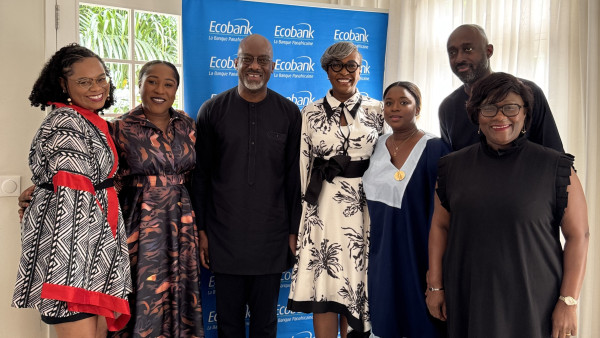
Ecobank Côte d'Ivoire, a subsidiary of Ecobank Transnational Incorporated (www.Ecobank.com), the leading Pan African Bank, takes a major step forward in its commitment to financial inclusion with the launch of the first Gender Bond in West Africa. This groundbreaking bond issuance, amounting to XOF 10 billion, aims to mobilize funding for women-owned and women-led businesses, reducing financing inequalities and fostering inclusive economic growth.

Named "Ellever Gender Bond 6.5% 2024-2029," this bond has been structured and arranged by EDC Investissement Corporation (EIC), Ecobank's Brokerage and Asset Management subsidiary. It marks Ecobank Côte d'Ivoire's second bond issuance after its initial fundraising in 2013. Aligned with international sustainable finance standards, the Gender Bond has received an independent second-party opinion from Morningstar Sustainalytics, ensuring compliance with global best practices in responsible investment.

Since its inception, the ELLEVER program has made a tangible impact on women entrepreneurship. In 2024, over 3,465 businesses registered, benefiting from XOF 13.25 billion in disbursed loans. However, access to financing remains a significant challenge for women entrepreneurs in West Africa, where less than 20% of women-led SMEs have access to adequate funding. Globally, Gender Bonds represented only USD 14.5 billion, accounting for just 1.5% of the sustainable bond market in 2023, underscoring the need to expand such initiatives.

According to Paul-Harry Aithnard, Managing Director of Ecobank Côte d'Ivoire, women's financial inclusion is a major economic priority. "This Gender Bond provides a tangible solution to the challenges faced by women entrepreneurs in West Africa. Today, women-led businesses are recognized for their resilience and performance, yet they remain significantly underfunded. Through this issuance, we reaffirm our commitment to building an ecosystem where women have full access to the financial resources they need to grow and succeed. This is a powerful tool to transform access to financing and sustainably accelerate the growth of women-led businesses."

The "Ellever Gender Bond 6.5% 2024-2029" offers investors and the public a unique opportunity to combine profitability with social impact. This five-year bond provides an attractive annual interest rate of 6.5% with a two-year capital repayment grace period. The total issuance of XOF 10 billion consists of one million securities with a nominal value of XOF 10,000 each.

All funds raised will be fully allocated to strengthening the ELLEVER program, financing initiatives led by women, and providing them with tailored financial and technical support. Roseline Abé, Chief Executive Officer of EDC Investissement Corporation, highlights the significance of this initiative: "We have structured this bond to be attractive to investors while delivering a strong impact on women's empowerment in Côte d'Ivoire. This is a unique opportunity to combine financial performance with social inclusion."

With this Gender Bond, Ecobank Côte d'Ivoire cements its leadership in sustainable finance and paves the way for greater economic inclusion. The bank's ambition goes beyond this issuance, as it envisions a long-term strategy to promote innovative and inclusive financial instruments.

Paul-Harry Aithnard concludes: "This issuance is just the beginning. We will continue to develop tailored solutions to enhance women's participation in the economy and encourage other financial institutions to follow this path."

Through this initiative, Ecobank Côte d'Ivoire is transforming access to finance and reaffirming its commitment to inclusive and sustainable development.

Distributed by APO Group on behalf of Ecobank Transnational Incorporated.

Media Contact:
Cynthia KOIDIO
Corporate Communications Manager
Ecobank Côte d'Ivoire
Email: ckoidio@ecobank.com
Tel : +2250787733729

About Ecobank Côte d'Ivoire:
Ecobank Côte d'Ivoire is a subsidiary of the Ecobank Group, the leading independent pan-African banking group, whose parent company is Ecobank Transnational Incorporated (ETI).

The Ecobank Group employs over 13,000 professionals, serving approximately 32 million customers across retail, commercial, and corporate banking sectors in 33 African countries. The Group also holds a banking license in France and maintains representative offices in Addis Ababa (Ethiopia), Johannesburg (South Africa), Beijing (China), London (United Kingdom), and Dubai (United Arab Emirates). Ecobank offers a comprehensive range of banking products, services, and solutions, including deposit accounts, cash management, advisory services, trading, securities brokerage, and wealth management. ETI is listed on multiple stock exchanges, including the Nigerian Stock Exchange (Lagos), the Ghana Stock Exchange (Accra), and the Bourse Régionale des Valeurs Mobilières (Abidjan).

For more information, visit www.Ecobank.com.

Media files
Ecobank Transnational Incorporated
Download logo
Read moreEcobank Côte D’Ivoire Launches West Africa’s First Gender Bond
8 March 2025

Allegations of Fraudulent Payments Amounting to Billions at PRASA

Location: News

A whistleblower report containing damning allegations is to be investigated

Read moreAllegations of Fraudulent Payments Amounting to Billions at PRASA
7 March 2025

US withdraws from Just Energy Transition partnership with SA

Location: News

US withdraws from Just Energy Transition partnership with SA

South Africa says it notes the United States’ decision to revoke the US International Climate Finance Plan, which had led to the withdrawal from the Just Energy Transition (JET) partnership with South Africa.

Last month, US President Donald Trump signed Executive Order 14162 to revoke and rescind this plan.

According to reports, this also means the immediate withdrawal of the United States from the Paris Agreement designed to combat climate change by curbing global greenhouse gas emissions.

The Department of International Relations and Cooperation (DIRCO) said President Trump’s recent actions have affected the policies aimed at advancing South Africa’s Just Energy Transition Investment Plan (JETP).

“As a result, effective immediately, the US has announced the termination of its membership of the International Partners Group (IPG) for JETPs South Africa, Indonesia and Vietnam,” the department explained.

With the United States withdrawal, the department said associated financial pledges are also withdrawn.

“Grant projects that were previously funded and in planning or implementation phases have been cancelled.”

However, DIRCO said the country remains committed to implementing international agreements, including the decisions taken at the historic Paris Agreement.

“South Africa and other international partners will evaluate the implications of the US withdrawal from the JETP,” the department said,

During a parliamentary discussion regarding the United States’ decision to reduce funding from the United States Agency for International Development (USAID), DIRCO Minister Ronald Lamola said South Africa should not lament this change. Instead, the country should view this situation as an opportunity for transformation.

“We must act in unison to mitigate the negative impact of the USAID cuts. We must seize this moment to reconceptualise our global system and ensure that our domestic imperatives serve our nation efficiently and sustainably,” Lamola told Members of Parliament (MP).

He highlighted that the United States is South Africa’s biggest trading partner in the world after China.
South Africa is home to 601 American companies, accounting for 143 000 jobs.

The Minister told MPs that in 2023, bilateral trade between the US and South Africa equalled US$ 22 billion, with the United States being a significant agricultural export destination for South Africa.

South Africa exports platinum, motor vehicles, reaction initiators, ferroalloys, citrus, jewellery, nuts, chemicals, wines, engines, turbines, and ships and boats to the United States.

According to Lamola, about 22 South African companies are currently invested in the United States, providing about 6 900 jobs. – SAnews.gov.za

Gabisile
Fri, 03/07/2025 - 12:46
336 views

Read moreUS withdraws from Just Energy Transition partnership with SA
7 March 2025

SA to champion women’s leadership on International Women’s Day

Location: News

SA to champion women’s leadership on International Women’s Day

As South Africa continues to make significant strides in women’s representation in government, greater efforts are urgently needed to ensure women’s leadership extends to corporate and economic sectors.

The Department of Women, Youth, and Persons with Disabilities made the remarks ahead of the global commemoration of International Women’s Day (IWD) on Saturday, 8 March 2025.

International Women’s Day is a worldwide celebration of women’s achievements, as well as a powerful call to action for gender equality.

The day serves as a reminder of the invaluable contributions women make to society, while also highlighting the ongoing challenges they continue to face in various spheres of life.

This year’s theme, “Accelerate Action” encourages the global community to intensify efforts to implement strategies, allocate resources, and initiate activities that will positively impact the advancement of women everywhere.

The WID 2025 coincides with the celebration of the 30th anniversary of the Fourth World Conference on Women and the adoption of the Beijing Declaration and Platform for Action (1995) (“Beijing +30”).

The year also marks the final five years of the 2030 United Nations Agenda for Sustainable Development Goals (SDGs), underscoring the urgency of advancing gender equality globally.

The department emphasised that with the right action and support, positive progress can be made for women across the globe.

“South Africa continues to make strides in women’s representation in government, with women making up 46% of Parliament and 43% of the Cabinet. However, greater efforts are needed to ensure women’s leadership in corporate and economic sectors.

“More work should be done to accelerate equal representation, as women remain underrepresented in high-income sectors and continue to face significant wage gaps. To bridge the gap, there is a need to demonstrate actions to stronger policies on financial inclusion, access to credit, and workplace protections for women,” the department said on Friday.

The department highlighted the importance of equipping women with the necessary tools and resources to start and grow businesses, manage household finances, and invest in their futures.

These efforts will strengthen their voices in decisions affecting them, and also help narrow gender gaps in financial access, while endorsing broader social and economic equality.

In alignment with the Government of National Unity's (GNU) priorities for the 7th administration, which has identified rapid, inclusive, and sustainable economic growth for all South Africans, the department emphasised that these priorities align closely with the World Economic Forum's (WEF) agenda for women’s rights.

The WEF focuses on closing gender gaps in economic participation, pay, and leadership.

“The South African Constitution champions the achievement of equality, including gender equality, throughout its provisions, particularly section 9 of the Constitution, which creates a basis for the obligation of the public sector, the private sector and civil society to eliminate and remedy gender, race and social inequalities,” the department said. – SAnews.gov.za

GabiK
Fri, 03/07/2025 - 12:57
171 views

Read moreSA to champion women’s leadership on International Women’s Day
7 March 2025

South Africa’s G20 Presidency to benefit all

Location: News

South Africa’s G20 Presidency to benefit all

International Relations and Cooperation Deputy Minister Thandi Moraka says South Africa’s G20 Presidency is aimed at ensuring resource-rich nations and communities in places like Limpopo can benefit equitably from their mineral wealth.

“In the midst of global geopolitical tensions and rising protectionist, South Africa’s G20 Presidency will champion cooperation, collaboration and partnerships between individuals, groups, peoples and nations,” Moraka said.

Speaking at the G20 Community Outreach event at the University of Venda in Limpopo today, Moraka said strengthening partnerships and expanding dialogue with a wide range of actors is important to collectively shape the G20’s approach to issues requiring international cooperation.

“South Africa will therefore also host a G20 Social Summit, prior to the Leaders’ Summit, by expanding outreach to communities beyond the 13 official G20 Engagement Groups,” Moraka said.

Moraka said during South Africa’s Presidency, there will be more than 85 in-person meetings throughout the country, including five meetings in Limpopo.

“We encourage the people of Limpopo to become more involved in these processes. We have been asked, and rightfully so, what benefits does the G20 Presidency brings to South Africa

“Tens of thousands of delegates and support staff from some of the world’s largest developed and developing economies are expected to arrive in South Africa over the year-long Presidency. 

“In addition to many Ministers, the Heads of State and Government of more than 40 countries will attend the Leaders’ Summit in November 2025,” the Deputy Minister said.

Moraka said the G20 Presidency was without a doubt a mammoth task, requiring considerable personnel and resources, by most accounts, this was the largest national project that South Africa has ever undertaken.

“This project is expected to have significant economic benefits for South Africa, notably for the tourism, transport, restaurant, entertainment and hospitality industries, with global visibility in all nine provinces.

“There is also significant opportunity for South African provinces and cities to promote their cultural, heritage, tourism and innovation, but also an opportunity to demonstrate South Africa’s technological, industrial and commercial advances across various sectors,” Moraka said.

A number of direct and indirect jobs are expected to be created during South Africa’s G20 Presidency.

“It therefore goes without saying that the support of all South Africans in telling a good story and highlighting our successes is critical if we are to leave a permanent G20 legacy for South Africa, and the whole of the African continent.  

“It is important for us all to work in synergy and in cooperation and partnership, more so in a fractured world filled with conflict and destruction. As much as we are excited to host the first G20 Presidency on the African continent, we are also cognisant of the enormous task that is before us,” the Deputy Minister said.

Also speaking at the same event, Limpopo Premier Dr Phophi Ramathuba said she was delighted to welcome esteemed members of the diplomatic corps, government officials, business leaders and all distinguished guests to the historic occasion, the first-ever G20 community outreach to be held in the province.

Ramathuba said the engagement was an opportunity to strengthen ties, advance collaboration and ensure that global economic policies translate into meaningful opportunities for local communities.

“It is also a symbolic gesture, a recognition of the role that provinces like Limpopo play in shaping the broader economic landscape of South Africa and the African continent,” the Premier said.

As the only African nation represented in the G20, South Africa carries a profound responsibility in ensuring that the voices of developing economies, particularly those in Africa, are heard on the global stage.

“The G20’s focus on economic growth, trade, investment, climate action and digital transformation resonates deeply with developmental priorities in Limpopo. 

“We understand that global economic policies have real, tangible effects on the lives of ordinary people, and it is our duty to ensure that these policies translate into meaningful opportunities for our communities,” Dr Ramathuba said. 

Lutendo Luvhengo, a third year student at the University of Venda told SAnews that although she had little knowledge about G20 and South Africa’s G20 Presidency, she hoped that South Africa’s hosting of the G20 meetings would benefit ordinary people.

“I believe that our country’s economy is going to improve. The guests coming to South Africa some of them are going to invest in our country and that will create more jobs,” she said.

Luvhengo was confident that the G20 meetings were going to be successful.

Echoing same sentiments was Israel Marema, first year Bcom student who said the G20 meetings were “investments in the country”.

“This is going to reduce the level of poverty by creating more job opportunities,” he said. 

Today’s launch of the G20 Outreach Programme forms part of a series of initiatives aimed at fostering wider public dialogue and participation in South Africa's G20 Presidency. – SAnews.gov.za

Edwin
Fri, 03/07/2025 - 15:53
3 views

Read moreSouth Africa’s G20 Presidency to benefit all
7 March 2025

Investors urged to join Global Investor Call

Location: News

Investors urged to join Global Investor Call

National Treasury has encouraged investors, who are interested in participating in the upcoming Global Investor Call (GIC) after the tabling of the Budget, to submit questions through the respective Goldman Sachs or Investec representatives.

The Minister of Finance, Enoch Godongwana, will table the 2025 Budget to Parliament on Wednesday, 12 March 2025.

“The Republic of South Africa, rated Ba2 (stable) by Moody’s Investors Service Incorporated, BB- (positive) by S&P Global Ratings and BB- (stable) by Fitch Ratings (Hong Kong) Limited, has mandated Goldman Sachs International and Investec Bank Limited, alongside their empowerment partners, Vunani Capital Partners and Cinga Capital, to arrange a non-deal Global Investor Call (“GIC”) scheduled for Wednesday, 12 March 2025 at 16:00 SAST / 14:00 GMT / 09:00 EST,” National Treasury said on Friday.

The GIC will be led by National Treasury Director-General, Dr Duncan Pieterse, and will be supported by senior National Treasury officials. 

It said the GIC will be followed by a series of in-person fixed income investor update meetings in Cape Town on Thursday, 13 March 2025, and Friday, 14 March 2025, and in Johannesburg on Friday, 28 March 2025. 

“Investec will be arranging logistics. Details of in-person fixed income investor update meetings internationally will be communicated to the market in due course. 

“There will be an open Q&A session during the GIC, and the Republic of South Africa also welcomes the pre-submission of questions through the respective Goldman Sachs or Investec representatives,” National Treasury said.

Representatives can be contacted as follows:

Goldman Sachs International:

  • Name: Rumbi Wasterfall
  • Email Address: rumbi.wasterfall@gs.com
  • Contact details: +44 207 774 6671

Investec Bank Limited:

  • Name: Leanne Large
  • Email address: Leanne.Large@investec.com
  • Contact details: +27 82 494 8804

Link to pre-register (Recommended):

https://www.netroadshow.com/events/login?show=367d0b60&confId=78851

Link for the audio replay (only available following the GIC): https://www.netroadshow.com/events/login?show=367d0b60&confId=78851

Following the tabling of the 2025 Budget, a presentation will be available on National Treasury's website:

https://shorturl.at/1VyCh

During the Budget the Finance Minister will to outline the financial, economic and social commitments that government would prioritise in its planned expenditure as part of the 2025 Budget Speech.

He will indicate the allocation of financial resources to the national government’s priorities outlined by President Cyril Ramaphosa in the State of the Nation Address. - SAnews.gov.za

nosihle
Fri, 03/07/2025 - 13:28
274 views

Read moreInvestors urged to join Global Investor Call
7 March 2025

Multi-stakeholder symposium reaffirms commitment to remove SA from FATF grey list

Location: News

Multi-stakeholder symposium reaffirms commitment to remove SA from FATF grey list

After thorough deliberations, a multi-stakeholder symposium -- hosted by the Department of Social Development -- has reaffirmed its commitment to resolving outstanding action items on Recommendation 8 and ensuring South Africa's removal from the Financial Action Task Force (FATF) grey list. 

The three-day symposium was convened by the Department of Social Development under the theme: "Together Countering the Financing of Terrorism in the NPO Sector-Promoting Cooperation and Compliance with the Global Standards”. 

In a statement on Friday, the department said the symposium was convened to focus specifically on FATF Recommendation 8 and was attended by representatives of government, civil society, Non-Profit Organisations (NPOs), financial and non-financial regulators, and NPO funding lobby groups.

“Since its grey listing by FATF in February 2023, South Africa has already made notable progress in complying with the global standards on the prevention of money laundering, terrorist financing and proliferation financing,” the department said. 

According to National Treasury, which is the lead department in addressing the overall FATF recommendations, South Africa is now left with one reporting cycle to address the remaining six action items.

Three of the outstanding action items relate to demonstrating a sustained increase in the investigation and prosecution of complex money laundering, terror financing and unlicensed cross-border money or value transfer services.

FATF Recommendation 8 focuses on NPOs and the potential use of the sector as a vehicle for money laundering and terror financing. FATF has rated most of the action items under Recommendation 8 as partly addressed. 

“Although FATF has made it clear that not all NPOs are at risk of being used for money laundering and terror financing, the department convened the multi-stakeholder engagement to inform the NPO sector of progress, create broader awareness, share best practice and promote better understanding of FATF global standards for NPOs,” the department said. 

The symposium underscored the critical importance of civil society and NPOs in South Africa, as they complement government and the private sectors in providing essential services to the most vulnerable groups and communities in society. 

Some of the key highlights from the multi-stakeholder engagement symposium are as follows:

· No one size fits all approach. Not all NPOs are vulnerable to money laundering and terror financing, as some only operate within the borders of South Africa. FATF’s risk-based approach should be applied to high-risk NPOs.

· Data sharing across government and with the private sector/funders. The multi-stakeholder engagement symposium highlighted the need for data sharing agreements among government departments, law enforcement agencies and the private sector to assist in early warning and detection of suspicious activities by high- risk NPOs.

· Overregulation of the NPO sector. While the NPO sector welcomed government’s proposed initiative and measures to comply with FATF’s global standards as part of implementing Recommendation 8, they cautioned against overregulating the sector, which has the potential to stifle community activism and active citizenry envisaged in the National Development Plan.

· Expansion of outreach and educational programmes. One of the key issues emerging from the multi-stakeholder engagement symposium is the need for the Department of Social Development to conduct more outreach in collaboration with other regulators such as the Financial Intelligence Centre (FIC), South African Revenue Service (SARS) and the National Lotteries Commission (NLC).

· Establishment of an independent NPO regulator. It was recommended that the Department of Social Development should consider setting up the NPO Directorate in its current form as an independent NPO regulator. There was general consensus that the department cannot play a dual role of being NPO funder and regulator at the same time.

· Continued commitment beyond FATF’s grey listing. All participants agreed to continue collaborating and improving coordination, including harmonisation of funding requirements.

The symposium closed with a declaration signed and adopted by all participants to combat all forms of money laundering and terror financing in South Africa.

Delivering closing remarks, the Acting Deputy Director-General: Community Development, Mpho Mngxitama, expressed gratitude to all participants and commended them for their unwavering commitment to exit South Africa from the grey list, as well as improve transparency and accountability in the NPO sector.

“As FATF’s onsite visit approaches, it is now all hands-on deck to expedite action on all
outstanding items to exit South Africa from the grey list on record time,” the department said.

NPO Online Solution

The department seized the opportunity to demonstrate the NPO Online Solution, a self-service portal that will enable members of the public to register new NPOs, check status of their application, submit annual compliance reports and voluntary deregistration, amongst others.

A key feature of the new innovative and streamlined DSD NPO Online Solution is that it will be linked to the portals of the South African Revenue Service (SARS) and Companies and Intellectual Property Commission (CIPC). 

It was agreed that a webinar will be organised to pilot the online solution before national roll out in the new financial year. – SAnews.gov.za

DikelediM
Fri, 03/07/2025 - 13:59
96 views

Read moreMulti-stakeholder symposium reaffirms commitment to remove SA from FATF grey list
7 March 2025

KZN Premier calls for swift arrest in Sphindiwe Hlongwa’s murder

Location: News

KZN Premier calls for swift arrest in Sphindiwe Hlongwa’s murder

KwaZulu-Natal Premier Thamsanqa Ntuli has called for the swift arrest of the perpetrators involved in the rape and murder of Sphindiwe Hlongwa, whose body was found dumped near her home in Mkhazini, south of Durban.

According to reports, Hlongwa, 31, was found strangled to death, with visible signs of assault and a swollen face after being dropped off by a Renault Kwid near her home on Monday evening.

Ntuli has condemned Hlongwa’s killing, describing the act as “barbaric, inhumane, and an attack on the dignity and safety of women” in the province.

“We are deeply horrified by yet another grotesque act of gender-based violence and femicide (GBVF). The perpetrators of this heinous crime must be brought to justice without delay. This is one of many murders linked to the scourge of GBVF in our province. 

“However, working with the SAPS [South African Police Service] under our Police Commissioner, Lieutenant General Mkhwanazi, we will make sure to treat every case as an emergency, one case at a time. We will never give up and we will do everything to defeat GBVF,” the Premier said.

Ntuli urged anyone with information related to the crime to come forward and assist the police by contacting Crime Stop on 08600 10111 or their nearest police station.

International Women's Month commemoration

Meanwhile, Ntuli will on Saturday lead a delegation of the Members of the Executive Council (MEC) to commemorate International Women's Day at the KwaMashu Civic Centre.

International Women’s Day is a global celebration of women's achievements and a call for gender equality. Observed annually on 8 March, the day is a reminder of the contributions women make to society and the challenges they continue to face. – SAnews.gov.za

GabiK
Fri, 03/07/2025 - 11:54
50 views

Read moreKZN Premier calls for swift arrest in Sphindiwe Hlongwa’s murder
7 March 2025

Minister Lamola to Host His Cuban Counterpart for Bilateral Consultations

Location: News

Republic of South Africa: Department of International Relations and Cooperation
Download logo

The Minister of International Relations and Cooperation, Mr Ronald Lamola, will host the Foreign Minister of the Republic of Cuba, HE Mr Bruno Rodriquez Parrilla, on 10 March 2025 for Bilateral Talks in Pretoria.

The Working Visit will provide an opportunity for the two Ministers to strengthen South Africa-Cuba strategic bilateral relations and cooperation programmes.

The Ministers will also exchange views on regional and global issues of mutual concern.

Cuba is one of South Africa's strategic partners in Latin America and the Caribbean. The two countries' relations date back well before the 1994 democratic elections, which in great part can be attributed to the remarkable contribution made by Cuba to the liberation of South Africa and the defeat of apartheid and colonialism.

South Africa and Cuba are bound by ties of culture, history, shared struggles, international solidarity and a joint commitment to advance the development agenda of the Global South.

The long-enduring bilateral collaboration between South Africa and Cuba is multifaceted and sustained by a substantial number of bilateral agreements covering a wide range of areas, including health, public works, education and water and sanitation cooperation.

South Africa and Cuba's foreign policies are centred on the peaceful resolution of conflict, multilateralism, the rule of International Law and the centrality of the UN in the maintenance of international peace and security.

Distributed by APO Group on behalf of Republic of South Africa: Department of International Relations and Cooperation.

Read moreMinister Lamola to Host His Cuban Counterpart for Bilateral Consultations
6 March 2025

G20 Leaders’ Summit at the end of the year to enhance tourism and economic growth

Location: News

G20 Leaders’ Summit at the end of the year to enhance tourism and economic growth

The upcoming Group of 20 (G20) Leaders’ Summit at the end of the year is anticipated to significantly enhance the tourism sector’s contribution to economic growth and job creation. 

This is according to the International Relations and Cooperation Minister, Ronald Lamola, who shared this perspective while responding to a parliamentary question about his department’s strategy to leverage South Africa’s G20 Presidency to create sustainable benefits for the economy, particularly for small businesses in townships and rural areas.

“By hosting G20 meetings across all provinces, South Africa aims to achieve a considerable economic boost, attracting tens of thousands of delegates and support staff from major global economies to provinces throughout its year-long Presidency,” he told Members of Parliament (MPs). 

South Africa assumed the Chair of the G20 on 1 December 2023, taking over from Brazil. 

The G20 consists of 19 countries, along with the European Union (EU) and the African Union (AU), which joined last year. 

This group brings together the world’s major and systemically important economies.

The Minister believes that this surge in tourism presents significant opportunities for South African provinces and cities to showcase their cultural heritage and tourism potential. 

According to Lamola, South Africa’s Presidency of the G20 is anticipated to be one of the largest national projects, requiring whole-of-government and society participation. 

From 1 December 2024 to 30 November 2025, South Africa will host well over 100 in-person meetings across the country. 

“Firstly, the G20 will boost South Africa’s tourism sector, increasing employment and allowing provinces to showcase their cultural treasures.”

The Minister highlighted that the World Travel and Tourism Council (WTTC) reported that South Africa’s tourism sector employed 1.46 million people in 2023. 

This number is expected to increase to 1.7 million jobs soon, driven by a targeted initiative aimed at significantly boosting employment over the next five years. 

He also mentioned that WTTC statistics showed that tourism’s direct and indirect contribution to South Africa’s GDP was 8.2% in 2023, with expectations to rise to 8.8% in 2024.

In addition, it also allows for a demonstration of the nation’s advancements across multiple sectors.

According to Lamola, the G20 meetings are anticipated to generate considerable economic benefits, creating many direct and indirect jobs during and beyond this period. 

The Minister believes that Africa’s G20 Presidency offers an opportunity to promote inclusive growth, combat poverty, and ensure sustainable development. 

“Ultimately, the high-level deliverables and priorities identified for South Africa’s G20 Presidency will benefit South Africa at the national, continental, and global levels. 

“The G20 serves as a strategic platform for South Africa to lobby for policies aimed at advancing the three strategic priorities of the seventh administration.” 

These include driving inclusive growth and job creation, reducing poverty and tackling the high cost of living, and building a capable, ethical, and developmental State.

In addition, South Africa’s second priority under its G20 Presidency is ensuring debt sustainability for developing economies. 

“In pursuing this, South Africa aims to see greater urgency in addressing the debt and solvency challenges many countries face, determining clear solutions to mobilise low-cost financing for development.

This approach will help reduce debt service costs for developing countries, including South Africa, thereby freeing up spending on essential services such as education, healthcare, and the infrastructure needed for economic development,” he told MPs.

Meanwhile, he said the nation seeks to leverage its G20 Presidency by promoting “harnessing critical minerals for inclusive growth and development.” 

“South Africa calls for a G20 framework on green industrialisation and investments to ensure progress towards a grand bargain that adds value to critical minerals, particularly near the source of extraction.” 

He believes that promoting the beneficiation and local value addition of resources at the source will result in a more additive rather than extractive relationship. 

“As mineral extraction accelerates to meet the energy transition needs, the countries and local communities endowed with these rich resources must be the primary beneficiaries,” he added. – SAnews.gov.za

Gabisile
Thu, 03/06/2025 - 10:42
499 views

Read moreG20 Leaders’ Summit at the end of the year to enhance tourism and economic growth
6 March 2025

Incidence of occupational lung diseases remains high among SA miners

Location: News

Incidence of occupational lung diseases remains high among SA miners

The incidence of active pulmonary tuberculosis (PTB) and silicosis among gold miners remains high, but recent years have seen a slow decline in the rates of both diseases, according to a recent study. 

The findings from the study titled “Surveillance of Occupational Lung Diseases at Autopsy in South African Miners, 2021” suggest that this drop may be attributed to improved silica dust control measures, better living conditions, and the rollout of antiretroviral therapy (ARTs).

The study is based on the annual Pathology Computerised Pathology Automation System (PATHAUT) surveillance report. 

The Pathology Division of the National Institute for Occupational Health (NIOH), a division of the National Health Laboratory Service (NHLS), examines the cardiorespiratory organs of deceased miners and ex-miners. 

According to the lead author Thembi Mashele the research aimed to assess the prevalence of occupational respiratory diseases in miners at autopsy in 2021 and highlight key trends for South Africa. 

In 2021, 546 cardiorespiratory organs from deceased miners and former miners in South Africa were examined.

The autopsies were conducted on 303 (55.5%) Black miners, 241 (44.1%) White miners, and two (0.4%) mixed-race miners. 

The miners had an average age of 51.6 years, while White miners were slightly older than the Black miners. 

Most of the cases came from Gauteng, followed by the North West province. 

The deceased miners worked in various mining sectors, with the majority having experience in the gold mining industry.

Emphysema, active PTB, and silicosis were the most frequently occurring occupational diseases diagnosed at autopsy. 

The research revealed that the current active PTB rate was 137 cases per 1 000 autopsies, higher than the 1995 rate of 93 per 1 000. 

Rates of silicosis in Black and White miners remained above 200 per 1 000 as compared to 182 per 1 000 in 1995. 

Research revealed that the number of autopsies conducted at the NIOH has declined over the years, peaking in 1995 with 4 003 cases compared to 546 in 2021.

The study also found that there has been a drop in the number of miners coming to autopsy, which may reduce access to compensation for families. 

“This decrease also hinders the documentation of detailed findings for the surveillance and research of respiratory diseases associated with mining and environmental exposures.”

Mashele stated that asbestos mining ended in South Africa in 2002. However, due to the long latency of asbestos-related diseases, we can expect respiratory issues among miners exposed to asbestos for some time to come.

Meanwhile, environmental asbestos exposure-related cases will also be expected as asbestos remains in the environment and buildings.

The lead author stated that the government provides compensation to the families of deceased miners who have been diagnosed with certified compensable diseases. 

These include silicosis, coal worker’s pneumoconiosis, mixed dust fibrosis, chronic obstructive pulmonary disease, lung cancer, PTB, asbestos-related diseases, and progressive systemic sclerosis excluding skin-related conditions.

“Due to a decline in numbers seen over the years, we hope to raise awareness amongst healthcare professionals and the public about the surveillance of occupational respiratory diseases and the key trends observed since 1975.” 

Since 1975, demographic information, clinical causes of death, occupational histories, and pathological findings related to the cardiorespiratory organs of all examined miners and former miners have been documented in a computerised PATHAUT database. 

By the end of 2021, this database contained a total of 115 339 records.

The study has recommended a continued policy implementation to control dust in the mining industry – leading to reductions in the incidence of occupational respiratory diseases. 

Meanwhile, the researchers said the International Labour Organisation and the World Health Organisation’s Global Programme for the Elimination of Silicosis efforts to eradicate silicosis by 2030 should be complied with by the mining sector. 

In addition, to adhere to requirements, they suggest that employers should continuously perform air monitoring and submit regular reports to the Department of Mineral Resources.

“The ongoing systematic monitoring of trends will support the evaluation of interventions and the attribution of research in respiratory diseases confounded by smoking for compensation.” – SAnews.gov.za


Gabisile
Thu, 03/06/2025 - 13:47
128 views

Read moreIncidence of occupational lung diseases remains high among SA miners
  • Previous
  • Page 1
  • Interim pages omitted …
  • Page 20
  • Page 21
  • Page 22
  • Page 23
  • Page 24
  • Interim pages omitted …
  • Page 103
  • Next

Copyright © 2026 · MyZA · All Rights Reserved · Powered by Stratlec Online