• Skip to main content
  • Skip to header right navigation
  • Skip to after header navigation
  • Skip to site footer
MyZA

MyZA

News, Directory, Events and Other Stuff

  • Social Media
  • Sport
  • World News
  • Home
  • Submit News
  • Directory
  • Events
  • Stratlec
  • TFSA
  • News
    • APO
    • Today’s Sport News
    • Todays Social Media and Tech Headlines
    • Today’s World News
    • Today’s SA Financial News
  • Contact
You are here: Home / Archives for global

global

10 February 2025

Tributes pour in for nuclear scientist Senamile Masango

Location: News

Tributes pour in for nuclear scientist Senamile Masango

The Chairperson of the Human Resource Development Council (HRDC), Deputy President Paul Mashatile, has described the late pioneering nuclear scientist, Senamile Masango, as someone who was a beacon of hope for many young people, especially women. 

The Deputy President paid tribute to Masango, after receiving the sad news of the passing of South Africa’s first Black nuclear scientist, and a member of the HRDC, on Sunday, 9 February 2025.

Masango, who hailed from Nongoma in northern KwaZulu-Natal, passed away in hospital following a short illness. She was 37 years old.

“Her passion for developing critical skills among the population and women in science, in particular, will be sorely missed,” the Deputy President said in a statement on Monday. 

Masango, a PhD candidate, was a globally recognised nuclear scientist, esteemed energy leader and pioneering entrepreneur. 

As a trailblazer in the field of nuclear science, she was widely respected for her groundbreaking research particularly at the European Organisation for Nuclear Research (CERN). 

Her achievements were a source of pride, as she became the first African woman to conduct experiments at CERN.

Masango’s brilliance gained international recognition when she received the prestigious Women in Science Award in 2022. 

The Deputy President’s Office noted that her influence extended beyond her scientific accomplishments, as she is also a visionary entrepreneur. 

She served as the founder and Executive Chair of Mphathisithele Consulting, an energy consulting firm.

She also served on several public sector science bodies including the South African Nuclear Energy Corporation (Necsa) and recently became a member of the HRDC. 

Due to her groundbreaking work in empowering women through science, she has received numerous local and international honours. 

These include being recognised as one of the 50 Global Inspirational Women of 2020 and being named a finalist for the Women in Tech Global Awards in 2021.

Despite her youth, Masango made a significant contribution to the advancement of science and the development of essential skills for the country.

“On behalf of government and the HRDC, we wish to convey our deepest condolences to the Masango family, her immediate community, and the science fraternity at large. May her soul rest in eternal peace,” said the Deputy President. 

Her establishment of Women in Science and Engineering (WISE) and her advocacy for greater representation and opportunities for women in science, technology, engineering, and mathematics (STEM) fields have made a significant impact.

The Office of His Majesty the King Misuzulu KaZwelithini of the Zulu nation, has also paid his tribute to the renowned nuclear scientist.

Masango came from rural Nongoma, which is the traditional seat of the Zulu monarchy in northern KwaZulu-Natal.

“On behalf of the Zulu nation, I offer my deepest sympathies to your family. May you find comfort in the knowledge that her impact will continue to inspire many. We stand with you in mourning, and we pray that her soul rests in eternal peace,” the King said on Monday. 

Former Public Protector and the Law Faculty Trust Chair in Social Justice and Law Professor at Stellenbosch University, Professor Thuli Madonsela said she was “exceedingly” shocked and saddened by the news of the passing of Masango. 

Madonsela said Masango was a friend of the Centre for Social Justice at Stellenbosch University and a tireless supporter of the #Action4Inclusion initiative aimed at eradicating student debt as a barrier to higher education.

“Heartfelt condolences to the family, friends and colleagues. May her kind soul rest in peace,” Madonsela said. – SAnews.gov.za

Gabisile
Mon, 02/10/2025 - 12:55
297 views
Read moreTributes pour in for nuclear scientist Senamile Masango
10 February 2025

TNPA signs milestone agreements

Location: News

TNPA signs milestone agreements

Transnet National Ports Authority (TNPA) has achieved a key milestone in the development of the South Dunes Precinct at the Port of Richards Bay by signing two major Terminal Operator Agreements (TOA). 

The first agreement for Liquefied Natural Gas (LNG) has been signed with Zululand Energy Terminal, while the other agreement is signed with FFS Tank Terminals.

The agreements represent a leap forward in advancing South Africa’s energy and maritime sectors, underscoring TNPA’s strategic objectives to foster sustainable development and investment in critical infrastructure.

Speaking at the signing ceremony held at South Pier in the South Dunes Precinct at Port of Richards Bay in KwaZulu-Natal, Andile Sangqu, Transnet Board chairperson, said the agreements signify Transnet’s commitment to support South Africa’s crucial pathway to economic growth and industrialisation through energy transformation and enhanced energy security.

“They represent a dual achievement, the introduction of a pioneering LNG import facility and the enhancement of our liquid bulk capacity through the redevelopment of FFS Tank Terminals,” Sagqu said.

Sangqu said the LNG terminal is a critical response to the nation’s energy challenges.

“Overall, the TNPA LNG project is aligned with the Department of Mineral Resources and Energy (DMRE) plans to deliver 6 000 MW of Gas-to-Power in South Africa. 

“This 6 000 MW is split into 3 000 MW as per Integrated Resource Plan (IRP) and 3 000 MW for Eskom new generation in the UMhlathuze region. 

“By enabling the importation of Liquefied Natural Gas, we are promoting the development of sustainable source of energy to meet limited and depleting gas supplies,” he said. 

Sangqu said the initiative positions Transnet as a key player in South Africa’s nascent LNG market.

Sangqu said with the LNG Import Terminal expected to generate approximately 1 000 jobs and additional opportunities emerging during the construction of berth 207 and the necessary pipeline infrastructure, they are committed to building a sustainable workforce for the future.

In his remarks, Tshokolo Nchocho, TNPA Board Chairperson, said the agreements mark significant progress in advancing the country's energy security, economic growth and the transformation of our port infrastructure.

“The establishment of South Africa’s first LNG Import Terminal represents a strategic response to our nation’s energy challenges,” Nchocho said.

Nchocho said the establishment of South Africa’s first LNG Import Terminal represents a strategic response to the nation’s energy challenges.

“By securing a stable and diversified energy supply, we are ensuring that our industries and communities have the power they need to thrive. 

“By modernising existing infrastructure, this project not only enhances maritime fuel services but also plays a critical role in supporting global shipping operations, ensuring efficiency and competitiveness in an evolving energy landscape,” he said.

KwaZulu-Natal Premier Thami Ntuli hailed the signing of the two multibillion rand Terminal Operator Agreements (TOA), saying they will advance South Africa’s energy and maritime sectors and help grow the country’s economy and spur the creation of much-needed jobs.

“As detailed by Transnet already, this is a significant milestone in the development of the South Dunes Precinct at the Port of Richards Bay and is set to support the Gas-to-Power Programme of South Africa,” Ntuli said.

Ntuli said the signing ceremony aligns quite solidly with the DMRE’s Strategic Plan (2020-25) that charts ambitions to become a country that is not only energy secure, but one that is unrolling a decarbonisation strategy, as the country steadily transitions towards cleaner energy sources.

“Natural gas is becoming increasingly accepted as a viable alternative or transitional source of power which although not a renewable, is far cleaner and less expensive in capital cost than coal which currently supports our base load,” Ntuli said.

Ntuli said the country has learnt that gas can negate pollution output from other fossil fuel sources and at the same time, halve the carbon emissions.

“These two agreements are welcomed, as they are the fruit born out of the Zululand Energy Terminal (ZET), a strategic partnership between Vopak Terminal Durban (PTY) Ltd and Transnet Pipelines to develop, construct and operate a new Liquefied Natural Gas (LNG) Terminal in Richards Bay,” the Premier said.

Ntuli said one of the most pleasing aspects of the agreement is expected to generate significant employment opportunities, while also fostering skills development and driving transformation in the maritime and energy sectors.

“In this regard, the projects are expected to generate approximately 1 000 jobs, with additional opportunities created during the construction of berth 207 and pipelines,” he said.

Acting TNPA Chief Executive, Phyllis Difeto, said this milestone underscores the commitment to transforming the country’s logistics sector and being responsive to national energy goals.

Difeto said collectively, the projects contribute to the economic resilience of the uMhlathuze region, with significant job creation in construction, operations and port-related industries.

“These initiatives highlight our commitment to transformation and workforce empowerment,” she said.

The signing of the agreements aligns with Transnet’s strategic pursuit of partnerships with the private sector and signifies a leap towards delivering Transnet's objectives to align its freight logistics business with key commodities of the South African economy.

On 15 December 2022, TNPA issued a Request for Proposal (RFP) to secure a terminal operator for the development of a LNG terminal in the South Dunes Precinct.

Following a thorough evaluation process in compliance with Section 56 of the National Ports Act (Act No. 12 of 2005), Zululand Energy Terminals was appointed as the preferred bidder.

The project involves the design, development, financing, construction, operation and maintenance of the LNG terminal over a 25-year concession period.

The initiative supports the Gas to Power Programme of South Africa, aligning with the Department of Mineral Resources and Energy’s Strategic Plan (2020-25) to enhance energy security and transition to cleaner energy sources.

TNPA has also finalised a 25-year concession TOA with FFS Tank Terminals for the development and operation of a liquid bulk terminal specialising in bunker fuels at the Port of Richards Bay.

The facility, located at the former Engen bunker terminal, will focus on enhancing the port’s capacity for handling liquid bulk and fostering economic growth.

TNPA is responsible for the safe, effective, and efficient economic functioning of the national port system, which it manages in a landlord capacity. 

It provides port infrastructure and marine services at the eight commercial seaports in South Africa in the cities of Richards Bay, Durban, Saldanha, Cape Town, Port Elizabeth, East London, Mossel Bay and Ngqura. It operates within a legislative and regulatory environment and is governed by the National Ports Act (Act No. 12 of 2005). 

The development of these two terminals is a game changer in the economic landscape of the region. 

The LNG terminal alone is projected to create over 1,000 job opportunities during construction, operations including downstream business for communities surrounding the uMhlathuze region, while the bunkering services terminal aims to generate around 50 direct and indirect jobs from the project initiation phase. – SAnews.gov.za

Edwin
Mon, 02/10/2025 - 14:48

232 views
Read moreTNPA signs milestone agreements
10 February 2025

SIU head appointed to global anti-corruption association

Location: News

SIU head appointed to global anti-corruption association

Head of the Special Investigating Unit (SIU) Advocate Andy Mothibi has been re-elected as Vice President: African Regional Coordinator and Member of the Executive Committee of the International Association of Anti-Corruption Authorities (IAACA).

The IAACA is an international and non-political anti-corruption organisation, which plays a role in fostering collaboration and sharing best practices.

In a statement, the SIU emphasised that the re-appointment underscores South Africa’s commitment to fighting corruption.

“Advocate Mothibi’s reappointment reflects the SIU’s unwavering commitment to combating corruption and strengthening good governance. Adv Mothibi's leadership continues positioning South Africa and the wider African region at the forefront of the global anti-corruption agenda.

“The SIU calls on its stakeholders and the public to support Adv Mothibi and the SIU in this important role. Together, we can continue to build a corruption-free society and uphold the highest standards of integrity and transparency as envisioned in the National Anti-Corruption Strategy,” the SIU said in a statement. – SAnews.gov.za


NeoB
Mon, 02/10/2025 - 13:54

40 views
Read moreSIU head appointed to global anti-corruption association
10 February 2025

Government creates enabling environment for investors

Location: News

Government creates enabling environment for investors

In an effort to create an enabling environment for investors, the Department of Forestry, Fisheries and the Environment (DFFE) is prioritising cutting red tape and boosting investor confidence by removing bureaucratic delays that prevent businesses from investing in sustainable industries.

“South Africa is uniquely positioned to become a leader in the green economy. Our vast renewable energy potential, our forestry-based carbon markets, and our sustainable fisheries sector all present opportunities for attracting much-needed investment. However, to fully unlock this potential, we must remove obstacles that hinder growth,” Forestry, Fisheries and the Environment Minister, Dr Dion George, said on Monday.

According to the Minister, countries that create an enabling environment for green investment will be at the forefront of economic growth and job creation in the coming decade.

He made this observation after his participation at the recent World Economic Forum (WEF), held in Davos, Switzerland, as discussions reaffirmed that global investors are actively seeking opportunities in sustainable industries.

During his engagements, George met with global leaders, investors, and policymakers to discuss how South Africa can attract investment in key sectors, such as renewable energy, sustainable forestry, and marine conservation. 

These sectors hold immense potential, not only to protect our environment, but also to drive economic expansion and employment opportunities, particularly in rural and coastal communities.

“The DFFE has also gone to great lengths to leverage forestry and fisheries for economic expansion. South Africa’s forests are not just an environmental asset, they are a key economic driver in carbon trading and sustainable wood production. 

“The department is working to enhance carbon sequestration initiatives that will allow South Africa to benefit from global climate finance mechanisms. Sustainable fisheries are central to food security and economic development. The department is actively working on policies that will protect marine ecosystems while creating sustainable jobs in the fishing industry,” the Minister said.

The DFFE is also aligning with the Global Green Finance Movement. 

“Investors at Davos made it clear that capital is moving toward sustainable projects. Our government must ensure that South Africa is positioned as a leading destination for climate finance and green investment, which includes partnering with the private sector to scale up renewable energy projects and green infrastructure,” George said.

The Minister’s engagements at WEF Davos underscored the critical message that South Africa must act decisively to secure its place in the global green economy. 

“We cannot afford to lag behind while other emerging markets capitalise on the shift toward sustainability,” he said. -SAnews.gov.za


nosihle
Mon, 02/10/2025 - 09:16

18 views
Read moreGovernment creates enabling environment for investors
10 February 2025

SA Veterans Gear up for International Masters Cricket World Cup

Location: Sport

JOHANNESBURG: The Veterans Cricket Association of South Africa (VCASA) 16-man squad has arrived in Colombo, Sri Lanka ahead of the fourth...

Read moreSA Veterans Gear up for International Masters Cricket World Cup
9 February 2025

Mashatile applauds South Africa’s leading citizens at Ubuntu Awards

Location: News

Mashatile applauds South Africa's leading citizens at Ubuntu Awards

Deputy President Paul Mashatile has praised the winners of the annual Ubuntu Awards as a source of inspiration for active citizenry.

The Deputy President delivered the keynote address at the annual Ubuntu Awards held on Saturday evening at the Cape Town International Convention Centre.

The awards – hosted by the Department of International Relations and Cooperation – recognise South Africans and companies that proudly fly the country’s flag high on global platforms.

“As has become custom, we have gathered in this fashion again during the week of Parliament's opening to give due recognition to our patriots who fly the South African flag high on the world’s great stages. These patriots represent our country positively in various disciplines through their good deeds, talent, hard work, and determination towards excellence.

“The Ubuntu Awards represent a gesture through which our government aims to encourage and promote active citizenry. We do so because we believe the world views South Africa through the deeds of its people,” he said.

The 2025 recipients of the awards are:

  • Ubuntu Sports Diplomacy award: Wheelchair tennis star Kgothatso Montjane 
  • Ubuntu Youth Diplomacy award: Global youth empowerment activist, Tara Roos
  • Ubuntu Arts and Cultural Diplomacy Award (Veteran): World renowned artist, Lebohang ‘Lebo M’ Morake
  • OR Tambo Lifetime Achievement Award: Ambassador Thenjiwe Mtintso
  • Ubuntu Economic Diplomacy Award: Airlink
  • Commendable Recognition Ubuntu Economic Award (Africa): Bernika Health
  • Ubuntu Economic Diplomacy (Global): Sanlam
  • Ubuntu Social Responsibility Award: Nkosinathi Foundation

“These are individuals who have selflessly dedicated their time and resources to promote South African interests and values on the global stage. They have elevated South Africa’s stature worldwide through their participation in various disciplines, ranging from sports, music and performing arts, philanthropy, and good business practice.

“In addition to creating opportunities for growth and prosperity through their various efforts, these individuals' vision, leadership, and entrepreneurial spirit inspire others to follow in their footsteps. 

“In other words, the individuals we will be honouring tonight, regardless of their field of expertise, serve as cultural ambassadors who represent a diverse tapestry of South African heritage and identity,” Deputy President Mashatile said.

G20 values

This year’s Ubuntu Awards ceremony was held under the theme “South Africa G20 Presidency: Solidarity, Equality, and Sustainability”, aligning with South Africa’s G20 Presidency this year.

Deputy President Mashatile said South Africa’s G20 Presidency offered an opportunity to “further the interests of poorer countries”. 

“Our goals…include promoting more equality in international governance and elevating Africa's development agenda in ways that are more meaningful. These values are the pillars upon which we can build a brighter, more inclusive future for all, not just in South Africa or Africa but across the world.

“Our goal at the G20 Summit is to increase the focus on strengthening unity and ensuring no nation or individual is left behind in the global growth race. Mindful of the centrality of the United Nations agenda, South Africa is certain that the G20 has a critical role to play in expediting the implementation of the Sustainable Development Goals,” he said.

The Deputy President acknowledged that global challenges continue to mount for all nations. 

“These issues include geopolitical tension, economic inequality, climate change, humanitarian disasters, underdevelopment, inequality, poverty, hunger, and unemployment.

“South Africa will work with G20 countries and build partnerships in all sectors of society to harness the global community's desire and capacity to solve these issues,” he committed.

Turning back to the awards nominees and recipients, the Deputy President described them as a source of inspiration. 

“While we only recognise a few individuals today, we are aware that thousands of people around the country have represented South Africa in a range of activities over the last year, including research, education and training, sports, arts and culture, business, and corporate affairs.

“Together, we can amplify the voice of South Africa on the global stage, promoting a message of inclusivity, diversity, and progress.

“Let us commit ourselves to the ideals of Ubuntu—not just in words, but in action. Let us strive to build a South Africa that belongs to all who live in it, Black and White,” Mashatile said. – SAnews.gov.za


NeoB
Sun, 02/09/2025 - 14:56

234 views
Read moreMashatile applauds South Africa’s leading citizens at Ubuntu Awards
8 February 2025

Trump Has Stopped Aid to South Africa, Endangering Thousands of Lives

Location: News

But we must not allow peddlers of hate to undermine our fragile constitutional democracy

Read moreTrump Has Stopped Aid to South Africa, Endangering Thousands of Lives
7 February 2025

President Ramaphosa tees off for charity

Location: News

President Ramaphosa tees off for charity

In a bid to raise funds for charity, President Cyril Ramaphosa has this morning teed off alongside a diverse stakeholder grouping during the annual Presidential Golf Challenge.

This year, President Ramaphosa partnered with an 11-year-old golfer Shalom Madlala from Malelane in the Mpumalanga province. Shalom is a provincial player in the South African Golf Development Board’s (SAGDB) program.

The PGC, held at the Atlantic Beach Golf Estate, Melkbosstrand, is held every year following the State of the Nation Address (SONA) and is hosted by the Ministry of Public Service and Administration in partnership with the private sector as part of the activities around SONA.

According to the Presidency, the challenge raises funds for charities designated by the sitting President and provides an opportunity for networking between government and the private sector. 

The proceeds will be donated to the Cyril Ramaphosa Foundation, which will in turn distribute funds to deserving charities to improve education and promote skills development in the communities across the country. 

Job creation, economic development and investment

Speaking to members of the media on the sidelines of the PGC, the President outlined his strategy for job creation and economic growth. He highlighted that investment confidence was rising, indicating a potential increase in investments and job creation.

“As I said yesterday in the State of the Nation Address, we intend to grow our economy, we're focusing more intently on growing the economy by ensuring that our reforms take root, and we broaden our reforms as well to the second phase. 

“We've done relatively well so far with our reforms, particularly when it comes to network industries our electricity, our logistics, our rail, and our ports with doing much better than we did in the past. And that in itself is a really good indicator to investors they see that we are serious and beginning to address issue that they were believing are holding back their own investment,” he said. 

The President emphasised that increased investor confidence was a key driver of economic growth and job creation.

“Investment confidence is up, and once investment confidence is up, we will see a real growth in investments in our economy, and then we will see growth and creation of jobs. 

“We intend to get into the second phase, which will focus on water and local government as well and the regulatory environment. So, we are intending to do a clean sweep of everything that is holding our economy back,” he said. 

The President also highlighted the government's commitment to expanding public employment programs, particularly targeting young people, women, and people with disabilities. He pointed to emerging sectors such as artificial intelligence, the green economy, and the digital economy as key areas for job creation.

“And at the same time, government itself is ramping up its public employment programs, we are going to be integrating them and making sure that we bring in young people, we bring in women, we bring in disabled people and give them opportunities, real opportunities of learning new skills…we want to get into new industries, the green economy, artificial intelligence and digital economy,” he said. 

The President expressed confidence that opportunities would open up in South Africa, adding that the government was excited about this prospect. He highlighted the importance of collaboration with business, labour, and social organisations in driving economic growth.

“The growth of our economy is going to revolve around pulling together and I have a sense that South Africans collectively now want the country to move forward and that nothing should hold us back and government is going to be there to facilitate that,” he said. 

International relations

President Ramaphosa stressed a diplomatic approach when it comes to international relations, particularly regarding engagements with the United States and South Africa’s role in the G20. 

He reiterated that the United States was an important player on the global stage. 

“They're the biggest economy and they are a very important trading partner. So, we intend to deal with them in a formal way and in proper engagement. And as I said, I'm going to be sending a delegation to the world, on our own continent, to Europe, to America, Asia, and to the Middle East…to go and explain our position, more particularly our G20 objectives, because we want this G20 to be an African G20 but also to be a G20 that is going to focus on the issues that impact on the global south and humanity more broadly,” the President said. 

Addressing South Africa’s stance on international negotiations, President Ramaphosa underscored the importance of open dialogue and consensus-building.

“Anybody who says some things are not for negotiation is not being realistic. We live in a world where we want to promote cooperation. We want to promote dialogue. We want to promote being able to work with others, so we want people to put their views forward. 

“It must be a festival of ideas being put forward, where we sharpen each other's wits and where we put wisdom and facts on the table, so we will be willing to talk to people,” he said.

As the current president of the G20, the President said South Africa takes on the role of host and lead in dialogue. 

“We are the dialogue leader; we are going to be presenting positions and therefore we are open to talking as we are open for business. And when you're open for business, you want to hear views even when they are divergent to your own views. And you want to find consensus, and once we get consensus, we're then able to move forward,” the President said. – SAnews.gov.za


DikelediM
Fri, 02/07/2025 - 14:07

103 views
Read morePresident Ramaphosa tees off for charity
7 February 2025

G20 Development Group meetings kick off under SA’s leadership

Location: News

G20 Development Group meetings kick off under SA’s leadership

South Africa has reiterated its intention of using its G20 Presidency to foster global solidarity, equality and sustainable development.

Minister in the Presidency for Monitoring, Planning and Evaluation, Maropene Ramokgopa, on Friday said her department has held its first meeting of the G20 Development Working Group.

"The Development Working Group recently held its first meeting and will continue in its meetings during the year to advance financing for development, social protection and global public goods.

“South Africa is determined to utilise the Presidency of the G20 to contribute towards and foster global solidarity, equality and sustainable development,” Ramokgopa said.

The Minister was addressing a briefing on progress made in the development of the Medium Term Development Plan (MTDP) 2024 – 2029, where she also highlighted work being done around the G20. 

South Africa's G20 Presidency runs from 1 December 2024 to 30 November 2025 -- only five years before the deadline of the United Nations (UN) 2030 Agenda.

South Africa’s theme for this year’s G20 is: “Solidarity, Equality and Sustainable Development”.

Ramokgopa said the theme aligns with South Africa’s development goals, and with global goals such as the UN Sustainable Development Goals (SDGs) and the Pact of the Future, which was adopted at the 2024 Summit of the Future.

The Minister issued a rallying call to all South Africans to support government’s efforts to implement the MTDP. The MTDP is a five-year strategic framework for development, inclusive growth and improved living conditions. It integrates the Government of National Unity’s Statement of Intent and the National Development Plan (NDP) into government’s priorities for the next five years. This plan is founded on credible evidence drawn from extensive research, and reflects a participatory process.

Government intends to mobilise all stakeholders to collaborate and support the implementation of the MTDP 2024 – 2029 to ensure meaningful developmental progress for South Africa.

“We call on all stakeholders in business, labour, civil society, academics, traditional leaders, and citizens, to work with government in advancing our goals of building a better world, and to ensure we continue to build our nation by implementing the MTDP to advance and sustain the development of our country,” Ramokgopa concluded. – SAnews.gov.za

NeoB
Fri, 02/07/2025 - 12:30

37 views
Read moreG20 Development Group meetings kick off under SA’s leadership
7 February 2025

Charting the way forward for South Africa

Location: News

Charting the way forward for South Africa

President Cyril Ramaphosa has used his State of the Nation Address (SONA) to reaffirm to the nation the country’s resilience and determination to overcome its challenges.

“We are a resilient people. We will not be bullied. We will stand together as a united nation. We will speak with one voice in defence of our national interest, our sovereignty and our constitutional democracy,” the President said on Thursday night.

Delivering the first State of the Nation Address (SONA) in the seventh administration at the City Hall in Cape Town, the President emphasised the importance of unity and economic growth. This also includes the urgent need for a capable government to drive meaningful change. 

The SONA evening commenced with a grand display of national pride which included a ceremonial guard, the singing of the national anthem, a 21-gun salute, an aircraft exhibition, and a full military band. 

The President was ushered into the National Assembly by 19-year-old praise poet Inako Mateza, setting the tone for a speech that resonated deeply with South Africans.

READ | Young Imbongi ready to welcome the President at SONA 2025

SA’s position in the world

Acknowledging the complex global environment in which South Africa finds itself,  the President spoke about the rise of nationalism, geopolitical tensions, rapid technological advancements, and the effects of climate change. 

He highlighted South Africa’s position in this evolving world order, stressing that the country will not be deterred by external pressures.

“By staying true to our values, by harnessing our unique strengths and endowments, and by forging a common purpose, we can turn these trying circumstances to our advantage and propel our country forward,” he said.

South Africa, he affirmed, stands for peace, justice, equality, and human rights. He emphasised that the nation remains committed to democracy, tolerance, and non-racialism, and will continue advocating for the rights of women, persons with disabilities, and the lesbian, gay, bisexual, transgender, queer and intersex (LGBTQI+) community.

Collective effort

The President underscored the importance of collective effort in building a prosperous and unified South Africa.

He emphasised that progress can only be achieved through collaboration rather than discord.

“We will work together to build the nation that we want. We will only be able to do it by working together and not by shouting together. 

“We will only be able to do it by ensuring that we as leaders ensure that those who will come after us – our children and grandchildren - inherit a country that we have helped to build and not to destroy,” he said. 

While acknowledging differences on various issues, President Ramaphosa emphasised that South Africans share a common goal - building a better country and improving people’s wellbeing.

He called for renewed determination, empathy, and national pride, drawing on the same spirit that brought the country its democracy.

“While we may differ on many issues, we agree on one thing: that we need to build a better South Africa and improve the wellbeing of our people. And so, as we enter a new era in the world and in our own country, let us speak of the empathy and compassion that we have for one another,” he explained.

President Ramaphosa called on all South Africans to work together to build the nation they envision. He urged citizens to remain steadfast in their values, harness their strengths, and forge a common purpose to propel the country forward.

“We stand for our shared humanity, not for the survival of the fittest. So, this evening, let us speak of the nation we want,” he said.

President Ramaphosa’s address set the stage for renewed commitment to economic growth, public service excellence, and national unity, reaffirming South Africa’s resilience in the face of global and domestic challenges.

Government that works for the people

President Ramaphosa underscored the critical task of growing the economy to create jobs, reduce poverty, and improve the lives of citizens. 

A key part of his address focused on strengthening the public service, ensuring that it is professional, ethical, and capable.

“Our most urgent task is to grow our economy so that we can create jobs, reduce poverty and improve the lives of all South Africans. To undertake this task, we need a government that works for the people. 

“We need a state that is capable and competent, underpinned by a professional public service. South Africans want a state that treats all people with dignity, humility and respect.”

To achieve this, the President announced plans to enhance the role of the Public Service Commission in key appointments, ensuring that Directors-General, Deputy Directors-General, state-owned entities’ executives, and senior officials are chosen based on merit and integrity. 

A graduate recruitment scheme will also be introduced to attract the best and the brightest into public service. 

Honouring the Freedom Charter

This year’s SONA took place during the 70th anniversary of the adoption of the Freedom Charter, a foundational document of South Africa’s democracy. The President paid tribute to its vision of a united, non-racial, and democratic society, emphasising that the Charter remains a guiding force for the nation’s future.

“The Freedom Charter is the cornerstone of our democratic Constitution. It sets out a vision of a united, non-racial, non-sexist, democratic and prosperous South Africa. It sets out a vision of a country in which government is founded on the will of the people. 

“Where the land is shared among those who work it, where the people share in the country’s wealth, and all are equal before the law. It is this vision that continues to guide us as we work to build the nation, we all want,” he said.

National Dialogue 

The President also announced plans for a National Dialogue, in which South Africans will come together to shape a new path for the country, inspired by the spirit of the Congress of the People.

READ | National Dialogue structures to be in place in early 2025

He called on all South Africans to unite behind a shared vision for the country’s future, emphasising the power of cooperation in overcoming challenges and driving progress.

The President said the formation of the Government of National Unity (GNU) presents an opportunity for the country to demonstrate what can be achieved through collective effort.

“All of these things that we speak of are possible. As South Africans, we know the power of cooperation, of what is possible when people of different backgrounds, races, cultures, languages, ethnic groups and religions come together behind a shared objective,” he said. 

The President announced plans for a National Dialogue, urging citizens to participate in defining South Africa’s vision for the next 30 years.

“The National Dialogue must be a place where everyone has a voice. It must be a place to find solutions that make a real difference in people’s lives. The National Dialogue must reaffirm that each and every one of us has a role to play in building the nation we want,” he said. – SAnews.gov.za


DikelediM
Thu, 02/06/2025 - 22:11

286 views
Read moreCharting the way forward for South Africa
7 February 2025

G20 provides opportunity to drive developmental agenda

Location: News

G20 provides opportunity to drive developmental agenda

South Africa’s Presidency of the Group of 20 (G20) presents a unique opportunity not only for the country itself, but also for the African continent and the Global South to foster greater economic growth for all.

This is according to President Cyril Ramaphosa who delivered the State of the Nation Address to a joint sitting of Parliament in Cape Town on Thursday evening.

South Africa is the first African country to hold the Presidency of the world’s premier economic cooperation grouping following the admission of the African Union as a G20 member.

For its Presidency, South Africa has chosen the theme: “Solidarity, Equality and Sustainable Development” which, President Ramaphosa explained, underscores the “need for cooperation and partnership among the countries of the world”.

“It is an opportunity to place the needs of Africa and the rest of the Global South more firmly on the international development agenda.

“Our G20 Presidency is a valuable opportunity for South Africa to advance efforts towards greater global economic growth and sustainable development,” he said.

‘Inextricably bound’

President Ramaphosa told the gathering that “Africa remains at the centre of our foreign policy” and emphasised that Africa’s and, by extension South Africa’s, growth and success depends on continental peace.

“We continue to work to strengthen the African Union to support the achievement of peace, development and economic integration on the continent. 

“We know that our future prosperity is inextricably bound to the prosperity of the African continent. For Africa to thrive, we must silence the guns on the continent,” he said.

For the past 30 years, South Africa has been involved in “restoring stability” in countries across the continent – most recently in Mozambique and the eastern region of the Democratic Republic of Congo (DRC).

“[We] have been part of the SADC [Southern African Development Community] peacekeeping mission in Mozambique that has brought relative calm and stability to the Cabo Delgado province.

“The presence of South African peacekeepers in the eastern DRC is testament to our continued commitment to the peaceful resolution of one of the world’s most intractable conflicts, which has cost millions of lives and displaced millions of people,” he said.

Regarding conflict in the DRC, President Ramaphosa urged parties in that war to “embrace the current diplomatic efforts to find a peaceful resolution, including honouring the Luanda Process”.

“We will attend the Joint Summit between SADC and the East African Community scheduled to take place in Tanzania this weekend, where we will reiterate our call for a ceasefire and a resumption of talks to find a just and enduring solution,” he said.

READ | President Ramaphosa to participate in joint SADC – EAC summit on the DRC

Global solidarity

The President reminded South Africans that the country’s own democracy was won from the brutal hands of the Apartheid regime with the help of international solidarity.

He emphasised that this “imposes a duty on us to support the struggles of those who continue to experience colonialism and oppression” and highlighted the country’s work on the international stage in this regard.

“South Africa continues to stand in solidarity with the people of Palestine, who, having endured decades of illegal occupation, are now experiencing indescribable suffering.

“We continue to participate in the different peace processes seeking to bring about a just and lasting peace in Ukraine.

“South Africa continues to advance its agenda of cooperation and multilateralism through its membership of the United Nations, African Union, the Non-Aligned Movement and BRICS group of countries."

The President noted that this work and “what we stand for needs to be explained to many key players, especially to our trading partners and the many countries and leaders we interact with on the global stage”.

“With a view to explaining the many positions that we have taken and in particular the objectives we wish to achieve during our Presidency of the G20, I have decided to send a delegation of government and other leaders to various capitals on our continent and across the world. 

“This delegation will interact with various key players on a variety of matters that affect South Africa’s interests,” President Ramaphosa said. – SAnews.gov.za


NeoB
Thu, 02/06/2025 - 22:32

135 views
Read moreG20 provides opportunity to drive developmental agenda
6 February 2025

Statement on Further Engagements With the USA

Location: News

Republic of South Africa: Department of International Relations and Cooperation
Download logo

Minister of International Relations and Cooperation has noted a tweet by Secretary of State of the United States of America, Mr Rubio.

Minister Lamola says, “We are a sovereign and democratic country committed to human dignity, equality, and rights, championing non-racialism and non-sexism while placing our constitution and the rule of law at the forefront.

There is no arbitrary dispossession of land / private property. This law is similar to the Eminent domain laws.

Solidarity / Ubuntu promotes collective problem-solving. Our G20 Presidency, is not confined to just climate change but also equitable treatment for nations of the Global South, ensuring an equal global system for all.

These are important principles that we remain open to pursue and engage the United States on.”

Distributed by APO Group on behalf of Republic of South Africa: Department of International Relations and Cooperation.

Read moreStatement on Further Engagements With the USA
5 February 2025

Leaked ANC Document Calls for Basic Income Grant in 2025

Location: News

But official statement after lekgotla makes no mention of it

Read moreLeaked ANC Document Calls for Basic Income Grant in 2025
5 February 2025

Afreximbank Challenges Africa’s Miners to Take Bold Steps to Own the Continent’s Resources

Location: News
Afreximbank

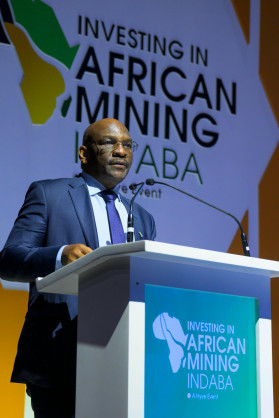
Africa must take bold steps to own its resources, create jobs and build industries that sustain prosperity for generations, African Export-Import Bank (Afreximbank) (www.Afreximbank.com) has told African leaders, policymakers, mining industry leaders and global partners at the African Mining Indaba 2025 in Cape Town, South Africa, on Sunday.

In a keynote address at the ministerial symposium of the Indaba, Mr. Denys Denya, Senior Executive Vice President of the Afreximbank Group, argued that the continent was standing at a crossroads and could either continue exporting its wealth and remain a marginal player in the global economy or take the bold steps to own its resources.

He noted that “While the global mining industry generated approximately US$1.7 trillion in revenue in 2023, Africa's share of this wealth remains disproportionately low. Our continent extracts the raw materials that power the world's industries, yet it is estimated that we retain as little as between four per cent and 20 per cent of the total value of our minerals due to minimal local processing and limited downstream development. The result? Lost economic opportunities, exposure to volatile commodity cycles and a persistent reliance on external markets for refined products derived from our own resources.” “The choice is ours. The time to act is now. Let us work together: governments, financial institutions, investors, and industry players to build an Africa where mining is not just about extraction but about transformation, innovation and wealth creation,” said Mr. Denya. “Africa has the resources, the market potential, and the policy frameworks to transition from a resource-dependent continent to an industrial powerhouse. However, success will depend on bold, decisive action from all stakeholders. Policymakers must implement clear, enforceable regulations that mandate local value addition and create investment-friendly environments. Private sector investors must step up with capital and technology to develop processing, refining, and manufacturing facilities.”

Reversing this trend demanded bold, coordinated action, he argued. “We must move beyond extraction and invest in refining, smelting and advanced manufacturing. African nations must increase local processing capacity for minerals such as bauxite, lithium, cobalt and iron ore.”

He added that regional collaboration was essential as no single country could build a mining value chain in isolation.

Mr. Denya highlighted the importance of the African Continental Free Trade Area (AfCFTA) in developing intra-African mineral value chains and strengthening cross-border collaboration and said that attracting capital for mining-related infrastructure, technology transfer and skills development were critical.

“Our mining policies must also prioritise environmental, social and governance standards, ensuring that mining benefits communities rather than displacing them,” he said, adding that the approach would create millions of skilled jobs for the youth and reduce reliance on volatile global markets while strengthening intra-African trade.

Reiterating Afreximbank's commitment to supporting Africa's mining sector and ensuring that mineral wealth drove economic growth rather than perpetuate resource dependency, Mr. Denya announced that, over the past three years, the Bank had approved more than US$1 billion in support of mining and mineral sector projects across the continent, including financing the development and construction of a bauxite processing plant in Guinea, supporting the expansion of a manganese processing plant in Gabon and providing working capital financing to a diamond company in Botswana.

Other major projects being supported by the Bank include a petrochemical fertilizer plant in Angola, a titanium dioxide pigment plant in South Africa and the feasibility study for the development of a limestone mine processing plant in Malawi, he added.

Mr. Denya said that the establishment of the US$10-billion AfCFTA Adjustment Fund, managed by FEDA, Afreximbank's impact investment subsidiary, would provide critical financial support to countries and businesses transitioning to the new trade regime, including those in the mining sector, and that the Bank's efforts to harmonise standards and implement the Africa Collaborative Transit Guarantee Scheme would also facilitate seamless movement of minerals and mining equipment across borders, reducing logistical bottlenecks.

Afreximbank was also leveraging digital platforms, such as the Africa Trade Gateway and the Pan-African Payment and Settlement System, to enable efficient transactions and market access, which would ensure that Africa's vast mineral wealth was utilised to drive industrialisation, value addition and economic resilience across the continent, he added.

Mr. Denya also noted that Afreximbank, in collaboration with development partners, was driving the development and expansion of industrial parks and special economic zones (SEZs) to address infrastructure challenges that hinder industrial growth.

One of the most transformative initiatives under that pillar was the DRC/Zambia Electric Vehicle Battery Manufacturing Special Economic Zones - a project that positions Africa at the centre of the global energy transition by the implementation of battery precursor SEZs aimed at making the two countries globally competitive investment destinations for the battery electric vehicle value chain.

The African Mining Indaba 2025, taking place from 3 to 6 February, is the premier gathering where Africa policymakers, industry leaders and global partners work to shape the future of the African mining sector.

Distributed by APO Group on behalf of Afreximbank.

Media Contact:
Vincent Musumba
Communications and Events Manager (Media Relations)
Email: press@afreximbank.com

Follow us on:
X: https://apo-opa.co/4116jsN 
Facebook: https://apo-opa.co/4aLcd4I 
LinkedIn: https://apo-opa.co/3Et8gFS 
Instagram: https://apo-opa.co/4aOinBd

About Afreximbank:
African Export-Import Bank (Afreximbank) is a Pan-African multilateral financial institution mandated to finance and promote intra-and extra-African trade. For 30 years, the Bank has been deploying innovative structures to deliver financing solutions that support the transformation of the structure of Africa's trade, accelerating industrialization and intra-regional trade, thereby boosting economic expansion in Africa. A stalwart supporter of the African Continental Free Trade Agreement (AfCFTA), Afreximbank has launched a Pan-African Payment and Settlement System (PAPSS) that was adopted by the African Union (AU) as the payment and settlement platform to underpin the implementation of the AfCFTA. Working with the AfCFTA Secretariat and the AU, the Bank is setting up a US$10 billion Adjustment Fund to support countries effectively participating in the AfCFTA. At the end of December 2023, Afreximbank's total assets and contingencies stood at over US$37.3 billion, and its shareholder funds amounted to US$6.1 billion. Afreximbank has investment grade ratings assigned by GCR (international scale) (A), Moody's (Baa1), Japan Credit Rating Agency (JCR) (A-) and Fitch (BBB). Afreximbank has evolved into a group entity comprising the Bank, its impact fund subsidiary called the Fund for Export Development Africa (FEDA), and its insurance management subsidiary, AfrexInsure (together, "the Group"). The Bank is headquartered in Cairo, Egypt.

For more information, visit: www.Afreximbank.com

Media files
Afreximbank
Download logo
Read moreAfreximbank Challenges Africa’s Miners to Take Bold Steps to Own the Continent’s Resources
5 February 2025

President to deliver first SONA of the seventh administration 

Location: News

President to deliver first SONA of the seventh administration 

In just a few hours, President Cyril Ramaphosa will deliver the State of the Nation Address (SONA) which will provide a country roadmap charting the way forward for the country in what one could call a mixed bag of domestic and global circumstances.

Thursday night will mark the first SONA to be delivered under the seventh administration’s Government of National Unity (GNU) following the outcomes of the historic 29 May 2024 elections.

And while the faces of government Ministers has changed with every administration, the SONA, held every year since the dawn of democratic South Africa in 1994, continues to hold strong and is a reflection of democracy in action, no matter who is in the driver’s seat of the sitting government of the day.

The State of the Nation Address (SONA) is an important fixture in the nation’s journey forward and provides the President with an opportunity to hold perhaps the year’s “biggest family meeting,” outlining the key plans and programmes of the year ahead. The address also affords the President the chance to look into the rearview mirror to assess the journey traversed to date.

As the President fine-tunes his notes before delivering the speech in an environment that changes by the second, government is cognisant that in every family unit, every member has a role to play in ensuring and preserving the family name and that it has to do so by ensuring the provision of services and responding to challenges facing the South African family.

This as government continues to respond to the challenges of poverty, inequality, unemployment and illegal mining among others.
“As much as we have made progress, we have to do much more to overcome the challenges that confront our nation. We need to work with urgency and purpose to grow an inclusive economy and create jobs,” the President said in his New Year’s Eve message to the nation in December 2024.

In that address, he called on the nation to look at the year 2025 with hope.

“As a people, our unity, determination and resilience has seen us through hard times. Just as this has been a year of great change, we look to the next year with great hope,” he said at the time.

And while our South African family is by no means perfect, there are valid reasons not to be glum about the future.

G20

At tomorrow night’s joint sitting of the National Assembly and the National Council of Provinces (NCOP) in Parliament, the President is expected to speak on the country’s hosting of the Group of 20 (G20) Summit in November, making the country the first do so on the African continent. This as the nation assumed the Presidency of the grouping on 1 December 2024 under the theme: “Solidarity, Equality, Sustainability”.

Having taken over the baton from Brazil, South Africa's G20 Presidency is the fourth consecutive emerging market Presidency and follows the admission of the African Union (AU) as the second permanent African member. 

The G20 was established to tackle pressing global economic and financial issues. Together, G20 members account for around 85% of global GDP and 75% of international trade. The hosting of the Summit is expected to help accelerate the performance of the economy.

The economy

President Ramaphosa is likely to also reflect on the performance of the economy in an environment where the rising cost of living has many on edge. However, the prospects of South Africa’s purse strings are predicted to improve with the country in 2024 having achieved its first primary budget surplus in 15 years.

A recent economic and financial assessment by the International Monetary Fund (IMF) showed that the country’s economic growth prospects are poised to recover in 2025 following a lacklustre economic performance for the past two years.

Last month, the fund published the findings of its Article IV Consultation with South Africa, which was held in November 2024. 
According to the IMF, the real Gross Domestic Product (GDP) output growth is expected to accelerate from an estimated 0.8 % in 2024 to 1.5 % in 2025 driven by improved electricity generation, monetary policy easing, and a return of investor and consumer confidence post the elections.

The IMF acknowledged progress in banking-resolution and safety-net reforms and praised macro-prudential measures to bolster capital buffers. However, it also raised concerns on the rising public debt and the challenges South Africa faces to meet climate goals.

The ongoing electricity and logistics reforms aimed at alleviating critical supply constraints were also welcomed. National Treasury noted that the fund’s concerns are aligned with government’s response to addressing immediate and long-term economic challenges.

“The National Treasury is committed to implementing reforms that will enhance inclusive economic growth, achieve a sustainable public debt level, further repair and strengthen network industries, and strengthen state capacity to support economic activity.”
In its 2024 Medium Term Budget Policy Statement (MTBPS) in October, Treasury estimated economic growth to increase from 1.1 % in 2024 to 1.7% in 2025.

It attributed the gains in the economy to household consumption gradually increasing, supported by rising purchasing power, employment recovery and wealth gains.

The current focus of South Africa’s reform agenda includes the stabilisation of the electricity grid, enhancing the efficacy of freight and ports operations, implementing e-Visas, as well as prioritising the advancement of targeted industries to enhance the business climate and promoting equitable growth. 

Legislation

In the past year, government has passed laws that aim to improve lives as well as respond to pressing challenges.

In January this year, the President signed into law the Expropriation Bill, which sets out how organs of State may expropriate land in the public interest for varied reasons.  
The new legislation repeals the pre-democratic Expropriation Act of 1975, aligns expropriation processes with the Constitution and marks the culmination of a five-year process of public consultation and Parliamentary deliberation. 

“The Bill assented to by President Ramaphosa outlines how expropriation can be done and on what basis. This law will assist all organs of State - local, provincial and national authorities - to expropriate land in the public interest for varied reasons,” the Presidency said. 

Section 25 of the Constitution recognises expropriation as an essential mechanism for the state to acquire someone’s property for a public purpose or in the public interest, subject to just and equitable compensation being paid.

The law has drawn criticism from the United States of America with South Africa saying it looks “forward to engaging” with US President Donald Trump’s administration on bilateral relations and other issues.

The Presidency said the legislation is not a confiscation instrument.

“The recently adopted Expropriation Act is not a confiscation instrument, but a constitutionally mandated legal process that ensures public access to land in an equitable and just manner as guided by the constitution. 
“South Africa, like the United States of America and other countries, has always had expropriation laws that balance the need for public usage of land and the protection of rights of property owners."

Among other laws passed is the Employment Equity Amendment Act, which is aimed at reducing the regulatory burden for small employers to allow them to focus on job creation, which came into effect on 1 January 2025.  

President Ramaphosa signed last year, the proclamation notice giving effect to the start date of implementation of the Employment Equity (EE) Amendment Act, No. 4 of 2022. 

In terms of the notice gazetted on 28 November 2024, small businesses that employ less than 50 employees are no longer bound to comply with Chapter III of the Employment Equity Act, 1998 (EEA) - for example in relation to the submission of their EE reports starting from the 2025 EE Reporting period. 

Employment and Labour Minister Nomakhosazana Meth said the regulatory flexibility will enable small businesses to now focus on growing their businesses and create jobs.

In addition, in December, the President announced his intention to sign a Presidential Proclamation that will bring the Basic Education Laws Amendment (BELA) Act into operation, immediately. 

The BELA Bill was passed by the 6th democratic Parliament on 26 October 2023 after which the first citizen assented to the Bill on 13 September 2024.

President Ramaphosa said the BELA Act is vital to the transformation of the country’s education system and is an important part of ongoing efforts to build an education system that is more effective and more equitable in line with the precepts of the Constitution.

The Act amends sections of the South African Schools Act of 1996 (SASA) and the Employment of Educators Act, 1998 (EEA) to account for developments in the education landscape since the enactment of the original legislation.

Community safety 

In a move to ensure the safety of citizens, the South African Police Service (SAPS) trained and deployed over 20 000 new constables in various units across the country in the past three years.

In addition, operations like Operation Shanela continues to make strides since its inception in May 2023. Shanela consists of regular stop and searches, roadblocks, high visibility patrols and the tracing of wanted suspects.
Operation Vala Umgodi which is aimed at combating illegal mining also continues to make strides.

At the release of the Quarterly Crime Statistics in November 2024, Police Minister Senzo Mchunu announced that the SAPS had recorded a downward trend in some categories of crime, including murder, robbery and carjacking.

From 1 July to 30 September 2024, the 17 community-reported serious crimes showed an overall decline of 5.1%. Specifically, contact crime decreased by 3%, property-related crime saw a reduction of 9.9%, and other serious crime decreased by 3.4%. 

“Focusing on contact crime, the statistics indicate that murder decreased by 5.8%, sexual offenses by 2.5%, and robbery with aggravating circumstances by 8.8%. Additionally, rape decreased by 3.1%, while robbery at residential premises and non-residential premises decreased by 1.3% and 21.1%, respectively,” he said at the time.

Load shedding 

While the country suffered a bout of Stage 3 load shedding recently, November 2024 marked the longest stretch of no-load shedding in five years.

Eskom marked the longest stretch of uninterrupted power supply in five years, with load shedding suspended for more than 240 consecutive days at the time which was followed by 300 days of no-load shedding on 21 January 2025.

The power utility’s performance has been on a steady upward trajectory since the implementation of the Energy Action Plan introduced by President Ramaphosa in July 2022, as well as the implementation of the power utility’s own Generation Recovery Plan.

ICJ case

South Africa in 2024 continued its work on the application of the Convention on the Prevention and Punishment of the Crime of Genocide in Gaza (South Africa v. Israel) matter.

This as it said that it had no regrets about becoming the first country to file a lawsuit against Israel at the International Court of Justice (ICJ) to end its “deadly and relentless genocidal bombardment” of Gaza.  

In October 2024, it formally filed its Memorial to the International Court of Justice (ICJ)  marking a significant step in the ongoing legal action, which aims to hold Israel accountable under international law.

The action taken by South Africa since December 2023, culminating in the filing of the Memorial, has generated overwhelming national and international interest. 

In his Opening of Parliament Address (OPA) in July last year, the President appealed to the larger South African family to behave as weaver birds.

“We would like all of us as South Africans to behave like ‘weaver birds’. Weavers are among the most gregarious birds in that they build complex structures together and cooperate. 

"Despite all the challenges, despite our differences, despite all the headwinds, as South Africans we are called upon to remain firmly committed to pursue the path of cooperation, growth and inclusion,” he said at the time.

As the larger South African family, let us gather around our television and radio sets to hear what the President has to say.
The SONA will get underway at 7pm on Thursday, 6 February 2025. -SAnews.gov.za 
 

Neo
Wed, 02/05/2025 - 09:15

44 views
Read morePresident to deliver first SONA of the seventh administration 
4 February 2025

Transforming the Basic Education Sector Can Drive Inclusive Growth

Location: News

The World Bank Group
Download logo

Transforming the basic education sector by improving the quality of learning from an early age can drive inclusive growth in South Africa, according to a World Bank report released today. The report also provides an analysis of the country's recent economic performance and prospects for the medium term. 

The fifteenth edition of the World Bank's South Africa Economic Update, entitled Learning: Overdue Reforms and Emerging Priorities for the Basic Education, asserts that the country's successful political transition following elections and the almost total absence of energy load shedding in 2024 have brought the economy back on a positive trajectory. Economic growth is projected to recover from an estimated rate of 0.8 percent in 2024 to 1.8 percent in 2025 and 2 percent in the medium-term. However, such an expansion – which entails doubling the GDP growth rate achieved over the past decade – is still not sufficient to achieve significant progress toward inclusive growth and job creation. At this pace, the report estimates that it will take about 60 years for South Africa to become a high-income economy, while existing high levels of poverty and inequality are unlikely to change significantly.

However, South Africa's economic future could become brighter if the government acts decisively in three directions. First, it could build on recent reforms to further address the severe infrastructure constraints in the energy and transport sectors to encourage business development and increase households' disposable income. Second, it could take a series of concrete actions to improve the efficiency of public spending. If the state cannot spend more, it will have to spend better. Third, the authorities could strengthen the country's human capital to catch up with other upper middle-income countries as this factor plays a crucial role in economic and social development.

“Education is a powerful driver of development, and one of the strongest instruments to reduce poverty and promote equality. It is the necessary foundation for a prosperous economy. South Africa can boost inclusive growth and equality by investing in its people. A well-functioning basic education system is crucial for fostering the skills of South Africa's next generation and driving inclusive growth,” says Satu Kahkonen, World Bank Country Director for South Africa.

“This research by the World Bank Group is well aligned with the government's priorities to ensure all children in South Africa have access to quality education. Interventions such as developing partnerships with stakeholders to broaden access to quality and affordable education, as well as investing time and resources in teacher training will certainly contribute to measurable, positive impacts for our people and the economy,” says Honorable Siviwe Gwarube, Minister of Basic Education, Republic of South Africa.

South Africa prioritizes inclusive growth, with education at the core, but the country faces a learning crisis. Despite significant improvements in learning since the end of the apartheid, about 80 percent of learners in grade 4 could not properly understand what they were reading in 2021. Basic education is also facing a growing financial challenge as budget allocations for the sector have been decreasing in real terms over the last few years. At the same time, the education system needs to expand to accommodate an additional 1.2 million learners by 2030. The ability of the basic education system to efficiently deliver good outcomes is affected by low quality teaching and insufficient accountability. It also suffers due to the proliferation of several small-to-medium scale reading programs that are uncoordinated and do not achieve scale after several years of piloting. Equally worrisome is that the Government's pro-poor funding mechanism for education is not achieving its objective.

To contribute to the policy discussion, the Economic Update proposes a series of possible reforms that can be considered as an initial platform by the authorities in their efforts to enhance access to, and the quality of, basic education:

  • Firstly, the report urges the government to prioritize the foundational years of education, from early childhood to Grade 3, as these years are crucial for long-term learning. It recommends enhancing early childhood services and scaling up early grade reading interventions, including scripted lessons, teacher coaching, quality home-language materials, dedicated reading instruction time, and regular assessments of reading and math skills.
  • Secondly, the government could collaborate with the private sector to improve both access to and quality of education, particularly for low-income learners, addressing gaps the public sector cannot fill alone. Only 5.5 percent of South African school children attend independent schools compared to global averages of 19 percent (primary school) and 27 percent (secondary school). Partnerships with NGOs and building on successful pilots in some provinces could expand the networks of affordable schools and enhance learning efficiently.
  • Lastly, to improve efficiency and equity in education, the report suggests adopting interventions such as Teacher Professional Standards to guide training, scaling up effective interventions, and revising the Norms and Standards for School Funding to address inequities. In the short term, it recommends focusing on improving early-grade learning in the poorest schools with the lowest performance, supported by a revived assessment system to identify struggling schools. 

Distributed by APO Group on behalf of The World Bank Group.

Read moreTransforming the Basic Education Sector Can Drive Inclusive Growth
4 February 2025

Parliament’s Presiding Officers to outline preparations for SONA

Location: News

Parliament’s Presiding Officers to outline preparations for SONA

The Presiding Officers of Parliament, led by National Assembly Speaker Thoko Didiza and National Council of Provinces Chairperson Refilwe Mtshweni-Tsipane, will on Wednesday provide an update on Parliament’s preparations for the State of the Nation Address (SONA).

SONA is a Joint Sitting of the two Houses of Parliament, the National Assembly and the National Council of Provinces, convened by the President in accordance with Section 42(5) of the Constitution.

It is a significant occasion that brings together all three arms of the state under one roof.

The 2025 SONA is scheduled for Thursday, 6 February, at 19:00 at Cape Town City Hall. 

This will be the first SONA of the seventh administration. 

During the media briefing, the Presiding Officers will outline the state of readiness, provide updates on the preparations and explain how the event's programme will unfold. 

SONA provides President Cyril Ramaphosa with an opportunity to speak to the nation on the general state of South Africa; to reflect on a wide range of political, economic and social matters within the domestic and global contexts, to account to the nation on the work of Government and to set out government’s program of action. 

Traditionally, the President makes key government announcements during this important joint sitting of Parliament. 

SONA usually takes place during February and is presided over by the Speaker and/or the Chairperson of the Council, by arrangement between them. During the week following the SONA, a debate of approximately two days is held on the SONA. 

The President is then given an opportunity to reply to the debate on the third day and to close the debate. The SONA is one of the major general debates of the parliamentary year. – SAnews.gov.za


Edwin
Mon, 02/03/2025 - 16:58

24 views
Read moreParliament’s Presiding Officers to outline preparations for SONA
3 February 2025

Surge in international arrivals a major boost for SA tourism

Location: News

Surge in international arrivals a major boost for SA tourism

The latest international arrivals data from Statistics South Africa confirms that South Africa’s tourism sector continues to grow, with total arrivals reaching 8.92 million in 2024 -- an impressive 5.1% increase compared to 2023.

Tourism Minister Patricia de Lille on Monday said Africa continues to drive the majority of arrivals, contributing 76% of all tourists from January to December 2024, while growth from other regions signals steady recovery.

Although the sector has yet to fully recover to pre-pandemic levels (2019), it now contributes 8.8% to gross domestic product (GDP) and supports 1.68 million jobs, according to World Travel and Tourism Council (WTTC) estimates. 

This positive momentum underscores the resilience of the sector, despite global economic pressures.

"It is encouraging to see that despite economic uncertainties in various parts of the world, the global tourism sector is growing. It is even more encouraging that our country follows the same trend and trajectory," said De Lille.

She expressed appreciation for the continued growth from the African continent, particularly Ghana.

"Ghana’s immense performance can be attributed to the fact that travellers between Ghana and South Africa no longer need visas to travel between the two countries. This, coupled with increased airlift targeted marketing initiatives by South African Tourism, makes for a winning formula for the growth of our sector.” 

The visa-free travel agreement between South Africa and Ghana, implemented in November 2023, has played a pivotal role in attracting tourists, allowing travel for up to 90 days without a visa for business or tourism purposes.

Americas market

Tourist arrivals from the Americas saw a strong 10.9% growth from 2023, reaching 505 579 arrivals in 2024.

The United States remains the top market in the region and is the top overseas market, with 372 36 tourists, reflecting a 5.2% increase from 2023 to 2024.

The increase in direct air connectivity from Brazil, combined with improved marketing efforts, has contributed significantly to a 94.2% rise in arrivals from Brazil from 2023 to 2024, totalling 49 855 tourists for 2024.

"This consistent growth highlights South Africa’s appeal among long-haul travellers and the effectiveness of strategic partnerships with airlines and trade," De Lille said.

European markets

Tourist arrivals from Europe reached 1 258 706 in 2024, reflecting a 1.1% increase compared to 2023.

The United Kingdom remains the top European source market, with 349 883 arrivals in 2024, though this was 1.8% lower than 2023.

Germany experienced strong growth of 4.0%, with 254 992 arrivals in 2024.

The Netherlands is performing better than France and saw a 0.8% increase, totalling 132 422 arrivals in 2024.

"While Europe’s growth is slower compared to other regions, the region is a bedrock with regard to having the most overseas arrivals and has emerged as a strong-performing market, largely due to focused marketing campaigns showcasing South Africa’s culture, people and attractions," the Minister said.

Asia & Australasia

Tourist arrivals from Asia surged by 4.2%, with 207 718 tourists recorded in 2024.

China saw an 11.4% increase, totalling 41 651 arrivals, driven by targeted promotions and increasing flight connectivity.

India recorded 75 541 arrivals, a 5.3% decline, primarily due to visa processing backlogs and the absence of direct flights.

"South Africa saw a phenomenal 31.8% growth from Japan, reaching 17 370 arrivals in 2024.

"Australia also posted steady gains, with strong travel demand from the region expected to fuel further growth in 2025," said De Lille.

Middle East

The Middle East saw a decline of 16.1%, with total arrivals dropping to 45 602. However, Saudi Arabia increased arrivals by 12.1% to 18 333 in 2024.

The United Arab Emirates contributed 6 717 arrivals to South Africa in 2024. 

"While the overall performance in this region faced setbacks, strategic efforts to increase connectivity and enhance trade engagement in other markets in the region will be crucial to future recovery," the Minister said.

The future of tourism

To accelerate recovery, South Africa has implemented strategic marketing and policy interventions. These include:

  • Expanding airlift: Efforts are underway to restore key routes, increase airline partnerships and improve direct access to a variety of cities in South Africa and access to the globe. A key development is that on 4 December 2024, Cabinet approved the Route Development Marketing Strategy to be implemented by the Department of Tourism, SA Tourism and the private sector.
  • Targeted market campaigns: Promoting unique South African experiences in key markets such as China, India and the Americas.
  • Boosting digital and AI-powered travel planning: Enhancing traveller experiences with personalised digital platforms.
  • Growing sustainable and cultural tourism: Capitalising on eco-tourism, cultural and heritage-based experiences.
  • Enhancing safety and security measures: Working with law enforcement and industry partners to enhance traveller confidence, while ensuring the safety of local communities. 

"The tourism sector is a strong contributor to the economy and job creation. We are determine to continue with this momentum and push the numbers much higher, so that we can grow our contribution to economic growth and job creation even further. 

"South Africa remains attractive and accessible for all travellers to enjoy, and we thank all international and domestic travellers for exploring our beautiful country and contributing to the tourism sector’s performance," De Lille said. – SAnews.gov.za

Edwin
Mon, 02/03/2025 - 10:54

293 views
Read moreSurge in international arrivals a major boost for SA tourism
3 February 2025

SA celebrates first Black South African woman crowned Mrs World

Location: News

SA celebrates first Black South African woman crowned Mrs World

Minister in the Presidency responsible for Women, Youth and Persons with Disabilities, Sindisiwe Chikunga, has congratulated Tshego Gaelae for making history as the first Black woman to be crowned Mrs World.

The 33-year-old admitted attorney from Centurion, in Tshwane, was crowned the 40th Mrs World at the prestigious Mrs World 2025 pageant held last week in Las Vegas, USA.

“As South Africa celebrates 30 years of democracy, Gaelae’s victory is a powerful symbol of resilience, excellence, and global recognition of South African women. Her crowning moment at the 40th anniversary of the Mrs World competition is not just a personal achievement but a moment of national pride that resonates with millions of women across the country and the African continent,” Chikunga said in a statement on Sunday.

Chikunga has commended Gaelae for using her platform to inspire, uplift, and advocate for women’s empowerment globally.

“Tshego Gaelae has shattered barriers and redefined what it means to be a queen. Her journey speaks to the power of perseverance, grace, and purpose. She carries with her the dreams of many women who dare to break boundaries and claim their space on the global stage,” Chikunga said.

The Minister acknowledged the importance of representation and visibility for Black women in global leadership and beauty spaces, highlighting that “Gaelae’s win is a win for every young girl who dares to dream beyond societal limitations”.

“This moment is a powerful reminder that South African women are unstoppable. Tshego Gaelae’s journey is an inspiration, and we know she will continue to use her reign to drive meaningful change,” Chikunga said.

She noted that Gaelae’s triumph comes at a time when South Africa continues to champion gender equality and women’s leadership in all sectors.

She emphasised the department remains committed to ensuring that women and young girls, especially those from historically marginalised communities, have access to opportunities that allow them to rise, lead, and inspire.

“South Africa looks forward to welcoming Mrs World 2025, Tshego Gaelae, back home and celebrating her historic victory. The Department of Women, Youth and Persons with Disabilities, encourages all South Africans to join in celebrating this monumental achievement, and to continue supporting women who break barriers and pave the way for future generations,” the Minister said. – SAnews.gov.za
 

GabiK
Mon, 02/03/2025 - 11:03

131 views
Read moreSA celebrates first Black South African woman crowned Mrs World
3 February 2025

SONA 2025: Working together to accelerate development

Location: News

SONA 2025: Working together to accelerate development

By Michael Currin

South Africa’s time has arrived! That’s the sentiment that reverberated in Davos during the World Economic Forum (WEF) as our nation shared with global leaders the many advances we have had over the last year.

President Cyril Ramaphosa who led South Africa’s delegation to the forum showcased our country’s investment potential and set the stage for critical discussions at the G20 Summit in November.

South Africa used the occasion to propel its G20 Presidency priorities into the international spotlight, advocating for a more inclusive and sustainable approach to global challenges. We also focused on the vital need for global collaboration to tackle economic recovery and startling disparities between rich and poor nations.

As South Africans we cannot but gleam with pride as we continue to punch above our weight in the league of nations and stun the world as we had done in 1994 through a reconciliation process and peaceful transition when many naysayers had counted us out.

We believe that our nation is ideal to advance global cooperation as we have succeeded in uniting ten political parties to form a Government of National Unity which brought stability and inclusive governance to our nation.

Over the course of our G20 Presidency, our country will foster collaboration among G20 members and wider society to address pressing global issues and find sustainable solutions that prioritise the wellbeing of all people. Our approach has therefore inspired our G20 Presidency theme of “Solidarity, Equality, Sustainability”.

As we work together with G20 members and global organisations, we will seek innovative solutions to global challenges, such as poverty and unemployment, advocating for investment in the global South, and ensuring that no one is left behind. 
On the home front, the unity government has committed to driving inclusive economic growth and job creation, reducing poverty, tackling the high cost of living as well as building a capable, ethical and developmental state.

On Thursday the 6th of February 2025, South Africans can look forward to hearing from His Excellency President Cyril Ramaphosa how we as a nation can harness that indominable national spirit of ours as the President outlines the government’s vision and plans for the year ahead.  This will be during the first State of the Nation Address, (SoNA) of the 7th democratic administration.  

SoNA 2025 is more than just a speech, it serves as a rallying call for our nation to work together and draws us in a common front to address our country’s challenges. It is an invitation for all South Africans to be part of shaping the future of our nation.  

The State of the Nation follows the Opening of Parliament in July last year where the President detailed the key priorities of the 7th Administration. The 2025 SoNA will advance our national priorities by expanding on key programmes such as the Presidential Employment Stimulus, the Energy Action Plan and Infrastructure Investment Plan. These programmes are central to the country’s efforts to rebuild the economy and create a more sustainable and inclusive future.

Furthermore, this year’s SoNA is particularly significant as it coincides with the conclusion of our year-long commemoration of 30 Years of Freedom and Democracy, which has allowed us to reflect on how far we have come in building a society that works for all citizens.

The SoNA is an integral part of our participatory democracy and ensures that the work of government is transparent and can be held accountable by active citizens who are the bedrock of a robust democracy.

As the President addresses the nation on 6 February at 19:00, we call on all South Africans to tune in via television, radio, and across government’s various social media platforms. This is an opportunity for all citizens to join this national milestone and familiarise themselves with the contents of the speech.

By engaging with the speech, we can partner with government to accelerate our nation’s development. Moreover, as citizens we have a duty to scrutinise the work of our elected representatives and to hold them accountable.

In the days that follow the SoNA, Members of Parliament, who represent the diverse voices of South Africans, will actively engage key elements of the speech and offer their own perspectives. This debate is an essential part of our democratic process, ensuring that the voice of the people, through their elected representatives in Parliament are heard. It is a reminder that democracy is a collective effort.

South Africans are encouraged to save the date of 6 February 2025 and be part of this important national event. Let’s all be part of the solution and work together to build a stronger and better South Africa.

*Michael Currin is the Deputy Director-General of Intergovernmental Coordination and Stakeholder Management at GCIS.

Janine
Mon, 02/03/2025 - 11:24

28 views
Read moreSONA 2025: Working together to accelerate development
31 January 2025

Conserving crop diversity key to food security

Location: News

Conserving crop diversity key to food security

Millions of farmers across Africa play a crucial role in preserving crop diversity by cultivating traditional crop varieties, saving seeds for the next planting season, and exchanging seeds with neighbours and other farmers.

This practice is essential for safeguarding crop production and ensuring food security, as the population continues to grow.

Agriculture Minister John Steenhuisen in a statement said farmers have long been the stewards of crop diversity, helping to secure food production and improve crop yields.

"Farmers have not always been formally recognised for their role in conserving plant genetic resources, but the adoption of the International Treaty on Plant Genetic Resources for Food and Agriculture has changed that," Steenhuisen said on Thursday.

The treaty acknowledges the vital contribution of farmers and indigenous communities in the conservation and sustainable use of plant genetic resources, which is key to food security and agricultural biodiversity.

In a significant step for the country’s agricultural and food security landscape, the Department of Agriculture has confirmed that South Africa has ratified the International Treaty on Plant Genetic Resources for Food and Agriculture, making it the 154th Contracting Party to the agreement.

READ | SA signs international treaty to boost food security, biodiversity

This treaty aims to ensure global collaboration in conserving and sustainably using plant genetic resources.

Steenhuisen emphasised that by joining the treaty, South Africa must align its national policies and programmes to recognise farmers’ contributions to the conservation of traditional crops, especially those that are often neglected or underutilised.

Crops such as millets, cowpeas, sorghum and bambara groundnuts play an important role in local food systems but often lack the attention they deserve.

“We must ensure that indigenous farmers are involved in decision-making processes related to plant conservation, the sustainable use of genetic resources, and in the sharing of benefits derived from these crops. Farmers must also be empowered to save, exchange and sell farm-saved seed,” Steenhuisen said.

Supporting community seed banks

To further enhance the conservation of crop diversity, the Minister said the Department of Agriculture is working in partnership with farmers, traditional leaders, civil society organisations, and provincial agriculture departments, to support and strengthen community seed banks.

These hubs for the conservation and revitalisation of local seed systems focus on crops suited to local conditions.

“Currently, community seed banks are operational in Limpopo, the Eastern Cape and the North West provinces. In the 2025/26 financial year, two new community seed banks will be established in KwaZulu-Natal and the Northern Cape provinces.

“These seed banks are central to preserving traditional crops, encouraging participatory plant breeding, and facilitating seed exchanges among farmers and communities through traditional food and seed fairs,” Steenhuisen said.

Crop diversity

Conserving crop diversity is integral to building sustainable food systems and advancing food and nutrition security.

According to the National Food and Nutrition Security Survey (NFNSS), approximately 20 million South Africans face food insecurity, a situation exacerbated by high poverty levels, unemployment, and income inequality.

The report also highlights the adverse impacts of climate change on crop yields, particularly in smallholder and subsistence farming communities.

The Minister said the NFNSS provides valuable insights to guide South Africa’s National Food and Nutrition Security Plan (2024-2029), “a key priority for government”.

Global collaboration and benefits

South Africa’s participation in the International Treaty on Plant Genetic Resources for Food and Agriculture's multilateral system facilitates access to a global pool of genetic resources, benefiting the country’s farmers and researchers.

“This system supports the training, breeding and research needed to strengthen food security and improve crop resilience. Additionally, the treaty’s Benefit-Sharing Fund offers financial support for crop diversity conservation and capacity-building initiatives worldwide,” Steenhuisen said.

The Minister said the successful implementation of the treaty in South Africa will require strong government support at all levels and collaboration across the public, private and civil sectors.

He called for continued cooperation to ensure that South Africa’s farmers and communities benefit from the country’s participation in the treaty. – SAnews.gov.za
 

GabiK
Fri, 01/31/2025 - 10:47

47 views
Read moreConserving crop diversity key to food security
31 January 2025

AMW to Showcase Africa’s Rising Investment Potential in the Mining Sector

Location: News

Energy Capital & Power
Download logo

International investments in Africa's mining sector are surging as global demand for both traditional and emerging minerals continues to grow. For example, Australian mining firms saw their asset value in Africa reach $60 billion in 2024, while Canadian firms' assets climbed to $37 billion. China also launched an ambitious $50 billion, three-year investment strategy targeting increased stakes in Africa's most lucrative opportunities including in the mining sector.

The upcoming African Mining Week Summit, scheduled for October 1 - 3 in Cape Town, will highlight profitable opportunities within Africa's mining industry and reinforce the continent's attractiveness as an investment destination for global mining financiers.

Untapped Mineral Deposits

Africa's vast, untapped mineral resources present potential for new investments. The continent holds 30% of the world's critical minerals (https://apo-opa.co/3ClkUGd) essential for the energy transition, including the largest global reserves of cobalt (in the Democratic Republic of Congo) and over 80% of the world's platinum group metals in South Africa. The continent accounts for more than 44% of global diamond production, while its share of the gold market continues to grow, with markets such as Ghana, Mali and Zimbabwe ramping up production.

Supportive Policies and Investor-Friendly Terms

African governments are enhancing the investment climate within the mining industry by enacting new policies and modernizing fiscal terms to streamline processes and reduce delays in project rollouts. Zambia, for instance, introduced a New Mining Tax Regime in 2023, improving transparency and reducing tax evasion, as the country targets a copper production target of three million tons by 2032. Mali has also experienced increased investment flows following its 2023 Mining Code, with global players such as HummingGold, B2Gold and Ganfeng committing to new lithium and gold projects. Malawi has also taken steps to attract investments by launching its Mining Regulatory Authority in October 2024, supported by the Mines and Minerals Act of 2023.

Improved Mining and Export Infrastructure

African nations are enhancing cooperation with global partners to improve mining production and mineral transportation infrastructure. For example, investment firm Africa Finance Corporation has announced that the Zambia-Lobito Railway project will commence (https://apo-opa.co/3Q0RcJL) construction in early 2026, to facilitate the efficient and cost-effective transportation of critical minerals from East and Southern Africa to global markets. Upgrades to the Tanzania-Zambia Railway (https://apo-opa.co/3PXFeAE) and South Africa's modernization of ports through freight operator, Transnet, are further enhancing the region's mining investment prospects.

Rich Mining History

Africa's established history as a global mining hub has fostered the development of key infrastructure and a skilled workforce that international mining firms rely on to meet global mineral demand. Mining remains a cornerstone of many African economies, attracting both traditional and emerging players keen to expand their operations and leverage the continent's resources. With its rich deposits and ongoing improvements in policy and infrastructure, Africa maintains its position as a key investment destination for the global mining industry.

African Mining Week will serve as a premier platform for exploring the full spectrum of mining opportunities across Africa. The event is held alongside the African Energy Week: Invest in African Energy 2025 conference (https://apo-opa.co/4htJMdI) from October 1 -3. in Cape Town. Sponsors, exhibitors and delegates can learn more by contacting sales@energycapitalpower.com

Distributed by APO Group on behalf of Energy Capital & Power.

Read moreAMW to Showcase Africa’s Rising Investment Potential in the Mining Sector
31 January 2025

SA’s economy on recovery trajectory

Location: News

SA’s economy on recovery trajectory

South Africa’s economic growth prospects are poised to recover in 2025 following a lacklustre economic performance for the past two years.

According to an economic and financial assessments by the International Monetary Fund (IMF), the real Gross Domestic Product (GDP) output growth is expected to accelerate from an estimated 0.8 percent in 2024 to 1.5 percent in 2025 driven by improved electricity generation, monetary policy easing, and a return of investor and consumer confidence post elections.

On Thursday, the IMF published the findings of its Article IV Consultation with South Africa, which was held from 11-25 November 2024. 

As part of the surveillance role, the IMF conducts periodic economic and financial assessments with each member country.

The IMF acknowledged progress in banking-resolution and safety-net reforms and praised macro-prudential measures to bolster capital buffers. However, it raised concerns on the rising public debt and the challenges South Africa’s faces to meet climate goals.

In addition, the IMF welcomed the ongoing electricity and logistics reforms aimed at alleviating critical supply constraints and called for the ambitious implementation of these reforms. 

The Fund indicated that meeting South Africa’s climate goals requires further efforts to increase effective carbon taxation and accelerate the rollout of renewable energy.

The IMF projects growth to reach 1.8 percent by the end of the decade, supported by ongoing electricity and logistics reforms. 

“Risks are tilted to the downside, related to a possible intensification of geoeconomic fragmentation and protectionist policies in the context of an uncertain global environment.

“With fiscal deficits moderating but still elevated over the medium term, the IMF projects public debt to continue to rise under its baseline scenario, recommending a more-ambitious-than-envisaged fiscal consolidation,” the IMF said.

The IMF expects inflation to stabilise around the midpoint of the central bank’s target range. 

The Fund recommended that the central bank continues to manage the normalization of the policy rate toward the neutral level in a flexible and data-driven manner.

The IMF argues that transitioning from a target band to a lower point target with a well-calibrated tolerance band at an appropriate time can help strengthen macroeconomic stability.

National Treasury’s response

National Treasury noted that the IMF’s concerns are aligned with government’s response to addressing immediate and long-term economic challenges.

“The National Treasury is committed to implementing reforms that will enhance inclusive economic growth, achieve a sustainable public debt level, further repair and strengthen network industries, and strengthen state capacity to support economic activity.”

In its 2024 Medium Term Budget Policy Statement (MTBPS), the National Treasury estimated economic growth to increase from 1.1 percent in 2024 to 1.7 percent in 2025.

It attributed the gains in the economy to household consumption gradually increasing, supported by rising purchasing power, employment recovery and wealth gains.

“South Africa is committed to fiscal consolidation and to setting debt on a sustainable path. The fiscal year 2023/24 was a significant success, with the first primary surplus in 15 years being recorded in 2023/24. 

“An overall main budget deficit of 4.7 per cent of GDP is expected for the current fiscal year. This is projected to decline to 4.3 per cent in 2025/26. Meanwhile, debt as a percentage of GDP is expected to stabilize in the 2025/26 financial year, with debt-service costs as a percentage of revenue also peaking at the same time,” National Treasury said.

The current focus of South Africa’s reform agenda includes the stabilisation of the electricity grid, enhancing the efficacy of freight and ports operations, implementing e-Visas, as well as prioritizing the advancement of targeted industries to enhance the business climate and promoting equitable growth. 

Nearly 94 percent of the reforms aimed for implementation by 2024 have been accomplished or are significantly progressing. 

“Following its successful first phase, Operation Vulindlela, will be going into its second phase with new initiatives aimed at reversing local government decline, tackling spatial inequality and advancing a digital government to improve service delivery,” National Treasury said.

These enhance the key focus areas of the first phase  - namely, reducing power cuts, improving the performance of the logistics system, lowering data costs, improving water supply and enabling the country to attract critical skills.

The SARB performed its first stress test of South Africa's key insurance firms during the 2023/24 cycle, of which climate-related risks were prominent. Ongoing efforts to exit the Financial Action Task Force (FATF) grey list during 2025 are well underway, with 16 out of 22 action items having been addressed,” National Treasury said. - SAnews.gov.za


nosihle
Fri, 01/31/2025 - 09:07

103 views
Read moreSA’s economy on recovery trajectory
30 January 2025

SARB reduces repo rate by 25 basis points

Location: News

SARB reduces repo rate by 25 basis points

The South African Reserve Bank's (SARB) Monetary Policy Committee (MPC) has decided to reduce the repo rate by 25 basis points, with effect from 31 January 2025.

“Four members preferred this action, while two supported an unchanged stance. The committee ultimately agreed that it was possible to reduce the degree of policy restrictiveness, making the stance somewhat more neutral. However, all members were concerned about the uncertain global outlook,” SARB Governor Lesetja Kganyago said on Thursday.

Delivering the first Monetary Policy Committee statement for 2025, he said consumer prices and headline inflation averaged 4.4% last year, near the middle of the target range. 

“Inflation slowed to 3% in December, having started the year above 5%. This was mainly due to favourable goods-price developments, including food inflation reaching 15-year lows, as well as lower fuel costs.

“Because of these transitory factors, inflation is likely to remain in the bottom half of our target range through the first half of this year. But headline inflation should revert to around 4.5% thereafter, aided by core inflation which remains at or below the midpoint over the forecast horizon,” the Governor said.

According to the most recent survey, inflation expectations have also now largely aligned with the midpoint objective.

“The risks to the inflation outlook are assessed to the upside. In the near term, inflation appears well contained. However, the medium-term outlook is more uncertain than usual, with material risks from the external environment. Domestic factors such as administered prices are also problematic,” Kganyago  said.

He said the forecast sees rates drifting slightly lower over the next few years, stabilising near 7.25%. 

“But this rate path from the Quarterly Projection Model remains a broad policy guide. The MPC would like to emphasise that its decisions will be made on a meeting-by-meeting basis, with no forward guidance and no pre-commitment to any specific rate path. 

“Such decisions will continue to be outlook dependent, responsive to data developments, and sensitive to the balance of risks to the forecast. Given the challenging global environment, the MPC spent some time during this meeting reviewing a trade war scenario,” the Governor said.

This featured a universal increase of 10 percentage points in US tariffs, with retaliatory measures by other countries. 

“The scenario showed higher inflation and interest rates globally, as well as greater risk aversion in financial markets. In response, our model projected the rand depreciating to nearly R21 to the dollar, with domestic inflation reaching 5% and the policy rate half a percentage point higher, at its peak, relative to the baseline forecasts.

“We also looked at a scenario of accelerated structural reforms, domestically. This showed growth picking up gradually, getting to 3% in 2027. Importantly, this scenario also showed lower inflation and lower interest rates in South Africa, demonstrating how structural reforms can reduce the country risk premium and create more monetary policy space,” he said.

Considering the difficulties of the external environment, the Governor said it remains crucial to sustain domestic reform momentum while protecting macroeconomic stability.

“The MPC’s main contribution is to deliver low and stable inflation, with well-anchored inflation expectations. The committee remains vigilant, and ready to recalibrate policy as needed.

“Additional measures that would improve economic conditions include reaching a prudent public debt level, further repairing and strengthening network industries, lowering administered price inflation, and keeping real wage growth in line with productivity gains,” he said. - SAnews.gov.za

nosihle
Thu, 01/30/2025 - 15:34

122 views
Read moreSARB reduces repo rate by 25 basis points
  • Previous
  • Page 1
  • Interim pages omitted …
  • Page 25
  • Page 26
  • Page 27
  • Page 28
  • Page 29
  • Interim pages omitted …
  • Page 103
  • Next

Copyright © 2026 · MyZA · All Rights Reserved · Powered by Stratlec Online