• Skip to main content
  • Skip to header right navigation
  • Skip to after header navigation
  • Skip to site footer
MyZA

MyZA

News, Directory, Events and Other Stuff

  • Social Media
  • Sport
  • World News
  • Home
  • Submit News
  • Directory
  • Events
  • Stratlec
  • TFSA
  • News
    • APO
    • Today’s Sport News
    • Todays Social Media and Tech Headlines
    • Today’s World News
    • Today’s SA Financial News
  • Contact
You are here: Home / Archives for global

global

25 February 2025

A blended approach is key for climate finance

Location: News

A blended approach is key for climate finance

The South African Reserve Bank (SARB) Deputy Governor, Fundi Tshazibana, has emphasised that emerging markets and developing economies need a blended approach to finance both climate change mitigation and adaptation.

Moderating the Group of Twenty (G20) side event on enhancing the global sustainable financial architecture in Cape Town on Tuesday, Tshazibana highlighted the crucial role of climate finance in driving climate transition efforts.

“The Climate Policy Initiative (CPI) global landscape of climate finance has found that concessional finance at present is only at about 11% of total climate finance for the bulk of our governments, especially in emerging markets and developing countries.

“We know that the fiscal space for governments is quite tight, which means governments cannot go this journey alone. In this regard, private sector finance, which compromises of a third of the world’s economic activities will be vital to close the financing gap. However, private investment will require a catalyst to mitigate certain risks and to facilitate market development,” she said.

Although climate financing has doubled from 2018 to 2022, the financing gap remains large.

“In 2022, we reached the $1trillion milestone in climate finance but analysis by the CPI shows that although climate finance has doubled since 2018 having grown from $674 billion US dollars to about $1.4 trillion in 2022, there are still significant gaps in terms of what needs to be funded in this space,” the Deputy Governor said.

According to the CPI estimates, about $7.4 trillion is needed every year this decade to keep the world on track and limit global temperature rises by 1.5°C.

“To reach these levels we need to have conversations around how to direct capital flows that are needed in this regard. The largest climate investment gaps in absolute terms have been observed in the transport sector but we know that we need increased investment in agriculture, forestry and other land use as well industrial initiatives as well. Financing needs are also significant in the area of adaption,” she said.

Tshazibana explained that the work done by various organisations including the Network for Greening, the Financial System and the World Bank shows that a blended approach to financing for both climate change mitigation and adaptation is required.

She said co-financing can increase total project funding and provide a mix of financial instruments to mobilise private finance.

“Partnerships and collaboration involving multiple development actors can unlock private funding and accelerate global climate investment and increase efficiency of the use of scarce concessional funds,” the Deputy Governor said.

She said these partnerships leverage distinct and complementary institutional advantages and could take many forms, such as co-financing, project preparation, capacity building, policy support and risk mitigation. - SAnews.gov.za

nosihle
Tue, 02/25/2025 - 15:52
55 views
Read moreA blended approach is key for climate finance
25 February 2025

SA crafts guidelines for green hydrogen development

Location: News

SA crafts guidelines for green hydrogen development

In a major step towards cementing South Africa’s position as a global leader in green hydrogen, the Minister of Forestry, Fisheries, and the Environment, Dr Dion George, has overseen the launch of two game-changing environmental planning mechanisms. 

The Environmental Impact Assessment (EIA) Guideline for green hydrogen projects and the South African Green Hydrogen Potential Atlas will remove regulatory uncertainty, drive investment, and accelerate South Africa’s transition to a green hydrogen economy.

Developed in partnership with the Deutsche Gesellschaft für Internationale Zusammenarbeit (GIZ), the Council for Scientific and Industrial Research (CSIR), and GFA Consulting Group, these mechanisms will provide critical guidance for responsible and sustainable green hydrogen development.

In a statement of Tuesday, the Minister hailed the mechanisms as a victory for South Africa’s economic and environmental ambitions, reinforcing his commitment to positioning the country as a leader in clean energy innovation. 

“This is a defining moment for South Africa’s green economy. By taking proactive steps to provide regulatory clarity and scientific insights, we are ensuring that green hydrogen becomes a major driver of sustainable economic growth, investment, and job creation. This is about unlocking South Africa’s potential while protecting our environment for future generations,” he said.

Under the Minister’s leadership, the Department of Forestry, Fisheries, and the Environment (DFFE) has strengthened the central role it plays in developing clear, science-based guidelines that provide certainty for investors and developers. 

“The EIA Guideline will ensure that projects are planned responsibly, while the Green Hydrogen Atlas offers a powerful, interactive tool for mapping the country’s most promising locations for green hydrogen production.

“With abundant solar and wind resources, strategic port infrastructure, and a central location on global shipping routes, South Africa is uniquely positioned to become a green hydrogen powerhouse. 

“Green hydrogen, which is produced using renewable energy, has the potential to replace fossil fuels in industries like steel, cement, and heavy transport, reducing emissions while creating new economic opportunities,” the department said.

The department said the launch of these mechanisms sends a clear message to international investors, industry leaders, and policymakers.

“South Africa is ready to lead in green hydrogen innovation and production,” the department said.

The EIA Guideline can be accessed at: https://bit.ly/SAGH2eia. - SAnews.gov.za


nosihle
Tue, 02/25/2025 - 11:09
41 views

Read moreSA crafts guidelines for green hydrogen development
25 February 2025

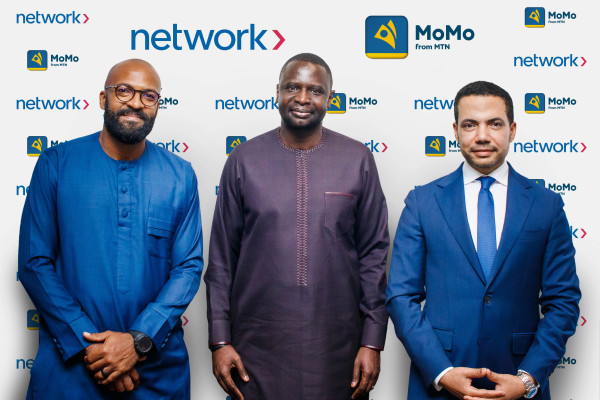
Network International appointed as Payment Processing Partner by MTN Group Fintech

Location: News
Network International

Network International (Network) (www.Network.ae), a leading enabler of digital commerce across the Middle East and Africa (MEA), has been appointed as a Payment Processor – Issuing partner for MTN Group Fintech, Africa's leading mobile financial services provider. This partnership marks a significant extension of Network's portfolio of issuer processing collaborations throughout the African continent. 

With a footprint spanning over 50 countries and serving over 250 financial institutions, Network International brings its expertise to this partnership which will enhance MTN Fintech's cutting-edge mobile services and provide even greater value to stakeholders and customers across Africa. 

The partnership will focus on rolling out card issuance products across key MTN Fintech markets, starting with Rwanda which is already operational. Soon   Uganda, Ivory Coast, and Nigeria will also be covered under this collaboration.  Network International will provide a comprehensive range of services, including transaction processing, card management and online fraud prevention. MTN Fintech users will benefit from a seamless experience accessing both traditional mobile services and innovative digital payment solutions. 

Dr. Reda Helal, Group Managing Director – Processing, Africa and Co-Head Group Processing at Network International commented: “Our collaboration with MTN Group Fintech marks a major milestone for our outsourced payments services in Africa. It demonstrates our ability to successfully serve Mobile Network Operators (MNOs) via our fully-fledged processing solutions and our continued dedication and commitment to the African region. We are excited to support MTN Group Fintech's growth strategy, and its business development plans across the continent.”  

Cedric N'guessan, Executive for Payment and E-commerce at MTN Group Fintech added, "This collaboration with Network International is pivotal in enhancing financial inclusion across Africa and beyond. It enables our customers to actively engage in the global economy, aligning perfectly with our strategic goals alongside Mastercard to broaden access to digital financial services across the continent." Read More (https://apo-opa.co/43aKuII) 

MTN Group provides voice, data, fintech, enterprise wholesale and API services to more than 288 million customers in 14 African markets.   

Distributed by APO Group on behalf of Network International.

For more information, please contact:  
MTN Group Press Office
MTNGroup.PressOffice@mtn.com 

MTN Group Fintech (Proprietary) Limited: 
Head Office: 216-14th Avenue Fairland 2195, Private Bag 9955 Cresta 2118 South Africa 
Tel +2711 912 3000 
Fax +2711 912 4093 
Website www.MTN.com

Corporate Communications: 
Network International 
Dubai, UAE 
Tel: +971 4 303 2431 
lambert.espedido@network.global   

Follow us:
X: https://apo-opa.co/3QwQZht
Linkedin: https://apo-opa.co/4khrvCr

About MTN Group Fintech:
MTN Fintech, the platform business of MTN Group, is dedicated to revolutionising global financial services through innovative digital technology solutions. Leveraging MTN's extensive reach and expertise in telecommunications, MTN Fintech is committed to advancing financial inclusion for all and empowering communities in Africa. With a primary focus on pioneering mobile financial services, digital payments, e-commerce, short-term insurance, and remittance capabilities, MTN Fintech strives to establish seamless, accessible, and secure financial ecosystems that shape the future of digital finance. 

About Network International:
Network International is the Middle East and Africa's largest and leading digital payments company. Our purpose is to help businesses and economies grow by simplifying payments and commerce. We operate in 50+ countries serving governments, banks, fintechs, merchants and public sector companies. We have 2,000+ employees based in our markets serving over 250 financial institutions and 130,000+ merchants.  

Media files
Network International
Download logo
Read moreNetwork International appointed as Payment Processing Partner by MTN Group Fintech
24 February 2025

South Africa to focus on development and growth during G20 Presidency

Location: News

South Africa to focus on development and growth during G20 Presidency

South Africa will use its G20 Presidency to review the group’s processes, address financing for development, and tackle barriers to growth in developing countries, including those in Africa.

Addressing the opening of the G20 Finance Ministers' and Central Bank Governors' meeting, National Treasury Director-General, Dr Duncan Pieterse, outlined a range of issues that will be discussed at this week’s finance track meetings, taking place in Cape Town.

This as the Finance and Central Bank Deputies' meeting is taking place at the Cape Town International Convention Centre, on 24 and 25 February 2025. The meeting will be followed by the first meeting of the G20 Finance Ministers and Central Bank Governors on 26 to 27 February 2025. 

“South Africa has signalled a strong and keen intent to review the operational process of the G20. Last month, the G20 began its 26th year of operation, however the operational processes of the G20 have rarely been reviewed.

“In the coming months and following the discussions this week, the South African Presidency working with the G20 membership will for the first time conduct a review of these processes and consider how to improve and strengthen them. We will also discuss various other opportunities for G20 engagement this year,” Pieterse said on Monday.

South Africa’s G20 Presidency commenced on 1 December 2024, and all engagements are being held under the theme: “Solidarity, Equality, Sustainability.” The theme underscores the nation’s focus on inclusive global economic growth, with particular attention to the needs of the world’s most vulnerable nations.

He said one of the issues of importance to the world’s poorest and most vulnerable countries is the issue of financing for development.

“Today we will discuss the Financing for Development Conference that is happening in July this year and how the G20 Finance Track might consider engaging with this process.

“We will also hold a very important meeting on the challenges and the constraints to growth in developing countries, including African countries,” the Director-General said.

Other issues of relevance to the membership to G20 will be discussed as well. 

“We have worked on a very detailed programme and the work continues this week. Over the last few weeks and months, the G20 working groups of the Finance Track have met and have made progress in shaping our agenda for this year, which is going to be taken forward and discussed in detail this week,” he said.

This week, there will be several critical side meetings, including  the meeting of the G20 Troika members, the meeting of the G20 emerging markets and developing economies, which took place this morning, as well as several bilateral meetings with various G20 members and other international organisations.

“This morning, we had an emerging market and developing economies breakfast where we discussed a wide range of challenges affecting emerging markets and economies.

“The participants in our meeting reflected on various issues, including the current state of the global economy, issues relating to debt and how it affects Africa in particular, various perspectives on the reform of the financial architectural were shared and the challenges facing members in affording financing for development and the importance of the Financing for Development Conference that is happening later this year in Spain, which is one of the areas we will discuss,” Pieterse said. 

Some of the side events for this week include domestic resource mobilisation, bridging the tax gap, cross border payments, global financial architecture in transition and a cost of capital roundtable. 

The G20 was established to tackle pressing global economic and financial issues. Together, G20 members account for around 85% of global GDP and 75% of international trade. 

It comprises 19 countries including: Argentina, Australia, Brazil, Canada, China, France, Germany, India, Indonesia, Italy, Japan, Republic of Korea, Mexico, Russia, Saudi Arabia, South Africa, Türkiye, United Kingdom, and United States and two regional bodies, namely the European Union and the African Union.

The grouping therefore plays a critical role in influencing global policy making and fostering global economic stability. -SAnews.gov.za

nosihle
Mon, 02/24/2025 - 11:29
288 views

Read moreSouth Africa to focus on development and growth during G20 Presidency
24 February 2025

G20 finance track meeting to tackle global economic issues

Location: News

G20 finance track meeting to tackle global economic issues

Global leaders will this week come together in Cape Town to tackle economic and financial challenges in an effort to promote stability, growth and international cooperation at the Group of Twenty (G20) Finance Track meetings.

South Africa’s Presidency of the G20 continues full steam ahead - with the country's efforts to foster greater collaboration among the G20 members to address pressing global issues and find sustainable solutions that prioritise the well-being of all people.

South Africa’s G20 Presidency commenced on 1 December 2024 and all engagements are being held under the theme: “Solidarity, Equality, Sustainability” as the country endeavours to ensure “no one is left behind.”

The Finance Track deals with strategic macroeconomic and financial stability issues and is led by member countries’ Finance Ministers and central bank heads.

South Africa will host the first meeting of the G20 Finance Ministers and Central Bank Governors on 26 to 27 February 2025 at the Cape Town International Convention Centre. 

This meeting will be preceded by the Finance and Central Bank Deputies meeting on 24 and 25 February 2025. 

The Finance Track has four working groups, which includes the Framework working group, Sustainable Finance working group, International Financial Architecture, and Infrastructure working group.

In addition, there are three technical groups, not classified as working groups, which deal with financial inclusion, financial sector issues and international taxation.

The G20 was established to tackle pressing global economic and financial issues. Together, G20 members account for around 85% of global GDP and 75% of international trade. 

It comprises 19 countries including: Argentina, Australia, Brazil, Canada, China, France, Germany, India, Indonesia, Italy, Japan, Republic of Korea, Mexico, Russia, Saudi Arabia, South Africa, Türkiye, United Kingdom, and United States and two regional bodies, namely the European Union and the African Union.

The grouping therefore plays a critical role in influencing global policy making and fostering global economic stability. -SAnews.gov.za


nosihle
Mon, 02/24/2025 - 06:01
296 views

Read moreG20 finance track meeting to tackle global economic issues
24 February 2025

M&As Reflect Growing Global Interest in African Mining

Location: Business
Energy Capital & Power

International mining stakeholders are increasing their access to Africa's mineral resources through joint ventures, acquisitions and stakes in local projects. Meanwhile, African countries and operators are leveraging these partnerships to enhance capital, accelerate project development and meet ambitious production targets.

The upcoming African Mining Week (AMW), taking place in Cape Town this October, will spotlight mergers and acquisitions (M&A), offering African projects a platform to showcase opportunities and providing global investors the stage to present growth strategies for Africa's expanding mining sector.

Recent research by the Economist Intelligence Unit indicates that foreign investment in Africa's mining industry is poised for significant growth in 2025, building on strong momentum established in 2024. Several key transactions highlight this trend. Earlier this month, UK-based Altona Rare Earths finalized its acquisition of an 85% stake in Botswana's Sesana Copper-Silver Project from Ignate Minerals, committing significant capital to accelerate exploration and mine development. In December 2024, Australian mining firm Patriot Lithium acquired a 90% stake in Zambia's Kitumba Copper Large Scale Exploration License from Newlight Nominees Zambia, enabling increased funding for exploration and production activities. Similarly, in October 2024, Jubilee Metals, a UK-based company, acquired Project G, its second open-pit copper asset in Zambia, as part of a strategy to boost investments and raise copper output to 25,000 tons per year.

Recent M&A activity in Africa's mining sector is reshaping the industry, improving operational efficiencies and creating new pathways for innovation and technology transfer. For African nations, these investments bring new opportunities for job creation, infrastructure development and access to global markets, fueling economic growth. Additionally, the influx of foreign capital and expertise enhances local capabilities, enabling African countries to harness their natural resources more effectively while addressing challenges like underdeveloped supply chains and limited financing for exploration.

In South Africa, M&A activity reached $10 billion between June 2023 and 2024, with 32 deals closed, compared to 24 year-on-year, according to PwC. Among the notable deals, Kenya's Marula Mining secured a 51% stake in South Africa's Mansera Kruisrivier Cobalt Holding Company in July 2024, funding feasibility and aerial studies to advance the project. Meanwhile, China's Baowu Steel Group acquired stakes in Guinea's Simandou Project, the world's largest untapped iron ore deposit, in June 2024. In Mali, Ganfeng Lithium secured an operational stake in the Goulamina Lithium Mine in a $342.7-million deal with Australia's Leo Lithium in May 2024. The UAE-based International Resource Holdings also entered the market, acquiring Zambia's Mopani Copper Mines for $1.1 billion in May 2024, enhancing exploration and production capabilities at one of the country's largest copper facilities.

As African nations focus on boosting mineral production to drive economic growth, M&A activity is expected to intensify, with global partners seeking greater stakes in the continent's abundant resources. Against this backdrop, the upcoming AMW will play a crucial role in shaping Africa's M&A landscape by facilitating project showcases, fostering partnerships and advancing deal signings that will define the future of the mining sector.

African Mining Week serves as a premier platform for exploring the full spectrum of mining opportunities across Africa. The event is held alongside the African Energy Week: Invest in African Energy 2025 conference (https://AECWeek.com/) from October 1 -3. in Cape Town. Sponsors, exhibitors and delegates can learn more by contacting sales@energycapitalpower.com

Distributed by APO Group on behalf of Energy Capital & Power.

Media files
Energy Capital & Power
Download logo
Read moreM&As Reflect Growing Global Interest in African Mining
24 February 2025

Solarafrica Secures R1.8 Billion Solar Investment, Advancing Wheeling Adoption in South Africa

Location: Business
Starsight Energy

SolarAfrica (https://SolarAfrica.com/) is proud to take another major step forward in the development of its flagship utility-scale solar project, SunCentral, by successfully reaching financial close on the first 114 MW component of the project alongside funding partners Investec and RMB. The R1.8 billion investment into SunCentral marks the start of the project's rollout in South Africa.

SunCentral is a large-scale solar photovoltaic (PV) plant located between Hanover and De Aar in South Africa's Northern Cape province. The project will be developed in three phases.

Phase 1, consisting of 342 MW, will be delivered through a staged roll-out of three 114 MW facilities and will deliver renewable energy to a diverse range of off-takers by wheeling it through South Africa's power grid. Phase 2 and 3 will increase SunCentral's capacity to 1 GW.

Unlike similarly sized projects that offer wheeling on a one-to-one basis (with one generation plant supplying one off-taker), SolarAfrica's project will offer wheeling on a one-to-many basis, making it available to a wider pool of businesses in South Africa.

SolarAfrica's Chief Investment Officer Charl Alheit, who spearheaded the financial close, explains: “Reaching financial close on the first 114 MW of our utility-scale wheeling development and Main Transmission Substation (MTS) investment marks a significant milestone in our commitment to advancing sustainable energy solutions for our customers in the commercial and industrial sectors.”

He adds that the substantial size of SunCentral will unlock access to cheaper, greener power for even more businesses across the country. “We are excited to see this project move forward as we continue contributing to the energy transition while delivering long-term value to our customers."

SolarAfrica is part of the greater Starsight Energy Africa Group. The success of SunCentral will act as a blueprint for similar (and possibly smaller) off-site generation projects in other key African markets in which the Starsight Energy Africa Group companies operate.

“The construction of SolarAfrica's SunCentral is a critical step in our journey to expand clean energy adoption across Sub-Saharan Africa, says Paul van Zijl, Group CEO of Starsight Energy Africa Group. “We are excited to move this project forward and continue delivering long-term value to our customers,” he says.

SolarAfrica is backed by world-class investors African Infrastructure Investment Managers (AIIM) and Helios Investment Partners who both hold decades-long track records of bringing investment to support African innovation.

“Reaching Financial Close on the first 114 MW on SunCentral is a fantastic milestone for SolarAfrica, says Thor Corry, Investment Director at AIIM.

“The modular approach to construct the MTS and plug in subsequent 114 MW modules provides a superb platform for SolarAfrica to scale at pace to meet the needs of the C&I customers in South Africa who want to secure price certainty and cost efficiencies while furthering South Africa's Just Energy Transition. With South Africa requiring up to 30 GW of new capacity by 2030 to meet its climate commitments and energy needs, projects like this are crucial,” Corry concludes.

Distributed by APO Group on behalf of Starsight Energy.

About SolarAfrica:
Founded in 2011, SolarAfrica provides a suite of capex-free green energy solutions to the commercial and industrial sectors in Southern Africa. The holistic suite includes on-site solutions such as solar energy and battery storage together with virtual solutions like wheeling, trading and aggregation.

SolarAfrica partners with businesses in South Africa seeking an energy solution that provides power security, cost savings and carbon reduction – building towards long-term sustainability.

The company has evolved into an ambitious team who are passionate about what they do and the core values they uphold. SolarAfrica has been named the continent's leading solar energy firm twice, scooping the Africa Solar Industry Association's African Solar Company of the Year award in 2021 and 2023.

About Starsight Energy:
Across the continent, Starsight Energy is redefining what it means for businesses to be energy efficient. Starsight Energy provides premier clean on-grid and off-grid energy services to commercial and industrial clients in Africa.

Serving the commercial and industrial, financial, residential, educational and agricultural sectors, Starsight Energy delivers tailored power and cooling solutions to meet client requirements while optimising consumption through energy-efficient appliances and environmentally friendly practices and recommendations.

From load analysis and modelling to demand management and customised solution design, Starsight Energy helps clients optimize energy efficiency and cost savings across the board.

About African Infrastructure Investment Managers (“AIIM”):
AIIM, a member of Old Mutual Alternative Investments* (“OMAI”), has been investing in the African infrastructure sector since 1999 with a track record extending across seven African infrastructure funds. AIIM's team of 40+ investment professionals are based out of five locally staffed offices across the continent in Cape Town, Johannesburg, Nairobi, Lagos and Abidjan providing direct on-the-ground coverage of our key markets.

AIIM is Africa's largest dedicated infrastructure private equity manager and currently manages an aggregate AUM of USD2.9 billion in assets across the power, renewable energy, digital infrastructure, mid-stream energy and transport sectors with operations in 19 African countries.

AIIM is a licensed FSP approved by the Financial Sector Conduct Authority in South Africa.

*Old Mutual Alternative Investments (OMAI) is a private alternative investment manager in Africa, with over USD7.6 billion (ZAR139.4 billion) under management in infrastructure, private equity, hybrid equity and impact funds. It is a member of Old Mutual Investment Group, the investment management arm of Old Mutual.

About Helios Investment Partners:
Established in 2004, Helios Investment Partners is the largest Africa-focused private investment firm, with a record that spans creating start-ups to providing expanding companies with growth capital and expertise. The firm has over $3.0 billion in assets under management and is led and managed by a predominantly African team based in London, Lagos, Nairobi and Paris, with the language skills and cultural affinity to engage with local entrepreneurs, managers, and intermediaries on the continent.

Helios leverages its local and global networks to create attractive proprietary investment opportunities, with an emphasis on building market leaders in core economic sectors and driving performance through a highly engaged approach to portfolio operations. The firm's unique combination of a deep knowledge of the African operating environment, a singular commitment to the region and a proven capability to manage complexity, is reflected in its diverse portfolio of growing, market-leading businesses, and its position as a partner of choice in Africa.

Helios is the second mainstream private equity firm globally, and the largest emerging markets focused private equity firm, to achieve B Corp certification. B Corp status recognizes the firm's longstanding commitment to sustainability and responsible business practices.

Media files
Starsight Energy
Download logo
Read moreSolarafrica Secures R1.8 Billion Solar Investment, Advancing Wheeling Adoption in South Africa
23 February 2025

South Africa makes strides towards removal from FATF grey list

Location: News

South Africa makes strides towards removal from FATF grey list

The National Treasury has expressed satisfaction with the progress being made to remove South Africa from the Financial Action Task Force (FATF) grey list. 

This follows an announcement by the FATF on Friday, in which it upgraded four of the six outstanding action items at the conclusion of its latest plenary meetings in Paris, France. 

The FATF is the international standard-setting body that oversees global compliance with anti-money laundering rules.

The FATF grey list refers to the FATF’s practice of publicly identifying countries with strategic AML/CFT deficiencies. 
The FATF maintains two such lists with one being jurisdictions under “increased monitoring” that are actively working with the FATF to address strategic deficiencies in their regimes” and secondly “high-risk jurisdictions subject to a call for action” that are not actively engaging with the FATF to address these deficiencies.

South Africa was grey listed by the FATF in February 2023 for not complying with international standards that relate to money laundering and addressing illicit financial flows.  

According to the National Treasury, South Africa has now addressed or largely addressed 20 out of the 22 action items outlined in its Action Plan. The two remaining items are expected to be addressed in the reporting period from March 2025 to June 2025. 

“This would enable South Africa to be considered for delisting from the FATF grey list in October 2025,” National treasury said in a statement. 

The FATF Plenary adopted the report and recommendations of the Africa Joint Group on 21 February 2025 and noted South Africa’s progress in its public statement: “Jurisdictions under Increased Monitoring – 21 February 2025” (FATF Update on grey-listed countries February 2025).

The National Treasury commended the collaborative efforts of financial and non-financial regulators, beneficial ownership registries, and law enforcement agencies in securing the upgrade of the four action items.

“National Treasury welcomes the efforts of financial and non-financial regulators and beneficial ownership registries and its law enforcement users, in securing upgrades for the four action items they were directly responsible for in the current reporting cycle. 

“Treasury also notes the ongoing efforts by all the law enforcement agencies to demonstrate the significant progress in respect of the two action items not yet upgraded, relating to the investigation and prosecution of serious and complex money laundering and of terrorist financing,” Treasury said. 

The FATF statement issued after its Plenary states the following in relation to South Africa: 

“Since February 2023, when South Africa made a high-level political commitment to work with the FATF and ESAAMLG to strengthen the effectiveness of its AML/CFT regime, South Africa has taken steps towards improving its AML/CFT regime including by demonstrating that all supervisors apply effective, proportionate, and effective sanctions, ensuring competent authorities have timely access to accurate and up to date BO information on legal persons and arrangements and applying sanctions for breaches of violation by legal persons to beneficial ownership obligations. 

“South Africa should continue to work on implementing its action plan to address its remaining strategic deficiency on demonstrating a sustained increase in investigations and prosecutions of serious and complex money laundering and the full range of TF activities in line with its risk profile,” said the FATF.

“The decision by the FATF Plenary to extend the reporting cycle for the two action items on investigations and prosecutions for serious and complex money laundering and terror financing activities reflects the fact that these are the most demanding goals of every country’s systems for combating money laundering and terrorist financing, particularly since they require a country to demonstrate that the improvements made are sustained over successive reporting periods,” Treasury explained.

Treasury emphasised that South Africa continues to address both outstanding action items by June 2025 to enable an exit from grey listing by October 2025. 

“Our investigation and prosecution teams are working closely in terms of a prosecution-guided investigation strategy to ensure that we demonstrate the sustained progress as required by FATF. These improvements are critical not just for getting off the grey list, but, critically, for strengthening the fight against crime and corruption,” Treasury said. – SAnews.gov.za

DikelediM
Sun, 02/23/2025 - 10:57
65 views

Read moreSouth Africa makes strides towards removal from FATF grey list
23 February 2025

Icebreaker Returns From Antarctica With Alarming News

Location: News

Scientists aboard the SA Agulhas II have been tracking ocean health

Read moreIcebreaker Returns From Antarctica With Alarming News
22 February 2025

US Funding Remains Frozen for Many Life-Saving Services

Location: News

Despite waivers, court judgments and assurances from the embassy, USAID funding for projects that provide HIV medication has not resumed

Read moreUS Funding Remains Frozen for Many Life-Saving Services
21 February 2025

Cabinet briefed on implications of aid funding withdrawal

Location: News

Cabinet briefed on implications of aid funding withdrawal

Cabinet says it has been briefed about the withdrawal of aid funding by the United States (US) government and its implications for South Africa, particularly on the HIV/AIDS and TB programmes. 

In a statement issued on Friday, Cabinet said government was aware of the suspension of this withdrawal for a period of 90 days while the US Government reviews its position.

“Cabinet wishes to assure all South Africans that government will not allow a situation that leads to defaulting by any South African participating in the HIV/AIDS prevention and management programme,” the statement said.

South Africa runs the largest HIV/AIDS prevention, testing, treatment and management programme across 52 districts at the total cost of R46.8 billion in the 2024/25 financial year. 

The US President’s Emergency Plan for AIDS Relief (PEPFAR), supported by the US Agency for International Development, is responsible for only 17% of this budget across 27 districts in eight provinces.

“The government of South Africa funds 90% of the antiretroviral procurement and Global Fund is responsible for funding 10% of this cost. In this regard, PEPFAR funds are only used for the salaries and operational costs of the people they appointed directly in the 27 districts,” Cabinet said.

The statement was issued following a Cabinet Meeting on 12 February 2025 and a special Cabinet meeting on Wednesday, 29 January 2025. - SAnews.gov.za


nosihle
Fri, 02/21/2025 - 11:07
282 views

Read moreCabinet briefed on implications of aid funding withdrawal
21 February 2025

Foreign Ministers’ Meeting backs SA’s G20 Presidency priorities 

Location: News

Foreign Ministers’ Meeting backs SA’s G20 Presidency priorities 

The Group of 20 (G20) Foreign Ministers have thrown their weight behind South Africa’s Presidency priorities, which focus on sustainable development and debt sustainability for low-income countries among others.

Other priorities of South Africa’s G20 Presidency are strengthening disaster resilience; mobilising finance for a Just Energy Transition; and harnessing critical minerals for inclusive growth and development.

This is according to the International Relations and Cooperation Minister, Ronald Lamola, who addressed the media at the conclusion of the first Foreign Ministers’ Meeting on Friday.

The Minister said the two-day meeting which began on Thursday at the Nasrec Expo Centre in Johannesburg, was productive.

“Let me first express South Africa’s deep appreciation to you all for what has been a very productive First Foreign Ministers’ Meeting under South Africa’s G20 Presidency. I further thank the members of the G20 Troika, Brazil and the United States of America for their support and cooperation during our G20 Presidency,” said the Minister.

The meeting also outlined Task Force One’s focus on inclusive economic growth, industrialisation, employment, and reducing inequality. 

Task Force Two focuses on food security, while Task Force Three addresses artificial intelligence, data, governance, and sustainable development innovation.

“Furthermore, we have proposed the additional initiatives – the review of the work of the G20, a cost of capital review, a broadened compact with Africa 2.0, and an initiative on critical minerals,” said the Minister. 

South Africa also took note of the fruitful discussions and inputs on the various priorities and high-level deliverables which will enrich various streams of work during 2025. 

“We can assure you that all the views expressed will be considered as we progress with our work during this year. We look forward to the active participation and contributions of all your delegations,” the Minister added. 

He said the Ministers reaffirmed G20 as the premier forum for international economic cooperation.

The gathering also stressed the G20’s commitment to the Sustainable Development Goals (SDGs), highlighting the need for urgent action to accelerate efforts to reaffirm the group’s strong commitment to the SDGs in line with South Africa's theme of “Solidarity, Equality and Sustainability”.

The leaders also noted the impact of ongoing conflicts on economic development and the attainment of SDGs, with a focus on sustainable investments in conflict prevention and peacebuilding.

“Concerning the ongoing conflicts and wars in Africa, the Middle East and Europe, the meeting reiterated that all states must act in a manner consistent with the Purposes and Principles of the UN [United Nations] Charter.”

Guided by international law, Lamola announced that there was an agreement to support all efforts towards a just peace in Ukraine, Palestine, Sudan, the Democratic Republic of Congo (DRC) and other major conflicts around the globe.

The leaders also touched on the importance of elevating African voices in the G20 and addressing pressing global challenges.

READ | SA expresses concern over conflict situations
 

The Minister also underscored the need to reform the international system of global governance, inclusive of the international financial architecture, the multilateral trading system, and the multilateral development banks.

The meeting “further stressed the need to reform the United Nations to make it fit for purpose and relevant to the current international reality. This includes the Security Council.” 

Also under discussion was the importance of multilateralism, the need for the reform of the UN and the upcoming Financing for Development Conference in Seville, Spain and the UN Climate Change Conference (COP) in Belém, Brazil. 

“South Africa undertook to present a four-stage roadmap of this proposed G20 review, including a briefing on the proposed approach and survey methodology which will involve the participation of G20 members, guest countries and invited stakeholders.”
According to the Minister, the final report will be presented for adoption at the final G20 Sherpa meeting taking place from 16 to 19 November 2025.

President Cyril Ramaphosa addressed the opening of the meeting on Thursday where he urged global leaders to embrace inclusivity, cooperation and reform as South Africa steers the Presidency of the G20 for the first time. 

READ | Call for global solidarity at G20 Foreign Ministers’ Meeting

– SAnews.gov.za


Gabisile
Fri, 02/21/2025 - 18:22
45 views

Read moreForeign Ministers’ Meeting backs SA’s G20 Presidency priorities 
21 February 2025

SA expresses concern over conflict situations 

Location: News

SA expresses concern over conflict situations 

International Relations and Cooperation Minister Ronald Lamola has emphasised that military solutions are ineffective in resolving conflicts. 

He called on the Group of 20 (G20) nations to persist in advocating for peaceful resolutions through negotiation and dialogue.

In addition, Lamola has expressed South Africa’s growing concern over the deteriorating conflict situations in various regions of Africa, particularly highlighting the challenges in Sudan and the eastern Democratic Republic of Congo (DRC).

South Africa recently lost 14 brave soldiers at the hands of the M23 as fighting in the Goma region escalated. 
The rebel group fought intensely against the Congolese armed forces, resulting in the deaths of soldiers from 23 to 27 January during M23’s advance on Sake and Goma. 

The soldiers are part of the Southern African Development Community Mission in the Democratic Republic of Congo (SAMIDRC), which aims to help restore peace, security, and stability in Africa’s second-largest country.

“We call on the support of the G20 in our quest to silence the guns in Africa for the attainment of inclusive development and prosperity.” 

Lamola addressed the attendees at the G20 Foreign Ministers’ Meeting held in Nasrec, Johannesburg, while President Cyril Ramaphosa officially opened the gathering.

He also took the time to note “satisfaction” with the current efforts being made on various fronts to end the devastating conflicts in Gaza and Ukraine. 

“We should all play our part in ensuring the success of these ongoing initiatives. We should also recommit to advancing the goal of a world free of nuclear weapons.” 

He urged the group to focus on addressing critical debt sustainability weaknesses in the international debt system, including high financing costs and prioritising debt service payments over essential development needs, to mitigate the negative impacts of debt distress.

“Building on G20 initiatives undertaken in recent years, we should advance sustainable solutions to tackle high structural deficits and liquidity challenges and extend debt relief to developing economies.”

He encouraged other Ministers to back South Africa’s approach to geo-political issues, recommending discussions only among Sherpas, Foreign Ministers, and leaders to develop consensus-based strategies for peace and human development.

“We also like to caution against focusing exclusively on one conflict situation, to the exclusion of others, especially on the African continent, as has been the practice in the recent past.” 

He reminded leaders that the United Nations (UN) remains the appropriate forum for maintaining peace and security, supported by other institutions of global governance.

“We hope that this group continues to play a constructive role in supporting relevant regional and international bodies, such as the AU [African Union], which are central to achieving sustainable development and that the core mandate of the G20 should remain that of promoting economic growth and development.” 

Lamola believes that widening geopolitical divisions are at the centre of the crisis. 

These divisions, he stressed, have contributed to fostering a climate of distrust, which threatens to unravel the progress made in addressing pressing global challenges such as deepening poverty, resolving armed conflict, climate change, pandemics, and nuclear proliferation. 

He said South Africa is committed to collaborating with all G20 members to advance the forum’s work and to play a bridge-building role while preserving the group’s unity during its Presidency.

“It is our firm view that the unity of the group will be key to reaching consensus on this Presidency’s priorities and deliverables,” Lamola added. – SAnews.gov.za

Gabisile
Fri, 02/21/2025 - 10:35
42 views

Read moreSA expresses concern over conflict situations 
21 February 2025

Saudi Arabia Expands Energy Ties With Africa

Location: News
African Energy Chamber

Earlier this week, Egypt's Minister of Petroleum and Mineral Resources Karim Badawi and Saudi Arabia's Minister of Energy Abdulaziz bin Salman Al Saud signed an agreement to develop an executive plan for energy efficiency cooperation, strengthening bilateral ties in the energy sector and fostering sustainable development. This follows another significant development in September, in which Egyptian Prime Minister Mostafa Madbouly secured a $5 billion pledge from Saudi Arabia's PIF, representing the “first phase” of a larger investment strategy. 

As a leading global energy giant, Saudi Arabia has been actively investing in Africa's energy sector, aiming to expand its energy reserves, advance energy diplomacy and compete with other global superpowers. This strategic push not only strengthens Saudi Arabia's influence in the region, but also paves the way for deeper economic and political ties with African nations. 

To date, the lion's share of investment in Africa's energy sector has focused on clean energy advancements. With total project costs reaching $7 billion across the continent, Saudi developer ACWA Power stands as the leading private-sector investor in African renewable energy. In October 2024, the company announced that its Redstone solar plant in South Africa was set to achieve its full 100 MW capacity, while its Kom Ombo solar PV plant in Egypt successfully reached its full capacity of 200 MW. ACWA Power is also leading Project DAO, South Africa's largest hybrid renewable power plant, with an $800 million investment. The project is expected to come online by 2026 and aligns with the Kingdom's broader Vision 2030 goals.  

In addition to renewable energy, Saudi Arabia is diversifying its investments to secure critical minerals for clean energy technologies. In October, Saudi Arabia's Manara Minerals, a joint venture between Ma'aden and the Public Investment Fund (PIF), entered advanced talks to acquire a minority stake in First Quantum Minerals' Zambian copper and nickel assets. The potential investment, valued between $1.5 billion and $2 billion, underscores Saudi Arabia's strategy to secure critical minerals that are vital for the global clean energy transition. 

Turning to broader regional commitments, Saudi Arabia's financial support for Africa's energy infrastructure has grown. In October, the Kingdom announced a major funding initiative, pledging at least $41 billion for sub-Saharan African nations. This includes $1 billion for development, $5 billion for startups, $10 billion in financing from the Saudi Export-Import Bank and $25 billion in private sector investments over the next decade.  

Meanwhile, the Saudi Ministry of Energy has established the "Empowering Africa" initiative as part of its broader commitment to supporting sustainable development across the continent. In collaboration with the Ministries of Communications and Information Technology and Health, the initiative aims to deliver clean energy, connectivity, e-health and e-learning solutions to enhance lives and promote long-term growth in Africa. Building upon the Clean Fuel Solutions for Cooking Program, it focuses on providing cleaner cooking solutions to vulnerable populations, aiming to reduce reliance on traditional biomass fuels and improve health outcomes for millions of households. Minister bin Salman Al Saud has emphasized energy as a fundamental human right and is spearheading efforts to improve access to clean cooking technologies across the continent. 

Additionally, state-owned petroleum company Saudi Aramco is strengthening its partnerships with African nations to support energy investments and mobilization. These collaborations are expected to drive infrastructure development, enhance oil and gas production capacity and facilitate knowledge transfer between Saudi and African energy stakeholders, while aligning with broader energy security and sustainability goals.  

In the multilateral arena, the African Energy Chamber is working with Saudi Arabia to support South Africa's G20 energy investments and mobilization. This partnership is set to facilitate greater financing and policy coordination, ensuring Africa's energy priorities are well-represented in global energy discussions. The upcoming African Energy Week: Invest in African Energies conference in Cape Town serves as a key platform to facilitate and support these investments, bringing together Saudi stakeholders, African governments and global energy leaders to advance new projects, strengthen partnerships and accelerate the continent's energy transition. These collaborations are essential in addressing energy challenges, driving economic growth and fostering long-term sustainability. As Saudi investments expand – alongside those of other G20 nations – their impact on Africa's energy landscape will only deepen.  

AEW: Invest in African Energies is the platform of choice for project operators, financiers, technology providers and government, and has emerged as the official place to sign deals in African energy. Visit www.AECWeek.com for more information about this exciting event. 

Distributed by APO Group on behalf of African Energy Chamber.

Media files
African Energy Chamber
Download logo
Read moreSaudi Arabia Expands Energy Ties With Africa
21 February 2025

BMA facilitated smooth arrival of G20 Foreign Ministers

Location: News

BMA facilitated smooth arrival of G20 Foreign Ministers

The Border Management Authority (BMA) says the processing of dignitaries arriving for the G20 Foreign Ministers' meeting, currently underway in Johannesburg, was carried out smoothly.

“The G20 Ministers started arriving in the country from 19 February 2025 and will depart from 22 February 2025, using OR Tambo International Airport and Lanseria International Airport.

“Working together with law enforcement agencies, the BMA has ensured seamless processing of the Foreign Ministers in a safe environment upon arrival. To this effect, the BMA has augmented its capacity at these two airports and allocated dedicated Immigration counters for the delegates to ensure speedy processing of all travellers,” BMA Commissioner Masiapato said in a statement.

The two-day meeting which began on Thursday is taking place in Nasrec, Johannesburg.

South Africa assumed the G20 Presidency on 1 December 2024, which will culminate in a meeting of G20 Heads of State and Government later in November.

Various sectoral Ministerial meetings will be held throughout the year in the lead up to November. 
G20 members include the world’s major economies.

The BMA is a Schedule 3A National Public Entity established in April 2023 with the mandate of facilitating legitimate movement of goods and persons.

Speaking at the opening of the G20 Foreign Ministers’ Meeting at Nasrec in Johannesburg, President Ramaphosa emphasised the significance of hosting the G20 Leaders’ Summit on African soil. 

The Foreign Ministers' Meeting, hosted by the Minister of International Relations and Cooperation, Ronald Lamola, takes place under South Africa's G20 Presidency theme of 'Solidarity, Equality and Sustainability'. 

“Africa is home to some of the world’s fastest-growing economies and faces unique challenges, such as the impact of climate change, development needs and the effects of global trade dynamics.

“The Summit's location underscores the need for African voices to be heard on critical global issues, like sustainable development, the digital economy and the shift toward green energy,” President Ramaphosa said in his address on Thursday. – SAnews.gov.za


Edwin
Fri, 02/21/2025 - 09:43
86 views

Read moreBMA facilitated smooth arrival of G20 Foreign Ministers
21 February 2025

AEW 2025 to Fuel Regional Investment as Southern Africa Advances (O & G) Development

Location: News
African Energy Chamber

From significant oil deposits in Namibia's Orange Basin to untapped potential in South Africa to gas frontiers onshore Zimbabwe and developments in Mozambique and Angola, Southern Africa has emerged as a highly-promising oil and gas market. However, to unlock the full potential of the industry, investors need to rally, providing the much-needed capital and technology to boost energy development across the region.

African Energy Week: Invest in African Energies – taking place September 29 to October 2, 2025 - will highlight Southern Africa's energy potential, from major projects and exploration campaigns to investment opportunities and emerging challenges. By uniting regional governments, major operators and global stakeholders, the event fosters collaboration, serving as a catalyst for South African energy development.

Angola Drives Exploration Towards Near-Term Production

Sub-Saharan Africa's second-largest oil producer, Angola continues to leverage industry reform to accelerate exploration and development. Seeking to maintain oil output above one million barrels per day while increasing natural gas production, the country is preparing to launch the final bid round of its six-year licensing strategy in Q1, 2025. Offering nine blocks for exploration in the deepwater Kwanza and Benguela basins, the round is expected to entice major deepwater players to expand their portfolios offshore Angola. To further support production growth, the country introduced five marginal fields for exploration in 2024 and continues to promote blocks available on direct negotiation. Major projects such as the Cabinda Oil Refinery (2025); the New Gas Consortium (early-2026); and the Agogo Integrated West Hub Development (mid-2026) are also set to fuel production.

Mozambique Targets LNG Advancement

With over 100 trillion cubic feet (TCF) of gas resources in the Rovuma Basin, Mozambique is pushing ahead with several large-scale LNG projects. These include the operational 3.4 million ton per annum (MTPA) Coral South FLNG project; the under-development 3.37 MTPA Coral North project; the 18 MTPA Rovuma LNG project; and the 13 MTPA Mozambique LNG project. Despite delays, operators are committed to accelerating development. While pushing the Mozambique LNG project timeline from 2027 to 2029/2030, TotalEnergies expects a U.S. loan approval to be restored under the Trump administration in the coming weeks. ExxonMobil also anticipates FID for the Rovuma project by 2026, paving the way for advanced development.

Namibia: The Next Deepwater Oil Producer

Following a string of discoveries in the offshore Orange Basin, Namibia is working towards first oil production by 2029. The Venus-1X discovery by TotalEnergies is at the forefront of this goal, with the French major seeking to finalize its phase one development plan in 2025 and make FID in 2026. However, the development of the Mopane well – situated in PEL 83 and operated by oil and gas firm Galp - could bring the timeline to first production much closer. Two discoveries were made at the Mopane 1-A well and the Mopane 2-A well, and the operator is now seeking a farm-in partner to develop the asset. Other companies such as Shell, Petrobras, Africa Oil Corp, Chevron and more are also investing offshore while independents including ReconAfrica and Sintana Energy are conducting exploration and appraisal drilling onshore.

South Africa Prioritizes Gas Exploration, Renewable Expansion

Two offshore basins have generated significant interest by foreign player in South Africa: the Southern Outeniqua Basin and the Orange Basin. Southern Outeniqua featured two major gas discoveries made by TotalEnergies (Luiperd and Brulpadda) in 2019 and 2020, representing some of Africa's biggest finds made during the period. While TotalEnergies exited the Southern Outeniqua basin in 2024, the company has turned its attention to South Africa's Orange Basin, hoping to mirror upstream success in neighboring Namibia. Other firms including Africa Oil Corp, Shell and Petrobras are investing in the Orange Basin, and all eyes are on future discoveries offshore South Africa.

Zimbabwe: An Onshore Gas Frontier

Zimbabwe made headlines in 2022 when Invictus Energy announced successful drilling activities at the Mukuyu-1 well at the onshore Cabora Bassa Project. This was followed by the discovery of gas at the Mukuyu-2 well in 2023, with the find revealing the potential for 20 TCF of gas resources. In 2025, the company completed an independence review of the Petroleum Production Sharing Agreement, which would enable the Invictus Energy to unlock value-sharing from the project. Going forward, the company is pursuing a 3D seismic survey alongside appraisal drilling and well testing to further delineate the resource potential while refining development plans and improving the operational efficiency. All eyes are on the project as Zimbabwe strives to bring its first natural gas development to fruition.

Distributed by APO Group on behalf of African Energy Chamber.

About AEW: Invest in African Energies:
AEW: Invest in African Energies is the platform of choice for project operators, financiers, technology providers and government, and has emerged as the official place to sign deals in African energy. Visit www.AECWeek.com for more information about this exciting event.

Media files
African Energy Chamber
Download logo
Read moreAEW 2025 to Fuel Regional Investment as Southern Africa Advances (O & G) Development
20 February 2025

Cape Town to host B20 meeting 

Location: News

Cape Town to host B20 meeting 

With South Africa due to host the Group of Twenty (G20) Leaders’ Summit this year, Cape Town is set to host the Business 20 (B20) – the official dialogue forum for domestic and international business communities next week.

Western Cape Premier Alan Winde said the province and Cape Town look forward to welcoming the world once again.

This as the province will host the B20 from 24-25 February in the year that South Africa hosts the Group of Twenty (G20) Leaders’ Summit.

“This is an important milestone for our province, country, and continent. It is a huge honour for us all to showcase the region to the world. We did this so well this last holiday season and again with the recent Mining Indaba and other major events. Now it is our opportunity to host the B20. Let us all put our best foot forward and send delegates home as marketers of Cape Town and the Western Cape,” he said.

According to the Premier, the B20 serves as an important networking platform for local companies and businesses to link up with international counterparts, who are eager to join hands with them in exploring ways in which to take economic growth and job creation forward.

The B20 offers several benefits, including attracting foreign investment, boosting tourism, enhancing the international reputation of the Western Cape and South Africa, and influencing global policy discussions.

The B20 summit will focus on the theme ’Inclusive Growth and Prosperity through Global Participation.’

Key areas of priority for the summit include trade and investment, infrastructure development, education, and climate change.
“We have a vital opportunity to showcase our economic successes, further highlight the region as an investment destination of choice, build on our achievements together with global partners, and deepen international ties to tackle critical issues.

“The issues that will be discussed at the B20 can influence the G20 and so we will ensure our voice is heard,” Winde added.

Meanwhile, more than 100 meetings of the G20 will be held throughout the year, 40 of which are planned to take place in the Western Cape.

“The Western Cape is ready to host even more meetings and gatherings linked to the G20 if need be. We must maximise the hosting of these events to enhance our global standing.”

Meanwhile, President Cyril Ramaphosa will today officially open and address the G20 Foreign Ministers’ Meeting in Johannesburg.

The Foreign Ministers’ Meeting hosted by the Minister of International Relations and Cooperation Minister Ronald Lamola takes place under South Africa’s G20 Presidency theme of “Solidarity, Equality and Sustainability” on 20 and 21 February at the Nasrec Expo Centre. – SAnews.gov.za


Gabisile
Thu, 02/20/2025 - 09:45
385 views

Read moreCape Town to host B20 meeting 
20 February 2025

Committee on Sport Reaffirms Commitment to Revitalising Boxing in SA

Location: News

Republic of South Africa: The Parliament
Download logo

The Chairperson of the Portfolio Committee on Sport, Arts and Culture, Joe McGluwa, has said boxing in South Africa will not die during the term of the committee he chairs.

He spoke on the sidelines of the National Boxing Convention, currently underway in East London, and added that boxing needed to be the ultimate winner of the convention. Mr McGluwa said the committee was determined to revive the sport. “We will work with all the stakeholders at this significant gathering that will serve as a vital platform for shaping the future of boxing in South Africa. Boxing has played an integral role in South Africa's sporting history, with former President Nelson Mandela being one of its most notable admirers,” the Chairperson said.

“Over the years, boxing has faced many challenges, from governance issues to financial constraints that have hindered its growth and global competitiveness. The Portfolio Committee recognises the importance of this convention. It reaffirms its commitment to fostering transparency, accountability and the responsible management of public funds to protect the integrity of the sport.”

The committee aligns itself with the minister's vision of using boxing as a platform to develop athletes into world-class competitors who uphold the highest standards of excellence. The two-day Indaba was organised with the help of the Minister of Sport, Mr Gayton McKenzie.

“Through unity and dedicated leadership, we are confident that boxing can be restored to its former glory, serving as a source of national pride and inspiration,” said Mr McGluwa. He called for a return to the golden era of boxing in South Africa.

Distributed by APO Group on behalf of Republic of South Africa: The Parliament.

Read moreCommittee on Sport Reaffirms Commitment to Revitalising Boxing in SA
20 February 2025

Call for global solidarity at G20 Foreign Ministers’ Meeting

Location: News

Call for global solidarity at G20 Foreign Ministers’ Meeting

President Cyril Ramaphosa has urged global leaders to embrace inclusivity, cooperation and reform as South Africa steers the Presidency of the Group of 20 (G20) for the first time. 

Speaking at the opening of the G20 Foreign Ministers’ Meeting at Nasrec in Johannesburg, President Ramaphosa emphasised the significance of hosting the G20 Leaders’ Summit on African soil. 

The Foreign Ministers Meeting, hosted by the Minister of International Relations and Cooperation, Ronald Lamola, takes place under South Africa's G20 Presidency theme of 'Solidarity, Equality and Sustainability'. 

“Africa is home to some of the world’s fastest-growing economies and faces unique challenges, such as the impact of climate change, development needs and the effects of global trade dynamics.

“The Summit's location underscores the need for African voices to be heard on critical global issues, like sustainable development, the digital economy and the shift toward green energy,” President Ramaphosa said.

The President said this was a great opportunity to promote greater collaboration between African nations and the rest of the world.

He highlighted pressing global challenges, including geopolitical tensions, climate change, economic inequality and food insecurity, warning that the world’s fragile coexistence was under threat. 

“These challenges are interconnected. They require responses that are inclusive and coordinated. Yet, there is a lack of consensus among major powers, including in the G20, on how to respond to these issues of global significance,” he said. 

He called for greater consensus among major powers within the G20 to address these issues.

The President also highlighted that there are just five years to 2030, the deadline for achieving the Sustainable Development Goals.

He said the international community committed to this ambitious agenda to end poverty and hunger, to protect the planet, to achieve gender equality, universal education and health coverage, and to promote decent work and sustainable economic growth.

“Our commitment to achieve these targets we must not waver. The nations of the world look to the G20 for leadership on the most pressing issues confronting our world.

“Just as cooperation supported the progress of early humans, our modern-day challenges can only be resolved through collaboration, partnership and solidarity,” he said. 

President Ramaphosa said this was why South Africa had placed solidarity, equality and sustainability at the centre of its G20 Presidency.

“We would like our G20 Presidency to be one in which all voices are heard and in which all views count. The G20 represents over two-thirds of the world’s population. 

“Its decisions and policies must reflect the needs and aspirations of all who form part of the G20 family,” he said. 

He also called on the G20 to seek to reflect the needs and aspirations of all people who call this planet home.

A call for UN and global financial system reforms

With the United Nations marking its 80th anniversary, President Ramaphosa reiterated South Africa’s call for reforming the UN Security Council, the multilateral trading system, and the international financial architecture to make them more representative and responsive to today’s realities.

“The UN must change accordingly. We continue to call for the UN Security Council, the multilateral trading system and the international financial architecture to be reformed to make them more representative, more agile and more responsive to today’s global realities.

“As the G20, it is critical that the principles of the UN Charter, multilateralism and international law remain at the centre of all our endeavors,” the President asserted.

President Ramaphosa also addressed ongoing global conflicts, including the wars in Ukraine, Sudan, the Sahel and Gaza. 

He welcomed the recent ceasefire agreement between Israel and Hamas, calling it a crucial first step toward lasting peace and urging diplomatic solutions to global conflicts.

“As the G20, we must continue to advocate for diplomatic solutions. Our own experience as South Africa is that the peaceful resolution of conflict through inclusive dialogue is the foremost guarantor of sustainable, lasting peace,” he said. 

Key priorities for South Africa’s G20 Presidency

Outlining South Africa’s vision for its G20 Presidency, President Ramaphosa identified four key priorities, which include strengthening disaster resilience and response, ensuring debt sustainability for low-income countries, mobilising climate finance for a just energy transition and harnessing critical minerals for sustainable development. 

He emphasised the need for international financial institutions and the private sector to scale up post-disaster recovery efforts, particularly in vulnerable nations.

With many developing economies burdened by high borrowing costs, he called on G20 leaders to renew efforts in addressing debt sustainability, especially in Africa.

On the third priority, President Ramaphosa urged developed nations to fulfil their obligations in supporting developing economies’ green energy transitions, in line with global climate agreements.

Turning to the last priority, the President proposed an inclusive G20 framework on green industrialisation and investment to promote value addition and beneficiation of critical minerals. – SAnews.gov.za

DikelediM
Thu, 02/20/2025 - 16:19
258 views

Read moreCall for global solidarity at G20 Foreign Ministers’ Meeting
19 February 2025

South Africa to host a “fruitful” first G20 Foreign Ministers’ Meeting

Location: News

South Africa to host a "fruitful" first G20 Foreign Ministers’ Meeting

South Africa's G20 Sous Sherpas, Ambassador Xolisa Mabhongo and Advocate Nokukhanya Jele, have expressed confidence in the success of the first G20 Foreign Ministers’ Meeting.

International Relations and Cooperation Minister Ronald Lamola will host the meeting on Thursday and Friday at Nasrec, Johannesburg, welcoming his international counterparts.

Ahead of the gathering, Ambassador Mabhongo and Advocate Jele briefed the media on the significance of the event, outlining its objectives, key attendees, and expected outcomes.

“We have every faith and confidence that the next two days will be fruitful, useful and successful,” Jele said.

South Africa assumed the Presidency of the G20 on 1 December 2024, under the theme: “Solidarity, Equality, Sustainability”.

The country has successfully hosted its first Sherpa meetings from 9 - 10 December 2024 and has since been conducting various G20 working group meetings. 

Jele explained to the media that the G20 comprises two tracks: a Sherpa Track, led by the Department of International Relations and Cooperation (DIRCO), which consists of 15 sectoral working groups, and a Finance Track, led by the National Treasury, which includes eight sectoral working groups. 

“South Africa's G20 Presidency carries tremendous responsibility, given that the decisions taken by the G20 can impact the lives of all members of the global community, notably the most vulnerable and needy. 

“South Africa is the only African country that is a permanent member of the G20 and therefore this is the first time in the G20’s history that an African country will preside over this August bloc of developing and developed countries,” Jele said. 

Global Challenges and South Africa’s G20 Priorities

With the world facing multiple challenges, including sustainable development setbacks, South Africa’s Presidency seeks to promote global solidarity and multilateral cooperation. 

Advocate Jele emphasised that the G20 Foreign Ministers’ Meeting has become an important platform for discussions on international issues and cooperation.

“The world faces a myriad of global challenges and continued Sustainable Development reversals. The current global situation suggests that the international community requires a profound paradigm shift characterised by solidarity, harmony and mutual respect. 

“In this regard, the G20 has a significant role to play in fostering global cooperation, collaboration and partnership to address these challenges and achieve sustainable development,” she said. 

At the core of South Africa's G20 presidency, the country aims to secure urgent progress on shared global goals. 

“The meeting of G20 foreign ministers has grown in importance and become a valuable forum for discussions on a wide range of international issues and matters of shared concern.

“G20 Foreign ministers are uniquely placed to monitor major global risks, convene dialogs on strategic matters and encourage cooperation to revive multilateralism in addressing global challenges,” Jele said. 

Programme of the G20 Foreign Ministers’ Meeting 

Ambassador Mabhongo outlined the programme of the two-day meeting and priorities for South Africa’s G20 Presidency. 

President Cyril Ramaphosa will deliver the opening address at the Foreign Ministers’ Meeting, followed by discussions on the global geopolitical landscape. 

“This is one of the reasons that we have convened the meeting of foreign ministers, so that they can reflect on the geopolitical situation that the world faces today and see how the G20 can position itself to respond and contribute to that,” the Ambassador said. 

The second day of deliberations will focus on South Africa’s overarching priorities, which include strengthening disaster resilience and response, ensuring debt sustainability for low-income countries, mobilising finance for just energy transitions, and harnessing critical minerals for inclusive growth and sustainable development. 

Mabhongo explained that these are the four over aching priorities that the President announced as being the guiding light for South Africa’s presidency.

“In addition to this, we have established three high level task forces, the first one is on inclusive economic growth, industrialisation, employment, and reduced inequality. The second one is on food security and the third one is on artificial intelligence for sustainable development,” he said. 

The ambassador importantly noted that South Africa’s Presidency is the last in the first cycle of G20 presidencies since the forum was elevated to leaders’ level.

“One of the aims of our presidency is to undertake a review of the G20 at 20. That is, to see what has the G20 achieved during the past 20 years. So this is part of the work that will be done during our presidency,” Mabhongo said.

Addressing debt and economic inequality

South Africa also aims to address the high cost of capital for developing nations, which remains a major barrier to economic growth. The G20 Presidency will also focus on broadening the G20 Compact with Africa, a partnership co-chaired by South Africa and Germany, to enhance its effectiveness. 

“When we talk about debt and some of the challenges that are facing developing countries, we cannot shy away from the fact that there is a problem with the cost of capital. Therefore South Africa seeks, during its presidency, to also undertake a review of the cost of capital, why is it that developing countries struggle and have to pay higher when they borrow to finance their debt and other challenges than other countries. 

“We also seek to work on a broadened compact with Africa. During our presidency, we therefore wish to also see how we can expand and make this compact with Africa more impactful and more effective,” the Ambassador said. 

Furthermore, Mabhongo said discussions on critical minerals, a key topic in global forums like the United Nations and G7, will be prioritised.

In terms of the attendance of the of the meeting, Mabhongo said all G20 members will be represented. 

“We also have a list of guest countries or invited countries, all of them have also confirmed their attendance, so we look forward to a very good and successful meeting of foreign ministers at the beginning of our G20 Presidency,” he said. – SAnews.gov.za 

DikelediM
Wed, 02/19/2025 - 14:50
222 views

Read moreSouth Africa to host a “fruitful” first G20 Foreign Ministers’ Meeting
19 February 2025

SA, EU strengthen strategic partnership at Ministerial Dialogue

Location: News

SA, EU strengthen strategic partnership at Ministerial Dialogue

South Africa and the European Union (EU) have reaffirmed their commitment to deepening their strategic partnership during the 16th Session of the Ministerial Political Dialogue on Wednesday in Cape Town. 

International Relations and Cooperation Minister Ronald Lamola, along with the European Union High Representative for Foreign Affairs and Security Policy and Vice President of the European Commission, Kaja Kallas, co-chaired the dialogue in the context of the EU-South Africa Strategic Partnership.

“The EU-South Africa Ministerial Political Dialogue builds on the joint aspiration to further the strategic partnership, which has grown in depth and ambition over the years. 

“The political and security cooperation is strong, and so are trade and investment relations: South Africa is the EU’s largest trading partner in sub-Saharan Africa, and the EU is South Africa’s first trade and investment partner,” a joint communique said.               

The meeting was also attended by Minister of Trade, Industry and Competition, Parks Tau, Minister of Agriculture John Steenhuizen, Minister of Basic Education Siviwe Gawarube and Minister of Science, Technology and Innovation Blade Nzimande. 

The High Representative’s three-day visit to Africa at the beginning of her mandate signals the EU’s commitment to the partnership with South Africa and with the continent.

The Ministerial Political Dialogue is a key milestone ahead of the 8th European Union-South Africa Summit, which is scheduled for 13 March 2025. 

The political engagements between the European Union and South Africa contribute to the celebration of the 25th anniversary of the European Union’s partnership with Africa. 

In this context, both sides underscored the importance of holding the European Union- African Union Ministerial Meeting and Summit in 2025.

“The Ministerial Political Dialogue presented an opportunity for the European Union and South Africa to reiterate their common commitment to multilateralism, a consistent approach to the rules-based international order, and the centrality of the United Nations Charter. 

“The parties further agreed on the need to reform the UN Security Council, recognising the urgent need to make it more representative, inclusive, transparent, efficient, democratic and accountable,” a joint communique said. 

Addressing global conflicts, both sides affirmed their unwavering commitment to act in accordance with international law, including the Charter of the United Nations and its purposes and principles. 

Both sides noted with distress the immense human suffering and the adverse impact of wars and conflicts around the world. 

The parties also reaffirmed that all states must act in a manner consistent with the Purposes and Principles of the UN Charter in its entirety. 

“In line with the UN Charter, all states must refrain from the threat or use of force to seek territorial acquisition against the territorial integrity and sovereignty or political independence of any state and affirmed that all parties in conflicts must comply with their obligations under international law, including international humanitarian law and international human rights law,” the joint communique said. 

Both sides further agreed that, guided by these principles, to support efforts towards a just peace in Ukraine, Occupied Palestinian Territory, Sudan, the DRC and other major conflicts around the globe.

The European Union and South Africa also discussed their cooperation in multilateral and regional fora, focusing in particular on their joint efforts to promote human rights and sustainable development and to address climate change.

The European Union emphasised its alignment with and support for South Africa G20’s presidency priorities.

In view of the Summit, the European Union and South Africa also looked at their economic, trade and investment agenda, including outstanding issues on both sides. 

“Underlining the importance of a just energy transition, the European Union and South Africa reviewed opportunities to step up cooperation on sustainable value chains, including critical raw materials with a view to further their respective competitiveness, economic security and decarbonisation efforts. 

“The parties agreed that critical minerals have emerged as a pivotal topic on the global stage, reflecting a critical role in driving industrialisation, technological innovation, and inclusive economic growth. South Africa underscored the need for the transition to a low carbon economy to be just, enhance energy security and create jobs. The two sides acknowledged the role of regulatory cooperation, investment facilitation, as well as of businesses in driving these initiatives,” the joint communique said. 

The European Union and South Africa further welcomed the robust collaboration in the areas of education, research and innovation. 

Both sides discussed opportunities to further enhance cooperation on open science and nuclear medical applications, to ensure progress on South Africa joining the Clean Hydrogen Mission of Mission Innovation. 

This is to broaden the participation of South Africa in the EU Framework Programme for Research and Innovation (R&I) Horizon Europe and in the Marie Skłodowska-Curie Actions as well as to promote mobility and cooperation through Erasmus+.

The European Union and South Africa further agreed that international trade is an important engine for inclusive economic growth, combating poverty and hunger and promoting sustainable development and the SDGs. 

“The EU and South Africa also stressed that for trade and investment to act as a driver of global growth, well-being and prosperity, a transparent rules-based multilateral trading system, that is non-discriminatory, fair, open, inclusive, equitable and sustainable is a necessity. Both sides reaffirmed that the WTO must be at the core such a multilateral trading system,” said the joint communique.  – SAnews.gov.za


DikelediM
Wed, 02/19/2025 - 15:48
164 views

Read moreSA, EU strengthen strategic partnership at Ministerial Dialogue
19 February 2025

Human Rights Council to Hold Its Fifty-Eighth Regular Session

Location: News

Office of the UN High Commissioner for Human Rights (OHCHR)
Download logo

The United Nations Human Rights Council will hold its fifty-eighth regular session from 24 February to 4 April 2025 at the Palais des Nations in Geneva, starting with its high-level segment from 24 to 26 February, when dignitaries representing more than 100 Member States will address the Council.

The session will open at 9 a.m. on Monday, 24 February under the Presidency of Ambassador Jürg Lauber of Switzerland. Delivering statements at the opening will be the Secretary-General of the United Nations, António Guterres; thePresident of the United Nations General Assembly, Philemon Yang; the United Nations High Commissioner for Human Rights, Volker Türk; as well as the Chief of the Federal Department of Foreign Affairs of Switzerland, Ignazio Cassis. The Council will be meeting in room XX of the Palais des Nations.

On Monday, 3 March, the Council is scheduled to hear a global update by the High Commissioner for Human Rights on the situation of human rights around the world. The general debate on his global update will start following his presentation of a number of country-specific reports and updates.

During the session, the Council will hold 30 interactive dialogues with the High Commissioner, his Office and designated experts, with Special Procedure mandate holders and investigative mechanisms, and with Special Representatives of the Secretary-General. The Council will also hold five enhanced interactive dialogues and one high-level dialogue, as well as nine general debates.

The Council will also hold theannual high-level panel discussion on human rights mainstreaming with a focus on the thirtieth anniversary of the Beijing Declaration and Platform for Action;the biennial high-level panel on the death penalty; panel discussions on early warning and genocide, HIV response and leaving no one behind, and onrights to work and to social security; the annual interactive debate on the rights of persons with disabilities; the annual discussion on the rights of the child; and a commemoration of the International Day for the Elimination of Racial Discrimination.

The Council will examine the situation of human rights in a number of countries under its various agenda items, including the situation in the occupied Palestinian territory, Eritrea, Sudan, South Sudan, Nicaragua, Afghanistan and Myanmar under agenda item two; in Iran, Syria, Venezuela, Ukraine, Belarus, the Democratic People's Republic of Korea, and Myanmar under agenda item four; and in Mali, Haiti, Ukraine, the Democratic Republic of the Congo, South Sudan and Central African Republic under agenda item 10.

The final outcomes of the Universal Periodic Review of14 States will also be considered, namely those of Norway, Albania, Democratic Republic of the Congo, Côte d'Ivoire, Portugal, Bhutan, Dominica, Democratic People's Republic of Korea, Brunei Darussalam, Costa Rica, Equatorial Guinea, Ethiopia, Qatar and Nicaragua.

Towards the end of the session, the Council will appoint three new members of the Expert Mechanism on the Rights of Indigenous Peoples.

A detailed agenda and further information on the fifty-eighth session can be found on the session'swebpage. Reports to be presented are available here.

First Week of the Session

The fifty-eighth regular session will open at 9 a.m. on Monday, 24 February with a short opening meeting, followed by the start of the high-level segment, which will continue until 26 February, and during which the Council will hear addresses by more than 100 dignitaries. Intervening during the high-level segment will be the annual high-level panel discussion on human rights mainstreaming in the afternoon of 24 February and the biennial high-level panel on the death penalty in the morning of Tuesday, 25 February. The general segment will follow the conclusion of the high-level segment in the afternoon of Wednesday, 26 February.

On Thursday, 27 February, the Council will hold an interactive dialogue on the High Commissioner's report on the occupied Palestinian territory, including East Jerusalem, and the obligation to ensure accountability and justice, followed byenhanced interactive dialogues on the situation of human rights in Eritrea and on the High Commissioner's report on Sudan, with the assistance of the designated Expert. Friday, 28 February, will see the conclusion of the discussion on Sudan, followed by an enhanced interactive dialogue on the report of the Commission on Human Rights in South Sudan. This will be followed by three interactive dialogues, the first on the report of the Group of Human Rights Experts on Nicaragua, the second with the Special Rapporteur on the situation of human rights in Afghanistan, and the third on the High Commissioner's oral update on Myanmar.

Second Week of the Session

At the beginning of the second week, on the morning of Monday, 3 March, the Council will hear the High Commissioner's global update, then conclude the interactive dialogue on the High Commissioner's oral update on Myanmar. This will be followed by the presentation of reports on the activities of the Office of the High Commissioner in Colombia, Guatemala and Honduras, and of another report on Cyprus, and oral updates on Sri Lanka and Nicaragua. The Council will then begin the general debate under agenda item two, namely the annual report of the High Commissioner for Human Rights and reports of the Office of the High Commissioner and the Secretary-General, which will conclude on Tuesday, 4 March. The Council will subsequently begin its considerations under agenda item three on the promotion and protection of all human rights, holding interactive dialogues with the Special Rapporteur on torture and other cruel, inhuman or degrading treatment or punishment and with the Special Rapporteur on freedom of religion or belief.

On the morning of Wednesday, 5 March, the Council will hold a panel on early warning and genocide prevention, then conclude its interactive dialogue with the Special Rapporteur on freedom of religion or belief. This will be followed by an enhanced interactive dialogue on the report of the Office of the High Commissioner on transitional justice. Another panel will be held on Thursday, 6 March on HIV response and leaving no one behind, in addition to two interactive dialogues with the Special Rapporteur on the situation of human rights defenders and the Special Rapporteur in the field of cultural rights. A third panel will be held in the morning of Friday, 7 March on rights to work and to social security, followed by two interactive dialogues with the Special Rapporteur on the right to adequate housing and the Independent Expert on the rights of persons with albinism.

Third Week of the Session

The Council will start its third week on Monday, 10 March with a focus on disability, beginning with an interactive dialogue with the Special Rapporteur on the rights of persons with disabilities, to be followed by the annual debate on the rights of persons with disabilities. The day will conclude with aninteractive dialogue with the Independent Expert on foreign debt, which will continue in the morning of Tuesday, 11 March. Two moreinteractive dialogues will also be held on Tuesday with the Special Rapporteur on the right to food and the Special Rapporteur on the promotion and protection of human rights and fundamental freedoms while countering terrorism.

Wednesday, 12 March will see a further three interactive dialogues with the Special Rapporteur on the right to privacy, and the Special Representatives of the Secretary-General on violence against children and on children and armed conflict, the latter of which will conclude on Thursday, 13 March. The focus on children will continue on Thursday, with the Council also holding its annual discussion on the rights of the child, the theme of which will be early childhood development, and starting an interactive dialogue with the Special Rapporteur on the sale of children, which will conclude on Friday, 14 March.

On Friday, an interactive dialogue with the Special Rapporteur on the human right to a healthy environment will precede the presentation of reports by the open-ended intergovernmental working group on transnational corporations and other business enterprises with respect to human rights, the Secretary-General, the High Commissioner and his Office, followed by the start of the general debate on agenda item three.

Fourth Week of the Session

The first day of the Council's fourth week, Monday 17 March, will be devoted to concluding the general debate on agenda item three. From Tuesday, 18 March, consideration of agenda item four, human rights situations that require the Council's attention, will begin. First on the schedule is a joint interactive dialogue with the Special Rapporteur and the independent international fact-finding mission on the situation of human rights in Iran, followed by interactive dialogues with the independent international commission of inquiry on Syria, the fact-finding mission on Venezuela and the independent internationalcommission of inquiry on Ukraine.

On Wednesday, 19 March, after the conclusion of the dialogue with the commission of inquiry on Ukraine, three more separate interactive dialogues will be held with the group of independent experts on the situation of human rights inBelarus and with the Special Rapporteurs on the situation of human rights in the Democratic People's Republic of Korea and in Myanmar.

Thursday, 20 March, will see the Council hear the presentation of the High Commissioner's report on the Democratic People's Republic of Korea and his oral update of the situation of human rights in Venezuela. This will be followed by the general debate on agenda item four, which will conclude on the morning of Friday, 21 March. On Friday, the Council will also hold an interactive dialogue with the Special Rapporteur on minority issues, before beginning considerations under agenda item five on human rights bodies and mechanisms. After hearing the presentation of reports by the Forum on Minority Issues, the Social Forum, and the Special Procedures of the Council, it will commence the general debate on agenda item five.

Fifth Week of the Session

The Council will start its fifth week on Monday, 24 March with its consideration under agenda item six of the final outcomes of theUniversal Periodic Reviews of 14 States: Norway, Albania, Democratic Republic of the Congo, Côte d'Ivoire, Portugal, Bhutan, Dominica, Democratic People's Republic of Korea, Brunei Darussalam, Costa Rica, Equatorial Guinea, Ethiopia, Qatar and Nicaragua. This consideration will continue through to the morning of Wednesday, 26 March, after which the Council will hold a general debate on agenda item six. This will be followed by the presentation of the reports of the High Commissioner and the Secretary-General under agenda item seven, namely the human rights situation in Palestine and other occupied Arab territories, and the general debate on this agenda item. The general debate under agenda item eight - follow-up and implementation of the Vienna Declaration and Programme of Action – is also scheduled to commence on Wednesday afternoon.

Ending racism will be the Council's theme for Thursday, 27 March. After concluding the debate under agenda item eight, it will hear the presentation of the report of the intergovernmental working group on the effective implementation of the Durban Declaration and Programme of Action, then hold its general debate on agenda item nine, namely racism, racial discrimination, xenophobia and related forms of intolerance, follow-up to and implementation of the Durban Declaration and Programme of Action. From 2:30 to 4:30 p.m., the Council will also hold a meeting in commemoration of the International Day for the Elimination of Racial Discrimination.

Friday, 28 March will begin with the conclusion of the debate under agenda item nine, followed by three interactive dialogues conducted under agenda item 10 on technical assistance and capacity-building. The first dialogue will be with the Independent Expert onthe situation of human rights in Mali; the second on the High Commissioner's report on the situation of human rights in Haiti, with the participation of the Independent Expert on the subject; and the third on the High Commissioner's oral update on the situation of human rights in Ukraine.

Sixth Week of the Session

Monday, 31 March is a United Nations holiday. On Tuesday, 1 April, the Council will hold an enhanced interactive dialogue on oral updates by the High Commissioner and by the team of international experts on the Democratic Republic of the Congo, followed by an interactive dialogue on the report of the Office of the High Commissioner on technical assistance and capacity building for South Sudan and a high-level dialogue on the Central African Republic. At the end of the day, the Council will hear the annual presentation of the High Commissioner on technical cooperation and his oral update on Georgia, and the presentation of the report of the Board of Trustees of the Voluntary Fund for Technical Cooperation, followed by the general debate on agenda item 10.

The general debate will conclude on Wednesday, 2 April, and the Council will then start to act on draft decisions and resolutions, appoint three new members of the Expert Mechanism on the Rights of Indigenous Peoples, and adopt the report of the fifty-eighth regular session, before closing the session on Friday, 4 April.

The Human Rights Council

The Human Rights Council is an inter-governmental body within the United Nations system, made up of 47 States, which is responsible for strengthening the promotion and protection of human rights around the globe. The Council was created by the United Nations General Assembly on 15 March 2006 with the main purpose of addressing situations of human rights violations and making recommendations on them.

The composition of the Human Rights Council at its fifty-eighth session is as follows: Albania (2026); Algeria (2025); Bangladesh (2025); Belgium (2025); Benin (2027); Bolivia (2027); Brazil (2026); Bulgaria (2026); Burundi (2026); Chile (2025); China (2026); Colombia (2027); Costa Rica (2025); Côte d'Ivoire (2026); Cuba (2026); Cyprus (2027); Czechia (2027); Democratic Republic of the Congo (2027); Dominican Republic (2026); Ethiopia (2027); France (2026); Gambia (2027); Georgia (2025); Germany (2025); Ghana (2026); Iceland (2027); Indonesia (2026); Japan (2026); Kenya (2027); Kuwait (2026); Kyrgyzstan (2025); Malawi (2026); Maldives (2025); Marshall Islands (2027); Mexico (2027); Morocco (2025); Netherlands (2026); North Macedonia (2027); Qatar (2027); Republic of Korea (2027); Romania (2025); South Africa (2025); Spain (2027); Sudan (2025); Switzerland (2027); Thailand (2027); and Viet Nam (2025).

The term of membership of each State expires in the year indicated in parentheses.

The President of the Human Rights Council in 2025 is Jürg Lauber (Switzerland). The four Vice-Presidents are Tareq Md Ariful Islam (Bangladesh), Razvan Rusu (Romania), Paul Empole Losoko Efambe (Democratic Republic of the Congo) and a fourth Vice-President to be elected later from the Group of Latin American and Caribbean States. Mr. Efambe will also serve as Rapporteur of the Geneva-based body.

The dates and venue of the fifty-eighth session are subject to change.

Information on the fifty-eighth session can be foundhere, including the annotated agenda and the reports to be presented.

Distributed by APO Group on behalf of Office of the UN High Commissioner for Human Rights (OHCHR).

Read moreHuman Rights Council to Hold Its Fifty-Eighth Regular Session
19 February 2025

Citizens outline expectations for Budget 2025

Location: News

Citizens outline expectations for Budget 2025

Reducing red tape for business and tackling the funding gap for higher education are among the items on the wishlist of ordinary South Africans ahead of Finance Minister Enoch Godongwana’s  2025 Budget Speech, this afternoon.

Michael Mokwena, a small business owner in Garankuwa, north of Pretoria, told SAnews he hopes the government will make it easier to small business people to access loans from  banks.

“We small business owners  find it hard to access loans to expand our businesses. The laws and the requirements make it difficult for us to access funds,” Mokwena said.

Speaking ahead of the Budget which the Minister will table at 2pm, Mokwena said government must set aside funds to boost small businesses in the townships.

“Township businesses are playing a big role in the country’s economy and they are playing a role in job creation. We can’t all get employed. Some of us must create job opportunities for others. For that to happen, we need support from government. We need funding so we can play an active role in growing our economy,” Mokwena explained on Wednesday.

Meanwhile, Elvis Montoedi from Hamanskraal, told SAnews that government must create more job opportunities for young graduates and importantly, government must prioritise funding for students.

“Government must set aside more money for education. It is sad to see some young people being unable to continue with their studies because of lack of funding. Government must also assist with job placement for those who have completed their studies,” Montoedi who is a final year Bachelor of Commerce (BCom)  student at the University of South Africa (UNISA) said.

Godongwana’s  Budget Speech will provide a detailed plan for 2025 spending, including proposals for revenue collection to help fund the government’s planned interventions and commitments.

READ | All eyes on the Budget: Godongwana to chart SA’s financial future

The Budget Speech, among other things, aims to balance economic growth and support for the vulnerable in our society, despite limited resources.

READ | Minister of Finance to deliver 2025 Budget Speech

This as senior lecturer at UNISA Ndou Eliphas said he expects the Minister will deliver a budget that caters for the poor - to infuse business optimism; to send a message to the public that government is working on raising economic growth and that government wants to eradicate poverty and inequality.

“The Minister of Finance should focus more on raising economic growth, [the] implementations of reforms that support economic growth, explaining how to reduce the debt servicing costs and stabilising debt to GDP ratio,” said Ndou.

Ndou is of the view that the Minister will deliver a budget that will give an optimistic outlook at a time of global economic uncertainty.

For those eager to follow the financial roadmap firsthand, the Budget Speech will be broadcast live on Parliament TV (DStv Channel 408) and streamed across Parliament’s digital platforms. South Africans can tune in to see how the numbers stack up and what lies ahead for the economy in 2025, across various TV channels and Government platforms, including on www.SAnews.gov.za . 

Wednesday’s budget will be the first budget to be tabled under the Government of National Unity (GNU). - SAnews.gov.za
 

Edwin
Wed, 02/19/2025 - 11:53
344 views

Read moreCitizens outline expectations for Budget 2025
19 February 2025

Young Users Can’t Live Without Gadgets, but Have Little Safety Guidance

Location: News
Kaspersky

According to a recent Kaspersky (www.Kaspersky.co.za) survey*, 91% of parents surveyed in South Africa and 89% of parents surveyed in the Middle East, Turkiye and Africa (META) region use gadgets to entertain and occupy their children while traveling or to gain some free time for themselves. Moreover, half (50%) of children in South Africa and over half (52%) of children in the META region receive their first personal device – a smartphone or tablet – quite early, at the age of 3-7 years. However, 26% and 22% of respondents respectively have not discussed Internet safety rules with their children. This means that some of the children, who are often left one-on-one with their devices, are not always aware of how to behave safely online. 

The children themselves admit that gadgets play a significant role in their lives. According to their own admission, 72% in South Africa and 78% in the META region cannot live without their gadgets. Smartphones, tablets and game consoles are at the top of the list of the most desirable devices for children. This emphasises the critical need for children to understand that they can be exposed to threats online, what this means and how to safely navigate this through appropriate device rules and guidelines.    

“Most parents give their children gadgets in order to entertain them, spare some time for themselves or calm down their kids. However, children shouldn't use digital devices uncontrolled. Rather parents should monitor their child's digital life better. This can be done by limiting screen time and holding conversations, however, a security solution is also needed”, comments Seifallah Jedidi, Head of Consumer Channel in the Middle East, Turkiye and Africa at Kaspersky. 

“Applying parental control is not showing distrust to your child; it's a sensible precaution with which you can, among other things, protect the device and the data on it. It allows parents to control which sites their children visit and which games they play, as well as disallowing file downloads, blocking access to content on unwanted topics and preventing the disclosure of confidential information. This way, Kaspersky's technologies help protect finances and confidential data from cybercriminals, and protect children from the risks that may lurk in the online environment”, he adds. 

Kaspersky suggests protecting children with the following proactive measures: 

  • Parents can create a safer online environment for their children by staying informed about the latest threats and actively monitoring their children's online activities.  
  • It's crucial for parents to have open communication with their children about the potential risks they may encounter online and to enforce strict guidelines to ensure their safety. 
  • To secure your child from downloading any malicious files during their online experiences, we advise installing a trusted security solution on their device. 
  • With the right tools such as Kaspersky's digital parenting app Safe Kids (https://apo-opa.co/3D0IQij), parents can effectively safeguard their children against cyber threats in the digital space. 

*The survey was conducted by Toluna research agency at the request of Kaspersky in 2023. The study sample included 10000 online interviews (5000 parent-child pairs, with children aged 3 to 17 years) in 5 countries: Türkiye, South Africa, Egypt, Saudi Arabia, and the UAE. 

Distributed by APO Group on behalf of Kaspersky.

For further information please contact: 
Nicole Allman 
INK&Co. (https://apo-opa.co/3EIX1Jr)
nicole@inkandco.co.za    

Follow us: 
Facebook: https://apo-opa.co/3EEx6T2
X: https://apo-opa.co/4gH6e28
YouTube: https://apo-opa.co/4i6LPVw
Instagram: https://apo-opa.co/4k6i1tS
Blog: https://apo-opa.co/4b7uf1a

About Kaspersky:
Kaspersky is a global cybersecurity and digital privacy company founded in 1997. With over a billion devices protected to date from emerging cyberthreats and targeted attacks, Kaspersky's deep threat intelligence and security expertise is constantly transforming into innovative solutions and services to protect businesses, critical infrastructure, governments and consumers around the globe. The company's comprehensive security portfolio includes leading endpoint protection, specialized security products and services, as well as Cyber Immune solutions to fight sophisticated and evolving digital threats. We help over 200,000 corporate clients protect what matters most to them. Learn more at www.Kaspersky.co.za.   

Media files
Kaspersky
Download logo
Read moreYoung Users Can’t Live Without Gadgets, but Have Little Safety Guidance
  • Previous
  • Page 1
  • Interim pages omitted …
  • Page 23
  • Page 24
  • Page 25
  • Page 26
  • Page 27
  • Interim pages omitted …
  • Page 103
  • Next

Copyright © 2026 · MyZA · All Rights Reserved · Powered by Stratlec Online