• Skip to main content
  • Skip to header right navigation
  • Skip to after header navigation
  • Skip to site footer
MyZA

MyZA

News, Directory, Events and Other Stuff

  • Social Media
  • Sport
  • World News
  • Home
  • Submit News
  • Directory
  • Events
  • Stratlec
  • TFSA
  • News
    • APO
    • Today’s Sport News
    • Todays Social Media and Tech Headlines
    • Today’s World News
    • Today’s SA Financial News
  • Contact
You are here: Home / Archives for global

global

19 February 2025

European Union High Representative for Foreign Affairs and Security Policy (HR)/Vice-President of the European Commission (VP) Kaja Kallas Travels to South Africa

Location: News

European Union External Action: The Diplomatic Service of the European Union
Download logo

EU High Representative for Foreign Affairs and Security Policy/Vice-President of the European Commission, Kaja Kallas, will visit South Africa from 19-21 February. Her visit will aim to strengthen EU-South Africa relations and include participation in the G20 Foreign Ministers' meeting.

The visit comes as this year marks the 25th anniversary of the EU-Africa partnership, culminating in a Summit with EU and African leaders.

On 19 February, Kaja Kallas will co-chair the Ministerial Political Dialogue in Cape Town with South African counterparts to prepare for the 8th EU-South Africa Summit on 13 March. They will discuss key topics such as security, trade, and investment. The meeting will be followed by a joint press statement by High Representative Kallas and South African Foreign Minister Ronald Lamola. The High Representative will also engage with students, entrepreneurs, and civil society.

On 20-21 February, the High Representative will participate in the G20 Foreign Ministers' meeting in Johannesburg, under the theme "Solidarity, Equality, Sustainability." The two-day gathering will focus on the global geopolitical situation and South Africa's G20 Presidency priorities.

All audiovisual material of the visit will be available on EbS. 

Distributed by APO Group on behalf of European Union External Action: The Diplomatic Service of the European Union.
Read moreEuropean Union High Representative for Foreign Affairs and Security Policy (HR)/Vice-President of the European Commission (VP) Kaja Kallas Travels to South Africa
19 February 2025

Visit of External Affairs Minister to Johannesburg, South Africa for the G20 Foreign Ministers’ Meeting

Location: News

Ministry of External Affairs - Government of India
Download logo

External Affairs Minister (EAM) Dr. S. Jaishankar will be visiting Johannesburg, South Africa on 20 & 21 February 2025 to participate in the G20 Foreign Ministers' Meeting (FMM) at the invitation of the Minister of International Relations and Cooperation of the Republic of South Africa, Mr. Ronald Lamola.

2.​ EAM's participation in the G20 FMM will strengthen India's engagement with G20 countries and bolster the voice of the Global South in this important forum. EAM is expected to hold few bilateral meetings in the margins of the FMM.

Distributed by APO Group on behalf of Ministry of External Affairs - Government of India.

Read moreVisit of External Affairs Minister to Johannesburg, South Africa for the G20 Foreign Ministers’ Meeting
18 February 2025

Opportunities for Growth and Investment in Africa’s Energy Sector

Location: News
African Energy Chamber

Africa's energy sector presents significant opportunities for investment and growth through targeted infrastructure development. Despite the continent's abundant hydrocarbon resources, inadequate infrastructure has historically impeded efficient extraction, processing and distribution. Addressing these gaps can unlock substantial economic potential and meet the rising energy demands both within Africa and globally.

As Africa continues to prioritize energy infrastructure development, this year's Africa Energy Week (AEW): Invest in African Energies conference – taking place September 29 to October 3 in Cape Town - will serve as a critical platform for investors, policymakers and industry leaders to explore opportunities in oil and gas pipelines, storage facilities and gas-to-power projects. Discussions at AEW 2025 will highlight successful infrastructure projects, showcase emerging investment prospects and address challenges in financing and implementation.

Pipeline Infrastructure

One critical area for investment is the development of extensive pipeline networks. These pipelines are essential for transporting crude oil and natural gas from production sites to refineries and export terminals. The proposed Nigeria-Morocco Gas Pipeline aims to transport approximately 30 billion cubic meters of natural gas annually from Nigeria through to Morocco and onto Europe, traversing 13 African countries. The $25 billion, 5,600-km project is poised to enhance energy security and foster economic integration across the region, with the potential to create jobs, boost industrialization and provide a stable gas supply for domestic consumption and export, strengthening Africa's role in the global energy market.

Liquefied Natural Gas Facilities

Investing in Liquefied Natural Gas (LNG) facilities is another promising avenue. These facilities enable the processing and export of natural gas, catering to global markets with high energy demands. Countries like Mozambique, the Republic of Congo, Nigeria and Tanzania are advancing large-scale LNG projects to capitalize on their substantial gas reserves. For example, Tanzania's LNG Liquefaction Plant, estimated at $30 billion, is set to position the country as a key player in the global LNG market.

Refining Capacity Enhancement

Africa's limited refining capacity often necessitates the import of refined petroleum products, leading to economic inefficiencies. Investments in modernizing and expanding existing refineries, as well as constructing new ones, are crucial. Such developments would not only meet domestic demand, but also create export opportunities. Angola is in the process of developing three new oil refineries, which will collectively increase domestic refining capacity to 400,000 barrels per day and reduce dependence on imported fuels.

Storage and Distribution Networks

Robust storage facilities and distribution networks are vital for maintaining energy supply stability. Investing in these areas ensures that oil and gas products are efficiently stored and transported to end-users, minimizing losses and meeting market demands. Enhanced storage capacity also provides a buffer against market fluctuations, contributing to energy security. South Africa's Richards Bay III project – a $6 million initiative involving the construction of an oil storage facility – aims to enhance South Africa's energy storage capacity and improve supply stability. Additionally, South Africa is experiencing significant growth in its LPG industry, driven by new distribution hubs and rising electricity prices. Companies like Petredec have announced the establishment of the country's first rail-supplied LPG project, aiming to make LPG a more accessible and cost-effective energy alternative.

Power Generation and Electrification

Leveraging natural gas for power generation offers a dual benefit: monetizing gas resources and addressing electricity deficits. Investments in gas-fired power plants and associated transmission infrastructure can significantly improve electrification rates across the continent. Mozambique's Temane gas-to-power project is set to commence operations in 2025, leveraging gas from the Pande and Temane fields to produce 450 MW of affordable power for the state utility.

AEW: Invest in African Energies is the platform of choice for project operators, financiers, technology providers and government, and has emerged as the official place to sign deals in African energy. Visit www.AECWeek.com for more information about this exciting event.

Distributed by APO Group on behalf of African Energy Chamber.

Media files
African Energy Chamber
Download logo
Read moreOpportunities for Growth and Investment in Africa’s Energy Sector
18 February 2025

NBA Africa and Safaricom’s M-Pesa Launch League’s Most Expansive Youth Development Program in East Africa to Date

Location: Sport
Basketball Africa League (BAL)

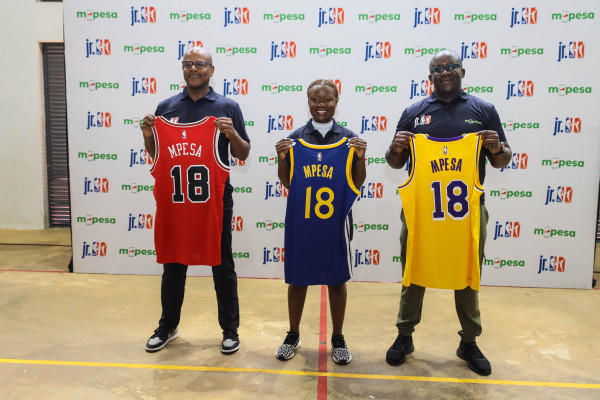
NBA Africa and Safaricom (NSE: SCOM- https://apo-opa.co/4gKHaas), the region's leading technology company, on Saturday launched the M-PESA Jr. NBA program that will provide basketball development and financial literacy programming to more than 10,000 boys and girls in Nairobi, Mombasa, Eldoret, and Kisumu, marking the league's most expansive youth development program in East Africa to date.   

The first year of the M-PESA Jr. NBA program, which tipped off with a clinic for more than 100 local coaches at SABIS International School in Nairobi, will consist of four regional tournaments for youth ages 13-16 in Nairobi (Feb. 22-23), Mombasa (March 8-9), Eldoret (March 15-16) and Kisumu (March 22-23). 

In each city, 20 boys' and 20 girls' teams will participate in skills development sessions and competitive games. The top 80 players will then be grouped into four boys' teams and four girls' teams that will play games in a round-robin format. The top 16 boys and girls from each city will be selected to attend an elite top 100 camp at Aga Khan Academy in Mombasa in April.

In addition to the basketball development programming, M-PESA, Safaricom's innovative mobile payment platform, will host financial literacy workshops for the participating youth, empowering them to develop healthy financial habits.

“Tipping off our multiyear collaboration with Safaricom is an important milestone in our ongoing efforts to make basketball more accessible to Kenyan boys and girls,” said NBA Africa CEO Clare Akamanzi. “We look forward to positively impacting youth and coaches across the country through basketball development and life-skills programming.”

“Our collaboration with NBA Africa could not have come at a more opportune moment, as Safaricom's M-PESA will celebrate its 18th anniversary this March, marking a significant milestone in our journey,” said Safaricom CEO Dr. Peter Ndegwa. “Through M-PESA Go, this collaboration transcends beyond basketball. It is driven by a shared vision to create a lasting impact, not only in sports but also in the broader context of youth empowerment. We are committed to nurturing potential, building character, and equipping the next generation with the tools necessary for success. We firmly believe that the association between M-PESA Go and the Jr. NBA program can pave the way for growth and financial health, enabling young athletes to develop their skills and seize opportunities at the next level.”

Distributed by APO Group on behalf of Basketball Africa League (BAL).

About NBA Africa:
NBA Africa is an affiliate of the National Basketball Association (NBA), a global sports and media organization with the mission to inspire and connect people everywhere through the power of basketball.  NBA Africa conducts the league's business in Africa, including the Basketball Africa League (BAL), and has opened subsidiary offices in Cairo, Egypt; Dakar, Senegal; Johannesburg, South Africa; Lagos, Nigeria; and Nairobi, Kenya.  The league's efforts on the continent have focused on increasing access to basketball and the NBA through youth and elite development, social responsibility, media distribution, corporate partnerships, NBA Africa Games, NBA Stores, the BAL, and more.

NBA games and programming are available in all 54 African countries, and the NBA has hosted three sold-out exhibition games on the continent since 2015. The BAL, a partnership between the International Basketball Federation (FIBA) and NBA Africa, is a professional league featuring 12 club teams from across Africa that will tip off its fifth season in April 2025. Fans can follow @ NBA_Africa (https://apo-opa.co/3ELjWny) and @ theBAL (https://apo-opa.co/3ELjWE4) on Facebook, Instagram, X and YouTube.

About Safaricom:
Safaricom is the leading telecommunication company in East Africa. Our purpose is to transform lives by connecting people to people, people to opportunities, and people to information. We keep over 45.9 million customers connected and play a critical role in the society, supporting over one million jobs both directly and indirectly while our total economic value was estimated at KES 393 billion ($3.1 billion) for the 12 months through March 2022.

Listed on the Nairobi Securities Exchange and with annual revenues of close to KES 335.4 billion as of March 2024, Safaricom provides connectivity through wide range of technology, 2G, 3G, 4G and 5G in aggregate covering over 99% of Kenya's population.

Safaricom is an equal opportunity employer, actively recruiting staff from different backgrounds reflecting the communities that we serve. We are committed to equal gender representation at all levels. Our target is to achieve 50:50 senior management gender parity by 2025.

As part of our ongoing commitment to the Sustainable Development Goals (SDGs), we continue to work towards improving energy and resource efficiency in our network and facilities to reduce carbon emissions and our fuel consumption. We remain committed to becoming a Net Zero carbon-emitting company by 2050.

Media files
Basketball Africa League (BAL)
Download logo
Read moreNBA Africa and Safaricom’s M-Pesa Launch League’s Most Expansive Youth Development Program in East Africa to Date
17 February 2025

Steenhuisen commends signing of Plant Health Bill

Location: News

Steenhuisen commends signing of Plant Health Bill

Agriculture Minister John Steenhuisen has welcomed the signing of the new Plant Health Bill into law aimed at boosting agricultural trade and biosecurity.

The Plant Health (Phytosanitary) Act, 2024 (Act No. 35 of 2024), which is the repeal of the Agricultural Pests Act, 1983 (Act No. 36 of 1983), was assented to by President Cyril Ramaphosa last Thursday.

The bill provides for phytosanitary measures to prevent the introduction, establishment and spread of regulated pests in South Africa and the control of regulated pests.

It further provides for the regulation of the movement of plants, plant products and other regulated articles, into, within and out of South Africa.

The new Act seeks to address gaps and challenges, including constitutional issues, alignment with the international prescripts and provision of export, in the current phytosanitary system. 

This is in view of the requirements of this country’s major trading partners and the requirements under the relevant international agreements and treaties of which South Africa is a signatory member.

Among the notable changes in the new Act is the inclusion of new sections or provisions that will cover. among others, the establishment of the National Plant Protection Organisation of South Africa (NPPOZA), the development of regulations to facilitate exports, in transit and re-export of plants and plant products, establishment of pest free areas, areas of low pest prevalence, the provision of which is an obligation in terms of South Africa’s signatory membership of the International Plant Protection Convention (IPPC).

Steenhuisen highlighted that the Act also provides for the involvement of all spheres of government to cooperate when managing pests and diseases within the country.

He said the Act will serve as a biosecurity measure to safeguard South African agriculture from plant pests and diseases, to ensure an effective phytosanitary regulatory system that is needed to support trade-driven growth in the sector encompassing market access, regional economic integration, and protection of natural resources.

“It therefore aims to support the South African Government’s objectives and priorities, such as sustainable management and use of natural resources, the provision of effective national regulatory services and risk management systems, as well as increased contribution of the sector to the country’s economic growth and development, job creation and food security.

“Furthermore, it will contribute to our capacity to maintain existing markets and ability to enter into new export markets for plants and plant products and thus have a positive impact on the South African economy,” Steenhuisen said on Monday.

The new Act will also serve to position South Africa as one of the key role players that will provide a more coordinated phytosanitary surveillance programme, preparedness, and quarantine pest prevention systems in order to maintain and expand its competitive position in the global trade arena. – SAnews.gov.za


GabiK
Mon, 02/17/2025 - 12:15
31 views

Read moreSteenhuisen commends signing of Plant Health Bill
17 February 2025

Women Ministry condemns brutal murder of gay activist Imam

Location: News

Women Ministry condemns brutal murder of gay activist Imam

The Department of Women, Youth and Persons with Disabilities (DWYPD) has condemned the brutal murder of Imam Muhsin Hendricks who was gunned down on Saturday while attending a wedding in Gqeberha.

Hendricks is a renowned Muslim scholar and an avid advocate for Lesbian, Gay, Bisexual, Transgender, Queer, Intersex, and Asexual (LGBTQIA+) rights having served a number of organisations championing the cause for equality along gender lines within the Muslim faith.

Hendricks became the first Imam in the world to come out as gay in 1996 and was since removed from his position for coming out.

He is the founder of the Inner Circle, a global Muslim community advocating for a society free from discrimination based on religion, sexual orientation, and gender identity.

He also established the LGBTQIA+ inclusive Masjidul Ghurbaah mosque where there is no gender segregation.

Recently, Hendricks led the Al-Ghurbaah Foundation, which provides psycho-spiritual and social support to Muslims marginalised due to sexual orientation, gender identity, and belief.

Women, Youth and Persons with Disabilities Deputy Minister, Mmapaseka Steve Letsike, said the murder of Hendricks was a stark reminder that the LGBTQIA+ community in South Africa continues to experience discrimination and hate crimes, despite the nation’s progressive legislation, such as the Prevention and Combating of Hate Crimes and Hate Speech Act (2023), enshrined in part to protect the rights of the queer community.

Letsike recalled brave words uttered by Hendricks as he advanced the fight for LGBTQIA+ rights in the Muslim faith, as he said: “The need to be authentic was greater than the fear to die.”

“This brutal murder is not just about Imam Hendricks, it is a direct assault on all movements, organisations and persons advocating for LGBTQIA+ rights in South Africa. We call on the South African Police Services and all law enforcement agencies, to strengthen their investigation, and track the persons responsible for justice to prevail.” Letsike said. – SAnews.gov.za

GabiK
Mon, 02/17/2025 - 08:57
2 views

Read moreWomen Ministry condemns brutal murder of gay activist Imam
17 February 2025

KZN Inland Rural Remain The Only Unbeaten Team Left At Rural Week

Location: Sport

VEREENIGING:  Day two saw the KZN Inland Rural team finish as the only undefeated team left in the CSA Inland Rural...

Read moreKZN Inland Rural Remain The Only Unbeaten Team Left At Rural Week
16 February 2025

Early detection key to curing childhood cancer

Location: News

Early detection key to curing childhood cancer

Medical experts say that finding childhood cancer early is very important and helps children get the specialised treatment they need to get better.

“Childhood cancer is indeed curable. However, this is contingent upon timely diagnosis and immediate treatment,” said Chair of the South African Association of Paediatric Haematology Oncology (SAAPHO), Professor Gita Naidu. 

Naidu, who is also the Head of Paediatric Oncology at Chris Hani Baragwanath Academic Hospital, highlighted the significant challenges faced by families, such as emotional distress, anxiety, financial pressures from lost income, and medical costs.

She also stressed the difficulties of travelling long distances for treatment, managing caregiving responsibilities among siblings, and addressing the social stigma surrounding childhood cancer.

The Department of Health, in collaboration with stakeholders such as the World Health Organisation (WHO), Childhood Cancer Foundation SA, and SAAPHO, acknowledged the importance of teamwork and dedication in addressing these challenges and supporting those in need.

International Childhood Cancer Day is celebrated every 15 February, bringing together organisations, healthcare professionals, and advocates in a powerful movement. 

The goal is to ensure early diagnosis, quality treatment, and unwavering support for young cancer patients and their families.

The 2025 campaign, ’Equal Access to Care for All Children with Cancer,’ aims to promote effective solutions and drive change to improve childhood cancer outcomes globally. 

Meanwhile, this year's theme, ’Inspiring Action,’ highlights the need for collective efforts to eliminate disparities and ensure all children receive the care they deserve.

This initiative, spearheaded by Childhood Cancer International (CCI), aims to highlight the vital need for improved access to treatment, care and support for children and adolescents impacted by cancer worldwide.

The WHO estimates that more than 400 000 children are diagnosed with cancer globally each year. 

In South Africa, around 1 000 new cases are recorded annually by the South African Children’s Tumour Registry. 

However, the department noted that many additional cases remain undiagnosed and untreated due to barriers to accessing healthcare.

The department said early detection is essential for saving lives and parents, caregivers, and healthcare providers are urged to recognise the warning signs. 

These include a white spot in the eye or sudden blindness, a lump or swelling in any part of the body, especially the stomach; unexplained fever or weight loss; persistent bone pain or easy fractures; difficulty walking; changes in coordination, or severe headaches usually accompanied by vomiting. 

WHO South Africa’s Kibachio Mwangi noted the crucial role of psychosocial support for childhood cancer patients and their families.

He stated, “Childhood cancer treatment is incomplete without palliative care, which offers essential support for pain relief, dignity, and psychosocial well-being for patients and their families.”

Mwangi indicated that they are working with the Department of Health and other stakeholders to streamline the provision of palliative care through specialised units as well as in community and home-based platforms. 

In addition, government said it supports the WHO Global Initiative for Childhood Cancer (GICC), which aims to achieve a global survival rate of 60% by 2030. 

According to the department, this initiative prioritises providing treatment to children and adolescents in a way that maintains their dignity and reduces suffering.

“We firmly stand in solidarity with children, families, and caregivers impacted by childhood cancer,” said CEO of CHOC Childhood Cancer Foundation SA, Hedley Lewis.

“By championing ICCD 2025, we are committed to raising awareness, advocating for essential healthcare reforms, and ensuring that every child has equal access to life-saving treatments.” – SAnews.gov.za
 

Gabisile
Sun, 02/16/2025 - 11:49
66 views

Read moreEarly detection key to curing childhood cancer
16 February 2025

SA, EU to co-chair Ministerial Political Dialogue

Location: News

SA, EU to co-chair Ministerial Political Dialogue

The Minister of International Relations and Cooperation, Ronald Lamola, will co-chair the 16th Ministerial Political Dialogue between South Africa and the European Union (EU) on Wednesday, 19 February 2025, in Cape Town. 

Lamola will be joined by Kaja Kallas, the EU High Representative for Foreign Affairs and Security Policy and Vice President of the European Commission. 

Lamola will also be accompanied by various Cabinet Ministers from South Africa.

“South Africa and the EU enjoy a strategic relationship characterised by multi-dimensional bilateral cooperation, which is long-standing and mutually beneficial,” the Department of International Relations and Cooperation (DIrCO) said in a statement. 

Diplomatic relations between South Africa and the EU were officially established in December 1993, just before the onset of South Africa's new democratic era.

In 1999, the Trade, Development and Cooperation Agreement (TDCA) was established to create a framework for strengthening and diversifying bilateral cooperation. 

This has been achieved through enhanced political dialogue, collaboration in trade and trade-related areas, economic cooperation, technical assistance and development cooperation.

“The TDCA also established a political dialogue between South Africa and the EU at the Ministerial level, serving as a mechanism to review progress on various areas of bilateral cooperation and discuss enhancing cooperation on regional and global developments of mutual interest.”

To date, the department has reported that seven summit meetings have taken place since 2007, with the next one scheduled for 13 March 2025. 

The 16th MPD meeting is therefore well-timed to prepare for the upcoming eighth summit meeting, which will be hosted by President Cyril Ramaphosa. –  SAnews.gov.za
 

Gabisile
Sun, 02/16/2025 - 13:41
56 views

Read moreSA, EU to co-chair Ministerial Political Dialogue
16 February 2025

President Ramaphosa concludes official visit to Ethiopia for 38th AU Summit

Location: News

President Ramaphosa concludes official visit to Ethiopia for 38th AU Summit

President Cyril Ramaphosa on Saturday concluded his visit to Ethiopia, where he participated in the 38th Ordinary Session of the Heads of State and Government of the African Union (AU). 

The Assembly was held under the theme: ’Justice for Africans and People of African Descent through Reparations' from 15 - 16 February. 

The 38th Ordinary Session of the Heads of State and Government of the African Union (AU) was organised by the African Union Commission (AUC). 

The opening ceremony of the AU Summit was held with the attendance of AUC leaders, officials, Ministers, Ambassadors from AU Member States, representatives of AU organs and offices, as well as partners.

President Ramaphosa congratulated the newly-elected Chairperson Mahmoud Ali Yousouf and Deputy Chairperson Ambassador Salma Malika Haddadi, who will lead the AU during the next four years.

The Assembly also appointed new, Commissioners who will work as a collective in realising the aspirations of the continent and its people. 

“South Africa congratulates the new leadership cohort of the union and is especially proud of Ms Lerato Mataboge, as the new Commissioner for Infrastructure and Energy,” the Presidency said in a statement. 

SAnews reported that Mataboge has been elected as the Commissioner for Infrastructure and Energy of the AU after her name was put forward by the South African government. 

READ | Tau congratulates Mataboge on being elected as AU Energy, Infrastructure Commissioner

She holds a BA Honours in Law and International Relations from the University of Witwatersrand, a Master’s Degree in International Political Economy from the University of Warwick, as well as a qualification in Infrastructure in a Market Economy from Harvard Kennedy School Executive Education.

Mataboge has since committed to providing credible responses to new technologies, including biotechnologies, digitisation, and artificial intelligence, while acknowledging Africa’s vital mineral resources in developing global technologies. 

The Assembly further deliberated on the state of peace and security in Africa. 

“It expressed grave concern for the evolving situation in the eastern DRC [Democratic Republic of Congo]. The Heads of State called upon the M23 to cease-fire to prevent additional loss of lives. The Assembly reaffirmed the urgent need for inclusive negotiations and political dialogue as the only solution to end conflicts on the continent.” 

The leaders also took note of South Africa’s Presidency of the G20 and congratulated South Africa for being the first African country to host this important gathering. 

They expressed their support for the successful G20 Leaders’ Summit scheduled to take place later this year in Johannesburg.

According to the President’s Office, the country’s Commander-in-Chief also had bilateral meetings with a few countries on the continent to exchange views on issues of mutual concern.

The Assembly also discussed the African Continental Free Trade Area (AfCFTA), activities of the Africa Centre for Disease Control, infrastructure development and institutional reforms, amongst other matters. 

President Ramaphosa was accompanied by the Minister of International Relations and Cooperation Ronald Lamola; the Minister of Defence and Military Veterans Angie Motshekga; Minister of Justice and Constitutional Development Mmamoloko Kubayi; Minister of Trade, Industry and Competition Parks Tau; Minister in the Presidency Khumbudzo Ntshavheni; Minister of Forestry, Fisheries and Environment Dion George; Minister of Water and Sanitation, Pemmy Majodina and Minister of Public Service, and Administration Inkosi Mzamo Buthelezi. – SAnews.gov.za
 

Gabisile
Sun, 02/16/2025 - 09:54
74 views

Read morePresident Ramaphosa concludes official visit to Ethiopia for 38th AU Summit
14 February 2025

Tau congratulates Mataboge on being elected as AU Energy, Infrastructure Commissioner

Location: News

Tau congratulates Mataboge on being elected as AU Energy, Infrastructure Commissioner

Trade, Industry and Competition Minister Parks Tau has hailed the election of Lerato Mataboge as the African Union (AU) Commissioner for Infrastructure and Energy.

Tau described the appointment as a momentous achievement for South Africa in particular, and the African continent as a whole. 

Mataboge is currently the Deputy Director-General of Exports at the Department of Trade, Industry and Competition (the dtic).

Tau emphasised that Mataboge’s visionary leadership, extensive knowledge of Africa’s history, and deep understanding of its challenges will enable her to transform obstacles into opportunities that drive sustainable development and regional integration.

“The election of Ms Mataboge marks a pivotal step in transforming Africa’s infrastructure and energy sectors, while also advancing gender representation in leadership. 

“It is a testament to South Africa’s capacity to contribute its highly skilled experts to advance the flagship projects of the AU’s Agenda 2063. 

“Her [appointment] also aligns with Africa’s commitment to regional integration, infrastructure development, and industrial advancement -- key pillars that will strengthen intra-African trade and propel the continent towards inclusive and sustainable growth,” Tau said.

As the AU Commissioner for Infrastructure and Energy, Mataboge will play a pivotal role in addressing colonial-era transportation routes that were primarily designed for the extraction of Africa’s raw minerals for the development of Western nations.

“Under her leadership, these routes will be transformed into modern spatial development corridors that promote economic diversification and industrialisation,” Tau said.

Mataboge’s mandate includes overseeing the development of strategic economic infrastructure projects that facilitate mineral beneficiation, agro-processing, and the expansion of energy generation and distribution networks across the continent.

“Mataboge brings over two decades of experience in global policy, trade, and investment facilitation within the African continent. She has played an instrumental role in the implementation of the African Continental Free Trade Area (AfCFTA), a transformative agreement aimed at boosting intra-African trade and economic integration,” notes Tau.

Between 2012 and 2018, Mataboge served as the co-chairperson of the South African Presidential Working Group on the North-South Corridor during South Africa’s chairmanship of the AU’s Presidential Infrastructure Championing Initiative.

“Her wealth of experience, strategic foresight, and innovative leadership will be invaluable in advancing Africa’s infrastructure and energy agenda. As the continent moves towards realising its development aspirations under Agenda 2063, 

“Ms Mataboge’s appointment signals a new era of progress, where Africa’s infrastructure and energy sectors will be leveraged to drive economic transformation, job creation, and sustainable development,” stresses Tau.

Tau reaffirmed South Africa’s unwavering support for Mataboge in her new role and expressed confidence that she would make a lasting impact in shaping the continent’s infrastructure and energy landscape for generations to come. – SAnews.gov.za

Edwin
Fri, 02/14/2025 - 10:28

112 views
Read moreTau congratulates Mataboge on being elected as AU Energy, Infrastructure Commissioner
14 February 2025

Lerato Mataboge appointed as the AU Commissioner for Infrastructure and Energy

Location: News

Lerato Mataboge appointed as the AU Commissioner for Infrastructure and Energy

The South African government has congratulated Lerato Mataboge on her historic election as Commissioner for Infrastructure and Energy of the African Union (AU). 

Mataboge, who is currently the Deputy Director-General at the Department of Trade, Industry and Competition (the dtic), has an impressive track record.

She is the founder and former leader of Trade Invest Africa, an initiative aimed at promoting sustainable partnerships between governments and the private sector, with a particular emphasis on boosting intra-African trade and investment in infrastructure and energy.

According to her LinkedIn profile, she holds a BA Honours in Law and International Relations from the University of Witwatersrand. 

She also has a Master’s Degree in International Political Economy from the University of Warwick, as well as a qualification in Infrastructure in a Market Economy from Harvard Kennedy School Executive Education.

Mataboge has since committed to providing credible responses to new technologies, including biotechnologies, digitisation, and artificial intelligence while acknowledging Africa’s vital mineral resources in developing global technologies. 

“I will prioritise rail and the required policy instruments for harmonising our rail links; because rail is a key integrative infrastructure and presents manufacturing potential for Africa as a producer of rail components and maintenance services.” 

The newly appointed Commissioner took to LinkedIn on Thursday to thank Africa for electing her to this new position.

“The hard work begins now. We will integrate the continent in our lifetime,” Mataboge wrote.

Meanwhile, International Relations and Cooperation Minister, Ronald Lamola said, South Africa was confident that Mataboge would play a pivotal role in advancing infrastructure development and enhancing energy security across the continent. – SAnews.gov.za


Gabisile
Fri, 02/14/2025 - 10:18

20 views
Read moreLerato Mataboge appointed as the AU Commissioner for Infrastructure and Energy
14 February 2025

What to Expect When You’re Expecting During a Climate Crisis

Location: News

Rising global temperatures pose a serious threat to health of pregnant women and babies, say Wits researchers

Read moreWhat to Expect When You’re Expecting During a Climate Crisis
14 February 2025

SA continues work to navigate challenges – show our country some love

Location: News

SA continues work to navigate challenges - show our country some love

By Neo Semono 

With the smell of roses and perfume likely to fill the air more than at any other time of the year today, we ought to dedicate a stem or two from our Valentine’s Day flower bouquets as a token of love for our country.

While couples will toast to their future and enjoy the sweet treats the day will have on offer, our country deserves some love too. 

The Preamble of our Constitution speaks to building a united and democratic South Africa “able to take its rightful place as a sovereign state in the family of nations”.

The rainbow nation which saw President Nelson Mandela becoming the first President of a democratic South Africa, has been digesting world events involving our beloved country, that have put a damper on how we see ourselves and how the world perceives us.

This as the country this week reflected on the 35-years since the release of Madiba from prison on 11 February 1991, to which government has encouraged the nation to continue to embrace diversity, unity and an equal society.

While Cupid has been shooting his bow and arrow at prospective love matches, our country has found itself in the crosshairs of the United States of America, which has issued an Executive Order titled “Addressing Egregious Actions of the Republic of South Africa.” 

The order states that the US will not provide aid or assistance to South Africa and that it shall promote the resettlement of Afrikaner refugees escaping alleged government-sponsored race-based discrimination, including alleged racially discriminatory property confiscation.

This as President Cyril Ramaphosa signed the Expropriation Bill into law in January. The Act sets out how organs of State may expropriate land in the public interest for varied reasons. It also states that property may not be expropriated arbitrarily or for a purpose other than a public purpose or in the public interest. 

It is the government’s attempt to remedy the sensitive and complicated matter of South Africa’s land reform project. The pain of the dispossession of land for the majority of our people, some of whom paid the ultimate sacrifice, remains profound.

However, the Act which underwent a five-year public consultation process, has struck a sour chord in relations between South Africa and the US.

That which stands in the Constitution’s Preamble is not just a lofty idea, but something that more than three decades into democracy, South Africa is still striving for. 

There are some who may say that South Africa should forget the past and move on, but the past has a way of sneaking up on one if not addressed.  We ought to understand that it is important for South Africa to right the wrongs of the past in its journey to a prosperous future for all. 

And just as any individual will put in the effort to put their best foot forward when heading out, South Africa is attempting to not only ensure that its shoes shine on the international stage, but also to make sure that it does the work needed to create a better life for all on home soil. 

In last week’s State of the Nation Address (SONA), President Ramaphosa said that while there are global fundamental shifts that affect every aspect of life, including geopolitical tensions, violent conflict, and the “pursuit of narrow interests,” South Africa will not be deterred.

“We will not be deterred. We are a resilient people. We will not be bullied. We will stand together as a united nation.”
He added that “we will speak with one voice in defence of our national interest, our sovereignty and our constitutional democracy.”

It is in our national interest to ensure equitable access not just to land, but the economy and other areas of life where the majority of our people lag behind. If we don’t, it is likely that the same patterns of poverty and unemployment will continue to play out and become worse.

While the world around us is in constant flux, no country is an island.

At our core, we all need each other, as individuals and sovereign countries around the world. We ought to be able to come around the table and address that which the other may not understand about the other.

Other parts of the US Executive Order state that all executive departments and agencies, including the United States Agency for International Development, shall, to the maximum extent allowed by law, halt foreign aid or assistance delivered or provided to South Africa, and shall promptly exercise all available authorities and discretion to halt such aid or assistance.

Despite this, our executive has not closed the door on dialogue.

“We reiterate that South Africa remains committed to finding diplomatic solutions to any misunderstandings or disputes,” said the Minister of International Relations and Cooperation Ronald Lamola.

We are under no illusions that the world is not without adversity and that the road ahead is unpredictable.

“By staying true to our values, by harnessing our unique strengths and endowments, and by forging a common purpose, we can turn these trying circumstances to our advantage and propel our country forward. As South Africans, we stand for peace and justice, for equality and solidarity,” the President said in his SONA address.

This Valentine’s Day and beyond, may we not only spare a petal or stem to signify our love for our country, but work alongside government to impart skills, create jobs, inspire investor confidence and grow an economy that works for all. -SAnews.gov.za


Neo
Fri, 02/14/2025 - 08:34

72 views
Read moreSA continues work to navigate challenges – show our country some love
13 February 2025

South Africa’s G20 Presidency for 2025: A Catalyst for Energy Investment in Africa

Location: News
African Energy Chamber

In 2025, South Africa will hold the rotating presidency of the G20. Given its position as Africa's most industrialized nation and an energy hub, South Africa's leadership could play a pivotal role in attracting investment to the continent's energy sector. By leveraging its G20 platform, South Africa can push for increased funding from global partners, particularly for natural gas projects, which are critical for Africa's energy security and economic development.

While renewable energy is rapidly expanding across the continent, Africa continues to rely heavily on coal, oil and natural gas to meet growing demand and drive economic growth. Gas is increasingly viewed as a cleaner transitional fuel in Africa's energy mix, and many G20 nations are leading investment in gas exploration and production across the continent. For instance, the U.S. Export-Import Bank, U.K. Export Finance, China Development Bank and Japan Bank for International Cooperation, among other lenders, have played a key role in financing TotalEnergies' $20 billion Mozambique LNG project. Additionally, several G20 countries are driving further investment, with Italy's Eni developing new LNG facilities in the Republic of Congo, bp expanding operations in Senegal and Mauritania, Norway's Equinor advancing the Tanzania LNG development and ExxonMobil spearheading Rovuma LNG in Mozambique. South Africa can advocate for G20 nations to increase their financial backing for new gas projects, which have the potential to boost production, enhance energy security and attract much-needed investment to the continent.

While natural gas is essential for Africa's energy security, combining it with renewable energy sources could help diversify Africa's energy mix. South Africa's own experience with large-scale energy projects, such as its successful Renewable Energy Independent Power Producer Program, can serve as a model for blending financing and developing both gas and renewable projects. By advocating for mixed investment, South Africa can show G20 nations that supporting a variety of energy sources will allow Africa to meet its energy demands while transitioning toward greener energy.

In addition to advocating for investment in specific projects, South Africa can focus on creating favorable conditions for financing. One way to achieve this is by encouraging the G20 to support debt relief or concessional financing for African countries with high debt burdens. This would free up resources for governments to invest in energy infrastructure and allow them to prioritize projects that will improve energy access and support economic growth. South Africa could work closely with organizations like the World Bank, IFC, BRICS Bank, European Investment Bank and more to unlock financing mechanisms that reduce the risk for international investors.

The role of South Africa's G20 presidency in facilitating greater engagement between G20 nations and African energy markets cannot be overstated. By using its platform to promote key energy projects, South Africa can attract much-needed investment for both traditional oil and gas and clean energy developments. At the same time, it can help establish new financing structures that make these projects more attractive to investors. African countries like Nigeria, Angola, the Republic of Congo, Senegal, Namibia and Mozambique stand to benefit from increased G20 support for their oil and gas sectors, and other African nations can follow suit by aligning their own energy priorities with the goals set forth by South Africa during its presidency.

This year's African Energy Week (AEW): Invest in African Energies conference in Cape Town serves as a key platform for attracting global attention and investment to Africa's energy sector, facilitating discussions among G20 nations, financial institutions and energy companies. AEW acts as a conduit for driving investment into critical energy projects, positioning South Africa as a catalyst for sustainable development across the continent while ensuring Africa's energy needs are met. With South Africa's G20 presidency presenting a unique opportunity to secure crucial investments in Africa's energy sector, the 2025 edition of AEW is more significant than ever. By leveraging this platform to advocate for financing and foster partnerships between G20 nations and African energy producers, South Africa can play a pivotal role in advancing the continent's energy future and contributing to global energy security.

AEW: Invest in African Energy is the platform of choice for project operators, financiers, technology providers and government, and has emerged as the official place to sign deals in African energy. Visit www.AECWeek.com for more information about this exciting event.

Distributed by APO Group on behalf of African Energy Chamber.

Media files
African Energy Chamber
Download logo
Read moreSouth Africa’s G20 Presidency for 2025: A Catalyst for Energy Investment in Africa
13 February 2025

Gqeberha to host historic G20 Employment Working Group

Location: News

Gqeberha to host historic G20 Employment Working Group

All eyes are on Gqeberha as the city hosts the first G20 Employment Working Group (EWG) meeting, set to take place from 18-21 February 2025 at the renowned Boardwalk International Convention Centre.

As part of South Africa’s G20 Presidency, the country will hold a series of crucial Employment Working Group meetings, focusing on key labour and employment challenges, as well as technical sessions and high-level ministerial meetings.

Held under the theme: “Living and Working in an Unequal World: Ensuring Decent Work and Decent Lives”, the meetings will align with South Africa’s G20 Presidency theme of “Solidarity, Equality, Sustainability”.

The EWG meetings will focus on four key priorities, including:
•    Inclusive Growth and Youth Employment – Reduce (not in employment, education, or training) (NEET) rates through job-rich growth, skills development, youth entrepreneurship and strengthened labour market institutions.
•    Gender Equality in the Workforce – Closing pay gaps, tackling job segregation, and boosting women’s participation in STEM and leadership.
•    Addressing Inequality and Declining Labour Income Share – Promoting fair wage-setting mechanisms to reverse the decline in labour income share and reduce economic inequality.
•    Social Security and Digitalisation for an Inclusive Future of Work – Ensuring fair work in the digital economy by addressing AI, platform work and social protection expansion.

The first G20 EWG meeting will focus on pressing issues, including inclusive growth, youth employment, gender equality, income inequality, and the impact of digitalisation on the future of work.

Expressing her enthusiasm on the city hosting this historic event, Nelson Mandela Bay Municipality Mayor, Babalwa Lobishe, said Gqeberha is proud to be the host city for several of these important events, underscoring the city’s growing role as a destination for international collaboration and discourse.

"We, as South Africans, stand together in celebration of this remarkable achievement. South Africa is the first African country to host the G20, a momentous occasion that speaks to the growth, leadership, and global recognition of our nation.

“This is not just a victory for South Africa, but for the entire African continent, as we demonstrate our capacity to lead on the world stage. Nelson Mandela Bay is honoured to play its part in hosting these vital meetings, showcasing our city as a beacon of progress, innovation, and collaboration,” Lobishe said.

In addition to the EWG meeting, Gqeberha will also host several key G20 gatherings throughout the year, including:
•    The Second Digital Economy Working Group from 8-12 April 2025.
•    The Employment Working Group Ministerial Meeting from 25-26 July 2025.
•    The Fourth Trade and Investment Working Group from 7-9 October 2025.
•    The Trade and Investment Working Group Ministerial Meeting on 10 October 2025.
•    The Women Empowerment Working Group on 24 October 2025.

“These events signify a tremendous opportunity for our city to showcase its strengths and commitment to addressing some of the most pressing global challenges, including employment, digital economy, trade, investment, and women’s empowerment. As a city, we look forward to fostering meaningful dialogue, exchange of ideas, and tangible outcomes that benefit not only our country but the entire global community,” the mayor said.

“Nelson Mandela Bay is excited to welcome delegates, dignitaries and international leaders to our city, and we are committed to ensuring that the G20 meetings will be a resounding success. These gatherings will further cement Nelson Mandela Bay’s and South Africa’s place as a key player in global discussions and as a growing hub for international events,” Lobishe said.

The Mayor extended an invitation to all citizens of Nelson Mandela Bay to embrace this historic moment and opportunity to be part of South Africa’s leadership on the world stage.

South Africa will host the G20 meetings from 1 December 2024 until 30 November 2025.

The G20 has about 19 member countries that represent 85% of global GDP and 75% of global trade. There are 16 working groups, and the Employment Working Group is among the critical components of the discussions. – SAnews.gov.za


GabiK
Thu, 02/13/2025 - 12:30

346 views
Read moreGqeberha to host historic G20 Employment Working Group
13 February 2025

President Ramaphosa issues rallying call for unity

Location: News

President Ramaphosa issues rallying call for unity

President Cyril Ramaphosa has issued a powerful call to action, urging all political parties, civil society groups, and citizens to unite and join government in building a South Africa that is inclusive, equal and fair.

The President was replying to the State of the Nation Address (SONA) Debate held in Parliament this week.

Of late, the country has grappled with, amongst others, tensions with the United States of America following the promulgation of the Expropriation Act, the tragic loss of 14 South African National Defence Force soldiers in the eastern Democratic Republic of Congo, heated discussions surrounding equality, and a sluggish economy.

“At a time like this, we need to stand united as a nation, particularly now when we are facing a harsh global wind. 

“This is not the time for any of us to rush off to foreign lands to lay complaints about issues that we can solve ourselves in our country. We need South African solutions to South African problems,” he said in his reply to the debate on Thursday.

Despite the diverse views in South Africa, President Ramaphosa emphasised the importance of sending a unified message to the world.

“While there are many diverse and different voices in our society, we must strive to convey a common message.

“We must say to our people and to the world, that we are committed to working together to build a society in which all South Africans are free and equal to build a nation that works for all,” he said.

Additionally, the President emphasised that although political ideologies may differ, there is a common desire to build a country that is inclusive of all South Africans.

“At this important moment in our country and in our world, we must ask ourselves what kind of a nation we want.

“We want a nation in which all people enjoy equal worth and equal opportunity. We want a nation in which the rule of law is protected and upheld. We want a dynamic and growing economy in which small businesses can emerge and expand.

“It is my firm and enduring belief that all of us as South Africans, as fellow citizens bound together by our history and our present, want the same thing,” he said.

Moving forward

President Ramaphosa cited the Government of National Unity (GNU) as an example of how South Africans can come together “to build a nation working alongside each other”.

“It is to be expected that the 10 political parties that make up the GNU, with their very different political and ideological perspectives, will not always agree and will sometimes feel the need on platforms such as this, to talk to their different constituencies.

“Despite these differences, these political parties are working well together in the Government of National Unity. We are finding ways of mediating our differences and remain focused on the actions that we are all committed to undertake.

“It is this that gives me confidence that the Government of National Unity will continue to promote stability and serve the people of South Africa, in accordance with our Statement of Intent and the Medium-Term Development Plan,” President Ramaphosa explained.

The President described the current moment as one of "opportunity and hope".

“The Government of National Unity represents the best of that hope. We have demonstrated that we are prepared to put our political differences aside and work for the common good. This government remains united in pursuit of a South Africa that improves the material prospects of every South African man, woman and child.

“We are committed to upholding our hard-won democracy. We are committed to expanding the frontiers of opportunity for all our people. As we do so, we are guided by our Constitution, the Bill of Rights and the rule of law.

“As we rise from this debate, I am convinced that despite our differences, we share a common desire for a South Africa that belongs to all who live in it. We share the vision of a nation that works for all,” President Ramaphosa said.

The President delivered the first SONA of the GNU last Thursday, followed by the two-day debate, to which he responded today. – SAnews.gov.za

NeoB
Thu, 02/13/2025 - 15:50

63 views
Read morePresident Ramaphosa issues rallying call for unity
13 February 2025

South Africa’s New National Petroleum Company Signals Shift in African Energy Governance

Location: News
African Energy Chamber

The upcoming launch of the South African National Petroleum Company (SANPC) on April 1, 2025 marks a significant step in South Africa's ongoing efforts to restructure its energy sector and improve efficiency within state-owned enterprises. This move, which consolidates PetroSA, iGas and the Strategic Fuel Fund (SFF), aligns with broader regional trends in energy governance, where NOCs are increasingly being positioned as catalysts for investment, security of supply and economic development.

The South African government first announced plans for SANPC in 2020 as part of its strategy to rationalize state-owned enterprises and create a more competitive and investment-friendly energy sector. The merger process, overseen by the Central Energy Fund (CEF) Group under the Department of Mineral and Petroleum Resources, has progressed steadily, with agreements in place to ensure a smooth transition for employees. However, questions remain over asset management, particularly regarding how viable and non-viable assets will be handled post-merger.

SANPC's establishment comes at a time when Africa's energy sector is striving to create a more enabling environment for investment, a theme that will take center stage at the upcoming African Energy Week (AEW): Invest in African Energies conference in Cape Town on September 29 - October 3. As South Africa works to streamline its state-owned energy enterprises, other African nations are similarly evaluating how to strengthen their own NOCs to attract investment, drive economic growth and navigate the global energy transition.

In Angola, Sonangol has embarked on a restructuring process to enhance its operational efficiency and financial sustainability, including divesting non-core assets and increasing transparency to attract private sector investment. Similarly, Ghana's GNPC has pursued strategic partnerships with IOCs to maximize offshore exploration and production while ensuring local participation in energy projects. These efforts reflect a broader trend across the continent, where governments are leveraging regulatory reforms and governance improvements to make their NOCs more competitive in the global energy market.

Nigeria has also taken significant steps with the transformation of the Nigerian National Petroleum Company (NNPC), a commercially driven entity under its Petroleum Industry Act. The shift aims to position NNPC as a profit-oriented enterprise, reducing government dependence on oil revenues while fostering a more attractive investment climate. The success of these reforms will serve as a key reference for SANPC and other emerging NOCs in Africa, underscoring the importance of strong governance, fiscal discipline and strategic partnerships in the sector.

A key aspect of SANPC's establishment is its impact on local content development. The latest report from the Portfolio Committee on Mineral and Petroleum Resources indicates that the integration of employees from PetroSA, iGas and SFF is progressing smoothly, with agreements in place to ensure job security and a seamless transition. This is a crucial development, as maintaining a skilled workforce and prioritizing local expertise will be essential for SANPC's operational success. As the newly established NOC progresses, its approach to workforce integration and skills development will serve as a benchmark for other state-owned enterprises in Africa looking to balance efficiency with social responsibility.

With regulatory and policy frameworks playing a crucial role in shaping investor confidence, SANPC's structure and governance will be closely watched by industry stakeholders. Its success – or challenges – could offer valuable lessons for other African countries seeking to optimize their state energy assets while balancing the transition to cleaner energy sources. AEW: Invest in African Energies 2025 will provide a platform to discuss these critical issues, bringing together policymakers, industry leaders and investors to explore solutions for Africa's energy future.

Distributed by APO Group on behalf of African Energy Chamber.

About AEW: Invest in African Energy:
AEW: Invest in African Energy is the platform of choice for project operators, financiers, technology providers and government, and has emerged as the official place to sign deals in African energy. Visit www.AECWeek.com for more information about this exciting event.

Media files
African Energy Chamber
Download logo
Read moreSouth Africa’s New National Petroleum Company Signals Shift in African Energy Governance
12 February 2025

Denel to show off wares at UAE exhibition 

Location: News

Denel to show off wares at UAE exhibition 

Denel is set to strengthen its global presence at IDEX25, one of the world’s largest defence and technology exhibitions, next week.

The exhibition will take place in Abu Dhabi, the capital of the United Arab Emirates (UAE). 

Denel’s Group CEO, Tsepo Monaheng, stated that IDEX25 provides an excellent platform for the company to reintroduce its products, which are consistently recognised as cost-effective solutions for defence and security needs.

“We want to say to current and future clients, Denel is back, and we can still deliver quality products and new innovations in a rapidly changing defence industry,” he said. 

The organisers anticipate nearly 1 400 exhibitors from 65 countries and expect to attract around 135 000 visitors, including defence decision-makers, industry leaders, and analysts from around the globe.

“It will provide us with a new platform to display the quality of our defence systems and to reach new markets in the Far East, and Eastern Europe, which have been identified as growth markets by Denel,” Monaheng added. 

According to the State-owned arms company, the display at the international show will be the top range of its guided weapons and landward products, including the Inkunzi PAW-20. 

Inkunzi PAW-20 is a stand-alone system with innovative characteristics that adds real combat value, such as an operational range of up to 1000m, semi-automatic, quick reload time, magazine-fed, and non–degrading suppressive fire effect over the full range.

The weapon is produced by Denel Pretoria Metal Pressings (PMP), which is Africa’s leading manufacturer of small and medium calibre ammunition. 

The PAW-20 which is a well-known weapon, is designed to fire a 20x42mm round from the shoulder. 

It can be effectively used in infantry combat situations, including engagements with smaller buildings, as well as soft-skinned vehicles or boats.

Also, on display will be Denel’s range of guided weapons, including the Marlin air-to-air missile, the Ingwe Anti-Tank Guided Missile (ATGM), and the Umkhonto-IR surface-to-air system.

According to Monaheng, the global interest in Denel has not waned in recent years, but its reputation remains intact despite the difficulties the State-owned company has experienced.

“The quality of our products, services, and people remain known in the defence and technology sectors.”

IDEX has been the premier exhibition of its kind in the Middle East region for more than 30 years and will be a significant platform for Denel to market its capabilities and interact with decision-makers who will be in Abu Dhabi in mid-February.

The CEO stated that they are going to use its presence at IDEX25 to build stronger relationships with customers and stakeholders, explore options for smart partnerships, and reconfirm the Denel brand in the global defence and technology environments.

“Denel remains a valuable asset for the country. We are still open for business, and we can still leverage from the superior quality of our product range and the quality of our services,” he added. – SAnews.gov.za


Gabisile
Wed, 02/12/2025 - 08:47

262 views
Read moreDenel to show off wares at UAE exhibition 
12 February 2025

GNU will ensure SONA commitments made become a ’lived reality’

Location: News

GNU will ensure SONA commitments made become a ’lived reality’

Cooperative Governance and Traditional Affairs (CoGTA) Minister, Velenkosini Hlabisa, has assured President Cyril Ramaphosa that the Government of National Unity (GNU) will work to ensure that commitments made to the nation become a reality.

“Honourable President, the GNU will ensure that the commitments you made to the nation do not become empty promises, but a lived reality, “ he said in remarks at the State of the Nation Address (SONA) debate in Parliament on Tuesday. 

This as Members of Parliament (MPs) discussed President Ramaphosa’s SONA which was delivered last Thursday.

MPs addressed various issues, including tensions with the United States and the fallen soldiers in the eastern Democratic Republic of Congo (DRC), among other topics.

The President’s address emphasised economic growth, job creation, infrastructure development, and the reduction of household expenses.

“At the heart of this vision is a government that works for its people. The GNU must, therefore, be applauded, for it is committed to building a capable, ethical, and developmental State, comprising of ethical, skilled, and properly qualified public servants. 

“This work has already begun, under the capable leadership of the Minister of Public Service and Administration, the Honourable Inkosi [Mzamo] Buthelezi.” 

Hlabisa said he was encouraged that the President highlighted the important role that traditional leaders can play in improving services to the people. 

State of municipalities 

As the CoGTA Minister, he stated that he is heeding citizens’ outcry over the dire state of many municipalities over the failures of local government, and the need for municipalities to work. 

“Basic services must be delivered, and delivered efficiently,” he told MPs. 

Hlabisa said the crisis stems from the resource constraints faced by many municipalities. 

He believes that the current funding model for local government is unsustainable and exacerbates inequality between the wealthy and the impoverished.

“A new funding model is a must; one that considers each municipality's unique needs and challenges and provides a more equitable distribution of resources.”

Infrastructure development

He welcomed the President’s emphasis on new infrastructure development but believes it should also involve the maintenance and upgrading of existing infrastructure.

“To rebuild South Africa, we need to rebuild our education system, rebuild our healthcare system and rebuild our economy.”

Public healthcare 

He also threw his weight behind the National Health Insurance (NHI) but also raised concern about the feasibility and affordability of it in its current form.
 
“Government must prioritise strengthening the existing public healthcare system, which is plagued by inefficiencies and shortages of equipment and medical personnel. “

Growing the economy 

Hlabisa also welcomed government’s commitment to creating jobs and stimulating economic growth. 

“We look forward to the implementation of the Medium-Term Development Plan [MTDP] , particularly in relation to the three strategic priorities of driving inclusive growth and job creation, reducing poverty, and tackling the high cost of living.”

The MTDP is a five-year strategic framework that outlines the government’s priorities and serves as a roadmap for translating the commitments of the seventh administration into actionable programs and policies.

Global developments 

Shifting his focus to international matters, Hlabisa mentioned that unfolding events and the international, diplomatic fallout around the Expropriation Act is “deeply concerning.” 

“We condemn those who spread misinformation and work against our collective, national interest to rebuild South Africa. Having said that, Honourable President, the IFP [Inkatha Freedom Party] believes that greater clarity and certainty must be provided on key issues of the Act, such as compensation and the definition of public interest.”

The Minister also took the time to honour the 14 fallen soldiers who died at the hands of M23 as fighting in the Goma region intensified, with the rebel group engaging fiercely against the Congolese armed forces.

The South African National Defence Force (SANDF) soldiers are part of the Southern African Development Community Mission in the Democratic Republic of Congo (SAMIDRC), which aims to help restore peace, security, and stability in Africa’s second-largest country.

“Their selfless sacrifice will never be forgotten. [We] support initiatives to restore peace across the continent, knowing that peace and stability are essential for economic development, social justice, and human dignity. Abrupt withdrawal would not be in the interests of the continent.” 

The SONA debate will continue today at 2 pm. – SAnews.gov.za
 

Gabisile
Wed, 02/12/2025 - 10:20

99 views
Read moreGNU will ensure SONA commitments made become a ’lived reality’
12 February 2025

How AEW is Driving Energy Investments Between G20 Nations and Africa

Location: News
African Energy Chamber

The development of Africa's energy sector is at a critical juncture, with several high-profile projects poised to drive economic growth and transformation across the continent. However, the success of these initiatives hinges on securing vital funding from international institutions from G20 countries. The U.S. Export-Import Bank (EXIM), in particular, is expected to play a significant role in supporting American energy companies operating in Africa. TotalEnergies is anticipating approval of EXIM financing for its $20 billion Mozambique LNG project in the coming weeks, while ExxonMobil aims to reach a final investment decision for its $30 billion Rovuma LNG project by 2026, underscoring the pivotal role of U.S. financial support in advancing these critical developments. 

Conversely, concerns have emerged that the U.K. is reassessing its $1 billion funding commitment to Mozambique LNG, potentially impacting the project's timeline and broader development of the country's energy sector. As a result, securing and disbursing financing for these projects promptly is crucial to keeping Africa's energy ambitions on track. 

African Energy Week (AEW): Invest in African Energies – taking place in Cape Town this September 29 - October 3 – has emerged as the premier platform for fostering energy investments between Africa and G20 nations with significant energy interests on the continent. By uniting government officials, financial institutions and energy sector leaders, AEW plays a pivotal role in driving strategic collaborations that promote energy security, sustainability and economic growth. 

At last year's AEW, a dedicated U.S.-Africa Energy Partnerships Roundtable outlined how the two actors can further collaborate on technology, policy and investment, along with a Saudi-Africa Partnerships Roundtable that unpacked Saudi Arabia's plans to position itself as a long-term partner to Africa's energy sector growth. TotalEnergies' LNG developments in Mozambique, Nigeria and Egypt, along with the East African Crude Oil Pipeline, drove discussions on energy security, while Eni's upstream projects in the Republic of Congo, Angola and Libya contributed to dialogues on regional supply resilience and investment opportunities. 

AEW has been instrumental in facilitating financial agreements that support Africa's energy infrastructure, often backed by G20 nations. Key highlights include China's Belt and Road Initiative investments in Africa's energy sector, under which Chinese firms have funded and built major energy projects, including hydroelectric dams, solar parks and oil refineries, reinforcing Africa's energy security. Germany's KfW Development Bank has supported renewable energy initiatives, including off-grid solar solutions and green hydrogen projects in South Africa and Algeria, with AEW serving as a critical forum for advancing these discussions. Brazil's state-owned Petrobras led a delegation of Brazilian companies at last year's AEW to unlock new avenues for partnerships in oil and gas exploration and production.  

AEW continues to serve as a marketplace for energy deals, with a specific focus on attracting investment from G20 economies. The African Farmout Forum, a dedicated platform within AEW, has attracted interest from G20-based companies seeking to acquire or partner in African exploration and production assets. Global firms from Australia, the U.S., the U.K., Canada and more have participated, looking to expand their footprint in Africa's oil and gas sector. 

As Africa navigates the energy transition alongside growing demand, AEW plays a vital role in aligning G20 investments with the continent's long-term sustainability goals. Timely funding from international institutions, including EXIM Bank, is essential to realizing Africa's energy potential. As the continent works to expand energy access and drive economic growth, support from these institutions will be instrumental in bringing transformative projects to fruition. By fostering collaboration between Africa and G20 nations, AEW ensures that investments enhance energy access and economic development while addressing global climate commitments. 

AEW: Invest in African Energy is the platform of choice for project operators, financiers, technology providers and government, and has emerged as the official place to sign deals in African energy. Visit www.AECWeek.com for more information about this exciting event. 

Distributed by APO Group on behalf of African Energy Chamber.

Media files
African Energy Chamber
Download logo
Read moreHow AEW is Driving Energy Investments Between G20 Nations and Africa
11 February 2025

National Treasury calls on investors to join Global Investor Call

Location: News

National Treasury calls on investors to join Global Investor Call

The National Treasury has encouraged investors interested in participating in the upcoming Global Investor Call (GIC) after the tabling of the budget, to submit their questions through designated representatives from Goldman Sachs or Investec.

Minister of Finance, Enoch Godongwana, will table the 2025 Budget Review to Parliament on 19 February 2025.

“The Republic of South Africa, rated Ba2 (stable) by Moody’s Investors Service Incorporated, BB- (positive) by S&P Global Ratings and BB- (stable) by Fitch Ratings (Hong Kong) Limited, has mandated Goldman Sachs International and Investec Bank Limited, alongside their empowerment partners, Vunani Capital Partners and Cinga Capital, to arrange a non-deal Global Investor Call (GIC), scheduled for Wednesday, 19 February 2025 at 16:00 SAST / 14:00 GMT / 09:00 EST,” National Treasury said in a statement on Tuesday.

The GIC will be led by the Director-General of the National Treasury, Dr Duncan Pieterse, and will be supported by senior National Treasury officials.

“This year, given National Treasury’s role as Chair of the Finance Track of the G20, there will not be a series of in-person fixed income investor update meetings domestically nor internationally, due to conflicts with the G20 meetings. Should there be any changes to this, it will be communicated to the market.

“There will be an open Q&A session during the GIC, and the Republic of South Africa also welcomes the pre-submission of questions through the respective Goldman Sachs or Investec representatives,” National Treasury said.

The representatives can be contacted as follows:

Investec Bank Limited

  • Name: Leanne Large
  • Email address: Leanne.Large@investec.com
  • Contact details: +27 82 494 8804

Goldman Sachs International

  • Name: Rumbi Wasterfall
  • Email address: rumbi.wasterfall@gs.com
  • Contact details: +44 207 774 6671

Link to pre-register (Recommended): https://shorturl.at/kfPVm

Link for the audio replay (only available following the GIC): https://shorturl.at/YG7Sl

Following the tabling of the 2025 Budget, a presentation will be available on National Treasury's website: https://shorturl.at/1VyCh

For further enquiries contact: Terry Bomela-Msomi

Director: Debt Issuance and Management

012 315 5753 / +27 66 289 2492 - SAnews.gov.za

nosihle
Tue, 02/11/2025 - 14:41

67 views
Read moreNational Treasury calls on investors to join Global Investor Call
11 February 2025

Social Development issues notices of non-compliance to NPOs 

Location: News

Social Development issues notices of non-compliance to NPOs 

The Department of Social Development has issued 41 787 notices of non-compliance to non-profit organisations (NPOs), with a total of 6 221 NPOs deregistered for failure to honour their obligations in terms of the NPO Act. 

In a statement, the department said a total of 203 279 organisations comprising non-profit organisations, voluntary associations and trusts across South Africa face the risk of deregistration. 

This is due to failure to comply with the requirements to submit annual reports as per the provisions of section 18 (1) of the Non-Profit Organisations Act (Act No. 71 of 1997, as amended through the General Laws Amendment Act 22 of 2022).

“The consequences for non-compliant NPOs are severe as they will no longer be able to access certain privileges such as tax exemption, letters of support and funding from government, donors and private institutions that uphold accountability and the rule of law,” the department said. 

The majority of these non-compliant organisations are based in Gauteng at 64 221, followed by KwaZulu-Natal at 36 605, Western Cape at 20 371, Limpopo at 19 982, Eastern Cape at 19 202, Mpumalanga at 15 102, North West at 12 363, Free State at 10 661 and Northern Cape at 4 770.

These organisations provide a wide range of services to children, youth, persons with disabilities, older persons and humanitarian relief.

“While the department acknowledges the significant contribution of NPOs in providing the much-needed services to the vulnerable, the deregistration of non-compliant NPOs is a regulatory requirement aimed at fostering accountability and transparency within the NPO sector.

“The department remains committed to continue working in partnership with the sector to ensure the integrity and protect the legitimate activities of NPOs that comply with South Africa’s regulatory framework,” it explained.

The commencement of the deregistration process follows a formal notice issued by the department in August 2023.

The notice was followed by a series of targeted workshops and outreach programmes conducted across South Africa to engage NPOs and provide them with the necessary opportunity and support, including capacity building and corrective steps to be taken to address the compliance issues. 

READ | Social Development announces de-registration of non-compliant NPOs

FATF recommendation

In addition to the NPO Act, the deregistration of non-compliant organisations is consistent with the Financial Action Task Force (FATF)’s Recommendation 8 on non-profit organisations and the risk-based approach, which highlights the vulnerability of South Africa’s NPO sector to money laundering and terrorist financing.

The FATF grey listed South Africa at its February 2023 plenary meeting held in Paris.

The FATF is the international standard-setting body that oversees global compliance with anti-money laundering rules.

It developed an Action Plan with 22 Action items linked to the eight strategic deficiencies identified in the country’s anti-money laundering and combating of financial terrorism regime.

In November 2023, the FATF Plenary noted the considerable progress South Africa has made to address the technical compliance deficiencies identified in the mutual evaluation report.

“With South Africa due to report back to FATF on the remaining deficiencies in its fifth round mutual evaluation this year, the department would like to implore all registered NPOs to ensure their operations meet the legal prescripts for compliance without further delay.

Assistance

“In line with its developmental mandate, the department stands ready to assist registered NPOs that are struggling with the process to comply with the requirements of the NPO Act,” the department said. 

To date, the department said it has processed over 18 000 requests through email correspondence, 3 000 telephone enquiries and assisted 4 000 clients through walk-in service.

A total of 3 450 NPOs have updated their details on the NPO register. 

As the registrar and custodian of the NPO Act, the Department of Social Development has a legislative mandate to maintain a reliable database of all non-profit organisations registered in terms of the Act.

“We must once again emphasise that compliance is a regulatory requirement not only to ensure transparency and accountability in the NPO sector, but also to ensure the protection of beneficiary communities in which the registered NPOs operate and render their services,” the department said. – SAnews.gov.za

DikelediM
Tue, 02/11/2025 - 10:35

76 views
Read moreSocial Development issues notices of non-compliance to NPOs 
10 February 2025

1,500 Lesotho Health Workers Sent Home After US Aid Suspended

Location: News

Trump blocking aid threatens vital health services

Read more1,500 Lesotho Health Workers Sent Home After US Aid Suspended
  • Previous
  • Page 1
  • Interim pages omitted …
  • Page 24
  • Page 25
  • Page 26
  • Page 27
  • Page 28
  • Interim pages omitted …
  • Page 103
  • Next

Copyright © 2026 · MyZA · All Rights Reserved · Powered by Stratlec Online