More Than 20 Dead and Hundreds Displaced in KZN Floods
Sithembiso Mbutho died crossing the Mthwalume River. Residents have been pleading for the government to build a bridge

MyZA
News, Directory, Events and Other Stuff
Sithembiso Mbutho died crossing the Mthwalume River. Residents have been pleading for the government to build a bridge
Whistleblowers a cornerstone in fighting corruption
The South African government will introduce the Whistleblower Protection Bill in Parliament this year in a demonstration of support for those who speak out against the scourge of corruption.
This according to Department of Public Service and Administration Minister, Inkosi Mzamo Buthelezi.
Buthelezi was addressing the media on the outcomes of the inaugural meeting of the G20 Anti-Corruption Working Group (ACWG) Technical Meeting held this week.
“We must…recognise the indispensable role of whistleblowers in uncovering corruption. Their courage in exposing wrongdoing often comes at a significant personal risk. Therefore, enhancing whistleblower protection remains at the top of our priorities as government.
“South Africa is set to introduce the Whistleblower Protection Bill in Parliament this year reinforcing our commitment to strengthen legal safeguards for those who report corruption.
“We do this knowing very well that whistleblowers are the cornerstone of our fight against corruption,” he said.
Buthelezi described the ACWG technical meeting – which was attended by representatives from the G20 countries – as a “cornerstone in our roadmap to combat corruption”.
“These discussions will culminate in the G20 Anti-Corruption ministerial meeting where members states will reaffirm their commitment to the primary objective of the [ACWG] which is to eradicate corruption through inter alia, strengthening the public sector by promoting transparency, accountability and ethical leadership and by fostering international cooperation,” the Minister said.
During the meeting of the ACWG, South Africa called for international cooperation in fighting corruption.
“We emphasised the importance of international cooperation and explored mechanisms to enhance the implementation of…legal instruments which G20 members have endorsed.
“A unified and coordinated global response is critical to closing the gaps that allow corruption to thrive. Deliberations focused on harmonising national laws with international standards to create a robust legislation that enhances legal recourse and restores public confidence in our justice system.
“Establishing uniform standards across G20 countries is essential for effective cross border against corruption,” Buthelezi said.
He emphasised the importance of transparency in the public sector as another critical tool in combatting the scourge.
“The meeting also highlighted the need for greater transparency in the public sector including enhancing transparency, accountability and ethical leadership mechanisms.
“Transparency is…a powerful tool in combatting corruption as it reduces opportunity for misconduct and fostering a culture of integrity,” he said.
The Minister said the meeting this week has laid a “robust foundation for the next phases of our work”.
The next meetings of the ACWG will be held in Brazil and Mpumalanga.
“As we prepare for the upcoming meetings…our focus will remain on building consensus around actionable commitments that go beyond policy declarations and resulting in tangible action against corruption.
“Maintaining open and transparent communication about our progress is very important. The fight against corruption is not just a legal or institutional challenge, but also a battle for public trust.
“By keeping our citizens informed and engaged, we reinforce the message that corruption has no place in our societies and that integrity will be the cornerstone of governance worldwide,” Buthelezi said. – SAnews.gov.za
NeoB
Wed, 03/05/2025 - 11:58
479 views
Western Cape urges safe driving after several road fatalities
The Western Cape Government (WCG) has urged all road users to prioritise safety and look out for one another.
This comes after several road fatalities were reported in the province this week.
The incidents include a fatal collision that took place on the R61 at Rooidam, on Monday morning.
In Beaufort West, two road incidents also resulted in one death and multiple injuries, while a crash on the N2, near Heidelberg claimed the lives of seven people.
Western Cape MEC of Mobility, Isaac Sileku, has expressed profound concern, saying that receiving such “tragic news” is always heartbreaking.
“These incidents highlight the critical need for intensified road safety education, as many of these tragedies were preventable. My heartfelt condolences go out to the affected families,” Sileku said in a statement.
The MEC has urged all road users to prioritise safety.
“We must all do better. We all have a shared responsibility to ensure that we all buckle up, that our vehicles are roadworthy, and that you strictly adhere to traffic laws and regulations,” he said.
To combat these preventable tragedies, the WCG has called on all drivers to exercise vigilance and responsibility.
This includes adhering to speed limits, avoiding driving under the influence of alcohol or drugs, and being especially mindful of pedestrians and other vulnerable road users.
Meanwhile, the provincial government said simple actions such as wearing a seatbelt, maintaining a safe following distance, and avoiding distractions can significantly reduce the risk of crashes.
Sileku reaffirmed his commitment to enhancing road safety, “Every life lost on our roads is one too many. Together, we can make our roads safer.” – SAnews.gov.za
Gabisile
Wed, 03/05/2025 - 12:39
192 views
Stakeholders emphasise importance of regulations to combat financial crimes
The importance of financial accountability and regulatory compliance in protecting non-profit organisations (NPOs) from being exploited for money laundering and terrorist financing came to the fore at the Department of Social Development’s (DSD) stakeholder engagement session.
One of the stakeholders at the session on the Financial Action Task Force’s (FATF) Recommendation 8, was the Chartered Institute for Business Accountants, who underscored this point.
The institute’s Technical Manager, Eszter Rapanos, outlined key interventions and innovations aimed at aligning regulatory frameworks with the FATF’s latest measures.
The FATF is the international standard-setting body that oversees global compliance with anti-money laundering rules.
Recommendation 8 of the Financial Action Task Force aims to protect NPOs from potential terrorist financing and money laundering abuse through effective implementation of risk-based measures.
She highlighted the institute’s role as a professional body in advancing these measures to protect NPOs from financial crime, emphasising its commitment to upholding financial integrity.
Rapanos addressed the unique challenges faced by South African NPOs, including limited access to technology, insufficient funding, and a lack of financial management skills, which make them particularly vulnerable to financial crimes.
“The risk-based approach must be applied throughout the process, ensuring that high-risk areas are targeted while avoiding unnecessary burdens on compliant NPOs,” she stated.
Among the significant regulatory changes, Rapanos pointed to the new requirement for compulsory registration of NPOs that operate across borders.
READ | Social Development issues notices of non-compliance to NPOs
In addition, organisations must now maintain detailed records of their beneficial ownership and enhance governance structures to prevent individuals with a history of financial crimes from assuming leadership roles.
“The increased governance and transparency requirements will ensure that NPOs maintain credibility, but it also places additional administrative responsibilities on them,” she noted.
Rapanos stressed that the new framework presents opportunities for collaboration.
“By working closely with regulatory bodies such as the Department of Social Development, the Financial Intelligence Centre, the Companies and Intellectual Property Commission, and the South African Revenue Service, we can align compliance processes and reduce duplications,” she explained.
The Chartered Institute for Business Accountants’ recommendations include implementing a tiered risk-based approach to compliance, where low-risk NPOs face fewer administrative burdens, while higher-risk organisations undergo more stringent oversight.
Rapanos also called for increased training and capacity-building efforts to help NPOs navigate the evolving regulatory landscape.
“The goal is to strike a balance between preventing illicit financial activities and allowing NPOs to continue their essential work without being overburdened by red tape,” Rapanos concluded.
On Monday, the Deputy Minister of Social Development, Ganief Hendricks, called on NPOs and the civil society sector to work with government in seeing South Africa exit the FATF’s grey list by year-end.
In his address, Hendricks cautioned government against using legislation to stifle the operations of legitimate NPOs that play a vital role in communities across South Africa.
“Our National Development Plan calls for active citizenry especially from the grassroots level. We must therefore guard overburdening and frustrating grassroots initiatives through the use of legislation.
“The objective of the NPO Act is to create an enabling legislative environment for the NPO sector to thrive and contribute to our national development agenda”, the Deputy Minister said at the time.
READ | Call for NPOs to work with government to address FATF challenges
At Monday’s session in Kempton Park, National Treasury said the FATF was not satisfied with the mere existence of national legislation, but also enforcement of administrative penalties for high-risk NPOs that fail to comply with the provisions of the law.
One of the FATF’s requirements is that Social Development, as the regulator of the NPO sector in terms of the NPO Act (Act No. 71 of 1997, as amended through the General Laws Amendment Act 22 of 2022), has to conduct more outreach and educational programmes with NPOs to promote better understanding of the global anti-money laundering and counter-terrorist financing standards.
The FATF grey listed South Africa at its February 2023 plenary meeting held in Paris. It developed an Action Plan with 22 Action items linked to the eight strategic deficiencies identified in the country’s anti-money laundering and combating of financial terrorism regime. -SAnews.gov.za
DikelediM
Wed, 03/05/2025 - 12:42
343 views
DPWI Minister briefs committee on progress made since taking office
Public Works and Infrastructure Minister Dean Macpherson has told the Portfolio Committee on Public Works and Infrastructure that while the department faces several challenges, there are visible signs of progress that have been achieved which will help improve service delivery.
The Minister on Wednesday updated the Portfolio Committee on Public Works and Infrastructure on the progress made in his department since taking office.
The Minister emphasised that in the months ahead, the department will need to accelerate its efforts to ensure that it plays a leading role in turning the country into a construction site, driving economic growth and creating jobs.
Among the key initiatives implemented in the department are:
● Establishing a Special Projects Unit within the department to revive stalled infrastructure projects and prevent future failures.
● Restructuring the Prestige Unit - previously responsible for the Nkandla scandal - to fall under the direct oversight of the Director-General. Furthermore, bringing an end to the practice of unchecked spending, including eliminating R20 million in unauthorised expenses.
● Tackling the construction mafia head-on by signing the historic Durban Declaration between the South African Police Service (SAPS) and National Treasury to improve cooperation and bring an end to construction site stoppages.
● Releasing 31 public properties valued at R1.4 billion for requests for proposals under the first phase of redevelopment, which is expected to attract R10 billion in private investment and create 165 000 jobs.
● Initiating a process to reform procurement regulations within the department to blacklist non-performing service providers.
● Collaborating with the National Treasury to reform Public-Private Partnership (PPP) regulations, making it easier for the private sector to invest in public infrastructure projects.
● Initiating a number of investigations into allegations of corruption, including the failed nearly R1 billion Telkom Towers project and PSA Oxygen Plant Tender at the IDT.
● Spearheading the revitalisation of small harbours, including Hout Bay Harbour, to transform them into economic hubs that create jobs and drive investment.
● Launching a first-of-its-kind project preparation fund with an R180 million budget to prepare and package infrastructure projects across government. The first bid window of the fund was oversubscribed, reflecting strong demand and investor confidence in the country’s infrastructure pipeline.
● Piloting an ‘Adopt a Municipality’ programme through the Presidential Infrastructure Coordinating Commission to ensure that infrastructure budgets are optimally utilised and delays in project execution are minimised.
● Initiating a process to reform the Expanded Public Works Programme (EPWP) to ensure that it provides participants with a pathway to permanent employment.
“The progress we have achieved in the eight months since taking office is a testament to our commitment to reforming the Department of Public Works and Infrastructure into the economic delivery unit of South Africa.
“This will help turn South Africa into a construction site, grow the economy, and create thousands of new jobs,” Macpherson said.
“However, in the months ahead, we must expedite the work we are doing to ensure that South Africans across the country experience the department’s efforts to improve their lives. While we face a number of challenges, we are working to overcome them and enhance service delivery.
“I have no doubt that, by working together, the Department of Public Works and Infrastructure will play a leading role in building a better country for all South Africans,” the Minister said. – SAnews.gov.za
Edwin
Wed, 03/05/2025 - 14:58
11 views
SA condemns Israel’s refusal to allow aid into Gaza
South Africa says it strongly condemns the refusal of Israel to allow humanitarian aid into the Gaza Strip and its closure of border crossings at a time when the people of Gaza are experiencing immeasurable suffering and urgently need food, shelter, and medical supplies.
This is according to a statement issued by the Department of International Relations and Cooperation (DIRCO) on Wednesday.
According to reports, Israel blocked the entry of all humanitarian aid into Gaza on Sunday as it demands Hamas agree to a United States plan for a ceasefire extension.
The department said preventing food from entering Gaza is a continuation of Israel’s use of starvation as a weapon of war as part of the ongoing campaign of what the International Court of Justice (ICJ) ruled to be plausible genocide against the Palestinian people.
“South Africa concurs with Qatar, one of the guarantors of the ceasefire agreement, that halting the entry of humanitarian aid into the Gaza Strip is a clear violation of the ceasefire agreement, international humanitarian law, and the Fourth Geneva Convention.”
South Africa has since called on the international community to hold Israel accountable and ensure the safe, continuous, and unhindered delivery of humanitarian aid to all areas of the Gaza Strip.
The United Nations (UN) Secretary-General Antonio Guterres has implored Israel to end its suspension of humanitarian aid to Gaza “immediately” and to allow aid to flow without impediment in an environment ensuring the safety and security of civilians, including humanitarian workers.
Guterres has also “urged all parties to make every effort to prevent a return to hostilities in Gaza”, and to find a way forward on the next phase of the ceasefire agreement.
“South Africa also condemns Israel’s ongoing military operations in the West Bank that represent a dangerous escalation, and which further threatens the Palestinian quest for self-determination and statehood.”
According to the department, the forced displacement of 40 000 Palestinians from Jenin, Tulkarem, Nour Shams, and elsewhere threatens to erase Palestinian refugee camps, and the right of return.
“The concurrent ban on the UN Relief and Works Agency’s (UNRWA) activities in these areas constitutes a flagrant violation of international law and strips displaced Palestinians of essential support and international oversight,” the department added.
The department stated that the expanded Israeli military presence, now at its highest levels in the West Bank since 2002, signals an intent to re-establish full-scale military occupation, and undermines the Palestinian Authority and its governance.
“South Africa supports the guarantors’ continued efforts to address the reported violations of the ceasefire agreement.”
The department said the delay in releasing the 620 Palestinian prisoners constitutes a fundamental breach of negotiated terms.
“South Africa once again calls on the international community to act with urgency and decisive action to address the continued systematic violation of international law and international humanitarian and human rights law.”
The department said South Africa welcomes the outcomes of the Arab League Emergency Summit held on Tuesday, 4 March 2025, that supports a settlement in Gaza that is led by, and inclusive of, Palestinians, and that expressly rejects the ethnic cleansing and forced displacement of Palestinians in Gaza.
The country has also thrown its weight behind the Arab League’s call for a UN international peacekeeping force in the West Bank and Gaza to ensure security and stability.
“South Africa also expresses its grave concern over Israel’s continuing violation of Syria’s sovereignty and territorial integrity by towns South of Damascus and the southern province of Daraa.
“Israel’s depiction of Southern Syria as a ‘security zone’, and statements that any attempt by Syrian government forces to establish themselves in the zone violate Syria’s sovereignty.” – SAnews.gov.za
Gabisile
Wed, 03/05/2025 - 15:10
46 views
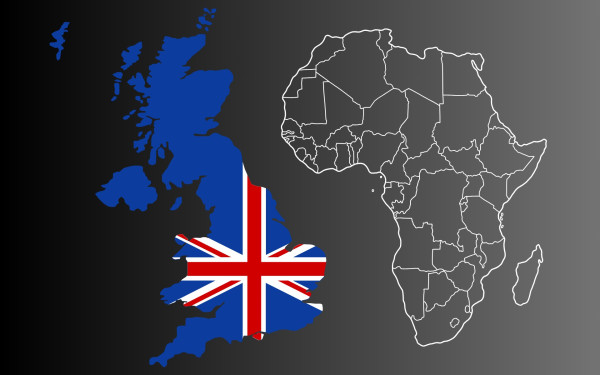
Trade relations between the UK and Africa are gaining momentum. Last month, UK Minister for Trade Policy and Economic Security Douglas Alexander visited South Africa and Botswana to strengthen trade ties and create opportunities for businesses on both sides. The UK aims to expand trade and investment across the continent, fostering mutually beneficial growth by addressing trade barriers, facilitating exports and supporting trade-focused development programs. With South Africa as the UK's largest trading partner in Africa and set to assume the G20 Presidency, this marks an important moment for deepening economic collaboration.
This builds on the UK's 2019 Economic Partnership Agreement (EPA) with the Southern African Customs Union member states – Botswana, Eswatini, Lesotho, Namibia and South Africa – and Mozambique. This agreement eliminates tariffs and quotas on all goods imported from these countries into the UK, facilitating smoother trade relations and economic cooperation. The EPA aims to bolster economic ties and create a conducive environment for investments, including in the energy sector.
The UK is expanding its engagement across Africa, including in West and North Africa. In February 2024, it signed the Enhanced Trade and Investment Partnership (ETIP) with Nigeria – the first such agreement with an African nation – marking a significant milestone. The partnership builds on a trade relationship valued at £7 billion in the year leading up to September 2023. The ETIP focuses on key sectors such as financial and legal services, fostering economic growth and attracting investment across industries, including energy.
Globeleq, a UK government-backed independent power producer, has been instrumental in advancing gas-powered energy projects across Africa. Alongside its 153 MW Red Sands project in South Africa – set to become the continent's largest standalone battery energy storage system – the company recently acquired a stake in a solar plant at Egypt's Benban Solar Complex and secured $99 million in debt financing for Mozambique's first wind project. Supported by shareholders such as British International Investment and Norfund, Globeleq continues to invest in upgrading existing assets and developing new utility-scale power projects, strengthening Africa's energy infrastructure.
In the oil and gas sector, bp achieved first gas from the Greater Tortue Ahmeyim LNG project offshore Senegal and Mauritania at the start of this year, marking a major step in boosting regional energy production and supply. Shell is advancing its $5 billion Bonga North deepwater project in Nigeria and, alongside bp, has agreed to cover operational costs for the buyer of South Africa's Sapref refinery – a move that could revitalize the country's largest refinery and secure oil supply. Meanwhile, Harbour Energy, one of the UK's largest independent oil and gas companies, is looking to expand into African markets following its acquisition of concessions in Egypt's Nile Delta and the Mediterranean Sea.
The UK is also a major investor in Africa's clean energy sector and a key partner in the Mission 300 initiative to expand electricity access to 300 million people by 2030. Last month, British International Investment (BII) committed £5.3 million to UK cleantech firm MOPO to scale battery rental operations in the Democratic Republic of the Congo, where over 80% of the population lacks electricity. In December 2024, BII and GuarantCo announced a $500 million renewable power deal with South Africa's Etana Energy, providing $100 million in guarantees to support the country's largest energy wheeling framework and unlock new projects. Beyond direct investments, the UK government continues to provide funding and technical assistance for energy infrastructure projects across Africa, aiming to improve energy reliability and efficiency, drive economic growth, and enhance the quality of life for local communities.
As a G20 member, the UK plays a pivotal role in shaping global energy investment strategies, with Africa positioned as a key partner in its trade and energy agenda. The UK's investments in oil and gas, renewables and energy infrastructure align with broader G20 goals of energy security, sustainability and economic growth.
“These initiatives not only strengthen the UK's economic ties with Africa, but also support the continent's transition to cleaner, more reliable energy. With African Energy Week: Invest in African Energies 2025 set to convene global stakeholders, the UK's role in advancing energy partnerships will be in focus, offering a platform to drive further investment, policy collaboration, and infrastructure development across Africa's energy landscape,” says Johnson Kayode Obembe, Director of Sales and Partnerships, African Energy Week.
AEW: Invest in African Energies is the platform of choice for project operators, financiers, technology providers and government, and has emerged as the official place to sign deals in African energy. Visit www.AECWeek.com for more information about this exciting event.
Distributed by APO Group on behalf of African Energy Chamber.
Commission opens dialogue on viability of electronic voting in SA
The Electoral Commission is expected to start a public conversation about the prospect of electronic voting, or e-voting, during South African elections.
To launch the public debate and discussion on the subject, the commission will host a three-day e-voting conference in Cape Town from 10-12 March 2024.
This conference will serve as a pivotal platform for initiating a public conversation about the possibility of introducing electronic voting sometime in the future.
The conference is based on research commissioned by the Commission and undertaken by the Human Sciences Research Council (HSRC).
The research study produced a discussion document which navigates all crucial aspects related to electronic voting and implications for South Africa. The discussion document will be launched at the conference.
The key components of the discussion documents include the following:
• A country review of electronic voting including those countries currently using poll-site technologies as well as those who use internet voting. This includes countries that introduced electronic voting but subsequently abandoned it.
• Key insights from the legislative review indicate that in the event electronic voting is adopted then there would a necessity for legislative amendments.
• Lessons from two roundtables, which were conducted with academics and representatives of blind persons.
• Lessons from key informant interviews that were conducted with civil society organisations and election management bodies.
• Views which were solicited through a public opinion survey.
• An overall outline of the findings of the studies conducted.
IEC CEO Sy Mamabolo said the conference will serve as a significant opportunity for South Africans to shape the future of voting in the digital world.
“It is part of the statutory purview of the commission to conduct research with a view to improving the quality of elections. We must investigate new approaches to improve the electoral process, voter experience, accessibility and enable cost savings," Mamabolo said.
“Some of the research findings indicate that there is no common understanding of what e-voting entails. This conference aims not only to reflect on possibilities for implementing e-voting but also to drive common understanding and knowledge of the subject among South Africans.
“We encourage further conversations and lively debates among South Africans from all walks of life as we have seen happening in some social media platforms recently,” he said.
The conference will bring together political parties, members of the Portfolio Committee on Home Affairs, corporates in the ICT sphere, government officials, research and development institutions.
Representatives of some countries which have implemented electronic voting are also confirmed for participation in this conference. This includes Estonia, the Democratic Republic of the Congo and Namibia.
Telecommunications and network connectivity service providers will share current and future developments in the digital ecosystem space.
Furthermore, the conference will include an expo where technology companies will display and demonstrate some of the available e-voting technologies and provide participants with a sense of how these technologies can be intuitively operated.
After the launch of the discussion document at the conference, it will be posted on the Electoral Commission digital platforms including on the website. – SAnews.gov.za
Edwin
Wed, 03/05/2025 - 12:34
85 views
Cape Town looking forward to hosting Cycle Tour
The Western Cape Government (WCG) will welcome over 30 000 cyclists for the Cape Town Cycle Tour set to take place on Sunday, 9 March 2025.
This iconic event is a highlight of Cape Town and the Western Cape’s sporting calendar, attracting participants from across the country and around the world.
According to the WCG, major sporting events such as the Cape Town Cycle Tour bring many benefits to the province as international and domestic cyclists are expected to boost the already thriving tourism sector, which is critical to creating jobs.
MEC of Cultural Affairs and Sport, Ricardo Mackenzie, who will also be taking part, said: “We welcome all cyclists to our province, and I am excited to see more and more people taking up cycling and living active and healthy lifestyles. Please be safe during the tour. All the best to the riders and the organisers. I look forward to seeing you out on the road.”
The Western Cape Department of Cultural Affairs and Sport supports major sporting events in the province as it encourages regular participation in sports, as well as playing an important role in the economy, from tourism, hospitality, and retail, to creating direct and indirect jobs.
Taking riders on a 109km route around the Cape Peninsula, the Cape Town Cycle Tour has been described as South Africa’s must-do cycling event.
Several Cape Town roads will be closed on Saturday and Sunday. – SAnews.gov.za
Gabisile
Tue, 03/04/2025 - 14:18
298 views
KZN Premier’s Netball Cup to empower young women
The KwaZulu-Natal Provincial Government has officially unveiled the 2025 KZN Premier’s Netball Cup, marking a groundbreaking milestone in the province’s efforts to foster netball talent and empower young women through sport.
Launched on Sunday, in partnership with the KwaZulu-Natal Netball Federation, the tournament will take place from 5 - 9 March 2025 at the Victoria Mxenge Indoor Complex in Umlazi, south of Durban.
The competition is designed to provide a platform for young women aged 16 to 36, and serves as a crucial building block for the future of netball in the province.
The tournament will feature 12 district-based teams, each representing a local district and named after its respective mayor. The teams will compete for supremacy in one of the province's most prestigious netball tournaments.
A key feature of the competition is the requirement that each 15-member squad must include at least six players under the age of 20, ensuring the inclusion of emerging talent and helping to nurture the next generation of netball stars.
Furthermore, each team must field a minimum of 12 players per match, with at least 50% match participation, promoting both fairness and opportunities for skill development.
A launchpad for future netball stars
Speaking at the launch, KwaZulu-Natal Premier, Thamsanqa Ntuli, said the tournament will not only showcase the grace and intensity of modern netball, but also offers valuable exposure for players aiming for provincial and national representation.
“Players will have the chance to be scouted for teams such as the Kingdom Stars, KZN’s professional netball franchise, and potentially the Spar Proteas, South Africa’s national netball team. The KZN Premier’s Netball Cup is not just about competition, but it represents a comprehensive strategy to professionalise the sport,” Ntuli said.
The Premier said the tournament aims to contribute to netball’s holistic growth, focusing not only on players but also on coaching, officiating, sports administration, marketing, and sponsorship.
Through these investments, Ntuli said the province is creating pathways for job creation and boosting sport tourism in KwaZulu-Natal.
The Premier also urged local businesses, municipalities, and fans to actively support the sport, both financially and through engagement, to ensure its continued growth and success.
Positioning SA as a dominant force in international netball
The KZN Premier’s Netball Cup aligns with the larger vision of Netball South Africa (NSA), the sport’s governing body, which has been pivotal in positioning South Africa as a dominant force on the global netball stage.
This includes the successful hosting of the 2023 Netball World Cup, which highlighted the country’s rising influence in international netball.
According to NSA, netball is the most popular female sport in South Africa and ranks as the second-most participated sport overall, with over two million active netball players participating on a weekly basis.
The KwaZulu-Natal Provincial Government has extended its best wishes to all participating teams and encouraged the communities to rally behind their local districts. – SAnews.gov.za
GabiK
Tue, 03/04/2025 - 13:18
260 views
GDP increases by 0.6% in Quarter 4 of 2024
South Africa’s gross domestic product (GDP) increased by 0.6% in the fourth quarter of 2024, following a decrease of 0.1% in the third quarter of 2024.
This is according to Statistics South Africa (Stats SA), which attributed the growth to, among others, an increase by 17.2% in the agriculture, forestry and fishing industry, which contributed 0.4 of a percentage point to the positive GDP growth.
“This was primarily due to increased economic activities reported for field crops and animal products. The finance, real estate and business services industry increased by 1.1%, contributing 0.3 of a percentage point. Increased economic activities were reported for financial intermediation, real estate activities and other business services,” Stats SA said on Tuesday
The trade, catering and accommodation industry increased by 1.4%, contributing 0.2 of a percentage point.
Increased economic activities were reported for wholesale trade, retail trade and motor trade.
“The transport, storage and communication industry decreased by 1.0%, contributing -0.1 of a percentage point. Decreased economic activities were reported for land transport and transport support services.
“The manufacturing industry decreased by 0.6%, contributing -0.1 of a percentage point. Six of the 10 manufacturing divisions reported negative growth rates. The largest negative contributions were reported for the basic iron and steel, non-ferrous metal products, metal products and machinery division and the motor vehicles, parts and accessories, and other transport equipment division,” Stats SA said.
General government services decreased by 0.5%. This was mainly due to decreased employment in national and provincial government and extra-budgetary institutions.
The electricity, gas and water industry decreased by 1.4%. This was largely due to decreases in electricity production and consumption.
The mining and quarrying industry decreased by 0.2%. Decreased economic activities were reported for manganese ore and iron ore.
Expenditure on GDP
As far as the expenditure on real GDP, it increased by 0.6% in the fourth quarter of 2024, following a decrease of 0.1% in the third quarter of 2024.
“Household final consumption expenditure (HFCE) increased by 1.0%, contributing 0.6 of a percentage point to the total growth. Positive growth rates were reported for semi-durable, durable and non-durable goods,” Stats SA said.
The main positive contributors to the increase in HFCE were expenditures on clothing and footwear (4.4% and contributing 0.2 of a percentage point); food and non-alcoholic beverages (1.4% and contributing 0.2 of a percentage point); recreation and culture (2.5% and contributing 0.2 of a percentage point); furnishings, household equipment and maintenance (1.9% and contributing 0.1 of a percentage point); ‘other’ (0.9% and contributing 0.1 of a percentage point); health (1.2% and contributing 0.1 of a percentage point), and alcoholic beverages, tobacco and narcotics (1.4% and contributing 0.1 of a percentage point).
Stats SA said the negative contributors were expenditures on transport and restaurants and hotels.
“Final consumption expenditure by general government decreased by 0.8%, contributing -0.2 of a percentage point to the total growth. This was mainly driven by decreases in purchases of goods and services and compensation of employees.
“Gross fixed capital formation decreased by 0.7%, contributing -0.1 of a percentage point to the total growth.
"The negative contributors to the decrease were residential buildings (-7.5% and contributing -0.9 of a percentage point), machinery and other equipment (-1.3% and contributing -0.5 of a percentage point) and non-residential buildings (-2.7% and contributing -0.2 of a percentage point),” Stats SA said.
There was a R16.4 billion drawdown of inventories (seasonally adjusted and annualised value).
Large decreases in two industries, namely mining and trade, catering and accommodation, contributed to the inventory drawdown.
“Net exports made a neutral contribution (0.0 percentage points) to expenditure on GDP. Exports of goods and services increased by 2.1%, largely influenced by increased trade in pearls, precious and semiprecious stones and precious metals, and chemical products
“Imports of goods and services increased by 2.0%, largely influenced by increased trade in vehicles and transport equipment excluding large aircraft; vegetable products; and machinery and electrical equipment,” Stats SA said. - SAnews.gov.za
nosihle
Tue, 03/04/2025 - 13:34
371 views
Cape Town to host Cape Town Cycle Tour
The Western Cape Government (WCG) will welcome over 30 000 cyclists for the Cape Town Cycle Tour set to take place on Sunday, 9 March 2025.
This iconic event is a highlight of Cape Town and the Western Cape’s sporting calendar, attracting participants from across the country and around the world.
According to the WCG, major sporting events such as the Cape Town Cycle Tour bring many benefits to the province as international and domestic cyclists are expected to boost the already thriving tourism sector, which is critical to creating jobs.
MEC of Cultural Affairs and Sport, Ricardo Mackenzie, who will also be taking part, said: “We welcome all cyclists to our province, and I am excited to see more and more people taking up cycling and living active and healthy lifestyles. Please be safe during the tour. All the best to the riders and the organisers. I look forward to seeing you out on the road.”
The Western Cape Department of Cultural Affairs and Sport supports major sporting events in the province as it encourages regular participation in sports, as well as playing an important role in the economy, from tourism, hospitality, and retail, to creating direct and indirect jobs.
Taking riders on a 109km route around the Cape Peninsula, the Cape Town Cycle Tour has been described as South Africa’s must-do cycling event.
Several Cape Town roads will be closed on Saturday and Sunday. – SAnews.gov.za
Gabisile
Tue, 03/04/2025 - 14:18
90 views
Government welcomes GDP growth
Government has welcomed the latest Gross Domestic Product (GDP) data released by Statistics South Africa, which shows that the economy expanded by 0.6% in the fourth quarter of 2024.
The growth followed a contraction of 0.1% in the third quarter.
Growth in the fourth quarter was primarily driven by the agriculture, finance, and trade sectors on the production side, while household spending led growth on the expenditure side.
“The latest GDP data is encouraging and signals a welcome recovery, especially because one of government’s immediate priorities is to ensure positive economic growth that will encourage business development and provide more opportunities for employment, especially for women and the youth,” Government Communication and Information System (GCIS) Acting Director-General, Terry Vandayar, said on Tuesday.
GCIS said government has put in place a broad range of programmes and policies to support the growth of small businesses, develop infrastructure for faster economic growth, and encourage investment from inside and outside of South Africa.
“Working with various stakeholders, Government will continue to build on this momentum to drive even greater economic resilience,” GCIS said. - SAnews.gov.za
nosihle
Tue, 03/04/2025 - 15:33
16 views
Call for NPOs to work with government to address FATF challenges
As South Africa intensifies efforts to exit the Financial Action Task Force (FATF) grey list by year-end, Deputy Minister of Social Development, Ganief Hendricks, has called on non-profit organisations (NPOs) and the civil society sector to work with government in achieving this goal.
The Deputy Minister made this remark at the start of the three-day multi-stakeholder engagement convened by the Department of Social Development at Premier Hotel OR Tambo, in Kempton Park on Monday.
The engagement is focusing on Recommendation 8 of the Financial Action Task Force, which aims to protect NPOs from potential terrorist financing and money laundering abuse through effective implementation of risk-based measures.
READ | Social Development hosts engagement session on the FATF’s Recommendation 8
The FATF is the international standard-setting body that oversees global compliance with anti-money laundering rules.
In his address, Hendricks cautioned government against using legislation to stifle the operations of legitimate NPOs that play a vital role in communities across South Africa.
“Our National Development Plan (NDP, Vision 2030) calls for active citizenry especially from the grassroots level. We must therefore guard overburdening and frustrating grassroots initiatives through the use of legislation.
“The objective of the NPO Act is to create an enabling legislative environment for the NPO sector to thrive and contribute to our national development agenda”, the Deputy Minister said.
The Deputy Minister’s sentiments were echoed by representatives from Kagiso Trust, Afrika Tikkun, Thuthuka Foundation, The Grail Centre Trust and Chartered Institute for Business Accountants (CIBA), all of which expressed concerns about “over-regulating the NPO sector”.
Speaking on behalf of the National Treasury, which is the lead government department in addressing all of the FATF’s recommendations, Ismail Momoniat mentioned that while South Africa has made great progress towards exiting the grey list, much more still need to be done with regard to full satisfying FATF’s global anti-money laundering and counter-terrorist financing standards.
“[The] FATF is not satisfied with the mere existence of national legislation, but also enforcement of administrative penalties for high-risk NPOs that fail to comply with the provisions of the law. We need to look beyond FATF’s standards and collectively work towards ensuring a national blueprint on transparency and accountability”, Momoniat said.
The latest report from FATF shows that South Africa has partly met the criteria for Recommendation 8.
One of the FATF’s requirements is that Social Development, as the regulator of the NPO sector in terms of the NPO Act (Act No. 71 of 1997, as amended through the General Laws Amendment Act 22 of 2022), has to conduct more outreach and educational programmes with NPOs to promote better understanding of the global anti-money laundering and counter-terrorist financing standards.
Survey
To assess the risks of terror financing in the sector, South Africa conducted a national survey with a sample of 301 registered associations, non-profit companies and public benefit organisations from databases of the Department of Social Development, Companies and Intellectual Property Commission (CIPC) and South African Revenue Service (SARS).
The survey found that NPOs in South Africa were exposed to medium risks from the operations of known terror organisations such as the Islamic State and its affiliates in Africa, al-Shabab and its affiliates in East Africa Boko Haram, amongst others.
Of the 301 NPOs surveyed, 120 were identified as high-risk. The survey found that the nature of risks associated with NPOs in South Africa include but not limited to, NPOs facilitating foreign travel for terrorist causes, using multiple bank accounts, being used as conduit to channel foreign funds to terrorist groups in Africa, supporting terrorist causes through cash and using the internet and online media for fundraising recruitment and propaganda.
The Acting Director of the Financial Intelligence Centre, Advocate Peter Smit emphasised that since FATF Recommendation 8 does not apply to all NPOs, it is important for South Africa to show that the majority of NPOs are not high-risk and therefore should not be subjected to restrictive legislative and administrative requirements.
FATF is scheduled to conduct an onsite visit on Recommendation 8 in South Africa in September this year as part of the periodic reporting requirement to exit the grey list.
The FATF grey listed South Africa at its February 2023 plenary meeting held in Paris. It developed an Action Plan with 22 Action items linked to the eight strategic deficiencies identified in the country’s anti-money laundering and combating of financial terrorism regime.
The second day of the multi-stakeholder engagement will focus on national and international perspectives and the impact of Recommendation 8 on NPOs, as well as sharing of best practice from Uganda, which has successfully been removed from FATF grey list. – SAnews.gov.za
DikelediM
Tue, 03/04/2025 - 13:56
76 views
W Cape welcomes lifting of ban on vegetable exports to Botswana
Western Cape MEC for Agriculture, Economic Development and Tourism, Dr Ivan Meyer, has welcomed the lifting of the ban on vegetable exports to Botswana.
This is after the previous administration of Botswana, led by President Mokgweetsi Masisi, imposed a ban on South African produce to support domestic farmers and reduce reliance on imports, which has since been lifted by President Duma Boko.
Meyer believes this move will encourage increased trade among Southern African Customs Union (SACU) members, who view the African Continental Free Trade Area (AfCFTA) as a critical tool for developing regional value chains and enhancing exports.
According to the MEC, Botswana’s gradual lifting of vegetable imports will occur in two phases.
Phase 1, which began in December 2024, includes vegetables such as turmeric, patty pan, pumpkin, sweet potatoes, green peas, sweet corn, broccoli, cauliflower, gem squash, baby marrow, green bean, sweet melon, mushroom, calabash, cantaloup and eggplant.
Meanwile, Phase 2 is expected to start on 1 April 2025 and will see an easing of restrictions on beetroot, butternut, cabbage, carrot, garlic, ginger, green melon, herbs, lettuce, onion, potato, sweet pepper, tomato and watermelon.
The MEC said the Western Cape accounted for 37% (or R3.3 million) of South Africa’s vegetable exports to Botswana in quarter four of 2024.
Regarding the contribution to Phase 1 nationally, Meyer said the provincial share has steadily increased during the period under review, reaching 63% in quarter 3 of 2024 and dropping to 55% in quarter 4 of 2024.
“It is expected that with the lifting of import restriction for vegetables listed in Phase 2, there will be an improvement in South African exports to Botswana, including those from the Western Cape,” Meyer said.
The MEC has since encouraged fair trade between SADC partners, saying the lifting of these restrictions is a move in the right direction.
“Our trade relations with our regional partners are mutually beneficial,” he stated.
Meanwhile, he said an improvement in exports to Botswana takes the province closer to the Western Cape Government’s Growth for Jobs plan, which aims to triple the value of Western Cape exports of goods and services, including tourism, to R450 billion by 2035. – SAnews.gov.za
Gabisile
Tue, 03/04/2025 - 11:46
2 views
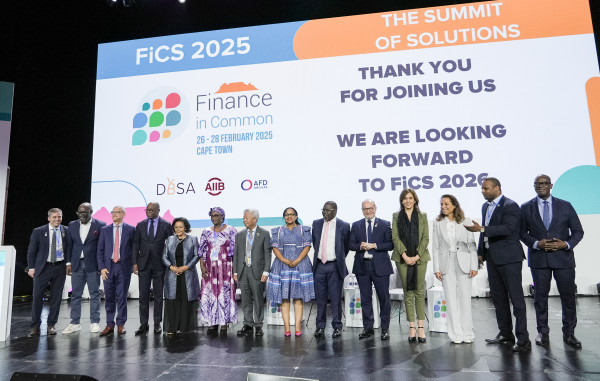
The fifth edition of the Finance in Common Summit (FiCS) concluded on Friday in Cape Town, South Africa, with strong calls for global development finance institutions to work together to address poverty and development challenges. South African Finance Minister Enoch Godongwana led the call.
The summit, which was co-sponsored by the African Development Bank and took place alongside the G20 Finance Ministers' Meeting, was themed "Fostering Infrastructure and Finance for Fair and Sustainable Growth."
Godongwana described the meeting as an unprecedented gathering of key financial players, saying: "Your determination and commitment will change the world. Your determination and will have an impact on global poverty.”
The minister linked the summit's goals to South Africa's development trajectory, highlighting the structural reforms the country had undertaken in the electricity, roads, and port sectors, which have opened new investment opportunities to development partners.
African Development Bank Vice President for Finance and Chief Financial Officer, Hassatou Diop N'Sele—one of several senior officials of the Bank Group at FiCS—represented Bank Group President, Dr. Akinwumi Adesina at a meeting on Wednesday organized by the Council of Europe Development Bank. At the meeting, multilateral development banks reaffirmed a shared commitment to maximize their collective impact.
During the G20 meetings of Finance Ministers and central bank governors, Hassatou Diop N'Sele said, “We call on G20 nations to enhance financial commitments, especially for the 17th replenishment of the African Development Fund, to simplify processes for accessing climate finance, and to create enabling policies that facilitate sustainable capital flows to Africa.”
In her various interventions during FiCS, she discussed the innovative financing tools and initiatives launched by the African Development Bank to leverage resources and mobilize the private sector at scale, including the landmark hybrid capital transactions successfully replicated by other development finance institutions and the Africa Investment Forum.
N'Sele emphasized the urgency for philanthropies and foundations to further strengthen their partnerships with multilateral development banks and to fully embrace innovation to amplify their impact. She also recognized the challenges for expanding climate finance in Africa and reflected on such solutions and platforms as the Alliance for Green Infrastructure in Africa, designed to catalyze bankable, greener infrastructure projects at scale and speed.
The African Development Bank delegation highlighted the progress of Mission 300 (https://apo-opa.co/4bolqQE), an initiative to accelerate access to electricity for 300 million Africans by 2030. The Bank, working with the World Bank and other development finance institutions and private sector partners, has committed $18.2 billion to this effort.
Senior leaders of the Bank stressed the need for urgent action. Nnenna Nwabufo, Bank Group Vice President for Regional Development, Integration and Business Delivery, said: "Africa is not looking for aid, we are looking for partnerships.".
She added: "The time for pilot projects that deliver incremental progress is over. We need investments that enable our nations to take ownership of their development, fostering resilience, self-sufficiency, and sustainable growth that benefits both Africa and the global economy."
Solomon Quaynor, the African Development Bank's Vice President for Private Sector, Infrastructure and Industrialization, called for faster implementation of infrastructure projects. "Africa can no longer sustain infrastructure projects that take seven to 10 years to complete - we must accelerate development to deliver within three years, prioritizing green infrastructure," he said.
The African continent needs $2.7 trillion through 2030 to meet its climate action goals, but receives only 3.6% of all global climate finance, despite its minimal contribution to global emissions.
The African Development Bank's Director General for Southern Africa, Leila Mokaddem, emphasized that Africa's green transition must be inclusive. She said: "With 600 million Africans still without electricity, our transition cannot be about climate goals alone. It must be about jobs, industrialization and economic opportunity. The African Development Bank is supporting this vision through its Jobs for Youth in Africa strategy to create 25 million jobs and equip 50 million young Africans with green economy skills by the end of this year.”
The summit achieved several significant breakthroughs in expanding the scope and impact of development financing. Key outcomes included: the endorsement by G20 finance ministers of public development banks' crucial role in international financial architecture; steps toward setting up frameworks to support cultural industries as valid asset classes; and the formation of a coalition between public development banks and civil society to ensure that development finance serves communities.
CEO of Agence Française de Développement and Chair of the Finance in Common Summit Rémy Rioux noted: "We have made tremendous progress in building public development banks as an asset class through innovation, commitment, and shared values. In times of uncertainty and conflict, we are offering a calm, collective alternative."
"This has truly been an African FiCS," said Boitumelo Mosako, CEO of the Development Bank of Southern Africa. He added: "With 34% of delegates coming from the continent, we have shown that Africa is unstoppable as the second fastest growing region in the world."
Following the Finance in Common Summit, the Fourth Finance for Development Conference will take place in Spain between June and July this year. Being organized by the United Nations and the Spanish government, that summit will feature continuing discussions on reshaping the international financial architecture to better serve development needs.
Distributed by APO Group on behalf of African Development Bank Group (AfDB).
Media contact:
Emeka Anuforo
Principal Regional Communication Officer
Email: media@afdb.org
About the African Development Bank Group:
The African Development Bank Group is Africa's premier development finance institution. It comprises three distinct entities: the African Development Bank (AfDB), the African Development Fund (ADF) and the Nigeria Trust Fund (NTF). On the ground in 41 African countries with an external office in Japan, the Bank contributes to the economic development and the social progress of its 54 regional member states. For more information: www.AfDB.org
Social Development and BMA to strengthen social services at border posts
The Department of Social Development and the Border Management Authority (BMA) have committed to working together to address gaps in social service delivery at border crossings.
The two bodies held a high-level strategic meeting focusing on implementing the strategy for the employment of social workers and other social service professionals.
The meeting examined strengthening the partnerships between the two entities to address essential gaps in social service delivery, particularly in cross-border contexts.
The session, chaired by Acting Deputy Director-General for Corporate Support Services Lumka Oliphant, explored avenues for collaboration. This included building synergies between social service professionals and border management officials, recognising the vital role social workers play in protecting vulnerable groups including undocumented migrants, victims of human trafficking, and children in need of care and protection.
Amanda Vokwana, the department’s Director of Organisational Development and HR Planning, outlined the strategy for the employment of social workers and other social service professionals.
The strategy was developed as part of a broader government effort to employ 55 000 social service professionals by 2030, in alignment with the National Development Plan.
“This strategy is not just a vision; it is a collective commitment to building a social service sector that is responsive to the needs of our communities. It seeks to address the employment gaps faced by social workers while ensuring that their skills are effectively utilised in both the public and private sectors,” Vokwana said at Friday's meeting.
This as the country continues to face pressing social ills, including poverty, substance abuse, gender-based violence, child-headed households, and human trafficking, she emphasised.
The strategy provides a framework for recruiting, training, and retaining qualified social service professionals to tackle these issues. It also introduces a funding and deployment model to ensure professionals are placed where they are needed most, including in border management operations.
Vulnerable groups
A significant part of the meeting held in Pretoria focused on a proposal for collaboration between the department and the BMA.
The proposal presented by Oliphant underscored the vital need to integrate social workers into the BMA’s operations, particularly in addressing the challenges faced by vulnerable groups.
Oliphant highlighted that, like the South African National Defence Force, the South African Police Service, and the Department of Correctional Services, the Border Management Authority also requires dedicated social workers.
“Border posts are high-risk environments where social vulnerabilities intersect with security concerns.
“Social workers play an essential role in ensuring that individuals, especially children and victims of trafficking, receive the necessary psychosocial support and interventions in line with legislative frameworks,” she explained.
Beyond assisting vulnerable groups, Oliphant stressed that social workers would also be instrumental in supporting the Border Management Authority’s personnel who are frequently exposed to traumatic and high-pressure situations.
“Border officials often deal with emotionally taxing cases, from human trafficking survivors to desperate asylum seekers. Having in-house social workers would provide much-needed psychological support and trauma counselling, ensuring the well-being of both staff and those they serve.
“With the growing complexities of migration and border-related social issues, it is critical that social service professionals are part of border management processes. Their expertise in psychosocial support, child protection, and victim assistance will enhance the effectiveness of our interventions,” she said.
The Deputy Assistant Commissioner of the Border Management Authority, Peter Mphilo, acknowledged the financial constraints that have hindered the establishment of an independent social services unit within the agency.
While recognising the initial intent to develop internal capacity, he emphasised the necessity of collaboration with the Department of Social Development and provincial stakeholders.
“We appreciate the assistance and cooperation from the provinces. The demand for social services at our border posts far exceeds supply, and this collaboration is critical in addressing those challenges,” Mphilo said.
Infrastructure
He highlighted the need to assess infrastructure requirements at border posts, focusing on interception procedures, interview facilities, and the seamless handover of vulnerable individuals to inland social services.
“Mapping out the entire process, from the port of entry to final social service intervention, is crucial for us to determine what needs to be funded,” he added.
Regarding funding strategies, Mphilo inquired about the role of donor funding and private sector involvement in the employment of social workers.
He stressed the importance of understanding whether private players directly fund social worker employment or contribute to broader organisational initiatives.
Moving forward, the Border Management Authority aims to refine its strategy by aligning funding mechanisms, infrastructure planning, and service delivery models to support social service professionals operating within border management, effectively.
“We need to be guided in terms of requirements. A phased approach, where we employ one or two social workers per region to provide advisory services, would be beneficial.
“Currently, we rely on provinces for support, but their capacity varies, and assistance does not always arrive on time. Having dedicated social workers within border regions would help bridge this gap.”
Mphilo also emphasised the importance of ensuring compliance with legislative frameworks, particularly the Children’s Act, given that many women who cross borders irregularly do so with children.
The presence of social workers at border posts would help facilitate proper child protection interventions.
The authority reaffirmed its commitment to continuing its partnership with the department, benefitting from its support, and actively participating in the broader interdepartmental task team to enhance social service provision within border management operations. – SAnews.gov.za
DikelediM
Mon, 03/03/2025 - 12:03
348 views
U20 South Africa: Africa's 'moment to lead'
City of Tshwane Mayor, Dr Nasiphi Moya, has described the 8th cycle of the Urban 20 (U20) – which is co-chaired by the City of Tshwane and Johannesburg - as a moment for Africa to lead.
The Mayor was delivering remarks at the launch of the 8th cycle of the U20 on Monday.
The U20 is an engagement group of the Group of 20 (G20). South Africa has taken over the Presidency of the G20 for 2025.
“This is our moment to lead. Not just as the City of Tshwane or the City of Johannesburg, but as Africa’s voice in the global urban conversation.
“Through U20 2025, we have the opportunity to shape a future that is just, sustainable, and inclusive. A future where African cities are not just participants but leaders in the global urban agenda.
“As co-hosts of U20 2025, our mission is clear: to ensure that the voice of African cities is heard on the world stage and that the priorities of the Global South are brought into the G20 agenda,” Moya said.
The U20 is a city diplomacy initiative which includes cities from the G20 countries and this year’s theme will be “Cities Leading the Way in Reimagining Global Change”.
Key priorities for this year include:
• Economic opportunities and financing
• Climate action and urban resilience
• Social inclusion and equity
• Digital transformation and innovation
Engaging citizens
Moya highlighted that although this year’s U20 will build on the foundation laid by last year’s co-chairs São Paulo and Rio de Janeiro, “our goal is to ensure that this presidency reflects the realities of African cities and the needs of our communities”.
“U20 is a global initiative, but its success will not be measured in communiqués and declarations alone. Its impact must be felt at a local level.
“This is not just about diplomatic meetings and international cooperation. It is about real economic opportunities, real investment, and real solutions for our people. It is about ensuring that the people of Tshwane and Johannesburg see themselves in this process and feel its benefits.
“We must use this platform not just to advocate for our cities on the global stage, but to showcase their resilience, innovation, and leadership to our own communities,” she said.
Pressing further, Moya emphasised that the impact of the U20 “must extend beyond government officials and politicians” who will gather for the U20 Sherpa Summit and African Mayor’s Assembly in June and the Mayoral Summit in September.
“We are committed to ensuring that the U20 process engages the people it is meant to serve. That means creating spaces for public dialogue and community participation, ensuring that our residents have a voice in shaping urban policies.
“It means fostering connections between local entrepreneurs and global investors, creating pathways for businesses to grow. It means recognising that Tshwane, as a knowledge hub, has world-class institutions that must be part of this conversation.
“Cities are on the frontlines of the climate crisis, economic inequality, and social exclusion. It is time for our voices to be heard at the highest levels of global decision-making,” Moya said. – SAnews.gov.za
NeoB
Mon, 03/03/2025 - 12:05
328 views
Department to meet NGOs impacted by freeze on US funding
The Department of Health will initiate a consultative process this week with various organisations impacted by the decision of the United States government to freeze and reduce donor funding for HIV/AIDS and tuberculosis (TB) response programmes.
This follows the announcement by the United States President Donald Trump’s administration about significant cuts to foreign aid.
Until recently the United States government’s AIDS fund, the President’s Emergency Plan for AIDS Relief (Pepfar), supported numerous nonprofits in South Africa.
These organisations assisted provincial health departments in getting people tested for HIV and ensuring they received treatment.
While the government provided the medication, Pepfar funded the salaries of essential health workers, including nurses, pharmacists, data clerks, and community health workers, who were responsible for administering the drugs and supporting patients.
According to the department, the meeting with non-government organisations (NGOs) aims to receive first-hand information to understand the extent of the impact of funding cuts to make informed decisions on the proper interventions by government.
“The department values the contribution made by these organisations in the country’s response to HIV/AIDS and TB, hence we remain committed to working with them to develop short-medium to long-term interventions,” said the department.
Meanwhile, the department has urged all people living with HIV who were receiving their life-saving HIV treatment from the sites and centres funded by the United States government through the United States Agency for International Development (USAID) and Pepfar to continue their treatment at their nearest public health facilities.
“In the meantime, South Africans are also urged to go for regular health screening and testing to know their health status, and prevention measures to protect themselves and their loved ones.
“The department has already communicated with provinces to make necessary preparations and adjustments to accommodate new patients in the treatment programmes in accordance with relevant standard operating guidelines,” the department added. – SAnews.gov.za
Gabisile
Mon, 03/03/2025 - 14:57
119 views
Mpumalanga Premier appoints new DG
The Mpumalanga Premier, Mandla Ndlovu, has welcomed Maggie Skhosana as the newly appointed Director-General in the Office of the Premier.
Skhosana assumed her responsibilities on Monday. She has a wealth of experience as a government administrator.
Until recently, she served as a Municipal Manager at the Nkangala District Municipality, based in Middelburg, where she spearheaded clean audit achievements.
“Skhosana’s achievements are well documented. She has set a record of achieving clean audits at the District. This experience will work in our favour in our determination to increase the number of departments and municipalities with similar achievements in the province,” Ndlovu said.
Skhosana said her tenure would be characterised by guiding the seventh administration to achieve the key priorities of driving an inclusive growth and job creation, tackling the high cost of living and poverty, as well as building a capable, ethical and developmental state.
She said that her ideology of doing more and talking less will be the anchor point of her commitment.
The Premier further applauded Peter Nyoni, the Deputy Director-General for Institutional Development, for his sterling role during his tenure as Acting Director General.
“Your leadership experience during the transition period is highly appreciated. You brought the much-needed stability in a space that is complex, and guided the entire Provincial Government towards a good performance,” the Premier said. - SAnews.gov.za
nosihle
Mon, 03/03/2025 - 14:57
39 views
In some parts of the country HIV testing was dependent on US money, so testing has just stopped
Social Development hosts engagement session on the FATF’s Recommendation 8
As part of South Africa’s ongoing measures to fully implement the recommendations of the Financial Action Task Force (FATF), the Department of Social Development is hosting a multi-stakeholder engagement in Kempton Park.
“The objective of the multi-stakeholder engagement is to enhance government, NPOs [non-profit organisations] and key partners’ understanding and requirements of the FATF standards to combat money laundering and terror financing and the implementation of effective national measures to mitigate the risks.
“The fight against money laundering and terrorist financing requires a collective national effort and collaboration among key stakeholders. As the registrar and custodian of the NPO Act (Act No. 71 of 1997, as amended through the General Laws Amendment Act No. 22 of 2022), one of Social Development’s strategic goals is the promotion of strategic partnerships with NPOs to deliver services to communities,” the department said of the three-day engagement that begins today.
The FATF is the international standard-setting body that oversees global compliance with anti-money laundering rules.
With South Africa due to report back to FATF on the remaining deficiencies in its fifth-round mutual evaluation in June this year, the engagement will bring together government, NPOS, development agencies, donors, private sector, law enforcement agencies and financial institutions.
Stakeholders will focus on Recommendation 8 of the FATF, which aims to protect NPOs from potential terrorist financing and money laundering abuse through effective implementation of risk-based measures.
The formal programme at the three-day engagement will feature presentations, case studies and emerging best practices by experts from key financial institutions and regulators, including the Financial Intelligence Centre (FIC), South African Revenue Service (SARS), Chartered Institute for Business Accountants (CIBA, National Lotteries Commission and the Companies and Intellectual Property Commission (CIPC).
These will highlight trends and overview of national measures to combat money laundering and terror financing, as well as the important role of NPOs in combating money laundering and terror financing in South Africa.
The multi-stakeholder engagement builds on measures already underway as South Africa works to finalise outstanding action items from FATF’s recommendations.
South Africa is now deemed to have addressed or largely addressed 20 of the 22 action items in its Action Plan, leaving two items to be addressed in the next reporting period that runs from March 2025 to June 2025. This would enable South Africa to be considered for delisting from the FATF grey list in October 2025.
This as the FATF grey listed South Africa at its February 2023 plenary meeting held in Paris. It developed an Action Plan with 22 Action items linked to the eight strategic deficiencies identified in the country’s anti-money laundering and combating of financial terrorism regime.
Deregistration
This week’s gathering comes at the department has embarked on deregistration of non-compliant NPOs, with 203 279 organisations at the risk of deregistration for failure to comply with the requirements to submit annual reports as per the provisions of section 18 (1) of the Non-Profit Organisations Act (Act No. 71 of 1997, as amended through the General Laws Amendment Act 22 of 2022).
READ | Social Development issues notices of non-compliance to NPOs
The engagement session which is being held at the Premier Hotel OR Tambo will culminate in the adoption of a declaration on combating money laundering and terror financing in South Africa. – SAnews.gov.za
DikelediM
Mon, 03/03/2025 - 11:28
239 views
Government activities for the week 03 – 07 March 2025
On Monday, 03 March, the Department of Agriculture and Rural Development in strategic partnership with the North West University’s Mahikeng Campus, is set to officially launch the Agri-Hub.
On Tuesday, 04 March, the Commission for Gender Equality in KwaZulu-Natal will hold a men’s engagement conference in collaboration with the men’s sector and other stakeholders to address gender-based violence and promote collaborative solutions across communities.
Also on Tuesday, the Department of Social Development will host a multi-stakeholder engagement on implementation of Recommendation 8 of the Financial Action Task Force (3-5 March).
On Wednesday, 05 March, Minister Inkosi Mzamo Buthelezi and Deputy Minister Pinky Kekana lead the 1 st Technical Meeting of the Anti-Corruption Working Group (3-5 March).
On Thursday, 06 March, President Cyril Ramaphosa and the National Cabinet will visit the Gauteng Executive Council and the City of Johannesburg (6-7 March).
Friday, 07 March, no confirmed events.
Neo
Mon, 03/03/2025 - 11:29
62 views
Renewed focus on ECD a critical investment in SA’s future
An increased focus on Early Childhood Development (ECD) is critical for the future of South Africa.
This is according to President Cyril Ramaphosa who addressed the nation through his weekly newsletter.
“Better educational outcomes in basic education are linked to broader social and economic development. Education is a powerful tool to break the cycle of poverty, to uplift individuals and communities, and to bringing about a more equitable society.
“As was evident from the Basic Education Sector Lekgotla [held last week], all stakeholders in the education space are committed to prioritising foundational learning as the most effective means to enable young South Africans to succeed and thrive far into the future,” he said on Monday.
The President highlighted that government has spent the last 30 years “trying to correct” the devastating impact that Bantu Education under Apartheid had on foundational learning.
“This effort has now received greater impetus with the passage of the Basic Education Laws Amendment Act. This Act makes Grade R, the reception year before Grade 1, compulsory.
“Through an enhanced focus on ECD, the Act will help ensure that young children are better prepared for formal schooling. Early Childhood Development plays a critical role in developing early literacy, early numeracy and social-emotional skills during an important time in a child’s cognitive development,” he said.
READ | Call to intensify efforts to improve early childhood learning
In the State of the Nation Address in February, President Ramaphosa committed to expanding access to ECD for all children through “registering and formalising existing ECD centres and ensuring that they have the facilities, training and material that they need to provide quality early learning”.
Now, the President reiterated the importance of making ECD more accessible.
“Children who attend quality pre-primary programmes tend to have larger vocabularies, better number awareness, stronger perceptual skills, improved social skills and greater curiosity.
“Quality ECD provision promotes social equality. Children from poor families benefit most from access to ECD. As the learning journey progresses, quality ECD is also linked to better transitions into high school, lower repetition and dropout rates, and better academic performance overall.
“The Basic Education Sector Lekgotla discussed how best to realign the existing education curriculum to strengthen foundational learning, including through ongoing assessments, scaling up teacher training and development, and expanding the provision of ECD learning and teacher support material,” President Ramaphosa emphasised.
The President highlighted that further down the line, basic education must also produce learners who can find work in an evolving world.
“A recent report by the World Economic Forum on the future of jobs shows that the need for science, technology, engineering and mathematics related jobs are fast outstripping ‘traditional’ occupations, which are on the decline in the face of technological advances.
“Our basic education system has to produce learners that are able to find work in an ever-changing knowledge and technology based global economy.
“The efforts of the Department of Basic Education to strengthen the provision of technical and vocational pathways to learners in high school are therefore to be welcomed. Even in more industrialised economies than ours, technical and vocational training is recognised as a solid pathway to employment and entrepreneurship,” President Ramaphosa explained. – SAnews.gov.za
NeoB
Mon, 03/03/2025 - 09:20
9 views