• Skip to main content
  • Skip to header right navigation
  • Skip to after header navigation
  • Skip to site footer
MyZA

MyZA

News, Directory, Events and Other Stuff

  • Social Media
  • Sport
  • World News
  • Home
  • Submit News
  • Directory
  • Events
  • Stratlec
  • TFSA
  • News
    • APO
    • Today’s Sport News
    • Todays Social Media and Tech Headlines
    • Today’s World News
    • Today’s SA Financial News
  • Contact
You are here: Home / News / Social Development and BMA to strengthen social services at border posts

Social Development and BMA to strengthen social services at border posts

3 March 2025 by Guest

Social Development and BMA to strengthen social services at border posts

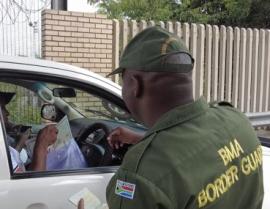
The Department of Social Development and the Border Management Authority (BMA) have committed to working together to address gaps in social service delivery at border crossings.

The two bodies held a high-level strategic meeting focusing on implementing the strategy for the employment of social workers and other social service professionals.

The meeting examined strengthening the partnerships between the two entities to address essential gaps in social service delivery, particularly in cross-border contexts.

The session, chaired by Acting Deputy Director-General for Corporate Support Services Lumka Oliphant, explored avenues for collaboration. This included building synergies between social service professionals and border management officials, recognising the vital role social workers play in protecting vulnerable groups including undocumented migrants, victims of human trafficking, and children in need of care and protection. 

Amanda Vokwana, the department’s Director of Organisational Development and HR Planning, outlined the strategy for the employment of social workers and other social service professionals. 

The strategy was developed as part of a broader government effort to employ 55 000 social service professionals by 2030, in alignment with the National Development Plan. 

“This strategy is not just a vision; it is a collective commitment to building a social service sector that is responsive to the needs of our communities. It seeks to address the employment gaps faced by social workers while ensuring that their skills are effectively utilised in both the public and private sectors,” Vokwana said at Friday’s meeting.

This as the country continues to face pressing social ills, including poverty, substance abuse, gender-based violence, child-headed households, and human trafficking, she emphasised. 

The strategy provides a framework for recruiting, training, and retaining qualified social service professionals to tackle these issues. It also introduces a funding and deployment model to ensure professionals are placed where they are needed most, including in border management operations.

Vulnerable groups 

A significant part of the meeting held in Pretoria focused on a proposal for collaboration between the department and the BMA.
The proposal presented by Oliphant underscored the vital need to integrate social workers into the BMA’s operations, particularly in addressing the challenges faced by vulnerable groups. 

Oliphant highlighted that, like the South African National Defence Force, the South African Police Service, and the Department of Correctional Services, the Border Management Authority also requires dedicated social workers.
“Border posts are high-risk environments where social vulnerabilities intersect with security concerns.

“Social workers play an essential role in ensuring that individuals, especially children and victims of trafficking, receive the necessary psychosocial support and interventions in line with legislative frameworks,” she explained. 

Beyond assisting vulnerable groups, Oliphant stressed that social workers would also be instrumental in supporting the Border Management Authority’s personnel who are frequently exposed to traumatic and high-pressure situations.

“Border officials often deal with emotionally taxing cases, from human trafficking survivors to desperate asylum seekers. Having in-house social workers would provide much-needed psychological support and trauma counselling, ensuring the well-being of both staff and those they serve.

“With the growing complexities of migration and border-related social issues, it is critical that social service professionals are part of border management processes. Their expertise in psychosocial support, child protection, and victim assistance will enhance the effectiveness of our interventions,” she said. 

The Deputy Assistant Commissioner of the Border Management Authority, Peter Mphilo, acknowledged the financial constraints that have hindered the establishment of an independent social services unit within the agency.

While recognising the initial intent to develop internal capacity, he emphasised the necessity of collaboration with the Department of Social Development and provincial stakeholders. 

“We appreciate the assistance and cooperation from the provinces. The demand for social services at our border posts far exceeds supply, and this collaboration is critical in addressing those challenges,” Mphilo said. 

Infrastructure

He highlighted the need to assess infrastructure requirements at border posts, focusing on interception procedures, interview facilities, and the seamless handover of vulnerable individuals to inland social services.

“Mapping out the entire process, from the port of entry to final social service intervention, is crucial for us to determine what needs to be funded,” he added. 

Regarding funding strategies, Mphilo inquired about the role of donor funding and private sector involvement in the employment of social workers.

He stressed the importance of understanding whether private players directly fund social worker employment or contribute to broader organisational initiatives. 

Moving forward, the Border Management Authority aims to refine its strategy by aligning funding mechanisms, infrastructure planning, and service delivery models to support social service professionals operating within border management, effectively.
“We need to be guided in terms of requirements. A phased approach, where we employ one or two social workers per region to provide advisory services, would be beneficial.

“Currently, we rely on provinces for support, but their capacity varies, and assistance does not always arrive on time. Having dedicated social workers within border regions would help bridge this gap.”

Mphilo also emphasised the importance of ensuring compliance with legislative frameworks, particularly the Children’s Act, given that many women who cross borders irregularly do so with children. 

The presence of social workers at border posts would help facilitate proper child protection interventions.

The authority reaffirmed its commitment to continuing its partnership with the department, benefitting from its support, and actively participating in the broader interdepartmental task team to enhance social service provision within border management operations. – SAnews.gov.za

DikelediM
Mon, 03/03/2025 – 12:03
348 views

The Department of Social Development and the Border Management Authority (BMA) have committed to working together to address gaps in social service delivery at border crossings.

The two bodies held a high-level strategic meeting focusing on implementing the strategy for the employment of social workers and other social service professionals.

The meeting examined strengthening the partnerships between the two entities to address essential gaps in social service delivery, particularly in cross-border contexts.

The session, chaired by Acting Deputy Director-General for Corporate Support Services Lumka Oliphant, explored avenues for collaboration. This included building synergies between social service professionals and border management officials, recognising the vital role social workers play in protecting vulnerable groups including undocumented migrants, victims of human trafficking, and children in need of care and protection. 

Amanda Vokwana, the department’s Director of Organisational Development and HR Planning, outlined the strategy for the employment of social workers and other social service professionals. 

The strategy was developed as part of a broader government effort to employ 55 000 social service professionals by 2030, in alignment with the National Development Plan. 

“This strategy is not just a vision; it is a collective commitment to building a social service sector that is responsive to the needs of our communities. It seeks to address the employment gaps faced by social workers while ensuring that their skills are effectively utilised in both the public and private sectors,” Vokwana said at Friday’s meeting.

This as the country continues to face pressing social ills, including poverty, substance abuse, gender-based violence, child-headed households, and human trafficking, she emphasised. 

The strategy provides a framework for recruiting, training, and retaining qualified social service professionals to tackle these issues. It also introduces a funding and deployment model to ensure professionals are placed where they are needed most, including in border management operations.

Vulnerable groups 

A significant part of the meeting held in Pretoria focused on a proposal for collaboration between the department and the BMA.
The proposal presented by Oliphant underscored the vital need to integrate social workers into the BMA’s operations, particularly in addressing the challenges faced by vulnerable groups. 

Oliphant highlighted that, like the South African National Defence Force, the South African Police Service, and the Department of Correctional Services, the Border Management Authority also requires dedicated social workers.
“Border posts are high-risk environments where social vulnerabilities intersect with security concerns.

“Social workers play an essential role in ensuring that individuals, especially children and victims of trafficking, receive the necessary psychosocial support and interventions in line with legislative frameworks,” she explained. 

Beyond assisting vulnerable groups, Oliphant stressed that social workers would also be instrumental in supporting the Border Management Authority’s personnel who are frequently exposed to traumatic and high-pressure situations.

“Border officials often deal with emotionally taxing cases, from human trafficking survivors to desperate asylum seekers. Having in-house social workers would provide much-needed psychological support and trauma counselling, ensuring the well-being of both staff and those they serve.

“With the growing complexities of migration and border-related social issues, it is critical that social service professionals are part of border management processes. Their expertise in psychosocial support, child protection, and victim assistance will enhance the effectiveness of our interventions,” she said. 

The Deputy Assistant Commissioner of the Border Management Authority, Peter Mphilo, acknowledged the financial constraints that have hindered the establishment of an independent social services unit within the agency.

While recognising the initial intent to develop internal capacity, he emphasised the necessity of collaboration with the Department of Social Development and provincial stakeholders. 

“We appreciate the assistance and cooperation from the provinces. The demand for social services at our border posts far exceeds supply, and this collaboration is critical in addressing those challenges,” Mphilo said. 

Infrastructure

He highlighted the need to assess infrastructure requirements at border posts, focusing on interception procedures, interview facilities, and the seamless handover of vulnerable individuals to inland social services.

“Mapping out the entire process, from the port of entry to final social service intervention, is crucial for us to determine what needs to be funded,” he added. 

Regarding funding strategies, Mphilo inquired about the role of donor funding and private sector involvement in the employment of social workers.

He stressed the importance of understanding whether private players directly fund social worker employment or contribute to broader organisational initiatives. 

Moving forward, the Border Management Authority aims to refine its strategy by aligning funding mechanisms, infrastructure planning, and service delivery models to support social service professionals operating within border management, effectively.
“We need to be guided in terms of requirements. A phased approach, where we employ one or two social workers per region to provide advisory services, would be beneficial.

“Currently, we rely on provinces for support, but their capacity varies, and assistance does not always arrive on time. Having dedicated social workers within border regions would help bridge this gap.”

Mphilo also emphasised the importance of ensuring compliance with legislative frameworks, particularly the Children’s Act, given that many women who cross borders irregularly do so with children. 

The presence of social workers at border posts would help facilitate proper child protection interventions.

The authority reaffirmed its commitment to continuing its partnership with the department, benefitting from its support, and actively participating in the broader interdepartmental task team to enhance social service provision within border management operations. – SAnews.gov.za


Watch a Social Development and BMA to strengthen social services at border posts related video:

Stunning South Africa:

Have you visited MyPR?

MyPR.co.za offers free to publish press releases for your news site, blog or offline publication. Use the handy REPUBLISH facility or the Full Text RSS Feeds or just copy and paste.

Straton Electrical | Straton Solar | Straton Prepaid | Straton Plumbing | Straton IoT | Straton eBikes | BA Systems | Mbane Contracting | Reach Trust

Share this:

  • Share on X (Opens in new window) X
  • Share on Facebook (Opens in new window) Facebook
  • Print (Opens in new window) Print
  • Email a link to a friend (Opens in new window) Email
  • Share on LinkedIn (Opens in new window) LinkedIn
  • Share on Tumblr (Opens in new window) Tumblr
  • Share on WhatsApp (Opens in new window) WhatsApp
  • Share on Mastodon (Opens in new window) Mastodon
Category: NewsTag: ACT, Africa, African, critical, demand, Government, infrastructure, officials, ONE, Partnership, Pretoria, SA News, South Africa, Video, Women

If you feel strongly about this article then feel free to send MyZA a ‘Letter to the Editor’ using the submission form below:


Letter to the Editor

This field is for validation purposes and should be left unchanged.
If this is in response to an article please include that article title here or as the lead in for the first paragraph of your Letter below.

Separate tags with commas

Localise your letter by naming the city your words are about. Add relevant words describing your subject. Single comma separated words of no more than 5
Your Name(Required)
Your Name will be linked to the website below.
Your personal, business or social media web site
Choose NO to not set up a user account on MyZA. User Accounts will allow you to submit letters under your own Author Name

3 Latest Letters to the Editor:

  • Re: R8.5 Million Lotto Winner Claims Prize in Gqeberha

    Dear Editor This is indeed an exciting story for the community. Congratulations to the winner and may this bring positive change to Nomathamsanqa. As someone from KwaMashu, I understand the impact such winnings can have on township communities. Wishing the grandfather all the best. Regards Themba Zulu In Response to/From: R8.5 Million Lotto Winner Claims…

    18 September 2026
  • Re: Minister Tolashe and Postbank Black Cards

    Dear Editor I appreciate the Minister’s assurance regarding the smooth transition to Postbank Black Cards for grant beneficiaries. As a concerned citizen, I hope the government will ensure that all beneficiaries, especially elderly and vulnerable populations in areas like Soweto, receive adequate assistance during this transition period. The expansion of card replacement locations to include…

    18 September 2026
  • Lotto Winner Story

    Dear Editor This is indeed an exciting story for the community. Congratulations to the winner and may this bring positive change to Nomathamsanqa. Regards Willem Pieterse In Response to/From: R8.5 Million Lotto Winner Claims Prize in Gqeberha

    16 September 2026

About Guest

Previous Post:Confidence Building in New Vehicle Sales
Next Post:BMA suspends operations at five ports of entry

Reader Interactions

Comments

  1. Corny

    8 September 2026 at 12:10 am

    Fun South African Fact: Almost 80% of South Africa’s population is Christian

  2. Shivers

    28 August 2026 at 9:27 am

    Ag man! [Ach-man] This is the Afrikaans equivalent to “Oh man!” and is often used at the beginning of a sentence to express pity, resignation or irritation.Example: “Ag, man!” / “Ag, no man!” / “Ag, shame man!”

Copyright © 2026 · MyZA · All Rights Reserved · Powered by Stratlec Online