• Skip to main content
  • Skip to header right navigation
  • Skip to after header navigation
  • Skip to site footer
MyZA

MyZA

News, Directory, Events and Other Stuff

  • Social Media
  • Sport
  • World News
  • Home
  • Submit News
  • Directory
  • Events
  • Stratlec
  • TFSA
  • News
    • APO
    • Today’s Sport News
    • Todays Social Media and Tech Headlines
    • Today’s World News
    • Today’s SA Financial News
  • Contact
You are here: Home / Archives for Indonesia

Indonesia

27 November 2023

Indonesian Consulate General in Cape Town Holds Event Socializing 2024 Election, Indonesian Citizen Protection Abroad

Location: News

Consulate General of the Republic of Indonesia in Capetown, The Republic of South Africa
Download logo

The Consulate General of the Republic of Indonesia (KJRI) in Cape Town, in an effort to better protect Indonesian citizens abroad, held a socialization event to around 200 Indonesian citizens in the city (26/11). The activity aimed to increase the awareness of Indonesian citizens on the importance of self-reporting to the Consulate, as well as providing information on the upcoming 2024 General Election in Cape Town and its monitoring efforts.

In his remarks, the Consul General has made clear that the protection of Indonesian citizens is mandated by the 1945 Constitution and Law No. 37/1999 on Foreign Relations. This protection is considered a priority of the Government of the Republic of Indonesia, especially considering that Cape Town is one of the Indonesian missions in a region considered unsafe. The Consul General also emphasised the importance of Indonesian citizens exercising their political rights in the 2024 elections for President and Vice President as well as members of the House of Representatives, as a form of participation in determining democratic and quality national leadership.

Meanwhile, the Consul for Protocol and Consular Affairs in his presentation emphasised the importance of Indonesian citizens reporting themselves through the Peduli WNI Portal (peduliwni.kemlu.go.id). By registering Indonesian citizens' information on the portal, it is expected to make it easier for authorities to contact them or their families in their homeland in emergency situations such as war, social conflict, or natural disasters.

Regarding the 2024 General Election, PPLN Cape Town noted a number ship crews who have not been registered in the permanent voter list, and will be followed up immediately. Meanwhile, the General Election Committee in Cape Town emphasised that election monitoring is carried out to create quality elections.

One of the things that emerged during the event was the hope of the crew representatives present to be able to exercise their voting rights online, so that they can vote even though they are at sea. In response, PPLN Cape Town will forward this aspiration to the General Election Commission (KPU) as an effort to facilitate the democratic participation of Indonesian citizens in remote locations.

Distributed by APO Group on behalf of Consulate General of the Republic of Indonesia in Capetown, The Republic of South Africa.
Read moreIndonesian Consulate General in Cape Town Holds Event Socializing 2024 Election, Indonesian Citizen Protection Abroad
23 November 2023

The Philippine Embassy Participates in First ASEAN Film Festival in South Africa

Location: News

Department of Foreign Affairs, Republic of the Philippines
Download logo

The Philippine Embassy in Pretoria jointly organized the inaugural ASEAN Film Festival (AFF) in South Africa which was held from 17 to 19 November 2023 at The Bioscope Independent Cinema in Johannesburg.

The Embassy took the lead in the preparations for this flagship cultural diplomacy project which was also participated in by resident diplomatic missions of Indonesia, Malaysia, Myanmar, Singapore, Thailand  and Viet Nam. 

The AFF formally kicked off with a simple ceremony on 17 November 2023 which was attended by government officials, members of the diplomatic corps and the general public. The highlight of the program was the delivery of speeches by Ambassador Myint Swe of Myanmar on behalf of the ASEAN-Pretoria Committee (APC), and Director for Southeast Asia Raymond Medhurst of the Department of International Relations and Cooperation (DIRCO) representing the South African government. The screening of Bad Genius of Thailand immediately followed the ceremony.

In true ASEAN style, participating missions took the opportunity to showcase their respective culinary heritage, with the Philippines serving puto (steamed rice cake) and pichi-pichi (grated cassava).

The Philippines' Ang Dalawang Mrs. Reyes (The Two Mrs. Reyes) was the closing film of the AFF. Released by Star Cinema in 2018, it is a good representation of the emerging mainstream LGBTQI+ cinema in the Philippines. The film revolves around the themes of love, acceptance and forgiveness, which resonate well with the South African audience. 

Members of the Filipino community in South Africa also attended the screening who appreciated the film's modern and progressive view on gender and human relationships.

In his brief description of the film before the start of the screening, First Secretary and Consul Maurice A. Tiempo highlighted Philippine cinema's independent and rebellious spirit. He remarked:

Philippine cinema is always about pushing boundaries. Since the country produced its first film in 1919, Filipino filmmakers have experimented with various themes, narrative structures, as well as visual styles and techniques. Filipino filmmakers are also not afraid to tackle polarizing or taboo subjects.

There is also that strong tradition in Philippine cinema to use the powerful medium of film as a form of social commentary. Through the years, the Philippine film industry has produced a significant number of films which convey the aspiration of the Filipino people for a more inclusive and progressive Philippines.

To the delight of the crowd, the Embassy ended the screening by giving away Philippine home decors and other Filipiniana items as raffle prizes.

Reflecting on the Embassy's successful participation in the AFF, Philippine Ambassador to South Africa Noralyn Jubaira Baja said “The AFF offered a special platform for the Philippines and other ASEAN countries in showcasing, sharing and honoring the diverse and rich cinematic cultures of the region. Film has the transformative power to enhance cultural and people-to-people understanding between South Africa and the ASEAN region”. 

Distributed by APO Group on behalf of Department of Foreign Affairs, Republic of the Philippines.

Read moreThe Philippine Embassy Participates in First ASEAN Film Festival in South Africa
20 November 2023

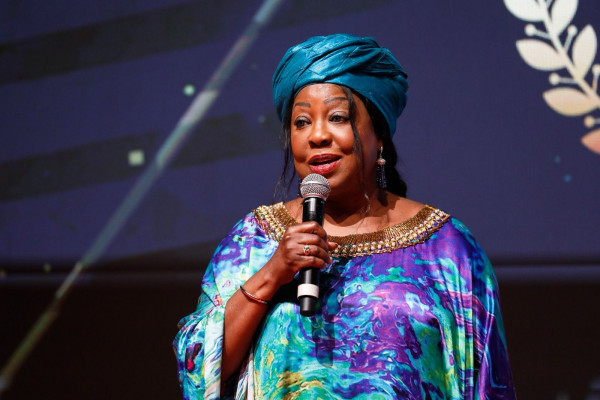
FIFA Secretary General receives Choiseul Grand Prix award in Casablanca

Location: Sport
FIFA

Fatma Samoura honoured in recognition of her achievements as Secretary General; Progress in women's football and development schemes central themes of speech; Vows to continue work against discrimination after stepping down at the end of the year.

Fatma Samoura has received the Choiseul Grand Prix award at a ceremony in Casablanca, Morocco, in recognition of her achievements during more than seven years as FIFA Secretary General.

Appointed in 2016 and the first female, African and Muslim Secretary General in over a century of FIFA history, Ms Samoura has since worked tirelessly alongside President Gianni Infantino to rehabilitate FIFA's image and increase transparency.

She has also been a staunch advocate for women's football, and her tenure has seen a major increase in the number of girls and women playing the game as FIFA work towards the goal of 60 million female players in organised football by 2026.

In her acceptance speech, Ms Samoura highlighted the success of the expanded FIFA Women's World Cup 2023, which saw nearly two million fans attend matches in Australia and Aotearoa New Zealand, and noted the significant impact the tournament would have not only on the women's game, but also society.

“As my journey with FIFA draws to a close, I have had some time to look back on the last seven-and-a-half years and see just how far we have come. FIFA itself has changed significantly. When I stepped into the role in June 2016, it was basically a toxic brand due to all the corruption scandals. So along with President Infantino, I had to take a leading role in cleaning up the organisation, inside and out. Today FIFA is a more accountable, better governed and more transparent organisation that puts football in the center of its activities, and I am hugely proud to have contributed in some small way to creating that.” said Ms Samoura at the event organised by Institut Choiseul, an independent, non-partisan and non-profit thinktank focused on finding solutions to economic challenges in Africa.

Ms Samoura has also contributed to changing the face of FIFA. Since the founding of the Women's Football (https://apo-opa.co/3G7NOrE) Division in 2016, the FIFA Council (https://apo-opa.co/46kZotR) now features seven female members, including one FIFA Vice-President, while over 40 percent of FIFA employees are female.

But she has also been a driving force behind development schemes such as the FIFA Football for Schools programme (www.FootballForSchools.FIFA.com), this week attending the launch in Ethiopia (https://apo-opa.co/46qshVE) as the East African nation became the 102nd of FIFA's 211 Member Associations (MAs) to join the initiative, which aims to give children around the world skills for life as well as football.

She also highlighted the benefits of the Talent Development Scheme (https://apo-opa.co/46j6ZsT), which provides the most promising young players a pathway to fully exploit their potential, and the FIFA Forward programme (https://apo-opa.co/49VJNUX), which funds MAs' football-related development projects and has seen a seven-fold increase in support since 2016.

The FIFA Talent Development Scheme (https://apo-opa.co/47DbFuR) helps raise the standards of national-team football around the world for both men and women. The scheme supports MAs in making the most of the talent available to them with FIFA approved a funding allocation of USD 200 million. FIFA's ambition is that by 2026, all MAs will have at least one high-performance centre of excellence for players between the ages of 12 and 16.

Ms Samoura was also a driving force behind FIFA's partnership with Agence Française de Développement (AFD) (https://apo-opa.co/3MRbDaG). The partnership has seen projects to mitigate Covid 19 effects, projects on mental health co-financed with the GIZ (the German Development Cooperation) (https://apo-opa.co/3sEkaXQ), and the Championnes programme. The Championnes programme is an important project that promotes leadership among girls and promotes gender equality in Africa through football.

The most recent co-financed FIFA/AFD initiative (https://apo-opa.co/3sEinC4) – with Play International and Diambars as implementation agencies – is an inclusive football academy programme launched in Djibouti, Malawi and Mauritania.

The benefits of these programmes in Africa can already been seen in recent FIFA tournaments including the FIFA Women's World Cup™️ which saw an increase to four African teams qualify for the finals, with a record three of them – Morocco, Nigeria and South Africa – reaching the knockout rounds. African nations have also impressed in the FIFA U-17 World Cup™️, currently being held in Indonesia. Three out of the four CAF nations – Morocco, Mali and Senegal – have qualified for the knockout rounds with Morrocco finishing top of their group.

The Football Unites the World campaign, and the wide range of social issues given greater visibility at the FIFA World Cup last year in Qatar and this year's FIFA Women's World Cup, such as gender equality and education for all, have all been causes close to Ms Samoura's heart during her time in office. She said she intends to keep promoting those issues when she steps down as FIFA Secretary General at the end of the year.

Distributed by APO Group on behalf of FIFA.

Download more images: https://apo-opa.co/3SMBEvO

Contact for African media: 
AfricanMedia@fifa.org

Media files
FIFA
Download logo
Read moreFIFA Secretary General receives Choiseul Grand Prix award in Casablanca
8 November 2023

“Governments are literally doubling down on fossil fuel production”

Location: News

United Nations Environment Programme (UNEP)
Download logo

A major new report published today finds that governments plan to produce around 110% more fossil fuels in 2030 than would be consistent with limiting warming to 1.5°C, and 69% more than would be consistent with 2°C.

This comes despite 151 national governments having pledged to achieve net-zero emissions and the latest forecasts which suggest global coal, oil, and gas demand will peak this decade, even without new policies. When combined, government plans would lead to an increase in global coal production until 2030, and in global oil and gas production until at least 2050, creating an ever-widening fossil fuel production gap over time.  

The report's main findings include:  

  • Given risks and uncertainties of carbon capture and storage and carbon dioxide removal, countries should aim for a near total phase-out of coal production and use by 2040, and a combined reduction in oil and gas production and use by three-quarters by 2050 from 2020 levels, at a minimum.
  • While 17 of the 20 countries featured have pledged to achieve net-zero emissions — and many have launched initiatives to cut emissions from fossil fuel production activities — none have committed to reduce coal, oil, and gas production in line with limiting warming to 1.5°C.
  • Governments with greater capacity to transition away from fossil fuels should aim for more ambitious reductions and help support the transition processes in countries with limited resources.

The 2023 Production Gap Report: “Phasing down or phasing up? Top fossil fuel producers plan even more extraction despite climate promises” is produced by Stockholm Environment Institute (SEI), Climate Analytics, E3G, International Institute for Sustainable Development (IISD) and the UN Environment Programme (UNEP). It assesses governments' planned and projected production of coal, oil, and gas against global levels consistent with the Paris Agreement's temperature goal.

“Governments are literally doubling down on fossil fuel production; that spells double trouble for people and planet,” said UN Secretary-General António Guterres. “We cannot address climate catastrophe without tackling its root cause: fossil fuel dependence. COP28 must send a clear signal that the fossil fuel age is out of gas — that its end is inevitable. We need credible commitments to ramp up renewables, phase out fossil fuels, and boost energy efficiency, while ensuring a just, equitable transition.”

July 2023 was the hottest month ever recorded, and most likely the hottest for the past 120,000 years, according to scientists. Across the globe, deadly heat waves, droughts, wildfires, storms, and floods are costing lives and livelihoods, making clear that human-induced climate change is here. Global carbon dioxide emissions — almost 90% of which come from fossil fuels — rose to record highs in 2021–2022.  

“Governments' plans to expand fossil fuel production are undermining the energy transition needed to achieve net-zero emissions, throwing humanity's future into question,” said Inger Andersen, Executive Director of UNEP. “Powering economies with clean and efficient energy is the only way to end energy poverty and bring down emissions at the same time."

“Starting at COP28, nations must unite behind a managed and equitable phase-out of coal, oil and gas — to ease the turbulence ahead and benefit every person on this planet,” she added.

The 2023 Production Gap Report provides newly expanded country profiles for 20 major fossil-fuel-producing countries: Australia, Brazil, Canada, China, Colombia, Germany, India, Indonesia, Kazakhstan, Kuwait, Mexico, Nigeria, Norway, Qatar, the Russian Federation, Saudi Arabia, South Africa, the United Arab Emirates, the United Kingdom of Great Britain and Northern Ireland, and the United States of America. These profiles show that most of these governments continue to provide significant policy and financial support for fossil fuel production.

“We find that many governments are promoting fossil gas as an essential ‘transition' fuel but with no apparent plans to transition away from it later,” says Ploy Achakulwisut, a lead author on the report and SEI scientist. “But science says we must start reducing global coal, oil, and gas production and use now — along with scaling up clean energy, reducing methane emissions from all sources, and other climate actions — to keep the 1.5°C goal alive.” 

 Despite being the root cause of the climate crisis, fossil fuels have remained largely absent from international climate negotiations until recent years. At COP26 in late 2021, governments committed to accelerate efforts towards “the phasedown of unabated coal power and phase-out of inefficient fossil fuel subsidies”, though they did not agree to address the production of all fossil fuels.

“COP28 could be the pivotal moment where governments finally commit to the phase-out of all fossil fuels and acknowledge the role producers have to play in facilitating a managed and equitable transition,” says Michael Lazarus, a lead author on the report and SEI US Centre Director. “Governments with the greatest capacities to transition away from fossil fuel production bear the greatest responsibility to do so while providing finance and support to help other countries do the same.”

More than 80 researchers, from over 30 countries, contributed to the analysis and review, spanning numerous universities, think tanks and other research organizations.  

Reactions to the 2023 Production Gap Report

"The writing's on the wall for fossil fuels. By mid-century we need to have consigned coal to the history books, and slashed oil and gas production by at least three quarters — well on the way to a full fossil phase-out. Yet despite their climate promises, governments plan on ploughing yet more money into a dirty, dying industry, while opportunities abound in a flourishing clean energy sector. On top of economic insanity, it is a climate disaster of our own making.” – Neil Grant, Climate and Energy Analyst, Climate Analytics
 

"Despite governments around the world signing up to ambitious net zero targets, global coal, oil and gas production are all still increasing while planned reductions are nowhere near enough to avoid the worst effects of climate change. This widening gulf between governments' rhetoric and their actions is not only undermining their authority but increasing the risk to us all. We are already on track this decade to produce 460% more coal, 82% more gas, and 29% more oil than would be in line with the 1.5°C warming target. Ahead of COP28, governments must look to dramatically increase transparency about how they will hit emissions targets and bring in legally binding measures to support these aims." – Angela Picciariello, Senior Researcher, IISD 
 

“With demand for coal, oil and gas set to peak this decade even without additional policies, it's clear that the new economic reality is becoming one of clean energy growth and fossil fuel decline — yet governments are failing to plan for the reality of the inevitable energy transition. Continuing investments into new fossil fuel production as global demand for coal, oil and gas narrows is a near term economic gamble for all but the cheapest producers. And climate damages will be aggravated further unless we stop fossil fuel expansion now. The time is now for governments to take control of the clean energy transition and align their policies with the reality of what's needed for a climate-safe world.“ – Katrine Petersen, Senior Policy Advisor at E3G

Distributed by APO Group on behalf of United Nations Environment Programme (UNEP).

Read more“Governments are literally doubling down on fossil fuel production”
18 October 2023

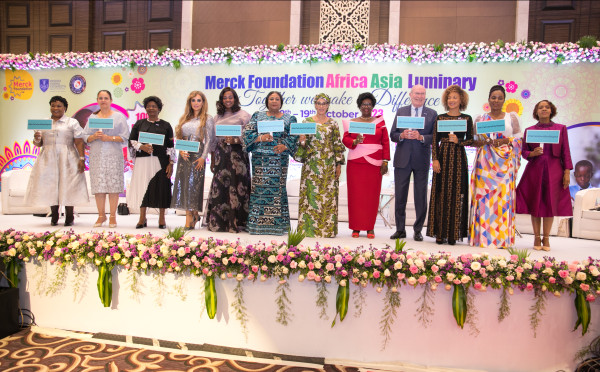
Merck Foundation Chairman and Chief Executive Officer (CEO) with African First Ladies inaugurate their 10th Africa Asia Luminary 2023 in India

Location: News
Merck Foundation

Prof. Dr. Frank Stangenberg-Haverkamp, Senator Dr. Rasha Kelej and African First Ladies of Botswana, Burundi, Cabo Verde, Central African Republic, The Gambia, Ghana, Liberia, Malawi, Democratic Republic of São Tomé and Príncipe, Zimbabwe, Democratic Republic of Congo, to inaugurate 10th Edition of Merck Foundation Africa Asia Luminary 2023 (http://www.Merck-Foundation.com); More than 10,000 participants including healthcare providers, policymakers, researchers, academia and media representatives from 70 English, French, Spanish and Portuguese speaking countries attended the Luminary through hybrid model to benefit from five parallel  scientific and social sessions to  advance healthcare capacity and awareness in 42 critical and underserved medical specialties; Celebrating 6th Anniversary of Merck Foundation and marking 11-year journey of their development programs, during 2023 Luminary; Merck Foundation reported the impact of providing 1700 scholarships to doctors from 50 countries in 42 critical and underserved specialties such as; Oncology, Diabetes, Cardiovascular Preventive, Endocrinology, Fertility, Embryology, Reproductive Care, Respiratory Care, Acute and Intensive Care, Neonatal Care, Pediatric Emergency, Advanced Surgery, Microbiology & Infectious Diseases, Internal Medicine, Ophthalmology, Psychiatry, Palliative Care and Pain Management and more; Merck Foundation marked Cancer Awareness Month during their annual conference.

Merck Foundation, the philanthropic arm of Merck KGaA Germany, conducted their annual conference, the 10th Edition of “Merck Foundation Africa Asia Luminary”, in partnership with Tata Memorial Centre and Department of Atomic Energy, Ministry of External Affairs, Ministry of Home Affairs, Ministry of Health of India, State Protocol Office of Government of Maharashtra and Krishna  World University, Karad, on the 18th of October 2023 in Mumbai, India. The conference was inaugurated by Prof. Dr. Frank Stangenberg-Haverkamp, Chairman of Merck Foundation Board of Trustees, and Senator, Dr. Rasha Kelej, CEO of Merck Foundation and Chairperson of Merck Foundation Africa Asia Luminary, along with African First Ladies of 11 countries;

  • H.E. Mrs. NEO JANE MASISI, The First Lady of the Republic of Botswana
  • H.E. Madam ANGELINE NDAYISHIMIYE, The First Lady of the Republic of Burundi
  • H.E. Dr. DÉBORA KATISA CARVALHO, The First Lady of the Republic of Cabo Verde
  • H.E. Madam BRIGITTE TOUADERA, The First Lady of Central African Republic
  • H.E. Mrs. FATOUMATTA BAH-BARROW, The First Lady of the Republic of The Gambia
  • H.E. Mrs. REBECCA AKUFO-ADDO, The First Lady of the Republic of Ghana
  • H.E. Mrs. CLAR MARIE WEAH, The First Lady of the Republic of Liberia
  • H.E. Mrs. MONICA CHAKWERA, The First Lady of the Republic of Malawi
  • H.E. Mrs. MARIA DE FATIMA VILA NOVA, The First Lady of the Democratic Republic of São Tomé and Príncipe
  • H.E. Amai Dr. AUXILLIA MNANGAGWA, The First Lady of the Republic of Zimbabwe
  • H.E. Madam DENISE NYAKERU TSHISEKEDI, The First Lady of the Democratic Republic of The Congo

Senator Dr. Rasha Kelej, CEO of Merck Foundation and Chairperson of Merck Foundation Africa Asia Luminary emphasized, “I am very proud to welcome our Guests of Honors and Keynote Speakers, the First Ladies of Africa and Ambassadors of “More Than a Mother” Campaign, for our annual conference that we have conducted first time in India. Together, we shared experiences and discussed the impact of our programs to transform patient care and raise awareness on a wide range of sensitive and critical social and health. Today we are also marking together Cancer Awareness Month, it is great to remember that Merck Foundation provided 138 scholarships of Oncology Training in many sub-specialties to doctors from 37 African countries, many of them have become the first oncologists in their countries. We are making history together in Africa, with our Ambassadors, First Ladies of Africa and our partners, Tata Hospital and Krishna University.”

Prof. Dr. Frank Stangenberg-Haverkamp Chairman of both of Executive Board of E.Merck KG and Merck Foundation Board of Trustees expressed “At Merck Foundation, our goal is improving overall health and well-being by building healthcare capacity and by providing access to quality & equitable healthcare solutions in the Africa, Asia and beyond. I would like to thank our partners, African First Ladies and Health Experts, Policy Makers, Government Officials, Academia and Media from more than 70 countries to join hands with us in order to realize the vision of Merck Foundation that “Everyone can lead a Healthy and Happy life.”

“I am proud to share that Merck Foundation has provided more than 1700 scholarships to young doctors from 50 countries in 42 critical and underserved specialties such as Oncology and Cancer care, Diabetes, Endocrinology, Cardiovascular, Fertility Care, Embryology, Sexual & Reproductive Medicine, Internal Medicine, Respiratory Medicine, Acute Medicine, Critical Care, Pediatric Emergency, Gastroenterology, Rheumatology, Clinical Psychiatry, Urology, Ophthalmology, General Surgery, Trauma & Orthopedic, Dermatology, Neonatal Care, Pain Management, Clinical Microbiology & Infectious Diseases, Advanced Surgical Practice, Neuroimaging for Research and more. Many of them are becoming the first specialists in their countries. Many of these scholarships were conducted in India where a state of art clinical training was provided at the prestigious training institutions of our partners such as Tata Memorial Center, Manipal University, Maharashtra University, Krishna University, Indra IVF Training and more. Therefore, we are very happy to be this year in India to celebrate our 10 years partnership with our respectable Indian partners”, added Senator Kelej.  

During the 10th Edition of Merck Foundation Africa Asia Luminary, the First Ladies of 11 African Countries, also the Ambassadors of Merck Foundation “More Than a Mother”, celebrated the 6th Anniversary of Merck Foundation and marked the 11-year journey of Merck Foundation development programs that started in 2012.

During the day 1 of the conference, the Plenary Session of Merck Foundation Africa Asia Luminary 2023 was held, during which a high-level panel meeting of Merck Foundation First Ladies Initiative Summit was conducted.

Day 2 of the conference will have important five parallel Medical and Scientific Sessions on Oncology, Diabetes & Hypertension, Fertility and Reproductive Care, and medical capacity building of other specialties such as; respiratory, acute care, emergency pediatric and neonatal care and more. Additionally, a community awareness session, the Merck Foundation Health Media Training session will also be conducted for the African journalists, to emphasize on the important role that they play to influence the community to create a cultural shift with the aim to Break Infertility Stigma, Support Girl Education, Stop GBV, End Child Marriage, End FGM, and Women Empowerment at all levels.

Countries participating in the 10th Edition of Merck Foundation Africa Asia Luminary include:

Angola, Bangladesh, Benin, Botswana, Burkina Faso, Burundi, Cameroon, Canada, Central Africa Republic, Cambodia, Chad, Côte d'Ivoire, Republic of the Congo, Democratic Republic of the Congo, Egypt, Ethiopia, France, Gabon, Germany, Ghana, Guinea – Bissau, Guinea – Conakry, India, Indonesia, Kenya, Lesotho, Liberia, Malawi, Malaysia, Mali, Mauritania, Mauritius, Mexico, Mozambique, Myanmar, Namibia, Nepal, Niger, Nigeria, Peru, Philippines, Russia, Rwanda, Senegal, Sierra Leone, Somalia, South Africa, Sri Lanka, Sudan, Tanzania, Thailand, The Gambia, Togo, Tunisia, U.A.E, UK, Uganda, US, Vietnam, Zambia, Zimbabwe and more.

The 10th Edition of Merck Foundation Africa Asia Luminary 2023 was streamed live on the social media handles of Merck Foundation (https://apo-opa.info/3Ykd3hH) and Senator, Dr. Rasha Kelej (https://apo-opa.info/3SfA0AF).

Link to the Facebook live steam of Inaugural Session of Merck Foundation Africa Asia Luminary & African First Ladies High Level Panel: https://apo-opa.info/3RYXLPa

Summarizing Merck Foundation's initiatives and impact:

Merck Foundation is transforming the Patient care landscape and making history together with its partners in Africa, Asia, and beyond, through:

• 1700+ Scholarships provided by Merck Foundation for doctors from 50 Countries in 42 critical and underserved medical specialties.  

Merck Foundation is also creating a culture shift and breaking the silence about a wide range of social and health issues in Africa and underserved communities through:

• 3000+ Media Persons from more than 30 countries trained to better raise awareness about different social and health issues

• 8 Different Awards launched annually for best media coverage, fashion designers, films, and songs

• Around 30 songs to address health and social issues, by local singers across Africa

• 8 Children's Storybooks in three languages - English, French, and Portuguese

• 7 Awareness Animation films in four languages - English, French, Portuguese and Spanish to raise awareness about prevention and early detection of Diabetes & Hypertension and supporting girl education.

• Pan African TV Program "Our Africa by Merck Foundation” addressing Social and Health Issues in Africa through “Fashion and ART with Purpose” Community

• 1000+ Girls from 15 African countries supported through scholarships or school items, annually.

• 12 Social Media Channels with more than 5 Million Followers.

Distributed by APO Group on behalf of Merck Foundation.

Media contact:
Mehak Handa 
Community Awareness Program Manager 
+91 9310087613/ +91 9319606669  
mehak.handa@external.merckgroup.com 

Join the conversation on our social media platforms below and let your voice be heard:
Facebook: https://apo-opa.info/3Ykd3hH
Twitter: https://apo-opa.info/3Yo3y11
YouTube: https://apo-opa.info/3CNFGLa
Instagram: https://apo-opa.info/3lsqM7q
Flickr: https://apo-opa.info/3JT8BSC
Website: Merck-Foundation.com
Download the Merck Foundation App: https://apo-opa.info/3xeJMsI

About Merck Foundation:
The Merck Foundation, established in 2017, is the philanthropic arm of Merck KGaA Germany, aims to improve the health and wellbeing of people and advance their lives through science and technology. Our efforts are primarily focused on improving access to quality & equitable healthcare solutions in underserved communities, building healthcare and scientific research capacity and empowering people in STEM (Science, Technology, Engineering, and Mathematics) with a special focus on women and youth. All Merck Foundation press releases are distributed by e-mail at the same time they become available on the Merck Foundation Website. Please visit Merck-Foundation.com to read more. To know more, reach out to our social media: Merck Foundation (Merck-Foundation.com); Facebook (https://apo-opa.info/3Ykd3hH), Twitter (https://apo-opa.info/3Yo3y11), Instagram (https://apo-opa.info/3lsqM7q), YouTube (https://apo-opa.info/3CNFGLa), and Flickr (https://apo-opa.info/3JT8BSC).

Media files
Merck Foundation
Download logo
Read moreMerck Foundation Chairman and Chief Executive Officer (CEO) with African First Ladies inaugurate their 10th Africa Asia Luminary 2023 in India
3 October 2023

Unmatched Asia: Top destinations for South Africans to visit in 2023.

Location: MyPR

Unmatched Asia: Top destinations for South Africans to visit in 2023: South Africans in need of a break or holiday should look no further than alluring Asia, offering striking scenery, a smorgasbord of unique culinary experiences, and some of the most wonderful travel experiences. South Africans may be spoiled for choice when it comes to …

Read moreUnmatched Asia: Top destinations for South Africans to visit in 2023.
20 September 2023

The Evolution of Skyworth TVs: A Journey Through Time

Location: MyPR

Introduction In the realm of television technology, few brands have made as significant an impact as Skyworth TV. With its roots deeply embedded in innovation and a commitment to excellence, Skyworth has carved a niche for itself in the global TV market. But what is the story behind this brand that has become synonymous with …

Read moreThe Evolution of Skyworth TVs: A Journey Through Time
19 September 2023

Young scientists to compete for top honours at Eskom Expo International Science Honest

Location: MyPR

This year’s Eskom Expo for Young Scientists International Science Fair (ISF) is set to be a global showcase of talent, featuring participants from 35 regions across South Africa, alongside international learners from 10 countries. From 3 to 6 October 2023, a total of 330 local young scientists and 20 participants from Ghana, India, Kenya, Lesotho, …

Read moreYoung scientists to compete for top honours at Eskom Expo International Science Honest
11 September 2023

President Ramaphosa welcomes inclusion of AU into G20

Location: News

President Ramaphosa welcomes inclusion of AU into G20

President Cyril Ramaphosa has welcomed the membership of the African Union (AU) in the G20, the premier forum for global economic, trade and financial dialogue for growth and sustainable development.

President Ramaphosa concluded his working visit to New Delhi, India, from 9 - 10 September, where he addressed the G20 Leaders’ Summit, held under the theme: ‘One Earth, One Family and One Future’.

The inclusion of the AU in the G20 comes after President Ramaphosa advocated for the AU’s membership in the G20 during the 2022 summit in Bali, Indonesia. 

The President appreciated India's Presidency in hosting an inclusive summit and placing the interest of the global South firmly on the agenda. He further acknowledged G20 member States, who supported the AU's inclusion.

“The participation of the AU will strengthen global economic governance and allow African countries to own and influence decisions on key issues,” President Ramaphosa said. 

On the margins of the New Delhi G20 Summit, South Africa participated in the EU-African Leaders’ Meeting attended by the Presidents of the European Council and Commission; African Heads of State invited to attend the G20 summit; the African Union Commission (AUC); Heads of the International Monetary Fund (IMF), and the World Bank. 

The purpose of the meeting was to, among others, discuss the AU’s G20 membership; food security, grain and fertiliser supply, and the reform of the global financial architecture.

South Africa used the summit to advocate for an enhanced and expanded Global Partnership for Sustainable Development to meet climate change commitments.

“South Africa welcomes the Indian Presidency’s efforts to accelerate progress on the Sustainable Development Goals.  The achievement of the SDGs must remain at the centre of international financing discussions to ensure that finance is mobilised in sufficient quantities and of suitable quality to support development in low- and middle-income countries,” President Ramaphosa said. 

President Ramaphosa said he looks forward to working closely with President Lula da Silva as Brazil prepares to take over the Presidency of the G20 in 2024, and to build on the foundation laid by India. 

South Africa will assume the G20 Presidency in 2025. – SAnews.gov.za


DikelediM
Mon, 09/11/2023 - 10:07

1308 views
Read morePresident Ramaphosa welcomes inclusion of AU into G20
10 September 2023

AU joins G20 as a permanent member

Location: News

AU joins G20 as a permanent member

President Cyril Ramaphosa has welcomed the admission of the African Union as a member of the Group of Twenty (G20).

“We are delighted that the G20 has accepted the African Union as a member of the G20,” the President said on Saturday.

G20 is the premier forum for international economic cooperation and it plays an important role in shaping and strengthening global architecture and governance on all major international economic issues. 

The group comprises of 19 countries (Argentina, Australia, Brazil, Canada, China, France, Germany, India, Indonesia, Italy, Japan, Republic of Korea, Mexico, Russia, Saudi Arabia, South Africa, Türkiye, United Kingdom, and United States) and European Union.

The G20 members represent around 85% of the global GDP, over 75% of the global trade, and about two-thirds of the world population.

In his statement on the Working Session I: One Earth G20 Leaders’ Summit, which took place in New Delhi, India, President Ramaphosa called for countries to respond collectively, decisively and with urgency to climate change.

“No country is spared the effects of climate change. It is vital that industrialised countries, which have the means and which carry the greatest responsibility for climate change, support sustainable development in developing economies.

“For us to realise the vision of People, Planet and Prosperity, we need to meet our respective commitments and responsibilities. In so doing, we will be helping to create a world that is more equitable, more resilient and more sustainable,” the President said.

He said global reconstruction in the wake of the COVID-19 pandemic presents a unique opportunity to accelerate the transition to low-carbon, climate resilient, sustainable societies.

“Developing economies are bearing the brunt of climate change, despite carrying the least responsibility for this crisis. As African and other developing economy countries, we face the task of meeting our climate commitments in the midst of significant developmental challenges like poverty, inequality and unemployment.

“Climate change, environmental degradation, unsustainable consumption and production and resource scarcity are challenges that can only be addressed collectively and with a great deal of solidarity. South Africa calls for an enhanced and expanded Global Partnership for Sustainable Development,” the President said.

He said these efforts must be supported by the concrete policies and actions outlined in the Addis Ababa Action Agenda on Financing for Development.

“Access to adequate and predictable financial resources from a variety of public and private sources is critical if we are to achieve the Sustainable Development Goals.

“Development partners need to both meet their existing commitments and upscale Official Development Assistance. Ordinary people see billions of dollars being spent on the weapons of war instead of addressing development challenges.

“In particular, development partners need to meet their commitments to capacity building and infrastructure development in low- and middle-income countries,” the President said. – SAnews.gov.za


nosihle
Sun, 09/10/2023 - 09:34

178 views
Read moreAU joins G20 as a permanent member
7 September 2023

The key to Africa’s industrialisation process and ending the region’s massive energy poverty

Location: News
African Energy Chamber

By Jason Mitchell

Africa's vast natural gas reserves are key to bringing energy to Africa's poorest countries, to a solid industrialisation process throughout the region and to significant poverty reduction.

The region is home to 33 of the world's 46 least-developed countries (LDCs) with an average income per head of less than $1,018 a year. The continent's poorest countries must expand at 6-7% a year if poverty is to be reduced in a big way and if the life chances of hundreds of millions of people are to be improved. To achieve this goal, these countries require abundant and cheap energy. Luckily, for many African states, the answer lies on their own doorstep — natural gas. Gas has remained a niche fuel in sub-Saharan Africa — contributing only 5% of the total energy mix against a global average of 20-25% — but its potential is enormous.

A new vision for Africa is required — a criss-crossing network of natural gas pipelines that brings energy to all corners of the region. The continent's contribution to global greenhouse gas emissions is tiny and will only become slightly bigger if the region's natural gas reserves are exploited. There is also a massive opportunity to wean poor Africans away from the use of biomass fuel and to help protect the region's forests through the rollout of small, liquified petroleum gas (LPG) stoves. Climate change is an issue in Africa but poverty reduction is a bigger one. Poverty is the biggest killer in Africa today.

It's very hard for Europeans and North Americans to imagine what it's like to live on under $1,018 a year, to not have readily available electricity, to not have a refrigerator or a washing machine, to not have a car, to not have a lawnmower, to not be able to fly from one country to another cheaply, to not have electricity in the school or the workplace and to have to use firewood or charcoal for cooking purposes. Fossil fuels have been at the heart of the Industrial Revolution that has brought prosperity and better living standards to the developed world. People in the First World must be very careful if they decide to deny Africans the same chance to prosper.

Africa has the lowest energy use per capita in the world — the average electricity use of a sub-Saharan African resident is lower than that of a household fridge in the United States. Average consumption per person in sub-Saharan Africa, excluding South Africa, is a mere 185 kilowatt-hours (kWh) a year, compared with about 6,500kWh in Europe and 12,700kWh in the US. Every year San Antonio, Texas, with a population of 1.5m people, uses as much electricity as the whole of Nigeria, with 203m people. Golden, Colorado, a small town with only 19,000 people, uses as much electricity as Chad, a country with 16m people.

The UN's Sustainable Development Goal Seven aims to “ensure access to affordable, reliable, sustainable and modern energy for all” by the year 2030. That's a tall order. In 2019, 917m people in Africa (around 80% of the region's population) relied on wood, charcoal, kerosene, animal and crop waste or other solid fuels to cook their food and heat their homes. The International Energy Agency (IEA) reports that almost 490,000 people die prematurely every year in sub-Saharan Africa from household air pollution-related causes — stemming from the lack of access to clean cooking facilities. Gas is a much cleaner form of cooking than biomass and its use should be encouraged. Biomass burning-power plants emit 300-400% more CO2 than natural gas per unit energy produced. Natural gas emits almost 50% less carbon dioxide than coal. 

Africa has one-fifth of the world's population but contributes only 3% to global greenhouse gas emissions. Incredibly, some 48 sub-Saharan African countries, excluding South Africa, have an estimated share of global emissions of only 0.55%. The fact is that many African states are already at net zero. If the continent were to use an additional 90bn cu m of natural gas per year — or 50% more than today — the resulting emissions would only raise Africa's cumulative contribution to global carbon emissions to 3.5% (ten gigatonnes) by the year 2050, according to the IEA. It really is a tiny increase compared to the chance of reducing poverty levels for hundreds of millions of poor people. If Africa is to provide universal electricity access by 2030 it would have to almost double its total generation capacity from around 260gw today to 510gw. 

Almost half the continent's 55 countries have proven natural gas reserves. Across the region, natural gas reserves amount to around 17.5trn cubic metres (cu m), making up around 9% of the world's total gas reserves. They are considerable in northern Africa (accounting for 45% of African reserves) and western Africa (32%), in particular. Commercial quantities of natural gas have been found in many African countries.

Previously, only four countries from the region have been major natural gas production hubs: Nigeria (with total gas reserves of 5.8trn cu m), Algeria (4.5trn cu m), Egypt (2.2trn cu m) and Libya (1.5trn cu m). These four accounted for 78% of African gas reserves in 2021 (https://apo-opa.info/48gDBWG), according to the United States Energy Information Administration.

However, seven African countries — Mozambique, Senegal, Tanzania, Mauritania, South Africa, Ethiopia and Morocco — with no history of fossil gas exploitation have now opened up their doors to gas projects. Some 84% of new reserves in the pre-production stage are found in these states — total new reserves amount to 5.1trn cu m. Mozambique has re-production reserves of 2.3trn cu m, Senegal 779bn cu m, Mauritania 575bn cu m, Tanzania 512bn cu m, South Africa 96bn cu m, Ethiopia 42bn cu m and Morocco 39bn cu m.

Furthermore, major untapped reserves have been discovered in Angola, Cameroon, Ghana, Equatorial Guinea, the Republic of the Congo, Kenya and Uganda. A number of these states — including Mozambique, Tanzania, Mauritania and Senegal — are actively marketing natural gas to capitalise on recent discoveries. In fact, the IEA has declared Africa the ‘new frontier' in global oil and gas.

The big four gas-producing countries will continue to dominate gas production in the near term but experts estimate that Mozambique and the other new entrants will contribute more than 50% of the region's gas production by 2038.

Natural gas can be used for electricity generation, industry and domestic use. Crucially, harnessing Africa's gas could provide the baseload power needed to boost Africa's capacity to process its raw materials locally. It could provide enough energy for industrial processes, including steel and cement production and paper and pulp manufacturing. It could be also used to make fertiliser to raise agricultural yields. Renewables, including solar and wind, cannot yet provide enough energy for these purposes.

The huge reserves of gas can play a significant role in the continent's energy transition, as natural gas has a much lower carbon footprint than oil and coal. Critically, natural gas development and renewable power are not mutually exclusive. If Africa were to triple its use of natural gas, the United Nations Economic Commission for Africa (Uneca) estimates that the region would be able to increase its use of renewable energy eight-fold. Reliable forms of energy such as gas can be used to stabilise a grid powered by intermittent sources such as wind and solar. It can play a key role in a ‘just' energy transition.

However, expanding gas supply across Africa would require a whole web of new gas pipelines and that does not come cheap. A lot of the gas from the new projects already under way in Africa is destined for international markets, including the European Union — which have been seeking new sources of energy since the Ukraine crisis — but it is vital that the region's gas reserves are deployed for domestic use, as well. Nigeria, for example, sits on the continent's largest known natural gas reserves but only 55% of the population had access to secure electricity in 2020.

Multilateral financial institutions (MFIs) — many of which are headquartered in the developed world — are now shying away from investing in natural gas projects in Africa because of pressure from a vociferous green lobby. In 2021, 20 countries — including almost all the world's big, rich democracies — pledged to stop almost all financing of new fossil fuel projects internationally by the end of 2022. Furthermore, under the Glasgow Financial Alliance for Net Zero (GFANZ), 450 financial firms across 45 countries, responsible for over $130trn in assets, committed to accelerate the global decarbonisation process. The problem is that most Western governments and financial institutions do not distinguish between coal, oil and gas, and the pressure to stop funding all hydrocarbons has negatively impacted gas projects in Africa in a big way.  

Some of the continent's biggest financiers — including the African Development Bank (AfDB) — are finding it increasingly difficult to support gas project developments that require loan syndication and foreign partners. The World Bank is pulling back, too. Local banks cannot finance major gas projects on their own, as they are limited by their capital base. In particular, the fossil fuels divestment campaign is having a big impact on the amount of development and concessional finance available. This kind of finance used to support a number of gas projects for their poverty-reducing and economic development value.

For example, without the guarantees of development finance institutions (DFIs), most of Africa's recent gas-to-power plants would have never been built in the first place. The withdrawal of development finance from downstream gas and gas-to-power projects is a serious cause for concern for Africa's electrification effort and moving the needle on energy access.

Furthermore, there is a glaring double standard — many European countries have increased their use of hydrocarbons (coal as well as gas) since Russia's invasion of Ukraine. They are constructing new fossil fuel pipelines at home. The EU recently classified natural gas a ‘green' fuel, which will allow Europe's projects to be backed by investors committed to environmental, social and governance (ESG) principles. European countries are now looking towards African states for new sources of gas. However, they are not prepared to back new gas projects in Africa that would supply the fuel to the region itself. That smacks of hypocrisy of the worst kind. How can you deny the poorest people in the world the sort of energy that you want to use yourselves?

Lumping all hydrocarbons together is a blunt policy mechanism that is not good from an emissions perspective either. In poorer places, like sub-Saharan Africa, the available alternative to gas is not renewable electricity but rather coal, diesel and, most of all, polluting biomass. In sub-Saharan Africa, demand for biomass fuels is expected to surge by 40% by the year 2040 if ‘business as usual' continues. The burning of biomass is a major contributor to global carbon emissions and charcoal has been a top driver of tropical forest loss during the past two decades, with the greatest footprint in Africa. The continent's carbon sinks need protecting and the irony is that the greater use of gas would achieve that.

Africa is home to 18% of humanity but receives less than 5% of global energy investment. And much of this investment goes on producing oil and gas for export. There must be much more investment in the region for the domestic use of gas. Gas projects could play an absolutely vital role in bringing energy to Africa but obviously the projects require financing. DFIs must think again about their decision to limit investment in new projects in Africa. The financing of a network of gas pipelines throughout Africa would be one of the quickest and surest ways of industrialising the region in a big way and of alleviating poverty on a large scale. Renewables just cannot do that how ever much wishful thinking takes place.

In fact, development institutions should go one step further and consider subsiding a massive roll out of small LPG stoves to millions of poor households in the region. It could be one of the biggest moves in contributing to Africa's decarbonisation effort by arresting the pace of deforestation in the region. LPG is recovered from ‘wet' natural gas (gas with condensable heavy petroleum compounds) by absorption and reaches the domestic consumer in cylinders under relatively low pressures. The widespread adoption of LPG stoves would reduce the amount of pollutants in the air from biomass fuels. Poor households that currently depend on woodfuel for cooking require a cleaner cooking alternative — LPG is one of the solutions.

LPG stoves are also suitable for domestic use in rural settings — a key consideration in Africa where energy poverty is greatest in the countryside. For instance, in 2016, electricity access in urban and rural areas in Nigeria was 86% and 34%, respectively, according to the World Bank.

Africa only needs to look to Asia for examples. In 2006, Indonesia implemented a ‘mega-programme' to induce a large-scale transition from kerosene to LPG stoves in order to reduce government spending on kerosene subsidies. The initiative invested in LPG infrastructure, domestic cylinder production and consumer awareness. By 2012, 93% of the target had been reached and LPG consumption had grown by almost 350%.

In India, LPG access expanded through the early-2000s but it was still not reaching most poor families. To boost access among the poor, the Indian government introduced the Pradhan Mantri Ujjwala Yojana (PMUY) Scheme. Under it, the country's oil marketing companies provide subsidies to reduce the cost of both LPG connections and cylinder refills to women in households classified as below the poverty line. In 2016, the cost of a connection was about Rupees 3,200 ($48) and included the first full cylinder (plus deposit), deposit for a regulator, an LPG stove and administrative fees.

Furthermore, African governments must consider increasing domestic gas allocations from liquified natural gas (LNG) export projects. These are an effective way to ensure that even if developers prioritise lucrative exports over local sales, they must reserve part of their production for the domestic market. Upcoming LNG terminals in sub-Saharan Africa — for example, in Mozambique — now make it compulsory to allocate a specific amount of gas to the domestic market. The availability of domestic gas from export facilities can encourage gas-based industrialisation (for example, in Senegal) or additional gas-to-power capacity (Mozambique, Mauritania and Senegal). In August 2022, for instance, Senegal's Petrosen Trading & Services signed an MoU with Turkey's Çalık Enerji and Japan's Mitsubishi for the pre-feasibility study of a gas-based ammonia and urea manufacturing unit.

It is a huge mistake to lump all hydrocarbons together and for Western environmentalists to argue that no new new fossil fuel projects should happen in Africa whatsoever. Deforestation is one of the biggest issues in Africa today. Poor Africans must be weaned off the use of wood-based fuels. The widespread adoption of small LPG stoves would be one of the surest ways of reducing deforestation. Natural gas could also form the basis for a solid, large-scale industrialisation process in Africa — something that is essential if the region is to achieve the sort of economic growth needed to lift hundreds of millions of people out of poverty.

Distributed by APO Group on behalf of African Energy Chamber.

Media files
African Energy Chamber
Download logo
Read moreThe key to Africa’s industrialisation process and ending the region’s massive energy poverty
22 August 2023

Jokowi Visits Afrika for the First Time as President

Location: News

Ministry of Foreign Affairs Republic of Indonesia
Download logo

President Joko Widodo has begun a working visit to four African countries, his first working visit to the continent while serving as president. President Jokowi's working visit will take him to Kenya, Tanzania, Mozambique, and South Africa. In his first destination in Kenya, President Jokowi met the President of Republic Kenya, William Ruto (20/8).

President Jokowi stated Indonesia and Africa have a long historic relationship because Indonesia was the initiator and host of the Asian African Conference in 1955. Furthermore, Indonesia also had a big role in establishing the Non-Aligned Movement.

"It is this Bandung spirit that I will bring with me on a visit to Africa by strengthening solidarity and cooperation among the Global South countries," said Jokowi.

President Jokowi also conveyed that Kenya and Tanzania opened their embassies in Jakarta last year. It was the commitment of those two countries to keep strengthening cooperation with Indonesia. Meanwhile, Mozambique was the first African country to have a preferential trade agreement (PTA) with Indonesia. His visit to South Africa, continued the President, was to fulfil an invitation to attend the Brazil, Russia, India, China, and South Africa (BRICS) Summit 2023.

"Of course, on the sidelines of the BRICS Summit there will be various bilateral meetings with other heads of state," he added.

The President and his entourage are scheduled to arrive in Indonesia on August 25th. Accompanying the President during his statement were Cabinet Secretary Pramono Anung, Coordinating Minister for Maritime Affairs and Investment Luhut Binsar Pandjaitan, Minister for Energy and Mineral Resources Arifin Tasrif, and Governor of North Sumatra Edy Rahmayadi.

Distributed by APO Group on behalf of Ministry of Foreign Affairs Republic of Indonesia.

Read moreJokowi Visits Afrika for the First Time as President
17 August 2023

Donkey Bay Delivers For Inaugural Skeleton Shootout Surf Event

Location: MyPR

DONKEY BAY DELIVERS FOR INAUGURAL SKELETON SHOOTOUT SURF EVENT     Donkey Bay in Namibia was the location of an impromptu surf event that brought together surfers from across the world to battle it out in the ocean for N$30,000 (R30,000). The Skeleton Shootout, fuelled by Monster Energy, was a unique event that saw surfers …

Read moreDonkey Bay Delivers For Inaugural Skeleton Shootout Surf Event
16 August 2023

JCross Unlimited shows us ‘Unlimited Sounds’ with his modern Afrohouse EP

Location: Entertainment, MyPR

Bisho, Eastern Cape – 16 AUGUST 2023– Acclaimed Afro house DJ and producer JCross unlimited released his debut EP, titled “Unlimited Sounds ,” on 13-08-2023. The EP features FIve original tracks, all of which showcase JCross unlimited’s unique blend of soulful vocals, driving rhythms, and intricate melodies. “I’m really excited to finally share this EP …

Read moreJCross Unlimited shows us ‘Unlimited Sounds’ with his modern Afrohouse EP
10 August 2023

Monster Clutch Round 4 Winners Announced – Final Voting Has Begun

Location: MyPR

The Finalists in the Zigzag Clutch Fueled By Monster Energy are: Luke Thompson Davey Van Zyl, James Ribbink and Luke Slijpen. You can find their entries and vote for them here The Judges have just decided on their Round 4 winners and this is how it went down. First up was the Public Vote. This …

Read moreMonster Clutch Round 4 Winners Announced – Final Voting Has Begun
14 May 2023

Evacuation of Indonesian citizens from Sudan

Location: News

Embassy of the Republic of Indonesia in Khartoum, Sudan
Download logo

Responding to the security situation and threats to the safety of Indonesian citizens in Sudan due to the escalation of armed conflict between the Sudanese Armed Forces (SAF) and Rapid Support Forces (RSF) since 15/4/2023, the Government of Indonesia has decided to evacuate Indonesian citizens from Sudan.

Following up on the decision of the Government of Indonesia and at the direction of the Minister of Foreign Affairs of the Republic of Indonesia, the Indonesian Embassy in Khartoum then declared Alert 1 status on 20/4/2023 and planned the evacuation carefully according to the contingency plan by taking into account the security and safety conditions of Indonesian citizens.

Phase I evacuation was carried out on Sunday, April 23 2023 from 2 predetermined departure points, namely the Indonesian Embassy in Khartoum Safe House and the Sudanese PPI Secretariat (As-Sidiqin Mosque) using 8 buses and 1 minibus of the Indonesian Embassy in Khartoum.

The number of Indonesian citizens who were evacuated was 538 people, consisting of 273 women, 25 toddlers and 240 men.

Most of the Indonesian citizens who were evacuated were students, Indofood workers/employees, Indonesian Migrant Workers, families of Indonesian citizens and families of Indonesian Embassy staff in Khartoum.

Phase 1 evacuation of Indonesian citizens was directly led by the Indonesian Ambassador to Khartoum, Mr. Sunarko and departed from Khartoum at 08.00 WS. The journey covers a distance of 830 km from the departure point in Khartoum to Sawakin, Port Sudan passing through cities including: Sabaloga, Shendi, Dammar, Atbara, Sinkat, Hayya, Sawakin and takes 15 hours of travel.

All Indonesian citizens who were evacuated in Phase I arrived safely in Sawakin, Port Sudan at 01.00 WS in the morning of 24/4/2023 and rested at the prepared shelter.

Henceforth, Indonesian citizens in relay were evacuated from Port Sudan to Jeddah - Saudi Arabia by ship.

The Indonesian Embassy in Khartoum thanked the Center for direction and support, as well as coordination and assistance from the Indonesian Embassy in Riyadh, the Indonesian Consulate in Jeddah and the Indonesian Embassy in Cairo in carrying out the evacuation of Indonesian citizens.​

Distributed by APO Group on behalf of Embassy of the Republic of Indonesia in Khartoum, Sudan.

Read moreEvacuation of Indonesian citizens from Sudan
  • Previous
  • Page 1
  • Page 2
  • Page 3

Copyright © 2026 · MyZA · All Rights Reserved · Powered by Reach Trust