• Skip to main content
  • Skip to header right navigation
  • Skip to after header navigation
  • Skip to site footer
MyZA

MyZA

News, Directory, Events and Other Stuff

  • Social Media
  • Sport
  • World News
  • Home
  • Submit News
  • Directory
  • Events
  • Stratlec
  • TFSA
  • News
    • APO
    • Today’s Sport News
    • Todays Social Media and Tech Headlines
    • Today’s World News
    • Today’s SA Financial News
  • Contact
You are here: Home / Archives for infrastructure

infrastructure

18 October 2023

Transformative Pipeline Initiatives: Boosting Regional Connectivity Discussed at African Energy Week (AEW) 2023
Location: News
African Energy Chamber

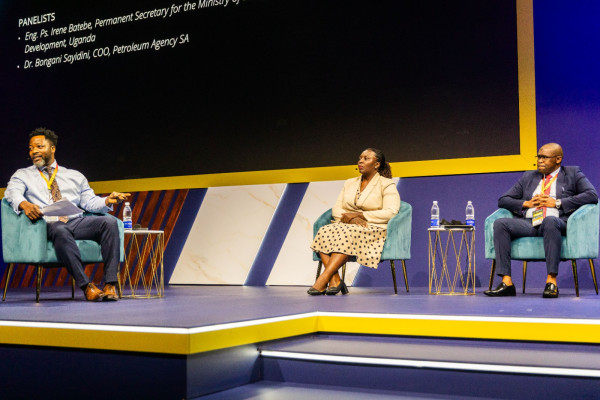
As many African countries progress with monetizing oil and gas resources, cross-border infrastructure is expected to play a catalyzing role in strengthening regional connectivity while advancing energy development and economic growth. A panel discussion held during the African Energy Chamber's (AEC) (www.EnergyChamber.org) African Energy Week (AEW) 2023 explored the evolving energy map in Africa and how pipeline projects and cross-border infrastructure will shape the continent's economic landscape.

Kicking off the panel discussion, Irene Batebe, Permanent Secretary for the Ministry of Energy and Mineral Development, Uganda, emphasized the critical role of regional integration in advancing pipeline projects.

“The East African Crude Oil Pipeline (EACOP) will be a perfect example of integration. Working together with the government of the Republic of Tanzania, we had to ensure we put in place a robust legal and regulatory framework, because that way you give certainty to the development of the project, not just to the developers but also the financials. Because the project must be bankable. We worked closely with the government of the Republic of Tanzania to put in place and it's a governmental framework, but also domesticated locally in formal post government agreements to provide for certain aspects, there has to be a regional position”

For emerging producers, cross-border pipeline infrastructure is integral.

“In terms of strategy one of the key areas that we focused on in designing the framework for the development of the pipeline was to ensure that we provide for third party access and that is very critical because our neighbors like the DRC and South Sudan,” continued Batebe.

The Southern Africa Development Community (SADC) has seen an increase in oil and gas potential, with new discoveries in Namibia and first liquefied natural gas exports in Mozambique.

“The is an opportunity for the west in terms of integration of SADC and presents the opportunity for gas and power. In fact, Namibia made the first Kudu Gas discovery in 1994 and in South Africa a discovery was made in the early 2000s. Those gas resources have remained stranded due to the lack of a market for gas resources and also there have been a lack of infrastructure to harness these resources,” stated Bongani Sayidini, COO, Petroleum Agency SA

Regarding environmental and human concerns of the EACOP, “There have been claims that we have evicted projected affected persons without consent but this is false. The government nor the project developers force the project affected persons. We pay attention to the vulnerable groups and the elderly during the settlement process. We do have a government valuer that comes to assess what those people who have settled deserve,” said Batebe.

#AEW2023 takes place this week in Cape Town under a mandate to make energy poverty history by 2030. Keep following www.AECWeek.com for more exciting information and updates about Africa's premier energy event.

Distributed by APO Group on behalf of African Energy Chamber.
Media files
African Energy Chamber
Download logo
Read moreTransformative Pipeline Initiatives: Boosting Regional Connectivity Discussed at African Energy Week (AEW) 2023
18 October 2023

Critical Minerals Africa 2023 Prepares for Official Opening with Full Day of Strategic Presentations

Location: News
Energy Capital & Power

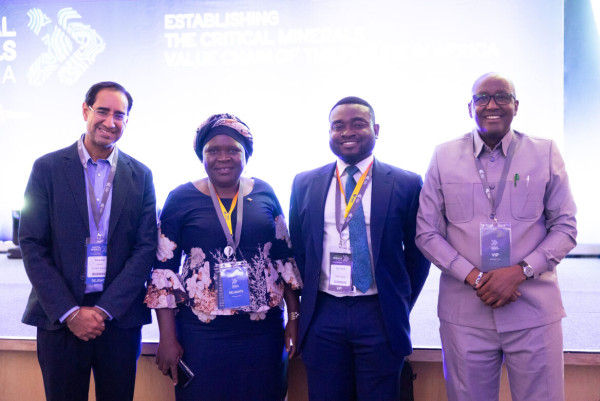
The first day of the Critical Minerals Africa 2023 summit on Tuesday – organized by Energy Capital & Power (www.EnergyCapitalPower.com) – featured a series of presentations from leading industry experts, providing unparalleled insights into Africa's critical mineral reserves and geopolitical position in the global mining economy. The main conference program begins on Wednesday, October 18 and will feature a highly anticipated ministerial forum, investor briefings and panel discussions, taking place alongside African Energy Week in Cape Town.  

Kicking off the agenda was a presentation by South African Institute of International Affairs (SAIIA) exploring the future of critical minerals in the SADC – namely, copper in the DRC, South Africa and Zambia, lithium in South Africa and Zimbabwe, cobalt in the DRC and Zambia, graphite in Mozambique, manganese in South Africa, and nickel in Madagascar, South Africa and Tanzania. The ability to harness these reserves depends on several factors, including growing geoeconomic competition among China, the US and Europe, the ability of SADC states to manage regional value chains, and the urgency of global policy action toward renewable and low-carbon energies.

“In 20-30 years, not only will these minerals be in high demand, but how we put systems in place will be important,” stated Dr. Deon Cloete, Head of SAIIA's Futures Program. “We have focused on Rare Earth Elements (REEs) and the need to scale up exploration and extraction and develop the entire value chain. The transition to climate goals by 2050 is challenging and we need to be critical about how these fault lines are emerging. We propose a resource-based economy that challenges the paradigm of how we approach mining.”

The Critical Minerals International Alliance (CMIA) built upon the geopolitical nature of critical minerals development during its presentation, addressing China's race to solidify its leadership on the continent and its successful dual-pronged investment approach. Western nations have sought to counter this influence through various policy measures, including the US' Inflation Reduction Act, the EU's Critical Raw Materials Act and the Minerals Security Partnership, which seeks to secure a stable supply of raw materials for member economies. 

“When we talk about critical minerals, we are focused on geopolitics — how they frame supply chains and influence pricing and how monopolies are increasingly changing the industry,” said Olimpia Pilch, Founder and COO of CMIA. “In a supply chain crunch, who gets priority and which industries will miss out? Those who have put in the work to have their own supply chain will be in a much better position.”

On the need to diversify mining supply chains, Roberto Cecutti, Head of Trade and Economics, EU Delegation to South Africa, stated during his presentation: "In terms of annual consumption, we have an aspirational target of covering at least 10% of extraction in Europe, 40% of processing and refinement and 15% of recycling capacity. We want to avoid dependence on the supply of one or more specific countries…This is why we have set this target, in which 65% should not depend on a specific country of origin of supply.”

"Each region has its own definition of what is ‘critical,' and what's critical for Africa may not be what's critical for the EU and vice versa. Africa has different requirements when it comes to minerals,” noted Sodhie Naicker, Managing Director: DMT Kai Batla and Consortium Partner: AfricaMaVal.

Energy research firm Rystad Energy also explored Chinese dominance within the low-carbon supply chain, as the country produces almost 90% of solar panels and is currently ramping up production of wind turbines. While Europe has made gains towards establishing its own clean energy supply chain, Africa remains reliant on imports to meet growing energy demand, despite having vast renewable energy potential and untapped mineral reserves. 

“The resource potential for solar generation in Africa is more than enough to satisfy the needs of the planet – it's enormous,” said Per Magnus Nysveen, Senior Partner & Head of Analysis for Rystad Energy. “You can find sites for mining every mineral in sub-Saharan Africa.”

A presentation from Steenkampskraal – operator of the Steenkampskraal Mine in South Africa's Western Cape – underscored the continent's resource potential and its evolution into a critical and industrial minerals hotspot. The mine is home to one of the highest grades of REEs globally, is licensed to operate and possesses well-developed underground infrastructure with a low-capital, three-stage development plan.

“Not even 20% of the known resources have been mined,” emphasized Graham Soden, Director, CEO & Mine Manager of Steenkampskraal. “It puts the project at a unique level. It's fully legislative compliant, and we can get it up and running within one year.”

The agenda concluded with a presentation by Trade & Industrial Policy Strategies (TIPS), which explored opportunities to develop vanadium redox battery (VRB) manufacturing in South Africa and to position the country as a key player in the global battery value chain, with a view to exporting to other African and international markets. Demand for VRBs has skyrocketed in recent years – largely from China, Japan, Europe and the US – resulting in over 30 new VRB projects installed in 11 countries since 2014.  

“Cell battery manufacturing remains to be proven competitive in South Africa. We have the industrial capacity, but we don't have a commercialized production,” said Lesego Moshikaro, Senior Economist for TIPS. “When you look at the short- to medium-term, South Africa cannot be competitive along the whole value chain, so it's important for us to choose key areas where we can excel.”

With its main conference program kicking off on October 18, the Critical Minerals Africa 2023 summit serves to position Africa as the primary investment destination for critical minerals. The event is held alongside the African Energy Week 2023 conference (www.AECWeek.com) from October 16-20, offering delegates access to the full scope of energy, mining and finance leaders in Cape Town.

Distributed by APO Group on behalf of Energy Capital & Power.

Media files
Energy Capital & Power
Download logo
Read moreCritical Minerals Africa 2023 Prepares for Official Opening with Full Day of Strategic Presentations
18 October 2023

Limpopo hawkers evicted to produce way for road repairs

Location: News

These Elim vendors pay licence fees but they have not been helped to find an alternative trading site

Read moreLimpopo hawkers evicted to produce way for road repairs
18 October 2023

Two sentenced for tampering with rail infrastructure

Location: News

Two sentenced for tampering with rail infrastructure

The Passenger Rail Agency of South Africa (PRASA) has welcomed the 10-year direct imprisonment of two Zimbabwean nationals for tampering with essential infrastructure.

In a statement on Wednesday, the agency hailed the sentence as a victory and commended its security for apprehending the men.

Namer Ndovu (27) and Collen Singanje (28) received 10-year direct imprisonment sentences each in the Pretoria North Magistrates Court on Tuesday.

 “On 21 December 2020, the two were caught at Eskia Mphahlele Drive, in the Wonderboom area by PRASA security guards, with eight pieces of signal copper cables.  The PRASA security guards took the two and the cables to the police station to report the matter, where they were arrested and have been in custody since,” the agency said on Wednesday.

In court, they pleaded not guilty to the charges; however, state prosecutor Lufuno Manena was able to prove the state’s case beyond a reasonable doubt. 

The state called John Motswaledi, a corporate security investigator at PRASA, who told the court that each cable was valued at R 3000 each, however, the crime committed had an impact of over R300 000, on the company because of what went into replacing and repairing the damage done.

“In aggravation, Prosecutor Manena told the court that damaging infrastructure affects the economy of the country, ordinary citizens, and businesses.  He also told the court that under the circumstances, the community needs to be protected by the courts by imposing a stiff sentence, which will deter not only the two but also wannabe suspects. 

“Therefore, he asked the court to impose an appropriate sentence to restore trust in the justice system.  Magistrate Phogotlhe Motlang agreed with the state,” said PRASA. –SAnews.gov.za

nosihle
Wed, 10/18/2023 - 10:43

304 views
Read moreTwo sentenced for tampering with rail infrastructure
17 October 2023

Understanding the Difference: Switchboard vs. Distribution Board

Location: MyPR

When it comes to electrical infrastructure within a building, switchboards and distribution boards are pivotal components, each with distinct functions and roles in the system. To ensure a safe and efficient electrical setup, it’s essential to comprehend the differences and know how to choose an appropriate distribution board for your specific requirements.   Switchboard: The …

Read moreUnderstanding the Difference: Switchboard vs. Distribution Board
17 October 2023

Safeguarding the future of those who teach

Location: News

Safeguarding the future of those who teach

While one may no longer remember the name of the classroom teacher’s pet, chances are that one will never forget the name of that special teacher who changed the course of one’s life.

While we grow up to leave our school tomfooleries behind, teachers continue to leave an indelible mark in the lives of pupils.

“Passionate teachers often inspire and motivate their students. Passion for the subject matter and a genuine interest in the well-being of students can greatly impact the effectiveness of teaching,” said acting Chief Director of Education Human Resource Development at the Department of Basic Education, Lala Maje.

While teachers work hard to shape learners into the adults of tomorrow, who is helping newly qualified teachers to transition into the classroom environment?

This is where the Department of Basic Education’s (DBE) New Teacher Induction Programme (NTIP) comes in.

The programme is intended to support new teachers who are placed in schools within their first two years of permanent employment.

“NTIP is a programme that introduces the new teacher to the teaching profession, to the resources available, to the support that the DBE and all stakeholders avail to the teachers,” said Maje.

Teachers have to register on the learning management system for the programme. The one-year programme comprises seven modules that are linked to the Professional Teaching Standards. 

The Professional Teaching Standards and the Ethical Teaching Standards forms the basis of teaching being a profession and that is managed and guided by the South African Council of Educators (SACE). 

A teacher must register with SACE before they can practice in schools.  

The programme also supports SACE in ensuring that Professional Teaching Standards and the code of ethics are infused in the daily life of teachers,” said Maje.

The induction is based on four pillars namely mentoring, training, professional development and peer support.

The programme was set up after the Teacher Education Summit held by the DBE and the Department of Higher Education and Training in 2009.

Since its inception in 2017, the partnership between the DBE and Flemish Association for Development Cooperation and Technical Assistance (VVOB) has enabled the development of material and programmes which led to the 2020 school calendar year pilot of the programme.

The DBE has also worked with provincial education departments and partnered with the SACE, JET Education Services, the North-West University and the University of Witwatersrand to develop the programme for all new teachers that join the teaching profession.

Support

New teachers are also provided with mentors that are identified by their respective schools.

Feedback received is that teachers are appreciative of the support provided by the programme.

“The teachers find that the topics covered assist them to deal with a number of issues, classroom management, discipline in school and classrooms, diversity management, inclusive teaching, as well as work and life balance, to mention but a few.  Teachers want the programme, it provides real life practical experience and examples,” said Maje.

She added that while all the provinces have been supporting new teachers, this was not standardised.

“All provinces have been supporting new teachers; it was just not standardised at national.  The support was in the form of workshops on curriculum, on general human resource matters, many webinars on teacher wellbeing and wellness. 

“There was no national programme that a teacher can register and complete with evidence that indeed the new teacher underwent an induction programme. The DBE then partnered with VVOB to design a thoroughly researched programme and make it available for new teachers for free.”

Progress

The programme is being implemented on a phased in approach.

“Since the 2020 pilot, there was a round table in March 2023 where a decision was [taken] that the programme be phased in in four provinces [namely the] Free State, North West, KwaZulu-Natal and the Western Cape.

“The other five provinces are implementing however not under the tight monitoring of DBE.  This is allowing them to be fully ready when we implement in their provinces in 2024,” she explained.

She added that the provincial education departments are part of the interprovincial meetings that DBE holds with the nine provinces on a monthly basis.

“It should also be noted that all provinces are supporting new teachers.  The difference with the model brought by the DBE is [a] common standard across all provincial education departments, as well as the fact that the NTIP model has four pillars.”

Teachers’ Month

In South Africa October is Teachers’ Month and on 5 October, the country joined the world in commemorating World Teachers’ Day.

The day which is commemorated annually, aims to raise awareness, understanding and appreciation for the vital contribution that teachers make to education and development across the globe.

The day has been declared jointly by the International Labour Organization (ILO) and the United Nations Educational, Scientific and Cultural Organization (UNESCO) to celebrate the critical work that teachers do.

At the National Teachers’ Awards, held on World Teachers’ Day, the South African government reaffirmed its commitment to reinforcing teacher support and prioritising the professional growth of those who are the key drivers of basic education. 

“Such a posture is critical in that it boosts their personal prowess and propels our schools towards unparalleled achievements. The wellness of all public servants in the Department of Basic Education must as such remain a priority,” Deputy President Paul Mashatile said at the 23rd edition of the awards.

The awards honour teachers who have demonstrated exceptional performance and commitment in different areas of their work.

Recognition and experience

Maje who was a teacher herself, said recognition for teachers is essential not only for morale but also for attracting and retaining talented individuals in the teaching profession.

“When teachers feel valued and supported, they are more likely to be motivated, innovative, and dedicated to their students' success.”

Speaking at a media briefing earlier this month, Basic Education Minister Angie Motshekga said that education plays a critical role in providing the country with critical skills that will enable economic growth while also fighting poverty and unemployment.

“Teachers are at the centre of this critical imperative. UNESCO repeatedly stated that the quality of any education system is as good as the quality of its teachers. The continuous improvements that we have experienced within our education system broadly and in our schooling in particular is largely due to the efforts and sacrifices of our teachers,” said the Minister.

The Minister said while the education system is experiencing severe challenges including backlogs in infrastructure development, overcrowding and shortage of other educational resources, “it is our teachers who have made the center to hold.”

Maje said efforts to enhance the recognition of teachers often involve a combination of policy changes, increased investment in education, and societal shifts in perception.  She also referred to the Integrated Strategic Planning Framework for Teacher Education and Development. The primary outcome of the plan is to improve the quality of teacher education and development in order to improve the quality of teachers and teaching.

Planning and organising things in time are some of the lessons Maje has learned over the course of the years as a teacher.

She also notes “the knowledge that as a teacher you determine the future of the country with the content that you offer to the young minds.” She further adds that “the limitations of the teacher can be detrimental to development of the young mind.”

It is also important for teachers to keep learning all the time since knowledge is evolving and for them to be active participants in the matters of their respective communities.

Maje also called on teachers to take care of themselves.

“Achieving a work-life balance is an ongoing challenge for many teachers. Learning to prioritise self-care and maintaining a healthy balance between personal and professional life is important for sustained success in the field.”

While learner support is a critical ingredient for success, support for future unforgettable teachers is equally as important. - SAnews.gov.za

Neo
Tue, 10/17/2023 - 09:59

546 views
Read moreSafeguarding the future of those who teach
17 October 2023

Buffalo City residents urged to be cautious during rainy conditions

Location: News

Buffalo City residents urged to be cautious during rainy conditions

Buffalo City Metro in the Eastern Cape has warned residents and motorists to exercise caution as rainy conditions persist.

Wards 15, 30, 33, 35, 45 and 49, along with Duncan Village Ward 2 and 6, are the most severely affected.

“However, no one has been displaced or any fatalities reported. Our Disaster Management teams, together with our Human Settlements, are still on the ground collecting information on the affected people,” Buffalo City Metro said in a statement.

According to the city, the Electricity Department and Fire Services, as well as Disaster Management, are still on standby.

Residents are advised to contact Disaster Management on 0437437118 and the Fire Service on 043 705 9000 in the event of any eventuality.

“We advise councillors to be aware of the inclement weather conditions and activate their ward-based structures for any eventualities,” the city said.

The city noted with concern that some of the contributing factors to flooding include the construction of houses in low-lying areas (flood lines)/wetlands, the strain to the drainage system, which is mainly compromised by littering and the illegal building on top of municipal infrastructure.

“Our Disaster Management services are in constant contact with the South African Weather Service to monitor severe weather conditions, and to distribute such to the affected communities and sectors,” the City said.

Motorists traveling around the East London, Mdantsane, and eQonce areas are advised to look out for low-lying roads and bridges.

A number of streets are experiencing blocked drainage, which is caused by illegal dumping. However, the city has deployed jetting machines to unblock stormwater drainage systems.

“Our teams (both internal and external) have been on standby and have been working on all the areas of Buffalo City to unblock stormwater systems and the overflow problem in the city, and will continue to do so until the situation is improved or rescued," the city said.

With regards to the water outage in Dimbaza, the city confirmed that power has been affected, and as a result, the whole system is empty, and it will take about a week to recover the system. This was due to no production of water and pumping from Amatola Water's Laing WTW for three days. – SAnews.gov.za

Edwin
Tue, 10/17/2023 - 10:37

482 views
Read moreBuffalo City residents urged to be cautious during rainy conditions
17 October 2023

Africa can produce more energy than it requires – Minister Ramokgopa

Location: News

Africa can produce more energy than it requires - Minister Ramokgopa

Africa can produce more energy than it requires within the next 30 years if it takes advantage of its natural resources.

This is according to Minister in the Presidency for Electricity, Dr Kgosientsho Ramokgopa, who was delivering a keynote address on Green Hydrogen at the Africa Energy Week held in Cape Town.

“We need to have a Pan African view in the exploitation of this energy carrier and our view is that by 2040 Africa can produce up to 50 times more energy from renewables than the world’s estimated demand.

“This is as a result of our location advantages. I think we have some of the radiation levels of any parts of the world and we also have some of the best wind speeds along the coastal areas,” he said.

The Minister emphasised, however, that Africa must provide its own “interpretation” on what a just energy transition constitutes.

“We have got an opportunity to define a Just Energy Transition with African characteristics and in this instance, it is about universal access, the exploitation of critical minerals that are key to development of green hydrogen and realising its potential.

“We can see that by smelting African iron ore locally, we are likely going to create much needed jobs and therefore the skills that are required to support that transition. In that way, in addition to broadening the industrial base, we are really getting people in good quality jobs…this is in addition to the decarbonisation agenda,” he said.

Honing in further on green hydrogen, Ramokgopa moved to allay fears that green hydrogen production will bear a heavy toll on South Africa’s water resources.

“It is important that in the conversation around the potential of green hydrogen, we confront what essentially is an objective inherent risk associated with the exploitation of this resource and the strain that it’s putting on our water resources.

“There’s a rich body of literature that suggests that coastal countries can use sea water to produce green hydrogen and therefore eliminating the strain that is likely it’s likely going to place on limited water resources...especially countries like South Africa where water is a scarce commodity,” he said.

The Minister explained that Sub-Saharan Africa’s resources have the capacity to “produce anything between 5000 and 13 000 million tonnes per year” of green hydrogen.

“We think that could come at about $2 per kilogram…essentially by 2050 and therefore making green hydrogen financially competitive compared to other energy sources.

“I did make the point that it could also contribute significantly to the national revenue funds of many African countries of up to $20 billion and that could distributed to ensure that we are able to expand on social infrastructure, improve the quality of life of our people and ensure that we put Africa on a pedestal for significant growth going into the future,” he said. – SAnews.gov.za


NeoB
Tue, 10/17/2023 - 15:29

52 views
Read moreAfrica can produce more energy than it requires – Minister Ramokgopa
17 October 2023

Minister welcomes return of Kusile Unit 1

Location: News

Minister welcomes return of Kusile Unit 1

The Ministry of Electricity says the return to service of unit 1 at Kusile Power Station marks a critical milestone in the quest to "recover South Africa’s economy”.

Eskom on Monday announced that the unit had returned to service a month and a half ahead of schedule since it was taken offline late last year.

The ministry said the Minister in the Presidency for Electricity, Dr Kgosientsho Ramokgopa, has welcomed the development.

“The return of the unit, which had been out of commission, together with unit  2 and 3 since August 2022 following safety concerns with the structural integrity of the stack, comes two months ahead of schedule and adds 800MW onto the grid.

“This marks significant overall improvements to generation performance with Kusile Unit 3, which came back online on 29 September 2023, also returning back to service two months ahead of schedule.

“The third of the units (Unit 2) is now expected to similarly return to service in November 2023, whilst Unit 5 will come into commercial operation in December 2023,” the statement read.

The Ministry highlighted the impact that the return of the unit will have.

“The return of the Kusile units represents a critical milestone in our quest to recover South Africa’s economy, protect jobs, advance universal access and improve the quality of life.

“The Minister remains focused on bolstering the country’s electricity generating capacity by giving accelerated attention to the expansion and strengthening of transmission infrastructure to accommodate new renewable generation capacity.

“The Minister congratulates Eskom’s Generation team for the sterling hard work to bring back stability and credibility to the Eskom generation fleet and reducing the intensity and severity of load shedding,” the statement said. – SAnews.gov.za

NeoB
Tue, 10/17/2023 - 10:58

251 views
Read moreMinister welcomes return of Kusile Unit 1
17 October 2023

Cabinet’s concurrence of the Tourism Sector Masterplan welcomed

Location: News

Cabinet’s concurrence of the Tourism Sector Masterplan welcomed

Tourism Minister Patricia de Lille has welcomed Cabinet’s concurrence of the Tourism Sector Masterplan, which was gazetted on Friday.

“Implementing the masterplan will create opportunities for inclusive participation of all sectors of society, including women, youth and people with disabilities. This plan also gives impetus to the recovery and sustained growth of the sector,” said de Lille.

Due to its multiplier effect, labour intensity and value chain that creates significant employment opportunities, tourism is recognised as a priority sector of the South African economy.

The sector’s interlinkages with other economic sectors provides business opportunities for Small, Micro to Medium Enterprises, which is why it was identified as one of seven key sectors in South Africa's Re-Imagining Industrial Strategy, approved by Cabinet in 2019.

This is the basis upon which the Tourism Sector Recovery Plan (TSRP) was converted into a comprehensive Tourism Sector Masterplan.

The conversion of the Tourism Sector Recovery Plan into the Tourism Sector Masterplan was one of the key priorities given to Minister de Lille by President Cyril Ramaphosa as part of her performance agreement. This priority has now been achieved, said the department.

“The masterplan aims to galvanise industry, labour and government to collectively act on a shared vision, identify priorities, and deliver economic activity and jobs for all South Africans,” de Lille said.

As the Tourism Sector Recovery Plan has a lifespan of three years, from 2021/22 to 2023/24.

The department had embarked on a process to convert the TSRP into the Tourism Sector Masterplan.  “This entailed the integration of all TSRP interventions into the Tourism Sector Masterplan, with the extension of the timeframe for implementation up to the 2025/26 financial year,” the Minister said.

Additionally, the vision, mission, guiding principles and values of the National Tourism Sector Strategy (NTSS) 2016 – 2026 were adopted.

Institutional and governance responsibilities for developing and implementing the masterplan were added in accordance with the masterplan guidelines to prepare, develop and implementation of the masterplan.

The TSRP was a three-year, highly focussed intervention and product of collaboration with key stakeholders from the government, the private sector and other social partners aimed at mitigating the impacts of the COVID-19 pandemic on the tourism economy and charting a roadmap for recovery.

It proposed various measures to protect and rejuvenate supply, reignite demand and strengthen enabling capability for tourism recovery.

Overall, the plan proposed seven strategic interventions underpinned by specific actions aimed at helping the sector recover to pre-pandemic levels and positioning the sector for long-term sustainable growth.

The plan is aligned to the Economic Reconstruction and Recovery Plan (ERRP), in particular to the ERRP's priorities in the areas of employment creation, infrastructure investment, green economy or sustainability interventions inclusion of women and youth as well as skills development.

The Tourism Sector Masterplan is available on the department’s website at: www.tourism.gov.za and a copy of the gazette can also be viewed on: https://www.tourism.gov.za/AboutNDT/Publications/Government%20Gazette%20Number%2049503%20-%20Tourism%20Sector%20Masterplan.pdf. – SAnews.gov.za


Edwin
Tue, 10/17/2023 - 10:54

6 views
Read moreCabinet’s concurrence of the Tourism Sector Masterplan welcomed
17 October 2023

It’s vital for small and medium enterprise owners to assign their mental well-being first when times access tough

Location: MyPR

For many small and medium enterprise (SME) owners, running a business isn’t just a job but an integral part of who they are. The boundaries between personal and business life often blur, meaning that the health of their businesses is inextricably tied to their personal, emotional, and mental well-being. This means that the many unique …

Read moreIt’s vital for small and medium enterprise owners to assign their mental well-being first when times access tough
16 October 2023

President Ramaphosa calls for cessation of acts of war in Israel and Palestine conflict

Location: News

President Ramaphosa calls for cessation of acts of war in Israel and Palestine conflict

President Cyril Ramaphosa has used his weekly newsletter to call for an immediate cessation of acts of war between Israel and Palestine, the opening of humanitarian corridors and a UN-led negotiation process towards resolving the conflict.

President Ramaphosa said this must lead to a just and lasting peace that satisfies the human rights, dignity and aspirations of all the people on both sides of this conflict.

The President highlighted that like many people around the world, South Africans have watched with great anguish and pain the devastating violence and destruction in Israel and Gaza since Saturday last week.
 
“It has never been our nature as South Africans to reserve our empathy only for those with whom we share an ethnic, racial, religious or cultural affinity.

“As South Africans, we have made it part of our national DNA to stand firm against all forms of prejudice, including racism, anti-Semitism, Islamophobia and xenophobia. Our thoughts and prayers are with the people of both Palestine and Israel as they go through these difficult times,” the President said. 

The President bemoaned the harrowing deaths of Israeli and Palestinian civilians during this conflict. 

“It has been traumatic to see the images of civilians killed, wounded and captured; of destroyed homes, and of entire neighbourhoods flattened by bombardment. The atrocities that we have witnessed since last week Saturday are the latest chapter in a painful history of suffering, oppression, occupation and conflict going back more than 75 years.
 
“The harrowing deaths of Israeli and Palestinian civilians is a shock to our collective humanity. While international law recognises the right of oppressed people who defend themselves to use arms as a means of struggle and defence, that right must be exercised within the bounds of the Geneva Conventions,” he said. 

President Ramaphosa said the images of the killing of civilians in Israel by Hamas just over a week ago and the ongoing killing of civilians in Gaza by Israeli forces goes against the tenets of international law, which prohibits the targeting of non-combatants, especially women, the aged and children.
 
He expressed the country’s sadness and condolences to all those who are going through the most difficult time with their families.

 
“As South Africans, we are particularly filled with deep sorrow, as some who have died are South African citizens caught in this conflict.
 
“The sheer scale of human suffering is a grim reminder that it is civilians who bear the brunt in armed conflict and who pay the heaviest price. 

“We stand firm against violence directed at civilians; against the killing of children, the elderly, the infirm and non-combatants; against the targeting of critical infrastructure such as hospitals; and against the collective punishment of civilian populations.”
 
The President said that the wanton attack on civilians in Israel and the siege of Gaza and the decision to forcibly expel a population of over one million people from Gaza, together with the indiscriminate use of force, lays the basis for further suffering and death on a huge scale.
 
“Acts of collective punishment like cutting electricity, food, water, medical and other essential supplies to civilian populations are abhorrent, as is the deliberate destruction of people’s homes.
 
“As South Africans, this has echoes of the collective punishment of our own people by the apartheid regime as it sought to destroy the liberation movement. It brings back painful memories, as it does for our neighbours in the region,” the President said. 
 
He emphasised that South Africa echoes the position taken by the United Nations High Commissioner for Human Rights, that depriving civilians of goods essential for their survival is prohibited under international law.
 
He noted the growing concern that the current conflict may render the possibility of a sustainable peace between Israelis and Palestinians, and a two-State solution even further out of reach. 
 
The President said reconciliation and peace is possible if there is demonstrable political will from all sides, and when ordinary citizens commit to a common, shared future.
 
“Without justice, there can be no peace. The cycle of violence that has been unleashed is the tragic outcome of decades of unmet and unfulfilled possibilities to peacefully solve the problem between Israelis and Palestinians.
 
“The international community has a responsibility to support peace and to create favourable conditions for negotiation and dialogue, and not to fan the flames of conflict. World leaders need to, and must make, a call for peace and not vengeance,” the President said. 
 
He emphasised that the only way to bring about peace is the fulfilment of the legitimate aspirations of the Palestinian people to human rights, dignity and nationhood.
 
“It is our collective hope that the Israeli and Palestinian people come together, reconcile and choose the path of a just peace,” he said. – SAnews.gov.za

DikelediM
Mon, 10/16/2023 - 10:48

470 views
Read morePresident Ramaphosa calls for cessation of acts of war in Israel and Palestine conflict
16 October 2023

Green hydrogen economy plays prominent role in SA’s honest energy transition

Location: News

Green hydrogen economy plays prominent role in SA’s just energy transition

President Cyril Ramaphosa has highlighted the vital role the green hydrogen economy plays in the country’s development and just energy transition.

 
“The hydrogen economy has a prominent role to play in our country’s just energy transition, providing employment and support to vulnerable workers, communities and small businesses. 

“It has been estimated that the hydrogen economy has the potential to add 3.6% to our GDP by 2050 and approximately 370 000 jobs. We must act with purpose to harness the potential of the green hydrogen economy,” the President said. 

President Ramaphosa was delivering remarks at the second iteration of South African Green Hydrogen Summit (SAGHS) in Century City, Cape Town, on Monday. 

The inaugural SAGHS, held in 2022, reaffirmed South Africa as an investment destination of choice and a world leader in the green energy space. It focused on scaling up regional cooperation around green hydrogen.

This second summit aims to highlight South Africa’s exceptional potential as an early stage, large scale and low cost world-class green hydrogen production hub, and total value chain investment destination.

South Africa’s Investment Strategy, approved by Cabinet earlier this year, lists green hydrogen as one of the big frontier strategic sectors expected to attract foreign and domestic direct investment.

The President emphasised the nation’s goal to position itself as a globally competitive player in this dynamic and growing industry.

The President noted that 64 countries, accounting for 89% of global emissions, have announced net zero targets by 2050. He further said that is anticipated that global green hydrogen demand will increase sevenfold by 2050.

He said that for the world to limit global warming to less than 1.5 degrees Celsius, green hydrogen will need to constitute 10% to 20% of the global energy mix. 
 
“South Africa has committed to ambitious emission reduction targets. Our own estimates indicate that green hydrogen has the potential to remove 10% to 15% of our domestic emissions and contribute to our nation’s long-term energy security,” he said. 

Green Hydrogen Alliance
 

The President acknowledged the collaboration efforts being made through the African Green Hydrogen Alliance, which includes Egypt, Kenya, Mauritania, Morocco, Namibia, Ethiopia, Angola and South Africa.
 
The alliance aims to harness Africa’s potential in developing green hydrogen industries. It aims to make joint calls for technical support, funding and market access to international public and private sector partners.
 
“The inaugural summit laid a strong policy foundation. This year’s summit has a dedicated project focus, providing an opportunity to demonstrate the degree to which projects have matured and advanced. This is also an opportunity to demonstrate technological developments and advancements in the green hydrogen space.
 
“Close cooperation between public, private and financial partners will be key to unlocking Africa’s green hydrogen potential. This will enable mass-scale domestic and international demand for green hydrogen, and increase cooperation on green hydrogen production, storage and distribution infrastructure,” President Ramaphosa said.

The President emphasised that if investment is significantly scaled-up, green hydrogen can deliver the equivalent of more than one third of Africa’s current energy consumption, increase the collective GDP, improve clean water supply and empower communities.
 
He said proper planning, regulation and incentive schemes are critical to mobilise private sector investment.
 
“South Africa has deep capital markets, with world-class conditions for generating renewable energy through solar and wind power, which are key drivers of the production of green hydrogen.
 
“Funding green hydrogen projects will require innovative financing structures sourced from multiple stakeholders,” President Ramaphosa said. 

Building the green hydrogen industry
 
In June 2023, South Africa concluded a Heads of Agreement with the intention to launch the SA-H2 Fund. This is an innovative blended finance fund that will facilitate the development of a green hydrogen sector and circular economy in South Africa.
 
SA-H2 aims to secure $1 billion in funding raised directly in South Africa or via indirect channels. The Fund is a partnership of private and public enterprises, locally and globally.
 
Since the last Summit, the President said advances have been made towards building the green hydrogen industry in the country.
 
These include a Joint Declaration of Intent with the German government, focusing on market access, off-take opportunities and value-additive benefits in the production of green steel and green fertiliser.
 
South Africa has also signed a MOU with the Netherlands as an off-taker for green hydrogen derivative products.
 
“It is encouraging to note that a Memorandum of Cooperation will be signed at this conference by three multinationals in the green hydrogen mobility space, namely Sasol, Anglo American and BMW.
 
“Sasol will serve as a supplier to Anglo and BMW as part of their focus on commercial and passenger fleet transformation. These are important initiatives within the context of carbon border adjustment mechanisms,” the President said. 
 

He thanked all the partners and sponsors that have made this summit possible. He sent a special mention to Anglo American, BMW, Sasol, the Industrial Development Corporation and GIZ. 
 
“I wish business and government delegations at this summit well as we work to shape Africa’s green hydrogen agenda for the benefit of our economies and societies, now and into the future,” he said. – SAnews.gov.za

DikelediM
Mon, 10/16/2023 - 13:20

319 views
Read moreGreen hydrogen economy plays prominent role in SA’s honest energy transition
16 October 2023

Protesters from 68 Eastern Cape villages converge in Bhisho to demand clean water

Location: News

Representatives march to the provincial office of COGTA under the banner of the Inyanda National Land Movement

Read moreProtesters from 68 Eastern Cape villages converge in Bhisho to demand clean water
16 October 2023

Public Works Minister pays oversight visit to Klerksdorp Prison

Location: News

Public Works Minister pays oversight visit to Klerksdorp Prison

Public Works and Infrastructure Minister Sihle Zikalala will on Tuesday conduct an oversight visit at the Klerksdorp Prison, which is currently undergoing total repair and renovation.

The work spectrum of the project includes altering some prison facilities to accommodate the needs of people with disabilities, replacing the roof and ceiling, replacing site sewer reticulation, replacing baths and damaged cisterns, repainting interior and exterior walls, equipping a temporary kitchen and plumbing works. 

There will also be electrical and civil engineering related work to be done during the project.

Zikalala will visit the renovation project, which is expected to be completed in 2025 as part of the Siyahlola programme. He will also visit ongoing construction projects of the department. – SAnews.gov.za

Edwin
Mon, 10/16/2023 - 14:46

198 views
Read morePublic Works Minister pays oversight visit to Klerksdorp Prison
16 October 2023

Court showdown over Cape Flats evictions

Location: News

“We are not here because we want to be here. We are here because we need homes.”

Read moreCourt showdown over Cape Flats evictions
16 October 2023

Government activities for the week, 16 to 20 October 2023

Location: News

Government activities for the week, 16 to 20 October 2023

Government has scheduled the following briefings/activities for the week: 16 to 20 October 2023. 

From Monday, 16 – Tuesday, 17 October, the Ministry in The Presidency for Electricity hosts the second iteration of the South Africa Green Hydrogen Summit (SAGHS). The summit will on Monday be addressed by President Cyril Ramaphosa.

On Monday, 16 October, the Deputy Minister of Public Works and Infrastructure, Bernice Swarts, will lead the signing of the Dr. Kenneth Kaunda District Development Model (DDM) “One Plan” document in the North West province.

From Monday, 16 October – Wednesday, 18 October, the Minister of Agriculture, Land Reform and Rural Development, Thoko Didiza, will conduct a three-day visit in the Dr Kenneth Kaunda District in the North West. The Minister will undertake various activities, including engagements with farmers and communal property associations on challenges facing them in the agricultural sector and the Barolong Boo Modiboa Community.

On Tuesday, 17 October, the Department of Women, Youth and Persons with Disabilities, in partnership with the South African Federation for Mental Health,  will host a webinar to commemorate National Mental Healthcare Awareness Month.

On Tuesday, 17 October, the Minister for Small Business Development, Stella Ndabeni-Abrahams, will host the Pitch for Funding Competition in Stellenbosch, Western Cape.

On Friday, 20 October, the North West province will host the second leg of the Presidential Imbizo in J.B. Marks Local Municipality in the Dr. Kenneth Kaunda District Municipality.

Matona
Mon, 10/16/2023 - 11:51

61 views
Read moreGovernment activities for the week, 16 to 20 October 2023
15 October 2023

South Africa, Namibia highlight areas of partnership

Location: News

South Africa, Namibia highlight areas of partnership

South Africa and Namibia have reached agreements in more than 150 areas which will deepen relations between the two Southern African countries.

This was announced by President Cyril Ramaphosa during the South Africa-Namibia Business Forum held in Namibia.

“Our Ministers of International Relations tabled a report at the Bi-National Commission where they reported on up to 159 areas of agreement that they have worked on in the past few days. This process started after His Excellency Hage Geingob visited South Africa on a state visit earlier this year.

“This business forum was presaged by those agreements that they have been working on for all this time. To have had up to 150-something areas agreement is a truly outstanding feat…that is a result of real good hard work,” he said.

The President said the two countries can use the opportunities presented by the African Continental Free Trade Area to position themselves as an industrialising hub for the continent with a focus on increased trade between the two countries and with the rest of the continent.

The agreements presented encouraged the two governments to deepen or broaden cooperation in four specific areas including in:

  • Green Hydrogen
  • Developing cross-border value-chains to boost industrialisation and economic development
  • Promoting higher levels of investment in each other’s economies
  • Facilitating deeper private sector relations

On Green Hydrogen, the President said: “South Africa is in the process of considering and finalising a Green Hydrogen Commercialisation Strategy. Namibia too is implementing its green hydrogen strategy. We can either go it alone as South Africa and Namibia or we can position this part of the west coast of the African continent as a key green hydrogen region.”

Turning to cross border value chains, President Ramaphosa said the two countries together have “the key elements of success”.

“We have raw materials, ranging from critical minerals to agricultural raw materials. We have technology, capital, an increasingly skilled and educated workforce and infrastructure. A number of value chains can be identified.

“One of these relate to our use of critical minerals to ensure that manufacturing takes place on the African continent,” he said.

President Ramaphosa highlighted South Africa’s favourability as an investment destination and called on Namibian businesses to do business in the country and called on South African companies to do the same.

“I want to invite Namibian businesses who want to expand their operations to set up businesses in our country. Similarly, South African companies can work with the government of Namibia and local business partners to set up operations here.

“In order to boost investment, we agreed earlier today to request our Ministers of Trade and Industry to work towards establishing a financing facility for industrial and productive development projects,” he said.

President Ramaphosa said business forums like the one held on Friday are an example of platforms that must be created to strengthen “dialogue and stimulate joint ventures” in the private sectors of both countries.

“Namibian businesses must see benefits from the involvement of South African firms in Namibia, and vice versa.

“I wish to welcome two key decisions we made at the Binational Commission today. They are, firstly, to deepen cooperation to attract private sector investment in agreed areas of cooperation.

“Secondly, to establish a South Africa-Namibia Business Council to serve as a public-private sector platform for coordinated and concerted actions,” President Ramaphosa said. - SAnews.gov.za


NeoB
Sun, 10/15/2023 - 12:53

322 views
Read moreSouth Africa, Namibia highlight areas of partnership
15 October 2023

Gordhan thanks Molefe for his service

Location: News

Gordhan thanks Molefe for his service

Public Enterprises Minister Pravin Gordhan has thanked Popo Molefe for his contribution to Transnet, following his resignation from the state-owned freight and logistics company’s board.

He resigned from the board after serving for five years.

He was appointed as board chairperson in 2018 but was replaced by Andile Sangqu in July this year.

Molefe’s resignation comes barely two weeks after the announcement of the resignations of Group Chief Executive (GCE) Portia Derby and Group Chief Financial Officer (CFO), Nonkululeko Dlamini from the company.

“Mr Molefe and his board of directors have been at the forefront of our unrelenting push to reclaim Transnet from vested interests and state capture. We wish him well in his future endeavours and thank him for heeding the call to serve our country,” Gordhan said.

The department in its statement said Molefe’s resignation is due to personal reasons.

“The stepping down of Mr Molefe…must not be misconstrued or interpreted as being in any way related to the recent developments at the company,” the department said.

Meanwhile, Transnet has developed a turnaround plan for the company and expects to submit this to the department this coming week.

“The turnaround plan outlines operational and financial initiatives which must be implemented in the next six, twelve and eighteen months to stabilise the business and position the company for growth.

“The turnaround plan is predicated on several detailed goals to reform and strengthen the operational state of the freight rail division in particular, and with priorities of key elements, specifically the rail corridors that service key sectors of the economy,” Transnet said.

According to Transnet, the plan is premised on principles which include:

  • The balancing of the financial stability and the operational performance of the business.
  • Improved utilisation and care for operational assets and infrastructure.
  • Improved integration and operation execution across operating divisions.
  • Improved employee engagement and visible management at operations.
  • The development of a deeper accountability framework.
  • Cost reduction measures, cashflow and working capital improvements.
  • Continuous engagement and collaboration with all relevant stakeholders, including organised labour, customers, funders, government and industry.

“The board has prioritised the filling of the three executive positions in the business, with the recruitment process having commenced this past week. The recruitment process is being prioritised for urgent finalisation, given the criticality of these positions to the organisation, and the lead role the incumbents will play in execution of the turnaround plan.

“The board also continues to work closely and collaboratively with stakeholders, including the National Logistics Crisis Committee,” Transnet said.

Transnet will meet with government this week to finalise the plan.

“[The] representative of the board will meet next week with the Shareholder Ministry as well as the Ministry of Finance to discuss the operational and financial details of the business turnaround plan, including areas which require immediate Government support.

“Once approved by the Shareholder and funding commitment is secured, the plan will be discussed with key stakeholders such as organised labour, employees, customers and lenders,” Transnet said. – SAnews.gov.za

NeoB
Sun, 10/15/2023 - 11:56

221 views
Read moreGordhan thanks Molefe for his service
13 October 2023

SARS, law enforcement agencies wreck coal syndicates

Location: News

SARS, law enforcement agencies break coal syndicates

A massive inter-governmental search and seizure operation across five provinces was carried out on Thursday to break the back of a sophisticated criminal syndicate of alleged coal-smugglers, who played a major role in exacerbating the energy crisis and loadshedding.

The South African Revenue Service (SARS) was the lead agency in yesterday’s search and seizure operation because information became available regarding a host of tax crimes allegedly committed by members of the coal-smuggling syndicate.

“This success of today’s (Thursday) operation is due to exceptional inter-governmental co-operation and information-sharing under the auspices of the NATJOINTS Energy Safety & Security Priority Committee tasked with unmasking and bringing to book the criminals that have caused economic hardship and personal hardship to all citizens of the country,” said the South African Revenue Services in a statement.

“It is due to such hard work, often behind the scenes, that leads to these investigative breakthroughs and ensures that South Africans can return to a lifestyle without loadshedding. These targeted operations also help to prevent the loss of revenue to the fiscus, which in this case amounted to more than R500-million,” SARS said.

According to SARS, the alleged coal-smugglers and their related entities are active and have a presence in Gauteng, Mpumalanga, KwaZulu-Natal, Free State and Limpopo.

The suspects targeted yesterday include former Eskom employees who facilitated procurement fraud, as well as other individuals involved in the diversion of high-grade coal.

SARS managed to establish links between individuals and related entities and confirmed possible gross contraventions from a tax perspective in terms:

  • Non-registration for Income Tax, VAT and/or PAYE.
  • Failure to submit tax returns.
  • Under-declaration of income.
  • Claiming undue VAT refunds.
  • Making false submissions (Fraud)

The sophisticated network of coal-smugglers is suspected to consist of local and foreign nationals. Coal trucks destined for power stations are diverted to designated coal yards where high-grade coal is replaced with low-grade or sub-standard product.

The high-grade coal is then exported or sold to willing buyers. The low-grade coal is often blended with scrap or other materials and then delivered to power stations.

The low-grade coal damages the infrastructure at the Eskom power stations, which is a major factor in crippling the power utility’s ability to generate electricity for the South African grid.

SARS Commissioner Edward Kieswetter commended the country’s law enforcement agencies for this massive breakthrough in ongoing investigations.

“It is because of such naked greed that the country has experienced unprecedented loadshedding, which harms business, undermines foreign direct investment and leads to job losses – all of which negatively affect revenue collection,” he said.

“All law enforcement agencies must continue their aggressive fight against criminality, each according to its mandate. For its part, SARS will continue to pursue taxpayers involved in intentional and wilful non-compliance – without fear, favour or prejudice,” Kieswetter said.

SARS is encouraged that the message is clear and unequivocal to all those involved in organised crime – you will be hunted down and brought to book. – SAnews.gov.za

Edwin
Fri, 10/13/2023 - 11:34

123 views
Read moreSARS, law enforcement agencies wreck coal syndicates
12 October 2023

Significant gains in access to education

Location: News

Significant gains in access to education

Government’s policies geared at tackling school dropouts and increasing the completion of secondary schooling are producing positive results - as persons aged 20 years and older with no formal education reduced from 19.1% in 1996 to 6.9% in 2022.

This is according to South Africa's Census 2022 national results, which was handed over to President Cyril Ramaphosa by Statistician-General Risenga Maluleke at the Union Buildings in Pretoria on Tuesday.

“Furthermore, persons aged 20 years and older with some primary education decreased from 16.6% in 1996 to 7.4% in 2022. Over the period, there has been a noteworthy increase in the number of persons completing secondary education (16.3% in 1996 to 37.6% in 2022) and post-school education (7.1% in 1996 to 12.2% in 2022).

“In 2011 and 2022, business, economics and management sciences and education were dominated by females, while males continue to dominate in engineering as well as electrical infrastructure studies,” Maluleke said.

He said post-apartheid South Africa has experienced an expansion in the completion of secondary schooling for previously disadvantaged population groups.

“South Africa has geared up to intensify its measures through policy reforms to tackle school dropouts and increase completion of secondary schooling.  However, race disparity in educational attainment intersects with other forms of disadvantage, including poverty and the urban-rural divide,” Maluleke said.

Considering the relatively high children and youth population due to the demographic dividends of the country, concerted efforts have been made by government to expand the education system.

This had been done through establishing more institutions, especially in the Early childhood development (ECD) sector, giving much-required attention to remote and rural areas, introducing new and skill-based programmes in institutions and providing funding such as the National Student Financial Aid Scheme (NSFAS) for disadvantaged learners planning to undertake higher education.

“The period between 1996 to 2001 showed a large increase in the percentage of young children under the age of compulsory education participating in education (23.1 percentage points among 5-year-olds and 21.2 percentage points among 6-year-olds).

“However, it is the decade between 2001 and 2011 that showed an unprecedented increase in participation among 5-year-olds with a rise of 35.5 percentage points in participation from 45.6% to 81.1%. Furthermore, nearly nine out of ten (92.4%) children of this age were attending educational institutions in 2022, which is a nearly 70 percentage points increase from 1996,” Maluleke said.

He said among 6-year-olds, less than half (49.1%) were attending educational institutions in 1996 but subsequently increased by 21.2 percentage points in 2001.

“The data also show high attendance rates among 6–7-year-olds in 2022, who would most likely be attending Grade R. However, the attendance rate starts to decline by age 15, with only six out of ten (59.9%) 18-year-olds attending educational institutions in 2022; a reduction from 75.7% in 1996,” Maluleke said.

In 1996, more than half (54.6%) of the 20-year-olds were in education, which reduced to 37.0% in 2022.

ECD programme

In South Africa, 3.4 million children aged 0 - 4 years attended ECD programmes in 2022, of which 2.5 million attended a crèche/educare centre or pre-school/nursery school/Grade 00/Grade 000/Grade R.

“About 570 000 children had parents who preferred that they stay with day mothers/gogos/childminders. The majority of children attending ECD programmes were attending a crèche/educare centre (59.8%) while 12.2% attended pre-school/nursery school/Grade 00/Grade 000/Grade R.

“Close to 27.0% of children stayed either with day mothers/gogos/childminders or participated in home/community playgroups. While more than 3 million black African children attended ECD programmes, seven out of ten (72,3%) attended ECD facilities, with 60,7% attending a crèche/educare centre and 11,6% attending pre-school/nursery school/Grade 00/Grade 000/Grade R.

“By contrast, among white children 83.4% attended ECD facilities with one-third (32.5%) attending pre-school/nursery school/Grade 00/Grade 000/Grade R and the rest attending a crèche/educare centre (50.9%). Close to 17.0% of black African children stayed with day mothers/gogos/childminders,” he said.

Maluleke also noted the use of day mothers/gogos/childminders for childcare was also high among Indians/Asians (19.6%).

Among coloured children, close to 19.0% participated in home/community playgroups. Results showed that there were slight differences between sexes.

An analysis of persons aged 5–24 shows that overall, the percentage of individuals attending an educational institution increased by three percentage points between 1996 and 2022.

“Attendance increased to almost universal level between 1996 and 2022 for children aged 5 years and 6 years, while the attendance rate starts to decline by age 15–24 over the same period. Attendance also increased for black Africans, coloureds and whites over the period, while Indians/Asians showed little change,” he said. – SAnews.gov.za


nosihle
Thu, 10/12/2023 - 13:45

457 views
Read moreSignificant gains in access to education
12 October 2023

WESTOWN ONE-YEAR-ON AND TAKING SHAPE: Westown, Shongweni KwaZulu-Natal – The Novel City of the West celebrates its first anniversary since breaking ground and what has been planned, sketched, and rendered is now coming to life.

Location: MyPR

The vast, 100 hectare site is a hive of activity, with local contractors Stefanutti Stocks heading up the construction work with approximately 500 people currently on site. Piling, earthworks, retaining structures and columns of Westown Square are virtually all complete and the walls of the 50 000m² retail experience, the first project within Westown, are …

Read moreWESTOWN ONE-YEAR-ON AND TAKING SHAPE: Westown, Shongweni KwaZulu-Natal – The Novel City of the West celebrates its first anniversary since breaking ground and what has been planned, sketched, and rendered is now coming to life.
12 October 2023

Balwin Extends Its Footprint In KZN With Its Novel Lifestyle Estate At Iconic Westown

Location: Entertainment, MyPR

Shongweni Park to comprise 1 260 apartments in 20 phases over the next four years at Westown, near Hillcrest in outer west Durban Complements its two coastal estates in Umhlanga and Ballito Shongweni Park lifestyle estate will be developed according to Balwin’s Classic brand and include one-, two- and three-bedroom apartments Each apartment sold with a …

Read moreBalwin Extends Its Footprint In KZN With Its Novel Lifestyle Estate At Iconic Westown
12 October 2023

Ekurhuleni residents, businesses urged to be water wise

Location: News

Ekurhuleni residents, businesses urged to be water wise

The City of Ekurhuleni has urged residents and businesses to implement water-saving measures, while work continues to increase water storage levels in some areas. 

“The more we save water by implementing simple interventions daily, we reduce the threat of water cuts in the future,” City of Ekurhuleni spokesperson, Zweli Dlamini, said

Water supply has been interrupted in multiple areas due to low supply from the bulk supplier, Rand Water, and of late, increased demand from customers. 

Dlamini said technicians are working to maintain supply to all residents during this peak demand season. 

“The city has identified supply zones that are the highest contributors to its water demand. Water demand management interventions such as pressure management will be implemented in those areas with immediate effect to minimize the impact on residents. 

“Water is a critical natural resource that cannot be produced or recreated. It is therefore in the interest of all consumers to safeguard its availability for the benefit of everyone including future generations,” he said.

Dlamini added that Ekurhuleni’s technical team remains on high alert in monitoring the water infrastructure with special attention being given to the areas, including Tsakani, Etwatwa, Daveyton, Primrose, Germiston and KwaThema, which experienced massive water shortages in recent weeks.

“Meanwhile, some parts of Brakpan which are supplied by Rand Water continue to experience intermittent water supply due to the low levels in the reservoirs. However, different strategies are being implemented to ensure that the system normalises as soon as possible,” Dlamini said. – SAnews.gov.za


GabiK
Thu, 10/12/2023 - 10:16

80 views
Read moreEkurhuleni residents, businesses urged to be water wise
  • Previous
  • Page 1
  • Interim pages omitted …
  • Page 100
  • Page 101
  • Page 102
  • Page 103
  • Page 104
  • Interim pages omitted …
  • Page 107
  • Next

Copyright © 2026 · MyZA · All Rights Reserved · Powered by Stratlec Online