• Skip to main content
  • Skip to header right navigation
  • Skip to after header navigation
  • Skip to site footer
MyZA

MyZA

News, Directory, Events and Other Stuff

  • Social Media
  • Sport
  • World News
  • Home
  • Submit News
  • Directory
  • Events
  • Stratlec
  • TFSA
  • News
    • APO
    • Today’s Sport News
    • Todays Social Media and Tech Headlines
    • Today’s World News
    • Today’s SA Financial News
  • Contact
You are here: Home / Archives for infrastructure

infrastructure

23 April 2025

SITA Governance and Performance Failures Put State IT Infrastructure at Risk

Location: News

Republic of South Africa: The Parliament
Download logo

Following two days of briefings from the Auditor-General and the Special Investigating Unit on the State Information Technology Agency (SITA), the Chairperson of the Standing Committee on Public Accounts (SCOPA), Mr Songezo Zibi, has raised concerns with SITA's governance and performance failures, which adversely affect government effectiveness.

The SITA has for several years failed to achieve satisfactory audit outcomes or to adequately support various government departments, agencies and other public institutions. This has left them with a high number of vacancies, inadequate IT support, obsolete technology, faulty procurement processes and serious cyber security weaknesses.

“It is unacceptable that at a time when information technology is so critical to financial controls, governance and operational effectiveness, the sole agency tasked with supporting government is failing so dismally and for so sustained a period. Talk of modernisation in different areas, such as the police, will remain a pipedream if reliance is placed solely on the SITA,” said Mr Zibi.

The committee heard that while a new Board has been in place since February 2025, the agency still has critical unfilled vacancies such as a Chief Digital Officer. “We are going to invite the Minister of Communication and Digital Technologies to appear before the committee to explain the steps he is taking to ensure the SITA recovers to fulfil its constitutional mandate. The SITA's failures have become a serious financial and national security risk that should not be tolerated any longer,” he added.

Distributed by APO Group on behalf of Republic of South Africa: The Parliament.
Read moreSITA Governance and Performance Failures Put State IT Infrastructure at Risk
23 April 2025

Atomic Alliances: China’s Strategic Push Into Africa’s Nuclear Energy Sector

Location: News
African Energy Chamber

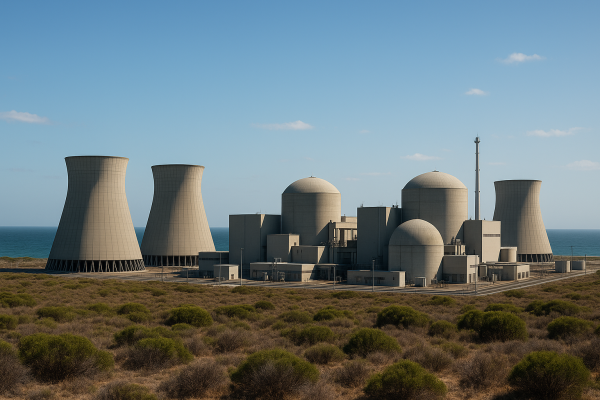
China is rapidly scaling up its energy diplomacy in Africa, with nuclear cooperation emerging as a cornerstone of its broader strategic agenda. On April 8, South Africa's Nuclear Energy Corporation signed a Memorandum of Understanding (MoU) with the China National Nuclear Corporation (CNNC) during an official visit to China led by South Africa's Electricity Minister, Dr. Kgosientsho Ramokgopa.

The agreement aims to revive South Africa's nuclear fuel cycle, accelerate the deployment of small modular reactors and promote collaboration on advanced fuels such as high-assay low-enriched uranium. With strong government support for nuclear power but limited domestic financing, South Africa is seeking international partners to inject capital and technology while maintaining state ownership of key infrastructure.

Minister Ramokgopa's working visit to China also aimed to find solutions to South Africa's energy insecurity and loadshedding. Central to this effort is the proposed life extension of the SAFARI-1 reactor at the Pelindaba nuclear research center, which is scheduled for retirement in 2030. Plans for a new multi-purpose reactor are already underway with R1.2 billion ($63.6 million) in seed funding allocated, but further investment is needed to move the project forward. This underscores the critical role of sustained nuclear investment in securing South Africa's long-term energy resilience and reducing dependence on aging infrastructure.

China's Expanding Footprint

China's ambitions in Africa's nuclear sector extend beyond South Africa. At the 2024 Forum on China-Africa Cooperation (FOCAC) in Beijing, China launched the China-Africa Forum on the Peaceful Use of Nuclear Technology, as part of its 2025-2027 Beijing Action Plan. The move reinforced China's long-term goal to become Africa's premier nuclear energy partner. With 53 of 54 African nations represented at FOCAC – including 51 Heads of State – the event provided a powerful platform for Beijing to promote its nuclear agenda and expand its diplomatic and technical reach, while highlighting how Africa is leveraging nuclear energy to meet its growing power demands.

For Africa, nuclear power presents a unique opportunity to address the continent's urgent energy access gap while advancing long-term sustainability. Nuclear offers baseload electricity with zero carbon emissions, making it well-suited to complement intermittent renewables like solar and wind. Small modular reactors, in particular, are seen as a viable solution for remote or off-grid regions due to their scalability, smaller footprint and enhanced safety features. With growing populations and rising industrial demand, several African nations view nuclear power as a low-carbon, scalable pathway to energy security and broader socioeconomic development.

Nuclear Expansion Across Africa

Currently, Africa's nuclear energy development is concentrated in six countries – Egypt, Ghana, Kenya, Morocco, Nigeria and South Africa. Of these, four have recently signed nuclear cooperation agreements with China. In September 2024, Nigeria entered high-level discussions with China on peaceful nuclear energy cooperation, covering the full project lifecycle – from research and training to construction and plant decommissioning. Earlier that year, Nigeria also signed an MoU with the CNNC aimed at operationalizing nuclear power plants by the 2030s. Ghana followed suit with a deal to deploy China's Hualong One reactor, while Kenya continues to pursue its longstanding 2015 agreement with China to develop a 1,000 MW plant by 2034.

The International Atomic Energy Agency projects a 58% increase in nuclear energy use in Africa by 2030, with a tenfold increase by 2050. With more than 600 million people on the continent lacking electricity access, China's nuclear partnerships are positioned to close critical power gaps while supporting shared decarbonization goals.

Against this backdrop, African Energy Week (AEW) 2025: Invest in African Energies serves as a pivotal platform for advancing nuclear energy collaboration between Africa, China and other global partners. Building on existing partnerships and recent MoUs, AEW will facilitate high-level discussions on technology transfer, investment frameworks and regulatory readiness to accelerate nuclear deployment in key African markets. These conversations will align national nuclear ambitions with China's global expertise, ensuring that energy security, sustainability and sovereignty are at the core of future collaborations.

AEW: Invest in African Energies is the platform of choice for project operators, financiers, technology providers and government, and has emerged as the official place to sign deals in African energy. Visit www.AECWeek.com for more information about this exciting event.

Distributed by APO Group on behalf of African Energy Chamber.

Media files
African Energy Chamber
Download logo
Read moreAtomic Alliances: China’s Strategic Push Into Africa’s Nuclear Energy Sector
22 April 2025

MEST Africa and Mastercard Foundation Announce Selection of 12 Companies for Second Cohort of EdTech Fellowship in Ghana

Location: Business
The Meltwater Entrepreneurial School of Technology (MEST Africa)

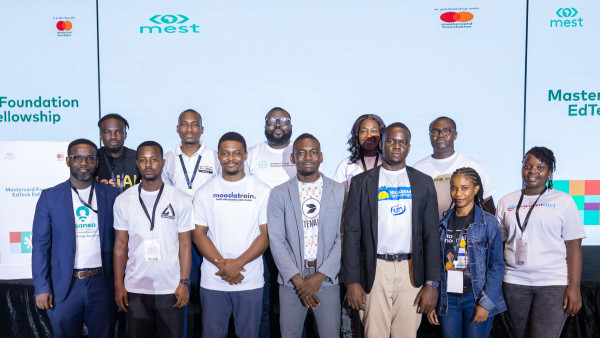
MEST Africa (www.Meltwater.org), in partnership with the Mastercard Foundation, has announced its second cohort of 12 innovative companies for the Mastercard Foundation EdTech Fellowship in Ghana. This six-month entrepreneurship acceleration program is dedicated to supporting Africa's most promising EdTech ventures by equipping them with mentorship, funding, and expertise in the science of learning. These newly selected companies are set to scale their groundbreaking solutions and address pressing educational challenges across Ghana.

The Second cohort builds on the success of the first cohort of 12 EdTech Companies, whose solutions impacted over 136,798 learners during the period of acceleration, underscoring the Fellowship's ability to drive transformative change.

“We are thrilled to welcome the second cohort of the Mastercard Foundation EdTech Fellowship,” said Angela Duho, Program Manager at MEST Africa. “In Ghana, EdTech is not just about innovation—it's about creating equal opportunities for every student, no matter where they live. It empowers teachers with the tools they need to inspire, and it prepares our youth for a future where digital skills are essential. The first cohort has already shown us what's possible, and we're confident that these new Fellows will continue to transform education and unlock potential across the country.”

The 12 EdTech companies selected for the 2025 cohort demonstrated strengths in [please add here] that point to Ghana's educational needs. Over the next six months, they will benefit from comprehensive support, including expert mentorship, access to funding, and specialized training, enabling them to scale their solutions effectively and sustainably.

The EdTech companies selected by MEST Africa for the 2025 Mastercard Foundation EdTech Fellowship are:

  1. TECHAiDE (https://TECHAiDE.Global/) is a social enterprise committed to enhancing education, youth development, and healthcare throughout Africa. Since 2011, they have collaborated with global partners to deliver practical, affordable, and lasting solutions that uplift individuals, strengthen communities, and support institutions in creating brighter futures
  1. MooslaTrain (https://apo-opa.co/3S08HuA) is redefining math education in Ghana by sparking curiosity and confidence in students. This is done through community-driven math clubs and digital learning tools that make math approachable and fun, equipping young learners with the skills to thrive in STEM and beyond.
  1. Scribble Works Publishing House (https://ScribbleWorks.carrd.co/) is passionate about enriching education in Africa by providing educators and students with affordable, curriculum-aligned materials and interactive digital tools, fostering engaging learning experiences backed by actionable insights.
  1. InovTech STEM Center is an innovation hub devoted to bringing STEM education to underserved communities. Through hands-on robotics and coding programs—like STEM4Her, Powered Girl, and Powered Boy—they inspire students and teachers to develop skills that open doors to new opportunities.
  1. STEMAIDE (www.STEMAIDE.com) is focused on reshaping education in Africa by nurturing problem-solving, creativity, and entrepreneurial spirit in young people. STEMAIDE strives to prepare the next generation with the tools and mindset to succeed in an ever-changing world.
  1. Nikasemo Technologies (www.Nikasemo.com) is dedicated to enhancing the classroom experience in basic schools with their software and hardware solutions that streamline school operations and create dynamic, engaging learning environments that help students reach their full potential.
  1. Jesi AI (https://AI.UseJesi.com/) is a generative AI assistant supporting teachers in Ghana's junior and senior high schools. By simplifying the creation of high-quality, curriculum-aligned lesson plans and materials, Jesi AI saves educators time while also acting as a virtual tutor to guide students and track their growth.
  1. Metaschool AI (https://MetaschoolApp.com/) is an educational app designed with BECE and WASSCE students in Ghana in mind. Offering interactive video lessons from top instructors, Metaschool provides a flexible, student-paced learning platform that makes academic success more achievable.
  1. Maxim Nyansa Foundation (https://MaximNyansa.com/) empowers high school students and teachers across Africa with vital IT infrastructure and educational software. By tapping into open-source solutions, Maxim Nyansa improves access to quality education and works to close the digital gap.
  1. The Ghana Olympiad Academy (https://GhanaOlympiadAcademy.com/), through its Academic Talent Development Programme, brings hands-on STEM learning to learners in Ghana. They nurture talent in literacy, numeracy, and STEM, preparing young minds for leadership and innovation on a global stage.
  1. Asah Maker-Space is passionate about automation, robotics, 3D printing, coding, and construction. Asah Makerspace's team of skilled educators and tech enthusiasts empowers the next generation of creators through immersive, practical learning experiences.
  1. Craft Education Technologies (www.CraftEducation.io) bridges the gap between therapists, parents, and teachers to create a seamless support system for children with behavior and learning challenges, including autism. This collaborative model ensures that every child receives the individualized attention they need to succeed.

“The Mastercard Foundation looks to support the acceleration of EdTech solutions that reach all, including those out-of-school young people who are constantly left out of the education ecosystem. For it is when we design with the end user in mind that the business case for the solutions is more scalable, sustainable and impactful. Our collaboration with MEST Africa is to transform education in Ghana through technology-enabled learning”, added Rodwell Mangisi, the Acting Director of the Mastercard Foundation Centre for Innovative Teaching and Learning.

Through the Mastercard Foundation EdTech Fellowship, this cohort will embark on a transformative journey, gaining mentorship from experts in education innovation, sustainability, and scale, access to courses on the science of learning, and equity-free grants. This robust support aims to scale their solutions and elevate educational outcomes for millions across Ghana and Africa.

For more information about the Mastercard Foundation EdTech Fellowship and MEST Africa initiatives, visit www.Meltwater.org. 

Distributed by APO Group on behalf of The Meltwater Entrepreneurial School of Technology (MEST Africa).

For media inquiries, contact: 
Francis Akondor 
Marketing and Recruitment Manager, MEST Africa 
francis@meltwater.org  

About MEST Africa:
Established in 2008, the Meltwater Foundation is the non-profit arm of the global media intelligence company, Meltwater. Its mission is to create job opportunities and drive economic growth in Africa through software entrepreneurship, primarily via the Meltwater Entrepreneurial School of Technology (MEST Africa). Based in Accra, Ghana, MEST offers a one-year, specialised tech entrepreneurial training program for top talent from over 22 countries, including Nigeria, Kenya, South Africa, and Senegal. Additionally, MEST invests in early to growth-stage startups.

In 2020, MEST Programs was launched to forge partnerships with other foundations and organisations that share our goal of creating wealth and jobs in Africa through digital skills training and startup acceleration. MEST Africa has trained over 2,000 entrepreneurs and invested in more than 90 startups across various industries throughout Africa.

Visit www.Meltwater.org to learn more.

About the Mastercard Foundation:
The Mastercard Foundation is a registered Canadian charity and one of the largest foundations in the world. It works with visionary organisations to advance education and financial inclusion to enable young people in Africa and Indigenous youth in Canada to access dignified and fulfilling work. Established in 2006 through the generosity of Mastercard when it became a public company, the Foundation is an independent organisation separate from the company, with offices in Toronto, Kigali, Accra, Nairobi, Kampala, Lagos, Dakar, and Addis Ababa. Its policies, operations, and program decisions are determined by the Foundation's Board of Directors and leadership.

For more information on the Foundation, please visit www.MastercardFDN.org

About the Mastercard Foundation EdTech Fellowship:
The Mastercard Foundation EdTech Fellowship is an entrepreneurship acceleration program designed to support promising, African EdTech ventures. Implemented in partnership with innovation hubs and EdTech accelerators across Africa, the Fellowship provides select EdTech companies with critical business and financial support, as well as insight into the science of learning, preparing them for scale, sustainability, and impact. The Mastercard Foundation EdTech Fellowship was launched in 2019 by the Mastercard Foundation through its Centre for Innovative Teaching and Learning with the goal to partner with 12 Tech Hubs to support over 250 EdTech companies and reach at least 1.8 million young people by 2025.

For more information about the Centre for Innovative Teaching and Learning, visit: https://apo-opa.co/42DjLmm or contact: edtechfellowship@mastercardfdn.org   

Media files
The Meltwater Entrepreneurial School of Technology (MEST Africa)
Download logo
Read moreMEST Africa and Mastercard Foundation Announce Selection of 12 Companies for Second Cohort of EdTech Fellowship in Ghana
22 April 2025

Verdant Capital Ranked 2nd in Dealmakers Africa League Table for East Africa

Location: News
Verdant Capital

Verdant Capital (www.Verdant-Cap.com) has been ranked second in the Financial Advisers (Transaction Flow) category for East Africa at the 2024 DealMakers AFRICA Awards, under the General Corporate Finance sector. This ranking is the 5th year in the row that Verdant has ranked in the top 3 in the DealMakers Africa East Africa league able, demonstrating the firm's consistent excellence in this market. This accolade highlights the firm's growing influence and consistent performance in East Africa's corporate finance space.

The DealMakers rankings are the authoritative rankings for finance professionals in the African continent, across financial advisory, sponsor services, legal and transaction services / financial due diligence. Awards are among the most prestigious in the inve industry, celebrating firms that demonstrate excellence in advisory services, transaction execution, and overall impact in mergers and acquisitions, capital raising, and other corporate finance activities. Rankings are based on the volume and value of completed deals, with Verdant Capital's second-place ranking reflecting a year of strong strategic advisory and client-focused execution.

In 2024 Verdant Capital, which is also trading under the Verdant IMAP brand, advised on transactions in sectors including financial services, fintech, agriculture, automotive, digital infrastructure and others, in East Africa, West Africa, Southern Africa and South Africa, transacting with corporates and financial investors from across Africa and from around the World.. The firm's deep market knowledge and expertise in mid-market transactions position it as a trusted adviser to companies, investors, and development finance institutions in East Africa and further afield. The firm continues to expand its regional presence, supporting clients with tailored financial solutions that drive meaningful impact across the continent.

Distributed by APO Group on behalf of Verdant Capital.

Media Enquiries:
Verdant Capital:
Orient Mahonisi
T: +27 10 140 3700
E: orient.mahonisi@verdant-cap.com

About Verdant:
Verdant IMAP is a leading investment bank operating on a Pan-African basis and specialising in private capital markets. Verdant IMAP is the IMAP firm for its region; IMAP established in 1973, with 40 partner firms in 50 countries, with over 600 investment bankers and completing over 250 M&A transactions per year is the largest global M&A partnership.  Verdant IMAP is a division of Verdant Capital.  Verdant Capital is the manager of the Verdant Capital Hybrid Fund is investing mezzanine capital into inclusive financial institutions on a pan-African basis. www.Verdant-Cap.com

Media files
Verdant Capital
Download logo
Read moreVerdant Capital Ranked 2nd in Dealmakers Africa League Table for East Africa
15 April 2025

Where Policy Meets Investment: African Ministers to Showcase Mineral Refining Opportunities at AMW 2025

Location: News

Energy Capital & Power
Download logo

African Mining Week (AMW) – Africa's premier gathering for mining stakeholders, taking place from October 1-3 in Cape Town – will feature a high-level Ministerial Forum dedicated to advancing local mineral beneficiation across the continent.

The session – From Extraction to Transformation: African Governments Driving Beneficiation and Value Addition – will spotlight national strategies and regulatory reforms aimed at boosting midstream and downstream infrastructure, enhancing local content, supporting community development and maximizing national value capture from resource exploitation.

Across the continent, mineral-rich countries are enacting policies and investment incentives – including export restrictions on raw minerals – to spur industrialization and local processing. In the Democratic Republic of Congo, the world's top cobalt producer, authorities imposed a four-month suspension on cobalt and copper exports in February 2025 to prevent market oversupply and stabilize prices. The decision came in response to a steep price drop from $82,000 per metric ton in April 2022 to just $21,550 in February 2025, aiming to resume exports once more favorable market conditions return. These proactive measures are expected to enhance the long-term sustainability of the sector and attract new investments in processing and refining infrastructure.

In Zimbabwe, a 2023 ban on raw lithium exports has attracted billions in downstream investment and created new jobs. In August 2024, Zimbabwe secured $310 million from Chinese and British investors to construct a three-million-ton-per-annum lithium processing facility at Sandawana Mine. Guinea-Conakry, which holds 23% of global bauxite reserves and is the second-largest producer worldwide, is reducing its reliance on raw exports by advancing several alumina refinery projects. Key developments include partnerships with Emirates Global Aluminium and Alteo Refinery to strengthen local industrial capacity. These strategic moves are positioning both countries as key players in the global mineral refining market, with significant potential for long-term economic growth and job creation.

Meanwhile, South Africa, the world's leading producer of platinum group metals (PGMs), is making major strides in beneficiation. Projects include the $4.5 billion KwaZulu-Natal Titanium Beneficiation Complex by Nyanza Light Metals; a titanium pigment plant at the Richards Bay Industrial Development Zone; a PGM treatment facility at the Steelpoortdrift Vanadium Project by Vanadium Resources Limited; and a new treatment plant at Ivanhoe Mines' Platreef PGM Nickel Project. These initiatives are expected to significantly boost South Africa's beneficiation capacity, create thousands of jobs and further cement the country's position as a global leader in mineral processing and industrialization.

The Ministerial Forum at AMW will provide a strategic platform for African leaders to showcase progress, present investment-ready opportunities and foster collaboration across the mining value chain. It will also serve to align policy priorities and attract long-term capital for the development of sustainable, value-driven mineral economies.

African Mining Week serves as a premier platform for exploring the full spectrum of mining opportunities across Africa. The event is held alongside the African Energy Week: Invest in African Energies 2025 conference from October 1-3 in Cape Town. Sponsors, exhibitors and delegates can learn more by contacting sales@energycapitalpower.com.

Distributed by APO Group on behalf of Energy Capital & Power.

Read moreWhere Policy Meets Investment: African Ministers to Showcase Mineral Refining Opportunities at AMW 2025
15 April 2025

Majodina commits to accelerate bulk water infrastructure implementation

Location: News

Majodina commits to accelerate bulk water infrastructure implementation

Water and Sanitation Minister Pemmy Majodina has reaffirmed government’s commitment to fast-track the rollout of bulk water infrastructure projects across the country.

Majodina made the commitment during the official handover of the Kirkwood Bulk Water Project to the Sundays River Valley Local Municipality, on Monday.

Funded through the Department of Water and Sanitation’s Regional Bulk Infrastructure Grant (RBIG), the R35 million project represents a transformative investment in water security for the Kirkwood community and the wider Eastern Cape province.

The project, implemented by Amatola Water, includes the construction of a new 14 million-litre raw water storage dam, which boosts the total storage capacity from 20.2 million litres to 34.2 million litres.

The expansion ensures an uninterrupted water supply, even during the annual maintenance shutdown of the Orange-Fish Water Scheme, which previously left the communities exposed to water shortages.

In addition to the dam, the project delivered two new 3.0-megalitre reservoirs in Kirkwood Town and Bontrug (Moses Mabida), as well as critical pipework upgrades to improve water distribution efficiency and reduce losses.

The project will also bring tangible benefits to communities, including reliable water access for 3,963 households and an estimated population of 16 778.

The improved infrastructure will also bring reliable water access to the communities, including 3,963 households, benefiting an estimated 16 778 population.

The project is also expected to bolster the local citrus industry, a key economic driver in the region, by enhancing water reliability for agricultural operations - thereby safeguarding jobs and export revenues.

Addressing the community during a handover ceremony, Majodina said the completion of Kirkwood Bulk Water Project, is more than just infrastructure, but “a clear demonstration of this government’s urgent and unwavering commitment to water security for all.”

“We are now entering a phase where we must - and will - fast-track the rollout of bulk water projects across the country with speed, focus, and accountability. Water is not a luxury, it is a basic right and a driver of economic growth, health, and dignity.

“Communities like Kirkwood deserve nothing less, and we will not rest until every household, farm, and business has reliable access to water,” Majodina said.

The Minister also urged the public to actively safeguard water infrastructure, take pride in the assets, and to work with the government to protect them.

“We call on all South Africans to avoid, prevent, and report any acts of vandalism, or theft that threaten our water systems. These projects belong to the people [and] when infrastructure is destroyed, it is our communities, our families, and our children who suffer,” Majodina said.

The project, which started in July 2023 and completed in March 2025, has brought inclusive economic benefits during its construction phase, generating 41 jobs for local community members and engaging 10 local small businesses, furthering the department’s goals for empowerment and local economic development.

The project components included:

•    A 14-million-litre raw water lay dam at the Kirkwood Water Treatment Works;
•    All associated infrastructure such as inlet chambers, interconnecting pipework, and security fencing;
•    A 3.0-million-litre steel reservoir in Kirkwood serving Aqua Park, Bergsig, and surrounds;
•    A second 3.0-million-litre reservoir in Bontrug, supplying Moses Mabida, Msengeni, and nearby settlements; and 
•    Interlinking pipework to enable zoning and efficient water distribution across the municipal network.

Majodina was joined by the Sarah Baartman District Municipality Mayor, Deon de Vos, and Sundays River Valley Local Municipality Mayor, Solethu Lucas. – SAnews.gov.za


GabiK
Tue, 04/15/2025 - 14:24
209 views

Read moreMajodina commits to accelerate bulk water infrastructure implementation
15 April 2025

Nigeria Strengthens Trade and Investment Ties with the UK During the Commonwealth Trade and Investment Summit

Location: News
Invest Africa

Nigeria's Minister of Industry, Trade, and Investment, Dr. Jumoke Oduwole, successfully concluded a series of high-level engagements in London, reinforcing Nigeria's commitment to fostering trade and investment partnerships with the UK. The visit, anchored around the Commonwealth Trade and Investment Summit held on 7-8 April, provided a vital platform to showcase Nigeria's strategic economic priorities and attract investment into key sectors.

During her visit, Dr. Oduwole participated in two exclusive events hosted by Invest Africa, engaging with top-tier stakeholders, business leaders, and investors. These engagements underscored Nigeria's dedication to economic diversification, investment mobilisation, and strengthening the London-Lagos investment corridor.

On 8 April, the Minister delivered a keynote address at an Invest Africa-hosted roundtable, where she outlined Nigeria's investment potential and strategic trade policies. The discussion focused on boosting non-oil sectors, promoting ease of doing business, and enhancing UK-Nigeria commercial ties. Senior executives from the UK business and investor community engaged directly with the Minister, fostering dialogue on new investment opportunities and partnerships that will contribute to Nigeria's long-term development goals.

Dr. Jumoke Oduwole, Minister of Industry, Trade, and Investment, stated: “Nigeria is open for business, and we are committed to creating an environment that fosters investment, innovation, and economic growth. Our engagements in London demonstrate our dedication to strengthening trade ties, supporting local and foreign investors, and ensuring that Nigeria remains a prime investment destination. The opportunities in Nigeria, particularly in non-oil sectors, are immense, and we invite investors to be part of this journey towards sustainable development.”

Additionally, the Minister participated in an exclusive event co-hosted by Invest Africa in partnership with Lagos Free Zone (LFZ). This strategic engagement positioned LFZ as a premier investment hub within Nigeria's manufacturing sector, showcasing its potential to attract global investors and support the country's industrialisation agenda. The event featured a presentation by Lagos Free Zone MD & CEO, Adesuwa Ladoja, and a dynamic panel discussion exploring Nigeria's industrial landscape and how LFZ can support UK businesses keen on exploring pathways for sustainable growth in Nigeria.

Karen Taylor, Chair of Invest Africa, commented: “Invest Africa is proud to facilitate meaningful engagement between Nigerian leaders and the UK business community. The Minister's participation in our events underscores Nigeria's strategic importance as a trade and investment partner. We look forward to continuing to support initiatives that drive economic collaboration and unlock new business opportunities.”

Adesuwa Ladoja, MD & CEO of Lagos Free Zone, remarked: “The Lagos Free Zone represents a game-changer for Nigeria's manufacturing and industrial sectors, offering world-class infrastructure and seamless business operations. This event provided a crucial platform to showcase how strategic investments in LFZ can unlock deeper penetration into the Nigerian market for UK businesses and drive Nigeria's industrialisation. We are excited about the opportunities that lie ahead and look forward to welcoming global investors.”

Dr. Oduwole's engagements in London aligned with Nigeria's four key strategic pillars: investment mobilisation, trade revenue growth, economic diversification, and strategic communications. Through these discussions, the Minister reinforced Nigeria's proactive approach to fostering international trade relations, unlocking new business opportunities, and strengthening economic ties between Nigeria and the UK.

As Nigeria continues its journey toward sustainable economic transformation, the Ministry of Industry, Trade, and Investment remains committed to advancing strategic partnerships and positioning Nigeria as a top-tier investment destination on the global stage.

Distributed by APO Group on behalf of Invest Africa.

Media Contact:
Invest Africa
Email: pippa.vanbreda@investafrica.com 
Websites: www.Invest Africa.com and www.LagosFreeZone.com

About Invest Africa: 
Invest Africa is a leading business and investment platform with over sixty years of expertise in Africa, dedicated to connecting businesses with unique opportunities across the continent. Their global network comprises more than 400 member companies, including multinationals, private equity firms, institutional investors, development finance institutions, professional service providers, government bodies, and entrepreneurs. With chapters in Kenya, South Africa, the UAE, the UK, and the US, Invest Africa leverages their global reach, market intelligence, and extensive network to support and connect businesses. As a trusted gateway into Africa, they drive socio-economic growth by facilitating sustainable capital flows and providing strategic insights through our membership, consultancy services, and dynamic events programme.

Media files
Invest Africa
Download logo
Read moreNigeria Strengthens Trade and Investment Ties with the UK During the Commonwealth Trade and Investment Summit
15 April 2025

Lesotho Gives In, Approves Starlink Licence

Location: News

Civic organisation says this is a “sell-out”

Read moreLesotho Gives In, Approves Starlink Licence
14 April 2025

Damning Report on R57-Million Buffalo City Swimming Pool

Location: News

Years later the pool remains incomplete and a symbol of municipal failure

Read moreDamning Report on R57-Million Buffalo City Swimming Pool
14 April 2025

Bloemhof Dam water outflows reduced

Location: News

Bloemhof Dam water outflows reduced

Water outflows at Bloemhof Dam have been reduced, says the Department of Water and Sanitation, while the five sluice gates at the Vaal Dam remain open to manage the inflows of water into the dam.

The dapertment said the outflows at Bloemhof Dam were decreased as the dam’s water levels subsided to 104.96%.

The water releases at the Bloemhof dam were reduced from 2 100 to 1900 cubic metres per second (mᵌ/s) at 12pm on Sunday.

The water outflows decrease follows Saturday’s reduction from 2500 mᵌ/s.

“These adjustments are necessary to manage the sustained high inflows and ensure safe operation of the dam.”

Meanwhile, at the Vaal Dam, the water levels have slightly dropped from Saturday’s 115.43% to 114.38% on Sunday, and the inflows from the upper catchment are at 877.38 mᵌ/s.

“The five sluice gates remain open, with a discharge of 813.380 mᵌ/s to manage the water levels at the dam. The controlled water releases at both the dams have led to overtopping of riverbanks downstream, resulting in flooding that has affected settlements that are in the lower-lying areas within the 1 in 100-year floodline,” the department said in a statement on Sunday.

The department urged people living within the floodline of the Vaal River downstream of the Vaal and Bloemhof Dams, who have been evacuated, to continue to avoid the flooded areas.

The department said it continues to monitor inflow water levels in the Integrated Vaal River System (IVRS), to ensure that necessary precautions are in place, in line with dam safety standards and hydrological monitoring systems to safeguard infrastructure and attenuate flood conditions. 

“As part of the dam safety protocols, sluice gates are opened when dams breach the full capacity mark, to prevent the water resource infrastructure from failing as it may lead to a dam bursting and causing a disaster of unimaginable magnitude.

“The department is therefore implementing these necessary controlled water releases at the dams as part of dam safety precautions to safeguard the infrastructure and protect human life,” the department said. – SAnews.gov.za

GabiK
Mon, 04/14/2025 - 12:54
13 views

Read moreBloemhof Dam water outflows reduced
13 April 2025

Eskom maintenance plan continues

Location: News

Eskom maintenance plan continues

While load shedding remains suspended due to a stable power system, Eskom says ongoing planned maintenance continues at high levels, with unplanned outages showing a year-on-year reduction of approximately 2.9%.

“Emergency reserves are adequate and being used strategically to meet peak demand, while ongoing planned maintenance continues at 14.85% of generation capacity, marking a 3.8% increase compared to the same period last year,” Eskom said on Friday.

The high level of planned maintenance aims to enhance fleet reliability for the anticipated increased peak winter demand while also ensuring compliance with environmental and regulatory requirements.

“Currently, 7 402MW of the generation capacity is under planned maintenance. The Unplanned Capacity Loss Factor (UCLF), or unplanned outages, for the financial year-to-date (1 to 10 April 2025), stands at 28.50%, improving by an ~2.85% from 31.35% achieved in the same period last year.

“Eskom has spent R3.6 billion on diesel over the past 30 days, (12 March to 10 April 2025) representing a 2.5% decrease compared to the previous 30-day period,” the power utility said.

A total of 3 130MW will be returned to service before the evening peak on Monday, 14 April 2025, to further stabilise the grid.

Key performance highlights:

•    From 7 to 10 April 2025, average unplanned outages reduced to 13 105MW, showing a significant improvement of 1 691MW compared to the same period last year. Year-to-date (1 April 2025 until 10 April 2025) average unplanned outages stand at 13 578MW.
•    As of Friday, unplanned outages have significantly decreased by 2 044MW, currently at 11 564MW compared to 13 608MW last week. The available generation capacity stands at 28 662MW, while tonight’s peak demand is forecasted at 26 788MW.
•    The year-to-date Planned Capacity Loss Factor (planned maintenance) is 14.85%, approximately 3.8% higher than the 11.03% recorded during the same period last year, indicating an increase in planned maintenance activities.
•    From 1 to 10 April 2025, the year-to-date EAF stands at 56.11%, slightly below compared to the same period last year (57.16%), mainly due to higher planned maintenance.
•    Year-to-date (1 to 10 April 2025), Eskom spent approximately R1.34 billion on fuel for the Open-Cycle Gas Turbines (OCGTs) fleet, generating 228.33GWh. This is higher than the 64.09GWh generated during the same period last year. This is expected to decrease as maintenance activities begin to slow down.
•    The OCGT load factor increased to 29.95% in the past week (4 to 10 April 2025), up from 22.69% recorded between 27 March to 3 April 2025. This is higher than the 9% recorded during the same period last year.
•    Year-to-date (1 to 10 April 2025), the OCGT load factor is 27.87%, higher than last year’s figure of 7.82%.

Eskom has urged the public to help prevent transformer overloads and related equipment failures, which can result in explosions and prolonged outages.

“This can be achieved by avoiding illegal connections, purchasing electricity only from Eskom-accredited vendors and ensuring that customers take responsibility for regularising their electricity usage. Eligible households are encouraged to register for free basic electricity with their local municipalities,” the power utility said.

Any illegal activity impacting Eskom’s infrastructure should be reported to the Eskom Crime Line at 0800 112 722 or via WhatsApp on 081 333 3323. -SAnews.gov.za


nosihle
Sun, 04/13/2025 - 11:00
52 views

Read moreEskom maintenance plan continues
13 April 2025

Government reiterates commitment to water security

Location: News

Government reiterates commitment to water security

The Deputy Minister of Water and Sanitation, David Mahlobo, has reaffirmed government's commitment to ensuring water security for all South Africans through innovative partnerships and transformative solutions.

“Water is the lifeblood of our nation's development. By combining government's resources with the innovation and expertise of the private sector, particularly through organisations like the Black Business Council in the Built Environment (BBCBE) that champion transformation, we can overcome our water challenges and build a resilient future for all South Africans,” the Deputy Minister said on Friday.

He was addressing the BBCBE Built Environment Indaba at the Gallagher Convention Centre in Midrand, which was taking place under theme: "Built Environment Partnering with Our Government to Deliver Infrastructure Projects through Innovative Funding and Delivery Models.”

The Deputy Minister urged the built environment sector to leverage its expertise and global networks to drive innovation, mentorship, and investment. 

“Water challenges as experienced in most parts of the country require bold and collaborative solutions from all of us. Together, we can harness technology, finance, and partnerships to achieve Sustainable Development Goal (SDG) 6 on clean water and sanitation for all,” he said.

This as the Department of Water and Sanitation remains steadfast in its mission to secure South Africa’s water future. 

Mahlobo’s address underscored the need for unity across government, the private sector, academia, and civil society to transform challenges into opportunities for sustainable growth. -SAnews.gov.za


nosihle
Sun, 04/13/2025 - 10:03
66 views

Read moreGovernment reiterates commitment to water security
12 April 2025

Minister Must Commit to a Firm Date for New Lottery Licence, Says Bidder

Location: News

Wina Njalo wants Parks Tau to announce the successful bidder by 9 May

Read moreMinister Must Commit to a Firm Date for New Lottery Licence, Says Bidder
11 April 2025

Select Committee Considers Negotiating Mandates on Marine Oil Pollution Preparedness Bill

Location: News

Republic of South Africa: The Parliament
Download logo

The Select Committee on Public Infrastructure and the Ministries in the Presidency met yesterday to consider the negotiating mandates from the nine provincial legislatures on the Marine Oil Pollution Preparedness, Response and Cooperation Bill [B10-2022].

The committee said it is pleased to receive the inputs and proposals from the provinces, which demonstrated the high level of public participation and engagement in the legislative process. The committee also appreciated the constructive contributions made by the provinces and the Department of Transport in working towards finalising this important piece of legislation.

Through robust discussions and deliberations, the committee identified areas of convergence between the provinces and the department. The committee is confident that the technical amendments and clarifications proposed will strengthen the bill and ensure it is fit for purpose in protecting South Africa's marine environment.

The committee will reconvene next week to consider the consolidated list of proposed amendments, known as the C-list, which will be developed through a collaborative process between the department, parliamentary legal advisors and committee support staff. This will then form the basis for the final D-list that will be presented to the provinces for their consideration and support.

Committee Chairperson Mr Rikus Badenhorst said, “The committee remains committed in fulfilling its respective role and ensuring the timely finalisation of the Marine Oil Pollution Preparedness, Response and Cooperation Bill in order to enhance the country's state of readiness and response capability in the event of a marine oil spill incident.”

Distributed by APO Group on behalf of Republic of South Africa: The Parliament.
Read moreSelect Committee Considers Negotiating Mandates on Marine Oil Pollution Preparedness Bill
11 April 2025

Concern over Limpopo justice vacancy rate 

Location: News

Concern over Limpopo justice vacancy rate 

Justice and Constitutional Development Minister Mmamoloko Kubayi has identified the high number of vacancies at the Limpopo justice department as a critical issue to resolve.

Kubayi conducted an oversight visit to the Polokwane High Court and the Master’s Office on Thursday.

“The Minister noted that these capacity challenges are severely affecting service delivery. She clarified that this is not a failure on the part of the provincial team but rather an issue that requires urgent attention at the national level. 

“Misinterpretations of public service regulations that delay appointments and result in prolonged acting roles must be resolved,” the Department of Justice and Constitutional Development (DJCOD) said in a statement.

The Minister conducted the visit to “engage directly with staff without disrupting court operations”.

“During her walkabout, the Minister assessed compliance with departmental norms and standards, with particular attention to the management of court files. Proper filing was emphasised as fundamental to the delivery of justice, as even a single missing page can derail an entire case. The importance of getting the basics right was underlined.

“The Minister also raised concern about the inadequate infrastructure available for child witnesses, noting that the existing facilities fall short of providing the necessary safeguards for minors who testify in court. She stated that the current situation is unacceptable and assured that it will be addressed,” the department said.

Staff engagement

To conclude the visit, Kubayi conducted a meeting with staff to address public complaints, service consistency, performance management and physical infrastructure.

“The Minister emphasised that performance management tools must not be used to victimise employees, but rather to support their growth and accountability. She stressed the importance of cordial working relationships among colleagues and encouraged teamwork across all levels. 

“Managers were called upon to lead effectively by ensuring staff are motivated and that court users are treated with the dignity and speed they deserve. She further highlighted the responsibility of managers to guarantee that persons with disabilities have equal access to services, and that facilities catering to their needs must be prioritised. 

“She reaffirmed her commitment to restoring public trust in the justice system by promoting accountability, professionalism, and respect for all who depend on the department’s services,” the statement concluded. – SAnews.gov.za


NeoB
Fri, 04/11/2025 - 11:10
111 views

Read moreConcern over Limpopo justice vacancy rate 
11 April 2025

14% Increase in Spyware Attacks on Businesses in Africa

Location: News
Kaspersky

As part of the company's participation at the GITEX Africa conference, taking place in Morocco on 14-16 April 2025, Kaspersky (www.Kaspersky.co.za) will address the dynamics for cyberthreats in the African region as per the latest anonymised data from the Kaspersky Security Network (KSN)[1]. From 2023 to 2024 businesses in Africa were targeted by web threats, on-device threats, and attacks aiming to steal data, including spyware and password stealers. Phishing and ransomware continue to be significant threats in the region, with 66 million phishing link clicks seen by Kaspersky in the African region in 2024, including over 14.8 million phishing link clicks by corporate users.

Web-based threats, or online threats, are a category of cybersecurity risks that may cause an undesirable event or action affecting users browsing the Internet. According to Kaspersky data, there were 131 580 587 web threats detected in 2024 in the African region, including almost 20 million attack attempts in Kenya, almost 17 million in South Africa, and 12.6 million in Morocco. Businesses were targeted by web threats more often in 2024 than in 2023, with threat detections increasing by 1.2%.

Local (on device) threats include malware that is spread via removable USB drives, CDs and DVDs, or that initially makes way onto the computer in non-open form (for example, programs in complex installers, encrypted files, etc.). According to Kaspersky telemetry, local (on device) threat detections in organisations in the African region in 2024 increased by 4% compared to 2023. Among the countries that saw growth in local threats detected in organisations were Nigeria (169% increase), Ethiopia (86%), South Africa (32%), Senegal (11%), and Morocco (9%).

There has been a spike of threats related to data theft. According to Kaspersky data, there was a 14% growth in spyware attack detections on businesses in the African region from 2023 to 2024. Spyware is secretly installed on a user's computer to monitor their actions and collect their data. Apart from that, there has been a 26% increase in password stealer detections. Password stealers are a type of malware designed to harvest login credentials and other sensitive data.

“Our statistics show an increase in attack detections for several types of cyberthreats, and the factors driving these increases are multifaceted. In the B2B sector, the continuing shift toward hybrid work models and the rush to digitise operations — often outpacing cybersecurity investments — may leave businesses in Africa exposed to advanced persistent threats. In the B2C space, the explosion of digital financial services, coupled with low digital literacy rates, makes individuals prime targets for opportunistic attacks,” comments Maher Yamout, Lead Cybersecurity Researcher with Kaspersky Global Research and Analysis Team. “Organisations in Africa should prioritise a unified approach by enhancing collaboration, investing in specialised cybersecurity training, and promoting digital literacy to effectively combat the rising tide of cybercrime. Initiatives like the African Cyber Surge operation and targeted educational programs can serve as blueprints for building a resilient digital ecosystem across the continent.”

To stay protected, Kaspersky suggests following the recommendations below.

Individual users:

  • Do not download and install applications from untrusted sources.
  • Do not click on any links from unknown sources or suspicious online advertisements.
  • Always use two-factor authentication when available. Create strong and unique passwords, using a mix of lower-case and upper-case letters, numbers, and punctuation. Use a reliable password manager to help to remember them.
  • Always install updates when they become available; they contain fixes for critical security issues.
  • Ignore messages asking to disable security systems for office or cybersecurity software.
  • Use a robust security solution appropriate to your system type and devices, such as Kaspersky Premium (apo-opa.co/3G2yjUZ).

Organisations:

  • Always keep software updated on all the devices you use to prevent attackers from infiltrating your network by exploiting vulnerabilities.
  • Do not expose remote desktop services (such as RDP) to public networks unless absolutely necessary and always use strong passwords for them.
  • Use solutions such as Kaspersky NEXT EDR Expert (apo-opa.co/4ifQ8NV) for comprehensive visibility across all endpoints on a company's corporate network to get superior defense, automate routine EDR tasks, enable analysts to speedily hunt out, prioritise, investigate, and neutralise complex threats and APT-like attacks.
  • Use the latest Threat Intelligence (apo-opa.co/3XVFTa3) information to stay aware of actual TTPs used by threat actors.
  • Back up corporate data regularly. Backups should be isolated from the network. Make sure you can quickly access the backups in an emergency if needed.

The Kaspersky stand at GITEX Africa (https://GITEXAfrica.com) in Morocco will be located in Hall 13, 13C-20, while a keynote titled “When AI/ML fails in cybersecurity, humans are the last line of defense” will take place at the Dark Stage on April 15 at 2:10 PM.


Reference:

[1] Data sent to Kaspersky is anonymized and protected, even in transit, in accordance with stringent industry standards including encryption, digital certificates, segregated storage and strict data access policies. Learn more about KSN here: www.Kaspersky.com/KSN

Distributed by APO Group on behalf of Kaspersky.

For further information please contact:
Nicole Allman
INK&Co. (https://INKandCo.co.za)
nicole@inkandco.co.za

Follow us:
Facebook: https://apo-opa.co/3RfDPWG
X: https://apo-opa.co/3XUJzJe
YouTube: https://apo-opa.co/4icxu9w
Instagram: https://apo-opa.co/3G7fAry
Blog: https://apo-opa.co/44smi5c

About Kaspersky:
Kaspersky is a global cybersecurity and digital privacy company founded in 1997. With over a billion devices protected to date from emerging cyberthreats and targeted attacks, Kaspersky's deep threat intelligence and security expertise is constantly transforming into innovative solutions and services to protect businesses, critical infrastructure, governments and consumers around the globe. The company's comprehensive security portfolio includes leading endpoint protection, specialized security products and services, as well as Cyber Immune solutions to fight sophisticated and evolving digital threats. We help over 200,000 corporate clients protect what matters most to them. Learn more at www.Kaspersky.co.za.

Media files
Kaspersky
Download logo
Read more14% Increase in Spyware Attacks on Businesses in Africa
11 April 2025

Review of White Paper on Local Government published for discussion

Location: News

Review of White Paper on Local Government published for discussion

The Minister of Cooperative Governance and Traditional Affairs (CoGTA), Velenkosini Hlabisa, has officially published a discussion document on the Review of the 1998 White Paper on Local Government. 

According to the department, this represents a significant and necessary step towards creating a reimagined and results-oriented local government system in South Africa.

This document, published under Notice No. 6118 (Gazette: 52498) on Thursday, initiates a national discussion aimed at producing a revised White Paper on Local Government by March 2026.

According to the department, the review aims to incite fresh thinking, honest reflection, and decisive action toward building a fit-for-purpose local government system that truly serves the people of South Africa.

“This process is not about tweaking the symptoms. It is about confronting the root causes of dysfunction in local governance. We need to ask the hard questions, and more importantly, we need to answer them with the courage to act,” Hlabisa explained. 

He noted that the discussion document emphasises the interconnectedness and indivisibility of the four essential components of an effective local government system.

These include governance, institutional arrangements, service delivery and infrastructure, and financial arrangements.

In addition, the document aims to assess and revise outdated assumptions of the1998 White Paper on Local Government and strengthen cooperative governance among the three spheres of government. 

The initiative aims to align reforms with related efforts, including amendments to the Municipal Finance Management Act (MFMA), the Municipal Structures Act, and the Spatial Planning and Land Use Management Act (SPLUMA). 

It also seeks to enhance integration with traditional leadership, improve community participation, and address systemic challenges, such as municipal financial sustainability, over-politicisation, climate risk, and spatial inequality.

The Minister invites all South Africans, including civic organisations, academics, municipalities, and other arms of government, to participate in the consultation process.

The public participation is open until 30 June 2025. 

Submissions must be made in writing and can be emailed to WPLG26@cogta.gov.za; RichardP@cogta.gov.za and MaphutiL@cogta.gov.za  

Alternatively, comments may be submitted by post: 
Minister of Cooperative Governance and Traditional Affairs
Attention: Mr. Thabiso Richard Plank (WPLG26 Policy Review)
Private Bag X802, Pretoria, 0001

Physical Address:
87 Hamilton Street, Arcadia, Pretoria  

For access to the full discussion document and more information, visit: https://www.cogta.gov.za/index.php/docs/white-paper-on-local-government-1998-review-of-the-white-paper-on-local-government/. – SAnews.gov.za


Gabisile
Fri, 04/11/2025 - 11:28
60 views

Read moreReview of White Paper on Local Government published for discussion
11 April 2025

Developer of R300M Stellenbosch Housing Estate Fights Back

Location: News

Botmaskop Fynbos Estate says a court interdict stopping construction will be “catastrophic”

Read moreDeveloper of R300M Stellenbosch Housing Estate Fights Back
11 April 2025

Department of Public Works Bungles Darling Street Eviction Application

Location: News

State Attorney did not communicate with residents and failed to enrol the case properly

Read moreDepartment of Public Works Bungles Darling Street Eviction Application
11 April 2025

Flood Warnings as Water Pours From Vaal Dam

Location: News

Residents in low lying areas urged to move

Read moreFlood Warnings as Water Pours From Vaal Dam
10 April 2025

Nzimande, UN Secretary-General’s Envoy on Technology meet on Global Digital Compact

Location: News

Nzimande, UN Secretary-General’s Envoy on Technology meet on Global Digital Compact

The Minister of Science, Technology and Innovation, Professor Blade Nzimande, met with Mandeep Gill, the Undersecretary and Special Envoy of the United Nations Secretary-General for Digital and Emerging Technologies, on Wednesday.

The meeting primarily focused on South Africa’s role in implementing the UN’s Global Digital Compact (GDC) and the opportunities this presents for developing the country’s digital economy.

The GDC forms part of the UN’s Pact for the Future, which was adopted during the Summit of the Future in 2024. 

The Department of Science, Technology and Innovation (DSTI) said this compact was a comprehensive framework for global digital cooperation and governance, particularly regarding artificial intelligence. 

Its primary objective is to harness the potential of digital technology for the benefit of humanity while also addressing the challenges and risks associated with it. 

During the meeting with Gill, Nzimande stressed the importance of digital and emerging technologies.

“As one of the African countries with the largest public science systems, South Africa recognises the importance of developing our capabilities in digital and emerging technologies such as artificial intelligence and their potential to help in the development of solutions for some of the challenges of our time such as inequality, climate change and environmental degradation, pandemics and transnational conflict,” the Minister said. 

He believes the current geopolitical moment required a stronger and consistent commitment to international collaboration, the free exchange of scientific knowledge, and multilateralism.

“These, we believe present us with a better chance at a sustainable future for humanity. It is for this reason that meaningful partnerships and the development of our capabilities in the digital economy are some of the strategic pillars of our country’s Decadal Plan for Science, Technology, and Innovation,” he stated. 

Outlining the potential benefits for South Africa’s participation in the GDC, the Minister said South Africa’s participation in the GDC presents the country with several unique opportunities to address national priorities and position it as a leader in regional digital transformation. 

“We believe our participation in the GDC can further enhance our capabilities in such areas as infrastructure development, digital skills enhancement, digital entrepreneurship and innovation support, digital inclusion, data governance and privacy and human rights protection,” Nzimande stressed. 

Nzimande used the meeting to update Gill on the department’s artificial intelligence (AI) initiatives, which include the Foundation Digital Capabilities Research (FDCR).

One of the initiatives within the FDCR platform that is AI-focused is the Centre for Artificial Intelligence Research (CAIR).

There is also the South African Research Chairs Initiative (SARChi), which currently includes Research Chairs in information and communication technology (ICT) development, with two specifically focused on AI.

All the DSTI’s AI and digital economy initiatives are designed to support the objectives of South Africa’s Digital Economy Masterplan, which is the responsibility of the Department of Communication and Digital Technologies. – SAnews.gov.za

Gabisile
Thu, 04/10/2025 - 14:38
84 views

Read moreNzimande, UN Secretary-General’s Envoy on Technology meet on Global Digital Compact
10 April 2025

Six appear in court for alleged Eskom theft

Location: News

Six appear in court for alleged Eskom theft

Eskom has commended police for a recent operation that led to the arrest of six suspects found in possession of Eskom property valued at R1.5 million.

The six appeared in court on Monday.

Eskom Group Executive for Distribution Monde Bala urged communities to protect electrical infrastructure from vandalism and to report any criminal activity.

“We urge communities to play a role in safeguarding the infrastructure that delivers electricity to their homes and businesses. Reliable electricity is essential for daily life—preserving food, cooking, heating, lighting, and enabling children to study after dark. Protecting this infrastructure is a shared responsibility.

“Vandalism results in unplanned power outages, often leaving homes and businesses without electricity for extended periods. The restoration process can be prolonged, particularly when essential infrastructure such as transformers or high-voltage breaker components is damaged, as these items can take weeks to replace,” he said.

In a statement, the power utility said it has noted a rise in theft which includes the removal of pylon steel structures, illegal sand mining around pylons and siphoning of oil from transformers.

“Tampering with electrical infrastructure poses serious and potentially fatal risks. When transformers are drained of oil or connected to illegal installations, they can overheat and explode, leading to widespread power outages and, in some cases, loss of life.

“The theft of steel components from pylons compromises the structural stability of power towers, increasing the risk of collapse—particularly after heavy rainfall. This endangers both people and animals, as high-voltage lines carry thousands of volts and can be deadly upon contact.”

The power utility added that it had identified a rising trend where individuals throw metal chains and wires onto power lines, causing flashovers that trip power lines and disrupt supply.

“Such reckless actions not only contribute to power failures but also put lives at risk. Tragically, there have been cases where individuals suffered severe injuries or lost their lives due to contact with electrified objects hanging from power lines,” Eskom said.

Vandalism has cost the power utility some R221 million over the past financial year – an improvement from some R271 million the financial year before.
“Despite this improvement, the issue demands ongoing vigilance and proactive community involvement.

“Although Eskom has seen a reduction in these crimes due to increased collaboration with law enforcement agencies and improved security measures, the problem persists and remains unacceptable,” the power utility said.

To report vandalism or suspected criminal behaviour, call 0800 11 27 22, send an SMS to 31090 or contact local municipalities. – SAnews.gov.za
 

NeoB
Thu, 04/10/2025 - 08:56
236 views

Read moreSix appear in court for alleged Eskom theft
10 April 2025

President engages with various technologies at the CSIR 

Location: News

President engages with various technologies at the CSIR 

President Cyril Ramaphosa engaged with various researchers and technologies on his visit to the Council for Scientific and Industrial Research (CSIR) earlier this week.

The President was hosted by the Minister of Science, Technology, and Innovation, Professor Blade Nzimande when he toured several facilities at the CSIR on Tuesday.

Among the technologies the President interacted with, was the Oceans and Coastal Information Management System (OCIMS), a sophisticated digital platform developed by the CSIR. 

It enables South Africa to monitor, protect, and sustainably manage its extensive coastal and oceanic zones through real-time, data-driven insights.

The initiative is led by Dr Lulama Wakaba, Executive Cluster Manager of the Next-Gen Enterprises and Institutions Cluster. The initiative is a collaboration between the CSIR, the Department of Forestry, Fisheries and the Environment, the South African Environmental Observation Network, and the South African Weather Service. 

“Many people don’t realise this, but South Africa’s exclusive economic zone, our marine territory, is larger than our land mass. That gives us an extraordinary opportunity in the blue economy, which holds immense potential for GDP [gross domestic product] growth, job creation, and sustainable development,” Wakaba explained. 

According to the CSIR, OCIMS is not just a data repository, but also an integrated, scalable system that forms the backbone of multiple research projects used by the state to manage and safeguard marine environments.  

These range from coastal erosion monitoring and maritime traffic control, to harmful algal bloom forecasting, oil spill detection, and marine spatial planning.  

By using satellite data, sensor networks, and intelligent analytics, the system ensures that South Africa’s coastal resources are preserved and fully utilised for economic benefits.

“What we’re showcasing is a living example of applied science. This system translates complex marine data into actionable insights that policymakers and environmental authorities can use to make informed decisions. It’s about turning scientific research into national impact,” Wakaba explained. 

The importance of OCIMS is amplified by South Africa’s strategic position at the meeting point of two oceans, with more than 3 000 km of coastline.  

The country’s location, combined with the rising threats of climate change and unsustainable exploitation, make the need for intelligent ocean governance urgent.

“For us, the real breakthrough lies in unlocking the power of science and innovation to support the state's capacity to manage this frontier responsibly,” he said. 

“From supporting marine biodiversity to bolstering economic development, OCIMS is a cornerstone in building resilient, knowledge-based ocean governance.”

The CSIR said having President Ramaphosa visit the exhibition was both a validation and a celebration of the platform’s significance.

“What we hope to communicate is the strategic power we can unlock when we take up the mantle of what the CSIR stands for, applying cutting-edge science and technology to our national priorities. In this instance, it’s the blue economy, a massive frontier that, if fully harnessed, can transform our country’s economic trajectory.”

The CSIR’s work on OCIMS also supports international obligations, including the United Nations’ Sustainable Development Goals, climate resilience efforts, and commitments under the UN Convention on the Law of the Sea.  

It also provides South African citizens and coastal communities with tools to better understand and protect the natural wealth that surrounds them.

“Our oceans are not just scenic landscapes; they are vital economic assets and ecosystems,” he said. 

“OCIMS is about equipping our country with the means to both care for and benefit from those assets responsibly and sustainably.”

With this bold initiative, the CSIR  said OCIMS stands as a beacon of what is possible when innovation meets vision and when digital infrastructure is aligned with national imperatives.

During  his visit, the President hailed the CSIR as a “South African success story” as the institution marks 80 years since its establishment.

READ | CSIR critical for innovative solutions to resolve challenges - President Ramaphosa

The President was delivering remarks at the institution’s headquarters following a tour of the facility on Tuesday afternoon.  – SAnews.gov.za


Gabisile
Thu, 04/10/2025 - 09:47
136 views

Read morePresident engages with various technologies at the CSIR 
10 April 2025

Communities along Vaal River floodlines urged to evacuate

Location: News

Communities along Vaal River floodlines urged to evacuate

Water and Sanitation Minister, Pemmy Majodina, has urged residents residing along the floodlines of the Vaal River to evacuate the area and those who have already relocated not to return to their homes.

Majodina, accompanied by Deputy Minister David Mahlobo, conducted a site visit to the Vaal Dam on Wednesday to assess the condition of water resource infrastructure following significant inflows into the dam due to persistent rainfall across the Vaal River Catchment.

The Minister was joined by Rand Water Chairperson Ramateu Monyokolo and Chief Executive Officer Sipho Mosai, and the provincial heads of Gauteng, Free State, and North West, Justice Maluleke, Tseliso Ntili, and Luxolo Mditshane, respectively.

Majodina warned that low-lying areas downstream of the Vaal and Bloemhof Dams, remain vulnerable due to the release of water through open sluice gates, which are being used to manage water levels.

“During heavy rains and high inflows into dams, the department implement flood management protocols through controlled water releases to ensure the safety of water resource infrastructure (dams and barrages); protection of downstream communities as such, minimise loss of human lives and livelihoods, destruction of property and disruption of services; and to ensure that the dams are full at the end of the flood season,” Majodina said.

Since 3 March 2025, the Department of Water and Sanitation has been gradually releasing water from both dams through sluice gates and valves to maintain structural integrity and reduce flood risk.

Currently, five sluice gates at both the Vaal and Bloemhof Dams have been opened to manage the increased inflows.

Speaking from the Vaal Dam wall, Majodina assured the public that bulk water supply remains stable, and that the department is working closely with the municipalities to manage water reticulation to ensure that the citizens of South Africa have access to potable water from their taps.

The Minister warned residents who encroach upon flood lines to move to a safe area and to remove valuable equipment, including movable infrastructure, and livestock.

She appealed to religious groups and the general public to avoid large bodies of water, as strong currents pose significant danger.

“We want to make a plea and strong caution to people on the flood line; it may not be raining in your area, but because of the tributaries that flow into the dam, high volumes of water could reach your locality and wash away your homes. We also call on churches to be aware of the dangers of strong tides due to the open gates.

“Water currents are not always visible on the surface and can be difficult to detect, making them hazardous. As we approach Easter, let us be cautious regarding water activities that may endanger lives,” the Minister advised.

Mahlobo said living near large bodies of water was visually appealing; however, there was a boundary that should not be crossed for safety reasons.

"A flood line has a red line that should not be crossed, and when water volumes increase, there is a risk to residents and their properties. We cannot be held responsible for decisions made by individuals who cross that red line," Mahlobo said.

Vaal and Bloemhof Dams status

The department reported that the five sluice gates remain opened with an outflow of 793 cubic metres per second (mᵌ/s) at the Vaal Dam and water levels are currently at 114.61% as at this morning.

“At Bloemhof Dam, levels have gone down from last night’s (Tuesday) 116% to 111% this morning (Wednesday) and water levels continue to decline. As such, the Department has reduced outflows from 3000 mᵌ/s by this afternoon to 2500 mᵌ/s”.

The Department of Water and Sanitation continues to monitor the situation and will provide regular updates. Residents are urged to follow instructions from local authorities and disaster management teams. – SAnews.gov.za
 

GabiK
Thu, 04/10/2025 - 09:56
44 views

Read moreCommunities along Vaal River floodlines urged to evacuate
  • Previous
  • Page 1
  • Interim pages omitted …
  • Page 33
  • Page 34
  • Page 35
  • Page 36
  • Page 37
  • Interim pages omitted …
  • Page 108
  • Next

Copyright © 2026 · MyZA · All Rights Reserved · Powered by Stratlec Online