Farmers need support after devastating Riverlands flood
A lack of security of tenure and of agricultural support from government has compounded the disaster

MyZA
News, Directory, Events and Other Stuff
A lack of security of tenure and of agricultural support from government has compounded the disaster
Valuations are a critical aspect of many financial and legal decisions. Whether you are dealing with property, a business, or even a classic car, understanding the valuation process is essential. What Are Valuations? Valuations are assessments of the worth or value of an asset. They are conducted by professionals who consider various factors to …
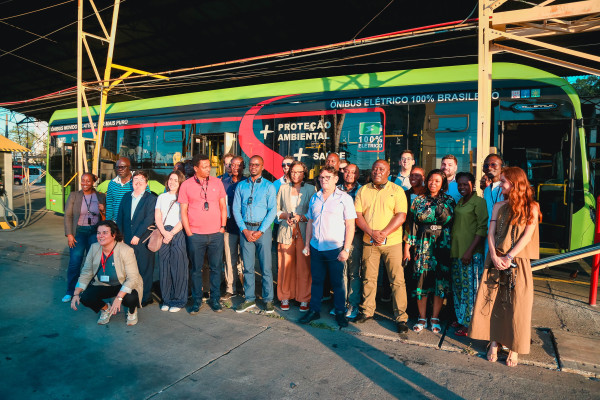
From August 5 to August 13, 2024, representatives from seven African cities visited the Brazilian cities of Sao Paulo, Fortaleza and Curitiba, to discover inspiring solutions being implemented by local authorities to promote sustainable urban development.
The Study Tour, organised as part of the African Development Bank's African Cities Program (ACP) (http://apo-opa.co/3Azu2pl), launched in 2020, was financed by the South-to-South Cooperation Trust Fund (SSCTF) in collaboration with the Bank Group's Urban and Municipal Development Fund (UMDF), with the participation of the C40 Cities Climate Leadership Group (http://apo-opa.co/4fUnhyo).
The trip was inspired by the idea that peer exchanges between cities in the Global South can enrich the urban planning approaches and strategies of decision-makers in African municipalities.
"Africa's rapid urban transition has many similarities with that experienced by Latin America in the 1950s and 60s,” said Darline Tognia, UMDF Coordinator and leader of the delegation. “By visiting Brazil today, we can see firsthand, and with hindsight, how cities have absorbed this growth; which solutions have worked, and which have not.”
The delegation consisted of 19 high-level municipal staff drawn from planning departments, finance departments, transportation services, and others, working in eight African cities which are already benefiting from the Urban and Municipal Development Fund and C40: Nairobi (Kenya), Beira (Mozambique), Tshwane (South Africa), Lomé (Togo), Dakar (Senegal), Addis Ababa (Ethiopia) and Freetown (Sierra Leone).
The visit started in Sao Paulo, the largest city in South America, where innovation and sustainability coexist with complex urban and environmental challenges. At Parque Bristol, a popular neighbourhood, participants visited a publicly run multipurpose facility for children, which benefits from a “School Feeding Program”, a large-scale municipal effort to promote healthy eating, while also supporting urban agriculture.
As part of the tour, the group also met with waste recycling cooperatives, visited an electric bus maintenance center, learnt about public transport by river-boats, and how informal settlements are being upgraded by the municipality trough the provision of basic infrastructure, improved transport integration, social housing programs and environmental protection measures.
In Fortaleza, a coastal city in north-east Brazil, and the second leg of the tour, the delegation saw various initiatives that have significantly improved the cityscape; in sustainable mobility, youth engagement and climate resilience.
The tour came to an end in Curitiba, a city of 2 million inhabitants, renowned for its innovative approach to sustainable development and urban mobility. The delegation learnt about the Bus Rapid Transit (BRT) system implemented by the city, as well as its slum upgrading, urban planning and solid waste management programs.
The Urban and Municipal Development Fund envisioned the trip as a means of consolidating a network of African cities interested in adopting urban solutions with an inclusive and human-centered approach.
The Brazil tour follows previous ones organized in 2022 to Copenhagen (Denmark) and Malmo (Sweden) (http://apo-opa.co/4fKPMih), to discover the renowned sustainable urban planning strategies of Nordic countries.
Distributed by APO Group on behalf of African Development Bank Group (AfDB).
Leading researchers to be acknowledged at 2024 NRF Awards
Science, Technology and Innovation Minister, Professor Blade Nzimande, will address the prestigious National Research Foundation (NRF) Awards at the Sun City Resort, North West, on Thursday.
The NRF, an entity of the Department of Science and Innovation (DSI), funds research and the development of high-end human capacity and critical research infrastructure to promote knowledge production across all disciplinary fields.
This year’s event is significant as it marks 25 years of the NRF promoting research, innovation and partnerships that contribute to building an inclusive, knowledge-based society in South Africa.
The annual awards are a highlight of the academic calendar, drawing together the leading lights of local and international academia.
The ceremony recognises the scientists behind groundbreaking research conducted at South Africa’s higher education institutions.
The awards are presented in two categories, these include the special awards that recognise extraordinary contributions to the South African knowledge base.
The finalists in this category include three DSI-NRF Centres of Excellence – Human Development, Epidemiological Modelling and Analysis, and Biomedical TB Research.
The second category is the NRF ratings-based awards, which are based on a rigorous peer review system that evaluates the research impact of nominees over the past five years.
“Each year several researchers have their research output peer-reviewed and are given ratings by the NRF,” a statement by the department read.
These ratings fall under the categories of A (leading international researchers), B (internationally acclaimed researchers), C (established researchers), P (prestigious awards) or Y (promising young researchers).
“These ratings recognise these researchers’ standing in their fields as well as the world-leading nature of their work. To obtain an A rating, a researcher must be recognised by their peers as a leading international scholar in their field.”
In addition, an A-rated researcher must be based on the high quality and high impact of their recent research output.
Meanwhile, the P rating is awarded to researchers who, based on exceptional potential demonstrated in research performance and output during doctoral and/or early post-doctoral careers, are considered likely to become future international leaders in their respective fields.
“Researchers who have received A and P ratings will be acknowledged at the NRF Awards.” – SAnews.gov.za
Gabisile
Tue, 08/20/2024 - 12:44
AI is becoming a new member of society according to results from a new Kaspersky (www.Kaspersky.co.za) survey titled ‘Excitement, Superstition and great Insecurity – How global Consumers engage with the Digital World' (https://apo-opa.co/3WRj99J). The study also found that today artificial intelligence is taking on new roles in fields where it can succeed and be trusted by humans.
Based on statistics from Similarweb (https://apo-opa.co/46WpO7u), ChatGPT, one of the world's most popular chatbots, garnered 153 million visits in the first month after its launch in November 2022, and peaked at 2 billion visits in April 2024. In light of the rapid advancements in AI, Kaspersky has conducted an in-depth study to explore current levels of confidence in AI. The study examines its roles from management positions in the workplace to assisting with significant life decisions.
According to the study, respondents see AI as their team member at work, and a manager – 34% globally believe AI can be a fairer boss than a human being because of its impartiality. For respondents from the Middle East, Turkiye and Africa (META) region this statistic is 40%. In South Africa it is 42%.
Another area where AI can play an active role is education. 47% of respondents globally, 60% in the META region and 68% in South Africa foresee children being taught through virtual experience and Metaverses in the near future.
Half (50%) of all consumers globally, 53% in the META region and 64% in South Africa believe that AI has already become an unavoidable part of their lives, with 43%, 46% and 52% respectively having a positive outlook on its potential to bring about many exciting opportunities and improve the future for everyone. A large portion of respondents admit that AI has capabilities in creative areas – 62% globally, 59% in the META region and 53% in South Africa believe AI is a credible producer of works of art.
AI can also be considered a reliable companion and an assistant in everyday life. More than half of respondents (57%) globally, 67% in the META region and 60% in South Africa would like to use AI to run their daily lives more efficiently.
48% of those surveyed globally, 60% in the META region and 56% in South Africa are ready to use an AI chatbot to have conversation online - 31%, 38% and 33% respectively would use it to help them to find the right partner on a dating app. In fact, 48% globally, 58% in the META region and 63% in South Africa believe that human relationships will change because of the impact of AI if virtual characters start replacing real-life partners.
“We are witnessing the growing adoption of AI as a valuable tool, assisting people in diverse areas. Beyond traditional applications, such as processing and analysing data, AI is being entrusted with more intriguing personal roles, including romance, education, and work. As AI technologies continue to evolve, their potential to drive innovation and improve human experiences becomes even more profound. However, this advancement also brings unexpected risks and sophisticated threats, ranging from overreliance — putting too much trust in AI advice — to AI-generated phishing, deepfakes and identity theft. These are the challenges that we need to address across multiple levels,” comments Vladislav Tushkanov, Machine Learning Technology Research Group Manager at Kaspersky.
In order to protect users against AI-driven threats, Kaspersky suggests:
The full Kaspersky report ‘Excitement, Superstition and great Insecurity – How global Consumers engage with the Digital World' is available via this link (https://apo-opa.co/3WRj99J).
Distributed by APO Group on behalf of Kaspersky.
About the survey:
In June 2024, Kaspersky commissioned Arlington Research to conduct an online survey of 10,000 respondents to explore the respondents' attitude towards current digital superstitions, AI role in human's life and topic of digital immortality. The sample included 1,000 respondents from each of the UK, Germany and France, and 500 in Spain, Italy, Portugal, Brazil, Mexico, Russia, Kazakhstan, India, China, Indonesia, Turkiye, KSA, UAE, and South Africa.
About Kaspersky:
Kaspersky is a global cybersecurity and digital privacy company founded in 1997. With over a billion devices protected to date from emerging cyberthreats and targeted attacks, Kaspersky's deep threat intelligence and security expertise is constantly transforming into innovative solutions and services to protect businesses, critical infrastructure, governments and consumers around the globe. The company's comprehensive security portfolio includes leading endpoint protection, specialized security products and services, as well as Cyber Immune solutions to fight sophisticated and evolving digital threats. We help over 200,000 corporate clients protect what matters most to them. Learn more at www.Kaspersky.co.za.
President Ramaphosa to officiate signing of second Presidential Health Compact
President Cyril Ramaphosa will on Thursday preside over the signing of the second Presidential Health Compact at the Union Buildings in Pretoria.
The Presidential Health Compact is an initiative established by President Ramaphosa in 2019.
It is a framework of cooperation between critical sectors in South Africa that significantly influences good health outcomes.
According to the Presidency, it also monitors and evaluates components where roles and responsibilities are assigned to various stakeholders to support the strengthening of health systems and preparation for implementing the National Health Insurance (NHI).
READ | President Ramaphosa to officiate signing of the Presidential Health Compact
The second compact follows the 2023 Presidential Health Summit, which built on the inaugural summit of 2018 and brought together several stakeholders.
These include government, business, labour, civil society, health professionals, unions, service users, statutory councils, academia, and researchers to develop sustainable and inclusive solutions to challenges in the national health system.
The stakeholders involved in this framework are integral to supporting the Department of Health in improving the health system.
It initially consisted of nine pillars, with the 10th pillar added during last year’s summit.
These include the development of human resources, improving access to medicine, vaccines and health products, upgrading infrastructure, private sector engagement, quality healthcare, public sector financial management improvements, governance and leadership, community engagements, information systems and pandemic preparedness.
The signatories to the health compact are:
• The President of the Republic of South Africa
• The Minister of Health
• The Minister of Science and Innovation
• Independent Community Pharmacy Association (ICPA)
• South African National AIDS Council (SANAC)
• South African Medical Association Trade Union
• Democratic Nurses of South Africa
• Congress of South African Trade Unions
• Campaigning for Cancer- Patient User Groups
• South African Medical Research Council (SAMRC)
• South African Pharmacy Council (SAPC)
• National Unitary Professional Association for African Traditional Health Practitioners of South Africa (NUPAATHPSA)
• Traditional Knowledge Systems and Allied Health
The signing of the second Presidential Health Compact will take place at the Union Buildings Courtyard, West Wing, Pretoria at 12:30 pm. – SAnews.gov.za
Gabisile
Tue, 08/20/2024 - 09:44
Tugboats position KZN as preferred logistics and transport hub
KwaZulu-Natal Premier Thamsanqa Ntuli says the introduction of tugboats is not only a boost for the provincial port, but a significant advancement for the province’s economy, particularly within the logistics and maritime sectors.
Ntuli was speaking at the recent christening and naming ceremony of five new tugboats at the Port of Durban, hosted by the Transnet National Ports Authority (TNPA) Eastern Region.
The ceremony marked a major milestone in the TNPA Marine Fleet Renewal Programme, a key component of Transnet’s broader Recovery Plan aimed at enhancing shipping efficiencies across South African ports.
The five newly acquired tugboats are set to be injected into the port’s operations, reinforcing the Marine Fleet Renewal Programme’s objectives of increasing marine craft availability and ensuring smoother, more efficient port operations.
This strategic initiative aligns with Transnet’s mission to revitalise its infrastructure and strengthen the country’s logistics network.
Ntuli congratulated the TNPA on this critical acquisition, emphasising the importance of modernising port infrastructure to meet the evolving needs of the maritime industry.
“The introduction of the tugboats is not only a boost for the port, but a significant advancement for the province’s economy, particularly within the logistics and maritime sectors. This initiative positions KwaZulu-Natal as the preferred logistics and transport hub in South Africa.
“Strategic investments, such as the R1 billion allocated to enhancing the Durban Port, are vital to driving economic growth and creating much-needed employment opportunities in our province," Ntuli said.
Ntuli said both the Durban and Richards Bay ports are primed to become preferred gateways for cargo exports, bolstering KwaZulu-Natal’s economic competitiveness, and supporting South Africa’s global trade ambitions.
Journey toward economic recovery on course
Transnet Board Chairperson Andile Sangqu underscored the importance of the TNPA Marine Fleet Renewal Programme, noting that Transnet’s journey towards economic recovery is firmly on course.
With the advancements in operations and strategic initiatives, particularly through the Marine Fleet Renewal Programme, Sangqu said Transnet is witnessing significant progress in restoring and enhancing the efficiency of South Africa’s port infrastructure.
He said the successful implementation of these initiatives reflects Transnet’s commitment to fulfilling the objectives of the Transnet Recovery Plan.
“This plan is crucial to maintaining South Africa’s competitive edge in the global maritime industry and ensuring the country’s ports operate at world-class standards. The christening of these five tugboats marks a new chapter for the Port of Durban and sets the foundation for further advancements in the province’s maritime capabilities.
“With KwaZulu-Natal’s strategic location and ongoing investments in port infrastructure, the province is well-positioned to become a leader in logistics and transportation, driving economic growth and fostering international trade,” Sangqu said. – SAnews.gov.za
GabiK
Mon, 08/19/2024 - 10:50
Emergency work on the fourth Riverlands dam
The Department of Water and Sanitation (DWS) says the fourth dam - upstream of Riverlands in the Swartlands Local Municipality - has been cleared through a side channel spillway created to prevent a more catastrophic collapse of the dam wall.
The department said during an inspection on 12 August 2024, it was established that there is a progressing piping failure (on the downstream slope) at the highest section of the dam wall.
“The integrity of the dam was compromised and hence the possibility of failure was detected.
"Subsequently, the decision was taken to empty the dam to protect the lives of the community members living downstream.
“The emptying of the dam through the spillway was planned to drain the dam during daytime (from 10am to 4pm), to ensure that the increased outflow from the dam would occur during day light, to enabled it to be managed more easily,” the department said in a statement.
The department said, should Dam 4 failed late in the evening or early morning hours while the public downstream was asleep, the consequences could have been far worse.
The department noted that the fourth dam emptied faster than anticipated, however, the public was precautionarily evacuated, hence no injuries and loss of life were reported.
“The members of the public, who were evacuated, have returned to their homes and the dam wall of Dam 4 has not failed. Very little additional damage was caused by the release of water from Dam 4.
“The damage to infrastructure was caused by the floods of the dam breaks of the previous three dams during the early hours of last week,” the department said.
The department reiterated its commitment to safeguard the lives of the public during emergency conditions, although this sometimes results in difficult decisions having to be taken, including the precautionary evacuation of people if deemed necessary,” the department said.
Investigation into dams failure extended
Meanwhile, Water and Sanitation Minister, Pemmy Majodina, has granted the departmental engineers an extra week to conduct diligent and adequate investigation into the reason behind the failure of three farm dams located in Riverlands.
This follows the failure of three farm dams located in Riverlands that breached, resulting in flooding that caused severe property and infrastructure damage to the affected area, leading to hundreds of people being provided with humanitarian assistance.
Majodina visited the area on 11 August 2024 to get a first-hand information of the disastrous occurrence and was briefed by the team of engineers dispatched by the department to normalise the situation in the area.
The Minister then instituted an investigation on the breach of the three dams and whether the owners of the dams have proper authorisation from the department.
A report was expected in seven days from the day of Majodina’s visit.
Whilst the team on the ground has been working around the clock to expedite the compilation of the report requested by the Minister, the department emphasised that it has to balance the investigation work with its intervention )to mitigate the risk of the failure of the fourth dam, which was at a risk of severe damage as well.
“The department mobilised the construction team currently working at Clanwilliam Dam project for additional capacity to lower the risk of failure of the fourth dam. Furthermore, the department assessed the likelihood of failure of other dams in the area due to persistent rains and a saturated catchment which could have led to other dams reaching their maximum storage capacity,” the department said.
The Department of Water and Sanitation is committed in conducting its regulatory function diligently and depending on the outcomes of the investigation, those responsible for the failure of the three dams will be held accountable. – SAnews.gov.za
GabiK
Mon, 08/19/2024 - 12:17
Let’s harness improved confidence to drive inclusive growth - President
President Cyril Ramaphosa says government remains committed to collaborating with business, labour unions, and other social partners to advance the structural reforms necessary for fostering inclusive economic growth and creating jobs.
The President said this in his weekly newsletter to the nation on Monday.
“We cannot rebuild our country unless all South Africans work together. We will continue to work with business, labour and other social partners to drive the structural reform process that will boost inclusive economic growth and jobs.
“There is indeed an air of optimism in our country. Let us harness this confidence and goodwill to increase the momentum of our shared efforts to build and strengthen our economy,” the President said.
President Ramaphosa highlighted that over the last few months, the country has seen a growing confidence among investors, business and citizens over the prospects of the economy.
The latest Business Confidence Index published by the South African Chamber of Commerce and Industry (SACCI) points to an increase in business confidence since the elections in May.
The President noted that this sentiment is evident in the Johannesburg Stock Exchange’s All-Share Price Index, which increased by about 8% from the end of May to the end of July 2024.
“This is welcome news, particularly in light of the most recent employment figures released by Statistics South Africa, which show that unemployment remains extremely high at 33.5%.
“Business confidence is so important to our efforts to create jobs because it signals an improved business environment and encourages new investment. Greater investment in the economy enables faster growth and more job opportunities,” he said.
For several years, the country has experienced low levels of business confidence, having been negatively affected by the prolonged electricity crisis, State capture, concerns about corruption, the decline of State-owned enterprises and the manner in which law enforcement agencies had been compromised.
President Ramaphosa further reflected that investors have also been concerned about obstacles to growth, such as delays in the release of broadband spectrum, inefficiencies in ports and rail operations, and regulations that have slowed down licensing processes.
The President lauded the successful holding of the national and provincial elections in May and the formation of the Government of National Unity, both of which have had a positive effect on business confidence.
He said the progress that has been recorded in the reform process thus far has also contributed to the improved sentiment.
Rooting out corruption
To create a conducive environment, the President said government has shown its determination to tackle corruption.
Bodies like the National Prosecuting Authority (NPA), Special Investigating Unit (SIU) and the Hawks have brought several high-profile cases to trial. The permanent establishment of the NPA’s Investigating Directorate has also given further impetus to the fight against corruption.
Crime is also being tackled. Across the country, the President said, initiatives such as Operation Shanela have upped the war on crime.
“We are clamping down on illicit mining operations. Criminal syndicates involved in cable theft and extortion at construction sites are being dealt with.
“Through a concerted effort from all stakeholders, we have confronted the electricity crisis. We have now had more than 140 consecutive days without load shedding. There has been a huge increase in new power generation capacity.
“Investors have seen the growth opportunities in the far-reaching energy reforms we are undertaking. Just last week, I signed into law the Electricity Regulation Amendment Act, which will enable the establishment of a competitive electricity market,” the President said.
The progress made in electricity provision, he said, gives confidence that the country can overcome the problems on the freight rail lines and ports.
Transnet’s recovery plan is showing progress, with the private sector providing significant technical support and resources to Transnet Freight Rail and Port Terminals.
In Gauteng, the Western Cape and KwaZulu-Natal, newly launched state-of-the-art passenger trains are now operating along refurbished and reopened rail corridors, offering commuters faster and more affordable transportation options.
This development is expected to significantly reduce commuting times and costs for users.
Reforms and investment
Additionally, government has implemented changes to immigration regulations to attract skilled professionals, investment and tourists to South Africa.
Approval processes for water use licences and energy projects have been expedited, and the release of broadband spectrum aims to unlock the full potential of the telecommunications sector.
These reforms are set to drive economic growth and enhance the country’s global competitiveness.
The country is also making progress on infrastructure investment. According to Nedbank’s Capital Expenditure Project Listing, the value of fixed investment project announcements in the first half of this year rose to approximately R800 billion.
This was up sharply from just over R190 billion in 2023.
The public sector accounts for most of these projects in areas such as energy, transportation, health facility upgrades, roads and housing.
“As government, we held a meeting with business leaders last week. Business expressed optimism about the recovery and growth of our economy. They committed themselves to a new era of partnership with government. We agreed on key actions we must now take to build on the progress that has already been made,” the President said. – SAnews.gov.za
DikelediM
Mon, 08/19/2024 - 11:08
Metrorail says work on remaining stations was delayed by rains
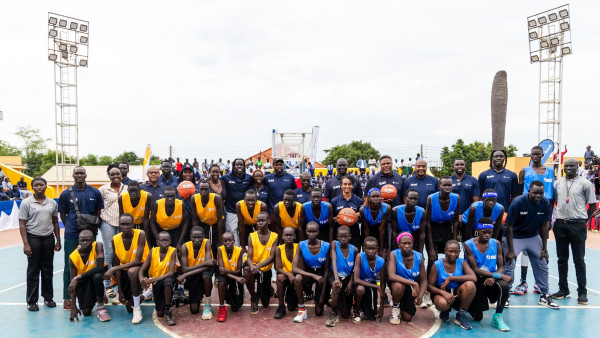
Stanbic Bank in South Sudan, NBA Africa (www.NBA.com) and the Luol Deng Foundation today hosted the first edition of the Stanbic Jr. NBA/Jr. WNBA Finals, which took place at the Nimra Talata Basketball Stadium in Juba, South Sudan. Juba One 76ers were crowned the inaugural season's champions, with Khalid Jibrin named the finals' Most Valuable Player.
Notable attendees included Stanbic Bank South Sudan Head of Business Fred Ouko, Luol Deng Foundation Founder and two-time NBA All-Star Luol Deng, Luol Deng Foundation CEO Arek Deng, 1995 NBA All-Star and 1992 Slam Dunk champion Cedric Ceballos, Basketball Africa League President Amadou Gallo Fall, and South Sudan national team members Wenyen Gabriel, Kuany Kuany and Nuni Omot. The event builds on Stanbic Bank and NBA Africa's multiyear collaboration, which launched in 2022 and featured the unveiling of a new outdoor basketball court at St. Mark's Orthodox School in Juba last December.
“The remarkable performance of the South Sudan national basketball team at the Paris Olympics highlighted the tremendous sporting talent within South Sudan,” said Stanbic Bank Chief Executive for Kenya and South Sudan Dr. Joshua Oigara. “Through our collaboration with NBA Africa and the Luol Deng Foundation, we are supporting the country to build on this potential and remain committed to driving South Sudan's growth through meaningful collaborations and initiatives.”
“The success of the first Jr. NBA/Jr. WNBA league season in Juba speaks to the great passion for the game of basketball in South Sudan and its impact on local communities,” said NBA Africa CEO Clare Akamanzi. “The South Sudan national team's performance on a global stage in recent months demonstrated how much the sport is growing in the country and we look forward to further collaborating with Stanbic Bank and the Luol Deng Foundation to make the game even more accessible for young people here.”
“I knew South Sudanese children had what it takes when the stage is set right for their learning, so I was not surprised about the talent,” said Deng. “What impressed me the most is the improvement in coaching and seeing how each school showed up to support players. The joy, the competitive, but yet peaceful spirit that the spectating students showed was so amazing to see.”
“This is my first visit to South Sudan, and it was incredible to see all the excitement on the court this afternoon,” said Ceballos. “I have seen firsthand the impact basketball can make on young people's lives and continuing to build on such platforms for boys and girls to play the game will be paramount to their success on the court, and in life.”
The Jr. NBA/Jr. WNBA is the league's global youth basketball program for boys and girls that teaches the fundamental skills and core values of the game – teamwork, respect, determination and community – at the grassroots level in an effort to help grow and improve the youth basketball experience for players, coaches and parents. The Jr. NBA/Jr. WNBA program has been launched in 19 African countries, reaching more than 170,000 youth from across the continent last year.
Distributed by APO Group on behalf of National Basketball Association (NBA).
Contacts:
Rachel Nderitu
Stanbic Bank
NderituR@stanbic.com
+254723710540
Pawel Weszka
NBA Africa
pweszka@nba.com
+27 10 007 2666
About Stanbic Bank:
Stanbic Bank is a member of the Standard Bank Group, Africa's largest bank by assets. Stanbic Bank is licensed and regulated by the Bank of South Sudan and has provided banking services in South Sudan since 2004, before the signing of the Comprehensive Peace Agreement (CPA) in 2005. The bank provides corporate, business and personal banking services to the key sectors that drive the South Sudan economy, including Oil & Gas, Power & Infrastructure, Humanitarian & Development Assistance, Government, Telecommunications and Insurance.
About NBA Africa:
NBA Africa is an affiliate of the National Basketball Association (NBA), a global sports and media organization with the mission to inspire and connect people everywhere through the power of basketball. NBA Africa conducts the league's business in Africa, including the Basketball Africa League (BAL), and has opened subsidiary offices in Cairo, Egypt; Dakar, Senegal; Johannesburg, South Africa; Lagos, Nigeria; and Nairobi, Kenya. The league's efforts on the continent have focused on increasing access to basketball and the NBA through youth and elite development, social responsibility, media distribution, corporate partnerships, NBA Africa Games, NBA Stores, the BAL, and more.
NBA games and programming are available in all 54 African countries, and the NBA has hosted three sold-out exhibition games on the continent since 2015. The BAL, a partnership between the International Basketball Federation (FIBA) and NBA Africa, is a professional league featuring 12 club teams from across Africa that concluded its fourth season in June 2024. Fans can follow @ NBA_Africa and @ theBAL on Facebook, Instagram, X and YouTube.
About Luol Deng Foundation:
The Luol Deng Foundation (LDF) was established in 2005 to empower youth to realize their limitless potential through sport and development. LDF creates pathways to opportunity through sport, education, wellness, and equality. Over the years, LDF has grown beyond basketball and expanded its reach into areas of education, wellness, and equality for young South Sudanese. We believe youth are the key to transforming our country and our world.
For more information visit www.LuolDeng.org, follow @ ldengf on Facebook, Instagram, Twitter and YouTube.
President Ramaphosa signs Electricity Regulation Amendment Act into law
President Cyril Ramaphosa has signed into law the Electricity Regulation Amendment Act which sets out far-reaching reforms of the country’s electricity sector, including the establishment of a competitive electricity market.
In a statement on Friday, the Presidency said the bill assented to by the President amends the Electricity Regulation Act of 2006. This is so as to respond to current realities in the electricity sector.
It also opens up pathways to greater competition and reduced energy costs; increases investment in new generation capacity to achieve energy security; establishes an independent transmission company as the custodian of the national grid; and imposes severe penalties for damage to and sabotage of infrastructure.
The Electricity Regulation Amendment Act provides for the establishment, duties, powers and functions of the Transmission System Operator SOC Ltd (TSO) – which must be established as an independent entity within five years – and for the National Transmission Company of South Africa to act as the TSO in the interim.
It also provides for an open market platform that allows for competitive, wholesale or retail buying and selling of electricity.
The Act provides for market operation as a new activity that may be licensed by the National Energy Regulator of South Africa (NERSA).
In addition, it requires the development of a Market Code that will establish rules to govern the future competitive market and outlines the process through which the code will be approved.
The Act further clarifies the principles that apply to the setting or approval of prices, charges and tariffs, providing, among others, that NERSA must enable an efficient licensee to recover the full cost of the licensed activity, must allow for a reasonable return proportionate to the risk of the licensed activity, and may provide for incentives for continued improvement of technical and economic efficiency.
As it does so, the regulator may consider factors such as security of supply, the diversity of supply and the promotion of renewable energy.
In addition, the Act distinguishes between tariffs that must be set or approved by the regulator, such as network charges, and those which are subject to a direct supply agreement or arise as an outcome of a competitive market.
“To ensure a level playing field for competition between multiple electricity generators, the Act provides that the system operator shall not discriminate between different generators or customers in relation to dispatching or balancing the system, except for objectively justifiable and identifiable reasons approved by the regulator.
“Access to the transmission and distribution power system must be objective, transparent and non-discriminatory,” said the Presidency.
These changes are in line with the broader reforms guided by the Energy Action Plan and the Eskom Roadmap, which aim to modernise and transform South Africa’s electricity system to end load shedding and ensure long-term energy security.
It is anticipated that diversity of supply and the promotion of renewables will stimulate a demand for new skills, innovation and technology in the electricity sector, which will generate new industrial activity and in turn mitigate unemployment.
Reinforcing the protection of public infrastructure as part of the fight against crime, the law provides for fines of up to R1 million or five years in prison – or both – for persons who, among other offences, damage, remove or destroy any transmission, distribution or reticulation cable, equipment or infrastructure.
Penalties for persons who unlawfully receive such cables, equipment or infrastructure face fines of up to R5 million or 10 years in prison, or both.
Going forward, the Act will lead to long term energy security, a more competitive energy system, more rapid uptake of renewable energy sources, and ultimately lower energy prices for all South Africans.
The Electricity Regulation Amendment (ERA) Bill was passed through a majority in the National Assembly in March.
READ | National Assembly passes Electricity Regulation Amendment Bill
-SAnews.gov.za
Neo
Sat, 08/17/2024 - 08:32
BMA Commissioner to visit Port of Cape Town
The Commissioner of the Border Management Authority (BMA), Dr Michael Masiapato, will undertake a monitoring and evaluation visit to the Port of Cape Town.
The purpose of the visit is in response to the recently reported increased numbers in cruise liners utilising the port as an international destination of choice.
In preparation for the upcoming 2024 and 2025 cruise season, Tuesday’s visit to the port is to ensure that it is ready to deal with the projected increase in international visitors.
“Cape Town Port of Entry is also the second largest cargo processing seaport and cruise liner in the country with recent rapid increases having mandated the extension of the cruise season to be moved from November to June 2024 due to high demand,” the BMA said on Friday.
The BMA is responsible for the execution of frontline border law enforcement functions related to immigration control, port health, access control, biosecurity, food safety and phyto-sanitary control, land border infrastructure development and maintenance, border information and risk management. – SAnews.gov.za
Edwin
Fri, 08/16/2024 - 14:42
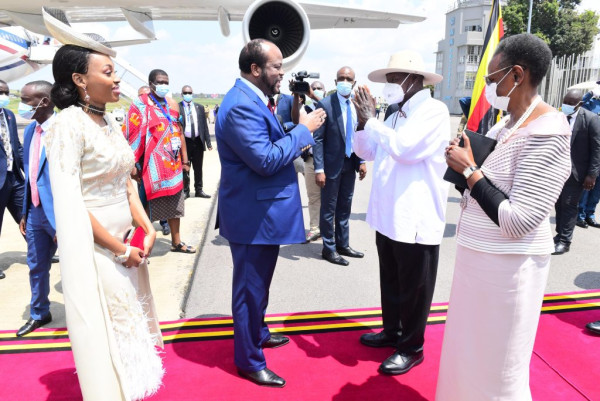
President Yoweri Kaguta Museveni and the First Lady and Minister of Education and Sports, Maama Janet Museveni have today welcomed the King of Eswatini, His Majesty, Mswati III at Entebbe International Airport.
His Majesty, Mswati III who is in Uganda for a three-day State Visit at the invitation of President Museveni was accompanied by his wife, Queen Inkhosikati Make Lamashwama and other high-level delegates.
At Entebbe International Airport, President Museveni was flanked by Ministers and service chiefs.
Upon arrival, the visiting King was accorded a 21-gun salute and inspected a guard of honour mounted by the Uganda People's Defence Forces (UPDF).
President Museveni later received his guest at State House Entebbe and held discussions focusing on enhancement of bilateral cooperation between the two countries.
In their discussions, President Museveni emphasised a clear vision for African prosperity, rooted in his experience as a student activist in the 1960s, a liberation leader, and now as a head of state.
“If Africans want prosperity, it comes from producing goods or services and selling them,” President Museveni stated.
He underscored the need for African nations to access larger markets to maximise economic benefits, highlighting Uganda's internal market of 46 million people as insufficient on its own.
“The fragmentation of the African market is a big disaster,” President Museveni warned.
He compared the continent's potential with that of Latin America, which, despite abundant natural resources, struggles with poverty due to its fragmented markets.
“I always tell my Ugandans here that if you want to be like Latin America, you are welcome because if you look at them, despite their wealth in natural resources, they still run to the USA for prosperity to get medical care, education, and other benefits,” he said.
The President argued that Africa's success lies in integrating markets across the continent, similar to how the United States operates with a vast and unified market.
He called for a model where African nations not only produce but also own and share in the benefits of their resources, rather than relying on foreign investments that often exploit the continent's wealth.
The President highlighted the need for African countries to collaborate on capital-intensive projects.
He also gave the example of Uganda's petroleum sector, where East African nations are invited to co-invest in infrastructure such as pipelines and refineries.
“It's not common sense that I produce, and you only buy. You can't say that to a brother,” President Museveni remarked, emphasising the importance of shared ownership.
President Museveni lauded the East African Community (EAC)'s progress in rebuilding and expanding to include eight member states, addressing both economic and political integration.
Beyond economic integration, President Museveni stressed the need for political federation in East Africa, which he views as crucial for establishing a strong military defence for the continent.
He highlighted the disparity in military capabilities between African nations and global powers like the United States, which boasts superior land, air, sea, and space forces.
“Africa must have the capacity to defend itself from all threats,” President Museveni asserted.
He called for a united African defence strategy as part of the broader vision for political federation.
His Majesty King Mswati III called for an enhanced cooperation between African nations, emphasising the need for unity in driving the continent's development.
He also expressed gratitude for the warm reception and hospitality extended to him and his delegation.
He highlighted the longstanding relationship between Uganda and Eswatini, noting that it had been years since their last meeting at a Commonwealth event.
“Your Excellency, I convey greetings from the Queen Mother, the government, and the people of Eswatini, and I wish to inform you that we are ready to strengthen ties between the two nations,” the King stated.
King Mswati went on to propose that Uganda and Eswatini establish regular communication channels to avoid neglecting the friendships and agreements already in place.
He stressed that African countries must work together to achieve progress in key areas such as poverty alleviation, job creation, education, and technological advancement.
“If we work together, there is much we can achieve. But if one country moves on its own, it cannot go far,” he said.
King Mswati III pointed out that Africa possesses abundant natural resources, yet the continent has struggled to produce efficiently due to the exploitation of these resources by foreign entities.
He advocated for African nations to share expertise and technology, citing Uganda's achievements in areas such as crude oil development as an example of successful collaboration.
“Now that we have mastered a lot of technology and expertise, we must take advantage of our resources,” the King stated.
The King further emphasised the need to promote entrepreneurship and knowledge exchange between Uganda and Eswatini, suggesting the establishment of distribution centres and routes to facilitate trade.
He also proposed increased cooperation between the Southern African Development Community (SADC) and the East African Community, expressing hope for a stronger economic partnership.
In terms of cultural ties, King Mswati III highlighted the similarities between the cultures of Uganda and Eswatini.
He proposed the organisation of cultural festivals to showcase these connections and attract tourists from around the world.
“We should promote our unique cultures, which are similar in many ways to support tourism and strengthen our bonds,” he added.
The King called for the opening of direct flight routes between Eswatini and Uganda to boost tourism and cargo trade.
He noted the potential for increased tourism, particularly given Uganda's rich natural attractions such as the Nile River and mountains.
“Let us work together to promote tourism by making travel between our countries easier and more accessible,” he urged.
King Mswati III also expressed support for Uganda's leadership in hosting the African Union's Humanitarian Agency and congratulated President Museveni on Uganda's chairmanship of the Non-Aligned Movement and the G77+China group.
He reiterated his country's willingness to cooperate with Uganda in various sectors, including the export and assembly of electric cars.
In Transport and Infrastructure, the two Heads of State also called for an expedition of cooperation processes regarding the creation of a hub by the Kingdom of Eswatini for marketing Kiira Motors Corporation's “Kayoola EVS” electric buses to the SADC region, using the advantage of the Maputo harbour area.
In conclusion, King Mswati III extended an invitation to President Museveni for a State Visit to Eswatini, emphasising the importance of continued collaboration between the two nations.
“Africa needs to work together to achieve economic independence, and our partnership with Uganda is a step in that direction,” he concluded.
Strengthening Bilateral Ties:
During the visit, Uganda and Eswatini further solidified their relationship through the signing of a Memorandum of Understanding.
The agreement was signed by Uganda's Minister of State for Foreign Affairs, Hon. Oryem Henry Okello, and Eswatini's Minister for Foreign Affairs and International Cooperation, Hon. Senator Pholile Shakantu.
Additionally, the two countries' agriculture Ministers discussed enhancing cooperation in the agricultural sector.
Eswatini, officially the Kingdom of Eswatini and also known by its former official name Swaziland and formerly the Kingdom of Swaziland, is a landlocked country in Southern Africa. It is bordered by Mozambique to its northeast and South Africa to its north, west, south, and southeast.
The Eswatini delegation included high-level officials such as HRH Princess Lindiwe and Hon. Manqoba Khumalo, Minister of Commerce, Industry, and Trade, among others.
On the Ugandan side, key ministers such as Hon. Babirye Milly Babalanda, Minister for the Presidency, Dr. Monica Musenero, Minister for Science, Technology, and Innovation, Hon. Mwebesa Francis, the Minister of Trade Industry and Cooperatives, and Hon. Katumba Wamala, the Minister of Works and Transport were also in attendance.
Distributed by APO Group on behalf of State House Uganda.
By Ana Hajduka, founder and CEO of Africa GreenCo (www.AfricaGreenCo.com).
As Africa's energy sector deregulates, exciting opportunities open up for financial innovation to benefit consumers. Private-sector buyers and traders can mitigate default risk and provide certified green energy at lower cost, writes Ana Hajduka, founder and CEO of Africa GreenCo.
Africa's renewable energy potential is undeniable, but it remains largely untapped. The problem is that the financing landscape for renewable energy and other projects in Africa was previously reliant on state utilities as buyers.
The scale of projects that could be financed in a country were then limited by the fiscal capabilities of that country and the sovereign guarantees it could provide.
This traditional model of relying on countries to provide such guarantees has faced recent challenges, because of increasing debt burdens, and shifting economic priorities.
Opportunities have therefore emerged for innovative financial approaches that will ensure more guarantees can be acquired from other sources and that risk can be diversified across a portfolio of suppliers and customers. This would see more projects achieving financial close, to ultimately provide more African people with clean energy.
There is also room to not only grow new renewable energy supply, but to create new renewable energy markets on the continent, where that supply can be sold.
As a consequence, the market is opening up to allow alternative buyers of new renewable energy, which can utilize existing regional competitive energy markets to diversify its risks – buyers such as GreenCo.
This is extremely relevant at the moment. Legislation like South Africa's Electricity Regulation Amendment Bill, is set to open up the electricity sector to new supply and trading models. This foreshadows the opening of a competitive spot market for electricity trade in South Africa – linking in the future the South African spot market with that of the Southern African Power Pool.
Namibia did something similar a couple of years ago, as did Zambia.
These regulatory market developments are important as they facilitate innovation and new private sector business models through which there can be a scale up of bankable offtake agreements for new supply. The problem in the region is not lack of projects. It's not lack of funding. It's earning enough lender trust to lend on the back of a 20-25 year power purchase agreement backed by a private sector buyer without state fiscal support.
Transmission capacity
Transmission constraints are another factor in this emerging scenario. The development of the electricity sector across the region effectively has a ceiling, determined by the available transmission network for new generation.
Previously, development finance institutions would only fund state utilities, and then only when it was proved that sufficient generation would be coming on board to utilize any new transmission infrastructure.
Now, thanks to the growing liberalisation focus in the region, allowing new private sector participants to buy and trade power, these transmission funding inflows can be facilitated. This new supply will be critical to making new transmission investments bankable.
If the private sector can sufficiently guarantee that any proposed new capacity coming on board will utilise the necessary transmission infrastructure, that new capacity effectively backs the viability of the new transmission investing – bringing a direct value add to the state utilities in South Africa and the rest of the SADC region.
Regulatory readiness
But for all of this to fall into place, we need a convergence of the relevant regulatory readiness – and we are already seeing this across the region. In many SADC countries, new legislation is providing the regulatory clarity that the private sector requires to venture into supply, transmission and trade.
The entire ecosystem must work for new entrants, and lenders. Until now, lenders have seldom considered state utilities to be creditworthy, and they have required significant fiscal guarantees to cover the power-purchase obligations of those utilities.
That model is a double whammy. Not only does it encumber utilities with debt for new generation, but it hits the national fiscus as well.
In South Africa, for example, the widely respected REIPPP process has brought online a significant amount of new generation. However, once the South African government started reporting on the process in accordance with IMF fiscal transparency regulations, this added an additional 36% to the contingent liabilities of the national treasury – almost $15 billion - overnight. That is money that can no longer be channeled into education, health and other key infrastructure development (water, transmission etc).
The REIPPP model has been extremely successful in the electricity sector, but it has perhaps outlived its usefulness. There are other priorities, and the private sector should be sufficiently capable to deliver on its own, with the lending community partnering accordingly.
The REIPPP model can be replicated in cases such as storage tenders, and in the transmission space. While transmission is usually considered a government function, it would certainly be possible to incentivize the private sector – and lenders – to enter the space.
New licensees
Across the region, markets are liberalising rapidly. South Africa has shown it can happen almost overnight, as in the case of the country's generation regulations. This has allowed third-party wheeled projects, from generators directly to customers, and facilitated new license applicants in the market such – such as GreenCo.
This shows how market thinking about the development of the electricity sector has fundamentally changed. There is collaboration like never before.
For GreenCo, events like the forthcoming AOW event offer opportunities to align with mining, commercial and industrial offtakers, as well as suppliers and IPPs. For an entity like ours, it's also a chance to show potential customers and suppliers the bankability of our own offtake; that lenders have confidence in our power purchase agreements.
Financial innovation must happen in a way that makes lenders comfortable. What that looks like in our case is that all our payment obligations are backed by an internationally AA- credit rated guarantee provider GuarantCo.
We are entering the South African market operationally ready to supply customers within South Africa and outside; and with financial readiness in the form of innovative guarantee structures to be considered bankable in the market.
The ultimate beneficiaries of this financial innovation must be the consumers. Many are looking to decarbonise their operations – for climate change reasons, and to make their products competitive on international markets.
Affordability is another key consideration. In our case, by being able to provide sufficient operational and financial risk mitigation to the lenders of the generators that supply to us, we can supply electricity far more affordably.
Around 70% of the costs of a generation or renewable energy project is from the cost of debt. Therefore, the more bankable an offtaker is, the lower the debt costs, and the cheaper the electricity – a clear demonstration of the benefits of financial innovation for the end consumer.
Distributed by APO Group on behalf of AOW: Investing in African Energy.
About GreenCo:
GreenCo is a renewable energy buyer and trader operating in Southern Africa (Zambia, South Africa, Zimbabwe and Namibia); purchasing power from renewable energy generators and selling that electricity to utilities, private sector offtakers (i.e. commercial and industrial users), national power trading markets and to the competitive markets of the Southern African Power Pool (SAPP). GreenCo is an active trader on SAPP and holds a number of applicable licenses covering its operations within the Southern African region. Through its activities, GreenCo will increase the supply of, and demand for, finance for energy projects, and mobilise private sector capital more quickly towards critical and transformative capacity addition. For more information please see: www.AfricaGreenCo.com
The Unseen Heroes of the Circular Economy Across South Africa, countless women play a vital role in the circular economy by collecting and recycling glass and even running successful glass collection businesses. These women, often working in challenging conditions, turn discarded glass into a valuable resource, supporting their families and contributing to a cleaner environment. …
Lamola commends SADC’s steps towards regional stability and economic integration
International Relations and Cooperation Minister, Ronald Lamola, has commended the Southern African Development Community (SADC) for taking steps towards regional stability and economic integration.
The Minister was speaking at the SADC Council of Ministers meeting in Harare, Zimbabwe, which is aimed at setting the stage for the 44th Heads of State and Government Summit.
The theme for the summit will focus on promoting innovation to unlock opportunities for sustained economic growth and development towards an industrialised SADC.
The outcomes of this pivotal meeting will be presented to the SADC Summit of Heads of State and Government on Sunday, 18 August 2024.
Leading South Africa’s delegation, Lamola, accompanied, by Finance Minister Enoch Godongwana, engaged in discussions centred on the Regional Indicative Strategic Development Plan (RISDP) 2020 - 2025.
The RISDP is a regional blueprint that promotes regional economic growth, integration, and industrialisation, underpinned by a climate of peace and stability.
The Minister expressed satisfaction with the Executive Secretary’s Report for the 2023/24 period, highlighting its crucial insights as the region approaches the mid-term review of the RISDP in 2025.
“We are heartened by the steady progress our region is making in implementing the RISDP for 2020 - 2030,” Lamola said.
He emphasised the importance of the foundational pillar of peace and security, acknowledging ongoing challenges in northern Mozambique and the eastern Democratic Republic of Congo, while commending efforts to restore stability.
The Council of Ministers also reviewed the Secretariat’s capacity-building initiatives in conflict mediation, underscoring the region’s commitment to peace.
He stressed the need to bolster early warning capacities to pre-empt conflicts and address root causes to develop effective mitigation strategies.
Significant achievements were noted, including a 21% increase in intra-SADC trade to gross domestic product (GDP) in 2023, and attracting US$6 billion in foreign direct investment.
Infrastructure developments, such as One-Stop Border Posts and SMART Integrated Economic Corridors Management tools, were highlighted as key drivers of regional progress.
Challenges remain, with the overall implementation score for the RISDP standing at 5.6 out of 10, reflecting the impact of global shocks like the COVID-19 pandemic, climate change and international conflicts.
Lamola called for renewed efforts to address these setbacks and improve social and human capital development.
G20
Looking ahead, South Africa will assume the G20 presidency in 2025, marking the first time the summit will be hosted on African soil.
Under the theme, ‘Fostering Solidarity, Equality and Sustainable Development’, South Africa aims to highlight the economic and development challenges facing developing countries, particularly in Africa.
Lamola outlined South Africa’s stance on critical issues, including regional food and nutrition security, the re-establishment of the Mining Ministerial Forum and the implementation of the Industrialisation Strategy and Roadmap 2015-2063.
“South Africa and the region cannot afford to continue to export their raw minerals to faraway countries, only to import beneficiated consumer products at inflated prices. Value addition and commercialisation of our critical minerals must be at the core of our industrialisation strategy,” said Lamola.
He also emphasised the importance of gender parity and noted the progress made. However, he acknowledged the need for further improvement.
With nearly half of South Africa’s Cabinet Ministers being women following this year’s General Elections, Lamola reiterated the country’s commitment to achieving the targets set in the Revised SADC Protocol on Gender and Development.
“As the SADC region moves forward, the collective efforts of member states aim to create an era where peace underpins prosperity, demonstrating the power of unity and strategic collaboration.” – SAnews.gov.za
Gabisile
Thu, 08/15/2024 - 10:26
KZN CoGTA budget to empower traditional leadership, enhance local governance
KwaZulu-Natal Cooperative Governance and Traditional Affairs (COGTA) MEC, Thulasizwe Buthelezi, has presented the department’s R1.8 billion, which is aimed at bolstering traditional leadership, enhancing local governance, and driving community development in the province.
Tabling the department's budget before the KwaZulu-Natal Legislature this week, Buthelezi said one of the cornerstones of the budget is the empowerment of amakhosi as cultural custodians.
To foster collaboration and address challenges faced by traditional communities, Buthelezi announced the KwaZulu-Natal Indaba, a summit which will bring together government officials, amakhosi, academics, and other stakeholders.
“The indaba will focus on challenges facing the institution of traditional leadership and come up with innovative solutions that will be to the benefit of communities and amakhosi,” Buthelezi said.
The MEC also announced the formation of a panel, including royal children, in a bid to address long-standing challenges of succession disputes within royal families.
“This panel will leverage their cultural authority and deep understanding of traditional practices to help families resolve disputes. Their goal is to achieve fair and culturally sensitive resolutions, uphold the legitimacy of traditional leadership, and foster community unity,” Buthelezi explained.
Over R350 million to strengthen local government
Buthelezi said an innovative approach, emphasising accountability and collaboration, will be implemented, with a focus on improving municipal performance in governance, finance and service delivery.
An amount of R352 million has been allocated to strengthen local government.
To support struggling municipalities, Buthelezi said the department will develop a Municipal Support Improvement Plan and a Provincial Discretionary Intervention Standard Operating Procedure.
“Infrastructure development, disaster management and local economic support will receive R257 million. This funding will enhance the department’s ability to respond to disasters and assist municipalities in maximising grant expenditure.
The administrative arm of COGTA will be allocated R490 million to optimise departmental operations and foster a skilled workforce. This investment aims to create an environment conducive to sustainable development in KwaZulu-Natal,” Buthelezi said.
Buthelezi further announced that the department will partner with higher education institutions to provide targeted training and building capacity within the institution of traditional leadership.
He emphasised the importance of these initiatives in achieving a developmental State and improving the lives of the people of KwaZulu-Natal. – SAnews.gov.za
GabiK
Thu, 08/15/2024 - 10:04
Classroom block was destroyed by wind three years ago
Deputy President Paul Mashatile has today, Wednesday, 14 August 2024, commended the Free State Provincial Government, the Kopanong Local Municipality, as well as the Jagersfontein Development Project, on progress achieved in coordinating support, to address the challenges faced by communities in Jagersfontein, following the collapse of a tailings dam wall on September 11, 2022, resulting in a mud slide which damaged infrastructure and homes in the area.
Deputy President Mashatile has been delegated the responsibility to provide leadership in the implementation of rapid response interventions on service delivery and trouble-shooting in service delivery hotspots in the country, by President Cyril Ramaphosa.
In pursuit of this critical mandate, the Deputy President undertook a service delivery oversight visit to Jagersfontein, last year in May, as part of efforts towards finding a lasting solution to service delivery challenges in the municipality, with specific focus on the efficient and equitable supply of water, and the resettlement of community members affected by the Jagersfontein Development Project dam disaster.
The visit by Deputy President Mashatile brought together various role players such, as government, private sector as well as civil society representatives, to deliberate on various mechanisms aimed at improving the functioning of municipality and in particular, on efforts to address the concerns raised by the community of Jagersfontein.
In this regard, Deputy President Mashatile has expressed his appreciation to all key role players, on progress achieved and also thanked the management of the Jagersfontein Development project in particular, for delivering on their promise to urgently build houses, for the affected community members.
“The remarkable progress we continue to make, brings us closer towards restoring better living conditions for the people of Jagersfontein. Such progress bears testimony that working together through partnership between government and the private sector, we can create a better life for all our citizens”, said Deputy President Mashatile.
The Deputy President has further emphasised the importance of expediting the process of addressing all other outstanding critical matters of water supply challenges experienced by residents, agricultural support needed, as well as responding to educational needs of youth in the area.
Distributed by APO Group on behalf of The Presidency of the Republic of South Africa.
Mashatile encouraged by progress made in Jagersfontein
Deputy President Paul Mashatile has praised the Free State provincial government, the Kopanong Local Municipality, and the Jagersfontein Development Project for progress achieved in coordinating support to address the challenges communities face in Jagersfontein.
This follows the collapse of a tailings dam wall in 2022, resulting in a mudslide which damaged infrastructure and homes in the area.
The responsibility to provide leadership in implementing rapid response interventions on service delivery and troubleshooting in service delivery hotspots has been delegated to the Deputy President by President Cyril Ramaphosa.
The Deputy President undertook a service delivery oversight visit to Jagersfontein, last year in May, as part of efforts towards finding a lasting solution to service delivery challenges in the municipality.
He focused mainly on the efficient and equitable water supply and the resettlement of community members affected by the Jagersfontein Development Project dam disaster.
“The visit by Deputy President Mashatile brought together various role players such, as government, private sector as well as civil society representatives, to deliberate on various mechanisms aimed at improving the functioning of municipality and in particular, on efforts to address the concerns raised by the community of Jagersfontein,” said the Presidency in a statement on Wednesday.
The Deputy President has since expressed his appreciation to all key roleplayers, for the progress achieved.
He also took the time to particularly thank the management of the Jagersfontein Development Project for delivering on their promise to urgently build houses for the affected community members.
“The remarkable progress we continue to make brings us closer towards restoring better living conditions for the people of Jagersfontein. Such progress bears testimony that working together through partnership between government and the private sector, we can create a better life for all our citizens,” said Deputy President Mashatile.
The country’s second-in-command further emphasised the importance of expediting the process of addressing all other outstanding critical matters of water supply challenges experienced by residents, agricultural support needed, as well as responding to the educational needs of youth in the area. – SAnews.gov.za
Gabisile
Wed, 08/14/2024 - 15:29
Minister and Mayor to tour neglected buildings and harbour
The Department of Public Works and Infrastructure Minister, Dean Macpherson, and the City of Cape Town Executive Mayor, Geordin Hill-Lewis, are expected to embark on a tour to neglected and hijacked departmental-owned buildings in Cape Town.
“The Minister and the Mayor are committed to working together to find long-term solutions to these buildings to ensure that they are used for the public good and contribute to the overall economic growth and job creation in the city,” said the department.
The two are set to visit 2 Keizersgracht Street which has fallen into disrepair and has been occupied, the Hout Bay Harbour and Waterloo Green in Wynberg which has slowly been stripped over many years. – SAnews.gov.za
Edwin
Wed, 08/14/2024 - 13:32
Zikalala sets six-month deadline for the completion of Soshanguve Magistrate’s Court
Public Works and Infrastructure Deputy Minister, Sihle Zikalala, has set a six-month deadline for the completion of the delayed Soshanguve Magistrate’s Court in Tshwane.
Speaking after conducting Operation Siyahlola at the magistrate’s court on Tuesday, Zikalala said the construction of the court will be completed by February next year.
Siyahlola is aimed at unblocking stalled Department of Public Works and Infrastructure (DPWI) projects.
READ | DPWI minister to conduct inspection at Port Shepstone Magistrate construction site
The construction of the Soshanguve Magistrates' Court, which commenced in 2019, has been delayed by various factors, including the COVID-19 pandemic and different professionals withdrawals mid-way through the construction. This led to most of the construction work being done by the professionals of the department itself.
“Through Operation Siyahlola, we inspect departmental projects, focusing on those that are delayed.
“We intervene and fast-track the implementation of those projects. We also ensure that new projects are rolled out, providing vital infrastructure for communities. We also want to build capacity to do the work [ourselves].
“The Siyahlola programme has uncovered a few challenges that we would like to address, including the integration of local community leaders in projects, transparency, and employment opportunities for local communities,” Zikalala said.
The two-phased Soshanguve Magistrates' Court project was initially earmarked for completion in 2022, with the latest deadline being February 2025.
The two project phases include additional accommodation and renovation of the old court. The additional accommodation is 89% complete. The renovation of the old court will resume upon completion of the additional accommodation.
Zikalala has called for holistic project management, which incorporates every aspect of the project, where all professionals work together. – SAnews.gov.za
Edwin
Wed, 08/14/2024 - 10:07
Carte Blanche, this past Sunday, covered the NHLS cyber-attack. This attack highlights the continued threat to South Africa, it’s businesses and institutions – with our country being one of the most targeted for cyber-attacks in the world. Graeme Millar, MD of SevenC, a home-grown South African Managed IT Services company highlights the best practices for …