Mass Lay-Offs at Lesotho Garment Factories as Us Tariffs Bite
After the Trump administration’s threat of 50% import duty on Lesotho, orders have dried up and production lines have shut down

MyZA
News, Directory, Events and Other Stuff
After the Trump administration’s threat of 50% import duty on Lesotho, orders have dried up and production lines have shut down
The news that Goodyear South Africa is closing its manufacturing plant in Uitenhage/Kariega comes as a severe blow to the Nelson Mandela Bay Metro (NMBM) and the local economy. More than a thousand workers and their families face an uncertain future. This is a Metro where unemployment already stands at a staggering 33% and the […]
The post Over a thousand families face losing income as NMBM decays under ANC coalition appeared first on Freedom Front Plus.
Deputy President Shipokosa Paulus Mashatile has, today, 20 May 2025, engaged with South African and French businesses during a Roundtable Breakfast Dialogue hosted by MEDEF International in Paris.
MEDEF is France's largest business federation, representing over 750,000 companies, from SMEs to large multinationals. It plays a central role in promoting French economic diplomacy, supporting private sector development, and facilitating international investment and trade relationships.
The Business Dialogue is an important platform for businesses from both countries to expand on existing cooperation and identifying new areas of cooperation with a specific focus on trade and investment.
Addressing the Business Dialogue, the Deputy President said, "The South African Government has committed to spending more than R940 billion on infrastructure over the next three years. This funding will revitalise our roads and bridges, build dams and waterways, modernise our ports and airports, and power our economy. Moreover, investors have an opportunity to collaborate with the South African Government by investing in infrastructure such as ports, rail, electricity, and manufacturing to improve local value-addition and boost trade under the African Continental Free Trade Area."
The Deputy President also touched on the European Union-SA Summit, which took place in Cape Town in March 2025, where there was an announcement of the EU investment package of around R90 billion to support investment projects in South Africa.
In addition, the Deputy President met with Mr Thierry Deau, Group CEO of Meridiam and Chairman of the Global Long-Term Infrastructure Investors Association.
Meridiam is a global investment firm specializing in public infrastructure, with assets under management exceeding €12 billion. It focuses on long-term investments in transport, energy, social infrastructure, and environmental projects, with a commitment to sustainable development and inclusive growth.
During the meeting, the two discussed, among others, the importance of collaboration with various stakeholders, including infrastructure investors, policymakers, and academia, as being crucial for promoting responsible and long-term private capital deployment in public infrastructure.
In conclusion, the Deputy President indicated that he is certain that South Africa and France can achieve new heights of prosperity through strengthening their economic links and encouraging closer cooperation.
Distributed by APO Group on behalf of The Presidency of the Republic of South Africa.
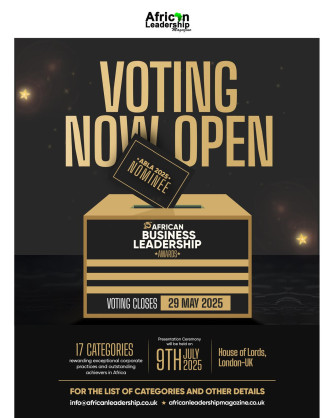
African Leadership Magazine (www.AfricanLeadershipMagazine.co.uk) proudly unveils the distinguished list of nominees for the 17 categories of the 2025 African Business Leadership Awards (ABLA)—a premier recognition platform celebrating excellence in corporate governance, impactful leadership, and trailblazing contributions to the growth and sustainability of Africa's dynamic business and economic ecosystem. The public voting process is now officially open and will run until 29 May 2025, offering stakeholders across Africa and the globe the opportunity to celebrate and affirm exemplary leadership in the African business space.
The ongoing public voting marks the third phase in a rigorous four-step, points-based selection process for the African Business Leadership Awards (ABLA). The process begins with open nominations, followed by a shortlist of top contenders curated by the African Leadership Magazine editorial board. In this third phase, the public is invited to vote, adding stakeholder voices to the evaluation process. The final stage involves a detailed editorial assessment of votes and supporting evidence to determine winners, ensuring a transparent, merit-based outcome that reflects both public sentiment and proven impact.
Public votes in this phase contribute 65% of the final decision, with the remaining 35% based on supporting evidence for each nominee. This ensures a fair and credible process that values both public opinion and verifiable impact. Winners and first runners-up will be honoured at the 15th African Business Leadership Awards (ABLA), a special highlight of the Africa Summit–London, scheduled for 9–10 July 2025 at the House of Lords, London, United Kingdom.
To cast your vote, visit:
The 2025 African Business Leadership Awards (BLA Nominee Highlights
African Business Leader of the Year
African Female Business Leader of the Year
African Regulator of the Year
Business-Friendly Governor of the Year
African Finance Minister of the Year
Trade & Investment Promotion Agency of the Year
Central Bank Governor of the Year
Trade & Investment Minister of the Year
African CEO of the Year
Young Business Leader of the Year
Africa CSR & Community Development Impact Award
African Brand of the Year
African Company of the Year
Industry Personality of the Year
Africa Business Integrity Leader Award
African Tech & Digital Economy Leader of the Year
Lifetime Achievement Award
Distributed by APO Group on behalf of African Leadership Magazine.
Media Enquiries:
Ehis Ayere
T: +44 (0) 20 3051 1883
E: ehis@africanleadership.co.uk
About African Leadership Magazine:
African Leadership Magazine is the flagship publication of the African Leadership Organisation (UK) Limited. For over 19 years, it has championed impactful leadership across Africa and amplified African opportunities on the global stage. Through its platforms—including Afro-positive content, trade facilitation, market entry solutions, public sector consulting, and business networking events—the magazine plays a pivotal role in fostering sustainable development and positive change across the continent.
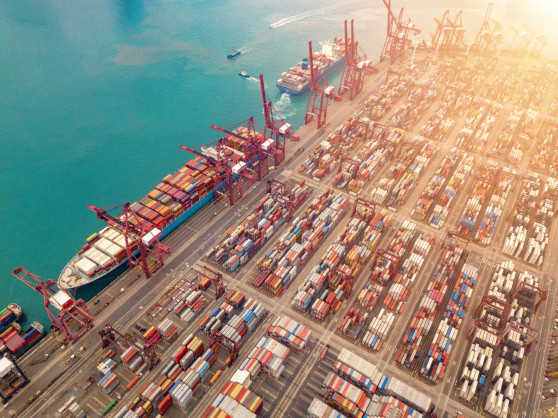
The future of African trade is digital, and it's unfolding. From Dakar to Durban, a quiet but steady transformation is taking shape. According to the United Nations Conference on Trade and Development (UNCTAD), global trade hit a record $33 trillion in 2024, with developing economies, including Africa, playing a growing role in that expansion.
The African Free Continental Trade Area offers the largest free market, including 55 countries, a population of 1.3 billion and a combined GDP of $3.4 trillion. The opportunities are vast, yet the strategies required for industrial players to source, move and manage raw materials and finished goods remain a challenge.
“The continent's digital economy is projected to reach $180 billion by 2025, up from $115 billion in 2020, thus contributing significantly to Africa's GDP, creating new job opportunities, and expanding regional trade. Digital trade is transforming the continent's economic landscape, creating new opportunities for real economic growth, productive job creation, and poverty reduction.” H.E. Dr Jumoke Oduwole, Minister, Federal Ministry of Industry, Trade & Investment
“Building on this rapid expansion, our focus must shift from isolated digital initiatives to a fully integrated ecosystem that streamlines every step of trade—sourcing, supplying, logistics and payments. By integrating these functionalities on a single platform, Matta enables manufacturers to navigate sourcing headaches and suppliers to manage cross-border complexities with confidence and unlocks new markets in Africa in real time. This holistic approach is what will transform digital trade's potential into tangible, inclusive economic growth across Africa.” Mudiaga Mowoe, Founder and Chief Executive Officer, Matta.
Launched to enable sustainable African economies, Matta's integrated ecosystem—today powered by the Matta digital marketplace (www.Matta.Trade) and the Flux logistics management tool, with Oxide Finance (Matta's upcoming trade-financing and cross-border payments platform) arriving soon—empowers manufacturers and suppliers across food & beverage, home & personal care, paints & coatings, agro-processing, automotive assembly, textiles, construction, and beyond with truly end-to-end sourcing, movement, and settlement. Rather than supplanting traditional trade networks, this unified platform amplifies human partnerships through real-time visibility, traceability, and seamless transactions.
This evolution in digital trade and industrial growth is one of the key conversations that will take centre stage at the West Africa Industrialisation, Manufacturing & Trade (West Africa IMT) Summit and Exhibition, set to take place from October 21-23, 2025. West Africa IMT is a high-level platform for government leaders, investors, manufacturers, and technology innovators to align practical solutions and policy frameworks for accelerating Africa's industrial transformation.
Matta, Africa's integrated ecosystem for industrial trade, will join other industry stakeholders across the continent at West Africa IMT 2025 to discuss the potential opportunities for industrial growth in the West African sub-region. As manufacturers increasingly seek more innovative, more efficient ways to power production beyond physical infrastructure and policy support, there's an urgent need for systems that simplify sourcing, enhance transparency, and ensure supply chain reliability. Matta addresses these challenges by connecting African manufacturers directly to verified suppliers of raw materials and commodities, ensuring business continuity in an environment where procurement bottlenecks often slow production timelines.
Digital platforms address multiple challenges simultaneously: procurement complexities, logistics coordination, payment processing, and data-based planning. By integrating these capabilities into industrial operations, West African economies can accelerate development timelines and establish competitive manufacturing centres that participate effectively in global markets.
As African nations chart independent economic paths, digital trade platforms like Matta will significantly influence how quickly and effectively new industrial capabilities develop. The transformation in African trade is already underway, with effects that will continue to reshape economic relationships for years to come.
West Africa Industrialisation, Manufacturing & Trade Summit & Exhibition
21-23 October 2025 I Landmark Centre | Lagos | Nigeria
Distributed by APO Group on behalf of dmg Nigeria events.
Contact Details:
Roshan Jan-Mahomed
Head of Marketing – Africa
Email: info@westafricaimt.com
www.WestAfricaIMT.com
About the West Africa Industrialisation, Manufacturing & Trade Summit and Exhibition 2025:
The Pre-eminent Global Gathering Driving West Africa's Industrial Revolution
The West Africa Industrialisation, Manufacturing and Trade (West Africa IMT) Summit and Exhibition will unite the industrialisation ecosystem, including energy, finance, infrastructure, manufacturing, raw materials, logistics/supply chain, technology, trade and security, to accelerate a sustainable industrial revolution for West Africa. As governments across the region have declared industrialisation as a key priority, the Strategic Summit will feature the visions from Heads of government seeking public–private partnerships to drive industrial revolution across the region. Decisive action is at the core of the agenda, providing solutions for sustainable resource valorisation and opening up trade pathways for economic development and prosperity.
Participation is expected from across the global industrialisation value chain including the following industries: Aerospace, Agriculture, Automotive, Chemicals, Construction, Energy & Utilities, FCMG, Heavy Industries, ICT & Electronics, Infrastructure, Logistics & Transportation, Machine & Equipment, Maritime, Medical, Mining, Plastics & Rubber, Pharmaceuticals, Retail, Technology Solution Providers, Textiles, Water & Utilities.
● 15+ African ministers
● 25+ countries represented from around the globe
● 70+ expert industry speakers
● 250+ exhibiting companies
● 500+ conference delegates
● 2,500+ attendees
About dmg Nigeria events:
dmg Nigeria events is a subsidiary of dmg events. dmg events is a wholly owned subsidiary of the Daily Mail and General Trust plc (DMGT), an international portfolio of information, media and events businesses.
DMGT manages a diverse, multinational portfolio of companies, with total revenues of around £1 billion, that provide businesses and consumers with compelling information, analysis, insight, events, news and entertainment. Its venture capital business, dmg ventures, holds minority stakes in early-stage businesses and focuses particularly on disruptive consumer media propositions.
Headquartered in Dubai, UAE since 1989 with offices in Canada, Egypt, Nigeria, Saudi Arabia, Singapore, South Africa, Thailand and the UK. dmg events is an international exhibition, conference and intelligence company, attracting more than 1,000,000 attendees to a portfolio of over 80 events each year.
This global portfolio works closely with key stakeholders across the industry to facilitate pragmatic dialogue, serving as a platform for the latest discussions at the forefront of change.
For more information on dmg events, visit: www.dmgevents.com
SA’s G20 Presidency to aid recovery of global economy
Deputy Minister in the Presidency Nonceba Mhlauli says the primary focus of the G20 platform is to increase multilateral cooperation for the recovery of the global economy.
“Since President Ramaphosa took over the Presidency of the G20 in December 2024, a lot of public discourse has already gone into what this could potentially mean for South Africa, particularly in a post-COVID-19 era where developing economies are still on a path to recovery,” Mhlauli said.
Mhlauli explained that the G20 initially focused largely on broad macro-economic issues but has since expanded its agenda to inter-alia include trade, climate change, sustainable development, health, agriculture, energy, environment, climate change and anti-corruption.
“The G20 was upgraded to the level of Heads of State/Government in the wake of the global economic and financial crisis of 2007, and in 2009, when it became apparent that the necessary crisis coordination would only be possible at the highest political level,” Mhlauli said.
In her address at a G20 public lecture held at the Tshwane University of Technology (TUT) south campus in Soshanguve, north of Pretoria, Mhlauli said that since then, the G20 leaders have met regularly, and the G20 has become the premier forum for international economic cooperation.
“The primary focus of the forum is to increase multilateral cooperation for the recovery of the global economy, bring stability to the global financial system, promote long-term sustainable growth and strengthen global economic governance,” she said on Friday.
Mhlauli said South Africa will use the G20 Presidency to focus on inclusive and sustainable economic growth that benefits its citizens.
“Through the G20 Presidency, we will foster inclusive economic growth, industrialisation and employment.
“This Presidency is about demonstrating that our country is open for business. South Africa is an attractive destination for business services, and has sophisticated digital infrastructure, including mobile networks and high-speed broadband.”
On the economic front, the G20 will provide a massive boost, especially in areas such as tourism and hospitality.
“The over 200 expected G20 related meetings have already commenced in our country presenting opportunities for the country’s tourism, manufacturing, trade and other investment growth.
“We are also intently focusing on youth employment, closing the gender gap, reducing inequality and protecting the environment.
“The G20 will unlock new possibilities in artificial intelligence (AI), which has the potential to provide unprecedented economic and social opportunities,” Mhlauli said.
Meanwhile, Government Communications and Information System (GCIS) Acting Deputy Director-General, Sandile Nene, said South Africa’s hosting of the G20 will improve the economy.
“We are hoping that the G20 will make people invest in the country,” he said.
Kutlwano Mahosi, a first year Journalism student at TUT, told SAnews that G20 meetings will play a role in increasing the country’s economy as many people will be coming into the country.
“As people come to our country, they will be spending their money which will play a role in job creation,” she said.
Echoing same sentiments was fellow Journalism student, Andiswa Mchunu, who said hosting the G20 gives the country an opportunity to attract investors, thereby improving the economy.
“A better economy means more jobs and better life for South Africans,” Mchunu said.
South Africa assumed the role of Presidency of the G20 on 1 December 2024, taking over from Brazil. – SAnews.gov.za
Edwin
Fri, 05/16/2025 - 14:41
On bilateral matters:
On regional and international matters:
Done in La Celle Saint-Cloud, France, on 16 May 2025
| For the French Republic | For the Republic of South Africa |
| H.E. Jean-Noël BARROT
Minister for Europe and Foreign Affairs |
H.E. Ronald Ozzy LAMOLA
Minister of International Relations and Cooperation |
Distributed by APO Group on behalf of Republic of South Africa: Department of International Relations and Cooperation.

As part of its continuing outreach to the parts of the world that it was set up to serve, FIND (www.FINDdx.org) hosted Ambassadors from 26 African countries and the African Union for a meeting at FIND's offices in the Global Health Campus in Geneva. The Ambassadors received an overview of FIND's work in their respective countries, future prospects and were made aware of FIND as a value-added partner for countries with respect to diagnostics.
“The foundation of any successful health response is diagnosis. From early detection to pandemic preparedness, our collaboration with the African Union is essential to guaranteeing that no one is left behind,” said Dr. Ifedayo Adetifa, CEO of FIND. “FIND's vision is focused on both catalyzing innovation and ensuring access to diagnostics in low- and middle-income countries.”
In order to improve diagnostic systems and get ready for potential health and pandemic risks, FIND's leadership presented its updated strategic vision as a precursor to this year's Diagnostics Day event to be held on 21 May, which will take place on the sidelines of the World Health Assembly.
The ambassadors of the African Union, Angola, Burkina Faso, Cabo Verde, Cameroon, Central African Republic, Chad, Côte d'Ivoire, Democratic Republic of Congo, Kenya, Lesotho, Madagascar, Malawi, Mauritania, Mauritius, Mozambique, Namibia, Rwanda, Sao Tomé and Principe, Sierra Leone, South Africa, South Sudan, Sudan, Tanzania, The Gambia, Togo, and Zimbabwe were present.
The Ambassadors led a lively discussion which touched upon a number of key issues, including South-South collaboration; pandemic preparedness and response; the role of health in national development; national essential diagnostics lists; the growing issue of non-communicable diseases such as diabetes; and ensuring sustainable financing for diagnostics and health in general.
Among the meeting's main conclusions were:
“In this moment of dramatic change, African leaders are stepping up to fill the power vacuum left by a world in turmoil where women and children are being left behind and left to die, particularly on the African continent – the continent with the greatest health burden,” said Dr Ayoade Alakija, FIND's Board Chair. “FIND will continue to support them on strengthening pandemic preparedness and ensuring quality diagnostics are available to all.”
FIND's Diagostics Day (https://apo-opa.co/44AX9pc) event on 21 May at the Vieux Bois in Geneva will bring leaders from health from around the world to agree on next steps to ensuring quality and accessible diagnostics for all.
Distributed by APO Group on behalf of FIND.
Media contacts:
Beatrice Bernescut
Director, Communications
media@finddx.org
About FIND:
FIND accelerates equitable access to reliable diagnosis around the world. We are working to close critical testing gaps that leave people at risk from preventable and treatable illnesses, enable effective disease surveillance, and build sustainable, resilient health systems. In partnership with countries, WHO and other global health agencies, we are driving progress towards global health security and universal health coverage. We are a WHO Collaborating Centre for Laboratory Strengthening and Diagnostic Technology Evaluation. For more information, please visit www.FINDdx.org.
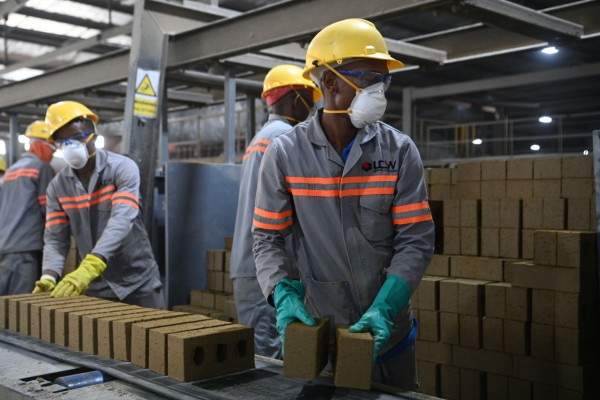
The kilns are firing again—and with them, the economic hopes of a community. In the quiet town of Lobatse, southern Botswana, a decades-old industrial landmark is undergoing a remarkable renaissance. Lobatse Clay Works (LCW), a brick manufacturer that was once the cornerstone of Botswana's construction industry, has been resurrected owing to a strategic investment from the African Development Bank Group (www.AfDB.org). The financing has transformed not only the company but an entire community.
“The buildings that shaped modern Botswana will rise again from our clay," declares Anthony Moepeng, Acting Chief Executive Officer of Lobatse Clay Works.
Founded in 1992 as a joint venture between Botswana Development Corporation (BDC) and American firm Inter-Kiln, Lobatse Clay Works quickly established itself as the nation's premier maker of bricks. For decades, its distinctive reddish-brown bricks were synonymous with Botswana's construction boom, during which schools, hospitals, and government buildings all showcased the company's craftsmanship.
But in 2017 the company faced a perfect storm of challenges. Aging equipment, production inefficiencies, and rising fuel costs forced the shuttering of the once-thriving operation, leaving the factory idled -- stripping the community of both jobs and identity.
African Development Bank's Catalytic Investment Powers Revival
Recognizing Lobatse Clay Works' potential, the African Development Bank provided a loan facility, in partnership with the Botswana Development Corporation to turn around the company's fortunes, focusing on technological modernization and operational efficiency.
The Bank's investment enabled Lobatse Clay Works to acquire state-of-the-art manufacturing equipment that dramatically improved energy efficiency. A new hybrid fuel system slashed production costs, while enhanced kiln technology boosted output capacity and product quality.
In 2023, the company, facing supply chain challenges and rising costs, secured an additional 48 million Pula (around $3.5 million) from the African Development Bank — bringing the total financing to 138 million Pula— to keep growth on track.
This substantial investment enabled the plant to reopen in 2024.
Beyond Bricks: Building Communities and Futures
The revitalized facility has already created 148 direct jobs with hundreds more expected in supporting industries from transportation to services.
The plant's output of three million bricks per month is high enough to meet domestic construction demand and serve lucrative export markets in South Africa, Zimbabwe and Namibia, generating valuable foreign exchange for Botswana's economy.
African Development Bank's Deputy Director General for Southern Africa, Moono Mupotola, stressed the broader significance of the investment. "This speaks directly to what we do at the African Development Bank. Lobatse is a small town, but almost one hundred percent of the factory workers are from the town. This project delivers on our High 5 development priority of improving the quality of life for Africans."
Most significantly, Lobatse Clay Works's revival aligns perfectly with Botswana's industrial diversification goal to reduce dependence on diamond revenues by strengthening manufacturing capability.
"Through the African Development Bank funding, we have been able to commit BWP 4 million towards the refurbishment of the plant," explains Benedicta Abosi, Acting Managing Director at BDC. "This has enabled us to restart operations and produce enough bricks for expansion opportunities into the region."
The company plans to expand from brick manufacturing to include tiles, further cementing its role in Botswana's construction renaissance and economic diversification efforts.
Distributed by APO Group on behalf of African Development Bank Group (AfDB).
Photos: https://apo-opa.co/453yTvZ
About the African Development Bank Group:
The African Development Bank Group is Africa's premier development finance institution. It comprises three distinct entities: the African Development Bank (AfDB), the African Development Fund (ADF) and the Nigeria Trust Fund (NTF). On the ground in 41 African countries with an external office in Japan, the Bank contributes to the economic development and the social progress of its 54 regional member states. For more information: www.AfDB.org
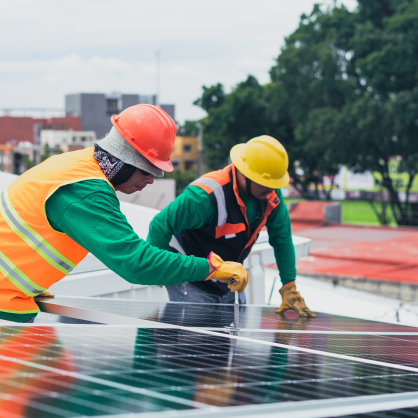
With 2.5 gigawatts-peak (GWp) (http://apo-opa.co/4iQtUCp) of solar capacity added across Africa in 2024 and 194.34 GWp expected in 2025, the continent is fast becoming a global hotspot for solar energy growth. Leading this shift are the commercial and industrial (C&I) sectors, where photovoltaic (PV) systems are being installed on-site at businesses, educational institutions, and government facilities to meet their own energy demands.
Dr Andrew Dickson, engineering executive at CBi-electric: low voltage (www.CBi-lowvoltage.co.za), explains that multiple factors are accelerating the continent's switch to solar. “Energy poverty remains a major issue across Africa, with reliable grid electricity reaching only 14% (http://apo-opa.co/4jICofV) of Zimbabweans, for example.”
He adds that unreliable power supply is another key driver. “Persistent nationwide blackouts are affecting countries like Botswana (http://apo-opa.co/3EZvQKM), disrupting day-to-day operations. And in hydro-electric dependent countries such as Zambia (http://apo-opa.co/3RRqvrX), climate change is reducing water levels, leading to lower electricity generation and higher prices.”
Dr Dickson points out that in countries like Namibia which are dependent on electricity imports, affordability is a growing concern, with N$8.8 billion (http://apo-opa.co/3EZvSlS) expected to be spent between January 2024 and December 2025. “As a result, Namibia now has the highest (http://apo-opa.co/3EZvSSU) electricity prices in Southern Africa. Yet it has a unique geographic advantage: its solar PV systems can produce twice (http://apo-opa.co/3EZvSSU) as much electricity as comparable systems in central Europe.”
Some African nations are proactively investing in solar to reduce their grid dependence. “Malawi is rolling out its National Compact for Energy (http://apo-opa.co/3GMlxKC), which creates a competitive framework for private-sector investment in off-grid solar through grants, subsidies, and credit lines that improve access to foreign exchange,” he notes.
Safeguarding solar investments
The shift to solar is also being driven by cost-effectiveness. Dr Dickson shares that on-site solar is now cheaper (http://apo-opa.co/3YDs1BD) than the electricity tariffs paid by C&I clients in at least seven sub-Saharan markets.
Pointing to research by GreenCape (http://apo-opa.co/3Z6UyzC), which found that solar PV can reduce business energy costs by 15%, with a return on investment reached within three to 12 years, he highlights that after that, businesses can benefit from up to 15 years of free electricity.
However, Dr Dickson stresses that unlocking these savings requires protecting system components from damage and disruption. “Voltage spikes caused by lightning or grid instability can seriously damage inverters and batteries. Installing surge protection devices (SPDs) is critical, not just to prevent damage, but also to avoid voiding manufacturer warranties.”
Arcing is another serious threat. “When electrical currents jump across gaps, the heat generated can damage components or even start fires,” he explains. “DC circuit breakers designed specifically for solar systems are essential for mitigating this risk. They're built to handle the direct current generated by PV panels, ensuring safer and more reliable operation.”
Smart tech enables smarter solar use
In addition to physical protection, Dr Dickson advises businesses to embrace smart energy management tools to extend system life and optimise performance. “A smart power indicator can detect grid interruptions and send immediate alerts, helping businesses respond quickly. These systems can temporarily disconnect non-essential high-energy devices during an outage to prevent overload and preserve battery life. At the same time, they ensure that essential systems like security and lighting continue operating during downtime.”
Optimising solar ROI in 2025
He believes that the key to unlocking solar's full potential lies in strategic system design and management. “By combining surge protection, DC breakers, and monitoring tools, businesses can reduce unexpected costs, minimise downtime, and extend the life of their investment.”
“As Africa's solar energy market continues to expand in 2025, organisations have an opportunity to capitalise on its long-term benefits. With the right technologies and safeguards in place, solar is not only a clean energy solution it's a strategic asset that pays off,” concludes Dr Dickson.
Distributed by APO Group on behalf of CBI-electric: low voltage.
About CBi-electric: low voltage:

The Milken Institute (https://apo-opa.co/452va1L) and the Motsepe Foundation are proud to announce the winner of the Milken-Motsepe Prize in FinTech, a $2 million innovation award designed to reward companies working to expand access to capital and financial services for small businesses in emerging and frontier markets. The winner was announced at the Milken Institute Global Conference in Los Angeles.
Verto (https://apo-opa.co/4d7WePf), based in the United Kingdom, won the $1 million Grand Prize for its business-to-business cross-border payments platform, which enables businesses in emerging markets to send and receive payments, eliminating intermediary fees, supporting 49 currencies, and settling transactions quickly.
FinTech is the third prize awarded as part of the Milken–Motsepe Innovation Prize Program, a series of competitive multimillion-dollar global competitions and awards designed to incentivize and reward bold, innovative solutions to address pressing economic and environmental challenges in Africa.
A Rigorous Award Cycle: From Application to Award
Launched in May 2024, the Milken-Motsepe Prize in FinTech attracted more than 3,000 entrepreneurs from 126 countries across six continents. A total of 400 teams applied, with just 10 being selected as semifinalists.
Each team underwent a comprehensive judging process that evaluated five key criteria: affordability and accessibility, ethical and responsible practices, scalability in other markets, the use of cutting-edge technology, and the potential to promote equitable access to financial services.
In December 2024, 10 semifinalists pitched their innovations to investors at the Milken Institute Middle East and Africa Summit in Abu Dhabi. From this group, an expert panel of judges selected three finalists—Chumz, Oze, and Verto—to advance to the final stage of the innovation award at the 2025 Milken Institute Global Conference.
“Across the African continent, technology and innovation are disrupting traditional finance and banking approaches. Investment in this space is profitable and, more importantly, necessary for financial inclusion," said Dr. Precious Moloi-Motsepe, co-founder and CEO of the Motsepe Foundation. "My heartfelt congratulations to the winners and all the finalists for demonstrating feasible and impactful solutions that will drive economic activity and shared prosperity in the global South, while influencing the financial sector all over the world."
Since its launch in 2021, the Milken-Motsepe Innovation Prize Program has awarded over $6 million in funding to more than 50 innovators worldwide. Participating teams have raised nearly 10 times the Grand Prize in additional outside investments, reaching and impacting over 530,000 community members.
The Milken-Motsepe Innovation Prize Program offers free, curated resources and online events not only to award winners but also to nearly 9,000 global entrepreneurs.
New Prize in AI and Manufacturing
The fourth Milken-Motsepe Innovation Prize, which focuses on AI and manufacturing, launched at the 2025 Milken Institute Global Conference. The new $2 million award is designed to recognize established companies driving innovation in Africa's manufacturing sector. Focused on advanced data analytics and artificial intelligence, the prize rewards technological breakthroughs that create long-term economic resilience in the supply chain in Africa.
Registration is open until July 31, 2025.
With $2 million in total prizes, including a $1 million Grand Prize, “AI and Manufacturing” seeks companies that accelerate technological advancements, create jobs, and improve access to essential goods and services for communities across Africa. The award represents an opportunity to support companies leading the next wave of transformative change in manufacturing.
“We have witnessed our prize programs bring forward some of the most visionary thinkers across sectors, from agriculture to financial technology. Now we're excited to see what bold entrepreneurs are doing for the manufacturing sector to harness the power of AI and other advanced technologies to improve the supply chain in Africa,” said Emily Musil, PhD, managing director of environmental and social innovation at the Milken Institute. “Prizes like this have the power to reveal new and better ways to operate in the digital age and shape how we can do better for people and the planet in the new future we are building.”
For more information about the winners and the Milken-Motsepe Innovation Prize Program, visit https://MilkenMotsepePrize.org/.
Distributed by APO Group on behalf of The Milken-Motsepe Innovation Prize Program.
Additional Video Link:
Opening Video: https://apo-opa.co/3GJgJpr
Finalist Video 1 - Chumz: https://apo-opa.co/436rMk6
Finalist Video 2 - Oze: https://apo-opa.co/4md7NsO
Finalist Video 3 - Verto: https://apo-opa.co/3Z9lVZT
Contact:
Paul Guequierre
Email: pguequierre@milkeninstitute.org
Phone: 202-249-6942
ABOUT THE MILKEN INSTITUTE:
The Milken Institute is a nonprofit, nonpartisan think tank focused on accelerating measurable progress on the path to a meaningful life. With a focus on financial, physical, mental, and environmental health, we bring together the best ideas and innovative resourcing to develop blueprints for tackling some of our most critical global issues through the lens of what's pressing now and what's coming next. For more information, visit www.MilkenInstitute.org.
ABOUT THE MOTSEPE FOUNDATION:
The Motsepe Foundation was founded in 1999 by Dr. Patrice Motsepe and his wife, Dr. Precious Moloi-Motsepe. The goal of the Motsepe Foundation is to contribute toward eradicating poverty and to sustainably improve the living conditions and standards of living of poor, unemployed, and marginalized people in South Africa, Africa, and the world. In January 2013, Dr. Motsepe and Dr. Moloi-Motsepe joined the Giving Pledge, which was started by Warren Buffett and Bill and Melinda Gates. Dr. Motsepe and his wife committed to give half of their wealth to the poor and for philanthropic purposes during their lifetime and beyond.
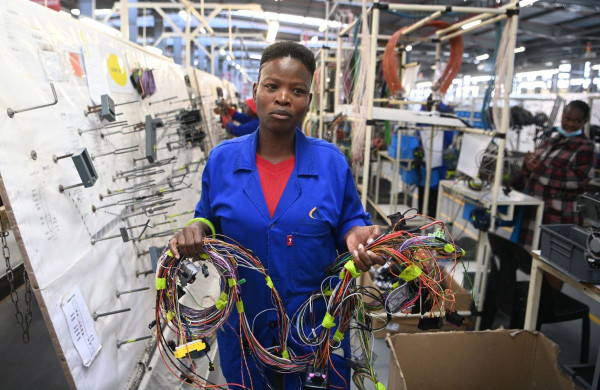
The Botswanan town of Lobatse, some 70 km south of Gaborone, has been transformed into a vibrant manufacturing centre. Across sprawling factory floors, hundreds of skilled hands meticulously assemble intricate wiring harnesses - components that will eventually power Volkswagen and Nissan vehicles across Africa and beyond.
In the automotive industry, wire harnesses are an intricate arrangement of wires, connectors, and components. They serve as vehicles' central nervous systems, enabling the transmission of electrical signals and power throughout the automobile.
This is Delta Automotive Technologies, where strategic financing from the African Development Bank has catalysed a manufacturing renaissance that extends far beyond the factory wallsThe company makes wiring harnesses primarily for Volkswagen and Nissan.. For decades, Botswana's economic history was written in diamonds. Today, a new chapter is unfolding as the African Development Bank's $80 million credit line to the Botswana Development Corporation (BDC) for businesses in the country fuels Delta Automotive's transformation into a manufacturing powerhouse.
"This funding hasn't just built infrastructure - it's built opportunity," says Darryn Hattingh, Delta's Director of Manufacturing. "We've built a world-class operation that competes globally while creating opportunity locally. The support enables us to industrialise not just today's production lines, but tomorrow's innovations. It will support us to industrialise future businesses obtained through Volkswagen.”
The firm, which is based in Botswana, makes wiring harnesses for Volkswagen's Polo Vivo and Polo 270, and Nissan's H60 brands.
It currently makes 120 vehicle harness sets for Volkswagen South Africa per day. By 2027, it hopes to create 340 vehicle sets for Volkswagen and 111 for Nissan in South Africa.
Women powering an industrial revolution
As one walks through Delta's expansive manufacturing facility, one fact is immediately apparent: in a traditionally male-dominated industry, women's expertise is driving this operation forward. An impressive 75% of Delta's workforce is female, shattering glass ceilings with every wire harness assembled.
For Clara Kaekane, a product and process engineer at Delta, the significance goes beyond personal achievement: "Every component we make is a challenge to outdated assumptions about gender and engineering work. I'm not just building car parts - I'm building a new perception of what is possible for women in manufacturing across Africa.”
Kaekane feels empowered to work at the management level in the automotive industry, which is normally male-dominated.
“This is a great opportunity for our country and company,” she says.
Connecting communities to global value chains
The hum of activity at Delta's plant represents more than manufacturing - it is the sound of Botswana's integration into sophisticated global supply networks. Currently producing 120 vehicle wiring harnesses daily, with plans to nearly triple output by 2027, Delta is an example of how African manufacturers can excel in precision-demanding global industries.
"What is happening here is the physical manifestation of our High 5 development priorities, particularly ‘Industrialize Africa' and ‘Integrate Africa'. It also provides skills to the people of Africa," said the African Development Bank's Deputy Director General for Southern Africa, Moono Mupotola. "Each wire harness connects not just vehicle components, but Botswana's workforce to global value chains, rural communities to industrial opportunities, and traditional economies to a diversified future."
Scaling impact: From hundreds to thousands
The numbers tell a compelling story: There are 327 employees today, expected to grow to 1,000 within four years. Behind those numbers are families supported, skills developed, and communities transformed. With 95% of the workforce Botswana nationals, the company has become a major driver of local economic empowerment.
"We're seeing multiple development dividends from this single investment," says Benedicta Abosi of BDC. "Delta's growth is generating export earnings, creating quality jobs, developing technical skills and, perhaps most importantly, demonstrating what's possible when development finance meets entrepreneurial vision."
She explained that five years ago, the Botswana Development Corporation supported multiple businesses, including Delta Automotive Technologies, through a $80 million line of credit facility from the African Development Bank.
A blueprint for African industrial transformation, Delta's success offers a replicable model for industrial development across the continent. By strategically supporting companies integrated into global supply chains, development finance can simultaneously address unemployment, gender inequality, economic diversification, and regional integration.
As workers at Delta Automotive Technologies continue to assemble the components that will power vehicles across the region; they're also creating a template for how African development finance can catalyse inclusive industrial transformation.
“This has definitely been a good investment for the African Development Bank, and this is how we see development financing working in Africa, Mupotola added.
Distributed by APO Group on behalf of African Development Bank Group (AfDB).
More images:
https://apo-opa.co/42JGePY
https://apo-opa.co/3GL0NTB
About the African Development Bank Group:
The African Development Bank Group is Africa's premier development finance institution. It comprises three distinct entities: the African Development Bank (AfDB), the African Development Fund (ADF) and the Nigeria Trust Fund (NTF). On the ground in 41 African countries with an external office in Japan, the Bank contributes to the economic development and the social progress of its 54 regional member states. For more information: www.AfDB.org
The Select Committee on Agriculture, Land Reform and Mineral Resources hosted a delegation from the Indonesian Parliament to discuss, among other things, cooperation on mining and mineral resources.
Committee chairperson Mr Mpho Modise warmly welcomed the delegation. He expressed his appreciation for the Indonesian representatives for visiting South Africa and engage with the committee. He said the committee looked forward to the exchange of ideas and exploration of potential areas of cooperation between South Africa and Indonesia on mining and minerals sectors.
South Africa and Indonesia have significant and diverse mineral resources, including gold, diamonds, platinum, coal, and rare earth minerals. Both countries are major global producers of key minerals. The discussions focused on potential areas of collaboration such as technology sharing, joint exploration, and downstream beneficiation of minerals.
The committee explained its mandate which includes overseeing the country's mineral resources development, environmental regulations, and community consultation processes for mining projects. The Indonesian delegation shared their country's approach to mineral rights, local economic development requirements for mining, and efforts to increase domestic mineral processing and manufacturing.
Both sides agreed to explore further parliamentary engagements and potential study visits to foster closer collaboration and knowledge-sharing between the mining industries and policymakers of South Africa and Indonesia. The delegations concluded with a commitment to strengthening ties between the two countries' legislatures and mining sectors for mutual economic benefit.
Distributed by APO Group on behalf of Republic of South Africa: The Parliament.
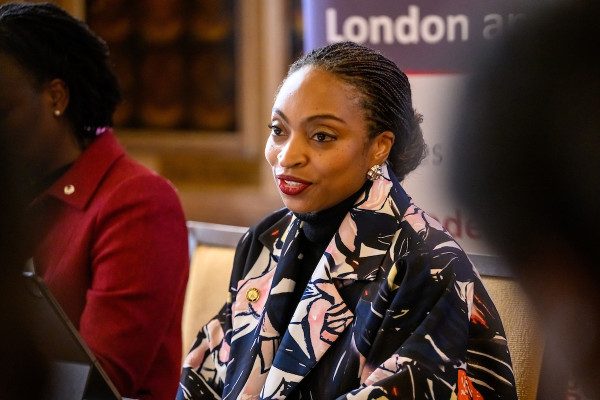
Nigeria's Minister of Industry, Trade, and Investment, Dr. Jumoke Oduwole, successfully concluded a series of high-level engagements in London, reinforcing Nigeria's commitment to fostering trade and investment partnerships with the UK. The visit, anchored around the Commonwealth Trade and Investment Summit held on 7-8 April, provided a vital platform to showcase Nigeria's strategic economic priorities and attract investment into key sectors.
During her visit, Dr. Oduwole participated in two exclusive events hosted by Invest Africa, engaging with top-tier stakeholders, business leaders, and investors. These engagements underscored Nigeria's dedication to economic diversification, investment mobilisation, and strengthening the London-Lagos investment corridor.
On 8 April, the Minister delivered a keynote address at an Invest Africa-hosted roundtable, where she outlined Nigeria's investment potential and strategic trade policies. The discussion focused on boosting non-oil sectors, promoting ease of doing business, and enhancing UK-Nigeria commercial ties. Senior executives from the UK business and investor community engaged directly with the Minister, fostering dialogue on new investment opportunities and partnerships that will contribute to Nigeria's long-term development goals.
Dr. Jumoke Oduwole, Minister of Industry, Trade, and Investment, stated: “Nigeria is open for business, and we are committed to creating an environment that fosters investment, innovation, and economic growth. Our engagements in London demonstrate our dedication to strengthening trade ties, supporting local and foreign investors, and ensuring that Nigeria remains a prime investment destination. The opportunities in Nigeria, particularly in non-oil sectors, are immense, and we invite investors to be part of this journey towards sustainable development.”
Additionally, the Minister participated in an exclusive event co-hosted by Invest Africa in partnership with Lagos Free Zone (LFZ). This strategic engagement positioned LFZ as a premier investment hub within Nigeria's manufacturing sector, showcasing its potential to attract global investors and support the country's industrialisation agenda. The event featured a presentation by Lagos Free Zone MD & CEO, Adesuwa Ladoja, and a dynamic panel discussion exploring Nigeria's industrial landscape and how LFZ can support UK businesses keen on exploring pathways for sustainable growth in Nigeria.
Karen Taylor, Chair of Invest Africa, commented: “Invest Africa is proud to facilitate meaningful engagement between Nigerian leaders and the UK business community. The Minister's participation in our events underscores Nigeria's strategic importance as a trade and investment partner. We look forward to continuing to support initiatives that drive economic collaboration and unlock new business opportunities.”
Adesuwa Ladoja, MD & CEO of Lagos Free Zone, remarked: “The Lagos Free Zone represents a game-changer for Nigeria's manufacturing and industrial sectors, offering world-class infrastructure and seamless business operations. This event provided a crucial platform to showcase how strategic investments in LFZ can unlock deeper penetration into the Nigerian market for UK businesses and drive Nigeria's industrialisation. We are excited about the opportunities that lie ahead and look forward to welcoming global investors.”
Dr. Oduwole's engagements in London aligned with Nigeria's four key strategic pillars: investment mobilisation, trade revenue growth, economic diversification, and strategic communications. Through these discussions, the Minister reinforced Nigeria's proactive approach to fostering international trade relations, unlocking new business opportunities, and strengthening economic ties between Nigeria and the UK.
As Nigeria continues its journey toward sustainable economic transformation, the Ministry of Industry, Trade, and Investment remains committed to advancing strategic partnerships and positioning Nigeria as a top-tier investment destination on the global stage.
Distributed by APO Group on behalf of Invest Africa.
Media Contact:
Invest Africa
Email: pippa.vanbreda@investafrica.com
Websites: www.Invest Africa.com and www.LagosFreeZone.com
About Invest Africa:
Invest Africa is a leading business and investment platform with over sixty years of expertise in Africa, dedicated to connecting businesses with unique opportunities across the continent. Their global network comprises more than 400 member companies, including multinationals, private equity firms, institutional investors, development finance institutions, professional service providers, government bodies, and entrepreneurs. With chapters in Kenya, South Africa, the UAE, the UK, and the US, Invest Africa leverages their global reach, market intelligence, and extensive network to support and connect businesses. As a trusted gateway into Africa, they drive socio-economic growth by facilitating sustainable capital flows and providing strategic insights through our membership, consultancy services, and dynamic events programme.
Call to monitor rented spaces
Police Minister Senzo Mchunu says municipalities must rise to the occasion and be aware of the activities taking place in the spaces they rent out.
The Minister’s comments come as he visited various drug laboratories and a warehouse which were discovered and shut down by the Hawks in Mpumalanga.
“The spaces where this operation was carried out (industrial and residential areas) are indicative that municipalities have to rise to the occasion and be aware of the activities which take place in relation to the spaces they rent out,” the Minister said following his visit to the sites on Sunday.
READ | Police Minister to visit Mpumalanga drug labs following arrests
The visit follows an operation carried out by a team comprising of among others, the Hawks in Secunda, Standerton K9, and the Standerton Crime Intelligence on 4 April.
“A search warrant was obtained and large quantities of liquid chemicals in drums, powder chemicals in sacks, machinery and equipment were found. It was confirmed that the building was used as a storage facility for illicit drug producing material,” the Minister said.
Three Mozambican nationals found at the scene were arrested; a fourth suspect who is also a Mozambican national was also arrested.
“All these individuals are illegal immigrants. Three vehicles were seized. Further investigation led us to a farm, where a clandestine drug lab was discovered, and a Mozambican couple was arrested - parents to one of the suspects arrested prior. Again, these individuals do not have the requisite papers to be in South Africa,” he said.
The combined value of items found was around R20 million.
All six suspects appearance in the Standerton Magistrate court on Monday, 07 April 2025.
Additionally, intelligence about two additional laboratories in the area were received. Search warrants were applied for and executed on 8 April 2025.
“The Investigation team comprising of the Directorate for Priority Crime Investigation (DPCI/Hawks) Secunda, SANEB [South African Narcotics Enforcement Bureau] head office, Standerton K9, Standerton Crime Intelligence, and private security visited a farm and discovered it was empty and then proceeded to a residential address.
"A tablet pressing machine, a disassembled machine worth over R2 million, petrol generator and 20 litre buckets full of finished powder products valued at over R28 million were found,” said the Minister.
Two South African males were arrested while a third suspect, handed himself in. They appeared in the Standerton Magistrates Court on 10 April 2025.
Several luxury vehicles were seized, including a Mercedes Benz and an amount of R3 689 200 was found in the boot of the Mercedes Benz. A white Isuzu van was found at another address and is in police custody.
“All suspects have since appeared in the Standerton Magistrate’s Court; one suspect (South African) has been released but investigations are still underway. The eight suspects who are in custody will appear again for a formal bail hearing on the 25th of April 2025.
This whole operation is an indication that we need to increase our law enforcement capacity in order to achieve such results and more. This is one aspect which we as the SAPS [South African Police Service] are focused on,” the Minister explained.
He added that the police have prioritised tackling the drug trade and is looking at dismantling the entire value chain.
“Since August 2024, the SAPS have uncovered several clandestine drug laboratories, leading to significant seizures of illicit substances and manufacturing equipment.”
Among some of the drug busts made by police previously include the dismantling of a laboratory valued at R100 million was dismantled in Rietfontein, Tshwane, resulting in the arrest of a 39-year-old Mexican national in November last year.
In December 2024, a drug bust valued at R4.5 million was executed, uncovering machines used for drug production, though no suspects were found at the scene in Kibler Park, Johannesburg.
“The total estimated street value of the 800 kilograms of drugs that were destroyed on 7 March 2025 is in excess of R340 million. About a year ago, drugs worth R550 million were destroyed. In three years, various types of drugs worth R5.2 billion have been destroyed.
“As the SAPS, we have a constitutional duty to ensure that all South Africans are and feel safe. Drugs have a negative impact on our communities. They have an impact on the crime levels, they destroy young lives and the health of those who consume them,” he said.-SAnews.gov.za
Edwin
Mon, 04/14/2025 - 11:48
315 views
Solar panel company ARTsolar has been in the news for obtaining a gag order against a journalist and whistleblowers. ARTsolar, a Durban-based company, has been in the news for the past few weeks because it obtained a gag order against journalist Bongani Hans and three whistleblowers. See: The company’s website states: “As a local manufacturer …
“There is no absolute right to be protected from being the subject of defamatory allegations” says acting judge
Government empowers spaza shops
With the launch of the R500 million Spaza Shop Support Fund (SSSF), government is ready to assist entrepreneurs who want to establish startups, expand their businesses, and gain essential business skills to improve the performance of their enterprises.
This is according to the Minister of Small Business Development, Stella Ndabeni.
With the recent drive to have spaza shops registered, government has received 87 407 applications and of these, a total 53% is from South African-owned spaza shops.
“Our commitment with this fund is to support those who heeded the President’s call to register their spaza shops. As the Department of Small Business Development (DSBD), we can help you when you have an idea and want to start a business.
“We have incubators that help new and startup businesses. We can help you from being an informal trader to a formal trader, to start a spaza shop and to own a wholesale or an entire distribution channel. We will be working with you to help you to turn things around,” said Ndabeni.
The support fund was launched on Tuesday in Soweto to support South African-owned township community convenience shops, including spaza shops, to increase their participation in the townships and rural areas retail trade sector.
READ | Government launches R500 million Spaza Shop Support Fund
Jointly administered by the National Empowerment Fund (NEF) and the Small Enterprise Development Finance Agency (SEFDA), the fund provides critical financial and non-financial support to township businesses, including community convenience stores and spaza shops.
The fund provides various types of support, including the initial purchase of stock via delivery channel partners, upgrading of building infrastructure, systems, refrigeration, shelving and security, as well as training programmes, which includes point of sale devices, business skills, digital literacy, credit health, food safety and business compliance.
“The fund will address economy of scale disadvantages by linking spaza shops to buying groups for aggregation and bulk purchasing; building business capacity through training and support to improve shop operations; and enhancing market competitiveness to help spaza shops compete with larger retailers," the Minister said.
The fund will be rolled out nationally to impact spaza shops across all major townships, as well as rural areas.
The Minister said government endeavours to work with entrepreneurs to localise supply chain opportunities for township and rural enterprises.
This will ensure that spaza shops do not procure imported products or simply use the platforms of large companies.
“To achieve this, we will utilise other instruments like the Small Enterprise Manufacturing Support Programme, Township and Rural Entrepreneurship Programmes (TREP), the Informal and Micro Enterprise Development Programme (IMEDP), Asset Assist, and our Shared Economic Infrastructure Facility.
“These programmes in turn have the potential to attract municipalities, the private sector, business and informal trader associations, and other stakeholders to work together in contributing their facilities, expertise and resources in support of new localised supply chains and distribution networks for spaza shops.
“Logistics management partners will offer logistics management services, including warehousing and delivery solutions. They will ensure that products are stored safely and delivered efficiently, reducing transportation costs, and improving the overall supply chain efficiency for spaza shops,” the Minister said.
DSBD Connect
The department has recruited 52 Business Regulation Officers across all districts and metros to support business registration using the DSBD Connect system.
DSBD Connect is a platform which will be used to collaborate or put together small business to collaborate and/or work together on a particular project.
This can be businesses within the same industries or different industries but need each other for specific skills or qualifications.
The platform will put together small businesses within the same geographical area, interests, and skills.
“Despite their importance, spaza shops face several challenges, including access to capital, security concerns, and competition from formal retailers, like larger retail stores and supermarkets which are encroaching on their markets.
"South African-owned spaza shops also face intense competition from foreign-operated spaza shops, who use more organised supply chains to gain competitiveness.
“Therefore, I want to encourage you to collaborate and establish cooperatives so that you can leverage resources, knowledge, and work together on projects, sharing best practices,” Ndabeni said.
Access to funding
To access the funding, applicants need to apply to the National Empowerment Fund (NEF) and the Small Enterprise Development Finance Agency (SEFDA) through the prescribed application process outlined on the relevant institution's website.
The following website can be used to apply for funding:
Spaza Shop Support Fund - www.spazashopfund.co.za
NEF - www.nefcorp.co.za
SEDFA - https://systems.sefa.org.za/SMMEPortal/
The contact details for the Spaza Shop Support Fund call centre are 01 1 305 8080 or via email: Spazafund@nefcorp.co.za.
Contact details for the NEF call centre are 0861 843633, SEDFA call centre 012 748 9600 or an email can be sent to helpline@sefa.org.za. - SAnews.gov.za
nosihle
Wed, 04/09/2025 - 10:27
162 views
CSIR critical for innovative solutions to resolve challenges - President Ramaphosa
President Cyril Ramaphosa has hailed the Council for Scientific and Industrial Research (CSIR) as a “South African success story” as the institution marks 80 years since its establishment.
The President was delivering remarks at the institution’s headquarters following a tour of the facility on Tuesday afternoon.
“Over many decades, the CSIR has been [at the forefront]… of developing groundbreaking technologies and solutions that have profoundly shaped our country’s scientific and industrial progress.
“With the advent of democracy in 1994, the CSIR embarked on a trajectory of aligning itself with the values of our Constitution. The CSIR is a true treasure for our nation,” he said.
The President told the gathering that as the country – and the world – dealt with the COVID-19 pandemic, the CSIR stepped in to assist the country in fighting the virus.
During the pandemic, CSIR engineers produced some 18 000 ventilators, which were vital for the care of patients across the country.
It also developed a platform to track the impact of the pandemic, which assisted government to direct its response.
“At a moment of great crisis and danger, it was Minister [Blade] Nzimande who said let’s go to the CSIR, and indeed, we came rushing because you had already developed certain capabilities to help us deal with the crisis not only our country was facing.
“We came in a rush, and you distinguished yourselves as a truly capable facility and centre, and today you have displayed to me and us precisely what you true capabilities are. They range from... having the capability to develop missiles and aeroplanes, and cyber security systems,” President Ramaphosa said.
The President called on government to make more use of the CSIR’s capabilities to deliver on South Africa’s developmental mandate.
“In government, we don’t use… the CSIR enough. You are a government owned entity, and you do a great deal of work for others in other countries. We have used you, and you have demonstrated that you are more than capable.
“We are going to have a special Cabinet session where [the CSIR] comes and outlines... precisely what you do and also give us insights on how we can use you. I can’t think of a better way of State capability [building] other than through science, technology and innovation,” he said.
The President further emphasised the institution’s critical role in building State capacity.
“We are one of those countries where, at the advent of democracy, we deindustrialised. The manufacturing base in our country started receding and it is this that we now need to build back.
“[The CSIR] being the centre for industrial research, and who are so adept in a number of areas, can help us to address the challenges in relation to job creation, reducing poverty and also ensuring that there is inclusive growth,” President Ramaphosa said. – SAnews.gov.za
NeoB
Wed, 04/09/2025 - 10:10
22 views
R90-million awarded to ARTsolar under investigation
African nations are leveraging strategic partnerships to attract investment and strengthen their mining sectors. As competition between Western and Eastern powers intensifies over critical minerals, Africa has emerged as a key player in global supply chains, balancing geopolitical interests while maximizing economic benefits. With global markets racing to secure resources for the energy transition and the Fourth Industrial Revolution, the upcoming African Mining Week will facilitate collaboration between African governments and international stakeholders.
U.S.–DRC Partnership to Unlock Mineral Wealth
In March 2025, the U.S. State Department reaffirmed (https://apo-opa.co/43JPLr8) its interest in engaging with the Democratic Republic of Congo (DRC) to unlock its estimated $1.2 trillion in untapped mineral resources. Cooperation between the two countries could yield a transformative impact on the sector, with U.S. financing and technical expertise unlocking the potential of the world's largest cobalt producer and Africa's largest copper producer. The U.S. has already played an active role in the financing and development of the Lobito Corridor, facilitating mineral transport and trade between the DRC, Angola, Zambia and international markets.
EU Expands Mining, Green Energy Investments
This month, the European Union (EU) pledged €4.7 billion (https://apo-opa.co/42q3265) to South Africa to support raw material value addition, the energy transition, local vaccine manufacturing and green hydrogen production. South Africa, home to the world's largest deposits of platinum group metals (PGMs), will leverage this funding to enhance PGM production to meet growing demand for electrolysers used in green hydrogen applications. This follows South Africa's $1 billion green hydrogen partnership with Denmark and the Netherlands established in 2023. Neighboring Namibia has also attracted European investment, with the EU committing €25 million to Namibia Hydrogen Fund Managers in September 2024 to propel the country's green hydrogen sector. Meanwhile, Uganda is taking steps to develop its mining sector with the support of the EU and Germany's Federal Ministry for Economic Cooperation and Development, having launched the Sustainable Development of the Mining Sector project earlier this month.
China Strengthens its Position in African Mining
China remains one of the largest investors in African mining, with both state-owned and private firms driving sector growth. In September 2024, China pledged $50 billion over three years for infrastructure and mineral development across the continent. Key projects in the DRC include CMOC's $2.5 billion expansion of the Tenke Fungurume Mine and Sinohydro and China Railway's $7 billion infrastructure-for-minerals deal in copper and cobalt mining. China has also invested heavily in Zimbabwe's lithium sector and pledged $1 billion to upgrade the Tazara Railway, improving East Africa's mineral exports.
Growing Global Interest in Africa's Mining Sector
Beyond the U.S., EU and China, countries like Canada, Australia and the UAE are ramping up mining investments in Africa. Canadian firms are expanding their footprint in West Africa's gold sector, Australian companies are backing lithium and rare earth projects in southern Africa and the UAE is securing stakes in critical mineral supply chains through strategic joint ventures. African Mining Week, taking place October 1-3 in Cape Town, will provide a platform for African nations to engage global investors, strengthen cooperation and accelerate resource development.
Distributed by APO Group on behalf of Energy Capital & Power.
South Africa's Strategic Adaptation to US Tariffs: Advancing National Interests through Policy and Strategy
The new tariff regime arising from the decision by the United States of America, which have been directed not only to South Africa, but the entire world necessitates strategic responses to maintain and grow our industrial base, as a crucial avenue to pursue inclusive growth.
In response to the US Government's imposition of tariffs, South Africa will continue to navigate the challenges and opportunities these measures present with resilience and innovation. Guided by its national interests and aligned with its broader trade and industrial policy, South Africa is committed to ensuring economic growth, industrial development, and the well-being of its citizens.
South Africa intends to:
1. Negotiate Favourable Agreements
South Africa will work to secure opportunities, in a context of a rapid withdrawal of favourable arrangements giving our exports preferential access to the United States of America. This might involve securing additional exemptions and favourable quota agreements, ensuring our industries maintain critical access to the US market, including through sectoral cooperation. This aligns with the national interest of promoting economic prosperity and safeguarding the livelihoods of South Africans.
2. Diversify and Expand Trade Relations
Efforts will intensify to diversify export destinations, targeting markets across Africa, as well as in Asia, Europe, Middle East, and Americas.
Moreover, such efforts will also, where deemed appropriate involve bilateral arrangements where these allow for the pursuance of our national interest. In our presidency of the G20, as the recent engagements at the G20 trade and investment working group (TIWG) indicate, the issue of supply chain geographical diversification is a challenge confronting all open market economies the world over.
This diversification supports South Africa's industrial strategy and reduces dependency on single destination markets for our exports or single sources for our intermediate input requirements. Fostering resilience in line with national economic priorities.
3. Enhance Regional Trade Collaboration
South Africa will leverage the African Continental Free Trade Area (AfCFTA) to bolster intra-African trade, fostering stronger regional economic integration and cooperation. This approach aligns with the national interest of contributing to a better Africa and world.
4. Focus on Value-Added Production
Industries will prioritise transforming raw materials into higher value finished goods, reducing tariff exposure and driving innovation to improve profitability. This supports South Africa's industrial policy objectives of boosting local manufacturing and creating jobs.
5. Stimulate Domestic Growth
The government will invest strategically in industries impacted by the tariffs, supporting economic growth through modernisation and targeted infrastructure development. This aligns with the national interest of ensuring the well-being of South African citizens.
6. Forge Global Alliances
South Africa will continue to build strategic partnerships with other nations enhancing collaboration and our influence in international trade negotiations. This reflects the national interest of strengthening global diplomatic and economic ties.
South Africa's tariff and industrial strategy are designed to support industrial development, employment growth, and economic resilience. By aligning these policies with the national interest, South Africa will ensure that its economy emerges stronger, more diversified, and resilient in the face of global trade complexities.
This approach will also apply to the 7 February Executive Order, which is currently being attended by an interdepartmental team which includes the departments affected by the executive order.
The 31% tariff implemented by the US Administration will be effective from 9 April 2025. South Africa's average tariff is 7.6% and therefore South Africa needs clarity on the basis for the 31% to be implemented by the US.
It is important to note that products such as copper, pharmaceuticals, semiconductors, lumber articles, certain critical minerals, and energy and energy products have been exempted from the reciprocal tariffs. Some of these materials are already key parts of the United States of America's sourcing requirements. According to the United States Geological Survey, 97% of their chrome ore requirements come from South Africa, 6% of fluorspar import requirements and 24% of the United States manganese requirements. These reciprocal tariffs will not apply to products already facing Section 232 tariffs of 25% such as steel, aluminium, automobiles and auto parts.
The reciprocal tariffs effectively nullify the preferences that Sub-Saharan Africa countries enjoy under the Africa Growth and Opportunity Act (AGOA). The sweeping tariff measures will affect several sectors of our economy, including automotive industry, agriculture, processed food and beverage, chemical, metals, and other segments of manufacturing, with implications for jobs and growth.
The US represented 7.45% of South Africa's total exports in 2024, while South Africa accounted for only 0.4% of US total imports. As such, South Africa does not constitute a threat to US and where there is a trade imbalance in favour of South Africa, it is mainly on agriculture products which are counter-cyclical and on minerals which are inputs in US industries.
South Africa will continue building domestic supply resilience, reducing cost of doing business and increasing competitiveness of our economy. Further, South Africa will continue with efforts to diversify export markets as part of its resilience building strategy.
The significant market access opportunities both through trade agreements and through strategic partnerships with countries across the globe present huge opportunities for our exports. The recently concluded Africa Continental Free Trade Area (AfCFTA) remains untapped, beyond the Southern Africa Development Community (SADC).
Furthermore, South Africa enjoys preferential market access through the Southern Africa Customs Union, SADC, SADC-EU Economic Partnership Agreement (EPA), SACU+Mozambique-UK EPA, the European Free Trade Association (EFTA), MERCUSUR (that includes Argentina, Brazil, Paraguay and Uruguay) and Japan Generalised System of Preferences. In addition, government is strengthening relations with countries in Asia and the Middle East to open new market access opportunities. Some of these efforts are bearing fruit with new market access opportunities for our agriculture products.
To re-iterate the Presidency, whilst South Africa remains committed to a mutually beneficial trade relationship with the United States, unilaterally imposed and punitive tariffs are a concern and serve as a barrier to trade and shared prosperity. The tariffs affirm the urgency to negotiate a new bilateral and mutually beneficial agreement with the US, that will establish more fair-trade relations with the US as an essential step to secure long-term trade certainty.
Distributed by APO Group on behalf of Republic of South Africa: Department of International Relations and Cooperation.
SA unveils strategic economic diversification plan amid US tariffs
South Africa has unveiled a comprehensive strategy to mitigate the economic impact of new United States tariffs, focusing on export diversification, value-added production, and strengthening regional trade partnerships.
This is after United States President, Donald Trump, announced global reciprocal tariffs on most imported goods, with South Africa facing a 31% tariff increase.
“The new tariff regime arising from the decision by the United States of America, which have been directed not only to South Africa, but the entire world, necessitates strategic responses to maintain and grow our industrial base, as a crucial avenue to pursue inclusive growth,” the Minister of International Relations and Cooperation, Ronald Lamola, said on Friday.
Lamola was speaking during a joint media briefing with the Minister of Trade, Industry and Competition, Parks Tau.
He informed journalists that South Africa will continue to tackle the challenges and seize opportunities with resilience and innovation, as the country moves forward with ensuring economic growth, industrial development, and the well-being of its citizens.
Lamola outlined plans to navigate the challenges posed by the 31% tariffs set to take effect from 9 April 2025.
These include negotiating favourable trade agreements with the United States; leveraging the African Continental Free Trade Area (AfCFTA) to boost intra-African trade; and prioritising high-value manufacturing to reduce tariff exposure.
In addition, he said government remains committed to building economic resilience, exploring alternative market access through existing trade agreements and strategic partnerships with countries across various regions.
“We will intensify efforts to diversify export destinations, targeting markets across Africa, Asia, Europe, the Middle East, and the Americas,” the Minister stated.
According to Lamola, government aims to reduce dependence on single export markets and foster economic resilience.
Meanwhile, he announced that the State will invest strategically in industries impacted by the tariffs, supporting economic growth through modernisation and targeted infrastructure development.
The sweeping tariff measures will affect several sectors of South Africa’s economy, including automotive, industrial agriculture, processed food and beverage, chemical, metals, and other segments of manufacturing.
According to Lamola, South Africa’s tariff and industrial strategy are designed to support industrial development, employment growth, and economic resilience.
“By aligning these policies with the national interest, South Africa will ensure that its economy emerges stronger, more diversified, and resilient in the face of global trade complexities,” he explained.
This approach will also apply to the 7 February Executive Order, which led to the withdrawal from the Just Energy Transition (JET) partnership with South Africa.
“South Africa’s average tariff is 7.6% and therefore South Africa needs clarity on the basis for the 31% to be implemented by the US.”
Lamola clarified that products such as copper, pharmaceuticals, semiconductors, lumber articles, certain critical minerals, and energy and energy products, have been exempted from the reciprocal tariffs.
These reciprocal tariffs will also not apply to products already facing Section 232 tariffs of 25%, such as steel, aluminium, automobiles, and auto parts.
Currently, the Minister said the United States represents 7.45% of South Africa’s total exports, while South Africa accounts for only 0.4% of the United States’ imports.
“As such, South Africa does not constitute a threat to the US, and there is a trade imbalance in favour of South Africa. It is mainly on agricultural products, which are counter-cyclical, and on minerals, which are inputs in US industries.”
Highlighting the potential impact, Lamola noted that the tariffs “effectively nullify the preference that Sub-Saharan African countries enjoy under the Africa Growth and Opportunity Act (AGOA).”
However, despite the challenges, Lamola said government remains optimistic.
“The tariffs affirm the urgency to negotiate a new bilateral and mutually beneficial agreement with the US, that will establish more fair-trade relations with the US as an essential step to secure long-term trade certainty,” Lamola added.
Transparency in tariff calculations
Meanwhile, Tau stressed the need for confirmation from the United States on how they arrived at the tariff number, referencing international norms and standards.
He also highlighted the importance of transparency in tariff calculations, using World Trade Organisation (WTO) standards and the most favoured nations mechanism.
“And that’s why we are advocating for a reform of the World Trade Organisation and ensuring that it’s able to adapt to current reality, but also ensuring that we’re able to reinforce a multilateral system of trade and transparency across the board. Otherwise, you’re going to have an environment where there are no global rules,” Tau added. – SAnews.gov.za
Gabisile
Fri, 04/04/2025 - 13:08
177 views
People in developing countries will lose jobs and poverty will rise