• Skip to main content
  • Skip to header right navigation
  • Skip to after header navigation
  • Skip to site footer
MyZA

MyZA

News, Directory, Events and Other Stuff

  • Social Media
  • Sport
  • World News
  • Home
  • Submit News
  • Directory
  • Events
  • Stratlec
  • TFSA
  • News
    • APO
    • Today’s Sport News
    • Todays Social Media and Tech Headlines
    • Today’s World News
    • Today’s SA Financial News
  • Contact
You are here: Home / Archives for Market

Market

10 November 2024

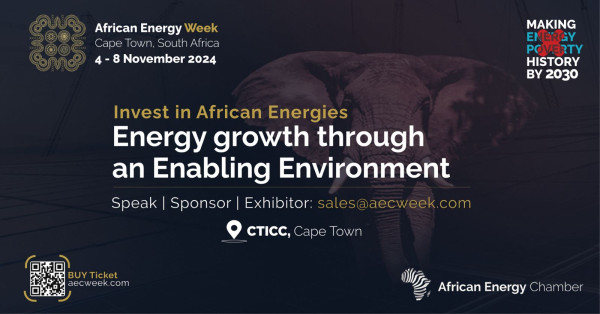
Africa’s Energy Infrastructure Can Only Succeed with Enhanced Transmission
Location: News
African Energy Chamber

As the demand for electricity continues to rise across the African continent, it is imperative for countries to act swiftly to enhance transmission capabilities and develop robust infrastructure to secure new energy integration sources over the next 25 years.

A recent report by consulting firm McKinsey & Company estimates that $400 billion will be required to enhance electricity transmission and distribution capacity across Africa by 2050. This investment is critical for modernizing energy infrastructure and ensuring energy security for the continent.

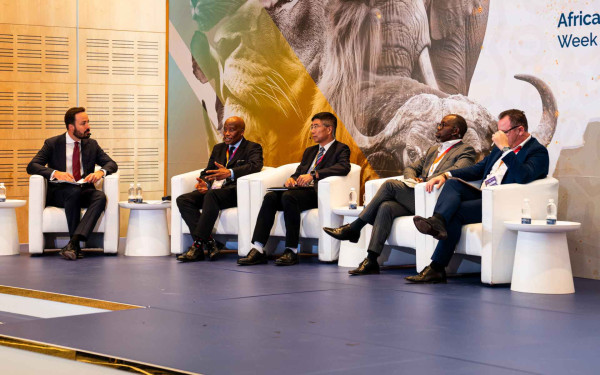
During a panel discussion titled ‘Optimizing Africa's Grid Capacity' at the African Energy Week: Invest in African Energies 2024 conference, Eskom's Transmission Group Executive, Segomoco Scheppers, highlighted the potential of the Electricity Regulation Amendment Act 38 of 2024 for South Africa and its neighboring countries.

This legislation will facilitate the establishment of a market operator in South Africa, creating opportunities for diverse players in the energy sector. “This shift signifies a transformative period in our industry as we adapt to new market dynamics,” he stated.

Despite having interconnections of 400 kV with neighboring countries, Scheppers acknowledged existing challenges. “Strengthening these connections is essential for enhancing regional cooperation and ensuring a reliable energy supply across borders. The reliance on thermal generation in the south, particularly to support countries like Zambia, underscores the need for stronger interconnections,” he explained.

Eskom is further embarking on an extensive domestic expansion program aimed at rapid development – an endeavor that also presents significant challenges. “Learning from global leaders in infrastructure development, particularly from experiences in China, could provide valuable insights into scaling our efforts efficiently,” Scheppers added.

Wang Wenan, Chief Representative, African Representative Office at the State Grid of China, discussed the successful completion of major projects, including the largest long-distance transmission project on the continent — a 500 kV DC line from Ethiopia to Kenya.

However, he noted that fostering private participation in energy projects remains a primary obstacle. “Engaging in dialogues about investment barriers and sharing best practices is crucial for unlocking potential growth in Africa's energy sector,” he emphasized.

Also speaking on the panel, Willy Ireri, Executive Director of Osprey Renewables, highlighted that while East Africa has abundant renewable resources such as wind, solar, and geothermal energy, access to reliable transmission infrastructure in this region also remained a critical challenge. “We are therefore committed to collaborate with state utilities and private investors to ensure that generated electricity reaches emerging green industries in the region,” he said.

With favorable legislation for private investment in transmission expected to be operational by 2025, Osprey Renewables aims to play a vital role in facilitating access to renewable energy for consumers.

“Our mandate at Osprey extends beyond generation; we actively engage across the entire value chain and we are seeing growing interest in green manufacturing and hybrid data centers,” Ireri added, noting that the Kenyan government has initiated proposals inviting independent transmission projects, signaling a positive shift toward increased private sector participation.

Power and Grid Segment President at Schneider Electric, Gary Lawrence, highlighted that a modernization of power grids was also needed. “The traditional grid was designed over a century ago for one-directional flow; today's needs require a bidirectional grid that allows seamless interaction between producers and consumer.”

The industry is balancing supply and demand effectively through initiatives such as collaborating with Egypt's Ministry of Electricity and Renewable Energy to develop distribution control centers that enhance grid intelligence and implementing distributed energy management systems in South Africa.

Distributed by APO Group on behalf of African Energy Chamber.
Media files
African Energy Chamber
Download logo
Read moreAfrica’s Energy Infrastructure Can Only Succeed with Enhanced Transmission
8 November 2024

Africa’s Mineral Wealth and Path to Economic Transformation Showcased at CMA 2024

Location: News
Energy Capital & Power

Africa's holds significant reserves of minerals critical for the global energy transition. The continent boasts roughly 30% of the world's mineral reserves, including immense deposits of cobalt, manganese, natural graphite, copper, nickel, lithium and iron ore.  

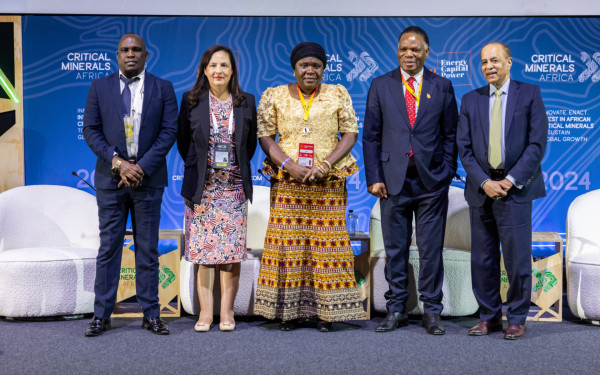
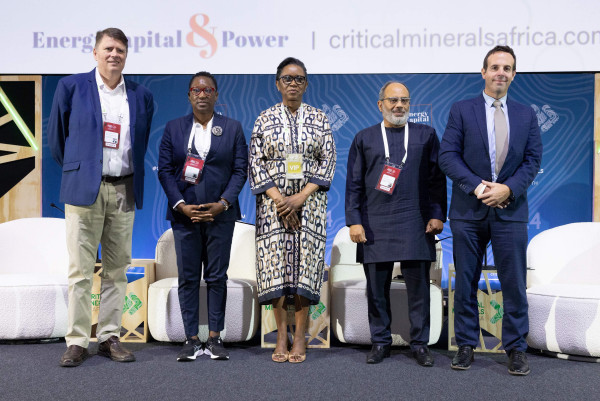
As such, this year's Critical Minerals Africa (CMA) 2024 Summit – held from November 6-7 in Cape Town – convened industry leaders, policymakers, service providers and investors to address the urgent demands of Africa's critical mineral value chain. The Summit featured a robust agenda that sought to shine a spotlight on opportunities for Africa to accelerate its mining sector while utilizing its natural resources to promote value addition and drive socioeconomic development. 

CMA 2024 featured a Ministerial Forum that included the participation of mining ministries from Eswatini, Malawi and Argentina, as well as representatives from Tanzania. High-level speakers during the forum showcased a number of projects aimed at maximizing mineral production while discussing how to leverage mineral resources to promote economic growth and sustainability. 

The Republic of Malawi's Minister of Mining Monica Chang'anamuno highlighted several ongoing projects in the country, such as the Kasongo Initiative, which aims to increase the production of rare earth metals, graphite and lithium resources. 

Meanwhile, Eswatini's Minister of Natural Resources and Energy Prince Lonkhokhela announced ambitious targets to raise to the contribution of the country's mining sector to its GDP. With aims to increase the share from 1% to 50% in the short- to medium-term, the strategy is supported by new surveys revealing commercial deposits of lithium, copper, cobalt and other base metals.  

To bolster investment in mid- and downstream infrastructure, the Summit also featured the participation the President of the Chamber of Mines of Zimbabwe Thomas Gono, who stated, “Historically, we exported raw materials, missing out on the potential benefits. With Africa's young workforce, we now have an opportunity to drive revenue and create jobs through skills development and local beneficiation.” 

With the participation of Tanzania's Chamber of Mines, it was announced that the country aims to expand exploration in critical mineral-rich basins from 16% to 50% as part of a strategic push into rare earths, lithium and tanzanite production. Meanwhile, Zambia's Chamber of Mines discussed ongoing strategies aimed at helping the country address logistics and energy deficit challenges in the mining sector. 

The Summit featured a panel discussion with high-level representatives from mining companies and development institutions including Pensana, the Africa Policy Research Institute and the U.S. Development Finance Corporation. The panel also featured the participation of Clifford Chance, Frost & Sullivan and Chatham House and explored how regional initiatives – such as the Lobito Corridor – have the potential to fast-track Africa's critical minerals market expansion.  

An Investment Forum held during the Summit showcased innovative financing measures to advance the flow of capital across the African market. The session featured representatives from finance institutions the World Bank, ABSA, Moshe Capital, the African Finance Corporation and ASAFO & Co. 

Additionally, midstream and downstream opportunities were showcased during a panel session that featured the participation of organizations such as Orion Minerals, AZ Arnaturen, Women in Green Hydrogen, Isondo Previous Metals and the Southern African – German Chamber of Commerce and Industry. The panel also featured representatives from Konrad Adenauer Stiftung, the SA-DRC Chamber of Commerce, the Curtin Institute for Energy Transition, the Electric Mobility Association of Kenya and the Congolese Battery Council. 

At CMA 2024, research firms including Rystad Energy, Moore Global and Project Blue presented insights on market trends in the global mining industry, while Tronic Metals, Tanzania's State Mining Corporation and South Sudan's state-owned Nilepet provided updates on their activities across the mining value chain. 

A Leaders Forum during the Summit featured the participation of international mining companies Glencore DRC and KoBold Metals as well as representatives from the University of Cape Town and the Minerals Council of South Africa. The forum showcased how governments across Africa can promote innovation in the continent's mining space to attract new investment and increase critical minerals production to drive socioeconomic and GDP growth.  

Distributed by APO Group on behalf of Energy Capital & Power.

Media files
Energy Capital & Power
Download logo
Read moreAfrica’s Mineral Wealth and Path to Economic Transformation Showcased at CMA 2024
8 November 2024

Upstream Players Highlight Innovative Financing Critical Mineral Projects at CMA

Location: News
Energy Capital & Power

Players within Africa's energy transition sector highlighted innovative financing mechanisms which can help drive the industry maximize value addition and beneficiation to local economies during the Leaders Forum at Critical Minerals Africa Summit on Thursday.

Marie-Chantal Kaninda, President, Glencore DRC announced that the firm contributed approximately $1 billion in revenue for the Democratic Republic of Congo (DRC) through royalty taxes in 2023.

She said the firm invested in processing facilities at two of its operational mines in the DRC (https://apo-opa.co/3AvKgjI) to enhance value addition of copper and cobalt resources.

“We export hydroxide cobalt, which is an intermediary product, and produce copper cathodes ready for cable manufacturing,” Kaninda explained, adding that 95% of Glencore's workforce in the DRC is sourced locally, with many employees holding senior positions.

Speaking on the challenges facing Africa's mineral value addition efforts, Carlos Lopes, Professor at the Nelson Mandela School of Public Governance, University of Cape Town, noted that a lack of adequate funding is a primary barrier.

Despite Africa's GDP having doubled since 2000, he said, the continent is still perceived as a high-risk market by some investors. Lopes called for innovative local financial solutions to meet capital needs for value-addition projects.

“Africa pays the world's highest interest rates, yet our potential is undervalued. We must be strategic in policy-making to fully capitalize on our resources,” he stated, emphasizing the drawbacks of exporting raw minerals for overseas processing.

Mfikeyi Makayi, CEO of KoBold Metals, underscored the role of innovation in reducing the high costs associated with critical mineral exploration and value addition. She highlighted the company's AI-enabled exploration efforts backed by Silicon Valley investment, stating, “With 60 projects across 40 countries, including flagship initiatives in Zambia and new ventures in Namibia and Botswana, we're focused on leveraging digital mining solutions to drive industrialization across the continent.”

Makayi added that the data generated through digital mining is vital for attracting investment and creating a more competitive and inclusive sector.

Sietse van de Woude, Senior Executive of Modernization and Safety at the Minerals Council South Africa, discussed the Mandela Mining Precinct initiative, a public-private partnership designed to fund and support mining sector innovation.

“Innovation is essential for critical minerals mining,” van de Woude said, adding that the initiative offers a platform for industry stakeholders to share best practices and collaborate on advancing operational efficiency and safety.

Distributed by APO Group on behalf of Energy Capital & Power.

Media files
Energy Capital & Power
Download logo
Read moreUpstream Players Highlight Innovative Financing Critical Mineral Projects at CMA
8 November 2024

Boost for start-ups involved in space, Earth observation

Location: News

Boost for start-ups involved in space, Earth observation

Eight start-ups involved in space and Earth observation innovations have received funding through the Earth Observation Frontiers Enterprises Innovation Support Fund (NEOFrontiers EISF). 

Launched in 2021, the NEOFrontiers is an innovation funding mechanism designed to drive the growth of the local space sector through increased public investments. 

It seeks to stimulate collaboration, cooperation and innovation in the public and private South African Earth observation community.

The NEOFrontiers programme is managed by the South African National Space Agency (SANSA) and the National Research Foundation (NRF), and implemented with the support of Tuksnovation, the University of Pretoria's business and technology incubator. 

The programme subsidises enterprises with amounts ranging from R750 000 to R1 million for 12 months.

SANSA launched NEOFrontiers in 2021 through investment from the Department of Science, Technology and Innovation (DSTI). 

The first four NEOFrontiers projects were funded in 2022, while 2023 saw three start-ups supported. 

This year’s NEOFrontiers call saw eight successful start-ups submit brilliant proposals on mining, agriculture, infrastructure development, healthcare innovation, banking and financial institutions, as well as disaster risk reduction. 

These include Abiri Innovations, Agizo Solutions (Pty) Ltd, Aphelion World JV/Consortium, CreditAIs, Integrated Geoscience Solutions, Kgothatso Innovations, Regona Trading and YaAzi.

A total of 56 applications were received earlier in the year, 25 of which were eligible and allowed to pitch to an independent adjudication committee.

DSTI’s Acting Chief Director Itumeleng Makoloi said this programme unfolds at an opportune time when South Africa seeks to foster innovation.

“We need to create new ways of modernising areas such as agriculture, mining and manufacturing. We believe that this programme represents our shared vision to foster innovation, capacity building and strategic partnership across the public sector. 

"The joint efforts of DSTI entities, such as SANSA and the NRF, play a critical role in driving this vision.”

SANSA CEO, Humbulani Mudau, believes this platform will create a market pool for innovative solutions, for which space is a significant enabler and a value provider.

“I’m delighted to report that there is an equal split in gender representation. We have awarded the grant to start-up companies led and owned by four males and four females. This is good progress towards transforming the industry,” Mudau said. 

He said the NEOFrontiers is poised for greater strides in terms of direction and investments. 

“We’re indeed going to make this a flagship programme that will transform space-based ideas into relevant products and services that address societal and environmental challenges. As we do that, we’re going to be looking at increasing the competitiveness of the South African Earth observation industry for the benefit of the South African society.”

NRF CEO, Dr Fulufhelo Nelwamondo, is of the view that the initiative has the potential to gear small enterprises in the space sector to create job opportunities.

“The key focus is to support start-ups, SMMEs and entrepreneurs with funding. The reason for this is that we expect much more from our SMMEs to make sure that they can grow and employ more people.

“When they employ more people, there is an increase in new technology and service innovations coming out of their areas to a point that we can get even more people involved. Our rate of unemployment is increasing.”

The University of Pretoria’s Head of Innovation and Contracts Management, Advocate Lawrence Baloyi, said this has the potential to shape the future of South African space innovation. 

The next call to fund new SMMEs will be published before the end of 2024. – SAnews.gov.za

Gabisile
Fri, 11/08/2024 - 11:04

28 views
Read moreBoost for start-ups involved in space, Earth observation
8 November 2024

Five Winners of the 2024 Earthshot Prize Unveiled at Awards Ceremony in Cape Town

Location: News

MultiChoice Group
Download logo

  • Advanced Thermovoltaic Systems, High Ambition Coalition for Nature and People, Keep IT Cool, Altyn Dala Conservation Initiative and Green Africa Youth Organization (GAYO) revealed as 2024 Earthshot Prize Winners during star-studded ceremony broadcast live across 50 African countries
  • Each Winner to receive £1 million to accelerate and scale the impact of their innovative environmental solutions
  • Calls for nominations for the 2025 Earthshot Prize are now open

​Last night, the five 2024 Earthshot Prize Winners were announced at a star-studded awards ceremony in Cape Town, South Africa, hosted by Emmy, Grammy and Tony Award winner Billy Porter and award-winning television presenter Bonang Matheba. The 2024 Winners, selected from this year's 15 Earthshot Finalists, will be awarded £1 million each to accelerate and scale their game-changing environmental solutions.

Following a rigorous selection process focused on identifying impactful, inspiring and inclusive environmental solutions, the five Winners are:

  • Fix Our Climate: Advanced Thermovoltaic Systems
  • Revive Our Oceans: High Ambition Coalition for Nature and People
  • Build a Waste-Free World: Keep IT Cool
  • Protect and Restore Nature: Altyn Dala Conservation Initiative
  • Clean Our Air: Green Africa Youth Organization (GAYO)

 Speaking during the Awards Ceremony, Prince William said:

“I believe our world can be rich in possibility, in hope, and in optimism. That is why The Earthshot Prize exists. To champion the game-changers, the inventors, the makers, the creatives, the leaders; to help them build upon the amazing things they've already achieved; to speed their innovations to scale and to inspire the next generation to create the future we all need."

Descriptions of the five Winners, by category:

WINNER for Fix Our Climate:

Advanced Thermovoltaic Systems (https://apo-opa.co/48EySP6), USA
Nominated by: Herbert Smith Freehills LLP

Advanced Thermovoltaic Systems (ATS) has developed a simple, safe and scalable technology to capture waste heat and convert it into electricity, offering a game-changing solution for heavy industries like cement and steel production. These industries require extremely high temperatures, which generate vast amounts of waste heat that is typically lost. ATS's technologies have the potential to save gigatonnes of CO2.

“At ATS, we are proud to lead the way in converting this waste into clean, usable electricity.  Winning the 2024 Earthshot Prize underscores the transformative potential of our technology. Tonight is a key moment for us as we focus on scaling up production in larger manufacturing facilities.” – Kelly Adams, CEO, Advanced Thermovoltaic Systems.

WINNER for Revive Our Oceans:

High Ambition Coalition for Nature and People (https://apo-opa.co/3AxM7Ew), Global
Nominated by: Campaign for Nature

A groundbreaking alliance of 119 countries with the ambitious goal to protect 30% of land and oceans by 2030, High Ambition Coalition identifies technical, financial and knowledge gaps and connects governments with technical assistance and funding. They've already achieved a major milestone with the adoption of the “30×30” target in the 2022 UN Global Biodiversity Framework.

Rita Maria El Zaghloul, Director, High Ambition Coalition for Nature and People said, “On behalf of the alliance, we are deeply humbled to be a Winner of this year's Earthshot Prize. Today's award validates the hard work and dedication of all involved in the 30x30 initiative and fuels our excitement and determination to protect 30 percent of the world's land and oceans by 2030. Together, we can achieve a more sustainable and biodiverse future.”

WINNER for Build a Waste-Free World:

Keep IT Cool (https://apo-opa.co/3AAGjdr), Kenya
Nominated by: Draper Richards Kaplan Foundation, Katapult Ocean

Keep IT Cool (KIC) addresses the challenge of food spoilage by providing sustainable, localized refrigeration systems that help small farmers and fishers preserve their produce. By installing solar-powered cold storage units where fish are landed, KIC significantly reduces spoilage and waste by ensuring the catch stays fresh and managing its transport to market. With plans to grow into East Africa and beyond, KIC is now working to expand their activities in poultry, fruit and vegetables and aims to bring their solution to more communities.

Francis Nderitu, Founder and Managing Director of Keep IT Cool said, “We are on a mission to revolutionise the food supply chain in East Africa. We are grateful for the recognition from The Earthshot Prize, and it is an important milestone for Keep IT Cool. We will continue to enhance market access, reduce waste and build climate resilience for small-scale fish and poultry farmers throughout the region.”

WINNER for Protect and Restore Nature:

Altyn Dala Conservation Initiative (https://apo-opa.co/3NWG3Zk), Kazakhstan
Nominated by: United Nations Environment Programme

Altyn Dala Conservation Initiative has achieved the almost unprecedented feat of saving the critically endangered Saiga antelope from extinction. This mission has grown into one of the world's largest conservation projects and is focused on protecting and restoring Kaakhstan's Golden Steppe, one of the world's least protected natural ecosystems.

Vera Voronova, Executive Director, Altyn Dala Conservation Initiative said, “We are thrilled to be receiving the 2024 Earthshot Prize for Protect and Restore Nature. Altyn Dala demonstrates that when governments and civil society work together with a shared vision, we can achieve remarkable results. The restoration of the Saiga antelope population and the revival of the Central Asian steppe are not just triumphs for wildlife but for the local communities that depend on these ecosystems.”

WINNER for Clean Our Air:

GAYO, Green Africa Youth Organization (https://apo-opa.co/3NVrpSe), Ghana
Nominated by: Clean Air Fund

A youth-led, gender-balanced organisation, GAYO uses its “Zero Waste Model” to drive behavioural change in waste management practices across Africa that cut greenhouse gas emissions and particle pollution, while also bringing additional income to communities. Their goal is to reduce greenhouse gas emissions and particle pollution in Ghana by 70%, compared to open burning, as well as divert a total of 4,000 tonnes of waste by 2030. GAYO's plans to scale would make them the leading model for waste management on the continent.

Desmond Alugnoa, Co-Founder of the Green Africa Youth Organization (GAYO) said, “We are incredibly honored to be winning the Prize, which is a testament to the power of community-driven solutions and the importance of empowering those most affected by climate challenges. Our work in Ghana demonstrates that sustainable waste management isn't just a possibility—it's a necessity. The recognition by The Earthshot Prize fuels our commitment to replicating these models across Africa, proving that local solutions can have global impacts.”

The five Winners of the 2024 Prize cohort were selected by Prince William and The Earthshot Prize Council, a diverse group of experts, advocates and individuals dedicated to championing urgent and innovative action to protect our planet. The Earthshot Prize Council is chaired by The Earthshot Prize Board of Trustees Chair, Dame Christiana Figueres, architect of the Paris Agreement.

Members of The Earthshot Prize Council include: His Royal Highness Prince William, Her Majesty Queen Rania Al Abdullah, José Andrés, Sir David Attenborough, Cate Blanchett, Ernest Gibson, Hindou Oumarou Ibrahim, Wanjira Mathai, Stella McCartney, Nemonte Nenquimo, Luisa Neubauer, Indra Nooyi, Dr. Ngozi Okonjo-Iweala and Naoko Yamazaki.

In addition to the five £1 million prizes supporting the growth of Winners' solutions, each of the 15 Earthshot Prize Finalists will receive dedicated mentorship, resources and technical support through the year-long Earthshot Prize Fellowship Programme.

That support includes access to the Prize's robust network of influential experts and partners, including The Earthshot Prize's Global Alliance of Partners (https://apo-opa.co/4fh0E6D), comprised of some of the world's largest businesses, donors, investors and environmental organisations committed to climate action.

Finalists will also have access to Launchpad (https://apo-opa.co/3O1bhi2), Earthshot's bespoke online finance platform to matchmake Earthshot solutions to a growing community of members made up of mission-aligned donors and investors seeking to speed proven environmental solutions to scale.

The Earthshot Prize is already gearing up for the 2025 Earthshot Prize. Nominations for the Prize's fifth cohort of innovative solutions and entrepreneurs are now open.

If you missed last night's spectacular live event you can watch repeat broadcasts of the star-studded ceremony from 07 November on DStv Catch Up, Showmax, and on multiple DStv channels across Africa from 08 November. Check your local television schedules for more details.

Distributed by APO Group on behalf of MultiChoice Group.

NOTES FOR EDITORS:
Follow The Earthshot Prize on:  

Instagram: https://apo-opa.co/3UKashj
Twitter: https://apo-opa.co/4fEHeZ8
LinkedIn: https://apo-opa.co/3AA6uB4
Facebook: https://apo-opa.co/3YU9tNY
YouTube: https://apo-opa.co/3UGroFo
TikTok: https://apo-opa.co/4fFj00P

About The Earthshot Prize:
Founded by Prince William and incubated in the The Royal Foundation in 2020 for a year before becoming an independent platform/organisation, The Earthshot Prize is a global environmental prize and platform designed to discover, accelerate and scale ground-breaking solutions to repair and regenerate the planet. Inspired by President John F. Kennedy's Moonshot, which united millions of people around the goal of reaching the moon, The Earthshot Prize aims to catalyse an Earthshot challenge to urgently encourage and scale innovative solutions that can help put the world firmly on a trajectory towards a stable climate, where communities, oceans and biodiversity thrive in harmony by 2030. The five challenges are: Protect and Restore Nature; Clean Our Air; Revive Our Oceans; Build a Waste-Free World; and Fix Our Climate.

The Prize aims to turn the current pessimism surrounding environmental issues into optimism by championing inspiring leadership and helping to scale incredible cutting-edge solutions. It will discover 50 winners over 10 years with the power to repair the planet. More than an award, The Earthshot Prize works in partnership with a Global Alliance of Partners to support the scaling of the solutions discovered and selected each year.

The Global Alliance Founding Partners are a group of leading global organisations and philanthropists, which act as strategic funding partners to the Prize, including Aga Khan Development Network, Bezos Earth Fund, Bloomberg Philanthropies, Breakthrough Energy Foundation, Coleman Family Ventures, DP World in partnership with Dubai EXPO 2020, Eleven Eleven Foundation, Giving Grousbeck Fazzalari, Holch Povlsen Foundation, Jack Ma Foundation, Law Family Charitable Foundation, Mastercard Center for Inclusive Growth, Marc and Lynne Benioff, Paul G. Allen Family Foundation, Rob Walton Foundation, Sandy and Paul Edgerley, Standard Chartered Bank, Temasek Trust, and Uber.

Global Alliance Partners are non-profit environment and sustainable development organisations that bring expertise, global reach and serve as nominating organisations each year. For a full list of our Global Alliance Partners, visit: https://apo-opa.co/4fh0E6D.

Global Alliance Members are some of the world's largest and most influential companies and brands that will support The Earthshot Prize, implement ambitious changes within their businesses and accelerate the advancement of the solutions of Prize Finalists and Winners. They are Arup, Bloomberg L.P., Deloitte, Herbert Smith Freehills, Hitachi, Ingka Group (IKEA), Microsoft, The Multichoice Group, Natura &Co, Safaricom, Salesforce, Unilever, Vodacom Group, and Walmart.

For more information about The Earthshot Prize, visit: www.EarthshotPrize.org.

Read moreFive Winners of the 2024 Earthshot Prize Unveiled at Awards Ceremony in Cape Town
7 November 2024

AEW 2024 Panel Deliberates Path Towards Private Power Provision in Africa

Location: News
African Energy Chamber

Private power and Independent Power Producer (IPP) investments are pivotal for Africa's energy future if it is to improve energy access and end energy poverty on the continent. The procurement of new, often renewable sources of energy, is a way for countries to improve energy supply but also meet transition goals. 

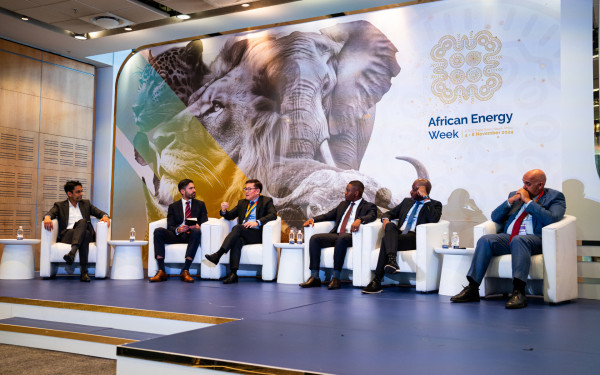
During a panel discussion titled ‘Maintaining the Momentum for Private Power Provision' that formed part of African Energy Week (AEW): Invest in African Energies 2024 ‘Powering Africa Summit' South Africa's IPP procurement program was highlighted as a benchmark on how to successfully develop private, independent power generation capacity in Africa, which is challenged by a lack of generation capacity, aging power plants and poorly run state-owned utilities and a lack of affordable capital. 

Bernard Magoro, Head of South Africa's Independent Power Producers Office said that although the country has overcome the challenge of loadshedding, it needs to decommission 15-20 GW of coal-fired power by 2035, half of which will be replaced by renewables which requires between four and five times the baseload capacity that you are replacing. 

The IPP program, which has been running for 14 years, has delivered over 8 GW of capacity, 7.2 GW of renewable energy and 1 GW of open cycle gas turbine capacity, Magoro pointed out. This equates to about 10% of South Africa's energy from IPPs on an annual basis, he added. 

The enabling environment that Magoro referred to as “the IPP energy ecosystem” that was created in South Africa to support IPP integration is what has supported the success of the program, the learnings of which he said was being shared with the rest of the African continent. 

Panel moderator, Hasnayn Ebrahim, Managing Director of management consultancy Africa International Advisors noted the important aspect of cross-border collaboration, knowledge sharing and capacity support as a potential enabler to advance private power provision in Africa, a sentiment echoed by Mirlan Aldayarov, Infrastructure Program Leader at the World Bank who said the South African Power Pool (SAPP) exists as a good mechanism that can help to leapfrog some of the IPP development challenges in Africa. 

This idea was supported by Simphiwe Jantjies, Head of East, Central and West Africa at development finance institute the Development Bank of Southern Africa who said the existence of regional power pools, in addition to liberalizing the energy market can play an important role in extending the role of IPPS in providing power. 

“Development finance institutions can…play a meaningful role in the entire project development value chain…pulling the entire financing structure of a project together and ensuring it is bankable,” Jantjies said. 

Aldayarov highlighted the pace of reforms to support IPPs in South Africa as “phenomenal” noting that the Bank is involved in long term energy planning, policy and regulatory reforms, energy offtake and supporting the development of a pipeline of bankable projects to create an enabling environment going forward. 

In trying to maintain the momentum of the IPP program in South Africa, where there is over 100 GW worth of energy capcity at different readiness stages waiting to be developed, the country is faced with needing to expand the energy grid. “We have run out of grid capacity,” he said. 

“Between now and 2032 we need to build 14,000 km of transmission lines,” which Eskom cannot do alone, Mogoro said, noting that the private sector, like the role it is playing in the IPP space, would need to assist in expanding the strained transmission network. 

Distributed by APO Group on behalf of African Energy Chamber.
Media files
African Energy Chamber
Download logo
Read moreAEW 2024 Panel Deliberates Path Towards Private Power Provision in Africa
6 November 2024

AEW 2024 Hydrogen Summit Highlights Collaboration as Key to Investments

Location: News
African Energy Chamber

Africa's abundant energy potential, coupled with Europe's ambitious production and import goals, have resulted in the development of a burgeoning global green hydrogen economy. Africa currently has 125 GW of hydrogen capacity with major contributors including Egypt, Mauritania, South Africa, Morocco, Namibia and Kenya – a group of nations that form part of the Africa Green Hydrogen Alliance group.

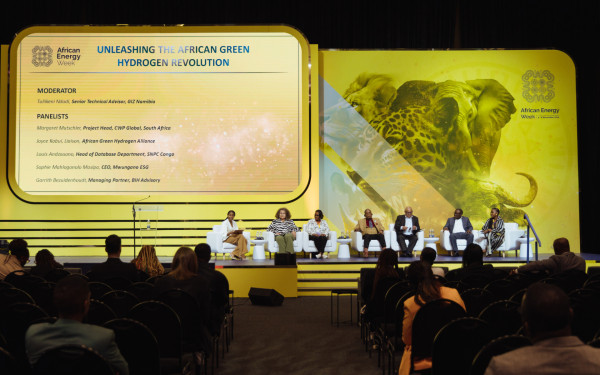
A dedicated panel session titled, Hydrogen Summit: Unleashing the African Green Hydrogen Revolution, at this year's African Energy Week: Invest in African Energies 2024 conference explored the significant role that hydrogen plays in the future of African energy. The panel noted that the EU market represents the largest commercial opportunity for hydrogen projects on the continent, with international collaboration being highlighted as a key strategy towards driving the sector forward.

“We need to see more countries establish key terms to create a platform for knowledge sharing,” stated Africa Green Hydrogen Alliance liaison Joyce Kabui, adding, “The support here depends on the scale of collaboration in the green hydrogen space.”

Mauritania has emerged as one of the world's top green hydrogen investment destinations. The country has effectively captured 1.5% of the global hydrogen market with 3 of its major hydrogen developments – the 30 GW AMAN development, 35 GW Megaton Moon project and 10 GW Project Nour development by renewable energy developer Chariot Energy Group, which collectively contribute to the country's objective of producing 12.5 million tons of green hydrogen annually by 2035.

“In Mauritania, we've managed to prove renewable resources and understand energy profiles available from natural resources to supply the value chain,” stated CWP Global Vice President of Project Development Africa, Margaret Mutschler, adding, “We've conducted environmental studies and baseline studies in countries like Mauritania that is relevant in other countries as well.”

Meanwhile, South Africa's government has recognized green hydrogen as a key aspect of the country's just energy transition. It has introduced the Hydrogen Society Roadmap to serve as the industry's framework to facilitate large-scale investments in the sector.

“If you look at hydrogen as a source, it's underpinned by the hydrogen roadmap that the government has begun to drive,” stated General Manager of Energy Projects at South Africa's state-owned Central Energy Fund, Sifiso Msabala. “There is a focus on hydrogen in this country and we understand the issues that are inhibiting progress. We know that South Africa is a great country to contribute to the global hydrogen industry.”

Louis Andzouono, Head of Database Department at the Republic of the Congo's state-owned Société National des Pétroles du Congo (SNPC), expressed his country's commitment to driving a sustainable green hydrogen sector. The parastatal company received authorization from the government last year to explore the development of a green hydrogen market in the country.

“The SNPC is confident that its promotion of green hydrogen will succeed and thrive,” Andzouono stated, adding, “We assume the missions and projects of the state will guarantee a serene future for the Congolese people through structure and eco-friendly projects.”

The panelists noted that supportive policies and international collaboration will bolster Africa's green hydrogen economy, potentially attracting investments and improving resource capacity.

Distributed by APO Group on behalf of African Energy Chamber.
Media files
African Energy Chamber
Download logo
Read moreAEW 2024 Hydrogen Summit Highlights Collaboration as Key to Investments
6 November 2024

Mashatile chairs inaugural meeting of newly appointed Human Resource Development Council

Location: News

Mashatile chairs inaugural meeting of newly appointed Human Resource Development Council

Deputy President Paul Mashatile has stressed the importance of reigniting efforts to drive human resource development initiatives, so as to urgently tackle the three critical challenges of unemployment, poverty and inequality.

The Deputy President was speaking as the Chairperson of the Human Resource Development Council (HRDC), where he led the inaugural meeting of the newly appointed council on Tuesday.

The newly appointed HRDC members include representatives from government, organised labour, organised business, as well as civil society.

According to the Deputy President’s office, the council’s main strategic mandate is to advise government on initiatives to develop the necessary skills to meet labour market demands over the next five years, ending in 2029.

“We look forward to your invaluable contribution and are convinced that your unique talents, abilities, and experiences will further assist to re-energise efforts to realise the strategic goals of the HRDC,” Mashatile said.

The meeting received presentations on the reconceptualised HRD Strategy and the Master Skills Plan, which will anchor policy documents for all human resource development interventions in the country.  

The plan outlines four strategic, outcome-oriented goals. These include enhancing early learning and educational outcomes, as well as increasing the employability of youth, who are not engaged in education, employment, or training (NEET).

The plan also highlights the need to enhance the responsiveness of the Post-School Education and Training (PSET) system to skill demands and improve governance, leadership and management within the public sector.

In addition, the meeting received updates on the establishment of the Just Energy Skills Forum, which is aimed at contributing to the transformation of the energy landscape in the country, in line with the dictates of climate change.  

This follows the commitment made by government to launch the Just Energy Transition (JET) Investment Plan 2023-2027 in 2022, where President Cyril Ramaphosa mandated the Presidential Climate Commission to engage with various key stakeholders in developing common approaches for South Africa.

A key element for the implementation of the JET Skills Portfolio is the establishment of a National Skills Advisory Forum, which is planned to be launched at the 5th HRDC Summit scheduled to take place this month.

The 5th HRDC Summit will bring together civil society groups, government, labour and business to deliberate on critical skills challenges facing the country.

The summit’s theme will focus on developing the emotional, intellectual and technical capabilities needed to succeed. The gathering will also touch on the reconceptualised HRD Strategy and the Master Skills Plan, as well as the launch of the JET National Skills Advisory Forum.

The summit will also discuss building foundations for learning and skills for a transformed economy, as well as building a capable State.

The HRDC is a national, multi-stakeholder advisory body chaired by the Deputy President and managed by the Ministry of Higher Education and Training.

The HRDC was established in 2010 to facilitate conditions that promote the optimal participation of all stakeholders in the planning, stewardship, monitoring and evaluation of HRD activities in the country.

One of the council’s key responsibilities is to build the HRD base required to ensure a prosperous and inclusive South African society and economy, focusing on the development of strategy. – SAnews.gov.za

Gabisile
Wed, 11/06/2024 - 10:48

346 views
Read moreMashatile chairs inaugural meeting of newly appointed Human Resource Development Council
6 November 2024

Mastering Farm-In and Farm-Out Agreements – Key Insights from AEW 2024

Location: News
African Energy Chamber

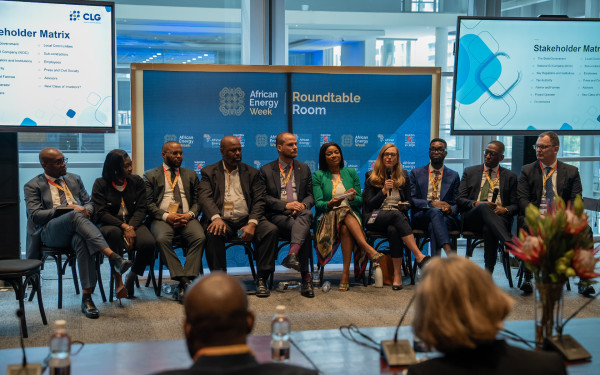
A panel of experts at Africa Energy Week (AEW): Invest in African Energies 2024 emphasized the critical importance of stakeholder engagement and legal considerations in farm-in and farm-out agreements during a workshop titled, ‘Mastering Energy Investment Transactions in Africa'.

Moderated by Zion Adeoye, CEO and Managing Partner of CLG on Monday at the AEW: Invest in African Energies 2024 pre-conference session, the panellists shared insights into essential contractual arrangements in the oil and gas industry for facilitating exploration and development activities and allowing companies to share resources, risks and expertise.

Speaking during a Mastering Energy Investment transaction in Africa: a critical guide for general counsel masterclass, Jude Kearney, managing partner of Asafo & Co noted that there were several critical factors that played a role in allowing for meaningful engagement in farm-in farm-out agreements. “There are literally a thousand considerations a farmor or farmee must make before entering a transaction, but they must realize that they are not alone in their decision-making.”

“It is crucial to engage with local stakeholders – government, prospective service providers, potential employees – early to understand the market dynamics and expectations. This includes assessing local content requirements and corporate social responsibility expectations. The government is your ultimate stakeholder, as they hold the authority to approve or deny transactions,” Kearny added.

Participants underscored the necessity of thorough legal due diligence before entering negotiations. This includes understanding local laws, tax obligations and regulatory requirements to avoid potential pitfalls. Grace Yella, CLG director for tax and legal in Cameroon, emphasised starting with due diligence to lobby for favourable responses from government administrations.

Kearny concurred, “Consider policies that exist in some of the countries, such as Nigeria and South Africa, which have very strong local content regulations. If you are not aware of these regulations, and  have not considered them, then your contract is not perfect,” he added.

CLG Equatorial Guinea managing partner Manuel Oliveira agreed, adding that meeting these regulations were no longer a box-ticking exercise. “Local content is critical for these transactions, there are obligations regarding training local people and to give opportunities to local entities to participate in the economy,” he said, adding that local advisors were also able to navigate the complexities of legislation of this nature.

Tax considerations were also a focal point of the discussion. Daoudou Mohammad, Congo director of CLG, noted that understanding tax obligations is crucial, especially as regulations can change rapidly. Engaging tax consultants early could ensure compliance and identify potential exemptions.

As case study, Mohammad cited the oil and gas taxation decree in the Republic of the Congo having undergone several revisions, which significantly impacts how companies approach their investments and compliance strategies. In 2001, a decree was issued that provided tax exemptions for oil and gas activities, which were included in the terms and conditions of various contracts.

However, subsequent changes in government policy led to the issuance of a new decree that made these activities taxable. This shift raised concerns among investors about the stability and predictability of the regulatory environment. The decree was later suspended following constructive dialogue between government officials and tax operatives, indicating a willingness to find a compromise between government revenue needs and the interests of oil and gas entities.

Similarly, changes in Ghana's oil and gas laws that affected previously favourable tax terms have also changed. “The new Production Sharing Contract focuses more on tax implications than legal terms, highlighting the need for tax experts to be involved in negotiations to avoid unexpected costs,” said Onyeka Ojogbo, CLG deputy managing partner.

“This evolving nature of tax regulations necessitates that companies remain vigilant about compliance to avoid unexpected liabilities, especially given that VAT is now applicable to oil and gas companies, although some activities may still be exempt,”  concluded Mohammad.

Distributed by APO Group on behalf of African Energy Chamber.
Media files
African Energy Chamber
Download logo
Read moreMastering Farm-In and Farm-Out Agreements – Key Insights from AEW 2024
6 November 2024

AEW 2024 Opens in Cape Town with Clarion Calls to Drill, Invest and Drive Projects Forward

Location: News
African Energy Chamber

The African Energy Week (AEW): Invest in African Energies 2024 conference officially opened with calls from the industry to ‘drill baby drill.' Citing the need to enhance climate justice through the development of domestic energy resources, industry leaders from across the continent underscored the need to sign deals, foster partnerships and drive projects forward.

With over 600 million people living without access to electricity and 900 million people without access to clean cooking solutions, the AEW: Invest in African Energies opening ceremony – sponsored by Kosmos Energy – positioned the oil and gas industry as the catalyst for making energy poverty history.

“Our priority must continue to be to end energy poverty for all Africans as well as to create an enabling environment where the oil and gas industry can thrive,” stated Diamantino Pedro Azevedo, Minister of Mineral Resources, Petroleum and Gas, Angola. “That is also our priority in Angola. The oil and gas industry will be a fuel for socioeconomic development.”

For the African Petroleum Producers Organization (APPO), prioritizing the development of domestic markets will be integral for eliminating energy poverty. APPO Secretary General Dr. Omar Farouk Ibrahim stated that “Today, APPO is focused on creating an integrated, regional and continental energy market. To create markets, we need to create cross-border, regional and inter-regional infrastructure. One of our projects we are working on is the Central African Pipeline System, which aims to link countries through crude oil and gas pipelines.”

Adding to these remarks, Kgosientsho Ramokgopa, Minister in the Presidency, Energy and Electricity, South Africa, said that “Today, Africa's path forward lies in seizing control of our energy destiny. Our resources make us capable of not just powering our homes and industries but a new Africa. This will require unity of purpose and a collective resolve.”

Despite project progress, financing remains a central challenge to oil and gas development in Africa. According to Mary Bruce Warlick, Deputy Executive Director of the International Energy Agency, “African countries account for 20% of the world's population but only 4% of global investment. Energy investment has been falling across the continent over the past decade. Africa needs $200 billion to achieve its climate and energy goals by 2030.”

To address these challenges, the African Export-Import Bank (Afreximbank), in collaboration with APPO, established the Africa Energy Bank, an institution which offers financing for African oil and gas projects. According to Benedict Oramah, President & Chairman of the Board, Afreximbank, “The Africa Energy Bank is the first multilateral sector bank in Africa. We expect the bank to significantly contribute towards bridging the funding gap in the African energy sector. It will be open for business to have access to funding by February in 2025. We invite you to send in your applications to be the first transaction by the Africa Energy Bank, which will be ready in a few months' time.”

The Africa Energy Bank supports energy companies drive projects forward. For independents such as Oando, this presents a strategic opportunity to expand their oil and gas portfolios in Africa. Wale Tinubu CON, Group Chief Executive Officer, Oando PLC, said that “The oil and gas landscape is changing. Between 2015 and 2023, there have been more than $7 billion of divested assets in Africa. In terms of M&A activity, there have been a focus on onshore and shallow water acquisitions and we have seen a rise of indigenous joint ventures and collaborations.”

Stepping into this picture, the AEW: Invest in African Energies conference convenes under a goal to make energy poverty history. By uniting the industry in Cape Town, the event fosters partnerships, promotes deal-signing while creating a collaborative environment for companies to do business in Africa's energy sector.

“It is the time for us to tell the African story, written from Cape to Cairo and Kampala to Dakar. We will forge a path that shapes the future. We have work to do in Africa. We sign baby sign so that we can drill baby drill. Let's not stop getting projects signed,” stated NJ Ayuk, Executive Chairman, African Energy Chamber.

Distributed by APO Group on behalf of African Energy Chamber.
Media files
African Energy Chamber
Download logo
Read moreAEW 2024 Opens in Cape Town with Clarion Calls to Drill, Invest and Drive Projects Forward
6 November 2024

Deputy President Mashatile to attend Earthshot Prize Awards

Location: News

Deputy President Mashatile to attend Earthshot Prize Awards

Deputy President Paul Mashatile is expected to attend the 4th Annual Earthshot Prize Awards ceremony, this evening, in Cape Town. 

The Deputy President will be attending Wednesday’s ceremony at the invitation of Britain’s Prince William and on behalf of President Cyril Ramaphosa. 

This marks the first time the event will be held in South Africa.

Started by Prince William in 2020, the prize supports sustainable, eco-friendly projects from around the world. Five winners each receive £ 1 million.

According to the Deputy President’s Office, the prize is the most prestigious global prize for the environment in history, despite only being in its fourth year. 

“Since then, the significant work that Earthshot has done by scaling ingenious solutions to the most pressing challenges facing the world, such as climate change, waste management, cleaning our air, saving our oceans, and saving and restoring nature is remarkable and aligned with South Africa’s priorities towards climate action, environmental protection and restoration, and cleaning the environment,” the Deputy President said. 

Every year, the organisers search the globe for game-changing innovations that will help repair the planet and award the winners of the best five solutions with money to scale their work. 

The initiative exists to discover, spotlight and help grow innovative solutions that are working to repair and regenerate our planet.

Last year, Earthshot welcomed its first South African finalist, ABALOBI, whose technology is making it easier for small fishing communities to monitor fish populations, improve market access, and recognise these communities as stewards of oceans. 

“It is of particular importance that the focus of the Earthshot Prize Awards is on the impact of climate change on Africa and the innovative solutions found on the African continent to mitigate the impact of climate change and environmental degradation.”

Meanwhile, the Deputy President said it was an “honour” to welcome the Prince of Wales to South Africa, highlighting the unique relationship the Royal Family has with the country. 

“The Prince of Wales continues to show his steadfast support and commitment to campaigning for the environment and advocating for the protection of our planet. These prestigious awards play a critical role in supporting and celebrating small enterprises that make a huge difference,” the Deputy President added.

President Ramaphosa met with Prince William in Cape Town on Tuesday. -SAnews.gov.za


Gabisile
Wed, 11/06/2024 - 09:25

13 views
Read moreDeputy President Mashatile to attend Earthshot Prize Awards
4 November 2024

Lamola to host UK Foreign Secretary in Cape Town

Location: News

Lamola to host UK Foreign Secretary in Cape Town

International Relations and Cooperation Minister, Ronald Lamola, will host his United Kingdom counterpart, David Lammy, on Tuesday, 5 November 2024, in Cape Town. 

According to the department, the meeting between the Minister and the United Kingdom Secretary of State for Foreign, Commonwealth and Development will focus on strengthening relations between the two nations. 

“The UK is one of South Africa’s most significant bilateral partners, particularly in trade, investment, skills development, science, innovation, the Just Energy Transition and tourism, among others,” the Department of International Relations and Cooperation (DIRCO) said.

According to Lammy’s office, he began his visit to the continent in Nigeria, his first trip to Africa as Foreign Secretary and the first to visit South Africa since 2013. 

Committing to a fresh approach to Africa that works productively from Morocco to Madagascar, Lammy announced the start of a five-month consultation process to ensure African voices inform and sit at the very heart of the United Kingdom’s new approach to the continent.

“Accommodating the diverse needs and ambitions of 54 countries, the consultation will guarantee the UK’s relationships across Africa are based on mutual respect and partnership,” Lammy's Office said.

Lammy believes Africa has huge growth potential, with the continent on track to make up 25% of the world’s population by 2050. 

“Our new approach will deliver respectful partnerships that listen rather than tell, deliver long-term growth rather than short-term solutions and build a freer, safer, more prosperous continent. I want to hear what our African partners need and foster relationships so that the UK and our friends and partners in Africa can grow together,“ he said. 

According to Lammy, growth is the core mission of the UK government and will underpin relationships in Nigeria, South Africa and beyond. 

“This will mean more jobs, more prosperity and more opportunities for Brits and Africans alike.” 

In South Africa, Lammy’s Office said he will agree to develop a new United Kingdom-South Africa Growth Plan. 

“South Africa is our largest trading partner on the continent and this plan will allow trade to flourish even more through collaboration on market access, a new UK Trade Partnership programme to boost South Africa exports, and a new programme to increase the number of agricultural jobs in rural South Africa. This will simultaneously boost trade for Brits whilst bolstering opportunities within South Africa.” 

At the biennial United Kingdom-South Africa bilateral forum, the Foreign Secretary and Lamola will refresh the Comprehensive Strategic Partnership to 2030 – raising joint ambition on climate, nature, trade and security, and committing to United Kingdom-South Africa cooperation for the next two years on trade and investment, energy transition, and security. 

South African exports to the United Kingdom supported over 137 000 jobs in 2020. The Foreign Secretary will boost this with the renewal of a risk-sharing partnership between British International Investment and Standard Chartered to provide trade finance for SMEs and corporates operating across Africa and Asia. 

“No growth can be truly inclusive or effective unless it is green,” the statement from Lammy's office read. 

While in South Africa, Lammy will celebrate climate innovation at the Earthshot+ thought leadership conference. – SAnews.gov.za

Gabisile
Mon, 11/04/2024 - 11:13

176 views
Read moreLamola to host UK Foreign Secretary in Cape Town
4 November 2024

Upington Residents Say Tobacco Bill Is Based on International Best Practice on Tobacco Regulation

Location: News

Republic of South Africa: The Parliament
Download logo

The Portfolio Committee on Health has concluded three successful public hearings on the Tobacco Products and Electronic Delivery Systems Control Bill (B33-2022) in the Northern Cape province. The committee is satisfied that contributions made by residents of the Northern Cape were insightful and will ensure consideration of broader perspectives by the committee when it reviews the Bill holistically.

In Upington, participants argued that the provisions of the Bill were in line with international best practice on the regulation of tobacco products. Those who support the Bill argued that countries across the world have proved that it is possible to regulate tobacco products such as the utilisation of plain packaging, use of graphics that highlight the dangers of consumption of tobacco products and the imposition of smoke free zones in the protection of vulnerable groups such as pregnant women, children and non-smokers.

There were strong views that without the proposed regulations, non-smokers are being exposed to harmful second-hand smoke inhalation and that the speedy implementation of the Bill would help curb this challenge. They also argued that the contribution made by the tobacco industry to tax revenue doesn't offset the dangers and harmful effects of tobacco products. They pointed out that the industry was mainly concerned with profit making and not public health.

Meanwhile, producers of electronic delivery systems argued that the Bill in its current form was not effective in its inability to set out a clear distinction between traditional tobacco products, like cigarettes, and electronic nicotine delivery systems. They further argued that they are in support of regulation, but not as provided for in the Bill. They called for separate regulations addressing unique vaping environment.

Those supporting the Bill argued that vapes have inherent harmful products that are not clearly set out that might be harmful to consumers. They suggested that the vaping industry is using colourful packaging and social media to attract the youth into consuming their harmful products.

Those against the Bill reiterated the concern that the ban of the display at the point of sale will negatively affect businesses of small-scale traders, something they said was undesirable given the high unemployment rate in South Africa. A view that the implementation of the Bill as is would create a fertile ground for the illicit market to flourish at the detriment of lawful traders was reiterated.

The committee noted the overwhelming contribution by young people in the Northern Cape who in their majority underscored the dire long-term effects of tobacco for future generations. Many of them argued that the Bill is a timely intervention in an environment of increasing consumption of tobacco products and hooka pipes in townships. They also called for clear and concise enforcement plans to ensure the effective implementation of the Bill.

Having concluded the Northern Cape leg of public hearings, the committee will next weekend, 8-10 November conduct the last provincial public hearings in KwaZulu-Natal. Following this, the committee will review all public submissions and engage organisations that made written submissions to the committee.

“We are generally satisfied with the public participation process we undertook this weekend. The public hearings affirmed the correctness of the decision by drafters of the Constitution in ensuring that the public is central to decision-making as this ensures that their views and aspirations are encapsulated in decisions made by their representatives,” said Dr Sibongiseni Dhlomo, the Chairperson of the committee.

Distributed by APO Group on behalf of Republic of South Africa: The Parliament.

Read moreUpington Residents Say Tobacco Bill Is Based on International Best Practice on Tobacco Regulation
4 November 2024

Call for meaningful action to deal with wildlife crimes

Location: News

Call for meaningful action to deal with wildlife crimes

Minister of Forestry, Fisheries and the Environment, Dr Dion George, has called for decisive and integrated action to deal with wildlife crimes, as they threaten the country’s rich biodiversity and the potential of the eco-tourism industry.

Addressing the United for Wildflife Global Summit 2024 in Cape Town on Monday, the Minister said the Department of Forestry, Fisheries, and the Environment (DFFE) plays an indispensable role in shaping South Africa's future within the borders and in the increasingly complex global geopolitical landscape. 

“However, despite local and international efforts to address environmental crime at the highest levels of government, it is essential that we now refocus our efforts towards action. 

“Representatives from the police, customs, prosecuting authorities, financial intelligence units, and environmental and wildlife investigative agencies all hold crucial roles, and your collaboration is essential. 

“We all recognise this global scourge that can only be overcome through a focused and integrated international effort,” the Minister said.

South Africa’s wildlife, plant life and marine life is a target for illicit activities. 

“Our lions, rhinoceros, pangolin, succulent plants, abalone, and our fish stock, to name only a few, are significantly at risk and we must respond. 

“These crimes... have a devastating impact on our country’s moral fabric (where the poaching culture consumes communities) on our existing and potential eco-tourism industry, and on our good standing in the international community as custodians of irreplaceable natural heritage,” George said.

He emphasised that South Africa remains resolutely focused on implementing the National Integrated Strategy to Combat Wildlife Trafficking. 

This strategy aims to establish a well-resourced, integrated, multidisciplinary law enforcement approach to dismantle the illicit value chain of wildlife trafficking within our country and beyond. 

“We recognise that achieving this objective requires the unwavering commitment of our entire government to enhance law enforcement capabilities and to mobilise societal support. 

“As part of implementing the strategy, South Africa actively participated in both informal and formal negotiations leading up to the recent United Nations Convention against Transnational Organised Crime, Conference of Parties. 

“We supported the resolution sponsored by Brazil, France, and Peru, which aims to enhance measures to prevent and combat crimes affecting the environment. This important document recognises that environmental crimes has evolved into a major form of transnational organised crime,” the Minister said.

South Africa remains committed to implementing the key proposals outlined in the resolution.

“We must confront the stark reality that these crimes are not isolated to a series of arbitrary incidents, and that they have developed into highly sophisticated, greed-driven enterprises orchestrated by international criminal syndicates. 

“They exploit our natural heritage for financial gain and cause immeasurable harm to the environment while undermining our conservation efforts. These environmental crimes threaten to ravage the world's natural resources, impose immense financial burdens, and lead to the widespread loss of economic and development opportunities. 

“While we are keenly aware of the threat this poses to security and the rule of law, we must also remain cognisant of the complex issues of poverty and the lack of alternative livelihoods that contribute to the rise of such illicit activities,” the Minister said.

South Africa has also actively participated in WIRE meetings since 2016, which have been instrumental in overcoming obstacles related to information sharing and cooperation in investigations. 

“This has provided an invaluable platform that enables the international community to strategies, overcome obstacles, ensure meaningful cooperation, and respond swiftly when necessary, despite the bureaucratic processes inherent in any government. 

“Collaborating with international counterparts is crucial for tackling wildlife crime, especially since the illicit market is primarily in Southeast Asia. It is essential that we reinforce our working relationship with law enforcement agencies in these countries,” the Minister said. - SAnews.gov.za

nosihle
Mon, 11/04/2024 - 12:24

0 views
Read moreCall for meaningful action to deal with wildlife crimes
4 November 2024

Blooming Good: How a Desert Garden Is Saving Endangered Plants

Location: News

The Richtersveld Desert Botanical Garden is a lifeline for plants species endemic to the region

Read moreBlooming Good: How a Desert Garden Is Saving Endangered Plants
31 October 2024

dtic to launch the Khoebo Innovation Promotion Programme

Location: News

dtic to launch the Khoebo Innovation Promotion Programme

The Department of Trade Industry and Competition (dtic), in partnership with the Industrial Development Corporation (IDC) and the University of Free State, Bloemfontein Campus, will launch the Khoebo Innovation Promotion Programme (KIPP) on Monday.

This as a fund to drive innovation among early-stage Small Medium Enterprises in the Free State. 

The programme was initially launched in June 2024 in Johannesburg and a series of regional launches will be taking place throughout the country.

The objective of the KIPP is to enable early-stage innovative SMEs to penetrate the market with their locally developed innovations resulting in a more competitive economic environment, thereby facilitating economic growth in the South African economy.

According to the Acting Deputy Director-General of Investment and Spacial Industrial Development at the dtic, Yunus Hoosen, the launch seeks to facilitate interactions with potential partners, beneficiaries, and supporters, building relationships that support the fund's objectives.

According to Hoosen, since the establishment of KIIP in 2020, the programme has funded more than 36 projects across various sectors of the economy, with R 148.2 million committed and R113.8 million disbursed to date.

He said the launch will highlight progress for present achievements under KIPP to demonstrate the positive impact of the programme.

“The session is intended to enhance knowledge and increate public gain and clear understanding of KIPP’s objectives and application process. 

“The session will be characterised by an interactive stakeholder engagement that is expected to create public awareness and inspire participation and applications from Free State innovative SMEs eligible for funding and support under KIPP,” Hoosen said.

Local entrepreneurs and SME owners, especially those working in the technology and innovation sectors, and industry stakeholders including funders are expected to attend the event. 

Potential partners who are interested in promoting economic transformation through innovation and university students and researchers who are interested in innovation and entrepreneurship will also participate in the launch. – SAnews.gov.za


Edwin
Thu, 10/31/2024 - 11:41

4 views
Read moredtic to launch the Khoebo Innovation Promotion Programme
31 October 2024

Green Building Trends in Africa: Africa’s Urbanization Provides the Opportunity to Embrace Green Building

Location: News
Bureau Veritas

By Julien Fouilliart-Building & Infrastructure Growth Leader Middle East, Caspian and Africa, Bureau Veritas (https://group.BureauVeritas.com)​.

Globally, buildings are responsible for a substantial share of energy, electricity, water and materials consumption using between 35-40% of energy demand and contributing 37 per cent of world carbon dioxide (CO2) emissions. Including the manufacturing of building materials.

The 2022 updated Global Buildings Climate Tracker (GBCT) (https://apo-opa.co/3YLJiZG) shows that there is a significant gap between the current state and the desired decarbonization path which is concerning. In effect it means that to align with the 2030 milestone, an annual increase of ten decarbonization points is now necessary which is a substantial jump from the six points per year anticipated starting in 2015.

In 2019 in Africa, buildings accounted (https://apo-opa.co/4e8NIhN) for 57% of total final energy consumption and 32% of total process-related CO2 emissions.

Despite continental issues of poverty, unemployment and rapidly developing informal settlements among other issues, many countries in Africa are embracing green, sustainable building practices.

With its burgeoning population, expected to add some  1.2 billion people by  2050 (https://apo-opa.co/3AxgxXo) Africa faces rapid urbanization.

Urbanization provides an opportunity for countries across Africa to embrace green building practices, access available international green funding opportunities, and set a foundation for sustainability for future generations.

In 2023 the Africa Regional Network of World Green Building Council (WorldGBC) launched the Africa Manifesto for Sustainable Cities and the Built Environment, which sets out the actions that  policymakers and businesses across the continent need to take to achieve a net zero carbon, healthy, resilient, equitable, socially- and economically-inclusive built environment for everyone, everywhere.

Achieving these goals requires policymakers and business leaders across the continent to recognise the untapped potential of the built environment. But this can only be realized with the implementation of policies that support transformative action, through intense collaboration between governments, city and regional leaders, businesses and investors. 

South Africa is leading Africa's green building sector (https://apo-opa.co/3YLdq7N). It has over two million square meters certified green buildings that reduce water consumption, electricity, and waste disposal; 50 certified projects are projected to result in an annual saving of 76 million kilowatt hours which is equivalent to the electricity needs of 5,300 households every year.

South Africa has its own National Standard 10400 Part XA that deals with optimizing energy efficiency in buildings and in the light of this the Green Star South Africa and EDGE green building tools have been adapted and are widely used in the country. International rating systems like LEED and WELL are also used.

The scope of green construction in Egypt has been slow to grow but Egypt has two local rating systems in place called TARSHEED and the Green Pyramid Rating System. These, along with EDGE, LEED and WELL are used in various projects.

The Nigerian government has pledged to achieve a 20% reduction in its greenhouse gas emissions by 2030 and 45% with international support. Green building will likely be a big part of this change.

This country's National Building Code, developed by the National Council on Housing and Urban Development, and the Building Energy Efficiency Guideline (BEEG), also support the agenda of sustainable development by setting requirements for occupant health and safety, use of local and safe building materials and energy efficiency among other criteria.

Morocco has several legal provisions in place to promote sustainability and environmental protection through construction impact assessments for new building projects as well as energy-efficient construction requirements applicable to most residential and commercial projects. Several projects in the country have also achieved LEED green building credentials.

It also has several renewable energy projects such as the Noor Midelt Solar Plant and Tarfaya Wind Farm, one of the biggest wind farms in the continent.

As the drive towards Net-Zero heightens more African countries are joining the African Regional Network of the World Green Building Council. NGOs and other industry professionals are setting up green building councils in South Africa, Egypt, Tunisia, Nigeria, Botswana, Zimbabwe, Namibia, Mauritius, Tanzania, Kenya, Cameroon and Uganda.

One of the big hurdles restraining a sustainable development movement in the construction industry is a lack of awareness for practical sustainable actions among many developers and investors.

In South Africa there is a broad awareness of Green Buildings and the market share of certified buildings among all new builds is increasing. The 2021 International Finance Corporation's (IFC) Green Building Market Stakeholder Assessment for South Africa showed that on the supply side, key motivating factors for Green Buildings are their reduced carbon footprint increased end user demand and increased marketability.

From the occupier's perspective the motivating factors for buying or leasing a Green Building are lower utility bills and lower operating costs. Yet, at a residential level occupiers are only willing to pay a two percent premium for these benefits.

The IFC report points out that the perceived cost of construction and certification of green buildings are also considered major obstacles to the expansion of certified Green Buildings in South Africa (https://WorldGBC.org/). Its research indicates that those in the know estimated the additional construction cost to be 10% or higher, while those unfamiliar with Green Buildings are likely to significantly overestimate costs.

Currently, four out of six financial institutions provide financing for Green Building projects in some form or another and three require a certification to approve the loan. The portfolios of two consist of retrofitting existing buildings into Green Buildings; two of commercial and industrial Green Building construction finance and only one residential Green Building construction finance. Of the two FI's that currently do not fund any Green Building one plans to do so in the future while the other does not see this as part of their strategy.

The investment into green construction (https://apo-opa.co/4e8NYgL) has multiple benefits; it facilitates growth while addressing issues like employment, climate change, and poverty.

However, more needs to be done to improve the understanding of the benefits of green buildings such as lower operational costs, increased ROI as well as an overall improvement in occupant health and wellbeing. Financial institutions need to do more to support green construction. Those which have pledged to lower their investments in carbon producing industries could create green bonds or funds for the African construction sector. Government's need to provide policy support along with incentives to catalyze market development.

 All this suggests that there is still a sizable information gap regarding the cost, certification and benefits of Green Building and that further knowledge dissemination efforts are needed to close it.

Distributed by APO Group on behalf of Bureau Veritas.

About Julien Fouilliart:
Julien Fouilliart is a seasoned business development professional with 15 years of experience in international, multicultural, and cross-sector environments. He currently leads the growth of Bureau Veritas' Building & Infrastructure market across the Middle East, Caspian, and Africa regions. Julien holds a degree in Mechanical Engineering from Belfort University in France. He is based in Kenya and has a deep passion for the African continent. Julien has played a key role in the development of large and iconic infrastructure projects across the region. He has an extensive international background, having worked in France, China, Spain, Belgium, and the United Kingdom. His experience includes collaborating with global companies and public institutions to drive business growth in sectors such as aerospace, IT, rail, building, and transport infrastructure.

Media files
Bureau Veritas
Download logo
Read moreGreen Building Trends in Africa: Africa’s Urbanization Provides the Opportunity to Embrace Green Building
31 October 2024

Treasury optimistic about economic outlook

Location: News

Treasury optimistic about economic outlook

National Treasury expects improved growth prospects for the South African economy, despite slowing projected growth of some 1.1% in 2024 – down from the projected 1.3% earlier this year.

Real Gross Domestic Product (GDP) growth is projected to improve at some 1.1% in 2024, up from the 0.7% in 2023.

In its Medium-Term Budget Policy Statement (MTBPS), National Treasury said economic growth was being “weighed down by stop-start economic growth and stubborn inflation in the first half of the year”.

“The economy has since strengthened in response to the suspension of power cuts since March 2024, improved confidence following the formation of the Government of National Unity in June, better than expected inflation outcomes in recent months and reduced borrowing costs. All these factors are expected to continue supporting the economy over the period ahead.

“The pace of [GDP] growth is still being limited by persistent – though gradually easing – constraints, particularly in logistics infrastructure. Faster growth depends largely on maintaining macroeconomic stability, the continued implementation of structural economic reforms, improving State capabilities and supporting higher infrastructure investment,” the MTBPS stated.

Treasury explained that although risks persist, global risks are “weighted to the downside, while risks to the domestic outlook appear more balanced compared with the 2024 Budget Review assessment”.

“Global growth may weaken due to financial market volatility, tightening conditions for developing economies, slower disinflation from rising commodity prices and a prolonged contraction in China’s property sector. On the domestic front, food prices are vulnerable to weather-related shocks and logistical challenges. 

“Positive domestic risks include the possibility of a quicker pace of disinflation and interest rate reductions than assumed in the baseline forecast, which would boost demand. Stable electricity supply and faster progress on reforms could boost business and consumer confidence,” Treasury said.

The department warned, however, that fiscal risks “remain significant though somewhat more balanced than a year ago” and that the materialisation of these risks could be a threat to “fiscal projections, with negative consequences for investment and economic growth”.

“Despite the downward revision to growth for the current year, there is cautious optimism for the medium-term outlook as the early benefits of reform implementation continue to materialise. 

“The stabilisation of electricity supply has improved the overall investment climate. This positive momentum will be sustained by a new phase of Operation Vulindlela, which aims to accelerate structural reforms implementation. 

“To support these efforts, it will be essential to maintain clear and stable macroeconomic policies while strengthening state capability and supporting investment in growth-enhancing public infrastructure,” the MTBPS stated.

Global outlook

On the international front, global growth is projected to slow marginally from 3.3% in 2023 to 3.2% in 2024 and 2025.

“Slowing inflation has opened the way for major central banks to ease monetary policy. Lower interest rates and strong investment in technology, particularly in emerging Asia, are expected to support growth,” Treasury said.

The department added that overall risks to growth are “to the downside”.

“Fiscal policy has begun to contract in some countries, in part to manage the rapid increase in sovereign debt levels since the COVID-19 pandemic, and some countries are in debt distress.

“Persistent geopolitical tensions continue to flare, with potentially far-reaching effects on global trade, and the threat of escalating conflict in the Middle East remains a concern. The years-long downturn in China’s property sector, notwithstanding new stimulus support, could continue to weaken Chinese growth,” the MTBPS stated.

Economic growth in advanced economies is forecast to reach some 1.8% in the same period with growth in emerging and developing economies – including South Africa’s BRICS partners – projected at 4.2%.

In Sub-Saharan Africa, this is projected at 3.6% in 2024 and 4.2% in 2025.

“Global equity prices have risen as inflation decelerates, accompanied by interest rate cuts that are expected to continue into 2025. Further declines in bond yields are consequently anticipated, creating a favourable environment for emerging market assets. 

“Declining production and shipping of commodities, particularly oil, has dampened the outlook for some emerging and developing economies, including in Sub-Saharan Africa. Oil prices are anticipated to fall slightly in 2024, given weak global demand, despite production cuts agreed by major producers. 

“Global food prices are also projected to fall, supported by record-high grain production, reducing inflationary pressures,” the MTBPS explained. – SAnews.gov.za

Matona
Thu, 10/31/2024 - 05:44

2 views
Read moreTreasury optimistic about economic outlook
30 October 2024

Slow compliance with servicing Eskom debt a risk to debt write-offs

Location: News

Slow compliance with servicing Eskom debt a risk to debt write-offs

National Treasury has warned that municipalities' slow compliance with conditions of the debt relief programme on arrears to Eskom risk delaying debt write-offs.

According to the National Treasury’s document on the Medium-Term Budget Policy Statement (MTBPS), success depends on municipalities maintaining a quarterly revenue collection rate of 85 %, which is below the National Treasury collection norm for local government of 95 %.

“Around 70 of the municipalities that had applied for debt relief have been approved. Between March and August 2024, compliance with relief conditions by municipalities improved from 55% to 76 %, aided by the National Treasury, Provincial Treasuries, and the Municipal Finance Improvement Programme,” Minister of Finance Enoch Godongwana said.

The Minister was delivering the MTBPS in Parliament on Wednesday.

National government is supporting municipalities with debt relief for arrears to Eskom to be written off in equal annual tranches over a three-year period provided they comply with the set conditions.

This programme, operating on rolling 12-month cycles, aims to mitigate fiscal risks by improving compliance with financial management and revenue collection. By combining debt relief and revenue enhancement, it aims to change the nonpayment culture for municipal services and support Eskom’s balance sheet.

“Rand West City is the first municipality to benefit from a one-third debt write-off. This follows its substantial achievement of the debt-relief conditions for the first 12-month cycle.  More municipalities stand to benefit from this write-off of debt if they comply with the conditions of the programme. We implore provincial and national departments owing municipalities to pay their dues.

“This will enable municipalities to pay waterboards and Eskom, so that utilities can deliver these services to citizens,” the Minister said.

Despite these efforts, the financial situation of the top 14 Eskom defaulters remains critical, requiring alternative solutions.

The National Treasury, with stakeholder departments and Eskom, is exploring additional strategies in this regard.

Municipalities have been encouraged to offer relief to indebted customers who pay current bills and transition to smart prepaid metering. 

Eskom’s financial condition

According to the National Treasury, Eskom remains highly dependent on government support through the debt-relief arrangement. 

“The utility has begun to strengthen its performance, with no power cuts since the end of March 2024 and improved profitability. Its most recent financial plan also targets profitability from 2026/27 onwards. However, escalating municipal debt arrears continue to negatively affect its financial performance.

“The debt-relief arrangement granted to Eskom is intended to strengthen its balance sheet, enabling it to restructure and undertake the investment and maintenance needed to support stable electricity supply aligned with national needs,” National Treasury said.

Given Eskom’s failure to dispose of the Eskom Finance Company by 31 March 2024, the National Treasury reduced the debt-relief allocation from R78 billion to R76 billion in 2023/24. 

This allocation was fully disbursed and converted to equity following Eskom’s compliance with all the attached conditions. Eskom’s allocation for 2024/25 will be reduced by R2 billion to R64 billion should it fail to dispose of the Eskom Finance Company by 31 March 2025.

“In April 2024, the Eskom Debt Relief Act (2023) was amended to ensure that the loan granted under the debt-relief arrangement is correctly classified and that market-related interest is charged.

“Additionally, in June 2024 the National Treasury disbursed an R8 billion interest-bearing loan as part of the debt-relief allocation for 2024/25. 

“As of 27 September 2024, Eskom had paid R91 million in interest to the National Treasury for the debt-relief loans. The National Treasury is now working with Eskom to finalise government’s takeover of R70 billion of Eskom’s loan portfolio by 2025/26,” National Treasury said. - SAnews.gov.za

nosihle
Wed, 10/30/2024 - 14:15

253 views
Read moreSlow compliance with servicing Eskom debt a risk to debt write-offs
30 October 2024

Government anchors economic growth strategy on four key areas

Location: News

Government anchors economic growth strategy on four key areas

Over the medium term, government will anchor its economic growth strategy on four key areas in order to support inclusive growth.

This as Finance Minister Enoch Godongwana announced in the Medium Term Budget Policy Statement (MTBPS) speech that economic growth projections have been revised down from 1.3% to 1.1%.

Godongwana delivered the MTBPS speech in Parliament on Wednesday.

“[Our] fiscal strategy sets to out to achieve the fiscal sustainability needed to support inclusive economic growth.

“It carefully weighs competing demands, making the necessary trade-offs between what is most urgent and what must wait given the fiscal constraints. The strategy also supports critical social services and addresses the significant fiscal and economic risks that lie ahead,” he said.

The four key pillars are:

  • Maintaining macroeconomic stability
  • Implementing structural reforms
  • Building state capability
  • Supporting growth-enhancing public infrastructure investment.

“Pillar one is about a stable, transparent and predictable macroeconomic framework that creates a conducive environment for businesses and households to save, spend, invest and grow.

“The National Treasury has the responsibility for oversight and implementation of the macroeconomic policy framework. Anchoring inflation expectations is important for our macroeconomic policy framework, and this what the Reserve Bank is responsible for.

“To strengthen this framework, we continue to work on assessing the suitability of monetary policy targets, and to improve the levers of macroeconomic policy coordination,” Minister Godongwana said.

The second pillar is aimed at the implementation of structural reforms and accelerating Operation Vulindlela.

“These will continue to strengthen the economy to be more productive and internationally competitive, accelerate inclusive economic growth and foster much-needed job creation.

“The first phase of Operation Vulindlela provides tangible evidence that structural reforms can reduce economic bottlenecks. It also demonstrates that government can collaborate effectively with business for the collective good,” he said.

In terms of supporting growth-enhancing infrastructure, Godongwana said this is about “effective infrastructure investment, to boost economic activity and enable higher growth over the medium term”.

“In this regard, we are implementing reforms that will create conditions to attract greater private sector participation. The reforms include mobilising significant private sector financing and technical expertise to augment the limited public sector capacity and capability.

“We are amending the PPP [Public Private Partnership] regulations to simplify requirements for undertaking these projects. The amended Treasury Regulation 16 will be published before the end of November for implementation in 2025/26. The Municipal PPP Regulations 309 will be finalised by June next year.

“We are establishing dedicated capacity to plan, prepare and design programmes that will generate a credible pipeline of projects that can be taken to the market,” he said.

Pillar four, according to the Minister, seeks to “build a capable state that delivers a reasonable and reliable standard of public service that will foster the necessary environment for more growth and jobs”.

“For this reason, additional funding is proposed for Parliament and the Office of the Chief Justice, mostly to enhance operational capacity in the running of these important institutions. With the Local Government Elections due in 2026, funds have been set for the Independent Electoral Commission to conduct smooth elections. 

“Additional funding for the South African Revenue Service is proposed. This is to help the organisation build on its successes by driving programmes to enhance the efficiency of revenue collection, whilst enhancing compliance and facilitating legitimate trade,” he said. – SAnews.gov.za

NeoB
Wed, 10/30/2024 - 14:41

344 views
Read moreGovernment anchors economic growth strategy on four key areas
30 October 2024

Government to launch next phase of Operation Vulindlela

Location: News

Government to launch next phase of Operation Vulindlela

Government is expected to launch the next phase of Operation Vulindlela, which is aimed at accelerating the implementation of structural reforms.

This is according to the Medium-Term Budget Policy Statement (MTBPS) released by National Treasury on Wednesday.

Treasury explained that the country’s economic growth prospects are closely tied to Operation Vulindlela and structural reforms to “improve competitiveness and productivity and boost investment”.

“In its first phase, this initiative implemented 35 reform actions in five network industries, including reducing power cuts, improving the performance of the logistics system, lowering data costs, improving water supply and enabling the country to attract critical skills.

“The next phase of reforms will support higher medium-term growth, which is required to significantly expand employment. New initiatives aim to reverse local government decline, tackle spatial inequality and advance digital government to improve large-scale service delivery,” National Treasury said.

Operation Vulindlela is a joint initiative of the Presidency and National Treasury to accelerate the implementation of structural reforms and support economic recovery.

Government has set its focus on Eskom’s restructuring as a priority and to establish a bustling energy market, with adequate supply for a growing economy.

“The cumulative effects of reforms include improved power station performance and no ‘load shedding’ since 26 March 2024. The Electricity Regulation Amendment Bill was signed into law in August of this year. 

“This, together with the creation of the National Transmission Company of South Africa, which began operating on 1 July 2024, is establishing rules and procedures for a competitive electricity market. 

“The ongoing Energy Action Plan has boosted efforts to restore energy availability and procure new generation. By end-August 2024, project registrations with South Africa’s energy regulator exceeded 8500 megawatts,” the MTBPS stated.

The critical sector of freight rail logistics is also receiving attention.

“Transport reforms that open the freight rail network to private operators will reduce inefficiencies and costs, helping firms offer lower prices and boosting economic growth. To this end, the Economic Regulation of Transport Bill – enabling private-sector use of the rail network – was signed into law in June 2024. 

“Transnet freight volumes grew from 149.5 million tonnes at the end of the previous financial year to approximately 151.7 million tonnes by end-March 2024, supported by the implementation of a recovery plan from October 2023 and reversing a years-long decline. Port cargo handled has stabilised relative to 2023 levels,” National Treasury stated.

Treasury emphasised that reforms in the water sector are critical for economic growth and water security.

“The National Water Resources Infrastructure Agency Bill, signed on 27 August 2024, creates an independent agency to oversee bulk water resources. The Water Services Amendment Bill, allowing for intervention in failing municipalities, has received public comment and will soon be submitted to Cabinet for approval,” Treasury said.

Reforms in that sector target supply and infrastructure challenges.

“Water sector reforms being prioritised by Operation Vulindlela include independent regulation, strengthening local water services by licensing water service providers, legal proceedings on non-compliance by municipalities and trading services reforms. 

“Trading services reforms refer to governance, institutional, management and financial reforms to improve essential services, enabled by a new performance-based grant. The National Treasury is also working closely with the Water Partnerships Office to identify opportunities for private sector participation, such as non-revenue water projects. Non-revenue water refers to the revenue lost from leaking water infrastructure.

Elsewhere, the visa system has been reformed by the Department of Home Affairs to attract skills and boost tourism while the rollout of 5G infrastructure has tapered data costs, expanded connectivity and improved access to network services. – SAnews.gov.za

NeoB
Wed, 10/30/2024 - 14:46

418 views
Read moreGovernment to launch next phase of Operation Vulindlela
30 October 2024

Reforms to attract infrastructure investment

Location: News

Reforms to attract infrastructure investment

Minister of Finance Enoch Godongwana has announced reforms that will create conditions to attract greater infrastructure investment by private sector participation.

“Collectively, the infrastructure reforms will strengthen planning, appraisal, contracting, financing, and monitoring and evaluation. The outcome will be faster delivery of infrastructure that supports economic growth, the expansion of access to basic services and boosting job creation,” Godongwana said on Wednesday.

Tabling the 2024 Medium Term Budget Policy Statement (MTBPS) in Parliament, the Minister said one of the strategies aimed at lifting the economy to higher and towards a more inclusive growth path is supporting growth enhancing infrastructure.

“Pillar three is about effective infrastructure investment, to boost economic activity and enable higher growth over the medium term. In this regard, we are implementing reforms that will create conditions to attract greater private sector participation,” Godongwana said.

The reforms include:
• Mobilising significant private sector financing and technical expertise to augment the limited public sector capacity and capability.
• We are amending the PPP regulations to simplify requirements for undertaking these projects.
• The amended Treasury Regulation 16 will be published before the end of November for implementation in 2025/26. The Municipal PPP Regulations 309 will be finalised by June next year.

“We are establishing dedicated capacity to plan, prepare and design programmes that will generate a credible pipeline of projects that can be taken to the market.

“The Department of Water and Sanitation’s Water Partnerships Office has two priority programmes for non-revenue water and recycling wastewater that require private investments.

“Similarly, the Department of Transport, Transnet and the Passenger Rail Agency of South Africa are finalising a list of priority projects that will be issued to the market in 2025/26,” the Minister said.

The resolution of the Gauteng Freeway Improvement Project has unlocked a project pipeline to the value of R85 billion for the non-toll network over the next three years.

The Minister said government is improving the capital budgeting process.

The Budget Facility for Infrastructure is being reconfigured into a centralized gateway for all large infrastructure projects that require fiscal support to advance.

From 2025, the facility will have a continuous evaluation process instead of one window per annum. The National Treasury will, in January 2025, publish a circular to guide the submission of proposals.

“Lastly, government is making a concerted effort to increase the pool of funders to diversify public infrastructure financing through new mechanisms and instruments,” the Minister said.

These include build-operate-transfer (BOT) structures and other concessions.

“We are developing a blended finance risk-sharing platform that includes a credit guarantee vehicle that will help de-risk public-sector projects while reducing government’s contingent liabilities. Fiscal support is proposed for the projects evaluated in the 2024 BFI window,” the Minister said.

This includes, but is not limited to: two hospital projects, including a district hospital in Limpopo; landside capacity expansions at the Cape Town Container Terminal; capacity upgrades on the rail network from Watloo to Gqeberha; rehabilitation of water infrastructure in eThekwini; and Student housing accommodation at six higher education institutions.

“A request for proposals will be issued this year for funders who are interested in supporting these projects, as well as projects for urban rail revitalisation, disaster relief and metropolitan trading services. Funding for these will be separated from broader sovereign borrowing and be accounted for separately,” the Minister said. - SAnews.gov.za

nosihle
Wed, 10/30/2024 - 14:49

123 views
Read moreReforms to attract infrastructure investment
29 October 2024

Youth Employment and Economic Inclusion essential for SA’s future success

Location: News

Youth Employment and Economic Inclusion essential for SA’s future success

Employment and Labour Deputy Minister, Jomo Sibiya, has underscored the importance of youth employment and economic inclusion as essential elements for South Africa's future success.

The Deputy Minister was delivering a keynote address at the Solutions Exchange Conference held at The Forum in Bryanston, Johannesburg.

Sibiya told the leaders from government, business and civil society that the gathering was testament to the fact that they believe in the potential of the youth to contribute meaningfully to their lives, communities and the South African economy.

The Deputy Minister highlighted the need to provide opportunities for the country's youth to thrive, both economically and socially.

“It is both an honour and a privilege to stand before you at this auspicious occasion, dedicated to finding solutions to one of the greatest challenges that South Africa faces. A challenge that I do not doubt can be overcome together.

“Youth employment and economic inclusion are vital to the success of our country. In young people, we see the potential for the South Africa we want. They are the doctors, lawyers, business people, teachers, and artisans that will ensure the growth and development of our country not just in the short term, but for generations to come,” the Deputy Minister said. 

He emphasised that building a future-proof workforce that is able to innovate and solve the country’s most pressing challenges is not something that should be merely done but a must. 

“A working nation is a peaceful nation, and by supporting the youth of South Africa to access the labour market and contribute meaningfully to our growth and development, we are in fact, ensuring that South Africa enjoys the stability required to prosper, untied,” he said. 

Sibiya pointed out the stark challenges youth face in the job market, where about 60% of young people are either unemployed or not in education or training. 

He highlighted that among South Africans aged 20, the unemployment rate is over 70%, while for those with tertiary education, 25% still struggle to find work. Young women face even greater challenges, with unemployment rates nearly 10% higher than their male counterparts.

“As the Department of Employment and Labour, we understand that the challenge of youth unemployment is complex and multifaceted, and that there are a number of factors that we need to be cognisant of when attempting to address youth unemployment at scale.

“We know that age matters: [the] unemployment rate for 20-year-olds is double that of 40-year-olds (70% vs 35%). This means that we have to get employers across the board to shift mindsets and attitudes towards hiring young people, while supporting youth themselves to gain work experience and the right skills required to be absorbed into the labour market,” the Deputy Minister said. 

The Deputy Minister cited the Presidential Youth Employment Initiative (PYEI) as a central effort to combat youth unemployment. Through collaboration between government, the private sector, and civil society, the PYEI seeks to ease young people's transition from learning to earning by providing job opportunities, skills training, and support for young entrepreneurs.

The initiative’s SA Youth platform, Sibiya noted, has registered over 4.1 million young South Africans, offering a range of opportunities matched geographically to reduce transportation costs and improve accessibility.

The PYEI closely integrates with other interventions coordinated by the Presidency, including Operation Vulindlela which is implementing key structural economic reforms that has unlocked growth and jobs and the Presidential Employment Stimulus (PES) which has delivered over two million jobs and opportunities. Of this, over 80% went to young people, the majority of whom applied through SA Youth.

“Imagine a young person in a rural community, much like the one I grew up in. With the right support, she could transition from being a student in an under-resourced school to leading a team at a major tech company. Her success would create a ripple effect, opening doors for others in her community. This is the transformative power of public-private partnerships,” the Deputy Minister said. 

In addition to the PYEI, Sibiya emphasised the department’s commitment to transformative employment legislation, including the Labour Relations Act and Employment Equity Act, aimed at creating fairer working environments and promoting diversity.

Furthermore, Sibiya underscored the department’s strides in skills development through the Skills Development Act, which has established Sector Education and Training Authorities to help bridge the skills gap.

“At the Department of Employment and Labour, we are dedicated to promoting broad-based black economic transformation, youth development and training, and fostering greater collaboration between the public and private sectors. Our efforts are grounded in the belief that these partnerships are the most effective means to create inclusive growth that benefits all South Africans.

“As we face the complex realities of unemployment and economic inequality, it is crucial that we adopt a multi – sectoral approach,” he said. 

The Deputy Minister reiterated that a collective effort was essential to addressing youth unemployment. 

“Success in the area of youth employment will require collaboration and a shared belief system on how deeply corrosive it is for young people to witness economic activity but be barred by some or another external barrier, from participating in it.”

He said this was why initiatives like the Solutions Exchange were crucial for bringing together diverse, like-minded voices and fostering collective ownership of the challenge. 

“It is the brains trust in this room who are creating the conditions for meaningful, long-term change in our country I look forward to working with all gathered here today, as we commit to transforming the South African employment landscape and restoring the dignity of employment amongst our youth, together,” Sibiya said. – SAnews.gov.za


DikelediM
Tue, 10/29/2024 - 15:06

245 views
Read moreYouth Employment and Economic Inclusion essential for SA’s future success
29 October 2024

One Week to Go Until Investors Unite at AEW

Location: News
African Energy Chamber

The largest gathering of energy stakeholders on the African continent is gearing up to welcome global and African energy stakeholders for five days of dialogue and deals. African Energy Week (AEW): Invest in African Energy 2024 – dubbed the premier event for the African energy sector – will take place from November 4-8 in Cape Town, South Africa. The foremost platform to sign deals and further the agenda towards making energy poverty history by 2030, the conference will feature seven stages, including five content stages, two technical hubs and a full day of pre-event workshops.

With over 125 million barrels of proven oil reserves, 620 trillion cubic feet of natural gas and abundant opportunities in solar, wind and green hydrogen, Africa has the potential to become a global hub for energy. African energy demand is projected to more than double by 2050, with fossil fuels anticipated to account for up to 60% of the continent's energy mix by 2040. As such, this year's conference promises to drive a new wave of investment across the African energy sector, with industry experts and thought-leaders, African governments and national oil companies (NOCs), and energy investors leading discussions on the challenges and opportunities found on the continent.

AEW: Invest in African Energy is the platform of choice for project operators, financiers, technology providers and government, and has emerged as the official place to sign deals in African energy. Visit www.AECWeek.com for more information about this exciting event.

Africa's energy industry is both the backbone of the continent's economy and a catalyst for sustainable growth worldwide. As such, the AEW: Invest in African Energy 2024 conference will feature a series of pre-event interactive workshops, providing an opportunity for companies to share in-depth knowledge and exchange ideas with a targeted group of delegates. The workshops, hosted by companies such as Rystad Energy, NCDMB, CLG, Energeo Alliance and S&P Global Commodity Insights, will cover various topics including energizing Africa amid the global energy transition; legislative and regulatory context for promoting investment in exploration; and facilitating investments and mergers and acquisitions across the continent.

A high-level opening ceremony will kick off at the Cape Town International Convention Center (CTICC) on the first day of the event. The opening ceremony will feature addresses from Angola's Minister of Mineral Resources and Petroleum Diamantino Azevedo and South Africa's Minister of Electricity and Energy Kgosientsho Ramokgopa, and discussions with the likes of Dr. Omar Farouk, Secretary General of the African Petroleum Producers' Organization and Chairman and CEO of upstream oil company Kosmos Energy Andy Inglis. The AEW: Invest in African Energy 2024 opening will kick off a week of intense dialogue on the future of the African energy industry. The opening will also feature a number of panel discussions focusing on the vital role Africa plays in addressing global energy security, as well as keynote addresses from the heads of some of the largest energy companies in the world.

Representing the entire energy value chain from oil and gas to renewable energy to power and infrastructure, AEW: Invest in African Energy 2024 will feature a massive slate of regional ministers with the aim of unpacking the continent's strategies to make energy poverty history by 2030. Ministers from Libya and Algeria are poised to showcase North Africa's ambitious production targets while aiming to plug Europe's energy gap and enhance domestic energy access. Southern Africa's ripe opportunities in energy and mining will be put on display by ministers from Mozambique, Angola, South Africa, Zambia and Namibia while West African ministers from the MSGBC region, Nigeria, Ghana and Burkina Faso will provide updates on ongoing projects. With major producers such as Equatorial Guinea, Gabon and the Republic of the Congo (ROC) inviting investors to support diversification efforts in production and refining, regional ministers from Central Africa will share insight into available opportunities in oil and gas, mining and infrastructure. Meanwhile, as a frontier market, East Africa is incentivizing exploration in both on- and offshore basins while driving infrastructure and field development projects forward and will be represented by energy and mining ministers from Ethiopia, Uganda, and South Sudan.

Africa is accelerating the pace of upstream projects with the aim of boosting production and intra-African petroleum distribution. Across both mature and emerging hydrocarbon markets, investment opportunities continue to emerge, and as such, AEW: Invest in African Energy 2024 will feature a strong lineup of VIP speakers from energy supermajors Eni, bp, Chevron and TotalEnergies. The event will also feature representatives from some of the continent's most important energy players including Azule Energy, ReconAfrica, Etu Energias, Africa Oil Corp., Wood Mackenzie and Adarco Energy, among many more. The oil industries of African countries will be represented by NOCs from Angola, Namibia, South Africa, Tanzania, Uganda, among others.

With two technical hubs on the exhibition floor of the CTICC, the conference serves as a prime platform for companies to provide presentations on various industry-leading technical themes. The AEW: Invest in African Energy 2024 technical track features a dedicated stage for asset owners, engineers and technology innovators to present projects, provide deep insights into cutting-edge solutions, and share best practices to foster knowledge. Attendees will gain valuable insights into the future of energy and learn about ground-breaking projects while discovering new opportunities for collaboration and investment. An exclusive exhibition-only pass grants delegates access to both the innovative exhibition floor and the technical track.

Rounding off AEW: Invest in African Energy 2024's strong program, a series of technical excursions and site visits across Cape Town offer participants the unique opportunity to gain insight into ongoing projects and developments in South Africa. A guided tour of the Hydrogen Project at the University of the Western Cape will focus on industry technology and development. The tour will also take delegates to the South African Renewable Energy Technology Center at the Cape Peninsula University of Technology, which stands as the country's inaugural sustainable energy development technology facility. The excursion will feature a tour of the Atlantis Special Economic Zone, which stands as a promising landmark in Africa's energy landscape while showcasing advancements in sustainable energy solutions, economic development and innovation. Rounding off the site visits, the tour will also take participants to the Eskom Palmiet Power Station, a hydroelectric pumped storage facility that plays a key role in stabilizing the national power grid.

“AEW 2024 stands at the center of African energy and provides an unparalleled platform to forge partnerships, share knowledge and drive progress in the continent's energy sector. It is our collective responsibility to prioritize energy poverty alleviation and sustainable development, ensuring a brighter future for all Africans. We look very much forward to kicking off this exciting event and welcoming hundreds of delegates from all over the world to drive Africa's energy needs,” states NJ Ayuk, Executive Chairman of the African Energy Chamber.

During the AEW: Invest in African Energy 2024 conference, delegates will be exposed to project updates, industry highlights, investment opportunities and strategies that address the continent's goals for eradicating energy poverty and promoting environmental sustainability. With one week to go, the conference is already stacking up to become the foremost energy event of its kind once again on the African continent.

Distributed by APO Group on behalf of African Energy Chamber.
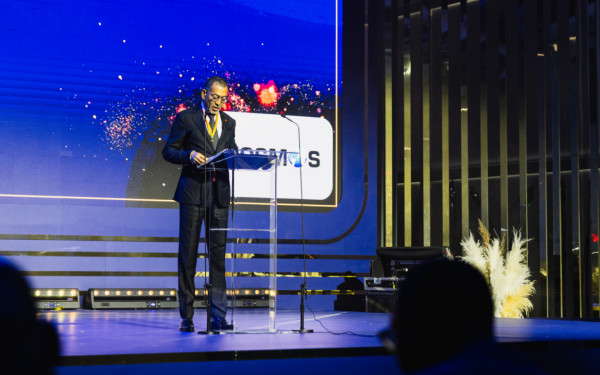
Media files
African Energy Chamber
Download logo
Read moreOne Week to Go Until Investors Unite at AEW
  • Previous
  • Page 1
  • Interim pages omitted …
  • Page 20
  • Page 21
  • Page 22
  • Page 23
  • Page 24
  • Interim pages omitted …
  • Page 31
  • Next

Copyright © 2026 · MyZA · All Rights Reserved · Powered by Stratlec Online