Sasol makes the world CO2 emissions blacklist
The company is among 57 companies in the world responsible for 80% of carbon dioxide emissions

MyZA
News, Directory, Events and Other Stuff
The company is among 57 companies in the world responsible for 80% of carbon dioxide emissions
Over 281 000 people intercepted from unlawfully entering SA
The Border Management Authority (BMA) has successfully intercepted and prevented more than 281 000 people from unlawfully entering South Africa since the initial deployment of border guards last year.
“It is in this celebratory mode of 30 years of democracy, coupled with the first anniversary of the BMA that we are presented with an opportunity to reflect on the benefits of moving away from a multi-agency approach to an integrated border management platform under a single command and control,” said Commissioner of the BMA, Dr Mike Masiapato.
The BMA celebrated its first anniversary on 1 April this year.
“To this end, the BMA has taken full control of all immigration, health, agricultural and environmental functions across all ports of entry, with the departments retaining responsibility for policy and legislation,” Masiapato said at a media briefing held on Sunday.
However, the access control function across the ports of entry remains co-implemented between the border guards and the South African Police Services (SAPS) due to the capacity challenges confronting the BMA.
Masiapato presented the report on the authority’d 2024 Easter plan, which ran for 10 days starting from 26 March to 4 April 2024.
During the Easter period, the BMA facilitated 1 136 250 travellers across South Africa’s 71 ports of entry. This was a 24% increase, with 222 391 more travellers facilitated and registered compared to last year.
Operations
The Commissioner revealed that 3 841 people attempting to enter South Africa illegally were intercepted.
He said that there was a decrease in the number of undocumented and unaccompanied minors arriving at ports of entry during the Easter period of 2024.
Although this was a positive development, the agency intercepted five children at the Beitbridge port of entry on 28 March 2024.
The children were handed over to the Department of Social Development and have since been returned to their home country.
He also shared about the incident involving a child at the Grobler’s Bridge port of entry where a woman was attempting to exit South Africa to the Democratic Republic of Congo (DRC) via Botswana.
“The supposed ‘mother’ did not have a passport but was carrying an Emergency Travel Document, which was issued by the embassy of the DRC and the child was completely undocumented. They were both handed over to the colleagues of the Department of Social Development who processed and took them to the place of safety within Limpopo.”
In addition, eight penalties were issued to some bus companies found transporting illegal migrants in various ports of entry to the value of R270 000.
“At this point, we would like to send a stern warning to all conveyers to desist from transporting illegal migrants in or out of South Africa.”
The border guards also managed to intercept and deny entry to about seven cargo consignments of meat worth about R9 294 551 which were destined to enter South Africa through the port of Cape Town due to non-compliance.
They also seized about 748 kg of non-compliant regulated agricultural products at various ports of entry.
In the period of 10 days, BMA health specialists screened about 91 743 travellers for various infectious and or communicable diseases and seized about 120 tablets, 57 658 mg of medications, 59 530 ml of cosmetics and about 50 insulin injections.
The guards working with the SAPS arrested about 143 individuals for committing various crimes and transgressions within the ports of entry and the border law enforcement area.
“The majority of these individuals served as facilitators of illegal activities around the ports of entry and were therefore charged for aiding and abetting. Interestingly, one individual was arrested at Lebombo port of entry to Mozambique while in possession of 13 passports attempting to bribe an immigration specialist with some banknotes which were placed in between the pages of the individual passports.”
In addition, about R641 of dagga with the value of R2 602 500 was seized and destroyed in both Grobler's Bridge port of entry to Botswana and Caledonspoort port of entry to Lesotho.
Another joint operation by officials of the SAPS, South African Reserve Service (SARS) and BMA included 217 master cases of counterfeit cigarettes with the value of R3 351 690 at the Lebombo port of entry from Mozambique en route to South Africa.
Other operations include the interception of 573 items of counterfeit alcohol, 272 pairs of counterfeit clothing and parts of a Toyota Hilux 4 x 4 worth R150 000.
“As the BMA, we remain committed to robustly confront the complex challenges associated with border management across all modalities, ranging from sea, land and air,” said the Commissioner. – SAnews.gov.za
Gabisile
Sun, 04/14/2024 - 12:17
Over a million travellers processed over Easter period
The Border Management Authority (BMA) facilitated about 1 136 250 travellers across the country’s 71 ports of entry over the Easter period.
This represents a 24% increase or 222 391 more travellers than last year, the BMA announced on Sunday.
This as the BMA’s Commissioner, Dr Mike Masiapato, announced the results of the 10-day Easter plan implementation that ran from 26 March to 4 April 2024.
Masiapato identified OR Tambo International Airport, the Lebombo port of entry to Mozambique, and Beitbridge port of entry to Zimbabwe as the top three ports that processed the majority of travellers with a total of 528 042 individuals.
“In fact, OR Tambo facilitated the most travellers at 217 855, followed by Lebombo at 157 069 and Beitbridge at 153 118 travellers,” he said at a media briefing held at the Government Communication and Information System (GCIS) head office in Pretoria.
He added that at the Cape Town harbour had seen an increase in the number of holiday makers boarding cruise ships for various destinations, according to border law enforcement officials.
The BMA also processed about 36 675 private vehicles, 1 893 minibus taxis, 1 309 buses and over 2 621 aircrafts at various international airports.
It also handled 252 vessels across seaports of which 119 were for crew changes through the off-port limit mechanism.
“This has to do with the facilitation of crew changes for vessels that have not docked at the port. During the implementation of this plan on people movement, we deployed proactive preventative measures for the speedy detection of non-compliances on the set port protocols.”
The Commissioner revealed that 3 841 people attempting to enter South Africa illegally were intercepted.
Of the 3 841, about 2 403 did not have any documents, 1 019 were refused entry for being “undesirable”, while about 419 were found to be “inadmissible” to enter the country due to various reasons.
“The majority of those arrested without documents were intercepted at the vulnerable segments of the borderline. They were processed, declared undesirable for five years, and were deported.”
According to Masiapato, most of the “inadmissible” individuals had invalid passports, fraudulent visas or simply failed to produce relevant documents such as valid yellow fever certificates.
“We would like to indicate that the success of this Easter operations can be attributed to the consistent implementation of all proactive measures and those include effective corridor management which was done in full collaboration with the respective local traffic authorities. As such, none of our key arteries leading to any of the land ports of entry experienced any kind of congestion.”
He also expressed his gratitude to all motorists for observing traffic laws and adhering to the instructions of traffic authorities.
He also applauded the Stockpoort port of entry for processing and recording data of all passengers who were on the bus en route from Botswana to Moria in Limpopo for the Easter pilgrimage.
“Despite our limited resources, our officers continue to work tirelessly to ensure the smooth flow of legitimate travellers while upholding the highest security standards. We are extremely proud and appreciative of the resilience of our border officials in rendering a stable service in very difficult conditions,” he said.
Earlier this week, President Cyril Ramaphosa and his Botswana counterpart, President Mokgweetsi Masisi visited the site of the bus crash which claimed the lives of 45 Botswana nationals.
The only survivor of the crash was an eight-year-old child. SAnews.gov.za
Gabisile
Sun, 04/14/2024 - 11:39
Malawi's economy suffers from a lack of investment and high trade costs due to poor logistics and infrastructure; Clearing goods at the Malawi-Dedza border post with Mozambique previously took an average of three days; One-Stop Border Posts (OSBPs) reduce border waiting times and the cost of cross-border transactions.
The Dedza border post, situated between Malawi and Mozambique, is a busy place. On average, more than 80 trucks are cleared daily, carrying shop merchandise from South Africa to Malawi including fertilizers for Malawi's agriculture sector.
For the past few years, before the construction of the new One-Stop Border Post (OSBP) facility, it took about 24 to 36 hours to clear a truck carrying items such as wheat, fertilizers, groceries, and raw materials for Malawi's manufacturing industry. Drivers and clearing agents had to dash from one office to another between the two countries to clear the goods. Malawian traders traveling to and from South Africa through the Dedza–Mozambique border had difficulty locating the appropriate offices to present the required paperwork. In addition, the lack of parking facilities meant that the road leading to the border post was always congested, as trucks scrambled for space to park while waiting to be cleared.
Establishing One-Stop Border Posts
In 2015, the Government of Malawi embarked on an ambitious program to construct border posts in Dedza and Mwanza (both bordering Mozambique) and Songwe (bordering Tanzania), set up OSBPs with these neighboring countries, and establish the National Single Window (NSW). The NSW is an electronic platform system connecting international trade and transport stakeholders to fulfill all imports, exports, and transit border control procedures. World Bank support of $91.7 million was provided through the Southern Africa Trade and Transport Facilitation Project. The objective was to reduce the cost of cross-border transactions by supporting the modernization, simplification, and harmonization of the trade and transit procedures and policies.
The Dedza One-Stop Border Post, which was completed in 2023, boasts two examination bays for goods, parking spots for 100 freight trucks, and a modern passenger terminal.
“We now take less than half a day to process all the paperwork to clear the goods that we have carried, which is far less than the minimum of three days that we used to spend here,” says Flatella Makwakwa, a truck driver who has been using the Dedza border for more than three years. He also acknowledges the benefits of the new system when it comes to facilitating the passing of trucks and making life more comfortable for the users.
The new office infrastructure has made the process of clearing goods easier for the Malawi Revenue Authority (MRA), various other border officers, and users. The OSBP concept requires border officers from adjacent countries to be hosted in the same building. “It now feels good to go to work as the environment looks spacious and comfortable and we are looking forward to hosting our Mozambique counterparts very soon,” says Lucy Chikhawo, the MRA Station Manager for the Dedza border post which hosts more than a hundred government officers—including those from the Malawi Bureau of Standards, Immigration, Police, Agriculture and Health.
Traders also have access to better sanitation facilities as they wait for their goods to be cleared.
“From the feedback we have received so far about the Dedza OSBP, we feel encouraged to support the government in fast-tracking the completion of the other two border posts at Mwanza and Songwe in Karonga. Our main goal is to support initiatives that reduce time to clear passengers and goods, as any impediments are costly to the economy of the country,” says Chikondi Nsusa, Senior Transport Specialist at the World Bank Malawi Country Office, who is also the Task Team Leader for the project.
Improving Malawi's Trade, Logistics, and Infrastructure
The latest Malawi Country Economic Memorandum report highlights that Malawi's economy suffers from a lack of investment and high trade costs. Key reasons include poor logistics and infrastructure, compounded by being a small and landlocked country, as well as other non-tariff barriers at the borders.
According to the document, “the presence of non-tariff barriers at the border and in neighboring transit countries such as Mozambique, Tanzania, and Zambia add to the costs of trade for Malawian exporters and importers and there is lack of coordination between Malawi and its neighbors to address this issue that likely reduces both the number of firms exporting and the total value of exported goods.” In this context, establishing more OSBPs is a big step in the right direction.
Distributed by APO Group on behalf of The World Bank Group.
President Cyril Ramaphosa offers his deep condolences to the government and people of the Republic of Mozambique following a disaster at sea in which nearly 100 people have perished.
At least 97 people reportedly died, and a small number of people were rescued in the incident which took place near Lunga in Nampula Province on Sunday, 07 April 2024.
On behalf of the government and people of South Africa, President Ramaphosa offers his condolences to President Filipe Nyusi and the government and people of Mozambique and especially families who have lost relatives.
President Ramaphosa said: “As neighbours, we are deeply saddened by this tragedy and we wish authorities and citizens well in the recovery effort and the search for missing persons.
“We also pray for a speedy recovery for survivors of this incident.”
Distributed by APO Group on behalf of The Presidency of the Republic of South Africa.
UK company Globeleq, the leading independent power company in Africa, today announced that its Red Sands project in the Northern Cape has been awarded Preferred Bidder status in South Africa's Energy Storage Capacity Independent Power Producer Procurement Programme (ESIPPPP). Globeleq is majority-owned by British International Investment (BII), the Development Finance Institution of the UK Government.
Battery storage is an essential enabler of renewable-energy generation, and the market for these systems is growing rapidly in South Africa and worldwide as a means of resolving energy crises and tackling climate change. These systems provide reliable power supply on demand, even when the energy grid is unstable, overcoming the challenges of intermittent wind and solar sources. They store energy at times of excess generation so that it can be released into the grid when generation falls short of demand, helping to mitigate the need for load-shedding.
Experts say that widespread energy storage is vital to expanding the reach of renewables and speeding the transition to a carbon-free power grid - this is key to helping reduce South Africa's reliance on fossil fuels as it seeks to transition to clean energy. This R5.7 billion (US$300 million) investment therefore represents a flagship project financed by the UK as part of its commitment under the Just Energy Transition Partnership agreed at COP26.
The Red Sands project is in the Northern Cape, about 100km southeast of Upington, and was originally developed by African Green Ventures, a South African renewable project development company owned by Norwegian based energy firm Magnora ASA. The project will cover approximately 5 hectares (12 acres) and will connect to the grid through the Eskom Garona substation. The substation will be upgraded by the Red Sands project to ensure that full network support capabilities of the project's batteries can be utilised.
Working closely with leading global battery and balance-of-plant suppliers, Globeleq estimates that the project will require an investment of approximately US$300 million and will take 24 months to construct after financial close, which is expected in 2024.
Globeleq is the largest independent power produce in Africa, providing nearly 1,800 MW of energy in South Africa, Mozambique, Kenya, Tanzania, Cote d'Ivoire, Egypt and Cameroon. Globeleq is a UK company based in London and backed entirely with Official Development Assistance (UK aid).
Red Sands will be Globeleq's first Battery Energy Storage Solutions (BESS) project in South Africa but the Group owns and operates a combined solar and BESS plant at Cuamba in Mozambique, and is developing BESS projects across the African continent. Globeleq also owns and operates 8 renewable plants (6 solar PV, 2 wind) in South Africa with a total generating capacity of 384 MW.
Mike Scholey, Globeleq's CEO commented:
"I am delighted that we have received Preferred Bidder status for this very important project, and I look forward to working with the government and our partners to take Red Sands to financial close and into operations. Electricity storage is going to be key not only in helping South Africa meet its considerable industrial and domestic demand for energy but also across Africa as more renewable energy projects benefit from the advances our industry has made with BESS technology."
British High Commissioner to South Africa, Antony Phillipson said:
"This is a significant investment in South Africa's future. The UK is proud to play such a vital role in helping to tackle the energy crisis with new technology that will bring power supply stability and most importantly support South Africa's ambition to reduce carbon emissions."
Distributed by APO Group on behalf of British High Commission Pretoria.
We sent questions to the ANC, DA, EFF, IFP, FF Plus, ActionSA, PA, MK Party and RISE Mzansi
Program to provide STEM and problem-solving skills to students across continent; Students to compete for chance to attend major regional industry conference; Aims to develop the next generation of African thinkers and workforce.
The ExxonMobil Foundation and JA Africa have launched the "ExxonMobil STEM Africa” initiative, a $300,000 program to promote science, technology, engineering and mathematics (STEM) for approximately 3,000 African students across Nigeria, Namibia, Angola and Mozambique.
The program will prepare middle and high school students for future STEM careers through immersive quizzes and hands-on experiences at Innovation Camps. The camps, delivered by JA Africa, will teach new approaches to addressing STEM-related challenges.
“Growing students' STEM skills is key in developing the next generation of problem solvers across Africa,” ExxonMobil Foundation President Alvin Abraham said. “We're excited to see how these young minds apply what they've learned through our program.”
Teams who present the best STEM solutions will represent their countries at a major regional industry conference in Cape Town, South Africa. Students will gain cross-cultural exposure, learn about energy from a global perspective and showcase their ideas while connecting with industry leaders.
“In an era where technology and innovation propel the global economy forward, Africa's position at the forefront of technological advancements is crucial for maintaining competitiveness and sustainable development,” said JA Africa President and CEO Simi Nwogugu. “We are grateful to the ExxonMobil Foundation for this partnership to nurture STEM competencies to shape Africa's future."
To learn more about the program, visit https://ExxonMobilSTEMsAfrica.org/
Distributed by APO Group on behalf of JA Africa.
About ExxonMobil Foundation:
The ExxonMobil Foundation is the primary philanthropic arm of Exxon Mobil Corporation in the United States. The Foundation engages in a range of philanthropic initiatives in areas where the company operates around the world, with a strategic focus on science, technology, engineering, and math (STEM) education.
About JA Africa:
As one of Africa's largest and most impactful youth-serving NGOs, JA Africa delivers hands-on, immersive learning in work readiness, financial health, entrepreneurship, sustainability, STEM, economics, citizenship, ethics, and more. JA Africa has a presence in 16 countries in Sub-Saharan Africa and collectively we reach more than 900,000 youth in more than 3,000 schools each year. JA Africa Works in Burkina Faso, Côte d'Ivoire, DRC, Eswatini, Ghana, Kenya, Madagascar, Mauritius, Nigeria, Rwanda, Senegal, South Africa, Tanzania, Uganda, Zambia, and Zimbabwe. Learn more at www.JA-Africa.org.
Orders granted to seize assets from illegal mining kingpins
The National Prosecuting Authority’s Asset Forfeiture Unit (NPA AFU) has obtained three orders granting the unit permission to seize assets worth some R18 million from alleged illegal mining kingpins.
The order was granted in the Pretoria High Court to seize 16 bank accounts, 51 vehicles and seven properties from several suspects which NPA spokesperson Lumka Mahanjana said are “the proceeds of unlawful activities of a syndicate dealing in unwrought gold in Khutsong area” in Carletonville.
“This emanates from a criminal investigation by the Directorate for Priority Crime Investigation [the Hawks] registered project Gillette in 2018 with the specific purpose of infiltrating a syndicate which dealt in unwrought gold where they illegally buy gold-bearing materials from legal mining workers and illegally from Zama-Zamas [illegal miners].
“They then process it into gold nuggets and sell it around the Johannesburg area, but the main buyers are unknown at this moment. The syndicate is mainly composed of foreign nationals from Zimbabwe and Mozambique. Some members of the syndicate acquired South African Identity documents fraudulently,” she said.
The properties are expected to be sold at public auction with the proceeds going into the Criminal Asset Recovery Account (CARA).
“The trial against the nine accused who are facing various charges including money laundering and racketeering is set to start on 24 July 2024 at the Pretoria High Court after it was transferred from [the] Oberholzer Magistrates Court.
“These forfeiture orders are part of the implementation of the Asset Forfeiture Unit’s asset recovery strategy to claim the proceeds of criminal activities back to the state. The overall National Anti-Corruption strategy by law enforcement agencies is to strengthen the fight against corruption by pursuing both civil and criminal processes to ensure that impunity is no longer a given,” Mahanjana said. – SAnews.gov.za
NeoB
Mon, 03/25/2024 - 14:30
Increased deployments at the country's borders this Easter weekend
More Border Management Authority (BMA) resources are going to be deployed and operating times will be increased at the country’s ports of entry in anticipation of an increase in movements during the Easter long weekend.
“The BMA is compelled to properly plan and execute a deliberate plan in order to ensure smooth and secure border operations during this period,” BMA Commissioner Michael Masiapato said on Monday.
Briefing the media in Pretoria, Masiapato said there was a critical need for the authority to increase its deployment of resources in anticipation of increased movements at the borders, as this presents unique challenges.
“As a reminder to all the stakeholders, the BMA is mandated to facilitate and manage the legitimate movements of persons and goods across all our 52 land ports of entry, 10 international airports and nine seaports,” he said.
The facilitation of movement at the ports of entry is done across five key functional areas of immigration, port health, environmental and agricultural biosecurity, including access control and general law enforcement at the ports of entry and border law enforcement areas.
“During these facilitations, the BMA officials have to secure the ports environment against threats of illegal migration, smuggling, as well as trafficking of persons and goods.
“With this in mind, we have formulated comprehensive strategies and an operational plan to ensure that our deployments are responsive and ensure efficient port operations, with the requisite capability to deal with any security threats and/or risks, which may arise during the upcoming Easter period,” he said.
The Easter operational plan is supported by various law enforcement structure,s such as the South African Police Service (SAPS), South African Revenue Service (SARS), South African National Defence Force (SANDF), Cross Border Road Transport Agency and various traffic authorities.
“Since our establishment, the BMA has intensified its working relationship with the Immigration Inspectorate, which has the mandate to identify illegal migrants who are already in the country and ensure their processing for deportation to their respective countries,” Masiapato said.
He said in this Easter period, they anticipate about one million people moving through the country’s ports.
“The numbers for this year’s Easter period could escalate further as members of the Zion Christian Church (ZCC), one of our biggest churches in the region, is opening for the annual Easter pilgrimage to Moria for the first time since COVID-19.”
Masiapato said the BMA has engaged their counterparts in Lesotho, Zimbabwe, Mozambique, Eswatini and Botswana, and they have agreed to extending operating hours at certain critical ports, which do not usually operate on a 24-hours basis.
The chairperson of the Inter-Ministerial Consultative Committee on Border Management, who is also the Minister of Home Affairs, Dr Aaron Motsoaledi, has approved the request to extend operating hours for selected ports.
Statistics for the 2023 Easter period showed that ports of entry, which facilitated the majority of the people were Beitbridge to Zimbabwe, Lebombo to Mozambique, Groblers Bridge to Botswana, Maseru Bridge and Ficksburg to Lesotho, OR Tambo International Airport, Cape Town International Airport, Oshoek to Eswatini, Kopfontein to Botswana and Caledonspoort to Lesotho. – SAnews.gov.za
Edwin
Mon, 03/25/2024 - 14:47
KZN Premier inspects SA-Mozambique border
The KwaZulu-Natal Provincial Government has requested the Department of Transport to fast-track the raising of a concrete barrier wall along the South Africa and Mozambique border to curb the theft of vehicles and movement of illicit goods.
KwaZulu-Natal Premier, Nomusa Dube-Ncube, conducted an oversight visit to the border between Mozambique and South Africa in Manguzi, in the Umkhanyakude District Municipality, under the auspices of Operation Siyahlola, to assess progress on the construction of jersey barrier walls.
The project, which covers about 25km of the vulnerable border line, was initiated by the KwaZulu-Natal government in 2018 as part of a basket of interventions to fight crime in the area.
The project was mainly conceived to prevent an easy egress for stolen vehicles and livestock and is being implemented in three phases.
Speaking during the site inspection on Thursday, Dube-Ncube noted good progress in the construction of the phase that cuts through Gate 6 - one of the hotspot segments of the border line.
“The concrete slab foundation to conclude this phase has been laid and we are confident that the construction will move quicker. We have directed the Department of Transport to fast track the raising of the walls,” Dube-Ncube said.
The Premier, who was accompanied by Umkhanyakude District Municipality Mayor, Siphile Mdaka, police and senior government officials, said the provincial government is working with its social partners to break the back of criminal syndicates that terrorise the communities along the borderline.
“As we announced during the State of the Province Address, government is also pursuing diplomatic channels to coordinate strategic efforts to fight cross border crime. We are working closely with the newly established Border Management Authority, the SAPS [South African Police Service] Specialized KZN Stabilising Team, Amakhosi and other crime fighting structures to address issues of criminality in the area.”
Dube-Ncube noted that interventions are already yielding positive results as several high-profile criminals have been arrested and are facing prosecution.
“Already several cars have been found stuck and abandoned, some hanging on the jersey barriers because syndicates could not take them across to Mozambique because of the high border walls,” the Premier said. – SAnews.gov.za
GabiK
Fri, 03/22/2024 - 10:47
Minor Hotels, an international hotel owner, operator and investor with more than 540 hotels in 56 countries in Asia Pacific, the Middle East, Africa, the Indian Ocean, Europe and the Americas, announces the signing of a new Anantara resort to be developed in Zanzibar, Tanzania. Located on the northern coast of Zanzibar Island, the group …

South African and regional ministers convened to pinpoint key infrastructure priorities both within South Africa and across the continent during a Leaders Meeting at the Sustainable Infrastructure Development Symposium (SIDSSA) 2024 on March 18 in Cape Town.
The discussion, which was led by South Africa's Minister of Public Works and Infrastructure Sihle Zikalala, underscored the importance of project preparation, engagement from both the public and private sectors, maintenance and the implementation of sustainable facilitation methods as crucial elements in fostering investment and promoting regional harmonization within the infrastructure sector.
Taking place on March 17-19 at the Century City Conference Center, SIDSSA brings together key stakeholders in South Africa and across the continent with the aim of driving infrastructure development. SIDSSA 2024 serves as a crucial platform for discussions and partnerships in the infrastructure investment landscape, with a focus on accelerating economic activity through strategic infrastructure plans. Energy Capital & Power – the leading investment platform for the African energy sector – is a media partner for this important platform. For more information, visit www.SIDSSA.org.za..
“The purpose of this forum is to identify areas of priority on infrastructure and ensure that we integrate efforts to implement those projects,” Minister Zikalala stated.
The establishment of Infrastructure South Africa aims to serve as a point of entry for infrastructure planning in the country. The organization is a one-stop shop that catalyzes the country's infrastructure target set out in South Africa's National Development Plan, providing best practices in project preparation, planning and technical and financial support for projects.
“We have been established as a bespoke infrastructure development agency in the country,” stated Infrastructure South Africa Head Mameetse Masemola, adding, “We deal with matters around private sector-led infrastructure projects, which require authorizations, permits, licenses and normal bureaucracy around getting projects to be implemented. We unlock these restrictions.”
Meanwhile, it was noted that cross-border collaboration between countries in Africa is a requisite to creating the conditions conducive for the private sector to participate in the continent's infrastructure development. A number of MoUs between South Africa and its neighboring countries – including Lesotho, Eswatini and Zimbabwe – have served to promote regional integration in the infrastructure sector.
“Our main role for the continent is to ensure that we invest in critical infrastructure so that we put in the building blocks that ensure that our nations prosper and that we grow together,” stated South Africa's Minister of Tourism Patricia de Lille.
A number of efforts introduced by South Africa's Department of Transport have worked to facilitate the ease of movement from the country's ports and air space. By liberalizing the continent's air space and maritime territories, Africa will be able to harmonize the implementation of favorable regulatory frameworks that promote integration.
“We have introduced a number of efforts in trying to bring about this harmonization between our countries,” stated South Africa's Minister of Transport Sindisiwe Chikunga, adding, “For instance, in South Africa, we have introduced Cross Easy, which ensures that when a truck arrives at a port, it is already processed and reduces its travel time.”
The participation of the Premiers of the Free State and KwaZulu-Natal provinces showcased how South Africa can further integrate the country's infrastructure systems. It was noted during the discussion that South Africa's economy relies on the efficiencies of its ports, rail network and aviation network and that it is imperative for the rest of the continent to benefit from the modernization of the country's infrastructure industry.
“We share borders with countries such as Mozambique, Eswatini, Lesotho, amongst others, and this puts us in a strategic position in terms of ensuring our infrastructure planning and the integration of our infrastructure maximizes the potential of the African continent in terms of moving goods,” stated KwaZulu-Natal Premier Nomusa Dube-Ncube.
International ministers from Liberia, Eswatini, Lesotho, Zimbabwe, Seychelles and Equatorial Guinea also participated in the Leaders Meeting, making a case for investment in their respective countries' infrastructure space.
“We have come to share with you, to learn with you and to communicate with you. We find that rapid technological advancement is significant and cannot be overstated,” stated Liberia's Minister of Ports and Telecommunications Sekou M. Kromah, adding, “As we experience the competitiveness of the digital age, it is imperative that our digital infrastructure is able to meet the demands of an ever-changing landscape.”
“The heads of infrastructure departments must always gather to discuss and help other countries that haven't been developed yet,” concluded Equatorial Guinea's Minister of Public Works, Housing and Town Planning, Don Pascual Ondo Nze Oyana.
SIDSSA 2024 is organized by the Investment and Infrastructure Office under the Presidency, in collaboration with the Association of African Exhibition Organizers. The National African Federation for the Building Industry joins as an association partner, while the Development Bank of Southern Africa is the official sponsor of the event.
Distributed by APO Group on behalf of Energy Capital & Power.
Ministers commit to support transboundary cooperation in shared water basin
Ministers responsible for Water Affairs from the Republics of Botswana, Mozambique, South Africa and Zimbabwe have recommitted their support to deepening transboundary cooperation in the Limpopo River Basin.
During the biannual meeting by the four Member States held recently in Musina, Limpopo, the Ministers, who are all members of the Limpopo Watercourse Commission (LIMCOM), signed an endorsement agreement to make amendments to the existing transboundary agreement of LIMCOM on the shared water basin.
READ | SA, Zimbabwe to sign agreement for treated water transfer to Musina
The Department of Water and Sanitation has been a member of LIMCOM since the Commission was established between the Republics of Botswana, Mozambique, South Africa and Zimbabwe through the LIMCOM Agreement signed in November 2003 in Maputo, Mozambique.
Article 3.1 of the LIMCOM Agreement (Agreement 2003), stipulates that the objective of the Commission is to “advise the Contracting Parties and provide recommendations on the uses of the Limpopo River, its tributaries and its waters for purposes and measures of protection, preservation and management of the Limpopo River”.
With respect to the Commission’s institutional arrangements to deliver its mandate, the 2003 Agreement, under Article 4, stipulates that the principal organ of the Commission is the Council composed of not more than three delegates per country, with the mandate to establish the Secretariat and any other organ as may be necessary.
However, the Commission recognised that Article 4 of the LIMCOM Agreement signed in 2003 did not include the Council of Ministers as the principal organ of decision making.
As a result, the formalisation of the Council of Ministers as the main policy body will improve the governance structure of LIMCOM and its Secretariat, and also foster closer cooperation for judicious, sustainable and coordinated management, protection and utilisation of shared watercourses. This is in line with the 2000 Revised Southern African Development Community (SADC) Protocol on Shared Watercourses.
South Africa’s Water and Sanitation Minister, Senzo Mchunu, said it was necessary to include the Ministers so that they execute the mandate regarding the management of the Limpopo River Basin.
Mchunu said the amendment of the agreement will strengthen South Africa’s relations with the three riparian States which share the Limpopo River Basin and use water from the river to support various socio-economic activities.
“We are looking forward to execute the mandates given to us by the people through LIMCOM and we hope that Southern Africa will look at their rivers as assets which are instrumental in developing socio-economic activities including agriculture, tourism, energy generation as well as for domestic use,” Mchunu said.
Located in Southern Africa, the Limpopo River Basin encompassing portions of Botswana, Mozambique, South Africa, and Zimbabwe. The basin faces a number of challenges, especially water scarcity.
In South Africa, there are four Water Management Areas (WMA) found in the Limpopo River Basin, and these include Limpopo WMA, Luvuvhu and Letaba WMA, Olifants WMA and Crocodile (West) and Marico WMA.
However, there is an increasing demand for water to meet the needs of the population and the key economic sectors while faced with limited, if not dwindling, water resources.
The four Ministers also launched the “Integrated Transboundary River Basin Management for the Sustainable Development of the Limpopo River Basin, spearheaded by the United Nations Development Programme (UNDP) in South Africa, in partnership with the Global Water Partnership-Southern Africa (GWPSA).
The project aims to achieve integrated, cross sectoral, ecosystem-based management of the Limpopo River and to uplift the living standards of the basin’s population and conserve the basin’s resources and ecosystems services.
The project implementation is guided by the LIMCOM Agreement and the principles which are contained in the Revised SADC Protocol on Shared Watercourses of 2000.
The principles include sustainable utilisation; equitable and reasonable utilisation; protection, preservation, and conservation of the environment; and prevention and mitigation of significant harm.
“These principles shall be interpreted according to the provisions of Article 3 of the SADC Protocol and developed in accordance with the best international practices.
“Furthermore, in the implementation of this project, the Governments of Botswana, Mozambique, South Africa and Zimbabwe commit themselves to uphold the provisions of the SADC Protocol on Gender and Development,” Mchunu said. – SAnews.gov.za
GabiK
Mon, 03/18/2024 - 10:55
Disaster teams activated in KZN municipalities amid heavy rainfall warning
Disaster teams have been activated in all KwaZulu-Natal municipalities that may be affected by heavy rainfall that could potentially lead to flooding in the north-eastern part of the province.
The KwaZulu-Natal Department of Cooperative Governance and Traditional Affairs (CoGTA) activated the teams after the South African Weather Service (SAWS) raised the alert level to orange, Level 6, the highest warning level.
The level 6 alert indicates a high probability of flooding, as a significant amount of rainfall exceeding 100mm is expected over the extreme north-eastern part of KZN.
According to the South African Weather Service, the weather poses a high likelihood of flooding of roads, bridges and settlements, major disruption of traffic flow, and disruption to essential services, including water, electricity, and communications.
The department said the areas that maybe affected include, uMhlathuze, Mtubatuba, Big Five Hlabisa, Nongoma, Jozini, uPhongolo and Umhlabuyalingana Local Municipalities.
“We have activated our disaster teams in all the municipalities that are likely to be affected to be on high alert during this period. We advise communities to seek shelter in safe places.
“Public facilities, such as community halls, are open as safe havens for those in need of shelter. Our teams may have to evacuate people should they foresee high risk of danger due to inclement weather,” the department said.
The department has also advised motorists to avoid travelling during this period, as bridges may become flooded, posing a risk to life.
On Monday, SAWS issued a warning about Moderate Tropical Storm ‘Filipo’ that is currently nearing the coast of southern Mozambique and expected to impact north-eastern areas of South Africa.
“The weak, embryonic tropical low-pressure system located between Madagascar and mainland southern Africa (Mozambique Channel) experienced significant intensification overnight, attaining a “Moderate Tropical Storm” status, which is associated with average winds of 63 to 89 km/h.
“Consequently, it has now been elevated to a “named” system, namely Moderate Tropical Storm Filipo. The storm is expected to affect mostly the southern parts of Mozambique, but some of its effects will also be felt over the extreme north-eastern parts of South Africa,” the Weather Services warned. – SAnews.gov.za
GabiK
Wed, 03/13/2024 - 10:33
SA, Ghana explore ways to expand trade and investment
President Cyril Ramaphosa has emphasised the significance of expanding trade and investment between South Africa and Ghana, highlighting the need to explore avenues for enhancing cooperation beyond the existing areas covered by the Bi-National Commission (BNC).
He was delivering opening remarks at the second session of the South Africa-Ghana BNC held at the Department of International Relations and Cooperation's OR Tambo Building in Pretoria on Tuesday.
“In addition to the many areas of cooperation that the BNC covers, it is important that we explore how best both countries can increase trade and investment among ourselves.
“The purpose of the Business Forum that will take place on the margins of this BNC is to expand trade and investment between our two countries.
“Ghana is host to several South African companies. Our companies are keen to expand their investments in Ghana and look to us to work together to improve the business environment. We invite investors from Ghana to look at opportunities in our country,” the President said.
The President further emphasised that collaboration between the two countries' private sectors and State-owned entities is particularly important.
He told his Ghanaian counterpart, President Nana Addo Dankwa Akufo-Addo, that bidding for procurement contracts in each other’s countries, instead of sourcing from outside the continent, would be desirable and commercially viable.
The President highlighted that South African companies, including several in the banking sector, have expressed interest in exploring opportunities in line with Ghana’s investment plans.
“There is also scope for collaboration in infrastructure between our two economies, particularly in the building of dry ports, railway networks, airports and hospital facilities. There are also opportunities to be explored in the pre-chemicals sector.
“As we are both coastal countries, maritime shipping and the related economy holds potential for us and opportunities should be explored further in this regard. We need to work together to reverse the decline in trade between our countries over the past four years,” he said.
President Ramaphosa highlighted that the introduction of preferential trading within the African Continental Free Trade Area (AfCFTA) is a significant development, poised to substantially reshape trade dynamics across the continent.
“On the 31st of January 2024, South Africa sent its first shipment to Ghana and other countries under the AfCFTA Agreement. This is an important first step.
“For many African countries, the start of preferential trade will create great opportunities for growth and development,” he said.
Agreements between SA and Ghana
The BNC between South Africa and Ghana was inaugurated when President Nana Akufo-Addo hosted President Ramaphosa in Accra in 2020.
There are 24 agreements and memoranda of understanding between South Africa and Ghana covering various areas of economic, technical, scientific, social and cultural cooperation.
President Ramaphosa emphasised that they must accelerate the implementation of these agreements and finalise discussions on additional agreements.
He pointed out that one of the recent highlights in bilateral relations was the signing of the reciprocal visa exemption for ordinary passport holders for a period of 90 days per annum, which entered into force on the 1st of November 2023.
“This has resulted in a considerable increase of travellers between our two countries, contributing not only to tourism but towards enhancing business-to-business links, educational and scientific exchanges, and people-to-people ties,” he said.
Peace and security
As the two Heads of State meet at a time when the state of peace and security is fragile across the globe, President Ramaphosa emphasised that they redouble their efforts to 'Silence the Guns in Africa'.
He said they need to capacitate the African Union and the Regional Economic Communities to do more in pursuit of peace and stability.
“Internal strife, conflicts and wars, compounded by terrorism and violent extremism, are a major obstacle to peace, security and stability. They threaten to constrain our developmental efforts and our recovery from the COVID-19 pandemic.
“The situations in Sudan, Somalia, Libya and the Sahel, among others, are of grave concern, as are the armed hostilities in the eastern Democratic Republic of the Congo and the extremist insurrection in northern Mozambique,” he said.
Elections in Africa
President Ramaphosa further highlighted that this will be an important year for democracy in Africa, with 19 African countries – including South Africa and Ghana – holding presidential or national elections in 2024.
He emphasised that these elections are important for the quality of governance and the strength of democracy on the continent.
“We must, however, be concerned that in several parts of the continent, unconstitutional changes of government, particularly through military coups, are on the rise.
“Global developments, such as the ongoing war between Russia and Ukraine, continue to threaten food and energy security in Africa,” he said.
The President said African nations, with their own bitter experiences of colonial occupation, are extremely concerned by the terrible events in Palestine and the suffering unleashed on the people of Gaza.
“On our own continent, the matter of Western Sahara remains unresolved. As we pursue our own developmental goals, we stand in solidarity with all who continue to suffer the effects of occupation and dispossession,” he said. – SAnews.gov.za
DikelediM
Tue, 03/12/2024 - 13:42
SA, Zimbabwe to sign agreement for treated water transfer to Musina
Water and Sanitation Minister, Senzo Mchunu, and his Zimbabwean counterpart, Lands, Agriculture, Fisheries and Rural Development Minister, Dr Anxious Jongwe Masuka, will on Thursday sign a Memorandum of Understanding (MOU) for the transfer of treated water to Musina.
The bilateral agreement between the two countries will allow for supply of about 15 million cubic metres per annum (m3/a) which is equal to 41 Ml/d of treated water from Beitbridge Water Treatment Works in the Republic of Zimbabwe to Musina in South Africa.
The Musina Local Municipality has a total population of 132 009 people residing in 192 villages and one town, which is Musina. The area is dry with limited sources of water and largely relies on groundwater for supply.
“South Africa and Zimbabwe signed a bilateral agreement on Co-operation on Water Resources Management and the Establishment and Functioning of the Joint Water Commission (JWC) in 2015,” the department said in a statement.
Limpopo Watercourse Commission agreement amendment
On the day of the signing of the agreement, Mchunu with his counterparts from Zimbabwe, Botswana, and Mozambique - who are all members of the Limpopo Watercourse Commission (LIMCOM) - will also sign the amended LIMCOM Agreement in the transboundary agreement.
LIMCOM is a transboundary organisation established by four member countries to use management of the shared water resources in an equitable manner.
The department said the agreement will enable the Ministers to adopt policies, decisions and provide guidance on the promotion and coordination of the management, development, and equitable utilisation of the shared water resources.
“During the Commission Sitting, the four countries will sign a commitment to implement the Integrated Transboundary River Basin Management for the Sustainable Development of the Limpopo River Basin.
“The agreement will strengthen South Africa’s relations with the three riparian states which share the basin and use water from the river to support various socio-economic activities, including agriculture, tourism, energy generation, as well as for domestic use,” the department said.
National Water Month
Meanwhile, Mchunu and his Deputies, David Mahlobo and Judith Tshabalala, together with Vhembe District Municipality Mayor, Freda Nkondo, will on Friday engage with the community of Musina at Musina Showgrounds, to provide feedback and progress made to address water supply challenges in the area.
The two-day activities form part of the annual National Water Month host by the Department of Water and Sanitation in March.
The National Water Month is South Africa's expansion of World Water Day, which is observed on 22 March and focuses attention on the importance of freshwater and advocating for the sustainable management of freshwater resources.
This year’s World Water Day will be observed under the theme ‘Water for Peace’, which focuses on the critical role water plays in the stability and prosperity of the world. – SAnews.gov.za
GabiK
Mon, 03/11/2024 - 12:47
Child of SA woman in Senegalese prison comes home
The Department of Social Development has successfully repariated a toddler who was being held in a Dakar prison in Senegal.
The department’s social workers arrived at OR Tambo International Airport on Sunday with a two-year-old baby who was born in Senegal and has been in the care of the mother who was arrested last year for drug trafficking.
The Department of International Relations and Cooperation (DIRCO) through its International Social Services (ISS) Directorate notified the Department of Social Development in August 2023 that the biological mother of the child had been arrested last year in February.
“It is reported that within days of her incarceration, she gave birth to the child. Due to the mother’s incarceration, the child is considered to be in distress since prison is not a conducive environment for the upbringing of the child.”
The South African government through the DIRCO initiated the process of repatriating the child by first visiting the mother to ascertain her wishes about her child.
“The mother nominated the grandmother of the child as the guardian in the country while she serves her sentence in Senegal,” said the Department of Social Development (DSD) in a statement.
The National DSD then requested the Eastern Cape provincial department to investigate the circumstances of the nominated foster parent to assess suitability to care for the child.
“The child will be integrated with the mother’s family in the Eastern Cape and the department will continue providing child protection services and provide support to the family.”
The department said it was obligated by Section 7, subsection (1), (f), (ii), of the Children’s Act 38 of 2005 that a child needs to maintain a connection with their family, extended family, culture, or tradition and all decisions must be made in the best interest of the child.
Social Development Minister, Lindiwe Zulu, said the department will always put the best interest of the child first.
“However, we remain concerned about the issue of drugs and what it can do to children. This unborn baby ended up in distress in a foreign country because the mother was arrested for trafficking drugs. We cannot stress more the importance of young people to make the right decisions about their lives,” the Minister added.
Since 2015, the department has repatriated 21 children in distress in foreign countries.
According to the data, seven were repatriated in Zimbabwe; three in Brazil; two each in Malawi, Mozambique, Canada and Tanzania; and one each in Ghana, the United Kingdom, Peru, Mauritius and Senegal. – SAnews.gov.za
Gabisile
Sun, 03/10/2024 - 15:18
By NJ Ayuk, Executive Chairman, African Energy Chamber (www.EnergyChamber.org)
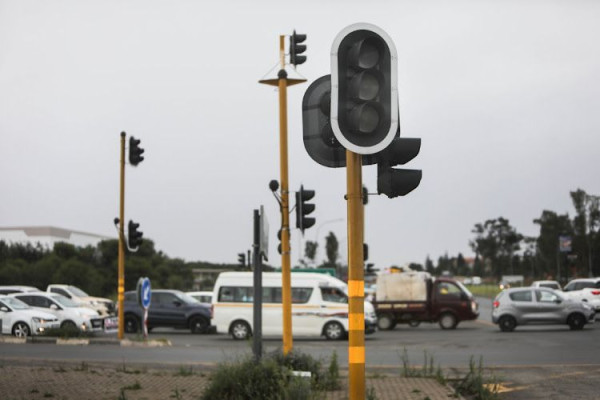
South Africans don't want to breathe clean air in the dark. Energy woes are synonymous with South Africa right now.
As the country's fleet of mostly coal-powered plants struggles to keep up with electricity demand, South Africans are enduring daily power outages that last six to 10 hours a day.
With businesses and institutions struggling to function, and tension mounting among South Africa's people, the need for solutions is beyond urgent.
I say “solutions” because providing the reliable power that South Africa needs now, and ensuring that the growing country will have what it needs well into the future, will require multiple strategies.
As I've written, because of the country's current reliance on coal to fire its power plants — and coal mines to fuel the economy — increased coal usage must be one of those solutions for the time being.
South Africa also will need to continue building its renewable energy sector, and it has committed to do so in alignment with global goals to achieve net-zero greenhouse gas (GHG) emissions.
But perhaps one of the most impactful solutions will be natural gas, which not only can power reliable electricity generation but also is a clean energy source – one that can be monetized and one that supports economic diversification as a feedstock for chemical and fertilizer factories.
It only makes sense for South Africa to harness its massive – and largely untapped – reserves of natural gas. As described in the new African Energy Chamber (AEC) report, “The State of South African Energy,” cumulative output for South Africa's large-scale Brulpadda and Luiperd natural gas discoveries, when developed, are estimated to be 50,000 barrels per day (bpd) of liquids and 125,000 barrels of oil equivalent per day (boepd). South Africa must do what it takes to reach that point as quickly as possible.
During the 2023 African Energy Week in Cape Town, Gwede Mantashe, South African Minister of Mineral Resources and Energy Stated, “In recognition of the continued role of the fossil fuels in supporting energy security and the fact that 82% of energy sources in the world are from these fossil fuels, Africa must intensify its efforts aimed at developing its oil and gas sector in order to benefit from the expected increase of natural gas market in global supply”. I agree, that's why South Africa should be encouraging ongoing oil and gas exploration through an enabling regulatory environment. Natural Gas financing and development again will be a key topic during African Energy 2024 scheduled for November 4th to 7th where I expect deals to be signed.
And we cannot forget the importance of natural gas projects in neighboring African countries, including Gigajoule's $550-million Matola Liquefied Natural Gas (LNG) Project in Mozambique, which will supply South Africa with gas; the 865-kilometer Rompco Gas Pipeline from Mozambique to South Africa; and Renergen's Virginia liquefied natural gas project in South Africa. These projects need to be fast-tracked.
Natural gas, if directed toward domestic markets and gas-fired electricity plants, can help South Africa find its way out of its current power crisis. Natural gas can also help ensure energy security and economic growth while the country transitions from fossil fuels to renewables for power generation. South Africa must move decisively to accelerate its gas agenda and start realizing these benefits.
Renewables Alone Will Not Save the Day
I've heard repeated arguments that South Africa's energy crisis is proof that now is the time for the country to move, at lightning speed, to renewable energy sources like wind and solar power.
As I've said more than once, South African can and should embrace solar and wind, but it also must consider the intermittency issues that come with them. They can't be counted on to provide electricity around the clock.
South Africa does not need more power fluctuations. It needs baseload power sources that can generate dependable power capable of consistently meeting demand. And the only way to get that is from coal and natural gas.
We also have to be realistic about the financial requirements for a complete transition to natural gas. Yes, South Africa's Just Energy Transition Investment Plan (JET IP) is an excellent program, but as of yet, the money generated is a drop in the bucket. South Africa has acknowledged that it will need about $99 billion to pay for a full transition to renewable energy. Currently, it has received commitments for about $8.5 billion.
So, as South Africa pursues renewable energy, the logical approach would be to embrace natural gas as well. It can serve as a reliable energy source for the country's current and future needs, and as it's monetized, it can help generate revenue for South Africa's energy transition.
I was pleased to hear South African President Cyril Ramaphosa express that logic. He has made it clear that, while the country does plan to replace coal with lower-carbon alternatives, those alternatives will include both renewables and natural gas.
South Africa has an Integrated Resource Plan in place that calls for gas technology generating 6,000 megawatts (MW) from combined-cycle gas turbines, including 3,000 MW from LNG-to-power, 726 MW from gas-to-power, and 1,500 MW from non-specified gas.
This is doable, and it aligns with the AEC report's forecast for South African power generation during the next decade and beyond. While coal currently accounts for about 80% of power generation, coal usage likely will decrease to 65% by the end of the decade, our report says. Gas and renewables, meanwhile, will see growth around the same time: Natural gas will account for 5% of power generation in 2031, while onshore wind and solar photovoltaic (PV)-generated power will make up 17% and 7%, respectively. In the long term, natural gas, onshore wind, and solar PV are expected to increase to 15%, 30%, and 20%, respectively, making up 65% of total power generation.
It's Time for a Regulatory Rehaul
South Africa's commitment to pursuing these avenues is praiseworthy, but when it comes to harnessing natural gas, more work is needed.
I'm talking about government policies.
South Africa needs a regulatory environment that encourages ongoing investment and exploration by oil and gas companies. Consider the Orange Basin, where Namibia is seeing record-breaking discoveries that will ensure its energy security. But only 20% of the Orange Basin is in Namibia, while 80% of it is in South Africa. Now is the time to capitalize on the opportunity it offers.
Unfortunately, South Africa seems to be stuck: E&P is being hindered by unnecessary government red tape. We need to change that right away. Oil and gas companies already face tremendous pressure not to produce in Africa; this is no time to pile on the challenges.
The African Energy Chamber strongly urges South Africa to ease regulatory burdens on oil and gas companies. And we call upon South Africa to fast-track permit approvals for more drilling, seismic surveys, pipeline developments, and LNG terminal construction.
South Africa also needs to eliminate red tape that could slow the Brulpadda and Luiperd projects.
These steps will be critical for South Africa to start putting natural gas to work for its people, its businesses, and its communities.
Natural Gas Is a Reasonable Solution
Not surprisingly, if you consider the constant pressure Africa has faced in recent years to leave our fossil fuels in the ground, the prospect of pursuing gas-to-power projects in South Africa is being met with sharp resistance. “Dirty gas” is not the answer, environmentalists and Western voices insist.
I strongly disagree. We must be pragmatic: South Africa must harness every solution at its disposal, natural gas in particular, to address the country's energy needs.
Fortunately, President Ramaphosa has been pushing back against the anti-gas narrative as well.
"Countries on the African continent need to be able to explore and extract oil and gas in an environmentally responsible and sustainable manner," Ramaphosa said earlier this year
during an address at the Investing in African Mining Indaba. "These resources are important for energy security, for social and economic development, and for reducing energy poverty on the continent. And we do not see this trajectory as being mutually exclusive to our focus on moving towards ensuring that we reduce our carbon footprint… In our onward march towards a low-carbon future it is critical that our efforts are both realistic and sustainable.”
Well said!
I would add that many of the environmental groups trying to keep people in the dark in South Africa – and across our continent – don't have the same struggles with energy security. In fact, in a move that balances environmental stewardship with energy security, the United States just approved an $8 billion drilling program in Alaska. If it's acceptable for wealthy countries to perform this balancing act, there's no reason why Africa's most industrialized nation cannot do the same.
Having clean air doesn't mean we have to be in the dark.
To read the State of South African Energy 2023, visit https://apo-opa.co/3T7wR6K.
Distributed by APO Group on behalf of African Energy Chamber.
Government working to address South Africa's gas supply
The Department of Mineral Resources and Energy (DMRE) is expected to present a Gas Master Plan to Cabinet this month to address gas supply in the country.
This is according to DMRE Minister Gwede Mantashe, who delivered the opening address at the Africa Energy Indaba held in Cape Town.
Recent media reports have suggested that South Africa may run out of natural gas supply in 2026, which could have devastating consequences for jobs and manufacturing.
In his written speech, the Minister said government has “noted concerns regarding the current and future gas supply in the South African market due to commercial disputes between Sasol and its customers”.
“Our understanding is that this is in relation to the gas flow decline at source. It is a known fact that natural gas, like other natural resources, is a finite resource and therefore, Sasol reaching a cliff in its gas block in Mozambique is not an anomaly.
“Having noted this eventuality, we, together with the Department of Trade, Industry and Competition (dtic), have established a task team that includes private sector players to develop a joint strategy that will ensure a seamless transition and business continuity, thus ameliorating potential job losses. The DMRE has also completed all the modelling and drafting work for the country’s Gas Master Plan, which we intend to present to Cabinet this month,” the Minister said.
Mantashe emphasised the importance for African countries to invest in gas infrastructure also as a means of transitioning from high carbon emitting energy sources.
“In its 72nd edition of the Statistical Review of World Energy, the Energy Institute states that fossil fuel consumption as a percentage of primary energy remains steady at 82%, whereas renewables’ share of primary energy consumption reached 7.5% in 2022.
“In the same year, the European Union taxonomy declared both nuclear and gas as sustainable and part of transitional activities. It is, therefore, crucial for African nations to invest in gas infrastructure, including expansion of pipelines.
“It is in this context that iGas, a subsidiary of the Central Energy Fund (CEF), acquired an additional 40% ownership of the ROMPCO [Republic of Mozambique Pipeline Investments Company] pipeline, resulting in both South Africa and Mozambique jointly owning 80% of the pipeline,” he said.
To solidify gas supply further, South Africa has entered into a gas sales agreement with the Mozambican State-owned hydrocarbon company which has the potential to “deliver up to 200 petajoules of natural gas”.
“To breathe life into this agreement, PetroSA, another subsidiary of CEF [Central Energy Fund], has applied for a gas trading licence with the National Energy Regulator of South Africa [NERSA]. We are convinced that the granting of this licence will ensure continuous gas supply,” the Minister said.
According to the Minister, South Africa has also made “significant new finds of natural gas”.
“The discovery of gas by TotalEnergies in the Outeniqua Basin, and the discovery of maiden gas reserves by Kinetiko Energy in Amersfoort, Mpumalanga, are strategically placed to strengthen South Africa’s energy security and propel the quest for industrialisation that will bring about growth and development,” he said. – SAnews.gov.za
NeoB
Tue, 03/05/2024 - 12:17
SANDF deployment not done without planning
By Siphiwe Dlamini
The deployment of a contingent of the SA National Defence Force (SANDF) as part of the SADC Mission to the Democratic Republic of Congo (SAMIDRC) and the subsequent tragic deaths of Captain Simon Mkhulu Bobe and Lance Corporal Irven Thabang Semono have provided plenty of grist to the opinion mill.
It should. We are a democracy and this is a people’s defence force – and its role and its use should be debated.
There are major and justifiable concerns about budget implications. The lack of sufficient air cover for the mission and that this deployment might be fatally overstretching the SANDF’s capacity has been raised by some as a concern.
None of these are new concerns; successive chiefs of the SANDF have raised these precise issues in the past, along with their chiefs of service.
But these concerns ignore the reality that this deployment was not done in haste, nor without the requisite planning. There have been numerous discussions at the highest echelons of government about the need to support the SANDF in all its needs, including funding. There is a real commitment to do this.
We should also not forget three critical points in the current discourse, well intentioned or otherwise, about the SANDF.
The first is that the mission in the DRC is not solely a South African tasking but a request from the greater Southern African Development Community to ensure the stability of the region as the United Nations began its well-publicised drawdown of Monusco, its 20 year-long mission to stabilise the DRC, in December last year.
Secondly, there are other countries that will be also contributing to this mission, some of whom will be able to directly address the issue of air cover through the capabilities of their own air forces.
Thirdly, the SANDF has been part of Monusco since its inception, commanding the mission and regularly providing commanders for the smaller three-battalion strong multinational Force Intervention Brigade, the only UN force mandated to use force offensively.
The biggest issue of all though is peacekeeping. SA is a continental leader and has never shied away from the often onerous responsibility to lead these processes, participating from the front, if necessary, putting its money and its troops where its mouth is.
This is not an easy decision and it is not without risks, all of which weigh very heavily upon our commander-in-chief, President Cyril Ramaphosa; the political head; Defence and Military Veterans Minister Thandi Modise; and chief of the SANDF, General Rudzani Maphwanya, before deploying these national assets.
These soldiers are not conscripts, they are volunteers, but all of us know the risks that they will face in the field – and the sacrifices they may well be asked to make – to keep this peace.
It is easy for the keyboard warriors to argue that our horizons should be limited to our land, sea and air borders, but the reality is that the beating of a butterfly’s wings in Kivu or Goma could very well create an unstoppable tsunami in Johannesburg or Cape Town.
It’s too late to deal with an insurgency not just on your doorstep but within your borders. This is part of the rationale for the SANDF’s participation in the SADC Mission in Mozambique (Samim) to keep the insurgency in Cabo Delgado at bay.
That is the apex threat – of war and terror in our cities and countryside, but there are other threats, too, of even more refugees seeking a better life in SA, potential economic and criminal risks which put further strain on our law enforcement agencies, the home affairs department, the department of social security and, indeed, our fiscus.
It is said that a stitch in time saves nine. It doesn’t help to just create nonporous borders, where the SANDF is already performing a yeoman and unheralded service as part of the ongoing Operation Corona.
We have to try to resolve issues and create the conditions that are crucial to allowing a sustainable and enduring state of peace on the continent that could otherwise threaten the way of life we aspire to, even though they are not our direct neighbours.
It is this philosophy that has guided the SANDF ever since the days of our first commander-in-chief Nelson Mandela, when he worked tirelessly to bring peace to the Great Lakes Region.
*Siphiwe Dlamini is Head of Communications at the Department of Defence.
**This article first appeared in The Citizen on 1 March 2024.
Janine
Tue, 03/05/2024 - 09:54
DWS kick-starts National Water Month
The Department of Water and Sanitation (DWS) will be embarking on advocacy programmes as part of National Water Month.
Today, the department kick-starts National Water Month, which is conceptualised along the annual commemoration of World Water Day.
World Water Day is spearheaded by the United Nations (UN) and is observed on 22 March.
The UN uses World Water Day to focus attention on the global water crisis and raise awareness of the 2.2 billion people living without access to safe water, with the aim of aspiring nations to commit to long-term action.
This is to ensure that everyone in the world has access to safe water by 2030, while not impacting the environment.
World Water Day also brings attention to the importance of freshwater and advocating for the sustainable management of freshwater resources.
This year’s Water Day will be observed under the theme, 'Leveraging Water for Peace', which encourages communities and countries to use water as a tool for peace, when cooperating over this precious shared resource.
The theme also highlights that water can spark and intensify conflict when access is denied and usage unfairly shared.
The department said National Water Month will be used to reflect and deliver the department’s mandate in response to these challenges, with the strategies to avoid the projected deficit.
Water and Sanitation Services Policy on privately-owned land
The ministerial launch of the Water and Sanitation Services Policy on privately owned land, scheduled to take place in KwaZulu-Natal, will be the highlight of this year’s National Water Month.
“The Minister of Water and Sanitation, Senzo Mchunu, will launch this holistic policy with the intention of unifying and simplifying the provision and regulation of sustainable and equitable water services to residents living on privately-owned land,” the department said.
The month-long activities will also see Mchunu visiting Limpopo to assess progress on the Giyani Bulk Water Supply Scheme, which will benefit 24 villages.
This follows his commitment to accelerate the project through, among others, optimisation of the Giyani water treatment works to its original capacity and increase the project scope to ensure 55 villages benefit from the scheme. This is through funds allocated for reticulation and expanding access to yard connections.
To this end, the department said 24 villages are in various stages of construction and some of the villages will soon be receiving water in their taps.
“Minister Mchunu will also meet with his four counterparts from Botswana, Mozambique and Zimbabwe to sign the amendment of the Limpopo Watercourse Commission (LIMCOM) by the four riparian States which share the Limpopo River Basin and use water from the river to support various socio-economic activities, including agriculture, tourism, energy generation, as well as for domestic use.
“The agreement signed in 2003, will be amended to formalise the establishment of the LIMCOM Council of Ministers to be the main policy and decision-making body on transboundary, water resource management issues in the Limpopo River Basin,” the department said.
The department has reiterated its call to all South Africans to make a difference by changing the way they use, drink and manage water in their respective lives.
“South Africa is a dry and water-scarce country with an average annual rainfall of 470mm compared to the global annual average of 814mm. Thus, it has limited water availability, which is diminishing compared to other countries,” the department said. – SAnews.gov.za
GabiK
Fri, 03/01/2024 - 10:58
DWS kickstarts National Water Month
The Department of Water and Sanitation (DWS) will be embarking on advocacy programmes as part of National Water Month.
Today, the department kick-starts National Water Month, which is conceptualised along the annual commemoration of World Water Day.
World Water Day is spearheaded by the United Nations (UN) and is observed on 22 March.
The UN uses World Water Day to focus attention on the global water crisis and raise awareness of the 2.2 billion people living without access to safe water, with the aim of aspiring nations to commit to long-term action.
This is to ensure that everyone in the world has access to safe water by 2030, while not impacting the environment.
World Water Day also brings attention to the importance of freshwater and advocating for the sustainable management of freshwater resources.
This year’s Water Day will be observed under the theme, 'Leveraging Water for Peace', which encourages communities and countries to use water as a tool for peace, when cooperating over this precious shared resource.
The theme also highlights that water can spark and intensify conflict when access is denied and usage unfairly shared.
The department said National Water Month will be used to reflect and deliver the department’s mandate in response to these challenges, with the strategies to avoid the projected deficit.
Water and Sanitation Services Policy on privately-owned land
The ministerial launch of the Water and Sanitation Services Policy on privately owned land, scheduled to take place in KwaZulu-Natal, will be the highlight of this year’s National Water Month.
“The Minister of Water and Sanitation, Senzo Mchunu, will launch this holistic policy with the intention of unifying and simplifying the provision and regulation of sustainable and equitable water services to residents living on privately-owned land,” the department said.
The month-long activities will also see Mchunu visiting Limpopo to assess progress on the Giyani Bulk Water Supply Scheme, which will benefit 24 villages.
This follows his commitment to accelerate the project through, among others, optimisation of the Giyani water treatment works to its original capacity and increase the project scope to ensure 55 villages benefit from the scheme. This is through funds allocated for reticulation and expanding access to yard connections.
To this end, the department said 24 villages are in various stages of construction and some of the villages will soon be receiving water in their taps.
“Minister Mchunu will also meet with his four counterparts from Botswana, Mozambique and Zimbabwe to sign the amendment of the Limpopo Watercourse Commission (LIMCOM) by the four riparian States which share the Limpopo River Basin and use water from the river to support various socio-economic activities, including agriculture, tourism, energy generation, as well as for domestic use.
“The agreement signed in 2003, will be amended to formalise the establishment of the LIMCOM Council of Ministers to be the main policy and decision-making body on transboundary, water resource management issues in the Limpopo River Basin,” the department said.
The department has reiterated its call to all South Africans to make a difference by changing the way they use, drink and manage water in their respective lives.
“South Africa is a dry and water-scarce country with an average annual rainfall of 470mm compared to the global annual average of 814mm. Thus, it has limited water availability, which is diminishing compared to other countries,” the department said. – SAnews.gov.za
GabiK
Fri, 03/01/2024 - 10:58
KZN plans to recruit 1000 social crime prevention volunteers
In a bid to further strengthen the fight against crime in KwaZulu-Natal, the provincial government plans to recruit 1000 social crime prevention volunteers who will be deployed throughout the province.
KwaZulu-Natal Premier, Nomusa Dube-Ncube, made the announcement when she was delivering the State of the Province Address (SOPA) in Pietermaritzburg on Wednesday.
Highlighting some of the provincial government’s initiatives aimed at fighting crime in communities, Dube-Ncube said police capacity has over the past four years been augmented by new members with a total of over 4 000 new police officers received in the past two years.
Dube-Ncube also announced that the Department of Community Safety and Liaison will in the 2024/25 financial year establish a Community Safety Intervention Unit (CSIU) which will work with other law enforcement agencies as a force multiplier, proactively and reactively fighting crime in communities.
“The SAPS has also announced significant improvements in the allocation of resources with more vehicles and trainee Constables being made available in KwaZulu-Natal.
“The Department of Community Safety and Liaison has bought 60 safety patrol cars that will be used by the Community Safety Committees and Community Police Forums to complement the work of the police,” Dube-Ncube said.
Specialised team to tackle cross border crime
On cross border crime, Dube-Ncube said the province is pursuing diplomatic channels to ensure that South Africans’ properties that are illegally stuck in sister countries are returned to their rightful owners.
“In this regard, we met with the Mozambican High Commissioner to South Africa last year to discuss this matter. We have installed jersey barriers at exit points to make it difficult for stolen vehicles to cross into Mozambique,” Dube-Ncube said.
The provincial government is working closely with the SAPS’ Specialised KZN Stabilising Team to address issues of criminality in and around the Manguzi area.
She said the interventions have resulted in the arrest of several highly sought criminals, and who are currently facing justice.
“When we visited there late last year with Police Minister Bheki Cele this special team had arrested 103 suspects [and] four had been convicted. Fifty-six dockets were in court, 193 motor vehicles had been identified or which 63 had been handed back to the owners,” the Premier said, adding that 42 cases were also under investigation,” the Premier said. – SAnews.gov.za
GabiK
Thu, 02/29/2024 - 15:05