• Skip to main content
  • Skip to header right navigation
  • Skip to after header navigation
  • Skip to site footer
MyZA

MyZA

News, Directory, Events and Other Stuff

  • Social Media
  • Sport
  • World News
  • Home
  • Submit News
  • Directory
  • Events
  • Stratlec
  • TFSA
  • News
    • APO
    • Today’s Sport News
    • Todays Social Media and Tech Headlines
    • Today’s World News
    • Today’s SA Financial News
  • Contact
You are here: Home / Archives for new

new

31 January 2025

SADC Extraordinary Summit condemns escalating violence in DRC, calls for urgent action

Location: News

SADC Extraordinary Summit condemns escalating violence in DRC, calls for urgent action

By Dikeledi Molobela

Harare, Zimbabwe - The Southern African Development Community (SADC) leaders have strongly condemned the ongoing violence in the Democratic Republic of Congo (DRC), where recent clashes have left soldiers dead and displaced thousands of civilians.  

The Heads of State and Government also reaffirmed their commitment to restoring peace and stability in the region. 

The SADC leaders convened an Extraordinary Summit in Harare, Zimbabwe, on Friday which was chaired by the President of the Republic of Zimbabwe and Chairperson of SADC, Emmerson Dambudzo Mnangagwa. 

The summit brought together regional leaders, including President Cyril Ramaphosa and Tanzania’s President Samia Suluhu Hassan.  

The summit acknowledged that despite previous peacekeeping efforts, the security situation remains dire. SADC troops deployed under the SADC Mission in the DRC (SAMIDRC) have come under repeated attacks, undermining the 2024 Luanda ceasefire agreement.  

“The summit expressed concern that the recent attacks continued to worsen the security and humanitarian situation in the DRC and called for the immediate restoration of essential utilities such as water, electricity, means of communication and supply lines for food and other essential commodities.

“The summit condemned in the strongest terms the attacks on the SAMIDRC troops by the M23 operating in the Eastern DRC, as such actions violated the ceasefire that was brokered through the Luanda Process on 30 July 2024 and undermined peace and security of the DRC and the SADC region,” the leaders said in a joint communique issued at the conclusion of the summit. 

The latest wave of violence has led to casualties among SADC peacekeepers, including 13 from the South African National Defence Force. 

In a solemn moment, leaders paid tribute to the fallen soldiers from Malawi, South Africa and Tanzania, vowing to ensure their sacrifices would not be in vain.  

With growing frustration over continued external involvement in the DRC conflict, SADC leaders signalled a shift towards stronger diplomatic and security measures. The summit also emphasised the need for urgent diplomatic engagement.  

In a significant move, leaders called for an immediate joint summit between SADC and the East African Community (EAC) to develop a unified approach to ending the crisis.

The summit also mandated the SADC Organ Troika on Politics, Defence and Security to engage both State and non-State actors in renewed ceasefire negotiations.  

The meeting reinforced SADC’s unwavering support for the DRC’s sovereignty and territorial integrity. 

Leaders praised the resilience of SAMIDRC troops and welcomed Madagascar’s pledge to provide medical support to the wounded and displaced.  

“The summit expressed solidarity with the DRC and extended its appreciation to the men and women deployed in the SAMIDRC for their dedication, resilience and service to the preservation of peace and security in the region.”

The summit also welcomed Mozambique’s new President, Daniel Francisco Chapo, to the regional fold, while commending Tanzania’s President Samia Suluhu Hassan for her leadership in peace and security matters.  

While diplomatic efforts will continue through the Luanda and Nairobi processes, SADC made it clear that regional security forces remain on high alert. 

Ministers of defence and military chiefs from SADC countries will be dispatched to the DRC to assess the situation on the ground and ensure the safety of troops.  

“The summit called for the immediate dispatch of ministers of defence, chiefs of defence and troop contributing countries to the DRC to ensure that the SAMIDRC troops are safe, and facilitate the immediate repatriation of the deceased troops and those who are injured,” the communique said. – SAnews.gov.za

Janine
Fri, 01/31/2025 - 23:14
95 views
Read moreSADC Extraordinary Summit condemns escalating violence in DRC, calls for urgent action
31 January 2025

Landfill Site Meant to Serve Mthatha Villagers Left to Vandals

Location: News

R32-million was spent and the site was supposed to give the community a considerable rental income

Read moreLandfill Site Meant to Serve Mthatha Villagers Left to Vandals
31 January 2025

Mashatile calls for collaborative effort to address high school dropout rate

Location: News

Mashatile calls for collaborative effort to address high school dropout rate

Deputy President Paul Mashatile has urged communities to join forces with government to tackle the factors leading to the troubling rate of school dropouts.

“We must work together to identify solutions to tackle teenage pregnancy, alcohol and substance abuse and addiction, financial difficulties, peer pressure, and academic obstacles, which remain predominant factors contributing to children prematurely leaving school,” Deputy President Mashatile said. 

Speaking at the annual bursary awards ceremony in Alexandra, Johannesburg on Friday, the Deputy President cited a new report indicating that although South Africa’s matriculation pass rate reached a record high of 87.3% in 2024, the retention rate for learners fell to 64.5%. 

This decline, he said, raises serious concerns regarding the issue of school dropouts.

According to the Zero Dropout Campaign’s latest research, despite this improvement and South Africa’s large investment in the Department of Basic Education, about 40% of learners who enrol in Grade 1 will exit the schooling system before finishing matric.

The Deputy President stressed that educating a child is a multifaceted process and everyone should play a role, including families, communities, schools and other various support systems. 

The Deputy President was speaking at the Vincent Tshabalala Education Trust Annual Bursary Awards, where he honoured top-achieving learners, as well as their schools and teachers from the Matric Class of 2024.

Deouty President Mashatile is the Chairperson of the Vincent Tshabalala Education Trust and currently serves as its patron. 

This non-profit organisation (NPO) has awarded bursaries to numerous learners and university students, many of whom have made significant contributions to the development and growth of the Alexandra community and beyond. 

Today, the NPO awarded a total of 611 bursaries, of which 348 went to females and 263 to males, with 61 being awarded last year.

This year, over 52 students will be beneficiaries, thanks to the support of the organisation’s donors and partners. 

In addition to bursaries, the organisation has awarded prizes to 810 learners in Grades 10 and 11 for their academic achievements, encouraging them to continue their studies and strive for excellence. 

The NPO also hosts career guidance workshops and leadership development programmes. 

The programmes have been running for years in honour of the late Vincent Tshabalala, who lost his life in a confrontation with the apartheid police in Alexandra in 1985.

This year marks 40 years since he passed away, a few years before the year South Africa won victory over the apartheid.  

“To honour our brother and comrade, a college was built—deservedly, where he took his last breath. This college serves as a memory of Vincent’s journey and as a beacon of hope for the Vincents of this generation. 

“Comrade Vincent had a deep appreciation for education and a strong desire to see all young people acquire an education of the highest possible standard. He believed that education is the greatest equaliser.” 

He said he believed that the late comrade would have been pleased with the Class of 2024’s performance, which made history with a record-breaking pass rate of 87.3%. 

“The continuous improvement in student performance year after year, particularly within Black communities, highlights significant progress in our efforts to dismantle the structures and legacy of apartheid in education.”

The Deputy President committed to his late friend’s vision of providing financial aid to deserving students, ensuring they receive a high-quality education that enables them to realise their full potential. – SAnews.gov.za
 

Gabisile
Fri, 01/31/2025 - 15:00

190 views
Read moreMashatile calls for collaborative effort to address high school dropout rate
31 January 2025

Eskom implements Stage 3 load shedding from today

Location: News

Eskom implements Stage 3 load shedding from today

Eskom will implement Stage 3 load shedding from 5pm today, which will continue throughout the weekend.

The power utility had managed to stave off the implementation of load shedding for the past 10 months, in accordance with the Generation Recovery Plan and the Energy Action Plan.

During a media briefing at Megawatt Park on Friday, Electricity and Energy Minister Dr Kgosientsho Ramokgopa explained that several factors led to a “perfect storm” – triggering the necessity of initiating load shedding.

“We got hit by a perfect storm. We had the units out for planned maintenance… We have been doing [that] consistently to allow us a significant amount of headspace for... [maintenance]. 

“[However] we had a situation where at two of our best performing power stations, Matimba and Lethabo, we had a number of units failing at the beginning of the week... and... there were other units that delayed in coming back [online],” he said.

As a result, the power utility was forced to rely on the open cycle gas turbines (OCGTs) – Eskom’s diesel burning reserves – which are now depleted.

“We are at a point where for the purposes of protecting the grid and the integrity of the system, we need to maintain the reserve margins. 

“We have taken a conscious decision that we are not following records (sic). Ideally, we would want to say: a year without load shedding. But no, that can’t be at the expense of the system. [We are] informed by prudent and judicious engineering consideration and the expectations of the system operator, so we will initiate load shedding.

“It gets to be initiated because we are pulling back and replenishing all the reserves,” Ramokgopa said.

Eskom Group Chief Executive, Dan Marokane, said teams at Matimba and Lethabo power stations are already working to bring units back online.

“We are well progressed in terms of getting these units back on track… [and] into operation. They’ll be coming through over the weekend and early in the new week.

“However, what we saw… is the fact that come next week, as the demand picks up, we’ll not have any reserves if we do not create some [head room] for ourselves over this weekend,” Marokane said.

He assured that Eskom remains committed to addressing unit unreliability.

“Overall availability is still high but we need to create this space for unexpected breakdowns, as they do happen. This is well within the forecast that we shared for the summer plan. 

“Our teams’ [focus]… is to return these units back into operation and get back to the new normal of no load shedding,” Marokane said. – SAnews.gov.za

NeoB
Fri, 01/31/2025 - 15:27

215 views
Read moreEskom implements Stage 3 load shedding from today
31 January 2025

Africans Struggle With Interethnic Trust but Embrace Coexistence, New Afrobarometer Pan-Africa Profile Shows

Location: News
Afrobarometer

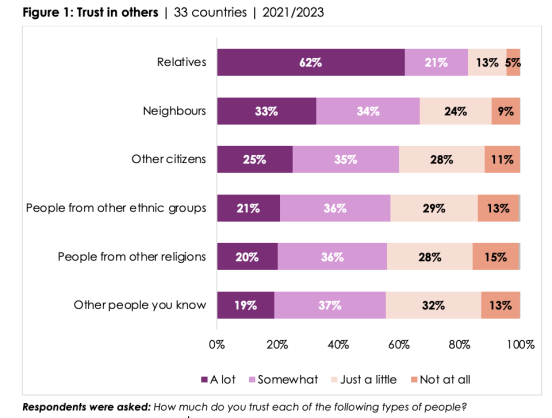
Most Africans embrace coexistence even if they struggle with interethnic trust, the latest Afrobarometer (www.Afrobarometer.org) Pan-Africa Profile (http://apo-opa.co/4gl1zTi) shows.

Based on data from 33 African countries surveyed in 2021/2023, the new report shows that most citizens have no objection to living next door to people from different ethnic backgrounds and are open to interethnic marriages within their own families. However, many express low levels of trust in people from other ethnic groups as well as in people from other religions and outsiders beyond family and community networks.

The report also shows that Africans are likely to prioritise their national identity over their ethnic one or to feel allegiance to both equally. Only a small minority put their ethnic identity first. But a growing number of citizens report that their government treats members of their ethnic group unfairly.

Key findings

  • On average across 33 countries surveyed in 2021/2023, two in 10 Africans (21%) say they trust people from other ethnic groups “a lot,” while 36% trust them “somewhat” (Figure 1).
  • But fully nine out of 10 citizens have no objection to living next door to people from different ethnic backgrounds (90%) (Figure 2) and are open to interethnic marriages within their own families (89%) (Figure 3).
  • Four in 10 Africans (41%) feel more connected to their national than their ethnic identity, compared to just 14% who prioritise their ethnic over their national identity; the remaining 45% are equally attached to both (Figure 4).
  • An overwhelming majority (92%) of Mauritanians feel primarily connected to their national identity, followed by 79% in Guinea and 69% in Congo-Brazzaville. A majority take this position in eight countries.
  • Majorities are equally attached to both identities in 11 countries, led by Liberians (71%), Ghanaians (67%), Ugandans (67%), and Batswana (65%).
  • Expressing primary allegiance to one's ethnic identity is a minority position in all countries, reaching a high of about one in four respondents in just three: Nigeria (27%), South Africa (26%), and Ethiopia (24%).
  • Across 25 countries surveyed consistently since Round 5 (2011/2013), there has been a 12-percentage-point decrease in those primarily attached to their national identity, alongside an 8-point increase in those who identify equally with both identities. There has also been a modest increase – by 4 points – in preference for ethnic identity, although it remains a minority position (Figure 5).
  • Four in 10 Africans (41%) report that members of their ethnic group are “sometimes,” “often,” or “always” treated unfairly by their government because of their ethnicity. Across 25 countries, perceptions of ethnic discrimination have increased by 8 percentage points since 2016/2018 (Figure 6).

Afrobarometer surveys

Afrobarometer is a pan-African, non-partisan survey research network that provides reliable data on African experiences and evaluations of democracy, governance, and quality of life. Nine survey rounds in up to 42 countries have been completed since 1999. Round 9 surveys (2021/2023) cover 39 countries.

Afrobarometer's national partners conduct face-to-face interviews in the language of the respondent's choice that yield country-level results with margins of error of +/-2 to +/-3 percentage points at a 95% confidence level.

Distributed by APO Group on behalf of Afrobarometer.

For more information, please contact:
Asafika Mpako
Afrobarometer communications coordinator for Southern Africa
Email: ampako@afrobarometer.org
Telephone: +27 83 979 8299

Social Media:
Facebook
X
LinkedIn
YouTube
Instagram 
WhatsApp
Visit us online at www.Afrobarometer.org.
Follow our releases on #VoicesAfrica.

Media files
Afrobarometer
Download logo
Read moreAfricans Struggle With Interethnic Trust but Embrace Coexistence, New Afrobarometer Pan-Africa Profile Shows
31 January 2025

Drone technology boosts border security over festive season

Location: News

Drone technology boosts border security over festive season

The use of drone technology has boosted South Africa’s border security efforts, with operations at ports of entry this festive season having been improved as a result.

Speaking at a briefing on Friday on the Border Management Authority (BMA) festive season operations, Home Affairs Minister Dr Leon Schreiber said the use of drones at five ports of entry on a pilot basis made an immediate and visible impact.

Schreiber said the piloting of new technology, including drones and body cameras, has demonstrated the power of digital transformation to secure and enhance border management.

“It is now time for the BMA to permanently acquire these capabilities, as we accelerate our work to digitalise South Africa’s port environment, including automating all entry and exit procedures,” the Minister said at the briefing held in Pretoria.

Schreiber commended the success registered at ports of entry to curb illegal activities.

“In previous years, festive season operations were characterised by fragmentation, lack of coordination and the inability to adjust quickly to changing circumstances on the ground.

“Thanks to the focus on coordination, technology and collaboration by the BMA, the number of attempted illegal border crossings by undocumented persons that were successfully prevented increased by 215% this past festive season.” 

Operational successes

BMA Commissioner Dr Michael Masiapato said the festive season plan was implemented from 6 – 31 December 2024 (the exit leg) and 1 - 18 January 2025 (the return leg). 

In 2023/24, 15 924 undocumented persons who tried to come into the country illegally were intercepted. In 2024/2025, this number increased to 50 312.

Another 6 159 people were detected for overstaying, and a further 1 923 were refused entry due to fraudulent documentation or non-compliance with entry requirements.

BMA border guards, in collaboration with the South African Police Service (SAPS), made 322 arrests, including 132 wanted criminals, and seized illicit goods that included R690 million worth of illegal cigarettes.

The Department of Agriculture, Land Reform and Rural Development assisted with the deployment of drones at Beitbridge, Maseru Bridge, Lebombo, Kopfontein and Oshoek. Forty-two pilots were assigned and effectively operated those drones across the five ports of entry.

The use of these drones at the five ports led to the detection of 2 188 additional people, who attempted to illegally enter the country.

“That is 2 188 people who would be walking among us illegally now if it was not for the use of this technology,” Schreiber said.

Furthermore, the drones led to 2 326 breaches in the border fence being identified and sealed.

Masiapato said prior to the implementation of the festive season plan, the BMA -- an entity of the Department of Home Affairs -- increased the human resource capacity at certain ports of entry and also extended operating hours at some of the ports, which do not normally operate on a 24-hour basis.

The BMA is mandated to facilitate and manage the legitimate movement of people and goods across South Africa’s 71 ports of entry, 52 of which are land, 10 are international airports and nine are seaports, as well as the border law enforcement area.

Cooperation pays off

Masiapato explained that during the implementation of the plan, the BMA collaborated with a multiplicity of law enforcement stakeholders, such as SAPS, South African Revenue Service (SARS), South African National Defence Force, Cross Border Road Transport Agency, Intelligence Structures, INTERPOL, the Department of Agriculture, Land Reform and Rural Development, the Immigration Inspectorate of the Department of Home Affairs, the Road Traffic Management Cooperation and various locally based traffic authorities across the various provinces.

During the festive season, the BMA facilitated the legitimate movement of about 5 084 251 travelers across the 71 ports of entry. This number represents an increase of 51 680 travelers compared to the 2023/24 festive period.

The BMA processed over 395 189 private vehicles, 12 974 mini-bus taxis and 6 071 buses through the movement control system. 

The BMA processed over 9 491 aircrafts through the international airports and about 660 vessels across seaports.

OR Tambo International Airport facilitated the majority of travelers at 1 065 636, followed by ⁠the Beitbridge land port of entry to Zimbabwe at 645 590 travelers, and then followed by the Lebombo land port of entry to Mozambique at 571 131.

Compared to the 2023/24 festive period, Lebombo experienced a decline of about 183 935 travelers. 

Working with SARS, the BMA facilitated a total of 58 938 trucks for both import and export.

Out of the total number of  58 938 processed trucks, 47 891 were processed for exports and 11 047 were processed for imports.

Masiapato thanked the border guards and coastal guards, who continue to do their best in the midst of challenges and complexities associated with border law enforcement work.

“We are very hopeful that we will be able to get the resources and fully enrol the requisite technologies required for effective border management,” he said. – SAnews.gov.za

Edwin
Fri, 01/31/2025 - 11:33

10 views
Read moreDrone technology boosts border security over festive season
31 January 2025

Conserving crop diversity key to food security

Location: News

Conserving crop diversity key to food security

Millions of farmers across Africa play a crucial role in preserving crop diversity by cultivating traditional crop varieties, saving seeds for the next planting season, and exchanging seeds with neighbours and other farmers.

This practice is essential for safeguarding crop production and ensuring food security, as the population continues to grow.

Agriculture Minister John Steenhuisen in a statement said farmers have long been the stewards of crop diversity, helping to secure food production and improve crop yields.

"Farmers have not always been formally recognised for their role in conserving plant genetic resources, but the adoption of the International Treaty on Plant Genetic Resources for Food and Agriculture has changed that," Steenhuisen said on Thursday.

The treaty acknowledges the vital contribution of farmers and indigenous communities in the conservation and sustainable use of plant genetic resources, which is key to food security and agricultural biodiversity.

In a significant step for the country’s agricultural and food security landscape, the Department of Agriculture has confirmed that South Africa has ratified the International Treaty on Plant Genetic Resources for Food and Agriculture, making it the 154th Contracting Party to the agreement.

READ | SA signs international treaty to boost food security, biodiversity

This treaty aims to ensure global collaboration in conserving and sustainably using plant genetic resources.

Steenhuisen emphasised that by joining the treaty, South Africa must align its national policies and programmes to recognise farmers’ contributions to the conservation of traditional crops, especially those that are often neglected or underutilised.

Crops such as millets, cowpeas, sorghum and bambara groundnuts play an important role in local food systems but often lack the attention they deserve.

“We must ensure that indigenous farmers are involved in decision-making processes related to plant conservation, the sustainable use of genetic resources, and in the sharing of benefits derived from these crops. Farmers must also be empowered to save, exchange and sell farm-saved seed,” Steenhuisen said.

Supporting community seed banks

To further enhance the conservation of crop diversity, the Minister said the Department of Agriculture is working in partnership with farmers, traditional leaders, civil society organisations, and provincial agriculture departments, to support and strengthen community seed banks.

These hubs for the conservation and revitalisation of local seed systems focus on crops suited to local conditions.

“Currently, community seed banks are operational in Limpopo, the Eastern Cape and the North West provinces. In the 2025/26 financial year, two new community seed banks will be established in KwaZulu-Natal and the Northern Cape provinces.

“These seed banks are central to preserving traditional crops, encouraging participatory plant breeding, and facilitating seed exchanges among farmers and communities through traditional food and seed fairs,” Steenhuisen said.

Crop diversity

Conserving crop diversity is integral to building sustainable food systems and advancing food and nutrition security.

According to the National Food and Nutrition Security Survey (NFNSS), approximately 20 million South Africans face food insecurity, a situation exacerbated by high poverty levels, unemployment, and income inequality.

The report also highlights the adverse impacts of climate change on crop yields, particularly in smallholder and subsistence farming communities.

The Minister said the NFNSS provides valuable insights to guide South Africa’s National Food and Nutrition Security Plan (2024-2029), “a key priority for government”.

Global collaboration and benefits

South Africa’s participation in the International Treaty on Plant Genetic Resources for Food and Agriculture's multilateral system facilitates access to a global pool of genetic resources, benefiting the country’s farmers and researchers.

“This system supports the training, breeding and research needed to strengthen food security and improve crop resilience. Additionally, the treaty’s Benefit-Sharing Fund offers financial support for crop diversity conservation and capacity-building initiatives worldwide,” Steenhuisen said.

The Minister said the successful implementation of the treaty in South Africa will require strong government support at all levels and collaboration across the public, private and civil sectors.

He called for continued cooperation to ensure that South Africa’s farmers and communities benefit from the country’s participation in the treaty. – SAnews.gov.za
 

GabiK
Fri, 01/31/2025 - 10:47

47 views
Read moreConserving crop diversity key to food security
31 January 2025

SA U19 Women Secure ICC U19 Women’s T20 World Cup Final Spot

Location: Sport

KUALA LUMPUR: South Africa U19 Women have booked their place in the ICC U19 Women’s T20 World Cup final after a...

Read moreSA U19 Women Secure ICC U19 Women’s T20 World Cup Final Spot
31 January 2025

AMW to Showcase Africa’s Rising Investment Potential in the Mining Sector

Location: News

Energy Capital & Power
Download logo

International investments in Africa's mining sector are surging as global demand for both traditional and emerging minerals continues to grow. For example, Australian mining firms saw their asset value in Africa reach $60 billion in 2024, while Canadian firms' assets climbed to $37 billion. China also launched an ambitious $50 billion, three-year investment strategy targeting increased stakes in Africa's most lucrative opportunities including in the mining sector.

The upcoming African Mining Week Summit, scheduled for October 1 - 3 in Cape Town, will highlight profitable opportunities within Africa's mining industry and reinforce the continent's attractiveness as an investment destination for global mining financiers.

Untapped Mineral Deposits

Africa's vast, untapped mineral resources present potential for new investments. The continent holds 30% of the world's critical minerals (https://apo-opa.co/3ClkUGd) essential for the energy transition, including the largest global reserves of cobalt (in the Democratic Republic of Congo) and over 80% of the world's platinum group metals in South Africa. The continent accounts for more than 44% of global diamond production, while its share of the gold market continues to grow, with markets such as Ghana, Mali and Zimbabwe ramping up production.

Supportive Policies and Investor-Friendly Terms

African governments are enhancing the investment climate within the mining industry by enacting new policies and modernizing fiscal terms to streamline processes and reduce delays in project rollouts. Zambia, for instance, introduced a New Mining Tax Regime in 2023, improving transparency and reducing tax evasion, as the country targets a copper production target of three million tons by 2032. Mali has also experienced increased investment flows following its 2023 Mining Code, with global players such as HummingGold, B2Gold and Ganfeng committing to new lithium and gold projects. Malawi has also taken steps to attract investments by launching its Mining Regulatory Authority in October 2024, supported by the Mines and Minerals Act of 2023.

Improved Mining and Export Infrastructure

African nations are enhancing cooperation with global partners to improve mining production and mineral transportation infrastructure. For example, investment firm Africa Finance Corporation has announced that the Zambia-Lobito Railway project will commence (https://apo-opa.co/3Q0RcJL) construction in early 2026, to facilitate the efficient and cost-effective transportation of critical minerals from East and Southern Africa to global markets. Upgrades to the Tanzania-Zambia Railway (https://apo-opa.co/3PXFeAE) and South Africa's modernization of ports through freight operator, Transnet, are further enhancing the region's mining investment prospects.

Rich Mining History

Africa's established history as a global mining hub has fostered the development of key infrastructure and a skilled workforce that international mining firms rely on to meet global mineral demand. Mining remains a cornerstone of many African economies, attracting both traditional and emerging players keen to expand their operations and leverage the continent's resources. With its rich deposits and ongoing improvements in policy and infrastructure, Africa maintains its position as a key investment destination for the global mining industry.

African Mining Week will serve as a premier platform for exploring the full spectrum of mining opportunities across Africa. The event is held alongside the African Energy Week: Invest in African Energy 2025 conference (https://apo-opa.co/4htJMdI) from October 1 -3. in Cape Town. Sponsors, exhibitors and delegates can learn more by contacting sales@energycapitalpower.com

Distributed by APO Group on behalf of Energy Capital & Power.

Read moreAMW to Showcase Africa’s Rising Investment Potential in the Mining Sector
31 January 2025

SA’s economy on recovery trajectory

Location: News

SA’s economy on recovery trajectory

South Africa’s economic growth prospects are poised to recover in 2025 following a lacklustre economic performance for the past two years.

According to an economic and financial assessments by the International Monetary Fund (IMF), the real Gross Domestic Product (GDP) output growth is expected to accelerate from an estimated 0.8 percent in 2024 to 1.5 percent in 2025 driven by improved electricity generation, monetary policy easing, and a return of investor and consumer confidence post elections.

On Thursday, the IMF published the findings of its Article IV Consultation with South Africa, which was held from 11-25 November 2024. 

As part of the surveillance role, the IMF conducts periodic economic and financial assessments with each member country.

The IMF acknowledged progress in banking-resolution and safety-net reforms and praised macro-prudential measures to bolster capital buffers. However, it raised concerns on the rising public debt and the challenges South Africa’s faces to meet climate goals.

In addition, the IMF welcomed the ongoing electricity and logistics reforms aimed at alleviating critical supply constraints and called for the ambitious implementation of these reforms. 

The Fund indicated that meeting South Africa’s climate goals requires further efforts to increase effective carbon taxation and accelerate the rollout of renewable energy.

The IMF projects growth to reach 1.8 percent by the end of the decade, supported by ongoing electricity and logistics reforms. 

“Risks are tilted to the downside, related to a possible intensification of geoeconomic fragmentation and protectionist policies in the context of an uncertain global environment.

“With fiscal deficits moderating but still elevated over the medium term, the IMF projects public debt to continue to rise under its baseline scenario, recommending a more-ambitious-than-envisaged fiscal consolidation,” the IMF said.

The IMF expects inflation to stabilise around the midpoint of the central bank’s target range. 

The Fund recommended that the central bank continues to manage the normalization of the policy rate toward the neutral level in a flexible and data-driven manner.

The IMF argues that transitioning from a target band to a lower point target with a well-calibrated tolerance band at an appropriate time can help strengthen macroeconomic stability.

National Treasury’s response

National Treasury noted that the IMF’s concerns are aligned with government’s response to addressing immediate and long-term economic challenges.

“The National Treasury is committed to implementing reforms that will enhance inclusive economic growth, achieve a sustainable public debt level, further repair and strengthen network industries, and strengthen state capacity to support economic activity.”

In its 2024 Medium Term Budget Policy Statement (MTBPS), the National Treasury estimated economic growth to increase from 1.1 percent in 2024 to 1.7 percent in 2025.

It attributed the gains in the economy to household consumption gradually increasing, supported by rising purchasing power, employment recovery and wealth gains.

“South Africa is committed to fiscal consolidation and to setting debt on a sustainable path. The fiscal year 2023/24 was a significant success, with the first primary surplus in 15 years being recorded in 2023/24. 

“An overall main budget deficit of 4.7 per cent of GDP is expected for the current fiscal year. This is projected to decline to 4.3 per cent in 2025/26. Meanwhile, debt as a percentage of GDP is expected to stabilize in the 2025/26 financial year, with debt-service costs as a percentage of revenue also peaking at the same time,” National Treasury said.

The current focus of South Africa’s reform agenda includes the stabilisation of the electricity grid, enhancing the efficacy of freight and ports operations, implementing e-Visas, as well as prioritizing the advancement of targeted industries to enhance the business climate and promoting equitable growth. 

Nearly 94 percent of the reforms aimed for implementation by 2024 have been accomplished or are significantly progressing. 

“Following its successful first phase, Operation Vulindlela, will be going into its second phase with new initiatives aimed at reversing local government decline, tackling spatial inequality and advancing a digital government to improve service delivery,” National Treasury said.

These enhance the key focus areas of the first phase  - namely, reducing power cuts, improving the performance of the logistics system, lowering data costs, improving water supply and enabling the country to attract critical skills.

The SARB performed its first stress test of South Africa's key insurance firms during the 2023/24 cycle, of which climate-related risks were prominent. Ongoing efforts to exit the Financial Action Task Force (FATF) grey list during 2025 are well underway, with 16 out of 22 action items having been addressed,” National Treasury said. - SAnews.gov.za


nosihle
Fri, 01/31/2025 - 09:07

103 views
Read moreSA’s economy on recovery trajectory
31 January 2025

South Africa U19 Women Poised For ICC U19 Women’s T20 World Cup Semifinal

Location: Sport

JOHANNESBURG: Cricket South Africa (CSA) continues to pave the way for the nation’s future cricketing stars, ensuring that the sport is...

Read moreSouth Africa U19 Women Poised For ICC U19 Women’s T20 World Cup Semifinal
31 January 2025

Western Cape Schools Feel the Squeeze After Cuts in Teacher Posts

Location: News

Teachers and principals tell GroundUp how their schools are coping

Read moreWestern Cape Schools Feel the Squeeze After Cuts in Teacher Posts
30 January 2025

Durban reinforces its status as a premier holiday destination

Location: News

Durban reinforces its status as a premier holiday destination

Durban has yet again stamped its status as a premier holiday destination, with the city's tourism profile proving to be of great economic benefit to the local community. 

This week, the eThekwini Municipality announced the findings of a socio-economic assessment on the festive season’s impact on the city. 

The in-depth report, conducted by BDO South Africa, an independent accounting and consulting firm, highlighted the significant economic benefits generated during the 2024/25 festive season, which spanned from 1 December 2024 to 12 January 2025. 

According to the assessment, the 2024/25 festive season resulted in a staggering direct spend of R1.95 billion within eThekwini Municipality, showcasing a strong demand from both domestic and international visitors.

“The total economic contribution to the local economy was an impressive R4.83 billion, illustrating the multiplier effect of the tourism sector. The festive influx also contributed about R360 million in revenue to the government, further highlighting the important role tourism plays in local and national economies,” the municipality said. 

The city said this wave of tourism created or sustained approximately 8 716 jobs, offering vital employment opportunities for residents in various sectors, including hospitality, retail, transportation and entertainment. 

“The job creation underscores tourism’s role as a crucial pillar of the local economy, providing livelihoods and supporting families,” the municipality said. 

Over 800 000 visitors

The festive season has also attracted a total of 875 289 visitors to Durban, including 447 832 domestic overnight visitors, 33 577 foreign overnight visitors, and 393 880-day visitors. 

A survey of visitors revealed that 79% perceive Durban as a prime tourist destination. 

Visitors participated in various activities, with the top attractions being the city’s breathtaking beaches (73%), local eateries (69%), and shopping experiences (64%). 

Notably, 54% of visitors were drawn to uShaka Marine World, highlighting the city’s diverse offerings that cater to all ages and interests.

The economic impact assessment further acknowledged the significant contributions of major events held throughout the city, including Beach Paradise, Fact DBN Rocks, Anywhere In Your City and the uMgababa New Year Picnic, played a substantial role in attracting thousands of attendees, and contributed in driving the local economy during the 2024/25 festive season. 

“The festive season saw an average overall occupancy rate of 69%, with hotels reaching 72%, a notable increase from the previous year’s 70%. Peak occupancy rates reached 91% during the Christmas long weekend, illustrating the high demand and the city’s appeal as a festive getaway,” the municipality said. 

Looking ahead

The municipality said Durban’s tourism sector continues to demonstrate resilience and growth, with significant opportunities for future development. 

The municipality said the insights from the report will guide the city’s strategic initiatives to enhance visitor experiences and maximise economic benefits for communities. 

EThekwini Municipality Mayor, Cyril Xaba said the city remains fully committed to working with stakeholders to ensure the continued growth of the tourism sector.

Durban Tourism will also be implementing a series of impactful initiatives designed to accelerate tourism growth.

For more information, visit www.visitdurban.travel or follow Durban Tourism on social media platforms @DBNTourism. – SAnews.gov.za

GabiK
Thu, 01/30/2025 - 12:47

39 views
Read moreDurban reinforces its status as a premier holiday destination
30 January 2025

Protest Outside Delft Community Health Centre After Baby’s Death

Location: News

The health department says they cannot treat patients who need specialist care and the child was referred to Tygerberg Hospital

Read moreProtest Outside Delft Community Health Centre After Baby’s Death
30 January 2025

Limpopo Villagers Protest Over “One-Nurse Clinic”

Location: News

The department has now temporarily closed Valdezia clinic

Read moreLimpopo Villagers Protest Over “One-Nurse Clinic”
30 January 2025

Health Minister encourages adherence to ARV treatment

Location: News

Health Minister encourages adherence to ARV treatment

Health Minister, Dr Aaron Motsoaledi, has appealed to people on antiretroviral (ARV) treatment to continue taking their medication amid reports that grant funding by the United States of America (USA) is under review.

The review of the grant funding is expected to affect the US President's Emergency Plan for AIDS Relief (PEPFAR) programme, which is aimed at supporting HIV prevention, care and treatment. The programme supports several countries, including South Africa, to achieve HIV epidemic control.

Addressing members of the media on the sidelines of a two-day Cabinet Lekgotla, Motsoaledi said the country’s ARVs proramme will not be affected, as it is funded by the South African government and the Global Fund.

“For now, all HIV/AIDS programmes continue. As the South African government, we want to ascertain that nobody must stop taking ARVs because that will be devastating,” Motsoaledi said on Wednesday.

South Africa has 52 districts and of those, 27 districts are funded by PEPFAR.

“PEPFAR chose 27 of the most affected districts and these districts are in eight provinces, as they choose districts based on the burden of HIV/AIDS. The only province that is not included is the Northern Cape because it does not have any districts that are highly affected by HIV/AIDS,” the Minister said.

Of the 27 districts, seven of them are in KwaZulu-Natal; five are in the Eastern Cape, four are in Gauteng; three are in Mpumalanga and the North West, respectively; two are in Limpopo and one is in the Western Cape.

“The total number of people on the ground who are dealing with HIV/AIDS in those 27 districts is 271 606. Of the 271 606 people, 256 452 are funded by South Africa from the fiscus. That leaves us with 15 145 people, who will be affected by the withdrawal.

“Our biggest problems will be the salaries and the operational costs. That is what we are looking at with National Treasury,” Motsoaledi said.

Seventy-six percent of the funding for HIV/AIDS programmes is from South Africa. This constitutes 74% of funding from the government and 2% from the private sector.

“That leaves us with a gap that is filled by the Global Fund, which gives 7% and PEPFAR, which accounts for 17%. When you add the funds from the Global Fund and South Africa’s funding, that makes 83% and PEPFAR remains with the 17%. We are buying ARVs, together with the Global Fund,” the Minister said.

With reports indicating changes in the grant funding by the US, Motsoaledi said the government of South Africa has not received any communication on these changes.

“So far, we have not received a letter from the American government. These funds for the HIV/AIDS programmes come through National Treasury and they have not received a letter; the Department of Health and Department of International Relations and Cooperation (DIRCO) have also not received a letter.

“We have tried to contact the US embassy and we couldn’t get them. The NGOs and the clinics that are funded by PEPFAR are the ones who have received letters,” the Minister said.

Out of the 63 million people in South Africa, 7.8 million people are HIV positive, with 5.5 million on ARVs.

In 2014, the Joint United Nations Programme on HIV/AIDS (UNAIDS) adopted the strategy of 95-95-95, which sets a target that 95% of people living with HIV (PLHIV) must know their HIV status; 95% of people diagnosed with HIV must receive antiretroviral therapy (ART) and 95% of people receiving ART must achieve viral load suppression (VLS).

“We are on 96%. That means 96% of people who have HIV in South Africa know their status but of those, 79% are on treatment and in that 79% who are on ARVs, 94% of them are virally suppressed. It means that they can no longer spread the virus, reducing the number of new infections.

“For us to reach the 95-95-95 targets by 2030 - because we want to eliminate HIV as a threat to human health - we need 1.1million people to be on treatment so we reach the target,” the Minister said. - SAnews.gov.za

nosihle
Thu, 01/30/2025 - 07:00

85 views
Read moreHealth Minister encourages adherence to ARV treatment
29 January 2025

Defeating Cervical Cancer: Improving Access to Testing to Save Lives

Location: News
FIND

Although cervical cancer is now a vaccine-preventable disease, 1 woman dies every 2 minutes globally of cervical cancer. Women in low- and middle-income countries are disproportionately affected. 

In South Africa (SA), over 10,700 new cases of cervical cancer are diagnosed each year, with over 5,800 deaths. Cervical cancer is a preventable tragedy, and South Africa has the tools and knowledge to turn the tide. 

We can eliminate cervical cancer by addressing the principal cause: the human papillomavirus or HPV. This is done by 1) vaccinating both boys and girls between the ages of 9 and 15; and 2) expanding access to HPV screening for all women. Screening for early diagnosis is critical because when diagnosed early, cervical cancer is considered treatable/curable. 

SA is making significant strides in expanding access to both vaccination and screening, but significant barriers remain. Dr Ifedayo Adetifa, CEO of FIND (https://apo-opa.co/4jMkyJA), whose mission is #DiagnosisForAll says, “The fight to eliminate cervical cancer is far from over, but there is hope on the horizon. FIND is working with the public and private sectors in South Africa to find innovative and scalable solutions to test for HPV”.  

Recent research by FIND and partners provides critical insights that could transform how we approach cervical cancer prevention and management. The project explored the acceptability and demand for HPV self-collection testing among South African women as a means of increasing access to HPV screening. 

Key findings from the client surveys include 

1. Low Awareness of Cervical Cancer and HPV: 

  • 58% of women surveyed had little or no knowledge about cervical cancer or its link to HPV. 
  • 46% cited nurses and doctors as their primary sources of information, showing the critical role healthcare providers play in education. 

2. HPV DNA Testing: The Preferred Choice: 

  • 77% of respondents chose HPV DNA testing as their preferred method, valuing its reliability and less invasive nature. 
  • Among these, 71% preferred self-collection, citing privacy and convenience as the main reasons for their choice. 

3. Pharmacy Accessibility: 

  • 74% of women who preferred self-collection indicated they would purchase kits from pharmacies. 

4. Affordability and Willingness to Pay: 

  • Most respondents indicated that a price point between $18 and $36 would make the test more accessible. 

5. Home vs Clinic Preferences: 

  • 59% preferred collecting samples in clinics or hospitals, 28% preferred to self-collect at home, and 14% at a laboratory. 

A Promising Solution: HPV Self-Collection Testing 

One of the standout findings from the research is the high level of interest in HPV self-collection testing. This innovative approach empowers women to take control of their health by collecting samples in the privacy of their homes or at a convenient location. The research further revealed that many women are willing to pay up to $36 (approximately R680) for this service if made available at pharmacies.  

Self-collection testing eliminates the need for invasive pelvic exams in clinical settings which many women find uncomfortable or stigmatising. It reduces the logistical challenges of accessing clinics, particularly for women in rural or underserved areas where healthcare facilities are not readily available. Making self-collection kits available in pharmacies could significantly increase screening rates and achieve early diagnosis. 

The Knowledge Gap Among Healthcare Practitioners 

While self-collection testing presents an exciting opportunity, its success depends on a well-informed and capable healthcare system. Unfortunately, the research revealed a concerning lack of understanding among healthcare practitioners regarding the national cervical cancer management protocols.  

Without proper guidance, healthcare providers may fail to offer appropriate counselling, follow-up, or referrals for women with abnormal screening results.  Addressing this issue requires targeted training and capacity-building initiatives. FIND, in partnership with the National Department of Health (NDOH), trained over 700 health practitioners between September and October 2024, 

The Public Awareness Deficit 

Equally troubling is the lack of available information for the public about cervical cancer, its causes, and prevention methods. Many women remain unaware of the importance of regular screening.  Through its community arm, the African Cervical Health Alliance (ACHA), FIND, NDOH, and private sector partners engaged community health partners to develop, adapt and distribute over 10,000 copies of materials to communities about prevention and treatment of cervical cancer. 

A Vision for the Future 

To reduce the burden of cervical cancer in South Africa, we need a multi-pronged approach that combines education, innovation, and systemic reform. This includes: 

  1. Policy Support: Advocating for policy changes to integrate self-collection testing into the national screening program and subsidize costs for low-income populations. 
  2. Expanding Access to Self-Collection Testing: Making HPV self-collection kits widely available at affordable prices. 
  3. Enhancing Practitioner Training: Ensuring healthcare providers are well-versed in national cervical cancer management protocols. 
  4. Strengthening Public Awareness Campaigns: Launching nationwide initiatives to educate women and communities about cervical cancer prevention and the availability of new screening options. 

When women have access to convenient, affordable options like HPV DNA self-testing, we're not just improving health outcomes – we're giving women control over their health decisions.” Says Dr Ntombi Sigwebela, Regional Director of FIND (https://apo-opa.co/4jMkyJA)

The South African G20 Presidency is prioritizing health equity, solidarity and universal health coverage. Addressing the diagnostics gap for women's health is crucial to achieving this agenda and building an equitable and inclusive global health architecture.  

For more information on FIND's Cervical Cancer Elimination Project, visit: FIND South Africa (https://apo-opa.co/4jMkyJA)

Distributed by APO Group on behalf of FIND.

Watch our educational webinars:
FIND's YouTube Channel (https://apo-opa.co/3CwQXTx)

Contact details:
Beatrice Bernescut
Director, Communications
FIND 
+41 (0) 79 963 86 78 
www.FINDdx.org 

Media files
FIND
Download logo
Read moreDefeating Cervical Cancer: Improving Access to Testing to Save Lives
29 January 2025

SA signs international treaty to boost food security, biodiversity

Location: News

SA signs international treaty to boost food security, biodiversity

South Africa has joined scores of countries worldwide that have formalised their commitment to ensuring the conservation and sustainable use of plant genetic resources for food and agriculture.

The Department of Agriculture, Land Reform and Rural Development (DALRRD) announced on Tuesday that South Africa has officially signed the International Treaty on Plant Genetic Resources for Food and Agriculture (ITPGRFA).

The objectives of the ITPGRFA are conservation and sustainable use of plant genetic resources for food and agriculture, and to promote the fair and equitable sharing of these benefits arising from their use, in agreement with the Convention on Biological Diversity for sustainable agriculture and food security.

The treaty also aims to, among others, recognise the contribution of farmers in enhancing the diversity of crops that feed the world; establish a global system to provide farmers, plant breeders and scientists with access to plant genetic materials, and ensure that the recipients thereof share the benefits they derive from using these genetic materials.

Some of the countries that have ratified the treaty include Australia, Belgium, Egypt, the United States of America and Argentina, to name a few.

South Africa submitted its instrument of accession with the Director-General of the Food and Agricultural Organisation (FAO) on 23 December 2024, making it the 154th Contracting Party to this international treaty.

By joining the ITPGRFA, the DALRRD said South Africa is reaffirming its commitment to global efforts to conserve and sustainably use plant genetic resources, which are essential for food security and agricultural biodiversity. 

This is aligned with the recently approved White Paper on Conservation and Sustainable Use of South Africa’s Biodiversity.

“South Africa’s accession to the ITPGRFA brings new opportunities for collaboration within the treaty’s framework, including participation in its multilateral system, which facilitates access to a global pool of genetic resources.

“The ITPGRFA’s national implementation will require close collaboration between the National Genebank, the relevant national departments, provincial Departments of Agriculture, community seed banks, farmers, civil society organisations, industry and research and academic institutions,” the department said.

More information on the ITPGRFA can be accessed on https://www.fao.org/plant-treaty/en/. – SAnews.gov.za 

GabiK
Wed, 01/29/2025 - 10:27

53 views
Read moreSA signs international treaty to boost food security, biodiversity
29 January 2025

Western Cape Education’s systemic test results surpass 2019 scores

Location: News

Western Cape Education’s systemic test results surpass 2019 scores

The Western Cape Education Department’s (WCED) 2024 annual systemic test results  have indicated significant progress in children’s learning, with certain scores exceeding pre-COVID-19 levels.

“The pass rates for both Grade 9 mathematics and Grade 3 language are now higher than they were in 2019, with the remaining grades and subjects catching up quickly,” the department said in a statement.

The Western Cape is the only province in the country to conduct annual systemic testing in both mathematics and language for learners in Grades 3, 6, and 9.

These tests are internationally benchmarked and are administered, marked, and moderated externally to ensure objectivity and to provide a credible and relevant benchmark for evaluation.

“As a result, we have been well-placed to determine the impact of the pandemic on our children’s learning outcomes, as well as develop detailed strategies to reverse learning losses in the Western Cape.”

Headline results

According to the latest data, the pass rate for Grade 9 mathematics increased by 2.9 percentage points compared to 2023 and now exceeds the 2019 score by 0.7 percentage points.

“We also saw an increase of 4.3 percentage points for Grade 3 mathematics, and 1.1 percentage points for Grade 6 mathematics, compared to 2023. While the scores for these grades have not yet reached 2019 levels, the scores this year are nonetheless significantly higher than in 2021,” the statement read. 

Grade 3 language scores increased by 2.9 percentage points compared to 2023, now exceeding the 2019 pass rate by 0.5 percentage points.

Meanwhile, the pass rate for Grade 6 language has increased by 4.0 percentage points compared to 2023, reducing the difference with 2019 scores to just 1.3 percentage points.

“Unfortunately, we have seen a decline in our Grade 9 language scores of 2.8 percentage points compared to 2023. Our officials will be looking into this result in detail to put remedial plans in place.”

Next steps

While the WCED has seen an improvement in scores, there is still work to be done, with an even greater focus on learning outcomes.

Schools will now receive individual school reports, to help them develop a tailored approach by identifying gaps in learning unique to their school’s circumstances. 

The results will also be provided to curriculum officials, including those leading the #BackOnTrack programme interventions.

A key part of the #BackOnTrack programme is ensuring that interventions are refined over time to focus on the interventions that work and are sustainable. 

“We will use the new data to analyse where we need to direct the programme’s resources and supplement the findings of the recent Stellenbosch University report on the effectiveness of our interventions.” 

The department has thanked all the school staff, officials, tutors, and learners who have worked hard to improve learning outcomes over the past year and look forward to their support as they strive to give learners a better future in the Western Cape. 

The WCED said no testing was conducted in 2020 because of the COVID-19 pandemic and lockdown. – SAnews.gov.za
 

Gabisile
Wed, 01/29/2025 - 09:30

78 views
Read moreWestern Cape Education’s systemic test results surpass 2019 scores
29 January 2025

President Ramaphosa extends well wishes to China on Lunar New Year

Location: News

President Ramaphosa extends well wishes to China on Lunar New Year

President Cyril Ramaphosa has conveyed messages of goodwill to the government and people of the People’s Republic of China on the commencement of the Lunar New Year of the Snake and Annual Spring Festival, on Wednesday, 29 January 2025. 

The Lunar New Year is celebrated to usher in a New Year on the day of the first sighting of the new moon, in line with the traditional Chinese calendar.

This year has been declared the Year of the Snake. The snake is expected to bring about transformation and new beginnings. 

"We extend our good wishes to the Chinese community in South Africa including Chinese citizens who live in or are currently visiting our beautiful country. 

“Similarly, we wish that the New Year will bring continued success to our Chinese trade and investment partners who are making an important contribution to our economy,” President Ramaphosa said.

The President expressed his hope that the new brings new prosperity in relations between the two countries.

“We are confident that, under the leadership of His Excellency President Xi Jinping, the Year of the Snake will sustain the People’s Republic of China’s standing as a formidable force for good and a source of wisdom and shared prosperity in the global family of nations.

“May the celebration of Spring and the rebirth of nature be a symbol of the blossoming of even closer relations between our two nations under our All-Round Strategic Cooperative Partnership in a New Era,” President Ramaphosa concluded. – SAnews.gov.za

NeoB
Wed, 01/29/2025 - 09:06

1 view
Read morePresident Ramaphosa extends well wishes to China on Lunar New Year
29 January 2025

Lottery Bosses Turned to State Security Agency to Investigate Leaks

Location: News

But things didn’t go the way they wanted

Read moreLottery Bosses Turned to State Security Agency to Investigate Leaks
28 January 2025

Stepping up: Pupils to benefit from school shoes initiative 

Location: News

Stepping up: Pupils to benefit from school shoes initiative 

While it is often said that clothes make the man, a new, shiny pair of school shoes may do just the same for many school pupils, especially those that are underprivileged. 

Deputy Minister in the Presidency Kenny Morolong on Tuesday received 470 pairs of school shoes from Capital Centric, on behalf of the Government Communication and Information System (GCIS) which will be donated to needy learners.  

Capital Centric is a dynamic, unlisted public company, specializing in private equity investments. Guided by the philosophy of Kaizen, which,  according to its website, emphasizes continuous improvement, the company focuses on identifying opportunities and building long-term value for its stakeholders.

The Deputy Minister said he was humbled by the gesture as he received the shoes. 

“We are quite elated by the commitment demonstrated by the private sector. This donation will go a long way in helping kids who under normal circumstances would not be able to walk to schools with shoes,” a beaming Morolong said on Tuesday.

He stressed that by working together, the private sector, civil society and government can do more to fundamentally alter the circumstances under which people live.

“This collaboration will go a long way. We really wish to thank you for collaborating with GCIS to drive the programmes that impact our communities. I am speaking for these children who under normal circumstances would not be able to receive these shoes,” said the Deputy Minister.

Capital Centric Chief Executive Officer, Nathaniel Bricknell, said the company not only invests in small, medium, and micro enterprises (SMMEs) and enterprises that are profitable, scalable and sustainable, but also takes pride in playing a pivotal role in driving social impact within the sectors it serves.

“We are elated to hand over 470 pairs of school shoes to GCIS, to be distributed to schools and learners in need,” said Bricknell.

Bricknell explained that each pair of shoes tells its own unique story. This as the shoes are manufactured in South Africa and crafted from medical waste that might otherwise have ended up in landfills or have been destroyed.

Collaboration

“These shoes, made from plastic consumables that transitioned from saving life to creating opportunity, represent the very essence of transformation and sustainability.

“We believe in the power of collaboration to amplify impact. That’s why we have invited other corporates such as FNB and others we work with daily to participate in similar initiatives that drive positive change” Bricknell explained.

Bricknell thanked the GCIS for fostering a cooperative environment that enables the private sector to play an active role in uplifting communities.

“Together we are not just investing in the future of businesses but also in the future of our children, our communities and our country,” he said.

The company's Non-Executive Director, Pearl Munthali, said the entity appreciates the partnership with government.

“We are hoping to continue to partner with government changing the lives of those who are underprivileged in our country,” Munthali said.

The donation comes as schools across the country reopened for the 2025 academic year.
SAnews.gov.za
 

Edwin
Tue, 01/28/2025 - 20:55

114 views
Read moreStepping up: Pupils to benefit from school shoes initiative 
28 January 2025

Revisiting the Africa-Paris Declaration: Progress, Challenges and the Road Ahead for African Energy

Location: News
Energy Capital & Power

The Africa-Paris Declaration, forged during the 2024 Invest in African Energy (IAE) Forum in Paris, was a pivotal moment in Africa's quest for sustainable energy solutions. Aimed at strengthening the continent's energy transition while addressing the urgent issue of energy poverty, the declaration set ambitious targets for expanding access to clean, affordable and reliable energy. With the 2025 edition of the forum approaching, now is the time to reflect on the progress made since the Africa-Paris Declaration and assess how these initiatives are shaping Africa's energy future.

Increased Engagement in Africa

In the months following the declaration, international investors, development banks and private equity firms have shown a steadfast interest in the African energy market. A key milestone was the launch of the Africa Energy Bank by the African Export-Import Bank and APPO, marking the creation of a first-of-its-kind institution designed to fund and facilitate energy initiatives across the continent. Several final investment decisions were successfully closed, including Shell's $5.5 billion Bonga North deepwater project. Additionally, strategic partnerships, including new PSCs signed by Panoro Energy in Equatorial Guinea and BW Energy in Gabon, highlight how international collaborations are accelerating energy development and creating new opportunities for exploration and production. This increased engagement is key to addressing the financing gap that has long hindered the growth of Africa's energy sector.

Natural gas continues to play a central role in Africa's energy strategy as a transitional fuel. The Africa-Paris Declaration underscored its importance as a bridge between traditional energy sources and renewable energy. Over the past year, significant strides have been made in natural gas exploration and LNG exports. Notable developments include Senegal's Greater Tortue Ahmeyim LNG reaching its first gas production, the Republic of Congo's first LNG exports to Italy from the Congo LNG project, Nigeria's UTM FLNG receiving its construction license, and Angola's Sanha Lean Gas Connection project achieving first gas, among others. These initiatives are not only crucial for advancing Africa's energy transition, but also serve as powerful drivers of economic growth by creating jobs and advancing infrastructure development.

Meanwhile, countries like South Africa, Egypt and Morocco are at the forefront of wind and solar energy development, with momentum expected to build as they meet renewable energy targets and explore new growth opportunities. These investments are driving a shift toward cleaner, more sustainable energy in Africa, though challenges remain. High costs of renewable technologies and insufficient grid infrastructure continue to hinder expansion, underscoring the need for more investment in off-grid and mini-grid solutions.

Investment Gaps Persist 

Despite these advancements, Africa still faces significant investment challenges. The financing gap for large-scale energy projects remains substantial and while the private sector has become more engaged, many projects still struggle to secure the necessary capital. In particular, the cost of financing remains high due to the perceived risks associated with energy investments in Africa. This is where continued efforts to de-risk investments and foster public-private partnerships are critical to unlocking the continent's full energy potential. Institutional capacity continues to be a challenge for many African countries. While progress has been made in improving regulatory frameworks, there is still a need for clearer policies, streamlined permitting processes and better enforcement of regulations. Governments must continue to strengthen their institutions to effectively implement energy projects and create an enabling environment for both local and international investors.

With the IAE 2025 forum just months away, industry stakeholders have an opportunity to reflect on the progress made since the Africa-Paris Declaration and determine next steps for the continent's energy future. The forum serves as a platform for government officials, industry leaders and financial institutions to renew commitments, share success stories and address ongoing challenges. While the road to universal energy access and a sustainable energy future is long, the declaration has set the framework for a collective effort that can lead to meaningful change. With the right investments, regulatory frameworks and political will, Africa can emerge as a global leader in energy innovation and sustainability.

Distributed by APO Group on behalf of Energy Capital & Power.

IAE 2025 (www.Invest-Africa-Energy.com) is an exclusive forum designed to facilitate investment between African energy markets and global investors. Taking place May 13-14, 2025 in Paris, the event offers delegates two days of intensive engagement with industry experts, project developers, investors and policymakers. For more information, please visit www.Invest-Africa-Energy.com. To sponsor or participate as a delegate, please contact sales@energycapitalpower.com.

Media files
Energy Capital & Power
Download logo
Read moreRevisiting the Africa-Paris Declaration: Progress, Challenges and the Road Ahead for African Energy
28 January 2025

Gauteng Department of Social Development Admits It Did Not Comply With Court Orders

Location: News

Administrative failures continue to plague the department

Read moreGauteng Department of Social Development Admits It Did Not Comply With Court Orders
  • Previous
  • Page 1
  • Interim pages omitted …
  • Page 65
  • Page 66
  • Page 67
  • Page 68
  • Page 69
  • Interim pages omitted …
  • Page 212
  • Next

Copyright © 2026 · MyZA · All Rights Reserved · Powered by Stratlec Online