Walking Joburg’s Biggest Baddest River: Boerboels and Cable Thieves
Day 2 on the Klip River: Riverlea to Soweto

MyZA
News, Directory, Events and Other Stuff
Day 2 on the Klip River: Riverlea to Soweto
Food poisoning incidents managed at highest level, says President Ramaphosa
President Cyril Ramaphosa has addressed the tragic deaths of children due to food poisoning, assuring the public that this issue is being addressed at the highest levels of government.
Speaking at the District Development Model (DDM) Presidential Imbizo at Umnini Sportfield in Umgababa, KwaZulu-Natal, the President led attendees in a moment of silence for the young lives lost in recent weeks.
In his address on Friday, President Ramaphosa highlighted government's serious approach to the matter.
This wave of tragic incidents has left communities devastated.
The President expressed his heartfelt condolences to the families, recognising the profound grief of losing a child. He said government would take immediate action to prevent further loss of life.
“We have in the last few weeks lost a number of school children, who have died as a result of some chemical that has been found in the food or snacks that they have been eating and buying from Spaza shops.
“This matter is being addressed at the highest level. It’s been raised by a number of parents and our people, and I fully understand the concern. We join these families who have lost their children. It is very painful for a parent to lose a child... We pass our condolences to them," the President said.
He said he will fully address these matters to provide a clear direction and ensure that no further children die needlessly.
“All these matters are going to be fully addressed this coming week, and I will be able to then make a statement on how we are going to deal with this matter to enable us to ensure that no further children die needlessly in our country.
“So, this matter is being handled at the highest level, and we’ve got our various departments and agencies working around the clock. I’ve directed that I should get reports as soon as possible so that we can take action to prevent further deaths of the young people of our country,” the President said.
The President urged parents to remain vigilant, encouraging them to ensure their children consume food only from trusted and safe sources.
“I will say to us as parents, let us take care and ensure that our children only get food from places that we regard as safe places, but we will be coming out with a clear directive and direction on this matter,” the President said.
The President said that police have already made arrests in connection with the storage of hazardous chemicals on premises selling food, and new regulations governing the licensing of spaza shops are being enforced.
“We are also looking at the matter form an agricultural point of view. I have directed [Agriculture] Minister Steenhuisen to do proper research with regards to these chemicals. The Minister of Police is also seized with this matter, and we are working around the clock to enable us to look very closely at the incidents that have been happening.
The Minister of Health, the President said, is also seized with this matter and has requested a number of agencies to do testing of the various chemicals from a health point of view. – SAnews.gov.za
DikelediM
Fri, 11/08/2024 - 18:58
Replacement with the new Postbank Black Card has begun in KwaZulu-Natal, Gauteng, the Northern Cape and North West
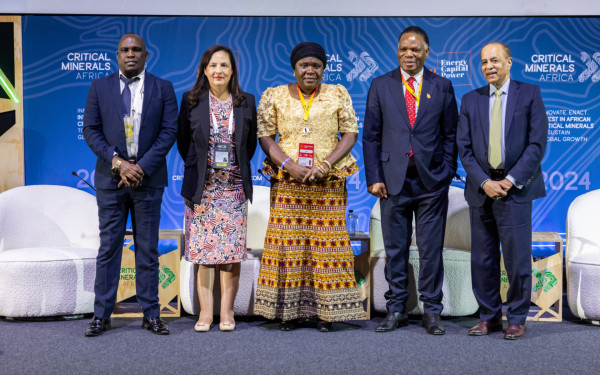
Africa's holds significant reserves of minerals critical for the global energy transition. The continent boasts roughly 30% of the world's mineral reserves, including immense deposits of cobalt, manganese, natural graphite, copper, nickel, lithium and iron ore.
As such, this year's Critical Minerals Africa (CMA) 2024 Summit – held from November 6-7 in Cape Town – convened industry leaders, policymakers, service providers and investors to address the urgent demands of Africa's critical mineral value chain. The Summit featured a robust agenda that sought to shine a spotlight on opportunities for Africa to accelerate its mining sector while utilizing its natural resources to promote value addition and drive socioeconomic development.
CMA 2024 featured a Ministerial Forum that included the participation of mining ministries from Eswatini, Malawi and Argentina, as well as representatives from Tanzania. High-level speakers during the forum showcased a number of projects aimed at maximizing mineral production while discussing how to leverage mineral resources to promote economic growth and sustainability.
The Republic of Malawi's Minister of Mining Monica Chang'anamuno highlighted several ongoing projects in the country, such as the Kasongo Initiative, which aims to increase the production of rare earth metals, graphite and lithium resources.
Meanwhile, Eswatini's Minister of Natural Resources and Energy Prince Lonkhokhela announced ambitious targets to raise to the contribution of the country's mining sector to its GDP. With aims to increase the share from 1% to 50% in the short- to medium-term, the strategy is supported by new surveys revealing commercial deposits of lithium, copper, cobalt and other base metals.
To bolster investment in mid- and downstream infrastructure, the Summit also featured the participation the President of the Chamber of Mines of Zimbabwe Thomas Gono, who stated, “Historically, we exported raw materials, missing out on the potential benefits. With Africa's young workforce, we now have an opportunity to drive revenue and create jobs through skills development and local beneficiation.”
With the participation of Tanzania's Chamber of Mines, it was announced that the country aims to expand exploration in critical mineral-rich basins from 16% to 50% as part of a strategic push into rare earths, lithium and tanzanite production. Meanwhile, Zambia's Chamber of Mines discussed ongoing strategies aimed at helping the country address logistics and energy deficit challenges in the mining sector.
The Summit featured a panel discussion with high-level representatives from mining companies and development institutions including Pensana, the Africa Policy Research Institute and the U.S. Development Finance Corporation. The panel also featured the participation of Clifford Chance, Frost & Sullivan and Chatham House and explored how regional initiatives – such as the Lobito Corridor – have the potential to fast-track Africa's critical minerals market expansion.
An Investment Forum held during the Summit showcased innovative financing measures to advance the flow of capital across the African market. The session featured representatives from finance institutions the World Bank, ABSA, Moshe Capital, the African Finance Corporation and ASAFO & Co.
Additionally, midstream and downstream opportunities were showcased during a panel session that featured the participation of organizations such as Orion Minerals, AZ Arnaturen, Women in Green Hydrogen, Isondo Previous Metals and the Southern African – German Chamber of Commerce and Industry. The panel also featured representatives from Konrad Adenauer Stiftung, the SA-DRC Chamber of Commerce, the Curtin Institute for Energy Transition, the Electric Mobility Association of Kenya and the Congolese Battery Council.
At CMA 2024, research firms including Rystad Energy, Moore Global and Project Blue presented insights on market trends in the global mining industry, while Tronic Metals, Tanzania's State Mining Corporation and South Sudan's state-owned Nilepet provided updates on their activities across the mining value chain.
A Leaders Forum during the Summit featured the participation of international mining companies Glencore DRC and KoBold Metals as well as representatives from the University of Cape Town and the Minerals Council of South Africa. The forum showcased how governments across Africa can promote innovation in the continent's mining space to attract new investment and increase critical minerals production to drive socioeconomic and GDP growth.
Distributed by APO Group on behalf of Energy Capital & Power.
- The “Jr. NBA & AFD Basketball Experience” Will Feature Weekly Basketball and Life-Skills Sessions to Educate Senegalese Youth About the Importance of Physical and Mental Wellness -
- AFD and NBA Africa Unveil Two Refurbished Basketball Courts in Guediawaye, Senegal -
- Former NBA Player and 2015 FIBA AfroBasket Champion Olumide Oyedeji Attends Launch -
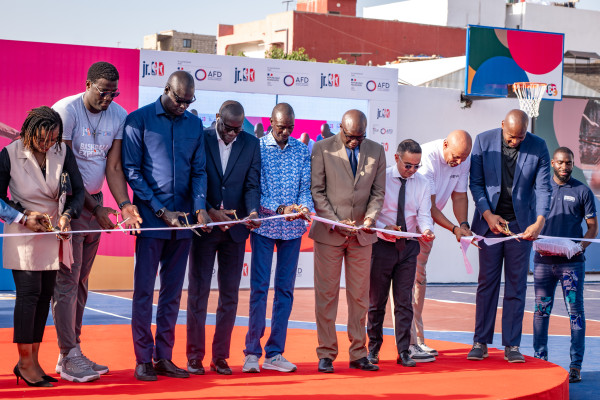
NBA Africa (www.Africa.NBA.com) and Agence Française de Développement (AFD), France's public development bank institution committed to financing and technical assistance for projects that improve the lives of people in developing and emerging economies, yesterday launched the “Jr. NBA & AFD Basketball Experience” youth development program in Guediawaye, Senegal.
The Jr. NBA & AFD Basketball Experience, launched in 2021 in Nigeria and subsequently also held in Kenya and Morocco, uses basketball as a platform to promote social inclusion and youth empowerment amongst primary and secondary school children. In Senegal, the program will be operated by nongovernmental organization (NGO) Sports for Education and Economic Development (SEED) Project and feature weekly basketball and life-skills sessions that will educate thousands of Senegalese boys and girls about the importance of physical and mental health, wellness and social cohesion.
As part of the program's launch in Senegal, NBA Africa and AFD unveiled two basketball courts at The Hamo 4.5.6. Courts in Guediawaye and held a clinic for 150 boys and girls ages 16 and under. The launch was attended by AFD Senegal Country Director Mihoub Mezouaghi; Basketball Africa League (BAL) President Amadou Gallo Fall; NBA Africa Director of Basketball Operations Kita Matungulu; and former NBA player and 2015 FIBA AfroBasket champion Olumide Oyedeji.
“Aware of the potential of sport as a vector of social cohesion, AFD has made it a strategic axis of its action to support the achievement of the Sustainable Development Goals,” said Mezouaghi. “It is in this dynamic that our collaboration with the NBA is part of what aims to promote the practice of sport in Africa through the provision of local infrastructure, the professionalization of sports educators and the organization of sports sessions, and education for young people.”
“The collaboration between NBA Africa and AFD continues to grow as we extend this initiative to reach more young people in new countries on the continent,” said Matungulu. “The Jr. NBA & AFD Basketball Experience reflects our commitment to investing in the next generation of African youth and our belief that basketball teaches life lessons like the importance of physical and mental wellness that help children succeed on the court and in life.”
The refurbished courts, part of NBA Africa's commitment to build 1,000 basketball courts in Africa over the next decade, are expected to benefit thousands of boys and girls from the surrounding communities.
The Jr. NBA & AFD Basketball Experience is part of AFD and NBA Africa's collaboration to support basketball infrastructure and youth development across the continent and builds on the program's previous editions in Morocco and Nigeria, and its recent launch in Kenya. To date, the program has reached nearly 90,000 boys and girls ages 12-17 and 460 coaches and physical education teachers.
The Jr. NBA/Jr. WNBA, the league's global youth basketball participation program for boys and girls, teaches the fundamental skills as well as the core values of the game at the grassroots level in an effort to help grow and improve the youth basketball experience for players, coaches and parents. Jr. NBA/Jr. WNBA programming has directly reached more than 250,000 youth across Africa this year.
Distributed by APO Group on behalf of National Basketball Association (NBA).
Contacts:
Chumani Bambani,
NBA Africa PR & Communications,
cbambani@nba.com,
+27 65 548 1031
Francine Pipien,
AFD Senegal,
pipienf.ext@afd.fr
About NBA Africa:
NBA Africa is an affiliate of the National Basketball Association (NBA), a global sports and media organization with the mission to inspire and connect people everywhere through the power of basketball. NBA Africa conducts the league's business in Africa, including the Basketball Africa League (BAL), and has opened subsidiary offices in Cairo, Egypt; Dakar, Senegal; Johannesburg, South Africa; Lagos, Nigeria; and Nairobi, Kenya. The league's efforts on the continent have focused on increasing access to basketball and the NBA through youth and elite development, social responsibility, media distribution, corporate partnerships, NBA Africa Games, NBA Stores, the BAL, and more.
NBA games and programming are available in all 54 African countries, and the NBA has hosted three sold-out exhibition games on the continent since 2015. The BAL, a partnership between the International Basketball Federation (FIBA) and NBA Africa, is a professional league featuring 12 club teams from across Africa that concluded its fourth season in June 2024. Fans can follow @ NBA_Africa and @ theBAL on Facebook, Instagram, X and YouTube.
About AFD:
Agence Française de Développement (AFD) Group finances, supports and accelerates the transitions necessary for a more just and resilient world. It thus contributes to implementing France's policy on sustainable development and international solidarity. It is with and for communities that we build, with our partners, solutions in more than 160 countries, as well as in 11 French overseas departments and territories.
Our objective: to reconcile economic development with the preservation of common goods: the climate, biodiversity, peace, gender equality, education and health. Our teams are involved in more than 3,600 projects in the field, which are part of the commitment of France and the French people to fulfilling the Sustainable Development Goals. For a world in common.
AFD strongly believes in the power of sport as a lever to achieve the sustainable development goals. Since the launch of its sport for development strategy in 2019, AFD has invested more than €130 million in over 160 projects that use sport as a tool to promote access to education, gender equality, youth empowerment, health and social cohesion. In Senegal, the AFD group puts its entire range of financial instruments at the service of local economic and social development actors (state, public companies, private and financial sector, NGOs, etc.) to support an inclusive development model, creating jobs, promoter of sustainable infrastructure, and respectful of the environment. Since 2012, 115 projects have been funded, representing a commitment of more than 2.2 billion euros.
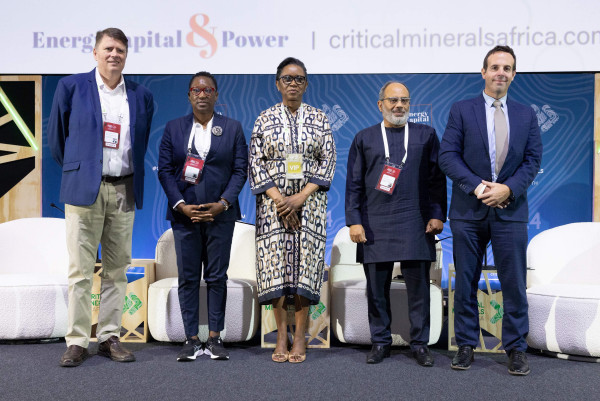
Players within Africa's energy transition sector highlighted innovative financing mechanisms which can help drive the industry maximize value addition and beneficiation to local economies during the Leaders Forum at Critical Minerals Africa Summit on Thursday.
Marie-Chantal Kaninda, President, Glencore DRC announced that the firm contributed approximately $1 billion in revenue for the Democratic Republic of Congo (DRC) through royalty taxes in 2023.
She said the firm invested in processing facilities at two of its operational mines in the DRC (https://apo-opa.co/3AvKgjI) to enhance value addition of copper and cobalt resources.
“We export hydroxide cobalt, which is an intermediary product, and produce copper cathodes ready for cable manufacturing,” Kaninda explained, adding that 95% of Glencore's workforce in the DRC is sourced locally, with many employees holding senior positions.
Speaking on the challenges facing Africa's mineral value addition efforts, Carlos Lopes, Professor at the Nelson Mandela School of Public Governance, University of Cape Town, noted that a lack of adequate funding is a primary barrier.
Despite Africa's GDP having doubled since 2000, he said, the continent is still perceived as a high-risk market by some investors. Lopes called for innovative local financial solutions to meet capital needs for value-addition projects.
“Africa pays the world's highest interest rates, yet our potential is undervalued. We must be strategic in policy-making to fully capitalize on our resources,” he stated, emphasizing the drawbacks of exporting raw minerals for overseas processing.
Mfikeyi Makayi, CEO of KoBold Metals, underscored the role of innovation in reducing the high costs associated with critical mineral exploration and value addition. She highlighted the company's AI-enabled exploration efforts backed by Silicon Valley investment, stating, “With 60 projects across 40 countries, including flagship initiatives in Zambia and new ventures in Namibia and Botswana, we're focused on leveraging digital mining solutions to drive industrialization across the continent.”
Makayi added that the data generated through digital mining is vital for attracting investment and creating a more competitive and inclusive sector.
Sietse van de Woude, Senior Executive of Modernization and Safety at the Minerals Council South Africa, discussed the Mandela Mining Precinct initiative, a public-private partnership designed to fund and support mining sector innovation.
“Innovation is essential for critical minerals mining,” van de Woude said, adding that the initiative offers a platform for industry stakeholders to share best practices and collaborate on advancing operational efficiency and safety.
Distributed by APO Group on behalf of Energy Capital & Power.
Boost for start-ups involved in space, Earth observation
Eight start-ups involved in space and Earth observation innovations have received funding through the Earth Observation Frontiers Enterprises Innovation Support Fund (NEOFrontiers EISF).
Launched in 2021, the NEOFrontiers is an innovation funding mechanism designed to drive the growth of the local space sector through increased public investments.
It seeks to stimulate collaboration, cooperation and innovation in the public and private South African Earth observation community.
The NEOFrontiers programme is managed by the South African National Space Agency (SANSA) and the National Research Foundation (NRF), and implemented with the support of Tuksnovation, the University of Pretoria's business and technology incubator.
The programme subsidises enterprises with amounts ranging from R750 000 to R1 million for 12 months.
SANSA launched NEOFrontiers in 2021 through investment from the Department of Science, Technology and Innovation (DSTI).
The first four NEOFrontiers projects were funded in 2022, while 2023 saw three start-ups supported.
This year’s NEOFrontiers call saw eight successful start-ups submit brilliant proposals on mining, agriculture, infrastructure development, healthcare innovation, banking and financial institutions, as well as disaster risk reduction.
These include Abiri Innovations, Agizo Solutions (Pty) Ltd, Aphelion World JV/Consortium, CreditAIs, Integrated Geoscience Solutions, Kgothatso Innovations, Regona Trading and YaAzi.
A total of 56 applications were received earlier in the year, 25 of which were eligible and allowed to pitch to an independent adjudication committee.
DSTI’s Acting Chief Director Itumeleng Makoloi said this programme unfolds at an opportune time when South Africa seeks to foster innovation.
“We need to create new ways of modernising areas such as agriculture, mining and manufacturing. We believe that this programme represents our shared vision to foster innovation, capacity building and strategic partnership across the public sector.
"The joint efforts of DSTI entities, such as SANSA and the NRF, play a critical role in driving this vision.”
SANSA CEO, Humbulani Mudau, believes this platform will create a market pool for innovative solutions, for which space is a significant enabler and a value provider.
“I’m delighted to report that there is an equal split in gender representation. We have awarded the grant to start-up companies led and owned by four males and four females. This is good progress towards transforming the industry,” Mudau said.
He said the NEOFrontiers is poised for greater strides in terms of direction and investments.
“We’re indeed going to make this a flagship programme that will transform space-based ideas into relevant products and services that address societal and environmental challenges. As we do that, we’re going to be looking at increasing the competitiveness of the South African Earth observation industry for the benefit of the South African society.”
NRF CEO, Dr Fulufhelo Nelwamondo, is of the view that the initiative has the potential to gear small enterprises in the space sector to create job opportunities.
“The key focus is to support start-ups, SMMEs and entrepreneurs with funding. The reason for this is that we expect much more from our SMMEs to make sure that they can grow and employ more people.
“When they employ more people, there is an increase in new technology and service innovations coming out of their areas to a point that we can get even more people involved. Our rate of unemployment is increasing.”
The University of Pretoria’s Head of Innovation and Contracts Management, Advocate Lawrence Baloyi, said this has the potential to shape the future of South African space innovation.
The next call to fund new SMMEs will be published before the end of 2024. – SAnews.gov.za
Gabisile
Fri, 11/08/2024 - 11:04
He was also charged in the 2010 “Amigos” corruption case
Treasury publishes operating budgets for municipalities
National Treasury has published on its website the operating and capital budgets of municipalities, as adopted by their respective councils.
“These budgets give an overview of expected revenue and expenditure trends in local government over the next three years, referred to as the 2024/25 Medium Term Revenue and Expenditure Framework (MTREF),” National Treasury said on Wednesday.
The revenue and expenditure numbers are aggregated from the annual budgets that municipal managers are legally required to submit to National Treasury and the relevant Provincial Treasury.
The published information is presented in a variety of ways, including aggregated municipal budget totals for the 2024/25 financial year and over the medium-term period.
In addition, the information is presented per category of municipality and province.
Highlights include:
• The aggregated budgeted revenue for 2024/25 is R652.3 billion, which is expected to increase to R687.2 billion in 2025/26 and R728.7 billion in 2026/27.
• Total municipal expenditure in 2024/25 is estimated to be R649.9 billion, increasing to R682.7 billion in 2025/26 and R720.4 billion in 2026/27. Total expenditure for 2024/25 is 6.2% higher than the adopted budget for 2023/24 financial year.
• It is notable that aggregate municipalities will realise operating deficits on the operating budgets in the 2024/25 financial year, as the total operating expenditure increases at a higher rate than the revenue projections. This is an indication that municipalities are living beyond their means and a first sign of financial challenges. However, the situation is projected to improve in the outer years of the 2024/25 MTREF, as operating surpluses will be realised.
• A net deficit of R2.1 billion is projected in the 2024/25 financial year, after considering revenue from external loans and internally generated funds. This is an improvement compared to a deficit of R9.3 billion in the 2023/24 adjusted budget and will result in a net surplus of R520.4 million in 2025/26 and R4.3 billion in 2026/27.
• The main cost drivers are employee related costs and materials, and bulk purchases, representing 26.9% and 34.5% of the operating expenditure, respectively. Municipalities are experiencing a two-fold impact of the high electricity and water tariff increases; lower sales levels owing to changes in consumption patterns and increased bad debt as a result of affordability pressures.
• Capital expenditure increased by 1.8% to R77.4 billion in 2024/25, compared to the original budget for the 2023/24 financial year. The percentage of capital expenditure to total expenditure is declining over the MTREF period. Capital expenditure represented 12.4% of the total expenditure in 2023/24 and is projected to decrease to 11.9% in 2024/25 and further to 10% in 2026/27.
• Trading services represent 51.5% of the total capital expenditure of R77.4 billion in 2024/25; increases to 51.9% in 2025/26 and to 54.3% in 2026/27.
• The 2024/25 capital expenditure budget reflects a R47.1 billion investment in new infrastructure,which is 60.8% of the total aggregated capital budget. Investment in the renewal and upgrading of existing assets is much lower at R13.3 billion (17.2%) and R17 billion (22%) of the total capital budget respectively.
• Reporting on operational repairs and maintenance figures has been institutionalised as part of Section 71 in-year reporting. Municipalities allocated R33.9 billion to repairs and maintenance of assets in 2024/25. This will increase to R35.6 billion in 2025/26 and to R37.1 billion in 2026/27.
National Treasury publishes Local Government MTREF information on an annual basis.
“Regularly published budget information enables communities to hold their municipal councils to account. The information is also used by National Treasury as the basis for the In-Year Management, Monitoring and Reporting System for Local Government (IYM).
“The Section 71 reports published by National Treasury give an account of actual revenue collection and spending by municipalities, per quarter, against their budgeted figures,” National Treasury said.
All this information feeds into Municipal Money -- the open local government data portal -- which can be accessed as follows: www.municipalmoney.gov.za.
In addition, the Municipal Money time series data can be accessed directly from http://municipaldata.treasury.gov.za.
A new development that facilitates transparency is the GoMuni portal, which can be accessed on https://lg.treasury.gov.za/ibi_apps/signin by clicking on the public access tab. -SAnews.gov.za
nosihle
Thu, 11/07/2024 - 09:17
Investing in tech key to improving life for people with disabilities
Women, Youth and Persons with Disabilities Deputy Minister, Mmapaseka Steve Letsike, has emphasised the need to invest in the promotion of new technologies and the advancement of assistive technologies to improve the quality life for people with disabilities.
“We must invest in research and development of affordable and accessible technologies that aid communication, mobility and access to information,” Letsike said.
Letsike made the call at the Information and Communication Technologies (ICT) symposium in Umgababa, south of Durban, as part of the build-up to the District Development Model (DDM) Presidential Imbizo that will take place on Friday.
Collaboration between government, private enterprises, academic institutions and organisation of and for people with disabilities, can foster innovation in the ICT field, ensuring that people with disabilities can benefit from the rapid pace of technological progress, the Deputy Minister said.
“This includes promoting digital accessibility and ensuring that emerging technologies, such as artificial intelligence and automation, are designed with inclusivity in mind. Our emphasis is on a fundamental shift in how we view persons with disabilities, away from the individual medical perspective, to a human rights and developmental perspective.
“It is with this understanding in mind that we affirm supporting autonomy and independent living by promoting policies that enable access to community-based services, personal assistance, and affordable, adaptable housing,” Letsike said.
The Deputy Minister noted ICT's significant contribution to the advancement of disability rights, offering tools that enhance accessibility, inclusion and independence for individuals with disabilities.
Letsike maintained that ICT is not just "a set of tools", but a bridge to a more inclusive, accessible and fair world for people with disabilities.
“By supporting accessible technology, promoting inclusive policies, and advocating for the rights of all, we can continue to break down barriers and build a society that truly values each individual’s unique abilities,” she said.
Reformed social protection scheme
Letsike highlighted the need for a reformed social protection scheme to provide financial support, which will allow individuals with disabilities to live independently, make personal decisions about their care and avoid institutionalisation, where possible.
“This also entails removing barriers to education and employment, enabling persons with disabilities to contribute to society in ways that promote self-sufficiency and empowerment.
"We must remember that human rights are universal principles that protect every individual’s dignity, freedom and equality. They are not privileges or special considerations but inherent to every person simply because they are human,” Letsike said.
Disability Rights Awareness Month
The symposium coincided with Disability Rights Awareness Month (DRAM), observed from 3 November to 3 December.
Held under the theme, “Celebrating 30 Years of Democracy: Creating a Disability-Inclusive Society for a Better Quality of Life and Protection of the Rights of Persons with Disabilities”, this year’s DRAM reflects on government’s commitment to creating a barrier-free society, where people with disabilities are full and active participants in the country’s economy and society at large.
Each week of DRAM is linked to national strategic priorities and the White Paper on the Rights of Persons with Disabilities.
During week one of DRAM, focus will be on growing an economy aligned with the empowerment of persons with disabilities. Week two advocates for the inclusion of every child with a disability. Week three builds a working government with a progressive disability rights agenda, and week four focuses on creating safer communities for persons with disabilities.
“We hope that each one of us, in our respective corners where we operate, will do our bit toward raising awareness on the rights of persons with disabilities during this period,” Letsike said. - SAnews.gov.za
GabiK
Thu, 11/07/2024 - 15:12
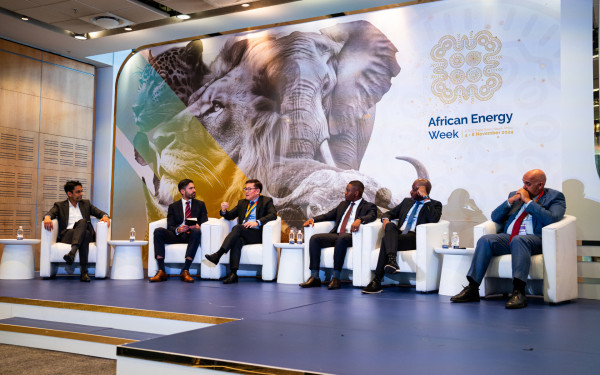
Private power and Independent Power Producer (IPP) investments are pivotal for Africa's energy future if it is to improve energy access and end energy poverty on the continent. The procurement of new, often renewable sources of energy, is a way for countries to improve energy supply but also meet transition goals.
During a panel discussion titled ‘Maintaining the Momentum for Private Power Provision' that formed part of African Energy Week (AEW): Invest in African Energies 2024 ‘Powering Africa Summit' South Africa's IPP procurement program was highlighted as a benchmark on how to successfully develop private, independent power generation capacity in Africa, which is challenged by a lack of generation capacity, aging power plants and poorly run state-owned utilities and a lack of affordable capital.
Bernard Magoro, Head of South Africa's Independent Power Producers Office said that although the country has overcome the challenge of loadshedding, it needs to decommission 15-20 GW of coal-fired power by 2035, half of which will be replaced by renewables which requires between four and five times the baseload capacity that you are replacing.
The IPP program, which has been running for 14 years, has delivered over 8 GW of capacity, 7.2 GW of renewable energy and 1 GW of open cycle gas turbine capacity, Magoro pointed out. This equates to about 10% of South Africa's energy from IPPs on an annual basis, he added.
The enabling environment that Magoro referred to as “the IPP energy ecosystem” that was created in South Africa to support IPP integration is what has supported the success of the program, the learnings of which he said was being shared with the rest of the African continent.
Panel moderator, Hasnayn Ebrahim, Managing Director of management consultancy Africa International Advisors noted the important aspect of cross-border collaboration, knowledge sharing and capacity support as a potential enabler to advance private power provision in Africa, a sentiment echoed by Mirlan Aldayarov, Infrastructure Program Leader at the World Bank who said the South African Power Pool (SAPP) exists as a good mechanism that can help to leapfrog some of the IPP development challenges in Africa.
This idea was supported by Simphiwe Jantjies, Head of East, Central and West Africa at development finance institute the Development Bank of Southern Africa who said the existence of regional power pools, in addition to liberalizing the energy market can play an important role in extending the role of IPPS in providing power.
“Development finance institutions can…play a meaningful role in the entire project development value chain…pulling the entire financing structure of a project together and ensuring it is bankable,” Jantjies said.
Aldayarov highlighted the pace of reforms to support IPPs in South Africa as “phenomenal” noting that the Bank is involved in long term energy planning, policy and regulatory reforms, energy offtake and supporting the development of a pipeline of bankable projects to create an enabling environment going forward.
In trying to maintain the momentum of the IPP program in South Africa, where there is over 100 GW worth of energy capcity at different readiness stages waiting to be developed, the country is faced with needing to expand the energy grid. “We have run out of grid capacity,” he said.
“Between now and 2032 we need to build 14,000 km of transmission lines,” which Eskom cannot do alone, Mogoro said, noting that the private sector, like the role it is playing in the IPP space, would need to assist in expanding the strained transmission network.
Distributed by APO Group on behalf of African Energy Chamber.
SAHPRA encourages citizens to report suspected side effects from medication
The South African Health Products Regulatory Authority (SAHPRA) has encouraged citizens to always report any suspected side effects they may experience from taking medicines, vaccines or using medical devices, to help make medicines safer for everyone.
While humanity benefits greatly from medicines in the treatment of illness and management of certain conditions, SAHPRA said medicines may at times cause side effects.
However, according to the local drug watchdog, the risk of side effects and severe harm can be drastically reduced by taking medicines correctly and following the advice of a healthcare practitioner.
SAHPRA, together with over 90 other medicines and health product regulators, as well as healthcare organisations globally, is participating in the annual MedSafety Week awareness initiative, which takes place between 04 and 10 November 2024.
This year’s theme will focus on the importance of using medicines in the right way to prevent side effects and to report side effects when they do occur.
The awareness is spearheaded by the Uppsala Monitoring Centre under the auspices of the World Health Organisation (WHO) Programme for International Drug Monitoring.
This is a programme that monitors and identifies adverse effects of medicines and vaccines, to reduce risks to patients, and to establish worldwide pharmacovigilance standards and systems.
SAHPRA CEO, Dr Boitumelo Semete-Makokotlela, said that handling and storing as well as taking medicines as directed by a healthcare professional is key in reducing the incidence of adverse reactions.
“Research shows that about half of all side effects are preventable. Patient safety is our top priority and during MedSafety Week, we wish to remind patients to take their medicines as instructed and healthcare professionals to review therapies as well as each patient’s unique health conditions before prescribing or dispensing medicines,” said Semete-Makokotlela.
SAHPRA called upon the South African public and healthcare professionals to use either the MedSafety app or the eReporting portal - both accessible on SAHPRA's website - to report suspected side effects from health products.
According to the watchdog, all reports are assessed and examined to determine the correct steps to protect medicine users in South Africa from harm.
“The purpose is to gain better knowledge about known side effects and to discover new ones. This can result in warnings and changes to how a medicine is used,” the authority explained.
The SAHPRA MedSafety app and eReporting portal can be used for reporting suspected adverse drug reactions from medicines, vaccines, herbal products, biological medicines and any quality issues relating to health products. – SAnews.gov.za
Gabisile
Thu, 11/07/2024 - 13:12

Africa Oil Corp has revealed encouraging exploration results from the EG-18 field in Equatorial Guinea. Chris Johnston, Senior Geoscientist at Africa Oil Corp., presented these findings during a technical workshop at Africa Energy Week: Invest in African Energies 2024.
Highlighting their recent efforts, Johnston explained that the EG-18 field, which Africa Oil operates with an 80% interest, has demonstrated strong reservoir quality. The EG-18 field is part of Africa Oil Corp's strategic offshore exploration in Equatorial Guinea, a region historically rich in hydrocarbons but with limited offshore oil discoveries. "Our main prospect, Jasper, appears highly prospective, with indicators suggesting the presence of oil," Johnston stated.
Africa Oil Corp's exploration campaign includes analyzing basin floor fan prospects of the Cretaceous age. These formations are akin to successful structures the company has explored in Namibia and South Africa. "From our data, we've identified seismic anomalies and Amplitude Versus Offset responses that increase our confidence in a working hydrocarbon system," Johnston elaborated, referencing findings from the recent Jaca-1 well, which indicate oil presence.
Additionally, Johnston emphasized the potential of EG-18 to become a major new hydrocarbon province, akin to the prolific Orange Basin. “The correlation to nearby L2 well data and Direct Hydrocarbon Indicators further supports our belief in the area's potential,” he said.
In Block EG-31, Africa Oil has also identified promising gas-prone prospects, such as the shallow-water Whistler prospect in the Alba fields. Studies, including rock physics analysis, have confirmed gas potential.
Distributed by APO Group on behalf of African Energy Chamber.
Fans can look forward to thrilling cricket and entertainment across 30 group matches and are encouraged to book early Thursday,...
KZN a hive of activity ahead of Presidential Imbizo
The province of KwaZulu-Natal has been a hive of activity ahead of the District Development Model (DDM) Presidential Imbizo taking place on Friday.
Ministers, Deputy Ministers and provincial government officials have been visiting various communities to check on service delivery deliverables.
Friday’s DDM will be held in conjunction with South Africa’s 30 years of freedom and democracy celebrations.
On Wednesday, Deputy Minister in the Presidency, Kenny Morolong, visited the Old Prison in Pietermaritzburg, the nearby Passenger Rail Agency of South Africa (PRASA) train station and the Nelson Mandela Capture site in Howick.
Addressing locals in Pietermaritzburg, Morolong said that as the country celebrates 30 years of democracy, it is also reminded of its painful past.
“We share our appreciation to those who laid their lives for our democracy. We convey our appreciation to the families of those who laid [down] their lives for democracy. We are reminded of our men who were brave and able to face the then apartheid regime. We are reminded of Nelson Mandela and others who stood firm and face[d] the apartheid regime so we could enjoy our democracy today.”
He emphasised the importance of preserving the Old Prison’s (which has been declared as an official heritage site) history for future generations.
According to Project Gateway, the prison houses “both a National Monument and a museum documenting some of South Africa’s diverse history."
“The Old Prison dates back to Voortrekker times, with more than 160 years of history, including the Colonial times, Apartheid, the Liberation Struggle, the Political Struggle and ultimately to the dawn of democratic South Africa in 1994,” said Project Gateway.
“Today we are a nation proud of its democracy. Today we are proudly celebrating 30 years of democracy. But we should not forget that our democracy did not come cheap. Sacrifices were made to achieve our democracy.
“We are also reminded of those women who were brave who fought for our democracy. We should be proud of our democracy. We should be proud of our government which is taking care of its people,” Morolong said.
Meanwhile, representative of the Ghandi Foundation, David Gangen, spoke passionately about events which led to South Africa’s democracy.
Gangen said what happened to Ghandi was the beginning of South Africa’s democracy.
“So having come to SA to fight a case, [Mahatma Ghandi] was to stay for 21 years, during which time he established the first formal political structure in SA in 1894, the Natal Indian Congress (NIC).
“The NIC celebrates its 130th anniversary this year. It was during this time that he experimented with truth and developed the core tenets of his philosophy in all aspects of life,” Gangen said.
Mayor of Ungungudlovu, Nzi Zuma Nxamalala, said he appreciated the visit by the Deputy Minister.
“As we do in our work, we keep on reflecting back to remind ourselves of our past. We appreciate being part of the celebrations [of] our democracy,” Nxamalala said.
On Tuesday, the Deputy Minister and a delegation visited the Open Gate Special School, a school with special educational needs for the disabled.
The visit to the school coincides with the commemoration of Disability Rights Awareness Month (DRAM) which is observed from 3 November to 3 December 2024.
The Deputy Minister also visited households that benefitted from Set-Top-Box installations and mobilised qualifying community members to apply for the set top boxes.
President Cyril Ramaphosa is expected to lead the second DDM Presidential Imbizo under the Government of National Unity (GNU), in Umgababa, at the Umnini Sportsfield in Ward 98 on Friday.
Cabinet adopted the DDM in August 2019.
The DDM is an integrated planning model for cooperative governance which seeks to be a new integrated, district-based, service delivery approach aimed at fast-tracking service delivery. It also seeks to ensure that municipalities are adequately supported and resourced to carry out their mandate. – SAnews.gov.za
Edwin
Wed, 11/06/2024 - 15:51
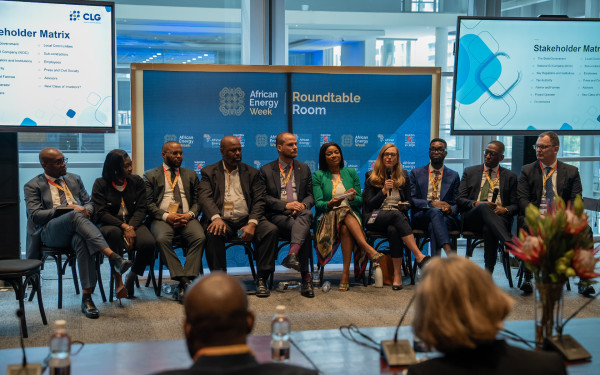
A panel of experts at Africa Energy Week (AEW): Invest in African Energies 2024 emphasized the critical importance of stakeholder engagement and legal considerations in farm-in and farm-out agreements during a workshop titled, ‘Mastering Energy Investment Transactions in Africa'.
Moderated by Zion Adeoye, CEO and Managing Partner of CLG on Monday at the AEW: Invest in African Energies 2024 pre-conference session, the panellists shared insights into essential contractual arrangements in the oil and gas industry for facilitating exploration and development activities and allowing companies to share resources, risks and expertise.
Speaking during a Mastering Energy Investment transaction in Africa: a critical guide for general counsel masterclass, Jude Kearney, managing partner of Asafo & Co noted that there were several critical factors that played a role in allowing for meaningful engagement in farm-in farm-out agreements. “There are literally a thousand considerations a farmor or farmee must make before entering a transaction, but they must realize that they are not alone in their decision-making.”
“It is crucial to engage with local stakeholders – government, prospective service providers, potential employees – early to understand the market dynamics and expectations. This includes assessing local content requirements and corporate social responsibility expectations. The government is your ultimate stakeholder, as they hold the authority to approve or deny transactions,” Kearny added.
Participants underscored the necessity of thorough legal due diligence before entering negotiations. This includes understanding local laws, tax obligations and regulatory requirements to avoid potential pitfalls. Grace Yella, CLG director for tax and legal in Cameroon, emphasised starting with due diligence to lobby for favourable responses from government administrations.
Kearny concurred, “Consider policies that exist in some of the countries, such as Nigeria and South Africa, which have very strong local content regulations. If you are not aware of these regulations, and have not considered them, then your contract is not perfect,” he added.
CLG Equatorial Guinea managing partner Manuel Oliveira agreed, adding that meeting these regulations were no longer a box-ticking exercise. “Local content is critical for these transactions, there are obligations regarding training local people and to give opportunities to local entities to participate in the economy,” he said, adding that local advisors were also able to navigate the complexities of legislation of this nature.
Tax considerations were also a focal point of the discussion. Daoudou Mohammad, Congo director of CLG, noted that understanding tax obligations is crucial, especially as regulations can change rapidly. Engaging tax consultants early could ensure compliance and identify potential exemptions.
As case study, Mohammad cited the oil and gas taxation decree in the Republic of the Congo having undergone several revisions, which significantly impacts how companies approach their investments and compliance strategies. In 2001, a decree was issued that provided tax exemptions for oil and gas activities, which were included in the terms and conditions of various contracts.
However, subsequent changes in government policy led to the issuance of a new decree that made these activities taxable. This shift raised concerns among investors about the stability and predictability of the regulatory environment. The decree was later suspended following constructive dialogue between government officials and tax operatives, indicating a willingness to find a compromise between government revenue needs and the interests of oil and gas entities.
Similarly, changes in Ghana's oil and gas laws that affected previously favourable tax terms have also changed. “The new Production Sharing Contract focuses more on tax implications than legal terms, highlighting the need for tax experts to be involved in negotiations to avoid unexpected costs,” said Onyeka Ojogbo, CLG deputy managing partner.
“This evolving nature of tax regulations necessitates that companies remain vigilant about compliance to avoid unexpected liabilities, especially given that VAT is now applicable to oil and gas companies, although some activities may still be exempt,” concluded Mohammad.
Distributed by APO Group on behalf of African Energy Chamber.
President Ramaphosa to conduct multi-pronged KZN visit
President Cyril Ramaphosa is expected to embark on a visit to KwaZulu-Natal over the next three days.
The visit will start with the unveiling of the King Shaka Zulu statue at the King Shaka International Airport in Durban, where both the President and King Misuzulu KwaZwelithini will deliver addresses.
“His Majesty King Misuzulu KwaZwelithini and Premier Thamsanqa Ntuli will join the President in officiating this tribute to King Shaka kaSenzangakhona, the founding father of the Zulu nation, whose leadership and military strategy forged one of the most powerful kingdoms in Southern Africa.
“The unveiling of this statue aims to honour the King’s legacy and preserve his memory for future generations. The monument will serve as a symbol of unity, strength, and pride for the people of KwaZulu-Natal and the entire nation, celebrating King Shaka's contributions to Zulu history, culture, and identity,” the Presidency said in a statement.
The unveiling of the statue will be followed by discussions with the provincial executive.
“The President will be accompanied by relevant Ministers and Deputy Ministers in this engagement, which is part of a new series of interactions between the President and provinces aimed at enhancing intergovernmental coordination and improving service delivery, in line with the priorities of the 7th Administration.
“The provincial leadership will present to the President its five-year programme that will respond to the national priorities of securing inclusive economic growth, reducing poverty and building a capable and ethical State.
“The meeting will also discuss interventions to improve service delivery at local government level,” the statement said.
This engagement will conclude with a meeting with the Presidential eThekwini Working Group.
“[President Ramaphosa] will be updated on the work being done to support and accelerate efforts by the eThekwini Municipality to improve service delivery, improve business confidence, and reposition eThekwini as an investment and tourism hotspot.
“Established in February 2024, the Working Group represents an intergovernmental collaborative approach to addressing challenges in local government, and includes active participation from all levels of government, the private sector, State-owned enterprises, organised labour and civil society,” the Presidency explained.
The visit to the province will culminate with an engagement with residents at the Presidential Imbizo.
“On Friday, 8 November, President Ramaphosa and members of national, provincial and local government will hear directly from citizens and organised civil society formations during the Presidential District Development Model (DDM) Imbizo, held under the theme 'Leave No One Behind'.
“The imbizo is a platform that allows citizens to make proposals and ventilate problems directly to the leadership, who in turn respond to these inputs and set out plans for developing communities and the economy in the area visited by the President,” the statement concluded. – SAnews.gov.za
NeoB
Wed, 11/06/2024 - 12:14
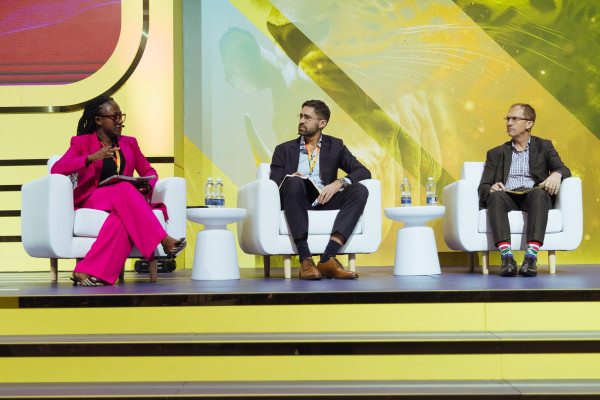
Africa must expand its renewable energy manufacturing capabilities and leverage its critical minerals to foster growth in its renewables sector, according to James Mackay, Managing Director at the Energy Council of South Africa.
Speaking on a panel discussion during African Energy Week: Invest in African Energies' Pre-Event Technical Workshops, Mackay said the high cost of renewables in Africa could be lowered by enhancing local manufacturing capacity, making vital technologies more accessible for project developers.
“Egypt is currently leading in solar manufacturing, but other African governments should work to attract investments and implement policies that incentivize manufacturers to establish operations on the continent,” stated Mackay.
Carlos Torres Diaz, Senior Vice President & Head of Gas and Power Markets Research, Rystad Energy highlighted Africa's youthful workforce as a strategic advantage in developing innovative solutions required to harness the continent's 30% share of global critical minerals. According to Diaz, the focus is no longer solely on replacing fossil fuels but on integrating all energy resources and using digital tools to stabilize the power grid.
“Gas-to-power solutions remain essential for stability alongside renewables,” he noted.
Despite holding 40% of the world's total solar potential, Africa currently utilizes only 35% of its capacity, according to Nivedh Das Thaikoottathil, Senior Analyst – Renewables & Power at Rystad Energy. Thaikoottathil pointed out that Africa's ability to add value to its critical minerals will shape its potential to produce over 100,000 TWh of solar energy annually, potentially increasing the share of solar and wind from 8% today to 60% by 2040.
Commenting on high-growth renewable energy markets in Africa, Thaikoottathil said South Africa, Morocco, Egypt, Tunisia, Mauritania and Mozambique are the key players.
“We are seeing growing financing for renewable projects and new interconnectors between North Africa and Europe, with 24 GW of proposed capacity aimed at linking the regions,” he said.
AEW: Invest in African Energy 2024 is held alongside the Critical Minerals Africa Summit which will run from November 6 – 7 November in Cape Town, offering delegates access to the full scope of energy, mining and finance leaders.
Distributed by APO Group on behalf of African Energy Chamber.
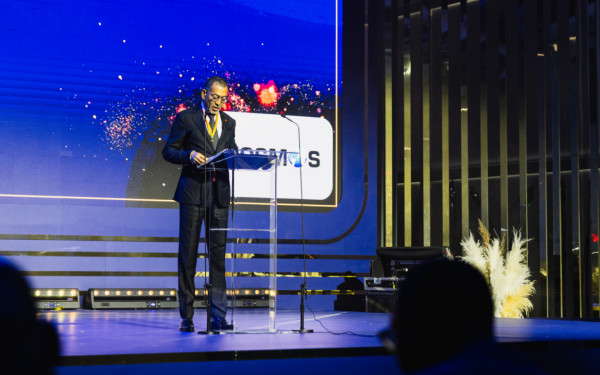
The African Energy Week (AEW): Invest in African Energies 2024 conference officially opened with calls from the industry to ‘drill baby drill.' Citing the need to enhance climate justice through the development of domestic energy resources, industry leaders from across the continent underscored the need to sign deals, foster partnerships and drive projects forward.
With over 600 million people living without access to electricity and 900 million people without access to clean cooking solutions, the AEW: Invest in African Energies opening ceremony – sponsored by Kosmos Energy – positioned the oil and gas industry as the catalyst for making energy poverty history.
“Our priority must continue to be to end energy poverty for all Africans as well as to create an enabling environment where the oil and gas industry can thrive,” stated Diamantino Pedro Azevedo, Minister of Mineral Resources, Petroleum and Gas, Angola. “That is also our priority in Angola. The oil and gas industry will be a fuel for socioeconomic development.”
For the African Petroleum Producers Organization (APPO), prioritizing the development of domestic markets will be integral for eliminating energy poverty. APPO Secretary General Dr. Omar Farouk Ibrahim stated that “Today, APPO is focused on creating an integrated, regional and continental energy market. To create markets, we need to create cross-border, regional and inter-regional infrastructure. One of our projects we are working on is the Central African Pipeline System, which aims to link countries through crude oil and gas pipelines.”
Adding to these remarks, Kgosientsho Ramokgopa, Minister in the Presidency, Energy and Electricity, South Africa, said that “Today, Africa's path forward lies in seizing control of our energy destiny. Our resources make us capable of not just powering our homes and industries but a new Africa. This will require unity of purpose and a collective resolve.”
Despite project progress, financing remains a central challenge to oil and gas development in Africa. According to Mary Bruce Warlick, Deputy Executive Director of the International Energy Agency, “African countries account for 20% of the world's population but only 4% of global investment. Energy investment has been falling across the continent over the past decade. Africa needs $200 billion to achieve its climate and energy goals by 2030.”
To address these challenges, the African Export-Import Bank (Afreximbank), in collaboration with APPO, established the Africa Energy Bank, an institution which offers financing for African oil and gas projects. According to Benedict Oramah, President & Chairman of the Board, Afreximbank, “The Africa Energy Bank is the first multilateral sector bank in Africa. We expect the bank to significantly contribute towards bridging the funding gap in the African energy sector. It will be open for business to have access to funding by February in 2025. We invite you to send in your applications to be the first transaction by the Africa Energy Bank, which will be ready in a few months' time.”
The Africa Energy Bank supports energy companies drive projects forward. For independents such as Oando, this presents a strategic opportunity to expand their oil and gas portfolios in Africa. Wale Tinubu CON, Group Chief Executive Officer, Oando PLC, said that “The oil and gas landscape is changing. Between 2015 and 2023, there have been more than $7 billion of divested assets in Africa. In terms of M&A activity, there have been a focus on onshore and shallow water acquisitions and we have seen a rise of indigenous joint ventures and collaborations.”
Stepping into this picture, the AEW: Invest in African Energies conference convenes under a goal to make energy poverty history. By uniting the industry in Cape Town, the event fosters partnerships, promotes deal-signing while creating a collaborative environment for companies to do business in Africa's energy sector.
“It is the time for us to tell the African story, written from Cape to Cairo and Kampala to Dakar. We will forge a path that shapes the future. We have work to do in Africa. We sign baby sign so that we can drill baby drill. Let's not stop getting projects signed,” stated NJ Ayuk, Executive Chairman, African Energy Chamber.
Distributed by APO Group on behalf of African Energy Chamber.
South Africa reaffirms commitment achieve New Urban Agenda
Human Settlements Minister, Mmamoloko Kubayi, has reaffirmed South Africa’s commitment to ensuring that the country achieves the New Urban Agenda in a more sustainable way.
Kubayi was speaking at a ministerial roundtable on the sidelines of the 12th World Urban Forum (WUF12) Summit, currently underway in Cairo, Egypt.
The ministerial roundtable was hosted by the United Nations-Habitat Executive Director, Anacláudia Rossbach, on Tuesday.
It explored how different spheres of government, from national to local, can work better together to achieve the 2030 Agenda for Sustainable Development, with particular attention on multilevel governance arrangements and partnerships for adequate housing, climate action, finance systems, digital technology, and urban crises response.
The New Urban Agenda represents a shared vision for a better and more sustainable future, and if well-planned and well-managed, urbanisation can be a powerful tool for sustainable development for both developing and developed countries.
Speaking at the session, Kubayi said South Africa was committed to ensuring that the country meets Sustainable Development Goal (SDG) 11, which calls for countries to make cities and human settlements inclusive, safe, resilient and sustainable.
“We have recognised that this is one of the most important areas of work to address issues related to this, in terms of global shared challenges, such as rapid urbanisation, climate change, inequality and inadequate infrastructure,” Kubayi said.
Kubayi said a multistakeholder approach has been taken by the South African government, and working together with the private sector and civil society, they have committed to ensuring that no one is left behind, but “we include everybody as part of our programmes”.
She highlighted that the primary participants in terms of this work is in the policy formulation, but also ensuring that government’s activities at local level are taken up and programmes are supported.
“The private sector supports us in terms of financial support, ensuring the initiatives that we do and commit to, are also funded, but also in partnership to fast-track the implementation. We do recognise that one of the areas that we want to continue to do this, is also support in terms of academic research organisations.
“We have launched our research agenda as the South African government, to ensure that what we bring as solutions in terms of implementing the urban agenda and also in achieving the UN SGD goals, is to ensure and make sure that our solutions are evidence based but more importantly, can be sustainable,” Kubayi said.
Kubayi also committed government in ensuring that urbanisation in the work they do in critical governance and leadership of the new urban agenda, includes the three spheres of government.
“That is why in our delegation here we have representatives of the national government, provincial government and local government. We do believe that this approach is more sustainable and ensures that it is inclusive but in terms of ensuring that all hands are on deck,” the Minister said.
The 12th World Urban Forum Summit is being held under the theme: “It all starts at home. local actions for sustainable cities and communities.” – SAnews.gov.za
GabiK
Wed, 11/06/2024 - 15:28
They also want feedback on the City’s recruitment processes
SA, Chile MOU to create opportunities for fisheries sector
The South African Government has signed a Memorandum of Understanding (MoU) with the Government of the Republic of Chile on cooperation in the areas of fisheries and aquaculture.
“Through this strategic partnership, South Africa and Chile aim to create new opportunities for development and innovation in the fisheries and aquaculture sectors, ensuring that marine resources are managed responsibly and sustainably for the benefit of both countries,” Deputy Minister of Forestry, Fisheries and the Environment Narend Singh said on Monday.
This agreement marks a significant step in the strengthening of bilateral relations and collaborative efforts between South Africa and Chile in promoting sustainable fisheries and aquaculture.
“This MoU establishes a formal framework for cooperation aimed at the responsible and sustainable management of fisheries and aquaculture resources, as both countries recognize the significance of these sectors to economic growth, employment, and food security.
“The collaboration builds upon discussions initiated at the 2016 Joint Trade and Investment Commission and strengthens existing bilateral relations,” the Department of Forestry, Fisheries and the Environment said.
The primary areas of cooperation outlined in the MoU include:
• Fisheries and aquaculture research: supporting scientific advancements in sustainable practices.
• Exchange of technology and best practices: promoting modern aquaculture technology and responsible farming methods.
• Capacity building and knowledge sharing: enhancing expertise in small-scale and industrial fisheries management, regulatory approaches, and enforcement measures.
• Combatting Illegal, Unreported, and Unregulated (IUU) fishing: joint efforts to address fisheries-related crimes that impact marine resources.
In alignment with international frameworks, both countries will engage with relevant international forums and regional fisheries management organisations to uphold best practices and sustainable resource management principles.
A Joint Technical Committee, as outlined in the MoU, will be established to oversee the implementation of these initiatives and coordinate regular bilateral meetings to ensure ongoing cooperation. -SAnews.gov.za
nosihle
Wed, 11/06/2024 - 09:03
Eastern Cape Department of Health says there’s no budget to build a clinic for residents of Sicweza village just outside Flagstaff
Leaders in energy, investors converge for Africa Energy Week
The African continent’s vast energy-related resources have the potential to forge a prosperous path for the continent.
This is according to Minister of Energy and Electricity, Dr Kgosientsho Ramokgopa’s written notes for his address at the African Energy Week (AEW), which is underway at the Cape Town International Convention Centre.
AEW brings together Africa’s leaders in energy, investors and executives in the sector.
“Africa’s path forward lies in seizing control of our energy destiny. Our continent’s vast resources, rich potential, and resilience make us capable not just of fueling our homes and industries but of powering a new African century.
“But this will require unity of purpose, a commitment to innovation, and a collective resolve to harness Africa’s energy to serve African needs,” Ramokgopa said.
Powering the future
The Minister insisted that the continent – despite its challenges, including energy poverty – has the “potential to lead the world in renewable energy and innovative energy solutions”.
“Africa’s potential for renewable energy is unmatched globally. The continent is rich in diverse renewable resources, each offering a path toward sustainable growth that is less dependent on fossil fuels and more aligned with global climate commitments,” Ramokgopa said.
Going further, the Minister cited the number of renewable energy sources available to the continent including solar and wind energy and hydropower.
“With vast stretches of land bathed in sunlight year-round, Africa has some of the highest solar irradiation levels in the world, especially across regions in the Sahara and Sub-Saharan Africa. Solar energy has the potential to power communities, businesses, and industrial zones, especially in off-grid and rural areas.
“From the coastal winds of Egypt to the strong inland gusts in Kenya and Ethiopia, Africa’s wind corridors hold immense potential for generating clean electricity. Expanding wind energy capacity offers not only a path to sustainability but also an opportunity for job creation in turbine manufacturing and maintenance.
“Africa has significant untapped potential, especially in countries with major rivers, such as the Congo, Nile, and Zambezi. Hydropower projects, when sustainably managed, can provide baseload power to support industrialisation and rural electrification, helping reduce energy costs for industries,” the Minister explained.
African Energy Agenda
Ramokgopa told the conference that as South Africa takes up its leadership of the G20 later this year, it is “positioned to champion Africa’s energy priorities on a global platform”.
“South Africa will advocate for energy policies that bridge the development gap, recognising the continent’s need for clean energy and affordable access. In leading the G20, South Africa will focus on strategic interventions to address Africa’s unique energy needs and support a resilient, inclusive future,” he said.
In relation to this, Ramokgopa emphasised that solutions to Africa’s energy challenges must “accelerate sustainable growth, while considering African economies' unique challenges”.
“Through our G20 leadership, South Africa is committed to championing an African energy agenda that is bold, just, and rooted in an African value system. Together, let us light up Africa with power and the promise of progress, sovereignty, and sustainable prosperity for every African citizen.
“As South Africa leads the G20, we are dedicated to championing an African energy agenda that addresses our challenges, harnesses our resources, and reflects our vision for self-reliance and prosperity.
“Let us seize this moment to build an energy secure Africa, where every community is empowered, every economy is strengthened, and our shared commitment to the future is unwavering. Together, we can light up Africa not just with power, but with the promise of a brighter, more equitable future for all,” Ramokgopa said. – SAnews.gov.za
NeoB
Tue, 11/05/2024 - 12:33