Herd of Life-Sized Animal Puppets to Travel Through Central Africa to Norway
Large-scale public art project to raise awareness about climate change

MyZA
News, Directory, Events and Other Stuff
Large-scale public art project to raise awareness about climate change
The African Energy Week (AEW): Invest in African Energies conference has officially launched its 2025 program, covering strategic topics from upstream oil and gas to downstream infrastructure and distribution to the energy transition, power industry, energy finance and more. The program offers insight into what this year's edition will offer, as industry leaders, global investors, major operators and think-tanks convene in Cape Town to discuss Positioning Africa as the Next Global Energy Champion.
As the largest event of its kind in Africa, AEW: Invest in African Energies serves as a vital platform to sign deals and drive energy projects forward. This year's event offers an expanded program, featuring a variety of stages covering the entire energy value chain. Additional features include pre-conference workshops, a deal room, the return of the African Farmout Forum, technical hubs, fireside chats and more. The Just Energy Transition concert returns to kick off the week while the African Energy Awards & Gala Dinner celebrates movers and shakers in African energy.
One of the highlights of this year's conference is the G20 Energy Leaders Roundtable, which comes as South Africa hosts the 20th meeting of the G20 group this year. A series of country spotlights will also take place during the course of the week, covering markets such as South Africa, Senegal, Equatorial Guinea, Namibia and the Republic of Congo, as well as an OPEC roundtable featuring major OPEC-producers. A BRICS roundtable will examine the impact the group has on Africa's energy future while a COP 30 roundtable will discuss Africa's position ahead of the conference this year.
Africa's energy sector is more attractive than ever, as regulatory reforms, ambitious policies and long-term development strategies continue to entice spending. Total capital expenditure for the oil and gas industry alone is estimated to reach $43 billion in 2025, with spending set to reach $54 billion by 2030. AEW: Invest in African Energies 2025 features an energy finance stage, with discussions covering the African Energy Bank; investment trends in Africa and reducing barriers to entry. The stage will unpack Mergers & Acquisitions; financing cross-border projects; energy access and equity, among other topics.
As one of the final frontiers for oil and gas exploration, Africa is seeing a plethora of projects advance. West Africa is projected to lead oil and gas spending in 2025, accounting for over 50% of the continent's total expenditure. While established producers such as Nigeria remain dominant, emerging producers such as Senegal and Mauritania are attracting high levels of investment. In Southern Africa, Namibia targets first oil by 2029 while South Africa seeks to unlock discoveries in both its offshore basins and onshore shale prospects. Zimbabwe targets onshore gas production while Mozambique advances its pipeline of large-scale LNG projects. AEW: Invest in African Energies Upstream E&P Forum will examine the continent's exploration hotspots. Panels include onshore and shallow water potential; the resurgence of Libya; onshore basins to watch; the outlook for LNG; and deepwater plays.
Amid the continent's oil and gas drive, Africa also seeks to advance a just energy transition, Countries such as Mauritania, Namibia and South Africa are spearheading large-scale green hydrogen developments while solar and wind developments offer increased accessibility for remote communities. Gas-to-power is a central feature of the continents just energy transition, with Algeria, Nigeria and Egypt leading the charge. The AEW: Invest in African Energies Energy Transition stage will unpack strategies for decarbonizing while boosting industrialization. Topics include addressing energy security and climate commitments; clean cooking opportunities; local content; integrated ESG, and more.
As Africa seeks to make energy poverty history by 2030, a fundamental industry is the power sector. Efforts are underway across the continent to revitalize power infrastructure, with both grid-connected and off-grid projects advancing. International partners have a role to play in supporting power projects and the AEW: Invest in African Energies Powering Africa stage will address this. Topics include energy leaders dialogue; energy efficiency; bridging the electricity gap; energy diversification; and integrating renewables into the energy mix.
“Africa is on the cusp of an energy revolution, and AEW: Invest in African Energies is where the deals that will define our continent's future are made. We remain committed to making energy poverty history by 2030, and through this event, we are accelerating the partnerships and policies that will make that vision a reality,” states NJ Ayuk, Executive Chairman of the African Energy Chamber.
Visit www.AECWeek.com to download your copy today.
AEW: Invest in African Energies is the platform of choice for project operators, financiers, technology providers and government, and has emerged as the official place to sign deals in African energy. Visit http://www.AECWeek.com for more information about this exciting event.
Distributed by APO Group on behalf of African Energy Chamber.
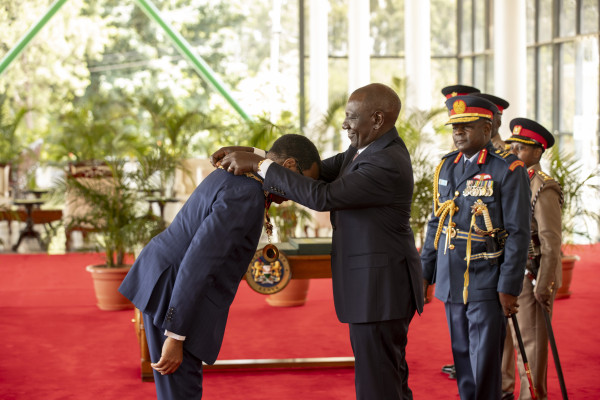
Kenya's President H.E. William Samoei Ruto has conferred the country's highest honour, Chief of the Order of the Golden Heart CGH, on the President of the African Development Bank Group, Dr Akinwumi Adesina (www.AfDB.org).
Dr Adesina becomes the 20th recipient of the honour that was established in 1967 and first awarded to Kenya's founding father and former President, H.E. Jomo Kenyatta. Others include globally renowned leaders such as former UN Secretary General Kofi Annan, South Africa's Nelson Mandela, Queen Elizabeth II of the United Kingdom, Uganda's Yoweri Museveni and Kenya's subsequent Presidents Daniel arap Moi, Mwai Kibaki, Uhuru Kenyatta and Dr Ruto.
During a colourful investiture ceremony at Nairobi's State House, President Ruto praised Dr Adesina's distinguished service, commitment, and passion for the economic development of Kenya and Africa.
President Ruto congratulated Adesina and told him, “You are amazing. You are a great leader. You deserve this honour and investiture.”
The two leaders share a warm relationship that dates back 20 years when Adesina lived and worked in Kenya for the Alliance for Green Revolution in Africa, AGRA. At that time Ruto was Kenya's Minister for Agriculture. Both recalled how they worked together to provide subsidies to farmers despite opposition at the time from some donors and global financial institutions.
President Ruto said under his presidency he has continued with the same policy of offering subsidies to farmers, leading to an increase in the country's food production.
“Our maize production increased from 40 million to 70 million bags last year. Our sales from tea, generated more than 220 billion shillings [approximately $1.7 billion], the highest ever earnings.”
“I am proud of the journey we started together ten years ago; I can see its fruits. Kenyans can feel its benefits,” President Ruto told Adesina who was accompanied by his wife, Mrs Grace Yemisi Adesina.
In its citation, the Kenya government recognized Adesina as a distinguished economist and a global development leader.
“He transformed the African Development Bank into a globally recognized institution for financial innovation and development impact and grown the Bank's general capital from $93 billion to $318 billion,” the citation reads.
In his acceptance speech, Adesina said: “I am greatly humbled by your incredible kindness! What a great honour! What a rare privilege! What a historic recognition!”
Adesina spoke about Kenya's special place in the history of the Bank which was established in 1964. Since then, the Bank has financed a total of 167 projects, with financial commitment of $7.8 billion.
He said the Bank's current portfolio in Kenya consists of 45 projects worth $4.09 billion. They include, among others:
President Ruto said the Bank's support to the country's mortgage sector has boosted the government's national housing programme, with 150,000 houses under construction, generating jobs for 260, 000 youth.
Speaking about Kenya's high youth unemployment, Adesina pointed to several youth riots that shook the country last year.
In addition to providing $309 million for eight on-going projects targeting skills development, Adesina said the Bank is preparing for Board approval, financial support for the establishment of a Youth Entrepreneurship Investment Bank of Kenya.
“This will be a stand-alone financial institution, that will be 100 percent dedicated to providing technical assistance, debt and equity financing for youth businesses in Kenya.”
Adesina was accompanied by Vice President for Power, Energy, Climate and Green Growth Dr Kevin Kariuki, the Vice President for Regional Development, Integration and Business Delivery Nnenna Nwabufo; the Director General for East Africa, Kennedy Mbekeani; the Executive Director for Eastern Africa, Jonathan Nzayikorera; and his Senior Advisor to the President for Communication and Stakeholder Engagement Dr Victor Oladokun, who delivered the opening prayer for the ceremony.
“This is an honour that I will cherish for life,” Adesina said. “It will be a constant reminder that the country I love so much, Kenya, loves me back, appreciates and celebrates my leadership at the African Development Bank, and values and honours the incredible contributions of the Bank to its development. I accept this honour with great humility.”
Distributed by APO Group on behalf of African Development Bank Group (AfDB).
To look at the album click here (apo-opa.co/3FzwNt7).
About the African Development Bank Group:
The African Development Bank Group is Africa's premier development finance institution. It comprises three distinct entities: the African Development Bank (AfDB), the African Development Fund (ADF) and the Nigeria Trust Fund (NTF). On the ground in 41 African countries with an external office in Japan, the Bank contributes to the economic development and the social progress of its 54 regional member states. For more information: www.AfDB.org
African countries rich in minerals are accelerating the digitalization of their mining licensing processes to attract investment and maximize resource exploitation for economic growth. As part of this push, Zambia launched its Zambia Integrated Mining Information System last month, aiming to streamline the awarding of licenses. The digital platform is set to play a key role in attracting mining partners and help the country reach its goal of increasing copper production to 3.1 million metric tons by 2031. This launch follows a record-breaking $9.3 billion in mining investments in 2024 and a 79% increase in permits granted, reflecting growing global interest in Zambia's mining potential.
As African markets increasingly adopt digital solutions to simplify licensing procedures, African Mining Week will be at the forefront of this transformation, showcasing the vast potential of the continent's digitalized mining sector. The event will highlight lucrative investment opportunities across various markets, featuring numerous mining blocks being licensed by African nations.
South Africa, historically a major gold producer, plans to leverage its first digital mining licensing system to attract new investors and diversify its mining sector. Set for launch by June 2025, the system will improve the efficiency and transparency of the licensing process, reducing the time required to initiate new mining projects, including those for platinum group metals, according to Gwede Mantashe, South African Minister of Mineral Resources and Petroleum.
Tanzania is also streamlining its mining sector with a new licensing management system designed to maximize investments in lithium, graphite and rare earth minerals – commodities that are experiencing soaring global demand. According to Aziza Swedi, Acting Director of the Tanzania Mining Commission, the country has issued 54,626 mining licenses over a seven-year period through November 2024, with plans to expedite future licensing via its digital platform.
Rwanda has embraced digital transformation in its mining sector with the launch of the Inkomane Digital platform in October 2024. Companies such as Aterian have aligned their mineral trading operations with this tool. The platform connects mining companies, trading partners and regulatory bodies like the Rwanda Revenue Authority, enhancing compliance, workforce management, payroll generation and monitoring of mining activities. Similarly, Nigeria introduced its Mineral Resources Decision Support System in May 2024 to attract investors to its vast solid mineral reserves. The platform serves as a one-stop shop, offering easy access to geological and policy data while enabling investors to seamlessly apply for mining permits.
As more African nations integrate digital tools into their mining sectors, African Mining Week will spotlight the digitalization of mining operations across the continent. The event will feature discussions on new licensing systems and highlight the investment opportunities emerging as African nations unlock their mineral wealth.
African Mining Week serves as a premier platform for exploring the full spectrum of mining opportunities across Africa. The event is held alongside the African Energy Week: Invest in African Energies 2025 conference from October 1-3 in Cape Town. Sponsors, exhibitors and delegates can learn more by contacting sales@energycapitalpower.com.
Distributed by APO Group on behalf of Energy Capital & Power.
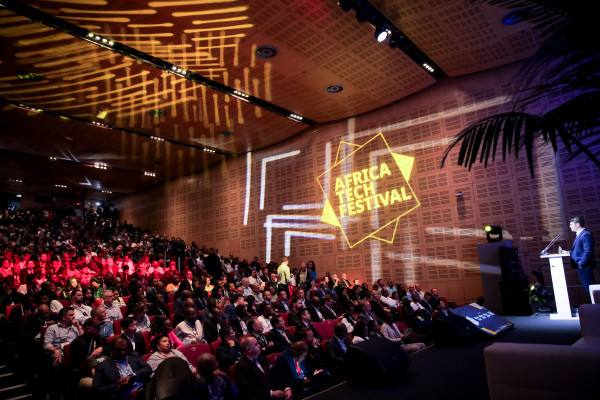
Africa Tech Festival (www.AfricaTechFestival.com), the continent's leading platform for technology innovation and connectivity, is proud to announce the esteemed members of its Leadership Council for 2025. Comprising influential leaders from across Africa's technology, business, and investment sectors, the Leadership Council will play a pivotal role in shaping the festival's agenda, ensuring it remains at the forefront of industry trends, policy discussions, and digital transformation.
The Africa Tech Festival 2025 Leadership Council comprises of:
Bringing together a wealth of expertise, the Leadership Council will provide strategic guidance to ensure Africa Tech Festival continues to address the most pressing issues and opportunities within Africa's digital economy. Their insights will help drive meaningful discussions on connectivity, AI, fintech, cybersecurity, cloud, and the future of digital infrastructure across Africa.
“Africa Tech Festival serves as a platform for connection, collaboration, and innovation across the continent,” said James Williams, Event Director of Africa Tech Festival. “With the guidance of our Leadership Council, we will continue to curate an event that drives impactful conversations, supports industry growth, and fosters Africa's position as a global technology leader.”
Distributed by APO Group on behalf of Africa Tech Festival.
Media Contact:
Tori Wilson
Senior Marketing Manager
tori.wilson@informa.com
About Africa Tech Festival 2025:
Now in its 28th edition, Africa Tech Festival 2025 will take place from 11 to 13 November 2025 at the Cape Town International Convention Centre (CTICC), bringing together over 15,000 technology leaders, policymakers, investors, startups, and visionaries. The festival encompasses four anchor events:
With over 500 speakers, 300 exhibitors, and multiple networking opportunities, Africa Tech Festival remains the largest and most influential tech event on the continent.
For more information about Africa Tech Festival 2025 and its Leadership Council, visit www.AfricaTechFestival.com.
The UN Subcommittee on Prevention of Torture (SPT) hails the setting up of the national preventive mechanisms (NPMs) in Benin, Madagascar, Nigeria, and South Africa as a significant step in advancing and fulfilling their obligations under the Optional Protocol to the Convention against Torture (OPCAT).
“The OPCAT's torture prevention architecture is built on the partnership between the SPT, the international body designated by the treaty, and the NPMs, our national counterparts. These national partners play a crucial role in making the system work effectively. Today, we are delighted to welcome the NPMs of Benin, Madagascar, Nigeria, and South Africa to the global family of nearly 80 NPMs,” said María Luisa Romero, the SPT Chair.
“They now have the demanding tasks of ensuring their independence and effectiveness, as outlined in the OPCAT. At the same time, the authorities also have a duty to respect the NPMs' independence, provide financial resources to support their mandate, and implement their recommendations in good faith. The SPT stands ready to assist, advise and support these four new NPMs,” she added.
Under the OPCAT, the SPT monitors treatment and conditions for people deprived of liberty by conducting unannounced visits to police stations, prisons, psychiatric hospitals, immigration detention centres, drug rehabilitation centres and other places of deprivation of liberty. In this task, the SPT works closely with government authorities, the NPMs, other domestic monitoring bodies, as well as human rights institutions, and civil society to strengthen torture preventive measures.
Distributed by APO Group on behalf of Office of the UN High Commissioner for Human Rights (OHCHR).

African Energy Week (AEW): Invest in African Energies, the premier platform for Africa's energy sector, marks its fifth anniversary in 2025, celebrating a legacy of driving investment, fostering partnerships and advancing the continent's energy future. Since its inception, AEW has established itself as the continent's leading energy event, bringing together industry leaders, policymakers, investors and global stakeholders to catalyze development across Africa's oil, gas and renewable sectors.
Over the past five years, AEW has facilitated multi-billion-dollar deals, shaped policy discussions and strengthened regional cooperation. Its inaugural edition in 2021 set a strong foundation, attracting 1,700 delegates, including ministers, global energy executives and financial institutions. The event reinforced Africa's appeal to investors while establishing AEW's strategic goal of eradicating energy poverty by 2030. The event introduced key features such as the African Energy Awards, panel discussions and forums covering the entire energy sector across four venues. Country spotlight sessions provided market insights, while the African Energy Chamber, alongside African energy ministers and a representative from the German government, launched the African Green Energy Dialogue Initiative to accelerate investment in Africa's green energy space.
The 2022 edition of AEW kicked off with opening remarks from esteemed African leaders including the presidents of Uganda and Mozambique, Minister of Hydrocarbons from the Republic of Congo, as well as prominent industry figures from APPO, the European Commission, the International Energy Forum and the private sector. AEW 2022 provided a platform for high-level discussions on investment opportunities, energy policy and strategies for driving Africa's energy transition. In addition to insightful discussions and networking opportunities, AEW 2022 introduced the Just Energy Transition Concert, blending music and culture with energy dialogue to promote investment, development and wider participation across the energy industry.
AEW 2023 saw an unprecedented level of participation, with opening remarks from the presidents of Namibia, Senegal and Uganda, alongside energy ministers from South Africa, South Sudan, Uganda, Equatorial Guinea, the Republic of Congo, Ghana and Mozambique. Representatives from OPEC, APPO, GECF, and key global partners from Russia, the U.S., Europe, and Saudi Arabia further reinforced the event's strategic importance. Afreximbank played a central role, hosting a dedicated deal room and supporting Africa's growing M&A activity. Key agreements signed included Afreximbank's $75 million financing deal with Torxen Energy Resources for Nigeria's PPL 241, a hydrogen exploration agreement between The Gambia and H2 Gambia Limited, and a $60 million term loan for Alphaden Energy & Oilfield Limited to develop a gas facility in Nigeria. Additionally, the African Energy Chamber partnered with the Black Impact Foundation to promote global opportunities for the Black community. The African Farmout Forum connected investors with available blocks, accelerating exploration and partnerships across Africa's oil and gas sector.
In 2024, AEW underscored its role as a catalyst for deal-making and sectoral development. Afreximbank committed over $120 million in financial facilities to support Africa's oil and gas sector, while the Republic of Congo's Société nationale des pétroles du Congo partnered with the State Oil Company of Azerbaijan to modernize the CORAF refinery and the African Farmout Forum returned to highlight available block opportunities for partnership and investment. The event featured a distinguished lineup of speakers and delegations, including energy ministers from South Africa, Namibia, the Republic of Congo, Gabon, Nigeria, Equatorial Guinea and Angola; OPEC and APPO secretary generals; and top executives from Eni, bp, Chevron, TotalEnergies and other leading energy companies.
The fifth edition of AEW promises an even greater focus on investment opportunities and project developments, including 2025/2026 licensing rounds, multi-phase LNG facilities, new refining capacity, drilling and appraisal programs and cross-border pipeline infrastructure. All flagship features will return, including the Big Five Stages of Premium Industry Content, the African Farmout Forum, the Deal Room, the OPEC-Africa Roundtable and more. With capital-intensive projects requiring global financing, AEW 2025 will serve as the premier platform to connect investors with Africa's most promising energy opportunities.
By bringing together key stakeholders, AEW has enhanced Africa's global competitiveness, enabled cross-border partnerships and fostered policy dialogue that advances sustainable energy development. As the conference celebrates five years of impact, its role in shaping the future of Africa's energy sector remains stronger than ever, ensuring that the continent's vast energy resources continue to drive sustainable development and economic transformation.
“The five-year milestone is a testament to AEW's commitment to shaping the future of Africa's energy sector. As the continent continues to navigate the complexities of energy development, AEW remains a vital platform for stakeholders to engage and drive progress across the continent,” says NJ Ayuk, Executive Chairman of the African Energy Chamber, adding “As AEW celebrates five years of impact, its influence on the continent's energy landscape remains unparalleled. The conference has consistently demonstrated its ability to drive sustainable energy development, ensuring that Africa's vast energy resources are harnessed to drive economic transformation and sustainable development.”
AEW: Invest in African Energies is the platform of choice for project operators, financiers, technology providers and government, and has emerged as the official place to sign deals in African energy. Visit www.AECweek.com for more information about this exciting event.
Distributed by APO Group on behalf of African Energy Chamber.
On this momentous occasion of International Women's Day 2025, the African Commission on Human and Peoples' Rights (ACHPR), through its Special Rapporteur on the Rights of Women in Africa (SRRWA), stands at a pivotal juncture in the global pursuit of gender equality and the empowerment of women and girls. This year's theme, “For ALL Women and Girls: Rights. Equality. Empowerment,” resonates deeply as we commemorate the 30th anniversary of the Beijing Declaration and Platform for Action. This landmark framework has shaped the global agenda for women's rights and gender equality.
The Beijing Declaration, adopted in 1995, was a clarion call to dismantle systemic barriers, challenge discriminatory norms, and ensure the full participation of women in all spheres of life. Three decades later, we celebrate progress, particularly in Africa, where women have broken barriers in politics, education, entrepreneurship, and leadership. Yet, we must also confront the stark realities that persist: gender-based violence, unequal access to education and healthcare, economic disparities, and the underrepresentation of women in decision-making spaces.
Africa has witnessed remarkable strides in advancing the rights and empowerment of women and girls, demonstrating the continent's resilience and commitment to gender equality. Some of the most notable trends include:
Despite these positive trends, significant challenges remain, hindering the full realization of gender equality and women's empowerment in Africa, including:
To build on the progress and address persistent challenges, the ACHPR urges African governments, civil society, the private sector, and international partners to accelerate the implementation of the Beijing Platform for Action and Agenda 2063. This can be achieved through aligning national policies with these frameworks and ensuring gender equality is mainstreamed across all sectors. The ACHPR calls for the strengthening of legal frameworks, enhanced access to justice for survivors, and increased investment in prevention programs to eradicate gender-based violence in all its forms.
It further emphasizes the need to expand women entrepreneurs' access to finance, land, and technology and ensure equal pay for equal work to close the gender wage gap. Affirmative action measures, such as quotas, should be implemented to increase the representation of women in political and leadership roles at all levels. The ACHPR also urges prioritizing girls' education, particularly in STEM fields, and ensuring universal access to sexual and reproductive health services. Finally, the ACHPR calls for the recognition and addressing of the unique challenges faced by marginalized groups of women, including those with disabilities, rural women, and refugees.
As we celebrate the resilience and achievements of African women and girls, let us remember that the fight for gender equality is far from over. The Beijing Declaration and Platform for Action, alongside Agenda 2063, provide a roadmap to a future where every woman and girl can live with dignity, freedom, and opportunity. On this International Women's Day, let us recommit to the principles of rights, equality, and empowerment—not just for some, but for ALL women and girls.
Honourable Commissioner Janet Ramatoulie Sallah-Njie
Special Rapporteur on the Rights of Women in Africa of the ACHPR and Vice-Chairperson of the ACHPR
Distributed by APO Group on behalf of African Commission on Human and People's Rights (ACHPR).
During the Inclusive FinTech Forum 2025, JETA Holding (www.JETAHolding.com) reinforced its commitment to FinTech and trade expansion in Africa, leveraging its expertise in other industries, including healthcare and technology-driven solutions to position itself as a key player in the region's digital transformation.
At the event, JETA engaged with leading industry stakeholders, established connections with potential partners, and explored investment opportunities to accelerate FinTech adoption and financial inclusion across Africa.
Haim Taib, Founder & President of Mitrelli Group and JETA Holding, emphasized on stage:
"FinTech is not just about technology—it's about unlocking opportunity, fostering inclusion, and driving economic transformation. Across Africa, a new generation of creative entrepreneurs is emerging, bringing bold ideas and innovations that have the potential to redefine industries. However, true progress requires more than innovation; it demands the collective commitment of governments, private capital, and human talent working together to turn potential into impact. This is why JETA is making strategic investments in FinTech—not just to connect people, businesses, and communities with financial tools, but to lay the foundation for long-term, sustainable growth."
With a strong foundation in healthcare, cybersecurity, and ICT, JETA is expanding into FinTech and trade, leveraging its experience in complex regulatory environments and established relationships with governments, banks, and regulators.
JETA operates through three core subsidiaries:
As JETA enters FinTech and trade, the company is looking to bridge financial technology with real-sector applications, including digital payments, lending, trade finance, and financial inclusion solutions.
JETA is actively seeking partnerships with investors, FinTech startups, and financial institutions to drive innovation and scale financial solutions across key African markets.
Doron Ben Sira, CEO of JETA Holding, added:
"FinTech is one of the most dynamic and transformative sectors in Africa, with enormous potential to accelerate financial inclusion and unlock new trade opportunities. At JETA, we don't just invest in technology—we invest in building strong ecosystems. We connect capital, expertise, and markets to ensure that financial innovation doesn't just grow but establishes itself as a sustainable engine for development. We are actively seeking the best companies and partnerships to build a more integrated and accessible digital future in Africa."
Expanding Across Africa
JETA is more than an investor—it is a business accelerator and growth enabler. Through its subsidiaries and strategic investments, JETA is building an ecosystem that connects technology, capital, and local expertise.
As part of its FinTech and trade expansion, JETA is focusing on high-growth markets, including Nigeria, South Africa, Kenya, Ghana, Côte d'Ivoire, Ethiopia, Rwanda, Tanzania, Senegal, Mauritius, and Uganda.
With a proven track record in market expansion, JETA is committed to leveraging its regional presence and deep industry networks to build scalable and impactful financial solutions across the continent.
Distributed by APO Group on behalf of JETA Africa Holding.
For more information or to schedule interviews with JETA Holding's spokespersons, please contact:
Doron Ben Sira
+357 9974 3916
info@jetaholding.com
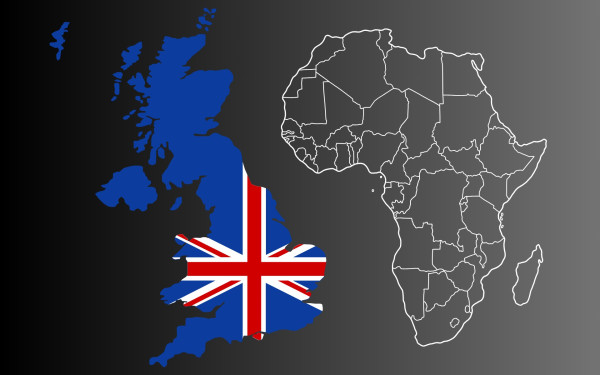
Trade relations between the UK and Africa are gaining momentum. Last month, UK Minister for Trade Policy and Economic Security Douglas Alexander visited South Africa and Botswana to strengthen trade ties and create opportunities for businesses on both sides. The UK aims to expand trade and investment across the continent, fostering mutually beneficial growth by addressing trade barriers, facilitating exports and supporting trade-focused development programs. With South Africa as the UK's largest trading partner in Africa and set to assume the G20 Presidency, this marks an important moment for deepening economic collaboration.
This builds on the UK's 2019 Economic Partnership Agreement (EPA) with the Southern African Customs Union member states – Botswana, Eswatini, Lesotho, Namibia and South Africa – and Mozambique. This agreement eliminates tariffs and quotas on all goods imported from these countries into the UK, facilitating smoother trade relations and economic cooperation. The EPA aims to bolster economic ties and create a conducive environment for investments, including in the energy sector.
The UK is expanding its engagement across Africa, including in West and North Africa. In February 2024, it signed the Enhanced Trade and Investment Partnership (ETIP) with Nigeria – the first such agreement with an African nation – marking a significant milestone. The partnership builds on a trade relationship valued at £7 billion in the year leading up to September 2023. The ETIP focuses on key sectors such as financial and legal services, fostering economic growth and attracting investment across industries, including energy.
Globeleq, a UK government-backed independent power producer, has been instrumental in advancing gas-powered energy projects across Africa. Alongside its 153 MW Red Sands project in South Africa – set to become the continent's largest standalone battery energy storage system – the company recently acquired a stake in a solar plant at Egypt's Benban Solar Complex and secured $99 million in debt financing for Mozambique's first wind project. Supported by shareholders such as British International Investment and Norfund, Globeleq continues to invest in upgrading existing assets and developing new utility-scale power projects, strengthening Africa's energy infrastructure.
In the oil and gas sector, bp achieved first gas from the Greater Tortue Ahmeyim LNG project offshore Senegal and Mauritania at the start of this year, marking a major step in boosting regional energy production and supply. Shell is advancing its $5 billion Bonga North deepwater project in Nigeria and, alongside bp, has agreed to cover operational costs for the buyer of South Africa's Sapref refinery – a move that could revitalize the country's largest refinery and secure oil supply. Meanwhile, Harbour Energy, one of the UK's largest independent oil and gas companies, is looking to expand into African markets following its acquisition of concessions in Egypt's Nile Delta and the Mediterranean Sea.
The UK is also a major investor in Africa's clean energy sector and a key partner in the Mission 300 initiative to expand electricity access to 300 million people by 2030. Last month, British International Investment (BII) committed £5.3 million to UK cleantech firm MOPO to scale battery rental operations in the Democratic Republic of the Congo, where over 80% of the population lacks electricity. In December 2024, BII and GuarantCo announced a $500 million renewable power deal with South Africa's Etana Energy, providing $100 million in guarantees to support the country's largest energy wheeling framework and unlock new projects. Beyond direct investments, the UK government continues to provide funding and technical assistance for energy infrastructure projects across Africa, aiming to improve energy reliability and efficiency, drive economic growth, and enhance the quality of life for local communities.
As a G20 member, the UK plays a pivotal role in shaping global energy investment strategies, with Africa positioned as a key partner in its trade and energy agenda. The UK's investments in oil and gas, renewables and energy infrastructure align with broader G20 goals of energy security, sustainability and economic growth.
“These initiatives not only strengthen the UK's economic ties with Africa, but also support the continent's transition to cleaner, more reliable energy. With African Energy Week: Invest in African Energies 2025 set to convene global stakeholders, the UK's role in advancing energy partnerships will be in focus, offering a platform to drive further investment, policy collaboration, and infrastructure development across Africa's energy landscape,” says Johnson Kayode Obembe, Director of Sales and Partnerships, African Energy Week.
AEW: Invest in African Energies is the platform of choice for project operators, financiers, technology providers and government, and has emerged as the official place to sign deals in African energy. Visit www.AECWeek.com for more information about this exciting event.
Distributed by APO Group on behalf of African Energy Chamber.
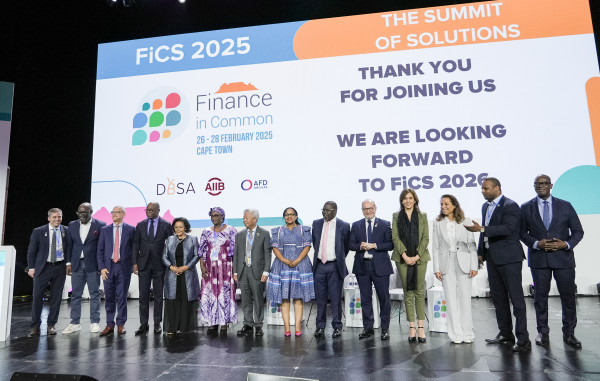
The fifth edition of the Finance in Common Summit (FiCS) concluded on Friday in Cape Town, South Africa, with strong calls for global development finance institutions to work together to address poverty and development challenges. South African Finance Minister Enoch Godongwana led the call.
The summit, which was co-sponsored by the African Development Bank and took place alongside the G20 Finance Ministers' Meeting, was themed "Fostering Infrastructure and Finance for Fair and Sustainable Growth."
Godongwana described the meeting as an unprecedented gathering of key financial players, saying: "Your determination and commitment will change the world. Your determination and will have an impact on global poverty.”
The minister linked the summit's goals to South Africa's development trajectory, highlighting the structural reforms the country had undertaken in the electricity, roads, and port sectors, which have opened new investment opportunities to development partners.
African Development Bank Vice President for Finance and Chief Financial Officer, Hassatou Diop N'Sele—one of several senior officials of the Bank Group at FiCS—represented Bank Group President, Dr. Akinwumi Adesina at a meeting on Wednesday organized by the Council of Europe Development Bank. At the meeting, multilateral development banks reaffirmed a shared commitment to maximize their collective impact.
During the G20 meetings of Finance Ministers and central bank governors, Hassatou Diop N'Sele said, “We call on G20 nations to enhance financial commitments, especially for the 17th replenishment of the African Development Fund, to simplify processes for accessing climate finance, and to create enabling policies that facilitate sustainable capital flows to Africa.”
In her various interventions during FiCS, she discussed the innovative financing tools and initiatives launched by the African Development Bank to leverage resources and mobilize the private sector at scale, including the landmark hybrid capital transactions successfully replicated by other development finance institutions and the Africa Investment Forum.
N'Sele emphasized the urgency for philanthropies and foundations to further strengthen their partnerships with multilateral development banks and to fully embrace innovation to amplify their impact. She also recognized the challenges for expanding climate finance in Africa and reflected on such solutions and platforms as the Alliance for Green Infrastructure in Africa, designed to catalyze bankable, greener infrastructure projects at scale and speed.
The African Development Bank delegation highlighted the progress of Mission 300 (https://apo-opa.co/4bolqQE), an initiative to accelerate access to electricity for 300 million Africans by 2030. The Bank, working with the World Bank and other development finance institutions and private sector partners, has committed $18.2 billion to this effort.
Senior leaders of the Bank stressed the need for urgent action. Nnenna Nwabufo, Bank Group Vice President for Regional Development, Integration and Business Delivery, said: "Africa is not looking for aid, we are looking for partnerships.".
She added: "The time for pilot projects that deliver incremental progress is over. We need investments that enable our nations to take ownership of their development, fostering resilience, self-sufficiency, and sustainable growth that benefits both Africa and the global economy."
Solomon Quaynor, the African Development Bank's Vice President for Private Sector, Infrastructure and Industrialization, called for faster implementation of infrastructure projects. "Africa can no longer sustain infrastructure projects that take seven to 10 years to complete - we must accelerate development to deliver within three years, prioritizing green infrastructure," he said.
The African continent needs $2.7 trillion through 2030 to meet its climate action goals, but receives only 3.6% of all global climate finance, despite its minimal contribution to global emissions.
The African Development Bank's Director General for Southern Africa, Leila Mokaddem, emphasized that Africa's green transition must be inclusive. She said: "With 600 million Africans still without electricity, our transition cannot be about climate goals alone. It must be about jobs, industrialization and economic opportunity. The African Development Bank is supporting this vision through its Jobs for Youth in Africa strategy to create 25 million jobs and equip 50 million young Africans with green economy skills by the end of this year.”
The summit achieved several significant breakthroughs in expanding the scope and impact of development financing. Key outcomes included: the endorsement by G20 finance ministers of public development banks' crucial role in international financial architecture; steps toward setting up frameworks to support cultural industries as valid asset classes; and the formation of a coalition between public development banks and civil society to ensure that development finance serves communities.
CEO of Agence Française de Développement and Chair of the Finance in Common Summit Rémy Rioux noted: "We have made tremendous progress in building public development banks as an asset class through innovation, commitment, and shared values. In times of uncertainty and conflict, we are offering a calm, collective alternative."
"This has truly been an African FiCS," said Boitumelo Mosako, CEO of the Development Bank of Southern Africa. He added: "With 34% of delegates coming from the continent, we have shown that Africa is unstoppable as the second fastest growing region in the world."
Following the Finance in Common Summit, the Fourth Finance for Development Conference will take place in Spain between June and July this year. Being organized by the United Nations and the Spanish government, that summit will feature continuing discussions on reshaping the international financial architecture to better serve development needs.
Distributed by APO Group on behalf of African Development Bank Group (AfDB).
Media contact:
Emeka Anuforo
Principal Regional Communication Officer
Email: media@afdb.org
About the African Development Bank Group:
The African Development Bank Group is Africa's premier development finance institution. It comprises three distinct entities: the African Development Bank (AfDB), the African Development Fund (ADF) and the Nigeria Trust Fund (NTF). On the ground in 41 African countries with an external office in Japan, the Bank contributes to the economic development and the social progress of its 54 regional member states. For more information: www.AfDB.org
Next generation of scholars gathering to shape Africa’s future
Research-based insights and collaboration on finding solutions to Africa’s most urgent challenges will be at the heart of the Human Sciences Research Council (HSRC)’s 19th Africa Young Graduates and Scholars (AYGS) Conference.
The conference which gets underway tomorrow, is being held in collaboration with the University of Mpumalanga (UMP).
Under the theme “Enabling Africa’s Inclusive and Sustainable Development: Challenges and Opportunities,” the conference will gather over 100 young and emerging scholars, policymakers, and practitioners from various regions of Africa to share research-based insights and collaborate on solutions to the continent’s most urgent challenges.
The gathering will take place at UMP’s Mbombela campus from 4 to 6 March 2025.
“We are excited to provide a platform for Africa’s next generation of leaders to engage, share knowledge, and shape the continent’s future,” said the Executive Head at the HSRC’s Africa Institute of South Africa (AISA), Dr Sabelo Gumedze.
He believes that the AYGS Conference has the potential to contribute significantly to Africa’s developmental trajectory, and said they were looking forward to fostering innovative solutions, enhancing capacity, and informing policy decisions with research-based insights.
Meanwhile, the UMP Deputy Vice-Chancellor for Research and Innovation, Professor Aldo Stroebel, said the university was privileged to partner with the HSRC and other prominent stakeholders to engage and strengthen an opportunity framework for emerging scholars through critical thinking and policy impact.
“UMP benefits from this convening to further advance our focus on sustainability and innovation, building a strong base of intellectual engagement, international networks, and learning,” Stroebel added.
The conference will feature sessions covering various topics such as advancing agricultural sustainability and food security.
The panellists will also zoom into governance, peace, and security in enabling Africa’s inclusive and sustainable development; climate change action and the Just Transition; and leveraging artificial intelligence (AI) to drive Africa’s development priorities.
Meanwhile, more than 30 papers will be presented by scholars from over 15 countries, including Cameroon, Ghana, Kenya, Lesotho, Madagascar, Nigeria, Rwanda, Sierra Leone, South Africa, Tanzania, Togo, Uganda, Zambia, and Zimbabwe.
The annual AYGS conference is a research capacity-building project that was conceived in 2005 to build a body of knowledge and to project the African “voice” into various global discussions.
It is further intended to bridge the existing expertise gap in knowledge production on African affairs by developing a society of knowledge producers among the youth.
The conference, which features a comprehensive programme including a pre-conference training workshop on policy-engaged research and open science, is hosted by the HSRC’s Africa Institute of South Africa (AISA) in collaboration with the UMP, the National Research Foundation’s (NRF) Future Earth Africa Hub Leadership Centre, the Partnership for African Social and Governance Research (PASGR), and other key partners. – SAnews.gov.za
Gabisile
Mon, 03/03/2025 - 08:50
134 views
The Basketball Africa League (BAL) (www.BAL.NBA.com) today announced the 12 teams and game schedule (https://apo-opa.co/43iFBgS) for the opening leg of the league's milestone fifth season, which will tip off with the Kalahari Conference group phase from Saturday, April 5 – Sunday April 13 at the Prince Moulay Abdellah Sports Complex in Rabat, Morocco.
The 2025 BAL season, which will feature three regular-season group phases and culminate with the playoffs and finals at the SunBet Arena in Pretoria, South Africa in June, will feature a record six first-time BAL participants, including the first BAL teams from Cape Verde (Kriol Star Basketball) and Kenya (Nairobi City Thunder), as well as defending champion Petro de Luanda (Angola) and 2022 champion US Monastir (Tunisia). Petro de Luanda and US Monastir are the only teams to have qualified for all five BAL seasons. Below is the complete list of participating teams by conference.
1. Kalahari Conference
2. Sahara Conference
3. Nile Conference
Each conference will play a 12-game group phase during which each team will face the other three teams in its conference twice. During group phase play, the home team in each country will play on every gameday.
In the season opener, Stade Malien (Mali) will face Rivers Hoopers (Nigeria) at 4:00 p.m. GMT+1. In the second game, home team Fath Union Sport (FUS; Morocco) will take on Al Ittihad (Egypt) at 7:00 p.m. GMT+1. Single-game tickets for the games in Rabat are available online at Guichet.ma (https://apo-opa.co/4bkwuyc) and the following physical locations: Megarama Cinema in Casablanca (https://apo-opa.co/3DeI6Gv), Megarama Cinema in Fes (https://apo-opa.co/4h0Ix54) and the National Theatre in Rabat (https://apo-opa.co/3Xpawoa). Fans who purchase tickets will also have free access to the BAL Fan Zone at the arena.
Tickets for the games in Dakar, Senegal are also on sale now at www.BAL.NBA.com and BAL-TeewTickets.com.
Eight teams from across the three conferences will travel to Pretoria for four seeding games followed by an eight-game, single-elimination playoffs and finals from Friday, June 6 – Saturday, June 14.
Additional information about the 2025 BAL season will be announced in the coming weeks.
*First-time BAL participant
Distributed by APO Group on behalf of Basketball Africa League (BAL).
BAL Season 5 Hype Video: https://apo-opa.co/3XnHJjD
Contact:
Edwin Eselem
Basketball Africa League
+221 78 615 42 87
EEselem@theBAL.com
Fans can follow the BAL (@theBAL) on:
Facebook: https://apo-opa.co/4ijfSsO
Instagram: https://apo-opa.co/3DoEnGe
Threads: https://apo-opa.co/41i0eY6
X: https://apo-opa.co/4kgmZnR
YouTube: https://apo-opa.co/3QzPMGq
Register their interest in receiving more information at www.BAL.NBA.com.
About the BAL:
The Basketball Africa League (BAL), a partnership between the International Basketball Federation (FIBA) and NBA Africa, is a professional league featuring 12 club teams from across Africa that will tip off its fifth season in April 2025. Headquartered in Dakar, Senegal, the BAL builds on the foundation of club competitions FIBA Africa has organized across the continent and marks the NBA's first collaboration to operate a league outside North America.

inDrive (www.inDrive.com), the ride-hailing app known for its transparent and fair pricing model, has secured its position as the second most downloaded app in its category globally, and it continues to make waves in Africa, where it ranks as the third-largest ride-hailing service in South Africa, second in Nigeria, and number one in Zimbabwe and Botswana and North African countries.
inDrive's success story in Africa reflects its remarkable growth trajectory, driven by its unique approach to mobility. With an innovative, peer-to-peer pricing model and a mission to challenge the traditional fare structures in the ride-hailing industry, inDrive is setting new standards in customer-centric mobility.
The inDrive Advantage: Why It's the Most Downloaded Ride-Hailing App
What sets inDrive apart is its unwavering commitment to creating an ecosystem that benefits both riders and drivers. Unlike other ride-hailing platforms, inDrive empowers users by allowing them to negotiate the fare before confirming the ride, giving both drivers and passengers the freedom to agree on a price that works for them. This model fosters trust, increases satisfaction, and has contributed to record-breaking app downloads in 2025.
InDrive's approach goes beyond just competitive pricing; it has built an environment where driver welfare is prioritized. The company operates with the lowest commission structure in the market, enabling drivers to keep more of what they earn, which in turn has fostered strong loyalty from local drivers across Africa.
Record Growth in Africa: inDrive's Expanding Footprint
Why Africa Chooses inDrive
inDrive's approach is rooted in equity and inclusivity. The app's growth in Africa is not just a result of its innovative pricing structure, but also its deep understanding of the diverse needs of African consumers and drivers. As the most downloaded ride-hailing app globally, inDrive's popularity is fueled by its customer-centric model, empowered drivers, and fair pricing system.
By offering a solution that works for everyone, inDrive is reshaping the future of mobility across the African continent. Whether it's ensuring driver safety, fair compensation, or increased access to affordable transportation, inDrive is positioning itself as the most reliable, convenient, and transparent ride-hailing option in Africa.
Distributed by APO Group on behalf of inDrive.
Press Contact:
Public Relations Manager - inDrive Africa
Lineo Thakhisi
Phone: +2781 3636 872
Email: lineo.thakhisi@indriver.com
About inDrive:
inDrive is a global mobility and urban services platform. The inDrive app has been downloaded over 240 million times, and was the second most downloaded mobility app in 2022 and 2023. In addition to ride-hailing, inDrive provides an expanding list of urban services, including intercity transportation and delivery. In 2023, inDrive launched New Ventures, a venture and M&A arm.
inDrive operates in 888 cities in 48 countries. Driven by its mission of challenging social injustice, the company is committed to having a positive impact on the lives of one billion people by 2030. It pursues this goal both through its core business, which supports local communities via a fair pricing model; and through the work of inVision, its non-profit arm. inVision's community empowerment programs help to advance education, sports, arts and sciences, gender equality and other vital initiatives.
For more information visit www.inDrive.com

The African Development Bank Group (www.AfDB.org) and Standard Bank Group (SBG) on Monday signed a landmark financial agreement to enhance funding for small, medium, and micro enterprises (SMMEs) and expand trade across Africa.
The agreement includes a R3.6 billion investment in a social bond and a $200 million Risk Participation Agreement (RPA) for Standard Bank of South Africa Limited (SBSA). This initiative strengthens Standard Bank's lending capacity, ensuring greater access to finance for SMMEs, a critical driver of economic growth and job creation in South Africa.
The social bond investment promotes inclusive economic development, particularly for SMMEs with a turnover below R300 million and loan sizes under R40 million. This financing will support up to 4,000 businesses, helping them scale operations, create jobs, and contribute to economic resilience.
Kenny Fihla, Deputy Chief Executive Officer of Standard Bank Group and Chief Executive Officer of SBSA, welcomed the investment, stating: “This landmark partnership strengthens our ability to support SMMEs, the backbone of South Africa's economy. With approximately 3.2 million SMMEs accounting for 60% of jobs, ensuring access to finance is crucial. This initiative aligns with our Sustainable Finance Framework and our commitment to financial inclusion.”
In addition to the social bond, the $200 million RPA enhances trade finance across Africa, focusing on Low-Income Countries and Transition States. This agreement enables local banks to increase lending by sharing risk, bridging the trade finance gap, and promoting intra-African trade.
Leila Mokaddem, Director General for Southern Africa at the African Development Bank, highlighted the broader impact: “This collaboration marks a significant milestone in our long-standing partnership and is a testament to our shared commitment to supporting SMMEs' growth and enhancing trade finance across Africa. Expanding financial inclusion and trade opportunities empowers businesses to drive economic transformation and regional integration. The Standard Bank Group remains a strategic partner in our shared vision for economic development on the continent.”
This initiative aligns with the African Development Bank's Ten-Year Strategy (2024–2033), which prioritises industrialisation, regional integration, and improving the quality of life in Africa. It also supports Standard Bank's Sustainable Finance Framework, reinforcing both institutions' commitment to fostering green and inclusive growth.
“We are proud of this transaction, demonstrating our shared commitment to sustainable financing. By supporting businesses, we create long-term economic opportunities and financial resilience,” stated Ahmed Attout, Director of the Financial Sector Development Department at the African Development Bank.
Kenny Fihla reaffirmed the significance of the collaboration:
“By providing much-needed capital, we are helping enterprises overcome challenges and thrive. This partnership illustrates the power of collaboration in driving meaningful economic and social change in Africa.”
Distributed by APO Group on behalf of African Development Bank Group (AfDB).
For media inquiries, please contact:
Natalie Naudé
Communication and External Relations Department
Email: media@afdb.org
About the African Development Bank Group:
The African Development Bank Group is Africa's premier development finance institution. It comprises three distinct entities: the African Development Bank (AfDB), the African Development Fund (ADF) and the Nigeria Trust Fund (NTF). On the ground in 41 African countries with an external office in Japan, the Bank contributes to the economic development and the social progress of its 54 regional member states. For more information: www.AfDB.org
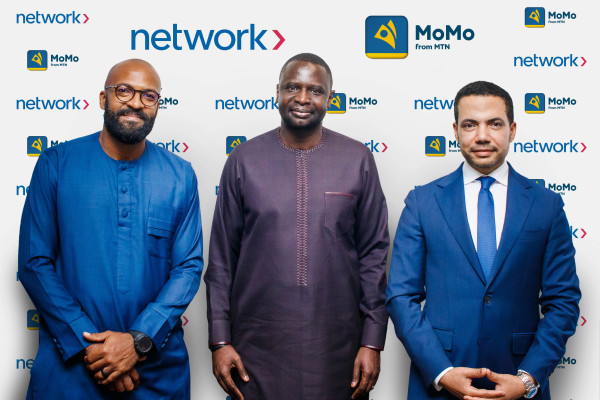
Network International (Network) (www.Network.ae), a leading enabler of digital commerce across the Middle East and Africa (MEA), has been appointed as a Payment Processor – Issuing partner for MTN Group Fintech, Africa's leading mobile financial services provider. This partnership marks a significant extension of Network's portfolio of issuer processing collaborations throughout the African continent.
With a footprint spanning over 50 countries and serving over 250 financial institutions, Network International brings its expertise to this partnership which will enhance MTN Fintech's cutting-edge mobile services and provide even greater value to stakeholders and customers across Africa.
The partnership will focus on rolling out card issuance products across key MTN Fintech markets, starting with Rwanda which is already operational. Soon Uganda, Ivory Coast, and Nigeria will also be covered under this collaboration. Network International will provide a comprehensive range of services, including transaction processing, card management and online fraud prevention. MTN Fintech users will benefit from a seamless experience accessing both traditional mobile services and innovative digital payment solutions.
Dr. Reda Helal, Group Managing Director – Processing, Africa and Co-Head Group Processing at Network International commented: “Our collaboration with MTN Group Fintech marks a major milestone for our outsourced payments services in Africa. It demonstrates our ability to successfully serve Mobile Network Operators (MNOs) via our fully-fledged processing solutions and our continued dedication and commitment to the African region. We are excited to support MTN Group Fintech's growth strategy, and its business development plans across the continent.”
Cedric N'guessan, Executive for Payment and E-commerce at MTN Group Fintech added, "This collaboration with Network International is pivotal in enhancing financial inclusion across Africa and beyond. It enables our customers to actively engage in the global economy, aligning perfectly with our strategic goals alongside Mastercard to broaden access to digital financial services across the continent." Read More (https://apo-opa.co/43aKuII)
MTN Group provides voice, data, fintech, enterprise wholesale and API services to more than 288 million customers in 14 African markets.
Distributed by APO Group on behalf of Network International.
For more information, please contact:
MTN Group Press Office
MTNGroup.PressOffice@mtn.com
MTN Group Fintech (Proprietary) Limited:
Head Office: 216-14th Avenue Fairland 2195, Private Bag 9955 Cresta 2118 South Africa
Tel +2711 912 3000
Fax +2711 912 4093
Website www.MTN.com
Corporate Communications:
Network International
Dubai, UAE
Tel: +971 4 303 2431
lambert.espedido@network.global
Follow us:
X: https://apo-opa.co/3QwQZht
Linkedin: https://apo-opa.co/4khrvCr
About MTN Group Fintech:
MTN Fintech, the platform business of MTN Group, is dedicated to revolutionising global financial services through innovative digital technology solutions. Leveraging MTN's extensive reach and expertise in telecommunications, MTN Fintech is committed to advancing financial inclusion for all and empowering communities in Africa. With a primary focus on pioneering mobile financial services, digital payments, e-commerce, short-term insurance, and remittance capabilities, MTN Fintech strives to establish seamless, accessible, and secure financial ecosystems that shape the future of digital finance.
About Network International:
Network International is the Middle East and Africa's largest and leading digital payments company. Our purpose is to help businesses and economies grow by simplifying payments and commerce. We operate in 50+ countries serving governments, banks, fintechs, merchants and public sector companies. We have 2,000+ employees based in our markets serving over 250 financial institutions and 130,000+ merchants.
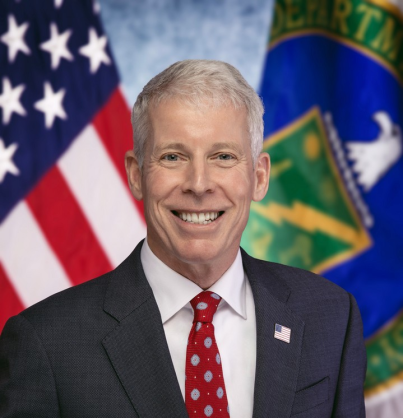
Secretary Chris Wright, U.S. Department of Energy, has been confirmed as a speaker and guest of honour at the 10th Powering Africa Summit (PAS), taking place at JW Marriott Washington, D.C. across March 6-7. This is an important step to provide an answer to the question that all of African energy is now asking: how will the new Administration approach the strategic energy relationship between the U.S. and Africa
Under the Summit theme, The Future of the US & Africa Energy Partnership, U.S. Secretary of Energy Chris Wright will deliver a keynote address at the 10th annual Powering Africa Summit. Wright will be joined by representatives from the U.S. Department of State: Ambassador Troy Fitrell, Senior Bureau Official, Bureau of African Affairs; Kimberly Harrington, Acting Principal Deputy Assistant Secretary, Bureau of Energy Resources; and Stephen Banks, Acting Deputy Assistant Secretary for Energy Diplomacy, Bureau of Energy Resources. All will share their vision for this future relationship between African countries and the US-based investors that are so vital to realizing their energy ambitions.
“As Secretary of Energy, I am committed to unleashing all forms of affordable, reliable and secure energy here at home and advancing that mission of energy security around the world – and nowhere is that more critical than the continent of Africa. I look forward to joining the Summit to reaffirm the strategic energy partnership between the U.S. and Africa and share my vision for advancing innovation and removing barriers to energy access, both at home and around the world,” Secretary Wright said.
Ministers and governments from 19 African countries will arrive in Washington D.C., where the Africa Welcome Address will be given by H.E. Honourable Adebayo Adelabu, Minister of Power, Nigeria. Together with H.E. Honourable Jeremiah Kpan Koung, Vice President, Liberia; H.E. Honourable Dr. Dele Alake, Minister for Solid Minerals Development, Nigeria; H.E. Honourable Mahmoud Mustafa Esmat, Minister of Electricity & Renewable Energy, Egypt; H.E. Honourable Karim Badawi, Minister of Petroleum & Mineral Resources, Egypt; H.E. Honourable Bogolo Joy Kenewendo, Minister of Minerals & Energy, Botswana; H.E. Honourable Alex Wachira, Principal Secretary, Ministry of Energy & Petroleum, Kenya; and Amina Benkhadra, Director General, Office National des Hydrocarbures et des Mines (ONHYM), Morocco, he will meet distinguished Ministers and leaders from South Africa, Senegal, Ethiopia, Zimbabwe, Togo, Sierra Leone and more to drive energy development across the continent.
Flagship ministerial boardrooms and regional energy cooperation sessions will discuss and debate derisking projects, South Africa's energy future, the need for West African regulatory reforms, and the role of hydrogen in North Africa. New areas of opportunity such as bitcoin mining and data centers will be discussed through an East African lens. The Mission 300 initiative, set to provide electricity access to 300 million people in sub-Saharan Africa by 2030, is also high on the agenda.
The 10th Anniversary Gala Drinks Reception sponsored by Genesis Energy, will celebrate International Women's Day, ahead of March 8.
Critical to the week's discussions will be a host of private players including Alliant Insurance Services, GE Vernova, ARM-Harith Infrastructure Investment, Globeleq, Africa50, Nextracker, Schneider Electric, Newmarket Capital and the summit's general sponsor, Sun Africa, who are looking to a new future for the U.S.-Africa relationship.
Sun Africa CEO, Adam Cortese said: “We are seeing a sea change in how the U.S. participates in foreign infrastructure development and our unique model of development is an excellent illustration of how U.S. energy companies can thrive in emerging markets on a strictly commercial basis. Sun Africa remains committed to harnessing Africa's immense energy resources through innovative structures, state-of-the-art technology and strong alliances while maintaining our long-standing market-based approach to development. At Sun Africa, we believe energy development on the continent truly represents an opportunity for win-win partnerships and look forward to sharing our experience.”
Simon Gosling, MD of EnergyNet added: “This summit has always been about bringing together African countries seeking investment with U.S.-based investors who see the vast potential on the continent. It is more important than ever to establish the crucial energy projects that Africa needs. PAS25 will put the continent center stage and make sure that both sides have a future relationship to be excited about.”
Media Credentials Requited for Powering Africa Summit
The Secretary will open the Summit on 6 March, delivering a Keynote Speech at 09:45, followed by a Fireside Chat with Mission 300 Accelerator CEO, Andrew Herscowitz.
Distributed by APO Group on behalf of EnergyNet Ltd..
For more information, please get in touch with
Poliana@EnergyNet.co.uk
Senior Marketing Manager
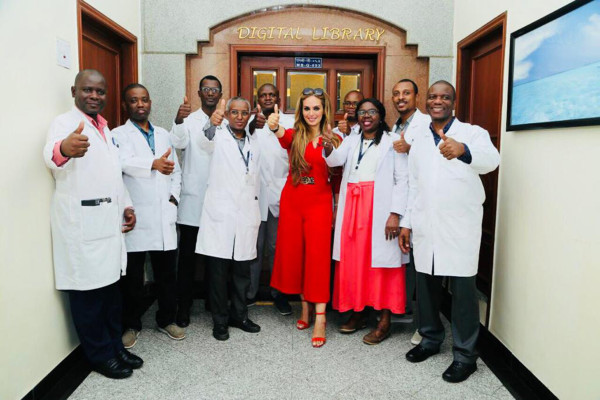
Merck Foundation (www.Merck-Foundation.com), the philanthropic arm of Merck KGaA Germany, marks ‘World Cancer Day 2025' together with Africa's First Ladies and Ministries of Health. Through their Cancer Access Program, Merck Foundation is is building quality and equitable cancer care capacity in Africa.
Senator Dr. Rasha Kelej, the CEO of Merck Foundation, highlighted, “At Merck Foundation, we mark World Cancer Day not just as a single day, but as a our continued commitment to transform and advance cancer care in Africa.
Together with my dear sisters, the Africa's First Ladies, we are have enhanced the cancer care capacity in the continent by providing 194 scholarships to young African doctors from 32 countries, significantly increasing the number of oncologists in Africa. We are making history together by providing these important scholarships for the first oncologists and /or the first cancer care teams in many countries across Africa.”
Merck Foundation in total provided more than 2100 scholarships to doctors from over 52 countries in 44 critical and underserved medical specialties.
The Merck Foundation Cancer Access Program provides One, two- and three-years fellowship, Post Graduate Diploma and Master Degree of oncology for doctors from Africa. The clinical training has been conducted in India, Egypt and Kenya. Additionaly, Merck Foundation also provides scholarships for 2 years online PG Diploma in Cancer and Clinical Oncology, 01 year online PG Diploma in Medical Oncology and 1 year online PG Diploma in Pain Management from reputed Universities in UK like University of South Wales, University of Buckingham, Queen Mary University of London, and Cardiff University.
Merck Foundation is establishing Multidisciplinary Oncology Care teams in many African countries by providing scholarships of clinical training in Medical Oncology, Surgical Oncology, Pediatrics Oncology, Gynecology Oncology, Breast Oncology, Haemato-Oncology, Orthopaedic Oncology, Palliative Care, Pathology Oncology, Radiation Oncology, Research in Oncology, Surgical Oncology - Genital Urinary System, Advanced Cytopathology Training, Interventional Radiology, Radiation Technician, Laboratory Technician, Oncology Nursing.
Merck Foundation through its Merck Foundation Cancer Access Program has provided 194 scholarships of Oncology to doctors from 32 countries including Botswana, Burkina Faso, Burundi, Cameroon, Central African Republic, Chad, Congo Brazzaville, Democratic Republic of the Congo, Ethiopia, Gabon, Gambia, Ghana, Guinea, Kenya, Liberia, Malawi, Mauritius, Mozambique, Namibia, Nepal, Niger, Nigeria, Rwanda, Sao Tome & Principe, Senegal, Sierra Leone, South Africa, Sri Lanka, Tanzania, Uganda, Zambia and Zimbabwe.
“In several of these countries, there wasn't even a single oncologist. We are proud to be making history in Africa by training the first oncologists and establishing the first cancer care teams in nations such as The Gambia, Sierra Leone, Burundi, Liberia, Guinea Conakry, Central African Republic, Chad, and Niger. Merck Foundation remains committed to transforming the landscape of cancer care across the continent and leading Africa toward a healthier future,” explained Senator Dr. Rasha Kelej.
Africa records around 1.1 million new cases of cancer, resulting in up to 700,000 deaths, every year, as per WHO data. The mortality rate of cancer patients is very high in Africa, as compared to the rest of the world.
“One of the key reasons is also the late diagnosis of the disease. Therefore, these scholarships are very important” added Senator Kelej.
Merck Foundation has also created awareness materials including awareness leaflets and videos on Cancer Prevention and Early Detection.
Dr. Chifundo Kajombo, Merck Foundation Alumni from Malawi shares, “I am privileged to be awarded a scholarship by Merck Foundation to pursue the Surgical Oncology fellowship training program at Tata Memorial Hospital, India. I managed to advance from basic surgical oncology principles to the advanced level. This has helped me improve my understanding of cancer and operative principles. Since returning back home, I have managed to change the structure of how our breast clinic runs and modified it to incorporate a number of new things that we probably could not have possibly included. I am so proud to share that I have just been awarded the Best Surgeon for 2023 in Malawi. I would not have achieved this feat without Merck Foundation's scholarship. I am very thankful.”
Watch testimonials videos of Merck Foundation Oncology Fellowship Alumni: https://apo-opa.co/4bab06Y
Distributed by APO Group on behalf of Merck Foundation.
Link of the extra posters: https://apo-opa.co/3X6RmD6
Contact details:
Mehak Handa
Community Awareness Program Manager
+91 9310087613 / +91 9319606669
mehak.handa@external.merckgroup.com
Join the conversation on our social media platforms below and let your voice be heard!
Facebook: https://apo-opa.co/4k65XbW
X: https://apo-opa.co/43mGeGv
YouTube: https://apo-opa.co/3EVeWMS
Instagram: https://apo-opa.co/413ECyl
Threads: https://apo-opa.co/4gLTA1P
Flickr: https://apo-opa.co/4gSxZVs
Website: www.Merck-Foundation.com
Download the Merck Foundation App: https://apo-opa.co/413wo9z
About Merck Foundation:
The Merck Foundation, established in 2017, is the philanthropic arm of Merck KGaA Germany, aims to improve the health and wellbeing of people and advance their lives through science and technology. Our efforts are primarily focused on improving access to quality & equitable healthcare solutions in underserved communities, building healthcare & scientific research capacity, empowering girls in education and empowering people in STEM (Science, Technology, Engineering, and Mathematics) with a special focus on women and youth. All Merck Foundation press releases are distributed by e-mail at the same time they become available on the Merck Foundation Website. Please visit www.Merck-Foundation.com to read more. Follow the social media of Merck Foundation: Facebook (https://apo-opa.co/4k65XbW), X (https://apo-opa.co/43mGeGv), Instagram (https://apo-opa.co/413ECyl), YouTube (https://apo-opa.co/3EVeWMS), Threads (https://apo-opa.co/4gLTA1P) and Flickr (https://apo-opa.co/4gSxZVs).
The Merck Foundation is dedicated to improving social and health outcomes for communities in need. While it collaborates with various partners, including governments to achieve its humanitarian goals, the foundation remains strictly neutral in political matters. It does not engage in or support any political activities, elections, or regimes, focusing solely on its mission to elevate humanity and enhance well-being while maintaining a strict non-political stance in all of its endeavors.
Africa's energy sector presents significant opportunities for investment and growth through targeted infrastructure development. Despite the continent's abundant hydrocarbon resources, inadequate infrastructure has historically impeded efficient extraction, processing and distribution. Addressing these gaps can unlock substantial economic potential and meet the rising energy demands both within Africa and globally.
As Africa continues to prioritize energy infrastructure development, this year's Africa Energy Week (AEW): Invest in African Energies conference – taking place September 29 to October 3 in Cape Town - will serve as a critical platform for investors, policymakers and industry leaders to explore opportunities in oil and gas pipelines, storage facilities and gas-to-power projects. Discussions at AEW 2025 will highlight successful infrastructure projects, showcase emerging investment prospects and address challenges in financing and implementation.
Pipeline Infrastructure
One critical area for investment is the development of extensive pipeline networks. These pipelines are essential for transporting crude oil and natural gas from production sites to refineries and export terminals. The proposed Nigeria-Morocco Gas Pipeline aims to transport approximately 30 billion cubic meters of natural gas annually from Nigeria through to Morocco and onto Europe, traversing 13 African countries. The $25 billion, 5,600-km project is poised to enhance energy security and foster economic integration across the region, with the potential to create jobs, boost industrialization and provide a stable gas supply for domestic consumption and export, strengthening Africa's role in the global energy market.
Liquefied Natural Gas Facilities
Investing in Liquefied Natural Gas (LNG) facilities is another promising avenue. These facilities enable the processing and export of natural gas, catering to global markets with high energy demands. Countries like Mozambique, the Republic of Congo, Nigeria and Tanzania are advancing large-scale LNG projects to capitalize on their substantial gas reserves. For example, Tanzania's LNG Liquefaction Plant, estimated at $30 billion, is set to position the country as a key player in the global LNG market.
Refining Capacity Enhancement
Africa's limited refining capacity often necessitates the import of refined petroleum products, leading to economic inefficiencies. Investments in modernizing and expanding existing refineries, as well as constructing new ones, are crucial. Such developments would not only meet domestic demand, but also create export opportunities. Angola is in the process of developing three new oil refineries, which will collectively increase domestic refining capacity to 400,000 barrels per day and reduce dependence on imported fuels.
Storage and Distribution Networks
Robust storage facilities and distribution networks are vital for maintaining energy supply stability. Investing in these areas ensures that oil and gas products are efficiently stored and transported to end-users, minimizing losses and meeting market demands. Enhanced storage capacity also provides a buffer against market fluctuations, contributing to energy security. South Africa's Richards Bay III project – a $6 million initiative involving the construction of an oil storage facility – aims to enhance South Africa's energy storage capacity and improve supply stability. Additionally, South Africa is experiencing significant growth in its LPG industry, driven by new distribution hubs and rising electricity prices. Companies like Petredec have announced the establishment of the country's first rail-supplied LPG project, aiming to make LPG a more accessible and cost-effective energy alternative.
Power Generation and Electrification
Leveraging natural gas for power generation offers a dual benefit: monetizing gas resources and addressing electricity deficits. Investments in gas-fired power plants and associated transmission infrastructure can significantly improve electrification rates across the continent. Mozambique's Temane gas-to-power project is set to commence operations in 2025, leveraging gas from the Pande and Temane fields to produce 450 MW of affordable power for the state utility.
AEW: Invest in African Energies is the platform of choice for project operators, financiers, technology providers and government, and has emerged as the official place to sign deals in African energy. Visit www.AECWeek.com for more information about this exciting event.
Distributed by APO Group on behalf of African Energy Chamber.

NBA Africa and Safaricom (NSE: SCOM- https://apo-opa.co/4gKHaas), the region's leading technology company, on Saturday launched the M-PESA Jr. NBA program that will provide basketball development and financial literacy programming to more than 10,000 boys and girls in Nairobi, Mombasa, Eldoret, and Kisumu, marking the league's most expansive youth development program in East Africa to date.
The first year of the M-PESA Jr. NBA program, which tipped off with a clinic for more than 100 local coaches at SABIS International School in Nairobi, will consist of four regional tournaments for youth ages 13-16 in Nairobi (Feb. 22-23), Mombasa (March 8-9), Eldoret (March 15-16) and Kisumu (March 22-23).
In each city, 20 boys' and 20 girls' teams will participate in skills development sessions and competitive games. The top 80 players will then be grouped into four boys' teams and four girls' teams that will play games in a round-robin format. The top 16 boys and girls from each city will be selected to attend an elite top 100 camp at Aga Khan Academy in Mombasa in April.
In addition to the basketball development programming, M-PESA, Safaricom's innovative mobile payment platform, will host financial literacy workshops for the participating youth, empowering them to develop healthy financial habits.
“Tipping off our multiyear collaboration with Safaricom is an important milestone in our ongoing efforts to make basketball more accessible to Kenyan boys and girls,” said NBA Africa CEO Clare Akamanzi. “We look forward to positively impacting youth and coaches across the country through basketball development and life-skills programming.”
“Our collaboration with NBA Africa could not have come at a more opportune moment, as Safaricom's M-PESA will celebrate its 18th anniversary this March, marking a significant milestone in our journey,” said Safaricom CEO Dr. Peter Ndegwa. “Through M-PESA Go, this collaboration transcends beyond basketball. It is driven by a shared vision to create a lasting impact, not only in sports but also in the broader context of youth empowerment. We are committed to nurturing potential, building character, and equipping the next generation with the tools necessary for success. We firmly believe that the association between M-PESA Go and the Jr. NBA program can pave the way for growth and financial health, enabling young athletes to develop their skills and seize opportunities at the next level.”
Distributed by APO Group on behalf of Basketball Africa League (BAL).
About NBA Africa:
NBA Africa is an affiliate of the National Basketball Association (NBA), a global sports and media organization with the mission to inspire and connect people everywhere through the power of basketball. NBA Africa conducts the league's business in Africa, including the Basketball Africa League (BAL), and has opened subsidiary offices in Cairo, Egypt; Dakar, Senegal; Johannesburg, South Africa; Lagos, Nigeria; and Nairobi, Kenya. The league's efforts on the continent have focused on increasing access to basketball and the NBA through youth and elite development, social responsibility, media distribution, corporate partnerships, NBA Africa Games, NBA Stores, the BAL, and more.
NBA games and programming are available in all 54 African countries, and the NBA has hosted three sold-out exhibition games on the continent since 2015. The BAL, a partnership between the International Basketball Federation (FIBA) and NBA Africa, is a professional league featuring 12 club teams from across Africa that will tip off its fifth season in April 2025. Fans can follow @ NBA_Africa (https://apo-opa.co/3ELjWny) and @ theBAL (https://apo-opa.co/3ELjWE4) on Facebook, Instagram, X and YouTube.
About Safaricom:
Safaricom is the leading telecommunication company in East Africa. Our purpose is to transform lives by connecting people to people, people to opportunities, and people to information. We keep over 45.9 million customers connected and play a critical role in the society, supporting over one million jobs both directly and indirectly while our total economic value was estimated at KES 393 billion ($3.1 billion) for the 12 months through March 2022.
Listed on the Nairobi Securities Exchange and with annual revenues of close to KES 335.4 billion as of March 2024, Safaricom provides connectivity through wide range of technology, 2G, 3G, 4G and 5G in aggregate covering over 99% of Kenya's population.
Safaricom is an equal opportunity employer, actively recruiting staff from different backgrounds reflecting the communities that we serve. We are committed to equal gender representation at all levels. Our target is to achieve 50:50 senior management gender parity by 2025.
As part of our ongoing commitment to the Sustainable Development Goals (SDGs), we continue to work towards improving energy and resource efficiency in our network and facilities to reduce carbon emissions and our fuel consumption. We remain committed to becoming a Net Zero carbon-emitting company by 2050.

According to a recent survey conducted by KnowBe4 AFRICA (www.KnowBe4.com), 58% of respondents are very concerned about cybercrime, a figure which has almost doubled from 29% in 2023. Fear of online fraud and losing money remain their top concern, given the increasing sophistication of AI-assisted cyberthreats.
The cybersecurity landscape in Africa is rapidly evolving and presents both significant challenges and opportunities (http://apo-opa.co/3EK2IH1). Africa has seen a notable increase in cybercrime (http://apo-opa.co/434M677), with ransomware, digital extortion and online scams being particularly prevalent. South Africa, for instance, lost $3 billion to digital banking and mobile app crime in 2023, according to the SA Banking Risk Information Centre (http://apo-opa.co/4k4oUvu). Cybercriminals are using increasingly sophisticated methods, including AI-generated content (http://apo-opa.co/434M677) to impersonate officials and executives, while social engineering attacks become more advanced.
In response to these concerns, KnowBe4 conducted a survey to determine how prepared Africans are for cybersecurity threats. This survey, which has been done annually since 2019, polled 800 adults across seven African countries: Morocco, South Africa, Nigeria, Ghana, Egypt, Kenya and Botswana. “The goal of the survey was to assess respondents' cybersecurity awareness, digital habits and online security practices,” says Anna Collard, SVP Content Strategy and Evangelist at KnowBe4 AFRICA. “Many challenges remain the same, but some are new, such as the alarming rise of deepfake technology.”
Increased adoption of mobile banking
One of the survey's key findings is that the Africans are more concerned about cybercrime than they were two years ago (http://apo-opa.co/4k0SAK8). The percentage of respondents who said they were “very concerned” about cybercrime almost doubled to 58% in 2025, compared to 29% in 2023 [1]. Fear of online fraud and losing money remained their top concern.
Another important insight is that the use of smart phones in Africa is on the rise. Mobile data usage increased from 71% in 2023 to 75% in 2025. Added to this was the fact that the use of mobile financial services, both for payments and banking, increased significantly from 63% to 85%. “The rise in mobile banking and payments indicates greater financial inclusion through digital means, which is generally positive for economic development in Africa,” asserts Collard. “However, an increase in mobile banking and payments also increases the attack surface for cybercriminals, which underscores the importance of mobile-centric security education.”
WhatsApp for work
A further interesting trend is that although WhatsApp is traditionally used for sharing messages with friends and family, work-related usage of WhatsApp increased slightly from 89% in the previous poll to 93% in this year's survey. Other popular apps used by respondents for work were email, Facebook, Instagram, LinkedIn and Zoom.
“The increase in WhatsApp usage for work shows a further blurring of lines between users' personal and professional lives,” comments Collard. “This can lead to increased risks, as personal devices may not have the same level of security as corporate-managed devices.”
Privacy concerns are fading
A worrying trend that emerged is the level of ease with which African users give away their personal information. The percentage of respondents “very unlikely” to give away personal information almost halved from 29% in 2023 to 14% in 2025. The survey found that 14% of respondents are comfortable sharing personal information, with 8% saying they are likely to do so if they can get something in return, such as a discount, and 6% saying they share personal information all the time.
“This is a concerning trend and reveals the need for more training on personal security,” asserts Collard. “This is further emphasised by the lack of understanding among respondents about what constitutes a strong password and multi-factor authentication.” Understanding of strong passwords slightly decreased from 62% in 2023 to 58% in 2025, while comprehension of multi-factor authentication remained stable at around 58%.
“The latest survey aims to identify key vulnerabilities that should be a priority for individuals, organisations and policy makers,” states Collard. She believes the survey highlights areas that should be addressed in 2025 to achieve strong and strategic cybersecurity. “Despite increased concern about cybercrime among the survey's respondents, there are still gaps in knowledge and practice that need to be addressed to improve overall cybersecurity posture across the continent,” she concludes.
To read the full KnowBe4 African Cybersecurity & Awareness Report 2025, click here (http://apo-opa.co/3X4alhO).
[1] No survey was conducted in 2024.
Distributed by APO Group on behalf of KnowBe4.
Home Affairs detains mother of former Miss SA contestant in Cape Town
Investigators from the Department of Home Affairs, along with the South African Police Service (SAPS), detained Anabela Rungo, the mother of Chidimma Adetshina, at a property in Cape Town on Saturday.
This action follows the withdrawal of Rungo’s South African documentation in September 2024, after it was discovered that it had been fraudulently obtained, which rendered her ineligible to continue residing in South Africa.
“In an apparent act of brazen disregard for the legal consequences of her conduct, it appears that Ms Rungo has defied her ‘undesirable’ status through her Mozambican passport. Investigations are ongoing into further potential misrepresentation and fraudulent conduct,” a Home Affairs statement read.
According to Home Affairs, during yesterday’s operation, investigators from the Counter Corruption and Immigration Services branches of the department also found Adetshina’s under-aged child residing with Rungo.
“After being processed by Home Affairs over her apparent illegal continued residence in South Africa, Ms Rungo will be handed over to the SAPS as she is also the subject of an ongoing investigation by the Directorate for Priority Crime Investigation.”
Meanwhile, Home Affairs is liaising with the Department of Social Development and SAPS Child Protection Unit as it relates to protecting the interests of the under-age child.
“The department will provide further updates at opportune moments. No interviews will be taken on this matter at this stage.”
Adetshina withdrew from the Miss South Africa competition in August of last year after it was announced by the department that her mother might have committed “identity theft“ to obtain South African nationality.
A former law student, Adetshina later won Miss Universe Nigeria after being invited to participate by the organisers.
The department announced the withdrawal of her ID papers in October of last year. – SAnews.gov.za
Gabisile
Sun, 02/16/2025 - 10:14
46 views

In 2025, South Africa will hold the rotating presidency of the G20. Given its position as Africa's most industrialized nation and an energy hub, South Africa's leadership could play a pivotal role in attracting investment to the continent's energy sector. By leveraging its G20 platform, South Africa can push for increased funding from global partners, particularly for natural gas projects, which are critical for Africa's energy security and economic development.
While renewable energy is rapidly expanding across the continent, Africa continues to rely heavily on coal, oil and natural gas to meet growing demand and drive economic growth. Gas is increasingly viewed as a cleaner transitional fuel in Africa's energy mix, and many G20 nations are leading investment in gas exploration and production across the continent. For instance, the U.S. Export-Import Bank, U.K. Export Finance, China Development Bank and Japan Bank for International Cooperation, among other lenders, have played a key role in financing TotalEnergies' $20 billion Mozambique LNG project. Additionally, several G20 countries are driving further investment, with Italy's Eni developing new LNG facilities in the Republic of Congo, bp expanding operations in Senegal and Mauritania, Norway's Equinor advancing the Tanzania LNG development and ExxonMobil spearheading Rovuma LNG in Mozambique. South Africa can advocate for G20 nations to increase their financial backing for new gas projects, which have the potential to boost production, enhance energy security and attract much-needed investment to the continent.
While natural gas is essential for Africa's energy security, combining it with renewable energy sources could help diversify Africa's energy mix. South Africa's own experience with large-scale energy projects, such as its successful Renewable Energy Independent Power Producer Program, can serve as a model for blending financing and developing both gas and renewable projects. By advocating for mixed investment, South Africa can show G20 nations that supporting a variety of energy sources will allow Africa to meet its energy demands while transitioning toward greener energy.
In addition to advocating for investment in specific projects, South Africa can focus on creating favorable conditions for financing. One way to achieve this is by encouraging the G20 to support debt relief or concessional financing for African countries with high debt burdens. This would free up resources for governments to invest in energy infrastructure and allow them to prioritize projects that will improve energy access and support economic growth. South Africa could work closely with organizations like the World Bank, IFC, BRICS Bank, European Investment Bank and more to unlock financing mechanisms that reduce the risk for international investors.
The role of South Africa's G20 presidency in facilitating greater engagement between G20 nations and African energy markets cannot be overstated. By using its platform to promote key energy projects, South Africa can attract much-needed investment for both traditional oil and gas and clean energy developments. At the same time, it can help establish new financing structures that make these projects more attractive to investors. African countries like Nigeria, Angola, the Republic of Congo, Senegal, Namibia and Mozambique stand to benefit from increased G20 support for their oil and gas sectors, and other African nations can follow suit by aligning their own energy priorities with the goals set forth by South Africa during its presidency.
This year's African Energy Week (AEW): Invest in African Energies conference in Cape Town serves as a key platform for attracting global attention and investment to Africa's energy sector, facilitating discussions among G20 nations, financial institutions and energy companies. AEW acts as a conduit for driving investment into critical energy projects, positioning South Africa as a catalyst for sustainable development across the continent while ensuring Africa's energy needs are met. With South Africa's G20 presidency presenting a unique opportunity to secure crucial investments in Africa's energy sector, the 2025 edition of AEW is more significant than ever. By leveraging this platform to advocate for financing and foster partnerships between G20 nations and African energy producers, South Africa can play a pivotal role in advancing the continent's energy future and contributing to global energy security.
AEW: Invest in African Energy is the platform of choice for project operators, financiers, technology providers and government, and has emerged as the official place to sign deals in African energy. Visit www.AECWeek.com for more information about this exciting event.
Distributed by APO Group on behalf of African Energy Chamber.

The share of Africans going without basic life necessities on a frequent basis continues to increase, the latest Afrobarometer (www.Afrobarometer.org) Pan-Africa Profile (https://apo-opa.co/40YwUp7) shows.
The proportion living under severe material deprivation has risen to its highest average level of the past 25 years. Most countries surveyed by Afrobarometer have lost the gains in poverty reduction they achieved in the first decade and a half of the 21st century.
The report, based on data from 39 African countries surveyed in 2021/2023, also suggests that increased corruption may play a role in resurgent lived poverty, though further research is required to identify factors driving this trend.
Key findings
Afrobarometer surveys
Afrobarometer is a pan-African, non-partisan survey research network that provides reliable data on African experiences and evaluations of democracy, governance, and quality of life. Nine survey rounds in up to 42 countries have been completed since 1999. Round 9 surveys (2021/2023) cover 39 countries.
Afrobarometer's national partners conduct face-to-face interviews in the language of the respondent's choice that yield country-level results with margins of error of +/-2 to +/-3 percentage points at a 95% confidence level.
Distributed by APO Group on behalf of Afrobarometer.
For more information, please contact:
Josephine Appiah-Nyamekye Sanny
Director of communications
Email: jappiah@afrobarometer.org
Telephone: +233243240933
Social Media:
Facebook
X
LinkedIn
YouTube
Instagram
WhatsApp
Visit us online at www.Afrobarometer.org.
Follow our releases on #VoicesAfrica.