• Skip to main content
  • Skip to header right navigation
  • Skip to after header navigation
  • Skip to site footer
MyZA

MyZA

News, Directory, Events and Other Stuff

  • Social Media
  • Sport
  • World News
  • Home
  • Submit News
  • Directory
  • Events
  • Stratlec
  • TFSA
  • News
    • APO
    • Today’s Sport News
    • Todays Social Media and Tech Headlines
    • Today’s World News
    • Today’s SA Financial News
  • Contact
You are here: Home / Archives for Renewable

Renewable

31 January 2025

SA’s economy on recovery trajectory

Location: News

SA’s economy on recovery trajectory

South Africa’s economic growth prospects are poised to recover in 2025 following a lacklustre economic performance for the past two years.

According to an economic and financial assessments by the International Monetary Fund (IMF), the real Gross Domestic Product (GDP) output growth is expected to accelerate from an estimated 0.8 percent in 2024 to 1.5 percent in 2025 driven by improved electricity generation, monetary policy easing, and a return of investor and consumer confidence post elections.

On Thursday, the IMF published the findings of its Article IV Consultation with South Africa, which was held from 11-25 November 2024. 

As part of the surveillance role, the IMF conducts periodic economic and financial assessments with each member country.

The IMF acknowledged progress in banking-resolution and safety-net reforms and praised macro-prudential measures to bolster capital buffers. However, it raised concerns on the rising public debt and the challenges South Africa’s faces to meet climate goals.

In addition, the IMF welcomed the ongoing electricity and logistics reforms aimed at alleviating critical supply constraints and called for the ambitious implementation of these reforms. 

The Fund indicated that meeting South Africa’s climate goals requires further efforts to increase effective carbon taxation and accelerate the rollout of renewable energy.

The IMF projects growth to reach 1.8 percent by the end of the decade, supported by ongoing electricity and logistics reforms. 

“Risks are tilted to the downside, related to a possible intensification of geoeconomic fragmentation and protectionist policies in the context of an uncertain global environment.

“With fiscal deficits moderating but still elevated over the medium term, the IMF projects public debt to continue to rise under its baseline scenario, recommending a more-ambitious-than-envisaged fiscal consolidation,” the IMF said.

The IMF expects inflation to stabilise around the midpoint of the central bank’s target range. 

The Fund recommended that the central bank continues to manage the normalization of the policy rate toward the neutral level in a flexible and data-driven manner.

The IMF argues that transitioning from a target band to a lower point target with a well-calibrated tolerance band at an appropriate time can help strengthen macroeconomic stability.

National Treasury’s response

National Treasury noted that the IMF’s concerns are aligned with government’s response to addressing immediate and long-term economic challenges.

“The National Treasury is committed to implementing reforms that will enhance inclusive economic growth, achieve a sustainable public debt level, further repair and strengthen network industries, and strengthen state capacity to support economic activity.”

In its 2024 Medium Term Budget Policy Statement (MTBPS), the National Treasury estimated economic growth to increase from 1.1 percent in 2024 to 1.7 percent in 2025.

It attributed the gains in the economy to household consumption gradually increasing, supported by rising purchasing power, employment recovery and wealth gains.

“South Africa is committed to fiscal consolidation and to setting debt on a sustainable path. The fiscal year 2023/24 was a significant success, with the first primary surplus in 15 years being recorded in 2023/24. 

“An overall main budget deficit of 4.7 per cent of GDP is expected for the current fiscal year. This is projected to decline to 4.3 per cent in 2025/26. Meanwhile, debt as a percentage of GDP is expected to stabilize in the 2025/26 financial year, with debt-service costs as a percentage of revenue also peaking at the same time,” National Treasury said.

The current focus of South Africa’s reform agenda includes the stabilisation of the electricity grid, enhancing the efficacy of freight and ports operations, implementing e-Visas, as well as prioritizing the advancement of targeted industries to enhance the business climate and promoting equitable growth. 

Nearly 94 percent of the reforms aimed for implementation by 2024 have been accomplished or are significantly progressing. 

“Following its successful first phase, Operation Vulindlela, will be going into its second phase with new initiatives aimed at reversing local government decline, tackling spatial inequality and advancing a digital government to improve service delivery,” National Treasury said.

These enhance the key focus areas of the first phase  - namely, reducing power cuts, improving the performance of the logistics system, lowering data costs, improving water supply and enabling the country to attract critical skills.

The SARB performed its first stress test of South Africa's key insurance firms during the 2023/24 cycle, of which climate-related risks were prominent. Ongoing efforts to exit the Financial Action Task Force (FATF) grey list during 2025 are well underway, with 16 out of 22 action items having been addressed,” National Treasury said. - SAnews.gov.za


nosihle
Fri, 01/31/2025 - 09:07

103 views
Read moreSA’s economy on recovery trajectory
28 January 2025

Revisiting the Africa-Paris Declaration: Progress, Challenges and the Road Ahead for African Energy

Location: News
Energy Capital & Power

The Africa-Paris Declaration, forged during the 2024 Invest in African Energy (IAE) Forum in Paris, was a pivotal moment in Africa's quest for sustainable energy solutions. Aimed at strengthening the continent's energy transition while addressing the urgent issue of energy poverty, the declaration set ambitious targets for expanding access to clean, affordable and reliable energy. With the 2025 edition of the forum approaching, now is the time to reflect on the progress made since the Africa-Paris Declaration and assess how these initiatives are shaping Africa's energy future.

Increased Engagement in Africa

In the months following the declaration, international investors, development banks and private equity firms have shown a steadfast interest in the African energy market. A key milestone was the launch of the Africa Energy Bank by the African Export-Import Bank and APPO, marking the creation of a first-of-its-kind institution designed to fund and facilitate energy initiatives across the continent. Several final investment decisions were successfully closed, including Shell's $5.5 billion Bonga North deepwater project. Additionally, strategic partnerships, including new PSCs signed by Panoro Energy in Equatorial Guinea and BW Energy in Gabon, highlight how international collaborations are accelerating energy development and creating new opportunities for exploration and production. This increased engagement is key to addressing the financing gap that has long hindered the growth of Africa's energy sector.

Natural gas continues to play a central role in Africa's energy strategy as a transitional fuel. The Africa-Paris Declaration underscored its importance as a bridge between traditional energy sources and renewable energy. Over the past year, significant strides have been made in natural gas exploration and LNG exports. Notable developments include Senegal's Greater Tortue Ahmeyim LNG reaching its first gas production, the Republic of Congo's first LNG exports to Italy from the Congo LNG project, Nigeria's UTM FLNG receiving its construction license, and Angola's Sanha Lean Gas Connection project achieving first gas, among others. These initiatives are not only crucial for advancing Africa's energy transition, but also serve as powerful drivers of economic growth by creating jobs and advancing infrastructure development.

Meanwhile, countries like South Africa, Egypt and Morocco are at the forefront of wind and solar energy development, with momentum expected to build as they meet renewable energy targets and explore new growth opportunities. These investments are driving a shift toward cleaner, more sustainable energy in Africa, though challenges remain. High costs of renewable technologies and insufficient grid infrastructure continue to hinder expansion, underscoring the need for more investment in off-grid and mini-grid solutions.

Investment Gaps Persist 

Despite these advancements, Africa still faces significant investment challenges. The financing gap for large-scale energy projects remains substantial and while the private sector has become more engaged, many projects still struggle to secure the necessary capital. In particular, the cost of financing remains high due to the perceived risks associated with energy investments in Africa. This is where continued efforts to de-risk investments and foster public-private partnerships are critical to unlocking the continent's full energy potential. Institutional capacity continues to be a challenge for many African countries. While progress has been made in improving regulatory frameworks, there is still a need for clearer policies, streamlined permitting processes and better enforcement of regulations. Governments must continue to strengthen their institutions to effectively implement energy projects and create an enabling environment for both local and international investors.

With the IAE 2025 forum just months away, industry stakeholders have an opportunity to reflect on the progress made since the Africa-Paris Declaration and determine next steps for the continent's energy future. The forum serves as a platform for government officials, industry leaders and financial institutions to renew commitments, share success stories and address ongoing challenges. While the road to universal energy access and a sustainable energy future is long, the declaration has set the framework for a collective effort that can lead to meaningful change. With the right investments, regulatory frameworks and political will, Africa can emerge as a global leader in energy innovation and sustainability.

Distributed by APO Group on behalf of Energy Capital & Power.

IAE 2025 (www.Invest-Africa-Energy.com) is an exclusive forum designed to facilitate investment between African energy markets and global investors. Taking place May 13-14, 2025 in Paris, the event offers delegates two days of intensive engagement with industry experts, project developers, investors and policymakers. For more information, please visit www.Invest-Africa-Energy.com. To sponsor or participate as a delegate, please contact sales@energycapitalpower.com.

Media files
Energy Capital & Power
Download logo
Read moreRevisiting the Africa-Paris Declaration: Progress, Challenges and the Road Ahead for African Energy
27 January 2025

Solar project makes strides in W Cape

Location: News

Solar project makes strides in W Cape

The Riversdale solar energy project, which is set to bring reliable, affordable and renewable energy, is making satisfactory progress, says Western Cape Premier Alan Winde.

The multimillion-rand energy initiative is currently under construction in Riversdale, located in the Southern Cape, following a sod-turning ceremony in September 2024. 

Riversdale, a growing hub of economic activity and job creation, is located along the N2 highway in the Hessequa region between Cape Town and George. The town is mainly agriculturally oriented, and is recognised as a hub for shopping and other services for surrounding farming communities, smaller towns and some coastal resorts.

Winde, who visted the project site on Friday, said the project is an important part of creating energy security, even though the country has had a reprieve from load shedding.

The first phase of the project is expected to provide power to local businesses by the beginning of next year. After three years, it should be extended to all residents of the Hessequa region.

READ | Eskom edges closer to meeting load shedding target

Winde believes that municipalities in the Western Cape should continue to explore and invest in alternative energy solutions, with an added focus on making power more affordable and environmentally friendly. 

He said the Riversdale project and others like it will help in the face of Eskom's "staggering" 44% proposed increase for electricity sales to municipalities in the upcoming financial year. Through these projects, municipalities, the Premier said, would be able to absorb some of the worst of these price increases and pass on the benefits to their residents. 

“This project is not just ensuring energy resilience, which is much needed after the disastrous spate of power cuts; we are also taking a more responsible approach to power generation through renewable and affordable energy provision.”

Eskom has applied to the National Energy Regulator of South Africa for a 44% increase in electricity prices for the 2024/2025 financial year. 

The Western Cape Government (WCG) believes that the Riversdale energy initiative is essential for providing for the town's residents, and that it will also play a vital role in securing economic growth and driving job creation in the region.

The solar project includes a 10 megawatt (MW)-hour solar photovoltaic (PV) system that can generate 15 million kilowatt-hours per year. 

It features a battery energy storage system with a capacity of 10MW-hours, allowing for efficient energy storage and discharge. 

It is also equipped with advanced monitoring and control systems, enabling real-time performance tracking and optimisation.

The project is being implemented in three phases. According to the WCG, It will provide energy to the whole of Riversdale, which currently has a population of around 22 000 people. 

Electricity and Energy Deputy Minister, Samantha Graham-Maré, commended the WCG for its efforts to assist municipalities to incorporate renewable energy into their business models. 

She commended Hessequa Municipality for taking a leading role in the country by leveraging renewable energy for the benefit of all residents.

The WCG’s efforts to ensure affordable, reliable and renewable energy extend across the province, with projects such as solar PV installations, which are guided by the Energy Resilience Programme. The programme is aimed at generating 5 700MW by 2035. – SAnews.gov.za

Gabisile
Mon, 01/27/2025 - 10:37

287 views
Read moreSolar project makes strides in W Cape
21 January 2025

South Africa to showcase country’s ‘energy agenda’ at WEF meeting

Location: News

South Africa to showcase country's 'energy agenda' at WEF meeting

Minister of Electricity and Energy, Dr Kgosientsho Ramokgopa, has arrived in Davos, Switzerland, for the World Economic Forum (WEF) meeting, where he is expected to spearhead South Africa’s energy agenda.

Ramokgopa is part of the South African delegation, led by President Cyril Ramaphosa at the 55th World Economic Forum annual meeting, currently underway in Davos-Klosters, Switzerland.

“The Minister…has arrived in Davos to join President Cyril Ramaphosa who is leading the South African delegation at the 55th World Economic Forum (WEF) from 20-24 January 2025, to share significant strides South Africa has achieved in energy stability, regulatory reforms and future energy plans that will enable inclusive economic growth,” the department said in a statement.

The Minister is supported by Eskom Group Chief Executive Dan Marokane and South African Nuclear Energy Corporation (NECSA) Group CEO, Loyiso Tyabashe, who are expected to “support in telling the South African energy story”.

“This year, South Africa is poised to showcase progress in energy reform and its commitment to a sustainable energy future and share how it will use the G20 Presidency to further regional and global sustainability goals. 

“As the nation embarks on an ambitious energy transition, the focus remains on achieving energy sovereignty, fostering sustainability, and promoting inclusive economic growth. The current positive sentiment South Africa enjoys based on stabilising the energy situation, augers well for its plans to attract investments into the country,” the department said.

The department outlined the key highlights of the country’s energy agenda at the WEF meeting, and these include:

  • Energy Reforms and Market Transformation: South Africa has successfully eliminated load shedding since March 2024, a testament to the effectiveness of recent energy sector reforms. The Electricity Regulation Amendment Bill, signed into law in August 2024, has modernized the electricity market, encouraging private sector participation and competition.
  • Elevating Private Sector Participation: The government is focused on increasing generation capacity from 48 GW to 78 GW by 2035, with significant investments in renewable energy, natural gas, and nuclear power. The collaboration between government through Eskom and other state-owned companies and private investors is crucial in driving this transition.
  • Advancing Renewable Energy Investments: South Africa has procured over 13,422 MW of renewable energy since 2020, with investments exceeding $16 billion. This positions the country as a competitive player in the global renewable energy landscape.
  • Global Leadership in Energy Transition: As South Africa prepares to assume the G20 Presidency in 2025, the focus will be on addressing global energy challenges, ensuring energy security and affordability, and promoting equitable energy transitions across Africa.

The department added that South African Energy Family delegation, aims to engage with international partners, to showcase the country's energy market reforms, and explore investment opportunities that will drive South Africa’s energy agenda forward. 

“This participation at the World Economic Forum underscores South Africa's commitment to leading the global conversation on sustainable energy transitions and climate action,” the statement said. – SAnews.gov.za

NeoB
Tue, 01/21/2025 - 09:23

334 views
Read moreSouth Africa to showcase country’s ‘energy agenda’ at WEF meeting
20 January 2025

Eskom to reach 300 days of no load shedding at midnight

Location: News

Eskom to reach 300 days of no load shedding at midnight

At midnight tonight, Eskom will reach 300 days without implementing load shedding – a milestone not seen since June 2018.

Eskom has shown vast improvement since the implementation of the Energy Action Plan introduced by President Cyril Ramaphosa in July 2022, as well as the implementation of the power utility’s own Generation Recovery Plan.

“This performance has also resulted in year-to-date diesel savings of R16.42 billion [year-on-year], which is about 62.9% less than the R26.09 billion spent during the same period last year, as a result of the continued execution of the Generation Operational Recovery plan.

“In August, Eskom shared its summer outlook for the period from 1 September 2024 to 31 March 2025, predicting a likely scenario of a load shedding free summer due to structural generation improvements. This outlook remains unchanged,” Eskom said.

The power utility listed the following as its key performance highlights:

  • Year-to-date unplanned outages average 12 040MW, remaining below the summer base case of 13 000MW by 960MW.
  • As of Friday, unplanned outages stand at 12 566MW, while available generation capacity is 28 145MW.
  • The Unplanned Capacity Loss Factor (UCLF) is at 25.22% for the financial year-to-date (1 April 2024 to 16 January 2025), improving from 32.78% in the corresponding period last year. This represents a 7.6% improvement.
  • Ongoing planned maintenance at 6799MW aligns with our summer maintenance strategy to further improve reliability in preparation for winter 2025 and beyond.
  • Strategic use of peaking stations, including pumped storage and OCGTs, remains available to manage electricity demand during peak times, particularly during evening peaks (5pm to 10pm).

Meanwhile, the power utility has appointed Dr Candice Hartley as Chief People Officer and Rivoningo Mnisi as Group Executive for Renewables.

Eskom Group Chief Executive, Dan Marokane, said: “In the last ten months, we have focussed on strengthening our executive team not only to bring in specialist skills to drive the delivery of our strategy in a fast-moving and increasingly competitive marketplace, but to also drive interventions to address the legacy management control issues that have characterised our recent audit findings”.

Hartley, who boasts two decades of experience in Human Resources, served as Executive Partner and Head of People at KPMG South Africa before joining Eskom.

Mnisi also brings to Eskom some two decades of experience in digitalisation, innovation, and sustainability and was Chief Strategy Officer at Exxaro before joining the power utility.

“A key area of [Hartley’s] focus will be to ensure Eskom has the skills the organisation requires to operate in a competitive marketplace. She will also transition Eskom’s human capital practices and workforce plans to align with the strategy and ensure the wider adoption of technology across the organisation.

“[Mnisi’s] focus will be on delivering an Eskom renewable energy business that will become a significant player in this segment, focussing on work already in progress for an executable initial pipeline of at least 2GW of clean energy projects by 2026. He will also lead the advancement of Eskom’s pipeline of more than 20GW of clean energy projects to diversify its energy mix as part of the emissions reduction strategy,” Eskom said in a statement. – SAnews.gov.za

NeoB
Mon, 01/20/2025 - 10:56

442 views
Read moreEskom to reach 300 days of no load shedding at midnight
17 January 2025

What to Expect at African Energy Week 2025

Location: Business
African Energy Chamber

Africa is on the precipice of accelerated growth, with major energy projects and untapped resources creating an attractive environment for project developers and financiers. With the continent's energy demand projected to more than double by 2050 and fossil fuels expected to comprise up to 60% of the energy mix by 2040, there lies a strategic opportunity for companies to invest, energy portfolios to grow and countries to reap the rewards of their oil, gas and energy resources.

Returning for its next edition from 29 September to 3 October at the Cape Town International Convention Center, the African Energy Week (AEW): Invest in African Energies conference serves as the leading platform for deal-making, energy partnerships and investments. Building on the success of its previous editions, the event offers a platform for capital and technology to be directed towards African energy projects. In 2025, the event returns bigger and better than before.

Greater Focus on Projects, Emerging Opportunities

With 2025 promising to be an impactful year for Africa's energy sector, the AEW: Invest in African Energies conference will further catalyze development by connecting investors to African projects. On the project front, a slate of major developments is either progressing or will begin operations. These include the second phase of the Congo LNG project; the full operation of the Greater Tortue Ahmeyim development in Senegal/Mauritania; the launch of the Cabinda Refinery in Angola; appraisal drilling in Namibia's Orange Basin, and many more. Strategic developments such as the East African Crude Oil Pipeline, the Mozambique LNG project and exploratory drilling continent-wide require capital, highlighting emerging opportunities for global financiers.

Additionally, Africa's 2024/2025 licensing rounds signal a renewed drive to position the continent as a leading frontier. In North Africa, Libya plans to launch a bid round featuring 22 blocks, Egypt plans to host an international bid round for 12 exploration blocks while Algeria will launch a tender featuring 6 onshore blocks. In West Africa, Mauritania, Nigeria and Liberia will launch licensing rounds, while in Southern Africa, Angola will offer 9 blocks for exploration, Namibia is rolling out a new open-door policy and Tanzania will promote 24 oil and gas blocks in March 2025. These opportunities will be on display at AEW: Invest in African Energies 2025, creating an in-roads for new players.

Uniting Stakeholders to Make Energy Poverty History by 2030

As the largest energy event on the continent, AEW: Invest in African Energies convenes energy, finance and policy stakeholders from the global and African markets. From presidents and ministers to explorers and infrastructure developers to financiers and technology leaders, the event serves as the premier event for the African energy sector. This year, the event offers an expanded program, covering strategic topics such as frontier exploration, refining and processing, power development and connectivity, green hydrogen, regulation and skills development. Speakers will not only address the pressing challenges impacting the continent's energy progress but showcase the range of investment opportunities available across the continent. AEW: Invest in African Energies is where African governments meet, international energy firms sign deals, and local companies drive the next wave of energy development in Africa.

Collaborating for a Just Energy Future

While the world prioritizes the development of renewable energy over traditional energy sources, African countries seek to drive a just energy transition that incorporates a variety of energy solutions. AEW: Invest in African Energies not only promotes a just transition in Africa but offers a platform where global and African energy stakeholders can forge a new pathway for the continent. Discussions in Cape Town will center on strategies for accelerating industrialization, how technologies such as gas-to-power and LNG can reduce emissions while bolstering energy security, and the impact of integrated energy systems on African economies. By driving a narrative of inclusivity, AEW: Invest in African Energies fosters collaboration, partnerships and cross-sector investments.

Policy Alignment, Global Engagement

To attract fresh investment in African energy projects, a slate of countries has enacted policy reforms to strengthen transparency and investor certainty. Nigeria signed the Petroleum Industry Act into law; South Africa launched a new petroleum company; the Republic of Congo is preparing to launch a Gas Master Plan; while Algeria has strengthened regulation to attract local participation in oil and gas projects. In conjunction with improved fiscal terms and rules of engagement, these policies have significantly enhanced the business environment in Africa, making 2025 a strategic year to invest in African energy.

For more information about AEW: Invest in African Energies 2025, visit www.AECWeek.com.

Distributed by APO Group on behalf of African Energy Chamber.

Media files
African Energy Chamber
Download logo
Read moreWhat to Expect at African Energy Week 2025
16 January 2025

RMB, TDB and AFC to Spotlight Innovative Energy Financing Solutions at IAE 2025

Location: Business
Energy Capital & Power

Top financial leaders in Africa's oil, gas and energy sectors will take center stage at the Invest in African Energy (IAE) 2025 Forum (www.Invest-Africa-Energy.com/) in Paris, offering strategic insights on funding opportunities and the pivotal role of finance in advancing the continent's energy transition. Scheduled for May 13-14, 2025, the event will explore investment strategies, emerging market dynamics and financing solutions needed to unlock Africa's vast energy potential. Featured speakers include:

  • Liz Williamson, Head of Energy Corporate Finance, Rand Merchant Bank
  • Admassu Tadesse, Group President & Managing Director, Trade Development Bank
  • Taiwo Okwor, Vice President, Investment, Africa Finance Corporation 

Rand Merchant Bank (RMB) continues to play a key role in financing energy and infrastructure projects across Africa, supporting the continent's energy transition. In partnership with the European Investment Bank, RMB's holding company, FirstRand Bank, recently launched a €400 million initiative to expand renewable energy projects in South Africa, enhancing clean energy supply, reducing carbon emissions and creating jobs.

IAE 2025 (https://apo-opa.co/3C1xE4G) is an exclusive forum designed to facilitate investment between African energy markets and global investors. Taking place May 13-14, 2025 in Paris, the event offers delegates two days of intensive engagement with industry experts, project developers, investors and policymakers. For more information, please visit www.Invest-Africa-Energy.com. To sponsor or participate as a delegate, please contact sales@energycapitalpower.com.

 The Trade and Development Bank (TDB) has spearheaded numerous high-impact financing projects that strengthen energy infrastructure and promote sustainability across Africa. Notable initiatives include a $150 million Trade Finance Risk Participation Agreement with the African Development Bank to boost intra-African trade and regional integration, expected to support $1.8 billion in trade over three years. Additionally, TDB secured a $100 million facility from British International Investment to finance essential imports and exports for African markets.

Africa Finance Corporation (AFC) remains at the forefront of large-scale infrastructure financing, focusing on critical energy projects that support the transition to cleaner energy sources. Earlier this month, the AFC announced plans to invest over $3 billion in 2025, with priority initiatives including a transnational railway connecting Zambia's mines to Angola's Port of Lobito, as well as investments in renewable energy, electrification, agriculture and eco-tourism to boost regional development. The upcoming forum is set to explore how Africa's energy market is evolving and the innovative financing solutions required to support large-scale energy projects, especially in the oil and gas sector.

Distributed by APO Group on behalf of Energy Capital & Power.

Media files
Energy Capital & Power
Download logo
Read moreRMB, TDB and AFC to Spotlight Innovative Energy Financing Solutions at IAE 2025
14 January 2025

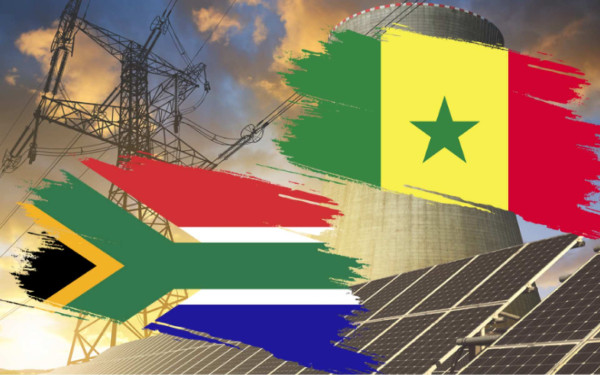
The Just Energy Transition in Africa: Lessons From South Africa and Senegal

Location: News
African Energy Chamber

By NJ Ayuk, Executive Chairman, African Energy Chamber (https://EnergyChamber.org).

Just Energy Transition Partnerships (JETP) have been introduced in recent years to provide financial support to developing nations as they transition away from fossil fuels. In 2021, during the 26th UN Climate Change Conference of the Parties (COP26), South Africa became the first nation to sign such a deal. Senegal and the International Partners Group (IGP) signed a JETP in June 2023.

I have said before that the best way for Western countries, and the developed world at large, to help Africa transition from fossil fuels is through investment and collaboration, not patronization. This is precisely what the JETP programs seek to do, assist energy emerging economies that are dependent on coal to transition away from fossil fuels while leaving room to address the associated social consequences. That is investment, that is collaboration, and above all, it is respectful of the reality that Africa can move only on its own schedule in this matter. Arbitrarily forbidding us from using our natural resources will only do more harm than good.

So far, South Africa and Senegal are the only African countries to have agreed to a JETP, with South Africa securing a deal for USD8.5 billion, while Senegal secured one for USD2.7 billion. How South Africa and Senegal intend to leverage these deals differ drastically, however, as do their power generation circumstances.

South Africa: Pulled Between Priorities

Coal continues to dominate South Africa's energy portfolio, at over 80% of the country's power generation mix. Due to chronic load shedding and energy shortage issues, the country is now being pulled between two priorities, ensuring energy security and adhering to its decarbonization plans. General power outages have plagued the country since 2008 but intensified in recent years and effectively hamstrung South Africa's economy, which has not surpassed even 1% gross domestic product (GDP) annual growth in the last decade.

The country's aging coal fleet faces significant maintenance issues which led to several of the country's largest coal units being rendered inoperable in 2023. That year also saw the worst load shedding the country has faced yet, more than twice what it experienced in 2022, leading to energy shortages for 335 days out of the year. This load shedding led to a sharp increase in demand for solar panels and batteries, but Eskom (South Africa's power utility) has had to prioritize energy security instead, prolonging its reliance on coal-fired plants and slowing down their decommissioning. To their credit, Eskom has made significant improvements to their coal plants' maintenance and repair thanks to a recovery strategy launched in early 2023, and they have not suffered another load-shedding event since March 26, 2024.

Nevertheless, the decision to prolong their reliance on coal is at odds with South Africa's JETP. It has also directly led to the South African government seeking renegotiation of finance deals tied to its transition to cleaner energy sources, amounting to some USD2.6 billion of the originally agreed to USD8.5 billion.

Above all, right now South Africa requires a solution that will ensure its energy security while also keeping the country on track with its JETP commitments, especially given its peak demand by 2030 is expected to reach 38 gigawatts (GW), a full 6 GW more than its current peak. And even though 13.6 GW of new power plants are expected to come online by 2027, with solar PV accounting for over half and onshore wind accounting for 25% of the new capacity, coal is still expected to meet two-thirds of daily demand. Battery storage assets awarded by South Africa's Battery Energy Storage Independent Power Producers Procurement Programme (BESIPPP) will also contribute to this new capacity. Renewable-based generation in South Africa is also expected to grow from nearly 14.1% currently to nearly 29% by 2030.

I want to be very clear here: South Africa's renewable energy growth is commendable, and Eskom's decision to prioritize energy security via coal when an alternative solution wasn't immediately available was understandable and pragmatic. But the country's renewables are not advancing fast enough to cover for the aging of its coal fleet, and no amount of emergency maintenance campaigns can ensure that similar issues won't lead to a load-shedding crisis again. If unaddressed, it will introduce the risk of shortfalls when the coal fleet is inevitably shut down at its end of life. Gas-to-power is thus the most prudent option for South Africa to prioritize while it continues working to expand its renewable power sources. The flexibility provided by gas-to-power will help meet demand once the coal fleet can no longer provide South Africa's baseload power, leaving it with only its Koeberg nuclear power plant and currently limited solar and hydropower resources to fill in the gap. Not only is natural gas more cost-effective and efficient as a power source than coal, but it is also relatively cheap to retrofit a formerly coal-fired plant with gas turbines, allowing South Africa to both gradually phase out coal while saving money that would otherwise be spent building entirely new infrastructure. All of this will matter a great deal, as South Africa anticipates phasing out coal to require USD99 billion dollars between 2023 and 2027. So far, it has raised half between their JETP deal with the IGP, USD33 billion in private sector investments, and USD10 billion from the public sector. South Africa hopes to fill the gap through both domestic and international private entities in the form of grants, guarantees, and concessional loans.

Fewer Struggles in Senegal

Senegal, meanwhile, looks to be having fewer troubles, being reliant on liquid fuel sources rather than coal. The USD2.7 billion raised through its JETP is expected to attract and mobilize further investments from both the private and public sectors, much the same as South Africa. Senegal, however, will also be receiving technical assistance from its international partners to boost the integration of its renewable energy infrastructure and technology, with a heavy focus on grid stabilization and battery storage. This aligns well with its electrification plans, which aim to achieve 40% of its installed capacity mix provided by renewables by 2030, up considerably from the current 22%.  Senegal has also committed to developing an investment plan within 12 months to identify its needs, opportunities, and allocations to meet its targets.

To that same end, Senegal plans to publish a revised nationally determined contribution (NDC) at COP30, set to take place in late 2025. The current NDC outlines an unconditional target of 235 MW of solar PV, 150 MW of onshore wind, and 314 MW of hydro by 2030. With international assistance, these targets are set to rise to 335 MW of solar PV, 250 MW of onshore wind, 50 MW of bioenergy and 50 MW of solar thermal.

Overall, both South Africa and Senegal stand to benefit significantly from their JETPs, and this is a trend I hope to see continue in the future for African states. There are, of course, growing pains. JETPs are still a nascent program, and the first few deals were signed as political promises first and foremost before the full technical and coordination details could be fully worked out by all sides. The implementation process for South Africa and Senegal has thus been delayed while consultations and negotiations smooth over the logistical details. In addition, JETPs alone will be nowhere near enough to fully cover the financial burden of transitioning African countries away from fossil fuels, and acquiring the private financial investments to bridge the gap may prove difficult for many countries.

This is why it is crucial for African states, and the world at large, to keep a close eye on how things develop in South Africa and Senegal, as their efforts to address these challenges will no doubt set the example for others.

Distributed by APO Group on behalf of African Energy Chamber.
Media files
African Energy Chamber
Download logo
Read moreThe Just Energy Transition in Africa: Lessons From South Africa and Senegal
2 January 2025

Eskom synchronises Koeberg’s Unit 2 to the grid

Location: News

Eskom synchronises Koeberg’s Unit 2 to the grid

Eskom has successfully synchronised Unit 2 of the Koeberg Nuclear Power Station in Cape Town, to the national grid.

The unit was synchronised to the national grid on Monday, marking a significant milestone in the Generation Operational Recovery Plan and South Africa’s pursuit of a dependable, cost-effective, and environmentally sustainable energy supply.

“This achievement follows an extensive Long-Term Operation (LTO) programme designed to extend Unit 2’s operational lifespan by an additional 20 years,” the power utility said in a statement on Tuesday.

It said that the maintenance programme for Unit 2 included the replacement of three steam generators, comprehensive inspections, and refuelling activities to ensure the reactor's continued safe and efficient performance.

“These enhancements align with Eskom’s broader strategy to secure the future of Koeberg’s reactors, which are critical to the country’s energy security. With a 930MW contribution, Unit 2 plays a significant role in Eskom’s goal to increase its capacity by 2 500MW by March 2025,” it explained.

The National Nuclear Regulator (NNR) is anticipated to decide on the extension of Unit 2’s operational license in 2025.

“This comes after the successful renewal of Unit 1’s license, which extends its operation until 2044. Unit 1, contributing 930MW to the grid, has shown exceptional reliability since its return to service. Combined, Units 1 and 2 will supply 1 860MW - approximately 5% of South Africa’s total electricity - playing a vital role in reducing loadshedding and stabilising the grid.”

The Koeberg Nuclear Power Station which celebrated 40 years of safe and efficient operation in 2024, stands as a cornerstone of Eskom’s energy portfolio.

The successful completion of Unit 1’s LTO programme in 2023 has set the stage for similar advancements with Unit 2, further solidifying Koeberg’s critical role in South Africa’s energy landscape.

Unit 1 has consistently delivered high levels of performance, and Unit 2 is expected to match or exceed these achievements.

The utility said that Koeberg’s enduring success underscores its significance in meeting South Africa’s energy needs and supporting its transition to a low-carbon economy.

“By forming strategic collaborations with international designers, suppliers, and industry leaders, Koeberg has established itself as a hub for nuclear innovation. These partnerships are anticipated to be crucial as South Africa explores advanced nuclear technologies, such as small modular reactors (SMRs). This could position the country as a leader in cutting-edge nuclear solutions while continuing to build and maintain a skilled nuclear workforce,” said the Group Executive for Generation, Bheki Nxumalo.

“As South Africa phases out some of the aging coal-fired power plants by 2030, nuclear energy is poised to provide a reliable and stable baseload supply. Unlike intermittent renewable sources, nuclear power ensures continuous electricity generation, meeting the needs of both residential and industrial users. Its ability to produce carbon-free energy also supports South Africa’s climate goals by reducing greenhouse gas emissions,” concluded Nxumalo.

Reliability

Eskom anticipates Koeberg’s enhanced performance will be fully realised in the 2026 financial year, with Unit 2’s record of 498 consecutive days of operation and a 93% energy availability factor serving as a benchmark for future reliability.

“While projects like the LTO programme necessitate a higher initial upfront investment, the long-term benefits - including decades of affordable, low-carbon energy - make them indispensable. Koeberg exemplifies how nuclear power can align economic and environmental priorities to create a sustainable energy future. Through the successful execution of the LTO project, our Koeberg team has once more demonstrated the exceptional skills we have to support our country’s nuclear ambitions,” said Eskom’s Group Chief Executive, Dan Marokane.

The utility said that as the country advances toward a greener economy, Koeberg remains central to its energy strategy.

“Eskom is dedicated to optimising nuclear power’s potential, ensuring a cleaner, more secure, and cost-effective energy supply for generations to come,” it said. -SAnews.gov.za 

Neo
Thu, 01/02/2025 - 10:38

96 views
Read moreEskom synchronises Koeberg’s Unit 2 to the grid
24 December 2024

Deputy President wishes nation a safe festive season

Location: News

Deputy President wishes nation a safe festive season

Deputy President Paul Mashatile has urged all road users to adhere to the rules of the road as holiday makers travel around the country, to ensure a safe festive season.

“[We] urge those who are driving during this period to please adhere to the rules of the road. Don’t drink and drive, no speeding, wear seat belts and take time to rest when driving long distances. We want everybody to arrive alive at their destinations,” he said in a recorded message to the nation. 

Deputy President Mashatile called on all citizens not to partake in excessive alcohol use during the holiday season.

“During the festive season, we must be mindful of alcohol and substance abuse. While celebration brings joy, it can also lead to overindulgence and unhealthy behaviours.

“Excessive drinking can impair judgment and cause accidents, especially on the roads. Alcohol and substance abuse can cause conflicts, leading to strained relationships in families.

“We urge all South Africans to remain responsible this festive season not to drink and drive. Drinking and driving endangers the lives of passengers, pedestrians, and other road users,” he said.

Deputy President Mashatile appealed to communities to remember the less fortunate over the festive season.

“As we celebrate…let us remember the families who are grieving the loss of their loved ones during the year. Let us also remember those who died on our roads; those who were victims of crime; and those who succumbed to various illnesses.

“To those who are in hospitals, we extend our best wishes and speedy recovery. We should remember those who are the less fortunate and share whatever we have with them so they too can feel the love and compassion as we engage in festivities,” he said.

Tackling challenges

Reflecting on the year that was, the Deputy President described 2024 as a significant one for the country.

“The year 2024 was an important year to all South Africans as we celebrated 30 years of democracy. South Africans were engaged in many activities that continued to make our democracy vibrant and make us remain a resilient nation.

“This year was also in some respect a turbulent one for many South Africans with wavering events that tested our resilience and unity as a nation. I would like to thank all South Africans for having participated in free and fair elections on the 29th of May this year. The outcome of this election sent a clear message to political parties in Parliament to work together to find solutions to the problems that our people are facing,” he said.

Deputy President Mashatile acknowledged the current economic challenges facing the country.

“Our economic challenges remain a constant feature in our struggle to reduce the cost of living. We remain committed to bringing under control the rising cost of transport, electricity and the cost of food that has become a huge burden to many South Africans.

“The Quarterly Labour Force Survey for the third quarter of 2024 showed a significant decrease in unemployment, yet millions remain unemployed.

“According to a World Bank report, our nation continues to be one of the most unequal societies in the world,” he said.

He assured that government is working on and implementing solutions to those challenges.

“Government is implementing plans to ensure inclusive economic growth to create jobs and has invested significantly in the social wage package to reduce inequality and address the worst effects of poverty.

“This package includes free basic services - health, education, and social housing for the poor, as well as extensive social security grants for the elderly and other vulnerable groups in our communities,” he said.

The Deputy President gave a nod to government’s “intensified efforts to attract investment by raising investor’s confidence in the economy”, the efforts to end load shedding and government’s work to resolve other challenges.

“This is the first winter that we spent without load shedding in five years. We thank the men and women in the Public Service for their hard work. We also thank the private sector for their contribution as we continue to keep the lights on and invest in Renewable Energy as we move towards the Just Energy Transition (JET).

“President Cyril Ramaphosa has established the Water Task Team this year to address water challenges in various parts of the country. 

“Government has also intervened to deal with the problem of illegal spaza shops and selling of illicit goods and food to communities. Many were affected by food- borne illnesses that saw many children lose their lives. Government has also adopted stringent measures to combat crime, corruption and also curb the illegality of Zama-Zamas,” he said.

On Gender Based Violence and Femicide, Mashatile urged communities to work with government to root out the scourge.

“We recently concluded the 16 Days of Activism for No Violence Against Women and Children, which underscores our collective responsibility to combat the scourge of Gender Based Violence and Femicide.

“However, sixteen days are not enough; we must come together as communities to address and combat GBVF throughout the entire year. We commend men who are participating in the “BETTER MAN 4 TOMORROW” campaign and stood up to commit against GBVF, HIV/AIDS, TB and STI’s. We urge more men to partake in this campaign,” the Deputy President insisted.

Reflecting on the good

Mashatile took time to acknowledge the efforts of South Africans from all sectors who contributed to raising high the national flag.

“Let me extend our gratitude to the civil servants and frontline workers who have worked tirelessly throughout the year. We also wish to pay tribute to thousands of matriculants who are awaiting their results. We are confident that you have done your best and will make us proud.

“Team South Africa represented the nation at the 2024 Olympic and Paralympic Games in Paris, France, and won six medals. The Springboks are now ranked number one in Men’s Rugby in the world and Bafana-Bafana have qualified for the Africa Cup of Nations. We are also closing the year on a high note, celebrating the historic double victory of the South African Women (SPAR Proteas) and Men’s Netball Teams.

“We also congratulate Tyla for winning a Grammy Award and applaud her contribution towards making South Africa to be recognised on this global platform,” he said.

The Deputy President wished the nation happy holidays as the year draws to a close.

“I urge every one of us to continue to work together to build a truly non-racial, non-sexist, and prosperous South Africa, united in our diversity.

“On behalf of the South African government, I wish you a merry Christmas and prosperous New Year,” Deputy President Mashatile concluded. – SAnews.gov.za


NeoB
Tue, 12/24/2024 - 10:23

83 views
Read moreDeputy President wishes nation a safe festive season
23 December 2024

Preferred bidders chosen for renewable energy bid windows

Location: News

Preferred bidders chosen for renewable energy bid windows

Eight solar PV projects – with a combined contracted capacity of some 1 760MW – have been appointed as preferred bidders under the Renewable Energy Independent Power Producer Procurement Programme (REIPPPP) Bid Window 7.

A further eight projects have also been appointed through the Battery Energy Storage Independent Power Producer Procurement Programme (BESIPPPP) Bid Window 2.

REIPPPP Bid Window 7

The Department of Electricity and Energy on Monday said the eight solar projects were appointed from a pool of some 48 bid responses.

“Total investments from the eight Solar PV Preferred Bidders in this Bid Window is R31.4 billion. South African Equity Participation of 49% across all the Preferred Bidders and average Black Economic Empowerment participation of 46% have been committed in this Bid Window,” the department said.

Some 6 971 job opportunities – measured in job years – are expected to be created through the projects.

“These projects will allocate 38.8% of their total project costs to local content, equating to R7.8 billion during construction and R2.4 billion during the operation and maintenance phases.

“The preferred bidders have also undertaken to invest R3 billion in Black Enterprise Procurement, R2 billion in B-BBEE Procurement on Qualifying Small Enterprises (QSEs) and Exempt Micro Enterprises (EMEs), and an additional R333 million in B-BBEE Procurement, specifically for black women. 

“Furthermore, the preferred bidders have undertaken to spend a total of R73 million in Enterprise Development, R129 million in Socio-Economic Development, and R138 million in Skills Development initiatives over the lifetime of the projects,” the department said.

BESIPPPP Bid Window 2

The department said it received 31 bid responses for BESIPPPP Bid Window 2, with the eight chosen bidders coming with a combined total investment of some R12.8 billion.

“The eight preferred bidders have committed to 41% black shareholding in the IPP Project Companies, up to 27% shareholding by construction contractors, and up to 36% in operations contractors. 

“The preferred bidders have committed to creating a total of 1 570 job opportunities for RSA citizens – measured in job years – during construction and operations. 

“These projects will allocate 31% of their total project costs to local content, equating to R2.6 billion during construction and R2.5 billion during the operation and maintenance phases,” the department said.

A further R1.8 billion will be invested in Black Enterprise Procurement, R1.4 billion in B-BBEE Procurement on Qualifying Small Enterprises and Exempt Micro Enterprises, and an additional R659 million in B-BBEE Procurement, specifically for black women.

“The preferred bidders have also committed to spend R316 million on supplier development, skills development, bursaries for black students, skills development for black disabled people, and socio-economic development initiatives over the lifetime of the projects,” the department concluded. – SAnews.gov.za

NeoB
Mon, 12/23/2024 - 13:08

37 views
Read morePreferred bidders chosen for renewable energy bid windows
13 December 2024

Call to expand SA-Angola trade and investment 

Location: News

Call to expand SA-Angola trade and investment 

President Cyril Ramaphosa has called for the expansion of bilateral trade and investment between South Africa and Angola.

“During our official engagement, we reached a shared understanding that significant opportunities exist to further strengthen and expand our bilateral trade and investment relations,” President Ramaphosa said on Thursday.

The President made the remark during the South Africa-Angola Business Forum held at the CSIR International Conventional Centre in Pretoria. This as he hosted his Angolan counterpart, President João Manuel Gonçalves Lourenço, who was in South Africa for a State Visit at the Union Buildings earlier in the day.

READ | SA, Angola deepen ties

Speaking at the inaugural South Africa-Angola Business Forum, President Ramaphosa said it was heartening and encouraging to see a broad representation of business from the two countries. 

“This is in itself a solid demonstration of confidence; confidence in the strength of the region’s two largest economies; confidence in the potential that exists for deepening trade and investment ties; confidence that the governments of both countries are taking the necessary steps to ensure that the business operating environment is improved so investments can be safe and secured,” the President explained.

The first citizen said in his engagements with President Lourenço and the respective delegations, a wide array of critical political, economic and social issues of mutual concern were discussed.

More than 20 South African entities are already investing in Angola in a range of sectors including rail, agriculture, industrial parks, oil refineries, manufacturing, IT, financial services and logistics.

“By way of example, the Development Bank of Southern Africa is financing port development, railway rehabilitation, oil and gas infrastructure and renewable energy development in Angola. 

“The Export Credit Insurance Corporation of South Africa has also maintained a healthy pipeline in Angola in infrastructure development, and the Industrial Development Corporation is involved in financing the Cabinda Oil Refinery and the Cabinda phosphate project. We would like to see substantially more Angolan FDI [foreign direct investment] inflows into the South African economy,” said President Ramaphosa.

In addition, between 2003 and 2024, “only a handful” of Angolan companies were investing in South Africa in communications, financial services and the metal sector.

With respect to trade, though South Africa’s exports to Angola have grown by approximately 11% since 2019, they account for just 3% of Angola’s total imports. 

South Africa’s imports from Angola have declined by some 19% since 2019.

“Casting the net wider presents immense possibilities for improving both trade and investment flows. South Africa is pursuing an ambitious economic development agenda based on export-led industrialisation.

“We seek to revitalise our industrial base, modernise our infrastructure network, and strengthen logistics and supply chain connectivity with the rest of the continent,” President Ramaphosa said, noting that this presents opportunities for cooperation in various sectors such as agriculture and agro-processing, energy and rail rolling stock.

Energy and infrastructure development

On energy matters, the President said the rapid growth of key clean energy manufacturing industries, as part of the global transition to a low-carbon economy, is an area that must be explored urgently. 

“The global energy transition offers new opportunities to upgrade and diversify into technology-intensive global value chains. The transition to a low-carbon economy therefore presents scope for collaboration around critical minerals, specifically with regards to value addition and beneficiation.”

The President said infrastructure development that unlocks intra-Africa trade is a priority.

“We must build on the work already underway on the Lobito Corridor to create sustainable industries in the region. South Africa is ready to partner with Angola in the development of strategic corridors, including the Central, North and South Corridors, with the aim of transforming them into dynamic economic infrastructure projects that can promote growth.”

Cutting red tape

President Ramaphosa called on business and government to use the forum proactively.

“As government and business, we must use this forum to engage proactively around not just the possibilities that exist, but also how to resolve the challenges in the business operating environment. Companies in both Angola and South Africa have challenges that make it difficult to do business.

“Stringent business visa requirements, high export costs, onerous import processes, taxation issues and bureaucratic red tape are just some of these. 

“We must be able to emerge from this forum with a clear understanding of what the main challenges are and what steps will be taken to facilitate greater market access on both sides.

“Promoting greater economic growth for the benefit of Angola and South Africa necessitates that we are agile, adaptable and responsive as both the public and private sectors,” he said. - SAnews.gov.za

Edwin
Fri, 12/13/2024 - 09:42

297 views
Read moreCall to expand SA-Angola trade and investment 
13 December 2024

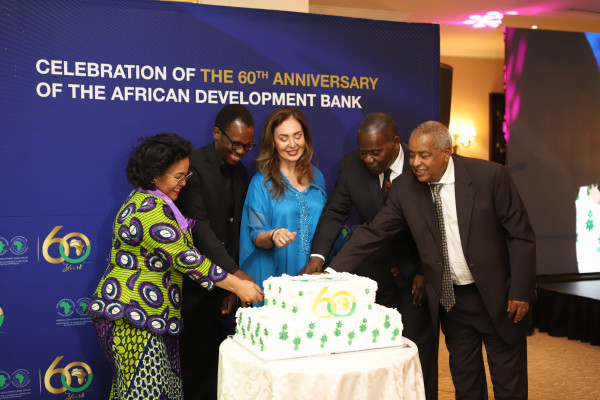
African Development Bank Celebrates 60 Years of Transformative Impact in Africa Southern Region

Location: News
African Development Bank Group (AfDB)

The African Development Bank (AfDB) (www.AfDB.org) proudly celebrates its Diamond Jubilee, marking 60 years of driving social and economic transformation across the African continent. The Southern African regional celebration, held in Johannesburg, brought together leaders, stakeholders, and partners to reflect on the institution's remarkable journey and its vision for a prosperous future.

Speaking at the event, Ms Leila Farah Mokaddem, Director General of the African Development Bank Group, highlighted the Bank's legacy of impact and transformation. "Sixty years ago, the African Development Bank was born out of a vision for a better Africa. Today, we celebrate not just numbers but the lives transformed and communities uplifted through our work," she said.

Key Achievements in Southern Africa

With an active portfolio of 226 projects worth USD 11 billion, the Bank's unwavering commitment to fostering sustainable growth and integration in Southern Africa is evident. Notable achievements include:

  • SADC Sub-Regional Transport and Facilitation Project: A USD 231.3 million investment connecting Malawi and Mozambique, fostering trade, and mitigating regional fragility.
  • Lesotho Highlands Water Project: A USD 2.1 billion initiative enhancing water transfer and hydroelectric power, essential for energy security.
  • Kazungula Bridge Project: A USD 81.6 million investment strengthening connectivity between Zambia and Botswana along the North-South Corridor.
  • Support for Transnet: A recent USD 1 billion sovereign-guaranteed corporate loan to aid South Africa's freight transport recovery and growth.

The celebration also underscored the deep partnership between the Bank and the Government of South Africa. Honourable Minister Enoch Godongwana shared his reflections on this enduring collaboration:

"The Government of the Republic of South Africa celebrates this significant milestone with the African Development Bank. Our region, and indeed South Africa, continues to enjoy a fruitful partnership with the Bank as we work together toward a shared goal of creating a better Africa for future generations.

As we gather to celebrate the many achievements of our collaborative efforts, we also recognise the need to continue advancing Africa's development agenda. This milestone energises us and strengthens our commitment to a shared vision for the next 60 years!"

Looking Ahead: A Vision for the Future

As the Bank embarks on its new Ten-Year Strategy, it prioritises integrated regional projects and climate resilience. Projects like the Lobito Rail Integrated Corridor, connecting Angola, DRC, and Zambia, promise to drive economic growth, agriculture value chains and renewable energy investments.

"Our work is far from over," Ms Mokaddem noted. "We invite all partners—governments, private sector actors, and international institutions—to join us in building a more inclusive and sustainable Africa. Together, we can address climate-related challenges and mobilise resources to ensure no one is left behind."

A Commitment to Africa's Development

Under the leadership of President Dr Akinwumi A. Adesina, the Bank has maintained its AAA rating and authorised capital of USD 318 billion, with nearly 2,000 staff serving all 54 African countries. The institution continues to champion its “High 5s” priorities: lighting up and powering Africa, feeding Africa, industrialising Africa, integrating Africa, and improving the quality of life for the people of Africa.

The 60th-anniversary celebrations are a testament to the Bank's resilience and the enduring support of its partners. The African Development Bank remains steadfast in its mission to transform lives and catalyse growth across the continent.

To view our anniversary video that encapsulates these achievements and our vision for the future, please click here: Anniversary Video (https://apo-opa.co/4g8Y2s3).

Distributed by APO Group on behalf of African Development Bank Group (AfDB).

Media contact:
Natalie Naudé,
Communication and External Relations Department
n.naude@afdb.org

Join the Conversation:
#AfDB60 #AfricaRising #EconomicTransformation #MakingADifference

About the African Development Bank Group:
The African Development Bank Group (AfDB) is the premier multilateral financing institution dedicated to Africa's development. It comprises three distinct entities: the African Development Bank (AfDB), the African Development Fund (ADF) and the Nigeria Trust Fund (NSF). The AfDB has a field presence in 41 African countries, with an external office in Japan, and contributes to the economic development and social progress of its 54 regional member states. For more information: www.AfDB.org

Media files
African Development Bank Group (AfDB)
Download logo
Read moreAfrican Development Bank Celebrates 60 Years of Transformative Impact in Africa Southern Region
12 December 2024

G20 urged to deliver on climate justice

Location: News

G20 urged to deliver on climate justice

With developing nations being considered the most vulnerable to climate change, United Nations Secretary-General António Guterres says the Group of Twenty (G20) countries must lead in delivering climate justice.

Addressing the closing session for the Joint Sherpa-Finance and Central Banks Deputies' Meeting, Guterres stressed that many vulnerable countries are being forced to respond to a crisis they did not create.

“Meanwhile, they lack the necessary support to seize the benefits of clean energy to spur prosperity and eliminate poverty. We need developed countries supporting developing countries with adequate, affordable and accessible finance and technology, and through meaningful contribution to the loss and damage fund by doubling adaptation finance next year as promised.

“[Climate justice can be delivered] by forging new partnerships like the Just Energy Transition Partnership that South Africa has pioneered to pave the way to a renewable future,” the Secretary-General said on Wednesday in Johannesburg.

On 1 December 2024, South Africa assumed the Presidency of the G20, which comprises many of the world's largest developing and developed economies.

As part of the work for the G20 Presidency, South Africa has commenced with the first series of the more than 130 meetings that will precede the G20 Summit in 2025.

“G20 countries must lead the way in line with the principles of common but differentiated responsibilities but recognise that every G20 country has to do more in the reduction of emissions. Next year, every government must deliver new economic plans in line with limiting the global temperature rise to 1.5 degrees.

“These new plans must cover all emissions in the whole economy, accelerate a just fossil fuel phase out and contribute to the energy transition goals agreed to at COP28. We must also ensure that Africa’s critical minerals that can power the renewable future worldwide benefit Africans first and most. We cannot repeat the mistakes of the past,” he said.

Guterres further called on the G20 to lead on technological justice.

“From digital technology to artificial intelligence, the developing world must access and benefit from the technological revolution.

“We need the G20 to support developing countries as they invest in the digital driven systems and solutions that their people need to boost prosperity to create jobs and drive sustainable development,” he said.

South Africa's G20 Presidency is the fourth consecutive emerging market Presidency, and it is also the first African Presidency, followed by the admission of the African Union (AU) as the second permanent African member. 

The G20 was established to tackle pressing global economic and financial issues. Together, G20 members account for around 85% of global GDP and 75% of international trade. 

The G20 comprises 19 countries including Argentina, Australia, Brazil, Canada, China, France, Germany, India, Indonesia, Italy, Japan, Republic of Korea, Mexico, Russia, Saudi Arabia, South Africa, Türkiye, United Kingdom, and United States and two regional bodies, namely the European Union and the African Union.

The grouping therefore plays a critical role in influencing global policy making and fostering global economic stability. - SAnews.gov.za

nosihle
Wed, 12/11/2024 - 15:14

90 views
Read moreG20 urged to deliver on climate justice
10 December 2024

Submit applications to JET funding platform today

Location: News

Submit applications to JET funding platform today

Energy and Electricity Deputy Minister Samantha Graham-Maré has urged community project owners to submit applications to the Just Energy Transition (JET) funding platform before the 13 December 2024 deadline.

The Deputy Minister explained that the funding platform was developed by the JET Office within the Presidency “in response to the low rate of take-up for the funding committed by the International Partners Group (IPG), which have committed over $11 billion to South Africa’s goal of decarbonising our energy sector". 

“However, there has been difficulty matching projects to funders, and many potential projects are not always at a stage where funders can commit.

“The purpose of the JET Funding Platform is to be a matchmaker between grant funders and potential JET beneficiaries by providing project preparation and application support, while offering complete transparency to the public on the grant spending and projects. 

“Eligible projects must aim to drive renewable energy innovation, economic growth, and community development, and through the platform, will be able to move through project preparation gates and submit feasible applications that meet the expectations and requirements of funders. The platform also allows multiple funders to support one project, which allows for greater funding and support from a variety of sources,” Graham-Maré said.

Focus areas on the platform include:

  • Supporting communities and workers impacted by the shift from coal to renewable energy.
  • Economic diversification planning to create resilient, renewable-energy-driven economies, particularly in Mpumalanga.
  • Community ownership models for renewable energy projects, ensuring inclusive participation.
  • Technical assistance and business development support for renewable energy initiatives.
  • Capacity building for institutions and community organizations active in renewable energy.
  • Start-up capital, debt, and equity for enterprises championing renewable energy in transitioning regions.
  • Reskilling and upskilling programs to help workers thrive in renewable energy careers.
  • Research and innovation to advance renewable energy technologies and community-led solutions.
  • Credit support for SMMEs driving renewable energy advancements.

“The JET Funding Platform is a beacon of South Africa’s commitment to a cleaner, greener energy future. By enabling innovative renewable energy projects, we are not just stabilising the grid but creating jobs, fostering economic resilience, and placing communities at the heart of our energy transformation. The platform's goal for the first year is to match 20 projects with R600 million of funding.

“I encourage all eligible organisations to take advantage of this unique opportunity before 13 December 2024. 

“Let us make the most of this moment to advance South Africa’s renewable energy journey, ensuring that no community is left behind, as we transition to a sustainable and inclusive energy future,” Graham-Maré concluded.

Applications can be submitted at www.jetfundingplatform.org.za. - SAnews.gov.za 


NeoB
Tue, 12/10/2024 - 10:01

42 views
Read moreSubmit applications to JET funding platform today
9 December 2024

South Africa’s progress in 2024 sets the stage for hope in the New Year

Location: News

South Africa’s progress in 2024 sets the stage for hope in the New Year

As the year draws to a close, President Cyril Ramaphosa has reflected on South Africa’s achievements and challenges, expressing optimism for the year ahead in his weekly newsletter.

This year marked three decades since the advent of democracy, with the country commemorating its progress in building a constitutional order rooted in freedom, equality and human rights. 

Among the highlights was South Africa’s seventh successful General Election, with 70 political parties contesting. The Electoral Commission was lauded for its efficient management of the polls, reflecting a maturing democracy.

“Our democracy has evolved and matured. We have a Government of National Unity comprising 10 political parties from across the political spectrum. They have agreed on three strategic priorities for this administration. The first strategic priority is to grow our economy and create jobs.

“The structural reforms initiated under the sixth administration are continuing to create conditions for our economy to grow and to create jobs,” the President said. 

Economic growth and energy stability

Efforts to grow the economy and create jobs have borne fruit, with over 250 days of uninterrupted power supply this year. This achievement was credited to improved maintenance by Eskom, increased renewable energy capacity, and widespread adoption of solar solutions. 

“The work of the National Energy Crisis Committee continues. It is working to get more power onto the grid, expand our electricity infrastructure, diversify the market for the benefit of consumers, and lay the groundwork for an energy-secure future,” the President said.

President Ramaphosa said the recovery of commuter and freight rail services also marked a turning point. Passenger rail saw a surge in usage, with 31 of 40 corridors operational and passenger numbers climbing to 40 million from 15 million in the previous year.

Ports in Durban and Cape Town also experienced operational improvements, further boosting economic activity.

“We are making progress in the recovery of freight rail and dealing with longstanding operational challenges in our ports. We are seeing improvements at the container terminals in Durban and Cape Town, as well as with infrastructure upgrades,” the President said. 

Tackling poverty and the cost of living

Turning to poverty and the cost of living, the President noted a significant drop in consumer inflation, bringing down prices of essential goods, including food and fuel.

While unemployment levels remain extremely high, the President said more South Africans are finding jobs.

Government continued to sustain a substantial social wage, dedicating 60% of the national budget to social grants, subsidized housing, free basic services, and no-fee schools.

“These are the measures that reduce poverty and directly improve people’s lives. In addition to the provision of grants to vulnerable groups and unemployed people, this social wage includes subsidised housing, free basic services, no-fee schools and school nutrition. Government has been able to sustain these measures, even as public finances are under severe pressure,” President Ramaphosa said. 

Strengthening State capacity

The President said the administration has worked to enhance government’s ability to deliver basic services, despite the challenges of poor governance and financial constraints in many municipalities.

“The third strategic priority of this administration is to strengthen the capacity of the State to deliver on its mandate. Our efforts to improve the capacity and capability of the state to deliver on basic services continue,” the President said. 

The President cited disruptions in the supply of electricity and clean water as a major problem in many municipalities. He added that many local councils are plagued by poor governance, limited capacity and severe financial constraints which affect service delivery. 

“These are the challenges we are grappling with. We have identified local government as a major focus in this administration. Through initiatives like the Presidential eThekwini Working Group, we are bringing all stakeholders together to solve local problems,” the President said. 

Challenges and Future Plans

While progress has been made, the President acknowledged persistent challenges.

Unemployment remains high, crime and violence are widespread, and service delivery disruptions are a major concern. However, he emphasised the importance of collaboration among government, business, labour, and civil society to address these issues.

“The progress we have made this past year and during the course of the previous administration shows that we can overcome the difficulties our country faces.

“As government, business, labour and civil society, we are able to achieve a great deal when work in unison to overcome our common challenges,” the President said. 

G20 Summit in 2025

Looking ahead, South Africa will host the G20 Summit in 2025, further positioning itself as a key player in addressing global challenges. 

The administration also plans to launch a National Dialogue to unite citizens in crafting a shared vision for the country.

“In the new year, we will embark on a National Dialogue that will draw together all South Africans in crafting a common vision for the country,” the President said. 

Concluding his message, the President expressed hope for 2025, vowing to build on the momentum of 2024. 

“Overcoming poverty and underdevelopment, creating more jobs, and addressing societal ills like gender-based violence, requires that we must all play our part, where we can.

"On many fronts, this year has been better than the last. We will build on these achievements in 2025. 

"Wherever you may be this festive season, I wish you well,” the President said. – SAnews.gov.za

DikelediM
Mon, 12/09/2024 - 11:24

253 views
Read moreSouth Africa’s progress in 2024 sets the stage for hope in the New Year
8 December 2024

SA, Algeria strengthen ties

Location: News

SA, Algeria strengthen ties

South Africa and Algeria have concluded a successful 7th session of the Bi-National Commission, marking a significant milestone in strengthening cooperation between the two nations.

President Cyril Ramaphosa recently led a delegation comprising Ministers, senior officials and business leaders in Algeria for a State visit at the invitation of President Abdelmadjid Tebboune. 

South Africa and Algeria enjoy strong political, economic, and social relations following the establishment of diplomatic relations in May 1994.

Speaking during a media briefing on Friday, President Ramaphosa said the outcomes of this session have paved the way for further cooperation, demonstrating the strong commitment of South Africa and Algeria to advancing the African continent's collective goals. 

“From our discussions, we are certain that this Bi-National Commission will continue to deepen collaboration, trade, investment and people-to-people exchange between South Africa and Algeria.

“President Tebboune and I were extremely satisfied with the detailed report that was presented on progress in the key areas of cooperation between Algeria and South Africa,” President Ramaphosa said. 

President Ramaphosa said the Bi-National Commission is seen as a mechanism to expand trade and investment ties between the two countries.

While there is currently a healthy volume of bilateral trade, the two Heads of State agreed that this should be far higher. 

“With preferential trading now having commenced under the African Continental Free Trade Area, there is even greater opportunity to deepen intra-African trade and strengthen economic linkages between major African economies.

“We have a shared conviction that deepening our bilateral relationship should serve the cause of African economic integration, shared prosperity, stability and peace,” he said. 

With the Algeria-South Africa Business Forum having taken place on Thursday, President Ramaphosa said it was an important opportunity for Algerian and South African businesses to explore synergies and plan projects.

South Africa had a sizeable business delegation spanning a range of economic sectors such as agriculture, manufacturing, automotive, construction and mining.

“We also have representatives from our Industrial Development Corporation, who are here to pursue investment leads the corporation could potentially fund.

“President Tebboune and I agreed that potential exists for cooperation on low-carbon economic growth in areas such as renewable energy and electric vehicle manufacturing. South Africa and Algeria have respective comparative advantages that can be harnessed for mutual benefit,” he said. 

Addressing Geopolitical Challenges

Against the backdrop of rising global geopolitical tensions, President Ramaphosa briefed President Tebboune on South Africa’s case before the International Court of Justice to hold Israel accountable for its actions in Gaza. Both leaders reiterated their call for an end to hostilities, the release of hostages, and the provision of humanitarian aid to the people of Gaza.

“South Africa and Algeria agree that the only lasting solution to this conflict is the realisation of the Palestinian people’s right to self-determination.

“As countries that have known the pain of occupation and dispossession, we stand in solidarity with the oppressed everywhere, including in Palestine and Western Sahara,” President Ramaphosa said. 

As South Africa marks 30 years of democracy, President Ramaphosa extended his gratitude to the noble people of Algeria for standing with the country in its struggle for liberation. – SAnews.gov.za

DikelediM
Fri, 12/06/2024 - 16:17

448 views
Read moreSA, Algeria strengthen ties
4 December 2024

SA, Nigeria talk trade

Location: News

SA, Nigeria talk trade

President Cyril Ramaphosa says South Africa and Nigeria enjoy strong diplomatic ties and expanding trade and investment flows.

“The strategic positioning of both countries in their respective regions presents enormous opportunities for collaboration,” President Ramaphosa said.

South Africa and Nigeria are this year marking 30 years of diplomatic relations, established in February 1994. 

Speaking during a roundtable discussion between South Africa and Nigeria held in Cape Town on Tuesday, President Ramaphosa said in West Africa, Nigeria is the main destination for South African exports and investments.

“But more needs to be done to improve trade and commercial relations between the two countries,” he said.

President Ramaphosa said South Africa runs a large trade deficit with Nigeria, mainly due to its import of Nigerian oil and gas.

“There is a need to diversify our trade to ensure a mutually-beneficial partnership. We are greatly encouraged by the presence of South African companies in Nigeria, just as we welcome Nigerian companies in South Africa. 

“We do recognise that challenges still exist within our respective operating environments that limit the expansion of investment and sometimes impact on the operations of companies,” he said.

The President visited Nigeria during a State Visit in 2021 and the Ministers of Trade launched the Joint Ministerial Advisory Council on Industry, Trade and Investment.

He added that South Africa and Nigeria have agreed on the full operationalisation of the Council.

“This will support a conducive environment for improved trade and investment. Through the Council, we hope to ensure the efficient resolution of trade- and investment-related challenges.

“As governments, we have committed in our Bi-National Commission to create an enabling environment for doing business in our respective countries. We have an opportunity to drive industrialization.”

READ | SA-Nigeria conclude successful Bi-National Commission

The first citizen said in the automotive sector for example, the two countries can create value chains in the manufacture of components and electric motorcycles.

“In critical minerals, we can use lithium to manufacture electric batteries. There is also much opportunity for cooperation on pharmaceuticals. Our two countries are in a strategic position to benefit from the rapid growth of clean energy manufacturing industries.

“South Africa has developed a Just Transition Framework and an Investment Plan that anticipates massive investments in renewable energy and the green economy over the next few years,” he said.

In addition, as part of the broader global transition to a low-carbon economy,  the two countries must leverage the abundant natural resources that exist to promote green industrialisation. 

“We should leverage each other’s capabilities in minerals processing. We must work together to ensure critical minerals are beneficiated at source. We call on business to support and involve themselves in these initiatives. 

“Our development finance institutions can work together to support infrastructure development.”

The President said South Africa has embarked on a massive infrastructure investment drive that encompasses projects in electricity generation and transmission, bulk water supply, roads, railways, bridges and ports.

“We need to explore how we can mobilise our respective capabilities and resources to develop social and economic infrastructure in our countries.

“The African Continental Free Trade Area, once fully implemented, will enable a massive growth in intra-African trade and investment. We must identify what products can be traded among ourselves that we are now importing from elsewhere,” he said. -SAnews.gov.za 


Edwin
Wed, 12/04/2024 - 11:16

108 views
Read moreSA, Nigeria talk trade
3 December 2024

Is Decarbonisation Possible for Africa?

Location: News

Starsight Energy
Download logo

Paul van Zijl, Group CEO at Starsight Energy (www.StarsightEnergy.com), believes it is. He maintains that we must apply a contextual lens and move away from all-or-nothing thinking, employing a holistic, phased and sustainable approach to the continent's energy mix.

It's fair to say that the global imperative to ‘decarbonise' – the shift from fossil fuels such as coal, natural gas or oil to carbon-free and renewable energy sources – has been more of a stumble than a sprint in Africa.

But as always, context is important. In Africa, other pressing socio-economic often – understandably – take priority, which then limits available funding; a lack of infrastructure hampers development; and, of course, vested interests slow progress. All of these factors have contributed to Africa's sluggish transition, for which it has been (often unfairly) criticised.

The cruel irony is that – even though Africa is far from the leading perpetrator behind the world's current carbon status (the continent is estimated to contribute less than 4% to global greenhouse gas emissions, making it one of the lowest emitters in the world) – it is one of the regions most vulnerable to the effects of climate change.

Africa's temperature increases surpass the global average, while multi-year droughts in some regions juxtaposed by extreme flooding in others have become the norm. Without targeted intervention, an estimated 118 million Africans living in extreme poverty will face increased exposure to droughts, floods, and extreme heat in the coming years, further straining poverty alleviation efforts and economic growth.

African countries are estimated to lose 2–5% of their gross domestic product (GDP) annually and allocate up to 9% of their budgets to respond to climate extremes, according to the World Meteorological Organization's (WMO) State of the Climate in Africa 2023 report. In Sub-Sahara Africa, adaptation costs are projected to reach USD 30–50 billion by 2030, or 2–3% of the region's GDP. Yet, Africa is estimated to only receive around 3% of global climate finance.

Africa is not the biggest culprit of carbonisation – but it is one of its biggest victims.

African countries, in general, do not have the same funding capabilities as the developed world, and priorities also differ. Poverty alleviation and economic participation/upliftment are understandably at the top of the list for most African governments and this means that limited funding needs to be allocated accordingly. In addition, recent conversations have highlighted the higher cost of debt for African nations, when compared to other sovereign issuances in emerging markets.

Despite these significant challenges, Africa has a lot going for it: we're unburdened by the need to decarbonise an “old economy”, as is the case with our Western counterparts, and the continent is blessed with immense renewable energy potential. Strategically harnessing these assets could not only fast-track climate action but also unlock significant economic opportunities for the continent.

To get there, however, we need to change our perspective from believing that fossil fuels are the only road to job creation, political power and economic growth. It shouldn't be “either/or” but rather, “and”. We must aim for more choice, less reliance on one energy type, and greater sustainability.

Eradicating fossil fuels will not happen overnight; the losses from flipping the switch prematurely would be too great.

Rather, our focus should be on what can be added to the energy mix, and the steps we can take to reduce our carbon footprint. Take natural gas, for example, generally viewed as the “lesser” of the fossil fuel evils. Natural gas and renewable energy can be quite complementary as part of a balanced energy strategy, especially during the transition to a low-carbon future.

We've seen, in real-time, major oil and gas companies drilling more and backtracking on their renewable energy targets and efforts. Yet, when natural gas, a by-product of oil drilling, is captured and used as fuel it is combusted more efficiently, producing lower carbon dioxide (CO₂) emissions compared to coal or oil. However, must ensure it is properly handled, as gas flaring or venting has a massive negative environmental impact.

What has changed, however, is that the typical excuse that renewable energy is “too expensive” has lost all weight. The build cost of renewable energy has reduced substantially over recent years while the trend for electricity grid prices in most countries has done the opposite. Globally, fuel prices have been highly volatile, with prices escalating in most countries on the back of political upheaval in the Middle East and Ukraine / Russia. And when compared to traditional power tariffs in countries like South Africa, annual renewable energy escalations are negligible.

The battle is no longer between clean energy and cheap energy; it is now significantly more affordable to go the renewable route.

Renewable energy is the continent's real sunrise sector.

The South African renewables industry has proven a case study for the rest of the continent. It has seen substantial involvement from the private sector, which has led to significant capital investment to maintain and improve infrastructure. It's creating jobs in both metros and rural areas, with a prime example being our SunCentral solar farm development in De Aar, Northern Cape where our operations will create more than 460 permanent and contract jobs. And innovations in renewable energy are saving SA businesses vast amounts of money, with solutions such as on-site solar, electricity wheeling, energy trading and aggregation helping make the switch to green energy not only possible but also profitable in the commercial and industrial sectors.

With the rise of the Independent Power Producer (IPP), African governments don't have to drive this transition on their own anymore. Each sector has a critical role to play, with success breeding more success.

Africa stands at a critical juncture, where the challenges of climate change intersect with the opportunity to redefine its energy future. The path to decarbonisation should neither be a sprint nor a stumble – it must be a deliberate, phased journey involving the collective effort of all stakeholders.

By embracing a balanced energy mix, encouraging innovation, and leveraging deregulation, Africa can transition to a low-carbon future without compromising its socio-economic priorities. Renewable energy isn't just an environmental imperative – it's an economic opportunity, a job creator, and a cornerstone for sustainable development.

It's time to flip the switch.

Distributed by APO Group on behalf of Starsight Energy.

Read moreIs Decarbonisation Possible for Africa?
3 December 2024

Government resolute to protect the economy amid tax pressures

Location: News

Government resolute to protect the economy amid tax pressures

As South Africa faces rising tax pressures and energy costs, Deputy Minister of Electricity and Energy, Samantha Graham-Maré has reassured businesses and citizens that the government is working hard to protect jobs and drive economic growth in the face of these new challenges.

“With coal still powering nearly 80% of our electricity, the upcoming Scope 2 tax on indirect emissions and the European Union’s Carbon Border Adjustment Mechanism (CBAM) threaten to raise costs for businesses and put R52.4 billion in exports at risk,” the Ministry of Electricity and Energy said on Monday.

By 2034, South African companies could face up to a 60% increase in electricity costs due to these new carbon taxes, with rates expected to jump from R190 to R462 per tonne by 2030. 

As current tax allowances are gradually phased out, some industries may see an overwhelming 340% increase in carbon tax payments. However, there is a path forward to secure jobs and promote growth.

The Deputy Minister emphasised that now is the time to invest in cleaner, cost-effective energy sources to build a more resilient, sustainable economy for all South Africans.

“Our priority is protecting jobs and strengthening our economy. By embracing renewable energy, we’re not only reducing emissions but creating new opportunities for growth, securing our industries’ future, and keeping South African businesses competitive in a global market that values sustainability. Transitioning to cleaner energy is essential for maintaining profitability and creating a brighter future,” Graham- Maré said.

The Ministry has assured business that government stands ready to work with it to unlock the potential of renewables, helping reduce dependence on coal, stabilise energy prices, and secure a prosperous future for South African workers and families.

“Together, we can protect jobs, build resilience, and pave the way for sustainable economic growth. Energy efficiency means job creation,” the Ministry said. -SAnews.gov.za

nosihle
Tue, 12/03/2024 - 09:28

15 views
Read moreGovernment resolute to protect the economy amid tax pressures
2 December 2024

The Fierce Urgency of African Energy Banks

Location: News
African Energy Chamber

By NJ Ayuk, Executive Chairman, African Energy Chamber (https://EnergyChamber.org).

For more than a year, the African Energy Chamber (AEC) has been pushing back against steadily building pressure to halt new foreign investments in Africa's oil and gas industry.

To prevent catastrophic climate change, environmental organizations, financial organizations, and governments across Europe and North America have insisted that developing nations, including those in Africa, must immediately transition from fossil fuel production and usage to renewable energy sources like solar, wind, and hydrogen. Mind you, the majority of those making these demands are based in industrialized nations that were built on fossil fuels — oil and gas fueled their economic engines — yet they are unwilling to allow less developed nations to use fossil fuels to the same end. Even more troubling, the countries these groups are taking aim at have a wealth of natural resources under their feet, resources that can be monetized and used to build a better future.

We have explained, over and over, why African countries, businesses, and communities still need support from international oil companies (IOCs), foreign governments, and investment institutions for oil and gas projects. IOCs, for example, play an important role in knowledge sharing and helping Africans build valuable job skills. What's more, foreign oil and gas investments create opportunities for revenue that can be used to build and improve energy infrastructure — for both fossil fuels and renewables. And, by supporting natural gas projects, investors create a path for gas-to-power projects that help minimize the continent's widespread energy poverty.

In July 2021, when it became apparent that reasoning was not yielding results, the chamber went so far as to employ the same tactics the international community used against our members. We called for boycotts against financial institutions that discriminated against the African oil and gas industry.

But the calls to stop financing African oil and gas have only grown louder and more insistent. Most recently, during the 2021 United Nations Climate Change Conference (COP26) in Glasgow, more than 20 countries and financial institutions pledged to stop public financing for overseas fossil fuel projects. Europe then decided that gas was clean for Europe so it will be financed but for Africa, gas is dirty and will receive no funding. The United Kingdom and the European Union have also reportedly joined in the chorus of voices demanding a ban against developed nations providing subsidies for fossil fuels.

Other expectations for this year's conference include calls for member states to formally commit to triple their renewable energy capacity and double their energy efficiency across the board by 2030.

The thread tying all these pledges together, with respect to our work at the AEC, is that none of them bode very well for any future success stories from the African energy economy.

For those of us who care about Africa's oil and gas industry, it's time to face facts: We need to find a way to save it ourselves. The AEC is calling upon African states and the private sector to fund the African Energy Bank, an institution which is focused on funding African energy projects. The African Petroleum Producers Organization (APPO) and the African Export-Import Bank (Afreximbank) have paved the way. The idea is to create funding sources for all types of African energy — from oil and gas exploration to solar and hydrogen operations — so that projects will not be dependent on foreign support.

We can do this, and we must. Too much is at stake. We can't afford not to capitalize on recent discoveries such as the light oil found offshore Angola, the oil in Namibia's Orange Basin, the shale gas in South Africa's Karoo Basin, or the oil and natural gas off the coast of Côte d'Ivoire. Those are only a few of the important discoveries that occurred recently, and each represents critical opportunities for everyday Africans.

You may be wondering if African energy banks are a realistic goal. How can a continent that is struggling to bring many of its people out of poverty raise capital for energy projects? I believe it can be done. To begin with, African governments can set aside a percentage of their oil and gas revenues for new project funding. In its report, Africa Energy Outlook 2021, Rystad Energy projected that African governments' earnings from royalties, profit oil, and other taxes in 2021 would reach USD 100 billion. Even 1% of that amount would produce USD 1 billion dollars.

We can also raise capital by investing African pension funds in African energy projects. According to Cape Town-based investment firm, RisCura, local pension funds collectively manage around USD 450 billion of assets in sub-Saharan Africa, and they are actively looking for new places to invest. Why not encourage them to add oil, gas, and renewables projects to their list? Investing pensions in the energy sector is hardly a new practice. Some of America's largest pension funds are invested in fossil fuel producers, and an increasing amount of pension funds around the globe are investing in green energy projects.

Our options for raising capital don't end there. We should also seek the support of wealthy Africans who want to invest in a better African future. As of December 2023, total private wealth in Africa totaled approximately USD 2.3 trillion. That's not even including the African diaspora.

In May 2022, Afreximbank signed an agreement with APPO on the joint establishment of a special multi-lateral financial institution (MFI) – the African Energy Bank – to provide support for the shift away from fossil fuels. The agreement calls for APPO's member states to provide equity for the new institution and serve as its founding members, with Afreximbank acting as co-investor and providing organizational support.

The new bank will be able to reach more countries than either APPO or Afreximbank could do on their own, as their rosters are not identical: APPO has 15 member states, while Afreximbank has 51 and there is a significant amount of overlap, as Algeria and Libya are the only APPO members that are not also Afreximbank members. But the point remains that if the two institutions join forces, their combined efforts will go further.

Professor Benedict Oramah, the President of Afreximbank, explained it as follows in May 2022: “For us at Afreximbank, supporting the emergence of [the Africa Energy Bank] will enable a more efficient and predictable capital allocation between fossil fuels and renewables. It will also free human and other resources at Afreximbank that will make it possible to support its member countries more effectively in the transition to cleaner fuels.”

Not only do we have pathways for raising capital, we also have an example of the kind of banks Africa needs to finance its own energy projects, one that goes back decades.  I'm talking about Afreximbank. In 1993, African governments worked with public and private investors to create a bank that would finance, promote, and expand intra- and inter-African trade. They succeeded. In 2020, Afreximbank received the Africa-America Institute's (AAI's) Institutional Institution of Excellence Award for its commitment to the creation and implementation of the African Continental Free Trade Agreement and its ongoing dedication to investing in education. AAI noted that between 2015 and 2019 alone, Afrieximbank disbursed more than $30 billion in support of African trade, including more than $15 billion for the financing and promotion of intra-Africa trade.

I say, let's build on Afreximbank's model. And not only that, let's cultivate a pool of investors who recognize and appreciate the importance of oil and gas to Africa. Capital from foreign countries and companies will always be welcome — as long as it isn't predicated on phasing out fossil fuels on their timeline. If they're pushing a rush to renewables, they're not going to be part of our solution.

With the support of one or more African energy banks, local oil and gas companies will have the financing necessary to acquire assets. They'll have the financing to build crude and gas pipelines across Africa and to facilitate the use of natural gas (including LNG) to power Africa, minimizing energy poverty and driving industrialization.

And African states and entrepreneurs will be able to finance the development of renewable energy operations, particularly blue, green, and grey hydrogen operations that create additional opportunities for Africans. Africa already has emerging green hydrogen operations in Mali, Namibia, Niger, and South Africa, and with the proper funding, could become a major green hydrogen exporter.

The AEC will support the energy bank initiative and work to bring potential participants together. Creating our own institutions to finance energy projects will send a clear signal to the marketplace that Africans are seeking to become leaders in scaling up private capital. It will show that we are advancing natural gas development and infrastructure while supporting low-carbon investments.

With the financing in place, not only will African companies be able to produce oil and gas, but they will also support local community development, develop green energy markets, and create jobs.

For many African countries, the oil and gas industry represents our best shot at giving millions of Africans the kind of jobs, living standards, and stability that developed countries have enjoyed for well over a century. We must hold fast to these goals and do what it takes to achieve them.

Distributed by APO Group on behalf of African Energy Chamber.
Media files
African Energy Chamber
Download logo
Read moreThe Fierce Urgency of African Energy Banks
25 November 2024

Cutting red tape can accelerate renewable energy development

Location: News

Cutting red tape can accelerate renewable energy development

Deputy Minister of Electricity and Energy, Samantha Graham-Maré, says reforms aimed at cutting red tape in the renewable energy sector are critical for accelerating projects and the development of critical energy infrastructure.

“In recent discussions with key stakeholders across the renewable energy sector, it has become clear that while South Africa has made significant strides in renewable energy, there are still bureaucratic hurdles slowing down progress. 

“We must act now to remove these obstacles and unlock the full potential of our renewable energy future,” Graham-Maré said.

Projects in that sector are facing challenges, including obtaining Section 53 approvals under the Mineral and Petroleum Resources Development Act, zoning and land-use approvals, lengthy procurement processes, and the slow pace of grid access, including distribution and transmission bottlenecks.

“Together with quick application and permitting processes, these reforms will empower developers to calculate tariffs more efficiently, secure better financing, and break ground sooner. This approach will drive rapid job creation, enable predictable demand for local SMMEs supporting these projects, and accelerate energy security," the Deputy Minister said.

Graham-Maré said that with less hurdles, investment in renewable energy can flourish.

“With decisive action, we can build on the positive momentum already created and position South Africa as a leader in renewable energy investment. By creating a clear, predictable policy environment, we not only encourage investment but also accelerate the delivery of renewable energy solutions.

“Our focus is on creating an enabling environment, where local and international investors feel confident in supporting South Africa's renewable energy journey,” Graham-Maré said. – SAnews.gov.za

NeoB
Mon, 11/25/2024 - 10:40

101 views
Read moreCutting red tape can accelerate renewable energy development
21 November 2024

Electricity and Energy Committee Receive Briefing on Just Energy Transition

Location: News

Republic of South Africa: The Parliament
Download logo

The Portfolio Committee on Electricity and Energy received a briefing on the Just Energy Transition (JET) Investment Plan and Implementation Plan from the Presidency's Project Management Office and the Department of Mineral Resources and Energy.

It was taken through the different investment portfolios within the plan, including details on the progress and financing secured to date. The plan outlined an investment of approximately R1.5 trillion over five years to support the country's decarbonisation efforts.

The committee raised concerns about the impacts on workers and communities affected by the energy transition, particularly the lessons learned from the Komati power station closure, and the need to ensure a truly just transition. Members of the committee also queried South Africa's continued reliance on coal, export of coal, and the potential role of clean coal technologies.

Members of the committee also questioned whether the transition will jeopardise reliable electricity supply, calling for the JET process to be aligned with and supportive of South Africa's broader industrialisation and economic development objectives. They stressed the need to build local manufacturing and skills capacity to support the renewable energy and green economy value chains.

The department was requested by the committee for regular updates on progress and engagement on the JET implementation. The committee acknowledged the complexity and importance of managing South Africa's energy transition in a just and equitable manner, emphasising the need for continuous engagement and oversight to ensure the JET plan delivers on its objectives.

The committee commended the presenters on the involvement of communities and workers, but it cautioned against using the term "poor" to refer to affected communities. Members of the committee stressed the importance of empowering local institutions and skills development from the grassroots level, rather than relying on externally driven initiatives.

The committee also expressed concerns about the weaponising of climate change legislation by developed countries, which could disadvantage South Africa's economy and trade. It stressed the need to ensure the JET process supports the country's broader industrialisation and economic development goals.

Members of the committee highlighted the need to hear directly from the affected communities. They also proposed a site visit to Mpumalanga to engage with local stakeholders.

Distributed by APO Group on behalf of Republic of South Africa: The Parliament.

Read moreElectricity and Energy Committee Receive Briefing on Just Energy Transition
19 November 2024

Agreements signed with battery energy storage projects

Location: News

Agreements signed with battery energy storage projects

Minister of Electricity and Energy, Dr Kgosientsho Ramokgopa, has signed two project agreements and the commercial close of two projects appointed as preferred bidders under the first Battery Energy Storage Independent Power Producer Procurement Programme (BESIPPPP) Bid Window 1.

According to the Department of Electricity and Energy, the two projects secure “a total of 360 MW/1440 MWh storage capacity under the country’s first grid-scale bid window”.

“Both projects, developed by EDF International and their project partners, Mulilo, Gibb-Crede, Pele Green Energy, and a community trust, will be located in the Northern Cape Province and will contribute a total of 180 MW/720 MWh storage capacity on the national grid. 

“Oasis Aggeneis, with a total capacity of 77MW/308MWh will be located at Aggeneis Sub Station close to the town of Aggenys. Oasis Nieuwehoop, with a capacity of 103MW/412MWh, will be located at Nieuwehoop Sub Station close to Kenhardt. Project construction is expected to take no more than 24 months and the storage capacity is expected to come online no later than November 2026,” the department said in a statement on Monday.

The two projects are expected to attract investment of some R4.7 billion with local entity participation of around 42.23% and Black Economic Empowerment (BEE) ownership of 40% achieved across both projects. 

“In support of the current economic challenges that South Africa is facing, the two projects have committed a total of 487 job opportunities (measured in job years) for South Africans, which includes 301 jobs during construction and 186 jobs during operations. 

“The projects have committed to spending 20% of total project costs on local content during construction, and 20% on local content during operations. 

“The projects have also made commitments of over R43 million over their 15-year lifetime, to be spent in areas such as Skills Development, Supplier Development, Bursaries for Black Students, Enterprise Development, and Socio-Economic Development initiatives,” the department explained.

Battery Energy Storage Systems (BESS)

The department explained that BESS technology has a critical role to play in “grid operation by storing energy during periods of less demand for electricity and releasing that energy when needed” – like during peak time.

“In addition, BESS provides grid stability through Ancillary Services for the System Operator. BESS further allows for more integration of renewable energy onto the grid,” it said.

To take advantage of this technology, at least four preferred bidders were announced in November last year with all four reaching commercial close.

“A further fifth project was appointed later [on] 28 March 2024, following value for money negotiations. This last project is finalising preparations and final conditions to reach commercial close in early 2025.

“A further two Battery Energy Storage bid windows [are] currently underway. Bid Window 2 is currently in evaluation phase with [a] bid announcement expected within the next few weeks. Bid submission for Bid Window 3 is planned,” the department concluded. – SAnews.gov.za

NeoB
Tue, 11/19/2024 - 10:51

75 views
Read moreAgreements signed with battery energy storage projects
  • Previous
  • Page 1
  • Interim pages omitted …
  • Page 3
  • Page 4
  • Page 5
  • Page 6
  • Page 7
  • Interim pages omitted …
  • Page 18
  • Next

Copyright © 2026 · MyZA · All Rights Reserved · Powered by Reach Trust