• Skip to main content
  • Skip to header right navigation
  • Skip to after header navigation
  • Skip to site footer
MyZA

MyZA

News, Directory, Events and Other Stuff

  • Social Media
  • Sport
  • World News
  • Home
  • Submit News
  • Directory
  • Events
  • Stratlec
  • TFSA
  • News
    • APO
    • Today’s Sport News
    • Todays Social Media and Tech Headlines
    • Today’s World News
    • Today’s SA Financial News
  • Contact
You are here: Home / Archives for study

study

5 March 2025

Commission opens dialogue on viability of electronic voting in SA

Location: News

Commission opens dialogue on viability of electronic voting in SA

The Electoral Commission is expected to start a public conversation about the prospect of electronic voting, or e-voting, during South African elections. 

To launch the public debate and discussion on the subject, the commission will host a three-day e-voting conference in Cape Town from 10-12 March 2024. 

This conference will serve as a pivotal platform for initiating a public conversation about the possibility of introducing electronic voting sometime in the future. 

The conference is based on research commissioned by the Commission and undertaken by the Human Sciences Research Council (HSRC). 

The research study produced a discussion document which navigates all crucial aspects related to electronic voting and implications for South Africa. The discussion document will be launched at the conference. 

The key components of the discussion documents include the following: 

• A country review of electronic voting including those countries currently using poll-site technologies as well as those who use internet voting. This includes countries that introduced electronic voting but subsequently abandoned it.

• Key insights from the legislative review indicate that in the event electronic voting is adopted then there would a necessity for legislative amendments. 

• Lessons from two roundtables, which were conducted with academics and representatives of blind persons.

• Lessons from key informant interviews that were conducted with civil society organisations and election management bodies.

• Views which were solicited through a public opinion survey.

• An overall outline of the findings of the studies conducted.

IEC CEO Sy Mamabolo said the conference will serve as a significant opportunity for South Africans to shape the future of voting in the digital world. 

“It is part of the statutory purview of the commission to conduct research with a view to improving the quality of elections. We must investigate new approaches to improve the electoral process, voter experience, accessibility and enable cost savings," Mamabolo said.

“Some of the research findings indicate that there is no common understanding of what e-voting entails. This conference aims not only to reflect on possibilities for implementing e-voting but also to drive common understanding and knowledge of the subject among South Africans. 

“We encourage further conversations and lively debates among South Africans from all walks of life as we have seen happening in some social media platforms recently,” he said. 

The conference will bring together political parties, members of the Portfolio Committee on Home Affairs, corporates in the ICT sphere, government officials, research and development institutions. 

Representatives of some countries which have implemented electronic voting are also confirmed for participation in this conference. This includes Estonia, the Democratic Republic of the Congo and Namibia.

Telecommunications and network connectivity service providers will share current and future developments in the digital ecosystem space. 

Furthermore, the conference will include an expo where technology companies will display and demonstrate some of the available e-voting technologies and provide participants with a sense of how these technologies can be intuitively operated. 

After the launch of the discussion document at the conference, it will be posted on the Electoral Commission digital platforms including on the website. – SAnews.gov.za 


Edwin
Wed, 03/05/2025 - 12:34
85 views

Read moreCommission opens dialogue on viability of electronic voting in SA
28 February 2025

Montana weather event confirmed as a landspout

Location: News

Montana weather event confirmed as a landspout

Analysis of the recent destructive weather event in Montana, north of Pretoria, has been confirmed as a landspout and not a tornado.

This as the South African Weather Service (SAWS) conducted a thorough analysis of the destructive weather event that took place on Tuesday, 18 February.

“Following the analysis, which included visits to the site of the event and a close study of high-resolution satellite images of the event, among other things, the SAWS has concluded that the event was, in fact, a landspout as opposed to a tornado,” the weather service said on Friday.

In its statement it explained that a landspout develops over land and is generally smaller and weaker. A tornado, on the other hand, is a violent rotating column of air that extends from a thunderstorm and measures less than a few hundred meters in diameter although some are larger than 1 km.

“Tornadoes and landspouts are two small-sized events that the SAWS is working tirelessly to nowcast for the benefit of the public. Unlike with other weather conditions, signs of the potential development of a tornado are very evasive, particularly for landspouts,” it explained.

However, there has been an instance where the SAWS issued a tornado warning before its formation (on Saturday, 30 December 2017) albeit four minutes before it struck.

“Both tornadoes and landspouts have a similar appearance, but their development mechanisms and strengths differ. It is for this reason that the SAWS conducted a thorough analysis across Montana after which it was concluded that the event was a landspout.”

The landspout developed shortly before 5pm local time and affected a short stretch to the busy Sefako Makgato Drive. 

From there, it uprooted trees and remained on the one side of the main road. Eyewitnesses estimated that this landspout took less than five minutes before lifting and disappearing. 

The trace of its weakened phase was noted towards Zambezi where only tree branches were broken off with a zigzagging motion to the right side and back to the left of the main road. 

Here, carport awnings and more roof sheeting were broken, twisted and lofted into the air.

“It is miraculous that, to date, no reports of deaths or injuries have been received.

“The landspout was rated as an EF0 according to the Enhanced Fujita (EF) scale for tornado intensity, which is in use internationally. An EF0 event is generally associated with light or minor damage and corresponds to estimated wind speeds of the order of 90 to 130 kmh,” SAWS said.

At the time of the incident, the SAWS had an Orange Level 5 Impact-Based weather warning in place over Gauteng and adjacent provinces for disruptive rainfall and/or localised flooding. 

Action to be taken when either a landspout or tornado strike:

•    Where possible, quickly get out of the zone to which two thunderclouds are moving. Within such zones, it is almost certain that the wind will be strong and potentially damaging with injurious debris. Community members at the sudden start of a tornado or landspout may be caught by surprise, but each next minute should be used effectively.
•    Do not use a tree as shelter when it is positioned in the path of a tornado or landspout.
•    Loud sounds associated with tornadic impacts should quickly be used to scan the direction of clouds some distance away from the tornado / landspout. Thereafter, move out of the path of this event before moving opposite the main direction of clouds. Then find refuge.
•    When indoors in a formal house, remain in a small room such the bathroom.
•    To minimise impact for the shack dwellers, use the inside of small-sized furniture such as a sided wardrobe.

The SAWS said such action validates the saying “save one life, safe the world”. 

Situational awareness creates a smooth and continuous defence against potential weather hazards, and it forms part and parcel of the Early Warning for All (EW4All) initiative. 

The EW4All was introduced by the United Nations to ensure that everyone on earth is protected from hazardous weather, water, or climate events through lifesaving Early Warning Systems by the end of 2027.

“The public can be rest assured that SAWS, as mandated by the SAWS Act (Act 8 of 2001), will continue to monitor and assess developing weather systems and endeavour to issue weather-related Impact Based Early Warnings in a timely manner,” it said.

Such early warnings are routinely disseminated via mainstream news platforms such as radio, television, printed media as well as the SAWS website www.weathersa.co.za . 

Additionally, pertinent information regarding on-the-ground impacts and significant expected weather events are posted on major social media platforms such as X (previously Twitter) @SAWeatherServic, Facebook (South African Weather Service) as well as YouTube. – SAnews.gov.za


Edwin
Fri, 02/28/2025 - 11:11
241 views

Read moreMontana weather event confirmed as a landspout
28 February 2025

G20 reiterates support for the FATF

Location: News

G20 reiterates support for the FATF

The G20 Finance Ministers and Central Bank Governors have reiterated support for the work of the Financial Action Task Force (FATF) in combatting money laundering, terrorist financing, and the financing of proliferation of weapons of mass destruction.

This according to a Chair’s Summary of the meeting of the G20 Presidency held in Cape Town this week.

The meeting took place on 26 and 27 February.

“[Members] reiterated the importance of stepping up global efforts to effectively implement the FATF’s revised Standards on the transparency of beneficial ownership of legal persons and arrangements, as well as on asset recovery and international cooperation, to prevent criminals from hiding the proceeds of crime and to facilitate the return of these illicit financial flows and illicit proceeds. 

“[The members also] supported ongoing work to revise the FATF’s Standards on payment transparency as well as the implementation of its standards on virtual assets. [Members] welcomed the FATF’s commitment to ensure financial integrity without compromising financial inclusion, by promoting risk-based implementation of the FATF Standards. [They also] supported the FATF’s ongoing work to support low-capacity countries in the implementation of AML/CFT/CPF [Anti-Money Laundering/Combating the Financing of Terrorism/Countering Proliferation Financing] Standards,” Thursday’s summary said.

The FATF is the international standard-setting body that oversees global compliance with anti-money laundering rules.

On global financial inclusion, the meeting noted progress made but reiterated the need to “swiftly integrate the remaining 1.5 billion unbanked individuals into the formal financial sector”.

“Focusing on SDG [Sustainable Development Goals] target populations remains an important objective, despite the progress made in financial inclusion. 

“[Members] acknowledged the need to intensify efforts to expand the effective usage of financial services and products, particularly in developing countries. The Global Partnership for Financial Inclusion will discuss a comprehensive diagnostic study, including policy recommendations on “Moving from Access to Usage” of financial services and products. 

“[Members also] supported implementing the G20’s 2023 Financial Inclusion Action Plan and ongoing efforts to lower remittance costs,” the summary stated. – SAnews.gov.za


NeoB
Thu, 02/27/2025 - 18:39
184 views

Read moreG20 reiterates support for the FATF
27 February 2025

Call to intensify efforts to improve early childhood learning 

Location: News

Call to intensify efforts to improve early childhood learning 

President Cyril Ramaphosa has called on educators to intensify efforts to improve early childhood learning, emphasising the urgent need to strengthen foundational skills in reading and mathematics.

The President was addressing the 2025 Basic Education Sector Lekgotla, at OR Tambo Conference Centre, in Ekurhuleni on Thursday. 

He highlighted concerning literacy and numeracy statistics, warning that failure to address these gaps could have long-term consequences for learners.

Citing the 2021 Progress in International Reading Literacy Study (PIRLS), he noted that more than 80% of Grade 4 learners in South Africa cannot read for meaning in any language, including their home language. 

Additionally, the country ranked low in a recently published study on Trends in International Mathematics and Science Study (TIMSS), which surveys capabilities in Grades 4 and 8.  

“Not having mastered basic skills in reading and maths at foundation level sets the tone for how a learner will perform in high school and beyond. That is why Early Childhood Development [ECD] education has become the key foundation and bedrock.

“So, correcting these shortcomings is the most urgent of tasks. It must be front and centre of our efforts in basic education,” he explained.

In the same breath, the President lauded the achievements of the Class of 2024 saying it reinforces government’s commitment to developing the nation’s young people as the most valuable resource.

He said this achievement shows that the country is steadily undoing the apartheid legacy of intergenerational poverty, disadvantage and indignity. 

“Our learners, teachers, parents and caregivers deserve our appreciation, alongside school governing bodies and partners in business, trade unions and academia. However, these impressive outcomes stand in stark contrast to what we see in the early years of education.”

To address these challenges, the President welcomed the Department of Basic Education’s review and realignment of the curriculum, including teacher development programmes and a focus on the Mother-Tongue Based Bilingual Education approach. 

He also stressed the importance of inclusive education, calling for greater access to quality learning for children with disabilities.

“We are encouraged by the department’s efforts to review and realign our existing curriculum, including assessment, learning and teaching support material and teacher development programmes,” the President said. 

Embracing AI and technology

The first citizen warned that globalisation, automation, and artificial intelligence (AI) are reshaping the job market, making it critical for South Africa’s education system to evolve.

He said that the theme of this year’s lekgotla – ‘Strengthening Foundations for a Resilient, Future-Fit Education System’ – is therefore most appropriate and timely. 

He highlighted that the World Economic Forum’s 2025 Future of Jobs Report showed the world’s fastest growing and fastest declining jobs. 

The report showed that jobs that are growing fastest are big data specialists, user interface and user experience engineers, data warehousing specialists and renewable energy engineers. 

At the bottom of the pyramid, some of the jobs that are in decline include bank tellers, data entry clerks, cashiers, admin assistants, book-keeping and payroll clerks, and telemarketers, among others. 

The President noted that many of these occupations that are in decline are entry level positions for young people entering the job market after school. 

He noted that AI and advanced language models are significantly reshaping various industries.

One such tool, ChatGPT, now has approximately 300 million weekly active users worldwide. The number of students relying on ChatGPT for school assignments has doubled between 2023 and 2024. 

The President emphasised the need for the education system to embrace technology while maintaining a strong foundation in human-led learning. 

“We have to adapt to this new reality or risk the consequences of last century methods that cannot deliver new century outcomes. As impressive as technological advances have been, technology is but a complement to human endeavour. 

“There is no substitute for solid foundational education led by committed and capable educators that sets the stage for a more effective and equitable educational system,” the President said. 

The President further highlighted that the first generation to grow up with the internet, Gen Z, are already in their thirties. Generation Alpha, the first fully digital generation, are now in high school. 

The babies born this year are the start of Generation Beta and will begin school in 2030. 

“These Generation Beta children will be mastering the use of AI tools for schoolwork, problem solving and life advice before they even reach high school. 

“This is to say nothing of their future career paths. There are now tools that can build a website in 10 seconds and compile a fully referenced research paper in about a minute. 

“So, when we speak of equipping our young people with the skills for a changing world, we are not only talking about the structure of education needing to be transformed, but its methods of delivery as well. I am pleased that this is an issue that is prioritised at the Basic Education Lekgotla,” the President said. 

Vocational and Entrepreneurial Pathways

President Ramaphosa also called for greater emphasis on technical and vocational education as viable alternatives to traditional academic pathways. He pointed to Germany, where 47% of the workforce holds vocational qualifications, compared to just 17% with university degrees.

“As stakeholders in the sector we need to work together to address the prevalent bias towards general academic education, and even the stigma that exists around choosing vocational occupations. 

“Vocational training should not be seen as a fall-back option for learners who have been identified as unlikely to obtain the marks needed for university entry. It should be seen as an attractive proposition for all learners.”

The President also highlighted the importance of fostering entrepreneurship to support young people in an economy with limited job opportunities. 

Agenda for education 

The 2025 Basic Education Sector Lekgotla, tcomes at a pivotal time as South Africa enters the implementation phase of the Medium-Term Development Plan and nears the five-year countdown to achieving the Sustainable Development Goals.

As South Africa chairs the G20, President Ramaphosa noted the opportunity to drive a progressive global education agenda under the theme of “solidarity, equality, and sustainability.”

“As the host of the G20 Education Working Group, we have a unique opportunity to drive a progressive agenda for inclusive and equitable education within the framework of the G20,” he said. – SAnews.gov.za


DikelediM
Thu, 02/27/2025 - 15:35
92 views

Read moreCall to intensify efforts to improve early childhood learning 
25 February 2025

Miané Smit: Proteas Women Hopeful Embracing the Journey to the Top

Location: Sport

JOHANNESBURG: Recon Tactical Free State all-rounder Miane Smit is steadily carving out a name for herself in South African women’s...

Read moreMiané Smit: Proteas Women Hopeful Embracing the Journey to the Top
19 February 2025

Young Users Can’t Live Without Gadgets, but Have Little Safety Guidance

Location: News
Kaspersky

According to a recent Kaspersky (www.Kaspersky.co.za) survey*, 91% of parents surveyed in South Africa and 89% of parents surveyed in the Middle East, Turkiye and Africa (META) region use gadgets to entertain and occupy their children while traveling or to gain some free time for themselves. Moreover, half (50%) of children in South Africa and over half (52%) of children in the META region receive their first personal device – a smartphone or tablet – quite early, at the age of 3-7 years. However, 26% and 22% of respondents respectively have not discussed Internet safety rules with their children. This means that some of the children, who are often left one-on-one with their devices, are not always aware of how to behave safely online. 

The children themselves admit that gadgets play a significant role in their lives. According to their own admission, 72% in South Africa and 78% in the META region cannot live without their gadgets. Smartphones, tablets and game consoles are at the top of the list of the most desirable devices for children. This emphasises the critical need for children to understand that they can be exposed to threats online, what this means and how to safely navigate this through appropriate device rules and guidelines.    

“Most parents give their children gadgets in order to entertain them, spare some time for themselves or calm down their kids. However, children shouldn't use digital devices uncontrolled. Rather parents should monitor their child's digital life better. This can be done by limiting screen time and holding conversations, however, a security solution is also needed”, comments Seifallah Jedidi, Head of Consumer Channel in the Middle East, Turkiye and Africa at Kaspersky. 

“Applying parental control is not showing distrust to your child; it's a sensible precaution with which you can, among other things, protect the device and the data on it. It allows parents to control which sites their children visit and which games they play, as well as disallowing file downloads, blocking access to content on unwanted topics and preventing the disclosure of confidential information. This way, Kaspersky's technologies help protect finances and confidential data from cybercriminals, and protect children from the risks that may lurk in the online environment”, he adds. 

Kaspersky suggests protecting children with the following proactive measures: 

  • Parents can create a safer online environment for their children by staying informed about the latest threats and actively monitoring their children's online activities.  
  • It's crucial for parents to have open communication with their children about the potential risks they may encounter online and to enforce strict guidelines to ensure their safety. 
  • To secure your child from downloading any malicious files during their online experiences, we advise installing a trusted security solution on their device. 
  • With the right tools such as Kaspersky's digital parenting app Safe Kids (https://apo-opa.co/3D0IQij), parents can effectively safeguard their children against cyber threats in the digital space. 

*The survey was conducted by Toluna research agency at the request of Kaspersky in 2023. The study sample included 10000 online interviews (5000 parent-child pairs, with children aged 3 to 17 years) in 5 countries: Türkiye, South Africa, Egypt, Saudi Arabia, and the UAE. 

Distributed by APO Group on behalf of Kaspersky.

For further information please contact: 
Nicole Allman 
INK&Co. (https://apo-opa.co/3EIX1Jr)
nicole@inkandco.co.za    

Follow us: 
Facebook: https://apo-opa.co/3EEx6T2
X: https://apo-opa.co/4gH6e28
YouTube: https://apo-opa.co/4i6LPVw
Instagram: https://apo-opa.co/4k6i1tS
Blog: https://apo-opa.co/4b7uf1a

About Kaspersky:
Kaspersky is a global cybersecurity and digital privacy company founded in 1997. With over a billion devices protected to date from emerging cyberthreats and targeted attacks, Kaspersky's deep threat intelligence and security expertise is constantly transforming into innovative solutions and services to protect businesses, critical infrastructure, governments and consumers around the globe. The company's comprehensive security portfolio includes leading endpoint protection, specialized security products and services, as well as Cyber Immune solutions to fight sophisticated and evolving digital threats. We help over 200,000 corporate clients protect what matters most to them. Learn more at www.Kaspersky.co.za.   

Media files
Kaspersky
Download logo
Read moreYoung Users Can’t Live Without Gadgets, but Have Little Safety Guidance
17 February 2025

Celebrating Best African Women and Young Researchers

Location: News
Merck Foundation

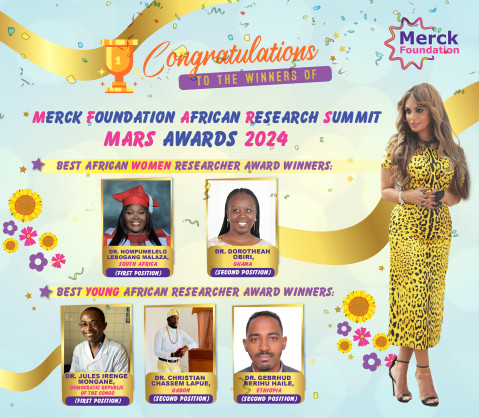
  • Merck Foundation announced the winners of Merck Foundation Africa Research Summit – MARS Awards winners 2024, 5 Researchers from 5 different African Countries recognized under two categories - Best African Women Researchers and Best Young African Researchers.
  • Merck Foundation also announced the Call for Applications for new edition of Merck Foundation Africa Research Summit – MARS Awards 2025 to empower Women and Youth in STEM in Africa with special focus on ‘The Role of Scientific Research in Women Health and Reproductive Care'.

Merck Foundation (www.Merck-Foundation.com), the philanthropic arm of Merck KGaA Germany, announced the Winners of Merck Foundation Africa Research Summit (MARS) Awards 2024, in partnership with International Federation of Fertility Societies -IFFS, Africa Reproductive Care Society - ARCS, Manipal University and African Union Scientific Technical Research Commission to recognize African Researchers for their valuable research work and contribution to empowering women and youth in STEM in Africa with special focus on ‘The Role of Scientific Research in Women Health and Reproductive Care'.

Senator Dr. Rasha Kelej, CEO of Merck Foundation and Chairperson of Merck Foundation Africa Research Summit - MARS expressed, “Since 2016, I have taken immense pride in recognizing the achievements of our MARS Awards winners. This year, we honor Six Winners in two categories: ‘Best African Women Researchers Awards' and ‘Best African Young Researchers Awards.'

These awards celebrate their significant contributions to research, particularly highlighting the efforts of African women researchers, who remain underrepresented in this field. Through the MARS Awards, our mission is to empower young researchers in Africa and to specifically encourage and support women researchers by enhancing their research capabilities and promoting their vital roles in STEM (Science, Technology, Engineering, and Mathematics).”

The winners of ‘Best African Women Researchers Awards' and ‘Best Young African Researcher Awards' will be enrolled into research training at a premier research institute in India.

“And I am also very happy to share with you all that as promised, we provided an opportunity to our first-place winner of each category to attend the 11th Edition of Merck Foundation Africa Asia Luminary which was recently conducted in Tanzania, however, only Mr. Jules Irenge Mongane was able to attend it”, shared Senator Rasha Kelej.

Merck Foundation is committed to improving the lives of people and has been transforming the Patient care landscape and making history together with its partners in Africa, Asia, and beyond, by providing 2080 Scholarships for doctors from 52 Countries in 44 critical and underserved medical specialties.

The MARS 2024 Award Winners are:

Winners of “MARS Best Women African Researchers Awards” 2024

  • Dr. Nompumelelo       Lebogang     Malaza, SOUTH AFRICA (First Position)

TOPIC: Association Between Biochemical And Epigenetic Markers With Glycaemic Control And Neonatal Outcomes In Diabetic Pregnancies

  • Dr. Dorotheah Obiri, GHANA (Second Position)

TOPIC: Immune dysregulation in placental malaria and hypertensive disorders of pregnancy

Winners of “MARS Best Young African Researchers Awards” 2024

  • Dr. Jules Irenge Mongane, DEMOCRATIC REPUBLIC OF THE CONGO (First Position)

TOPIC: Association Between Bacterial Vaginosis, Chlamydia Trachomatis Infection And Tubal Factor Infertility In Bukavu, Democratic Republic Of Congo

  • Dr. Christian     Chassem Lapue, GABON (Second Position)

TOPIC: Epidemiology of helminthiases in women of reproductive age living in Lambaréné and its surroundings, Gabon

  • Dr. Gebrhud Berihu Haile, ETHIOPIA (Second Position)

TOPIC: Incidence of neonatal mortality and factors influencing neonate survival in  neonatal intensive care unit in Northern Ethiopia: a prospective cohort study

“I am also excited to announce the Call for Applications for the new edition of the Merck Foundation Africa Research Summit (MARS) Awards 2024. This year, special focus will be again on “The Role of Scientific Research in Women Health and Reproductive Care,” added Senator, Dr. Rasha Kelej.

Merck Foundation Africa Research Summit - MARS 2025 will have scientific support from African Union Scientific-Technical and Research Commission (AU-STRC); African Reproductive Care Society (ARCS), and Manipal Academy of Higher Education (MAHE).

Details for MARS AWARDS 2025

Abstracts are invited from final year African PhD students and young investigators involved in research related to either of the following topics:

1) Women's Health

2) Infertility and Reproductive Health

All applicants should be primarily based at African Research Institutes and Universities, although collaboration within Africa as well as outside is also welcome.

Last Date of Submission:

Applications can be submitted till 30th June 2025

How to apply:

Apply by clicking: https://apo-opa.co/3X5kcnH

Alternatively, the Applications and abstracts can be submitted via email to mars@merck-foundation.com, along with CV (including Name, Gender, Country, University/Hospital Name, Email address, Mobile Number) and the abstract document as an attachment.

Other Details:

  • All Abstracts will be peer reviewed.
  • Research Awards will be dedicated for two categories of Best African Women Researchers and Best Young Africa Researchers.
  • Winners will be eligible for Research Training in a prestigious Research Institute in India.
  • Top Winners will be invited to attend the 12th Edition of Merck Foundation Africa Asia Luminary 2025.

Distributed by APO Group on behalf of Merck Foundation.

Videos Link: https://apo-opa.co/4hXOFvN

Contact Detials:
Mehak Handa
Community Awareness Program Manager
+91 9310087613
+91 9319606669
mehak.handa@external.merckgroup.com

Join the conversation on our social media platforms below and let your voice be heard!
Facebook: https://apo-opa.co/4gLG2TW
X: https://apo-opa.co/3X70mZ3
YouTube: https://apo-opa.co/4bbfmef
Instagram: https://apo-opa.co/4b0ipG5
Thread: https://apo-opa.co/4i22rgV
Flickr: https://apo-opa.co/4b8xLZ5
Website: http://www.Merck-Foundation.com

About Merck Foundation:
The Merck Foundation, established in 2017, is the philanthropic arm of Merck KGaA Germany, aims to improve the health and wellbeing of people and advance their lives through science and technology. Our efforts are primarily focused on improving access to quality & equitable healthcare solutions in underserved communities, building healthcare & scientific research capacity, empowering girls in education and empowering people in STEM (Science, Technology, Engineering, and Mathematics) with a special focus on women and youth. All Merck Foundation press releases are distributed by e-mail at the same time they become available on the Merck Foundation Website.  Please visit www.Merck-Foundation.com to read more. Follow the social media of Merck Foundation: Facebook (https://apo-opa.co/4gLG2TW), X ( https://apo-opa.co/3X70mZ3), Instagram (https://apo-opa.co/4b0ipG5), YouTube (https://apo-opa.co/4bbfmef), Threads (https://apo-opa.co/4i22rgV) and Flickr (https://apo-opa.co/4b8xLZ5).

The Merck Foundation is dedicated to improving social and health outcomes for communities in need. While it collaborates with various partners, including governments to achieve its humanitarian goals, the foundation remains strictly neutral in political matters. It does not engage in or support any political activities, elections, or regimes, focusing solely on its mission to elevate humanity and enhance well-being while maintaining a strict non-political stance in all of its endeavors.

Media files
Merck Foundation
Download logo
Read moreCelebrating Best African Women and Young Researchers
17 February 2025

AfCFTA offers SA businesses unlimited opportunities

Location: News

AfCFTA offers SA businesses unlimited opportunities

The implementation of the African Continental Free Trade Agreement (AfCFTA) offers businesspeople in South Africa unlimited opportunities to grow their businesses and expand their market into the rest of the continent. 

This is according to the Director of Africa Bilateral Economic Relations at the Department of Trade, Industry and Competition (the dtic), Calvin Phume.

Phume was speaking at a workshop that was hosted by the dtic in partnership with the Mpumalanga Department of Economic Development and Tourism and Gert Sibande District Municipality in Ermelo, Mpumalanga, recently.

The purpose of the workshop was to equip the Mpumalanga businesspeople with information that will enable them to take advantage of opportunities presented by the AfCFTA in order to enter the African export market and expand their businesses into the continent.

“The African Continental Free Trade Agreement has created a single market comprising more than 1.3 billion people that businesspeople across the continent can take advantage of.

“This will provide South African companies with new market access opportunities to key markets in the African continent beyond the Southern Africa Development Community,” he said.

Phume said the main objective of the agreement was to eliminate all barriers to trade in Africa to enable the free flow of goods and services across the continent.

“This is meant to allow businesspeople like yourselves to contribute in increasing intra-African trade and investment. Through the Agenda 2063: The Africa We Want, African leaders have set themselves an ambition of increasing intra-Africa trade from the current 17% to 81% by 2035,” Phume said.

He stressed that the agreement emphasises harmonisation of trade regulation in the continent, value-addition, economic inclusion, industrialisation and beneficiation.

“These open up a myriad of opportunities for your companies to increase production and create jobs for women, youth and people with disabilities in order to service the huge market that has been created by the AfCFTA. 

“This is your chance to grow your businesses by tapping into the expansive African market, increase your exports, increase your revenue, and contribute positively in growing the intra-African trade and investment,” he said.

Phume advised businesspeople to set themselves realistic ambitions when they venture into the rest of Africa, as the imposing size of the market created by  the free trade agreement offers huge benefits and rewards, but could also be challenging and daunting for their small businesses.

“It is important that you conduct a thorough research and study of the market you intend entering because the fact that there are 55 countries means that each market has its own dynamics related to business environment and culture, infrastructure, logistical requirements, as well as norms and standards. 

“It is always advisable to partner with a local company that can assist you to navigate the regulatory challenges and other hurdles. This will enable you to transform obstacles into opportunities that will be profitable and rewarding to your business,” advised Phume. – SAnews.gov.za


Edwin
Mon, 02/17/2025 - 08:42
579 views

Read moreAfCFTA offers SA businesses unlimited opportunities
14 February 2025

What to Expect When You’re Expecting During a Climate Crisis

Location: News

Rising global temperatures pose a serious threat to health of pregnant women and babies, say Wits researchers

Read moreWhat to Expect When You’re Expecting During a Climate Crisis
13 February 2025

Protesters Angry That Gqeberha Company Is Using Workers From Durban

Location: News

Ibhayi Workers Forum demonstrated outside Dormac in Markman industrial area

Read moreProtesters Angry That Gqeberha Company Is Using Workers From Durban
13 February 2025

SA spent R7.7 billion on alcohol over the December holidays

Location: News

SA spent R7.7 billion on alcohol over the December holidays

Social Development Deputy Minister Ganief Henricks has told the portfolio committee on Social Development the scourge of substance and drug abuse is a challenge not only for South Africa, but globally. 

Addressing the portfolio committee on Wednesday, the Deputy Minister highlighted the consequences of drug abuse on South African society. 

The Deputy Minister led a team from the Department of Social Development and the Central Drug Authority in tabling the 2023/2024 Central Drug Authority Annual Report before the committee. 

Ahead of presenting the report, Deputy Minister Hendricks noted that according to the South African Society of Psychiatrists one out of every five adults abuse mind-altering substances.

South Africans spent R7.7 billion on alcohol between the week of 25 December 2024 to 1 January 2025.

“According to the South African Society of Psychiatrists, almost 20% of South Africans – one out of every five adults – abuse mind-altering substances, with alcohol, painkillers (codeine) and dagga the worst offenders,” the Deputy Minister said. 

He added that the rising figures of illicit drug use suggested that the country was losing the war on drugs.

“The annual cost to the country of alcohol abuse alone, in terms of absenteeism, lost productivity, health and welfare costs, and alcohol-related crime is estimated at up to 10% of the gross domestic product, or as much as R37.9 billion annually, according to a 2014 study in the South African Medical Journal. 

“You can imagine how much it costs the country, especially its causal relations to gender-based violence and femicide, and all the social ills,” Hendricks said.

Turning to the 2023/2024 annual report from the Central Drug Authority, the Deputy Minister told the committee that the report highlighted some of the continued and sustained milestones during the sixth administration, particularly in terms of the investments made by national departments, public entities, provinces, the provincial substance abuse forums, and local drug action committees in people, through their various interventions to address and counter the drug problem in the country.

The Deputy Minister noted that South Africa, like other countries, was adversely affected by substance use and substance use disorders; alcohol being the most widely used psychoactive substance in the country.

“I am pleased to state that Cabinet has approved the Prevention and Treatment for Substance Use Disorder Policy,” he said. 

He explained that the policy sought to introduce gamechangers in curbing the scourge of substance abuse in the country and would enable the sector to review current outdated legislation and address emerging trends.

Another critical milestone was that the department had initiated a process to establish an interministerial committee to address the scourge of substance abuse.

The Central Drug Authority presentation focused primarily on the implementation of the National Drug Master Plan 2019-2024 by key stakeholders, thus reducing the supply, demand and harm caused by substance abuse and illicit drug trafficking which, the Deputy Minister said, “are directly affecting the poor, vulnerable and other key populations in our communities”. – SAnews.gov.za 


DikelediM
Thu, 02/13/2025 - 13:32

6 views
Read moreSA spent R7.7 billion on alcohol over the December holidays
12 February 2025

Free State Students Return to Class After Protests Pause

Location: News

But SRC warns protests could start again if the university’s management fails to follow through on its commitments

Read moreFree State Students Return to Class After Protests Pause
10 February 2025

Explainer: HIV, HPV and Cervical Cancer

Location: News

South Africa has one of the highest HIV rates in the world, with 8-million people estimated to be living with the virus. While many people are aware of the link between HIV and Tuberculosis (TB), fewer know about another common co-infection: Human Papillomavirus (HPV). What is HPV? HPV includes a family of more than 200 …

Read moreExplainer: HIV, HPV and Cervical Cancer
8 February 2025

SONA in numbers – 2025

Location: News

SONA in numbers - 2025

MOURNING

  • 14 – South African soldiers who died as part of a mission to bring peace to the Eastern Democratic Republic of the Congo.

HISTORY

  • 70 – years since the adoption of the Freedom Charter at the Congress of the People in Kliptown.
  • 30 – years since the dawn of democracy.

ECONOMY AND INFRASTRUCTURE

  • 5 – number of years for the implementation of the Medium-Term Development Plan.
  • 3 – government’s strategic priorities to be advanced by the Medium-Term Development Plan.
  • Over 3% – the level of economic growth that government aims to lift to create the virtuous cycle of investment, growth and jobs.
  • R100 billion – value of infrastructure financing expected from local and international financial institutions and investors.
  • More than R940 billion – money that government will spend on infrastructure over the next three years.
  • 3 – number of years during which government will spend more than R940 billion on infrastructure.
  • R375 billion – money to be spent by state-owned companies on infrastructure.
  • 12 – blended finance projects worth nearly R38 billion that have been approved through the Infrastructure Fund last year.
  • Nearly R38 billion – value of 12 blended finance projects that have been approved through the Infrastructure Fund last year.

WATER

  • 490 million – cubic metres of water a year that the Polihlali Dam will feed from the Lesotho Highlands into the Vaal River System. 
  • R23 billion – money secured by the Infrastructure Fund for seven large water infrastructure projects.
  • 7 – large water infrastructure projects for which the Infrastructure Fund has secured R23 billion.

ENERGY

  • More than 300 – days without load-shedding since March 2024.
  • Over 13 billion – United States dollars that have been pledged by the international community to the Just Energy Transition.

VISA

  • Over 90% – the backlog of more than 300 000 visa applications that government has cleared.
  • More than 300 000 – visa applications of over 90% of the backlog that government has cleared.

BUSINESS FUNDING AND JOB CREATION

  • R20 billion – value of a transformation fund a year over the next five years that government will set up to fund black-owned and small business enterprises.
  • Over 10 000 – persons with disabilities to be empowered by the National Skills Fund Disabilities Programme through tailored training programmes, stipends and specialised tools.
  • Almost 2.2 million – work and livelihood opportunities created by the Presidential Employment Stimulus through innovative models that provide high-quality work to participants.
  • Over 80 000 – jobs created by the Social Employment Fund in 2025.
  • More than 12 000 – participants supported by the Social Employment Fund to enter entrepreneurial activities.

TOURISM

  • Close to 9 million – tourists who visited South Africa last year.

YOUTH EMPOWERMENT AND EMPLOYMENT

  • 235 000 – work opportunities secured by young people during the past year through the National Pathway Management Network, which is underpinned by the SAYouth.mobi platform.
  • Some 4.5 million – young people registered on the SAYouth.mobi platform.
  • Around 60% – value of the national budget that government spends on the social wage: on health, education, social protection, community development and public employment programmes.

SOCIAL ASSISTANCE AND EDUCATION

  • More than 28 million – unemployed and vulnerable people who receive social grants.
  • More than 10.5 million – learners who go to public schools where they do not have to pay fees.
  • Over 900 000 – students from poor and working-class backgrounds who received funding to study at universities and colleges in 2024.
  • 10 – key priorities of the National Strategy to Accelerate Action for Children. 
  • 87% – learners who passed their matric exams.
  • Approximately 10 000 – students in the first year to be supported through Phase 1 of the Comprehensive Student Funding Model for Higher Education to address the needs of the “missing middle”.

HEALTH

  • 3 – existing old central hospitals to be replaced.
  • 3 – new central hospitals to be constructed.
  • 5 – new district hospitals to be constructed.
  • 5  – community health centres to be constructed.
  • 1 – a new psychiatric hospital to be constructed.
  • 96% – people living with HIV who knew their status, by the end of March 2024.
  • 79% – people on antiretroviral treatment among the 96% of people living with HIV who knew their status, by the end of March 2024.
  • 94% – people on antiretroviral treatment, among the 96% of people living with HIV who knew their status by the end of March 2024, who were virally suppressed.
  • 1.1 million – additional HIV-positive people not on antiretroviral treatment that government will look for to ensure that South Africa reaches its target of 95-95-95.
  • 90 – days during which the United States Government has decided to suspend some of its funding for HIV and TB programmes in African countries.
  • About 17% – the value of funding from the United States Government to South Africa’s HIV spend.

HOUSING

  • 300 000 – serviced stands to be provided to qualifying beneficiaries to enable housing development in well-planned, connected communities along key development corridors.

RAIL TRANSPORT

  • More than 80% – passenger rail corridors that have been returned to service.
  • Over 200 – locally-produced trains that the Passenger Rail Agency of South Africa has introduced on its network to provide a low-cost option for public transport.
  • Over the next five years – period during which government will restore the Passenger Rail Agency of South Africa’s signalling system.

CRIME AND CORRUPTION

  • 4 000 – personnel to expand the Detective Service through internal recruitment processes.
  • Over R95 billion – value of leakage in impermissible refunds that the South African Revenue Service prevented by using artificial intelligence in its fraud risk detection and verification work.
  • R20 billion – amount recovered by the South African Revenue Service.
  • Over R10 billion – money recovered by the Special Investigating Unit and Asset Forfeiture Unit in state capture related cases.
  • 16 out of 22 – action items that government has fully addressed in the law-enforcement system to secure the removal of South Africa from the international Financial Action Task Force grey list.

GENDER-BASED VIOLENCE

  • 65 – Thuthuzela Care Centres across the country.
  • 52 – districts in the country.
  • 44 – districts, out of 55 districts in the country, which have gender-based violence shelters.
  • 16 – additional sexual offences courts to be established in the next financial year.

VISION

  • Next 30 years – period of a vision for the country to be defined by all South Africans coming together in the National Dialogue.


Janine
Sat, 02/08/2025 - 09:11

59 views
Read moreSONA in numbers – 2025
7 February 2025

Students Protest Their “Dire” Accommodation Outside SONA

Location: News

CPUT students have been sleeping outside and in hallways

Read moreStudents Protest Their “Dire” Accommodation Outside SONA
5 February 2025

Afreximbank Challenges Africa’s Miners to Take Bold Steps to Own the Continent’s Resources

Location: News
Afreximbank

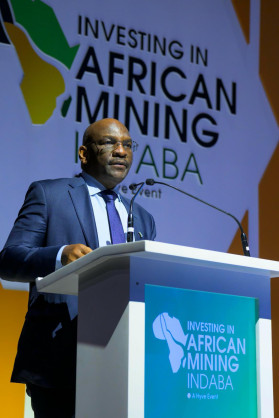
Africa must take bold steps to own its resources, create jobs and build industries that sustain prosperity for generations, African Export-Import Bank (Afreximbank) (www.Afreximbank.com) has told African leaders, policymakers, mining industry leaders and global partners at the African Mining Indaba 2025 in Cape Town, South Africa, on Sunday.

In a keynote address at the ministerial symposium of the Indaba, Mr. Denys Denya, Senior Executive Vice President of the Afreximbank Group, argued that the continent was standing at a crossroads and could either continue exporting its wealth and remain a marginal player in the global economy or take the bold steps to own its resources.

He noted that “While the global mining industry generated approximately US$1.7 trillion in revenue in 2023, Africa's share of this wealth remains disproportionately low. Our continent extracts the raw materials that power the world's industries, yet it is estimated that we retain as little as between four per cent and 20 per cent of the total value of our minerals due to minimal local processing and limited downstream development. The result? Lost economic opportunities, exposure to volatile commodity cycles and a persistent reliance on external markets for refined products derived from our own resources.” “The choice is ours. The time to act is now. Let us work together: governments, financial institutions, investors, and industry players to build an Africa where mining is not just about extraction but about transformation, innovation and wealth creation,” said Mr. Denya. “Africa has the resources, the market potential, and the policy frameworks to transition from a resource-dependent continent to an industrial powerhouse. However, success will depend on bold, decisive action from all stakeholders. Policymakers must implement clear, enforceable regulations that mandate local value addition and create investment-friendly environments. Private sector investors must step up with capital and technology to develop processing, refining, and manufacturing facilities.”

Reversing this trend demanded bold, coordinated action, he argued. “We must move beyond extraction and invest in refining, smelting and advanced manufacturing. African nations must increase local processing capacity for minerals such as bauxite, lithium, cobalt and iron ore.”

He added that regional collaboration was essential as no single country could build a mining value chain in isolation.

Mr. Denya highlighted the importance of the African Continental Free Trade Area (AfCFTA) in developing intra-African mineral value chains and strengthening cross-border collaboration and said that attracting capital for mining-related infrastructure, technology transfer and skills development were critical.

“Our mining policies must also prioritise environmental, social and governance standards, ensuring that mining benefits communities rather than displacing them,” he said, adding that the approach would create millions of skilled jobs for the youth and reduce reliance on volatile global markets while strengthening intra-African trade.

Reiterating Afreximbank's commitment to supporting Africa's mining sector and ensuring that mineral wealth drove economic growth rather than perpetuate resource dependency, Mr. Denya announced that, over the past three years, the Bank had approved more than US$1 billion in support of mining and mineral sector projects across the continent, including financing the development and construction of a bauxite processing plant in Guinea, supporting the expansion of a manganese processing plant in Gabon and providing working capital financing to a diamond company in Botswana.

Other major projects being supported by the Bank include a petrochemical fertilizer plant in Angola, a titanium dioxide pigment plant in South Africa and the feasibility study for the development of a limestone mine processing plant in Malawi, he added.

Mr. Denya said that the establishment of the US$10-billion AfCFTA Adjustment Fund, managed by FEDA, Afreximbank's impact investment subsidiary, would provide critical financial support to countries and businesses transitioning to the new trade regime, including those in the mining sector, and that the Bank's efforts to harmonise standards and implement the Africa Collaborative Transit Guarantee Scheme would also facilitate seamless movement of minerals and mining equipment across borders, reducing logistical bottlenecks.

Afreximbank was also leveraging digital platforms, such as the Africa Trade Gateway and the Pan-African Payment and Settlement System, to enable efficient transactions and market access, which would ensure that Africa's vast mineral wealth was utilised to drive industrialisation, value addition and economic resilience across the continent, he added.

Mr. Denya also noted that Afreximbank, in collaboration with development partners, was driving the development and expansion of industrial parks and special economic zones (SEZs) to address infrastructure challenges that hinder industrial growth.

One of the most transformative initiatives under that pillar was the DRC/Zambia Electric Vehicle Battery Manufacturing Special Economic Zones - a project that positions Africa at the centre of the global energy transition by the implementation of battery precursor SEZs aimed at making the two countries globally competitive investment destinations for the battery electric vehicle value chain.

The African Mining Indaba 2025, taking place from 3 to 6 February, is the premier gathering where Africa policymakers, industry leaders and global partners work to shape the future of the African mining sector.

Distributed by APO Group on behalf of Afreximbank.

Media Contact:
Vincent Musumba
Communications and Events Manager (Media Relations)
Email: press@afreximbank.com

Follow us on:
X: https://apo-opa.co/4116jsN 
Facebook: https://apo-opa.co/4aLcd4I 
LinkedIn: https://apo-opa.co/3Et8gFS 
Instagram: https://apo-opa.co/4aOinBd

About Afreximbank:
African Export-Import Bank (Afreximbank) is a Pan-African multilateral financial institution mandated to finance and promote intra-and extra-African trade. For 30 years, the Bank has been deploying innovative structures to deliver financing solutions that support the transformation of the structure of Africa's trade, accelerating industrialization and intra-regional trade, thereby boosting economic expansion in Africa. A stalwart supporter of the African Continental Free Trade Agreement (AfCFTA), Afreximbank has launched a Pan-African Payment and Settlement System (PAPSS) that was adopted by the African Union (AU) as the payment and settlement platform to underpin the implementation of the AfCFTA. Working with the AfCFTA Secretariat and the AU, the Bank is setting up a US$10 billion Adjustment Fund to support countries effectively participating in the AfCFTA. At the end of December 2023, Afreximbank's total assets and contingencies stood at over US$37.3 billion, and its shareholder funds amounted to US$6.1 billion. Afreximbank has investment grade ratings assigned by GCR (international scale) (A), Moody's (Baa1), Japan Credit Rating Agency (JCR) (A-) and Fitch (BBB). Afreximbank has evolved into a group entity comprising the Bank, its impact fund subsidiary called the Fund for Export Development Africa (FEDA), and its insurance management subsidiary, AfrexInsure (together, "the Group"). The Bank is headquartered in Cairo, Egypt.

For more information, visit: www.Afreximbank.com

Media files
Afreximbank
Download logo
Read moreAfreximbank Challenges Africa’s Miners to Take Bold Steps to Own the Continent’s Resources
4 February 2025

Ex-NLC official fails in bid to overturn interdict on pension payout

Location: News

Ex-NLC official fails in bid to overturn interdict on pension payout

The Special Tribunal has dismissed, with costs, former National Lotteries Commission (NLC) Chief Risk Officer Marubini Ramatsekisa’s application to overturn a ruling interdicting the payout of his R1.7 million pension fund benefit.

The interdict was obtained by the Special Investigating Unit (SIU) in December 2023, following an investigation into Ramatsekisa’s alleged involvement in a fraudulent scheme that cost the NLC approximately R4 million.

“The SIU’s investigation into NLC’s affairs found that Ramatsekisa was a key player and willing facilitator of an elaborate scheme to defraud the commission through proactive funding. 

“The SIU uncovered evidence linking Ramatsekisa to losses of approximately R4 million suffered by the NLC. The SIU intends to institute civil proceedings against Ramatsekisa to recover damages suffered by NLC because of his conduct,” the SIU said in a statement.

Underhanded dealings

According to the corruption busting unit, in February 2019, Ramatsekisa prepared a proposal for funding and “recommended that the acting chief operating officer approve pro-active funding of approximately R4 million to conduct a study that will assist in developing the Khoi-San language”.

“Three weeks later, three people acquired and became directors of a dormant shelf company named Zibsicraft NPC. From the documents in the SIU’s possession, Zibsicraft NPC then applied to the NLC for grant funding. 

“The application was not stamped, so the client liaison officer never processed it. The application was dated 25 March 2019, ten days after they had acquired the company.

“The application was accompanied by financial statements prepared for the periods ending 28 February 2018 and 28 February 2019. However, the NPO only opened a bank account on 19 March 2019, six days before it applied for funding,” the SIU said.

More than half of the grant money was allegedly siphoned off for the benefit of then NLC Board Chairperson, Alfred Nevhutanda. 

“The SIU found that of the R4 million, R2.2 million allegedly went towards purchasing property for a church named the Higher Grace Christ Redeemer Church. The former NLC Board Chairperson, Alfred Nevhutanda, and his wife, Mrs Tshilidzi Rachel Nevhutanda, represented the church in the offer to purchase it.

“[Ramatsekisa] resigned from the NLC after the lottery commission instituted disciplinary proceedings against him to allegedly avoid accountability. Immediately after he resigned, Ramatsekisa wrote to his pension fund administrator that he intended to withdraw his pension benefits, prompting the SIU to seek an interdict swiftly,” the SIU explained. – SAnews.gov.za

NeoB
Tue, 02/04/2025 - 11:50

330 views
Read moreEx-NLC official fails in bid to overturn interdict on pension payout
4 February 2025

Former Lotteries Executive Loses Court Bid to Access His Pension

Location: News

Judge upholds ruling in favour of Special Investigating Unit

Read moreFormer Lotteries Executive Loses Court Bid to Access His Pension
4 February 2025

Have your say on permanent desalination plant

Location: News

Have your say on permanent desalination plant

The City of Cape Town is calling on the public to comment on the proposal to implement and operate the city’s first permanent desalination plant in Paarden Eiland.

Desalination is a scientific process of removing salts from sea water, then processing it further to make it suitable and safe for human consumption.

“In the face of climate change, unpredictable rainfall and a growing population, this proposed plant forms part of the city’s various water augmentation projects in the city's New Water Programme (NWP) and Water Strategy, which aims to diversify drinking water supply resources and build a resilient future supply.

“The planned permanent desalination plant is expected to produce between 50 and 70 million litres of water per day. Overall, the Water Strategy aims to increase the city’s water supply by an additional 300 million litres from diversified sources,” city’s Member of Mayoral Committee, Zahid Badroodien, said in a statement on Monday.

Badroodien emphasised the importance of providing the public with a fair opportunity to share their thoughtful and informed input on these issues.

“We encourage residents and stakeholders to submit their comments by 3 March 2025. All feedback will be incorporated in the final, completed feasibility study report, which will be made available to the community for comments before it is submitted to council for their consideration,” Badroodien said.

Residents and interested parties are encouraged to attend information sessions on Wednesday, 12 February 2025 at 6pm – 8pm at the Council Chambers, 6th Floor, Civic Centre, 12 Hertzog Boulevard, Cape Town, or virtually via Microsoft Teams: https://bit.ly/4ghqlDY.

The information session will also be held on Wednesday, 19 February 2025 at 6pm – 8pm at the Auditorium, Milnerton Library, Pienaar Road, Milnerton, Cape Town, or via Microsoft Teams: https://bit.ly/40OcMXV.

Information desalination plant can also be obtained from the council resolution and report, desalination booklet, and the water Outlook Report

For more information and general enquires, email: public.participation@capetown.gov.za or call 0800 212 176

Comments can be submitted by 3 March 2025 on Email: public.participation@capetown.gov.za, or www.capetown.gov.za/collaborate.

Written comments can also be delivered to your sub-council office: https://bit.ly/3CUlnKW - SAnews.gov.za

GabiK
Tue, 02/04/2025 - 09:46

79 views
Read moreHave your say on permanent desalination plant
29 January 2025

Night Studies Pay off for Dunoon Matriculant

Location: News

Sange Dastile studied in the early morning in the one-room house he shares with his mother and brother. Now he’s off to Stellenbosch University to study medicine.

Read moreNight Studies Pay off for Dunoon Matriculant
29 January 2025

CSIR launches app to tackle literacy challenge in children

Location: News

CSIR launches app to tackle literacy challenge in children

The Council for Scientific and Industrial Research (CSIR) has launched the Ngiyaqonda! literacy app to assist South African children in reading for comprehension in their home language. 

The app utilises curriculum-approved content along with the CSIR’s local language text and speech technologies to generate thousands of sentences for foundation phase learners to engage with.

A recent international study has revealed alarming findings in the South African education sector, indicating that eight out of 10 Grade 4 learners are unable to read for basic meaning in their home language.

“Without this essential skill, South African children are deprived of the opportunity to fulfil their true potential, with the impact being the most devastating for those from disadvantaged communities,” the scientific and technology research organisation said. 

The CSIR recognised that many complex factors contribute to this situation, and they believe it is essential to explore a wide range of solutions to address the various dimensions of the crisis. 

The CSIR’s Natural Language Processing Research Group has initiated a research and development project called Ngiyaqonda! which means “I understand” in IsiZulu.

The app funded by the Department of Sport, Arts and Culture includes artifacts developed in earlier projects sponsored by the South African Centre for Digital Language Resources (SADiLaR).

The main aim is to integrate speech and text technologies into an Android app that guides learners to compose sentences in their home language as well as in English.

“This app provides learners with a dynamic digital learning environment in their home language and English. While children are taught in their home language from Grades 1 to 3, the medium of instruction for most South African learners starting from Grade 4 is English.” 

The CSIR explained that students listen to sentences spoken by a computer-generated voice and then compose their own sentences using guidance from a reliable text-generation engine.

“The app also allows learners to read sentences aloud and receive feedback on their fluency and pronunciation based on an automatic speech scoring system developed specifically for children’s voices.” 

The app has been piloted with Grade 3 learners who speak IsiZulu in Soweto, Johannesburg, and with Sepedi-speaking Grade 3 learners in Mamelodi, Pretoria, during 2023 and 2024.

“The application harnesses so-called translanguaging principles, such as using translation between the home language and a target language typically English to ensure that learners really understand what they are reading. 

“While the application is currently configured to serve foundation phase learners in their literacy journey, it has the potential to be used up to the tertiary level to assist in language learning of the African languages,” said CSIR senior researcher Laurette Marais. 

The current project focuses on IsiZulu, Sepedi, English, and Afrikaans, with plans to expand to additional languages in the future.

“While no single solution can be considered a silver bullet, this team of CSIR researchers has made it their mission to use their unique set of skills to bring an innovative solution that could empower all South African children and their hopes for a bright future.” – SAnews.gov.za 
 

Gabisile
Wed, 01/29/2025 - 15:13

98 views
Read moreCSIR launches app to tackle literacy challenge in children
28 January 2025

Remaining silent on GBVF ‘not an option’ – Justice Minister

Location: News

Remaining silent on GBVF 'not an option' - Justice Minister

Minister of Justice and Constitutional Development, Mmamoloko Kubayi, has reiterated government’s commitment to fighting the scourge of gender-based violence and femicide (GBVF) in South Africa.

The Minister delivered remarks at the Kgalema Motlanthe Foundation’s Women Empowerment 365 Days Against Gender-Based Violence dialogue held in Soweto on Tuesday.

“As part of [the] criminal justice system, the Department of Justice and Constitutional Development is working tirelessly to ensure that legal and law enforcement services work on enforcing domestic violence laws and strengthening legal frameworks,” the Minister said.

The department, she said, is working closely with civil society to see the “realisation of the aspirations of the National Strategic Plan to End Gender-based Violence and Femicide”.

“In line with the GBVF Strategic Plan, the department therefore intends to increase the national footprint of sexual offences courts, particularly in rural communities. 

“In line with the newly developed National Strategy on Support Services for Domestic Violence Survivors, the department intends to upgrade 100 district courts to offer services that are custom-made for survivors of domestic violence,” she said.

The National Strategic Plan on Gender-Based Violence and Femicide was adopted in 2020 as a society-wide programme to end GBVF. It is organised around six pillars, which are aimed at prevention of GBV, strengthening the criminal justice response to GBV, and providing support, care and healing to survivors of gender-based violence.

Femicide Watch and addressing backlogs

Kubayi said the department will publish the very first Femicide Watch in Africa repository.

“This is a national repository of GBV-related femicide cases designed to provide the numerical analysis, the profile and the severity of the pandemic of femicide in our country, so as to assist government and our partners in establishing informed programmatic interventions,” Kubayi added.

In the courts, the department has initiated a 100-day challenge to “reduce and ultimately eliminate backlog cases of domestic violence, sexual offences, maintenance and divorce matters”.

“In 100 Days, selected courts with high volume of backlog GBV cases will be challenged to come up with creative and sustainable innovations to reduce the turnaround times in the finalisation of these cases and also to address the existing case backlogs,” the Minister explained.

Whole of society approach

Kubayi highlighted that GBVF is deeply rooted in societal structures and patriarchal practices that perpetuate toxic masculinity and gender inequalities. 

“As a woman or a girl child in this country, you can be directly affected by GBV and femicide regardless of your socio-economic class in society or the position you hold.

“Our social and family constructions are largely engrained in patriarchal practices, toxic masculinities, and gendered power inequalities, which often result in family dysfunctions, solo parenting, gender-based violence and killings,” she said.

Referencing a study by the Human Sciences Research Council, which found that at least three out of 10 women have experienced GBV, the Minister urged society not to become desensitised to these acts.

“This is not acceptable, and we should not accept [it] as a society. The stories of women getting killed by their partners have become so prevalent on social media platforms to the extent that when we read them, we no longer get shocked or outraged, we just read and move on. 

“It is for this reason that I welcome this dialogue because it serves as a reminder to all of us that gender-based violence is unacceptable and that remaining silent is not an option. 

“We all have a responsibility to speak out, to report it wherever it rears its ugly head in our homes, our neighboursand even in the homes of our beloved relatives,” Kubayi said.

The Minister called for a united front, urging all sectors of society to join the fight against GBVF. 

“We believe that working together as a society, we can defeat the scourge of gender-based violence. 

“We believe that we can a achieve a South Africa free from gender-based violence directed at women, children and LGBTQIA+ [lesbian, gay, bisexual, transgender, intersex, queer/questioning, asexual] persons,” Kubayi said. – SAnews.gov.za


NeoB
Tue, 01/28/2025 - 12:57

255 views
Read moreRemaining silent on GBVF ‘not an option’ – Justice Minister
27 January 2025

Cattle Are Drinking Sewage on This Free State Veld

Location: News

Sewage treatment has broken down in Maluti-a-Phofung municipality

Read moreCattle Are Drinking Sewage on This Free State Veld
24 January 2025

50 bursaries for deserving students

Location: News

50 bursaries for deserving students

Deputy President Paul Mashatile has announced that government will provide 50 bursaries for deserving students who have been accepted into public institutions of higher learning, including Technical and Vocational Education and Training (TVET) colleges. 

These bursaries will be offered through the National Skills Fund, which collaborates with the National Student Financial Aid Scheme (NSFAS).

“The National Skills Fund supports this initiative through the department and aims to bridge the gap in access to education, particularly for the top students we are celebrating today,” Deputy President Mashatile explained. 

The country’s second-in-command announced this during his keynote address at the KwaMpumuza 4th Annual Matric Excellence Awards ceremony at Sweetwaters, uMgungundlovu District, Pietermaritzburg, KwaZulu-Natal.

The awards ceremony celebrates the academic achievements of the top Matric Class of 2024 from 16 schools within the Mpumuza Traditional Authority.

The Blackburn Sports Ground in Sweetwaters was filled with the Matric Class of 2025, along with 329 primary school learners who received uniforms. 

The event honoured high-achieving schools, teachers, and students from 11 schools in the KwaMpumuza area.

“Having a matric certificate means that you have gone through many obstacles since primary school and have worked hard to make the most of your future. You are a great source of pride for your families, schools, and the entire Mpumuza community,” he told those who have passed Grade 12.

He also thanked the educators and parents for their support.

“Your determination and sacrifice are not taken for granted, may you one day, through these children, enjoy the fruits of your labour.

“To those of you who are going to university, remember that you are now in charge of your own life,” he added. 

He encouraged those heading to university to do their best to secure a brighter and more prosperous future.

“A university degree or qualification is a treasure that no one can take away from you, and it is a key to many closed doors.

“I encourage you today to dream big dreams. Do not be discouraged by your background, and the challenges that you have gone through. You deserve the best that life has to offer and as a government, we are determined to support you to make your dreams possible.” 

Focusing on the current matriculants, he encouraged them to study diligently and resist distractions like peer pressure.

“I urge all of you to stay away from alcohol, drugs, and other harmful behaviours including violence of any form, early entry into sexual behaviours leading to teenage pregnancy, and STDs [sexually transmitted diseases].” 

He also took the time to speak to the parents of children who failed and reminded them that every setback is a setup for a stronger comeback.

“Your love and encouragement can make all the difference in helping them find their way forward.

“Whether they pass or not, every learner is part of our shared future, and they all deserve our love, guidance, and unwavering belief in their potential.” 

He concluded his speech by referencing former State President Nelson Mandela, who famously stated, “Education is the most powerful weapon you can use to change the world“. – SAnews.gov.za

Gabisile
Fri, 01/24/2025 - 14:57

68 views
Read more50 bursaries for deserving students
  • Previous
  • Page 1
  • Interim pages omitted …
  • Page 13
  • Page 14
  • Page 15
  • Page 16
  • Page 17
  • Interim pages omitted …
  • Page 30
  • Next

Copyright © 2026 · MyZA · All Rights Reserved · Powered by Stratlec Online