The Fossil Hunters of the Sterkfontein Caves
There is growing recognition of the work they have done

MyZA
News, Directory, Events and Other Stuff
There is growing recognition of the work they have done
The book was written by two professors from the United States
GOOD Statement by Kaden Arguile,GOOD National Youth Chairperson 27 June 2025 The GOOD Party calls on Comrades Marathon organisers to remove fossil fuel sponsors from its event entirely. The removal of Engen from the iconic South African event was a victory against the normalised practice of greenwashing in our sports.Only for Astron Energy to be […]
The post COMRADES MUST BE THE PRECEDENT AGAINST GREENWASHING SPORTING EVENTS appeared first on For Good.
A petition calls on the health department to release an emergency plan
Other universities in South Africa have passed resolutions criticising the war
GOOD Statement by Kaden Arguile,GOOD National Youth Chairperson 16 June 2025 From the moment a child is born in South Africa, they face barriers in every direction. If they’re lucky, they’ll survive a chronically underfunded healthcare system. If their home is unstable, the chance of receiving help from an overwhelmed and under-resourced social worker is […]
The post YOUTH DAY: WE ARE NOT A ‘LOST’ GENERATION BUT A DISCARDED ONE appeared first on For Good.
About one in five people in rural Lesotho face food insecurity
A third of schools in the Eastern Cape do not meet minimum norms and standards
There are not enough beds in South Africa’s 13 psychiatric hospitals
“Consensus” reached after exhaustive engagement process, says Geordin Hill-Lewis
On Wednesday, the Freedom Front Plus (VF Plus) was one of only two political parties in the Constitutional Court that presented arguments against the Copyright Amendment Bill, which allows for the expropriation of copyright without compensation. President Cyril Ramaphosa referred the Amendment Bill to the Constitutional Court under section 79 of the Constitution to assess […]
The post Freedom Front Plus opposes expropriation of copyright without compensation in ConCourt appeared first on Freedom Front Plus.
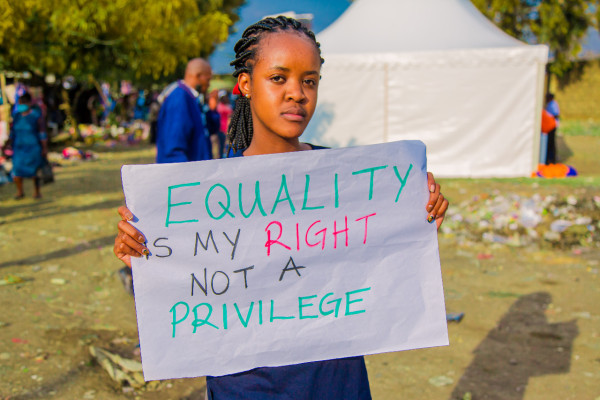
Equality Now (www.EqualityNow.org) is urging the African Commission on Human and Peoples' Rights to call upon African Union (AU) member states to urgently address rising sexual violence and exploitation of women and girls across the continent.
In its statement to the 83rd Ordinary Session of the Commission this month, the human rights organisation called on the Commission to use its mandate to underscore the importance to governments about the need to provide reparations for survivors of sexual violence, criminalise femicide, boost efforts to end child marriage, and strengthen laws to stop digital violence.
Equality Now wants the Commission to remind States of their obligations under the Maputo Protocol on Women's Rights (http://apo-opa.co/4mnt56T). Of the 55 member States, 45 have ratified or signed the protocol.
Deborah Nyokabi, a legal equality and gender policy expert at Equality Now, explains, “Women and girls across Africa are enduring violence in all its forms - including rape, child marriage, femicide, trafficking, and digital abuse - while legal systems too often fail to protect or deliver justice. These are not isolated issues but symptoms of a broader failure to uphold the rights enshrined in the Maputo Protocol.”
“African governments must prioritise legal reform, provide reparations to survivors, and close the protection gaps that leave so many women and girls vulnerable and without access to assistance when their rights have been violated, especially in conflict zones where the breakdown of services intensifies harm.”
Sexual violence reparations
According to figures (http://apo-opa.co/4jctrKY) released by UNICEF last year, more than 79 million girls and women in sub-Saharan Africa have been subjected to rape or sexual assault as children. The region has the highest number of child sexual violence victims in the world.
Yet research by Equality Now found that survivors of sexual violence are being denied justice. In its report, “Barriers to Justice: Rape in Africa, Law, Practice and Access to Justice” (http://apo-opa.co/4moIxj6), the NGO exposed key gaps in rape laws in 45 African countries, which included allowing rape in marriage, perpetrators to walk free from court if they agree to marry their victims, and judges to define evidence based on the complainant's behaviour.
In its statement, Equality Now called on the Commission to urge member States to urgently integrate the Niamey Guidelines (http://apo-opa.co/4jeCsTE) on combatting sexual violence, adopted by the Commission in 2017, emphasising governments' obligation to provide reparations to survivors.
Criminalising femicide
The NGO called on the Commission to implore governments to criminalise femicide - the most extreme and brutal manifestation of violence against women.
Equality Now's report “Gender Inequality in Family Laws in Africa: An Overview of Key Trends in Select Countries” (http://apo-opa.co/3SJVkPy) revealed that the most devastating facet of inequality within the family is sexual and gender-based violence, including domestic violence, marital rape, economic violence and femicide, which is the intentional murder of a woman or girl because of their gender.
In 2023, an average of 140 women and girls were killed (http://apo-opa.co/3FfMOEV) by a partner or family member every day. Current and former intimate partners were the most likely perpetrators. Yet not enough is being done to end the crisis or hold offenders to account.
In South Africa, a national femicide study (http://apo-opa.co/3HhFEAv) found that three women a day were killed by an intimate partner in 2020/21, but in 44% of cases, police had failed to identify a perpetrator. In Kenya, 170 cases of femicide (http://apo-opa.co/4kuOVUs) were reported in 2024. A petition (http://apo-opa.co/4kuOVUs) calling on the government to make femicide a distinct crime has received more than 78,000 signatures.
In Cameroon last month, Bekobe Eric, accused of murdering his wife Diane Yangwo, received (http://apo-opa.co/4mfd9n8) a five-year suspended sentence and a fine of 52,000 CFA (approximately $90). The sentence was immediately denounced by women's rights advocates.
Earlier this year, the African Union took a significant step to address the crisis by adopting the African Union Convention on Ending Violence Against Women and Girls (http://apo-opa.co/4kuPjCk), which included an explicit definition of femicide. Equality Now wants the Commission to seize the momentum to encourage governments to recognise and criminalise femicide as a distinct crime, and outlaw marital rape and domestic violence.
Safeguarding rights in Sudan and the DRC
Equality Now urges the Commission to encourage Sudan to ratify the Maputo Protocol to provide essential legal protections for women and girls. Sudan is now in its third year of conflict, facing widespread destruction, significant civilian casualties and an unparalleled humanitarian crisis.
Women and girls are bearing the brunt of Sudan's war (http://apo-opa.co/434bmd9), with sexual violence being weaponised by both sides. The destruction of healthcare infrastructure, however, means there are inadequate medical and reproductive health services to support survivors of violence, which has led to more unintended pregnancies, miscarriages and maternal deaths.
Increasing rates of maternal mortality are also being recorded in the Democratic Republic of the Congo, where decades of conflict have severely damaged healthcare services.
The Commission should encourage both countries to integrate sexual and reproductive health rights into their humanitarian response.
End child marriage
In its statement to the Commission, Equality Now expressed deep concern at the continued high rates of child marriage across the continent. Fourteen of the 20 countries with the highest prevalence rates are in Africa. Child marriage is a serious human rights violation (http://apo-opa.co/3SLkD3G). Girls are often forced to drop out of school, restricting their life chances, and are likely to give birth at a young age, which poses severe health risks.
One of the reasons child marriage is continuing unchecked is because of weak legal protections, which must be addressed, said Equality Now. All AU member States should raise the minimum age of marriage to 18, without exceptions, and implement measures and programmes to end child marriage in line with recommendations (http://apo-opa.co/4mpDrDo) made in 2017 by the Commission and the African Committee of Experts on the Rights and Welfare of the Child.
End sexual exploitation
The Commission was also asked to encourage member States to address the surge in trafficking of women and girls across the continent.
UNODC's 2024 global report on trafficking (http://apo-opa.co/4kMq3Yv) found that a third of all cross-border trafficking flows involved Africans. In sub-Saharan Africa, 98% of victims were trafficked within the region, 21% for sexual exploitation. About 42% of trafficked victims in sub-Saharan Africa were girls.
Member States have enacted anti-trafficking laws and policies, but they are not being adequately enforced. Meanwhile, the systemic factors that make women and girls vulnerable to sexual exploitation have not been meaningfully addressed.
Digital spaces are also becoming more dangerous for women and girls. Online abuse, including sexual harassment and the non-consensual sharing of intimate images, is rising in tandem with increased internet penetration. Technology is increasingly being weaponised to attack women and girls, including women politicians, journalists and human rights defenders.
Digital violence is being exacerbated by weak legal protections, underreporting and the limited capacity for law enforcement to investigate tech-related crimes. Governments need to enforce and tighten existing laws on online sexual exploitation and invest in digital safety initiatives, in line with the recently adopted UN Global Digital Compact (http://apo-opa.co/4kxzb33), said Equality Now.
Distributed by APO Group on behalf of Equality Now.
Notes to editors:
For media enquiries, contact:
Tara Carey
Global Head of Media
Equality Now
Tcarey@equalitynow.org
T. +44 (0)7971556340 (available on WhatsApp and Signal)
About Equality Now:
Equality Now (https://EqualityNow.org) is an international human rights organisation dedicated to protecting and promoting the rights of all women and girls worldwide. Its work is organised around four main program areas: Achieving Legal Equality, Ending Sexual Violence, Ending Harmful Practices, and Ending Sexual Exploitation, with a cross-cutting focus on the unique challenges facing adolescent girls.
Equality Now combines grassroots activism with legal advocacy at the international, regional, and national levels to achieve systemic change, and collaborates with local partners to ensure governments enact and enforce laws and policies that uphold women's and girls' rights.
For more information about Equality Now, visit www.EqualityNow.org, and find us on Bluesky @ equalitynow.bsky.social (https://apo-opa.co/3H4U6fb), on Instagram @ equalitynoworg (http://apo-opa.co/3S9vxAb), Linkedin at Equality Now (https://EqualityNow.org).
The Select Committee on Agriculture, Land Reform and Mineral Resources hosted a delegation from the Indonesian Parliament to discuss, among other things, cooperation on mining and mineral resources.
Committee chairperson Mr Mpho Modise warmly welcomed the delegation. He expressed his appreciation for the Indonesian representatives for visiting South Africa and engage with the committee. He said the committee looked forward to the exchange of ideas and exploration of potential areas of cooperation between South Africa and Indonesia on mining and minerals sectors.
South Africa and Indonesia have significant and diverse mineral resources, including gold, diamonds, platinum, coal, and rare earth minerals. Both countries are major global producers of key minerals. The discussions focused on potential areas of collaboration such as technology sharing, joint exploration, and downstream beneficiation of minerals.
The committee explained its mandate which includes overseeing the country's mineral resources development, environmental regulations, and community consultation processes for mining projects. The Indonesian delegation shared their country's approach to mineral rights, local economic development requirements for mining, and efforts to increase domestic mineral processing and manufacturing.
Both sides agreed to explore further parliamentary engagements and potential study visits to foster closer collaboration and knowledge-sharing between the mining industries and policymakers of South Africa and Indonesia. The delegations concluded with a commitment to strengthening ties between the two countries' legislatures and mining sectors for mutual economic benefit.
Distributed by APO Group on behalf of Republic of South Africa: The Parliament.
The World Health Organization (WHO) and the United Nations Children's Fund (UNICEF) are today launching a “Babies Before Bottom Lines” manifesto to warn parents in South Africa against false and unethical baby milk advertising. The manifesto was posted online today to call out “predatory and pervasive practices” and has been backed and shared by prominent parenting influencers around the country.
WHO and UNICEF are jointly calling the attention of parents and caregivers to the WHO International Code of Marketing of Breastmilk Substitutes and its related information sources. The code provides guidelines on stricter regulation of marketing of breastmilk substitutes, to curb harmful effects on babies' short- and long-term health.
WHO's Country Representative in South Africa, Shenaaz El-Halabi, says: “False, incomplete, misleading health and nutrition claims by formula companies should stop now. The WHO calls on formula milk companies to stop presenting incomplete scientific evidence and inferring unsupported health outcomes.”
WHO and UNICEF are specifically calling on local regulators to update Regulations Relating to Foodstuffs for Infants and Young Children (aka R991) to include other advertising techniques and digital marketing practices that have become prevalent in the past few years since the International Code of Marketing of Breastmilk Substitutes of 1981 and local Regulation R991 of 2012 were drafted. Some popular social media platforms, whose algorithms can target specific consumers with specific messages at specific times, were still in their infancy or did not yet exist in 2012. Of particular concern is that parents are often targeted with information that blurs the lines between nutritional facts and promotional pseudo-science and emotional manipulation when they are at their most vulnerable.
The pseudo-scientific health claims made by formula companies discourage mothers from breastfeeding, which should always be a first choice as breastmilk is the most complete and healthiest milk for babies. In addition, widespread evidence exists that women have internalised doubts about the quality and quantity of their breastmilk, mirroring the themes and messaging of formula milk marketing campaigns.
In line with their multi-country study on the impacts of marketing breastmilk substitutes, WHO and UNICEF warn that “inappropriate promotion of breastmilk substitutes negatively impacts breastfeeding practices, and that advertisers are promoting a false choice between formula feeding and breastfeeding, without offering informed choice to parents about the real differences between breastmilk and various brands of formula”.
UNICEF South Africa Representative, Christine Muhigana, notes that: “Government and civil society partners are to be commended for their efforts to address this concerning issue. It is evident that formula milk companies continue to actively target health professionals to convince them to prescribe formula. This Manifesto is part of a broader effort to address these unfair practices so that mothers and caregivers are fully aware of unethical marketing practices.”
Cross promotion, also known as “brand extension” which is a marketing practice whereby one product is used to advertise another product by using similar branding, packaging and labelling (including but not limited to similar colours, design, font types, mascots and logos) has become a common practice by the bay formula companies.
“All families need to be supported with evidence-based information so that they can make the most appropriate and informed decision for feeding their babies. Those choices, however, should never be exploited for corporate profits. We are finding again and again, all around the world, that unethical corporate influence is imposed on caregivers through false advertising. Companies use digital marketing algorithms that exploit parents when they are most vulnerable. They capitalize on parents' doubts and questions. For instance, we see advertisers directing fake science at caregivers in the middle of the night, when they or their babies are struggling, to falsely convince them that bottle-fed babies sleep better than breastfed babies. This is wrong and needs to stop,” says Dr Laurence Grummer-Strawn, who leads WHO‘s work on infant and young child feeding.
WHO and UNICEF have uncovered systematic and unethical marketing strategies by the US $55 billion infant formula industry, finding it uses the “infant formula industry uses pervasive, personalised and powerful methods to target parents when they are at their most vulnerable in the early days of their new babies life, and manipulate scientific claims to promote their products whilst undermining parents' confidence”.
Aqeelah Harron, an online content creator who owns the popular Fashion Breed social media platform, is supporting the campaign. "I'm a mom to a toddler and my child's health matters to me more than anything. I think it's wrong that powerful formula companies with big platforms are preying on parents to manipulate us into falling for fake science. Babies and new parents are vulnerable and should never be exploited. We need to prioritise comprehensive feeding education for all caregivers, free from the influence of profit-driven marketing." Several other online influencers are also backing the campaign.
WHO and UNICEF invite the public to join them in calling for an end to the aggressive marketing of formula milk, and to share their call to action: “Choose babies before bottom lines.”
Distributed by APO Group on behalf of World Health Organization (WHO) - South Africa.
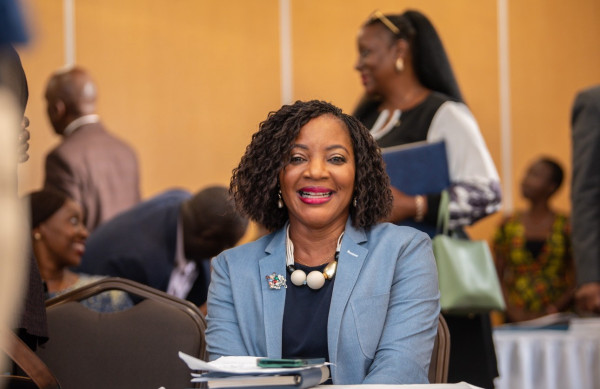
HPV is fuelling high cervical cancer rates in sub-Saharan Africa despite the availability of effective vaccines. Yet uptake remains low, driven largely by vaccine hesitancy. In South Africa alone, most participants (71%) were hesitant to receive at least one of the vacines in the country, according to the Vaccine Confidence Report by MSD (www.MSD.co.za) and Prof. Hannelie Meyer, Head of the South African Vaccination and Immunisation Centre. [1] The report was launched at the European Society of Clinical Microbiology and Infectious Diseases and during the SSA HPV Media Roundtable held during World and Africa Immunisation Week (24–30 April 2025).
Cervical cancer, caused by persistent infection of HPV, is one of the leading causes of cancer-related deaths among women in sub-Saharan Africa. The World Health Organization (WHO) estimates that 94% of global cervical cancer deaths occur in low- and middle-income countries, with sub-Saharan Africa heavily affected. [2]
Studies indicate that, globally, about 12% of women with normal cervical cytology are found to have an HPV infection. This prevalence doubles to around 24% in sub-Saharan Africa. Young women under 25 are particularly vulnerable, with an HPV prevalence rate of 43.9% in Africa compared to the global rate of 19.2%. [3]
A 2023 report indicated that cervical cancer ranks as the 13th most frequent cancer among women in Egypt and the 9th most frequent among women aged 15 to 44 years. [4] In Kigali, Rwanda, before the national HPV vaccination programme, 54% of women aged 19 years and younger were found to have received an HPV-positive result. [5] The high mortality rate in Ghana further demonstrates the burden, with approximately 3,000 women diagnosed with cervical cancer annually, resulting in around 2,000 deaths each year. [6]
Vaccine hesitancy, defined as a delay in acceptance or refusal of vaccines despite their availability, remains a challenge in the fight against preventable diseases such as cervical cancer. Misinformation, cultural beliefs, and accessibility issues further compound the low uptake of HPV vaccines. As global health organisations and local health authorities strive to eliminate preventable diseases, understanding and addressing vaccine hesitancy has never been more urgent. [1]
Understanding vaccine hesitancy
The Vaccine Confidence Report highlights several drivers of HPV vaccine hesitancy, including safety concerns, mistrust in healthcare systems, and misinformation on social media. According to Prof. Meyer, despite clear scientific evidence, many still believe vaccines are harmful. [1] “This reluctance is troubling,” she said, “given the direct link between HPV and cervical cancer. Addressing these fears with credible information is vital to reducing the burden in sub-Saharan Africa.”
An external study titled 'Vaccine Hesitancy and Trust in sub-Saharan Africa' published in Scientific Reports in May 2023 examined vaccination behaviours and attitudes across six sub-Saharan African countries: Ghana, Kenya, Nigeria, South Africa, Tanzania, and Uganda. The study found that only about 10% of respondents reported receiving at least one HPV vaccination. Vaccine hesitancy rates varied across countries, with South Africa exhibiting the highest rate at 17.15% and Kenya the lowest at 8.3%. [7]
Impact of misinformation, funding gaps and immunisation disruption Misinformation remains a major driver of vaccine hesitancy in Africa, especially through online platforms. It has shaped public attitudes and eroded trust in immunisation programmes. At the same time, shifting global priorities and economic pressures have led to reduced funding for vaccination efforts, limiting access in low-income communities. [8] “Routine immunisation has saved millions of lives,” said Dr Alima Essoh, Regional Director of the Preventive Medicine Agency for Africa (AMP Africa). “When misinformation and resource constraints disrupt these efforts, we risk undoing decades of progress.” Expanding HPV vaccination is critical to reducing cervical cancer, but it requires tackling misinformation head-on and improving access across the continent.
Broader implications for public health
While HPV vaccination remains a key focus, vaccine hesitancy extends to other preventable diseases. The World Health Organization (WHO) has set a target to eliminate cervical cancer as a public health concern by 2030, which includes ensuring that 90% of girls are fully vaccinated against HPV by age 15. [9] According to Prof Meyer, vaccine hesitancy threatens to derail this goal and broader efforts to achieve high immunisation rates for other preventable illnesses such as measles, polio, and influenza.
Rethinking the fight against HPV-related cervical cancer: Community action and vaccine confidence
Efforts to eliminate HPV and reduce HPV-related cervical cancer in Africa necessitate innovative, community-driven solutions. Dr Sabrina Kitaka, Senior Lecturer at Makerere University, states that engaging and accessible tools, such as comic books and school-based vaccination, have significantly enhanced vaccine uptake among young people. She adds that reminder systems, such as SMS and automated phone calls, help ensure adolescents complete the HPV vaccine schedule. If implemented on a large scale, these strategies could strengthen vaccine coverage across the region. She further states that, tackling vaccine hesitancy will require a coordinated approach involving governments, healthcare workers, civil society, and the private sector. This means improving health communication, building trust through local partnerships, and tailoring outreach to meet communities where they are.
“There is no time to waste,” says Prof. Meyer. “We must work together to share accurate information, address concerns, and make vaccines truly accessible. Only then can we protect future generations from preventable diseases.”
Disclaimer: The views and opinions expressed by the speakers in this document are their own and do not necessarily reflect the views or positions of MSD.
References
Distributed by APO Group on behalf of MSD.
REPORT ANY SUSPECTED ADVERSE EVENTS OR PRODUCT QUALITY COMPLAINTS TO DPOC SOUTH AFRICA:
dpoc.zaf@msd.com
Tel: +27 (0)11 655 3000.
www.MSD.co.za
Experts say this can be avoided if the South African government covers some of the defunded services
Six appear in court for alleged Eskom theft
Eskom has commended police for a recent operation that led to the arrest of six suspects found in possession of Eskom property valued at R1.5 million.
The six appeared in court on Monday.
Eskom Group Executive for Distribution Monde Bala urged communities to protect electrical infrastructure from vandalism and to report any criminal activity.
“We urge communities to play a role in safeguarding the infrastructure that delivers electricity to their homes and businesses. Reliable electricity is essential for daily life—preserving food, cooking, heating, lighting, and enabling children to study after dark. Protecting this infrastructure is a shared responsibility.
“Vandalism results in unplanned power outages, often leaving homes and businesses without electricity for extended periods. The restoration process can be prolonged, particularly when essential infrastructure such as transformers or high-voltage breaker components is damaged, as these items can take weeks to replace,” he said.
In a statement, the power utility said it has noted a rise in theft which includes the removal of pylon steel structures, illegal sand mining around pylons and siphoning of oil from transformers.
“Tampering with electrical infrastructure poses serious and potentially fatal risks. When transformers are drained of oil or connected to illegal installations, they can overheat and explode, leading to widespread power outages and, in some cases, loss of life.
“The theft of steel components from pylons compromises the structural stability of power towers, increasing the risk of collapse—particularly after heavy rainfall. This endangers both people and animals, as high-voltage lines carry thousands of volts and can be deadly upon contact.”
The power utility added that it had identified a rising trend where individuals throw metal chains and wires onto power lines, causing flashovers that trip power lines and disrupt supply.
“Such reckless actions not only contribute to power failures but also put lives at risk. Tragically, there have been cases where individuals suffered severe injuries or lost their lives due to contact with electrified objects hanging from power lines,” Eskom said.
Vandalism has cost the power utility some R221 million over the past financial year – an improvement from some R271 million the financial year before.
“Despite this improvement, the issue demands ongoing vigilance and proactive community involvement.
“Although Eskom has seen a reduction in these crimes due to increased collaboration with law enforcement agencies and improved security measures, the problem persists and remains unacceptable,” the power utility said.
To report vandalism or suspected criminal behaviour, call 0800 11 27 22, send an SMS to 31090 or contact local municipalities. – SAnews.gov.za
NeoB
Thu, 04/10/2025 - 08:56
236 views
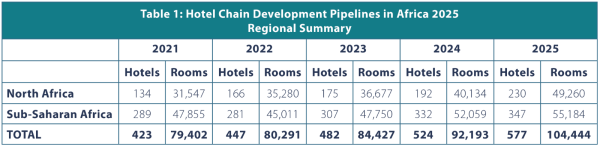
This year's Hotel Development Pipeline Report, the definitive study of international hospitality development projects in Africa, reveals record activity. There are 577 hotels and resorts, with 104,444 rooms, in the development pipeline, up by 13.3% on 2024, way ahead of the single digit pipeline growth reported globally by the leading international chains.
The report, compiled by Lagos-based W Hospitality Group, with data from 50 international and regional hotel chains, shows that development activity has been growing impressively in North Africa, which saw a 23% year-on-year increase, compared to a 6% increase in sub-Saharan Africa. Over the past five years, the hotel development pipeline has grown at an annualised rate of 4% in sub-Saharan Africa, 12% in North Africa and 7% overall.
Egypt continues to lead the way in terms of development, with 143 hotels and 33,926 rooms in the pipeline there. This is almost four times the number of rooms in second-placed Morocco, which has 8,579 rooms in 58 hotels. The following eight countries, ranked by number of rooms, comprise Nigeria, 7,320; Ethiopia, 5,648; Cape Verde, 5,565; Kenya, 4,344; Tunisia, 4,336; South Africa, 4,076; Tanzania, 3,432; and Ghana, 3,125. International hotel chains have deals signed in 42 of Africa's 54 countries.
Despite its clear leadership in the absolute pipeline numbers, Egypt has fewer than 50% of rooms under construction, a significantly lower proportion than second-placed Morocco, with over 72%. Of the top 10 countries, Ethiopia has the highest ratio of rooms “on site”, followed by Morocco and Ghana. Cape Verde, Nigeria and Tanzania have some of the lowest percentages. However, “under construction” does not necessarily mean that there is activity and progress towards completion and opening – many of the sites in Nigeria and Ghana, for example, have been closed for several years, with hardly a hard hat in sight.
A more granular analysis, looking at the location of planned properties, reveals an extraordinary boom in Cairo, with 17,757 new rooms projected in over 70 hotels. The contrast with the second-placed location, Sharm El Sheikh, is dramatic, where 4,231 rooms are planned in fewer than 10 properties. The cities and resorts with the next largest pipelines by number of rooms are Lagos, 3,709; Boa Vista, 3,650; Addis Ababa, 3,369; Casablanca, 2,939; Accra, 2,652; Abuja, 2,570; Zanzibar, 2,523; and Dakar, 2,334.
The growth is being driven strongly by the major international hotel chains, with Marriott International leading the way, 165 hotels with 29,639 rooms. It is followed by Hilton, 93 hotels with 17,040 rooms; Accor, 73 hotels with 15,013 rooms; IHG, 40 hotels with 7,951 rooms; Radisson Hotel Group, 32 hotels with 6,346 rooms; TUI Hotels & Resorts, 11 hotels with 2,954 rooms; Barceló Hotels & Resorts, 7 hotels with 2,193 rooms; The Ascott, 15 hotels with 1,897 rooms; Kerten Hospitality, 13 hotels with 1,881 rooms and Wyndham Hotels & Resorts, 7 hotels with 1,706 rooms.
In the race for dominance, Hilton added slightly more rooms to its African pipeline last year than Marriott International and achieved a higher percentage growth. Barceló Hotels & Resorts recorded the largest percentage growth, more than doubling its pipeline to 2,193 rooms, with three large resort signings in North Africa.
Below the headline numbers, there are three notable trends. First, the actualisation rate (actual openings vs. expected openings), which has nearly doubled from 21% in 2023 to 38% in 2024. While it's substantially less than the 75% actualisation rate achieved in 2019, it shows a continuing recovery from the economic devastation of COVID-19. Of the total 104,444 rooms in the pipeline, over 50,000 rooms (nearly 50%) in 304 hotels are expected to open in 2025 and 2026.
Second, resort projects are increasing much faster than city or airport hotels, both in percentage terms and in absolute numbers, driven by the number of signings and by the larger average size of the developments, 210 keys vs. 170. Also, almost half of the rooms that opened last year were in resorts.
Third, there is a definite movement by the chains towards the franchise model, with 108 projects representing almost 19% of the total, compared to less than 10% in 2020. A major factor is the emergence of quality, international, white-label operators such as Aleph Hospitality and Valor Hospitality, and some indigenous operators in Nigeria, Kenya and elsewhere, that are increasing confidence that brand standards will be met.
The full report will be discussed at FHS Africa (formerly AHIF) 17-19 June in Cape Town. It is the leading hospitality investment conference in the region, which brings together senior decision-makers to shape the future of the industry. Matthew Weihs, Managing Director of the Bench, which organises FHS Africa, said: “The growth in hotel development across Africa is a testament to the continent's economic and tourism potential. Furthermore, the commitment from the international hotel chains makes it clear that global players see Africa as a strategic opportunity."
Trevor Ward, Managing Director of W Hospitality Group, concluded: “Despite the various trials that the continent faces, the fact that hotel chains signed 125 new deals last year, with 21,000 rooms, is evidence that opportunities for further development abound. According to the Global Cities Institute, by the year 2100, 10 of the world's 16 largest cities will be in Africa, with all but one of them (Cairo) in sub-Saharan Africa. So, one might say that development activity in Africa has barely scratched the surface.”
Distributed by APO Group on behalf of The Bench.
For further information and high-resolution images, please contact:
David Tarsh
+44 (0) 20 7602 5262
+44 (0) 7770 816 070
Email: David@Tarsh.com.
About W Hospitality Group:
The W Hospitality Group, a member of Hotel Partners Africa, specialises in the provision of advisory services to the hotel, tourism and leisure industries, providing a full range of services to clients who have investments in the sector, or who are looking to enter them through development, acquisition or other means. In sub-Saharan Africa W Hospitality Group is regarded as the market leader due to the market and financial expertise of its staff, its worldwide knowledge, and its commitment to its clients. In Africa, W Hospitality Group has to date worked in 40 countries on the continent, from its Lagos and Addis Ababa offices.
About FHS Africa (Formerly AHIF):
For over a decade, the Future Hospitality Summit Africa (FHS Africa) has been the launchpad for hospitality investment in Africa, driving growth, connecting visionaries, and transforming the continent's tourism and hospitality landscape. As a beacon of opportunity, FHS Africa brings together global investors, developers, operators, and industry leaders committed to turning potential into reality.
Strategic Partners: Accor, BWH Hotels, Hilton, IHG Hotels & Resorts, Marriott International, Radisson Hotel Group
Headline Sponsors: CHIC, Hansgrohe, TUI Hotels & Resorts
Sponsors: Aleph Hospitality, CityBlue Hotels, Equate, JLL, Knight Frank, St Helena Island, STR, TIME Hotels, TV5 Monde, Valor Hospitality Partners
Official Carriers: Discover Airlines, Kenya Airways
Supporter: South Africa Tourism
About The Bench:
The Bench has a legacy of delivering world-leading investment forums and conferences in Europe, Africa, the Middle East, and Latin America. The key principle behind these events is "dealmaking'. Transforming the way businesses connect; the Bench has developed a reputation for creating innovative and high-impact industry meetings.
For over two decades, government leaders, tourism ministries, global travel & tourism associations, the world's most influential hospitality brands, hotel owners & investors, renowned restaurant groups, airlines & aviation authorities, destination developers, asset managers, financial groups, and consultants have been participating in the Bench's events. These include FHS Africa, FHS World, FHS Saudi Arabia and AviaDev, where industry players showcase their brands, position themselves as thought leaders and innovators, and connect with the right individuals, opportunities and knowledge.
Learn more at TheBench.com
Department of Home Affairs must issue Primrose Modisane with an ID, court rules
Liquor Amendment Bill still not introduced to Parliament after nine years
NPA head requests report on Omotoso case
National Director of Public Prosecutions (NDPP), Advocate Shamila Batohi, has requested a report from the Eastern Cape Director of Public Prosecutions (DPP), Barry Madolo, on the judgement in the Timothy Omotoso case.
Timothy Omotoso and his co-accused, Lusanda Sulani and Zukiswa Sitho, were acquitted by the Gqeberha High Court of 32 serious charges, including allegations of rape, racketeering and human trafficking, on Wednesday.
In a stinging judgement, Judge Irma Schoeman noted that the prosecution’s cross-examination of the accused was “shallow and lacking the intention to uncover the truth” – leading to the acquittal as the prosecution did not prove their case beyond reasonable doubt.
National Prosecuting Authority (NPA) spokesperson Advocate Mthunzi Mhaga said Batohi would “carefully study the judgment when it is made available to the parties”.
“In the meantime, she has expressed her serious concerns about adverse findings made by the judge against the prosecution team, relating to the manner in which the prosecution was conducted.
“The NDPP has called for a transcript of the proceedings and will consider it in order to determine whether the criticism of the prosecution team is warranted. Depending on the outcome of this process, the NDPP, together with the DPP: EC [Eastern Cape], will decide on appropriate action,” Mhaga explained.
He added that the DPP in the Eastern Cape has also “indicated that the team will study the judgement and decide on whether to bring an application to appeal the judgement”.
Mhaga emphasised that the NPA has demonstrated commitment to the fight against gender-based violence (GBV) and sexual offences.
“The NPA has a world-class special unit called the Sexual Offences and Community Affairs Unit which is dedicated to dealing with sexual violence and related cases. The NDPP appreciates the public outrage expressed by many in response to the judgment in view of its devastating impact on the victims in this case, and the fight against the scourge of gender-based violence in the country.
“The NDPP is proud of the NPA’s track record in providing victim-centred and professional support to victims of gender-based violence, including through the national rollout of Thuthuzela Care Centres (TCCs) that for the past eight years have provided specialised support in almost 280 000 matters (or 34,600 matters per year).
“This recent judgement represents a travesty of justice that we cannot accept. The NDPP awaits the report from the DPP EC and will consider the next steps to ensure that this tragic outcome is dealt with swiftly and appropriately, based on the facts and the legal dimensions relevant to the judgement,” Mhaga concluded.
Meanwhile, Justice and Constitutional Development Minister Mmamoloko Kubayi, has expressed her deep concern regarding the manner in which the case of Timothy Omotoso and his co-accused was handled by the prosecuting team.
READ | Justice Minister requests comprehensive report on Omotoso acquittal
– SAnews.gov.za
NeoB
Fri, 04/04/2025 - 09:24
192 views
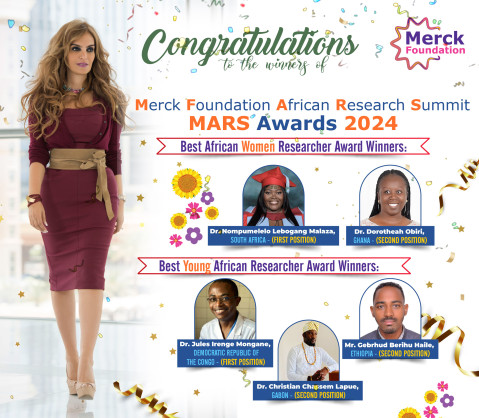
Merck Foundation (www.Merck-Foundation.com), the philanthropic arm of Merck KGaA Germany, announced the Winners of Merck Foundation Africa Research Summit (MARS) Awards 2024, in partnership with International Federation of Fertility Societies -IFFS, Africa Reproductive Care Society - ARCS, Manipal University and African Union Scientific Technical Research Commission to recognize African Researchers for their valuable research work and contribution to empowering women and youth in STEM in Africa with special focus on ‘The Role of Scientific Research in Women Health and Reproductive Care'.
Senator Dr. Rasha Kelej, CEO of Merck Foundation and Chairperson of Merck Foundation Africa Research Summit - MARS expressed, “Since 2016, I have taken immense pride in recognizing the achievements of our MARS Awards winners. This year, we honor Six Winners in two categories: ‘Best African Women Researchers Awards' and ‘Best African Young Researchers Awards.'
These awards celebrate their significant contributions to research, particularly highlighting the efforts of African women researchers, who remain underrepresented in this field. Through the MARS Awards, our mission is to empower young researchers in Africa and to specifically encourage and support women researchers by enhancing their research capabilities and promoting their vital roles in STEM (Science, Technology, Engineering, and Mathematics).”
The winners of ‘Best African women Researchers Awards' and ‘Best Young African Researcher Awards' will be enrolled into research training at a premier research institute in India.
“And I am also very happy to share with you all that as promised, we provided an opportunity to our first-place winner of each category to attend the 11th Edition of Merck Foundation Africa Asia Luminary which was recently conducted in Tanzania, however, only Mr. Jules Irenge Mongane was able to attend it”, shared Senator Rasha Kelej.
Merck Foundation is committed to improving the lives of people and has been transforming the Patient care landscape and making history together with its partners in Africa, Asia, and beyond, by providing 2080 Scholarships for doctors from 52 Countries in 44 critical and underserved medical specialties.
The MARS 2024 Award Winners are:
Winners of “MARS Best Women African Researchers Awards” 2024
1. Nompumelelo Lebogang Malaza, SOUTH AFRICA (First Position)
TOPIC: Association Between Biochemical And Epigenetic Markers With Glycaemic Control And Neonatal Outcomes In Diabetic Pregnancies
2. Dorotheah Obiri, GHANA (Second Position)
TOPIC: Immune dysregulation in placental malaria and hypertensive disorders of pregnancy
Winners of “MARS Best Young African Researchers Awards” 2024
1. Jules Irenge Mongane, DEMOCRATIC REPUBLIC OF THE CONGO (First Position)
TOPIC: Association Between Bacterial Vaginosis, Chlamydia Trachomatis Infection And Tubal Factor Infertility In Bukavu, Democratic Republic Of Congo
2. Christian Chassem Lapue, GABON (Second Position)
TOPIC: Epidemiology of helminthiases in women of reproductive age living in Lambaréné and its surroundings, Gabon
3. Gebrhud Berihu Haile, ETHIOPIA (Second Position)
TOPIC: Incidence of neonatal mortality and factors influencing neonate survival in neonatal intensive care unit in Northern Ethiopia: a prospective cohort study
“I am also excited to announce the Call for Applications for the new edition of the Merck Foundation Africa Research Summit (MARS) Awards 2024. This year, special focus will be again on “The Role of Scientific Research in Women Health and Reproductive Care,” added Senator, Dr. Rasha Kelej.
Merck Foundation Africa Research Summit - MARS 2025 will have scientific support from African Union Scientific-Technical and Research Commission (AU-STRC); African Reproductive Care Society (ARCS), and Manipal Academy of Higher Education (MAHE).
Details for MARS AWARDS 2025
Abstracts are invited from final year African PhD students and young investigators involved in research related to either of the following topics:
1) Women Health
2) Infertility and Reproductive Health
All applicants should be primarily based at African Research Institutes and Universities, although collaboration within Africa as well as outside is also welcome.
Last Date of Submission:
Applications can be submitted till 30th June 2025
How to apply:
Apply by clicking: https://apo-opa.co/3R1Vhhq
Alternatively, the Applications and abstracts can be submitted via email to mars@merck-foundation.com, along with CV (including Name, Gender, Country, University/Hospital Name, Email address, Mobile Number) and the abstract document as an attachment.
Other Details:
Distributed by APO Group on behalf of Merck Foundation.
Contact details:
Mehak Handa
Community Awareness Program Manager
+91 9310087613 / +91 9319606669
mehak.handa@external.merckgroup.com
Join the conversation on our social media platforms below and let your voice be heard!
Facebook: https://apo-opa.co/41VyNEY
X: https://apo-opa.co/3FTjdRz
Youtube: https://apo-opa.co/42klehm
Instagram: https://apo-opa.co/4crisLN
Threads: https://apo-opa.co/447LYnA
Flickr: https://apo-opa.co/4ckHufy
Website: www.Merck-Foundation.com
Download Merck Foundation App: https://apo-opa.co/43E0Da6
About Merck Foundation:
The Merck Foundation, established in 2017, is the philanthropic arm of Merck KGaA Germany, aims to improve the health and wellbeing of people and advance their lives through science and technology. Our efforts are primarily focused on improving access to quality & equitable healthcare solutions in underserved communities, building healthcare & scientific research capacity, empowering girls in education and empowering people in STEM (Science, Technology, Engineering, and Mathematics) with a special focus on women and youth. All Merck Foundation press releases are distributed by e-mail at the same time they become available on the Merck Foundation Website. Please visit www.Merck-Foundation.com to read more. Follow the social media of Merck Foundation: Facebook (https://apo-opa.co/41VyNEY), X (https://apo-opa.co/3FTjdRz), Instagram (https://apo-opa.co/4crisLN), YouTube (https://apo-opa.co/42klehm), Threads (https://apo-opa.co/447LYnA) and Flickr (https://apo-opa.co/4ckHufy).
The Merck Foundation is dedicated to improving social and health outcomes for communities in need. While it collaborates with various partners, including governments to achieve its humanitarian goals, the foundation remains strictly neutral in political matters. It does not engage in or support any political activities, elections, or regimes, focusing solely on its mission to elevate humanity and enhance well-being while maintaining a strict non-political stance in all of its endeavors.
Justice Minister requests comprehensive report on Omotoso acquittal
Justice and Constitutional Development Minister Mmamoloko Kubayi, has invoked Section 33(a) of the National Prosecuting Authority (NPA) Act in relation to the acquittal of former rape and sexual assault accused Timothy Omotoso and his co-accused, Lusanda Sulani and Zukiswa Sitho.
The three were acquitted by the Gqeberha High Court of 32 serious charges, including allegations of rape, racketeering and human trafficking, on Wednesday.
“The Minister acknowledges the statement made by the NPA indicating that they will study the judgment. However, she has also, in accordance with section 33 (a) of the National Prosecuting Authority Act, formally requested a comprehensive report from the National Director of Public Prosecutions to understand the factors that contributed to this outcome.
“Minister Kubayi remains resolute in her commitment to the fight against gender-based violence and femicide (GBVF) and reaffirms the government’s unwavering dedication to ensuring that perpetrators of GBVFs are held accountable,” the department said in a statement on Thursday.
In a stinging judgement, Judge Irma Schoeman noted that the prosecution’s cross-examination of the accused was “shallow and lacking the intention to uncover the truth” – leading to the acquittal as the prosecution did not prove their case beyond reasonable doubt.
“Minister Kubayi’s concern stems from apparent shortcomings in the prosecution’s handling of the case, resulting in a significant setback in the pursuit of justice for victims of gender-based violence and related crimes. The judge was scathing in her judgment, criticising the poor quality of the state's cross-examination.
“The Minister has emphasised the need for a strengthened and meticulous approach in prosecuting cases to prevent injustices,” the department said. – SAnews.gov.za
NeoB
Thu, 04/03/2025 - 12:01
16 views
Omotoso acquittal an "assault" on fight against GBV - Justice Committee
Parliament’s Justice Committee has expressed concern over the acquittal of televangelist Timothy Omotoso on 32 serious charges, including allegations of rape, racketeering, human trafficking, and other crimes.
On Wednesday, Gqeberha High Court Judge Irma Schoeman acquitted the pastor and his co-accused, Lusanda Sulani and Zukiswa Sitho – stating that the National Prosecuting Authority (NPA) had failed to prove their guilt beyond a reasonable doubt.
Responding to the ruling, Justice Committee Chairperson, Xola Nqola, described the outcome of the case as an “assault on the fight against gender-based violence (GBV)”.
“This is totally unacceptable. We need the National Prosecuting Authority to explain the weaknesses in the team, and the case they presented.
“Furthermore, the acquittal comes days after community activist and whistle-blower, Pamela Mabini, who was shot dead in her car in the driveway of her home in KwaZakhele, Gqeberha. Mabini was committed to supporting witnesses in this matter.
“With her gone, it seems we have failed our women, especially since the court referred to the poor quality of cross-examination as a contributing factor to the acquittal,” Nqola said.
Assessing options
In a statement, the National Prosecuting Authority said it is studying the judgement and will consider legal options.
“Delivering the judgment, Judge Irma Schoeman found that the trio was not guilty due to the technicality, mainly that the former prosecutors in the case acted improperly, and the accused were not sufficiently cross-examined by the state.
“It is for that reason that the prosecuting team will study the judgement and decide which legal avenues to explore.
“In as much as the NPA does not seek to secure conviction at all costs, it remains committed to ensuring justice is served for the victims of crime and will go at all lengths to give a voice to the victims by exploring all the possible avenues,” the NPA said. – SAnews.gov.za
NeoB
Thu, 04/03/2025 - 09:11
76 views