• Skip to main content
  • Skip to header right navigation
  • Skip to after header navigation
  • Skip to site footer
MyZA

MyZA

News, Directory, Events and Other Stuff

  • Social Media
  • Sport
  • World News
  • Home
  • Submit News
  • Directory
  • Events
  • Stratlec
  • TFSA
  • News
    • APO
    • Today’s Sport News
    • Todays Social Media and Tech Headlines
    • Today’s World News
    • Today’s SA Financial News
  • Contact
You are here: Home / Archives for Supply Chain

Supply Chain

10 April 2025

Nornickel Presents Palladium Technology Development Strategy for the PGM Industry in South Africa

Location: Business
Nornickel’s Palladium Centre

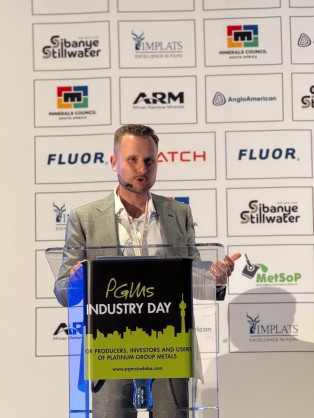
Nornickel (https://NorNickel.com) has unveiled its strategy for the development of palladium-based technologies at the PGMs Industry Day, an international conference held in South Africa. The company's experts shared insights into new technological developments that have the potential to redefine the use of platinum group metals (PGMs) extracted on the African continent, particularly in the fields of energy, electronics, and green technology. 

The presentation attracted considerable interest from conference participants. Industry representatives noted the practical relevance of Nornickel's innovations for the market, as well as the significant potential of palladium in emerging high-tech applications. 

Nornickel is the world's largest producer of palladium and high-grade nickel, and one of the leading global suppliers of platinum, copper, cobalt, and other precious and base metals. The company's Palladium Centre focuses on the development and implementation of innovative palladium-based solutions aimed at enhancing industrial efficiency. 

Palladium is the most extracted metal among the PGMs and benefits from a geographically diversified supply chain. Russia and South Africa, the two major producing regions, ensure stable global supply. 

From a chemical perspective, PGMs complement each other in many applications. Nornickel's research shows that palladium alloys with other PGMs frequently outperform individual metals in terms of efficiency and durability. 

Nornickel's approach to palladium innovation is closely aligned with key global megatrends: the energy transition, sustainable development, and digitalisation. Promising application areas include solar and hydrogen energy, biofuels, and next-generation electronics, where palladium can help reduce the cost of conductive components, hard drives, and OLED displays. In existing markets, the company is focused on improving performance and economics for end users. 

Nornickel is actively building a global partnership network to co-develop and commercialise palladium-based solutions. The company is committed to long-term collaboration with scientists, manufacturers, and end users to accelerate the adoption of advanced technologies and products. 

"Our goal is to become a technological partner for producers of PGM-based products. We focus on identifying applications where palladium delivers a strong competitive edge, bringing together leading scientific teams to develop prototypes, conducting large-scale industrial trials, optimising the product, and transferring the technology to manufacturers. This approach allows us to create more efficient materials and open up new markets for palladium applications," said Dmitry Izotov, CEO of Nornickel's Palladium Centre. 

Since its launch, the Centre has built a portfolio of 25 products. By 2030, the portfolio is expected to exceed 100 projects, generating an additional annual demand of 40–50 tonnes of palladium. 

Distributed by APO Group on behalf of Nornickel’s Palladium Centre.

Media files
Nornickel’s Palladium Centre
Download logo
Read moreNornickel Presents Palladium Technology Development Strategy for the PGM Industry in South Africa
9 April 2025

Government empowers spaza shops 

Location: News

Government empowers spaza shops 

With the launch of the R500 million Spaza Shop Support Fund (SSSF), government is ready to assist entrepreneurs who want to establish startups, expand their businesses, and gain essential business skills to improve the performance of their enterprises.

This is according to the Minister of Small Business Development, Stella Ndabeni.

With the recent drive to have spaza shops registered, government has received 87 407 applications and of these, a total 53% is from South African-owned spaza shops.

“Our commitment with this fund is to support those who heeded the President’s call to register their spaza shops. As the Department of Small Business Development (DSBD), we can help you when you have an idea and want to start a business.

“We have incubators that help new and startup businesses. We can help you from being an informal trader to a formal trader, to start a spaza shop and to own a wholesale or an entire distribution channel. We will be working with you to help you to turn things around,” said Ndabeni.

The support fund was launched on Tuesday in Soweto to support South African-owned township community convenience shops, including spaza shops, to increase their participation in the townships and rural areas retail trade sector.

READ | Government launches R500 million Spaza Shop Support Fund 

Jointly administered by the National Empowerment Fund (NEF) and the Small Enterprise Development Finance Agency (SEFDA), the fund provides critical financial and non-financial support to township businesses, including community convenience stores and spaza shops.

The fund provides various types of support, including the initial purchase of stock via delivery channel partners, upgrading of building infrastructure, systems, refrigeration, shelving and security, as well as training programmes, which includes point of sale devices, business skills, digital literacy, credit health, food safety and business compliance.

“The fund will address economy of scale disadvantages by linking spaza shops to buying groups for aggregation and bulk purchasing; building business capacity through training and support to improve shop operations; and enhancing market competitiveness to help spaza shops compete with larger retailers," the Minister said.

The fund will be rolled out nationally to impact spaza shops across all major townships, as well as rural areas.

The Minister said government endeavours to work with entrepreneurs to localise supply chain opportunities for township and rural enterprises.

This will ensure that spaza shops do not procure imported products or simply use the platforms of large companies.

“To achieve this, we will utilise other instruments like the Small Enterprise Manufacturing Support Programme, Township and Rural Entrepreneurship Programmes (TREP), the Informal and Micro Enterprise Development Programme (IMEDP), Asset Assist, and our Shared Economic Infrastructure Facility.

“These programmes in turn have the potential to attract municipalities, the private sector, business and informal trader associations, and other stakeholders to work together in contributing their facilities, expertise and resources in support of new localised supply chains and distribution networks for spaza shops. 

“Logistics management partners will offer logistics management services, including warehousing and delivery solutions. They will ensure that products are stored safely and delivered efficiently, reducing transportation costs, and improving the overall supply chain efficiency for spaza shops,” the Minister said.

DSBD Connect

The department has recruited 52 Business Regulation Officers across all districts and metros to support business registration using the DSBD Connect system.

DSBD Connect is a platform which will be used to collaborate or put together small business to collaborate and/or work together on a particular project. 

This can be businesses within the same industries or different industries but need each other for specific skills or qualifications. 

The platform will put together small businesses within the same geographical area, interests, and skills. 

“Despite their importance, spaza shops face several challenges, including access to capital, security concerns, and competition from formal retailers, like larger retail stores and supermarkets which are encroaching on their markets.

"South African-owned spaza shops also face intense competition from foreign-operated spaza shops, who use more organised supply chains to gain competitiveness.

“Therefore, I want to encourage you to collaborate and establish cooperatives so that you can leverage resources, knowledge, and work together on projects, sharing best practices,” Ndabeni said.

Access to funding 

To access the funding, applicants need to apply to the National Empowerment Fund (NEF) and the Small Enterprise Development Finance Agency (SEFDA) through the prescribed application process outlined on the relevant institution's website.

The following website can be used to apply for funding:

Spaza Shop Support Fund - www.spazashopfund.co.za 
NEF - www.nefcorp.co.za 
SEDFA - https://systems.sefa.org.za/SMMEPortal/

The contact details for the Spaza Shop Support Fund call centre are 01 1 305 8080 or via email: Spazafund@nefcorp.co.za.

Contact details for the NEF call centre are 0861 843633, SEDFA call centre 012 748 9600 or an email can be sent to helpline@sefa.org.za. - SAnews.gov.za

nosihle
Wed, 04/09/2025 - 10:27
162 views

Read moreGovernment empowers spaza shops 
5 April 2025

South Africa’s Response to the US Government’s Imposition of Tariffs

Location: News

Republic of South Africa: Department of International Relations and Cooperation
Download logo

South Africa's Strategic Adaptation to US Tariffs: Advancing National Interests through Policy and Strategy

The new tariff regime arising from the decision by the United States of America, which have been directed not only to South Africa, but the entire world necessitates strategic responses to maintain and grow our industrial base, as a crucial avenue to pursue inclusive growth.

In response to the US Government's imposition of tariffs, South Africa will continue to navigate the challenges and opportunities these measures present with resilience and innovation. Guided by its national interests and aligned with its broader trade and industrial policy, South Africa is committed to ensuring economic growth, industrial development, and the well-being of its citizens.

South Africa intends to:

1. Negotiate Favourable Agreements

South Africa will work to secure opportunities, in a context of a rapid withdrawal of favourable arrangements giving our exports preferential access to the United States of America. This might involve securing additional exemptions and favourable quota agreements, ensuring our industries maintain critical access to the US market, including through sectoral cooperation. This aligns with the national interest of promoting economic prosperity and safeguarding the livelihoods of South Africans.

2. Diversify and Expand Trade Relations

Efforts will intensify to diversify export destinations, targeting markets across Africa, as well as in Asia, Europe, Middle East, and Americas.

Moreover, such efforts will also, where deemed appropriate involve bilateral arrangements where these allow for the pursuance of our national interest. In our presidency of the G20, as the recent engagements at the G20 trade and investment working group (TIWG) indicate, the issue of supply chain geographical diversification is a challenge confronting all open market economies the world over.

This diversification supports South Africa's industrial strategy and reduces dependency on single destination markets for our exports or single sources for our intermediate input requirements. Fostering resilience in line with national economic priorities.

3. Enhance Regional Trade Collaboration

South Africa will leverage the African Continental Free Trade Area (AfCFTA) to bolster intra-African trade, fostering stronger regional economic integration and cooperation. This approach aligns with the national interest of contributing to a better Africa and world.

4. Focus on Value-Added Production

Industries will prioritise transforming raw materials into higher value finished goods, reducing tariff exposure and driving innovation to improve profitability. This supports South Africa's industrial policy objectives of boosting local manufacturing and creating jobs.

5. Stimulate Domestic Growth

The government will invest strategically in industries impacted by the tariffs, supporting economic growth through modernisation and targeted infrastructure development. This aligns with the national interest of ensuring the well-being of South African citizens.

6. Forge Global Alliances

South Africa will continue to build strategic partnerships with other nations enhancing collaboration and our influence in international trade negotiations. This reflects the national interest of strengthening global diplomatic and economic ties.

South Africa's tariff and industrial strategy are designed to support industrial development, employment growth, and economic resilience. By aligning these policies with the national interest, South Africa will ensure that its economy emerges stronger, more diversified, and resilient in the face of global trade complexities.

This approach will also apply to the 7 February Executive Order, which is currently being attended by an interdepartmental team which includes the departments affected by the executive order.

The 31% tariff implemented by the US Administration will be effective from 9 April 2025. South Africa's average tariff is 7.6% and therefore South Africa needs clarity on the basis for the 31% to be implemented by the US.

It is important to note that products such as copper, pharmaceuticals, semiconductors, lumber articles, certain critical minerals, and energy and energy products have been exempted from the reciprocal tariffs. Some of these materials are already key parts of the United States of America's sourcing requirements. According to the United States Geological Survey, 97% of their chrome ore requirements come from South Africa, 6% of fluorspar import requirements and 24% of the United States manganese requirements. These reciprocal tariffs will not apply to products already facing Section 232 tariffs of 25% such as steel, aluminium, automobiles and auto parts.

The reciprocal tariffs effectively nullify the preferences that Sub-Saharan Africa countries enjoy under the Africa Growth and Opportunity Act (AGOA). The sweeping tariff measures will affect several sectors of our economy, including automotive industry, agriculture, processed food and beverage, chemical, metals, and other segments of manufacturing, with implications for jobs and growth.

The US represented 7.45% of South Africa's total exports in 2024, while South Africa accounted for only 0.4% of US total imports. As such, South Africa does not constitute a threat to US and where there is a trade imbalance in favour of South Africa, it is mainly on agriculture products which are counter-cyclical and on minerals which are inputs in US industries.

South Africa will continue building domestic supply resilience, reducing cost of doing business and increasing competitiveness of our economy. Further, South Africa will continue with efforts to diversify export markets as part of its resilience building strategy.

The significant market access opportunities both through trade agreements and through strategic partnerships with countries across the globe present huge opportunities for our exports. The recently concluded Africa Continental Free Trade Area (AfCFTA) remains untapped, beyond the Southern Africa Development Community (SADC).

Furthermore, South Africa enjoys preferential market access through the Southern Africa Customs Union, SADC, SADC-EU Economic Partnership Agreement (EPA), SACU+Mozambique-UK EPA, the European Free Trade Association (EFTA), MERCUSUR (that includes Argentina, Brazil, Paraguay and Uruguay) and Japan Generalised System of Preferences. In addition, government is strengthening relations with countries in Asia and the Middle East to open new market access opportunities. Some of these efforts are bearing fruit with new market access opportunities for our agriculture products.

To re-iterate the Presidency, whilst South Africa remains committed to a mutually beneficial trade relationship with the United States, unilaterally imposed and punitive tariffs are a concern and serve as a barrier to trade and shared prosperity. The tariffs affirm the urgency to negotiate a new bilateral and mutually beneficial agreement with the US, that will establish more fair-trade relations with the US as an essential step to secure long-term trade certainty.

Distributed by APO Group on behalf of Republic of South Africa: Department of International Relations and Cooperation.

Read moreSouth Africa’s Response to the US Government’s Imposition of Tariffs
4 April 2025

IAE 2025 to Highlight Growth Opportunities in Africa’s Downstream Supply Chain

Location: Business
Energy Capital & Power

The upcoming Invest in African Energy (IAE) 2025 Forum will host a high-level panel – Downstream Beneficiation: Supply Chain Development for Optimal Performance – as the continent aims to enhance energy security, reduce import dependence and maximize the value of its natural resources. The session will explore how the expansion of Africa's downstream sector can strengthen supply chains, enhance refining capacity and drive sustainable economic growth through infrastructure investment and strategic partnerships.

As Africa's energy landscape evolves, optimizing downstream operations is critical to unlocking the full potential of the continent's natural resources. This session will focus on closing the infrastructure finance gap by addressing key challenges such as upgrading refineries, expanding storage and distribution networks, and developing service stations, bottling plants and transport fleets. Panelists will also examine the role of strategic hubs – such as Egypt's petrochemical industry, Equatorial Guinea's Gas Mega Hub and Algeria's emerging green hydrogen sector – in bolstering Africa's supply chain efficiency, along with key regional projects like the Central African Pipeline System and the Lobito Corridor linking Angola, Zambia and the Democratic Republic of Congo.

IAE 2025 (https://apo-opa.co/43FPXaT) is an exclusive forum designed to facilitate investment between African energy markets and global investors. Taking place May 13-14, 2025 in Paris, the event offers delegates two days of intensive engagement with industry experts, project developers, investors and policymakers. For more information, please visit www.Invest-Africa-Energy.com. To sponsor or participate as a delegate, please contact sales@energycapitalpower.com.

Moderated by James Gooder, VP Crude, Argus Media, the panel will feature industry leaders offering key insights into Africa's downstream sector. Speakers include Anibor Kragha, Executive Secretary, African Refiners & Distributors Association; Tarik Berair, Commercial Development Manager, Technip Energies; Fernando Covas, Executive Director, S&P Global Commodity Insights; James Bullen, Head of Downstream, Petredec and Michael Kelly, Chief Advocacy Officer, World Liquid Gas Association. 

Africa's downstream investment climate is undergoing significant transformation, with several major projects driving the sector's growth including Nigeria's 650,000-bpd Dangote Refinery, Angola's 200,000-bpd Lobito and 100,000-bpd Soyo refineries, and Algeria's 100,000-bpd Hassi Messaoud Refinery. Despite recent refinery closures, South Africa also maintains a well-developed fuel distribution network, retail stations and petrochemical production, while Mozambique is emerging as a key LNG hub, with the Coral South FLNG project already operational and the Rovuma LNG and Mozambique LNG projects currently under development.

Despite these advancements, challenges remain in securing adequate financing for infrastructure upgrades and supply chain expansion. Addressing these gaps will require coordinated efforts from governments, private investors and industry stakeholders to develop resilient and efficient downstream operations. The IAE 2025 downstream panel will provide a platform for stakeholders to discuss actionable strategies that ensure Africa's energy sector remains competitive, sustainable and responsive to global demand.

Distributed by APO Group on behalf of Energy Capital & Power.

Media files
Energy Capital & Power
Download logo
Read moreIAE 2025 to Highlight Growth Opportunities in Africa’s Downstream Supply Chain
3 April 2025

Government to launch R500m spaza shop support fund

Location: News

Government to launch R500m spaza shop support fund

Trade, Industry and Competition Minister Parks Tau and the Minister of Small Business Development, Stella Tembisa Ndabeni, will next Tuesday officially launch the R500 million Spaza Shop Support Fund, an initiative which was first announced by President Cyril Ramaphosa in November 2024.

The fund, which will be jointly administered by the National Empowerment Fund (NEF) and the Small Enterprise Development Finance Agency (SEFDA), provides critical financial and non-financial support to township businesses, including community convenience stores and spaza shops.

The aim of the fund is to support South African owned township community convenience shops, including spaza shops, in order to increase their participation in the townships and rural areas’ retail trade sector.

“The opening of the applications for the fund marks another milestones in government’s efforts to stimulate the growth of the rural and township economy in the country, particularly by providing the necessary support to the convenience stores and spaza shops that are based in the townships and rural areas. 

“Government recognises the important role that small businesses, including those operating in the rural areas and townships, can play in creating jobs, growing our economy and alleviating poverty,” Ndabeni said.

The fund provides various types of support including the initial purchase of stock via delivery channel partners, upgrading of building infrastructure, systems, refrigeration, shelving and security, as well as training programmes which includes Point of Sale devices, business skills, digital literacy, credit health, food safety and business compliance.

Tau pointed out that the fund does not only support economic inclusion but also aligns with national priorities to formalise informal sectors, safeguard consumers and promote local production and said it is a holistic approach to revitalising township economies.

“Beyond individual support, the fund seeks to bolster the broader supply chain by fostering partnerships with local manufacturers, black industrialists and wholesalers. 

“Through bulk purchasing arrangements and the promotion of locally produced goods, spaza shops will benefit from reduced costs and increased access to quality products,” Tau said. – SAnews.gov.za

Edwin
Thu, 04/03/2025 - 10:31
31 views

Read moreGovernment to launch R500m spaza shop support fund
31 March 2025

Call for localised gender-responsive value chains

Location: News

Call for localised gender-responsive value chains

Minister in the Presidency responsible for Women, Youth and Persons with Disabilities, Sindisiwe Chikunga, has underscored the need to localise gender-responsive value chains and ensure the full and equal participation of women in the economy.

“Localising gender-responsive value chains require a clearly articulated infant industry development strategy. When one examines how parts of Asia became the manufacturing hub of the world, the literature is clear: their governments have been a patient investor of first resort, with a much higher risk appetite than their private sector,” Chikunga said.

The Minister was speaking at the 3rd Annual Women Economic Assembly (WECONA), held in Modderfontein, Johannesburg, on Friday.

WECONA is at the forefront of driving a gender-equal economy, bringing together influential business leaders from a variety of sectors.

It serves as a powerful platform dedicated to advancing women's economic empowerment, fostering collaboration, and sparking deliberate, meaningful action.

Leaders from industries, including finance, technology, and manufacturing, unite to share insights, tackle key challenges, and advocate for policies that drive change.

Delivering her keynote address, the Minister emphasised the need for bold, measurable, and accountable actions aimed at transforming South Africa’s supply chains.

She said WECONA needs to urgently study the anatomy of government expenditure, as well as supply chain patterns of every product and every service that has and continues to be procured.

She stressed the need to break free from the monopolies that entrench barriers to market entry and reimagine a women-led industrial and productive revolution adding that “no sector should be beyond our reach.”

The Minister also emphasised the need to contend with ways to introduce supplier diversity policies in procurement guidelines that formally mandate the engagement of women-owned suppliers.

“Thirty years into our democracy, we now know that the mere presence of laws does not translate into their implementation, let alone our lived realities. More work needs to be done. We need enforcement powers that come with the ability to monitor, evaluate and ensure accountability in the implementation of the act.”

Capacity building 

The Minister further highlighted the need to modernise and build the capacity of women owned businesses, through access to the latest manufacturing technologies and production equipment, to ensure that they produce, supply, and distribute the best quality of goods and services.

“In highly regulated sectors, we need to find ways to simplify the certification process and provide assistance with obtaining certifications needed to bid for public contracts. Without dedicated and tailor-made financial support, we will be setting up women for failure.

“We need to work with both established and emerging financial institutions to provide women-owned businesses with access to credit, grants, and low-interest loans. Some governments have set up funds specifically to finance women-owned businesses participating in public procurement, without this instrument failure is almost guaranteed,” the Minister explained.
She said delayed payments remain one of the most potent killers of women owned businesses.

Women’s Empowerment Working Group

Meanwhile, with South Africa's G20 Presidency well underway, Chikunga said she is looking forward to seeing the participation of different streams of WECONA at the Women’s Empowerment Working Group.

The working group has put forward three priorities for consideration by G20 nations and beyond. These include policy perspectives on the care economy, promoting financial inclusion of and for women, and addressing gender-based violence and femicide (GBVF).

“In each of these priority areas, we intend to establish G20 Legacy Projects that will not only outlive our G20 presidency but also reach ordinary women who are normally not part of G20 proceedings,” she said. – SAnews.gov.za
 

GabiK
Mon, 03/31/2025 - 12:00
312 views

Read moreCall for localised gender-responsive value chains
31 March 2025

African Rare Earth Projects Advance Amid Rising Global Demand

Location: News

Energy Capital & Power
Download logo

The global demand for rare earth elements (apo-opa.co/3FI1pbZ) is projected to increase four-fold by 2030, driven by the energy transition and increasing investments in industrialization. African nations rich in rare earth minerals are accelerating exploration and production efforts to capitalize on this growth. With up to eight rare earth projects set for commissioning across the continent by 2029 - boosting Africa's share of the global supply chain to 10% - the upcoming African Mining Week will spotlight opportunities across the rare earth value chain.

Africa's rare earth sector remains largely untapped, thereby attracting the interest of global project developers eager to unlock its full potential. South African asset manager Novare, for example, signed a R1.8 billion agreement (apo-opa.co/3E9EG8f) in February 2025 with American firm ReElement Technologies to develop a rare earth refining and battery manufacturing facility. ReElement will contribute its refining technology while Novare will provide funding for the value addition initiative, with construction expected to begin in the second half of 2025.

In Namibia, the Japan Organization for Metals and Energy Security and Namibia Critical Metals (apo-opa.co/427nfNI) completed a production pilot for the Lofdal Project, one of only two xenotime-type heavy rare earth deposits currently under development worldwide. Meanwhile, in Angola, Pensana (apo-opa.co/43A3nW0) secured an $80 million loan from Absa Bank Limited in January 2025 to expedite the rollout of the Longonjo Project, which is expected to supply 5% of the world's magnet metal rare earths demand – essential for the development of wind turbines and electric vehicles.

Major investors are also making bold moves in Africa's rare earth sector. Billionaires Jeff Bezos and Bill Gates (apo-opa.co/3FJsOdC) have injected $537 million into exploration and mine development through mining startup KoBold Metals, further accelerating Africa's rare earth ambitions. The funding will be directed toward rare earth mining ventures. Additionally, recognizing the strategic value of rare earths, multinational financial institution the African Development Bank proposed the development of the African Units of Account (AUA) (apo-opa.co/3FOTDxe) - a new currency backed by Africa's critical mineral reserves, including rare earth elements. The initiative would help stabilize regional currency markets and attract more international investment in green energy projects, amidst the growing demand of critical minerals globally and Africa's vast reserves.

The year 2025 continues to mark significant milestones in the growth of Africa's rare earth sector, with the advancement of key projects (apo-opa.co/43uodGd) such as Phalaborwa and Steenkampskraal (South Africa), Makuutu (Angola), Ngualla (Tanzania) and Songwe (Malawi). Amid these developments, African Mining Week serves as a strategic platform for African regulators, industry stakeholders and global investors to engage in deal signings and forge partnerships, further solidifying Africa's role in the global rare earth supply chain.

Distributed by APO Group on behalf of Energy Capital & Power.

African Mining Week serves as a premier platform for exploring the full spectrum of mining opportunities across Africa. The event is held alongside the African Energy Week: Invest in African Energies 2025 conference from October 1-3 in Cape Town. Sponsors, exhibitors and delegates can learn more by contacting sales@energycapitalpower.com.

Read moreAfrican Rare Earth Projects Advance Amid Rising Global Demand
31 March 2025

SCOPA Alarmed Following Oversight Visit to Two Eastern Cape Municipalities

Location: News

Republic of South Africa: The Parliament
Download logo

At 8 pm on Friday, 28 March 2025, the Standing Committee on Public Accounts (SCOPA) concluded its week-long oversight visit to the Eastern Cape's OR Tambo District Municipality and Buffalo City Metropolitan Municipality where it noted with alarm the state of most of the projects it visited at both municipalities.

The projects were chosen following the reports the committee received from the Auditor-General of South Africa (AG) and the Special Investigating Unit (SIU).

Key oversight observations: 

  • Chronic capital project delays with cost overruns being the norm rather than the exception, to the tune of hundreds of millions.
  • Persistence of years-long legacy of supply chain and financial management misdeeds and mismanagement – leading to write-offs or unresolved irregular expenditure.
  • Consulting engineers certify invoices for payment when work has not been completed and are never held accountable.
  • A culture of no consequences, with executive authorities either quashing reports on malfeasance or defending inexcusable failure to act.
  • Infrastructure departments and projects appear to be a cesspool of malfeasance and maladministration.

OR Tambo District Municipality
The committee visited the Lusikisiki Sewerage Project, whose third phase has been plagued by delays, with a service provider abandoning the site after it ran out of funds. The committee found on the site abandoned pipes and materials that, according to the municipality officials, are still usable. But the committee could not ascertain whether any had been stolen.

The visit was followed by a visit to Ntsonyini Dam in Port St. John's, which has also been delayed for years, notwithstanding a lot of money spent on it. The committee found a lot of unused materials strewn at the site, yet the project is still far from completion and more money is needed to complete it. Other parts of the project, which depend on the dam, have nonetheless progressed but cannot be utilised due to the delayed completion of the dam.

Members of the committee were alarmed to learn that some senior officials who have been arrested on more than one occasion are still on duty, with the Municipal Manager and the Executive Mayor defending their continued presence at work. The committee made its displeasure clear and demanded that immediate action be taken to protect the integrity of the district municipality.

In other cases, the committee found that the director of a company recently awarded a contract of over R105 million has been charged with fraud pertaining to Alfred Nzo District Municipality and officials claimed to be unaware about that.

The Mqanduli Bulk Water Project which was also visited by the committee, is beset with various problems, despite upbeat reporting by officials. The OR Tambo District Municipality is unable to draw water from Mthatha Dam due to a defective pipe owned by the Department of Water and Sanitation and instead draws directly from Mthatha River. The Thornhill Water Treatment Works is, in any event, below the capacity needed to supply the network of reservoirs that are supposed to bring water to urban and rural residents in the district.

The committee heard residents complaining of frequent and drawn-out water shortages and received from officials accounts of old infrastructure that breaks down often, leading to further water cuts. This affects both households and Walter Sisulu University.

Although the committee has noted signs of improvement in audit outcomes at the OR Tambo District Municipality, it remains deeply concerned by project delays, cost overruns, lack of consequences for errant officials and seemingly poor due diligence in the selection of service providers.

Buffalo City Metropolitan Municipality
The committee visited the Zwelitsha Waste-water Treatment Plant, which has been beset by chronic delays, mainly involving litigation and payment disputes. The plant remains incomplete and is causing delays in housing developments in the region. The site is poorly maintained, frequently vandalised and is vulnerable to organised crime.

However, it was at the Mdantsane NU2 Swimming Pool and Water World projects where the committee experienced first-hand the most egregious examples of years of mismanagement, malfeasance and possible fraud and corruption. While R57 million and R121 million have been spent at Mdantsane and Waterworld respectively, both projects are effectively unusable due to neglect, vandalism and non-existent maintenance.

The committee was further alarmed to learn that the Speaker of Council, the Chief Whip and the Executive Mayor have on more than one occasion quashed damning reports pertaining to the projects. They were unable to provide convincing reasons why this was the case, leading to what appears to be a culture of impunity and procurement malfeasance.

Conclusion
The committee will carefully consider its observations and table a comprehensive report before the National Assembly. Some matters will be referred to the AG for special audits and the SIU to pursue civil recoveries against service providers and staff.

It also became clear to the committee that urgent action must be taken in respect of supply chain, infrastructure and project management units where most of the malfeasance appears to be rooted, with some officials reportedly owning assets well beyond the salaries they earn.

While the committee noted that OR Tambo District Municipality and Buffalo City Metropolitan Municipality had recovery programs in place, it is nonetheless clear that both are far from recovery.

Distributed by APO Group on behalf of Republic of South Africa: The Parliament.

Read moreSCOPA Alarmed Following Oversight Visit to Two Eastern Cape Municipalities
25 March 2025

Rodgers announces strategic initiatives to drive KZN economic growth, job creation

Location: News

Rodgers announces strategic initiatives to drive KZN economic growth, job creation

KwaZulu-Natal Finance MEC, Francois Rodgers, has announced a number of strategic initiatives aimed at boosting the province's economic growth, creating jobs, and stabilising the cost of living.

Rodgers highlighted some of the initiatives, when he was tabling the province’s R158.478 billion budget for the 2025/2026 financial year, on Tuesday.

In his address, Rodgers highlighted the positive signs of economic recovery, pointing to key indicators, including an increase in the province’s equitable share and additional allocations in conditional grants.

He also noted the progress being made through the Provincial Financial Recovery Plan.

“What is required now is discipline with a sharp focus on the end objective, growth in our economy, job creation, and stabilising and reducing the cost of living,” Rodgers said.

Initiatives to strengthen financial discipline

The MEC said the provincial Treasury is committed to perform financial oversight and monitor provincial expenditure, with a view to prevent non-essential government activities.

He added that efforts are underway to identify new streams of revenue for the provincial fiscus.

Another key initiative is the adoption of a cost-containment instruction by the Executive Council, which aims to sustain KZN’s ability to meet its needs, “while protecting its future.”

“Cutting the nice to haves to protect the must haves. One such example is [council] agreement to do away with rental vehicles, with procurement for vehicles, in line with National Treasury guidelines.

“When the GPU (Government of Provincial Unity) took office, the province was projecting to over-spend in the region of R10 billion, [but] with strict control measures and compliance, we have now reduced this to R4.9 billion,” Rodgers highlighted.

E-procurement tool

To further improve financial efficiency, Rodgers announced that Treasury is awaiting approval for the acquisition and implementation of an e-procurement tool, a system designed to eliminate overcharging of goods and services during the Supply Chain Management (SCM) and tender processes.

“This system will yield enormous savings for the province and reduce irregularities in the procurement process,” Rodgers said.

The MEC said the provincial government is making great strides in achieving a balanced budget, noting that “it’s a painful process, but a process that needs to be sustained and supported.”

Rodgers further announced that starting in April 2025, the provincial government will introduce departmental financial dashboards, which will reflect departments financial metrics, such as creditors, debtors, cash balances, and projected expenditure.

He said these dashboards will assist members of the Executive Council and oversight committees with a clearer picture of the province's financial health.

Additionally, the provincial Treasury is exploring the establishment of an information centre, which will focus on "Operation Pay on Time" and assist with tender processes and supplying information on Public Private Partnerships (PPPs).

“Going forward, I will continue, in my capacity as MEC, to regularly engage the Premier and the provincial executive on good financial practices. We will be consistent in our advocacy for efficient expenditure and the prioritisation of programmes aimed at alleviating poverty, inequality, unemployment, effective service delivery and building a sustainable economy,” the MEC said.

Provincial budget highlights

A large portion of the 2025/2026 provincial budged (79.9%), has been allocated to the three key social services departments, including Education, Health, and Social Development.

The Education Department received the largest share of the budget, with R66 690 206 allocated, followed by Health with R56 211 801.

Other allocations include:
•    Transport allocated R13 827 066.
•    Office of the Premier R817 875. 
•    Provincial Legislature R850 796. 
•    Agriculture and Rural Development R2 757 443. 
•    Economic Development, Tourism and Environmental Affairs R3 606 998.
•    Provincial Treasury R710 190. 
•    Human Settlements R3 549 877.
•    Community Safety and Liaison R275 716.
•    Sport, Arts and Culture R1 598 141.
•    Co-operative Governance and Traditional Affairs R1 931 153.
•    Social Development R3 613 297. 
•    Public Works and Infrastructure R2 037 490. – SAnews.gov.za


GabiK
Tue, 03/25/2025 - 13:53
157 views

Read moreRodgers announces strategic initiatives to drive KZN economic growth, job creation
23 March 2025

Creecy unveils private sector role in revitalising rail and port infrastructure

Location: News

Creecy unveils private sector role in revitalising rail and port infrastructure

Transport Minister Barbara Creecy has officially unveiled a groundbreaking Request for Information (RFI), aimed at transforming the country’s struggling rail and port infrastructure through strategic partnerships with the private sector.

“Today, I am launching an online request for information to develop an enabling environment for Private Sector Participation (PSP) and enhance investment in rail and port infrastructure and operations,” Creecy said during a media briefing on Sunday. 

The Minister described this decision as a significant step in government’s efforts to partner with the private sector, ensuring that the country’s rail network and ports reclaim their crucial role in enhancing trade and driving economic growth.

Creecy highlighted the urgent need for intervention, citing significant challenges, including infrastructure deterioration, vandalism, theft, underinvestment, and operational inefficiencies that have hindered economic growth. 

“The limited availability of State resources to fund infrastructure development and address backlogs has intensified these challenges, severely restricting the ability of State-Owned Entities (SOEs) to fulfill their critical mandates.,” she explained. 

The Minister told journalists that Transnet and government have received many “unsolicited“ proposals from the private sector offering investment skills and expertise to support the rehabilitation and reform of our struggling rail and port systems.

“This overwhelming interest has made it clear to the department and Transnet that we must engage in broad and inclusive market research before issuing requests for proposals in August this year.” 

However, according to the Minister, these processes are not formal procurement methods, but rather a mechanism to gather and analyse information from the market.

She stated that the government recognises the importance of understanding the freight logistics landscape from the perspective of interested and affected parties. 

The Minister believes that this will ensure that solutions are both effective and sustainable during this initial phase of PSP.

The RFI targets key mineral export routes, include the corridor from Northern Cape to Saldanha for iron ore and manganese exports, as well as the routes from Limpopo and Mpumalanga to Richards Bay for coal and chrome exports. 

In addition, there is an intermodal supply chain project that focuses on the container and automotive sectors.

This project encompasses the port, container, and automotive port terminals, as well as back-of-port arrangements and railway and inland terminals. 

It will also address the corridors connecting Gauteng and KwaZulu-Natal (Durban), Gauteng and Eastern Cape (East London, Port Elizabeth and Ngqura), and Gauteng and Western Cape (Cape Town). 

“The RFI represents a pivotal step forward in our shared commitment to building a 21st-century transport system that goes beyond mobility to strengthen industrial competitiveness, deepen regional integration, and drive inclusive economic growth.” 

Creecy believes this move will help the department express challenges in a structured and coherent manner, clearly defining their scope, context, and impact to guide the development of focused, strategic, and sustainable solutions.

Support for new and emerging players

Meanwhile, Creecy said the State has committed to principles of job retention, State asset ownership, localisation, and Broad-Based Black Economic Empowerment (BBBEE) and gender equality, by providing strong support to new and emerging players in the rail and port sectors. 

A dedicated PSP unit, to be hosted by the Development Bank of South Africa, will oversee the initiative.

The eight-week online consultation process, running from 24 March to 9 May 2025, aims to gather comprehensive market insights before issuing formal proposals in August. 

Stakeholders are encouraged to participate through the department’s website or dedicated online portal at www.psp-rfi.co.za, with all submitted information to be treated confidentially. 

“I encourage all Interested and affected parties to actively engage in this RFI process, contributing to the PSP unit’s efforts in shaping the potential PSP programme of projects and designing future bid packages for procurement,” she added. 

Government plans to release a second RFI focusing on passenger rail initiatives in May this year. – SAnews.gov.za

Gabisile
Sun, 03/23/2025 - 13:28
57 views

Read moreCreecy unveils private sector role in revitalising rail and port infrastructure
20 March 2025

SASSA Explains Why It Paid Grants to 75,000 Dead People

Location: News

Systems are being improved to solve the problem

Read moreSASSA Explains Why It Paid Grants to 75,000 Dead People
13 March 2025

Access Bank’s Africa Trade Conference Ignites New Era of Intra-Africa Commerce

Location: Business
Access Bank PLC

Access Bank PLC (www.AccessBankPLC.com) successfully hosted the inaugural Africa Trade Conference in Cape Town, South Africa, bringing together industry leaders, policymakers, and trade experts to drive solutions for accelerating intra-African trade and unlocking the continent's economic potential. The conference tackled critical challenges, including limited access to capital, market information gaps, trust deficits between trading partners, and the urgent need for modernised trade infrastructure.

Roosevelt Ogbonna, Managing Director/CEO of Access Bank, delivered the opening remarks, setting the tone for discussions by highlighting the critical barriers hindering trade across Africa. He emphasised the urgent need for financial sector collaboration to facilitate seamless access to capital and foster a business environment where African enterprises can scale and compete globally.

“We must invest in the initiatives that ensure that we can bring businesses together, forge trust, and create the connections necessary for trade. In doing so, we must stamp out the narrative that 'Made in Africa' is inferior to any product made anywhere else in the world. We must buy Africa, be proud to wear Africa, and invest in Africa because that is what the continent needs to leap forward into the next generation,” Ogbonna stated.

With Africa's population projected to surge to 2.5 billion by 2050 from 1.2 billion, the African Continental Free Trade Area (AfCFTA) stands as the most significant free trade initiative since the formation of the World Trade Organisation. By fostering economic integration, AfCFTA has the potential to reshape trade dynamics across the continent, creating a unified market that enhances industrialisation, boosts employment, and strengthens Africa's global competitiveness. Recognising this transformative opportunity, H.E. Wamkele K. Mene, Secretary-General of AfCFTA, emphasised the urgency of fully implementing the agreement to unlock its immense benefits.

"The AfCFTA is not just a trade agreement; it is an instrument for Africa's industrialisation and economic sovereignty. It is a tool that will enable us to break down historic trade barriers and build an Africa that is self-sufficient, competitive, and prosperous. But for this to happen, we must commit to operationalising the agreement fully, ensuring that businesses, particularly SMEs and women-led enterprises, have access to the information, capital, and platforms they need to thrive,” Mene stated.

Also, Kanayo Awani, Executive Vice President of Afreximbank, emphasised the importance of financing mechanisms that support African businesses in their expansion across borders. She reaffirmed Afreximbank's commitment to championing trade finance solutions and infrastructure investments that will unlock Africa's trade potential.

“At Afreximbank, we understand that trade finance is the lifeblood of economic development. Without it, businesses cannot scale, industries cannot innovate, and Africa cannot fully realise its trade potential. This is why we have developed instruments such as the Pan-African Payment and Settlement System (PAPSS) to facilitate seamless transactions across borders, reducing reliance on foreign currencies and strengthening intra-African trade,” Awani remarked.

The conference featured an insightful testimonial from Nathalie Louat, Global Director at the IFC/World Bank Group, who pointed out the pivotal role of trade finance in enabling cross-border transactions and supporting financial inclusion. She underscored the long-standing partnership between IFC and Access Bank in fostering Africa's economic resilience.

Several high-level panel discussions explored strategies to overcome trade barriers and enhance market access through innovative solutions. Experts from leading institutions, including Deutsche Bank, Traydstream, OWP Partners, Fiducia International, and more, examined how infrastructure improvements, digital solutions, and policy harmonisation could drive economic growth and boost intra-African trade.

Dr. Marc Auboin from the World Trade Organization (WTO) shared key insights on how digital transformation is reshaping Africa's supply chain landscape, creating efficiency and unlocking new global market opportunities. Tanya Dos Santos-Ford from GIBS Business School also led a session on sustainable trade practices, emphasising the need for environmentally responsible economic growth strategies.

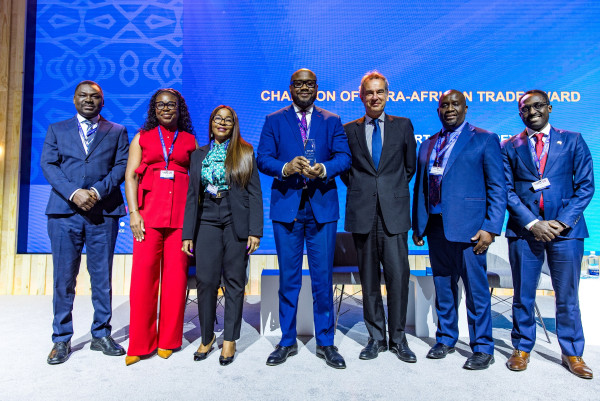
The event culminated in an awards ceremony recognising outstanding contributions to intra-African trade and economic transformation. Tradepass Commodities Limited (Ghana), Chemaf International FZE (DR Congo), and Harvest Group of Companies (Zambia) were honoured for their impact on SMEs and women-led trade enterprises. Bulkstream Limited (Kenya) and Electricidade de Moçambique (Mozambique) received awards for advancing intra-African trade, while Tennant Metals South Africa Pty Ltd was recognised as an Emerging Leader in Trade.

The International Finance Corporation (IFC) was awarded the Climate Finance Leadership Award, while Afreximbank received the Champion of Intra-African Trade Award. The African Development Bank (AfDB) and Africa Finance Corporation (AFC) were celebrated for their roles in economic transformation and infrastructure finance, respectively. The prestigious African Icon Award was presented to IHS Group, Dangote Industries Limited, and MTN Group Limited for their significant contributions to Africa's economic progress.

As the conference ended, Seyi Kumapayi, Executive Director, African Subsidiaries at Access Bank, reaffirmed the institution's commitment to supporting trade finance, fostering regional integration, and championing policies that create an enabling environment for businesses across Africa.

For inquiries:

  • Olakunle Aderinokun 
    olakunle.aderinokun@theaccesscorporation.com

Distributed by APO Group on behalf of Access Bank PLC.

About Access Bank PLC:
Access Bank PLC, a wholly owned subsidiary of Access Holdings PLC, is a leading full-service commercial bank operating through a network of more than 700 branches and service outlets spanning three continents, 24 countries and over 60 million customers. The Bank employs over 28,000 people in its operations in Africa and Europe, with representative offices in China, Lebanon, India, and the UAE.

Access Bank's parent company, Access Holdings PLC, has been listed on the Nigerian Stock Exchange since 1998 (now Nigerian Exchange (NGX)). The Bank is a diversified financial institution which combines a strong retail customer franchise and digital platform with deep corporate banking expertise, proven risk management and capital management capabilities. The Bank services its various markets through three key business segments: Corporate and Investment Banking, Commercial Banking, and Retail Banking. The Bank has enjoyed what is Africa's most successful banking growth trajectory in the last 20 years, becoming one of the continent's largest retail banks.

As part of its continued growth strategy, Access Bank is focused on mainstreaming sustainable business practices into its operations. The Bank strives to deliver sustainable economic growth that is profitable, environmentally responsible, and socially relevant, helping customers to access more and achieve their dreams.

Media files
Access Bank PLC
Download logo
Read moreAccess Bank’s Africa Trade Conference Ignites New Era of Intra-Africa Commerce
11 March 2025

Health Ombud reveals serious findings at Helen Joseph Hospital

Location: News

Health Ombud reveals serious findings at Helen Joseph Hospital

Inadequate infrastructure, doctors not arriving for duty, food shortages, insufficient security and poor corporate management -- these are some of the serious findings contained in reports compiled by the Office of the Health Ombud and the Office of Health Standards Compliance (OHSC).

In September 2024, viral videos emerged featuring former radio host Thomas “London” Holmes, who was admitted at the hospital. In these videos, Holmes highlighted the alleged neglect and discourteous behaviour he experienced from hospital staff, as well as the overall poor conditions of the hospital.

His complaints ranged from alleged poor care, long waiting times, non-functional electrical plugs, a peeling ceiling, a broken water tap, apparent rudeness from some doctors, a stolen cellphone, a dead patient left in the ward for over four hours before being removed, and infrastructure disrepair.

Health Ombud, Professor Taole Resetselemang Mokoena, briefing media on Monday said that while investigators found the clinical care provided to Holmes to be adequate, the 58-year-old hospital faced several challenges. 

The investigators, supported by the Executive Manager of Complaints Management and Mokoena, uncovered a shortage of clean linen caused by machine breakdowns at the Johannesburg Laundry, as well as widespread acts of vandalism and theft occurring at the hospital.

“There was no proper control of linen inventory, leading to shrinkages and linen shortages at the hospital.

“There were also food shortages due to invoice non-payment. Patients receive food from their families that may be inappropriate for the patient's medical condition, and surplus food may lead to infestations of flies and other pests,” the Health Ombud said.  

The probe also uncovered systemic issues such as poor human resource (HR) management, lack of governance and inadequate infrastructure. 

“The investigation established that there was theft of property, such as toilet equipment. While security guards were posted at all entrances, there was laxity regarding searching people and vehicles entering or leaving the hospital premises,” the Health Ombud said.

OHSC CEO, Dr Siphiwe Mndaweni, said her team also found that the infrastructure was outdated, with poor maintenance and inadequate cleanliness.

The hospital, according to Mndaweni, also faced intermittent water supply due to decaying pipes and infestations, untreated waste and ineffective waste management. 

The OHSC also found that maintenance plans were not followed, with incidents affecting oxygen supply, vacuum systems, and other critical services.

Cleaning equipment, such as vacuum machines, were not serviced for over a year, and waste management practices were poor, with overflowing waste containers.

Mndaweni said the hospital’s leadership instability, with four Acting CEOs since 2019 and a dysfunctional board, exacerbated these problems.

The inspection team recommended immediate action to address these issues and improve hospital governance and accountability.

“The shortage of staff was reported in almost all the departments. This included nurses, mortuary attendants and cleaning staff.” 

The OHSC CEO said it was even difficult to determine the vacancy rate because of poor record keeping.  

“Helen Joseph Hospital doesn’t have a system to monitor renumerated work outside the public service and the management team admitted that they’re struggling with doctors that are not at work when they are supposed to be,” Mndaweni said. 

Recommendations included refurbishing infrastructure, improving HR practices, and strengthening finance and supply chain management. 

The Department of Health was urged to review staffing and leadership.

“All key positions at the hospital must be filled as soon as possible to ensure ongoing quality care and governance,” Mokoena said. 

He also called for the prioritisation of key clinical posts in the neurology and dermatology units to ensure continuity of care within the Internal Medicine Department. 

The Department of Health was recommended to review the establishment to align with the tertiary hospital function, and prioritise the CEO and senior clinical posts.

According to the Health Ombud, the hospital should prioritise infrastructure refurbishment and appoint ongoing maintenance committees.

Mokoena has also called on the Department of Health to develop and strengthen finance and supply chain management, segregate duties, and hire qualified personnel.

Health Minister, Dr Aaron Motsoaledi, received the reports and promised his department would address the issue. – SAnews.gov.za

Gabisile
Mon, 03/10/2025 - 15:57
268 views

Read moreHealth Ombud reveals serious findings at Helen Joseph Hospital
11 March 2025

Health Ombud reveals serious findings against Helen Joseph Hospital

Location: News

Health Ombud reveals serious findings against Helen Joseph Hospital

Inadequate infrastructure, doctors not arriving for duty, food shortages, insufficient security and poor corporate management -- these are some of the serious findings contained in reports compiled by the Office of the Health Ombud and the Office of Health Standards Compliance (OHSC).

In September 2024, viral videos emerged featuring former radio host Thomas “London” Holmes, who was admitted at the hospital. In these videos, Holmes highlighted the alleged neglect and discourteous behaviour he experienced from hospital staff, as well as the overall poor conditions of the hospital.

His complaints ranged from alleged poor care, long waiting times, non-functional electrical plugs, a peeling ceiling, a broken water tap, apparent rudeness from some doctors, a stolen cellphone, a dead patient left in the ward for over four hours before being removed, and infrastructure disrepair.

Health Ombud, Professor Taole Resetselemang Mokoena, briefing media on Monday said that while investigators found the clinical care provided to Holmes to be adequate, the 58-year-old hospital faced several challenges. 

The investigators, supported by the Executive Manager of Complaints Management and Mokoena, uncovered a shortage of clean linen caused by machine breakdowns at the Johannesburg Laundry, as well as widespread acts of vandalism and theft occurring at the hospital.

“There was no proper control of linen inventory, leading to shrinkages and linen shortages at the hospital.

“There were also food shortages due to invoice non-payment. Patients receive food from their families that may be inappropriate for the patient's medical condition, and surplus food may lead to infestations of flies and other pests,” the Health Ombud said.  

The probe also uncovered systemic issues such as poor human resource (HR) management, lack of governance and inadequate infrastructure. 

“The investigation established that there was theft of property, such as toilet equipment. While security guards were posted at all entrances, there was laxity regarding searching people and vehicles entering or leaving the hospital premises,” the Health Ombud said.

OHSC CEO, Dr Siphiwe Mndaweni, said her team also found that the infrastructure was outdated, with poor maintenance and inadequate cleanliness.

The hospital, according to Mndaweni, also faced intermittent water supply due to decaying pipes and infestations, untreated waste and ineffective waste management. 

The OHSC also found that maintenance plans were not followed, with incidents affecting oxygen supply, vacuum systems, and other critical services.

Cleaning equipment, such as vacuum machines, were not serviced for over a year, and waste management practices were poor, with overflowing waste containers.

Mndaweni said the hospital’s leadership instability, with four Acting CEOs since 2019 and a dysfunctional board, exacerbated these problems.

The inspection team recommended immediate action to address these issues and improve hospital governance and accountability.

“The shortage of staff was reported in almost all the departments. This included nurses, mortuary attendants and cleaning staff.” 

The OHSC CEO said it was even difficult to determine the vacancy rate because of poor record keeping.  

“Helen Joseph Hospital doesn’t have a system to monitor renumerated work outside the public service and the management team admitted that they’re struggling with doctors that are not at work when they are supposed to be,” Mndaweni said. 

Recommendations included refurbishing infrastructure, improving HR practices, and strengthening finance and supply chain management. 

The Department of Health was urged to review staffing and leadership.

“All key positions at the hospital must be filled as soon as possible to ensure ongoing quality care and governance,” Mokoena said. 

He also called for the prioritisation of key clinical posts in the neurology and dermatology units to ensure continuity of care within the Internal Medicine Department. 

The Department of Health was recommended to review the establishment to align with the tertiary hospital function, and prioritise the CEO and senior clinical posts.

According to the Health Ombud, the hospital should prioritise infrastructure refurbishment and appoint ongoing maintenance committees.

Mokoena has also called on the Department of Health to develop and strengthen finance and supply chain management, segregate duties, and hire qualified personnel.

Health Minister, Dr Aaron Motsoaledi, received the reports and promised his department would address the issue. – SAnews.gov.za

Gabisile
Mon, 03/10/2025 - 15:57
10 views

Read moreHealth Ombud reveals serious findings against Helen Joseph Hospital
6 March 2025

Eden Sleep Innovation takes home first place at furniture awards 

Location: News

Eden Sleep Innovation takes home first place at furniture awards 

Eden Sleep Innovation, a bed-making company, is celebrating after winning first place in the manufacturing category at the Department of Trade, Industry and Competition’s annual Furniture Design Competition.

The award was presented to the company for their innovative hybrid flatpack bed base design.

The creative design, known as Unibase, is engineered and manufactured locally and combines sustainable wood and recycled plastic. 

It is a compact ‘carry and go’ bed base that can easily fit into a car or taxi, as well as through doorways and staircases. It also saves up to 85 % in space throughout the supply chain, including warehousing and transportation.

The Managing Director of Eden Sleep Innovation, Aldrin John, said they are honoured to have won the award as a testament to the vision of the company.

“Our vision as a company is to revolutionise sleep and furniture solutions with innovative, high-quality, and affordable products. This annual initiative, led by the dtic, now in its 10th year, plays a crucial role in showcasing the capabilities of local young talent and seasoned professionals in the furniture industry. 

“We encourage more industry stakeholders to get involved in future initiatives, as they are essential for fostering innovation and growth within the South African furniture sector,” John said.

Chief Director of Agro-processing and Forestry Based Industries at the dtic, Ncumisa Mcata-Mhlauli, said the competition was established by the department to promote innovation in the development of new, competitive furniture products, and to contribute towards skills development initiatives.

READ | May the best furniture win

“The Furniture Industry Masterplan adopted in 2021 identifies the shortage of high-level skills in the furniture industry, such as design and skilled artisans in furniture manufacturing, as a major concern,” Mhlauli said in a statement on Wednesday.

She said the competition is an instrument the department is using to promote and encourage interest in the furniture industry and to entice upcoming designers into the industry. 

“We want to raise and nurture design capabilities in the country, raise the image ofthe  furniture manufacturing industry in South Africa, improve the industry’s competitiveness and reposition the industry for high value-added products,” she said. - SAnews.gov.za

Edwin
Thu, 03/06/2025 - 10:47
206 views

Read moreEden Sleep Innovation takes home first place at furniture awards 
6 March 2025

Dept seeks declaratory order for irregular tender for Driving Licence Card Machine

Location: News

Dept seeks declaratory order for irregular tender for Driving Licence Card Machine

Transport Minister Barbara Creecy has instructed her department to lodge a high court application for a declaratory order regarding the Driving Licence Card Machine (DLCM) tender found to have been irregular by the Auditor-General South Africa (AGSA).

The department on Wednesday said the declaratory order is being sought to get guidance on how to proceed, given the findings of the AGSA audit report.

In September last year, the Minister requested the AGSA, who at the time was undertaking an audit of the procurement process for the new DLCM, to widen the scope of the audit process to include whether Supply Chain Management (SCM) prescripts were followed to the letter, and if the specs of the project included adequate measure to protect the safety of personal data, given the sensitivity of information and security features involved in this project.

The AGSA identified instances of non-compliance with the required procurement processes. 

“The non-compliances emanated from transgressions of SCM prescripts (Public Finance Management Act (PFMA), Treasury Regulations and Driving Licence Card Account (DLCA) SCM policies, rendering the procurement process irregular,” the Department of Transport said on Wednesday.

The AGSA audit of the DLCA SCM processes revealed irregularities in the tender evaluation. 

IDEMIA, the winning bidder, failed to meet key bid technical requirements. Additionally, the AGSA review confirmed that the other bidders were not unfairly disqualified, as they also did not meet the bid technical specifications.

All bids submitted exceeded the R486 385 million budget set by the DLCA, indicating inadequate market analysis and budgeting. 

The AGSA found that the DLCA used outdated pre-COVID-19 prices, and the budget they submitted to Cabinet for approval did not include all the costs for the contract, leading to Cabinet approving a memo that was not a true reflection of the cost of the contract.

"This poses the risk of the project being delayed or cancelled due to insufficient funds," the AGSA said in its report.

The AGSA also noted that the bid specifications included an adequate assessment of the ability of the system to protect personal data. All bidders were evaluated on this criterion, and some were responsive.

According to the AGSA, the Bid Evaluation Committee (BEC) deviated from assessing the bids using the exact criteria set out in the bid specifications when evaluating documents provided by bidders. 

“The BEC members had to use their judgement and make executive decisions on how to assess the bids due to ambiguous bid specifications, which did not clearly address the DLCA requirements. This ambiguity led to discrepancies identified by the AGSA, resulting in an unfair and non-transparent procurement process.

“The inconsistencies extended beyond technical evaluation to site visits conducted by the DLCA. During these visits, the DLCA was supposed to confirm that the MX8100 machine proposed by the bidder, IDEMIA, had the required capacity and capability to deliver on the requirements. The DLCA chose to inspect an unrelated machine”.

The AGSA said the deviation from the bid specifications and the use of ambiguous criteria undermined the fairness and transparency of the procurement process.

“It is on the basis of the above that the department is in no position to turn a blind eye on the findings of the AGSA that points to irregularities in the tender process and the transgressions of the Public Finance Management Act (PFMA).

“In terms of section 81 (1) of the PFMA, an accounting officer for a department or a constitutional institution commits an act of financial misconduct if that accounting officer wilfully or negligently... makes or permits an unauthorised expenditure, an irregular expenditure, or a fruitless and wasteful expenditure.

“Consequently, Minister Creecy has instructed the department to lodge a high court application for a declaratory order for guidance on how to proceed, given the AGSA audit report,” the department said. - SAnews.gov.za


nosihle
Thu, 03/06/2025 - 09:21
9 views

Read moreDept seeks declaratory order for irregular tender for Driving Licence Card Machine
4 March 2025

eThekwini Municipality tackles water challenges

Location: News

eThekwini Municipality tackles water challenges

The eThekwini Municipality will continue to work on various interventions to manage and reduce the increase in water demand that has resulted in the recurring disruption of water supply.

To manage the demand and to build storage, the municipality has implemented rationing in many areas, especially in the Northern and Southern areas. 

In a statement issued on Tuesday, the municipality noted that demand currently exceeds supply by approximately 100 megalitres a day, resulting in further strain on the system. 

This is due to the current curtailment measures that were implemented by uMngeni-uThukela Water in October last year. 

“To augment the water supply, comprehensive plans have been set in motion in collaboration with the national Department of Water and Sanitation and uMngeni-uThukela Water to construct and commission the uMkhomazi Dam, a pivotal project to augment water supply to the city,” the municipality said. 

The municipality is also actively implementing various medium-term interventions, including infrastructure upgrades, pipeline replacements, and a comprehensive leak detection and repair programme. 

The installation of pressure management valves, dysfunctional meter replacements, the incorporation of technology to enhance meter accuracy, and improvements in billing and debtor management, are also being implemented. 

“Currently, areas in the West of the city are experiencing intermittent supply due to the shutdown of the 53 Pipeline by uMngeni-uThukela Water. This was done to allow the South African National Roads Agency (SANRAL) to relocate approximately 200m of the 53 Pipeline, as part of its N3 upgrade project,” the municipality said.

Durban’s beachfront set for major overhaul

Meanwhile, Durban’s iconic beachfront is set to undergo a major transformation, with a complete facelift and redevelopment of the buildings along the promenade.

Over the past few years, changes have been made to improve the offering to visitors on the beachfront, ensuring that it remains a world-class facility. 

Head of the Real Estate Unit, Thapelo Mmusinyane noted that as tenant leases expire, the municipality follows proper process to invite bids for the development of innovative new spaces and eateries that will elevate the beachfront experience.

This forms an integral part of the City’s Proactive Land Release Strategy, which was adopted in September 2021.

The strategy enables the city to proactively manage surplus land, assisting the city to achieve its developmental objectives, stimulate economic activity and Black economic empowerment, and promoting economic transformation in the property sector. 

Mmusinyane explained that between May 2021 and November 2022, 25 properties were put up for bid, with 10 new leases being awarded to companies 100% owned by historically disadvantaged individuals.

“All 10 awards were made to companies that are 100% owned by historically disadvantaged individuals. On the beachfront in particular, properties that have been affected are Circus, Bike and Bean, and Minitown.”

Mmusinyane added that the historic building in which Joe Cools and other eateries are housed, will be upgraded soon by a developer, who will then sublet the space to suitable tenants. 

He assured the public that a fair, equitable, and transparent process was followed as stipulated in Section 14(5) of the Municipal Finance Management Act (MFMA). 

“This section mandates that the disposal, including leasing of municipal properties must adhere to principles of fairness, equity, transparency, and competitiveness in line with the City’s Supply Chain Management Policy (Section 111 of the MFMA). 

“Renewing the leases without an open, competitive process would have violated these principles, as well as Section 217(1) of the Constitution, which upholds the same standards for public procurement. Therefore, lease renewals could not be granted without contravening the law,” he explained. – SAnews.gov.za


GabiK
Tue, 03/04/2025 - 14:47
3 views

Read moreeThekwini Municipality tackles water challenges
4 March 2025

Lottery Secretary Resigns After Pocketing About R6-Million While on Suspension

Location: News

Nompumelelo Nene, suspended two years ago, faced 145 disciplinary charges

Read moreLottery Secretary Resigns After Pocketing About R6-Million While on Suspension
23 February 2025

Afreximbank to Set up $1 Billion Oil Service Financing Facility in Guyana

Location: Business
Afreximbank

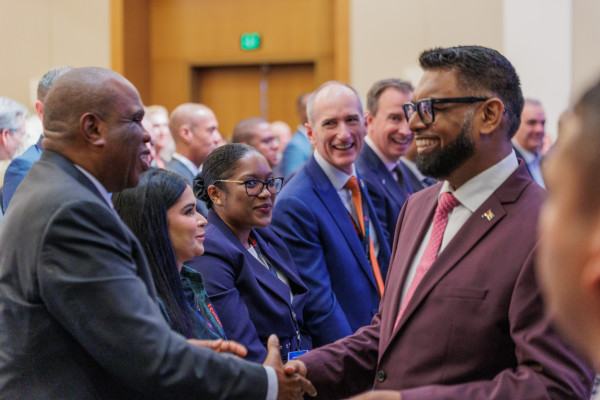
In a significant announcement at the Guyana Energy Conference and Supply Chain Expo being held from, February 18 - 21, Prof. Benedict Oramah, President and Chairman of the Board of Directors of African Export-Import Bank (Afreximbank) (www.Afreximbank.com), declared the multilateral Bank's intention to establish a $1 billion oil service financing facility in Guyana. This initiative aims to enhance local participation in the country's fast growing oil industry, in alignment with the government's local content policies. The Bank will deploy the $1 billion facility directly to qualifying corporate clients or through a factoring line via local banks, enabling them to finance invoices from local contractors.

President Oramah highlighted the transformative potential of Guyana's estimated 12 billion barrels of crude oil reserves. Emphasising the transformative power in proactive resource management, he advised Guyana to aggressively harness and build capital from its oil resources.

He said, "Given the level of oil production in Guyana and its offshore location, I estimate that the oil service sector would amount to 5 to 8 billion US dollars annually. But where will it go? Most of it would be paid to oil service companies abroad, if Guyana does nothing to avoid that. A 50% retention in Guyana would increase Guyana's GDP by 29% to 47%.” As such, he called for robust local content policies that would enable Guyanese entrepreneurs to become significant players in the oil value chain.

Based on Afreximbank's rich history of supporting commodity-dependent economies, President Oramah shared insights to complement the ongoing efforts of the Guyanese government. He acknowledged the inherent risks associated with dependency on a single commodity and laid stress on the importance of diversification.

He cautioned, “The commodity market is prone to volatility and cyclicality; hence, the reliance on crude revenues as a primary source of government funding could expose the national economy to volatile commodity markets." As such, he advised the government to secure long-term off-take contracts with oil service companies, which will enhance market access and price stability.

In the spirit of deepening Afri-Caribbean partnership, President Oramah remarked that skilled oil service companies from Ghana, Egypt, and South Africa, are "ready and willing to support Guyanese... And of course, Afreximbank is there to underwrite the marriage.”

He added that: “These measures are necessary if Guyana and other new entrants in the Caribbean and Africa are to avoid the painful "Dutch Disease. We make these suggestions based on the three long decades of financing oil and gas activities across Africa. We have witnessed oil-dependent economies transform for better or worse through these periods. In all these, the difference reflected the policy choices the leaders made.”

Distributed by APO Group on behalf of Afreximbank.

Media Contact:
Vincent Musumba
Communications and Events Manager (Media Relations)
Email: press@afreximbank.com

Follow us on:
X: apo-opa.co/436nryI
Facebook: apo-opa.co/3ENmLEu
LinkedIn: apo-opa.co/4bcByVp
Instagram: apo-opa.co/3Xb0g2y

About Afreximbank:
African Export-Import Bank (Afreximbank) is a Pan-African multilateral financial institution mandated to finance and promote intra-and extra-African trade. For over 30 years, the Bank has been deploying innovative structures to deliver financing solutions that support the transformation of the structure of Africa's trade, accelerating industrialization and intra-regional trade, thereby boosting economic expansion in Africa. A stalwart supporter of the African Continental Free Trade Agreement (AfCFTA), Afreximbank has launched a Pan-African Payment and Settlement System (PAPSS) that was adopted by the African Union (AU) as the payment and settlement platform to underpin the implementation of the AfCFTA. Working with the AfCFTA Secretariat and the AU, the Bank is setting up a US$10 billion Adjustment Fund to support countries effectively participating in the AfCFTA. At the end of December 2023, Afreximbank's total assets and contingencies stood at over US$37.3 billion, and its shareholder funds amounted to US$6.1 billion. Afreximbank has investment grade ratings assigned by GCR (international scale) (A), Moody's (Baa1), Japan Credit Rating Agency (JCR) (A-) and Fitch (BBB). Afreximbank has evolved into a group entity comprising the Bank, its impact fund subsidiary called the Fund for Export Development Africa (FEDA), and its insurance management subsidiary, AfrexInsure (together, "the Group"). The Bank is headquartered in Cairo, Egypt.

For more information, visit: www.Afreximbank.com

Media files
Afreximbank
Download logo
Read moreAfreximbank to Set up $1 Billion Oil Service Financing Facility in Guyana
20 February 2025

Deputy President Mashatile Receives Courtesy Visit From Chairman of the China Council for the Promotion of International Trade

Location: News

The Presidency of the Republic of South Africa
Download logo

Deputy President Shipokosa Paulus Mashatile has today, Thursday, 20 February 2025, received a courtesy visit by the Chairman of the China Council for the Promotion of International Trade (CCPIT), Mr. REN Hongbin, at the OR Tambo Official Residence in Pretoria, Gauteng Province. 

The CCPIT is a key Chinese economic promotion institution that reports directly to the State Council responsible for the facilitation and promotion of trade and investment with foreign countries by supporting Chinese companies (their members) to do business abroad and to engage and support foreign companies that have operations in China.

It has more than 400 000 Chinese business members, the majority of which are from State-owned Companies (SoEs).

This visit to the Deputy President follows the successful 2nd State Visit to China by President Cyril Ramaphosa in September 2024. In particular, it builds on the outcomes of the President's business engagements, including the seminal South Africa – China Presidential Business Forum, the closed roundtable discussion between the President and the Leadership of 20 high-level Chinese investors, and the Presidential Business Programme in Shenzhen that focused on key investors in China's leading technology and innovation hub. 

Therefore, the Chairman's visit is mainly focussed on following up on the implementation of the outcomes of the 9th Forum on China-Africa Cooperation (FOCAC) Summit held in Beijing in September 2024, as well as optimising the trade and investment environment for better cooperation between South Africa and China.

Deputy President Mashatile has welcomed China's plan to host the FOCAC Ministerial Coordination Meeting alongside the China-Africa Economic and Trade Expo in June 2025.

Such events, he said, would strengthen Africa-China economic relations and accelerate projects in industrialisation, infrastructure, agricultural modernisation, and green development, aligning with AU Agenda 2063 goals.

“Chairman, our President was encouraged by the number of Chinese companies he interacted with in Beijing and Shenzhen last year, who all expressed a wish to increase their investment exposure in South Africa. We continue to prioritise new investments in targeted sectors and enlarge the beneficiation and manufacturing base in South Africa, especially in the automotive and energy, which will contribute to local job creation, technology, and skills transfer,” said the Deputy President.

Furthermore, the Deputy President took the opportunity presented by the visit to mobilise Chinese businesses to attend the Business20 (B20) meetings of the G20 in South Africa this coming year.

In reciprocating the invite by the Deputy President, the Chairman also invited South Africa to attend the 3rd China International Supply Chain Expo (CISCE) that will be hosted by the CCPIT in Beijing in July this year. The CISCE is one of the four national-level trade and investment conferences hosted in China yearly. The 2nd CISCE was held in Beijing in November 2024 and was addressed by the Vice President of China, Mr Han Zheng.

Post the meeting with the Deputy President, the Chairman is expected to meet with the Minister of Trade, Industry, and Competition, Mr Parks Tau.

During this meeting, Deputy President Mashatile was supported by Deputy Minister of International Relations and Cooperation, Ms Moraka and Deputy Minister of Trade Industry and Competition, Mr Godlimpi.

Distributed by APO Group on behalf of The Presidency of the Republic of South Africa.

Read moreDeputy President Mashatile Receives Courtesy Visit From Chairman of the China Council for the Promotion of International Trade
12 February 2025

‘We won’t backdown’ – Kubayi on war against corruption

Location: News

'We won't backdown' - Kubayi on war against corruption

The South African government will continue to stand resolute, refusing to flinch or retreat in the war against corruption.

Addressing the debate on the State of the Nation Address (SONA) held in Parliament on Tuesday, Justice and Constitutional Development Minister Mmamoloko Kubayi said left unattended, corruption deprives South Africans of resources which are meant for their development and well-being.

"It is therefore our patriotic duty to increase our efforts to rid ourselves of all corrupt practices so that we can create a truly ethical and capable developmental state.

“We shall not compromise or backdown in the fight against corruption at all levels,” Kubayi emphasised.

The Minister said effectively ridding the State of corruption requires strengthening “institutions which are tasked with fighting corruption”.

“The era of State capture starkly illustrated how institutions can be compromised, weakened, and rendered ineffective, ultimately transforming those meant to fight corruption into enablers of corruption.

“To strengthen these institutions and avoid the recurrence of state capture, the Department will lead efforts on the review of the anti-corruption architecture. This review is meant to eradicate duplication of mandates and enable resource allocation optimisation,” she revealed.

While that work is underway, a world-class digital forensics lab is being developed.

Additionally, resourcing and capacitation of the Investigating Directorate Against Corruption under the National Prosecuting Authority (NPA) is ongoing “so that State capture cases can be expedited amongst others”.

“To close the capacity gap within the NPA, in January this year, we developed and approved guidelines for section 38 appointments of prosecutors. 

“Through these guidelines the appointments will be effective, efficient and more importantly, avoid subjectivity,” Kubayi said.

The Minister said lifestyle audits on departmental staff will be conducted as part of rebuilding law enforcement institutions.

“The first phase will include all those categorised as Senior Management Service in the department, State Attorneys offices, prosecutors, investigators in the Special Investigating Unit (SIU), the officials in the sheriff offices and in the Masters office.

“We will then go further to subject all employees who deal with appointments of liquidators and admitted Guardian Fund to full vetting irrespective of their position, as well as those in supply chain management units.

“This is to ensure that those who lead the fight against corruption and other malfeasance in our society are not themselves implicated in wrongdoing that compromises and weakens institutions in which they discharge their responsibilities,” Kubayi said.

Progress and results

Kubayi informed Parliamentarians that the fight against corruption is “already yielding results”, with the SIU having saved some R8 billion in State coffers in the 2023/24 financial year.

“The amount includes a record recovery of funds in actual cash amounting to R2.28 billion, prevention of a further R2.32 billion in potential State losses and secured cash to be recovered from the acknowledgement of debt and admission of liability agreements to the value of R1.6 billion.

“In addition, the SIU successfully set aside contracts worth over R2.13 billion through the Special Tribunal and the High Court of South Africa, which bodes well for the effort to rectify irregular administrative decisions. 

“This, honourable members, is demonstration of our commitment to safeguard public resources and ensure they benefit all South Africans,” she said.

Whistleblower Protection

On the issue of protecting whistle-blowers, the Minister said the department is finalising a framework to address existing weaknesses.

“A benchmarking exercise was conducted on best practice on whistle-blower protection systems in the world and it found that there are gaps in our framework we currently use to protect whistleblowers. In response, the department is finalising the whistle-blower protection framework that addresses the current weaknesses.

“This is in recognition of the key role whistleblowers have played and continue to play in the fight against corruption. We believe the framework will help guide the whistle-blower protection programme and ensure their safety.

“Furthermore, it will pave the way for the introduction of the Whistle-blower Protection Bill in Parliament within this financial year,” she said. – SAnews.gov.za

NeoB
Wed, 02/12/2025 - 10:43

152 views
Read more‘We won’t backdown’ – Kubayi on war against corruption
6 February 2025

Lottery Paid R500,000 to Company to Probe Computer Breach That Never Happened

Location: News

Forensic auditors found several red flags in the payment to Neo Solutions

Read moreLottery Paid R500,000 to Company to Probe Computer Breach That Never Happened
5 February 2025

SIU welcomes disciplinary action against nine officials

Location: News

SIU welcomes disciplinary action against nine officials

The Special Investigating Unit (SIU) has welcomed the outcomes of a disciplinary inquiry initiated against nine officials from the Gauteng Department of Health and the Department of Infrastructure Development. 

The officials faced charges relating to alleged irregularities in awarding contracts for refurbishing the Anglo Ashanti Hospital in 2022.

Following the SIU's consequence management recommendations, the Office of the Premier took disciplinary action against the implicated officials employed by the Gauteng Department of Health (GDoH) and the Gauteng Department of Infrastructure Development (GDID).

The SIU’s investigation uncovered evidence of financial misconduct involving several individuals from GDoH and GDID. 

The Gauteng Government acted on the SIU's recommendations and charged the officials involved. The outcome is as follows:

- Head of Infrastructure Development: GDoH was dismissed.

- Acting Head of Department: GDID was dismissed.

- Acting Director, Health Infrastructure: GDID was dismissed.

- Acting Chief Financial Officer and Head of SCM: GDID was dismissed.

- Acting Deputy Director-General, Health Branch: GDID) was dismissed.

- Project Manager, Infrastructure Development: GDoH issued with a final written warning.

- Acting Chief Director, Health Infrastructure: GDID issued with a final written warning.

- Project Manager: GDID, their contract employment ended during the hearing.

- Acting Deputy Director-General, Hospital Services: GDoH was acquitted.

The evidence gathered by the SIU indicatds that around 19 March 2020, the AngloGold Ashanti Hospital (AGA Hospital) refurbishment project began under the GDID on behalf of the GDoH.

However, during this process, no supply chain management policies or procedures were followed when procuring service providers and contractors for the refurbishment.

Furthermore, the GDoH was misled into believing that only minor renovations were needed at the AGA Hospital. 

This is a contravention of the Public Finance Management Act and National Treasury’s regulations, causing the GDoH to incur fruitless and wasteful for goods and services supplied.

The SIU was mandated through Proclamation No. R. 23 of 2020 to investigate the affairs of all State institutions regarding procurement or contracting for goods, works, and services during or in respect of the National State of Disaster by or on behalf of State institutions.

“The disciplinary actions show that state institutions are acting on the results of the SIU investigation and implementing the consequences to hold officials implicated to account, recover assets and financial losses incurred by these institutions, and prevent further losses,” said Special Investigating Unit Kaizer Kganyago. 

“We urge all state institutions to take decisive action to clean up our government and state entities from the corruption that has plagued them,” Kganyago said. – SAnews.gov.za


Edwin
Wed, 02/05/2025 - 15:09

149 views
Read moreSIU welcomes disciplinary action against nine officials
3 February 2025

Communities urged to help keep public assets safe

Location: News

Communities urged to help keep public assets safe

Nelson Mandela Bay Municipality is on a drive to curb the ongoing vandalism crisis that is crippling the metro's electricity infrastructure, which has cost millions of rands in repairs. 

The municipality has now launched an education and awareness campaign aimed at addressing vandalism. The metro’s Electricity and Energy Portfolio Head, Ziyanda Mnqokoyi, said after three major incidents of vandalism in January alone, it is evident that the vandalism of the metro’s electricity infrastructure has reached crisis levels, leaving communities severely impacted by the criminal activities.

Mnqokoyi said the most recent incident took place last Tuesday at the Mabandla substation in KwaNobuhle, Kariega, leading to major power outages in the area.

"Such incidents not only disrupt essential services but also pose significant safety hazards for the perpetrators, community members and response teams. The seriousness of these attacks on our infrastructure cannot be ignored, and we cannot fight the scourge alone. We need the residents to work with us.

“Through the enhanced educational programme, we will highlight the dangers of unsafe electricity use and educate our people about the impact of electricity theft. We cannot continue as if it is business as usual.” 

Mnqokoyi urged communities to work with law enforcement agencies and municipal authorities to prevent further vandalism.

She said the investigation and assessment at Mabandla showed that the 66 kilovolts (kV) power cables supplying the substation were damaged due to vandalism, and cutting tools were found at the site. Cables were found burnt and severely damaged, leaving KwaNobuhle without power.

"It was also reported by the community that suspects were seen walking away from the site. Cables were burnt and left on site, which badly damaged two of these 66kV power cables without any possible way of supplying electricity to the residents of KwaNobuhle.

Mnqokoyi said excavation work to expose the damaged cables is underway and material orders have been placed.

Appointment of CFO

Meanwhile, the municipality has appointed Jackson Ngcelwane as the permanent Chief Financial Officer (CFO).

The appointment is aimed at improving the financial administration, revenue collection and the audit outcomes of Nelson Mandela Bay.

Ngcelwane has served the municipality for 35 years, with nine of these years as a Senior Director for Budget and Financial Accounting.

Nelson Mandela Bay Municipality Executive Mayor, Babalwa Lobishe, has expressed optimism that the appointment will help to address the challenges in administration and finance management, a situation that is "reflected by the latest Auditor-General’s report".

"The immediate assignments are to improve compliance to the MFMA [Municipal Finance Management Act], MSCOA [Municipal Standard Chart of Accounts], our audit outcomes, supply chain management and put systems in place for better financial planning, management and accountability, while improving the revenue of the municipality.

“I am pleased that council has approved the appointment of the disciplinary board that will take those who are found guilty of financial misconduct through a consequence management process. This will also assist the city manager and the new CFO’s office, as they execute their duties of steering the metro’s finances towards the right direction,” Lobishe said. – SAnews.gov.za

GabiK
Mon, 02/03/2025 - 09:58

31 views
Read moreCommunities urged to help keep public assets safe
  • Previous
  • Page 1
  • Page 2
  • Page 3
  • Page 4
  • Page 5
  • Interim pages omitted …
  • Page 10
  • Next

Copyright © 2026 · MyZA · All Rights Reserved · Powered by Reach Trust