Lottery Paid R500,000 to Company to Probe Computer Breach That Never Happened
Forensic auditors found several red flags in the payment to Neo Solutions

MyZA
News, Directory, Events and Other Stuff
Forensic auditors found several red flags in the payment to Neo Solutions
SIU welcomes disciplinary action against nine officials
The Special Investigating Unit (SIU) has welcomed the outcomes of a disciplinary inquiry initiated against nine officials from the Gauteng Department of Health and the Department of Infrastructure Development.
The officials faced charges relating to alleged irregularities in awarding contracts for refurbishing the Anglo Ashanti Hospital in 2022.
Following the SIU's consequence management recommendations, the Office of the Premier took disciplinary action against the implicated officials employed by the Gauteng Department of Health (GDoH) and the Gauteng Department of Infrastructure Development (GDID).
The SIU’s investigation uncovered evidence of financial misconduct involving several individuals from GDoH and GDID.
The Gauteng Government acted on the SIU's recommendations and charged the officials involved. The outcome is as follows:
- Head of Infrastructure Development: GDoH was dismissed.
- Acting Head of Department: GDID was dismissed.
- Acting Director, Health Infrastructure: GDID was dismissed.
- Acting Chief Financial Officer and Head of SCM: GDID was dismissed.
- Acting Deputy Director-General, Health Branch: GDID) was dismissed.
- Project Manager, Infrastructure Development: GDoH issued with a final written warning.
- Acting Chief Director, Health Infrastructure: GDID issued with a final written warning.
- Project Manager: GDID, their contract employment ended during the hearing.
- Acting Deputy Director-General, Hospital Services: GDoH was acquitted.
The evidence gathered by the SIU indicatds that around 19 March 2020, the AngloGold Ashanti Hospital (AGA Hospital) refurbishment project began under the GDID on behalf of the GDoH.
However, during this process, no supply chain management policies or procedures were followed when procuring service providers and contractors for the refurbishment.
Furthermore, the GDoH was misled into believing that only minor renovations were needed at the AGA Hospital.
This is a contravention of the Public Finance Management Act and National Treasury’s regulations, causing the GDoH to incur fruitless and wasteful for goods and services supplied.
The SIU was mandated through Proclamation No. R. 23 of 2020 to investigate the affairs of all State institutions regarding procurement or contracting for goods, works, and services during or in respect of the National State of Disaster by or on behalf of State institutions.
“The disciplinary actions show that state institutions are acting on the results of the SIU investigation and implementing the consequences to hold officials implicated to account, recover assets and financial losses incurred by these institutions, and prevent further losses,” said Special Investigating Unit Kaizer Kganyago.
“We urge all state institutions to take decisive action to clean up our government and state entities from the corruption that has plagued them,” Kganyago said. – SAnews.gov.za
Edwin
Wed, 02/05/2025 - 15:09
Communities urged to help keep public assets safe
Nelson Mandela Bay Municipality is on a drive to curb the ongoing vandalism crisis that is crippling the metro's electricity infrastructure, which has cost millions of rands in repairs.
The municipality has now launched an education and awareness campaign aimed at addressing vandalism. The metro’s Electricity and Energy Portfolio Head, Ziyanda Mnqokoyi, said after three major incidents of vandalism in January alone, it is evident that the vandalism of the metro’s electricity infrastructure has reached crisis levels, leaving communities severely impacted by the criminal activities.
Mnqokoyi said the most recent incident took place last Tuesday at the Mabandla substation in KwaNobuhle, Kariega, leading to major power outages in the area.
"Such incidents not only disrupt essential services but also pose significant safety hazards for the perpetrators, community members and response teams. The seriousness of these attacks on our infrastructure cannot be ignored, and we cannot fight the scourge alone. We need the residents to work with us.
“Through the enhanced educational programme, we will highlight the dangers of unsafe electricity use and educate our people about the impact of electricity theft. We cannot continue as if it is business as usual.”
Mnqokoyi urged communities to work with law enforcement agencies and municipal authorities to prevent further vandalism.
She said the investigation and assessment at Mabandla showed that the 66 kilovolts (kV) power cables supplying the substation were damaged due to vandalism, and cutting tools were found at the site. Cables were found burnt and severely damaged, leaving KwaNobuhle without power.
"It was also reported by the community that suspects were seen walking away from the site. Cables were burnt and left on site, which badly damaged two of these 66kV power cables without any possible way of supplying electricity to the residents of KwaNobuhle.
Mnqokoyi said excavation work to expose the damaged cables is underway and material orders have been placed.
Appointment of CFO
Meanwhile, the municipality has appointed Jackson Ngcelwane as the permanent Chief Financial Officer (CFO).
The appointment is aimed at improving the financial administration, revenue collection and the audit outcomes of Nelson Mandela Bay.
Ngcelwane has served the municipality for 35 years, with nine of these years as a Senior Director for Budget and Financial Accounting.
Nelson Mandela Bay Municipality Executive Mayor, Babalwa Lobishe, has expressed optimism that the appointment will help to address the challenges in administration and finance management, a situation that is "reflected by the latest Auditor-General’s report".
"The immediate assignments are to improve compliance to the MFMA [Municipal Finance Management Act], MSCOA [Municipal Standard Chart of Accounts], our audit outcomes, supply chain management and put systems in place for better financial planning, management and accountability, while improving the revenue of the municipality.
“I am pleased that council has approved the appointment of the disciplinary board that will take those who are found guilty of financial misconduct through a consequence management process. This will also assist the city manager and the new CFO’s office, as they execute their duties of steering the metro’s finances towards the right direction,” Lobishe said. – SAnews.gov.za
GabiK
Mon, 02/03/2025 - 09:58
Provincial supply chain management director Musa Zondi was fired earlier this month
Nzimande forms part of ministerial delegation to World Economic Forum
The Minister of Science, Technology and Innovation, Professor Blade Nzimande, is part of the South African delegation, led by President Cyril Ramaphosa, attending the 55th World Economic Forum (WEF) in Davos, Switzerland.
The annual meeting is taking place from 20 - 24 January 2025, under the theme: ‘Collaboration for the Intelligent Age’.
“The meeting will convene global leaders to address key global and regional challenges, which include responding to geopolitical shocks, stimulating growth to improve living standards, and stewarding a just and inclusive energy transition,” the Department of Science, Technology and Innovation (DSTI) said.
During its Group of 20 (G20) Presidency in 2025, South Africa will endeavour to create equitable opportunities for all by addressing systemic disparities and promoting unity and mutual support to address shared global challenges collaboratively.
As part of the contribution of the DSTI, Nzimande participated in WEF panel discussions on Tuesday.
The discussions focused on scaling solutions for Africa’s economic future and getting the electric vehicles supply chain right.
Today, the Minister will take part in another session focused on the theme: ‘Space: Leaving No Country Behind’.
President Cyril Ramaphosa touched down in Davos on Tuesday and has already delivered a special address to the WEF, where he presented the economic priorities of South Africa’s Government of National Unity and the country’s G20 Presidency.
During the week, the President will undertake numerous bilateral meetings with Heads of State and Government and leaders of international organisations.
He will also participate in diverse activities in different sectors of the WEF annual meeting.
The President is accompanied by Minister of International Relations and Cooperation, Ronald Lamola; Minister of Finance, Enoch Godongwana; Minister of Trade, Industry and Competition, Parks Tau; Minister of Electricity and Energy, Dr Kgosientsho Ramokgopa; Minister of Communications and Digital Technologies, Solly Malatsi; Minister of Fisheries, Forestry and Environment, Dr Dion George; Minister of Health, Dr Aaron Motsoaledi and Minister of Agriculture, John Steenhuisen. – SAnews.gov.za
Gabisile
Wed, 01/22/2025 - 09:37
The city has better preventative measures but is far less resourced than Los Angeles
DTIC notes ArcelorMittal South Africa’s decision
The steel industry is critical in the reconstruction and recovery plan for the South African economy, particularly the manufacturing, mining, construction, engineering, and transportation sectors, said the Department of Trade, Industry and Competition (dtic).
In a statement responding to ArcelorMittal South Africa’s (AMSA) announcement to wind down its longs steel business at its Newcastle plant, the department said the steel industry is important to the sectors that are at the centre of the industrialisation, localisation and beneficiation programmes of government.
“The department notes with serious concern the announcement by ArcelorMittal South Africa to wind down its longs steel business at its Newcastle plant. In fulfilment of its mandate to work with the private sector in growing the local economy the dtic remains committed to working with AMSA to find a workable and lasting situation,” it said in a statement on Wednesday.
During the course of 2024, AMSA had reached out to various government departments and state-owned entities with requests for different concessions for their business. Having taken heed of these requests, the Minister of the dtic took the decision to form a comprehensive and coordinated approach to resolving the issues raised by AMSA.
“In doing so, the Minister set up a technical working group made up of the relevant stakeholders including the dtic and AMSA, the departments of Electricity and Energy, Transport, as well as Eskom, Transnet and private sector stakeholders.”
The department said the working group held regular engagements up until and well into December 2024.
“This work has been noted in the statement released by AMSA. It has always been, and continues to be the intention of government to continue these engagements until a workable resolution to the problems faced by AMSA and the steel industry is reached,” said the department.
In a press statement on Monday, AMSA said it had taken the decision to wind down the longs business.
“This comes after sustained challenges, including weak economic growth, high logistics and energy costs, and an influx of low-cost steel imports, particularly from China. Persistent high logistics and energy costs, combined with insufficient policy interventions (especially those policy decisions made some time ago (namely, the Price Preference System [PPS] and export scrap tax) relating to the substantial subsidisation of scrap-based steelmaking operations to the detriment of the Newcastle Works - which beneficiates South African-sourced raw materials), have left the longs business unsustainable. Despite extensive consultations with government and stakeholders to find viable solutions to sustain the longs business, progress was insufficient to avert the wind down,” said AMSA.
In its statement on Wednesday, the dtic said that while the immediate task will be on addressing structural issues affecting AMSA’s longs steel business, the broader focus should also be on addressing productivity improvements and supply chain efficiencies, investments in low-carbon technologies, competitiveness and regaining the market share.
“It is also important that public and private sector’ entities and companies commit themselves to procure locally manufactured steel products in their projects. Undoubtedly, such a commitment will contribute positively to aggregate demand, job creation and economic growth in South Africa,” it said.
“AMSA will now transition the longs business into care and maintenance. Steel production is anticipated to cease by late January 2025, with the wind-down of the remaining production processes completed in Q1 2025,” said AMSA.
This wind down decision will directly affect operations constituting Newcastle (in KwaZulu-Natal) and Vereeniging Works (in Gauteng) and AMRAS (the rail and structural subsidiary).
Newcastle’s coke-making operations will continue, though scaled back to reflect reduced demand. - SAnews.gov.za
Neo
Thu, 01/09/2025 - 09:46
Illegal miners voluntarily emerge from Stilfontein mine shafts
Government says a number of illegal miners, known as Zama Zamas, have voluntarily emerged from the disused mine shafts in Stilfontein, indicating that these individuals have the capability to exit the underground tunnels independently.
This is according to a statement issued by the National Joint Operational and Intelligence Structure (NATJOINTS) on Sunday.
“Their delayed emergence appears to be a tactic to evade arrest by law enforcement agencies. Contrary to claims that food underground ran out months ago, evidence suggests that the miners have had access to supplies until recently.
“Assertions that aid sent down is shared equally among miners are unverified. Government has not sanctioned any official aid deliveries to individuals engaged in illegal activities. Reports indicate that any supplies reaching the miners are controlled by underground syndicates, often leading to unequal distribution and exploitation.
“The notion that miners remain trapped solely due to police actions is misleading,” said the statement.
SAPS has implemented measures to secure the area and prevent further illegal activities, but designated exit points have been established to allow miners to surface safely and face due legal processes.
NATJOINTS said the miners possess the means to exit independently, as demonstrated by those who have surfaced in recent days.
“Government's stance is to uphold the rule of law; thus, while immediate aid is not provided to facilitate illegal activities, measures are in place to ensure the safety and humane treatment of individuals who choose to come above ground.
“Government acknowledges the presence of various narratives surrounding this issue. It is important to rely on verified information from official channels. SAPS and other government bodies are committed to transparency and will continue to provide accurate updates on the situation,” said government.
It said it remains steadfast in efforts to address illegal mining activities, which pose significant risks to both the individuals involved and the broader community. Operations such as "Vala Umgodi" ("Close the Pits") are ongoing to rehabilitate abandoned mines and prevent further unlawful exploitation.
Government is also working to tackle the underlying socio-economic issues that contribute to illegal mining, including unemployment and lack of economic opportunities.
“We cannot allow a situation where the government is held hostage. All court directives have been complied with thus far, including the allowed food supply on a daily basis.
“SAPS has previously indicated that it is working closely with all stakeholders involved in trying to get those illegal miners extracted from underground. The Stilfontein rescue operation that is being undertaken is not as easy as it seems; it is quite complex, with the depth of the shaft playing a major role in how this operation is carried out.
“Unlike the Sabie operation, in which the shaft is 150 meters deep, the Stilfontein shaft is 2 kilometers deep to where these illegal miners allegedly are, making it a very difficult and highrisk operation to undertake.
“The rescue team has recommended that the necessary resources and expertise must be acquired. The practicality and risks involved are also being taken into account. The liability involved is also a major factor. Police are not experts and can therefore not lead this rescue operation.”
Government said at this stage, the mine must acquire services to conduct the rescue operation, in which costs are involved.
“We are in possession of a quotation that indicates that there must also be a 100% upfront payment.
“It should be agreed upon that the government must approach this process with due diligence and the utmost care, taking into consideration the applicable supply chain management processes involved.
“These processes must be above board in line with relevant prescripts.”
Government urged all individuals involved in these activities to surface voluntarily and engage with law enforcement to ensure their safety and well-being.
Government said it was committed to upholding human rights and the rule of law in all its operations. – SAnews.gov.za
Janine
Sun, 12/29/2024 - 16:24
Work continues at Bishop Lavis Court despite damage
Operations at the Bishop Lavis Magistrates’ Court have been able to continue despite protest action over the past weekend which left parts of the court building damaged.
This is according to the Department of Justice and Constitutional Development (DJCOD).
“Despite the challenges posed by the protest, court operations are proceeding as usual, with all matters including criminal cases, maintenance, domestic violence and estates proceeding as scheduled. No cases have been referred to other courts and the court roll continues without interruption.
“We are pleased to report that no court files were stolen or damaged during the unrest. This has enabled the court to maintain essential services without any setbacks,” the department said on Monday.
The department added that an assessment of the damage to the court building has been completed and “estimates for repairs are still pending as the department’s supply chain management team is currently managing the matter”.
The department condemned the “acts vandalism, arson and theft that occurred” during the protest action.
“These brazen criminal acts are not only an attack on the rule of law but also a direct assault on the justice system that exists to serve and protect the community. We call for swift action to bring those responsible to justice and urge the community to fully cooperate with law enforcement authorities as investigations continue.
“Courts are institutions that uphold justice, equality and order in our democracy. We therefore appeal to all members of the community to respect and protect these pillars of our legal system.
“The department remains unwavering in its commitment to safeguarding the rule of law and ensuring access to justice for all. Let us stand united in defending our courts and preserving our courts and preserving the values they represent,” the department said. – SAnews.gov.za
NeoB
Tue, 12/24/2024 - 08:40
The National Lotteries Commission will use its reserves to continue funding good causes if lottery ticket sales are suspended
Call to expand SA-Angola trade and investment
President Cyril Ramaphosa has called for the expansion of bilateral trade and investment between South Africa and Angola.
“During our official engagement, we reached a shared understanding that significant opportunities exist to further strengthen and expand our bilateral trade and investment relations,” President Ramaphosa said on Thursday.
The President made the remark during the South Africa-Angola Business Forum held at the CSIR International Conventional Centre in Pretoria. This as he hosted his Angolan counterpart, President João Manuel Gonçalves Lourenço, who was in South Africa for a State Visit at the Union Buildings earlier in the day.
READ | SA, Angola deepen ties
Speaking at the inaugural South Africa-Angola Business Forum, President Ramaphosa said it was heartening and encouraging to see a broad representation of business from the two countries.
“This is in itself a solid demonstration of confidence; confidence in the strength of the region’s two largest economies; confidence in the potential that exists for deepening trade and investment ties; confidence that the governments of both countries are taking the necessary steps to ensure that the business operating environment is improved so investments can be safe and secured,” the President explained.
The first citizen said in his engagements with President Lourenço and the respective delegations, a wide array of critical political, economic and social issues of mutual concern were discussed.
More than 20 South African entities are already investing in Angola in a range of sectors including rail, agriculture, industrial parks, oil refineries, manufacturing, IT, financial services and logistics.
“By way of example, the Development Bank of Southern Africa is financing port development, railway rehabilitation, oil and gas infrastructure and renewable energy development in Angola.
“The Export Credit Insurance Corporation of South Africa has also maintained a healthy pipeline in Angola in infrastructure development, and the Industrial Development Corporation is involved in financing the Cabinda Oil Refinery and the Cabinda phosphate project. We would like to see substantially more Angolan FDI [foreign direct investment] inflows into the South African economy,” said President Ramaphosa.
In addition, between 2003 and 2024, “only a handful” of Angolan companies were investing in South Africa in communications, financial services and the metal sector.
With respect to trade, though South Africa’s exports to Angola have grown by approximately 11% since 2019, they account for just 3% of Angola’s total imports.
South Africa’s imports from Angola have declined by some 19% since 2019.
“Casting the net wider presents immense possibilities for improving both trade and investment flows. South Africa is pursuing an ambitious economic development agenda based on export-led industrialisation.
“We seek to revitalise our industrial base, modernise our infrastructure network, and strengthen logistics and supply chain connectivity with the rest of the continent,” President Ramaphosa said, noting that this presents opportunities for cooperation in various sectors such as agriculture and agro-processing, energy and rail rolling stock.
Energy and infrastructure development
On energy matters, the President said the rapid growth of key clean energy manufacturing industries, as part of the global transition to a low-carbon economy, is an area that must be explored urgently.
“The global energy transition offers new opportunities to upgrade and diversify into technology-intensive global value chains. The transition to a low-carbon economy therefore presents scope for collaboration around critical minerals, specifically with regards to value addition and beneficiation.”
The President said infrastructure development that unlocks intra-Africa trade is a priority.
“We must build on the work already underway on the Lobito Corridor to create sustainable industries in the region. South Africa is ready to partner with Angola in the development of strategic corridors, including the Central, North and South Corridors, with the aim of transforming them into dynamic economic infrastructure projects that can promote growth.”
Cutting red tape
President Ramaphosa called on business and government to use the forum proactively.
“As government and business, we must use this forum to engage proactively around not just the possibilities that exist, but also how to resolve the challenges in the business operating environment. Companies in both Angola and South Africa have challenges that make it difficult to do business.
“Stringent business visa requirements, high export costs, onerous import processes, taxation issues and bureaucratic red tape are just some of these.
“We must be able to emerge from this forum with a clear understanding of what the main challenges are and what steps will be taken to facilitate greater market access on both sides.
“Promoting greater economic growth for the benefit of Angola and South Africa necessitates that we are agile, adaptable and responsive as both the public and private sectors,” he said. - SAnews.gov.za
Edwin
Fri, 12/13/2024 - 09:42
Forensic Audit into R500-million corruption in Department of Social Development was hidden. Non-profit organisations paid the price.
Communities urged to refrain from illegal registration of spaza shops
Deputy President Paul Mashatile has called on locals to refrain from registering spaza shops for illegal immigrants, which is considered an unlawful activity.
“We have realised [there is] a tendency where some of South Africans were seen to try to register, but not for themselves to operate. They are registering for illegal immigrants. It’s an illegal activity that authorities must tackle,” Deputy President Mashatile said on Thursday.
The country’s second-in-command was responding to questions in the National Council of Provinces (NCOP) on a range of national and international issues of public importance.
He emphasised the importance of South Africans owning spaza shops and addressed the issue of some South Africans registering businesses for illegal immigrants.
“I call upon communities to refrain from illegal registration of the spaza shops. We all have a responsibility to ensure the safety and wellbeing of our communities, and particularly our children.”
His address underscored the need for compliance with regulations to ensure legitimate business operations in light of the incidents of foodborne illness facing the country, with over 890 cases and about close to 30 deaths since September.
In October this year, six primary school children from Naledi, Soweto, died after allegedly eating snacks from a foreign-owned local spaza shop.
Forensic tests have revealed that they were killed by a highly toxic organophosphate called terbufos.
“There is no suffering like losing a child. As government, we condemn in the strongest of terms, the irresponsible acts that have led to the loss of lives due to food-contamination cases affecting mainly children in recent weeks.”
The Deputy President stressed that foreigners who are in South Africa legally should be allowed to operate businesses, provided they meet certain criteria, such as providing a sufficient threshold of funds to the authorities.
President Cyril Ramaphosa addressed the nation recently to outline measures to address the incidents of foodborne illnesses. The measures include, among others, requiring municipalities to register all spaza shops and food-handling facilities within 21 days.
The Deputy President said this will go a long way towards enforcing the legal status of the spaza shops that are pivotal for township economies.
“We have a duty not only to provide a legal framework but also to mainstream this into the broader economy.”
Meanwhile, he told the Members of Parliament (MPs) that the Department of Small Business Development was implementing measures to support small businesses to adhere to health and safety regulations.
These include offering grants and loans to improve business infrastructure, customising training programs for food handling, hygiene, and safety standards, and training shop owners to verify product authenticity through serial numbers, and packaging.
In addition, the Minister of Small Business Development has established a task force to coordinate and align programmes for the township economy.
He stated that this will ensure the eradication of counterfeit goods and the development of new initiatives to support township and rural entrepreneurs and small, medium, and micro enterprises (SMMEs).
A joint fund of R500 million to support township and rural businesses has been established by the Department of Trade, Industry and Competition.
“The funding will be used for business refurbishment and non-financial support such as technical skills, regulatory compliance, and capacity building.”
Meanwhile, the Department of Health is part of joint operations that are being conducted throughout the country as a monitoring mechanism for compliance of suppliers.
“Any premises found to be non-compliant are closed, and illicit products found are confiscated.
“In the short term, we will establish Provincial Inspection Teams, and increase investment in the awareness campaigns, product authentication, supplier vetting, and reporting mechanisms.”
In the meantime, he said government was working around the clock to improve supply chain visibility and monitoring to prevent counterfeit goods from entering the value chain and foster relationships with reputable suppliers to ensure genuine products.
“In the long term, government will review and strengthen laws such as the Business Act and Business Licensing Bill to control business operations, govern counterfeiting, and increase penalties for offenders.”
He also assured his colleagues that government was tackling foodborne incidences and unregistered spaza shops through the National Joint Operations and Intelligence Structure (NATJOINTS), which is a multi-sectoral intervention plan.
“The plan includes training spaza shop owners on food trading legislation, registration processes, and sourcing safe products from health-certified suppliers.
“Most importantly, we urge local communities to report suspicious activities and promote awareness to Environmental Health Officers of their local municipalities.” – SAnews.gov.za
Gabisile
Fri, 12/06/2024 - 09:44
Cabinet approves policy for women in sport
Cabinet has approved the National Policy on Women in Sport Policy Framework for implementation.
The policy addresses multiple areas of gender disparity, including participation, leadership, governance and visibility.
Briefing the media on the outcomes of Cabinet meeting held on 4 December 2024, Minister in The Presidency, Khumbudzo Ntshavheni said the policy aims to promote increased active participation of women in sport and in leadership roles.
“The policy recognises that increased participation of women in sport and in leadership positions will drastically reduce and ultimately contribute to eradicating gender inequality and various forms of discrimination against women.
“It also promotes equity by ensuring that women receive respect and recognition on the professional front, including equal remuneration as their male counterparts,” Ntshavheni said on Thursday.
The policy outlines a set of measures that will promote and support women in sport and ensure that programmes are in place to address gender disparities in sporting codes and structures.
It also addresses barriers to entry by women in sport, including lack of funding, sponsorship, and inadequate remuneration.
READ | Deputy Minister prioritises transformation in sport
Strategy for Reducing Food Losses and Waste
Cabinet also approved the Strategy for Reducing Food Losses and Waste for implementation.
Ntshavheni noted that the strategy aims to minimise food loss and waste along the food supply chain, reducing undesirable food wastage through applying tools and technologies, improving food security and mitigating negative environmental impacts.
This is aligned to the government interventions to reduce high cost of living.
“The strategy provides regulatory measures and interventions, norms and standards, appropriate financial support and incentives to promote reduction in food loss and waste, amongst others.
“This strategy will enable the keep on edible and food with value to be kept as long as possible in the value chain and will enable implementation of funding incentives on reducing food waste and food losses for all South Africans,” Ntshavheni said.
READ | SA working to promote inclusive growth, deal with high cost of living
Tourism Route Development Plan
Cabinet has further approved the Tourism Route Development Plan - which intends to use tourism as a vehicle to drive inclusive growth, job creation and poverty reduction - for implementation.
This follows the approval of the Tourism Sector Master Plan in October 2023 to create opportunities for inclusive participation of all sectors of society, including women, youth and people with disabilities.
Ntshavheni explained that the Tourism Route Development Plan is anchored on collaborative public-private sector partnerships and aims to support route development and sustenance.
“The plan will also strengthen the position of South Africa’s domestic airline services. Priority route market retention will focus on Asia (China, India and Japan), the African continent and domestic connectivity.
“Furthermore, the plan will be implemented to maximise the impact of South Africa as a domestic and international tourist destination. It seeks to drive the achievement of the national tourism minimum arrival target of 15 million arrivals by 2030 with support of routes from 25 prioritised markets,” the Minister explained. – SAnews.gov.za
GabiK
Thu, 12/05/2024 - 14:36
President: 1000 spaza shops, supermarkets and warehouses closed down
President Cyril Ramaphosa says more than 1 000 spaza shops, supermarkets and warehouses have been closed since he announced a range of measures to prevent further incidents foodborne illnesses two weeks ago.
Delivering his annual address to the National Council of Provinces (NCOP) in Parliament on Thursday, the President said that nearly 200 000 spaza shops have been visited.
“Since we announced a range of measures two weeks ago, multi-disciplinary teams have been conducting inspections of spaza shops across the country.
“Nearly 200 000 spaza shops have been visited. More than 1 000 spaza shops, supermarkets and warehouses have been closed down. Large quantities of goods have been confiscated and numerous fines have been issued for violations of by-laws,” the President said.
The President acknowledged the critical role spaza shops and informal traders play in the economy, particularly in townships and rural areas.
These outlets provide food, convenience, and value to millions of South Africans, forming an essential link in the local food supply chain.
However, he said the recent spate of foodborne illnesses had highlighted several risks associated with these enterprises.
“The tragic deaths of a number of children after eating food from some of these outlets has required urgent and decisive action to prevent the contamination of food by harmful substances, particularly pesticides that are being sold unlawfully,” he said.
Two weeks ago, President Ramaphosa addressed the nation where he announced measures to address the recurring foodborne illnesses that have claimed the lives of more than 22 people and children across the country.
The measures, the President had explained, included getting hazardous pesticides off the street, protection of children from exposure to these substances, and the prevention of future outbreaks.
President Ramaphosa had announced the immediate closure of spaza shops implicated in the deaths and stricter regulations to protect communities.
To ensure compliance, the President ordered that all spaza shops and food-handling facilities must register with their respective municipalities within 21 days. – SAnews.gov.za
DikelediM
Thu, 11/28/2024 - 15:16
National Treasury committed to improving procurement systems
National Treasury has asserted that it will take proactive steps to address the areas that need improvement in the country’s procurement systems.
An assessment based on the internationally recognised Methodology for Assessing Procurement Systems (MAPS) has revealed important strengths, as well as areas that need improvement within the country’s procurement framework.
“While the report identifies several areas that need additional attention, we view these findings as opportunities for continuous growth and improvement.
“National Treasury is deeply committed to the ongoing improvement of procurement systems. The MAPS report will serve as a roadmap, as we strive to uphold the highest standards of efficiency, accountability, and value for all stakeholders,” National Treasury said on Monday.
In 2023, National Treasury took the initiative to engage the Organisation for Economic Co-operation and Development (OECD) to assess the South African public procurement system.
The assessment was carried out collaboratively by the OECD, the World Bank, the African Development Bank, National Treasury, and various public, private and civil society organisations.
The report acknowledges the significant advancement in areas such as the recent Public Procurement Act (Act 28 of 2024), which was signed into law by President Cyril Ramaphosa on 23 July 2024.
This Act addresses many of the gaps identified in the report, including consolidating procurement provisions from multiple legislative instruments into a single framework, thereby reducing complexity and promoting a more coherent system.
Areas that were identified for improvement include an extensive, complex and fragmented legal and regulatory framework; the lack of comprehensive procurement planning; insufficient use of e-procurement systems as well as challenges in maintaining confidentiality and transparency.
In addition, the report highlights inadequate professionalisation and capacity-building initiatives; the substantial lack of information and visibility during the execution phase of contracts; delays in payments and limited access to procurement statistics as areas that need to be addressed.
Further areas of improvement include minimal involvement of civil society organisations in the procurement process; internal control and audit weaknesses; an ineffective multi-agency approach to combatting corruption characterised by limited capacity to investigate and prosecute corruption; and inadequate protection for whistleblowers.
“These findings underscore the need for improvements in these critical areas. In response, we are taking proactive steps to address the highlighted issues by introducing the Public Procurement Act and regulations; developing a sustainable public procurement strategy; strengthening the adherence to the publication of procurement information; improving the transparency of procurement data; enhancing the control and audit framework; overhauling the digital environment of the procurement system; increasing the use of open contracting data standards.
“Additionally, we will implement a professionalisation roadmap for Supply Chain Management; contribute to a strong anti-corruption strategy; assist in strengthening whistleblower protection; and develop a framework to monitor and evaluate the implementation of the action plan. These reforms aim to enhance compliance, streamline our processes, and strengthen oversight in procurement,” National Treasury said.
National Treasury said it welcomes the opportunity to collaborate with partners and stakeholders as it implements these recommendations as part of the department’s broader Public Procurement Improvement Programme. - SAnews.gov.za
nosihle
Tue, 11/26/2024 - 08:00
Agriculture to conduct inspections of Terbufos manufacturers
The Department of Agriculture will, in the next few days, conduct inspections at all five registered manufacturers of Terbufos to ascertain controls, and to determine if markers are put into locally produced products to distinguish between illegally imported and locally produced chemicals.
This follows the death of at least 22 people, including children, with many others hospitalised due to chemical poisoning from food.
Ministers leading the multidisciplinary teams in government, who are responsible for the national response to instances of foodborne illnesses, held a media briefing on Thursday to outline government’s action plan to manage foodborne illnesses.
Speaking at the briefing, Agriculture Minister John Steenhuisen said there are only five manufacturers of the pesticide Terbufos in South Africa, and the department intends to engage with them on the measures they have in place to protect the supply chain, and to make sure that the end use is legitimate.
Steenhuisen said the department is also waiting for independent laboratory results of samples taken during the inspection of spaza shops in Gauteng to see if there is a potential match in South African products.
“It is the department’s view that the Terbufos found in Gauteng does not emanate from one of the five South African producers but comes instead from across South Africa’s borders. Another substance was found in spaza shops that was banned for production and sale in South Africa in 2016.
“These discoveries indicate that there is a supply chain coming from [outside the country]. However, the department is waiting for the independent laboratory results and the interactions with the five manufactures to understand exactly where these substances are coming from and how the department can stop them coming into South Africa, if this proves to be the case,” Steenhuisen said.
The Minister said the department will also strengthen the work of the biosecurity efforts to support the control of the entry of products, organisms and other harmful biological products at the ports of entry.
“Biosecurity is something which is being declared a major priority of the department and it is one of the 70 priorities we identified in our annual performance plan, and we hope to invest the support of all South Africans, as we make biosecurity everybody’s responsibility,” the Minister said.
The inspections by the Department of Agriculture will be complemented by the nationwide cleanup campaigns, which have already kicked off in Gauteng and will be rolled out to other hotspot areas and the entire country. – SAnews.gov.za
GabiK
Thu, 11/21/2024 - 12:43
Spaza shops implicated in child deaths to be shut down
President Cyril Ramaphosa has announced decisive measures to address the recurring food-borne illnesses that have claimed the lives of at least 22 children across the country.
These include the immediate closure of spaza shops implicated in the deaths and stricter regulations to protect communities.
Addressing the nation from the Union Buildings in Pretoria on Friday, President Ramaphosa outlined three critical interventions to be implemented with immediate effect.
“Following the special meeting of Cabinet, we have decided to make the following interventions: The first intervention is to get hazardous pesticides off the street, the second critical intervention is to protect children from exposure to these substances, the third critical intervention is to prevent future outbreaks. The following measures will be implemented with immediate effect.
“The spaza shops which have been implicated in the deaths of children will be closed with immediate effect. Non-compliant businesses and shops linked to any poisoning incidents or found to unlawfully stock hazardous chemicals will be shut down,” the President said.
To ensure compliance, all spaza shops and food-handling facilities must register with their respective municipalities within 21 days.
“Any shop that is not registered within 21 days and does not meet all health standards and requirements will be closed,” President Ramaphosa said.
The President’s address comes in response to 890 reported cases of food-borne illnesses across the country, with Gauteng, KwaZulu-Natal, Limpopo, Free State, and Mpumalanga the hardest hit.
In recent weeks, food-borne illnesses have claimed the lives of at least 22 children. Last month there was a major food-borne incident in Naledi, in Soweto in which six children died, the youngest of them being six years old.
Multidisciplinary Response teams activated
Soon after the deaths, a multidisciplinary team in government was activated to address the incidents, with Cabinet having met on three occasions to receive reports on them.
These teams included detectives from the South African Police Service, health officials, environmental inspectors, Department of Agriculture officials and officials from the National Consumer Commission.
The National Institute for Communicable Diseases was requested to conduct scientific tests and has established that the deaths of the six children in Naledi can be directly attributed to a highly hazardous chemical used as a pesticide known as Terbufos.
The President said few words can adequately convey the sadness and pain of the nation.
“Our thoughts and prayers are with their families as they go through the pain and the anguish of losing their children. Losing a child is something no parent should ever have to endure,” he said.
Nationwide Inspections and Crackdowns
President Ramaphosa said that the South African Police Service and other law enforcement agencies will be required to investigate, arrest and prosecute offenders. This will involve close cooperation with all registered manufacturers and suppliers.
“Integrated multidisciplinary inspection teams will undertake compliance inspections of food handling facilities, manufacturers, distributors, wholesalers and retailers. This will include spaza shops and general dealers.
“A massive campaign of door-to-door inspections of all spaza shops, tuck shops and other informal traders will be undertaken, starting with Gauteng and KwaZulu-Natal,” he said.
This will be undertaken by inter-disciplinary inspections teams consisting of the South African Military Health Services, environmental health practitioners, the South African Police Service, the National Consumer Council, labour inspectors and others.
The President emphasised that the initial phase of inspections will need be completed within a month.
Registered manufacturers and distributors of Terbufos will also be scrutinised to ensure compliance and prevent misuse. The supply chain for hazardous chemicals will face tighter regulations, including strengthened protocols for traceability, repackaging, and disposal.
“All registered manufacturers of Terbufos will be inspected to ensure that no products are diverted into the non-agricultural market. The supply chain process for distribution and sale of Terbufos will be investigated to ensure that controls are being adhered to and that there is accountability for who they sell to,” the President said.
President Ramaphosa emphasised that regulations and protocols on the traceability, repackaging, destruction and sale of pesticides, insecticides and foodstuffs will be strengthened.
Turning to the second intervention on the protection of children from exposure to harmful substances, the President announced that the Department of Basic Education will immediately issue a circular to Provincial Education Departments and all schools on best practice protocols for preventing and managing food-borne illnesses within schools.
The third intervention, which is aimed at preventing future outbreaks, is that the President has directed that joint operational and intelligence structures be established at a national and provincial level to deal with the crisis.
“Our local municipalities will be required to take urgent action to address the problem of rat infestations by cleaning cities and towns and removing waste. All municipal landfill sites will be required to comply with the National Environmental Management Waste Act. Failure to comply will result in strict sanctions that include directives, compliance notices and criminal enforcement,” he said.
The President said a Ministerial Health Advisory Committee was being established to develop medium- and long-term prevention measures. This committee will consist of experts such as toxicologists, paediatricians, chemical pathologists, epidemiologists, forensic pathologists and others.
“All deaths of patients 12 years and below will be made notifiable in the Notifiable Medical Condition Surveillance System. An electronic medical certification of death system will be established to allow the National Department of Health to access cause of death information immediately after a death is certified,” he said.
President Ramaphosa said the work of the Biosecurity Hub will be strengthened to better control the entry of products, organisms and harmful biological products at ports of entry.
The Department of Agriculture is in the process of reviewing and updating all relevant legislation with respect to the regulation and authorisation of agricultural pesticides for use in South Africa.
WATCH I President Cyril Ramaphosa addresses nation on food safety actions
The President announced a joint fund of R500 million to support small businesses, particularly township and rural convenience shops. The funding will cover refurbishment, technical training, and compliance support.
“A joint fund of R500 million will be established by the Departments of Trade, Industry and Competition and Small Business Development to support township and rural businesses, including community convenience shops.
“The funding will be for the refurbishment of businesses and non-financial support in terms of technical skills, regulatory compliance and capacity building,” he said.
The President said that as government undertakes these interventions and measures there is a lot that parents can do to protect their children. – SAnews.gov.za
DikelediM
Fri, 11/15/2024 - 21:41
SASRIA, Venda University of Technology and Gauteng Health face SIU probes
The Special Investigating Unit is expected to launch separate investigations into several government institutions.
This after President Cyril Ramaphosa signed proclamations authorising the corruption-busting unit to probe allegations of maladministration in the affairs of:
At SASRIA, the SIU explained that it will investigate allegations related to the “receipt, capturing, processing, verification, assessment, authorisation and payment of claims related to the July 2021 civil unrest”.
“The SIU’s probe will seek to establish whether the claims made were in line with applicable legislation manuals, guidelines, policies, procedures, practice notes, instructions, prescripts or practices of the National Treasury. Furthermore, the probe will ascertain if there is unlawful or improper conduct of SASRIA employees, officials and any other person or entity to corruptly or unduly benefit themselves or others.
“The investigation will probe to see if there was fraudulent conduct, including the causes of such maladministration and any losses, damages or prejudice actually or potentially suffered by SASRIA or the State and any irregular, improper or unlawful conduct by employees or officials of SASRIA or any other person or entity,” SIU spokesperson Kaizer Kganyago said in a statement.
The probe into two contracts at the VUT follows allegations of maladministration in the procurement of services for the refurbishment of student residences during 2018 and campus security and protection-related services in the same year.
“The SIU investigation will examine whether the contracting of these goods and services was done in a manner that was fair, competitive, transparent, equitable or cost-effective; [compliant with] applicable legislation manuals, guidelines, practice notes, circulars or instructions issued by the National Treasury, and any related unauthorised, irregular or fruitless and wasteful expenditure incurred by the University or State or losses suffered,” Kganyago explained.
In relation to the Gauteng Department of Health, the investigation will hone in on the contract for the supply and delivery of three-division plastic containers with lids, small tubs with lids and dual-surface polyester film, and the contract for the supply and delivery of orthopaedic implants, fracture treatment and arthroscopy items.
“The SIU seeks to examine whether there was any conduct that is contrary to the applicable legislation, manuals, guidelines, practice notes, circulars, or instructions issued by the National Treasury or the relevant Provincial Treasury, as well as policies, procedures, and instructions applicable to the department and its controlled entities.
“Such conduct may include manipulation of the department’s supply chain management processes by service providers, suppliers, officials, or other third parties, often in collusion with departmental employees or those in entities under its control, to secure undue benefits for themselves or others. This can result in unauthorised, irregular, or fruitless and wasteful expenditure incurred by the department, its entities or the State,” Kganyago said. – SAnews.gov.za
NeoB
Tue, 11/12/2024 - 11:27
Call to avoid buying fake versions of Ozempic and Mounjaro
The South African Health Products Regulatory Authority (SAHPRA) has expressed concern at the increasing presence of counterfeit Glucagon-like Peptide (GLP-1) products, such as Ozempic, on the local market.
According to SAHPRA, GLP-1-containing products, like Ozempic, which help lower blood sugar levels and promote weight loss, are being made available to the public through websites, social media, and other informal channels.
“These pose a health risk to the public. SAHPRA cautions the public to not purchase and/or consume such products as their safety, efficacy, and quality have not been assessed.”
SAHPRA has reported an increase in suspected counterfeit Ozempic, chemically known as semaglutide, which is one of the registered products containing GLP-1 agonists from Novo Nordisk.
According to the watchdog, Ozempic in South Africa is registered under two presentations of pre-filled injectable pens, namely 0.25 mg and 0.5 mg/dose pen and 1 mg/dose pen.
“Ozempic is registered in South Africa for the treatment of adults with type 2 diabetes to reduce blood sugar levels for the treatment of adults with insufficiently controlled type 2 diabetes mellitus as an adjunct to diet and exercise.”
It is also approved to reduce the risk of major cardiovascular events, such as heart attack, stroke, or death, in adults with type 2 diabetes who have known heart disease.
“Ozempic is not registered in South Africa for weight management,” said the authority.
Mounjaro (tirzepatide), developed by Eli Lilly and Company, is also gaining attention in South Africa. It is available in pre-filled pens that come in a single dosage, containing either 2.5 mg, 5 mg, 7.5 mg, 10 mg, 12.5 mg, or 15 mg in a 0.5 ml solution for injection.
Mounjaro is indicated for treating type 2 diabetes mellitus but has not yet been imported into and placed on the market in South Africa through Eli Lilly and Company distribution channels.
Just like Ozempic, the watchdog stated that Mounjaro is not approved in South Africa for weight management.
“The complexity of compounding GLP-1 agonists, which are sterile medicines containing complex active substances poses a public health and safety risk.
“The risk associated with compounded medicines containing GLP-1 agonists are posed by the absence of the evaluation of these medicines by SAHPRA and the unknown nature and safety of ingredients used in compounding.”
Compounded products that claim to contain semaglutide have not been verified or evaluated by SAHPRA to determine if the active pharmaceutical ingredient is identical to the registered one, as required by the Medicines Act.
“Therefore, it maybe substandard and pose a risk to those using them,” said SAHPRA, adding that the medicine using an active ingredient that is not contained in a product registered with SAHPRA is illegal in terms of the requirements of the Medicines and Related Substances Act.
“The public is urged to purchase only SAHPRA-registered products containing GLP-1 agonists, considering these risks.”
According to Section 29 of the Medicines and Related Substances Act, a person who commits an offence will be held criminally liable, and applicable penalties will be enforced.
SAHPRA CEO, Dr Boitumelo Semete-Makokotlela, stressed that safeguarding the well-being of the South African public remains a primary concern for the regulatory authority.
“SAHPRA is monitoring the supply chain as well as the online platforms for unregistered, substandard, and falsified medicines containing or claiming to contain semaglutide. We are also investigating any contraventions relating to the Medicines and Related Substances,” said Dr Semete-Makokotlela.
The public is urged to report any suspected products falsely claiming to be sold as Ozempic or Mounjaro.
Citizens are urged to report through these whistle-blower platforms, SAHPRA’s 24-hour hotline 0800 204 307, or via https://bit.ly/3nrku5t. – SAnews.gov.za
Gabisile
Mon, 11/11/2024 - 13:27
TNPA appointed Zutari for implementation plan for the Port of Durban
The Transnet National Ports Authority (TNPA) has appointed Zutari, a leading infrastructure and advisory firm, as the transaction advisor to validate the Island View Precinct Strategy and implementation plan for the Port of Durban.
This appointment is a pivotal move aimed at transforming the liquid bulk sector in South Africa while ensuring security of supply.
“The Island View Strategy, originally approved in 2019, is set to undergo a comprehensive revision to ensure it remains relevant in today’s rapidly evolving landscape.
“Zutari’s role will be to analyse current market trends, review existing strategies and develop a revised comprehensive plan aimed at enhancing the sector's sustainability and operational efficiency. This initiative aligns with TNPA's commitment to implementing global best practices,” it said in a statement.
The Port of Durban’s Island View precinct is a South African national key point, managing approximately 74% of South Africa's liquid bulk imports.
With 12 terminal operators over a 1 545 000 m² area, it handles a variety of products, including petroleum, chemicals and agricultural goods. As part of the country’s transition to sustainable energy, the port will also facilitate the handling of liquefied petroleum gas (LPG) and other cleaner energy sources.
Zutari’s role includes ensuring that the strategy benefits both TNPA and the liquid bulk industry while safeguarding supply chain integrity, especially in this major petrochemical hub.
TNPA is committed to ensuring security of supply, improved terminal operational efficiencies, operational continuity, risk management and job preservation with the precinct supporting nearly 2 000 direct and indirect jobs as of 2022.
Mpumi Dweba-Kwetana, Acting TNPA Managing Executive for the Eastern Region, said the Island View Strategy aims to accelerate transformation, ensure a reliable supply of liquid bulk commodities, and increase throughput efficiency.
“The appointment of Zutari is a significant milestone towards achieving these goals. Our collaborative engagement with stakeholders, including Fuels Industry Association of South Africa (formerly known as SAPIA), the National Energy Regulator of South Africa (NERSA), the Chemical and Allied Industries’ Association (CAIA), and terminal operators, has been crucial in building confidence and identifying areas for cooperation in safeguarding the liquid bulk sector,” said Dweba-Kwetana.
Transnet National Ports Authority is responsible for the safe, effective, and efficient economic functioning of the national port system, which it manages in a landlord capacity. It provides port infrastructure and marine services at the eight commercial seaports in South Africa – Richards Bay, Durban, Saldanha, Cape Town, Port Elizabeth, East London, Mossel Bay and Ngqura.
It operates within a legislative and regulatory environment and is governed by the National Ports Act (Act No. 12 of 2005).
For more information visit www.transnetnationalportsauthority.net – SAnews.gov.za
Edwin
Mon, 11/11/2024 - 10:43
Last night, the five 2024 Earthshot Prize Winners were announced at a star-studded awards ceremony in Cape Town, South Africa, hosted by Emmy, Grammy and Tony Award winner Billy Porter and award-winning television presenter Bonang Matheba. The 2024 Winners, selected from this year's 15 Earthshot Finalists, will be awarded £1 million each to accelerate and scale their game-changing environmental solutions.
Following a rigorous selection process focused on identifying impactful, inspiring and inclusive environmental solutions, the five Winners are:
Speaking during the Awards Ceremony, Prince William said:
“I believe our world can be rich in possibility, in hope, and in optimism. That is why The Earthshot Prize exists. To champion the game-changers, the inventors, the makers, the creatives, the leaders; to help them build upon the amazing things they've already achieved; to speed their innovations to scale and to inspire the next generation to create the future we all need."
Descriptions of the five Winners, by category:
WINNER for Fix Our Climate:
Advanced Thermovoltaic Systems (https://apo-opa.co/48EySP6), USA
Nominated by: Herbert Smith Freehills LLP
Advanced Thermovoltaic Systems (ATS) has developed a simple, safe and scalable technology to capture waste heat and convert it into electricity, offering a game-changing solution for heavy industries like cement and steel production. These industries require extremely high temperatures, which generate vast amounts of waste heat that is typically lost. ATS's technologies have the potential to save gigatonnes of CO2.
“At ATS, we are proud to lead the way in converting this waste into clean, usable electricity. Winning the 2024 Earthshot Prize underscores the transformative potential of our technology. Tonight is a key moment for us as we focus on scaling up production in larger manufacturing facilities.” – Kelly Adams, CEO, Advanced Thermovoltaic Systems.
WINNER for Revive Our Oceans:
High Ambition Coalition for Nature and People (https://apo-opa.co/3AxM7Ew), Global
Nominated by: Campaign for Nature
A groundbreaking alliance of 119 countries with the ambitious goal to protect 30% of land and oceans by 2030, High Ambition Coalition identifies technical, financial and knowledge gaps and connects governments with technical assistance and funding. They've already achieved a major milestone with the adoption of the “30×30” target in the 2022 UN Global Biodiversity Framework.
Rita Maria El Zaghloul, Director, High Ambition Coalition for Nature and People said, “On behalf of the alliance, we are deeply humbled to be a Winner of this year's Earthshot Prize. Today's award validates the hard work and dedication of all involved in the 30x30 initiative and fuels our excitement and determination to protect 30 percent of the world's land and oceans by 2030. Together, we can achieve a more sustainable and biodiverse future.”
WINNER for Build a Waste-Free World:
Keep IT Cool (https://apo-opa.co/3AAGjdr), Kenya
Nominated by: Draper Richards Kaplan Foundation, Katapult Ocean
Keep IT Cool (KIC) addresses the challenge of food spoilage by providing sustainable, localized refrigeration systems that help small farmers and fishers preserve their produce. By installing solar-powered cold storage units where fish are landed, KIC significantly reduces spoilage and waste by ensuring the catch stays fresh and managing its transport to market. With plans to grow into East Africa and beyond, KIC is now working to expand their activities in poultry, fruit and vegetables and aims to bring their solution to more communities.
Francis Nderitu, Founder and Managing Director of Keep IT Cool said, “We are on a mission to revolutionise the food supply chain in East Africa. We are grateful for the recognition from The Earthshot Prize, and it is an important milestone for Keep IT Cool. We will continue to enhance market access, reduce waste and build climate resilience for small-scale fish and poultry farmers throughout the region.”
WINNER for Protect and Restore Nature:
Altyn Dala Conservation Initiative (https://apo-opa.co/3NWG3Zk), Kazakhstan
Nominated by: United Nations Environment Programme
Altyn Dala Conservation Initiative has achieved the almost unprecedented feat of saving the critically endangered Saiga antelope from extinction. This mission has grown into one of the world's largest conservation projects and is focused on protecting and restoring Kaakhstan's Golden Steppe, one of the world's least protected natural ecosystems.
Vera Voronova, Executive Director, Altyn Dala Conservation Initiative said, “We are thrilled to be receiving the 2024 Earthshot Prize for Protect and Restore Nature. Altyn Dala demonstrates that when governments and civil society work together with a shared vision, we can achieve remarkable results. The restoration of the Saiga antelope population and the revival of the Central Asian steppe are not just triumphs for wildlife but for the local communities that depend on these ecosystems.”
WINNER for Clean Our Air:
GAYO, Green Africa Youth Organization (https://apo-opa.co/3NVrpSe), Ghana
Nominated by: Clean Air Fund
A youth-led, gender-balanced organisation, GAYO uses its “Zero Waste Model” to drive behavioural change in waste management practices across Africa that cut greenhouse gas emissions and particle pollution, while also bringing additional income to communities. Their goal is to reduce greenhouse gas emissions and particle pollution in Ghana by 70%, compared to open burning, as well as divert a total of 4,000 tonnes of waste by 2030. GAYO's plans to scale would make them the leading model for waste management on the continent.
Desmond Alugnoa, Co-Founder of the Green Africa Youth Organization (GAYO) said, “We are incredibly honored to be winning the Prize, which is a testament to the power of community-driven solutions and the importance of empowering those most affected by climate challenges. Our work in Ghana demonstrates that sustainable waste management isn't just a possibility—it's a necessity. The recognition by The Earthshot Prize fuels our commitment to replicating these models across Africa, proving that local solutions can have global impacts.”
The five Winners of the 2024 Prize cohort were selected by Prince William and The Earthshot Prize Council, a diverse group of experts, advocates and individuals dedicated to championing urgent and innovative action to protect our planet. The Earthshot Prize Council is chaired by The Earthshot Prize Board of Trustees Chair, Dame Christiana Figueres, architect of the Paris Agreement.
Members of The Earthshot Prize Council include: His Royal Highness Prince William, Her Majesty Queen Rania Al Abdullah, José Andrés, Sir David Attenborough, Cate Blanchett, Ernest Gibson, Hindou Oumarou Ibrahim, Wanjira Mathai, Stella McCartney, Nemonte Nenquimo, Luisa Neubauer, Indra Nooyi, Dr. Ngozi Okonjo-Iweala and Naoko Yamazaki.
In addition to the five £1 million prizes supporting the growth of Winners' solutions, each of the 15 Earthshot Prize Finalists will receive dedicated mentorship, resources and technical support through the year-long Earthshot Prize Fellowship Programme.
That support includes access to the Prize's robust network of influential experts and partners, including The Earthshot Prize's Global Alliance of Partners (https://apo-opa.co/4fh0E6D), comprised of some of the world's largest businesses, donors, investors and environmental organisations committed to climate action.
Finalists will also have access to Launchpad (https://apo-opa.co/3O1bhi2), Earthshot's bespoke online finance platform to matchmake Earthshot solutions to a growing community of members made up of mission-aligned donors and investors seeking to speed proven environmental solutions to scale.
The Earthshot Prize is already gearing up for the 2025 Earthshot Prize. Nominations for the Prize's fifth cohort of innovative solutions and entrepreneurs are now open.
If you missed last night's spectacular live event you can watch repeat broadcasts of the star-studded ceremony from 07 November on DStv Catch Up, Showmax, and on multiple DStv channels across Africa from 08 November. Check your local television schedules for more details.
Distributed by APO Group on behalf of MultiChoice Group.
NOTES FOR EDITORS:
Follow The Earthshot Prize on:
Instagram: https://apo-opa.co/3UKashj
Twitter: https://apo-opa.co/4fEHeZ8
LinkedIn: https://apo-opa.co/3AA6uB4
Facebook: https://apo-opa.co/3YU9tNY
YouTube: https://apo-opa.co/3UGroFo
TikTok: https://apo-opa.co/4fFj00P
About The Earthshot Prize:
Founded by Prince William and incubated in the The Royal Foundation in 2020 for a year before becoming an independent platform/organisation, The Earthshot Prize is a global environmental prize and platform designed to discover, accelerate and scale ground-breaking solutions to repair and regenerate the planet. Inspired by President John F. Kennedy's Moonshot, which united millions of people around the goal of reaching the moon, The Earthshot Prize aims to catalyse an Earthshot challenge to urgently encourage and scale innovative solutions that can help put the world firmly on a trajectory towards a stable climate, where communities, oceans and biodiversity thrive in harmony by 2030. The five challenges are: Protect and Restore Nature; Clean Our Air; Revive Our Oceans; Build a Waste-Free World; and Fix Our Climate.
The Prize aims to turn the current pessimism surrounding environmental issues into optimism by championing inspiring leadership and helping to scale incredible cutting-edge solutions. It will discover 50 winners over 10 years with the power to repair the planet. More than an award, The Earthshot Prize works in partnership with a Global Alliance of Partners to support the scaling of the solutions discovered and selected each year.
The Global Alliance Founding Partners are a group of leading global organisations and philanthropists, which act as strategic funding partners to the Prize, including Aga Khan Development Network, Bezos Earth Fund, Bloomberg Philanthropies, Breakthrough Energy Foundation, Coleman Family Ventures, DP World in partnership with Dubai EXPO 2020, Eleven Eleven Foundation, Giving Grousbeck Fazzalari, Holch Povlsen Foundation, Jack Ma Foundation, Law Family Charitable Foundation, Mastercard Center for Inclusive Growth, Marc and Lynne Benioff, Paul G. Allen Family Foundation, Rob Walton Foundation, Sandy and Paul Edgerley, Standard Chartered Bank, Temasek Trust, and Uber.
Global Alliance Partners are non-profit environment and sustainable development organisations that bring expertise, global reach and serve as nominating organisations each year. For a full list of our Global Alliance Partners, visit: https://apo-opa.co/4fh0E6D.
Global Alliance Members are some of the world's largest and most influential companies and brands that will support The Earthshot Prize, implement ambitious changes within their businesses and accelerate the advancement of the solutions of Prize Finalists and Winners. They are Arup, Bloomberg L.P., Deloitte, Herbert Smith Freehills, Hitachi, Ingka Group (IKEA), Microsoft, The Multichoice Group, Natura &Co, Safaricom, Salesforce, Unilever, Vodacom Group, and Walmart.
For more information about The Earthshot Prize, visit: www.EarthshotPrize.org.
In a significant step towards strengthening its public health infrastructure, Zimbabwe established a dedicated laboratory for the analysis of polio samples collected through environmental surveillance (ES). Previously, these samples were sent to South Africa for testing, resulting in a turnaround time of approximately 21 days.
With financial and technical support from the World Health Organization (WHO), the newly renovated laboratory is equipped with state-of-the-art technology testing equipment and staffed by highly trained personnel. WHO further provided training to 10 laboratory scientists to run the new laboratory and locally carry out environmental samples testing. This local capability will significantly reduce the time required to detect and respond to potential outbreaks of polio.
Three experts from the African Polio Laboratory network, proficient in WHO ES testing methods for poliovirus, were identified by WHO Regional Officer for Africa (AFRO) to provide the training needs to th University of Zimbabwe (UZ) where the laboratory is situated. The team includes Shelina Moonsamy as the Team Lead (Head of Polio Laboratory, NICD, Johannesburg, South Africa), James Peter Eliku (ES Technical Expert, Uganda Virus Research Institute, Entebbe, Uganda) and Thabo Mashupye (ES Technical Expert, NICD).
"The establishment of this laboratory is a major milestone in our efforts to safeguard the health of Zimbabweans," said Mr Paradzayi Chibukira, Technical Supervisor at the Zimbabwe National Virology Polio Laboratory at UZ. "By reducing the turnaround time for laboratory results, we can more effectively implement prevention and control measures to prevent the reintroduction of polio into our country."
Environmental surveillance for polio is a critical component of global efforts to monitor and eradicate the polio. It involves collecting and analyzing sewage and other environmental samples to detect the presence of the poliovirus, which can indicate circulation of the virus in the community. This method complements traditional surveillance through the Acute Flaccid Paralysis (AFP) surveillance system and provides a broader view of potential outbreaks.
Polio is a highly contagious viral disease that can cause paralysis, especially in children. While Zimbabwe has been polio-free for many years, the risk of reintroduction remains, particularly due to the ongoing global efforts to eradicate the disease.
With support from WHO, Zimbabwe launched its environmental surveillance programme in 2023, beginning with sites in Harare and Chitungwiza. This initiative was part of a broader strategy to strengthen disease monitoring and improve response capabilities. The introduction of environmental surveillance in these initial sites marked a key step in the country's commitment to enhancing its public health infrastructure. Additional sites were established in other major cities, including Bulawayo, Gweru, and Victoria Falls in 2024. This expansion reflects Zimbabwe's proactive approach to disease monitoring and its determination to safeguard public health.
"We applaud and fully support Zimbabwe's decision to set up the laboratory for polio surveillance and this development not only enhances the country's capacity for timely and accurate detection of poliovirus in the environment but also strengthens the overall public health infrastructure,” said Mr Kenneth Chindedza, WHO Zimbabwe Technical Officer for Logistics and Supply Chain.
Distributed by APO Group on behalf of World Health Organzation (WHO) - Zimbabwe.
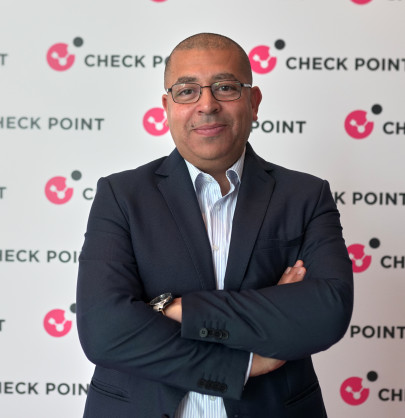
The European Union's NIS2 cyber security directive has significant implications for African businesses trading with the continent. This is according to Check Point Software Technologies (www.CheckPoint.com), a leading AI-powered cloud-delivered cyber security provider, which urges African businesses with strong ties to the EU to take steps to comply with this new, stringent cyber security regulation.
Download document: https://apo-opa.co/3UgCQYj
The European Union's NIS2 Directive, came into effect this month and requires member states to amend their national legislation. The NIS2 Directive imposes strict cyber security requirements, including enhanced management liability, reporting to authorities, risk management, and business continuity planning, placing African companies trading with the EU under increased scrutiny.
The NIS2 Directive builds upon the original NIS1 Directive introduced in 2016, expanding its scope to cover a wider range of sectors including Energy, Banking, Transport, Digital Infrastructure, Healthcare, Food Production, and Research. More than 80% of European enterprises are now within the scope of this legislation, which extends to global supply chain partners—including many businesses in Africa.
Collins Emadau, Check Point Partner and Director at Westcon, explains, “Europe is still Africa's leading trading partner. African businesses, particularly in leading economies such as South Africa, Kenya, and Nigeria, need to understand the far-reaching impact of NIS2. Compliance is not just about meeting EU standards—it's about securing their future in a globalised market. Failure to comply will result in not only heavy fines but also the potential loss of critical trade partnerships with EU member states."
What's at Stake for African Businesses?
The EU remains the largest trading partner for Africa, with over 18 Economic Partnership Agreements and trade worth billions annually. African businesses, especially in sectors like Energy, Banking, Transport, and Manufacturing, are key partners in the EU's supply chains. To continue doing business with EU companies, African organisations must comply with NIS2, which mandates strict cyber security measures to protect critical infrastructure and supply chains.
Issam El Haddioui, Head of Security Sales Engineering: Africa, Check Point Software Technologies, says, "NIS2 sets a new standard for cyber security, and African businesses must act now. Many organisations are unaware of the depth of these requirements, which go beyond local regulations. Compliance is essential not only for maintaining business relationships with the EU but also for enhancing the overall resilience of African economies against cyber threats."
Compliance will exact a cost for African organisations, which according to Interpol's 2021 Africa Cyberthreat Assessment Report, spends an average of only 0.05% of their revenue on cyber security, far below the global average of 0.3-0.5%. The Report also estimated the financial impact of cyber crime in the region at over $4 billion USD, representing about 10 percent of Africa's total GDP.
Tougher Penalties and Personal Responsibility
NIS2 introduces personal liability for business leaders in the event of a cyber attack, meaning that executives themselves can be held financially accountable for breaches. Penalties include fines of up to EUR 7 million or 1.4% of a company's global annual turnover, whichever is higher. This goes beyond the GDPR, placing even more responsibility on corporate leadership to ensure robust cyber security practices are in place.
NIS2 mandates that organisations must report cyber incidents to authorities promptly and inform their stakeholders, suppliers, and customers. Therefore, African businesses must ensure they have a comprehensive incident response plan in place, along with regular cyber security training for both IT and leadership teams.
Steps for African Businesses to Ensure Compliance
To successfully implement NIS2 and avoid devastating penalties, Check Point recommends the following four steps for African businesses:
Long-Term Commitment to Cyber Security
Compliance with NIS2 is not a one-time process; it requires a long-term commitment to cyber security. From 2028, organisations will be required to annually document their NIS2-compliant IT infrastructure and demonstrate that their cyber security measures are aligned with the latest technological advancements.
“African countries, especially economic leaders like South Africa, Kenya, and Nigeria, should also consider using the NIS2 framework as a model for strengthening their own national cyber security regulations. By improving cyber-readiness, African businesses can not only comply with international standards but also protect their data, operations, and reputations from evolving threats,” El Haddioui continues.
El Haddioui, concludes, "The NIS2 Directive marks a significant shift in the cyber security landscape. African business leaders must recognise that cyber security is now a matter of survival, not just compliance. By taking proactive measures, they can safeguard their future, avoid heavy penalties, and ensure their organisations thrive in an increasingly interconnected global economy."
Distributed by APO Group on behalf of Check Point Software Technologies Ltd..
Follow Check Point via:
LinkedIn: https://apo-opa.co/48bWAC1
X: https://apo-opa.co/3Uh9uJo
Facebook: https://apo-opa.co/40cvTLl
Blog: http://apo-opa.co/4e2KjBm
YouTube: https://apo-opa.co/48wjFQd
About Check Point Software Technologies Ltd.:
Check Point Software Technologies Ltd. (www.CheckPoint.com) is a leading AI-powered, cloud-delivered cyber security platform provider protecting over 100,000 organisations worldwide. Check Point leverages the power of AI everywhere to enhance cyber security efficiency and accuracy through its Infinity Platform, with industry-leading catch rates enabling proactive threat anticipation and smarter, faster response times. The comprehensive platform includes cloud-delivered technologies consisting of Check Point Harmony to secure the workspace, Check Point CloudGuard to secure the cloud, Check Point Quantum to secure the network, and Check Point Infinity Core Services for collaborative security operations and services.