• Skip to main content
  • Skip to header right navigation
  • Skip to after header navigation
  • Skip to site footer
MyZA

MyZA

News, Directory, Events and Other Stuff

  • Social Media
  • Sport
  • World News
  • Home
  • Submit News
  • Directory
  • Events
  • Stratlec
  • TFSA
  • News
    • APO
    • Today’s Sport News
    • Todays Social Media and Tech Headlines
    • Today’s World News
    • Today’s SA Financial News
  • Contact
You are here: Home / Archives for Supply Chain

Supply Chain

17 October 2024

Move towards electronic vehicles a ‘major industrialisation opportunity’

Location: News

Move towards electronic vehicles a 'major industrialisation opportunity'

President Cyril Ramaphosa says the global move from Internal Combustion Engines towards Electronic Vehicles (EVs) presents a major opportunity for South African industrialisation.

The President was speaking during the South African Auto Week held at the Cape Town International Convention Centre in the Western Cape on Thursday.

“As many of our major trading partners rapidly shift towards EVs, it is imperative that we remain part of this global supply chain. This is a major industrialisation opportunity for South Africa and the region, particularly within the context of the African Continental Free Trade Area.

“This will position South Africa as a forward-thinking, green economy. It will advance our aspirations to be a global automotive hub,” President Ramaphosa said.

He acknowledged that decarbonisation presents a challenge to the automotive sector, but assured that government is committed to working closely with the sector.

“The transition towards cleaner and more sustainable fuels – together with stringent regulations in key markets – puts a number of automotive firms and sub-industries in a vulnerable position. Even as the journey to net zero poses a challenge for the auto industry, there is at the same time immense opportunity. 

“The local automotive sector needs to position itself to take advantage of the demand for electric vehicles, new energy vehicles and sustainable fuels. The transition to cleaner, more sustainable practices in the automotive industry is a priority for our government. The automotive industry has a critical role to play in achieving South Africa’s climate targets.

“We are committed to working hand-in-hand with the private sector to promote the production of New Energy Vehicles [NEV] and the development of the necessary infrastructure to support them,” he said.

READ | President Ramaphosa to address SA Automotive Week

Furthermore, President Ramaphosa revealed that the Department of Trade, Industry and Competition, National Treasury and the Department of Mineral and Petroleum Resources are in discussion on the implementation of the Electric Vehicle White Paper.

“This work includes the beneficiation of our critical minerals for the production of new energy vehicles and their associated value chains. It also includes the production of batteries for battery electric vehicles and the development of value chains in the green hydrogen fuel cell market.

“We are working to finalise comprehensive NEV policy guidelines that do not exclude alternative technologies such as hybrids and plug-in hybrids. Consideration must be given to incentives for manufacturers as well as tax rebates or subsidies for consumers to accelerate the uptake of electric vehicles.

“This is not just about creating a greener future but also about ensuring South Africa remains competitive in the global market.”

Removing barriers

The President emphasised that government, through reforms in energy, logistics and other sectors, is working to remove the barriers that affect the sector.

“As government, we remain firmly committed to the work already underway to improve the operational performance of our energy, freight and logistics sectors – all of which directly impacts the automotive industry.

“Transnet continues with its work to revitalise the Port of Durban. It is also proceeding with the upgrade of the Gauteng-Eastern Cape railway line as part of Project Ukuvuselela,” he said.

The President told the delegates that the Government of National Unity looks forward to “deepening our collaboration as government, industry and labour” to achieve the objectives of inclusive growth and job creation.

“There may be headwinds. But in challenges lie opportunities. It is up to us to harness these opportunities to grow, to expand and to transform,” President Ramaphosa said. – SAnews.gov.za


NeoB
Thu, 10/17/2024 - 11:30

332 views
Read moreMove towards electronic vehicles a ‘major industrialisation opportunity’
16 October 2024

Confirmed Speakers for the 3rd International African Energy, Oil, and Gas Summit 2024

Location: News
African Peace Magazine

African Peace Magazine UK (https://AfricanPeace.org/) is honoured to announce the distinguished line-up of speakers for the 3rd International African Energy, Oil, and Gas Summit, set to take place from October 23rd to 25th, 2024, at Hilton, Windhoek, Rev. Michael Scott Street, Windhoek, Namibia. This summit brings together some of the most influential leaders, industry experts, and change-makers in the energy sector across Africa. These individuals have significantly shaped their respective industries and will contribute profound insights into Africa's energy future. The Charity Golf Tournament and other Tour activities would commence from the 26th to the 30th of October 2024. The Speakers are;

  • Hon. Justice Suleiman Galadima (JSC, OFR, CFR, Rtd) – Chairman of the Board, African Peace Magazine UK

Hon. Justice Galadima is a revered figure in Nigeria's legal community, having served as a Justice of the Supreme Court of Nigeria. He is known for his unwavering commitment to justice and governance in Africa. As Chairman of African Peace Magazine, Justice Galadima plays a critical role in fostering dialogue around peace, security, and development across the continent.

  • HRH Sir David Serena-Dokubo Spiff – Ada IX, Paramount Ruler of Spiff Town, Bayelsa State

HRH Sir David Serena-Dokubo Spiff is a prominent traditional leader from Bayelsa State, Nigeria. His deep commitment to the socio-economic advancement of his people and his influence on the region's energy and resource management make him a vital voice at the summit. He actively advocates for responsible management of natural resources in his community.

  • Dr. Martha Namundjebo-Tilahun – Chairperson, United Africa Group, Namibia

Dr. Martha Namundjebo-Tilahun is a powerful figure in Namibia's business sector and beyond. As the Chairperson of United Africa Group, she has been a driving force behind several large-scale projects in hospitality, real estate, and renewable energy. Her leadership in advancing Africa's energy landscape and sustainable development strategies is exemplary.

  • Abiola Metilelu – CEO, PressPayNG

Abiola Metilelu leads PressPayNG, a groundbreaking fintech company that offers education financing solutions. Under his leadership, PressPayNG is bridging the financial gap for students across Nigeria, directly impacting the education and energy sectors by creating a more skilled workforce for the future.

  • Dr. Udochu Ogbonnaya – Executive Director, Green Energy International Ltd (GEIL)

A visionary in Nigeria's oil and gas industry, Dr. Udochu Ogbonnaya is shaping the future of sustainable energy in Africa. As the Executive Director of GEIL, he drives innovation in the extraction and development of energy resources while maintaining a focus on environmental responsibility.

  • Mrs. Frieda Tunyoleni Amuela – Extractive Industry Law Expert

Mrs Amuela is a respected expert in the legal frameworks governing Africa's extractive industries. Her insights into compliance and legal challenges in oil and gas operations have made her a sought-after voice in regulatory discussions. Her work ensures that Africa's natural resources are managed with accountability and transparency.

  • Mr. Immanuel Mulunga – Former MD, National Petroleum Corporation of Namibia (NAMCOR)

Mr. Mulunga is a seasoned expert in Namibia's oil and gas industry, having held key leadership roles, including serving as Managing Director of NAMCOR. His deep understanding of petroleum resource management in Namibia and his strategic leadership have had lasting impacts on the country's energy landscape.

  • Engr. Chukwuemeka Woke – Director-General/CEO, National Oil Spill Detection and Response Agency (NOSDRA)

Engr. Woke leads NOSDRA, Nigeria's primary agency responsible for monitoring and responding to oil spills. His efforts in promoting environmental sustainability in the face of oil extraction activities have been instrumental in safeguarding Nigeria's ecological future.

  • Professor Geoffrey Shakwa – Founder & MD, Anti-Corruption Education Consultancy

Professor Shakwa is a staunch advocate for anti-corruption measures in Africa, having founded the Anti-Corruption Education Consultancy. His work aims to educate and promote transparency, which is critical for sustainable development in Africa's energy sectors.

  • Mr Tassius Chigariro – Chief Executive Officer, Old Mutual Namibia

Tassius Chigariro heads Old Mutual Namibia, a leading financial services company. His strategic expertise in investments and financial management has made Old Mutual a key player in supporting economic growth in Namibia and throughout Africa's energy sectors.

  • Dr. Joseph Tolorunse – Authority Secretary and Legal Adviser, Nigerian Midstream and Downstream Petroleum Regulatory Authority (NMDPRA)

Dr. Tolorunse brings a wealth of knowledge in regulatory frameworks, ensuring Nigeria's midstream and downstream petroleum sectors operate within best practices and international standards. His work strengthens Nigeria's position as a key player in the global energy market.

  • Olusegun Ilori (Esq) – Executive Director, Green Energy International Ltd (GEIL)

A legal expert in energy law, Olusegun Ilori has been instrumental in shaping GEIL's business strategy, ensuring compliance with global energy regulations while advocating for sustainable practices.

  • Engr. Sunday Babalola – Executive Director, Green Energy International Ltd (GEIL)

Engr. Babalola's expertise in engineering and operations has been pivotal to GEIL's success in executing oil and gas projects with a focus on innovation and sustainability.

  • Alh. Auwalu Abdullahi Rano (OON) – Founder & CEO, A.A. Rano Nigeria

Alh. Rano is a prominent entrepreneur in Nigeria's oil and gas sector, with his company, A.A. Rano, being a leading player in petroleum marketing and distribution. His business acumen has significantly contributed to Nigeria's energy supply chain.

  • Prof. Anthony Adegbulugbe – CEO, Green Energy International Ltd (GEIL) & Former SA to the President of Energy

Prof. Adegbulugbe is a renowned energy expert with a wealth of experience in energy policy and management. As CEO of GEIL, he is at the forefront of pushing Africa towards a greener energy future.

  • Dr. Martin Harris – Senior Geosciences Researcher, University of Namibia

Martin Harris is a leading geoscientist in Namibia, focusing on energy resource exploration and development. His research and contributions have enhanced the understanding of Namibia's geological wealth.

  • HRM Makitu III – Kingdom of Kongo, Angola

As the traditional ruler of the Kingdom of Kongo, HRM Makitu III is a respected leader who advocates for the preservation and responsible use of natural resources within his kingdom, including energy resources that are key to Angola's economic development.

  • Engr. Wole Ogunsanya (FNSE) – Chairman/CEO, Geoplex Drillteq Limited

Engr. Ogunsanya leads Geoplex Drillteq, a company offering cutting-edge drilling solutions for Africa's oil and gas industry. His leadership in innovation has made Geoplex a leader in the sector, offering technological solutions that enhance efficiency. Engr. Wole Ogunsanya is the current Chairman of the Petroleum Technology Association of Nigeria. PETAN is an association of Nigerian Indigenous Technical Oilfield service companies in the upstream and downstream. PETAN is the primary trade and advocacy association of the oil and natural gas industry in Nigeria, representing nearly 100 members involved in various aspects of petroleum.

  • Mr. Tarah N. Shaanika – CEO, Namibia Asset Management

Tarah Shaanika oversees Namibia Asset Management, a leading investment company in Namibia. His experience in financial management and investment has propelled the company into playing a crucial role in funding energy and infrastructure projects in Namibia.

  • Aggrey Ashaba – General Manager, Alliad, Uganda

Aggrey Ashaba is a business leader with deep expertise in the oil, gas, mining, and energy sectors. As General Manager of Alliad in Uganda, he plays a key role in driving the country's energy strategy, focusing on sustainable development.

  • Daniel Tuyoleni Williams – CEO, Mind Space Consults

Williams is a respected business consultant whose firm, Mind Space Consults, provides strategic insights and advisory services in energy and business development across Africa, helping companies navigate complex markets and regulatory environments.

  • Alh. Saleh Baba Rano

A key player in Nigeria's oil and gas sector, Alh. Saleh Baba Rano has been instrumental in the growth and development of the sector, bringing strategic insights and leadership to discussions around energy in Africa.

  • Abimbola Okoya – Founder, Basic Education Africa

Abimbola Okoya is a passionate advocate for education in Africa, founding Basic Education Africa to provide accessible learning opportunities to underserved communities. Her work directly impacts the future of Africa's workforce, particularly in the energy and technology sectors.

  • Professor Jude Osakwe – Faculty of Computing and Informatics, Namibia University of Science and Technology

Professor Jude Osakwe is a prominent academic and researcher with a focus on Data Governance, Data Analytics, ICT in Education, and ICT for Development (ICT4D). He holds various professional certifications in project management, big data analytics, business intelligence, and digital marketing. His extensive research work and involvement in international conferences make him a vital contributor to discussions on the integration of ICT into development strategies across Africa. Professor Osakwe's dedication to bridging the gap between theory and practical implementation of ICT solutions has positioned him as a respected figure in the academic and business sectors.

  • M. Jinot Razafimamonjy – Director of Hydrocarbons, Ministry of Energy and Hydrocarbons, Madagascar

M. Jinot Razafimamonjy serves as the Director of Hydrocarbons in Madagascar's Ministry of Energy and Hydrocarbons. His leadership in managing the country's hydrocarbon resources has been instrumental in driving economic growth and ensuring sustainable development in the energy sector. His participation at the summit will provide critical insights into Madagascar's approach to energy management and its vision for the future of its oil and gas industry.

  • S P Jika Ogbeche – Assistant Comptroller General (ACG), Air Nigeria Immigration Service (NIS)**

S P Jika Ogbeche holds a senior leadership role within the Nigeria Immigration Service, overseeing the Air Border Division. His extensive experience in managing Nigeria's air borders and contributing to national security efforts will bring a unique perspective to discussions on energy security and the role of governance in the sector.

  • Engr. Farouk Ahmed – Authority Chief Executive Officer, Nigerian Midstream and Downstream Petroleum Regulatory Authority (NMDPRA)

Engr. Farouk Ahmed is at the helm of Nigeria's NMDPRA, playing a critical role in regulating and ensuring the sustainable development of Nigeria's midstream and downstream petroleum sectors. His leadership has been instrumental in modernizing the regulatory framework, promoting investment, and ensuring energy security in one of Africa's most important energy markets.

  • Dr. Lloyd C. Williams – United States of America

Dr. Lloyd C. Williams is an esteemed expert in the fields of energy and sustainability, hailing from the United States. With a distinguished career marked by contributions to both the public and private sectors, Dr. Williams is dedicated to advancing clean energy initiatives and fostering innovation in oil and gas. His global perspective will add invaluable insights into the discussions at the summit.

  • Mr. Tassius Chigariro – Chief Executive Officer, Old Mutual Namibia

As the CEO of Old Mutual Namibia, Mr. Tassius Chigariro is a key figure in the financial services sector, driving initiatives that support sustainable investments in energy and infrastructure. His experience in leading one of Africa's most reputable financial institutions positions him as an influential voice in the intersection of energy finance and economic development.

  • Cydolian Raveloson – Acting Director General, Madagascar Hydrocarbons Office

Cydolian Raveloson is the Acting Director General of Madagascar's Hydrocarbons Office, where he plays a pivotal role in managing the country's energy resources. His efforts are focused on ensuring the efficient exploitation and management of Madagascar's oil and gas reserves, contributing to both the nation's economic growth and energy security.

These esteemed speakers join an already impressive lineup, including leading figures from government, academia, and the private sector, all dedicated to advancing Africa's energy future. Their participation is set to elevate the summit's discussions, fostering meaningful collaborations and forward-thinking strategies.

"The diverse group of speakers at the upcoming IAEOG Summit 2024 reflects our heartfelt commitment to inspiring discussions that lead to tangible outcomes. These industry leaders are passionate about finding ways to alleviate poverty, create job opportunities, and enhance our GDP. Together, we envision a transformative event that enlightens the public and fosters collaborative efforts, ultimately driving meaningful change for the betterment of our communities."- Chairman Hon. Justice Suleiman Galadima JSC, CFR, OFR (Rtd.)

Distributed by APO Group on behalf of African Peace Magazine.

For more details on the full list of speakers, agenda and for sponsorship, participation, partnership, Exhibition and speaking opportunities and all other enquiries please contact:
Florek or Liana
Phone +264817617590
Phone: +264818331921
email: florekharris@africanoilandgassummit.com
event@africanoilandgassummit.com
africanpeacemag@gmail.com

Uduak Okon
International Affairs
+2348033975746
+447407399766

Nigeria Abuja Office:
Suite FT 12B Alibro Atrium Plaza Utako Abuja
+2348033975746

South African Office:
16 Ridge Road Vorna Valley Midland 1686 South Africa
+27662449117

Angola:
Call +244928690892
+244993656970
+244927589884

London Office:
Call +4477771217805
WhatsApp +447407399766

African Peace Magazine:
Website: https://AfricanPeace.org/
https://www.AfricanPeaceAwards.com/
https://AfricanOilandGasSummit.com/
Email: africanpeacemag@gmail.com

Social Media:
Twitter: https://apo-opa.co/4eM9eKk 
Facebook: https://apo-opa.co/4f38u3m
I.G: http://apo-opa.co/4eHvpBF 
LinkedIn: http://apo-opa.co/4eJVYGh

Media files
African Peace Magazine
Download logo
Read moreConfirmed Speakers for the 3rd International African Energy, Oil, and Gas Summit 2024
8 October 2024

50+ Nations Join Forces to Announce BRICS International Fashion Federation

Location: News
BRICS+ Fashion Summit

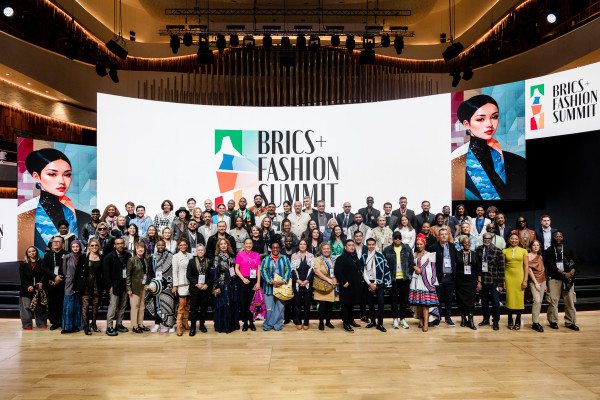
The BRICS+ Fashion Summit (www.FashionSummit.org) concluded in Moscow with a landmark announcement: leaders from fashion associations across more than 50 countries signed a memorandum to form the BRICS International Fashion Federation. The new federation seeks to establish new centers of influence, strengthen international connections, boost industry sustainability, and provide NewGen of fashion talents with opportunities for growth. Notably, the summit was attended by representatives from over 100 countries, solidifying its standing as the largest fashion event for both emerging and established markets.

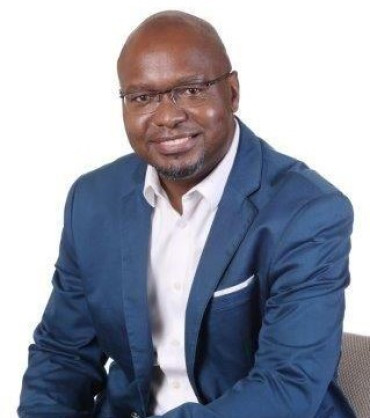
Brian Ahumuza, CEO and Founder of Uganda Fashion Designers Association, said “The BRICS International Fashion Federation has the potential to significantly foster international collaboration by creating structured opportunities for designers, artisans, and manufacturers to work together on joint ventures, exhibitions, and collections. This can help open up new markets, enabling designers from Uganda, for example, to reach audiences in Russia, Brazil, or India”.

Sunil Sethi, Chairman of the Fashion Design Council of India, said, "The need for such a fashionable alliance of emerging countries is long overdue. Brands, designers, and markets all face similar challenges—from supply chain disruptions to environmental issues—that are easier to solve together. The fashion world is focused on a few hundred global brands, so emerging markets need their own platform to make our voices heard." 

The memorandum to establish the BRICS International Fashion Federation was signed by an array of influential figures, including CEOs of fashion weeks, heads of fashion and textile associations, and academic leaders from countries such as India, South Africa, Russia, Ethiopia, Egypt, Spain, the USA, Indonesia, Malaysia, Ghana, Tanzania, Jordan, Ecuador, Paraguay, and Kenya.

Natalya Sergunina, Deputy Mayor of Moscow, highlighted the initiative's significance: "The creation of this International Federation is a major outcome of the recent BRICS+ Fashion Summit in Moscow. It demonstrates once again the shared goals and substantial potential for growth that we have with our global colleagues."

The declaration stipulates several core objectives: supporting local talent, promoting sustainable fashion, fostering cultural exchange, and creating a unified platform for emerging markets through educational and informational projects. It also focuses on the development of new technologies, the preservation of cultural identities, and the support of traditional arts and crafts.

"We are committed to providing these visionaries with a global platform and local events to ensure their creative work is celebrated globally. Our aim is to promote sustainable and eco-friendly practices, striving to implement transparent methods that will significantly reduce the fashion industry's carbon footprint. Slow fashion, characterised by mindful consumption and production, will be at the heart of the BRICS IFF agenda as we strive to mitigate the environmental impact of fashion," says the official statement.

Distributed by APO Group on behalf of BRICS+ Fashion Summit.

Contact:
Ann Reinhold,
info@globaltalents.digital

Media files
BRICS+ Fashion Summit
Download logo
Read more50+ Nations Join Forces to Announce BRICS International Fashion Federation
7 October 2024

Massive budget increase for TERS

Location: News

Massive budget increase for TERS

In a bid to cushion companies in distress and prevent job losses, the Department of Employment and Labour has significantly increased its Temporary Employer-Employee Relief Scheme (TERS) budget from R400 million to R2.4 billion for the current financial year.

In a statement issued on Sunday, the department said this significant boost aims to assist companies in distress and prevent employee layoffs amid unstable economic conditions, as revealed by Employment and Labour Minister Nomakhosazana Meth.

TERS is an intervention by the department that provides financial assistance to companies in distress for up to 12 months. The scheme enables employers to retain employees by covering their salaries while the company focuses on implementing a turnaround strategy to remain operational. 

During this period, employers are only required to cover employee social costs such as provident fund and medical aid contributions. 

Productivity SA, an entity under the department, offers turnaround strategy solutions to companies in distress. 

Minister Meth urged companies experiencing financial challenges to participate in the scheme as soon as they notice signs of distress.

"The nature and degree of distress will be objectively measured through indicators including but not limited to a decline in revenue. The application process for TERS begins at the Commission for Conciliation, Mediation and Arbitration (CCMA) and is entirely free of charge. There are no application, initiation, or administration fees required," said Meth. 

A single adjudication committee administered by the CCMA evaluates all TERS applications for eligibility using a combination of indicators.

Rationale for the budget increase

The expanded budget comes in response to the country’s ongoing economic challenges, which have resulted in significant job losses across various sectors. 

Recent reports from the CCMA reveal that while 14 887 jobs were saved through interventions during the 2023/2024 financial year, over 22 500 employees were still retrenched. 

The number of job losses, particularly in key industries, necessitated an adjustment in the budget to enhance TERS.

“The increase in the TERS budget is a proactive response to volatile economic trends that threaten the livelihoods of impoverished workers and the sustainability of businesses. Our goal is to preserve jobs and support companies facing financial difficulties.

“Furthermore, the increase in the scheme's capacity, aims to reduce the risk of further retrenchments and support economic stability,” Meth said. 

The highest number of job losses were recorded in the following sectors:
• Mining: 5 153 job losses.
• Manufacturing: 2 125 job losses.
• Telecommunications: 1 680 job losses.

Since its inception, TERS has been instrumental in supporting a wide range of industries severely impacted by economic challenges. 

The following sectors have notably benefited from the scheme: 
• Hospitality and tourism: hotels, restaurants, and travel agencies affected by decreased tourism.
• Manufacturing: factories experiencing reduced demand and supply chain disruptions.
• Retail: non-essential retail businesses facing reduced consumer spending.
• Transportation: bus services, and logistics companies dealing with decreased operations.

TERS has facilitated the retention of hundreds of thousands of jobs by providing salary support to employees who might otherwise have been laid off. It continues to play a significant role in stabilising the economy during turbulent times, ensuring a quicker path to recovery by alleviating the financial burden on companies.

Application requirements

Employers seeking to participate in the TERS scheme will be required to provide documentary evidence for evaluation:
• Audited Annual Financial Statements for the past two financial years.
• Independently Reviewed Annual Financial Statements for companies not legally required to be audited, covering the past two financial years. 
• Independently Reviewed Management Accounts with comparative figures if the latest financial statements are older than three months.
• Termination of Contract and Bank Statement for individual applicants.
• Business Case outlining the triggers for distress and proposed remedial actions.

With the expanded budget, the department said it hopes that more businesses will participate in the scheme, preventing further job losses and helping to build resilience within South Africa's economic landscape. - SAnews.gov.za


DikelediM
Mon, 10/07/2024 - 11:01

212 views
Read moreMassive budget increase for TERS
1 October 2024

KZN government intervenes in uMdoni Local Municipality

Location: News

KZN government intervenes in uMdoni Local Municipality

Decisive measures to address the governance and service delivery challenges in the uMdoni Local Municipality have been announced by KwaZulu-Natal Cooperative Governance and Traditional Affairs (CoGTA) MEC, Thulasizwe Buthelezi.

Buthelezi is committed to improving service delivery, strengthen governance and enhance accountability within KwaZulu-Natal’s local government.

He met with the full council on Monday to communicate the Provincial Executive’s decision to intervene in the municipality under section 154(1) of the Constitution.

This follows extensive engagements with the municipality and community members aimed at restoring stability.

Section 154(1) mandates national and provincial governments, through legislative and other measures, to support and strengthen the capacity of municipalities to manage their own affairs and to exercise their powers and functions.

Buthelezi said he believed that the section 154(1) intervention, guided by the Provincial Executive, will provide the municipality with enhanced support from the provincial government.

He announced that a local government specialist, Dhanpalan Devaraj Naidoo, will be appointed to guide the municipality through its current challenges.

Naidoo brings 30 years of experience in local government, having served as a Municipal Manager in the Ugu District for eight years and in uMdoni Local Municipality for another eight years.

The MEC said Naidoo’s expertise is expected to be invaluable in stabilising the municipality.

“Naidoo is a seasoned local government specialist whose wealth of experience is unquestionable. We believe his expertise will be crucial in stabilising the municipality.

“uMdoni is a key tourism hub that should exemplify good governance, sound financial management, and efficient service delivery. This is what ratepayers want to see,” Buthelezi said.

The MEC also noted that the local government specialist will support the council without undermining its powers and responsibilities.

The Provincial Executive’s decision to intervene has been welcomed by all parties in the council, who have pledged to work together with the specialist to ensure the municipality’s stabilisation.

Suspension of senior officials commended

Meanwhile, Buthelezi, has commended the suspension of five officials, including the Chief Financial Officer and Supply Chain Management Director, following financial misconduct allegations in the run-up to May 2024 elections.

The officials were placed on suspension on Friday, pending the outcome of the investigation.

“The suspensions send a strong message in restoring a culture of good governance and consequence management in the department,” Buthelezi said. – SAnews.gov.za
 

GabiK
Tue, 10/01/2024 - 10:52

238 views
Read moreKZN government intervenes in uMdoni Local Municipality
27 September 2024

Fairtrade Suspends Local Producer

Location: News

Women on Farms is calling for better policing of the Fairtrade standards on certified farms

Read moreFairtrade Suspends Local Producer
25 September 2024

Your Trusted Partner in the Mining Industry

Location: Business
RS South Africa

By Erick Wessels, Sales Director, RS South Africa (www.Africa.RSdelivers.com).

The mining industry is facing significant challenges, from financial pressures leading to reduced margins and demanding stakeholders adding to procurement costs. Success in such an environment requires partnering with a supplier that is collaborative, flexible, and forward-thinking. RS stands as the ideal partner to help businesses in the mining sector achieve their goals while saving time and money.

Optimising supply management

At RS, we are committed to enhancing your supply management performance to drive commercial success. Our suite of next-generation inventory, procurement, and maintenance solutions is designed to reduce costs and optimise productivity. Leveraging advanced data insights, we help you streamline your supply chain, refine your processes, and identify cost-saving strategies that reduce the total cost of ownership and boost operational efficiency.

Ensuring safety in hazardous environments

Whether open cut or underground, all mining operations present extreme dangers. With stringent Health and Safety regulations in place, the risks associated with dust and other hazards must be meticulously managed. Compliance with IECEx legislation is crucial, necessitating the use of intrinsically safe products. Given the hazardous and arduous nature of the mining industry, safety is of paramount concern. Therefore, reliable PPE and safety equipment specification are critical.

RS offers a rapidly expanding range of PPE and workwear from trusted local and global suppliers, designed specifically for the harsh environments of the mining industry. Our products ensure site safety and security with advanced locks, security alarms and sensors, CCTV, and surveillance systems. In addition, we provide innovative automation and control technology to safely manage and automate processes, including signalling, sensors, and industrial robots.

Advanced energy management

Economic and environmental challenges drive the need for maximum energy efficiency in the mining industry. With carbon net zero on the horizon, energy efficiency has become a crucial topic. Our products, services, and solutions are tailored to help mining clients reduce CO2 emissions and energy consumption, thereby lowering overall costs.

We collaborate with you to understand your specific needs and apply a suite of energy-efficient products and services expertly designed to simplify energy management. Our solutions, backed by digital expertise, leverage the latest in energy efficiency technology to minimise energy waste, reduce carbon footprints, and assist you to meet your energy efficiency targets. From LED lighting to energy meters, we provide the right products to achieve your energy efficiency, health and safety, and productivity goals.

Committed to environmental management

Mining, by its very nature, has a significant impact on the environment. The industry is making great strides to mitigate these effects and ensure healthy air, land, and water in the areas where they operate. RS offers a range of products and solutions to help you manage and minimise the environmental impact of your mining operations.

Partnering with RS gives you access to our comprehensive range of solutions designed to support your mission, enhance safety, optimise energy use, and reduce environmental impact. Together, we can navigate the challenges of the mining industry and achieve sustained success.

For more information about RS South Africa's initiatives and product range, visit their website (http://apo-opa.co/3ZE7ZYV) and follow them on LinkedIn (http://apo-opa.co/3Brll0x) for regular updates on their impactful work.

Mining brochure: https://apo-opa.co/3ZFt6ds
Mining Campaign: https://apo-opa.co/3ZE7ZYV

Distributed by APO Group on behalf of RS South Africa.

PR Contact Person - RS South Africa:
Princess Tlou
Communications & Content Specialist
RS South Africa
Princess.Tlou@rsgroup.com
+27 11 691 9366

Media Contact Person – NGAGE:
Thobile Ndlovu
PR Account Executive
thobile@ngage.co.za
+27 11 867 7763

Further information is available via these links:
LinkedIn: https://apo-opa.co/3XVkzSl
Facebook: https://apo-opa.co/3zvhhvU
Twitter: https://apo-opa.co/4dne5QT
RS Africa Exports: http://apo-opa.co/3XUE7q5
RS South Africa: http://apo-opa.co/3XVZ8k3
DesignSpark: http://apo-opa.co/4dsAjkA
RS Group plc: http://apo-opa.co/3ZDW6SX 

RS Group:
RS Group plc is a leading global omni-channel industrial product and service solutions provider to customers who are involved in designing, building and maintaining industrial equipment and operations, safely and sustainably. We stock more than 700,000 industrial and electronic products, sourced from over 2,500 leading suppliers, and provide a wide range of product and service solutions to over 1.2 million customers. With operations in 31 countries, we trade through multiple channels and ship over 60,000 parcels a day.

We support customers across the product life cycle, whether via innovation and technical support at the design phase, improving time to market and productivity at the build phase, or reducing purchasing costs and optimising inventory in the maintenance phase. We offer our customers tailored product and service propositions that are essential for the successful operation of their businesses and help them save time and money.

RS Group plc is listed on the London Stock Exchange with stock ticker RS1 and in the year ended 31 March 2022 reported revenue of £2,554 million.

Media files
RS South Africa
Download logo
Read moreYour Trusted Partner in the Mining Industry
24 September 2024

Critical minerals sector key to driving global economic growth

Location: News

Critical minerals sector key to driving global economic growth

President Cyril Ramaphosa has emphasised the importance of the critical minerals sector in driving global economic growth and sustainability. 

By leveraging key sectors such as mining, energy, and manufacturing, the President said South Africa is set to improve its business environment and attract much-needed investment.

He was addressing the African Minerals Forum hosted by the Business Council for International Understanding (BCIU) and Prosper Africa on the sidelines of the United Nations General Assembly (UNGA 79), in New York, USA, on Monday. 

He highlighted that four months ago, South Africa held national general elections, which ushered in a Government of National Unity, where 10 political parties have come together to coalesce around a common agenda for economic growth and sustainable development.

President Ramaphosa underlined South Africa's commitment to reducing greenhouse gas emissions and mitigating climate change through the country's Just Energy Transition Plan. This plan aims to guide the shift from coal to renewable energy, while also ensuring equitable economic opportunities for affected communities. 

“South Africa's and Africa’s critical minerals sector has a crucial role to play in this regard, and we recognise the importance of collaboration with other countries to develop the potential of our critical minerals sector. 

“The US in particular has established expertise in advanced mining technologies, automation and sustainability practices. 

“We want to strengthen our ties with US companies and institutions to foster technological advancements, enhance supply chain efficiencies and attract investment into our mining sector,” the President said. 

The President also emphasised that South Africa strongly endorses the United Nations Secretary-General’s position paper on Critical Energy Transition Minerals, where he highlights the importance of beneficiation, benefit sharing, local value addition and economic diversification.

“It would not be an understatement to say that the minerals that lie beneath the soil of Africa are powering the green energy revolution. Thirty percent of the world’s proven critical mineral reserves are found in Sub-Saharan Africa.

“South Africa has substantial reserves of platinum group metals, manganese, vanadium as well as chromium. 

“These resources are fundamental to the development of cutting-edge technologies that drive progress in various sectors. What will be critical is to ensure that this progress does not leave Africa behind,” he said.

The President stressed the need to avoid perpetuating colonial-era exploitation, where African countries primarily export raw minerals. He said that by focusing on beneficiation and domestic processing, African nations could see significant economic growth. 

President Ramaphosa highlighted that beneficiation and local processing of critical minerals could increase the continent’s GDP by 12% or more by 2050. 

He cited estimates suggesting that African countries could generate USD 24 billion annually in GDP and create 2.3 million jobs by investing in mining beneficiation and domestic processing.

President Ramaphosa highlighted the strides made by SASOL, South Africa’s flagship petrochemical company, in leading green hydrogen technologies research and development. 

“As the global automotive industry moves towards Electric Vehicles and New Energy Vehicles, we are leveraging our rich experience with automotive production to get some of the world’s leading automotive manufactures with a footprint in South Africa to produce more their green vehicles in our country,” he said. 

Despite improvements in the beneficiation of South Africa’s mineral exports, President Ramaphosa admitted that more needs to be done. 

He underscored the country’s commitment to creating a supportive policy framework for the critical minerals sector, focused on streamlining regulations, fostering innovation in mining technologies, building workforce skills, improving transport and logistics infrastructure, and incentivising investment.

South Africa's five-point policy approach aims to create a supportive environment for the critical minerals sector. This includes simplifying regulations, supporting research and development in mining technologies, investing in workforce skills, improving logistics infrastructure, and incentivising domestic and international investment. 

“South Africa also has a beneficiation strategy that seeks to translate the benefits of our country’s mineral endowments into a national competitive advantage. 

“As the UN Secretary-General’s paper has noted, Critical Energy Transition Minerals can transform economies, create green jobs and foster sustainable local, regional and global development,” he said. 

President Ramaphosa further stressed that for the potential of critical minerals to be fully realised, both mineral-producing nations and their end-user countries must embrace inclusivity. 

He emphasised the importance of creating decent work opportunities, eradicating exploitative practices such as child and forced labour, and ensuring human rights protections. 

Local beneficiation and industrialisation were highlighted as priorities, alongside environmental safeguards to ensure sustainable extraction practices. 

The President urged for a long-term focus on inter-generational equity, recognising that critical minerals are vital for solving global challenges like climate change, energy, and food insecurity. 

He called on US companies to collaborate in fostering sustainable development.

“By leveraging our respective strengths, pursuing strategic collaborations, and implementing supportive policies, we stand ready to meet the demands of the global market and drive sustainable development. 

“I call on US companies and investors to join us on our journey,” he said. – SAnews.gov.za

DikelediM
Tue, 09/24/2024 - 10:07

396 views
Read moreCritical minerals sector key to driving global economic growth
24 September 2024

Leading Fintech M-KOPA Reaches 5 Million Customers, Unlocking $1.5BN in Credit Across 5 Markets

Location: Business
M-KOPA

M-KOPA (https://M-KOPA.com/), a leading emerging market fintech, announced that it has surpassed 5 million customers across Kenya, Uganda, Nigeria, Ghana and South Africa. Two million of these customers have come onboard in the past 15 months.

M-KOPA's innovative model makes affordable smartphones embedded with financial services available to ‘Every Day Earners': the wide majority of African adults who earn their income daily but struggle to afford smartphones and typically fail to qualify for conventional financial services. According to the World Bank, 75% of adults in sub-Saharan Africa remain financially excluded. To date, M-KOPA has supported its customer base with more than US $1.5 billion in financing.

Starting with smartphone access, customers gain entry to the digital economy with an affordable daily repayment model, which fits their daily income and cash flow and makes it easier to manage. By leveraging rich payments data and proprietary AI-driven analytics, M-KOPA builds a credit record for each customer which forms the foundation for a long-term financial relationship for lower cost digital loans, affordable data subscriptions and medical insurance.

According to M-KOPA co-founder and CEO, Jesse Moore: “We are thrilled to welcome our 5 millionth customer to M-KOPA this month. The scale of our operations and our positive impact on customers is what keeps us working hard to go even further. We're just getting started; the opportunity for much larger impact and scale is right in front of us.”

M-KOPA also published its 2024 Impact Report this week, in which the company annually releases its progress against key social and environmental impact metrics.  As with prior reports, the 2024 survey of M-KOPA customers was undertaken by a third-party company – Dalberg Research.

Key impact highlights from the 2024 report include:

  • 92% confirm that M-KOPA's financing has made technology more affordable.
  • 80% of customers report an improved quality of life thanks to M-KOPA's products.
  • 70% credit M-KOPA with helping them achieve their financial goals, demonstrating the company's contribution to financial empowerment.
  • 62% use their M-KOPA product to generate income

The company is having a major impact in improving digital access in Africa. Nearly 2 million customers are first-time mobile internet users and 40% are women. M-KOPA also built the first and largest smartphone assembly factory in Kenya – which has produced more than 1m phones locally and further reduced the cost of access.

As with prior reports, M-KOPA's board and management use the annual impact report to help shape forward company strategy. Based on this year's findings, M-KOPA is working to further increase its percentage of female customers to 50%, to reduce its carbon footprint by making circularity central to its smartphone supply chain, and to continue pioneering green products like electric motorbikes that contribute to the health and sustainability of the communities where it operates.

M-KOPA's Chief Product Officer Nena Sanderson, notes: “Our product and services build pathways to prosperity for our customers and agents, enabling them to overcome financial setbacks, generate income and progress towards the futures they aspire to. Our impact extends beyond our customers, reaching their families and communities, and contributing to building a more sustainable world.”

Headquartered in London, UK, M-KOPA now creates employment for more than 3,000 staff and 30,000 commission-based sales agents across Kenya, Uganda, Nigeria, Ghana and South Africa.  The company has been recognised by the Financial Times as one of Africa's Fastest Growing Companies for the past 3 years, and by Time Magazine as one of the 100 Most Influential Companies globally for the past 2 years.

To read the full report, download it here: M-KOPA Impact Report 2024_Pathways To Progress (http://apo-opa.co/4eguFD2).

Distributed by APO Group on behalf of M-KOPA.

For media enquiries, please contact:
Wimbart
mkopa@wimbart.com

About M-KOPA: 
M-KOPA is a UK-headquartered emerging market fintech that provides affordable smartphones and digital financial services. With operations in Nigeria, Ghana, Kenya, South Africa and Uganda, the company has extended over $1.5 billion in credit to more than 5 million customers. Using an innovative financing model based on daily repayments, M-KOPA provides affordable smartphones embedded with financial services that fit with the cash flow of millions of underserved individuals who earn their income on a daily basis.

By leveraging rich payments data and proprietary AI-driven analytics, M-KOPA builds a credit record for each customer which forms the foundation for a long-term financial relationship for digital loans, affordable data subscriptions and insurance.

The company employs over 3,000 staff and 30,000 sales agents across its African markets. M-KOPA has been recognised by the Financial Times as one of Africa's Fastest Growing Companies for the past 3 years, and by Time Magazine as one of the 100 Most Influential Companies globally for the past 2 years.

Media files
M-KOPA
Download logo
Read moreLeading Fintech M-KOPA Reaches 5 Million Customers, Unlocking $1.5BN in Credit Across 5 Markets
17 September 2024

Former NHLS CEO ordered to pay R22 million for loss incurred

Location: News

Former NHLS CEO ordered to pay R22 million for loss incurred

The National Health Laboratory Service (NHLS) says it welcomes the judgment against its former CEO, Joyce Mogale, and her co-applicant, the estate of the late former Chief Financial Officer, Sikhumbuzo Zulu, who died before the court proceedings started.

This is after the Labour Court dismissed an unfair dismissal claim against the former officials and ordered Mogale to pay R22 million to the NHLS for losses it incurred because of her conduct. 

“The judgment is a victory for governance and recoups losses which the NHLS has suffered as a result of the conduct of its most senior employees,” the NHLS said in a statement. 

According to the entity, Judge Connie Prinsloo of the Labour Court found the pair’s dismissal to be fair.

“She used these words to describe their conduct, ‘displayed severe negligence and incompetence … dismally failed to carry out explicit Board resolutions and … blatantly disregarded the limitations contained in the delegation of authority’.” 

In her ruling delivered on Friday, 13 September 2024, the Judge stated that the pair had breached the lawful, reasonable, and fair instructions of their employer. 

She also mentioned that they failed to exercise due diligence and care, and referred to Mogale’s conduct as “astonishing”.

“Judge Prinsloo further stated that Mogale was unable to acknowledge her role in creating her misery – she was constantly shifting the blame, even onto the media.”

According to the NHLS, the Board became aware of irregularities in 2017, and Mogale and Zulu were subsequently suspended and dismissed in 2019 after a disciplinary hearing.

The dismissal of Mogale and Zulu, affirmed by Judge Prinsloo, were based on three separate irregular commercial contracts at the NHLS.

These include the Afrirent vehicle leasing irregularity, in which the former CEO approved a contract for R72 million without a Board and way above the limit of her authority.

She increased the contract even further to R79 million without any due process. 

“She signed a Service Level Agreement with an unwarranted penalty clause which ballooned the cost even further. The Afrirent irregularities led to a judgement that Mogale must pay back R22 million to the NHLS,” the entity explained. 

In the Blue Future contract information technology (IT) equipment irregularity, the NHLS Board authorised a procurement of R25 million. 

However, Mogale, without a competitive tender, summarily procured R83 million and mostly for goods that had nothing to do with the tender.

In the DV8 wide area network irregularity, the NHLS stated that a R63.5 million addendum was signed to the contract without going through the tendering process and without specifying the goods to be purchased, leaving room for potential malfeasance.

“In sum, Judge Prinsloo found that Mogale’s conduct violated the Public Finance Management Act, the NHLS Supply Chain Management Policy and her contract of employment,” the entity explained. 

The Chairperson of the Board, Prof Eric Buch, said that at the time of their suspension, the NHLS debt to its suppliers exceeded R800 million, which surpassed its cash balance.

Since then, Buch said, a diligent effort has steadily turned the NHLS around.

The organisation stated that it now has significant reserves, and its staff have received reasonable annual increases, while annual tariff increases have remained below 5%.

“This judgement is salient as it provides further evidence of the probity and diligence of the Board and its efforts to hold those responsible to account, however long it takes,” Buch added. 

Meanwhile, Mogale, former Head of Supply Chain Management Graham Motsepe, Manager of Contracts and Tender Compliance Mthunzi Mthimkulu, Legal Manager Sibusiso Mthenjane and the owner of Blue Future Kapai Pierre Petersen are all on trial in the specialised commercial crimes court in Palm Ridge. 

Petersen has already been found guilty of fraud in his tender submission to the NHLS and is awaiting sentencing.

Buch said he was still optimistic that those responsible will also be charged on the Afrirent and DV8 matters. – SAnews.gov.za
 

Gabisile
Tue, 09/17/2024 - 12:27

389 views
Read moreFormer NHLS CEO ordered to pay R22 million for loss incurred
13 September 2024

The Coca-Cola System in Africa Unveils Water Stewardship Initiative

Location: Business

Coca-Cola
Download logo

The Coca-Cola Company in Africa (www.Coca-ColaCompany.com) and its bottling partners Coca-Cola Beverages Africa (CCBA), Equatorial Coca-Cola Bottling Company (ECCBC) and Coca-Cola HBC announced a nearly USD 25 million investment to help address critical water-related challenges in local communities in 20 African countries, starting this year through 2030. The work will be led by Global Water Challenge (GWC) and implemented by a consortium of partners, including The Nature Conservancy (TNC), The International Union for Conservation of Nature (IUCN) and the World Wildlife Fund (WWF).

The effort, called ‘The Coca-Cola System's Africa Water Stewardship Initiative', was introduced in Cape Town, South Africa, in presence of executives from the Coca-Cola system in Africa and NGO partners. During the event, Karyn Harrington, Vice President of Public Affairs, Communications and Sustainability at The Coca-Cola Company's Africa Operating Unit indicated “Water is a priority for The Coca-Cola Company and its local bottling partners because it is essential to life, the communities we serve and our beverages. As we face increasing water insecurity worldwide, with demand outstripping supply in many regions such as Africa, Coca-Cola is taking steps to help accelerate efforts to address water stress, protect local water resources, and build community climate resilience. Our 2030 Water Security Strategy focuses on helping enhance water security where we operate, source ingredients, and touch lives.”

“One in three Africans face water insecurity. The Global Water Challenge and ‘The Coca-Cola System's Africa Water Stewardship Initiative' partner coalition will seek to improve water security for millions across the African continent, helping advance community health and resilience through abundant, clean water. We applaud Coca-Cola's continued leadership on African water security” said Monica Ellis, CEO of GWC.

‘The Coca-Cola System's Africa Water Stewardship Initiative' aims to help protect and enhance the health of important watersheds and to help improve access to water and sanitation services in local communities. We will have projects in Algeria, Botswana, Cabo Verde, Comoros, Egypt, Eritrea, Eswatini, Ethiopia, Kenya, Mayotte, Morocco, Mozambique, Namibia, Nigeria, Somalia, South Africa, Tanzania, Uganda, Zambia and Zimbabwe.  

“CCBA has a responsibility to help those who face water scarcity and to help protect local water resources where we operate, especially in places with the biggest challenges. We are proud to partner with The Coca-Cola Company on this project,” says Layla Jeevanantham, Chief Public Affairs, Communication and Sustainability Officer at CCBA.

“We are proud to partner with The Coca-Cola Company and fellow bottlers on this critical initiative to help tackle water challenges across Africa. By working together, we can leverage the expertise of our partners and the knowledge of local communities to help create sustainable solutions that enhance water access and safeguard vital water resources,” said Sonia Ventosa, Public Affairs, Communications & Sustainability Manager at ECCBC.

“Coca-Cola HBC has been part of African communities for more than 70 years, and sustainability is an important part of how we operate. We're very happy to see this new water initiative come to life and to support the system's water stewardship efforts,” said Marcel Martin, Chief Corporate Affairs & Sustainability Officer, Coca-Cola HBC.

Recognizing that partnerships are critical to support this work, the company and its bottlers are collaborating with governments, businesses, and civil society organizations to design and implement strategic interventions. In addition to supporting the company's water strategy, this effort also aims to contribute to advancing the United Nations' Sustainable Development Goal 6, which focuses on ensuring availability and sustainable management of water and sanitation. 

This water initiative will build upon The Coca-Cola Foundation (TCCF)'s Replenish Africa Initiative (RAIN), a groundbreaking collaboration with key partners and co-funders which helped improve access to clean water, sanitation and hygiene for 6 million people across African countries between 2009 and 2019. Through 120 projects, the initiative positively impacted homes, schools and healthcare clinics in more than 4,000 communities.

Distributed by APO Group on behalf of Coca-Cola.

Contacts: 
Amel Benchikh El Houcine 
abenchikh@coca-cola.com

About The Coca-Cola Company:
The Coca‑Cola Company (NYSE: KO) is a total beverage company with products sold in more than 200 countries and territories. Our company's purpose is to refresh the world and make a difference. We sell multiple billion-dollar brands across several beverage categories worldwide. Our portfolio of sparkling soft drink brands includes Coca‑Cola, Sprite and Fanta. Our water, sports, coffee and tea brands include Dasani, smartwater, vitaminwater, Topo Chico, BODYARMOR, Powerade, Costa, Georgia, Gold Peak and Ayataka. Our juice, value-added dairy and plant-based beverage brands include Minute Maid, Simply, innocent, Del Valle, fairlife and AdeS. We are constantly transforming our portfolio, from reducing sugar in our drinks to bringing innovative new products to market. We seek to positively impact people's lives, communities and the planet through water replenishment, packaging recycling, sustainable sourcing practices and carbon emissions reductions across our value chain. Together with our bottling partners, we employ more than 700,000 people, helping bring economic opportunity to local communities worldwide. Learn more at www.Coca-ColaCompany.com and follow us on Instagram (http://apo-opa.co/3Ttw0hL), Facebook (http://apo-opa.co/3ToqwVu) and LinkedIn (http://apo-opa.co/4db5D6V).

 Forward-Looking Statements:
This update may contain statements, estimates or projections that constitute “forwardlooking statements” as defined under U.S. federal securities laws. Generally, the words “believe,” “expect,” “intend,” “estimate,” “anticipate,” “project,” “will” and similar expressions identify forwardlooking statements, which generally are not historical in nature. Statements about our sustainability goals, aspirations and anticipated progress also constitute “forwardlooking statements.” Forwardlooking statements are subject to certain risks and uncertainties that could cause The CocaCola Company's actual results to differ materially from its historical experience and our present expectations or projections. These risks include, but are not limited to, evolving sustainability regulatory requirements and expectations, including evolving processes, controls and methodologies for identifying, measuring, assuring and reporting sustainability metrics and data, which could result in significant revisions to our previously reported data; increasing concerns about the environmental impact of plastic bottles and other packaging materials; water scarcity and poor quality; increased demand for food products, decreased agricultural productivity and increased regulation of ingredient sourcing due diligence; climate change and legal or regulatory responses thereto; adverse weather conditions; unfavorable economic and geopolitical conditions; disruption of our supply chain, including increased commodity, raw material, packaging, energy, transportation and other input costs; an inability to successfully integrate and manage our acquired businesses, brands or bottling operations or an inability to realize a significant portion of the anticipated benefits of our joint ventures or strategic relationships; and other risks discussed in our filings with the Securities and Exchange Commission (the SEC), including our Annual Report on Form 10K for the year ended December 31, 2023, and our subsequently filed Quarterly Reports on Form 10Q, which filings are available through the SEC's website. You should not place undue reliance on forwardlooking statements, which speak only as of the date they are made. We undertake no obligation to publicly update or revise any forward looking statements. 

Read moreThe Coca-Cola System in Africa Unveils Water Stewardship Initiative
9 September 2024

Only Nine of 55 Villages Get Water From Controversial Multi-Billion Rand Project

Location: News

Deputy President Paul Mashatile promises that by November a dozen more villages would get tap water via the Giyani Water Project

Read moreOnly Nine of 55 Villages Get Water From Controversial Multi-Billion Rand Project
4 September 2024

Strategy to Resolve Blocked Projects Welcomed, Provided It Is Implemented Effectively

Location: News

Republic of South Africa: The Parliament
Download logo

The Portfolio Committee on Human Settlements embraced the Department of Human Settlements' intention, in consultation with provinces, to develop a revised strategy to unblock stalled projects. While the strategy is welcomed, the committee highlighted that effective implementation will be the only measure of the strategy's success.

“It is important that the strategy is not merely another grand plan that does not address the plight of the people. It is now time to ensure that plans bear the necessary fruits and result in more housing opportunities for the people,” said Mr Nocks Seabi, the Chairperson of the committee. The committee's emphasis on implementation is premised on the effects of stalled projects, which include wastage of financial resources and increased construction costs that eventually contribute to community frustrations and the erosion of trust.

It is important, according to the committee, that the strategy addresses poor administration, capacity challenges and procurement delays at local government level. “It is unacceptable that there is continued lamentation about lack of skills within the local sphere of government without clear plans to address those deficiencies,” Mr Seabi emphasised.

Also, inadequate project planning and management leads to the appointment of incapable contractors who are unable to deliver projects timeously. The committee reiterated the need to cease using contractors with bad track records in project delivery to ensure delivery of quality products.

The committee welcome the assurance that the strategy will address critical causes of stalled projects by focusing on clear project definitions, legal and contractual clarity, project categorisation, financial frameworks, contracting strategies, implementation and monitoring, and quality assurance. The committee believes that if these elements are achieved, the strategy has the potential to resolve many of the stalled projects.

Upon conclusion of the strategy, the committee will request periodic updates from the department to monitor implementation and ensure results.

Meanwhile, the committee welcomed plans to assist provinces and metropolitan municipalities to improve their financial performance against conditional grants. The committee reiterated its long-held stance that better planning and coordination is central to better performance. “The District Development Model provides a framework for coordination across spheres of government and must be exploited,” Mr Seabi emphasised.

Furthermore, the committee emphasised the need to avoid practices that have previously contributed to underperformance, such as delaying supply chain processes, spending grant funding on projects outside approved business plans, allocating funds for projects not ready for implementation, and not enrolling projects with the National Home Builders Registration Council prior to starting construction

The committee has committed to enhance monitoring grant funding spending to ensure that it achieves its intended use.

Distributed by APO Group on behalf of Republic of South Africa: The Parliament.

Read moreStrategy to Resolve Blocked Projects Welcomed, Provided It Is Implemented Effectively
3 September 2024

Free State Mayor’s Mystery 7,000 KM Journey

Location: News

Invoices suggest Nketoana mayor spent R100,000 on a rented car in a single month

Read moreFree State Mayor’s Mystery 7,000 KM Journey
3 September 2024

President calls for investments in SA

Location: News

President calls for investments in SA

By Nosihle Shelembe

Beijing, China - President Cyril Ramaphosa has appealed to the business sector in China to invest in South Africa and make use of the great opportunities that exist for growth and development.

“South Africa presents a great opportunity for companies in Shenzhen to deepen their global value chains,” the President said on Tuesday.

The President made the remarks during the Shenzhen Business Roundtable at the occasion of the State Visit to China.

“With the capabilities that your companies have, we encourage you to play a more active role in our economy for mutual benefit,” he said.

Impressed by how Shenzhen has over four decades transformed into a leading digital supply chain hub, the President said South Africa can learn important lessons from Shenzhen.

Shenzhen is home to the most innovation-based technology start-up companies in China.

“Shenzhen is now a leader in the knowledge economy. We are keen to learn more about the city’s journey towards becoming a global centre of technology, innovation and growth. As we work to develop our economy, we value advice, support and technical assistance in planning, infrastructure and skills development.

“As we undertake this just and inclusive energy transition, we see many opportunities for growth and job creation in the green economy,” the President said.

South Africa has made a firm commitment to reduce its carbon emissions in line with global commitments.

“We are doing so at a pace and in a manner that is appropriate to our country’s development path.

“We have introduced policies to promote the development of the electric vehicle industry in South Africa.

“We are certain that companies such as BYD and CATL will find South Africa a unique and advantageous location that can serve as a hub to reach other markets,” the President said.

He said as a global leader in green energy and infrastructure, Shenzhen could be an important partner for South Africa as the energy sector undergoes a major transformation.

“Over the last few years, regulatory changes have stimulated substantial new investment in electricity generation capacity, mainly from renewable sources.

“We now have pipeline of over 130 confirmed private sector energy projects that will produce approximately 22 500 MW of electricity,” Ramaphosa said.

READ: China to assist SA in alleviating poverty 

South Africa is also making significant investments in the electricity transmission infrastructure.

“In addition to securing our country’s energy supply, these investments will lay the basis for the further growth of our advanced manufacturing sector.

“This is further supported by the implementation of the African Continental Free Trade Area, which will drive a new era of industrialisation in South Africa and across the continent.

“With its abundant renewable energy resources and significant deposits of the minerals that are needed to drive green growth, South Africa is well-positioned to be a leader in the green energy and related industries,” the President said. – SAnews.gov.za

nosihle
Tue, 09/03/2024 - 12:38

165 views
Read morePresident calls for investments in SA
30 August 2024

Navigating the Ivory Tower: Challenges and Triumphs of Women in Leadership in South Africa

Location: MyPR

By Thula Mngoma (Academic – Regent Business School) In South Africa, women aspiring to leadership roles encounter a landscape shaped by historical inequalities and persistent socio-economic challenges. Regent Business School Academic, Thula Mngoma, examines the specific hurdles faced by women, particularly black women, as they strive for leadership positions. She highlights the strategies that have …

Read moreNavigating the Ivory Tower: Challenges and Triumphs of Women in Leadership in South Africa
27 August 2024

Procuring for a better SA

Location: News

Procuring for a better SA

The recently signed Public Procurement Act is expected to reduce bureaucratic delays and curb corruption while also ensuring that taxpayer money is used responsibly.

“It is a good move for many reasons,” says Kamogelo Mampane, the Executive Chairman of the Supply Chain Council (SCC).

President Cyril Ramaphosa assented the act that aims to create a single framework that regulates public procurement, in July.

“It is a consolidation of all guidelines, practice notes and procurement guidelines that were found in other regulations into one legislative framework. The Procurement Act introduces standardised procedures that streamline the procurement process, making it more efficient and transparent. This will significantly reduce bureaucratic delays and curb corruption, ensuring that taxpayer money is used responsibly and effectively,” Mampane told SAnews.

The SCC is a non-profit association that was set-up in 2010 to provide quality and professional supply chain services to organisations across the globe. The association helps organisations to make improvements in supply chain processes.

The act also complies with the Constitution’s Section 217 that states that the contracting of goods and services by organs of state in all spheres of government must occur in accordance with a system which is fair, equitable, transparent, competitive and cost-effective, among others.

According to the Presidency, the act also responds to the acknowledgement that legislation regulating procurement by organs of state is fragmented and constrains the justified advancement of persons or categories of persons who could provide goods or services.

Mampane said the act also creates clarity on what is legal, possible and creates many possible options for state organs to drive economic transformation while also forming a basis for investments in technology and best sourcing practices.

Recently, National Treasury indicated that the provisions of the act are not in force yet and that the President will bring the provisions of the Act into operation through a new proclamation in the government gazette.
The Public Procurement Act, 2024 (Act No. 28 of 2024) was approved by the President and published as an Act in the Government Gazette on 23 July 2024. 

According to Treasury, Section 69 of the Act enables the President to bring the provisions into operation on different dates (phased approach) and to determine different dates for different categories of procuring institutions such as national and provincial departments, national and provincial public entities and municipalities and municipal entities.

Public Procurement Tribunal 

Chapter 6 of the Act makes provision for a dispute resolution mechanism and a Public Procurement Tribunal to review decisions taken by procurement institutions. 

Asked about his thoughts on the tribunal, Mampane said that small businesses often lack the resources to engage in prolonged legal battles.

“The tribunal offers a more accessible and cost-effective platform for resolving disputes, ensuring that their grievances are heard and addressed promptly. By upholding transparent procurement practices, the tribunal also assists small businesses to understand the criteria and processes used in awarding contracts.”

He added that this clarity can help small business to better prepare and compete for future opportunities. 

“We foresee a tribunal receiving a huge number of applications in the beginning as small businesses seek a hearing.”

“The tribunal will also hold procurement officials accountable for their actions, encouraging them to adhere to the Act and code of conduct. This can lead to more diligent and conscientious behaviour in the execution of their duties. 

“It is our view public procurement officials did not have a place to go if they felt threatened by people in authority, politicians, or suppliers. The tribunal will be a place to go as an independent body that can listen to their challenges,” he explained.

Asked about what type of individuals must sit on the tribunal, Mampane said this institution must be chaired by a retired judge supported by individuals with many years of experience in public procurement. This also includes someone who has experience in contract management and Broad-Based Black Economic Empowerment (BBBEE) to ensure the consistency of the application of the rules. 

According to the Act, a member of the Tribunal holds office for a period of five years, or the shorter period that the Minister of finance determines.

Additionally, a member of the Tribunal may be re-appointed at the expiry of a term for a further term not exceeding three years. 

Transformation 

In the year that marks 30 years of freedom and democracy in South Africa, the act is cognisant of the need to continue to foster economic transformation.

The act contains set asides for designated groups like women and persons living with disabilities who have historically been disadvantaged.

According to the chairman, this inclusive approach is expected to level the playing field and provide equal opportunities for all businesses to compete and thrive.

“Our economy is not growing, unemployment remains a challenge, youth unemployment is an indication of a non-productive economy. In any developing country like South Africa, SMMEs [small, medium, and micro-enterprises] play a crucial role in developing the economy, creating jobs and reindustrialisation. The protection and advancement of designated groups is crucial in creating sustainable projects in our communities.”

He added that the setting aside of opportunities for the productive sector of the economy will encourage innovation and investment by local and international organisations.

“A key aim of the bill is to drive economic transformation by mandating that a substantial portion of procurement contracts be awarded to historically disadvantaged individuals and SMMEs, the bill promotes inclusivity and equal opportunity. This is a major win for economic empowerment and growth.” 

In an earlier media release, the SCC said a highlight of the act is its strong support for local production and manufacturing. 

“The law stipulates that government entities prioritise locally produced goods and services in their procurement decisions. This provision aims to boost local industries, create jobs, and stimulate economic growth within the country. 

“Supply chain professionals will need to cultivate robust relationships with local suppliers, ensuring that the procurement of locally manufactured products meets quality and cost-efficiency standards,” it said.

Reducing bureaucracy

Asked about whether the act will reduce government bureaucracy, Mampane said the Act provides a clear framework for efficient, fair and sustainable development for the more than 700 state organs, government departments and municipalities.

“The implementation of electronic procurement platforms to facilitate online submission and processing of bids, reducing paperwork and speeding up the procurement cycle will reduce bureaucracy of public procurement. 

“Some processes were completely unnecessary e.g. having to go to National Treasury to ask for permission for minor deviations. The need to submit manual reports to National Treasury even though some were hardly ever used or perused by National Treasury, was also onerous.”

Concerns

Chapter 6 of the Act which speaks to dispute resolution, also refers to the Stand Still Process which speaks to the “prohibition on concluding contract during reconsideration or review proceedings”. 

According to the process, if a procurement process is subject to a reconsideration in accordance with section 37, a procuring institution may not conclude a contract with the successful bidder within 10 days after completion of the reconsideration or review process.

Section 37 (Reconsideration by procuring institution) of the Act states that a bidder may submit an application for reconsideration to the procuring institution if that bidder is not satisfied with a decision to award a bid by that institution.

Mampane expressed concern over the process saying that in its current form, the clause creates “an automatic stand still, as it requires an organ of state not to conclude a contract with the successful bidder prior to completion of the review process by a Tribunal.”

“Projects will be stopped even if the request is frivolous and has no basis. The prima facie rule is ignored by this clause. We are extremely concerned that this will create inefficiencies in the process,” he said.

Taking supply chain forward

Asked about what the act means for the supply chain sector as a whole, Mampane is of the view that the act elevates the profession.

“This is a boost to the supply chain professionalising agenda as it elevates the profession to its right full place, i.e. a strategic function to assist government in achieving their social and economic objectives.

“Supply chain professionals must be at the forefront of driving this change, leveraging their expertise to assist their organisations in delivering their strategic objectives. Supply Chain professionals must build on this foundation that is created by this Act and build strong cases for SMME development, increase spend on locally produced products and deliver tangible value to their organisations and communities,” he said. -SAnews.gov.za

Neo
Tue, 08/27/2024 - 14:58

10 views
Read moreProcuring for a better SA
26 August 2024

Social Development Scandal: Last Three Suspended Officials Return to Work

Location: News

They were suspended during the term of MEC Mbali Hlophe when the department was in chaos

Read moreSocial Development Scandal: Last Three Suspended Officials Return to Work
23 August 2024

Progress made in relocating Lapland flood victims

Location: News

Progress made in relocating Lapland flood victims

Nelson Mandela Bay Municipality Mayor, Gary van Niekerk, says plans to relocate flood disaster victims from a floodplain area in Lapland, Kariega, in the Eastern Cape, to a safer area in Ward 48 are progressing well.

Van Niekerk said the initial delay was caused by an application for approval by the Department of Forestry, Fisheries and the Environment on the residential usage of the identified land.

The Mayor said the approval, which has since been received from the department, came with conditions.

Among the conditions is that the metro must appoint an environmental specialist to monitor and guide the work to clear the building site, as well as the relocation and erection of temporary housing structures.

"The supply chain process to appoint this specialist started immediately after the go-ahead from the department was received, resulting in the tender process being concluded on Tuesday, 20 August 2024. 

"The appointment of the specialist will now follow and should not take longer than the anticipated two weeks,” Van Niekerk said.

Van Niekerk said following the floods, Lapland residents were moved to temporary accommodation in the town of Kariega, but they went back to their area after the floodwater subsided, to wait for imminent relocation.

In Walmer, Van Niekerk said flood victims are waiting for the electrification of temporary housing structures before they can be relocated.

READ | Relocation of Walmer flood victims imminent

“Availability of stock for electrification is causing the delays. Intervention measures have been put in place to speed up the process,” the Mayor said. – SAnews.gov.za
 

GabiK
Fri, 08/23/2024 - 10:48

50 views
Read moreProgress made in relocating Lapland flood victims
20 August 2024

Gauteng’s Food Supply Chain: Catering Suppliers and Manufacturers

Location: MyPR

The Backbone of the Catering Industry In the bustling regions of Johannesburg and Gauteng, the catering industry relies heavily on a network of wholesale suppliers and food manufacturing companies. These suppliers are the unsung heroes, providing the essential ingredients that fuel the culinary creations we enjoy at various events.   Catering Wholesale Suppliers: The Cornerstone …

Read moreGauteng’s Food Supply Chain: Catering Suppliers and Manufacturers
16 August 2024

Transport Management System

Location: MyPR

Integrated Transport Management and Fleet Management Software for South Africa You are with Fleataable The Best Fleet and Transport Management Software Thousands of customers recognized Fleataable as the best transport & fleet management software. The digitalization of the transport industry has resulted in the invention of online interface platform transportation management software With Fleataable, we …

Read moreTransport Management System
15 August 2024

Dodgy multi-million rand Rio Olympics grant under investigation

Location: Sport

Here are the names of the officials with whom the Lottery will no longer do business

Read moreDodgy multi-million rand Rio Olympics grant under investigation
7 August 2024

Roadshows to address outstanding student accommodation payments

Location: News

Roadshows to address outstanding student accommodation payments

The National Student Financial Aid Scheme (NSFAS) will be hosting roadshows across the country to engage directly with the landlords affected by outstanding payments of student accommodation allowances.

NSFAS Administrator, Freeman Nomvalo, said that in response to accommodation providers’ concerns, NSFAS has in the past two months processed bulk catch up payments of accommodation allowances for all legitimate claims.

Nomvalo said that as at 31 July 2024, NSFAS disbursements for private student accommodation had reached R1 billion.

However, Nomvalo acknowledged that there are some landlords who still remain aggrieved.

The important issue to be addressed now is to ensure that all payments are done on time as this is the main remaining “pain point for accommodation providers.”

The Administrator announced that the roadshows will kick off in KwaZulu-Natal on Wednesday, 07 August 2024. 

“I will be taking all critical functions responsible for student data and private student accommodation. I have also extended invitations to our colleagues at universities and Technical Vocational Education and Training (TVET) sector, to ensure we all work together in resolving these challenges experienced by our beneficiaries and the landlords,” Nomvalo said.

In response to the challenges and stabilising the organisation, Nomvalo highlighted some of the projects that have been launched, including the Organisational Re-engineering and Re-alignment Project; ICT and Business Processing Review Project; making NSFAS accessible to students and stakeholders; and planning for 2025 and beyond.

“The conclusion of Organisational Re-engineering and Re-alignment Project will result into a new resource allocation model fit for the purpose and function of the size and shape of NSFAS. It will also provide a greater alignment of functions to improve the efficiency of NSFAS.

“The conclusion of the ICT and Business Processing Review Project will deliver a more efficient ICT system that provides for a seamless interface and data sharing between NSFAS and its key stakeholders including universities and TVET’s. The newly envisaged system is also intended to improve the management of applications for bursaries, loans, and appeals,” Nomvalo said.

He said a feasibility study is intended to consider various regionalisation models and cost implications looking at the location of beneficiaries. 

“The appointed team will also be engaging with the PSET (Post School Education and Training) stakeholders to determine the most feasible model. The intention is to make NSFAS more accessible and responsive to its stakeholders,” Nomvalo said.

Alleged procurement irregularities

The Administrator announced that NSFAS is following up on various alleged procurement irregularities, including the direct payment mechanism.

Nomvalo acknowledged the support provided by the Special Investigating Unit (SIU) regarding this issue.

“To address capacity challenges in the Procurement Unit, I am currently engaged with the National Treasury with the intention of drawing in a secondment from Treasury for the period of six months to also help us with the review of SCM (Supply chain management) policies, as well as procurement processes at NSFAS,” Nomvalo said.

Fruitless and wasteful expenditure registers

The Administrator further announced that the scheme has put measures in place for the 2024/25 financial year, to implement the irregular expenditure and fruitless and wasteful expenditure registers. 

“We will also implement the non-compliance register. These registers will not only ensure compliance with the PFMA (Public Finance Management Act) but will also enhance transparency on the use of public resources by NSFAS,” Nomvalo said. – SAnews.gov.za

GabiK
Wed, 08/07/2024 - 11:20

235 views
Read moreRoadshows to address outstanding student accommodation payments
6 August 2024

Providing freshness to the community of oThongathi

Location: News

Providing freshness to the community of oThongathi

by Keneilwe Velaphi

Sabelo Mkhwanazi’s business, Mayanda Fresh supermarket, is centred on providing fresh produce to the community of oThongathi, KwaZulu-Natal.

Mkhwanazi said prior to launching the establishment, he realised that his community was complaining about purchasing expired and rotten goods from nearby shops, which prompted him to start the business model.

Mayanda Fresh was officially opened in June 2023.

“I entered the supermarket industry because I was driven by passion and the need to supply fresh high-quality produce to my community,” said Mkhwanazi.

The goal of Mayanda Fresh was to create a welcoming and convenient shopping experience to customers, while also supporting local farmers and suppliers.

“There is a need to offer a wide variety of fresh products at affordable prices. Another goal is to strive towards becoming a trusted name in the retail industry in South Africa.”

Mkhwanazi ensures stock availability through the use of advanced technology and strong supplier relationships.

“I have established a trustworthy relationship with my suppliers, allowing me flexible payment terms. This mutual trust ensures timely deliveries and consistent stock availability.”

This approach allows Mayanda Fresh to always supply customers with fresh produce.

Furthermore, Mkhwanazi’s state-of-the-art inventory management system accurately tracks all stock levels, providing real-time updates as he purchases and sells products. 

He added that he has received overwhelmingly positive feedback from customers, stakeholders, and the community.

His supermarket also serves the residents of surrounding areas, as well as those who work in oThongathi.

“In order to attract and retain customers, I have strategically chosen to position my first store at the centre of the oThongathi central business district. This is a commercial area that is conveniently near residential neighbourhoods, and the location makes it easy for customers to access daily essentials.

He also leverages media relations to reach a wider audience, ensuring that more people are aware of what Mayanda Fresh has to offer.

The self-made entrepreneur said he did not receive funding from government but with the support of his family and community, he was able to establish his business. 

“My business came across many challenges one of the biggest being managing the supply chain to ensure a consistent and timely delivery of fresh produce, and building, and maintaining strong relationships.”

Mkhwanazi has big growth plans. 

"I plan to develop an e-commerce website to create an online business, allowing customers to shop from their homes and have their products delivered to their door,” he concluded.

Visit the Mayanda Fresh Instagram page @mayanda_fresh or follow them on Tik Tok @Mayanda Fresh.

*This article first appeared in Vuk’uzenzele

Janine
Tue, 08/06/2024 - 11:48

307 views
Read moreProviding freshness to the community of oThongathi
  • Previous
  • Page 1
  • Interim pages omitted …
  • Page 3
  • Page 4
  • Page 5
  • Page 6
  • Page 7
  • Interim pages omitted …
  • Page 10
  • Next

Copyright © 2026 · MyZA · All Rights Reserved · Powered by Stratlec Online