• Skip to main content
  • Skip to header right navigation
  • Skip to after header navigation
  • Skip to site footer
MyZA

MyZA

News, Directory, Events and Other Stuff

  • Social Media
  • Sport
  • World News
  • Home
  • Submit News
  • Directory
  • Events
  • Stratlec
  • TFSA
  • News
    • APO
    • Today’s Sport News
    • Todays Social Media and Tech Headlines
    • Today’s World News
    • Today’s SA Financial News
  • Contact
You are here: Home / Archives for Sustainability

Sustainability

7 October 2024

Massive budget increase for TERS

Location: News

Massive budget increase for TERS

In a bid to cushion companies in distress and prevent job losses, the Department of Employment and Labour has significantly increased its Temporary Employer-Employee Relief Scheme (TERS) budget from R400 million to R2.4 billion for the current financial year.

In a statement issued on Sunday, the department said this significant boost aims to assist companies in distress and prevent employee layoffs amid unstable economic conditions, as revealed by Employment and Labour Minister Nomakhosazana Meth.

TERS is an intervention by the department that provides financial assistance to companies in distress for up to 12 months. The scheme enables employers to retain employees by covering their salaries while the company focuses on implementing a turnaround strategy to remain operational. 

During this period, employers are only required to cover employee social costs such as provident fund and medical aid contributions. 

Productivity SA, an entity under the department, offers turnaround strategy solutions to companies in distress. 

Minister Meth urged companies experiencing financial challenges to participate in the scheme as soon as they notice signs of distress.

"The nature and degree of distress will be objectively measured through indicators including but not limited to a decline in revenue. The application process for TERS begins at the Commission for Conciliation, Mediation and Arbitration (CCMA) and is entirely free of charge. There are no application, initiation, or administration fees required," said Meth. 

A single adjudication committee administered by the CCMA evaluates all TERS applications for eligibility using a combination of indicators.

Rationale for the budget increase

The expanded budget comes in response to the country’s ongoing economic challenges, which have resulted in significant job losses across various sectors. 

Recent reports from the CCMA reveal that while 14 887 jobs were saved through interventions during the 2023/2024 financial year, over 22 500 employees were still retrenched. 

The number of job losses, particularly in key industries, necessitated an adjustment in the budget to enhance TERS.

“The increase in the TERS budget is a proactive response to volatile economic trends that threaten the livelihoods of impoverished workers and the sustainability of businesses. Our goal is to preserve jobs and support companies facing financial difficulties.

“Furthermore, the increase in the scheme's capacity, aims to reduce the risk of further retrenchments and support economic stability,” Meth said. 

The highest number of job losses were recorded in the following sectors:
• Mining: 5 153 job losses.
• Manufacturing: 2 125 job losses.
• Telecommunications: 1 680 job losses.

Since its inception, TERS has been instrumental in supporting a wide range of industries severely impacted by economic challenges. 

The following sectors have notably benefited from the scheme: 
• Hospitality and tourism: hotels, restaurants, and travel agencies affected by decreased tourism.
• Manufacturing: factories experiencing reduced demand and supply chain disruptions.
• Retail: non-essential retail businesses facing reduced consumer spending.
• Transportation: bus services, and logistics companies dealing with decreased operations.

TERS has facilitated the retention of hundreds of thousands of jobs by providing salary support to employees who might otherwise have been laid off. It continues to play a significant role in stabilising the economy during turbulent times, ensuring a quicker path to recovery by alleviating the financial burden on companies.

Application requirements

Employers seeking to participate in the TERS scheme will be required to provide documentary evidence for evaluation:
• Audited Annual Financial Statements for the past two financial years.
• Independently Reviewed Annual Financial Statements for companies not legally required to be audited, covering the past two financial years. 
• Independently Reviewed Management Accounts with comparative figures if the latest financial statements are older than three months.
• Termination of Contract and Bank Statement for individual applicants.
• Business Case outlining the triggers for distress and proposed remedial actions.

With the expanded budget, the department said it hopes that more businesses will participate in the scheme, preventing further job losses and helping to build resilience within South Africa's economic landscape. - SAnews.gov.za


DikelediM
Mon, 10/07/2024 - 11:01
212 views
Read moreMassive budget increase for TERS
4 October 2024

Mining’s potential remains high: Mantashe 

Location: News

Mining’s potential remains high: Mantashe 

Minister of Mineral and Petroleum Resources, Gwede Mantashe, has told an indaba that there is evidence to suggest that mining is “the bedrock of our economy” and that the country is an attractive investment destination for mining.

According to the Minerals Council of South Africa, the industry contributed some 6.3% to South Africa’s nominal Gross Domestic Product (GDP) last year.

“There is a strong case emerging out of the study on ‘The State of Mining’ that the South African mining industry not only remains the bedrock of our economy, but an attractive investment destination for mining. 

“Coupled with the draft South Africa’s ‘Critical Minerals Strategy’, the study points to the reality that the South African mining industry is diversifying from the gold mining era to an industry with wide-ranging mineral resources, including the world’s largest known deposits of platinum group metals (PGMs), manganese, chrome, coal, gold, copper, vanadium, and other natural resources that are considered critical for the just transition,” the Minister said at the Annual Joburg Indaba in Sandton on Thursday.

He added that with the diversification of the industry, its potential to continue growing remains high.

“Notwithstanding the challenges faced by the gold mining sector, including deep level mines and heightened safety concerns, the 2023 gold production statistics positioned South Africa as the world’s thirteenth and Africa’s fourth largest gold producer. 

“Despite the fluctuating prices of palladium and rhodium, of which South Africa supplies 38% and 81%, respectively, to the global commodities market, the PGMs sector is poised to play a catalytic role in sustaining the South African mining industry, and in the growth of our economy.

“Considering South Africa’s reserves of known manganese and chrome deposits, as well as being the largest producer and exporter of manganese and chrome ore, the South African manganese and chrome sectors are poised to continue playing a significant role globally driven by their use in the automotive and construction industries,” Mantashe said.

Addressing challenges 

He acknowledged that during last year’s Joburg Indaba, industry players raised issues that “we needed to resolve for the sector to thrive, including the need to ensure the necessary policy and regulatory certainty for investment”.

“Although the South African mining industry’s regulatory framework is stable and predictable, the Department of Mineral and Petroleum Resources is drafting amendments to the Mineral and Petroleum Resources Development Act (MPRDA). 

“This is so as to address its shortcomings and ensure that areas that have been challenged legally are strengthened against international best practice. The amendments will further improve the business environment while keeping in sync with our socioeconomic fabric.

“The completion of the migration process to the new efficient and transparent mining licensing system, in June next year, is poised to modernise our licensing system, ensure regulatory certainty, and the sustainability of the South African mining industry. 

“Having completed the first phase of the project, which included the assessment of the current environment to establish the baseline and its readiness, and the requirements with respect to system hosting, software integration, and the enhancement of cybersecurity, the development of the new system is therefore progressing very well,” the Minister explained.

READ | Presidency transfers Department of Mineral Resources and Energy legislation

Furthermore, the Minister told the industry leaders that between April 2023 and March this year, the department has processed and finalised 127 mining rights, 1 527 prospecting rights, and 2 313 mining permits and ancillaries.

There are no backlogs in the Western Cape and the Free State while backlogs in the Northern Cape, Limpopo, North West, Eastern Cape and KwaZulu-Natal have been significantly reduced. Mpumalanga is the only province with a significant backlog.

“As we come to the end of this year’s Indaba, we wish to encourage the South African mining industry to continue sharing insights about the realities of this industry, advance beneficiation at source, and support our exploration initiatives.

“We further encourage junior miners to take up the opportunities presented to them in order to transform the industry and ensure that the people of South Africa derive value from their country’s mineral endowment,” Mantashe concluded. – SAnews.gov.za


NeoB
Fri, 10/04/2024 - 10:09

547 views
Read moreMining’s potential remains high: Mantashe 
4 October 2024

President Ramaphosa to address National Teaching Awards

Location: News

President Ramaphosa to address National Teaching Awards

President Cyril Ramaphosa is expected to address the 24th National Teaching Awards (NTA) to be held at Birchwood Hotel and Conference Centre on Saturday.

The awards will be held under the theme: “Empowering Educators to educate a South African learner fit for the 21st Century: Strengthening Resilience, Building Sustainability”.

“The National Teaching Awards is annually hosted by the Department of Basic Education to appreciate and acknowledge the extraordinary efforts made by excellent teachers, often in very difficult conditions. Such teachers provide for better futures for learners,” the Presidency said in a statement on Friday.

The top of South Africa’s teaching talent is expected to be recognised in the following categories:

-    Excellence in Grade R Teaching
-    Excellence in Primary School Teaching
-    Excellence in Primary School Leadership
-    Excellence in Secondary School Teaching
-    Excellence in Secondary School Leadership
-    Excellence in Special Needs Teaching
-    Excellence in Special Needs Leadership
-    Excellence in Teaching Mathematics (GET)
-    Excellence in Teaching Mathematics (FET)
-    Excellence in Teaching Natural Sciences
-    Excellence in Teaching Physical Sciences
-    Excellence in Technology – Enhanced, Teaching and Learning
-    Kader Asmal Lifetime Achievement Award
-    National Best Teacher Award

“The NTA aims to focus public attention on the positive aspects of Basic Education, thereby raising the public image of the teaching profession, recognise, appreciate and promote excellence in teaching performance,” the Presidency said. 

READ | Educators honoured at National Teaching Awards

-SAnews.gov.za 

NeoB
Fri, 10/04/2024 - 12:37

0 views
Read morePresident Ramaphosa to address National Teaching Awards
3 October 2024

Leaders in water sector challenged to act against pollution

Location: News

Leaders in water sector challenged to act against pollution

Water and Sanitation Deputy Minister Sello Seitlholo has challenged leaders in the water sector to act decisively against the pollution and contamination of the country’s water resources.

Seitlholo made the call on Thursday at the launch of the Vaal River Anti-Pollution Forum, which is aimed at addressing long-standing pollution affecting water quality in the Vaal River.

READ | Forum to address Vaal River pollution

Launched in Vanderbijlpark, Gauteng, the Vaal River Anti-Pollution Forum is aimed at coordinating, improving and integrating efforts for the management of the Vaal River water quality, in line with its determined resource quality objectives.  

The forum will also provide high-level guidance aimed at ensuring the protection of the Vaal River, as well as identifying remedial actions to mitigate the impact of pollution.

Seitlholo warned that the pollution of water resources remains one of the greatest risks that faces the country’s water security and sustainability.

He challenged the leaders to decide if they will meet the moment to protect the country’s precious resource for future generations.

“Indeed colleagues, we must decide here today whether we will be the ones who will be remembered for directing the course of every river and every stream to a sustainable future of access to clean and safe water for all. I am here to sound the alarm.

“Like the captain of a ship on a rough course at sea, I am here to sound the blasts. I am here to say, this is our moment to act and act decisively against the pollution and contamination of our water resources or we will face a disaster of titanic proportions,” Seitlholo said.

Highlighting the significance of the Vaal River, which is the second largest river in South Africa after the Orange River -- into which it flows -- Seitlholo said the 1 200 kilometre-long river crosses a number of provinces, including Mpumalanga (where it originates near Ermelo), Gauteng, the Free State and the Northern Cape.

“Large dams, including Grootdraai, the Vaal and Bloemhof dams are constructed on the river to ensure a steady water supply to citizens of these provinces and the industries dependent on water from the river. The Vaal Dam is the most important dam in the country because of its role as the primary supplier of water to the economic heartland of South Africa -- Gauteng,” Seitlholo said.

The Deputy Minister said the Vaal River is also vital for the life of the country’s economy, and millions of jobs and livelihoods.

“If we were to lose this river system to unmitigated and rampant pollution, we would lose millions of livelihoods and lives. I am therefore sounding the alarm... This is a crucial moment for the future of this precious water resource.

The Vaal River, due to its extent and the development sectors it supports, receives a huge volume of pollution from urban developments, both formal and informal settlements, wastewater treatment works, runoff from mines, agriculture and discharge of treated wastewater from industries,” Seitlholo said.  

He said the forum must play a crucial role in ensuring that stakeholders are constantly around the table to chart solutions towards fighting pollution of the Vaal River.

In April this year, Water and Sanitation Minister Senzo Mchunu pronounced on the establishment of the forum, whose objectives are to coordinate, improve and integrate efforts for the management of the Vaal River quality.

This will be done through addressing risks elevated by the 16 Catchment Management Forums (CMFs).

Currently, there are 16 sub-catchment forums, including 10 in the Upper Vaal, four in the Middle Vaal and two in the Lower Vaal.  

Seitlholo explained that the forum will escalate systemic challenges that cannot be resolved within these sub-catchments.  

“The forum, through task teams, will investigate and make recommendations on short-, medium- and long-term actions that must be taken to improve the performance of the smaller forums, and to elevate and effect any systematic actions to improve the water quality status in the Vaal, which is linked to the Catchment Management Strategy for the Vaal-Orange Catchment Management Agency (VOCMA) and the larger national water quality strategy to synchronise role player actions.

“Through regular reporting, the chair and vice chair of VOCMA will report on activities to also ensure effective feedback linkages between the overarching forum, the sub-catchment forums, the VOCMA (as local implementer) and the DWS, as the regulator,” Seitlholo said.

Seitlholo said the causes of water quality deterioration need to be addressed in collaboration with the sectors that benefit from the river.

He further acknowledged the role played by the Departments of Human Settlements, Cooperative Governance and Traditional Affairs, Agriculture, and Environmental Affairs in land use management.

“The Department of Forestry, Fisheries and Environmental Affairs... also plays a role in the management of biodiversity and the control of alien invasive species. The departments and the forum can do everything in their power to turn the tide against water pollution,” Seitlholo said. – SAnews.gov.za

GabiK
Thu, 10/03/2024 - 13:29

215 views
Read moreLeaders in water sector challenged to act against pollution
2 October 2024

Transport infrastructure is the foundation of Africa’s economic progress

Location: News

Transport infrastructure is the foundation of Africa's economic progress

Transport infrastructure is the cornerstone of regional economic progress and South Africa aims to offer practical collaboration on bi-national projects that would boost the African continent and its economy. 

This is according to Deputy President Paul Mashatile who was speaking at the Standard Bank Infrastructure Focus Engagement with British development finance institutions in London, United Kingdom.

“By collaborating closely, we can create a more resilient and inclusive infrastructure ecosystem that benefits everyone,” the Deputy President said on Tuesday. 

The country’s second-in-command is in the United Kingdom for the second leg of his weeklong working visit to improve trade and investment relations between the two nations.

READ | Mashatile kicks off working visit to the UK

He took the platform to urge the Standard Bank Group to exploit the opportunity afforded by infrastructure investment in South Africa. 

“Let us embark on this road with a common goal of prosperity, sustainability, and advancement for our country. Our motto in the Presidency is the speed of execution, the cornerstone of getting things done,” he added. 
He told the attendees that infrastructure investment in South Africa was a subject dear to him as it is the foundation of sustainable economic growth.

“South Africa stands at a crossroads where infrastructure development plays a pivotal role in driving economic growth, fostering innovation, and improving the quality of life for its citizens.”

As the country navigates through these challenging times, he believes it was “increasingly essential” for the Standard Bank Group to harness opportunities in infrastructure investment and steer the country towards a sustainable future.

According to the Deputy President, infrastructure investment in South Africa presents various prospects across various sectors, including transportation, energy, water, and telecommunication. 

“By leveraging our expertise and partnerships, the Standard Bank Group can actively contribute to these projects, creating jobs, promoting local business development, and enhancing overall connectivity within the region.”

He also encouraged the bank to continue supporting the continent’s energy transition.

“South Africa has vast energy resources, including oil, gas, coal, and renewable energy sources, and with the right investment and expertise, the sector has the potential to unlock growth and improve the lives of millions of our people.”

Infrastructure pipeline

Meanwhile, he said government plans to prioritise the investment in infrastructure through improvements in the infrastructure pipeline, the execution of that pipeline and financing. 

“Mobilising private sector resources to augment public sector capability and finances is necessary to fast-track the provision of infrastructure and improve effectiveness.”

He stated that government initiated various reforms to systematically get buy-in from greater private sector participation to improve spending and delivery outcomes.

The Deputy President acknowledged that government has a huge financing gap for its infrastructure portfolio that could further require more funding.

He said that in the 2023/24 Budget Review, the total infrastructure investment planned by the State over the next three years amounts to almost R943 billion.

National Treasury, according to Mashatile, is now trying to raise funding for the public sector infrastructure projects that are funded through the Budget Facility for Infrastructure using blended finance instruments. 
These include concessional financing from Multilateral Development Banks and development partner countries.

Meanwhile, he said Treasury is in the process of screening the projects that could potentially be funded. 

The Deputy President also acknowledged challenges that come with infrastructure investment in South Africa. 
These include regulatory hurdles, funding constraints, and skills shortages requiring innovative solutions and collaborative efforts to overcome.

“As a leading financial institution, the Standard Bank Group is well-positioned to drive change and facilitate sustainable infrastructure development in the country. Through strategic investments, responsible financing, and a commitment to long-term growth, the Standard Bank Group can be a catalyst for positive change in South Africa’s infrastructure landscape.” – SAnews.gov.za

Gabisile
Wed, 10/02/2024 - 12:48

766 views
Read moreTransport infrastructure is the foundation of Africa’s economic progress
1 October 2024

Business urged to adopt sustainable practices

Location: News

Business urged to adopt sustainable practices

Deputy Minister of Forestry, Fisheries and the Environment Bernice Swarts has encouraged business leaders to play a role in ensuring their organisations take measures to lower pollution and carbon dioxide (CO2) output as well as reduce waste.

“We encourage business leaders to play a significant role in ensuring their organisations better integrate environmental, social, and governance (ESG) principles into their value system and overall organisational strategy to fully benefit and harness the investment opportunities that lie ahead for the country,” Swarts said on Tuesday in Johannesburg. 

Addressing the Annual ESG Africa Conference, the Deputy Minister said the discipline of ESG investing has become increasingly popular worldwide due to investors' growing emphasis on sustainable and responsible investment methods.

“Whilst it is essential that businesses understand the impact of their activities on the environment and society, it is no longer sufficient to focus solely on financial performance; investors and stakeholders now demand that companies adopt sustainable practices that consider the long-term impact of their operations.

“With its varied economy and abundance of natural resources, South Africa has become a major force in the ESG investment market. Good corporate governance requires an acknowledgement that an organisation doesn’t operate in a vacuum but is an integral part of society and therefore has accountability towards current and future generations,” Swarts said.

She acknowledged that long-term orientated investors need better information, including on environmental, social, and governance factors of businesses.

“South Africa needs to accelerate its pathway towards a more equitable, environmentally sustainable and low-carbon developmental trajectory; with an inclusive social protection system that can withstand the impacts of climate change and support a just transition to a sustainable future,” the Deputy Minister said.

She said South Africa is setting itself up to be a leader in green hydrogen, renewable energy, and sustainable industrialisation, due to its substantial stocks of critical minerals, plentiful solar and wind energy, and other resources.

“A just transition to a low-carbon economy will make South Africa’s economy more resilient and strengthen the country’s global competitiveness, which will create opportunities to reduce poverty, inequality, and unemployment.

“We must therefore address, how do we then effectively shift towards realising South African’s vision for long-term, just transition to a climate-resilient and lower-carbon economy and society. South Africa remains firmly committed to contributing its fair share to addressing the global climate crisis,” the Deputy Minister said.

She said South Africa is setting itself up to be a leader in green hydrogen, renewable energy, and sustainable industrialisation due to its substantial stocks of critical minerals, plentiful solar and wind energy, and other resources.  

“In South Africa, where climate change, resource scarcity, and socio-economic disparities are pressing concerns, adopting sustainable practices becomes crucial. These practices can help reduce carbon footprints, conserve natural resources, and create healthier, more resilient communities,” Swarts said. 

Numerous studies have highlighted the tremendous demands developing nations have in relation to climate change and the inadequacies and poor quality of current public climate finance flows. 

Despite their extremely limited fiscal space and constricted economies, poor countries have continued to bear the costs associated with it, while they have contributed the least to the climate problem.

“Like the rest of the African continent, South Africa is vulnerable to water and food security, health, livelihood and infrastructural challenges due to climate change. 

“In South Africa, where climate change, resource scarcity, and socio-economic disparities are pressing concerns, adopting sustainable practices becomes crucial. These practices can help reduce carbon footprints, conserve natural resources, and create healthier, more resilient communities,” the Deputy Minister said.

She said the pathways towards achieving the 2030 Agenda for Sustainable Development have been considerably altered by multiple crises. 

The critical objective of "leaving no one behind" remains at risk due to the mounting inequalities, worldwide economic challenges, and financial shocks associated with COVID-19, which have made financing for sustainability even more challenging.

“Africa, which hosts most of the world’s poor, is on track to meet just 6% of the Sustainable Development Goals (SDGs) and has gone backwards on 17% of the SDG targets.

“If SDG investment needs are to be met by 2030, 24 trillion US Dollars of additional investment must be found for developing countries, including 8 trillion US Dollars only for Africa. Instead, developing countries today face the worst economic outlook and the most unfavourable financing conditions in decades,” the Deputy Minister said. - SAnews.gov.za

nosihle
Tue, 10/01/2024 - 14:50

151 views
Read moreBusiness urged to adopt sustainable practices
30 September 2024

Lesotho Highlands Water Project Tunnel undergoes maintenance

Location: News

Lesotho Highlands Water Project Tunnel undergoes maintenance

Water and Sanitation Minister Pemmy Majodina and her counterpart from the Kingdom of Lesotho, Minister Mohlomi Moleko, have expressed optimism on the state of readiness for the two countries to carry out the six-month maintenance closure of the Lesotho Highlands Water Project (LHWP) tunnel. 

“Given the temporary halt in water deliveries, it is essential to use water sparingly and avoid wastage during this time. Despite preparations already made by government to ensure continued supply of water, it is crucial that we collectively minimise the impact on all of us through responsible consumption of water during this time,” Majodina said.

The two Ministers held a virtual meeting on Thursday, 26 September 2024 with a view to assess the state of readiness ahead of the tunnel closure from 01 October 2024 to 31 March 2025, which is aimed at undertaking maintenance work on the transfer and delivery tunnels of the LHWP. 

The planned maintenance forms part of the ongoing commitment by the two governments to ensure long-term sustainability and integrity of the infrastructure of the LHWP. 

“During the discussions between the two Ministers, there was a palpable agreement that the maintenance work should be carried out effectively and within the scheduled six-month period. 

“The work required to be undertaken during the closure of the tunnel includes grit-blasting the steel-lined section around the entire circumference and re-applying corrosion protection on the tunnel lining, as well as other maintenance and repair work identified during the 2019 maintenance shutdown,” the Department of Water and Sanitation said on Monday.

This work is expected to protect the infrastructure for another 20 - 30 years.

The closure of the LHWP tunnel will affect the Phase I Water Transfer and Delivery Tunnels. This will result in the total shutdown of the water delivery system for six months.

“During this time, there will be no transfer of water from the Katse Dam to Muela Hydropower Station (Transfer Tunnel – 45km), which will result in the stoppage of power generation at the Muela Hydropower Station in Lesotho.

“Additionally, there will be no delivery of water from Lesotho to South Africa through the 37km delivery tunnel. (Delivery Tunnel South 15km and Delivery Tunnel North 22km).

“Despite the impact on water transfer, both Ministers have assured that during the six-month maintenance period, citizens should not be alarmed, as there have been comprehensive measures taken by the Department of Water and Sanitation, working collaboratively with municipalities and water boards to ensure water security through water transfer within the Integrated Vaal River System (IVRS),” the department said.

Both Ministers acknowledged that although the tunnel closure will be a short-term inconvenience, it is crucial to undertake it in order to prevent long-term inconveniences in the future.  

In preparation for this planned closure, both governments took proactive measures to ensure that the maintenance will be conducted smoothly, with minimal disruption and to the benefits that accrue to Basotho and South Africans from the LHWP. 

“This proactive measure has allowed South Africa to receive most of its annual water deliveries, ensuring that both the water supply and the royalties revenue that Lesotho receives from those deliveries are minimally impacted. 

“The Lesotho government has also put in place concrete plans to secure additional electricity supply in the region and to ensure that reliable supply of electricity continues in Lesotho during this period,” the department said.

To mitigate the impact of the tunnel closure on water availability in the affected areas in South Africa, the IVRS, which consists of 14 interconnected dams, including the Vaal, Sterkfontein, Grootdraai and Bloemhof Dams (which is augmented by the Katse and Mohale Dams in Lesotho), has enough water for the duration of the maintenance period.  

“The dams are linked to each other by a system of rivers, canals, tunnels, pipelines, and pump stations. The Department of Water and Sanitation manages the IVRS as a system, in which water can be transferred from one part of the system to another, as and when required. 

“The Government of South Africa has undertaken a thorough analysis to assess the risk to the performance of the IVRS because of the tunnel closure and to determine the impact of the tunnel closure on water availability to users. 

“The analysis confirmed that the impact of the tunnel closure on the overall IVRS will be minimal, as most dams in the IVRS will be relatively full at the time of closure,” the department said.

Comprehensive technical and operational plans have been put in place to ensure minimal disruption to the everyday lives of the people in both countries. 

“All resources for the implementation of the maintenance work have been mobilised, and preparations are ready for the work ahead,” the department said. - SAnews.gov.za

nosihle
Mon, 09/30/2024 - 14:42

244 views
Read moreLesotho Highlands Water Project Tunnel undergoes maintenance
27 September 2024

AOW Pan-African Female Leaders in Energy Power List 2024 Acknowledges Development Economist Kalnisha Singh

Location: MyPR

Johannesburg – 27 September 2024 – AOW, in collaboration with Lean In Equity & Sustainability, has included development economist Kalnisha Singh in its Pan-African Female Leaders in Energy Power List 2024. Kalnisha Singh contributes to the emerging renewable energy sector through several innovative avenues. As founder of KD Strategies and Our Common Future, she provides …

Read moreAOW Pan-African Female Leaders in Energy Power List 2024 Acknowledges Development Economist Kalnisha Singh
26 September 2024

Eureka DIY Solutions Joins SAVA as a Packaging Producer

Location: MyPR

Eureka DIY Solutions, a trusted household name in the fastener industry since 1985, has taken a significant step in aligning its packaging practices with South Africa’s sustainability goals by joining the Southern African Vinyls Association (SAVA) as a packaging producer. Eureka, known for its extensive range of fasteners supplied to hardware retailers across the country, …

Read moreEureka DIY Solutions Joins SAVA as a Packaging Producer
26 September 2024

Recycled PVC Products Shine at the 2024:Best Recycled Plastic Product of the Year Awards

Location: MyPR

Recycled PVC products stole the spotlight at the 2024 Best Recycled Plastic Product of the Year Awards, announced last week at a glittering gala dinner held in Cape Town. The event, organised by the South African Plastics Recycling Organisation (SAPRO), saw three innovative products made from recycled PVC dominate the Building and Construction category, impressing …

Read moreRecycled PVC Products Shine at the 2024:Best Recycled Plastic Product of the Year Awards
26 September 2024

Waste to wealth: solutions for a sustainable future

Location: News

Waste to wealth: solutions for a sustainable future

By Deputy Minister Bernice Swarts

For decades, the rapid urbanisation and industrial growth experienced by many nations, had come at a high environmental cost. Landfills overflowed, plastic waste contaminated rivers and oceans, and emissions from improper waste disposal intensified the climate crisis.

The International Solid Waste Association (ISWA) Congress 2024, themed "Waste to Wealth: Solutions for a Sustainable Future," signalled a turning point, with the idea that waste could be transformed into wealth resonating deeply. 

The congress brought together global experts, policymakers, and business leaders to share cutting-edge practices in waste management and the circular economy. But more importantly, it showcased South Africa's commitment to turning its waste challenges into economic opportunities.

The government’s introduction of the Extended Producer Responsibility (EPR) Regulations and the accent of the Climate Change Bill into an Act marked a significant shift in how the nation approached waste. The EPR Regulations require manufacturers to take responsibility for the lifecycle of their products, from production to post-consumer waste. This policy forces businesses to rethink how they design, produce, and manage products, pushing them toward more sustainable practices.

The Climate Change Act further aligns the nation’s policies with its environmental goals. It ensures that South Africa’s response to climate change, particularly in transitioning to a low-carbon, climate-resilient economy is supported by robust legislation. This act not only aims to reduce greenhouse gas emissions but also promotes the creation of green jobs and investments in the emerging circular economy.

However, one of the most remarkable aspects of South Africa’s waste management evolution is the active role the private sector plays. While government policies set the framework, it is private companies that help drive real change. Faced with regulatory requirements, businesses are beginning to take ownership of their waste, investing in recycling technologies, sustainable product designs, and waste-to-energy initiatives.

The idea that waste could be a resource, rather than a burden, has begun to reshape industries. For instance, South Africa’s plastic manufacturing sector was forced to adapt to new requirements mandating the inclusion of recycled content in products. This sparked a wave of innovation, as companies began developing new methods to incorporate recyclates into their production processes. Similarly, the construction industry began embracing the reuse of demolition waste, reducing its dependence on raw materials and lowering its environmental footprint.

While these changes are promising, the waste crisis is still far from being resolved. This is due to municipalities across South Africa being overwhelmed and lacking the necessary infrastructure to handle the growing volume of waste. Many cities and towns have inadequate waste collection services, let alone the advanced recycling and waste-to-energy facilities needed to close the loop in a circular economy. Additionally, the waste management sector is in dire need of investment, and the ISWA Congress offered a unique platform for South Africa to engage with international experts and potential investors.

What made the congress particularly significant was its global scope. Waste management has long since ceased being a local problem; it is a global one, particularly in the fight against plastic pollution.
South Africa found itself in the unique position of contributing to international discussions on the issue, especially through its involvement in the development of a legally binding instrument on plastic pollution. The country is increasing its recycling capacity for plastic waste, and it supports global efforts to eliminate plastic pollution by regulating product design and prioritizing recyclates.

As South Africa prepares for its G20 presidency in 2025, the outcomes of the ISWA Congress took on even greater importance. The country has an opportunity to set the agenda on sustainability for some of the world’s most powerful economies. The government-to-government (G2G) session held during the congress provided a critical forum for sharing best practices with other nations, many of which were facing similar challenges. These exchanges were crucial, as they not only helped shape South Africa’s preparations for the G20 but also fostered greater international cooperation in addressing global waste and sustainability issues.

One of the most pressing priorities for the South African government remained job creation. The waste management sector, particularly through the circular economy, offers a promising avenue for addressing the nation’s high unemployment rate. Small, Medium, and Micro Enterprises (SMMEs) are already benefitting from government and private sector support to enter the waste management space.

Bernice Swarts is the Deputy Minister of Forestry, Fisheries and the Environment
 

Neo
Thu, 09/26/2024 - 10:09

331 views
Read moreWaste to wealth: solutions for a sustainable future
26 September 2024

Maximising ROI in Education: Aligning Employee Learning Paths with Corporate Strategy

Location: MyPR

By Dr Ridwaan Asvat (Director Student Services – Regent Business School) Investing in employee education is no longer just about personal development; it’s a powerful way to advance a company’s goals. HR managers are increasingly tasked with ensuring these investments align with the company’s strategic objectives. By tailoring learning paths to support business strategies, companies …

Read moreMaximising ROI in Education: Aligning Employee Learning Paths with Corporate Strategy
25 September 2024

TNPA invites service providers for Liquefied Natural Gas at Ngqura

Location: News

TNPA invites service providers for Liquefied Natural Gas at Ngqura

The Transnet National Ports Authority (TNPA), in collaboration with Infrastructure South Africa (ISA) and the Industrial Development Corporation (IDC), has approached the market for an Environmental Impact Assessment (EIA).

This is to encourage interested parties to submit proposals for the envisaged Liquefied Natural Gas (LNG) terminal at the Port of Ngqura.

READ | Port investments to contribute towards SA economy

The Request For Proposals (RFP) process will see the appointment of a service provider contracted to assess the environmental compliance and sustainability of the proposed LNG terminal. 

This involves conducting a detailed analysis of ecological and local regulations to determine critical environmental authorisations. These include a seismic survey, marine ecology, climate change impact assessment and socio-economic assessment to support the project.

The EIA process is carried out in tandem with negotiations of the Terminal Operator Agreement (TOA) between TNPA and the Strategic Fuel Fund (SFF) to build and operate an onshore LNG regasification facility at the Port of Ngqura for 30 years. 

The appointment of SFF is the outcome of a Section 79 process and directive issued by the former Minister of Transport, in accordance with the National Ports Act of 2005.

“This milestone is a critical step towards the development of the LNG terminal at the Port of Ngqura. Through its commercial seaports, TNPA is at the forefront of enabling the gas-to-power project pipeline whilst ensuring the security of supply and unlocking global opportunities for sustainable impact,” said Acting TNPA Chief Executive, Phyllis Difeto.

The Port of Ngqura LNG Terminal is one of 12 priority infrastructure projects announced in March 2024 that hold a Strategic Integrated Project (SIP) status. 

The triad strategic partnership is fast-tracking the conclusion of the EAI, with the RFP closing on 30 October 2024. This partnership will also see the issuing of the RFP for Prefeasibility Studies by end September 2024.

“ISA is established to provide strategic, technical and financial advisory support to project sponsors for the planning, preparation, development and implementation of national pipeline projects and strategic integrated projects,” said Mameetse Masemola, the Acting Head of Infrastructure South Africa. 

“This project is one of the flagship projects which we are proud to support and excited that progress is moving at a good pace,” he said.

Tender documents can be accessed on: https://www.idc.co.za/tenders/ and https://www.etenders.gov.za/ - SAnews.gov.za

Edwin
Wed, 09/25/2024 - 11:28

373 views
Read moreTNPA invites service providers for Liquefied Natural Gas at Ngqura
25 September 2024

Nersa publishes Eskom’s revenue application for the next three financial years

Location: News

Nersa publishes Eskom’s revenue application for the next three financial years

The National Energy Regulator of South Africa (Nersa) on Monday published Eskom’s multi-year price determination (MYPD) revenue application up until 2028. 

According to Eskom, the application covers the power utility’s financial period beginning on 1 April 2025 to 31 March 2028. 

Eskom explained that it follows the MYPD methodology as prescribed by the regulatory authority.

“This methodology is now in its sixth application; hence the process is referred to as MYPD 6,” the statement read. 

Nersa will decide on the revenue Eskom can receive following its analysis and the regulator conducting a series of public consultations. 

Eskom believes that this application allows for an improvement in the financial sustainability of Eskom through the migration to cost-reflective prices and the successful operation of Generation, Transmission and Distribution in Eskom. 

“Further migration towards cost reflectivity to cover the full cost of capital would be considered in subsequent applications. This would minimise the impact on the taxpayers.”

In accordance with its revenue decision, Eskom said Nersa will then make tariff decisions for implementation from 1 April 2025. 

As per Eskom, it can only implement tariff decisions made by Nersa.

“We are entering the next phase of the regulatory process where Nersa will conduct an extensive public consultation about Eskom’s revenue application and we urge as many stakeholders as possible to become involved so Nersa can determine a key component in the funding of a constant electricity supply that drives economic growth and our quality of life for years to come,” said Chief Financial Officer of Eskom, Calib Cassim. 

Cassim stated that as Nersa makes its decision, it will consider affordability for identified vulnerable sectors including indigent customers and certain industrial sectors. 

“Eskom has made its revenue application based on the costs it will incur to efficiently provide electricity to the customer and it is a critical component in ensuring Eskom continues to provide reliable electricity services while improving its financial sustainability, through a migration to cost-reflective prices,” he added. 

The utility said it was applying for total revenues of R446 billion for the 2026 financial year, R495 billion for 2027 and R537 billion for 2028.

This translates to the proposed average price increases for Eskom direct customers are 36.15% (1 April 2025 to 31 March 2026), 11.81% (1 April 2026 to 31 March 2027) and 9.10% (1 April 2027 to 31 March 2028).

In addition to the MYPD 6 application, Eskom submitted a retail tariff plan (RTP) to Nersa outlining proposed structural changes, which are expected to be implemented from 1 April 2025 once all Nersa approval and governance processes are concluded.

“The RTP aims to introduce cost-representative pricing that supports the long-term sustainability of all participants in the electricity supply industry.” 

Nersa will consult with stakeholders on Eskom’s revenue application, as part of its decision-making process. 

Eskom is required to submit to the regulator the revenue it requires for Nersa to make its determination. – SAnews.gov.za
 

Gabisile
Wed, 09/25/2024 - 11:57

126 views
Read moreNersa publishes Eskom’s revenue application for the next three financial years
25 September 2024

Minister welcomes initiative to support investment in water sector

Location: News

Minister welcomes initiative to support investment in water sector

Water and Sanitation Minister Pemmy Majodina has welcomed an initiative by Just Water Partnerships (JWPs), which supports investments in water resilience and sustainability in low- and middle-income countries.

While participating in a panel discussion at the United Nations General Assembly in New York, United States of America, the Minister said there is a need for partnerships in the water sector to ensure that people have access to clean and fresh water.

“As the government of South Africa, we support a growing cohort of partners who are interested in developing the concept of Just Water Partnerships.

"We also believe that carefully and collaboratively structured JPWs can protect existing water resources and will leave no one behind regarding the provision of water and sanitation services, and ensure that water supplies are managed sustainably,” Majodina said on Wednesday.

The JWPs concept was formulated following a report by the Global Commission for the Economics of Water (GCEW), which highlighted that traditional economics have failed the water sector, and that a new approach to the economics and governance of water should be taken to achieve a more sustainable, just and prosperous future for all.

JWPs are thus conceived as platforms that facilitate financial and governance actors (multilateral development banks, regional development banks, development finance institutions, national governments, city and local authorities, and public development banks) to support investments on their own balance sheets, as well as to catalyse greater private finance. 

The Minister said the JPW concept mirrors the Department of Water and Sanitation’s commitment to build public-private partnerships to make clean water, decent toilets and good hygiene normal for everyone in the country.

This is in line with achieving Sustainable Development Goals 6.1 and 6.2, which aim to achieve universal and equitable access to safe and affordable drinking water for all and ensuring access to adequate and equitable sanitation and hygiene for all, and end open defecation.

“Therefore, this confirms a need for such a platform to not only ensure that investments are used efficiently and transparently, but also in a way that prioritises women, girls and others facing marginalisation globally,” Majodina said. -SAnews.gov.za
 

nosihle
Wed, 09/25/2024 - 12:06

151 views
Read moreMinister welcomes initiative to support investment in water sector
25 September 2024

5 Tips for Choosing the Right Toothbrush and Toothpaste

Location: MyPR

Affinity Health, a leading provider of high-quality health coverage, explores five essential tips to help you choose the right toothbrush and toothpaste for your specific needs, ensuring you’re giving your smile the best care possible. “As we celebrate National Oral Health Month, it’s the perfect time to focus on the foundation of good dental hygiene: …

Read more5 Tips for Choosing the Right Toothbrush and Toothpaste
25 September 2024

‘We will not remain silent as apartheid is perpetrated against others’ – President Ramaphosa

Location: News

'We will not remain silent as apartheid is perpetrated against others' – President Ramaphosa

President Cyril Ramaphosa has told the United Nations General Assembly (UNGA) that South Africa will not remain silent and watch as apartheid is perpetrated against others.

In his address to the Assembly's annual high-level debate on Tuesday, President Ramaphosa said the South African story bears witness to the enduring role of the United Nations in global affairs. 

In supporting South Africa’s struggle for liberation, the President highlighted that the UN affirmed the principles of the UN Charter – fundamental human rights, the dignity and worth of every person, and the equal rights of nations large and small. 

“It affirmed the aspiration contained in the Universal Declaration of Human Rights that we should strive for a world free of barbarous acts that outrage the conscience of mankind.

“We South Africans know what apartheid looks like. We lived through it. We suffered and died under it. We will not remain silent and watch as apartheid is perpetrated against others. Through the United Nations and the instruments it wields, we must end this suffering,” the President said. 

He further reiterated South Africa’s call for an immediate cease fire, and for the release of all hostages.

He highlighted that the violence the Palestinian people are being subjected to is a grim continuation of more than half a century of apartheid. 

“The only lasting solution is the establishment of a Palestinian State, existing side by side with Israel with East Jerusalem as its capital,” he said. 

Earlier this month, The Presidency announced that South Africa is set to submit its Memorial to the International Court of Justice (ICJ) in October 2024, presenting evidence to support its claim that Israel is committing genocide in Palestine.

The Memorial will outline facts and arguments as part of a broader legal effort to hold Israel accountable under international law.

READ | SA to file Memorial to the ICJ on Israel matter

Addressing the conflicts in the Democratic Republic of Congo (DRC), Sudan, Yemen, Ukraine, and the Sahel region, the President highlighted the country's role in supporting international efforts for conflict resolution. 
“Our moral conscience further demands that we exert every effort to bring peace to the Democratic Republic of Congo, to Sudan, to Yemen, to Ukraine and to the troubled Sahel region. We must realise the aspirations of the people of Western Sahara to self-determination.”

He emphasised that achieving and maintaining peace and security requires the collective will of the community of nations.

Reform of the UN Security Council 

“It requires that the UN Security Council is representative and inclusive. Seventy-eight years since its formation, the structure of the UN Security Council remains largely unchanged. 

“Africa and its 1,4 billion people remain excluded from its key decision-making structures.  The Security Council has not fulfilled its mandate to maintain international peace and security,” he said. 

The President called for the UN Security Council to be reformed as a matter of urgency and become more inclusive so that the voices of all nations are heard and considered.

“Africa stands ready to play its part in building a safer global order. The African Union and its member states are engaged in mediation, dialogue, and diplomacy across the continent, to create conditions under which peace and development can take hold. 

“There must be greater collaboration between the AU [African Union] and the UN towards resolving these conflicts, and also in addressing their root causes,” he said. 

President Ramaphosa is leading South Africa’s delegation to the High-Level General Debate of the 79th Session of the General Assembly (UNGA79) in the United States of America.

The High-Level General Debate of the UNGA79 is taking place at the United Nations headquarters in New York, from 24 to 30 September 2024. 

Speaking at the African Minerals Forum hosted by the Business Council for International Understanding (BCIU) and Prosper Africa on Monday, the President emphasised the importance of the critical minerals sector in driving global economic growth and sustainability. 

By leveraging key sectors such as mining, energy, and manufacturing, the President said South Africa is set to improve its business environment and attract much-needed investment.
The President addressed the session on the sidelines of the UNGA.

READ | Critical minerals sector key to driving global economic growth

-SAnews.gov.za


DikelediM
Wed, 09/25/2024 - 09:55

376 views
Read more‘We will not remain silent as apartheid is perpetrated against others’ – President Ramaphosa
24 September 2024

Critical minerals sector key to driving global economic growth

Location: News

Critical minerals sector key to driving global economic growth

President Cyril Ramaphosa has emphasised the importance of the critical minerals sector in driving global economic growth and sustainability. 

By leveraging key sectors such as mining, energy, and manufacturing, the President said South Africa is set to improve its business environment and attract much-needed investment.

He was addressing the African Minerals Forum hosted by the Business Council for International Understanding (BCIU) and Prosper Africa on the sidelines of the United Nations General Assembly (UNGA 79), in New York, USA, on Monday. 

He highlighted that four months ago, South Africa held national general elections, which ushered in a Government of National Unity, where 10 political parties have come together to coalesce around a common agenda for economic growth and sustainable development.

President Ramaphosa underlined South Africa's commitment to reducing greenhouse gas emissions and mitigating climate change through the country's Just Energy Transition Plan. This plan aims to guide the shift from coal to renewable energy, while also ensuring equitable economic opportunities for affected communities. 

“South Africa's and Africa’s critical minerals sector has a crucial role to play in this regard, and we recognise the importance of collaboration with other countries to develop the potential of our critical minerals sector. 

“The US in particular has established expertise in advanced mining technologies, automation and sustainability practices. 

“We want to strengthen our ties with US companies and institutions to foster technological advancements, enhance supply chain efficiencies and attract investment into our mining sector,” the President said. 

The President also emphasised that South Africa strongly endorses the United Nations Secretary-General’s position paper on Critical Energy Transition Minerals, where he highlights the importance of beneficiation, benefit sharing, local value addition and economic diversification.

“It would not be an understatement to say that the minerals that lie beneath the soil of Africa are powering the green energy revolution. Thirty percent of the world’s proven critical mineral reserves are found in Sub-Saharan Africa.

“South Africa has substantial reserves of platinum group metals, manganese, vanadium as well as chromium. 

“These resources are fundamental to the development of cutting-edge technologies that drive progress in various sectors. What will be critical is to ensure that this progress does not leave Africa behind,” he said.

The President stressed the need to avoid perpetuating colonial-era exploitation, where African countries primarily export raw minerals. He said that by focusing on beneficiation and domestic processing, African nations could see significant economic growth. 

President Ramaphosa highlighted that beneficiation and local processing of critical minerals could increase the continent’s GDP by 12% or more by 2050. 

He cited estimates suggesting that African countries could generate USD 24 billion annually in GDP and create 2.3 million jobs by investing in mining beneficiation and domestic processing.

President Ramaphosa highlighted the strides made by SASOL, South Africa’s flagship petrochemical company, in leading green hydrogen technologies research and development. 

“As the global automotive industry moves towards Electric Vehicles and New Energy Vehicles, we are leveraging our rich experience with automotive production to get some of the world’s leading automotive manufactures with a footprint in South Africa to produce more their green vehicles in our country,” he said. 

Despite improvements in the beneficiation of South Africa’s mineral exports, President Ramaphosa admitted that more needs to be done. 

He underscored the country’s commitment to creating a supportive policy framework for the critical minerals sector, focused on streamlining regulations, fostering innovation in mining technologies, building workforce skills, improving transport and logistics infrastructure, and incentivising investment.

South Africa's five-point policy approach aims to create a supportive environment for the critical minerals sector. This includes simplifying regulations, supporting research and development in mining technologies, investing in workforce skills, improving logistics infrastructure, and incentivising domestic and international investment. 

“South Africa also has a beneficiation strategy that seeks to translate the benefits of our country’s mineral endowments into a national competitive advantage. 

“As the UN Secretary-General’s paper has noted, Critical Energy Transition Minerals can transform economies, create green jobs and foster sustainable local, regional and global development,” he said. 

President Ramaphosa further stressed that for the potential of critical minerals to be fully realised, both mineral-producing nations and their end-user countries must embrace inclusivity. 

He emphasised the importance of creating decent work opportunities, eradicating exploitative practices such as child and forced labour, and ensuring human rights protections. 

Local beneficiation and industrialisation were highlighted as priorities, alongside environmental safeguards to ensure sustainable extraction practices. 

The President urged for a long-term focus on inter-generational equity, recognising that critical minerals are vital for solving global challenges like climate change, energy, and food insecurity. 

He called on US companies to collaborate in fostering sustainable development.

“By leveraging our respective strengths, pursuing strategic collaborations, and implementing supportive policies, we stand ready to meet the demands of the global market and drive sustainable development. 

“I call on US companies and investors to join us on our journey,” he said. – SAnews.gov.za

DikelediM
Tue, 09/24/2024 - 10:07

396 views
Read moreCritical minerals sector key to driving global economic growth
24 September 2024

Leading Fintech M-KOPA Reaches 5 Million Customers, Unlocking $1.5BN in Credit Across 5 Markets

Location: Business
M-KOPA

M-KOPA (https://M-KOPA.com/), a leading emerging market fintech, announced that it has surpassed 5 million customers across Kenya, Uganda, Nigeria, Ghana and South Africa. Two million of these customers have come onboard in the past 15 months.

M-KOPA's innovative model makes affordable smartphones embedded with financial services available to ‘Every Day Earners': the wide majority of African adults who earn their income daily but struggle to afford smartphones and typically fail to qualify for conventional financial services. According to the World Bank, 75% of adults in sub-Saharan Africa remain financially excluded. To date, M-KOPA has supported its customer base with more than US $1.5 billion in financing.

Starting with smartphone access, customers gain entry to the digital economy with an affordable daily repayment model, which fits their daily income and cash flow and makes it easier to manage. By leveraging rich payments data and proprietary AI-driven analytics, M-KOPA builds a credit record for each customer which forms the foundation for a long-term financial relationship for lower cost digital loans, affordable data subscriptions and medical insurance.

According to M-KOPA co-founder and CEO, Jesse Moore: “We are thrilled to welcome our 5 millionth customer to M-KOPA this month. The scale of our operations and our positive impact on customers is what keeps us working hard to go even further. We're just getting started; the opportunity for much larger impact and scale is right in front of us.”

M-KOPA also published its 2024 Impact Report this week, in which the company annually releases its progress against key social and environmental impact metrics.  As with prior reports, the 2024 survey of M-KOPA customers was undertaken by a third-party company – Dalberg Research.

Key impact highlights from the 2024 report include:

  • 92% confirm that M-KOPA's financing has made technology more affordable.
  • 80% of customers report an improved quality of life thanks to M-KOPA's products.
  • 70% credit M-KOPA with helping them achieve their financial goals, demonstrating the company's contribution to financial empowerment.
  • 62% use their M-KOPA product to generate income

The company is having a major impact in improving digital access in Africa. Nearly 2 million customers are first-time mobile internet users and 40% are women. M-KOPA also built the first and largest smartphone assembly factory in Kenya – which has produced more than 1m phones locally and further reduced the cost of access.

As with prior reports, M-KOPA's board and management use the annual impact report to help shape forward company strategy. Based on this year's findings, M-KOPA is working to further increase its percentage of female customers to 50%, to reduce its carbon footprint by making circularity central to its smartphone supply chain, and to continue pioneering green products like electric motorbikes that contribute to the health and sustainability of the communities where it operates.

M-KOPA's Chief Product Officer Nena Sanderson, notes: “Our product and services build pathways to prosperity for our customers and agents, enabling them to overcome financial setbacks, generate income and progress towards the futures they aspire to. Our impact extends beyond our customers, reaching their families and communities, and contributing to building a more sustainable world.”

Headquartered in London, UK, M-KOPA now creates employment for more than 3,000 staff and 30,000 commission-based sales agents across Kenya, Uganda, Nigeria, Ghana and South Africa.  The company has been recognised by the Financial Times as one of Africa's Fastest Growing Companies for the past 3 years, and by Time Magazine as one of the 100 Most Influential Companies globally for the past 2 years.

To read the full report, download it here: M-KOPA Impact Report 2024_Pathways To Progress (http://apo-opa.co/4eguFD2).

Distributed by APO Group on behalf of M-KOPA.

For media enquiries, please contact:
Wimbart
mkopa@wimbart.com

About M-KOPA: 
M-KOPA is a UK-headquartered emerging market fintech that provides affordable smartphones and digital financial services. With operations in Nigeria, Ghana, Kenya, South Africa and Uganda, the company has extended over $1.5 billion in credit to more than 5 million customers. Using an innovative financing model based on daily repayments, M-KOPA provides affordable smartphones embedded with financial services that fit with the cash flow of millions of underserved individuals who earn their income on a daily basis.

By leveraging rich payments data and proprietary AI-driven analytics, M-KOPA builds a credit record for each customer which forms the foundation for a long-term financial relationship for digital loans, affordable data subscriptions and insurance.

The company employs over 3,000 staff and 30,000 sales agents across its African markets. M-KOPA has been recognised by the Financial Times as one of Africa's Fastest Growing Companies for the past 3 years, and by Time Magazine as one of the 100 Most Influential Companies globally for the past 2 years.

Media files
M-KOPA
Download logo
Read moreLeading Fintech M-KOPA Reaches 5 Million Customers, Unlocking $1.5BN in Credit Across 5 Markets
23 September 2024

Checkers Little Shop Is Back and Goes Xtra!

Location: MyPR

Checkers Little Shop is back by popular demand, and this time with its largest ever collection of 44 collectable miniatures to surprise and delight both young customers and adults alike. The new minis are made from 100% recycled plastic, and to make playtime Xtra special, some of them also offer fun new features, including glow-in-the-dark, …

Read moreCheckers Little Shop Is Back and Goes Xtra!
23 September 2024

Shaping Inclusive Fisheries and Transforming Gender Roles in South Africa’s Coastal Communities

Location: News
The African Union – Interafrican Bureau for Animal Resources (AU-IBAR)

Coastal communities in South Africa were represented in a lively two-day community workshop that sought to promote gender inclusivity in environmental management and the conservation of aquatic biodiversity. The workshop, which was co-hosted by AU-IBAR, Mabuyi Development Planners, and Blue Wild Coast NPO, aimed to provide a thorough Gender Plan of Action for NGOs engaged in small-scale fisheries.

Fifty people showed up at the event in East London, South Africa. Among them were ladies from the seaside towns of Hamburg and Port St. John's, as well as officials from the government, non-governmental organisations, the business sector, and foreign organisations. The workshop sought to incorporate gender-sensitive practices into environmental management, with a heavy emphasis on gender mainstreaming. This was especially important in small-scale fisheries, where women are crucial but under-represented.

Workshop Objectives and Background
After successfully recruiting a Technical Consultant to assist South African environmental NGOs, the Aquatic Biodiversity Conservation Project continued its earlier efforts with the workshop. Site visits, a gender assessment report, an MoU, and a Gender Plan of Action were all part of the consultant's remit to guarantee that women and disadvantaged communities would be a part of environmental sustainability initiatives.

Prior consultations verified the inception report, which laid the groundwork for this workshop. Recognising the importance of local women as guardians of aquatic biodiversity, we set out to understand the difficulties they encounter in small-scale fisheries and find strategies to support them. Workshop participants also had the opportunity to confirm the consultant's report's findings and work together to develop ways to increase gender inclusion in the sector.

Opening Session: Setting the Stage for Change
A panel of speakers stressed gender equality in small-scale fisheries and aquatic biodiversity management at the inaugural session.

At the outset of the session, Ms. Elethu Duna, Executive Director of Blue Wild Coast NPO, acknowledged the importance of women in small-scale fishing in South Africa and highlighted their lack of representation in decision-making bodies. She emphasized that addressing gender inequities offers potential for permanent change and expressed gratitude to AU-IBAR and partners for the session. Duna strongly encouraged participation in developing a substantial Gender Plan of Action.

Mr. Zamkhaya Maseti from the Premier's Office, Government of South Africa, recognized the need for additional action in rural communities while emphasizing the government's dedication to empowering women through policies. He highlighted the importance of women in fisheries, noting that they are sometimes overlooked, and described the session as a crucial step in addressing this disparity. "The time for talk is over," Maseti declared as his final rallying cry. Now is the moment to take action.

Ms. Thabisa Sigwela, representing the Buffalo City Maritime Cluster, emphasized the need for women's economic empowerment and advocated for organized investments in financial inclusion and capacity building. She pledged to support businesses run by women and stressed the importance of providing women in underserved coastal communities with easy access to economic opportunities.

Ms. Mashebane Thosago, from the African Women Fish Processors and Traders Network (AWFISHNET), highlighted the obstacles women in the fishing industry face, including a lack of education and financing. She spoke about how AWFISHNET is working to connect women across Africa and how this training can empower those involved in small-scale fishing to make a difference.

Ms. Fransciscar Mhuriro, representing AU-IBAR, reiterated the organization's commitment to gender equality, calling for women to be recognized as leaders in the fisheries industry. She stressed that AU-IBAR is responsible for promoting gender-responsive policies and enabling knowledge-sharing to ensure the Gender Plan of Action is a living tool for change.

Finally, Ms. Nozuko Ntsokota from the Department of Forestry, Fisheries, and Environment (DFFE) discussed the need for practical application of existing gender policy. She highlighted the importance of collaboration to equip women with the knowledge and resources needed to thrive in small-scale fisheries and pledged continued support for initiatives that emerge from the session.

The workshop focused on gender issues in small-scale fisheries through technical sessions. The first session introduced the importance of integrating gender principles into fisheries management. Key presentations included the roles of men and women in small-scale fisheries, the marginalization of women, and the role of women in vulnerable coastal communities. The second session, moderated by Stephanie Achieng, discussed legislative frameworks, financial exclusion, tenure rights, and infrastructure challenges in small-scale fisheries. A draft gender plan of action was introduced, based on input from local fisherwomen.

Challenges and Opportunities for Women in Cooperatives
Ms. Thosago Mashebane of AWFISHNET and SANWFA highlighted the persistent challenges faced by women in fisheries cooperatives. Issues included unfriendly working environments, inadequate infrastructure, and limited financial inclusion. Despite the existence of cooperatives for over a decade, women continue to struggle with access to resources, funding, and tenure rights. Ms. Mashebane emphasized the need for improved legislative frameworks, increased capacity-building initiatives, and the creation of financial tools tailored to the needs of women in coastal communities.

Proposed Solutions and Commitments
Participants discussed potential solutions, such as the establishment of organized forums for women in cooperatives, improved sustainability of interventions, and stronger policy frameworks. The workshop also proposed the development of business models for women cooperatives, alongside measures to increase their representation in decision-making institutions at local and national levels. Notably, SANWFA committed to connecting women cooperatives from the Eastern Cape with buyers in the Western Cape, fostering new economic opportunities.

Key Workshop Outcomes
Key conclusions from the event will guide future efforts and the Gender Plan of Action. As a means of identifying and addressing critical obstacles, participants evaluated current frameworks and policies that affect women in coastal areas. They looked at different ways to help women participate more in small-scale fishing, with an emphasis on financial inclusion, capacity building, and access to resources. Involvement from women in coastal communities, local NGOs, and government stakeholders led to the development of a thorough Gender Plan of Action. This plan outlines methods for capacity building, advocacy, and monitoring. The significance of public-private partnerships was also highlighted, with organisations such as the South African Maritime Association and the Department of Rural Development and Agrarian Reform (DRDAR) being identified as vital for long-term success.

Next Steps and Recommendations
The subsequent actions were outlined as follows: 

After the Gender Plan of Action is finalised, workshop participants will receive a draft of the Memorandum of Understanding (MoU) and have the opportunity to review and provide input on it before the deadline. When completed, it will be a part of larger plans to manage fisheries on a national and regional level. The importance of ongoing support from AU-IBAR and Blue Wild Coast NPO was highlighted, as was the need for continuous capacity building for women cooperatives in Port St. Johns and Hamburg. For the purpose of tracking and adjusting progress, gender-sensitive monitoring and evaluation indicators will be created and integrated into the M&E framework of the participating NGOs. Sustainable business models in small-scale fishing will also be a priority, therefore we'll be working to connect women's cooperatives with buyers and funding options.

Conclusion
For South African small-scale fisheries, the community workshop was a watershed moment in the fight for gender parity. At this event, women from coastal communities, along with representatives from government and NGOs, worked together to develop strategies that will empower women and involve them in managing aquatic biodiversity. Participation and representation of women in coastal communities in environmental management discussions will be enhanced by the workshop's outputs, which will play a pivotal role in informing future policies and interventions.

Distributed by APO Group on behalf of The African Union – Interafrican Bureau for Animal Resources (AU-IBAR).

Media files
The African Union – Interafrican Bureau for Animal Resources (AU-IBAR)
Download logo
Read moreShaping Inclusive Fisheries and Transforming Gender Roles in South Africa’s Coastal Communities
23 September 2024

The New Face of Bleisure Tourism

Location: MyPR

How business-leisure travel has evolved In a world where the lines between work and play often blur, the tourism industry has witnessed a remarkable evolution in travel patterns since 2022. What began as a niche trend, ‘bleisure’ tourism—blending business and leisure—has now become a major driver in hospitality, adapting and thriving in our post-pandemic reality. …

Read moreThe New Face of Bleisure Tourism
23 September 2024

Weston Agricultural College Wins First-Ever Schools Forest Rehabilitation Challenge

Location: MyPR

Pietermaritzburg – On 19 September 2024, the first-ever Husqvarna Schools Forest Rehabilitation Challenge in association with Ferncliffe forest wilding, took place in Pietermaritzburg. This exciting event saw learners from Durban High School and Weston Agricultural College competing in a tree-planting race, designed to restore local forests and foster environmental stewardship among our youth. According to …

Read moreWeston Agricultural College Wins First-Ever Schools Forest Rehabilitation Challenge
21 September 2024

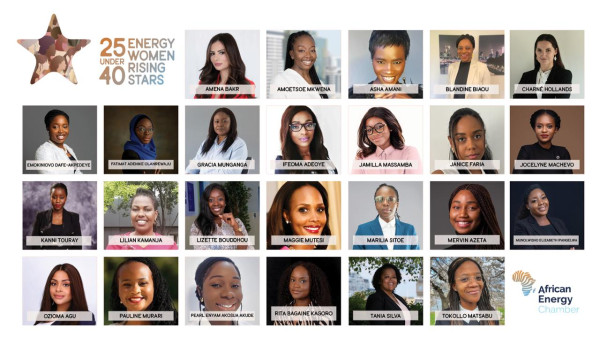
Celebrating This Year’s 25 Under 40 Energy Women Rising Stars

Location: News
African Energy Chamber

As Africa's energy sector continues to grow, a new generation of women is breaking barriers and redefining leadership in this critical industry. The African Energy Chamber (AEC) (www.EnergyChamber.org) proudly announces the 2024 edition of the 25 Under 40 Energy Women Rising Stars – a group of outstanding individuals whose innovation, perseverance and passion are transforming the landscape of African energy. These trailblazers are not only reshaping a traditionally male-dominated field but are also playing a vital role in the journey to end energy poverty by 2030. The AEC proudly honors these women as they lead the charge toward a more sustainable and equitable energy future.

In alphabetical order:

Amena Bakr, Senior Research Analyst, Energy Intelligence

Amena Bakr is a Senior Research Analyst at Energy Intelligence. Specializing in the energy transition, corporate strategy and market analysis, Bakr leads insights on oil markets, OPEC policies and political trends in the Middle East and Gulf Arab region. Her previous roles include Chief OPEC Correspondent and Dubai Deputy Bureau Chief, where she earned accolades such as the OPEC Award for Best Journalist and the IAEE Excellence in Written Journalism Award. Bakr holds a BA in Business Administration from the Arab Academy for Science, Technology & Maritime Transport, Egypt.

Amoetsoe Mkwena, Senior Associate, Watson Farley & Williams (Middle East)

Amoetsoe Mkwena is a Senior Associate at Watson Farley & Williams, specializing in energy and infrastructure with a focus on Africa. She advises on international projects, including the $15 billion Simandou project in Guinea. Mkwena's expertise includes power, renewables, oil and gas, and mining. Her legal skills and ability to bridge cultural divides make her a key player in Africa's energy sector.

Asha Amani, General Manager, INTERAFCON

Asha Amani is the General Manager at INTERAFCON, where she blends strategy and leadership to drive growth in complex energy projects. With seven years in Industrial Engineering and five years in the energy sector, Amani excels in business strategy, opportunity identification and project management. Her previous role as a Business Development Consultant at Tetco Consulting focused on delivering tailored solutions for the energy, engineering, and construction sectors.

Blandine Biaou, Geological Engineer, Head of Research and Prospection Department, SNH-Benin

Blandine Biaou, Head of the Research and Prospection Department at SNH-Benin, specializes in hydrocarbon exploration. She has optimized Benin's energy sector through resource management and contract revisions. Biaou has developed a modern data center and interactive database, contributing to national projects and representing Benin in international conferences, positioning it as a hydrocarbon hub.

Charné Hollands, Deputy Editor, Energy Capital & Power

Charné Hollands is the Deputy Editor at Energy Capital & Power, the leading investment platform for the African energy sector. She produces content on the entire energy value chain in Africa, with a focus on oil, gas, renewable energy and energy policy. Hollands holds a Master's in Media Studies from the University of Cape Town and has co-authored African Energy Chamber: Road to Recovery.

Emokiniovo Dafe-Akpedeye, Managing Partner, Compos Mentis Legal Practitioners

Emokiniovo Dafe-Akpedeye, a leading dispute resolution lawyer, specializes in complex oil and gas cases. She has represented Shell Petroleum and serves as company secretary for the Ebendo Host Community Trust Board. With degrees from Oxford and Bristol, she shapes oil and gas law and is implementing digital solutions to streamline board operations.

Fatimat Adenike Olanrewaju, General Field Engineer, SLB

Fatimat Adenike Olanrewaju, a Chemical Engineering graduate, is a General Field Engineer at SLB, focusing on wellhead installations and emissions reduction. She excels in a male-dominated field and leads community service through SLB's SEED initiative, advocating for gender diversity and mentoring.

Gracia Munganga, Senior Technical Advisory, ABT Global

With a Master's degree in Chemical Engineering from the University of Cape Town, Gracia oversees operations for the company, which has been designing and commissioning solar PV systems across sub-Saharan Africa since 2018. Her career includes roles at GreenCape, Anaergia Africa, the Climate Innovation Centre South Africa (CIC-SA), and the Carbon Trust.

Ifeoma Adeoye, CEO, IMSE Energy Resources Limited

Ifeoma Adeoye, CEO of IMSE Energy Resources Limited, leads the company in EPCI services and innovative crude evacuation technology. A graduate of the University of Manchester and Warwick, she also founded Business Nest Investments and BNI Insurance Brokers Limited, to empower and protect people and businesses through microfinance and insurance.

Jamilla Massamba, Health Safety and Environment Manager, SLB Congo

Jamilla Massamba, Health, Safety & Environment Manager at SLB Congo, leads HSE initiatives across Africa. With a Master's in Environmental Management Sciences, she has conducted over 100 audits and received awards for her work. Massamba also mentors young women in STEM and leads green energy projects.

Janice Faria, CEO, Enagol: Energias de Angola

As CEO of Enagol, Janice Faria has elevated the company's national and international profile. Under her leadership, Enagol competes globally and services International Oil Companies, setting a precedent for local enterprises in the global market.

Jocelyne Machevo, Communication, Commercial & Marketing Manager, Vivo Energy Mozambique

Jocelyne Machevo, formerly with Eni Mozambique, played a key role in the Coral FLNG Project and led the company's local brand transformation. Now at Vivo Energy Mozambique, she focuses on energy transition and decarbonization projects.

Lilian Kamanja, Electrical Engineer, Kenya Power

Lilian Kamanja is a Renewable Energy Specialist at Kenya Power with over nine years of experience in electrical engineering, network operations, and renewable energy development. She holds a BSc from the University of Nairobi and an M.Tech from IIT Delhi, focusing on renewable energy projects that enhance power accessibility and reliability.

Kanni Touray, Deputy Director General, Petroleum Commission, The Gambia

Kanni Touray, The Gambia's youngest and first female Deputy Director General at the Petroleum Commission, has enhanced the organization's efficiency and visibility. She champions sustainable development and energy transition, positioning The Gambia as a growing player in the global energy market.

Lizette Bouddhou, Human Resources Manager, SLB Congo and Gabon SLB

Lizette Bouddhou, HR Manager at SLB Congo and Gabon, drives diversity and workforce development. She leads recruitment and training initiatives, boosts employee engagement, and advances community outreach through educational partnerships, supporting women in STEM.

Maggie Mutesi, Managing Editor, Mansa Media

Maggie Mutesi is the Managing Editor at Mansa Media, with over 15 years of experience in major media outlets including CNN, BBC and CNBC. Her reporting spans over 30 African countries, focusing on trade and investments. At the BBC, she managed BBC Africa's daily live program, Money Daily. Mutesi has also extensively covered the Africa Continental Free Trade Agreement, working with the African Union and Afrochampions Initiative to enhance awareness among Africa's private sector.

Marilia Sitoe, Subsea Engineer, Eni Rovuma Basin

Marilia Sitoe, a Subsea Engineer at Eni Rovuma Basin, focuses on optimizing Mozambique's gas sector. Her work includes deep-water gas production and subsea infrastructure for Coral South FLNG. Sitoe's research supports Mozambique's economic growth and sustainability goals.

Mervin Azeta, Engineer, SLB

Mervin Azeta, a leader at SLB, has advanced from field engineer to corporate strategist. Recognized for her impact on African communities and the global industry, she is active in non-profit boards and connects young Africans with top leaders, fostering learning and inspiration.

Munolwisho Elizabeth Ipangelwa, Green Hydrogen Advisor, GIZ

Munolwisho Elizabeth Ipangelwa, Green Hydrogen Advisor at GIZ, advocates for women in oil and gas and green hydrogen development in Namibia. She has educated over 200 Namibians and leads green industrialization studies to boost local industries and reduce youth unemployment.

Ozioma Agu, Partner, Stren & Blan Partners

Ozioma Agu, a Partner at Stren & Blan Partners, excels in high-profile energy and infrastructure transactions. Her work includes advising on Mobil and Shell divestments and renewable projects. Agu has earned awards for her expertise in oil and gas and green hydrogen.

Pauline Murari, Contracts Manager SLB Angola, Central and East Africa

Pauline Murari, Contracts Manager at SLB, is known for her negotiation skills and leadership. She has driven growth in SLB's regional portfolio and contributed to projects like the East African Crude Oil Pipeline. Murari supports STEM education and local development.

Pearl Enyam Akosua Akude, Business Line Job Delivery Lead, SLB

Pearl Enyam Akosua Akude, with over 35 wells drilled, is a leader in the energy sector. She handles complex projects, trains engineers, and has contributed to innovations like TerraSphere and Net Zero Development in Africa, impacting the region's energy landscape.

Rita Bagaine Kagoro, Talent Acquisition Manager SLB: Angola, Central and East Africa

Rita Bagaine Kagoro, a Ugandan Petroleum Engineer, has seven years of experience and holds degrees from China University of Petroleum and Delft University of Technology. Her roles include Measurements and Logging While Drilling Engineer and Drilling Product Engineer. Kagoro has innovated drilling technologies to enhance efficiency and reduce CO2 emissions. She is passionate about leadership, mentorship, and advocating for diversity in hiring and women in energy.

Tania Silva, CEO, Angola LNG Marketing

Tânia Silva is the CEO of Angola LNG Marketing, the company's first female and youngest CEO. She oversees LNG sales, liquids contracts, and the shipping fleet. Previously, Silva was Head of Non-Operated Assets at Sonangol Gás e Energias Renováveis, S.A., where she managed non-operated assets and contributed to renewable energy projects. Her career is marked by leadership and innovation in the energy sector.

Tokollo Matsabu, Women Leader in Energy & Climate Fellow, Atlantic Council

Tokollo Matsabu is a 2024 Women Leaders in Energy and Climate Fellow and Director at Patlong Advisory, a consulting firm focused on energy programs and carbon sequestration in Africa. She is pursuing an MS in Global Energy and Climate Policy at the University of London's School of Oriental & African Studies, with a focus on critical minerals. Matsabu has a background in financial journalism and has conducted risk analyses for various stakeholders in the Global South. She holds a Bachelor's degree in International Relations, Media and Writing from the University of Cape Town.

Distributed by APO Group on behalf of African Energy Chamber.

Media files
African Energy Chamber
Download logo
Read moreCelebrating This Year’s 25 Under 40 Energy Women Rising Stars
  • Previous
  • Page 1
  • Interim pages omitted …
  • Page 14
  • Page 15
  • Page 16
  • Page 17
  • Page 18
  • Interim pages omitted …
  • Page 31
  • Next

Copyright © 2026 · MyZA · All Rights Reserved · Powered by Stratlec Online