• Skip to main content
  • Skip to header right navigation
  • Skip to after header navigation
  • Skip to site footer
MyZA

MyZA

News, Directory, Events and Other Stuff

  • Social Media
  • Sport
  • World News
  • Home
  • Submit News
  • Directory
  • Events
  • Stratlec
  • TFSA
  • News
    • APO
    • Today’s Sport News
    • Todays Social Media and Tech Headlines
    • Today’s World News
    • Today’s SA Financial News
  • Contact
You are here: Home / Archives for Sustainability

Sustainability

5 September 2024

Government focused on growing inclusive economy

Location: News

Government focused on growing inclusive economy

National Treasury has reaffirmed government’s commitment to prioritising rapid, inclusive and sustainable economic growth, in  bid to tackle prevailing high levels of unemployment, poverty and inequality.

In a statement, the department said following a visit to the country, the International Monetary Fund (IMF) found that the South African economy has shown resilience in the face of disruption.

However, the IMF made the following recommendations:

  • Policies should focus on bolstering inclusive growth and restoring fiscal sustainability.

  • Managing the descent of inflation to target and safeguard financial stability.

  • Implement ongoing structural reforms, including in the electricity and transportation sectors, and complement with measures to improve the business environment, and function of product and labour markets while strengthening governance.

  • Focusing on an ambitious expenditure-based fiscal consolidation.

  • Monetary policy should stay data dependent and rate cuts should be considered only after inflation declines sustainably towards the midpoint of the target range.

  • Monitor financial sector risks, including those related to the bank-sovereign nexus, and enhance supervision and prudential regulations.

“National Treasury acknowledges the constructive engagement held with the IMF team regarding South Africa’s Public Finance Management (PFA). While recognising the macroeconomic challenges highlighted by the IMF, the South African government has affirmed its commitment to prioritise rapid, inclusive and sustainable economic growth to tackle prevailing high levels of poverty and inequality. 

“The newly established Government of National Unity (GNU) is firmly committed to addressing immediate and long-term economic challenges,” Treasury said.

The department said it is committed to “stabilising debt, while preserving economic stability”.

“The fiscal position has improved, with the primary fiscal surplus target of 2% of GDP [Gross Domestic Product] being reached in 2023. South Africa remains committed to the reform agenda focused on addressing supply constraints while supporting activity and employment. 

"South Africa is making progress in the implementation of its structural reforms, as also acknowledged by the IMF.

“The South African financial system continues to demonstrate resilience, supported by strong capital adequacy and high liquidity buffers. National Treasury’s view is that the sovereign-bank nexus is not currently a risk to the financial system. However, this will be monitored closely. 

“National Treasury welcomes the fruitful discussions with the IMF and is committed to implementing reforms to unlock sustainable and inclusive growth, improve the fiscal position, and bolster the capacity and effectiveness of the State,” the department said. – SAnews.gov.za

NeoB
Thu, 09/05/2024 - 10:13

153 views
Read moreGovernment focused on growing inclusive economy
4 September 2024

Beneficiaries express gratitude for Green Tourism Incentive Programme

Location: News

Beneficiaries express gratitude for Green Tourism Incentive Programme

The Department of Tourism has invited eligible tourism enterprises to apply for support under the Green Tourism Incentive Programme’s (GTIP) 10th application window. 

The window opened on 2 September 2024 and will remain open until 28 February 2025.

The GTIP was developed by the Department of Tourism in partnership with the Industrial Development Corporation (IDC) to enable and encourage tourism enterprises to improve efficiency in the utilisation of energy and water resources in their operations. 

In this way, the programme not only promotes compliance with responsible tourism principles, but also offers a mechanism for enterprises to reduce operational costs so they can operate in a sustainable and competitive manner.

The GTIP has enjoyed much success from tourism enterprises who applied for support. 

Mokgaetji Flora Phala from Mminanoko Eco Guesthouse in Limpopo said: “I was spending R2 500 on electricity costs per month. I now spend R500 a month, saving between R1 500 to R2000 a month following the installation of energy solutions. The GTIP is a great initiative that helps a lot and can be recommended to other businesses.”

Chris de Vries from Maribelle's B&B in Pretoria, Gauteng, said the amount spent on electricity was high before the installations, but it has gone down significantly. 

“It is still too early to tell the exact amounts, but I have noticed a significant saving from the installations. I would definitely recommend other business to get access to this programme; it is very beneficial,” he said. 

Meanwhile, Gugulethu Nogaya from Imvomvo Country Lodge in MaXesibeni, Eastern Cape, said energy consumption prior to the installation of energy solutions averaged at 24 000 kWh per month. 

“Since the installation it has reduced our monthly energy consumption by half. We were spending approximately R60 000.00 on diesel during peak load shedding, but that has now dropped to less than R5 000 per month only when there are power outages. I would highly recommend the GTIP programme for all lodges, B&B’s and other businesses as it significantly improves margins by reducing cost and increases customer satisfactions,” he said.

The GTIP offers partial grant funding on the cost of retrofitting tourism facilities with energy and water efficiency equipment and systems. The application process to access the GTIP is done through two phases:
• Phase 1: The applying Tourism enterprises undergoes a resource efficiency audit during which appropriate efficiency measures and solutions are recommended. The cost of this audit is fully covered under the GTIP programme.
• Phase 2: Eligible applicants (who completed phase 1) are able to apply for grant funding support of between 50% and 90% on the cost of installing relevant technologies and equipment recommended during the Phase 1 (capped at a maximum of R1 million per applicant).

The GTIP is administered by the IDC and all applications are received, processed and managed by the IDC on behalf of the Department of Tourism.

Since inception in November 2017 and June 2024, the GTIP has had nine application windows from which 216 applications were approved at a total grant value of more than R140 million.

Tourism Minister, Patricia de Lille, said initiatives such as the GTIP are contributing immensely to greening the tourism sector and in the process helping to sustain the future of this sector.

“Conserving our scarce natural resource is crucial to the sustainability of the tourism sector. As we work towards the attainment of the 2030 Sustainable Development Goals (SDGs), programmes such as the GTIP become critical in reinforcing and supporting tourism enterprises to adopt responsible tourism practices.

“Accordingly, the GTIP aims to support tourism enterprises to retrofit their facilities with green technologies such as solar PV panels and water saving measures. I therefore encourage businesses to apply for funding support under the GTIP,” the Minister said. 

Tourism enterprises can visit www.tourism.gov.za or www.idc.co.za to read more on the requirements, eligibility and qualifying criteria and the application processes for the GTIP. – SAnews.gov.za

DikelediM
Wed, 09/04/2024 - 10:33

34 views
Read moreBeneficiaries express gratitude for Green Tourism Incentive Programme
2 September 2024

5 Vital Water Recycling Tips

Location: MyPR

Water is one of our most precious resources, yet it is often wasted in daily activities. With increasing demands on water supplies and the ongoing challenges posed by climate change, recycling water has become an essential practice for sustainability. By reusing water, we can significantly reduce our environmental footprint, conserve natural resources, and ensure that …

Read more5 Vital Water Recycling Tips
1 September 2024

Sustainable Leadership Takes Centre Stage as Proudly South African and Southern Sun Honour Women Pioneers

Location: MyPR

In celebration of the great strides women have made in business, Proudly South African and Southern Sun have joined forces to recognise the sustainability of women’s leadership amongst thought leaders, ceiling breakers, and business leaders in the country. The Women’s Month celebration was hosted at 54 on Bath on Friday, 30 August 2024. Leanne Manas …

Read moreSustainable Leadership Takes Centre Stage as Proudly South African and Southern Sun Honour Women Pioneers
1 September 2024

First Residents Take Occupancy at the Stunning Serenity Hills on Kzn South Coast

Location: MyPR

Just a year after the official sod-turning ceremony in 2023, the first residents of the eco-focused Serenity Hills estate on the KZN South Coast have taken up residence. This is a significant milestone for the vibrant coastal estate, with momentum set to increase as more investors discover this unique residential gem near Margate. “Handing over …

Read moreFirst Residents Take Occupancy at the Stunning Serenity Hills on Kzn South Coast
29 August 2024

Committee on Youth and Persons With Disabilities Engages With the NYDA On Its Annual Performance Plan

Location: News

Republic of South Africa: The Parliament
Download logo

The Portfolio Committee on Women Youth and Persons With Disabilities received a briefing today from the National Youth Development Agency (NYDA) on its annual performance plan (APP) and budget for the 2024/25 financial year.

The committee heard that for the 2024/25 financial year, the budget allocation for the Department for Women, Youth and Persons with Disabilities is R791.3 million. The budget includes a significant portion earmarked for youth development programmes, although it reflects a decrease from the previous year's budget. The APP outlines specific targets, including support of youth-owned enterprises, job creation and the facilitation of skills development programmes.

The committee praised the comprehensive presentation provided by the NYDA and commended their ongoing efforts to address the challenges facing South Africa's young people.

Throughout the discussions during the meeting, several important themes emerged. Firstly, there was consensus among committee members about the urgent need to address the high levels of youth unemployment. Many members highlighted the importance of aligning education systems with the demands of the job market. The committee believes entrepreneurial skills should be integrated into the school curriculum to better prepare young people for future employment opportunities.

The committee had concerns about the accessibility of NYDA services, particularly in rural areas. Committee members said it is crucial for the agency to enhance outreach efforts to ensure that young people, especially those from marginalised communities, have access to vital information and resources that the NYDA has to offer. Members suggested exploring partnerships with local organisations and using mobile units to reach young people who may face transportation barriers.

Regarding the NYDA's budget, members of the committee noted discrepancies between the agency's reported allocations and the figures obtained from the National Treasury. This discrepancy warrants closer scrutiny to ensure transparency and accountability in the use of resources. Furthermore, the committee recognised the significant reduction in funding for various programmes and indicated that it is eager to understand how the NYDA plans to sustain its initiatives under these financial constraints.

The committee noted in the presentation that the upcoming financial year marks the last for additional funding of R250 million for the National Youth Service programme, which raises questions about the long-term sustainability of such initiatives.

The committee also inquired about the effectiveness of the NYDA's programmes, specifically regarding the distinction between job opportunities created and actual long-term employment. The committee indicated that it is keen to understand the sectors that have benefited most from these opportunities and the sustainability of the jobs created.

Additionally, the issue of inclusivity for persons with disabilities within the NYDA's programmes was highlighted. While the NYDA has made strides in developing a disability strategy, the committee encourages further efforts to ensure that programmes cater to the diverse needs of all young people, including those with disabilities.

Finally, the committee expressed a desire for more detailed reporting on the performance of board members and the mechanisms in place for evaluating their contributions. It is essential that we hold ourselves accountable and ensure that our leadership remains effective in driving the NYDA's mission forward.

The committee's Chairperson, Ms Lindelwa Dunjwa, said: “The committee is committed to supporting the NYDA in its mandate to empower young people across South Africa. We look forward to continued engagements that will enhance our collective efforts to address youth unemployment and promote socio-economic development,” she said.

Distributed by APO Group on behalf of Republic of South Africa: The Parliament.

Read moreCommittee on Youth and Persons With Disabilities Engages With the NYDA On Its Annual Performance Plan
29 August 2024

AEW 2024 to Place Leadership at the Forefront of Africa’s Just Energy Future

Location: News
African Energy Chamber

As the global energy landscape shifts towards sustainability, Africa faces the unique challenge of balancing energy access, economic development and environmental stewardship. At African Energy Week (AEW): Invest in African Energy 2024, the Just Energy Leader Dialogue – sponsored by bp South Africa – will gather industry figures to explore how Africa's leaders can balance competing priorities and harness technology, policies and best practices to overcome energy access challenges.

The dialogue brings together key voices, including CEO of bp South Africa Taelo Mojapelo; Chief Investment Officer at the African Development Bank (AfDB) Wole Lawuyi; and Vice President and Country Manager, Senegal at Kosmos Energy, Khady Ndiaye. Moderated by Vice President at S&P Global, Michael Wynne, the session will explore how African leaders are navigating the complex intersection of social justice, economic growth and environmental sustainability in energy policymaking.

AEW: Invest in African Energy is the platform of choice for project operators, financiers, technology providers and government, and has emerged as the official place to sign deals in African energy. Visit www.AECWeek.com for more information about this exciting event.

African countries are leading the charge toward a just energy transition through a mix of enabling policy and investment promotion activities. Under its Department of Mineral Resources and Energy (DMRE), South Africa has rolled out its Integrated Resource Plan (IRP) outlining the country's strategy for energy diversification. The IRP provides for the accelerated adoption of renewable energy, while recognizing the continued role of coal and gas in national energy security. The DMRE has consistently advocated for a balanced energy approach, ensuring that the transition does not come at the expense of jobs and economic stability.

In Nigeria, the Federal Government has announced $585 billion in energy sector investment opportunities, aligning with the Nigerian Energy Transition plan, which focuses on increasing renewable energy, reducing methane emissions and achieving net-zero goals. Investments include $272 billion toward renewable power and infrastructure, $96 billion toward optimizing oil and gas processes, energy efficiency and carbon capture, $80 billion toward zero-emissions technologies and $2.8 billion toward clean cooking solutions. Nigeria will also host the $5-billion African Energy Bank, established by the African Petroleum Producers Organization (APPO) and African Export-Import Bank and set to accelerate access to capital for oil and gas projects across the continent. The initiative affirms Nigeria's leadership and commitment to ensuring energy security in Africa, as well as improving energy project financing.

Last month, APPO held discussions to help identify transition strategies, focusing on reducing gas flaring, enhancing local content and promoting research and development. Thought leaders like NJ Ayuk, Executive Chairman of the African Energy Chamber and Chief Academic Officer of Maarifa Education Olubayi Olubayi, united to explore pathways to more sustainable energy practices across the continent.

In West Africa, Senegal is also prioritizing the simultaneous development of fossil fuel and renewable resources, striking a balance among other, single resource-centric economies.  The country is set to begin gas production from the Greater Tortue Ahmeyim LNG project later this year, creating opportunities in gas processing, gas-to-power and infrastructure and establishing itself as a key regional energy hub. In 2024, Senegal expanded its focus on renewable energy by launching new initiatives aimed at integrating renewables into its energy mix and aligning with its Just Energy Transition Partnership with France, Germany, the EU, the UK and Canada. High-level international cooperation supports Senegal's goal of universal energy access through a low-carbon energy mix and has established the country as a regional pioneer.

Distributed by APO Group on behalf of African Energy Chamber.

Media files
African Energy Chamber
Download logo
Read moreAEW 2024 to Place Leadership at the Forefront of Africa’s Just Energy Future
27 August 2024

Prioritising Patient Comfort and Safety: The Vital Role of Air Conditioning in Hospitals

Location: MyPR

The role of air conditioning in hospital settings extends far beyond simply regulating temperatures. In healthcare facilities, ensuring patient well-being extends far beyond medical treatments alone. The environment itself plays a crucial role in facilitating healing and recovery. Among the essential elements contributing to a conducive hospital atmosphere is the ability to maintain optimal air …

Read morePrioritising Patient Comfort and Safety: The Vital Role of Air Conditioning in Hospitals
27 August 2024

Taking Back Control Over Business Travel Costs in 2024

Location: MyPR

Today, there are many more remote and hybrid collaboration options for teams than at the beginning of the decade. That means it’s no longer standard to jump on a plane, train, or in a car to get to the next big meeting. According to research from Deloitte, seven in 10 companies now weigh the need …

Read moreTaking Back Control Over Business Travel Costs in 2024
27 August 2024

Scaling up Financing Is Key to Accelerating Africa’s Structural Transformation

Location: News
African Development Bank Group (AfDB)

By Adamon Mukasa and Anthony Simpasa, African Development Bank Group (www.AfDB.org).

Document 1: http://apo-opa.co/4g3EVzM
Document 2: http://apo-opa.co/473xTHm
Document 3: http://apo-opa.co/4gcshPk
Document 4: http://apo-opa.co/4gcsi5Q
Document 5: http://apo-opa.co/471DE8y
Document 6: http://apo-opa.co/4gcskL0
Document 7: http://apo-opa.co/47361TE

Document 8: http://apo-opa.co/4dXk53t

The calls for structural economic transformation in Africa date back to the 1960s when newly independent nations aimed to eliminate poverty through economic diversification, sustained growth, and job creation. This agenda persists today, as Africa continues to face significant developmental challenges.

Pursuing post-independence economic agendas was particularly important because, behind the euphoria (http://apo-opa.co/4dZMCVX) of independence, laid significant developmental challenges in several African countries: unskilled labor force, political and institutional fragilities, poor health conditions, rapid population growth, wide income disparities, and the legacy of colonialism and exclusion from the modern world. The establishment of the Organization of African Unity (OAU) (http://apo-opa.co/4g3EVzM) in 1963 and the African Development Bank (http://apo-opa.co/473xTHm) a year later aimed to tackle these other challenges in a more coordinated and impactful manner. The African Union (http://apo-opa.co/475z3Sz), successor of the OAU, developed Agenda 2063 (http://apo-opa.co/4g3EQMu) in 2013 as a blueprint for turning Africa into the global growth pole and powerhouse of the future.

Africa's Economic Development Paradox

More than sixty years after independence (http://apo-opa.co/3AzLutK), Africa's structural transformation – the shift of workers from lower to higher productivity employment and intra-sectoral productivity growth (http://apo-opa.co/4dQj0KK) – has not progressed as quickly as hoped. Both policymakers and analysts within and outside the continent are genuinely concerned that achieving structural transformation could remain a mirage for many African countries in the absence of bold structural reforms and financing to support implementation of these policies. Why being so pessimistic? Because historical facts tend to support their pessimism. The African Economic Outlook (AEO) 2024 (http://apo-opa.co/4g2RATW) report, released in May by the African Development Bank, reveals that Africa's transformation has been slow and uneven. In countries showing signs of transformation, the process has been characterized by low industrialization and predominantly by employment in low-skill, low-productivity services. The agriculture sector, employing 42% of Africa's workforce, is 60% less productive than the economy-wide average. Consequently, many workers remain trapped in low-productivity, low-wage jobs, unable to escape poverty.

As a result, Africa was the only region of the world where the average real GDP per capita contracted in the 1980s and 1990s, the so-called lost decades (http://apo-opa.co/4fYqm0D).

Africa is off-track in achieving almost all SDG targets by 2030, consistently showing the lowest SDG performance globally since the 2000s (Figure 1). Without intervention, it is predicted that by 2030, nearly 9 out of 10 of the world's extremely poor will be in Africa (http://apo-opa.co/4e2weEn) and under current conditions[1], it could take African countries over a century on average to reach high-income status.


[1] This scenario assumes that real GDP per capita of each African country will grow according to its post-COVID-19 (2022–25) average growth rate as computed by the African Development Bank's Statistics Department.

But Africa is a very large, diverse, heterogeneous, region. Some countries have, over the past four decades preceding the COVID-19 pandemic, experienced episodes of growth accelerations, growth spikes and failed take-offs (http://apo-opa.co/4gcshPk). Cases of consistent good performance include Botswana, Seychelles, and Mauritius, routinely ranked among the top 10 fastest-growing economies globally. African countries have indeed exhibited remarkable resilience amid confounding shocks, and in 2024, 10 countries[1] in Africa are projected to be among the world's top 20 fastest-growing economies, sustaining the trend observed during the past four decades pre-COVID-19.

Importantly, over the past quarter century, thanks to strong economic reforms and macroeconomic stability, enhanced governance, relative peace and improved political environment and, public investments in soft and hard infrastructure, some African countries[2] have managed to transform their economies and recorded economic growth rates above the global average.

The role of finance in fast-tracking Africa's structural transformation

Many factors, both internal and external, could explain the relatively slow progress in structurally transforming African economies. Among them: over-reliance on commodity-led growth (http://apo-opa.co/4fZJTxI), inadequate infrastructure (http://apo-opa.co/4dV5DZE); insufficient pool of skilled workers (http://apo-opa.co/4g49x4g) and low access to affordable finance (http://apo-opa.co/47361D8); weak institutional governance (http://apo-opa.co/4e0O5LG), recurrent conflicts (http://apo-opa.co/4g49rtq), effects of climate change (http://apo-opa.co/3ABuuTU), tightening of global financial conditions (http://apo-opa.co/4fZSFvC) and rising debt vulnerabilities (http://apo-opa.co/4724oWk).

While all these factors are equally important and call for urgent actions from policymakers, financing Africa's transformation (http://apo-opa.co/4fTo1Uy) is a multi-layered overarching challenge that demands special attention and a pragmatic approach to move from billions to trillions. The cost of achieving the SDGs by 2030 in Africa is estimated at about $1.3 trillion (http://apo-opa.co/4gcsi5Q) annually, equivalent to 42% of Africa's 2023 GDP. Infrastructure needs alone are estimated by the African Development Bank at $181-$221 billion per year over 2023-2030.  The climate finance gap is approximately $213.4 billion (http://apo-opa.co/4gcsiTo) annually through 2030.

Insufficient domestic resources (http://apo-opa.co/471DE8y), compounded by the failure of the global financial architecture (http://apo-opa.co/471zU6K) to mobilize and at scale, affordable finance for sustainable development (http://apo-opa.co/4gcskL0), have led many African countries to resort to commercial borrowing on unfavorable terms. This has resulted in increased debt vulnerabilities. Africa's Public and Publicly Guaranteed external debt has nearly tripled since 2010, reaching $656 billion in 2022, accounting for 22.4% of the continent's GDP and exceeding Africa's public revenue-to-GDP ratio of 20.4%. In 2024, African countries are expected to spend around $74 billion on debt service, up from $17 billion in 2010. Out of the projected debt service, $40 billion is owed to private creditors.

Even more concerning, debt service payments now account for about 11% of the continent's total revenues. High debt service is diverting resources from crucial investments in infrastructure, education, and health – all critical for economic transformation and long-term growth. As of April 2024, 20 African countries[3] (http://apo-opa.co/47361TE) were either in external debt distress or at high risk of external debt distress.

The AEO 2024 report estimates that to accelerate Africa's structural transformation, the continent needs to close an annual financing gap of $402.2 billion (about 13.7% of its projected 2024 GDP) by 2030. Figure 2 shows that transport[4] infrastructure accounts for the largest share of the gap (72.9%), followed by education (10.4%), energy (9.9%), and productivity-enhancing technologies (6.8%). These figures reflect decades of underinvestment in critical areas for development.

The level of financing gap in transport infrastructure reflects the continent's shortfall explained by decades of public underinvestment to upgrade existing road infrastructure or open new roadways, to match the growing population and economic dynamism across the continent. For instance, Africa's median road density is about 12 km per 100 km2, compared with 42.5 km in high-performing developing countries and 136 km in high-income countries. Only about 27% of African roads are paved, far behind the rest of the world (about 49%) and other developing countries (35.4%).


[1] Niger, Senegal, Libya, Côte d'Ivoire, Ethiopia, Rwanda, Benin, Djibouti, Gambia, and Uganda

[2] Algeria, Comoros, Djibouti, Egypt, eSwatini, Lesotho, Libya, Mauritius, Sao Tome and Principe, Senegal, Seychelles, and Tunisia

[3] Burundi, Cameroon, Central African Republic, Chad, Comoros, Congo, Djibouti, Ethiopia, Gambia, Ghana, Guinea-Bissau, Kenya, Malawi, Mozambique, São Tomé and Príncipe, Sierra Leone, South Sudan, Sudan, Zambia, and Zimbabwe

[4] Proxied by roads as road transport is the most frequently used means of transporting goods and people across the continent, carrying at least 80 percent of goods and 90 percent of passengers.

On education, vital for equipping the current and future workforce with the required skillset for structural transformation, African countries' median SDG index score was only 51.5 (out of a maximum of 100) in 2022, while other low-income developing countries reached a median score of 87. In addition, according to World Bank's World Development Indicators (http://apo-opa.co/3AGXw4N), African governments currently spend on average $312 annually per student in primary education, $473 on secondary education, and $2,227 on tertiary education, or about, respectively, 3, 2.3, and 1.1 times lower than high-performing developing countries on  SDG 4. On energy, Africa's median SDG 7 index score was 38.8 in 2022, suggesting that a typical African country was 61.2% further away from achieving the best possible outcome on SDG 7 targets. Despite its vast energy potential, electric power consumption per capita in Africa is still the lowest in the world, estimated at 638.4 kilowatt-hours (kWh) in 2021, versus 2,056 kWh in other developing countries. Due to poor energy infrastructure, over 600 million Africans have no access to electricity http://apo-opa.co/46YZuJT and this is despite progress in recent years[1]. On productivity-enhancing technology and innovation, the continent lags other regions too. This impedes its ability to either innovate and introduce new products, technologies, and/or services that could support its structural transformation. African countries' average Gross Domestic Expenditure on R&D (GERD) represents about 0.4% of their GDP (against about 1% in the rest of the world) and they spend on average $10.7 per capita on GERD (compared to $403.2 per capita in other regions of the world). Furthermore, the continent displays the lowest concentration of researchers in R&D, with an average of 221 researchers per million people, against 742 researchers in other developing countries.

The financing gap varies significantly across countries. The cross-country heterogeneity is mainly explained by differences in current SDG performance related to structural transformation as well as differences in demographics (current and projected population size and composition, land size, and the like) and socioeconomic characteristics (current and projected GDP per capita, and spending on education, infrastructure, and so on). As shown in Figure 3, the estimated annual financing gap represents at least 10 % of 2024's projected GDP in 36 African countries, and in nine of these, at least 50 % of GDP. For such countries, closing the financing gap by 2030 is, therefore, realistically impossible.


[1] For instance, the average share of people with access to electricity increased from about 38 percent in 2000 to about 59 percent in 2022. In 28 African countries, the percent of people with access to electricity has more than doubled between 2000 and 2022, out of which it has increased at least fivefold in 8 countries (Kenya, Lesotho, Mali, Mozambique, Rwanda, Somalia, Tanzania, and Uganda).

Note: COG: Congo; CPV: Cabo Verde; GHA: Ghana; CIV: Cote d'Ivoire; GAB: Gabon; GNQ: Equatorial Guinea; MUS: Mauritius; SYC: Seychelles; ZAF: South Africa. Source: Authors' computation based on the African Economic Outlook (AEO) 2024 database

A more realistic approach would be to allow for a gradual but steady transformation process over a longer period, aligning with the African Union's Agenda 2063. This would enable countries to mobilize more resources domestically and externally, without jeopardizing debt sustainability.

What next?

Scaling up finance to accelerate Africa's structural transformation should be a key priority for policymakers. While implementing structural reforms is crucial for sustainable growth, success depends on the availability, timeliness, and scale of long-term development financing and enhancing spending efficiency. African countries should therefore, inter alia, focus on: i) scaling up investment to build requisite human capital suited to local realities, circumstances, and development priorities; ii) boosting domestic resource mobilization and improving efficiency of public finance management; iii) creating targeted and streamlined incentives to attract private capital for key transformation sectors; and iv) launching ambitious national infrastructure programs with assured positive returns to attract affordable financing.

The international community should reform the global financial architecture (http://apo-opa.co/4dXk53t) to facilitate African countries' access to long-term, concessional development financing at scale, complementing domestic resources.

By addressing these financing challenges and implementing targeted reforms, Africa can accelerate its structural transformation and move closer to achieving its development goals as espouses in Agenda 2063.

Distributed by APO Group on behalf of African Development Bank Group (AfDB).

Media files
African Development Bank Group (AfDB)
Download logo
Read moreScaling up Financing Is Key to Accelerating Africa’s Structural Transformation
26 August 2024

Workshop raises awareness on importance of environmental conservation

Location: News

Workshop raises awareness on importance of environmental conservation

The Department of Water and Sanitation has held a workshop to raise awareness about the impact of human activities on water resources and the environment.

The 6th Citizen Science awareness workshop was held recently in Gauteng’s Tembisa, in partnership with the South African National Biodiversity Institute (SANBI) and Nature Speaks.

Citizen Science is a powerful tool that harnesses the knowledge and participation of local communities in scientific research and environmental monitoring.

The session was held with an intention to educate and engage local traditional healers on the importance of environmental conservation and sustainable water resource management.

Among the key objectives of the workshop was to provide traditional healers with training on how to identify sources of pollution in their local areas [as] they often perform rituals and ceremonies in natural spaces, including rivers, making them particularly vulnerable to the impacts of pollution and environmental degradation.

Citizen Science national coordinator, Noloyiso Mbiza, highlighted the significance of the workshop in empowering traditional healers to better understand and protect their natural surroundings.

“By involving traditional healers, who often interact closely with natural ecosystems, the workshop aimed to raise awareness about the impact of human activities on water resources and the environment,” Mbiza said.

Mbiza, who is also a traditional healer, emphasised the role of traditional healers as custodians of traditional knowledge and practices, and the importance of integrating this knowledge with modern environmental conservation efforts.

“We also provide them with the tools to investigate pollution in their catchment areas, so they can understand where the pollutants are coming from. This is important because it directly affects them, given that they spend about 95% of their time in the affected environment.

“By equipping traditional healers with the skills to recognise and address environmental threats, the workshop aimed to promote sustainable practices that minimise harm to water resources and ecosystems,” Mbiza said.

She added that the collaborative efforts underscore the importance of partnerships in promoting environmental sustainability and community engagement.

By bringing together government agencies, research institutions, and local community organisations, the workshop facilitated dialogue, knowledge exchange, and capacity building among traditional healers and environmental stakeholders.

In addition, traditional healers, who attended the workshop, expressed gratitude for the opportunity to learn and engage with government and environmental organisations.

They also highlighted the importance of inclusive and community-driven approaches to environmental awareness and conservation.

Building on the success of the 6th Citizen Science awareness workshop, the next workshop will be held in Tembisa on 30 August 2024, and will be open to all members of the local community, including residents interested in learning more about citizen science, environmental conservation, and sustainable water management practices. -  SAnews.gov.za
 

GabiK
Mon, 08/26/2024 - 10:17

470 views
Read moreWorkshop raises awareness on importance of environmental conservation
26 August 2024

Benefits of just energy transition must be shared equally

Location: News

Benefits of just energy transition must be shared equally

As South Africa transitions towards a low carbon economy, Deputy Minister of Forestry, Fisheries and the Environment, Narend Singh, says the benefits of energy renewable projects should be shared equitably with communities.

Addressing the National Consultative Workshop on Early Warnings for All (EW4All) in Pretoria, the Deputy Minister emphasised the importance of addressing potential job losses in the coal sector. 

South Africa’s plans for the just energy transition will focus on the transition of the energy sector, as it navigates the shift away from coal towards cleaner sources of energy.

“It is essential that we approach this transition with humanity, providing support, training, and creating new opportunities within the renewable energy sector. A holistic approach is required, one that embraces clear and comprehensive national renewable energy policies sets defined targets and provides a roadmap for the transition.

“Community participation and ownership in renewable energy projects must be a cornerstone of this policy, ensuring that the benefits of this transition are shared equitably,” Singh said on Monday.

While necessary, he said the just energy transition does come with its set of challenges. 

“Acknowledging our current economic growth's stagnation, the reliance on coal for energy, and the coal industry's role as a significant employment sector, we understand the complexities involved.

“Moreover, the challenge of making renewable energy technologies affordable and accessible cannot be overlooked. We need innovative financing mechanisms to ensure that clean energy solutions are within reach for all South Africans, especially those in low-income communities.

“As we chart our course forward, it is clear that no single solution can address the multifaceted challenges we face,” the Deputy Minister said.

He said for South Africa to truly succeed, it needs more than just policies and roadmaps.

“…We need action and commitment from every sector of our society. From all spheres of government to the private sector, from civil society to every citizen, we must unite in our efforts towards a sustainable future. Now is the time for us to harness the incredible potential of renewable energy, to innovate, to build, and to grow together.

“Therefore, our call to action as a responsible, interdependent, and interrelated government is not just to listen but to participate actively in this transition. Let us collaborate, innovate, and implement the solutions that will power our nation forward. 

“Let us build a future that aligns with our environmental, economic, and social imperatives. A future where sustainable energy drives our progress, where no one is left behind, and where we stand as a beacon of hope and resilience in the face of global challenges,” Singh said.

He stressed that local government is at the coal face of the country’s efforts, as this is where policy legislation and regulation turn into action. 

“We must be focusing on a back-to-basics approach, getting the basics right with respect to our daily deliverables. More than half of the battle will be won if every local sphere of government gets the basics right. Innovation and consistently good service delivery are what will carry the day,” the Deputy Minister said.

He said electricity is the backbone of progress, an enabler that unlocks industrial growth, drives the economy, and promotes inclusivity. 

“Yet, the sustainability of our progress hinges on our ability to shift towards clean energy. The spectres of poverty, inequality and unemployment cannot be exorcised without robust GDP [gross domestic product] growth, which in turn demands a stable and sufficient energy supply. 

“However, our journey is compounded by the environmental cost of our past reliance on coal. This has left us with a legacy of environmental degradation and health issues, making our commitment to transitioning to renewable energy sources crucial for our environment and the well-being of our communities,” Singh said. - SAnews.gov.za
 

nosihle
Mon, 08/26/2024 - 14:30

27 views
Read moreBenefits of just energy transition must be shared equally
26 August 2024

Gauteng’s Murray Park Library to get a new lease on life 

Location: News

Gauteng’s Murray Park Library to get a new lease on life 

The Johannesburg Development Agency (JDA) has commenced with the construction of the long-awaited upgrades to the Murray Park Library, located in Malvern, Johannesburg. 

The JDA  has commenced with the construction on behalf of the City of Johannesburg's Community Development Department.

First opened in 1957, Murray Park Library has been a cornerstone of knowledge and community engagement for over six decades. 

Recognising its importance as a hub for education and enrichment, the JDA spearheads a comprehensive redevelopment project to modernise and revitalise the beloved institution. 

“The upgrade of Murray Park Library is part of the Inner City Eastern Gateway Urban Development Framework, reflecting the City's commitment to enhancing infrastructure and services for its residents. 
Upon completion, the renovated library will serve as a beacon of learning and culture for Malvern and surrounding communities,” said the agency in a statement. 

JDA Executive Manager for Project Implementation Siyabonga Genu said the agency is excited about the upgrades.

“This project underscores our commitment to creating inclusive spaces that foster lifelong learning, cultural enrichment, and community cohesion. 

“Through thoughtful design and meticulous planning, we aim to deliver a modern, accessible library facility that will be a source of pride for generations to come," he said. 

Key features of the upgrade

The upgrade project will be done in two phases, with phase one focusing on foundational elements and phase two concentrating on constructing the two-story library structure.

Phase 1, scheduled for implementation in the 2024/2025 financial year, encompasses critical groundwork such as site clearance, construction of retaining walls, and foundational preparations.

Phase 2 will see the construction of the state-of-the-art library facility, spanning approximately 2000m². The ground floor will feature a general library space, a study area for children, meeting rooms, study centres, and essential amenities.

The first floor will accommodate a teenage section, activity centre, e-learning area, and additional facilities. The exterior enhancements will include landscaping, paving, lighting, and parking facilities.
Moreover, the upgrade project emphasises sustainability and accessibility, with provisions for solar panels, upgraded power supply capacity, and facilities for persons with disabilities.

Community impact

According to the JDA, the upgraded Murray Park Library will serve as a dynamic community resource, offering world-class library and information services to residents of all ages. 

From providing access to literature and educational resources to fostering a vibrant space for cultural exchange and lifelong learning, the new library will enrich the lives of a diverse population.   – SAnews.gov.za

Edwin
Mon, 08/26/2024 - 09:57

143 views
Read moreGauteng’s Murray Park Library to get a new lease on life 
23 August 2024

Eskom launches pilot electric vehicle charging infrastructure in Midrand

Location: News

Eskom launches pilot electric vehicle charging infrastructure in Midrand

Eskom has officially launched its electric vehicle (EV) charging infrastructure at the Eskom Academy of Learning (EAL) in Midrand, Gauteng. 

“This milestone marks a significant step in Eskom Distribution’s commitment to supporting the growth of the eMobility sector in South Africa and contributing to the country’s broader goals of reducing carbon emissions,” the state-owned power utility said. 

According to Eskom, the pilot project includes the procurement of 20 EVs ranging from light delivery vehicles to light trucks for operational use. 

The pilot project also involves the installation of 10 charging stations at five Eskom sites across the country. 

The other sites are Brackenfell in Cape Town, Mkondeni in Pietermaritzburg, Tlhabane Customer Network Centre (CNC) in Rustenburg and Marathon CNC in Mbombela. 

These sites will serve as the foundation for Eskom Distribution’s long-term strategy to electrify its entire fleet by 2040.

“We continue to focus on our long-term strategy to deliver a competitive, sustainable, and future-proof Eskom to ensure energy security, growth, and long-term sustainability for the benefit of South Africa and sub-Saharan Africa,” said General Manager in the Office of the Eskom Group Executive for Distribution, Gabriel Kgabo. 

By investing in eMobility and the charging infrastructure needed for EVs, Kgabo said Eskom was not only reducing its carbon footprint but also stimulating the local economy and creating new growth opportunities. 
Kgabo highlighted Eskom’s support of the government to align South Africa with the global EV ecosystem market. 

Key initiatives include the EV White Paper released by the Department of Trade Industry and Competition in December 2023 and the incentives announced by the National Treasury to encourage the local production of EVs from 2026.

Pilot Project Overview

The recently installed charging stations, in collaboration with Gridcars, feature state-of-the-art direct current fast chargers (60kW) and dual alternating current (AC) chargers (22kW). They are optimised for overnight charging of fleet vehicles and daytime workplace charging for employees and visitors.

The power utility believes this initiative will serve as a blueprint for the future rollout of EVs across Eskom’s entire fleet. 

“It is one of the levers that will steer the organisation towards net zero carbon emissions by 2050 and will also contribute to stimulating the local EV market.

“The successful launch of this infrastructure is a result of the dedicated efforts of the project team within Eskom. Their work is laying the groundwork for a future where electric vehicles play a central role in South Africa’s transportation landscape.” – SAnews.gov.za 

Gabisile
Fri, 08/23/2024 - 10:00

491 views
Read moreEskom launches pilot electric vehicle charging infrastructure in Midrand
22 August 2024

COGTA Concerned About Instability Caused by Frequent Municipal Delimitation Processes

Location: News

Republic of South Africa: The Parliament
Download logo

The Portfolio Committee on Cooperative Governance and Traditional Affairs (COGTA) has raised concerns about the insufficient attention to complaints it has made to the Municipal Demarcation Board (MDB) about municipal demarcation and ward delimitation processes and decisions. The committee this week conducted a two-day workshop for its members where the Department of COGTA and its entities presented information about their work methods.

During the presentation about the MDB's progress towards implementing its 2020 – 2025 strategic plan, the MDB said that to ensure well-defined municipal spaces, 4 468 wards were delimited for the 2021 local government elections and the municipal boundary redetermination process was concluded in March 2024. The board also said that it conducted 52 education and awareness consultations and 213 technical consultations on ward delimitation. These processes are undertaken ahead of local government elections, to determine the number of voters in a ward and the number of councillors in each municipality based on a gazetted formula that guides the Board.

The committee raised public concerns about the frequency of the delimitation, involving the shifting of voters and relocation of voting districts to different wards and its impact on the stability of communities. The committee highlighted ineffective communication and inadequate consultation with affected communities.

The board also raised the challenge of budgetary constraints, which limit its ability to conduct consultations directly with the affected communities, causing it to rely on the various municipalities for communication with affected communities. The committee urged the board to relook at this matter since communities complain about lack of consultation, and this affects the acceptability and legitimacy of the board's decisions.

Lack of attention to issues, such as when a community is living harmoniously together in a culturally and socially cohesive unit but has been demarcated into separate wards, leading to fractured social structure, unequal development due to one neighbour receiving better municipal services than the other because they belong to different wards despite their close proximity, poses risks to the MDB's credibility. There were instances cited where communities living under one traditional authority were divided in a manner that made daily lives harder, voting districts relocated to parts that were much further away from centres of social amenities, coherent communities divided into different districts and farms divided across different provinces.

The committee also believes that ward delimitation decisions that do not take sufficient account of geographical barriers, such as mountains, and transport routes create an impression that authorities are insensitive to the concerns of the public. A specific concern was raised regarding specific wards in the Northern Cape province that are vast with a radius of up to 120km as being problematic and unworkable, desiring to be given reconsideration.

The committee does not accept the board's emphasis on rigid compliance with pre-determined formulae when these are causing frustration, confusion, conflict and instability in an otherwise settled and stable community. The committee urged the MDB to review its approach, consider the formula's impact and revert to the committee with a considered view. The committee will also be engaging with the Minister of Cooperative Governance and Traditional Affairs on this matter.

The committee further expressed interest in the extent to which politics has influenced recent demarcation decisions, noting that in the early years of the country's democracy, demarcation was used to achieve legitimate political ends, such as the economic development of previously marginalised areas. The committee noted that the sustainability, economic viability and impact of recent municipal amalgamations on the lives of affected communities are matters of concern across all political lines. This is particularly pertinent considering the findings made by the South African Local Government Association to the effect that over 70 percent of the municipal amalgamations formed in the wake of the 2016 local government elections have not achieved their intended purpose.

The committee is also concerned about the non-viability of some amalgamated municipalities as a result of political considerations and assumptions, which have failed to yield the expected benefits, such as raising revenue for their communities. There are a number of municipalities that are not viable, even after they are amalgamated with others, and this raises the issue of reviewing funding of municipalities, which the committee will look at and discuss with the relevant Minister. The committee believes that discussions in this area are necessary in order to strengthen the local government system.

Distributed by APO Group on behalf of Republic of South Africa: The Parliament.

Read moreCOGTA Concerned About Instability Caused by Frequent Municipal Delimitation Processes
22 August 2024

Get Ready to Race for the Planet With Cartoon Network’s ‘Climate E-Racers’ on Roblox!

Location: MyPR

To bring this new activation to life, World Champion and net-zero racing team Envision Racing, the greenest team on the grid of the world’s greenest motorsport championship, joins forces with Cartoon Network EMEA, Warner Bros. Discovery’s animated series network, to engage children in the race against climate change. Part of the Cartoon Network Climate Champions …

Read moreGet Ready to Race for the Planet With Cartoon Network’s ‘Climate E-Racers’ on Roblox!
21 August 2024

Tailored Support for Women Entrepreneurs Will Raise SA’s Job Creation and Economic Growth Prospects

Location: MyPR

South African women are exiting their businesses at a higher rate than they are starting and running businesses indicating they need more support in growing start-ups to the established stage of more than 3.5 years. This is a key finding of the Global Entrepreneurship Monitor (GEM) South Africa Report 2023/2024 by Stellenbosch Business School, launched …

Read moreTailored Support for Women Entrepreneurs Will Raise SA’s Job Creation and Economic Growth Prospects
20 August 2024

African Development Bank Group Supports Study Tour to Brazil to Inspire African Cities

Location: News
African Development Bank Group (AfDB)

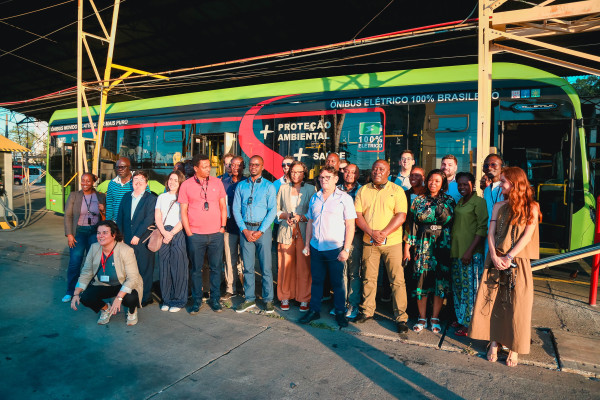
From August 5 to August 13, 2024, representatives from seven African cities visited the Brazilian cities of Sao Paulo, Fortaleza and Curitiba, to discover inspiring solutions being implemented by local authorities to promote sustainable urban development. 

The Study Tour, organised as part of the African Development Bank's African Cities Program (ACP) (http://apo-opa.co/3Azu2pl), launched in 2020, was financed by the South-to-South Cooperation Trust Fund (SSCTF) in collaboration with the Bank Group's Urban and Municipal Development Fund (UMDF), with the participation of the C40 Cities Climate Leadership Group (http://apo-opa.co/4fUnhyo).

The trip was inspired by the idea that peer exchanges between cities in the Global South can enrich the urban planning approaches and strategies of decision-makers in African municipalities.

"Africa's rapid urban transition has many similarities with that experienced by Latin America in the 1950s and 60s,” said Darline Tognia, UMDF Coordinator and leader of the delegation. “By visiting Brazil today, we can see firsthand, and with hindsight, how cities have absorbed this growth; which solutions have worked, and which have not.”

The delegation consisted of 19 high-level municipal staff drawn from planning departments, finance departments, transportation services, and others, working in eight African cities which are already benefiting from the Urban and Municipal Development Fund and C40: Nairobi (Kenya), Beira (Mozambique), Tshwane (South Africa), Lomé (Togo), Dakar (Senegal), Addis Ababa (Ethiopia) and Freetown (Sierra Leone). 

The visit started in Sao Paulo, the largest city in South America, where innovation and sustainability coexist with complex urban and environmental challenges. At Parque Bristol, a popular neighbourhood, participants visited a publicly run multipurpose facility for children, which benefits from a “School Feeding Program”, a large-scale municipal effort to promote healthy eating, while also supporting urban agriculture.

As part of the tour, the group also met with waste recycling cooperatives, visited an electric bus maintenance center, learnt about public transport by river-boats, and how informal settlements are being upgraded by the municipality trough the provision of basic infrastructure, improved transport integration, social housing programs and environmental protection measures.  

In Fortaleza, a coastal city in north-east Brazil, and the second leg of the tour, the delegation saw various initiatives that have significantly improved the cityscape; in sustainable mobility, youth engagement and climate resilience.

The tour came to an end in Curitiba, a city of 2 million inhabitants, renowned for its innovative approach to sustainable development and urban mobility. The delegation learnt about the Bus Rapid Transit (BRT) system implemented by the city, as well as its slum upgrading, urban planning and solid waste management programs.

The Urban and Municipal Development Fund envisioned the trip as a means of consolidating a network of African cities interested in adopting urban solutions with an inclusive and human-centered approach.

The Brazil tour follows previous ones organized in 2022 to Copenhagen (Denmark) and Malmo (Sweden) (http://apo-opa.co/4fKPMih), to discover the renowned sustainable urban planning strategies of Nordic countries.

Distributed by APO Group on behalf of African Development Bank Group (AfDB).

Media files
African Development Bank Group (AfDB)
Download logo
Read moreAfrican Development Bank Group Supports Study Tour to Brazil to Inspire African Cities
19 August 2024

Choosing the Right Sustainable Options for Your Coffee on the Go

Location: MyPR

When it comes to enjoying your favourite hot beverage on the go, the choice of container plays a significant role. Whether you’re a regular at your local café or prefer to brew your own coffee at home, the type of cup and straw you use matters—not just for your convenience but for the environment as …

Read moreChoosing the Right Sustainable Options for Your Coffee on the Go
18 August 2024

Department ends participation of CWP workers who receive old age grants

Location: News

Department ends participation of CWP workers who receive old age grants

The Department of Cooperative Governance (DCOG) has announced its decision to end the participation of Community Work Programme workers who also receive old age grants so as to redirect resources to those who rely solely on the programme for their livelihood.

According to the department, the decision comes after a thorough verification exercise conducted in collaboration with the South African Social Security Agency (SASSA).

“Cognisant that the programme is funded from the same fiscus as the old age grants disbursed by the SASSA, it is considered prudent to avert double dipping, by participants especially those who are above the age of 60 years. This will allow the department to redirect resources to those who rely solely on this programme for their livelihood.” 

The department believes that the exiting of participants who are already receiving stipends from government presents an opportunity to enrol more women, young people and people with disabilities. 

“Moreover, exiting beneficiaries of old age grants will also enable the programme to maximise on imparting tech-based and artisanal skills, particularly among the unemployed women and youth.”

The department stated that it has, through the implementing agents, engaged the affected participants and issued them with formal letters, notifying them of the decision.

The last working day for affected participants was on Friday, 16 August 2024, while the final stipend will be paid on 25 September 2024.

“The department is mindful of the impact this decision might have on the affected participants. However, it is confident that in the long run, it will optimise the programme’s effectiveness and sustainability.” 

Meanwhile, the department said it was committed to advancing poverty eradication and economic empowerment through community development, especially amongst the most vulnerable in society.  
The department has described the CWP as one of the transformative flagship strategies that respond directly to social security through active economic participation.

“It is important to note that CWP is a temporary employment safety net, premised on the principle of graduating participants from poverty to self-sustenance through skilling and community development. 
“The programme is designed to facilitate for temporary participant intake and sustainable socioeconomic exit paths.”

In efforts to enhance the impact of the programme, the DCOG has since adopted a smart partnership model in aid of sustainable exit strategies for participants.

“Additionally, the reimagined CWP aims to recruit youth as part of addressing unemployment and skills shortage amongst this cohort,” said the department. – SAnews.gov.za

Gabisile
Sun, 08/18/2024 - 10:12

124 views
Read moreDepartment ends participation of CWP workers who receive old age grants
16 August 2024

City of Cape Town says progress on rail devolution is too slow

Location: News

Draft National Devolution Strategy has not yet been made public

Read moreCity of Cape Town says progress on rail devolution is too slow
14 August 2024

Renowned forecaster Dion Chang outlines major shifts and trends affecting retailers

Location: MyPR

Current concerns for store owners include: So-called ‘hermit’ consumers and how to draw them out The rise of the tech-savvy shopper and ‘phygital’ shopping The need for elevated in-store service Pervasive pragmatism and price consciousness Live-streamed sales promotions The recommerce boom Did you know retail sales are estimated to represent close to 20% of South …

Read moreRenowned forecaster Dion Chang outlines major shifts and trends affecting retailers
14 August 2024

LaMuse Classic 2024 Comes To Muizenberg

Location: MyPR

LaMuse Classic 2024 This weekend, the iconic shores of Surfers Corner, Muizenberg, will come alive as we celebrate Women’s Day with the much-anticipated LaMuse Classic, proudly supported by the Department of Arts and Culture, Surfing South Africa, and The Store. Seventh Anniversary This year, we mark the seventh anniversary of this extraordinary ‘for women, by …

Read moreLaMuse Classic 2024 Comes To Muizenberg
13 August 2024

Experts urged to add their voice on water and climate issues

Location: News

Experts urged to add their voice on water and climate issues

Water and Sanitation Deputy Minister, David Mahlobo, has implored academia and global experts in research and science to prioritise major water, environment and climate change issues facing the entire global community.

Mahlobo made the call at the International Conference on Water and Environmental Sustainability, currently underway in Richards Bay, KwaZulu-Natal.

The two-day conference which began on Monday, is organised by the University of Zululand in collaboration with the Changán University in China.

The conference presents a distinguished forum for global experts, including researchers, scientists, academics, industry representatives and students to engage in scholarly debate and knowledge exchange.

It is also used to address the ongoing water issues in South Africa, serving as a global platform for experts to discuss and find solutions for pressing challenges related to water scarcity, quality, and management in South Africa.

Addressing delegates on Monday, Mahlobo said the issues of environment and climate change have not been given the priority they deserve.

Mahlobo highlighted challenges, including population growth and migration, which have negatively impacted water availability to the people around the world, and the environment.

He said many countries have not properly planned for population growth and migration which have an impact on the sustainability of water and the environment.

“I therefore urge you that, in your discussions, you must come up with resolutions on how we deal with these issues especially around the finite resource of water. We call on you as the experts in your respective fields to raise your voices with information and knowledge to those in authority,” Mahlobo said.

University of Zululand Vice-Chancellor, Professor Xoliswa Mtose, noted that the conference is held at a time when the world is grappling with a myriad of interconnected issues elaborated in the framework of the United Nations Sustainable Development Goals (SDGs).

She said this has generated a lot of research and debate among the academia to galvanise national and global development on issues of water and environment.

“The collaboration between the University of Zululand and Changán University in China is on knowledge sharing aimed at addressing the challenges of developments in the water and sustainability as depicted in the Sustainable Development Goals framework.

“Therefore, the research papers to be delivered here today will reflect on the national, continental and global footprint as far as water and environmental issues are concerned,” Mtose said.

The scholars and academics at the conference indicated that the outcomes of the conference will not only influence the global versatile issues of water and environmental sustainability, but also enable them to enhance collaborations and knowledge sharing. – SAnews.gov.za
 

GabiK
Tue, 08/13/2024 - 12:22

49 views
Read moreExperts urged to add their voice on water and climate issues
  • Previous
  • Page 1
  • Interim pages omitted …
  • Page 16
  • Page 17
  • Page 18
  • Page 19
  • Page 20
  • Interim pages omitted …
  • Page 31
  • Next

Copyright © 2026 · MyZA · All Rights Reserved · Powered by Stratlec Online