• Skip to main content
  • Skip to header right navigation
  • Skip to after header navigation
  • Skip to site footer
MyZA

MyZA

News, Directory, Events and Other Stuff

  • Social Media
  • Sport
  • World News
  • Home
  • Submit News
  • Directory
  • Events
  • Stratlec
  • TFSA
  • News
    • APO
    • Today’s Sport News
    • Todays Social Media and Tech Headlines
    • Today’s World News
    • Today’s SA Financial News
  • Contact
You are here: Home / Archives for Technology

Technology

3 March 2025

G20 meeting highlights the role of science in tackling climate change

Location: News

G20 meeting highlights the role of science in tackling climate change

Rising global temperatures, extended droughts, and the growing spread of disease are some of the severe impacts of climate change, according to the President of the Academy of Science of South Africa (ASSAf) Council, Professor Thokozani Majozi. 

Speaking at a recent Science20 (S20) meeting in Pretoria, Majozi noted that no region is immune to these effects, which range from wildfires in the Americas and Australia to catastrophic flooding in Europe and Asia.

“Climate change does not recognise national boundaries, making international scientific cooperation not just beneficial but essential,” he said. 

The meeting highlighted the urgent challenge of climate change.

“This issue transcends borders, economies, and political systems. The evidence is unequivocal: our climate is changing at an unprecedented rate due to human activities,” the Professor warned. 

S20 is the official engagement group for science academies within the Group of Twenty (G20) to foster science-based dialogue and provide policy advice. 

Established in 2017, its mission is to promote scientific cooperation and ensure that scientific perspectives influence G20 decisions on global challenges. 

The G20 is an international forum of both developing and developed countries that seeks to find solutions to global economic and financial issues.

Under South Africa’s G20 Presidency, three foundational themes shape political and scientific discussions: solidarity, equality, and sustainable development.

He outlined the key responsibilities of the scientific community, which include advancing our understanding of climate systems and their effects on human health and wellbeing. 

The Professor also urged his colleagues to communicate complex scientific findings in ways that can inform both policymakers and the public. In addition, he emphasised the importance of fostering collaboration across natural sciences, social sciences, and the humanities. 

Majozi believes in nurturing the next generation of scientists who are equipped to address these complex challenges, and he advocated for the integration of indigenous and local knowledge systems with traditional scientific approaches.
“We are not merely repositories of knowledge but active participants in shaping how that knowledge is applied to real-world challenges,” he added. 

Led by the ASSAf, this year’s S20 gathering is particularly significant, as it marks the first time the G20 is hosted on the African continent. 

The Minister of Science, Technology, and Innovation, Professor Blade Nzimande, addressed the meeting virtually and called for global scientific cooperation and evidence-based policymaking. 

Nzimande emphasised the connection between the S20 theme, “Climate change and well-being,” and South Africa’s overarching G20 theme of “Solidarity, equality, and sustainability.”

“These themes do not merely serve as reminders of the urgent need for science-driven policy responses to challenges such as climate change, biodiversity loss, and global inequality,” he said. 

“They also highlight that today’s fundamental challenges are interconnected, demanding multidisciplinary approaches, collaboration, and decisive science-based action.”

Priorities and skills development

Nzimande outlined key science, technology, and innovation priorities that will define South Africa’s G20 leadership. 

These include, among other initiatives, enhancing our capacity for pandemic preparedness; promoting research and development in emerging technologies, especially artificial intelligence; and integrating these technologies into essential economic sectors such as energy, agriculture, mining, health, and the digital economy.

It also it involves developing critical and advanced skills, including through the Presidential PhD Programme.

The Minister stressed the crucial role of the S20 meeting in shaping the broader G20 Research and Innovation Working Group discussions, which will culminate in a ministerial meeting in September 2025. 

President of the Brazilian Academy of Sciences, Professor Helena Nader, applauded South Africa for highlighting the topic of climate change and wellbeing, especially considering recent global floods and storms. 

Meanwhile, the Executive Director of the United States National Academies Policy and Global Affairs Division, Dr Vaughan Turekian, praised G20 members’ long history of collaboration and expressed his desire for it to expand through the S20. – SAnews.gov.za


Gabisile
Mon, 03/03/2025 - 12:45
43 views
Read moreG20 meeting highlights the role of science in tackling climate change
3 March 2025

Renewed focus on ECD a critical investment in SA’s future

Location: News

Renewed focus on ECD a critical investment in SA’s future

An increased focus on Early Childhood Development (ECD) is critical for the future of South Africa.

This is according to President Cyril Ramaphosa who addressed the nation through his weekly newsletter.

“Better educational outcomes in basic education are linked to broader social and economic development. Education is a powerful tool to break the cycle of poverty, to uplift individuals and communities, and to bringing about a more equitable society.

“As was evident from the Basic Education Sector Lekgotla [held last week], all stakeholders in the education space are committed to prioritising foundational learning as the most effective means to enable young South Africans to succeed and thrive far into the future,” he said on Monday.

The President highlighted that government has spent the last 30 years “trying to correct” the devastating impact that Bantu Education under Apartheid had on foundational learning.

“This effort has now received greater impetus with the passage of the Basic Education Laws Amendment Act. This Act makes Grade R, the reception year before Grade 1, compulsory.

“Through an enhanced focus on ECD, the Act will help ensure that young children are better prepared for formal schooling. Early Childhood Development plays a critical role in developing early literacy, early numeracy and social-emotional skills during an important time in a child’s cognitive development,” he said.

READ | Call to intensify efforts to improve early childhood learning 

In the State of the Nation Address in February, President Ramaphosa committed to expanding access to ECD for all children through “registering and formalising existing ECD centres and ensuring that they have the facilities, training and material that they need to provide quality early learning”.

Now, the President reiterated the importance of making ECD more accessible. 

“Children who attend quality pre-primary programmes tend to have larger vocabularies, better number awareness, stronger perceptual skills, improved social skills and greater curiosity.

“Quality ECD provision promotes social equality. Children from poor families benefit most from access to ECD. As the learning journey progresses, quality ECD is also linked to better transitions into high school, lower repetition and dropout rates, and better academic performance overall.

“The Basic Education Sector Lekgotla discussed how best to realign the existing education curriculum to strengthen foundational learning, including through ongoing assessments, scaling up teacher training and development, and expanding the provision of ECD learning and teacher support material,” President Ramaphosa emphasised.

The President highlighted that further down the line, basic education must also produce learners who can find work in an evolving world. 

“A recent report by the World Economic Forum on the future of jobs shows that the need for science, technology, engineering and mathematics related jobs are fast outstripping ‘traditional’ occupations, which are on the decline in the face of technological advances.

“Our basic education system has to produce learners that are able to find work in an ever-changing knowledge and technology based global economy.

“The efforts of the Department of Basic Education to strengthen the provision of technical and vocational pathways to learners in high school are therefore to be welcomed. Even in more industrialised economies than ours, technical and vocational training is recognised as a solid pathway to employment and entrepreneurship,” President Ramaphosa explained. – SAnews.gov.za


NeoB
Mon, 03/03/2025 - 09:20
9 views

Read moreRenewed focus on ECD a critical investment in SA’s future
2 March 2025

Advancements in technology should not exclude rural communities 

Location: News

Advancements in technology should not exclude rural communities 

Technological advancements including the move to digital radio should not exclude rural and underprivileged communities, Deputy Minister in the Presidency, Kenny Morolong said.

“Today, we see new innovations in Digital Audio Broadcasting (DAB), internet radio, and mobile-based radio services. These advancements offer greater accessibility and interactivity, allowing audiences to receive and engage news in real-time. However, we must ensure that the transition to digital does not leave behind those in rural and underprivileged areas who still rely on traditional radio as their primary source of information,” the Deputy Minister.

Morolong was speaking at the Northern Conference of the National Community Radio Forum (NCRF) in Kuruman on Friday.

“As you know, media is not just a platform for communication; it is a vital institution that informs, educates, and empowers our people. In South Africa, government recognises the power of the media in strengthening our democracy, fostering dialogue, and ensuring accountability,” he told those attending the conference.

READ | Community media plays a vital role in promoting social change 

He said that radio played an important role in the anti-apartheid struggle, providing an alternative voice when mainstream media was restricted.

In post-apartheid South Africa, the sector has grown to reflect the linguistic and cultural diversity of the nation.

“As South Africa celebrate 30 years of Freedom and Democracy, we acknowledge that our celebration coincides with 30 years of community media; 102 years of broadcasting and 21 years since the establishment of the MDDA [Media Development and Diversity Agency]. Community radio is an important and vibrant sector within broadcasting that is philosophically and structurally distinct from both commercial and public service models. It is owned and controlled by the communities, autonomous from commercial interests and maintains a participatory relationship with its constituent communities. Radio remains one of the most powerful and resilient forms of media, adapting to technological advancements while remaining deeply embedded in our communities,” he explained.

He added that the journey of radio can be traced from the early analogue era of AM and FM frequencies to the digital age, where streaming and podcasting have revolutionized the way, we consume audio content.
This as South Africa had a vibrant community radio sector with approximately 285 licenced community stations covering a wide range of geographies, religious and cultural interests, and in various languages.

In addition to the growth in the number of community stations licenced (from 133 in 2012), listenership has also increased.

“However with this growth there are persistent challenges. The battle for survival is the biggest concern for most stations and is more acute for stations serving poor, rural communities.

“This battle can often detract stations from their mandate of improving community involvement, programme quality and relevance. The focus on generating income through selling advertising and airtime, means that other income streams that might enhance and diversify programming (for example, programme sponsorship and membership fees and donations from the community) are often not explored sufficiently.”

He said that a key challenge for the sustainability of community stations  is that they are dependent on the discretion of advertisers, the limited resources available to the MDDA and government advertising.

“Part of the problem is that sustainability is often thought of only in terms of finances, yet good governance, quality, entertaining and informative programming are interlinked elements of sustainability.

As the Presidency, we do not take our role at the MDDA for granted, because we are mindful that South Africans are at the heart of all our work, and we are therefore committed to continue to support the MDDA to maintain its agenda of enabling access, ownership, diversity and the promotion of marginalised languages and communities,” said the Deputy Minister.

He added that government values the role of NCRF as a collective voice.

“In strengthening the community radio sector, organisations like the National Community Radio Forum play an indispensable role. The NCRF has been a unifying force, advocating for the rights and sustainability of community broadcasters across the country.”

The NCREF lobbies for the diversification of the airwaves in South Africa.

“As government, we recognise and support the NCRF’s efforts in advancing the interests of community radio. We look forward to strengthening partnerships between government, media stakeholders, and the NCRF to build a robust, independent, and sustainable community broadcasting sector.”

G20 

He added that the Government Communication and Information Service (GCIS) has committed to ensuring that South Africa’s G20 Presidency is made known through the use of community media broadly and community radio more specifically.

“In short, community radio will bring the agenda and discussions of the G20 to our people through community radio. This should help our people all over this province and the Republic to get updates on all the G20 meetings taking place this year,” he said.

South Africa is hosting the G20 Presidency under the theme “Solidarity, Equality, and Sustainability.”  -SAnews.gov.za


Neo
Sun, 03/02/2025 - 16:26
27 views

Read moreAdvancements in technology should not exclude rural communities 
27 February 2025

Call to intensify efforts to improve early childhood learning 

Location: News

Call to intensify efforts to improve early childhood learning 

President Cyril Ramaphosa has called on educators to intensify efforts to improve early childhood learning, emphasising the urgent need to strengthen foundational skills in reading and mathematics.

The President was addressing the 2025 Basic Education Sector Lekgotla, at OR Tambo Conference Centre, in Ekurhuleni on Thursday. 

He highlighted concerning literacy and numeracy statistics, warning that failure to address these gaps could have long-term consequences for learners.

Citing the 2021 Progress in International Reading Literacy Study (PIRLS), he noted that more than 80% of Grade 4 learners in South Africa cannot read for meaning in any language, including their home language. 

Additionally, the country ranked low in a recently published study on Trends in International Mathematics and Science Study (TIMSS), which surveys capabilities in Grades 4 and 8.  

“Not having mastered basic skills in reading and maths at foundation level sets the tone for how a learner will perform in high school and beyond. That is why Early Childhood Development [ECD] education has become the key foundation and bedrock.

“So, correcting these shortcomings is the most urgent of tasks. It must be front and centre of our efforts in basic education,” he explained.

In the same breath, the President lauded the achievements of the Class of 2024 saying it reinforces government’s commitment to developing the nation’s young people as the most valuable resource.

He said this achievement shows that the country is steadily undoing the apartheid legacy of intergenerational poverty, disadvantage and indignity. 

“Our learners, teachers, parents and caregivers deserve our appreciation, alongside school governing bodies and partners in business, trade unions and academia. However, these impressive outcomes stand in stark contrast to what we see in the early years of education.”

To address these challenges, the President welcomed the Department of Basic Education’s review and realignment of the curriculum, including teacher development programmes and a focus on the Mother-Tongue Based Bilingual Education approach. 

He also stressed the importance of inclusive education, calling for greater access to quality learning for children with disabilities.

“We are encouraged by the department’s efforts to review and realign our existing curriculum, including assessment, learning and teaching support material and teacher development programmes,” the President said. 

Embracing AI and technology

The first citizen warned that globalisation, automation, and artificial intelligence (AI) are reshaping the job market, making it critical for South Africa’s education system to evolve.

He said that the theme of this year’s lekgotla – ‘Strengthening Foundations for a Resilient, Future-Fit Education System’ – is therefore most appropriate and timely. 

He highlighted that the World Economic Forum’s 2025 Future of Jobs Report showed the world’s fastest growing and fastest declining jobs. 

The report showed that jobs that are growing fastest are big data specialists, user interface and user experience engineers, data warehousing specialists and renewable energy engineers. 

At the bottom of the pyramid, some of the jobs that are in decline include bank tellers, data entry clerks, cashiers, admin assistants, book-keeping and payroll clerks, and telemarketers, among others. 

The President noted that many of these occupations that are in decline are entry level positions for young people entering the job market after school. 

He noted that AI and advanced language models are significantly reshaping various industries.

One such tool, ChatGPT, now has approximately 300 million weekly active users worldwide. The number of students relying on ChatGPT for school assignments has doubled between 2023 and 2024. 

The President emphasised the need for the education system to embrace technology while maintaining a strong foundation in human-led learning. 

“We have to adapt to this new reality or risk the consequences of last century methods that cannot deliver new century outcomes. As impressive as technological advances have been, technology is but a complement to human endeavour. 

“There is no substitute for solid foundational education led by committed and capable educators that sets the stage for a more effective and equitable educational system,” the President said. 

The President further highlighted that the first generation to grow up with the internet, Gen Z, are already in their thirties. Generation Alpha, the first fully digital generation, are now in high school. 

The babies born this year are the start of Generation Beta and will begin school in 2030. 

“These Generation Beta children will be mastering the use of AI tools for schoolwork, problem solving and life advice before they even reach high school. 

“This is to say nothing of their future career paths. There are now tools that can build a website in 10 seconds and compile a fully referenced research paper in about a minute. 

“So, when we speak of equipping our young people with the skills for a changing world, we are not only talking about the structure of education needing to be transformed, but its methods of delivery as well. I am pleased that this is an issue that is prioritised at the Basic Education Lekgotla,” the President said. 

Vocational and Entrepreneurial Pathways

President Ramaphosa also called for greater emphasis on technical and vocational education as viable alternatives to traditional academic pathways. He pointed to Germany, where 47% of the workforce holds vocational qualifications, compared to just 17% with university degrees.

“As stakeholders in the sector we need to work together to address the prevalent bias towards general academic education, and even the stigma that exists around choosing vocational occupations. 

“Vocational training should not be seen as a fall-back option for learners who have been identified as unlikely to obtain the marks needed for university entry. It should be seen as an attractive proposition for all learners.”

The President also highlighted the importance of fostering entrepreneurship to support young people in an economy with limited job opportunities. 

Agenda for education 

The 2025 Basic Education Sector Lekgotla, tcomes at a pivotal time as South Africa enters the implementation phase of the Medium-Term Development Plan and nears the five-year countdown to achieving the Sustainable Development Goals.

As South Africa chairs the G20, President Ramaphosa noted the opportunity to drive a progressive global education agenda under the theme of “solidarity, equality, and sustainability.”

“As the host of the G20 Education Working Group, we have a unique opportunity to drive a progressive agenda for inclusive and equitable education within the framework of the G20,” he said. – SAnews.gov.za


DikelediM
Thu, 02/27/2025 - 15:35
92 views

Read moreCall to intensify efforts to improve early childhood learning 
27 February 2025

Over R20 million allocated to boost North West economy 

Location: News

Over R20 million allocated to boost North West economy 

The North West Provincial Government has allocated R24 million to establish a Development Fund to accelerate development initiatives across the province.

The fund will be established with a special focus on stimulating economic growth and creating sustainable job opportunities.
This is according to the North West Premier Lazarus Kagiso Mokgosi who delivered his State of the Province Address (SOPA) at the provincial legislature on Thursday.

He informed the Members of the Provincial Legislature (MPL) that the efforts of the Economic and Investment Advisory Council are starting to produce positive results.

The Council is responsible for assisting the province to drive its industrialisation programme, lure investments, and see to the full implementation of the Provincial Growth and Development Strategy.

“We envisage establishing a Regional Research, Innovation and Development Office, which will be in, and coordinated by, the Office of the Premier with a specific focus on Science, Technology and Engineering,” he said on Thursday. 

The SOPA outlined the province’s strategic priorities for the next five years, focusing on inclusive growth, job creation, poverty reduction, and building a capable and ethical State. 

Mokgosi highlighted the province’s challenges, including high unemployment and poverty rates, and emphasised the need for aggressive measures to address these issues.  

He announced several initiatives, such as the expansion of the National School Nutrition Programme to provide two meals per day to learners in more schools and the launch of the “Ntime o Mphele Ngwana Poverty Alleviation Programme” to combat hunger among children and youth. 

In addition, infrastructure development was a key focus, with significant investments in road projects, water and sanitation improvements, and the construction of new schools and clinics. 

The Premier also announced plans to revitalise the Taung irrigation scheme and other agricultural projects to boost food production and support emerging farmers. 

“The collaborative work between the Vaalharts Water Users Association, the Department of Water and Sanitation, and the Dr Ruth Segomotsi Mompati District Municipality will result in an increase of water supply to households in areas such as Taung, Pudimoe, and Huhudi.” 

Jobs and attracting investment

Mokgosi reaffirmed the government’s commitment to creating job opportunities through public employment programs, such as expanded public works, community health workers, community works, and labour activation programmes.

These initiatives aim to create over 150 000 job opportunities in the next five years, targeting women, youth, and persons with disabilities.

The provincial government is fostering relations with the private sector to address infrastructure backlogs and attract investment.  

The Premier cited the Mekgareng Smart City project, which is expected to create 20 000 jobs for the people of Madibeng Local Municipality and attract investments of between R10 and R25 billion.

The smart city project is a collaborative development initiative between the North West and Gauteng, coordinated by the national Department of Human Settlements.

Meanwhile, the provincial government has partnered with the South African National Defence Force (SANDF) and Phila Jordan Academy to provide training opportunities to 3 000 beneficiaries in artisanal and tooling programs.  

In addition, more than 1 200 young people are participating in a National Youth Service programme, and over 7 000 youth have been provided with skills and job placements.

The Premier hopes that these comprehensive measures will help reduce unemployment and stimulate economic growth in the North West. 

In addition, he covered efforts to promote clean governance, combat corruption, and improve audit outcomes.  

He concluded with a call for unity and collaboration among all stakeholders to tackle the province’s socioeconomic challenges and build a better future for all residents. 

“Ours is a skewed past centered on exploitation, exclusion, and oppression but we remain hopeful about the socio-economic prospects of our province, and we are unflinching on our commitment to creating a better life of all, irrespective of race, class, and gender or creed,” he said. – SAnews.gov.za


Gabisile
Thu, 02/27/2025 - 15:36
32 views

Read moreOver R20 million allocated to boost North West economy 
26 February 2025

The Future of Africa’s Energy Sector

Location: Business
African Energy Chamber

By NJ Ayuk, Executive Chairman, African Energy Chamber (www.EnergyChamber.org).

There's a promising future for African renewables as the continent strives to balance its current reliance on fossil fuels.

That's the prediction of the African Energy Chamber's 2025 Outlook Report on the State of African Energy.

As I have said before, Africa will eventually rely primarily on renewable energy, as much of the rest of the world strives to — but on its own timetable, not that of Western countries who have benefited for centuries from the exploitation of fossil fuels.

To achieve a carbon neutral future, African nations must have the underlying infrastructure and industry to make the dominance of renewables possible. As things currently stand, most African states lack said infrastructure and industry, and the most feasible and expedient way for them to achieve both is through leveraging the abundant oil and gas resources so many of them possess.

As our report finds:

  • Fossil fuels account for 72% of Africa's power generation. South Africa and Egypt are Africa's leading producers, and their dominance will continue into the next decade.
  • Renewables account for over 27% of Africa's power generation and are projected to increase to 43% by the end of this decade.
  • Africa accounts for 3.3% of the global power generation, with a total power generation of over 980 terawatt hours.
  • 13 GW of utility-scale solar PV and wind projects are under construction – South Africa, Egypt, Morocco, Ethiopia and Algeria account for over 75% of this capacity.

No Electricity at All

There are also significant challenges facing Africa's energy sectors, as we cover in detail in our report.

The most pressing of those challenges is the fact that many rural areas across Africa are underserved and lack the necessary power infrastructure to access any electricity at all. In fact, of the 685 million people worldwide living without access to electricity, 590 million (86%) live in Africa. Conversely, even in well-served areas electricity is not cheap and reliable, as population and urbanization growth have outpaced the growth of power infrastructure, placing additional strain on the existing power systems. Many African households still rely on alternative, less efficient energy sources such as biomass, kerosene, etc., for heating and cooking.

One practical solution to these challenges is Western investment.

Western investment — providing both funds and technology — will help expand our existing infrastructure into underserved areas and harness our natural resources, and that will go a long way toward improving economic conditions across the continent. This will in turn improve energy affordability for many Africans as it becomes both more widely available and cheaper to access.

But where and in what should the West invest? That is up to them, but there are many development opportunities across the continent right now. I will cover just a few of the most promising, according to our outlook report.

What we found is that most North African countries see 90% access rates for electricity and are looking to enhance their power sectors while reducing reliance on fossil fuels. The bulk of renewable power share increases by the end of the decade will almost certainly be seated in this region. In contrast, sub-Saharan countries will continue to fight low electricity access for some time. They have been able to increase access to 55% currently, up from 38.3% in 2010. These countries will be ripe for investment, expanding the grid and production infrastructure to improve electrical access.

We also found that hydropower continues to dominate in East Africa, which has some of the largest dams in the world generating 19% of Africa's overall power generation and providing up to 90% of the available power for countries such as Ethiopia and the Democratic Republic of Congo. Africa's largest hydroelectric project, the Grand Ethiopian Renaissance Dam (GERD) is nearing completion and is expected to generate 15,760 GWh annually once fully operational. The project is of such importance to the region that it has sparked diplomatic cooperation between the Nile-bound countries of Ethiopia, Egypt, and Sudan in an effort to ensure equitable sharing of the river's precious waters. Other currently ongoing projects such as Ethiopia's Gibe III Dam (1870 MW), Zambia and Zimbabwe's Kariba Dam (1830 MW) and Ghana's Akosombo Dam (1020 MW) also speak to promising future growth and development opportunities for those willing to get their feet wet in the central and eastern parts of the continent along the Congo and Nile rivers, where nearly 90% of the continent's hydroelectric potential remains untapped.

Geothermal power in Africa is currently dominated by Kenya, which to date is the seventh largest producer of geothermal power. Kenya's estimated geothermal power potential is roughly 10 GW, but current operation capacity only allows 1 GW to be harnessed.

International investment is what launched Kenya's geothermal power in the first place, with the United Nation's development program providing the requisite research and funds in 1972 to establish the country's first geothermal plant by the 1980s. Since then, Kenya has expanded independently, creating the state-owned Geothermal Development Company (GDC) in 2008 to both speed up geothermal advancements and lower the initial investment risk for foreign investment.

Solar Power: A Light in the Dark

Solar power offers a veritable gold mine of opportunity given Africa's high irradiance levels: nearly 80% of the continent receives more than 2 MWh per square meter. This amounts to a solar PV potential of 1 million terawatt hours per year and a solar thermal potential of over 500,000 terawatt hours (for reference, a single terawatt hour is enough to light over 1 million homes for a year). Yet to date, Africa only generates over 35 TWh and 3.3 TWh from solar PV and solar thermal, respectively. Over 13 GW of utility-scale solar PV and wind projects are currently under construction, with hundreds more GW of capacity in the concept phase..

I would like to reiterate: Africa will reach a point where we will rely primarily on low carbon and renewable energy. But we cannot get to that point without building the proper infrastructure, and we cannot fund the building of said infrastructure without leveraging our natural resources, oil and gas being chief among them. If the west wishes to speed along Africa's progress on this front, the best way is to work with African as partners and investors working towards common goals. 

Distributed by APO Group on behalf of African Energy Chamber.

Media files
African Energy Chamber
Download logo
Read moreThe Future of Africa’s Energy Sector
26 February 2025

South Africa leads G20 science and innovation drive

Location: News

South Africa leads G20 science and innovation drive

South Africa is taking the lead in global scientific collaboration as it assumes the G20 Presidency, with a strong focus on pandemic preparedness, emerging technologies and sustainable development. 

Science, Technology and Innovation Minister, Professor Blade Nzimande, opened the inaugural meeting of the G20 Research and Innovation Working Group (RIWG) at the University of the Free State in Mangaung, emphasising the need for ambitious and lasting contributions to the global scientific landscape.

Addressing approximately 150 delegates from G20 countries, Nzimande stressed the importance of collaboration in ensuring that all nations benefit from scientific advancements. 

Nzimande envisions the RIWG as a driving force for solidarity, providing science-based policy advice for sustainability. Discussions from this meeting will shape key resolutions for the G20 ministerial gathering scheduled for September 2025.

A major highlight of the meeting was the focus on the bioeconomy -- a transformative economic system that uses renewable, plant-based raw materials for energy and industry. 

Free State Premier, Maqueen Letsoha-Mathae, underscored the bioeconomy’s potential to drive economic growth, while mitigating environmental impacts. She introduced the G20 Initiative on Bioeconomy (GIB), which outlines 10 voluntary, high-level principles promoting sustainable development, inclusivity, climate change mitigation and responsible innovation.

South Africa has long been at the forefront of bioeconomy initiatives. The country’s Bioeconomy Strategy, launched in 2013 as an evolution of the 2001 Biotechnology Strategy, aims to establish and expand bio-based industries. 

This strategy seeks to enhance international competitiveness, create sustainable jobs, improve food security, and promote a greener, low-carbon economy.

As one of the world’s most biologically diverse nations, South Africa is a prime location for bioprospecting investments. It boasts 10% of known plant species, 15% of all recognised coastal marine species, and the globally unique Cape Floristic Region -- making it a key player in the future of sustainable innovation.

With its G20 leadership this year, South Africa is positioning itself as a hub for research and innovation, ensuring that scientific advancements translate into tangible, impactful outcomes for human development and environmental sustainability. – SAnews.gov.za

Gabisile
Wed, 02/26/2025 - 09:29
622 views

Read moreSouth Africa leads G20 science and innovation drive
26 February 2025

South Africa and Japan foster relations 

Location: News

South Africa and Japan foster relations 

The friendship and collaboration between Japan and South Africa – as an essential factor in the advancement of peace, prosperity and mutual understanding – have been reflected upon at Deputy President Paul Mashatile’s meeting with Japanese Ambassador to South Africa, Fumio Shimizu.

The Deputy President received a courtesy visit from newly appointed Ambassador Shimizu at Mashatile Tuynhuys office in Parliament, Cape Town, on Tuesday.

Shimizu is hosting a high-powered Japanese delegation in South Africa to attend the G20 Foreign Ministers’ Meeting and the meeting of the G20 Finance Ministers and Central Bank Governors, alongside a number of G20 workstream meetings.

At Tuesday’s meeting, South Africa and Japan reaffirmed their strong diplomatic and economic partnership, with Mashatile emphasising Japan’s role in South Africa’s economic growth and investment landscape.

“In particular, the Deputy President appreciated the continued strengthening of South Africa-Japan cooperation in several sectors, including politics, trade and investment, science and innovation, education, energy and development cooperation,” the Presidency said in a statement on Tuesday.

Mashatile highlighted Japan’s role as one of South Africa’s most significant economic partners, particularly in the automotive industry, technology, skills development and mineral beneficiation. He expressed optimism about increasing Japanese investments in local manufacturing, job creation and infrastructure projects.

“In Japan, we see the potential for the increase of already sizable investment in our economy, especially in the automotive industry, technology and skills development, commercialisation and manufacturing, as well as machinery for mining and mineral beneficiation, which are among the key economic drivers in South Africa,” Mashatile said.

The Deputy President and Shimizu committed to strengthening cooperation in various sectors, including science and innovation, education and energy.

Mashatile will undertake a working visit to Japan next month to solidify trade relations and attract further investment. 

South Africa also eagerly anticipates the 9th Tokyo International Conference on African Development (TICAD 9) in Yokohama this August, which is expected to further bolster economic ties between Japan and the African continent. – SAnews.gov.za

Gabisile
Wed, 02/26/2025 - 11:26
332 views

Read moreSouth Africa and Japan foster relations 
26 February 2025

Ghana’s Mining in Motion Summit Gains Support From Key Leaders

Location: News
Energy Capital & Power

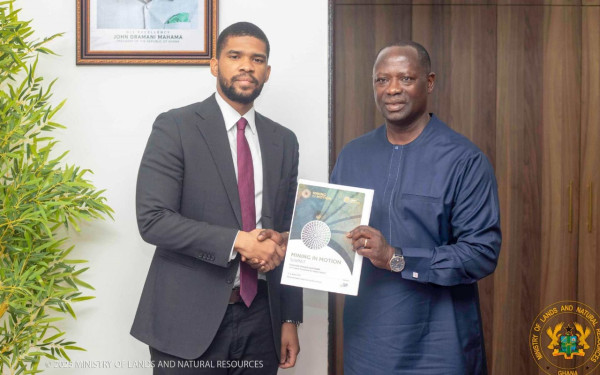
Otumfuo Osei Tutu II, King of the Ashanti Kingdom; Hon. Emmanuel Armah Kofi Buah, Minister of Lands and Natural Resources of Ghana; and Oheneba Kwaku Duah, the son of Otumfuo Osei Tutu II and Managing Director of the Ashanti Green Initiative recently met to discuss the upcoming Mining in Motion Summit in Ghana.

They explored the summit's potential to improve the artisanal and small-scale gold mining (ASGM) sector in Ghana and the role of government, international partners and major mining firms in accelerating the sector's growth. Hon. Kofi Buah endorsed the event, emphasizing its significance in connecting small-scale miners with technology providers, financiers, regulatory bodies and global industry stakeholders to improve their operations and impact.

Organized by the Ashanti Green Initiative along with the World Bank, the World Gold Council and other international partners, Mining in Motion will take place from June 2 - 4 in Accra.

The summit is held under the theme Sustainable Mining & Local Growth – Leveraging Resources for Global Impact, uniting key decision-makers, including H.E. John Dramani Mahama, President of the Republic of Ghana, as well as representatives from public and private sector mining institutions from South Africa, the Republic of Guinea, the African Union, ECOWAS and the United Nations.

The three-day event will highlight the role of traditional authorities in shaping artisanal and small-scale mining practices, emphasizing the sector's contribution to employment and economic growth. In 2024 alone, Ghana's artisanal miners generated $5 billion in foreign exchange earnings through gold exports. Providing direct employment for over one million Ghanaians and accounting for 35% of domestic gold output, the sector has the potential to significantly shape socioeconomic development in the west African country.

As Ghana's mining sector increasingly supports sustainable development, the Mining in Motion Summit will highlight best practices for integrating ASGM into the global financial system. Representatives from prominent international financing organizations will share their insights.

In a significant move to boost earnings for small-scale miners, Ghana has announced plans to establish a Gold Board. This new entity will simplify the process of purchasing gold from small-scale miners, providing them with easier access to global markets. With Samuel Adu Gyamfi, who was appointed Acting Managing Director of Precious Minerals Marketing Company last month and tasked with setting up the Ghana Gold Board, playing a pivotal role in shaping the summit, Mining in Motion is set to have a sizable impact on the growth of Ghana's gold sector.

Through a series of high-level panel discussions, deal signings, project showcases and exclusive networking, Mining in Motion serves as the ideal platform to connect Ghanaian miners with regional counterparts and global investors for forge industry-changing partnerships.

Stay informed about the latest advancements, network with industry leaders and engage in critical discussions on key issues impacting ASGM and medium- to large-scale mining in Ghana. Secure your spot at the Mining in Motion 2025 Summit by visiting https://MiningInMotionSummit.com. For sponsorship opportunities or delegate participation, contact sales@energycapitalpower.com.

Distributed by APO Group on behalf of Energy Capital & Power.

About Ashanti Green Initiative:
The Ashanti Green Initiative is a foundation dedicated to promoting environmental restoration, advocating for climate-related issues, and fostering community development in Ghana and beyond. Guided by a commitment to sustainability, the foundation undertakes projects aimed at rehabilitating degraded lands, restoring water bodies, and promoting responsible natural resource management. The initiative also champions regenerative practices in mining, agriculture, and energy, aligning with global efforts to combat climate change while uplifting local communities through education, capacity-building, and economic empowerment programs. The Ashanti Green Initiative is led by Nana Kwaku Duah, son of His Majesty Otumfuo Osei Tutu II, King of the Ashanti Kingdom. Under his leadership, the foundation applies forward-thinking approaches and innovative solutions, creating impactful partnerships with local and international stakeholders to drive meaningful change.

About Energy Capital & Power:
Energy Capital & Power is an Africa-focused global leading investment platform for the energy and mining sectors. Through a series of events, online content and investment reports, we unite the entire energy and mining value chains – from oil and gas exploration to renewable power – and facilitate global and intra-African investment and collaboration.

Media files
Energy Capital & Power
Download logo
Read moreGhana’s Mining in Motion Summit Gains Support From Key Leaders
25 February 2025

Energise Mzansi campaign to empower South Africans on energy transition

Location: News

Energise Mzansi campaign to empower South Africans on energy transition

The Energy Council of South Africa has launched a nationwide campaign to empower South Africans to gain a better understanding of and engage in the energy transition.

South Africa has committed to lowering carbon emissions to net-zero by 2050 and usher in a green economy.

In that regard, government has also committed to an energy transition which is just, inclusive and which responds to South Africa’s developmental needs – leaving no one behind.

“Energy literacy is more than just understanding the basics, it’s the foundation for informed decision-making, constructive collaboration, and ultimately driving investment and economic growth through gained public positive sentiment.

“Through this campaign, we aim to connect South Africans with the factual information they need to make sense of the challenges and take advantage of the opportunities presented by the energy transition,” Energy Council CEO James Mackay said.

According to the council, the campaign focuses on six technical energy topics.

 These are:

  • Energy is an integrated system: Shifting from a polarised “supply mix” ideology to a practical, integrated system planning and delivery approach. This aims to balance supply side actions with demand response and changing trends, the increasing importance of infrastructure and digital integration and the critical issue of a competitive marketplace.
  • Vital emissions obligations: South Africa has an intensive carbon footprint and is now exposed to carbon tax and carbon border adjustments from 2026 with its biggest trade partner, Europe.
  • Ongoing coal dependency: Examining coal’s critical role in South Africa’s energy mix, which is still planned to be in operation well beyond 2026. The need for cleaner, reliable and more efficient use, and the pathway to a strategic, balanced transition not compromising energy security and economic stability.
  • Bridging the transition with gas: Exploring how gas could provide crucial support to South Africa’s energy system by meeting fluctuating demand, system variability and bridging the gap as renewable energy grows and large coal stations are decommissioned.
  • Scaling renewables and storage: Evaluating the growing adoption of solar and wind energy as well as battery storage, focusing on the advantages of renewable energy, the barriers to widespread deployment, and the role of technology in making renewables a central part of South Africa's energy future.
  • Reforming the Energy Market: Understanding the critical need and benefits of a competitive wholesale electricity market to unlock investment, drive efficiency and lower prices, as well as anchor South Africa's future power sector eco-system

“The Energy Council estimates that R2 trillion will be required by 2035 for new technology financing and system upgrades. Government policy and commitment is clear. The two key drivers of our energy reform agenda are now anchored in law: The Electricity Regulation Amendment Act, 2004 and the Climate Change Act, 2024. 

“It is critical that informed responses lead the transition, ensuring collaboration across all stakeholders to create sustainable, long-term solutions for South Africa’s energy future,” the Energy Council said. – SAnews.gov.za


NeoB
Tue, 02/25/2025 - 12:19
8 views

Read moreEnergise Mzansi campaign to empower South Africans on energy transition
25 February 2025

Network International appointed as Payment Processing Partner by MTN Group Fintech

Location: News
Network International

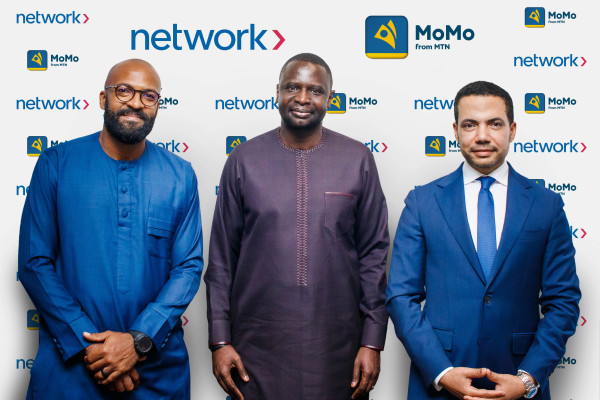
Network International (Network) (www.Network.ae), a leading enabler of digital commerce across the Middle East and Africa (MEA), has been appointed as a Payment Processor – Issuing partner for MTN Group Fintech, Africa's leading mobile financial services provider. This partnership marks a significant extension of Network's portfolio of issuer processing collaborations throughout the African continent. 

With a footprint spanning over 50 countries and serving over 250 financial institutions, Network International brings its expertise to this partnership which will enhance MTN Fintech's cutting-edge mobile services and provide even greater value to stakeholders and customers across Africa. 

The partnership will focus on rolling out card issuance products across key MTN Fintech markets, starting with Rwanda which is already operational. Soon   Uganda, Ivory Coast, and Nigeria will also be covered under this collaboration.  Network International will provide a comprehensive range of services, including transaction processing, card management and online fraud prevention. MTN Fintech users will benefit from a seamless experience accessing both traditional mobile services and innovative digital payment solutions. 

Dr. Reda Helal, Group Managing Director – Processing, Africa and Co-Head Group Processing at Network International commented: “Our collaboration with MTN Group Fintech marks a major milestone for our outsourced payments services in Africa. It demonstrates our ability to successfully serve Mobile Network Operators (MNOs) via our fully-fledged processing solutions and our continued dedication and commitment to the African region. We are excited to support MTN Group Fintech's growth strategy, and its business development plans across the continent.”  

Cedric N'guessan, Executive for Payment and E-commerce at MTN Group Fintech added, "This collaboration with Network International is pivotal in enhancing financial inclusion across Africa and beyond. It enables our customers to actively engage in the global economy, aligning perfectly with our strategic goals alongside Mastercard to broaden access to digital financial services across the continent." Read More (https://apo-opa.co/43aKuII) 

MTN Group provides voice, data, fintech, enterprise wholesale and API services to more than 288 million customers in 14 African markets.   

Distributed by APO Group on behalf of Network International.

For more information, please contact:  
MTN Group Press Office
MTNGroup.PressOffice@mtn.com 

MTN Group Fintech (Proprietary) Limited: 
Head Office: 216-14th Avenue Fairland 2195, Private Bag 9955 Cresta 2118 South Africa 
Tel +2711 912 3000 
Fax +2711 912 4093 
Website www.MTN.com

Corporate Communications: 
Network International 
Dubai, UAE 
Tel: +971 4 303 2431 
lambert.espedido@network.global   

Follow us:
X: https://apo-opa.co/3QwQZht
Linkedin: https://apo-opa.co/4khrvCr

About MTN Group Fintech:
MTN Fintech, the platform business of MTN Group, is dedicated to revolutionising global financial services through innovative digital technology solutions. Leveraging MTN's extensive reach and expertise in telecommunications, MTN Fintech is committed to advancing financial inclusion for all and empowering communities in Africa. With a primary focus on pioneering mobile financial services, digital payments, e-commerce, short-term insurance, and remittance capabilities, MTN Fintech strives to establish seamless, accessible, and secure financial ecosystems that shape the future of digital finance. 

About Network International:
Network International is the Middle East and Africa's largest and leading digital payments company. Our purpose is to help businesses and economies grow by simplifying payments and commerce. We operate in 50+ countries serving governments, banks, fintechs, merchants and public sector companies. We have 2,000+ employees based in our markets serving over 250 financial institutions and 130,000+ merchants.  

Media files
Network International
Download logo
Read moreNetwork International appointed as Payment Processing Partner by MTN Group Fintech
25 February 2025

Kholo Capital Mezzanine Debt Fund I Reaches Final Close at R1,4 Billion

Location: Business

Kholo Capital
Download logo

Kholo Capital Mezzanine Debt Fund I (“Kholo Capital” or “the Fund”) (www.KholoCapital.com/), has reached final close at R1,4 billion in commitments, in order to make long-term mezzanine debt investments in small and medium sized businesses in Southern Africa (i.e., South Africa, Botswana, Namibia, Lesotho and Swaziland). The funding provided to these businesses will positively impact communities and support economic growth, job creation, alleviation of poverty and advancement of transformation in the Southern African region. The Fund provides growth capital, BEE Financing and acquisition funding into sectors of the Southern African economy with high social impact including social housing, healthcare, education, renewable energy, food and food security, ICT, financial technology and infrastructure. The Fund follows the United Nation's 17 Sustainable Development Goals as guiding principles with key focus on those linked to Job Creation (i.e., Decent work and Economic growth, Reduced Inequalities and Gender Equality) and those linked to Sustainable Growth (i.e.; Affordable and Green Energy, Sustainable Cities and Communities and Climate Action). The R1,4 billion in commitments was secured from leading South African institutional investors.

Kholo Capital believes that mezzanine debt funding, being a subordinated loan position that sits between senior debt and equity in the capital structure of a business, is attractive because it plugs any equity funding gaps and provides businesses with a tailored and flexible loan solutions in support of their growth requirements. Kholo Capital's investment criteria include investing in small and medium sized businesses generating minimum R25m EBITDA across various growth sectors of the Southern African economy, thereby providing much needed access to capital within a preferred range of R70m to 200m per investment. The benefit of mezzanine debt loan funding lies not only in the ability to tailor funding terms like debt servicing requirements (e.g., providing capital repayment moratoriums), and also because it is a loan funding instrument it avoids the significant equity dilution which is sometimes the sad reality when businesses try to fund their growth ambitions by raising pure equity funding.

Mokgome Mogoba, Founder and Managing Partner at Kholo Capital, said: “We are very bullish about South Africa, the South African economy and the future prospects of this beautiful country and the surrounding region. We are heartened and motivated by the optimism and the resilience of its people. We aim to create in excess of 500 new jobs at a rate of more than 40 nett jobs created per investment and we have committed to investing more than 50% of the Fund in black empowered companies. We are excited at the opportunity to bring creative funding solutions to the Southern African market and to form long term sustainable partnerships with businesses over a 4 to 7-year investment horizon, realising not only strong commercial returns for our investors, but also providing transformational funding that has a positive ESG impact on businesses and surrounding communities as we also look to boost our rural and township economies.”

Zaheer Cassim, Founder and Managing Partner at Kholo Capital, added: “Mezzanine debt funding is non-dilutive by nature and therefore is an attractive funding option for family-owned businesses, BEE companies or any business that needs to raise capital and hold onto the equity in the business. And with the banks becoming more risk averse due to regulatory requirements, lending to small and medium sized businesses has reduced, creating a great opportunity for flexible mezzanine debt structures.  We are grateful that our investors recognise the opportunity and have shown us tremendous support.”

With a strong pipeline of opportunities, Kholo Mezzanine Debt Fund I is well positioned to advance its investment objectives, and make a sustainable impact in support of the real economy. 

Distributed by APO Group on behalf of Kholo Capital.

For more information contact:
Mokgome Mogoba
Managing Partner
Kholo Capital Mezzanine Debt Fund I
mokgome@kholocapital.com
Tel: +27-79-631-5860                                     

Zaheer Cassim
Managing Partner
Kholo Capital Mezzanine Debt Fund I
zaheer@kholocapital.com
Tel: +27-83-786-0845

About Kholo Capital Mezzanine Debt Fund I:
Kholo Capital is a specialist alternative investment fund management company with deep experience and track record in private markets. It was founded in 2020 by Mokgome Mogoba and Zaheer Cassim. The Kholo Capital investment team has more than 100 years of collective credit and investment experience and is highly skilled in senior debt, mezzanine debt and private equity. The investment team has a strong track record in the credit and investment space and has invested in excess of R50bn of mezzanine debt, private equity and senior debt investment transactions in over 90 transactions in more than 10 African countries. Kholo Capital Mezzanine Debt Fund I is managed by a cohesive, dynamic and nimble team and the management team has worked together over the last 21 years.

Website: www.KholoCapital.com

Read moreKholo Capital Mezzanine Debt Fund I Reaches Final Close at R1,4 Billion
24 February 2025

u.s. Secretary of Energy Chris Wright to Deliver Keynote Address at 10th Powering Africa Summit

Location: News
EnergyNet Ltd.

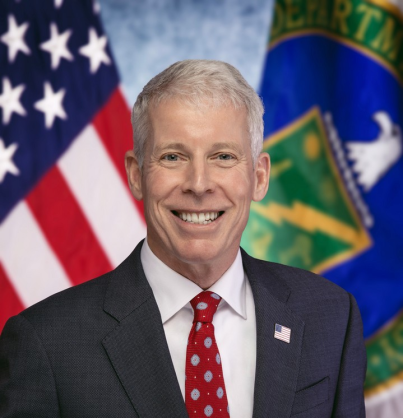
Secretary Chris Wright, U.S. Department of Energy, has been confirmed as a speaker and guest of honour at the 10th Powering Africa Summit (PAS), taking place at JW Marriott Washington, D.C. across March 6-7. This is an important step to provide an answer to the question that all of African energy is now asking: how will the new Administration approach the strategic energy relationship between the U.S. and Africa

Under the Summit theme, The Future of the US & Africa Energy Partnership, U.S. Secretary of Energy Chris Wright will deliver a keynote address at the 10th annual Powering Africa Summit. Wright will be joined by representatives from the U.S. Department of State: Ambassador Troy Fitrell, Senior Bureau Official, Bureau of African Affairs; Kimberly Harrington, Acting Principal Deputy Assistant Secretary, Bureau of Energy Resources; and Stephen Banks, Acting Deputy Assistant Secretary for Energy Diplomacy, Bureau of Energy Resources. All will share their vision for this future relationship between African countries and the US-based investors that are so vital to realizing their energy ambitions.

“As Secretary of Energy, I am committed to unleashing all forms of affordable, reliable and secure energy here at home and advancing that mission of energy security around the world – and nowhere is that more critical than the continent of Africa. I look forward to joining the Summit to reaffirm the strategic energy partnership between the U.S. and Africa and share my vision for advancing innovation and removing barriers to energy access, both at home and around the world,” Secretary Wright said.

Ministers and governments from 19 African countries will arrive in Washington D.C., where the Africa Welcome Address will be given by H.E. Honourable Adebayo Adelabu, Minister of Power, Nigeria. Together with H.E. Honourable Jeremiah Kpan Koung, Vice President, Liberia; H.E. Honourable Dr. Dele Alake, Minister for Solid Minerals Development, Nigeria; H.E. Honourable Mahmoud Mustafa Esmat, Minister of Electricity & Renewable Energy, Egypt; H.E. Honourable Karim Badawi, Minister of Petroleum & Mineral Resources, Egypt; H.E. Honourable Bogolo Joy Kenewendo, Minister of Minerals & Energy, Botswana; H.E. Honourable Alex Wachira, Principal Secretary, Ministry of Energy & Petroleum, Kenya; and Amina Benkhadra, Director General, Office National des Hydrocarbures et des Mines (ONHYM), Morocco, he will meet distinguished Ministers and leaders from South Africa, Senegal, Ethiopia, Zimbabwe, Togo, Sierra Leone and more to drive energy development across the continent.

Flagship ministerial boardrooms and regional energy cooperation sessions will discuss and debate   derisking projects, South Africa's energy future, the need for West African regulatory reforms, and the role of hydrogen in North Africa. New areas of opportunity such as bitcoin mining and data centers will be discussed through an East African lens. The Mission 300 initiative, set to provide electricity access to 300 million people in sub-Saharan Africa by 2030, is also high on the agenda.

The 10th Anniversary Gala Drinks Reception sponsored by Genesis Energy, will celebrate International Women's Day, ahead of March 8.

Critical to the week's discussions will be a host of private players including Alliant Insurance Services, GE Vernova, ARM-Harith Infrastructure Investment, Globeleq, Africa50, Nextracker, Schneider Electric, Newmarket Capital and the summit's general sponsor, Sun Africa, who are looking to a new future for the U.S.-Africa relationship.   

Sun Africa CEO, Adam Cortese said: “We are seeing a sea change in how the U.S. participates in foreign infrastructure development and our unique model of development is an excellent illustration of how U.S. energy companies can thrive in emerging markets on a strictly commercial basis. Sun Africa remains committed to harnessing Africa's immense energy resources through innovative structures, state-of-the-art technology and strong alliances while maintaining our long-standing market-based approach to development.  At Sun Africa, we believe energy development on the continent truly represents an opportunity for win-win partnerships and look forward to sharing our experience.”

Simon Gosling, MD of EnergyNet added: “This summit has always been about bringing together African countries seeking investment with U.S.-based investors who see the vast potential on the continent.  It is more important than ever to establish the crucial energy projects that Africa needs. PAS25 will put the continent center stage and make sure that both sides have a future relationship to be excited about.”

Media Credentials Requited for Powering Africa Summit

The Secretary will open the Summit on 6 March, delivering a Keynote Speech at 09:45, followed by a Fireside Chat with Mission 300 Accelerator CEO, Andrew Herscowitz.

Distributed by APO Group on behalf of EnergyNet Ltd..

For more information, please get in touch with 
Poliana@EnergyNet.co.uk
Senior Marketing Manager

Media files
EnergyNet Ltd.
Download logo
Read moreu.s. Secretary of Energy Chris Wright to Deliver Keynote Address at 10th Powering Africa Summit
24 February 2025

Deputy Minister to open construction and built environment forum

Location: News

Deputy Minister to open construction and built environment forum

Public Works and Infrastructure Deputy Minister Sihle Zikalala will open the Construction and Built Environment Stakeholder Forum and Expo in Pretoria, on Tuesday.

The forum is expected to explore the adoption of new technology in order to keep the industry competitive and adaptive to the climate changes.

This as the country grapples with issues of safety at construction sites and the risks posed by adverse weather conditions on properties, humans and building systems in the country.

Innovative ways of construction and building are required to save lives and improve the building and construction sector.

The theme for the forum is: “Building Stronger Partnership for Sustainable Innovation”.

The Building and Construction Expo which focuses on technology is convened by Agrement South Africa (ASA), an entity of the Department of Public Works and Infrastructure.

ASA was established to be the leading regulator of non-standardised construction products and systems in South Africa. 

The forum and expo which will feature construction and built environment professionals and associations will provide a platform for stakeholders to share insights, challenges and opportunities in the adoption of innovative building technologies for the competitiveness and safety of the industry.

Some of the innovative technology options will be on display during the engagement. – SAnews.gov.za

Edwin
Mon, 02/24/2025 - 12:51
50 views

Read moreDeputy Minister to open construction and built environment forum
24 February 2025

Innovation Fund: Everything you need to know

Location: News

Innovation Fund: Everything you need to know

The Department of Science, Technology and Innovation (DSTI) has expressed its strong support for government's vision to bolster innovation as articulated by President Cyril Ramaphosa in the 2025 State of the Nation Address (SONA).

The department said the Innovation Fund will be a key priority for the government in the 2025/26 financial year, with implementation overseen by the DSTI Minister, Professor Blade Nzimande.

In his address earlier this month, President Ramaphosa reaffirmed the government’s commitment to advancing the Innovation Fund, which aims to bolster the growth of innovative startups and technology-driven Small and Medium Enterprises (SMEs).

“To build an innovative economy, the Department of Science, Technology and Innovation will establish an Innovation Fund to provide venture capital to tech start-ups that emerge from our higher education institutions,” the President said in his speech. 

What is the DSTI’s Innovation Fund? 

In 2021, the DSTI launched the Innovation Fund as part of its comprehensive suite of initiatives aimed at fostering innovation. 

According to the department, the primary goal of the Innovation Fund is to stimulate the development and ongoing expansion of the high-tech SME sector.

It also aims to reduce risks associated with early-stage SME creation, fostering sustainable pipelines of viable, investable high-tech enterprises that can attract later-stage investments from the private sector.

In contrast to conventional financing institutions like private equity firms and commercial banks, the Innovation Fund is less stringent and offers more flexible yet thoroughly enforced financial support.

Who does this Fund target?

The Innovation Fund cuts across various stages of the SMEs’ business development life cycle and is structured to drive public-private co-investment in innovative high-tech SMEs. 

The Innovation Fund model also leverages the investment expertise of institutions such Technology Innovation Agency (TIA), the SA SME Fund and the Public Investment Cooperation (PIC), which in turn, drive the syndication of investment with various venture capital fund management entities. 

What is the objective of the Fund?

Leverage Private Capital: Attract additional private sector investments into the South African innovation ecosystem and venture capital industry.

Stimulate Innovation: Encourage the development and commercialisation of locally developed IP and innovative products and services. 

Support startups and tech-enabled SMEs: Provide catalytic capital backing to early-stage startups and tech-enabled SMEs. 

Build a resilient innovation ecosystem: Strengthen the infrastructure and support systems for innovation and venture building, including venture studios, incubators, accelerators, hubs, and so on to ensure a robust and interconnected ecosystem.

DSTI’s financial investment: 

The department has currently invested nearly R917.2 million in various investment intermediaries, including TIA, PIC, and the SA SME Fund.

This Fund has successfully leveraged over half a billion in co-investments from the private sector. 

To date, it has provided support to 12 venture capital firms and approximately 96 technology investment opportunities and enterprises.

How can SMEs access the Fund?

More information on the Fund can be accessed at https://innovationbridge.info/ibportal/innovation-fund.

For current open calls visit https://www.tia.org.za/innovation-fund-first-time-and-emerging-fund-managers/ or https://epftechfund.orcaa.ai. 

For further inquiries on the Fund please contact Mr Konanani Rashamuse on Koanani.Rashamuse@dsti.gov.za. – SAnews.gov.za

Gabisile
Mon, 02/24/2025 - 13:29
78 views

Read moreInnovation Fund: Everything you need to know
24 February 2025

M&As Reflect Growing Global Interest in African Mining

Location: Business
Energy Capital & Power

International mining stakeholders are increasing their access to Africa's mineral resources through joint ventures, acquisitions and stakes in local projects. Meanwhile, African countries and operators are leveraging these partnerships to enhance capital, accelerate project development and meet ambitious production targets.

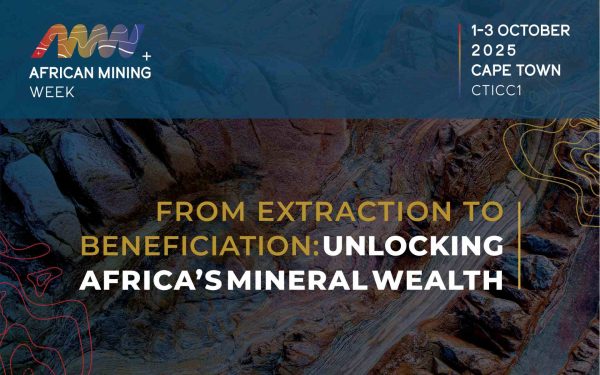
The upcoming African Mining Week (AMW), taking place in Cape Town this October, will spotlight mergers and acquisitions (M&A), offering African projects a platform to showcase opportunities and providing global investors the stage to present growth strategies for Africa's expanding mining sector.

Recent research by the Economist Intelligence Unit indicates that foreign investment in Africa's mining industry is poised for significant growth in 2025, building on strong momentum established in 2024. Several key transactions highlight this trend. Earlier this month, UK-based Altona Rare Earths finalized its acquisition of an 85% stake in Botswana's Sesana Copper-Silver Project from Ignate Minerals, committing significant capital to accelerate exploration and mine development. In December 2024, Australian mining firm Patriot Lithium acquired a 90% stake in Zambia's Kitumba Copper Large Scale Exploration License from Newlight Nominees Zambia, enabling increased funding for exploration and production activities. Similarly, in October 2024, Jubilee Metals, a UK-based company, acquired Project G, its second open-pit copper asset in Zambia, as part of a strategy to boost investments and raise copper output to 25,000 tons per year.

Recent M&A activity in Africa's mining sector is reshaping the industry, improving operational efficiencies and creating new pathways for innovation and technology transfer. For African nations, these investments bring new opportunities for job creation, infrastructure development and access to global markets, fueling economic growth. Additionally, the influx of foreign capital and expertise enhances local capabilities, enabling African countries to harness their natural resources more effectively while addressing challenges like underdeveloped supply chains and limited financing for exploration.

In South Africa, M&A activity reached $10 billion between June 2023 and 2024, with 32 deals closed, compared to 24 year-on-year, according to PwC. Among the notable deals, Kenya's Marula Mining secured a 51% stake in South Africa's Mansera Kruisrivier Cobalt Holding Company in July 2024, funding feasibility and aerial studies to advance the project. Meanwhile, China's Baowu Steel Group acquired stakes in Guinea's Simandou Project, the world's largest untapped iron ore deposit, in June 2024. In Mali, Ganfeng Lithium secured an operational stake in the Goulamina Lithium Mine in a $342.7-million deal with Australia's Leo Lithium in May 2024. The UAE-based International Resource Holdings also entered the market, acquiring Zambia's Mopani Copper Mines for $1.1 billion in May 2024, enhancing exploration and production capabilities at one of the country's largest copper facilities.

As African nations focus on boosting mineral production to drive economic growth, M&A activity is expected to intensify, with global partners seeking greater stakes in the continent's abundant resources. Against this backdrop, the upcoming AMW will play a crucial role in shaping Africa's M&A landscape by facilitating project showcases, fostering partnerships and advancing deal signings that will define the future of the mining sector.

African Mining Week serves as a premier platform for exploring the full spectrum of mining opportunities across Africa. The event is held alongside the African Energy Week: Invest in African Energy 2025 conference (https://AECWeek.com/) from October 1 -3. in Cape Town. Sponsors, exhibitors and delegates can learn more by contacting sales@energycapitalpower.com

Distributed by APO Group on behalf of Energy Capital & Power.

Media files
Energy Capital & Power
Download logo
Read moreM&As Reflect Growing Global Interest in African Mining
21 February 2025

Cabinet commends Class of 2024 for impressive results

Location: News

Cabinet commends Class of 2024 for impressive results

Cabinet has commended the Class of 2024 for achieving the highest matric pass rate since the advent of democracy in 1994. 

The National Senior Certificate (NSC) results saw an impressive 87.3% pass rate, marking a significant 4.4% increase from the previous year. 

A total of 615 429 learners successfully passed the NSC examinations, with nearly half of those who sat for the exams obtaining a Bachelor pass, granting them access to higher education institutions. Additionally, close to 320 000 distinctions were achieved, highlighting the academic excellence of the matriculants. 

Government lauded the results as a significant milestone in the country’s education sector, emphasising that the achievements of the Class of 2024 reflect the strides made in improving the quality of education in South Africa. 

These results coincide with the country’s celebration of 30 years of freedom and democracy, symbolising the ongoing efforts to dismantle the remnants of apartheid-era educational disparities. 

“The achievements of the Class of 2024 are a clear demonstration of the progress we have made as we commemorate 30 Years of Freedom and Democracy. They also provide proof that we are reversing apartheid’s planned legacy of intergenerational indignity, disadvantage and poverty for the majority of South Africans," Cabinet said in a statement on Friday.

South Africa's education system has undergone significant reforms since 1994, with the government implementing policies aimed at improving access to quality education for all learners. 

Under the National Development Plan (NDP), education remains a key pillar in addressing inequality and fostering economic growth. 

Over the years, interventions such as the provision of no-fee schools, the school nutrition program, improved infrastructure, and curriculum enhancements have contributed to the steady improvement in matric results. 

The increased focus on Science, Technology, Engineering, and Mathematics (STEM) subjects, teacher training programs, and digital learning initiatives has also played a crucial role in raising learner performance. 

Despite these successes, challenges remain, including resource disparities between urban and rural schools, socio-economic factors affecting learner performance, and the need to further enhance post-matric opportunities. 

However, the Class of 2024’s results demonstrate resilience and a positive trajectory for the country’s education system. 

Government has previously urged learners who did not pass to explore alternative pathways such as the Second Chance Matric Programme and Technical and Vocational Education and Training (TVET) colleges to ensure they remain within the education and skills development pipeline. – SAnews.gov.za

DikelediM
Fri, 02/21/2025 - 12:00
30 views

Read moreCabinet commends Class of 2024 for impressive results
21 February 2025

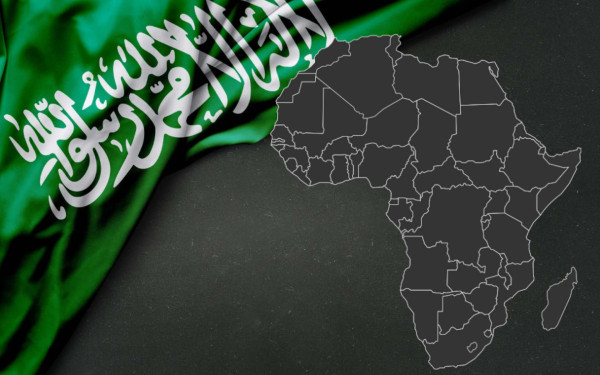
Saudi Arabia Expands Energy Ties With Africa

Location: News
African Energy Chamber

Earlier this week, Egypt's Minister of Petroleum and Mineral Resources Karim Badawi and Saudi Arabia's Minister of Energy Abdulaziz bin Salman Al Saud signed an agreement to develop an executive plan for energy efficiency cooperation, strengthening bilateral ties in the energy sector and fostering sustainable development. This follows another significant development in September, in which Egyptian Prime Minister Mostafa Madbouly secured a $5 billion pledge from Saudi Arabia's PIF, representing the “first phase” of a larger investment strategy. 

As a leading global energy giant, Saudi Arabia has been actively investing in Africa's energy sector, aiming to expand its energy reserves, advance energy diplomacy and compete with other global superpowers. This strategic push not only strengthens Saudi Arabia's influence in the region, but also paves the way for deeper economic and political ties with African nations. 

To date, the lion's share of investment in Africa's energy sector has focused on clean energy advancements. With total project costs reaching $7 billion across the continent, Saudi developer ACWA Power stands as the leading private-sector investor in African renewable energy. In October 2024, the company announced that its Redstone solar plant in South Africa was set to achieve its full 100 MW capacity, while its Kom Ombo solar PV plant in Egypt successfully reached its full capacity of 200 MW. ACWA Power is also leading Project DAO, South Africa's largest hybrid renewable power plant, with an $800 million investment. The project is expected to come online by 2026 and aligns with the Kingdom's broader Vision 2030 goals.  

In addition to renewable energy, Saudi Arabia is diversifying its investments to secure critical minerals for clean energy technologies. In October, Saudi Arabia's Manara Minerals, a joint venture between Ma'aden and the Public Investment Fund (PIF), entered advanced talks to acquire a minority stake in First Quantum Minerals' Zambian copper and nickel assets. The potential investment, valued between $1.5 billion and $2 billion, underscores Saudi Arabia's strategy to secure critical minerals that are vital for the global clean energy transition. 

Turning to broader regional commitments, Saudi Arabia's financial support for Africa's energy infrastructure has grown. In October, the Kingdom announced a major funding initiative, pledging at least $41 billion for sub-Saharan African nations. This includes $1 billion for development, $5 billion for startups, $10 billion in financing from the Saudi Export-Import Bank and $25 billion in private sector investments over the next decade.  

Meanwhile, the Saudi Ministry of Energy has established the "Empowering Africa" initiative as part of its broader commitment to supporting sustainable development across the continent. In collaboration with the Ministries of Communications and Information Technology and Health, the initiative aims to deliver clean energy, connectivity, e-health and e-learning solutions to enhance lives and promote long-term growth in Africa. Building upon the Clean Fuel Solutions for Cooking Program, it focuses on providing cleaner cooking solutions to vulnerable populations, aiming to reduce reliance on traditional biomass fuels and improve health outcomes for millions of households. Minister bin Salman Al Saud has emphasized energy as a fundamental human right and is spearheading efforts to improve access to clean cooking technologies across the continent. 

Additionally, state-owned petroleum company Saudi Aramco is strengthening its partnerships with African nations to support energy investments and mobilization. These collaborations are expected to drive infrastructure development, enhance oil and gas production capacity and facilitate knowledge transfer between Saudi and African energy stakeholders, while aligning with broader energy security and sustainability goals.  

In the multilateral arena, the African Energy Chamber is working with Saudi Arabia to support South Africa's G20 energy investments and mobilization. This partnership is set to facilitate greater financing and policy coordination, ensuring Africa's energy priorities are well-represented in global energy discussions. The upcoming African Energy Week: Invest in African Energies conference in Cape Town serves as a key platform to facilitate and support these investments, bringing together Saudi stakeholders, African governments and global energy leaders to advance new projects, strengthen partnerships and accelerate the continent's energy transition. These collaborations are essential in addressing energy challenges, driving economic growth and fostering long-term sustainability. As Saudi investments expand – alongside those of other G20 nations – their impact on Africa's energy landscape will only deepen.  

AEW: Invest in African Energies is the platform of choice for project operators, financiers, technology providers and government, and has emerged as the official place to sign deals in African energy. Visit www.AECWeek.com for more information about this exciting event. 

Distributed by APO Group on behalf of African Energy Chamber.

Media files
African Energy Chamber
Download logo
Read moreSaudi Arabia Expands Energy Ties With Africa
21 February 2025

AEW 2025 to Fuel Regional Investment as Southern Africa Advances (O & G) Development

Location: News
African Energy Chamber

From significant oil deposits in Namibia's Orange Basin to untapped potential in South Africa to gas frontiers onshore Zimbabwe and developments in Mozambique and Angola, Southern Africa has emerged as a highly-promising oil and gas market. However, to unlock the full potential of the industry, investors need to rally, providing the much-needed capital and technology to boost energy development across the region.

African Energy Week: Invest in African Energies – taking place September 29 to October 2, 2025 - will highlight Southern Africa's energy potential, from major projects and exploration campaigns to investment opportunities and emerging challenges. By uniting regional governments, major operators and global stakeholders, the event fosters collaboration, serving as a catalyst for South African energy development.

Angola Drives Exploration Towards Near-Term Production

Sub-Saharan Africa's second-largest oil producer, Angola continues to leverage industry reform to accelerate exploration and development. Seeking to maintain oil output above one million barrels per day while increasing natural gas production, the country is preparing to launch the final bid round of its six-year licensing strategy in Q1, 2025. Offering nine blocks for exploration in the deepwater Kwanza and Benguela basins, the round is expected to entice major deepwater players to expand their portfolios offshore Angola. To further support production growth, the country introduced five marginal fields for exploration in 2024 and continues to promote blocks available on direct negotiation. Major projects such as the Cabinda Oil Refinery (2025); the New Gas Consortium (early-2026); and the Agogo Integrated West Hub Development (mid-2026) are also set to fuel production.

Mozambique Targets LNG Advancement

With over 100 trillion cubic feet (TCF) of gas resources in the Rovuma Basin, Mozambique is pushing ahead with several large-scale LNG projects. These include the operational 3.4 million ton per annum (MTPA) Coral South FLNG project; the under-development 3.37 MTPA Coral North project; the 18 MTPA Rovuma LNG project; and the 13 MTPA Mozambique LNG project. Despite delays, operators are committed to accelerating development. While pushing the Mozambique LNG project timeline from 2027 to 2029/2030, TotalEnergies expects a U.S. loan approval to be restored under the Trump administration in the coming weeks. ExxonMobil also anticipates FID for the Rovuma project by 2026, paving the way for advanced development.

Namibia: The Next Deepwater Oil Producer

Following a string of discoveries in the offshore Orange Basin, Namibia is working towards first oil production by 2029. The Venus-1X discovery by TotalEnergies is at the forefront of this goal, with the French major seeking to finalize its phase one development plan in 2025 and make FID in 2026. However, the development of the Mopane well – situated in PEL 83 and operated by oil and gas firm Galp - could bring the timeline to first production much closer. Two discoveries were made at the Mopane 1-A well and the Mopane 2-A well, and the operator is now seeking a farm-in partner to develop the asset. Other companies such as Shell, Petrobras, Africa Oil Corp, Chevron and more are also investing offshore while independents including ReconAfrica and Sintana Energy are conducting exploration and appraisal drilling onshore.

South Africa Prioritizes Gas Exploration, Renewable Expansion

Two offshore basins have generated significant interest by foreign player in South Africa: the Southern Outeniqua Basin and the Orange Basin. Southern Outeniqua featured two major gas discoveries made by TotalEnergies (Luiperd and Brulpadda) in 2019 and 2020, representing some of Africa's biggest finds made during the period. While TotalEnergies exited the Southern Outeniqua basin in 2024, the company has turned its attention to South Africa's Orange Basin, hoping to mirror upstream success in neighboring Namibia. Other firms including Africa Oil Corp, Shell and Petrobras are investing in the Orange Basin, and all eyes are on future discoveries offshore South Africa.

Zimbabwe: An Onshore Gas Frontier

Zimbabwe made headlines in 2022 when Invictus Energy announced successful drilling activities at the Mukuyu-1 well at the onshore Cabora Bassa Project. This was followed by the discovery of gas at the Mukuyu-2 well in 2023, with the find revealing the potential for 20 TCF of gas resources. In 2025, the company completed an independence review of the Petroleum Production Sharing Agreement, which would enable the Invictus Energy to unlock value-sharing from the project. Going forward, the company is pursuing a 3D seismic survey alongside appraisal drilling and well testing to further delineate the resource potential while refining development plans and improving the operational efficiency. All eyes are on the project as Zimbabwe strives to bring its first natural gas development to fruition.

Distributed by APO Group on behalf of African Energy Chamber.

About AEW: Invest in African Energies:
AEW: Invest in African Energies is the platform of choice for project operators, financiers, technology providers and government, and has emerged as the official place to sign deals in African energy. Visit www.AECWeek.com for more information about this exciting event.

Media files
African Energy Chamber
Download logo
Read moreAEW 2025 to Fuel Regional Investment as Southern Africa Advances (O & G) Development
21 February 2025

South Africa’s National Astro-Tourism Strategy

Location: News

Department of Science and Innovation, Republic of South Africa
Download logo

On Tuesday, 18 February, the Minister of Science, Technology and Innovation, Prof. Blade Nzimande, supported by Ms. Nomalungelo Gina, Deputy Minister of Science, Technology, and Innovation, and Ms. Maggie Sotyu, Deputy Minister of Tourism, led the presentation of South Africa's National Astro-Tourism Strategy to Parliament.

Last year, the Minister of Tourism, Ms. Patricia De Lille, tabled the National Astro-Tourism Strategy in Cabinet. Subsequent to this, in September last year, Cabinet approved this Strategy and in the same month, Minister De Lille and Minister Nzimande presided over the launch of this Strategy in Carnarvon in the Northern Cape.

This past Tuesday, this Strategy was presented at a joint sitting of the Portfolio Committees of Science, Technology and Innovation and Tourism.

In highlighting the strategic importance of astronomy and tourism to South Africa, Minister Nzimande stated that “South Africa is fast becoming one of the leading nations in the discipline of astronomy and this is why in August last year, we hosted the prestigious General Assembly of the International Astronomical Union. This was first time this prestigious gathering was hosted on the African continent.

Equally, we also have a very robust tourism sector as a country, which is a major contributor to GDP and is expected to grow significantly over the next 5 to 10 years.”

Minister Nzimande also used the briefing to highlight some of South Africa's most notable investments in astronomy infrastructure, during the democratic era, which include the 10-metre Southern African Large Telescope (SALT) in Sutherland, which is the largest optical telescope in the Southern Hemisphere.

The MeerKAT telescope in Carnarvon, which is a precursor to the SKA project, which he said was “going to be South Africa's single biggest scientific infrastructure.”

Outlining the benefits of these investments, Minister Nzimande indicated that "the investments in these high calibre scientific instruments in astronomy enabled an exponential increase in the number of South African astronomers from 60 (only 5 of them were radio astronomers) to about 300 in the last 30 years.”

The Minister Nzimande also used the opportunity to explain what astro-tourism was and further outlined the objectives of South Africa's Astro-Tourism Strategy.

The Minister stated that “… science tourism involves experiences enjoyed when visiting scientific attractions such as scientific landmarks, including museums, laboratories, observatories, and higher educational institutions where research is conducted.

It is also important to realise that astro-tourism is built around the traditions inherited from our ancestors by different ethnic cultures in observing the skies from time immemorial. Astro-tourism therefore draws heavily from the vast and untapped reservoirs of our indigenous knowledge systems.

Astro-tourism also encompasses all offerings such as observatories, telescopes, museums, planetariums, meteorite sites, visitor centres, amateur astronomy clubs, stargazing, tour-guides, astro-routes, and accommodation establishments, etc.”

In outlining the strategic importance of the Astro-Tourism Strategy, Minister Nzimande stated that “We regard science and tourism as mutually reinforcing and therefore building on our competitive advantages in astronomy and tourism, we seek to use the Astro-Tourism Strategy to achieve the following:

  • Enhance the performance of South Africa's astronomy tourism sector through infrastructure developments and improvements, optimal functioning of various streams of astronomy with tourism offerings and boosting transformation by enhancing the livelihoods of local communities;
  • Position South Africa as a world class Astro tourism destination that will yield sustainable benefit-sharing opportunities by maximising appropriate investments, improving marketing efforts, and enhancing visitor experience in South Africa;
  • Educate communities about the importance of preserving our dark skies and radio silence as this is a geographic advantage that needs to be protected for astrotourism to thrive; and
  • Most importantly, we also seek to use this strategy to drive meaningful socio-economic development within poor and rural communities, through science tourism.”

The Strategy is anchored on three pillars, which are: indigenous celestial narratives and human capacity development; infrastructure development; and inclusive tourism growth and partnerships – and requires an estimated budget of over R352 million.

The implementation of the Astro-Tourism Strategy is the joint responsibility of the Departments of Science, Technology and Innovation and Tourism, which have established a Steering Committee that comprises officials from both departments, the Northern Cape Department of Economic Development and Tourism.

The DSTI's entity, the National Research Foundation (NRF) and its sub entities the South African Radio Astronomy Observatory (SARAO) and South African Astronomical Observatory (SAAO), also form part of this Steering Committee.

Distributed by APO Group on behalf of Department of Science and Innovation, Republic of South Africa.

Read moreSouth Africa’s National Astro-Tourism Strategy
20 February 2025

Deputy President Mashatile Receives Courtesy Visit From Chairman of the China Council for the Promotion of International Trade

Location: News

The Presidency of the Republic of South Africa
Download logo

Deputy President Shipokosa Paulus Mashatile has today, Thursday, 20 February 2025, received a courtesy visit by the Chairman of the China Council for the Promotion of International Trade (CCPIT), Mr. REN Hongbin, at the OR Tambo Official Residence in Pretoria, Gauteng Province. 

The CCPIT is a key Chinese economic promotion institution that reports directly to the State Council responsible for the facilitation and promotion of trade and investment with foreign countries by supporting Chinese companies (their members) to do business abroad and to engage and support foreign companies that have operations in China.

It has more than 400 000 Chinese business members, the majority of which are from State-owned Companies (SoEs).

This visit to the Deputy President follows the successful 2nd State Visit to China by President Cyril Ramaphosa in September 2024. In particular, it builds on the outcomes of the President's business engagements, including the seminal South Africa – China Presidential Business Forum, the closed roundtable discussion between the President and the Leadership of 20 high-level Chinese investors, and the Presidential Business Programme in Shenzhen that focused on key investors in China's leading technology and innovation hub. 

Therefore, the Chairman's visit is mainly focussed on following up on the implementation of the outcomes of the 9th Forum on China-Africa Cooperation (FOCAC) Summit held in Beijing in September 2024, as well as optimising the trade and investment environment for better cooperation between South Africa and China.

Deputy President Mashatile has welcomed China's plan to host the FOCAC Ministerial Coordination Meeting alongside the China-Africa Economic and Trade Expo in June 2025.

Such events, he said, would strengthen Africa-China economic relations and accelerate projects in industrialisation, infrastructure, agricultural modernisation, and green development, aligning with AU Agenda 2063 goals.

“Chairman, our President was encouraged by the number of Chinese companies he interacted with in Beijing and Shenzhen last year, who all expressed a wish to increase their investment exposure in South Africa. We continue to prioritise new investments in targeted sectors and enlarge the beneficiation and manufacturing base in South Africa, especially in the automotive and energy, which will contribute to local job creation, technology, and skills transfer,” said the Deputy President.

Furthermore, the Deputy President took the opportunity presented by the visit to mobilise Chinese businesses to attend the Business20 (B20) meetings of the G20 in South Africa this coming year.

In reciprocating the invite by the Deputy President, the Chairman also invited South Africa to attend the 3rd China International Supply Chain Expo (CISCE) that will be hosted by the CCPIT in Beijing in July this year. The CISCE is one of the four national-level trade and investment conferences hosted in China yearly. The 2nd CISCE was held in Beijing in November 2024 and was addressed by the Vice President of China, Mr Han Zheng.

Post the meeting with the Deputy President, the Chairman is expected to meet with the Minister of Trade, Industry, and Competition, Mr Parks Tau.

During this meeting, Deputy President Mashatile was supported by Deputy Minister of International Relations and Cooperation, Ms Moraka and Deputy Minister of Trade Industry and Competition, Mr Godlimpi.

Distributed by APO Group on behalf of The Presidency of the Republic of South Africa.

Read moreDeputy President Mashatile Receives Courtesy Visit From Chairman of the China Council for the Promotion of International Trade
20 February 2025

Conference discusses strategies to achieve women’s economic inclusion

Location: News

Conference discusses strategies to achieve women’s economic inclusion

Without a dedicated plan and political will to combat patriarchal forms of exploitation, Africa’s commitment to eradicating “all forms of gender-based violence and discrimination against women and girls” by 2063, will remain hollow.

These were remarks made by the Minister in the Presidency responsible for Women, Youth and Persons with Disabilities, Sindisiwe Chikunga.

The Minister was speaking at the Southern African Regional High-Level Conference on Advancing Economies of Women in the Southern African Development Community (SADC) and Africa on Thursday.

The Ministry in the Presidency for Women, Youth and Persons with Disabilities, in collaboration with the Gates Foundation, is hosting the first Southern African Regional consultation to advance women economic empowerment in the SADC region.

The high-level two-day consultation forum, held in Sandton, Johannesburg, brings together women leaders from the SADC region, including senior government officials, policymakers, and representatives from other African Union (AU) Member States.

The forum, which will conclude on Friday, aims to discuss strategies to achieve women’s economic inclusion, financial access and Economic Justice and Rights (EJR) across the SADC region.

In her address, Chikunga acknowledged that women own fewer productive assets and that their businesses have fewer opportunities to trade. She also said that women experience financial exclusion and have limited access to markets and procurement.

She warned that without concrete measures in place, the continent’s aspiration to ensure that African women in all spheres -- granting them equal social, political, and economic rights, including the right to own and inherit property, sign contracts and manage businesses -- will remain unfulfilled.

“Similarly, rural women’s access to productive assets such as land, credit, inputs and financial services, will remain idle and futile without deliberate action. Without a deliberate skills revolution, the desire to position our youth at the forefront of knowledge and as catalysts of innovation and entrepreneurship, will fall short.

“Only when education and skills are accessible to all, will we be able to cultivate the creativity, energy and innovation of Africa’s youth into a driving force behind the continent’s political, social, cultural and economic transformation,” she explained.

Despite the continent’s noble vision, the Minister argued it will remain a distant reality “until we put in place concrete measures with firm timelines, deliverables and accountability mechanisms to ensure its realisation.”

She emphasised that the success of Agenda 2063 rests squarely on the seriousness of the leaders’ commitment to uplift women and girls, enabling them to pull the entire continent forward.

According to the AU, Agenda 2063 is Africa's development blueprint to achieve inclusive and sustainable socio-economic development over a 50-year period.

Beyond Agenda 2063, the Minister highlighted the region’s support for the consultative forum, which is also inspired by the SADC Vision 2050 and the Regional Indicative Strategic Development Plan (RISDP) 2020-2030, which both reflect the region’s developmental aspirations.

She underscored the importance of increasing women’s participation in regional development, enhancing equal access to opportunities, achieving gender parity, strengthening gender mainstreaming at both national and regional levels, and combating gender-based violence (GBV).

Economic participation 

Chikunga emphasised that the economic potential of the region cannot be fully realised when half of its population remains underrepresented in trade, financial systems, digital economies, and entrepreneurship.

She also stressed the importance of ensuring that girls and women have access to quality education, as this is essential for meaningful economic participation to help address barriers. These barriers include early marriages, teenage pregnancies, and other societal norms that hold back the girl child.

‘We must provide young women with the kind of vocational and technical training that is tailored to market demands and empowers women to participate in diverse sectors, including STEM (science, technology, engineering and mathematics), agriculture, and entrepreneurship.

“We must note that, as things stand, women make up less than a third of the workforce across STEM careers, a number that should alarm all of us.

“The historical and ongoing exclusion of women from STEM is a tragedy we must confront urgently. Tangible programmes are needed to correct societal and cultural beliefs that use gender stereotypes to perpetuate scientific inequality,” she explained.

The Minister further highlighted the need for financial inclusion and access to investment opportunities, including access to land, productive assets, and property rights.

She also called for the provision of smartphones for women in the marketplace, including access to the internet, and digital tools that can enhance their economic participation. – SAnews.gov.za

GabiK
Thu, 02/20/2025 - 17:30
59 views

Read moreConference discusses strategies to achieve women’s economic inclusion
20 February 2025

Merck Foundation CEO Provides 194 Oncology Scholarships in Africa

Location: News
Merck Foundation

  • Merck Foundation marks World Cancer Day with African First Ladies by providing 194 scholarships of Oncology Training to African doctors from 32 countries. 
  • Merck Foundation together with Africa First Ladies and Ministries of Health has been building cancer care capacity and increasing the limited number of Oncologists in their countries by providing close to 200 Scholarships of One-, two- and three-years fellowship, diploma and Master Degree of oncology to African doctors from 32 Countries. 
  • Merck Foundation is making history in Africa by training the First African Oncologists and First Cancer Care Teams in Countries such as The Gambia, Sierra Leone, Burundi, Liberia, Guinea Conakry, Central African Republic, Chad, Burundi, Malawi, Niger, Namibia, Zambia, Zimbabwe and more. 

Merck Foundation (www.Merck-Foundation.com), the philanthropic arm of Merck KGaA Germany, marks ‘World Cancer Day 2025' together with Africa's First Ladies and Ministries of Health. Through their Cancer Access Program, Merck Foundation is is building quality and equitable cancer care capacity in Africa.  

Senator Dr. Rasha Kelej, the CEO of Merck Foundation, highlighted, “At Merck Foundation, we mark World Cancer Day not just as a single day, but as a our continued commitment to transform and advance cancer care in Africa.  

Together with my dear sisters, the Africa's First Ladies, we are have enhanced the cancer care capacity in the continent by providing 194 scholarships to young African doctors from 32 countries, significantly increasing the number of oncologists in Africa. We are making history together by providing these important scholarships for the first oncologists and /or the first cancer care teams in many countries across Africa.”  

Merck Foundation in total provided more than 2100 scholarships to doctors from over 52 countries in 44 critical and underserved medical specialties.  

The Merck Foundation Cancer Access Program provides One, two- and three-years fellowship, Post Graduate Diploma and Master Degree of oncology for doctors from Africa. The clinical training has been conducted in India, Egypt and Kenya. Additionaly, Merck Foundation also provides scholarships for 2 years online PG Diploma in Cancer and Clinical Oncology, 01 year online PG Diploma in Medical Oncology and 1 year online PG Diploma in Pain Management from reputed Universities in UK like University of South Wales, University of Buckingham, Queen Mary University of London, and Cardiff University. 

Merck Foundation is establishing Multidisciplinary Oncology Care teams in many African countries by providing scholarships of clinical training in Medical Oncology, Surgical Oncology, Pediatrics Oncology, Gynecology Oncology, Breast Oncology, Haemato-Oncology, Orthopaedic Oncology, Palliative Care, Pathology Oncology, Radiation Oncology, Research in Oncology, Surgical Oncology - Genital Urinary System, Advanced Cytopathology Training, Interventional Radiology, Radiation Technician, Laboratory Technician, Oncology Nursing. 

Merck Foundation through its Merck Foundation Cancer Access Program has provided 194 scholarships of Oncology to doctors from 32 countries including Botswana, Burkina Faso, Burundi, Cameroon, Central African Republic, Chad, Congo Brazzaville, Democratic Republic of the Congo, Ethiopia, Gabon, Gambia, Ghana, Guinea, Kenya, Liberia, Malawi, Mauritius, Mozambique, Namibia, Nepal, Niger, Nigeria, Rwanda, Sao Tome & Principe, Senegal, Sierra Leone, South Africa, Sri Lanka, Tanzania, Uganda, Zambia and Zimbabwe.  

“In several of these countries, there wasn't even a single oncologist. We are proud to be making history in Africa by training the first oncologists and establishing the first cancer care teams in nations such as The Gambia, Sierra Leone, Burundi, Liberia, Guinea Conakry, Central African Republic, Chad, and Niger. Merck Foundation remains committed to transforming the landscape of cancer care across the continent and leading Africa toward a healthier future,” explained Senator Dr. Rasha Kelej.  

Africa records around 1.1 million new cases of cancer, resulting in up to 700,000 deaths, every year, as per WHO data. The mortality rate of cancer patients is very high in Africa, as compared to the rest of the world.  

“One of the key reasons is also the late diagnosis of the disease. Therefore, these scholarships are very important” added Senator Kelej.  

Merck Foundation has also created awareness materials including awareness leaflets and videos on Cancer Prevention and Early Detection.  

Dr. Chifundo Kajombo, Merck Foundation Alumni from Malawi shares, “I am privileged to be awarded a scholarship by Merck Foundation to pursue the Surgical Oncology fellowship training program at Tata Memorial Hospital, India. I managed to advance from basic surgical oncology principles to the advanced level. This has helped me improve my understanding of cancer and operative principles. Since returning back home, I have managed to change the structure of how our breast clinic runs and modified it to incorporate a number of new things that we probably could not have possibly included. I am so proud to share that I have just been awarded the Best Surgeon for 2023 in Malawi. I would not have achieved this feat without Merck Foundation's scholarship. I am very thankful.” 

Watch testimonials videos of Merck Foundation Oncology Fellowship Alumni: https://apo-opa.co/4bab06Y

Distributed by APO Group on behalf of Merck Foundation.

Link of the extra posters: https://apo-opa.co/3X6RmD6

Contact details:
Mehak Handa
Community Awareness Program Manager
+91 9310087613 / +91 9319606669
mehak.handa@external.merckgroup.com

Join the conversation on our social media platforms below and let your voice be heard! 
Facebook: https://apo-opa.co/4k65XbW
X: https://apo-opa.co/43mGeGv
YouTube: https://apo-opa.co/3EVeWMS
Instagram: https://apo-opa.co/413ECyl
Threads: https://apo-opa.co/4gLTA1P
Flickr: https://apo-opa.co/4gSxZVs
Website: www.Merck-Foundation.com
Download the Merck Foundation App: https://apo-opa.co/413wo9z

About Merck Foundation:
The Merck Foundation, established in 2017, is the philanthropic arm of Merck KGaA Germany, aims to improve the health and wellbeing of people and advance their lives through science and technology. Our efforts are primarily focused on improving access to quality & equitable healthcare solutions in underserved communities, building healthcare & scientific research capacity, empowering girls in education and empowering people in STEM (Science, Technology, Engineering, and Mathematics) with a special focus on women and youth. All Merck Foundation press releases are distributed by e-mail at the same time they become available on the Merck Foundation Website.  Please visit www.Merck-Foundation.com to read more. Follow the social media of Merck Foundation: Facebook (https://apo-opa.co/4k65XbW), X (https://apo-opa.co/43mGeGv), Instagram (https://apo-opa.co/413ECyl), YouTube (https://apo-opa.co/3EVeWMS), Threads (https://apo-opa.co/4gLTA1P) and Flickr (https://apo-opa.co/4gSxZVs). 

The Merck Foundation is dedicated to improving social and health outcomes for communities in need. While it collaborates with various partners, including governments to achieve its humanitarian goals, the foundation remains strictly neutral in political matters. It does not engage in or support any political activities, elections, or regimes, focusing solely on its mission to elevate humanity and enhance well-being while maintaining a strict non-political stance in all of its endeavors. 

Media files
Merck Foundation
Download logo
Read moreMerck Foundation CEO Provides 194 Oncology Scholarships in Africa
19 February 2025

SA, EU strengthen strategic partnership at Ministerial Dialogue

Location: News

SA, EU strengthen strategic partnership at Ministerial Dialogue

South Africa and the European Union (EU) have reaffirmed their commitment to deepening their strategic partnership during the 16th Session of the Ministerial Political Dialogue on Wednesday in Cape Town. 

International Relations and Cooperation Minister Ronald Lamola, along with the European Union High Representative for Foreign Affairs and Security Policy and Vice President of the European Commission, Kaja Kallas, co-chaired the dialogue in the context of the EU-South Africa Strategic Partnership.

“The EU-South Africa Ministerial Political Dialogue builds on the joint aspiration to further the strategic partnership, which has grown in depth and ambition over the years. 

“The political and security cooperation is strong, and so are trade and investment relations: South Africa is the EU’s largest trading partner in sub-Saharan Africa, and the EU is South Africa’s first trade and investment partner,” a joint communique said.               

The meeting was also attended by Minister of Trade, Industry and Competition, Parks Tau, Minister of Agriculture John Steenhuizen, Minister of Basic Education Siviwe Gawarube and Minister of Science, Technology and Innovation Blade Nzimande. 

The High Representative’s three-day visit to Africa at the beginning of her mandate signals the EU’s commitment to the partnership with South Africa and with the continent.

The Ministerial Political Dialogue is a key milestone ahead of the 8th European Union-South Africa Summit, which is scheduled for 13 March 2025. 

The political engagements between the European Union and South Africa contribute to the celebration of the 25th anniversary of the European Union’s partnership with Africa. 

In this context, both sides underscored the importance of holding the European Union- African Union Ministerial Meeting and Summit in 2025.

“The Ministerial Political Dialogue presented an opportunity for the European Union and South Africa to reiterate their common commitment to multilateralism, a consistent approach to the rules-based international order, and the centrality of the United Nations Charter. 

“The parties further agreed on the need to reform the UN Security Council, recognising the urgent need to make it more representative, inclusive, transparent, efficient, democratic and accountable,” a joint communique said. 

Addressing global conflicts, both sides affirmed their unwavering commitment to act in accordance with international law, including the Charter of the United Nations and its purposes and principles. 

Both sides noted with distress the immense human suffering and the adverse impact of wars and conflicts around the world. 

The parties also reaffirmed that all states must act in a manner consistent with the Purposes and Principles of the UN Charter in its entirety. 

“In line with the UN Charter, all states must refrain from the threat or use of force to seek territorial acquisition against the territorial integrity and sovereignty or political independence of any state and affirmed that all parties in conflicts must comply with their obligations under international law, including international humanitarian law and international human rights law,” the joint communique said. 

Both sides further agreed that, guided by these principles, to support efforts towards a just peace in Ukraine, Occupied Palestinian Territory, Sudan, the DRC and other major conflicts around the globe.

The European Union and South Africa also discussed their cooperation in multilateral and regional fora, focusing in particular on their joint efforts to promote human rights and sustainable development and to address climate change.

The European Union emphasised its alignment with and support for South Africa G20’s presidency priorities.

In view of the Summit, the European Union and South Africa also looked at their economic, trade and investment agenda, including outstanding issues on both sides. 

“Underlining the importance of a just energy transition, the European Union and South Africa reviewed opportunities to step up cooperation on sustainable value chains, including critical raw materials with a view to further their respective competitiveness, economic security and decarbonisation efforts. 

“The parties agreed that critical minerals have emerged as a pivotal topic on the global stage, reflecting a critical role in driving industrialisation, technological innovation, and inclusive economic growth. South Africa underscored the need for the transition to a low carbon economy to be just, enhance energy security and create jobs. The two sides acknowledged the role of regulatory cooperation, investment facilitation, as well as of businesses in driving these initiatives,” the joint communique said. 

The European Union and South Africa further welcomed the robust collaboration in the areas of education, research and innovation. 

Both sides discussed opportunities to further enhance cooperation on open science and nuclear medical applications, to ensure progress on South Africa joining the Clean Hydrogen Mission of Mission Innovation. 

This is to broaden the participation of South Africa in the EU Framework Programme for Research and Innovation (R&I) Horizon Europe and in the Marie Skłodowska-Curie Actions as well as to promote mobility and cooperation through Erasmus+.

The European Union and South Africa further agreed that international trade is an important engine for inclusive economic growth, combating poverty and hunger and promoting sustainable development and the SDGs. 

“The EU and South Africa also stressed that for trade and investment to act as a driver of global growth, well-being and prosperity, a transparent rules-based multilateral trading system, that is non-discriminatory, fair, open, inclusive, equitable and sustainable is a necessity. Both sides reaffirmed that the WTO must be at the core such a multilateral trading system,” said the joint communique.  – SAnews.gov.za


DikelediM
Wed, 02/19/2025 - 15:48
164 views

Read moreSA, EU strengthen strategic partnership at Ministerial Dialogue
  • Previous
  • Page 1
  • Interim pages omitted …
  • Page 10
  • Page 11
  • Page 12
  • Page 13
  • Page 14
  • Interim pages omitted …
  • Page 68
  • Next

Copyright © 2026 · MyZA · All Rights Reserved · Powered by Stratlec Online