• Skip to main content
  • Skip to header right navigation
  • Skip to after header navigation
  • Skip to site footer
MyZA

MyZA

News, Directory, Events and Other Stuff

  • Social Media
  • Sport
  • World News
  • Home
  • Submit News
  • Directory
  • Events
  • Stratlec
  • TFSA
  • News
    • APO
    • Today’s Sport News
    • Todays Social Media and Tech Headlines
    • Today’s World News
    • Today’s SA Financial News
  • Contact
You are here: Home / Archives for Technology

Technology

6 February 2025

Trump’s Aid Review Is a Win for Africa – Nations Must Reject Aid and Handouts

Location: News
African Energy Chamber

By NJ Ayuk, Executive Chairman, African Energy Chamber (wwwEnergyChamber.org).

After President Trump announced a 90-day overseas spending freeze, Secretary of State Marco Rubio said "every dollar" must be "justified" by evidence that it makes the US safer, stronger and more prosperous.

I acknowledge that stance may sound ungrateful. At first blush, many might counter that starving people have no agenda. Destitute parents still need to feed their children. Turning a blind eye to their plight is inhumane.

Let me explain why the African Energy Chamber (AEC) continues to push for free-market solutions rather than good-will handouts from USAID. There was an era when Africa and Western pop music were closely linked.

Western entertainers spearheaded a number of internationally renowned events to raise awareness about the plight of starving Africans and generate funds for famine relief.

In December 1984, the supergroup Band Aid sang about feeding the world, asking “Do They Know it's Christmas?” Within a year, the group had raised over $9 million. Three months later, USA for Africa released “We Are the World” and banked $44.5 million after one year for its African humanitarian fund. Then on a hot July day in 1985, the worldwide concert event Live Aid raised more than $150 million for famine relief in Africa.

These are just a handful of grand and noble gestures intended to lift Africa out of poverty. These famous events arguably raised both awareness and funds. Unfortunately, the efforts — and others like them — fall far short of making any real socioeconomic change. In fact, some argue that injecting monetary aid into Africa, time and time again, has actually done more harm than good.

History of ‘Help'

Even aid genuinely given to help Africa tends to do more harm than good.

Since 1960, more than $2.6 trillion has been pumped into Africa in the form of aid. From 1970 and 1998, when aid was at its peak, poverty actually rose alarmingly — from 11% to 66% — due in large part to this massive influx of foreign aid that counteracted its intended good.

Aid decreased long-term economic growth by fuelling systemic corruption, in which powerful aid recipients funnelled foreign funds into a personal stash instead of public investment. Many leaders realized that they no longer needed to invest in social programs for their constituents because of the revenues from foreign donors.

Large inflows of aid also caused higher inflation, hindering African nations' international competitiveness in exporting. That resulted in diminishing the manufacturing sector – which is critical in helping developing economies grow — across the continent. And well-intentioned Westerners who saw the economic shrink just kept pouring more and more money at “the problem” — leading to a vicious cycle that furthered corruption and economic decline.

But here's the kicker: The World Bank has admitted that 75% of the agricultural projects it implemented to help Africa failed. So why do they and other aid providers continue to fund these failing efforts?

Examples of Failure

Across the continent, we see example after example of failed aid projects, with agricultural projects routinely providing little or no benefit to African farmers.

In Mali, the U.S. Agency for International Development (USAID) injected $10 million into “Operation Mils Mopti” to increase grain production. The government imposed “official” prices on the grain, which forced farmers to sell their crops at these below-market rates and resulted in grain production falling by 80%. 

USAID also spent $4 million to help livestock producers grow the number of cattle in the Bakel region from 11,200 to 25,000 — but ultimately only succeeded in increasing it by 882 head. Another $7 million was injected into the Sodespt region, but that investment managed to sell only 263 cattle and failed to sell any goats or sheep.

Then we see example after example of Westerners wastefully “helping” without any understanding of the local situation. Norwegian aid agencies built a fish-freezing plant to improve employment in northern Kenya — a region where the local people traditionally do not fish because of their semi-nomadic pastoralist lifestyle. Couple the lack of fishing experience with the unfortunate reality that the plant required more power than was available in the entire region, and the result was that the brand-new processing plant sat idle.

The World Bank financed a $10+ million expansion of Tanzania's cashew-processing capabilities, which resulted in 11 factories with the capacity to process three times as many cashews as the country was growing on a yearly basis. The plants were too efficient for the available workforce and cost so much to run that it was cheaper to process the raw nuts in India. Half the plants were inoperable, and the other half only ran at about 20% capacity.

I'm not saying that we Africans are ungrateful for the outpouring of heartfelt care. The compassion of the West is certainly real. However, the outcome of said compassion is the concern: The more foreign aid African governments receive, the worse they perform. As long as the aid keeps flowing, government leaders and their employees who administer development programs may prosper while the rest of the citizenry continues to suffer the effects of a mismanaged economy.

Questionable Benefits

We also must acknowledge that, in far too many cases, aid has also been given to African nations and communities in attempts to manipulate and control.

“While hungry faces are used on posters and in media reports to sell the virtues of foreign aid, it is the hungry who rarely see any of the funds,” James Peron, executive director of the Institute for Liberal Values in Johannesburg, South Africa, lamented in a piece for the Foundation for Economic Education. “Poverty may be used to justify the programs, but the aid is almost always given in the form of government-to-government transfers. And once the aid is in the hands of the state it is used for purposes conducive to the ruling regime's own purposes.”

And now we witness the international community talking about aid for African countries as a substitute for our oil and gas activities. Western environmentalists argue that Africa should keep all of its petroleum resources in the ground to prevent further climate change. In exchange for that sacrifice, African nations would be compensated and inject that money into other opportunities like developing their sustainable energy technologies.

I've said it before, and I'll say it again: What a horrible idea!

I‘m offended by foreign stakeholders feeling that providing humanitarian assistance gives them the right to influence our domestic decisions. With Africa poised to participate in the worldwide energy transition, my fear is that international donors will feel justified to dictate Africa's policy regarding the lengths to which, and speed with which, our energy transition occurs. This would be a huge step backward in our energy, economic, and even individual independence.

Aid packages to incentivize giving up our oil and gas operations will be detrimental to Africans. Because let's be honest: History has shown that this assistance could never replace the oil and gas industry's ability to create jobs and business opportunities, grow local capacity, open the door to technology sharing, facilitate economic growth, and alleviate energy poverty.

Instead of continuing a pattern that clearly does more harm than good, why aren't African nations encouraged to leverage the wealth of resources at our feet?

The AEC is determined to make a case for African nations harnessing their oil and gas solutions to help themselves. We will not be bullied, or manipulated with aid, into a path that is not in our best interests.

Use What We Have!

One reason why the AEC is an outspoken advocate for Africa's oil and gas industry is because it represents more than big revenue for African governments. It is a free-market solution that creates pathways for Africans to help themselves. And, ultimately, empowering Africans is our number one goal.

We endorse an energy mix approach that allows Africa to use and sell our own hydrocarbon reserves to alleviate energy poverty, while at the same time moving toward a future in which renewable energy sources power the continent. The energy mix method can help more people more quickly because it takes a practical, people-first approach to helping those who have traditionally been left behind by the energy sector, while moving us toward greener energy sources.

Natural gas, in particular, can transform African lives and communities. Its potential benefits range from eradicating energy poverty to allowing Africans to develop skills for good jobs to creating hope for our youth.

Ramping up gas production to help alleviate the lack of access to electricity will create thousands of new employment opportunities in Africa. In addition, the new sources of energy can be exported to Western countries and also used to industrialized Africa. Then, as Europe transitions to alternative energy, a larger portion of Africa's natural gas can power domestic needs. By the time other countries complete their transitions to carbon-neutral sources, Africa will have a much more expansive and reliable grid system, which will allow for an easier transition.

And before we argue about the evils of hydrocarbons, let me point out that, although it might seem counterintuitive, it is possible for Africa to make use of its abundant fossil fuels while moving toward a future sustained by renewable energy sources. In fact, I believe that African nations must do everything they can to ensure that these two things work in tandem. Considering that 600 million people on the continent have no access to electricity and 900 million people lack access to clean cooking technologies, it's impossible — if not altogether inhumane — to discuss climate change without looking at energy poverty.

As I recently wrote in an article published by Medium, we cannot transition from the dark to the dark. We must deliver energy to the people of Africa and then worry about transitioning to environmentally friendly alternatives, just like we have everywhere else in the world.

This has been our platform, and we will continue to stand by it in 2025 and beyond. Looking at Africa and only pushing for aid is not in the interest of the everyday Africans. It caters to the egos of the elites and latte intellectuals who believe they have the solutions to why the continent is still poor.

Distributed by APO Group on behalf of African Energy Chamber.
Media files
African Energy Chamber
Download logo
Read moreTrump’s Aid Review Is a Win for Africa – Nations Must Reject Aid and Handouts
5 February 2025

Afreximbank Challenges Africa’s Miners to Take Bold Steps to Own the Continent’s Resources

Location: News
Afreximbank

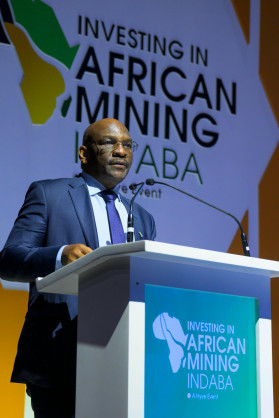
Africa must take bold steps to own its resources, create jobs and build industries that sustain prosperity for generations, African Export-Import Bank (Afreximbank) (www.Afreximbank.com) has told African leaders, policymakers, mining industry leaders and global partners at the African Mining Indaba 2025 in Cape Town, South Africa, on Sunday.

In a keynote address at the ministerial symposium of the Indaba, Mr. Denys Denya, Senior Executive Vice President of the Afreximbank Group, argued that the continent was standing at a crossroads and could either continue exporting its wealth and remain a marginal player in the global economy or take the bold steps to own its resources.

He noted that “While the global mining industry generated approximately US$1.7 trillion in revenue in 2023, Africa's share of this wealth remains disproportionately low. Our continent extracts the raw materials that power the world's industries, yet it is estimated that we retain as little as between four per cent and 20 per cent of the total value of our minerals due to minimal local processing and limited downstream development. The result? Lost economic opportunities, exposure to volatile commodity cycles and a persistent reliance on external markets for refined products derived from our own resources.” “The choice is ours. The time to act is now. Let us work together: governments, financial institutions, investors, and industry players to build an Africa where mining is not just about extraction but about transformation, innovation and wealth creation,” said Mr. Denya. “Africa has the resources, the market potential, and the policy frameworks to transition from a resource-dependent continent to an industrial powerhouse. However, success will depend on bold, decisive action from all stakeholders. Policymakers must implement clear, enforceable regulations that mandate local value addition and create investment-friendly environments. Private sector investors must step up with capital and technology to develop processing, refining, and manufacturing facilities.”

Reversing this trend demanded bold, coordinated action, he argued. “We must move beyond extraction and invest in refining, smelting and advanced manufacturing. African nations must increase local processing capacity for minerals such as bauxite, lithium, cobalt and iron ore.”

He added that regional collaboration was essential as no single country could build a mining value chain in isolation.

Mr. Denya highlighted the importance of the African Continental Free Trade Area (AfCFTA) in developing intra-African mineral value chains and strengthening cross-border collaboration and said that attracting capital for mining-related infrastructure, technology transfer and skills development were critical.

“Our mining policies must also prioritise environmental, social and governance standards, ensuring that mining benefits communities rather than displacing them,” he said, adding that the approach would create millions of skilled jobs for the youth and reduce reliance on volatile global markets while strengthening intra-African trade.

Reiterating Afreximbank's commitment to supporting Africa's mining sector and ensuring that mineral wealth drove economic growth rather than perpetuate resource dependency, Mr. Denya announced that, over the past three years, the Bank had approved more than US$1 billion in support of mining and mineral sector projects across the continent, including financing the development and construction of a bauxite processing plant in Guinea, supporting the expansion of a manganese processing plant in Gabon and providing working capital financing to a diamond company in Botswana.

Other major projects being supported by the Bank include a petrochemical fertilizer plant in Angola, a titanium dioxide pigment plant in South Africa and the feasibility study for the development of a limestone mine processing plant in Malawi, he added.

Mr. Denya said that the establishment of the US$10-billion AfCFTA Adjustment Fund, managed by FEDA, Afreximbank's impact investment subsidiary, would provide critical financial support to countries and businesses transitioning to the new trade regime, including those in the mining sector, and that the Bank's efforts to harmonise standards and implement the Africa Collaborative Transit Guarantee Scheme would also facilitate seamless movement of minerals and mining equipment across borders, reducing logistical bottlenecks.

Afreximbank was also leveraging digital platforms, such as the Africa Trade Gateway and the Pan-African Payment and Settlement System, to enable efficient transactions and market access, which would ensure that Africa's vast mineral wealth was utilised to drive industrialisation, value addition and economic resilience across the continent, he added.

Mr. Denya also noted that Afreximbank, in collaboration with development partners, was driving the development and expansion of industrial parks and special economic zones (SEZs) to address infrastructure challenges that hinder industrial growth.

One of the most transformative initiatives under that pillar was the DRC/Zambia Electric Vehicle Battery Manufacturing Special Economic Zones - a project that positions Africa at the centre of the global energy transition by the implementation of battery precursor SEZs aimed at making the two countries globally competitive investment destinations for the battery electric vehicle value chain.

The African Mining Indaba 2025, taking place from 3 to 6 February, is the premier gathering where Africa policymakers, industry leaders and global partners work to shape the future of the African mining sector.

Distributed by APO Group on behalf of Afreximbank.

Media Contact:
Vincent Musumba
Communications and Events Manager (Media Relations)
Email: press@afreximbank.com

Follow us on:
X: https://apo-opa.co/4116jsN 
Facebook: https://apo-opa.co/4aLcd4I 
LinkedIn: https://apo-opa.co/3Et8gFS 
Instagram: https://apo-opa.co/4aOinBd

About Afreximbank:
African Export-Import Bank (Afreximbank) is a Pan-African multilateral financial institution mandated to finance and promote intra-and extra-African trade. For 30 years, the Bank has been deploying innovative structures to deliver financing solutions that support the transformation of the structure of Africa's trade, accelerating industrialization and intra-regional trade, thereby boosting economic expansion in Africa. A stalwart supporter of the African Continental Free Trade Agreement (AfCFTA), Afreximbank has launched a Pan-African Payment and Settlement System (PAPSS) that was adopted by the African Union (AU) as the payment and settlement platform to underpin the implementation of the AfCFTA. Working with the AfCFTA Secretariat and the AU, the Bank is setting up a US$10 billion Adjustment Fund to support countries effectively participating in the AfCFTA. At the end of December 2023, Afreximbank's total assets and contingencies stood at over US$37.3 billion, and its shareholder funds amounted to US$6.1 billion. Afreximbank has investment grade ratings assigned by GCR (international scale) (A), Moody's (Baa1), Japan Credit Rating Agency (JCR) (A-) and Fitch (BBB). Afreximbank has evolved into a group entity comprising the Bank, its impact fund subsidiary called the Fund for Export Development Africa (FEDA), and its insurance management subsidiary, AfrexInsure (together, "the Group"). The Bank is headquartered in Cairo, Egypt.

For more information, visit: www.Afreximbank.com

Media files
Afreximbank
Download logo
Read moreAfreximbank Challenges Africa’s Miners to Take Bold Steps to Own the Continent’s Resources
5 February 2025

Learners encouraged to explore TVET colleges 

Location: News

Learners encouraged to explore TVET colleges 

Higher Education and Training Deputy Minister, Dr Mimmy Gondwe, has encouraged learners to consider the Technical Vocational Education and Training (TVET) colleges as a valuable and viable alternative for advancing their careers.

The Deputy Minister was speaking during an oversight visit to the post school education and training (PSET) institutions in the Western Cape this week.

Gondwe described the TVET colleges as crucial for job creation and youth skills development in the country.

The Deputy Minister visited the West Coast College Vredenburg Campus, and the Cape Peninsula University of Technology (CPUT) Bellville Campus in Cape Town.

Gondwe’s visits aimed at assessing the state of readiness of higher education institutions across the country, ahead of the 2025 academic year.

During the visit at West Coast College, she encouraged learners to take pride in acquiring artisan skills as they offer great entrepreneurship opportunities.

“I am very encouraged by what I’m seeing at TVET colleges, I believe they are the future of this country. TVETs are producing artisans with much needed skills [and] also offer opportunities for learners to acquire future skills, such as robotics, AI [Artificial intelligence], and coding,” Gondwe said.

At the second part of the visit, students at CPUT expressed concerns about student residences and other facilities. The Deputy Minister directed the institution to work with the Student Representative Council (SRC), to speedily resolve the identified issues.

The Deputy Minister’s visit to the Western Cape, follows her recent visit to higher education institutions in the Free State where she visited Goldfields TVET College and the Central University of Technology (CUT), at the Welkom campus.

During the visits, the Deputy Minister has been accompanied by key senior officials from Higher Education and Training, and the National Student Financial Aid Scheme (NSFAS).

The Deputy Minister’s dedicated Help Desk has also formed part of the delegation, assisting with all higher education related queries on each visit.

The issue of funding and administrative challenges faced by the NSFAS was in the spotlight during the Free State leg of the visits.

“NSFAS needs to get its act together, in order to ensure that student allowances are paid on time with no delays. Delays cause serious challenges for learners; learners need allowances to eat and to buy hygiene products. This is important for their sense of wellbeing and dignity,” Gondwe said.

Gondwe embarked on the state of readiness visits following a plan of action, announced by Higher Education and Training, Dr Nobuhle Nkabane at the special meeting of the Post Education and Training sector held in January 2025, to establish the state of readiness for the 2025 academic year.

The Deputy Minister’s oversight is expected to continue in other provinces, with North West higher education institutions being the next on the list. – SAnews.gov.za


GabiK
Wed, 02/05/2025 - 14:56

328 views
Read moreLearners encouraged to explore TVET colleges 
4 February 2025

Expanding digital access for learners

Location: News

Expanding digital access for learners

As part of ongoing efforts to expand digital access, the Minister of Communications and Digital Technologies, Solly Malatsi, has launched a state-of-the-art Cyber Lab with 40 laptops and modern infrastructure designed to enhance digital learning, in Cape Town.

“Bridging the digital divide is not just about providing technology -  it’s about ensuring that young people have the skills and opportunities to use it effectively. This Cyber Lab ensures that learners from these communities are not left behind but are equipped to thrive in a digital future,” the Minister said on Tuesday.

The initiative, which is in partnership with the State Information Technology Agency (SITA), marks a significant step in expanding digital access for learners from Lansdowne, Khayelitsha, Langa, Philippi, Mitchells Plain and Nyanga.

A key element of this initiative is the broadband connectivity provided by the Western Cape Provincial Government, reinforcing the power of cooperative governance in expanding digital access and transforming education.

To ensure lasting impact, the initiative includes a structured digital literacy program for both teachers and students. 

This training will equip learners with essential digital skills, including coding, website design, and other Information and Communications Technologies (ICT) capabilities - unlocking opportunities in software development, e-commerce, and the broader digital economy.

“By investing in both infrastructure and digital literacy - including coding, website design, and other high-demand digital skills - we are laying the foundation for more inclusive economic participation and future job opportunities in the tech sector.

“But this is not just about individual success. It is about uplifting communities. We want to see learners use these skills to help small businesses build a digital presence, support community initiatives, and create solutions that drive local development. Digital transformation must be inclusive, and it starts here - with young people using technology to shape a better future for themselves and those around them,” the Minister said.

This project aligns with the department’s commitment to ensuring that all South Africans have meaningful internet access by 2029. It also supports the department’s goal of equipping citizens with the digital skills necessary to participate in the digital economy. - SAnews.gov.za


nosihle
Tue, 02/04/2025 - 15:15

593 views
Read moreExpanding digital access for learners
4 February 2025

Government calls on private sector to help bridge digital divide

Location: News

Government calls on private sector to help bridge digital divide

The Deputy Minister in the Presidency, Kenny Morolong, has called for collaboration between the private and public sectors to create a meaningful future for the country’s children and to bridge the digital divide.

The Deputy Minister made the call during the government’s back-to-school programme in Cape Town, Western Cape, on Tuesday. 

Following his speech, the Deputy Minister toured special needs schools that benefited from MTN’s Connecting Every Child initiative. 

The MTN’s Connecting Every Child initiative, a joint effort between the Department of Basic Education (DBE) and the Department of Communications and Digital Technologies (DCDT), aims to provide digital devices and educational content to schools in South Africa.

The Deputy Minister emphasised the private sector’s role in fostering development and investing in youth, underlining its crucial contribution to Africa’s economy.

“I’m happy you are not limiting your responsibilities just to providing goods and services and this is an indication of what government can do working with the private sector and to an extent, society,” he said.

He also praised MTN for its significant contributions to the education sector and expressed his appreciation for both the learners and teachers.

The Deputy Minister stressed the importance of education as a powerful catalyst for change and expressed gratitude for initiatives that improve lives and society.

He visited the Jan Kriel School in Kuils River and Rusthof LSEN (Learners with Special Educational Needs) School in Onverwacht, which both benefited from the colourful computer labs donated by MTN.

The 88-year-old Jan Kriel School is dedicated to teaching and training learners with special educational needs. 

Jan Kriel School Principal, Gerrit Odendaal, stated that the school’s new laboratory has transformed the institution. 

He believes that technology is essential for helping learners gain independence, which is a crucial skill for their development.

“When they leave school, the teacher stays behind and mommy and daddy won’t always be there. But they will have a smartphone, a laptop, a device or some technology that they can take with them.” 

He said the computer lab, equipped with 28 laptops, an interactive whiteboard, and printers, has transformed this school after it previously had an outdated computer room that was not suitable for children with special needs.

Keyboards have now been adapted to be colourful and include special trackpads to support learners whose motor skills are still developing.

“You should have seen their faces the day they walked into that lab for the first time. They are now looking forward to their computer lessons. They ask, ‘Ma’am when is the next period?’ They’re excited to learn and that makes learning and teaching fun,” Odendaal told SAnews. 

Western Cape MTN General Manager, Noluthando Pama, stated that the company believes everyone deserves the benefits of a digitally connected life through the internet.

“We as MTN, our vision, the thing that gets us to wake up every day is to ensure that we’re providing connectivity to communities that don’t have connectivity. So, we chose this school because we also believe that special needs, are very much in need of this digitally connected world.” 

According to Pama, the labs not only make learning enjoyable but also enhance cognitive abilities.

“As a brand, seeing the fruits of all the work we’re doing, it’s very heartwarming.”   

They have also equipped the school with a network mast, allowing for faster and higher-quality connectivity.

She stated that MTN strongly advocates for a public-private partnership in the country.

“That’s when you can truly have an impact on economic growth. What GNU [Government of National Unity] is also doing and bringing the different political parties and vastly so, engaging business on forums such as BUSA [Business Unity South Africa]. 

“You’re seeing a deliberate partnership of MTN and government to benefit children and the community and we love that as MTN we’re not there to ask customers to buy data and airtime from us but we’re investing in their communities and giving their kids digitally enabled tools.” 

She believes that without partnerships with the private sector, it would be difficult for the government to make progress in curbing unemployment.

“The budget of government is limited and of course, the private sector companies have a bit of room to play with,” she added. – SAnews.gov.za
 

Gabisile
Tue, 02/04/2025 - 16:42

32 views
Read moreGovernment calls on private sector to help bridge digital divide
3 February 2025

Merck Foundation and First Ladies of Africa Mark World Cancer Day 2025: 194 Oncology Scholarships Provided Across 32 African Countries

Location: News
Merck Foundation

  • Merck Foundation marks World Cancer Day with African First Ladies by providing 194 scholarships of Oncology Training to African doctors from 32 countries.
  • Merck Foundation together with Africa First Ladies and Ministries of Health has been building cancer care capacity and increasing the limited number of Oncologists in their countries by providing close to 200 Scholarships of One-, two- and three-years fellowship, diploma and Master Degree of oncology to African doctors from 32 Countries.
  • Merck Foundation is making history in Africa by training the First African Oncologists and First Cancer Care Teams in Countries such as The Gambia, Sierra Leone, Burundi, Liberia, Guinea Conakry, Central African Republic, Chad, Burundi, Malawi, Niger, Namibia, Zambia, Zimbabwe and more.

Merck Foundation (www.Merck-Foundation.com), the philanthropic arm of Merck KGaA Germany, marks ‘World Cancer Day 2025' together with Africa's First Ladies and Ministries of Health. Through their Cancer Access Program, Merck Foundation is building quality and equitable cancer care capacity in Africa.

Senator Dr. Rasha Kelej, the CEO of Merck Foundation, highlighted, “At Merck Foundation, we mark World Cancer Day not just as a single day, but as our continued commitment to transform and advance cancer care in Africa.

Together with my dear sisters, the Africa's First Ladies, we are have enhanced the cancer care capacity in the continent by providing 194 scholarships to young African doctors from 32 countries, significantly increasing the number of oncologists in Africa. We are making history together by providing these important scholarships for the first oncologists and /or the first cancer care teams in many countries across Africa.”  

Merck Foundation in total provided more than 2100 scholarships to doctors from over 52 countries in 44 critical and underserved medical specialties.

The Merck Foundation Cancer Access Program provides One, two- and three-years fellowship, Post Graduate Diploma and Master Degree of oncology for doctors from Africa. The clinical training has been conducted in India, Egypt and Kenya. Additionaly, Merck Foundation also provides scholarships for 2 years online PG Diploma in Cancer and Clinical Oncology, 01 year online PG Diploma in Medical Oncology and 1 year online PG Diploma in Pain Management from reputed Universities in UK like University of South Wales, University of Buckingham, Queen Mary University of London, and Cardiff University.

Merck Foundation is establishing Multidisciplinary Oncology Care teams in many African countries by providing scholarships of clinical training in Medical Oncology, Surgical Oncology, Pediatrics Oncology, Gynecology Oncology, Breast Oncology, Haemato-Oncology, Orthopaedic Oncology, Palliative Care, Pathology Oncology, Radiation Oncology, Research in Oncology, Surgical Oncology - Genital Urinary System, Advanced Cytopathology Training, Interventional Radiology, Radiation Technician, Laboratory Technician, Oncology Nursing.

Merck Foundation through its Merck Foundation Cancer Access Program has provided 194 scholarships of Oncology to doctors from 32 countries including Botswana, Burkina Faso, Burundi, Cameroon, Central African Republic, Chad, Congo Brazzaville, Democratic Republic of the Congo, Ethiopia, Gabon, Gambia, Ghana, Guinea, Kenya, Liberia, Malawi, Mauritius, Mozambique, Namibia, Nepal, Niger, Nigeria, Rwanda, Sao Tome & Principe, Senegal, Sierra Leone, South Africa, Sri Lanka, Tanzania, Uganda, Zambia and Zimbabwe.

“In several of these countries, there wasn't even a single oncologist. We are proud to be making history in Africa by training the first oncologists and establishing the first cancer care teams in nations such as The Gambia, Sierra Leone, Burundi, Liberia, Guinea Conakry, Central African Republic, Chad, and Niger. Merck Foundation remains committed to transforming the landscape of cancer care across the continent and leading Africa toward a healthier future,” explained Senator Dr. Rasha Kelej.

Africa records around 1.1 million new cases of cancer, resulting in up to 700,000 deaths, every year, as per WHO data. The mortality rate of cancer patients is very high in Africa, as compared to the rest of the world.

“One of the key reasons is also the late diagnosis of the disease. Therefore, these scholarships are very important” added Senator Kelej.

Merck Foundation has also created awareness materials including awareness leaflets and videos on Cancer Prevention and Early Detection.

Dr. Chifundo Kajombo, Merck Foundation Alumni from Malawi shares, “I am privileged to be awarded a scholarship by Merck Foundation to pursue the Surgical Oncology fellowship training program at Tata Memorial Hospital, India. I managed to advance from basic surgical oncology principles to the advanced level. This has helped me improve my understanding of cancer and operative principles. Since returning back home, I have managed to change the structure of how our breast clinic runs and modified it to incorporate a number of new things that we probably could not have possibly included. I am so proud to share that I have just been awarded the Best Surgeon for 2023 in Malawi. I would not have achieved this feat without Merck Foundation's scholarship. I am very thankful.”

Watch testimonials videos of Merck Foundation Oncology Fellowship Alumni: https://apo-opa.co/42ziwpY

Distributed by APO Group on behalf of Merck Foundation.

Contact details:
Mehak Handa
Community Awareness Program Manager
+91 9310087613 / +91 9319606669
mehak.handa@external.merckgroup.com

Join the conversation on our social media platforms below and let your voice be heard!
Facebook: https://apo-opa.co/3CxqKnW
X: https://apo-opa.co/3Q8rwL3
YouTube: https://apo-opa.co/42zjKl4
Instagram: https://apo-opa.co/42Hdtnk
Threads: https://apo-opa.co/40A5EwY
Flickr: https://apo-opa.co/40GOfmv
Website: www.Merck-Foundation.com
Download the Merck Foundation App: https://apo-opa.co/3Q0ZWPV

About Merck Foundation:
The Merck Foundation, established in 2017, is the philanthropic arm of Merck KGaA Germany, aims to improve the health and wellbeing of people and advance their lives through science and technology. Our efforts are primarily focused on improving access to quality & equitable healthcare solutions in underserved communities, building healthcare & scientific research capacity, empowering girls in education and empowering people in STEM (Science, Technology, Engineering, and Mathematics) with a special focus on women and youth. All Merck Foundation press releases are distributed by e-mail at the same time they become available on the Merck Foundation Website.  Please visit www.Merck-Foundation.com to read more. Follow the social media of Merck Foundation: Facebook (https://apo-opa.co/3CxqKnW), X (https://apo-opa.co/3Q8rwL3), Instagram (https://apo-opa.co/42Hdtnk), YouTube (https://apo-opa.co/42zjKl4), Threads (https://apo-opa.co/40A5EwY) and Flickr (https://apo-opa.co/40GOfmv).

The Merck Foundation is dedicated to improving social and health outcomes for communities in need. While it collaborates with various partners, including governments to achieve its humanitarian goals, the foundation remains strictly neutral in political matters. It does not engage in or support any political activities, elections, or regimes, focusing solely on its mission to elevate humanity and enhance well-being while maintaining a strict non-political stance in all of its endeavors.

Media files
Merck Foundation
Download logo
Read moreMerck Foundation and First Ladies of Africa Mark World Cancer Day 2025: 194 Oncology Scholarships Provided Across 32 African Countries
3 February 2025

Government activities for the week 1 – 7 February 2025

Location: News

Government activities for the week 1 – 7 February 2025

From 1 to 5 February, the Minister of Science, Technology and Innovation, Prof. Blade Nzimande, undertakes a G20 science, technology and innovation visit to the United Arab Emirates and Egypt.

On Monday, 3 February, the South African delegation, led by the Minister of Mineral and Petroleum Resources, Gwede Mantashe, participates in the 2025 Investing in African Mining Indaba convened under theme: “Future-proofing African Mining, today!”.

On Monday, 3 February, the Gauteng MEC for Health and Wellness, Nomantu Nkomo-Ralehoko, oversees the commencement of the single dose Human Papillomavirus (HPV) vaccination drive at Welizibuko Primary School in Klipspruit, Soweto.

From Monday, 3 February, the Government Communication and Information System (GCIS) will host pre-State of the Nation Address (SONA) outreach activities from in the Western Cape province. 

  • Day One: Monday, 3 February 
    11h00: Service delivery outreach, Guga S’thebe Arts Centre.
     
  • Day Two: Tuesday, 4 February 
    15h30: Western Cape Community Media consultative session, Khayelitsha Thusong Service centre.
     
  • Day Three: Wednesday, 5 February
    13h00: Oversight visit to Mitchells Plain Thuthuzela Care centre
    15h00: Community Radio Simulcast Broadcast panel discussion, Mitchells Plain Labour Centre.

On Tuesday, 4 February, the Deputy Minister of Communications and Digital Technologies, Mondli Gungubele, will visit and handover digital migration equipment to a gender-based violence victims shelter in Western Cape, Cape Town.

On Tuesday, 4 February, the Minister of Communications and Digital Technologies, Solly Malatsi, together with the Deputy Mayor of Cape Town, will launch of the SITA STEM Cyberlab in Lansdowne.

On Tuesday, 4 February, the North West Provincial Legislature Portfolio Committee on Economic Development, Environment, Conservation and Tourism, chaired by Mpho Khunou, will hold an oversight meeting with the Department of Economic Development, Environment, Conservation and Tourism, together North West Parks and Tourism Board, over delayed payment of salaries at the entity, and other concerning matters in different entities of the department.  

On Wednesday, 5 February, the Deputy Minister of Tourism, Maggie Sotyu, will host an Outreach Programme at the JL Zwane Memorial in Gugulethu - Western Cape Province - to share information on the department’s capacity and empowerment programmes with a view to encourage active and inclusive participation by the Youth, Women and Small Medium and Micro Enterprises (SMMEs) who seek to advance their career or business in the tourism sector.

On Thursday, 6 February, President Cyril Ramaphosa will deliver the State of the Nation Address in Parliament. 

Matona
Mon, 02/03/2025 - 15:33

77 views
Read moreGovernment activities for the week 1 – 7 February 2025
2 February 2025

Orbit TVET shines as a beacon of excellence

Location: News

Orbit TVET shines as a beacon of excellence

The Portfolio Committee on Higher Education has commended Orbit Technical and Vocational Education and Training (TVET) College, in Rustenburg for its outstanding contributions to education, recognising it as a beacon of excellence in the sector.

During its oversight visit to the North West on Friday, the committee was impressed by Orbit College's skills development programs, as evidenced during their class-by-class visits and tour of the college's infrastructure.

Committee members urged Orbit to maintain its high standards and continue the excellent work that the college is doing. 

The committee also commended the college for the level of professionalism and its partnership with Intel Corporation and the Department of Higher Education and Training (DHET) to inspire students to explore opportunities in artificial intelligence. 

This collaboration aims to equip students with the knowledge and skills needed to develop innovative Artificial Intelligence (AI) solutions.

While the committee was impressed by the wok that is being done at the college, Chairperson of the committee Tebogo Letsie expressed concern with the number of staff that were in acting positions.

“We have committed ourselves in this term to have a meeting with the Department of Higher Education and Training (DHET) to discuss governance issues, including DHET's inability to fill vacant posts.

“Currently, we have deputy principals and senior managers in acting positions, which should have been permanently appointed by the colleges themselves, but this has not been done. Not filling these posts takes a toll on the already available human resources, stretching them to do more work,” Letsie said in a statement on Friday.

Additionally, Orbit College was encouraged to enhance its Information and Communications Technology (ICT) systems to streamline and improve the efficiency of student registration processes. 

The Portfolio Committee on Higher Education and Training has kick-started its three-day oversight visit to institutions of higher education at the North-West University (NWU) last week. The university is one of several institutions the committee is scheduled to visit in the province to assess readiness for the academic year.

The aim of the oversight visit is to ensure institutions are adequately prepared to handle the demands of the registration period and the overall needs of students, among other things. The committee stressed the importance of adequate staffing and efficient communication mechanisms during peak academic periods to alleviate long queues and ensure a seamless registration process.-SAnews.gov.za

nosihle
Sun, 02/02/2025 - 10:35

28 views
Read moreOrbit TVET shines as a beacon of excellence
31 January 2025

2024 tax year: General increase in compliance

Location: News

2024 tax year: General increase in compliance

Preliminary figures for the 2024 tax year show a general increase in compliance for provisional taxpayers and trusts filing their annual Income Tax Returns.

“Since the opening of the filing season, 543 252 provisional taxpayers had filed their annual Income Tax Returns for the 2024 tax year. This is 4.76% up from the 517 356 in the 2023 tax year," the South African Revenue Service (SARS) said on Friday.

Additionally, taxpayers also filed returns that were outstanding from prior tax years. 

In total, 162 690 provisional taxpayers filed returns for the previous years. This is down from 242 911 in the 2023 tax year. The ultimate total is 705 942 provisional taxpayers filed their returns.

With regards to trusts, SARS received returns from 84 134 taxpayers for the 2024 tax year, which is up from 68 890 for the previous tax year. 

Moreover, there were 80 132 trusts returns for previous years, resulting in the overall total of 164 266 of trusts.

“The number of non-provisional taxpayers who filed their Income Tax Returns and those automatically assessed stands at 6 797 055. [Of these] 4 765 753 were auto-assessed for the 2024 tax year, which is 24.94% up from 3 577 239 from the previous year. As reported before, these taxpayers did not have to do anything, and SARS used vast data sources to auto-assess them and provide an outcome for them,” SARS said.

The filing season for provisional taxpayers and trusts closed on 20 January 2025.

SARS said the general increase in the number of provisional taxpayers and trusts filing returns is encouraging. However, there is still a long way to go to ensure acceptable levels of compliance in these categories of taxpayers. 

“There is a noticeable increase on the filing of returns by non-provisional taxpayers. This comprises the use automatic assessment for non-provisional taxpayers, as well those who independently file their returns. 

“This reflects a general increase in compliance in this category but undoubtedly, there is still long way to declare that every taxpayer, who is supposed to file their return, is dutifully fulfilling their legal obligation. Increasingly, SARS will focus on encouraging voluntary compliance in these categories of taxpayers,” SARS said.

SARS Commissioner Edward Kieswetter expressed his gratitude to all taxpayers, who have taken steps to fulfil their legal obligations.

“While SARS is pleased with the general increase in compliance, it is too early to declare victory. In this regard, SARS will continue to employ the latest technology, artificial intelligence, and data science to foster voluntary compliance by ensuring that transacting with the organisation is an effortless and seamless experience that will lessen the compliance burden. 

“This will comport with SARS’s overall mission to realise our promise that ‘the best service is no service at all',” Kieswetter said.

SARS said it is committed to providing clarity and certainty to enable taxpayers to fulfil their legal obligations. It is working to make it easy and simple for taxpayers to transact with the organisation through online platforms, such as eFiling.

“SARS and taxpayers each play a critical role in South Africa’s public finances. All categories of taxpayers, including trusts, and even economically inactive ones, must register for tax, file returns and pay on time. Non-compliance with tax law is a criminal offence and will attract penalties and interest,” the revenue service said. – SAnews.gov.za

nosihle
Fri, 01/31/2025 - 11:22

196 views
Read more2024 tax year: General increase in compliance
31 January 2025

Drone technology boosts border security over festive season

Location: News

Drone technology boosts border security over festive season

The use of drone technology has boosted South Africa’s border security efforts, with operations at ports of entry this festive season having been improved as a result.

Speaking at a briefing on Friday on the Border Management Authority (BMA) festive season operations, Home Affairs Minister Dr Leon Schreiber said the use of drones at five ports of entry on a pilot basis made an immediate and visible impact.

Schreiber said the piloting of new technology, including drones and body cameras, has demonstrated the power of digital transformation to secure and enhance border management.

“It is now time for the BMA to permanently acquire these capabilities, as we accelerate our work to digitalise South Africa’s port environment, including automating all entry and exit procedures,” the Minister said at the briefing held in Pretoria.

Schreiber commended the success registered at ports of entry to curb illegal activities.

“In previous years, festive season operations were characterised by fragmentation, lack of coordination and the inability to adjust quickly to changing circumstances on the ground.

“Thanks to the focus on coordination, technology and collaboration by the BMA, the number of attempted illegal border crossings by undocumented persons that were successfully prevented increased by 215% this past festive season.” 

Operational successes

BMA Commissioner Dr Michael Masiapato said the festive season plan was implemented from 6 – 31 December 2024 (the exit leg) and 1 - 18 January 2025 (the return leg). 

In 2023/24, 15 924 undocumented persons who tried to come into the country illegally were intercepted. In 2024/2025, this number increased to 50 312.

Another 6 159 people were detected for overstaying, and a further 1 923 were refused entry due to fraudulent documentation or non-compliance with entry requirements.

BMA border guards, in collaboration with the South African Police Service (SAPS), made 322 arrests, including 132 wanted criminals, and seized illicit goods that included R690 million worth of illegal cigarettes.

The Department of Agriculture, Land Reform and Rural Development assisted with the deployment of drones at Beitbridge, Maseru Bridge, Lebombo, Kopfontein and Oshoek. Forty-two pilots were assigned and effectively operated those drones across the five ports of entry.

The use of these drones at the five ports led to the detection of 2 188 additional people, who attempted to illegally enter the country.

“That is 2 188 people who would be walking among us illegally now if it was not for the use of this technology,” Schreiber said.

Furthermore, the drones led to 2 326 breaches in the border fence being identified and sealed.

Masiapato said prior to the implementation of the festive season plan, the BMA -- an entity of the Department of Home Affairs -- increased the human resource capacity at certain ports of entry and also extended operating hours at some of the ports, which do not normally operate on a 24-hour basis.

The BMA is mandated to facilitate and manage the legitimate movement of people and goods across South Africa’s 71 ports of entry, 52 of which are land, 10 are international airports and nine are seaports, as well as the border law enforcement area.

Cooperation pays off

Masiapato explained that during the implementation of the plan, the BMA collaborated with a multiplicity of law enforcement stakeholders, such as SAPS, South African Revenue Service (SARS), South African National Defence Force, Cross Border Road Transport Agency, Intelligence Structures, INTERPOL, the Department of Agriculture, Land Reform and Rural Development, the Immigration Inspectorate of the Department of Home Affairs, the Road Traffic Management Cooperation and various locally based traffic authorities across the various provinces.

During the festive season, the BMA facilitated the legitimate movement of about 5 084 251 travelers across the 71 ports of entry. This number represents an increase of 51 680 travelers compared to the 2023/24 festive period.

The BMA processed over 395 189 private vehicles, 12 974 mini-bus taxis and 6 071 buses through the movement control system. 

The BMA processed over 9 491 aircrafts through the international airports and about 660 vessels across seaports.

OR Tambo International Airport facilitated the majority of travelers at 1 065 636, followed by ⁠the Beitbridge land port of entry to Zimbabwe at 645 590 travelers, and then followed by the Lebombo land port of entry to Mozambique at 571 131.

Compared to the 2023/24 festive period, Lebombo experienced a decline of about 183 935 travelers. 

Working with SARS, the BMA facilitated a total of 58 938 trucks for both import and export.

Out of the total number of  58 938 processed trucks, 47 891 were processed for exports and 11 047 were processed for imports.

Masiapato thanked the border guards and coastal guards, who continue to do their best in the midst of challenges and complexities associated with border law enforcement work.

“We are very hopeful that we will be able to get the resources and fully enrol the requisite technologies required for effective border management,” he said. – SAnews.gov.za

Edwin
Fri, 01/31/2025 - 11:33

10 views
Read moreDrone technology boosts border security over festive season
30 January 2025

Dtic to host Mining Indaba Investment Forum

Location: News

Dtic to host Mining Indaba Investment Forum

The Department of Trade, Industry and Competition (the dtic) will host the Mining Indaba Investment Forum at the Cape Town International Convention Centre in Cape Town on Tuesday, 4 February.

It will take place as South Africa hosts the Mining Indaba from 3 - 6 February.

The forum will be hosted in partnership with the Department of Mineral and Petroleum Resources and the Department of Science, Technology and Innovation. 

The forum will be held under the theme: An Integrated Approach to the Development of South Africa’s Critical Minerals. 

The purpose of the forum is to showcase the capabilities and supporting infrastructure that South Africa has with regards to beneficiation of critical minerals, as well as efforts that government is putting in place to support investments in the mining sector.

A high-level panel of Ministers and representatives of the private sector will lead engagements on mineral beneficiation and processing.

The seminar will also offer a platform to discuss South Africa’s geological potential, policy interventions and beneficiation strategies to support sustainable, inclusive growth. 

It will also feature perspectives from industry leaders on investment potential, exploration opportunities and transformative initiatives within the mining sector. – SAnews.gov.za


Edwin
Thu, 01/30/2025 - 14:57

91 views
Read moreDtic to host Mining Indaba Investment Forum
30 January 2025

Mashatile to honour top achievers at Vincent Tshabalala Education Trust Annual Bursary Awards ceremony

Location: News

Mashatile to honour top achievers at Vincent Tshabalala Education Trust Annual Bursary Awards ceremony

Deputy President Paul Mashatile will on Friday honour top-achieving learners, as well as their schools and teachers from the Matric Class of 2024, at the Vincent Tshabalala Education Trust Annual Bursary Awards.

The Deputy President has served as the Chairperson of the Vincent Tshabalala Education Trust since its establishment in 2004 and currently holds the position of patron. 

This non-profit organisation (NPO) has awarded bursaries to numerous learners and university students, many of whom have made significant contributions to the development and growth of the Alexandra community and beyond.

The Deputy President’s late friend and comrade, Vincent Tshabalala, was a founder of the Alexandra Youth Congress (AYCO) and a member of the ANC’s military wing, Umkhonto we Sizwe. 

Tshabalala lost his life in a confrontation with the apartheid police in Alexandra in 1985.

Today, hundreds of learners from Alexandra high schools have been awarded bursaries. Some of those who have completed their studies are now chartered accountants, engineers, information technology specialists, lawyers, lecturers, and auditors.

The awards ceremony will be held at San Kopano Community Hall, located on 12th Avenue in Alexandra Township, Johannesburg. – SAnews.gov.za

Gabisile
Thu, 01/30/2025 - 12:31

79 views
Read moreMashatile to honour top achievers at Vincent Tshabalala Education Trust Annual Bursary Awards ceremony
30 January 2025

Meteorological services uninterrupted despite hacking incident

Location: News

Meteorological services uninterrupted despite hacking incident

The South African Weather Service (SAWS) has asserted that it continues to rely on alternative channels to render critical marine, aviation and severe weather services, pending the recovery and restoration of compromised Information and Communication Technology (ICT) systems.

This follows a cyber security breach on its ICT systems by criminal elements, on Sunday evening.

“Thus far, we have not had an interruption of services. Weather products for marine and aviation sectors are being conveyed via alternative channels. Daily forecasts are being sent regularly via email to media houses and to Disaster Management Authorities,” SAWS Chief Executive Officer, Ishaam Abader said on Thursday.

Abader said that forecasts were further being disseminated through social media platforms, as the organisation’s website remains down.

The weather service said that a team of engineers, and cyber security experts are working around the clock to return operations to normalcy within a reasonable time. Up to so far, the team has been able to restore the SAWS email functionality and telephone system.

“The SAWS understands the significance of its services in so far as they relate to saving lives and property from the impact of hazardous weather. Accordingly, the organisation does not take the cyber-attack lightly. The public will be kept abreast of developments at regular intervals,” the weather service said. -SAnews.gov.za

nosihle
Thu, 01/30/2025 - 09:49

241 views
Read moreMeteorological services uninterrupted despite hacking incident
29 January 2025

Night Studies Pay off for Dunoon Matriculant

Location: News

Sange Dastile studied in the early morning in the one-room house he shares with his mother and brother. Now he’s off to Stellenbosch University to study medicine.

Read moreNight Studies Pay off for Dunoon Matriculant
29 January 2025

CSIR launches app to tackle literacy challenge in children

Location: News

CSIR launches app to tackle literacy challenge in children

The Council for Scientific and Industrial Research (CSIR) has launched the Ngiyaqonda! literacy app to assist South African children in reading for comprehension in their home language. 

The app utilises curriculum-approved content along with the CSIR’s local language text and speech technologies to generate thousands of sentences for foundation phase learners to engage with.

A recent international study has revealed alarming findings in the South African education sector, indicating that eight out of 10 Grade 4 learners are unable to read for basic meaning in their home language.

“Without this essential skill, South African children are deprived of the opportunity to fulfil their true potential, with the impact being the most devastating for those from disadvantaged communities,” the scientific and technology research organisation said. 

The CSIR recognised that many complex factors contribute to this situation, and they believe it is essential to explore a wide range of solutions to address the various dimensions of the crisis. 

The CSIR’s Natural Language Processing Research Group has initiated a research and development project called Ngiyaqonda! which means “I understand” in IsiZulu.

The app funded by the Department of Sport, Arts and Culture includes artifacts developed in earlier projects sponsored by the South African Centre for Digital Language Resources (SADiLaR).

The main aim is to integrate speech and text technologies into an Android app that guides learners to compose sentences in their home language as well as in English.

“This app provides learners with a dynamic digital learning environment in their home language and English. While children are taught in their home language from Grades 1 to 3, the medium of instruction for most South African learners starting from Grade 4 is English.” 

The CSIR explained that students listen to sentences spoken by a computer-generated voice and then compose their own sentences using guidance from a reliable text-generation engine.

“The app also allows learners to read sentences aloud and receive feedback on their fluency and pronunciation based on an automatic speech scoring system developed specifically for children’s voices.” 

The app has been piloted with Grade 3 learners who speak IsiZulu in Soweto, Johannesburg, and with Sepedi-speaking Grade 3 learners in Mamelodi, Pretoria, during 2023 and 2024.

“The application harnesses so-called translanguaging principles, such as using translation between the home language and a target language typically English to ensure that learners really understand what they are reading. 

“While the application is currently configured to serve foundation phase learners in their literacy journey, it has the potential to be used up to the tertiary level to assist in language learning of the African languages,” said CSIR senior researcher Laurette Marais. 

The current project focuses on IsiZulu, Sepedi, English, and Afrikaans, with plans to expand to additional languages in the future.

“While no single solution can be considered a silver bullet, this team of CSIR researchers has made it their mission to use their unique set of skills to bring an innovative solution that could empower all South African children and their hopes for a bright future.” – SAnews.gov.za 
 

Gabisile
Wed, 01/29/2025 - 15:13

98 views
Read moreCSIR launches app to tackle literacy challenge in children
28 January 2025

Learners Sit on the Floor at This Old and Overcrowded Ekurhuleni School

Location: News

Erasmus Monareng Secondary has dilapidated classrooms and is short-staffed

Read moreLearners Sit on the Floor at This Old and Overcrowded Ekurhuleni School
27 January 2025

Solar project makes strides in W Cape

Location: News

Solar project makes strides in W Cape

The Riversdale solar energy project, which is set to bring reliable, affordable and renewable energy, is making satisfactory progress, says Western Cape Premier Alan Winde.

The multimillion-rand energy initiative is currently under construction in Riversdale, located in the Southern Cape, following a sod-turning ceremony in September 2024. 

Riversdale, a growing hub of economic activity and job creation, is located along the N2 highway in the Hessequa region between Cape Town and George. The town is mainly agriculturally oriented, and is recognised as a hub for shopping and other services for surrounding farming communities, smaller towns and some coastal resorts.

Winde, who visted the project site on Friday, said the project is an important part of creating energy security, even though the country has had a reprieve from load shedding.

The first phase of the project is expected to provide power to local businesses by the beginning of next year. After three years, it should be extended to all residents of the Hessequa region.

READ | Eskom edges closer to meeting load shedding target

Winde believes that municipalities in the Western Cape should continue to explore and invest in alternative energy solutions, with an added focus on making power more affordable and environmentally friendly. 

He said the Riversdale project and others like it will help in the face of Eskom's "staggering" 44% proposed increase for electricity sales to municipalities in the upcoming financial year. Through these projects, municipalities, the Premier said, would be able to absorb some of the worst of these price increases and pass on the benefits to their residents. 

“This project is not just ensuring energy resilience, which is much needed after the disastrous spate of power cuts; we are also taking a more responsible approach to power generation through renewable and affordable energy provision.”

Eskom has applied to the National Energy Regulator of South Africa for a 44% increase in electricity prices for the 2024/2025 financial year. 

The Western Cape Government (WCG) believes that the Riversdale energy initiative is essential for providing for the town's residents, and that it will also play a vital role in securing economic growth and driving job creation in the region.

The solar project includes a 10 megawatt (MW)-hour solar photovoltaic (PV) system that can generate 15 million kilowatt-hours per year. 

It features a battery energy storage system with a capacity of 10MW-hours, allowing for efficient energy storage and discharge. 

It is also equipped with advanced monitoring and control systems, enabling real-time performance tracking and optimisation.

The project is being implemented in three phases. According to the WCG, It will provide energy to the whole of Riversdale, which currently has a population of around 22 000 people. 

Electricity and Energy Deputy Minister, Samantha Graham-Maré, commended the WCG for its efforts to assist municipalities to incorporate renewable energy into their business models. 

She commended Hessequa Municipality for taking a leading role in the country by leveraging renewable energy for the benefit of all residents.

The WCG’s efforts to ensure affordable, reliable and renewable energy extend across the province, with projects such as solar PV installations, which are guided by the Energy Resilience Programme. The programme is aimed at generating 5 700MW by 2035. – SAnews.gov.za

Gabisile
Mon, 01/27/2025 - 10:37

287 views
Read moreSolar project makes strides in W Cape
27 January 2025

Salute to police officers!

Location: News

Salute to police officers!

The blood, sweat and tears of the men and women in blue have been honoured at the official National Police Day event.

Police Minister Senzo Mchunu said National Police Day, which was held in Durban on Monday, 27 January, is a platform to recognise the sacrifices, courage and unwavering dedication of the members of the South African Police Service (SAPS).

“Today, we pause to reflect on your invaluable contributions, to honour your service and reaffirm our commitment to supporting and strengthening our police service,” Mchunu told officers at the event.

With South Africa having marked 30 Years of Freedom and Democracy last year, Mchunu said the journey of transformation towards a democratic South Africa has been characterised by significant shifts in creating a police service "for the people, by the people".

This year, National Police Day was held under the theme: "Celebrating 30 Years of Policing in Democracy".

In 2005, Cabinet approved 27 January as National Police Day -- a day set aside to remember the sacrifices made by men and women in blue.

“We transitioned from a past marked by division to a future founded on unity, justice and human rights,” Mchunu said. 

Throughout the years, SAPS has played a critical role in strengthening democracy, protecting citizens and ensuring that every South African can live in safety and dignity.   

“You are the shield between law-abiding citizens and those who wish to inflict harm upon them. You are the first line of defence in our fight against crime, corruption and lawlessness.

“We gather here at Kings Park Athletic Stadium, not only as officials and law enforcement personnel but as a unified force standing against crime and injustice. 

“As officers of the law, you bear the immense responsibility of ensuring peace, maintaining order and bringing justice to those who seek to undermine our nation’s security. Every day, you put your lives on the line, facing unimaginable dangers to safeguard our communities. 

“You leave your families to serve the greater family that is our beloved country. Your sacrifices do not go unnoticed. On behalf of the government of the Republic of South Africa and the people you so diligently protect, I extend my heartfelt gratitude to each and every one of you. We honour your bravery. We respect your resilience, and we salute your dedication,” Mchunu said.

Crime, however, remains one of the greatest challenges facing the nation.

“We will not falter in our duty to dismantle criminal networks, to root out corruption and to restore public confidence in law enforcement. We recognise that policing is not just about enforcement; it is about service. 

“It is about building trust between officers and communities, ensuring that every citizen regardless of where they live feels safe, protected and heard,” Mchunu said.

The Minister said the trust of the people in the SAPS is the greatest weapon. 

“Our strength lies in the bonds we forge with our communities. The more we work together, the stronger we become in our mission to eradicate crime. A police service that commands the trust of the people is a police service that can truly make a difference.

“We must continuously invest in training, technology, and community partnerships to enhance our effectiveness. A police service that adapts, innovates, and works hand in hand with the people is a police service that can truly serve and protect,” the Minister said. 

Honouring the legacy

At its last annual Police Commemoration Day in September last year, SAPS honoured 39 officers, who died in the line of duty between 01 April 2023 to 31 March 2024.

SAPS also has the South African Police Service Education Trust (SAPSET), which was officially established on 23 November 2010. The objective is to provide financial and resource support to the children of fallen heroes and heroines, who died in the line of duty.

To date, SAPSET has assisted 1 631 children; 21 have graduated, and 155 have matriculated. To date, SAPSET has raised over R17 million. 

According to SAPS, operational members’ danger allowance was increased from R400 to R700 as from April 2022. - SAnews.gov.za   

Edwin
Mon, 01/27/2025 - 14:21

97 views
Read moreSalute to police officers!
23 January 2025

Ministers and CEOs to Convene at Invest Africa’s 12th Annual Mining Series

Location: News

Invest Africa
Download logo

Invest Africa (www.InvestAfrica.com), a leading pan-African trade and investment platform, is excited to announce Aon as the Headline Partner for its 12th Annual Mining Series alongside Mining Indaba 2025. With demand for transition metals expected to grow fivefold by 2050 as the world shifts to cleaner energy, Africa's mining sector will play a pivotal role in driving the global energy transition. Mining Series 2025 will convene government leaders, industry experts, and investors to examine how Africa can leverage its resources for sustainable and inclusive growth in an ever-evolving global market.

Confirmed speakers include: Mr Dean William Macpherson, Minister of Public Works and Infrastructure, Republic of South Africa; Dr Kgosientsho David Ramokgopa, Minister of Electricity, Republic of South Africa; H.E. Antony Phillipson, High Commissioner to South Africa, United Kingdom; Marna Cloete, President, Ivanhoe Mines; Marie-Chantal Kaninda, President, Glencore DRC; and Brian Menell, Chairman and CEO, TechMet; alongside other prominent leaders from government and industry [(for the full programme, click here (https://apo-opa.co/3PNtMr8)].

"The mining sector is at a crossroads as it navigates the dual challenges of accelerating demand for transition metals and the need for greater sustainability and transparency," said Dr Nolwandle Mgoqi, Chief Executive Officer, Aon South Africa. "Africa holds the key to powering the energy transition, but unlocking this potential requires a forward-thinking approach to risk management, resilient supply chains, and transformative technology. Aon is honoured to partner with Invest Africa in fostering critical dialogue and innovative solutions to shape the future of mining."

“We're seeing a tremendous appetite for investment in Africa's mining sector,” said Chantelé Carrington, Chief Executive Officer, Invest Africa. "Through the Mining Series, our mission is to shine a spotlight on opportunities across the continent and catalyse partnerships that unleash the full potential of Africa's resources while ensuring sustainable and inclusive growth."

Invest Africa is deeply grateful to all our partners for their support of the 12th Annual Mining Series, including: Absa, Afreximbank, Africa Finance Corporation, Aon, Black Mountain, Growth Gateway, Loinette Capital, Premier Invest, and S-RM.

To register for the 12th Annual Mining Series, please click here (https://apo-opa.co/4jtTWg4).

Distributed by APO Group on behalf of Invest Africa.

For media enquiries, contact: 
george.meadows@investafrica.com 
+2776891975 

About Invest Africa:
Invest Africa is a leading business and investment platform with over sixty years of expertise in Africa, dedicated to connecting businesses with unique opportunities across the continent. Our global network comprises more than 400 member companies, including multinationals, private equity firms, institutional investors, development finance institutions, professional service providers, government bodies, and entrepreneurs.

With chapters in Kenya, South Africa, the UAE, the UK, and the US, we leverage our global reach, market intelligence, and extensive network to support and connect businesses. Our mission is to drive socio-economic growth by facilitating sustainable capital flows and providing strategic insights through our membership, consultancy services, and dynamic events programme.

Read moreMinisters and CEOs to Convene at Invest Africa’s 12th Annual Mining Series
22 January 2025

Nzimande forms part of ministerial delegation to World Economic Forum

Location: News

Nzimande forms part of ministerial delegation to World Economic Forum

The Minister of Science, Technology and Innovation, Professor Blade Nzimande, is part of the South African delegation, led by President Cyril Ramaphosa, attending the 55th World Economic Forum (WEF) in Davos, Switzerland. 

The annual meeting is taking place from 20 - 24 January 2025, under the theme: ‘Collaboration for the Intelligent Age’. 

“The meeting will convene global leaders to address key global and regional challenges, which include responding to geopolitical shocks, stimulating growth to improve living standards, and stewarding a just and inclusive energy transition,” the Department of Science, Technology and Innovation (DSTI) said. 

During its Group of 20 (G20) Presidency in 2025, South Africa will endeavour to create equitable opportunities for all by addressing systemic disparities and promoting unity and mutual support to address shared global challenges collaboratively. 

As part of the contribution of the DSTI, Nzimande participated in WEF panel discussions on Tuesday. 

The discussions focused on scaling solutions for Africa’s economic future and getting the electric vehicles supply chain right. 

Today, the Minister will take part in another session focused on the theme: ‘Space: Leaving No Country Behind’.

President Cyril Ramaphosa touched down in Davos on Tuesday and has already delivered a special address to the WEF, where he presented the economic priorities of South Africa’s Government of National Unity and the country’s G20 Presidency.

During the week, the President will undertake numerous bilateral meetings with Heads of State and Government and leaders of international organisations. 

He will also participate in diverse activities in different sectors of the WEF annual meeting.

The President is accompanied by Minister of International Relations and Cooperation, Ronald Lamola; Minister of Finance, Enoch Godongwana; Minister of Trade, Industry and Competition, Parks Tau; Minister of Electricity and Energy, Dr Kgosientsho Ramokgopa; Minister of Communications and Digital Technologies, Solly Malatsi; Minister of Fisheries, Forestry and Environment, Dr Dion George; Minister of Health, Dr Aaron Motsoaledi and Minister of Agriculture, John Steenhuisen. – SAnews.gov.za
 

Gabisile
Wed, 01/22/2025 - 09:37

78 views
Read moreNzimande forms part of ministerial delegation to World Economic Forum
22 January 2025

Government, private sector partner to empower learners in rural KZN

Location: News

Government, private sector partner to empower learners in rural KZN

Learners in uMkhanyakude, in the uMtubatuba region of northern KwaZulu-Natal, received a boost at the start of the school year when the Deputy Minister of Science, Technology and Innovation, Nomalungelo Gina, led a back-to-school campaign. 

In partnership with Coca-Cola Beverages South Africa and the Izimpande Foundation, the Deputy Minister on Tuesday delivered 132 new school shoes to Bathathe and Mfekayi primary schools. 

Both schools are no-fee institutions that provide accessible, quality education to their communities. 

These schools are pivotal in uplifting the Mtubatuba region by fostering educational growth and opportunities for young learners. 

Gina reaffirmed her belief that every learner deserves the necessary resources to thrive academically. 

The Deputy Minister also extended her efforts to KwaNxusa High School in the uMthonjaneni Municipality and Qantayi High School in the uMhlathuze Municipality, where she donated essential stationery earlier this month.

Inspired by her initiative, Coca-Cola Beverages South Africa and the Izimpande Foundation partnered with the Deputy Minister to expand the campaign and provide much-needed school shoes.

The KwaZulu-Natal Department of Education District Director, Thanduyise Motha, emphasised that providing children with adequate resources from the foundation phase sets a strong base for their academic success. 

He said uMkhanyakude has risen to become KwaZulu-Natal’s top-performing district for the National Senior Certificate (NSC) Class of 2024, securing the third spot nationally. 

Motha said when he was first appointed to the position, the district was ranked 75th countrywide, highlighting the incredible progress made in improving educational outcomes in the region. 

Referring to the donation of school shoes, Motha said the gesture helps to contribute to the excellent pass rate in the district, which motivates learners to study further and harder. 

He believes that this also motivates teachers to commit more to the success of the learners. 

“This shows that government delivers on its promises at the basic education level, and I thank the Department of Science, Technology and Innovation for gracing us with this much-needed support,” Motha said. 

Meanwhile, the Deputy Minister expressed her gratitude to the private sector for its role in the initiative. 

“I thank the private sector for partnering with government in this initiative to positively impact our children, planting a seed from which the learners will reap benefits for their future,” she said.

During her interaction with the learners, Gina was inspired by their ambitions, as some learners expressed aspirations of becoming doctors, while another learner shared his dream of pursuing a career as a social worker. 

The Deputy Minister encouraged all learners to stay committed to their studies and thanked parents for their essential role in supporting their children’s education. 

Izimpande Foundation’s Sihle Ngobese highlighted the importance of supporting male learners in society, an initiative that led to the formation of the non-profit organisation in 2019, and the donation of school resources to various schools around the country. 

“The idea of donating school resources is more than anything personal, where I was even assisted by someone I did not even know (sic). This planted a seed in me that I will also help others, just as I was helped.” 

The principals of both schools expressed their heartfelt gratitude for the generous donation.

They both expressed hopes for continued support to further improve their school infrastructure and educational resources for the betterment of their learners. 

The back-to-school campaign underscored the transformative power of partnerships in addressing challenges faced by underprivileged learners and ensuring they have the tools and support needed to excel in their education. – SAnews.gov.za 
 

Gabisile
Wed, 01/22/2025 - 09:17

7 views
Read moreGovernment, private sector partner to empower learners in rural KZN
21 January 2025

President Ramaphosa arrives in Davos for the World Economic Forum

Location: News

President Ramaphosa arrives in Davos for the World Economic Forum

President Cyril Ramaphosa has arrived in Davos-Klosters, Switzerland, where he is leading the South African delegation at the 55th World Economic Forum (WEF). 

The annual meeting is taking place from 20-24 January 2025 under the theme; “Collaboration for the Intelligent Age”.

The meeting brings together global leaders to address key global and regional challenges, which include responding to geopolitical shocks, stimulating growth to improve living standards, and stewarding a just and inclusive energy transition.

Supported by his delegation, President Ramaphosa’s programme will begin this afternoon with a bilateral meeting with Founder and Chairman of the World Economic Forum Board of Trustees, Klaus Schwab. 

“During the G20 Presidency, South Africa will endeavour to create equitable opportunities for all by addressing systemic disparities and promoting unity and mutual support to address shared global challenges collaboratively,” the Presidency said in a statement. 

President Ramaphosa is also set to deliver a Special Address to the forum at 15:50 (CEST), where he will outline South Africa’s economic priorities and advance the country’s G20 Presidency.

South Africa’s G20 agenda, themed “Solidarity, Equality, Sustainability,” aims to promote equitable opportunities, address systemic disparities, and foster global collaboration to tackle shared challenges.

The President’s Special Address will be live streamed on wef.ch/wef25 and PresidencyZA Social media platforms.

Throughout the week, the President will hold numerous bilateral meetings with Heads of State, and Government leaders, and Heads of International Organisations. He will also participate in a variety of sessions and activities in different sectors of the WEF annual meeting.

President Ramaphosa is joined by key Cabinet members, including Minister of International Relations and Cooperation Ronald Lamola; Minister of Finance Enoch Godongwana; Minister of Trade, Industry and Competition Parks Tau; Minister of Electricity and Energy Dr Kgosientsho Ramokgopa; Minister of Science, Technology and Innovation Dr Blade Nzimande; Minister of Communications and Digital Technologies Solly Malatsi; Minister of Fisheries, Forestry and Environment Dion George; Minister of Health Dr Aaron Motsoaledi and Minister of Agriculture John Steenhuisen. – SAnews.gov.za


DikelediM
Tue, 01/21/2025 - 13:09

337 views
Read morePresident Ramaphosa arrives in Davos for the World Economic Forum
21 January 2025

VFS Global’s new Indonesia e-Visa on Arrival official platform goes live for 97 nationalities, including South Africa

Location: News
VFS Global

  • Dedicated website https://IndonesiaVoA.VFSeVisa.id/ to complete the Indonesia e-VoA application
  • Simple to use end-to-end online platform accessible from desktop and mobile
  • Significant reduction in wait times at immigration upon arrival in Indonesia

VFS Global (www.VFSGlobal.com), the world's largest outsourcing and technology services specialist for governments and diplomatic missions, has launched its new user-friendly and efficient online platform to make Indonesia's Electronic Visa on Arrival (e-VoA) application process seamless for travellers, promote inbound tourism, and enhance overall customer experience. The platform is in line with Indonesian government's ongoing efforts to enhance its tourism infrastructure and services to welcome 14 million visitors in 2025.

VFS Global's new e-VoA platform, is available for nationals of all the 97 countries eligible for e-VoA (http://apo-opa.co/40si4qG), including South Africa. Travellers can now enjoy a quicker and smoother visa application journey through VFS Global by completing the entire process online and receiving a pre-approved e-VoA before departure.

Jiten Vyas, Chief Commercial Officer and Head of Business Development, VFS Global, said,
“As a company, we are constantly working towards innovations which provide a seamless visa application submission experience to our customers. The launch of this innovative, secure, and user-friendly digital e-Visa on Arrival platform for Indonesia will undoubtedly streamline the visa application process, making it faster, easier, and more convenient. With Indonesia being a globally sought-after destination, we are honoured to assist visitors from 97 countries by facilitating their entry into this incredible country through this platform.”

Here are the four simple steps to apply for Indonesia e-VoA:

  1. Visit https://IndonesiaVoA.VFSeVisa.id/
  2. Submit all the required documents
  3. Pay the necessary fees
  4. Receive a pre-approved e-VoA on email before departure

With the payment having been made online, travellers can enjoy a smoother and faster entry experience through E-gates or immigration counters.

VFS Global's new e-VoA platform will ensure all the documents applicants submit are complete and error-free. It also offers OCR technology which will enable applicant details to be auto populated, thereby saving time and effort for applicants. The new platform will also provide group booking facility which could be beneficials for travel trade and conventions.

Travellers applying for Indonesia e-VoA via VFS Global will get a dedicated email and live support in seven languages - English, Mandarin, Japanese, Korean, Arabic, German, and French – to help them with their queries. VFS Global will add more language support in due course of time for key markets.

Distributed by APO Group on behalf of VFS Global.

Media Contact:
George Cherian
Corporate Communications
georgec@vfsglobal.com
communications@vfsglobal.com

About VFS Global:
As the world's leading outsourcing and technology service specialist, VFS Global embraces technological innovation including Generative AI to support governments and diplomatic missions worldwide. The company manages non-judgmental and administrative tasks related to applications for visa, passport, and consular services for its client governments, increasing productivity and enabling them to focus entirely on the critical task of assessment.

With a responsible approach to technology development, adoption and integration, the company prioritizes ethical practices and sustainability while serving as the trusted partner to 69 client governments.  Operating over 3,400 Application Centres in 152 countries, VFS Global has efficiently processed more than 303 million applications since 2001.

Headquartered in Zurich and majority owned through investment funds managed by Blackstone Inc, along with the Swiss-based Kuoni and Hugentobler Foundation and EQT, VFS Global is committed to creating value for all stakeholders and leading in responsible, innovative solutions making government services more effective and efficient.

Media files
VFS Global
Download logo
Read moreVFS Global’s new Indonesia e-Visa on Arrival official platform goes live for 97 nationalities, including South Africa
20 January 2025

Eskom to reach 300 days of no load shedding at midnight

Location: News

Eskom to reach 300 days of no load shedding at midnight

At midnight tonight, Eskom will reach 300 days without implementing load shedding – a milestone not seen since June 2018.

Eskom has shown vast improvement since the implementation of the Energy Action Plan introduced by President Cyril Ramaphosa in July 2022, as well as the implementation of the power utility’s own Generation Recovery Plan.

“This performance has also resulted in year-to-date diesel savings of R16.42 billion [year-on-year], which is about 62.9% less than the R26.09 billion spent during the same period last year, as a result of the continued execution of the Generation Operational Recovery plan.

“In August, Eskom shared its summer outlook for the period from 1 September 2024 to 31 March 2025, predicting a likely scenario of a load shedding free summer due to structural generation improvements. This outlook remains unchanged,” Eskom said.

The power utility listed the following as its key performance highlights:

  • Year-to-date unplanned outages average 12 040MW, remaining below the summer base case of 13 000MW by 960MW.
  • As of Friday, unplanned outages stand at 12 566MW, while available generation capacity is 28 145MW.
  • The Unplanned Capacity Loss Factor (UCLF) is at 25.22% for the financial year-to-date (1 April 2024 to 16 January 2025), improving from 32.78% in the corresponding period last year. This represents a 7.6% improvement.
  • Ongoing planned maintenance at 6799MW aligns with our summer maintenance strategy to further improve reliability in preparation for winter 2025 and beyond.
  • Strategic use of peaking stations, including pumped storage and OCGTs, remains available to manage electricity demand during peak times, particularly during evening peaks (5pm to 10pm).

Meanwhile, the power utility has appointed Dr Candice Hartley as Chief People Officer and Rivoningo Mnisi as Group Executive for Renewables.

Eskom Group Chief Executive, Dan Marokane, said: “In the last ten months, we have focussed on strengthening our executive team not only to bring in specialist skills to drive the delivery of our strategy in a fast-moving and increasingly competitive marketplace, but to also drive interventions to address the legacy management control issues that have characterised our recent audit findings”.

Hartley, who boasts two decades of experience in Human Resources, served as Executive Partner and Head of People at KPMG South Africa before joining Eskom.

Mnisi also brings to Eskom some two decades of experience in digitalisation, innovation, and sustainability and was Chief Strategy Officer at Exxaro before joining the power utility.

“A key area of [Hartley’s] focus will be to ensure Eskom has the skills the organisation requires to operate in a competitive marketplace. She will also transition Eskom’s human capital practices and workforce plans to align with the strategy and ensure the wider adoption of technology across the organisation.

“[Mnisi’s] focus will be on delivering an Eskom renewable energy business that will become a significant player in this segment, focussing on work already in progress for an executable initial pipeline of at least 2GW of clean energy projects by 2026. He will also lead the advancement of Eskom’s pipeline of more than 20GW of clean energy projects to diversify its energy mix as part of the emissions reduction strategy,” Eskom said in a statement. – SAnews.gov.za

NeoB
Mon, 01/20/2025 - 10:56

442 views
Read moreEskom to reach 300 days of no load shedding at midnight
  • Previous
  • Page 1
  • Interim pages omitted …
  • Page 12
  • Page 13
  • Page 14
  • Page 15
  • Page 16
  • Interim pages omitted …
  • Page 68
  • Next

Copyright © 2026 · MyZA · All Rights Reserved · Powered by Stratlec Online