• Skip to main content
  • Skip to header right navigation
  • Skip to after header navigation
  • Skip to site footer
MyZA

MyZA

News, Directory, Events and Other Stuff

  • Social Media
  • Sport
  • World News
  • Home
  • Submit News
  • Directory
  • Events
  • Stratlec
  • TFSA
  • News
    • APO
    • Today’s Sport News
    • Todays Social Media and Tech Headlines
    • Today’s World News
    • Today’s SA Financial News
  • Contact
You are here: Home / Archives for Technology

Technology

14 December 2024

African Youth Tech Venture Entrepreneurs Embark on Groundbreaking Korean Innovation Tour

Location: News
African Development Bank Group (AfDB)

Twenty promising youth entrepreneurs from African technology ventures and enterprise support organizations have embarked on a two-week study tour of the Republic of Korea, seeking investment and insights from the country's innovative tech ecosystem. The African Development Bank Group's (www.AfDB.org) Innovation and Entrepreneurship Lab selected these young entrepreneurs from 133 ventures that participated in last month's Africa Tech Startup Forum.  

Held under the auspices of the Lab's Leveraging the Entrepreneurial and Innovation Success of Korea to Strengthen African Enterprise Support project, the Forum selected entrepreneurs who pitched the best business models during the weeklong virtual market access and acceleration program preparing, training, and connecting technology ventures with opportunities. 

Representing eight African nations -- Egypt, Ghana, Kenya, Morocco, Nigeria, Rwanda, South Africa, and Uganda – the delegates span diverse technological sectors, including agritech and health. Their ambitious itinerary includes visits to prestigious institutions such as Global Startup Centre, LG Science Park, the Korea Software Technology Association, unicorn companies with valuations exceeding $1 billion and the Global Digital Innovation Network, a foundation supporting the expansion of South Korea's tech startups. 

Uche Ezadinachi, the founder of Kenya-based health technology venture Zuri Health, expressed enthusiasm about the opportunity. “I am excited to go to Korea because the country has made serious technological developments. The [country] is a technology-driven society, and this tour is an opportunity for me to see how we can bring such technology to Africa,” she said.  

“We will share experiences with our Korean counterparts; they will learn from us as much as we learn from them,” she added. 

The delegation, which is more than one-third women and entirely composed of entrepreneurs aged 18 to 35, will participate in several high-profile events, including, K Startup Grand Challenge, an accelerator program supported by the South Korean government, Africa Innovation Networking Gala, and COMEUP Korea, an event connecting Korean startups with global investors, corporations, and media. 

David Chen, co-founder of Rwandan health data venture Kapsule, highlighted the tour's potential for relationship-building. “This is an opportunity for us to have face-to-face interactions and build relationships. This trip will help us link with other health technology companies operating in Asia,” he said. 

Financially supported by the Korea-Africa Economic Cooperation Trust Fund, the Africa Tech Startup Forum is part of the African Development Bank's broader Jobs for Youth in Africa Strategy.  

Martha Phiri, the Bank's Director of Human Capital, Youth and Skills Development, underscored the program's significance. 

“This is a pivotal initiative that plays a crucial role in enhancing the skills of young entrepreneurs. These skills will empower young entrepreneurs to expand their ventures, which leads to significant employment creation,” she stated. 

Ndeye Absa Gningue, Innovation Platform Officer, managing the Bank's Innovation and Entrepreneurship Lab, said: “Platforms like the Africa Tech Startup Forum provide young people with the opportunity to nurture their potential. We will continue to work with them so they can blossom.” 

Distributed by APO Group on behalf of African Development Bank Group (AfDB).

Media contact:  
Leonard Makombe
Communication Specialist
Communication and External Relations Department
email: media@afdb.org 

About the African Development Bank Group: 
The African Development Bank Group is Africa's premier development finance institution. It comprises three distinct entities: the African Development Bank (AfDB), the African Development Fund (ADF) and the Nigeria Trust Fund (NTF). On the ground in 41 African countries with an external office in Japan, the Bank contributes to the economic development and the social progress of its 54 regional member states. For more information: www.AfDB.org

Media files
African Development Bank Group (AfDB)
Download logo
Read moreAfrican Youth Tech Venture Entrepreneurs Embark on Groundbreaking Korean Innovation Tour
13 December 2024

Call to expand SA-Angola trade and investment 

Location: News

Call to expand SA-Angola trade and investment 

President Cyril Ramaphosa has called for the expansion of bilateral trade and investment between South Africa and Angola.

“During our official engagement, we reached a shared understanding that significant opportunities exist to further strengthen and expand our bilateral trade and investment relations,” President Ramaphosa said on Thursday.

The President made the remark during the South Africa-Angola Business Forum held at the CSIR International Conventional Centre in Pretoria. This as he hosted his Angolan counterpart, President João Manuel Gonçalves Lourenço, who was in South Africa for a State Visit at the Union Buildings earlier in the day.

READ | SA, Angola deepen ties

Speaking at the inaugural South Africa-Angola Business Forum, President Ramaphosa said it was heartening and encouraging to see a broad representation of business from the two countries. 

“This is in itself a solid demonstration of confidence; confidence in the strength of the region’s two largest economies; confidence in the potential that exists for deepening trade and investment ties; confidence that the governments of both countries are taking the necessary steps to ensure that the business operating environment is improved so investments can be safe and secured,” the President explained.

The first citizen said in his engagements with President Lourenço and the respective delegations, a wide array of critical political, economic and social issues of mutual concern were discussed.

More than 20 South African entities are already investing in Angola in a range of sectors including rail, agriculture, industrial parks, oil refineries, manufacturing, IT, financial services and logistics.

“By way of example, the Development Bank of Southern Africa is financing port development, railway rehabilitation, oil and gas infrastructure and renewable energy development in Angola. 

“The Export Credit Insurance Corporation of South Africa has also maintained a healthy pipeline in Angola in infrastructure development, and the Industrial Development Corporation is involved in financing the Cabinda Oil Refinery and the Cabinda phosphate project. We would like to see substantially more Angolan FDI [foreign direct investment] inflows into the South African economy,” said President Ramaphosa.

In addition, between 2003 and 2024, “only a handful” of Angolan companies were investing in South Africa in communications, financial services and the metal sector.

With respect to trade, though South Africa’s exports to Angola have grown by approximately 11% since 2019, they account for just 3% of Angola’s total imports. 

South Africa’s imports from Angola have declined by some 19% since 2019.

“Casting the net wider presents immense possibilities for improving both trade and investment flows. South Africa is pursuing an ambitious economic development agenda based on export-led industrialisation.

“We seek to revitalise our industrial base, modernise our infrastructure network, and strengthen logistics and supply chain connectivity with the rest of the continent,” President Ramaphosa said, noting that this presents opportunities for cooperation in various sectors such as agriculture and agro-processing, energy and rail rolling stock.

Energy and infrastructure development

On energy matters, the President said the rapid growth of key clean energy manufacturing industries, as part of the global transition to a low-carbon economy, is an area that must be explored urgently. 

“The global energy transition offers new opportunities to upgrade and diversify into technology-intensive global value chains. The transition to a low-carbon economy therefore presents scope for collaboration around critical minerals, specifically with regards to value addition and beneficiation.”

The President said infrastructure development that unlocks intra-Africa trade is a priority.

“We must build on the work already underway on the Lobito Corridor to create sustainable industries in the region. South Africa is ready to partner with Angola in the development of strategic corridors, including the Central, North and South Corridors, with the aim of transforming them into dynamic economic infrastructure projects that can promote growth.”

Cutting red tape

President Ramaphosa called on business and government to use the forum proactively.

“As government and business, we must use this forum to engage proactively around not just the possibilities that exist, but also how to resolve the challenges in the business operating environment. Companies in both Angola and South Africa have challenges that make it difficult to do business.

“Stringent business visa requirements, high export costs, onerous import processes, taxation issues and bureaucratic red tape are just some of these. 

“We must be able to emerge from this forum with a clear understanding of what the main challenges are and what steps will be taken to facilitate greater market access on both sides.

“Promoting greater economic growth for the benefit of Angola and South Africa necessitates that we are agile, adaptable and responsive as both the public and private sectors,” he said. - SAnews.gov.za

Edwin
Fri, 12/13/2024 - 09:42

297 views
Read moreCall to expand SA-Angola trade and investment 
12 December 2024

Pixel-Perfect Precision: Protecting Today’s Digital Workforce’s Visual Health

Location: Business
LG Electronics

For modern professionals who spend long hours focused on intricate digital tasks, maintaining eye health and comfort is critical. Yet many unknowingly put excessive visual strain on their eyes by working on cramped, low-resolution displays ill-equipped for detail-intensive applications.

This can have serious ramifications for both employee well-being and work quality. “Basic laptop screens and small desktop monitors simply don't provide enough screen real estate or visual fidelity for precision tasks like coding, video editing or complex design work,” explains Tyrone Young, Head of Sales for Information Display and Information Technology, at LG Electronics South Africa.

When working on minuscule user interface elements, typography or intricately layered assets, visual acuity becomes very important. “Inadequate screen size or resolution can lead to excessive squinting and an uncomfortable viewing experience as users struggle to see fine details.”

This chronic eye fatigue can quickly drain productivity and open the door to more severe visual issues like computer vision syndrome (CVS). Symptoms of CVS include headaches, blurred vision, dry eyes and neck/shoulder pain—all of which dramatically impair work quality while compromising long-term visual health. 

The solution: LG's UltraWide and ergonomic monitors

To combat these risks, Young advocates for adopting larger, ergonomically-optimised monitors tailored for graphic professionals. “Ultra-wide, high-resolution displays significantly reduce eye strain by rendering finer details visible with ample on-screen real estate. This minimises excessive eye movements and enables more comfortable, focused viewing sessions.”

LG's 49-inch UltraWide dual GHD monitor with an adjustable stand (https://apo-opa.co/4itfybX) is a prime example, offering a workspace rivalling dual 27-inch setups in a seamless, curved 32:9 panel. “That immense area provides enough space to view multiple application windows natively without overlapping, scaling or letterboxing. This boosts organisation while eliminating the bezels and disjointed alignment of multi-monitor rigs.”

Young also highlights the monitor's expansive 5120 x 1440 resolution, which ensures ultra-sharp image rendering ideal for precision design work. “At that high pixel density, developers can easily discern individual lines of code and subtle UI elements. For video editors and artists, it reveals exceptional detail in 4K footage and visual assets.”

Decluttering workspaces, reducing distractions

Beyond superior visual fidelity, Young explains the productivity advantages of an ergonomic, space-saving design. “Our ergonomic displays mount via a sleek clamping system or desk grommet to reclaim valuable desktop area for mousepads, supplemental tablets and other tools.”

This integrated, cable-free aesthetic eliminates tangled wires and bulky monitor bases. “By decluttering workspaces, you remove visual distractions while enabling healthier computing posture—another key factor in reducing CVS symptoms.”

The adjustable stand allows effortless swivel, tilt, and pivoting adjustments to optimise viewing angles. “A built-in feature helps protect your eyes from blue light exposure. LG's Live Colour Low Blue Light feature combines hardware and software adjustments to reduce blue light emissions while maintaining vivid colour quality.”

Multi-monitor made easy

For those requiring expansive, multi-monitor setups, Young touts LG's KVM switch technology as a game-changing organisational tool. “Our KVM feature allows users to control multiple PCs or laptops simultaneously from a single keyboard, mouse and UltraWide monitor—streamlining complex, multi-display workflows.”

As the lines between office and home blur, optimising the digital workspace is paramount for employee satisfaction and health. “By prioritising large, ergonomically thoughtful displays loaded with user-centric features, companies can drive significant productivity gains while safeguarding their employees' vision long term,” Young concludes.

Distributed by APO Group on behalf of LG Electronics.

Media files
LG Electronics
Download logo
Read morePixel-Perfect Precision: Protecting Today’s Digital Workforce’s Visual Health
12 December 2024

G20 urged to deliver on climate justice

Location: News

G20 urged to deliver on climate justice

With developing nations being considered the most vulnerable to climate change, United Nations Secretary-General António Guterres says the Group of Twenty (G20) countries must lead in delivering climate justice.

Addressing the closing session for the Joint Sherpa-Finance and Central Banks Deputies' Meeting, Guterres stressed that many vulnerable countries are being forced to respond to a crisis they did not create.

“Meanwhile, they lack the necessary support to seize the benefits of clean energy to spur prosperity and eliminate poverty. We need developed countries supporting developing countries with adequate, affordable and accessible finance and technology, and through meaningful contribution to the loss and damage fund by doubling adaptation finance next year as promised.

“[Climate justice can be delivered] by forging new partnerships like the Just Energy Transition Partnership that South Africa has pioneered to pave the way to a renewable future,” the Secretary-General said on Wednesday in Johannesburg.

On 1 December 2024, South Africa assumed the Presidency of the G20, which comprises many of the world's largest developing and developed economies.

As part of the work for the G20 Presidency, South Africa has commenced with the first series of the more than 130 meetings that will precede the G20 Summit in 2025.

“G20 countries must lead the way in line with the principles of common but differentiated responsibilities but recognise that every G20 country has to do more in the reduction of emissions. Next year, every government must deliver new economic plans in line with limiting the global temperature rise to 1.5 degrees.

“These new plans must cover all emissions in the whole economy, accelerate a just fossil fuel phase out and contribute to the energy transition goals agreed to at COP28. We must also ensure that Africa’s critical minerals that can power the renewable future worldwide benefit Africans first and most. We cannot repeat the mistakes of the past,” he said.

Guterres further called on the G20 to lead on technological justice.

“From digital technology to artificial intelligence, the developing world must access and benefit from the technological revolution.

“We need the G20 to support developing countries as they invest in the digital driven systems and solutions that their people need to boost prosperity to create jobs and drive sustainable development,” he said.

South Africa's G20 Presidency is the fourth consecutive emerging market Presidency, and it is also the first African Presidency, followed by the admission of the African Union (AU) as the second permanent African member. 

The G20 was established to tackle pressing global economic and financial issues. Together, G20 members account for around 85% of global GDP and 75% of international trade. 

The G20 comprises 19 countries including Argentina, Australia, Brazil, Canada, China, France, Germany, India, Indonesia, Italy, Japan, Republic of Korea, Mexico, Russia, Saudi Arabia, South Africa, Türkiye, United Kingdom, and United States and two regional bodies, namely the European Union and the African Union.

The grouping therefore plays a critical role in influencing global policy making and fostering global economic stability. - SAnews.gov.za

nosihle
Wed, 12/11/2024 - 15:14

90 views
Read moreG20 urged to deliver on climate justice
11 December 2024

Spotlight on interventions for economic empowerment of women

Location: News

Spotlight on interventions for economic empowerment of women

With South Africa officially assuming the G20 Presidency, government is looking forward to rallying the world against all forms of gender-based violence and exploitation of women, through the Working Group on Women Empowerment.

Addressing the closing event for the 16 Days of Activism for No Violence gainst Women and Children campaign at Ntsimbini Sports Ground in Port St John’s in the Eastern Cape on Tuesday, Minister in the Presidency for Women, Children and Persons with Disabilities, Sindisiwe Chikunga, announced a range of socio-economic interventions to transition vulnerable women to income-generating activities.

Chikunga said economic empowerment was incomplete without women’s meaningful access to land, which was the basis of all economic activity and a source of dignity.

The catalytic interventions for the economic empowerment of women include prioritising transferring productive land and productive assets to women for commercial purposes. 

Working with Transnet Properties, Chikunga said over 20 sites have been identified in Limpopo, KwaZulu-Natal and the Eastern Cape, spanning over six district municipalities.

The sites will be leased to women at highly-subsidised rates, enabling them to develop sustainable enterprises.

“We are actively identifying more sites across all nine provinces, [and] we have also partnered with the Council for Scientific and Industrial Research (CSIR) to create a value-chain-driven Agricultural Cooperatives Model. 

“By leveraging the CSIR’s intellectual property and advanced technologies, including precision agriculture, this model will equip and prepare women farmers for market success.

“The Minister of Finance recently announced that public procurement makes up around 19% of government spending, totalling R1.5 trillion over the next three years. I have tasked the Women’s Economic Assembly to assemble a team of experts that will dissect Public Procurement and Gender-Responsive Supply Chains to ensure that a minimum of 40% of that R1.5 trillion goes to women-owned businesses,” Chikunga said.

The department was also rethinking financial support structures and incentives.

Chikunga said women-owned businesses do not just need contracts, but the resources to deliver on their contracts and build sustainable enterprises.

While South Africa recognised the important symbiotic relationship between promoting women in science, building equitable societies, and the advancement of humanity, Chikunga noted that currently, women make up less than a third of the workforce across science, technology, engineering, and mathematics (STEM) careers.

She said confronting the historical and ongoing exclusion of women from STEM would be a priority for the department.

“We will be developing tangible programmes and campaigns that are needed to correct societal and cultural beliefs that use gender stereotypes to perpetuate scientific inequality. Science and humanity suffer when women are excluded from STEM.

“We also intend to leverage the potential of Artificial Intelligence (AI) and Emerging Digital Technologies to improve the wellbeing and prospects of persons living with disabilities,” Chikunga said.

The Minister added that the South African government was looking forward to planning and executing catalytic legacy projects and interventions in collaboration with the G20 family and partners in areas including women in high-tech industries, women in the agricultural value chains, women in the oceans economy, logistics, pharmaceutical industries, and the creative industries. – SAnews.gov.za

GabiK
Wed, 12/11/2024 - 12:52

128 views
Read moreSpotlight on interventions for economic empowerment of women
10 December 2024

Universities urged to make provision for student accommodation

Location: News

Universities urged to make provision for student accommodation

Higher Education and Training Minister, Dr Nobuhle Nkabane, has encouraged institutions of higher learning to provide land on campus to build student accommodation facilities in a bid to make it easier to manage the standard of student accommodation and safety.

“It is our collective responsibility to make sure that we create a safe and conducive environment for students, so that the university can produce the necessary labour force that must shape the economy of our country, which will lead to a capable, ethical and developmental State,” Nkabane said.

Nkabane made the call when she unveiled a 200-bed student accommodation facility at the Tshwane University of Technology (TUT) eMalahleni campus on Monday.

The project was funded by the Department of Higher Education and Training through the department’s infrastructure and efficiency grants of R110 million, as well R8.298 million from TUT.

The building, which will be used to accommodate students from the 2025 academic year, is the first phase of the project that will accommodate 200 female students.

Nkabane said student accommodation was one of the main challenges facing the higher education sector and had a direct effect on the performance of students and the quality of graduates produced each year.

“The victims of this challenge, in the main, are the historically disadvantaged students who cannot afford expensive accommodation that is conducive to learning. The issue of accommodation also directly addresses the challenges of student safety, which we are concerned about as a sector,” Nkabane said.

She announced that TUT was part of the Student Housing Infrastructure Programme Phase 2, which is aimed at building an additional 3 500 beds across the TUT campuses for the period 2024/25 to 2026/27.

The Student Housing Infrastructure Programme aims to help universities to develop their infrastructure to address student accommodation challenges.

During Phase 2, the eMahlaleni Campus will benefit from 500 bed spaces.

“The department, together with the National Treasury’s Budget Facility for Infrastructure, has already allocated R788.382 million, comprising the department’s IEG [Infrastructure and Efficiency Grant] contribution of R450.5 million and National Treasury’s BFI [Budget Facility for Infrastructure] of R337.882 million with the remaining required budget of approximately R235 million to be augmented by debt financing from the DBSA [Development Bank of Southern Africa],” Nkabane said.

The Minister warned that the department would not tolerate delays in the transformation agenda.

“We will monitor all the projects and make sure that they are completed within the specified timeframes, and we will harshly deal with corrupt counter-revolutionary tendencies. We challenge all the students to jealousy guard and protect our infrastructure,” the Minister said.

The unveiling of student accommodation was followed by a visit to the Nkangala Technical Vocational Education and Training College’s Middleburg campus, in partnership with the National Student Financial Aid Scheme (NSFAS).

The college has five campuses around the Nkangala District and purchased the Top of the World Training Centre in 2015.

The college invested in the centre after government developed a National Development Plan (NDP) in 2012, which mandated that the country must produce 30 000 artisans annually.

The centre was purchased having only three accreditations, both training centre and trade test centre, including boilermaker, mechanical fitter, and electrician.

“The centre later acquired welder accreditation, and all the accreditations were on legacy. The centre now has six accreditations on New Occupational Programmes: fitter and turner, millwright, mechanical fitter, boilermaker, welder, and electrician.

“The new accreditations will increase capacity from 60 trainees of apprenticeship to 90. The centre is used to train and test artisans, can accommodate 90 apprenticeships and 90 Artisan Recognition of Prior Learning, and 400 NCV [National Certificate Vocational] students. The centre has produced more than 1 300 artisans to date,” the Minister said. – SAnews.gov.za

GabiK
Tue, 12/10/2024 - 10:55

727 views
Read moreUniversities urged to make provision for student accommodation
10 December 2024

Basic Education launches app to track eradication of pit toilets

Location: News

Basic Education launches app to track eradication of pit toilets

Basic Education Minister Siviwe Gwarube has unveiled the Safe Schools App, a technological solution designed to tackle one of the most urgent issues in South African schools - the eradication of pit toilets. 

The app was unveiled to the media in Tshwane on Monday afternoon during a briefing hosted by the department. 

The Safe Schools App, developed and donated by Vodacom South Africa, is a tool aimed at promoting accountability and transparency in addressing the pressing challenge. 

“The Safe Schools App is more than just an application; it is a bold statement of our resolve to eliminate unsafe sanitation facilities in schools and to do so with transparency, efficiency and accountability,” Gwarube said. 

The Minister outlined three strategic objectives for the app. 

In the short-term, it will provide real-time monitoring of the eradication of pit toilets. The app features a dynamic heat map that tracks progress on the removal of pit latrines nationwide. This feature ensures that government has access to real-time information about its efforts on the SAFE backlog. It also highlights areas requiring urgent attention, ensuring that indeed, no child is left behind. 

In the medium-term, the app will enable crowdsourcing of data to fill existing gaps in information about sanitation facilities across the country.

In the long-term, the department will roll out the use of the app to monitor other key programmes. 

Beyond sanitation, the app has the potential to serve as a key platform to track other critical departmental initiatives, including the National School Nutrition Programme, infrastructure projects, and the delivery of learning and teaching materials. 

Gwarube said the launch of the app represented a significant step forward in the department’s strategy to leverage technological partnerships to improve education outcomes in the country. 

“In today’s world, technology is not just a tool but a necessity. It allows us to enhance accountability, optimise resource allocation, and improve efficiency across the education system. 

“The Safe Schools App is a prime example of how technology can be harnessed to address societal challenges that seemed too big and too complex for us to resolve,” she said. 

The Minister invited every South African to play a role in ensuring that the nation’s schools are safe and dignified spaces for learning. 

“This is what education in a modern democracy should look like: engaged, participatory and driven by a shared vision for the future,” she said. 

Mechanism for accountability 

Gwarube said accountability was at the heart of the Safe Schools App. 

By providing a clear and real-time view of progress, the app ensures that everyone involved -- government officials, implementing agents, school administrators, and communities -- remain focused on achieving the goal of eradicating the backlog of SAFE pit toilets by the 31 March 2025 deadline. 

“This tool will enable us to identify and respond to delays, allocate resources where they are needed most, and celebrate successes along the way. It is a game-changer in how we approach infrastructure challenges, and I believe it sets a new standard for accountability and for transparency in public service delivery,” Gwarube said. 

The Minister said the eradication of pit toilets speaks to the dignity, safety, and well-being of children in schools. 

“It is about ensuring that every learner, regardless of their background or location, has access to toilets that reflect the values of a democratic and inclusive society,” she said. 

She said the urgency of the task cannot be overstated because unsafe sanitation facilities not only compromise the health and safety of learners but also impact their ability to focus on their studies and achieve their full potential. 

The Minister urged every parent, teacher and concerned citizen to report pit toilets to www.safeschools.gov.za.

“This is a collective effort, and every contribution counts. By working together, we can ensure that no child has to endure unsafe or undignified learning conditions,” Gwarube said. 

Tragic losses 

Pit latrines in South Africa have claimed the lives of several children, highlighting the urgent need for improved sanitation in schools. 

Tragic incidents include the case of Michael Komape, a five-year-old boy who drowned in a pit toilet at his school in Limpopo in 2014. His death brought national and international attention to the dire state of sanitation infrastructure in rural schools.

In 2018, Lumka Mketwa, a five-year-old girl from the Eastern Cape, died after falling into a pit latrine at her school. 

The South African Human Rights Commission and other organisations have called for accountability and the urgent eradication of pit latrines, emphasising the role of government and private sector partnerships in addressing this critical issue. – SAnews.gov.za

DikelediM
Tue, 12/10/2024 - 11:55

63 views
Read moreBasic Education launches app to track eradication of pit toilets
10 December 2024

VC4A Connects Funders of Africa’s Startup Success at Africa Early Stage Investor Summit (AESIS2024)

Location: News
VC4A

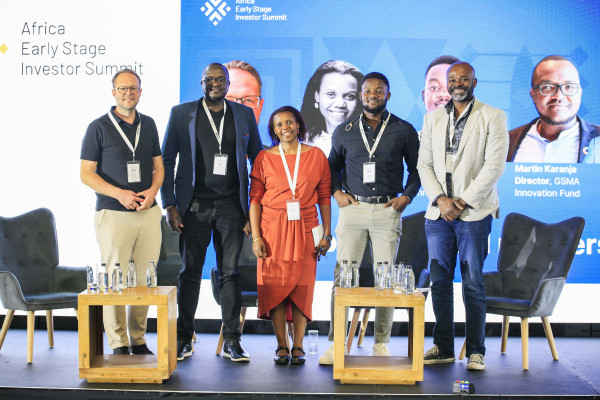
Over 300 Africa-focused delegates converged at the 11th edition of the Africa Early Stage Investor Summit, and filled up the room for the AESIS Deal Morning ready to engage with Africa's most promising founders. Next to another 15 highly promising startups, VC4A (www.VC4A.com) hosted eight female entrepreneurs from IFC's She Wins Africa program, who took the AESIS2024 stage to pitch their solutions after completing an intensive technical residency in Cape Town. The energy was palpable, reflecting the increasing investor appetite for ventures that not only deliver commercial success but also drive meaningful impact across the continent.

In the opening remarks of AESIS - which took place from the 28th to the 29th of November with the theme “Pioneering Pathways: Innovating Investment Mobilization in Africa” - VC4A CEO Vincent Hoogduijn set the tone for the two-day event. “Why does VC4A organize AESIS every year? The answer is simple - we are here to unite the African early stage investment ecosystem".

The conversations, panels, pitches and ‘investor experiences' resonated deeply with the theme, as a strong call for collaboration not only within the investor community but also from hubs and accelerators, angel groups and venture studios as well as entrepreneurs themselves.

Summing up what was a momentous event, here are the key highlights:

Day 1:

  1. Deep Dive Sessions: The discussions focused on the shifting dynamics of the African ecosystem, particularly around capital market policies, collaborations, and pipeline building. A key takeaway was the need for cross-border collaborations and the role of tech-driven platforms in streamlining the investment process. As Fridah Ntarangwi of Zidi Circle highlighted in the Collaborations and Partnerships panel, "Having functional tech-driven platforms to simplify the investment process, powered by AI and blockchain technology, is key for the ecosystem."
  2. Investor Experiences: An exclusive series of partner-hosted events to close Day 1 of AESIS2024, provided unique and casual style networking opportunities, to promote connections between investors, entrepreneurs, and leaders of industry. Partners include IFC, GIZ-SAIS, FMO Ventures, Lofty Inc Capital, TLCom Capital, Crypto Asset Investment Fund (CAIF), Digital Africa, ENZA Capital, Disraptors and Breega. The relaxed atmosphere facilitated meaningful conversations, affording the opportunity for long-term partnerships and friendships to be built.

Day 2:

  1. Deal Morning: 23 promising portfolio companies (https://apo-opa.co/3ZLzcIY) from 6 organizations - DEG Impulse: develoPPP Ventures, Digital Africa: Fuzé, Ennovate Ventures: TheNextFund, IFC: She Wins Africa, Open Startup and GIZ: SAIS program, pitched their innovative solutions to an audience of investors. The high caliber of startups and the strategic insights shared by the judges created a launchpad moment for the future of the African startup ecosystem, showcasing innovative and impactful solutions to real problems
  2. The Partner Series: Keeping momentum of the power-packed first day, the partner series held segments on Capital Mobilization, Gender Lens and Impact. Taking an apt quote from closing remarks by Thomas van Halen, Director of Investor Services at VC4A “The evolution of the African startup ecosystem reflects the growing maturity of the market, but also highlights the need for innovative and flexible exit mechanisms to meet the diverse needs of founders, investors, and funds.”

Inspiring quotes from AESIS2024

“Entrepreneurs are the architects of Africa's success” said Phuti Mahanyele-Dabengwa, the South Africa CEO, Naspers, and the AESIS2024 Guest of Honour who delivered the moving keynote on Day 1.

Anne Kabugi, Regional Gender Lead at IFC, opening the Venture Showcase - She Wins Africa pitches, tasked the delegates with a question, a food for thought: "What if I told you that Africa's food crisis is going to be solved by women?”

Nicola Tyler of The Thinking Company delivered a welcome on Day 2's Deal Morning, charging the audience with a stand out statement: “Africa is not the biggest problem in the world, it is the biggest opportunity”.

Kenza Lahlou of Outlierz Ventures shared on the Global Development Funding Panel “The role of DFIs is not to be there forever but to provide the investments that work and exit.”

Closing out at the inaugural Awards Ceremony of the Africa Early Stage Investor Summit, Tomi Davies received a ‘Lifetime Achievement Award' for his decades of commitment to promote angel investing in Africa. He delivered a moving speech with all ears listening raptly as he concluded ”Africa's youth population is the best source to build Africa's infrastructure.”

In a statement that perfectly sums up the experience of co-hosting this edition: “AESIS2024 once again pointed out that collaboration is a must,” said Vincent Hoogduijn. “It's been a tough year and we all need to work together to overcome the challenges ahead. Persistence, resilience and adaptability will be key ingredients to see the ecosystem thrive - go fast alone, go far together”

VC4A is grateful for the opportunity to serve the ecosystem as a platform to connect, inspire, and empower. Looking ahead, the collective efforts of investors, entrepreneurs, and policymakers will be essential to unlocking Africa's full potential and driving its economic growth. VC4A's commitment is to continue to unite Africa's startup ecosystems. Together with co-hosts ABAN, VC4A looks forward to reconnecting with old and new friends at AESIS2025 next year.

Distributed by APO Group on behalf of VC4A.

Media enquiries:
Boye Abiodun-Adepoju,
boyewa@vc4a.com 

About AESIS:
The Africa Early Stage Investor Summit (AESIS) is a collaborative venture between VC4A and ABAN, dedicated to advancing innovation and growth in Africa's investment ecosystem. Celebrating its 11th anniversary, AESIS2024 brought together investors, industry leaders, and influencers with the aim of accelerating early-stage investing across Africa. Visit https://AfricaInvestorSummit.com for more information.

About ABAN:
ABAN is the largest pan-African organization of Angel investors in Africa. Established in 2015, ABAN represents the growing number of business angel groups in the African early-stage ecosystems' future, providing vital human and financial capital to African startup companies creating jobs across the continent. Today, ABAN is a 75-member network in 37 African countries and the Diaspora representing over 5,000 angel investors. Visit the ABAN website (http://apo-opa.co/4gtDRVk) for more information.

About VC4A:
VC4A is an ecosystem builder that leverages its infrastructure, network, and expertise for the programs that contribute to the startup movement in emerging markets. Since 2007, the organization has designed, structured, and implemented successful entrepreneurship programs in exciting regions. VC4A runs an online platform featuring a database of startups in Africa and Latin America, connecting entrepreneurs to resources, networks, and funding. Visit the global website at https://VC4A.com/ for more information.

Media files
VC4A
Download logo
Read moreVC4A Connects Funders of Africa’s Startup Success at Africa Early Stage Investor Summit (AESIS2024)
9 December 2024

Companies Plan to IT Security Budgets up to 9% in the Next Two Years

Location: Business
Kaspersky

Companies are planning to increase their investments in information security against the background of growing financial losses from cyber incidents. This trend was revealed in the recent Kaspersky's (www.Kaspersky.co.za) IT Security Economics report.

Kaspersky IT Security Economics is an annual report that unpicks the changes in budgets, breaches and business challenges affecting IT Security decision makers. It is based on interviews with IT and IT security professionals working in organisations of various sizes and industries. The survey was conducted across 27 countries in Europe, the Asia-Pacific region, the Middle East, Turkiye and Africa (META) region, Latin and North America.

According to the research, companies plan to increase their IT security budgets by up to 9%. The median cybersecurity budgets for large enterprises were $5.7M with $41.8M allocated for IT generally, while SMBs invested $0.2M in IT security from a median IT budget of $1.6M.

Possible reasons for the increased investment can be found in the analysis of financial losses from cyber incidents. Large enterprises experienced an average of 12 incidents this year, spending $6.2M to recover from them — 1.1 times higher than the budget allocated for IT security overall. Despite the greater resources and advanced security infrastructures, the sheer scale and complexity of large enterprise organisations make them more susceptible to costly breaches. While these enterprises are often better equipped to detect incidents quickly, the time required to fully respond and mitigate these threats can span for hours, underscoring the challenge of managing widespread, complex IT environments.

As for SMBs, these organisations experienced an average of 16 incidents this year, while spending $0.3M for remediation, which is 1.5 times higher than their overall IT Security budget. SMBs are the most disproportionately affected group in terms of budgetary impact. They often lack robust cybersecurity policies and procedures, which leaves them vulnerable to incidents involving employees, public cloud misconfigurations, and high-level permissions.

In the META region, organisations of all sizes reported to have experienced on average 13 incidents within a year. In South Africa, organisations of all sizes reported to have experienced on average 19 incidents within a year.

“This data illustrates the continuation of the current trend of increasing cybersecurity spending across all market segments. This growth is driven by at least three key factors. Firstly, and obviously, the constant growth in the complexity of cybersecurity threats forces companies to adopt more advanced solutions to enhance the detection of attack traces and automate responses. Secondly, increasing concerns from governments regarding digital sovereignty leads to the emergence of new regulations and regulatory requirements and, as a result, increased expenses. The third factor influencing the growth of cybersecurity budgets and costs is the constant increase in salary expectations for professionals in various cybersecurity fields,” comments Veniamin Levtsov, Vice President, Center of Corporate Business Expertise at Kaspersky.

To protect companies against a wide range of cyber threats, Kaspersky recommends:

  • Use all-encompassing solutions, such as those from the Kaspersky Next (https://apo-opa.co/3VwBRnf) product line, that provide real-time protection, threat visibility, advanced investigation and response capabilities for companies of any size and industry.
  • Adopt a managed security service such as Kaspersky Managed Detection and Response (https://apo-opa.co/49pxUXj) if companies lack qualified InfoSec professionals. It will provide the necessary expertise and give them the best possible advanced automated security services. Thanks to its analysis of corporate data gathered every day, in real time, 24/7, it can shield businesses against sophisticated cyberattacks.
  • Educate your employees. Dedicated training courses can help, such as those provided in the Kaspersky Automated Security Awareness (https://apo-opa.co/3VtJyuu) Platform.

To gain more insights about IT security costs and budgets in businesses visit the interactive IT Security Calculator (https://Calculator.Kaspersky.com).

To read the full report “IT Security Economics”, that is based on a survey conducted in Brazil, Chile, China, Egypt, France, Germany, India, Indonesia, Italy, Japan, Kazakhstan, Saudi Arabia, Malaysia, Mexico, Pakistan, Philippines, Russia, South Africa, South Korea, Singapore, Spain, Thailand, Turkey, Vietnam, UAE, UK and US, visit the website (https://apo-opa.co/3Zp3ik9).

Distributed by APO Group on behalf of Kaspersky.

For further information please contact:
Nicole Allman
INK&Co. (https://INKandCo.co.za)
nicole@inkandco.co.za

Social Media:
Facebook: https://apo-opa.co/3OLZioQ
X: https://apo-opa.co/3ZtBQl5
YouTube: https://apo-opa.co/4gmirtl
Instagram: https://apo-opa.co/3BkYK6f
Blog: https://apo-opa.co/3OKs219

About Kaspersky:
Kaspersky is a global cybersecurity and digital privacy company founded in 1997. With over a billion devices protected to date from emerging cyberthreats and targeted attacks, Kaspersky's deep threat intelligence and security expertise is constantly transforming into innovative solutions and services to protect businesses, critical infrastructure, governments and consumers around the globe. The company's comprehensive security portfolio includes leading endpoint protection, specialized security products and services, as well as Cyber Immune solutions to fight sophisticated and evolving digital threats. We help over 200,000 corporate clients protect what matters most to them. Learn more at www.Kaspersky.co.za.

Media files
Kaspersky
Download logo
Read moreCompanies Plan to IT Security Budgets up to 9% in the Next Two Years
9 December 2024

Government activities for the week 9 – 13 December 2024

Location: News

Government activities for the week 9 – 13 December 2024

On Monday, 9 December, the Minister of Transport, Barbara Creecy and the Deputy Minister, Mkhuleko Hlengwa will visit Lebombo Border Post to lead the Cross-Border Road Transport Agency’s Cross-Alive Road Safety Campaign as well as to assess the state of operations at the port of entry. 

On Tuesday, 10 December, the Deputy Minister of Home Affairs, Njabulo Nzuza, will visit Empangeni in KwaZulu-Natal to hand over birth certificates to over 180 citizens who had laid claim to South African citizenship through the late registration of birth.

On Wednesday, 11 December, the Minister of Home Affairs, Dr Leon Schreiber, will visit the Lebombo Border Post in Mpumalanga to unveil the new use of technology.

On Thursday, 12 December, President Cyril Ramaphosa will host His Excellency President João Manuel Gonçalves Lourenço of Angola at the Union Buildings in Pretoria. 

Also on Thursday, the Department of Trade, Industry and Competition will host a forum on trade and investment between South Africa and Angola in Pretoria.

Friday, 13 December, no confirmed events.


Neo
Mon, 12/09/2024 - 11:49

186 views
Read moreGovernment activities for the week 9 – 13 December 2024
9 December 2024

STEM Lab launched at the University of Limpopo 

Location: News

STEM Lab launched at the University of Limpopo 

The Minister of Communications and Digital Technologies, Solly Malatsi, has officially opened a state-of-the-art STEM (science, technology, engineering, and mathematics) Lab at the University of Limpopo.

“This STEM Lab represents hope, progress, and opportunity. For the youth in Mamotintane, Ga-Motholo, Mankweng, and surrounding communities, it is a gateway to skills in artificial intelligence, robotics, and data analytics,” Malatsi said on Saturday.

The facility, made possible through strategic partnerships with the National Electronic Media Institute of South Africa (NEMISA), STEMpower, DHL and other key stakeholders, will empower students and the surrounding community with critical digital and STEM-related skills, equipping them for a future driven by technology and innovation.

“For educators, it is a chance to inspire the next generation of innovators. And for the unemployed, it is an opportunity to gain meaningful skills for employment or entrepreneurship.

“This lab is not just a resource for the university but for the entire community. It is proof of what we can achieve when government, academia, and industry work together to create sustainable, scalable solutions for digital inclusion,” the Minister said.

He said STEM forms the backbone of the modern economy, driving technological advancements, innovation, and economic growth. 

“By equipping young people with STEM skills, we are preparing them to excel in high-demand fields like artificial intelligence, robotics and data analytics. Let us harness the power of STEM education to build a South Africa where technology serves as a bridge to inclusion and opportunity, ensuring that no one is left behind,” the Minister said.

The lab is part of a broader initiative by the Department of Communications and Digital Technologies to expand access to affordable internet and devices, foster skills development, promote the productive use of technology, and position South Africa as a leading Information and Communications Technology (ICT) investment destination.

The launch in Limpopo is one of several, with similar labs being established at Walter Sisulu University, King Hintsa TVET College, Ehlanzeni TVET College, and the Central University of Technology. -SAnews.gov.za
 

nosihle
Mon, 12/09/2024 - 12:25

82 views
Read moreSTEM Lab launched at the University of Limpopo 
9 December 2024

Fire services key to building safe, resilient communities

Location: News

Fire services key to building safe, resilient communities

Cooperative Governance and Traditional Affairs (CoGTA) Minister Velenkosini Hlabisa has used the National Fire Services Indaba to highlight the importance of fire services in building safe, resilient communities.

The two-day indaba, hosted by the National Disaster Management Centre (NDMC) in George, Western Cape, last week, brought to the fore the role fire services play in the country, which is dealing with the complex challenges of rapid urbanisation, climate change, and socio-economic dynamics in communities.

The National Fire Services Indaba, which takes place annually, convened under the theme: "Repositioning Fire Services in South Africa", placing emphasis on the need to providing proactive and predictive fire services that can effectively respond to the country's needs.

“The repositioning entails a comprehensive review and overhaul of fire services to ensure effective integration into the national disaster management system, with an enhanced focus on prevention, preparedness, and multi-hazard response capabilities,” Hlabisa said at the indaba. 

The Minister said progress on the review of the Fire Brigade Services Act, 1987, has reached an advanced stage. 

"With the White Paper on Fire Services promulgated in 2020, the draft Fire Services Bill is currently with the Office of the State Law Advisor for certification for the public comment and Parliamentary phase, which aims to address current legislative gaps and create a regulatory framework that is both modern and inclusive." 

Furthermore, CoGTA Legal Services, in collaboration with the NDMC Fire Services, has developed a draft proposal to amend the existing legislation to address the emergence of private fire services in South Africa. This proposal was presented to the National Fire Services Advisory Committee in September this year for input and feedback. 

According to Hlabisa, the proposal will soon be published for public comment to ensure broad consultation and participation in the legislative process.

The Minister said one of the significant milestones this year has been the decision to revive the Fire Brigade Services Board and its supporting structures, which have not sat since 2008. 

“With the increasing complexity of fire-related challenges, from wildfires driven by climate change to urban fire risks, the Board’s role in ensuring a cohesive and responsive fire service cannot be overstated.” 

As the fire service enters the 21st century, Hlabisa said it is subject to several key drivers for change and reform, among which are technology integration, funding diversification, capacity building, and workforce development, among others.

During his address, Hlabisa paid tribute to the fallen firefighters, citing their exemplary and unwavering dedication to protecting lives and property, driven by a profound sense of duty and a commitment to the needs of communities.

“Their exceptional bravery will always be remembered, resonating in the hearts of those they served. Through their selfless actions, they have left a legacy that will continue to inspire and touch the lives of many,” Hlabisa added. 

Support for fire services

Delivering the welcoming remarks at the indaba, the Mayor of George, Jackie von Brandis, highlighted the importance of the indaba in promoting dialogue, peer learning and collaboration.

Councillor Mluleki Nkosi, representing the South African Local Government Association (SALGA), called for further engagements on the National Fire Services Strategic Roadmap 2030.

Nkosi Minenkulu Joyi, of the National House of Traditional and Khoisan Leaders, emphasised the importance of a community-driven approach to fire services, underscoring the need to empower communities, especially traditional and rural communities.

Some of the immediate resolutions of the indaba comprise the finalisation of legislative reforms; the implementation of inclusive consultations over the next three months; adaptation to climate-smart operations, and equipping and empowering vulnerable communities, including traditional communities, for resilience. – SAnews.gov.za

Gabisile
Mon, 12/09/2024 - 08:32

5 views
Read moreFire services key to building safe, resilient communities
5 December 2024

Health equity and women’s health emerge as key themes of the inaugural International Health Ministerial Summit

Location: News
Informa Markets: Healthcare

The inaugural International Health Ministerial Summit, organised by Informa Markets (www.InformaMarkets.com), began with a series of dynamic panel discussions featuring influential delegates showcasing collaborative solutions to global healthcare challenges.

Hosting governmental figures and policymakers, corporate CEOs and investors, medical directors, and experts, the exclusive by-invitation only Summit, themed Strengthening Health Systems for a Better Tomorrow, takes place from 4 to 5 December 2024 at the Marriott in Kigali. It brings together renowned health experts from across the continent and the world and highlights topics like digital health, technological adoption, R&D in vaccinations, women's health, healthcare investment opportunities, and health equity.

During his official opening address, Dr. Sabin Nsanzimana, the Minister of Health of host country Rwanda, said: “There is no better investment than in our health. It is not a negotiable luxury but a fundamental human right. Strengthening health systems means focusing on the four S's: staff, space, supplies, and systems. In Rwanda, we understand that investing in health is investing in our future. That's why the Government of Rwanda has approved the 4x4 Reform—a bold strategy to quadruple the number of healthcare workers in the next four years to meet the WHO recommendation of at least 4 healthcare professionals per 1,000 population. This initiative underscores our commitment to building a resilient health system where no one is left behind. By investing in these pillars and embracing technology/innovations like AI, we can build resilient systems that ensure uninterrupted care for all.”

Addressing health equity's challenges and opportunities 

Following the welcome address by Dr. Deborah M. Barasa, Health Cabinet Secretary of Kenya, who spoke about actions to shift primary healthcare, the first session of the day featured several panel discussions dealing with the challenges and opportunities for health equity.

In a panel discussion hosted by Dr. Tim Keuri, CEO of the Kenya Health Federation, industry leaders discussed transforming Africa into a global hub for pharmaceutical innovation and manufacturing. Representatives from the Unified Procurement Association, PharmaAccess, Global One Health Institute, Pfizer, and Bayer provided insights on investment enhancement, regulatory framework improvements, and strategic collaborations to strengthen Africa's position in the global pharmaceutical value chain.

Another panel, moderated by Bloomberg news reporter Ondiro Oganga, addressed the urgent need for Africa to advance self-sufficiency in pharmaceutical R&D, local vaccine production, and diagnostic access. Experts from Senegal's Ministry of Health, The Global Trust Project, UN Foundation, African Society for Laboratory Medicine, Africa CDC, and leading corporations like Genf, Hologic, and Roche Diagnostics emphasised the importance of establishing regional pharma hubs and enhancing local capabilities. According to Ahmed Ogwell, Vice President of Global Health Strategy at the UN Foundation in Kenya, “The gap is not in identifying problems or proposing solutions—it's in executing those solutions. For example, while there's been significant discussion around manufacturing COVID-19 vaccines, we lack local production of diagnostics and essential tools like rapid tests on the continent. To move forward, we need to prioritise what to produce, coordinate efforts regionally, and ensure that the products we manufacture are consumed within our systems." 

Women's health and equitable access to healthcare

The second key theme of the day was health equity and women's health, starting with an insightful discussion on what is needed to close the health equity gap. Moderated by Dominic Wilhem, Executive Director of The Global Trust Project, global health leaders debated how to unite healthcare stakeholders to address the health equity gap. Panellists focused on collaborative strategies to ensure universal access to essential medicines and vaccines. The session underscored the importance of international cooperation to progress healthcare for all, regardless of geographic or socio-economic boundaries. Pfizer Kenya Director of Policy and Public Affairs Pauline Irungu commented on the outcomes, saying, “When we think about partnerships, we have a tendency to think about government- private partnerships, but we also need to talk more about private private partnerships which then support agendas of governments in Africa and beyond. At Pfizer one of the gaps we experience is the challenge of diagnostics. How do we advance access to medicine?  Currently , we have two strong partnerships  with diagnostic companies on the continent. Now we also make a call that we also want others to join the partnerships because the more we partner as private sector, the more  we're able to address the multifaceted challenges within the health care system.”

A second panel on the topic brought together top health experts to tackle the urgent issue of women's health in Africa, particularly the high maternal mortality rates in sub-Saharan Africa. Hosted by Dr. Magome Masike, Registrar, Health Professions Council of South Africa, this panel of leaders from various health organisations and government bodies debated the need for innovative approaches to enhance women's health across the continent. The session highlighted the importance of rethinking strategies to improve healthcare outcomes for women in Africa.

Day two of the Summit will focus on advancements in digital health, how artificial intelligence is transforming healthcare, health investment and financing, and an exciting Rwandan initiative using drones to deliver essential medicines to health facilities.

For more details on the International Health Ministerial Summit, visit the event website: https://apo-opa.co/3ZBts4y

Distributed by APO Group on behalf of Informa Markets: Healthcare.

Media files
Informa Markets: Healthcare
Download logo
Read moreHealth equity and women’s health emerge as key themes of the inaugural International Health Ministerial Summit
5 December 2024

The Evolution of Party Sound: How LG’s XBOOM Redefines Audio Excellence

Location: Business
LG Electronics

By Carol Guedes, Consumer Electronics Head of Sales at LG Electronics South Africa (www.LG.com/global/).

Have you ever felt the floor shake beneath your feet at a concert? That's the kind of experience LG's XBOOM range of party speakers aims to bring to your living room, braai, or wherever the party takes you. These aren't your average speakers—they're sonic powerhouses designed to make every gathering unforgettable.

Take the flagship XL9T model (http://apo-opa.co/3VmNahG). With its dual 8-inch woofers, it doesn't just play bass—it launches it. You don't just hear the low frequencies; you feel them in your chest. But here's the clever bit: LG's Dynamic Bass Optimiser ensures that even when you're not trying to wake the neighbours, you still get that rich, full sound. It's like having a sound engineer built into your speaker.

Beyond the traditional: A new era of audio

Traditional Bluetooth speakers often struggle balancing power and clarity, especially at high volumes. The XBOOM range shatters these limitations. Its advanced audio engineering maintains crystal-clear sound even when you're pushing the volume to its limits. Whether you're hosting an intimate gathering or a full-blown block party, XBOOM delivers a level of audio quality that sets a new standard for portable speakers.

The XBOOM range is all about mobility. From the compact XBOOM Go XG8T (http://apo-opa.co/4g4MtSD) that fits in your backpack to the wheeled XL7S (http://apo-opa.co/4g0hYNA) that rolls like your favourite carry-on, these speakers are ready to move when you are. But portability means nothing if your speaker conks out mid-party. That's where the XBOOM's impressive battery life comes in. With up to 20 hours of playtime on some models, these speakers have more stamina than your average party-goer.

Weather or not: Speakers that brave the elements

Are you caught in a sudden downpour at your beach party? No worries. Many XBOOM models sport an IPX4 rating, shrugging off water like a duck. The XG8T takes it up a notch with an IP67 rating—it laughs in the face of dust and can handle a quick dunk in the pool. This level of durability is a significant upgrade, allowing you to take your music anywhere without fear of damaging your investment.

More than meets the ear: A visual feast

XBOOM speakers don't just appeal to your ears—they're eye candy too. The XL9T's Pixel LED Lighting turns it into a miniature Times Square billboard. Display patterns, visual EQ effects, or even personalised messages. Coupled with Multi Colour Ring Lighting, it's like having your own light show. This visual element transforms the XBOOM from a mere audio device into the centrepiece of your entertainment setup.

LG recently put the XBOOM range through its paces at the Boom Boom Festa. Street performers from nine countries reinterpreted the iconic “Boom Boom Pow” through XBOOM speakers. From the vibrant streets of Rio to bustling urban centres worldwide, these speakers proved they could deliver crystal-clear audio in any setting.

Redefining the party speaker landscape

The XBOOM range isn't just another entry in the crowded field of portable speakers—it's a paradigm shift. By combining unparalleled sound quality, rugged durability, and eye-catching visual effects, XBOOM is redefining what consumers expect from a party speaker.

Gone are the days when portable meant compromising on sound quality. The XBOOM range (http://apo-opa.co/4gjRsyr) proves you can have concert-level audio in a package that moves with you. Its ability to withstand the elements means your music isn't confined to the safety of indoor spaces. And with its impressive battery life, the party keeps going long after other speakers have called it a night.

The visual aspects of the XBOOM range point to a future where speakers are not just heard, but seen and interacted with. This fusion of audio and visual technology hints at a new era of immersive home entertainment, where your speaker is as much a conversation piece as a sound system.

In an age where the line between professional and consumer audio gear is blurring, the XBOOM range stands tall. It's not just a speaker; it's a statement. The future of party audio isn't just here—it's loud, it's proud, and it's ready to get the party started. With XBOOM, LG isn't just keeping up with audio trends—it's setting them, paving the way for a future where our expectations of what a speaker can do are constantly being exceeded.

Distributed by APO Group on behalf of LG Electronics.

Media files
LG Electronics
Download logo
Read moreThe Evolution of Party Sound: How LG’s XBOOM Redefines Audio Excellence
4 December 2024

SAYeTECH Wins the MEST Africa Challenge 2024, Securing $50,000 in Funding

Location: News
The Meltwater Entrepreneurial School of Technology (MEST Africa)

The Meltwater Entrepreneurial School of Technology (MEST Africa) (www.Meltwater.org) has announced SAYeTECH (https://SAYeTECH.io) as the winner of the MEST Africa Challenge (MAC) 2024. The MAC 2024 grand finale marked the culmination of the competition, which celebrated innovative AgriTech solutions driving change in West Africa. Hosted in partnership with the Norwegian Embassy in Accra, this year's theme, ‘Find Your Soil,' focused on AgriTech innovation in the region.

MAC 2024 attracted applicants from key markets in the West African Region including Benin, Cape Verde, Côte D'Ivoire, Gambia, Ghana, Guinea, Guinea-Bissau, Liberia, Mauritania, Nigeria, Senegal, Sierra Leone, Mali, and Togo. Six standout finalists were selected to pitch their groundbreaking agricultural technology solutions, all aimed at enhancing productivity and sustainability in the region.

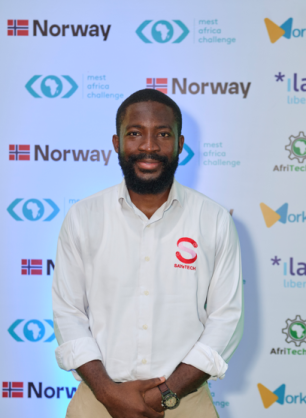
SAYeTECH, a Ghanaian startup led by Theodore Ohene-Botchway, won the grand prize for its innovative agricultural machinery tailored to African conditions, securing $50,000 in equity funding to scale its operations.

“The funding will enable us to scale production and reduce delivery lead times, providing smallholder farmers with the equipment they need to increase productivity,” said Ohene-Botchway.

As MEST continues to deepen its influence on Africa's tech startup landscape, the MEST Africa Challenge remains the continent's premier pitch competition for emerging tech entrepreneurs. The competition is designed to provide the ideal environment for tech innovators and startups to grow and succeed.

“AgriTech innovation thrives when it's rooted in the right environment. ‘Find Your Soil' is about helping innovators find the ecosystem where they can grow. Through the MEST Africa Challenge, we provide the visibility, partnerships, and support to help them succeed,” said Ashwin Ravichandran, Portfolio Advisor, MEST Africa.

MEST Africa is committed to creating wealth and jobs in Africa by fostering digital skills, supporting startups, and providing access to global networks. For more information, visit www.Meltwater.org.

Distributed by APO Group on behalf of The Meltwater Entrepreneurial School of Technology (MEST Africa).

Media Contact:
Ophesmur Naa Adjeley Adjei
Communications and Community Manager
E-mail: marketing@meltwater.org or Ophesmur@meltwater.org

About MEST Africa:
The Meltwater Foundation, established in 2008, is the non-profit arm of the global media intelligence company, Meltwater. With a clear mission to foster job opportunities and stimulate economic growth in Africa through software entrepreneurship, the Foundation is based in Accra, Ghana. The flagship program, MEST, offers a 1-year specialized tech entrepreneurial training to high-caliber talent from over 22 countries including Nigeria, Kenya, South Africa and Senegal; and invests in early to growth-stage startups.

Media files
The Meltwater Entrepreneurial School of Technology (MEST Africa)
Download logo
Read moreSAYeTECH Wins the MEST Africa Challenge 2024, Securing $50,000 in Funding
4 December 2024

Kaspersky Predicts AI and Privacy to Shape Consumer Cybersecurity Landscape in 2025

Location: Business
Kaspersky

According to Kaspersky's (www.Kaspersky.co.za) latest report, artificial intelligence (AI) will become an integral part of daily life, while privacy concerns around biometric data and advanced technologies will take center stage in 2025. These forecasts are part of the annual Kaspersky Security Bulletin series, which provides an outlook on the cybersecurity trends and threats expected to impact consumers in the coming year.

AI becomes an everyday reality

AI is predicted to fully integrate into daily life in 2025, becoming a standard tool rather than a novel technology. With prominent operating systems like iOS and Android rolling out AI-enhanced features, people will increasingly rely on AI for communication, workflows, and creative tasks. However, this normalisation also brings challenges, particularly as personalised deepfakes become increasingly sophisticated in the absence of reliable detection tools.

Privacy regulations will expand user data ownership

The growing emphasis on privacy is expected to lead to new regulations that strengthen user control over personal data. By 2025, individuals may gain the right to monetise their data, transfer it easily across platforms, and benefit from simplified consent processes. Global frameworks, such as the EU's GDPR, California's CPRA and South Africa's POPIA, continue to inspire reforms worldwide, while decentralised storage technologies could further strengthen user autonomy over their information.

Fraudsters will continue to exploit premieres and releases

Cybercriminals are expected to target prominent gaming, console, and film launches in 2025. Titles like Mafia: The Old Country, Civilization VII, and Death Stranding 2, as well as the anticipated Nintendo Switch 2, are likely to attract scams involving fake pre-orders, counterfeit rootkits, and malicious downloads. Similarly, blockbuster films like Superman and Jurassic World Rebirth may trigger phishing campaigns and counterfeit merchandise fraud aimed at enthusiastic fanbases.

Political polarisation will fuel cyberbullying

Increasing political polarisation is expected to exacerbate cyberbullying in 2025. Social media algorithms that amplify divisive content, combined with the widespread availability of AI tools for creating deepfakes and doctored posts, are likely to intensify online harassment. Cross-border cyberbullying could also escalate as global platforms facilitate the targeting of individuals based on their political beliefs.

Rising number of subscription services will fuel fraud risks

As the global economy shifts further towards subscription-based models, a rise in fraud related to fake subscription promotions is expected. Cybercriminals are expected to create counterfeit services that mimic legitimate platforms, aiming to deceive users into providing personal and financial information, resulting in identity theft and financial losses. Additionally, the growth of unofficial resources that provide discounted or free access to subscription services is expected to become a significant threat vector, exposing users to phishing attacks, malware, and data breaches.

Prohibition of social media for children may lead to broader user restrictions

Australia's proposed legislation to ban social media access for children under 16 could set a global precedent. If implemented successfully, the restriction could pave the way for broader limitations on access for other demographics. Platforms like Instagram have already begun adopting AI-powered age-verification systems, signaling a shift toward stricter governance of online spaces.

“As we look to 2025, the most significant impact on consumers is expected to arise from the intersection of innovation and regulation. Advances in AI, privacy protection, and data ownership frameworks will reshape the way people interact with technology and manage their digital lives. These developments hold immense potential but also demand careful oversight to ensure they serve consumer interests,” said Anna Larkina, Kaspersky privacy expert.

To learn more, visit Securelist.com.

To stay safe, Kaspersky experts also recommend:

  • Enable a safe browsing feature, such as the one in Kaspersky Premium (https://apo-opa.co/3BdtgPp), to help avoid Internet tracking. This feature also protects users from dangerous sites (like phishing ones), malware, and other maliciously installed files and extensions. 
  • Configure your social networks for enhanced privacy to make a difference. Services such as Privacy Checker (https://Privacy.Kaspersky.com) can help users adjust privacy settings and strengthen the protection of their personal accounts. In addition, modern security solutions often include features that enhance privacy levels across various social networks.
  • Opt for secure and private connections. Avoid using public Wi-Fi networks for sensitive activities. Consider using a reliable VPN (https://apo-opa.co/3Bcqz0y) to encrypt your Internet connection and protect your online activities from being monitored.
  • Install apps only from official stores like the Apple App Store, Google Play or the Amazon Appstore. Although apps from these markets are not 100 percent failsafe, at least they are checked by store representatives, and a filtration system is in place - not every app is authorised for listing on these platforms.
  • Download a reliable security solution (https://apo-opa.co/3BdtgPp) to help you detect malicious apps and adware before they can harm your device.
  • Don't share serial numbers, IP addresses and other sensitive information regarding your smart devices on social networks.
  • Avoid using unreliable passwords. Weak combinations, such as those consisting of letters only, do not offer sufficient protection. For added convenience and security, consider using a special app, such as the Kaspersky Password Manager (https://apo-opa.co/3OGpYHu).

Distributed by APO Group on behalf of Kaspersky.

For further information please contact:
Nicole Allman
INK&Co. (https://INKandCo.co.za)
nicole@inkandco.co.za

Social Media:
Facebook: https://apo-opa.co/4inHIFt
X: https://apo-opa.co/4fXAiHl
YouTube: https://apo-opa.co/4fVaknS
Instagram: https://apo-opa.co/4fXt31Q
Blog: https://apo-opa.co/4fWEWW0

About Kaspersky:
Kaspersky is a global cybersecurity and digital privacy company founded in 1997. With over a billion devices protected to date from emerging cyberthreats and targeted attacks, Kaspersky's deep threat intelligence and security expertise is constantly transforming into innovative solutions and services to protect businesses, critical infrastructure, governments and consumers around the globe. The company's comprehensive security portfolio includes leading endpoint protection, specialized security products and services, as well as Cyber Immune solutions to fight sophisticated and evolving digital threats. We help over 200,000 corporate clients protect what matters most to them. Learn more at www.Kaspersky.co.za. 

Media files
Kaspersky
Download logo
Read moreKaspersky Predicts AI and Privacy to Shape Consumer Cybersecurity Landscape in 2025
3 December 2024

Singapore Invited as Guest Country by the 2025 South African G20 Presidency

Location: News

Ministry of Foreign Affairs - Singapore
Download logo

Singapore has been invited by the Republic of South Africa as a guest country to participate in G20 meetings under its 2025 G20 Presidency. 

Singapore would like to express its appreciation to South Africa for the invitation. Singapore and South Africa enjoy a longstanding and broad-based partnership, underpinned by strong people-to-people ties. Our two countries cooperate well in various areas, including trade and investment, air connectivity, information and communications technology and skills development. Singapore will continue to actively contribute to the G20 process both in our national capacity and as the Convenor of the Global Governance Group (3G).

Singapore looks forward to working constructively with the South African G20 Presidency and other G20 members and guests on South Africa's theme of “Solidarity, Equality, Sustainability”, with a view to, inter alia, strengthen and advance our common efforts to realise the Sustainable Development Goals and the Pact of the Future, promote inclusive economic growth, food security and Artificial Intelligence and Innovation for Sustainable Development.

Distributed by APO Group on behalf of Ministry of Foreign Affairs - Singapore.

Read moreSingapore Invited as Guest Country by the 2025 South African G20 Presidency
3 December 2024

Verdant IMAP wins Best Advisory Firm: Private Equity at the Africa Global Funds Awards

Location: News
Verdant Capital

Verdant IMAP (www.Verdant-CAP.com) is delighted to announce its recognition as Best Advisory Firm: Private Equity at the prestigious Africa Global Funds Awards. The accolade was presented during the Gala Awards Dinner on Thursday, November 14, 2024, at the renowned Mount Nelson Hotel in Cape Town, bringing together leading firms in African private equity and asset management.

This award highlights Verdant's significant contributions to the private equity M&Aecosystem across Africa. Over the past year, Verdant's transactions involving private equity have included the sale of the Onix data centre business in Ghana on behalf of Africa Infrastructure Investment Managers, two exits for London-based Africa private equity firm 8Miles (Awash Wines and Biyinzika Poultry Industries Limited in Ethiopia and Uganda respectively), and advising ACA and IFC-backed WIOCC on its JV with Texaf to build the market leading data centre in Kinshasa, DR of Congo.  Verdant is currently at advanced stages with respect to six transactions for or with private equity funds, in South Africa, East Africa and West Africa, in sectors including technology, FMCG and manufacturing.  

The recognition reinforces Verdant's commitment to delivering innovative, tailored advisory services and unlocking value for its private equity clients. The firm also advised on notable cross-border transactions, leveraging its position as the IMAP member firm for its region. IMAP, the world's leading global M&A partnership was established in 1973, has member firms in 50 countries, in total over 600 M&A bankers and completes more than 200 M&A transactions every year.  The IMAP global partnership helps Verdant to bridge African and international markets effectively.

The Africa Global Funds Awards honour excellence in Africa's asset management and private equity industries. Verdant's recognition as Best Advisory Firm: Private Equity is a testament to its unwavering dedication to driving impactful solutions in challenging and dynamic markets.

With this award, Verdant strengthens its reputation as a trusted partner for private equity and other client groups navigating Africa's evolving economic landscape. As the firm continues to grow and innovate, it reaffirms its mission to deliver world-class advisory solutions that create lasting value for its clients and the continent. 

Distributed by APO Group on behalf of Verdant Capital.

Media enquiries: 
Orient Mahonisi,
orient.mahonisi@verdant-cap.com

About Verdant IMAP:
Verdant IMAP is a leading investment bank operating on a pan-African focus, specialising in M&A and in private capital markets.  Verdant IMAP is the IMAP partner firm for its region.  IMAP with partner firms in nearly 50 countries, with over 600 M&A professionals, completing over 200 M&A transactions per year, reinforces Verdant IMAP's capability to deliver innovative financial solutions to clients across Africa and around the World. www.Verdant-CAP.com 

Media files
Verdant Capital
Download logo
Read moreVerdant IMAP wins Best Advisory Firm: Private Equity at the Africa Global Funds Awards
2 December 2024

Government activities for the week 2 – 6 December 2024

Location: News

Government activities for the week 2 – 6 December 2024

On Monday, 2 December, the Commissioner of the Border Management Authority, Dr Michael Masiapato, holds a media briefing to outline the festive season control measures at all ports of entry.

On Monday, 2 December, International Relations and Cooperation Minister, Ronald Lamola, and his Nigerian counterpart co-chair the Ministerial Session of the 11th Session of the SA-Nigeria Bi-National Commission in Cape Town.

On Monday, 2 December, Minister of Land Reform and Rural Development, Mzwanele Nyhontso, leads the commemoration of the 30th anniversary of the Restitution of Land Rights Act under the theme: Dignity Restored through the Land Restitution Act.

On Tuesday, 3 December, President Cyril Ramaphosa launches South Africa's G20 Presidency at the Imbizo Media Centre in Cape Town.

On Tuesday, 3 December, President Cyril Ramaphosa will co-chair the 11th Session of the Bi-National Commission between South Africa and the Federal Republic of Nigeria, with President Bola Ahmed Tinubu at Tuynhuys in Cape Town.

On Tuesday, 3 December, the 2024 Science Forum South Africa (SFSA) event will kick off at the Council for Scientific and Industrial Research International Convention Centre in Pretoria. Minister of Science, Technology and Innovation, Prof. Blade Nzimande, will deliver the keynote address. SFSA 2024 concludes on 6 December.

On Wednesday, 4 December, the Electoral Commission of South Africa conducts municipal by-elections in Thabazimbi Local Municipality, Limpopo.

On Thursday, 5 December, the Gauteng e-Government will unveil more sites connected with Government Free Wi-Fi. The connected sites include schools, libraries, hospitals, clinics, and community centers. A media tour will take place at Daveyton Main Clinic, Ekurhuleni.

From Thursday, 5 December to Friday, 6 December, the Minister of Cooperative Governance and Traditional Affairs, Velenkosini Hlabisa, will lead the Fire Services Indaba in George, Western Cape, under the theme “Repositioning Fire Services in South Africa”.

Matona
Mon, 12/02/2024 - 12:57

101 views
Read moreGovernment activities for the week 2 – 6 December 2024
1 December 2024

Free hotline to report the sale of fake or expired food

Location: News

Free hotline to report the sale of fake or expired food

The National Consumer Commission (NCC) has announced that members of the public can contact the commission free of charge and facilitate the seamless registration of complaints and tip-offs related to the sale of fake or expired foodstuffs.

For a period of three months, starting on 1 December 2024, members of the public can contact the hotline with the support of the Association of Comms and Technology (ACT). 

“The NCC welcomes the support of ACT and individual member mobile operators for agreeing to zero-rate calls to the NCC’s contact centre. Some stakeholders had raised concerns that since the contact centre number is paid for, this may limit the ability of those with limited means to reach the contact centre. 

“This intervention will therefore ensure that consumers can report incidents on the sale of fake or expired food as soon as such is identified,” the NCC’s Acting Commissioner Hardin Ratshisusu said.

This comes amid rising concerns about contaminated food linked to the deaths of several schoolchildren in some communities across South Africa.

The collaborative effort by the NCC and ACT members follows President Cyril Ramaphosa’s public announcement on 15 November 2024, where he called for the need to educate consumers about food safety and labelling and for suspicions of fake or expired foodstuffs being sold to be reported to the NCC.

“The NCC is expected to play a leading role in investigating the sale of fake and expired foodstuffs throughout the country. 

“Therefore, it is crucial to ensure that the NCC’s contact centre is available to a wide spectrum of society and that incidents of food contamination or the sale of expired foods are reported timeously to enable an effective response,” said the commission in a statement.

ACT CEO, Nomvuyiso Batyi, commended the NCC for its proactive efforts to address food safety fears and reaching out to join hands with the telecommunications industry in the national effort to curb the crisis.

“We are pleased to confirm that members of ACT that offer voice calls have agreed individually to accede to NCC's request for its contact centre number for three months effective 1 December 2024. We trust that this measure will provide critical assistance to the NCC during this period and we encourage the NCC to engage directly with the respective network operators if challenges arise,” Batyi said.

Consumers can lodge complaints through the NCC’s e-Service portal at https://eservice.thencc.org.za/ or provide tip-offs through the contact centre hotline at 012 065 1940. - SAnews.gov.za


nosihle
Sun, 12/01/2024 - 10:50

414 views
Read moreFree hotline to report the sale of fake or expired food
1 December 2024

President pays tribute to MTN

Location: News

President pays tribute to MTN

President Cyril Ramaphosa has paid tribute to telecommunications provider MTN for transforming the lives of millions of people in the country and across the continent of Africa.

“In countries like South Africa, MTN has sought to ensure that no one is left behind. Its network reaches some 97% of the population, providing a foundation for digital inclusion and economic empowerment,” the President said on Friday in Johannesburg.

Addressing MTN’s 30 years celebration gala dinner, President Ramaphosa said over the past three decades, MTN has evolved from a small South African start-up of 20 employees into a global telecommunications leader which now employs over 17 500 individuals representing more than 70 nationalities across 18 diverse markets.

“The mobile sector in Sub-Saharan Africa generated more than US$140 billion of economic value last year. MTN is a big part of this growth story.

“The group provides voice, data, fintech, digital, enterprise, wholesale and API services to 288 million customers in 18 markets. MTN Mobile Money provides over 65 million individuals with access to financial services, driving financial inclusion and economic empowerment in underserved communities,” the President said.

He acknowledged the telecommunications industry for helped to democratise public goods and services. 

“It has enabled the provision of financial, health, education, social welfare and other service to the most far-flung areas. At the time of the transition towards democracy in the early 1990s, South Africa was among the most connected nations on the continent with over 3 million landlines.

“Yet, as in almost every other area of life, access to telephony was severely unequal. At the time, there were 60 telephone lines for every 100 white people. There was only one line for every 100 black people. 

“In these circumstances, it took visionaries like the late Dr Nthato Motlana and Zwelakhe Sisulu to see the potential of mobile technology to close this gap,” the President said.

South Africa cellphone companies reached a million subscribers within two years.

“This spectacular growth was spurred by innovations such as prepaid, which South Africa was to introduce to the global community. It was in this early period that the foundation for MTN’s unique culture was laid. 

“It is a culture that is characterised by resilience, adaptability and a relentless drive to succeed. MTN’s many employees are united by a shared belief in the transformative power of technology. 

“Distance is no longer the impediment it had once been. Services can be delivered more cheaply and more reliably. Very soon after its introduction, the cellphone became an important tool for social cohesion,” the President said.

He said the cellphone helped to strengthen bonds between communities, family members and friends.

“This new frontier of economic and social transformation has, in the main, been driven by the youth of our continent. The industry is a case study of how young Africans can drive innovation and growth. On this anniversary, we salute the early pioneers and all those who have since been at the forefront of leading Africa’s digital progress,” the President said.

He said MTN has consistently encouraged and supported government’s efforts to strengthen trade and investment ties with other countries.

“It has been generous in sharing its experiences and insights of different markets. As MTN looks to its future, we are certain that it will make use of the great opportunities presented by the African Continental Free Trade Area.

“There are few companies in South Africa that know the African continent better than MTN. We trust that it will forge a path that many others can follow.

“As we work to improve the lives of the people of South Africa, we know that we can rely on the ingenuity, the industry and the commitment of the MTN team to support these efforts. As we look to a future of peace, prosperity and hope, we should embrace the MTN clarion call of ‘doing for tomorrow, today,” the President said. - SAnews.gov.za

nosihle
Sun, 12/01/2024 - 15:02

27 views
Read morePresident pays tribute to MTN
29 November 2024

How Mukuru Is Reshaping Aid Disbursements, Payroll and Bulk Commercial Payments in Malawi and Zimbabwe

Location: News
Mukuru

Mukuru (www.Mukuru.com) is a leading next-generation financial services platform that offers affordable and reliable financial services to a customer base of over 16-million people across Africa, Asia and Europe. The company, dedicated to continuously building a strong, reliable and resilient financial payments infrastructure to allow its customers to access new physical and digital services that add value, is also transforming the landscape of commercial and aid payments through its Enterprise Payments Platform (EPP). 

EPP is a secure, efficient, safe and cost-effective solution for collections and bulk payments and is built off the successful use case of Mukuru's widely known remittance services. 

This case study explores how Mukuru's EPP is addressing the challenges associated with aid disbursements, payroll, and commercial transactions in underserved communities, including limited financial infrastructure, high transaction costs and issues regarding security, speed and regulations. 

It examines how EPP is revolutionising bulk payments in these critical sectors, with a focus on Malawi and Zimbabwe, by tackling the difficulties businesses and aid organisations encounter when serving remote areas. 

The challenge 

Tererai Mare, Enterprise Market Development Manager at Mukuru, explains that before EPP, businesses and nonprofits had to rely on traditional methods such as mobile money and banks to facilitate bulk payments. “These methods presented limitations — high transaction and encashment fees, delays, and limited reach in rural areas,” Mare says. “These issues hindered the efficient distribution of aid and management of payroll, especially in vulnerable communities.” 

Aid organisations faced significant hurdles in making bulk payments, while remote communities had limited access to affordable and convenient financial services. This created delays in aid reaching those in need and added financial pressure on businesses. 

The solution 

EPP was built on Mukuru's extensive person-to-person physical and digital payment infrastructure across Africa. The platform, known for its reach and liquidity, has many benefits, explains Mare. 

These include: 

  • Instant payouts: Funds reach beneficiaries instantly through cash collection points or digital wallets. 
  • Traceability: The platform offers full transaction tracking, which enhances transparency. This is vital for aid agencies for financial reporting to secure ongoing funding. 
  • Competitive fees: Lower costs benefit both businesses and nonprofits. 
  • Extensive network: Mukuru's branches, booths and mobile disbursement teams, alongside a rich network of partner locations, provide exceptional reach across southern and eastern Africa. 
  • Security: The best technology and processes ensure secure transactions. 
  • Flexibility: EPP caters to aid, commercial, and social grant distribution needs. 

Aid Agency Applications: 

Malawi 

Chiyembekezo Ken Ndala, Enterprise Sales Manager for Malawi at Mukuru, shares that the company partnered with CADECOM National Office for emergency flood relief in the aftermath of a recent cyclone. “CADECOM used the Mukuru platform to reach 4,520 households across several underserved areas.,” Ndala says. The timely distribution of funds allowed families to recover quickly and have their basic needs met. 

Mukuru also partners with Yamba Malawi, which provides monthly stipends to teenage mothers. “Yamba Malawi supports teen mothers, each receiving $20 per month for 12 months, with an additional $100 as seed capital after six months. This funding helps them care for their children and start small businesses to break the cycle of poverty,” Ndala explains. As an ongoing project, Mukuru has disbursed over $100,000 (MK183,600,000) to these beneficiaries. 

Zimbabwe 

Michael Scott, Group Head of Commercial at Mukuru, says that Mukuru has built extensive partnerships with United Nations agencies, including UNICEF, the International Organisation for Migration (IOM), and the World Food Programme (WFP). 

“Mukuru was awarded a contract by WFP to distribute monthly cash grants to refugees at the Tongogara Refugee Camp. The EPP platform enables efficient delivery and end-to-end traceability of essential emergency funds to this vulnerable community” Scott explains. 

Scott explains that Mukuru has been awarded prestigious Long-Term Agreements by both UNICEF and the International Organisation for Migration (IOM), underscoring its capability and reliability in delivering essential financial services across Africa. Under these agreements, Mukuru has facilitated payments to beneficiaries under emergency social cash transfer programming in Zimbabwe, alongside the provision of payroll services and payments to vendors and workshop participants. 

International NGOs, like Action Contre la Faim, have partnered with Mukuru to deliver cash transfers to remote households via Mukuru's mobile disbursement service. Mukuru's mobile teams schedule trips to these hard-to-reach areas and provide regular access to financial services, supporting a base level of financial inclusion and social upliftment otherwise not possible. 

Payroll and Commercial Applications: 

Mare explains that Mukuru also serves the varying needs of businesses needing to make payments to their employees, customers or smaller suppliers, who may not have bank accounts. “Many workers earn low salaries, making bank accounts unaffordable due to high transaction and maintenance fees. The EPP platform helps these workers receive payments efficiently, without encashment or ongoing account fee, addressing a major financial inclusion gap.” 

On the commercial side, Mukuru partners with the likes of Cottco and Premier Tobacco Auction Floors, heavyweights in Zimbabwe's cotton and tobacco industries, to facilitate payments to small-scale farmers. “These farmers often don't have bank accounts and come from far and wide to sell or auction their goods. Mukuru's EPP ensures they receive payments securely and swiftly. A Mukuru cash voucher is as trusted as the USD cash for which it can be exchanged, but safer to travel with on long journeys to and from the auction floors,” Mare adds. 

Conclusion 

Mukuru's EPP platform has redefined bulk payments and aid distribution for organisations struggling with traditional methods. Whether payroll or commercial settlement for businesses, or emergency aid for vulnerable communities, Mukuru offers efficiency, transparency, and security. 

With its vast network and proven ability to reach even the most remote areas, Mukuru continues to drive financial inclusion while streamlining bulk payments, reducing transaction costs, improving traceability and accountability, and minimising delays — critical when delivering aid. 

Distributed by APO Group on behalf of Mukuru.

Notes to Editor: 
Mukuru is a leading next generation financial services platform in Southern Africa that offers affordable and reliable financial services to a customer base of over 16 million across Africa, Asia and Europe. 

With over 100 million transactions to date, our core was built providing international money transfers and from this base, we've developed a set of services to address the broader financial needs of our customers. We now operate in over 60 countries and across over 500 remittance corridors. 

We are a business that puts the customer at the centre of everything we do, and for that reason, we serve clients across physical and digital channels, by various payment methods (cash, card, wallet) as well as a range of engagement platforms including WhatsApp, USSD, contact centre, App, website, agents and a branch and booth network. 

Mukuru has, for the fifth consecutive year, been listed as one of the top 100 Cross Border Payments businesses in the world in the 2024 FXC Intelligence Top 100 Cross-Border Payment Companies (https://apo-opa.co/41825jC), one of only six African companies to receive this accolade. 

In 2023, Mukuru officially ranked sixth on the LinkedIn Top Companies List in South Africa. 

Mukuru was celebrated for innovation and excellence at the 2023 Africa Tech Festival Awards, receiving the Fintech Innovation of the Year Award - an acknowledgment of the transformative power of financial technology in driving economic growth, financial inclusion, and digital transformation. 

In 2024, Mukuru won the IAMTN Payments Network Customers Experience Excellence Award for setting a high bar in exceptional customer satisfaction in cross-border payment services. Additionally, Mukuru was officially accredited as a 2024 Top Employer in South Africa by the Top Employers Institute. 

Further information can be found at https://www.Mukuru.com. 

Media Enquiries: 
Ammaarah Kootbodien: 
ammaarah@duomarketing.co.za 
(+27) 71 529 6449 

Kgomotso Hlakudi: 
kgomotso.hlakudi@mukuru.com 
(+27) 73 333 1672 

Mthokozisi Dube: 
mthokodube09@gmail.com 

Media files
Mukuru
Download logo
Read moreHow Mukuru Is Reshaping Aid Disbursements, Payroll and Bulk Commercial Payments in Malawi and Zimbabwe
29 November 2024

HSRC survey results show signs of recovery for research and development spending in SA

Location: News

HSRC survey results show signs of recovery for research and development spending in SA

Gross domestic expenditure on research and development (R&D) grew to R28.282 billion in real terms for the 2022/23 fiscal year, marking a 2.1% increase from R27.712 billion in 2021/22.

This is according to the results of the South African R&D Survey for the period 2022/23.

The proportion of R&D expenditure to Gross Domestic Product (GDP) was unchanged at 0.61%. 

“South Africa’s economy grew at a comparable 1.9% in 2022, so this is why the ratio of R&D to GDP, a measure of the research intensity of the South African economy, is static,” said the HSRC’s Dr Nazeem Mustapha, who led the research. 

“But we are seeing improvements in business R&D expenditure, which should be encouraging for policymakers and investors.” 

The survey report, prepared by the HSRC’s Centre for Science, Technology and Innovation Indicators (CeSTII), updates key national longitudinal data on R&D expenditure and personnel. 

Business  

The business sector increased its R&D expenditure in 2022/23 by almost R1 billion (R950 million), from R13.527 billion in 2021/22 to R14.507 billion in 2022/23. 

This is attributed to higher R&D spending in manufacturing and mining, according to the survey’s statistical report, which disaggregates spending data by standard industrial classification. 

Nominal expenditure increased in all institutional sectors covered by the survey, including the government, higher education institutions, non-profit organisations, and science councils. 

The key funders of R&D in South Africa in 2022/23 were the government (R20.664 billion), businesses (R11.754 billion), and foreign sources (R7.060 billion). 

The country’s headcount of researchers fell from 63 122 in 2021/22 to 61 457 in 2022/23. 

The proportion of female researchers to total researchers increased marginally from 47% in 2021/22 to 47.6% in 2022/23. 

The South African R&D Survey is conducted annually. 

“Survey data provide a key signal to policy actors about where the strengths and weaknesses are in the South African national system of innovation,” said CeSTII’s Executive Head, Dr Glenda Kruss. 

“A positive about the results is that we are starting to see a reversal of the drop in R&D spending that we observed in 2019/20, even before the effects of the COVID-19 pandemic on R&D performers were reported.” – SAnews.gov.za


Gabisile
Fri, 11/29/2024 - 10:51

38 views
Read moreHSRC survey results show signs of recovery for research and development spending in SA
28 November 2024

Health Department launches app dedicated to youth health services

Location: News

Health Department launches app dedicated to youth health services

The Department of Health is reactivating the B-Wise platform by launching a new progressive app designed to provide adolescent and youth-friendly health services (AYFHS) and information. 

The event is happening today in East London, Eastern Cape, and will include a lively youth march starting from Premier Bakery in Southernwood, then proceeding along Oxford Street to the stadium.

“This exciting development reinforces our commitment to empowering young people with accessible, reliable, and youth-centred appropriate health resources,” the department said. 

The new B-Wise app brings innovative features, including interactive tools for sexual and reproductive health and rights, promotion of health and wellness, education, and HIV and tuberculosis prevention. 

The new app will be downloadable on cellphones and tablets from the App Store and other apps after the launch.

B-Wise is an interactive digital platform developed by the Department of Health in partnership with stakeholders including the United States President's Emergency Plan for AIDS Relief (PEPFAR). 

The aim is to improve the uptake of health services amongst adolescents and young people in South Africa, especially HIV prevention, mental health, family planning, and contraceptive use to make informed choices about their sexual and reproductive health.

The launch will be attended by leaders and representatives from various sectors, including health, local government, the youth sector, and non-governmental organisations.

The programme will entail a youth-led panel discussion where social challenges affecting young people, especially with regards to access to health services together with recommendations will be made. 

“Young people in South Africa continue to face barriers to healthcare access and information. The reactivation of B-Wise and the introduction of this innovative app address these challenges head-on, providing a digital space where youth can access life-saving health information and services without stigma or barriers,” the department explained. 

Government is calling on young people, community leaders, healthcare workers, and media partners to join us in this march and at the launch event to celebrate the power of technology in transforming lives and breaking down healthcare barriers. 

“Together, we can ensure that every young person has the tools they need to make informed decisions about their health and wellbeing.” – SAnews.gov.za


Gabisile
Thu, 11/28/2024 - 11:20

89 views
Read moreHealth Department launches app dedicated to youth health services
  • Previous
  • Page 1
  • Interim pages omitted …
  • Page 14
  • Page 15
  • Page 16
  • Page 17
  • Page 18
  • Interim pages omitted …
  • Page 68
  • Next

Copyright © 2026 · MyZA · All Rights Reserved · Powered by Stratlec Online