• Skip to main content
  • Skip to header right navigation
  • Skip to after header navigation
  • Skip to site footer
MyZA

MyZA

News, Directory, Events and Other Stuff

  • Social Media
  • Sport
  • World News
  • Home
  • Submit News
  • Directory
  • Events
  • Stratlec
  • TFSA
  • News
    • APO
    • Today’s Sport News
    • Todays Social Media and Tech Headlines
    • Today’s World News
    • Today’s SA Financial News
  • Contact
You are here: Home / Archives for Technology

Technology

8 March 2024

Justice department and Multichoice partner against piracy

Location: News

Justice department and Multichoice partner against piracy

The Department of Justice and Constitutional Development and the Multichoice Group have signed an anti-piracy memorandum of understanding (MOU).

The MoU will cover the following areas of collaboration:

  • Policy development and regulatory frameworks;
  • Capacity building and experience sharing;
  • Intellectual property rights protection and anti-piracy partnership, and
  • Monitoring and compliance.

The department’s Director-General, Advocate Doctor Mashabane, said: “[This] marks another milestone in the government’s efforts to fight broadcast and content piracy, which continue to drain the fiscus of billions of rands a year.

“Committing to signing this MOU shows our commitment to protect our creative industry so it can grow and attract investment – something that cannot happen without the Government’s intervention.”

MultiChoice South Africa CEO Mark Jury said: “As MultiChoice evolves from a traditional video entertainment business into a diversified platform business focused on technology, we are committed to promoting legitimate content consumption and supporting the creative industry.

“We look forward to strengthening partnerships with a number of stakeholders, including the department, to wage a coordinated war against piracy.”

The department explained that the MOU paves the way for enforcement and deterrence.

“This partnership will bolster enforcement actions against piracy, sending a strong deterrent message to perpetrators and significantly aiding in the revision of pertinent laws and the enhancement of training for judicial and enforcement agencies.

“The current legislative gaps means there is no incentive for hosting providers and other intermediaries, including financial, to work with legitimate role-players in the Audio-Visual (AV) content value chain or with the police to reduce piracy and block online pirate websites and the sharing of pirated content.

“Ideally such measures should form part of a broader policy and legislative response to deal with cybercrime, cyber piracy and cyberterrorism through blocking access to infringing domains/IP addresses, reducing harm through education of the public, disrupting payments and improving financial investigation and enforcement responses to these actions,” the department said. – SAnews.gov.za

NeoB
Fri, 03/08/2024 - 11:28
597 views
Read moreJustice department and Multichoice partner against piracy
8 March 2024

The Essential Guide to Industrial Magnets in Material Handling

Location: MyPR

In the world of industrial material handling, efficiency and safety are paramount. This is where the power of magnets comes into play, changing the way heavy materials are managed. From the intricate operations on conveyor belts to the robust lifting in warehouses, industrial magnets are indispensable. Let’s delve into the various types of magnets that …

Read moreThe Essential Guide to Industrial Magnets in Material Handling
8 March 2024

South Africa needs to use its Abundant Domestic Natural Gas to Fix its Energy Crisis today

Location: News
African Energy Chamber

By NJ Ayuk, Executive Chairman, African Energy Chamber (www.EnergyChamber.org)

South Africans don't want to breathe clean air in the dark. Energy woes are synonymous with South Africa right now.

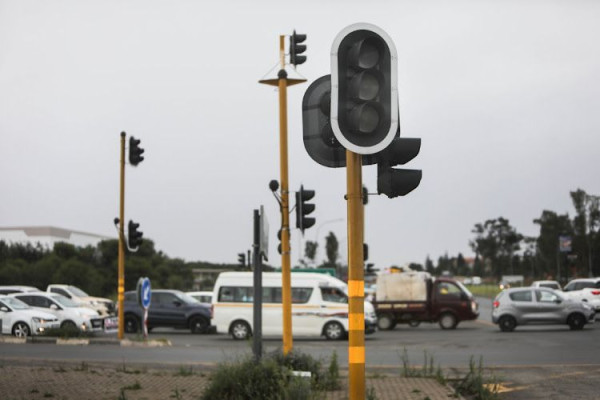
As the country's fleet of mostly coal-powered plants struggles to keep up with electricity demand, South Africans are enduring daily power outages that last six to 10 hours a day.

With businesses and institutions struggling to function, and tension mounting among South Africa's people, the need for solutions is beyond urgent.

I say “solutions” because providing the reliable power that South Africa needs now, and ensuring that the growing country will have what it needs well into the future, will require multiple strategies.

As I've written, because of the country's current reliance on coal to fire its power plants — and coal mines to fuel the economy — increased coal usage must be one of those solutions for the time being.

South Africa also will need to continue building its renewable energy sector, and it has committed to do so in alignment with global goals to achieve net-zero greenhouse gas (GHG) emissions.

But perhaps one of the most impactful solutions will be natural gas, which not only can power reliable electricity generation but also is a clean energy source – one that can be monetized and one that supports economic diversification as a feedstock for chemical and fertilizer factories.

It only makes sense for South Africa to harness its massive – and largely untapped – reserves of natural gas. As described in the new African Energy Chamber (AEC) report, “The State of South African Energy,” cumulative output for South Africa's large-scale Brulpadda and Luiperd natural gas discoveries, when developed, are estimated to be 50,000 barrels per day (bpd) of liquids and 125,000 barrels of oil equivalent per day (boepd). South Africa must do what it takes to reach that point as quickly as possible.

During the 2023 African Energy Week in Cape Town, Gwede Mantashe, South African Minister of Mineral Resources and Energy Stated, “In recognition of the continued role of the fossil fuels in supporting energy security and the fact that 82% of energy sources in the world are from these fossil fuels, Africa must intensify its efforts aimed at developing its oil and gas sector in order to benefit from the expected increase of natural gas market in global supply”. I agree, that's why South Africa should be encouraging ongoing oil and gas exploration through an enabling regulatory environment. Natural Gas financing and development again will be a key topic during African Energy 2024 scheduled for November 4th to 7th where I expect deals to be signed.

And we cannot forget the importance of natural gas projects in neighboring African countries, including Gigajoule's $550-million Matola Liquefied Natural Gas (LNG) Project in Mozambique, which will supply South Africa with gas; the 865-kilometer Rompco Gas Pipeline from Mozambique to South Africa; and Renergen's Virginia liquefied natural gas project in South Africa. These projects need to be fast-tracked.

Natural gas, if directed toward domestic markets and gas-fired electricity plants, can help South Africa find its way out of its current power crisis. Natural gas can also help ensure energy security and economic growth while the country transitions from fossil fuels to renewables for power generation. South Africa must move decisively to accelerate its gas agenda and start realizing these benefits.

Renewables Alone Will Not Save the Day

I've heard repeated arguments that South Africa's energy crisis is proof that now is the time for the country to move, at lightning speed, to renewable energy sources like wind and solar power.

As I've said more than once, South African can and should embrace solar and wind, but it also must consider the intermittency issues that come with them. They can't be counted on to provide electricity around the clock.

South Africa does not need more power fluctuations. It needs baseload power sources that can generate dependable power capable of consistently meeting demand. And the only way to get that is from coal and natural gas.

We also have to be realistic about the financial requirements for a complete transition to natural gas. Yes, South Africa's Just Energy Transition Investment Plan (JET IP) is an excellent program, but as of yet, the money generated is a drop in the bucket. South Africa has acknowledged that it will need about $99 billion to pay for a full transition to renewable energy. Currently, it has received commitments for about $8.5 billion.

So, as South Africa pursues renewable energy, the logical approach would be to embrace natural gas as well. It can serve as a reliable energy source for the country's current and future needs, and as it's monetized, it can help generate revenue for South Africa's energy transition.

I was pleased to hear South African President Cyril Ramaphosa express that logic. He has made it clear that, while the country does plan to replace coal with lower-carbon alternatives, those alternatives will include both renewables and natural gas.

South Africa has an Integrated Resource Plan in place that calls for gas technology generating 6,000 megawatts (MW) from combined-cycle gas turbines, including 3,000 MW from LNG-to-power, 726 MW from gas-to-power, and 1,500 MW from non-specified gas.

This is doable, and it aligns with the AEC report's forecast for South African power generation during the next decade and beyond. While coal currently accounts for about 80% of power generation, coal usage likely will decrease to 65% by the end of the decade, our report says. Gas and renewables, meanwhile, will see growth around the same time: Natural gas will account for 5% of power generation in 2031, while onshore wind and solar photovoltaic (PV)-generated power will make up 17% and 7%, respectively. In the long term, natural gas, onshore wind, and solar PV are expected to increase to 15%, 30%, and 20%, respectively, making up 65% of total power generation.

It's Time for a Regulatory Rehaul

South Africa's commitment to pursuing these avenues is praiseworthy, but when it comes to harnessing natural gas, more work is needed.

I'm talking about government policies.

South Africa needs a regulatory environment that encourages ongoing investment and exploration by oil and gas companies. Consider the Orange Basin, where Namibia is seeing record-breaking discoveries that will ensure its energy security. But only 20% of the Orange Basin is in Namibia, while 80% of it is in South Africa. Now is the time to capitalize on the opportunity it offers.

Unfortunately, South Africa seems to be stuck: E&P is being hindered by unnecessary government red tape. We need to change that right away. Oil and gas companies already face tremendous pressure not to produce in Africa; this is no time to pile on the challenges.

The African Energy Chamber strongly urges South Africa to ease regulatory burdens on oil and gas companies. And we call upon South Africa to fast-track permit approvals for more drilling, seismic surveys, pipeline developments, and LNG terminal construction.

South Africa also needs to eliminate red tape that could slow the Brulpadda and Luiperd projects.

These steps will be critical for South Africa to start putting natural gas to work for its people, its businesses, and its communities.

Natural Gas Is a Reasonable Solution

Not surprisingly, if you consider the constant pressure Africa has faced in recent years to leave our fossil fuels in the ground, the prospect of pursuing gas-to-power projects in South Africa is being met with sharp resistance. “Dirty gas” is not the answer, environmentalists and Western voices insist.

I strongly disagree. We must be pragmatic: South Africa must harness every solution at its disposal, natural gas in particular, to address the country's energy needs.

Fortunately, President Ramaphosa has been pushing back against the anti-gas narrative as well.

"Countries on the African continent need to be able to explore and extract oil and gas in an environmentally responsible and sustainable manner," Ramaphosa said earlier this year

during an address at the Investing in African Mining Indaba. "These resources are important for energy security, for social and economic development, and for reducing energy poverty on the continent. And we do not see this trajectory as being mutually exclusive to our focus on moving towards ensuring that we reduce our carbon footprint… In our onward march towards a low-carbon future it is critical that our efforts are both realistic and sustainable.”

Well said!

I would add that many of the environmental groups trying to keep people in the dark in South Africa – and across our continent – don't have the same struggles with energy security. In fact, in a move that balances environmental stewardship with energy security, the United States just approved an $8 billion drilling program in Alaska. If it's acceptable for wealthy countries to perform this balancing act, there's no reason why Africa's most industrialized nation cannot do the same.

Having clean air doesn't mean we have to be in the dark.

To read the State of South African Energy 2023, visit https://apo-opa.co/3T7wR6K.

Distributed by APO Group on behalf of African Energy Chamber.

Media files
African Energy Chamber
Download logo
Read moreSouth Africa needs to use its Abundant Domestic Natural Gas to Fix its Energy Crisis today
8 March 2024

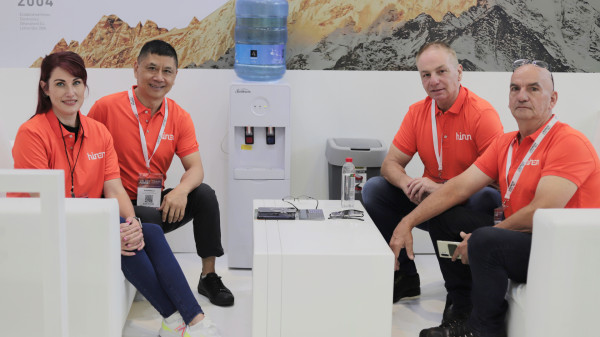
Hinen to Exhibit at Solar & Storage Live Africa, Offering Solutions for Load Shedding

Location: News
Hinen

South Africa is facing a severe energy crisis with frequent power outages since 2007. As the largest state-owned enterprise and electricity supplier in the country, Eskom schedules power cuts across different regions at different times, leading to rotational load shedding throughout South Africa. In 2023, individuals endured up to 15 hours of daily load shedding, underscoring the urgent need for an energy transition.

To accelerate this transition, the largest energy event in Africa, Solar & Storage Live Africa, is set to take place at the Gallagher Convention Centre in Johannesburg, South Africa from March 18th to 20th. As a provider of solutions for load shedding,  Hinen will showcase three specially designed backup solutions for the energy challenges in Africa, utilizing the abundant solar resources in the region to provide stable power support for homes and businesses.

The exhibited products range from 300W to 3000W in power capacity, and feature batteries that are expandable up to 17.5kWh. In addition, Hinen Max series is available in both low-voltage and high-voltage options to cater to a variety of electricity needs. These solutions not only convert solar energy into electricity in real time but also store excess power or harness electricity from the grid during periods of ample supply, ensuring sufficient power during outages and load shedding. With noise levels below 30dB, these products are quiet enough to not disturb sleep, and multiple layers of battery protection ensure safe and reliable power usage. Through the Hinen smart app, users can monitor energy consumption in real-time and easily manage electricity usage.

Hinen cordially invites industry partners and the public to visit our booth, A36, to learn more about our technology. We look forward not only to strengthening relationships with existing partners but also to exploring new cooperation opportunities, jointly promoting sustainable energy development in Africa and beyond.

To demonstrate our commitment to the local market, Hinen has established a branch office in Sandton, Johannesburg. This signifies our dedication to deepening our presence in the African market and providing localized services. We eagerly anticipate meeting you in Johannesburg as we explore a greener, more efficient, and sustainable energy future.

Distributed by APO Group on behalf of Hinen.

Email:
SAfrica@hinen.com

Phone:
010 449 2306

Address:
Ground floor, Block B, 100 West Street, Sandton, Johannesburg 2196, South Africa

Join Hinen in driving energy innovation forward — not only for Africa but for our shared home, Earth.

Media files
Hinen
Download logo
Read moreHinen to Exhibit at Solar & Storage Live Africa, Offering Solutions for Load Shedding
8 March 2024

Dr Phil Mjwara honoured for promoting science, technology and innovation in SA 

Location: News

Dr Phil Mjwara honoured for promoting science, technology and innovation in SA 

The Director-General of the Department of Science and Innovation (DSI), Dr Phil Mjwara, has been honoured for his visionary leadership in promoting science in South Africa and abroad. 

Mjwara received the Presidential Award during the annual South African Medical Research Council (SAMRC) Merit Awards in Cape Town on Thursday. 

With 18 years of service as Director-General, Mjwara was lauded for having significantly contributed to the South African National System of Innovation (NSI). 

Through these awards, the SAMRC said it acknowledges outstanding contributions to health research and recognises individuals who have demonstrated exceptional scientific acumen.

The awards recognise those who made innovative strides in addressing public health challenges, potentially influencing policy to enhance the well-being of all South Africans. 

Mjwara holds a BSc, MSc and PhD from the University of the Witwatersrand and his academic career includes serving as a Professor of Science and Technology Policy at the University of Pretoria, and physics lectureships at the universities of the Witwatersrand, South Africa, and Fort Hare. 

Speaking at the awards ceremony, SAMRC President Professor Glenda Gray said Mjwara had built a strong legacy in the country. 

“In the late 1990s, Dr Mjwara led South Africa’s first national Science and Technology Foresight Exercise, which laid the foundation for the NSI,” the statement read. 

Mjwara is also described as someone who is highly regarded in various global forums. 

The Director-General is a senior member of the United Nations Educational, Scientific and Cultural Organisation (UNESCO) International Basic Sciences Programme and the Square Kilometre Array Observatory Council. 

Mjwara has also been lauded for formulating the STI Decadal Plan, which has elevated STI to the presidential level, with the first Presidential Plenary held last year. 

This Decadal Plan, according to Gray, focuses on using STI to address societal challenges and highlights the importance of health research in the STI environment in South Africa. 

“Dr Mjwara has set the vision for all policy development in the science and technology sector in South Africa. He saw the need to create sustainable programmes, infrastructure and human capacity to ensure that South Africa achieves excellence in critical areas of science and technology," Gray said. 

The SAMRC also honoured the DSI’s Director for Health Innovation, Glaudina Loots, with a special award for her support and leadership in health research in the country. 

Loots is responsible for the implementation of the health components of the Bio-economy Strategy for South Africa. 

She has been instrumental in the creation of the Strategic Health Innovation Partnerships initiative at the SAMRC, which funds and manages innovation projects focused on the development of new drugs, treatments, vaccines, medical devices and prevention strategies. 

Gray explained that medical research remains fundamental for transformation, innovation and collaboration in advancing scientific discovery. 

“Celebrating medical research excellence not only honours the achievements of researchers but also inspires progress, fosters collaboration, and enhances the overall impact of scientific advancements on global health and well-being,” she said. – SAnews.gov.za
 

Gabisile
Fri, 03/08/2024 - 14:25

132 views
Read moreDr Phil Mjwara honoured for promoting science, technology and innovation in SA 
7 March 2024

Innovative businesses gain more access to global markets, study finds

Location: News

Innovative businesses gain more access to global markets, study finds

Innovation-active South African businesses have more skilled labour and greater access to the global markets compared to non-innovation enterprises, according to results from the latest round of the South African Business Innovation Survey (BIS). 

The Human Sciences Research Council (HSRC) survey revealed that during the 2019 to 2021 period, 62% of South African businesses took scientific, technological, organisational, financial, or commercial steps aimed at realising an innovation. 

According to the statement, training emerged as the most common innovation activity for 47% of innovation-active businesses, followed by software and database activities (29%), and marketing initiatives (25%). 

Of the employees involved in these innovation activities, only 38 in 100 workers were female and 62 in 100 were African. 

In addition, the computer sector had the highest proportions of businesses with innovation activities and innovation. 

“There remains significant scope for businesses in South Africa to undertake innovation activities that result in novel innovations, and do so in an inclusive manner. 

“In South Africa, where we face multiple challenges, a more innovative business sector can contribute to productivity and business resilience as well as job creation, improved working conditions and quality of life," said the HSRC’s Dr Amy Kahn, who led the BIS. 

South Africa’s BIS, covering the period between 2019 and 2021, examined the innovation activities in about 5 500 enterprises — from small to very large, and across a range of industries.

Among these innovation-active enterprises, 37% introduced both product and process innovations, while 23% had only product innovations and another 23% only process innovations. 

The remaining 17% of innovation-active businesses either did not have innovations or abandoned their innovation projects by the end of 2021. 

Among advanced and emerging technologies, the Internet of Things (IoT) technologies were most widely used or developed by 80% of all innovative businesses. 

The IoT describes devices with sensors, processing ability, software and other technologies that connect and exchange data with other devices and systems over the internet or other communications networks. 

The survey report, prepared for the Department of Science and Innovation by the HSRC’s Centre for Science, Technology and Innovation Indicators (CeSTII), provides new evidence for policymakers to foster business innovation and offers new insights for business leaders and industry associations regarding the innovation landscape in South Africa. 

“The innovation situation for all South African businesses should concern us, including why firms do or do not innovate,” added CeSTII Research Director, Dr Moses Sithole. 

Meanwhile, high costs were a significant barrier to innovation for 27% of all businesses, the survey found, as well as too much competition (25%) and lack of funds (24%). 

“Product and process innovations tended toward quality improvements, including enhanced working conditions, product quality, and overall quality of life and well-being, rather than cost-related outcomes,” explained Sithole. 

The BIS report also delves into the distinct innovation practices of a wide range of South African businesses. 

“The analysis conducted in this round of the Business Innovation Survey takes us significantly closer to understanding the South African business innovation practices that shift the needle. This informs how we should design support for greater business innovation in our country,” said Executive Head of CeSTII, Dr Glenda Kruss. 

For example, HSRC said the survey highlighted that businesses without formal innovation processes, such as research and development (R&D), patenting or not collaborating with external entities, were more likely to abandon their innovation projects. 

On the other hand, companies with the capability to develop their innovations in-house and more novel product innovations had the highest turnover in 2021. 

Also, businesses more connected to global markets and with higher product innovation novelty held greater intellectual property rights. 

“A fine-grained understanding of the patterns of innovation exhibited in South African businesses enables us to build the capabilities suited to South Africa’s context and its challenges.” – SAnews.gov.za
 

Gabisile
Thu, 03/07/2024 - 14:48

154 views
Read moreInnovative businesses gain more access to global markets, study finds
7 March 2024

Olivetti 4023MF A4 Copier – Streamline Your Office

Location: MyPR

As businesses evolve, the demand for efficient office printing solutions has grown exponentially, particularly within bustling office settings. The Olivetti 4023MF A4 copier, exclusive to mfpgroup.co.za, addresses this demand by ensuring seamless copying efficiency suitable for the most dynamic workgroups and the highest printing demands. Engineered to enhance productivity, this device is primed to become an integral component of your office infrastructure. Meet …

Read moreOlivetti 4023MF A4 Copier – Streamline Your Office
6 March 2024

SCTIE continues to grow tourism investment potential on KZN South Coast

Location: MyPR

Boasting the highest number of Blue Flag beaches in the province, as well as two world-class dive sites, adventure and extreme tourism offerings, Ugu District remains a top tourism destination. South Coast Tourism & Investment Enterprise (SCTIE) continues to develop these tourism products, expanding the tourism economy which brings with it significant investment opportunities. “Our …

Read moreSCTIE continues to grow tourism investment potential on KZN South Coast
6 March 2024

3 Types of Successful Business Acquisitions

Location: MyPR

Mergers & Acquisitions (M&A) are often the most effective way for companies to transform their businesses, whether through acquiring or divesting of businesses or subsidiaries, acquiring technology or supply chains, investing in new product lines, or entering or exiting markets.  What are the three types of acquisitions?    1. Horizontal Acquisition: This involves a company acquiring …

Read more3 Types of Successful Business Acquisitions
6 March 2024

Google and Facebook are killing local news

Location: News

The Limpopo Mirror is published in Louis Trichardt, a town in the north of South Africa’s Limpopo province. This week the Competition Commission is probing how online news is affected by AI chatbots, search and advertising technology. The outcome of the hearings is important for the future of news reporting in South Africa. In this …

Read moreGoogle and Facebook are killing local news
6 March 2024

Umalusi awards accreditation certificates

Location: News

Umalusi awards accreditation certificates

Umalusi has awarded accreditation certificates to 54 successful institutions at an Accreditation Forum and Certificate Award Ceremony in Pretoria on Wednesday.
 
The event was organised to award accreditation certificates to 54 institutions (50 independent schools and four private colleges) that met Umalusi’s accreditation criteria to offer qualifications that are registered on the General and Further Education and Training Qualifications Sub-framework (GFETQSF). 

The ceremony was attended in a hybrid mode by approximately 700 delegates from the 50 independent schools, four private colleges and Umalusi officials. 

“I want to extend my heartfelt appreciation to every institution represented here today for your commitment to excellence and your passion for quality education. May you continue to uphold the standards even after having been awarded your accreditation certificate,” Umalusi CEO, Dr Mafu Rakometsi, said. 

The breakdown of the 50 independent schools that were awarded accreditation certificates to offer the National Senior Certificate (NSC) is as follows:

•    10 are to offer Grades 1 - 7.
•    Six are to offer Grades 1 - 9.
•    22 are to offer Grades 1 - 12.
•    One is to offer Grades 4 - 12.
•    Nine are to offer Grades 8 - 12.
•    Two are to offer Grades 10-12.

The four accredited private colleges were:

•    One is to offer NC(V) Levels 2-4 (Information Technology and Computer Sciences).
•    Two are to offer N1-N3 Engineering Studies.
•    One is to offer GETC: ABET at NQF Level 1.

Making reference to the question of what it means to teach, Umalusi Council Chairperson, Professor Yunus Ballim, challenged participants to engage meaningfully with the question: “If information is so ubiquitously available to our students, what case do we make as teachers to expect the students to come to class every day?”

The full names, accreditation numbers, and addresses of the institutions accredited in 2024 are listed in the official newsletter of Umalusi, Makoya. A full list of all Umalusi-accredited institutions is accessible on the website Accredited Private Education Institutions (umalusi-online.org.za). 

The public are urged to verify the accreditation status of institutions to avoid falling prey to bogus institutions. – SAnews.gov.za 

DikelediM
Wed, 03/06/2024 - 14:29

226 views
Read moreUmalusi awards accreditation certificates
6 March 2024

SA, Czech Republic to collaborate on science, tech and innovation

Location: News

SA, Czech Republic to collaborate on science, tech and innovation

The Deputy Minister of Foreign Affairs of the Czech Republic, Jiří Kozák, recently visited the Council for Scientific and Industrial Research (CSIR) to explore potential areas of collaboration with South Africa.  

The Deputy Minister was in South Africa for bilateral political consultations with the Department of International Relations and Cooperation (DIRCO). 

Organised by the Department of Science and Innovation (DSI), Kozák toured the CSIR’s National Centre for Nanostructured Materials and the Cybersecurity Operations Centre this week. 

The visit, according to the DSI, laid the foundation for future discussions in science, technology and innovation (STI) between the countries.  

“The potential areas of collaboration included food security, academies of science, hydrogen, nanotechnology, cybersecurity, technology transfer, aerospace technologies, and partnering under the Square Kilometre Array mega-science project,” the statement read. 

Both the CSIR CEO, Dr Thulani Dlamini, and Kozák expressed their commitment to continue the discussions on these topics.

“A follow-up meeting is planned to concretise the discussions,” the department said. 

The department said the relationship between South Africa and the Czech Republic exemplifies the growing significance of science diplomacy.

In a dialogue on science diplomacy, Kozák said the Czech Republic government had established a department on science diplomacy, as international collaboration in research and innovation was a very important task in furthering the country's unique qualities.

Through joint initiatives, exchange programmes and diplomatic engagements, both nations could leverage scientific cooperation as a vehicle for fostering diplomatic ties and addressing global challenges.

DSI’s Deputy Director-General for International Cooperation and Resources, Daan du Toit, said science diplomacy enhances mutual understanding and facilitates the exchange of knowledge, expertise and resources, ultimately paving the way for sustainable development and prosperity.

“In this context, the partnership between South Africa and the Czech Republic transcends traditional diplomatic channels, embracing a forward-looking approach that harnesses the transformative power of science and technology for the betterment of society,” said Du Toit.

South Africa and the Czech Republic are expected to sign a bilateral agreement that will enable the establishment of long-term relations in STI and serve as a cornerstone for progress in both countries.

Meanwhile, South Africa will host a delegation of Czech Republic start-ups in November 2024. – SAnews.gov.za

Gabisile
Wed, 03/06/2024 - 10:29

112 views
Read moreSA, Czech Republic to collaborate on science, tech and innovation
5 March 2024

Over 80 000 beds registered on NSFAS portal

Location: News

Over 80 000 beds registered on NSFAS portal

The National Student Financial Aid Scheme (NSFAS) has recorded a total of 88 705 beds that have been registered on the scheme portal and accredited for both Technical and Vocational Education and Training (TVET) colleges and universities.

Briefing media on the student accommodation pilot project in Pretoria on Monday, NSFAS Acting Chairperson, Professor Lourens van Staden, said the Student Accommodation Unit has to date received lists from 28 out of 40 institutions, which were subjected to verification processes, in terms of funding status. 

Van Staden said 10 institutions submitted their lists in batches, while others requested assistance from NSFAS in order for them to submit their lists, with some still engaging NSFAS owing to their contractual obligation.

“To date, out of 40 institutions in the pilot, 30 have placed students in accredited properties. Out of 10 institutions, five supported by the NSFAS team will continue with placements, while three are still in discussion with NSFAS. Two will submit once placements have happened,” van Staden said.

He said the Mangosuthu University of Technology (MUT) and University of Mpumalanga will submit their lists when students are placed in accommodation.

Van Staden also reported that NSFAS, in collaboration with institutions, portal providers, and accommodation providers, is onboarding students onto the portal system to ensure that NSFAS-funded students are residing in accredited accommodation.

To date, he said, 18 institutions have onboarded students onto the portal, while the rest are yet to do so or are still onboarding. 

“The NSFAS Board wishes to encourage all institutions that have not been onboarded to do so urgently, as this might impact the on-time rental payments. Equally, landlords are requested to ensure that leases that are generated through the portal are signed by all students in their residences,’ van Staden said.

No arrangements with unaccredited accommodation providers

Van Staden also put it on record that the scheme does not have any arrangements with unaccredited accommodation providers. 

“Institutions apply different approaches to manage unaccredited accommodation, and it is in the resolve of NSFAS that in the near future, no NSFAS-funded student will be residing in unaccredited accommodation. 

“Where accommodation providers have applied to NSFAS for accreditation, they are encouraged to consult the portal to check their statuses. Students who have been provided with accredited accommodation and are unwilling to utilise those, NSFAS and the institution will allocate transport allowance to those students,” van Staden said. 
  
Warning against corruption and bribery

Meanwhile, van Staden has warned that NSFAS will not tolerate corruption and bribery, and anyone found in the wrong will be reported to the law enforcement agencies.

This follows a report received by NSFAS on the alleged corruption and bribery between accrediting agents and landlords.

“If this is indeed true, we wish to reiterate that this will not be tolerated by the scheme and that should anyone be found in the wrong, NSFAS will report them to law enforcement agencies. Any suspected fraud should be raised through our whistleblowing hotline, Vuvuzela, toll-free number 0860 247 653. SMS 'call back' to 30916. Fax: 086 726 1681,” van Staden said. – SAnews.gov.za

GabiK
Mon, 03/04/2024 - 15:41

87 views
Read moreOver 80 000 beds registered on NSFAS portal
5 March 2024

Navigating Healthcare Technology Solutions in SA, A Comprehensive Guide

Location: MyPR

In the ever-evolving landscape of South African healthcare, technology plays a pivotal role in enhancing both operational efficiencies and patient care. As medical practices seek to navigate the complexities of modern healthcare delivery, the adoption of specialised software and services becomes essential. This blog explores the key technology solutions reshaping healthcare in South Africa, from …

Read moreNavigating Healthcare Technology Solutions in SA, A Comprehensive Guide
4 March 2024

Over one million students provisionally funded by NSFAS

Location: News

Over one million students provisionally funded by NSFAS

The National Student Financial Aid Scheme (NSFAS) has received a total of 1 936 330 applications for funding, as of 16 February 2024.

Briefing the media on the registration process and payment of allowances on Monday, NSFAS Acting Chairperson, Professor Lourens Van Staden, said that of the 1 936 330 applications received, 1 244 854 are provisionally funded as of 1 March 2024, with 108 345 registrations received, 59 723 awaiting evaluations, and 94 816 awaiting supporting documents.

Van Staden said a total of 84 225 applications have been withdrawn by students, while 52 038 are in progress, and 136 468 are on the not-started status, as applicants only created profiles and did not submit applications. 

“NSFAS has rejected 243 113 applications and 15 174 appeals have been lodged to date,” Van Staden said at a briefing held at the Government Communication and Information System in Pretoria.

The briefing comes after the applications for funding closed on 15 February 2024.

Van Staden said the scheme is determined to improve its systems, including applications processes, to enable a smooth and seamless application process.

The chairperson said the scheme is also committed to continue working with the South African Revenue Service (SARS) to verify the financial eligibility criteria of all the applicants, by ensuring that the consent form is submitted by non-South African Social Security Agency (SASSA) applicants.

He reiterated the call to applicants to submit accurate information when applying, as this assist in reducing the timelines to make funding decisions.  

Through third party verifications, Staden said NSFAS has processed about 23 000 applications per day and has prioritised applicants who have received firm offers of admission from universities, or who were enrolled at Technical and Vocational Education and Training (TVET) colleges.

Over 30 000 loan applications received

On the 2024 loan applications, Van Staden said NSFAS has received 30 728 loan applications as of 16 February 2024. 

Van Staden said the scheme has pre-assessed and determined students who pre-qualify for the loan, and communication was sent to the affected students via the student portal, to confirm whether or not they were accepted for NSFAS to process their loan application. 

He stressed that this is specifically for students who had applied for a bursary, but were above the income threshold for the bursary, but within the loan threshold.

“The next step would be for NSFAS to communicate with institutions, to request them to submit admission data for registered students in line with the requirements of the loan of the 70 vs 30 split in STEM [Science, technology, engineering and mathematics] and social sciences respectively. 

“At the completion of this process, we envisage that a total of 31 800 missing middle students will be provided with student loans,” Van Staden explained.
 
The loan applications also closed on 15 February 2024. – SAnews.gov.za

GabiK
Mon, 03/04/2024 - 14:27

879 views
Read moreOver one million students provisionally funded by NSFAS
4 March 2024

Rubber crumb bitumen – where Mathe Group’s recycled rubber hits the road.

Location: MyPR

The use of large amounts of recycled rubber crumb for the manufacture of road surfaces and related products is propelling South Africa towards a circular economy. Waste products are usefully used to address key infrastructure needs, says Dr Mehran Zarrebini, CEO of Hammarsdale-based radial truck tyre recycler, Mathe Group The company recycles approximately 1 000 …

Read moreRubber crumb bitumen – where Mathe Group’s recycled rubber hits the road.
4 March 2024

Another step forward for digital skills building in SA

Location: News

Another step forward for digital skills building in SA

Communications and Digital Technologies Minister Mondli Gungubele has launched the Digital Skills Forum (DSF) to lead, oversee and coordinate the implementation of the national digital skills programme.

“A critical function of the DSF is to provide strategic direction on the implementation of the digital skills programme; prioritise and coordinate areas of focus; mobilise resources in the form of expertise; funding and institutional support and monitor performance,” the Department of Communications and Digital Technologies (DCDT) said in a statement.

The DSF will also advise on the reconceptualisation and structuring of the digital skills development ecosystem in support of digital skills building.

On 5 August 2020, Cabinet approved the National Digital and Future Skills Framework, as developed by the Department of Communications and Digital Technologies.

The strategy provides a framework for the prioritisation of critical digital and future skills, as well as to ensure a coordinated and integrated implementation across government and various sectors.

“South Africa has made strides towards embracing digital technology. Government has recognised the importance of developing digital skills and has taken giant steps to bridge the digital divide.

“As such, DCDT developed the implementation programme through partnerships and collaboration with the International Telecommunication Union (ITU), International Labour Organisation, and the United Nations Development Programme (UNDP).

“The National Digital and Future Skills Strategy is intended to provide a framework for the prioritisation of critical digital and future skills as well as to ensure coordinated and integrated implementation across government and various sectors,” the department said.

The National Digital and Future Skills Strategy recognises the importance of leadership and governance to ensure successful digital skills generation and development.

“The strategy proposed the establishment of the Digital Skills Forum as an institutional mechanism that will ensure a coordinated implementation of the digital skills programme.

“This is also echoed in the recommendations of the diagnostic report of the Presidential Commission on the 4th Industrial Revolution (PC4IR), which acknowledges that the skills development ecosystem is characterised by a silo mentality and expresses concerns about the speed at which entities are able to adapt and change curricula to accommodate the needs of the workplace,” the department said.

The Digital and Future Skills Strategy states that the Digital Skills Forum will provide technical digital skills support to the broader work of the Human Resources Development Council (HRDC) and ensure coordinated implementation of the digital skills programme, with secretariat support from the DCDT.

The roles and responsibilities for DSF members are as follows:

  • Provide technical digital skills support to the broader work of the HRDC.
  • Facilitate information, expertise, and knowledge sharing.
  • Mobilise resources to support the digital skills programme.
  • Advise and guide the redesigning and streamlining of the skills ecosystem.
  • Advise on the funding mechanism for digital skills building.
  • Oversee prioritisation and coordination of various digital skills initiatives.
  • Ensure investment in strategic projects for mass skills development.
  • Monitoring and evaluation of the action plan of the DSF and its technical working groups.
  • Endorse the recommendations of the technical working groups.

-SAnews.gov.za

nosihle
Mon, 03/04/2024 - 10:03

3 views
Read moreAnother step forward for digital skills building in SA
1 March 2024

Gauteng officially launches school of arts

Location: News

Gauteng officially launches school of arts

Gauteng Education MEC Matome Chiloane has officially launched Khutlo-Tharo Performing and Creative Arts School of Specialisation in Sebokeng on Thursday, with a focus on Research and Innovation. 

The Schools of Specialisation Programme continues to be a pioneering initiative by the Gauteng Department of Education, with Khutlo-Thato marking the 35th School of Specialisation to be launched in Gauteng.

“As we reflect on the journey thus far, it is clear that the Schools of Specialisation Programme has become an integral part of Gauteng's educational legacy. Through collaboration, innovation, and a steadfast commitment to excellence, Gauteng continues to strive for greatness.

“We take pride in Khutlo-Tharo continuing to be a beacon of hope in this community and beyond, providing underprivileged learners with opportunities to explore and develop their creative talents that might otherwise have remained dormant within the confines of traditional education,” the Gauteng Education Department said. 

In recognising the integral role of the arts in 21st-century education, the department said that the widely acknowledged STEAM (Science, Technology, Engineering, Arts, and Mathematics) education yields numerous benefits, including enhanced creativity, academic performance, motor skills, decision-making abilities, visual learning, and overall learning experiences. 

By infusing arts into STEAM framework, learners are offered a fresh perspective on traditional subjects, fostering engagement and allowing them to explore diverse fields in a conducive and nurturing environment. 

According to the department, this approach not only opens pathways to artistic careers but also prepares learners for success in more conventional professions, including those in Maths, Science and Engineering, further expanding learners' options and opportunities for their future and emphasising the Schools of Specialisation Programme aim of addressing unemployment. 

The school has excelled in the arts, earning multiple accolades in music over the years, while also demonstrating resilience in achieving excellence in matric results. Since 2018, a steady increased has been witnessed, culminating in a commendable 90.8% pass rate in 2023.

During the launch, learners demonstrated how there is Science in Art. The launch was also filled with amazing theatrical, entertaining and musical acts, which showed an extensive level of dedication from learners. The school also promotes entrepreneurship, with learners selling jewellery, artworks and ornaments - all crafted and made by them.

“Indeed, we envision a transformative educational journey that nurtures and challenges learners' technical, creative, and academic talents. We are committed to dispelling stereotypes associated with arts education and demonstrating the boundless possibilities that lie ahead.
 
“Our goal is to cultivate well-rounded citizens who will contribute meaningfully to our society and beyond, and it is the learners of Khutlo-Tharo who will be the trailblazers who turn these possibilities into reality. We look forward to embarking on this journey of growth, innovation and empowerment alongside our learners, staff and community,” Chiloane said. – SAnews.gov.za

DikelediM
Fri, 03/01/2024 - 10:52

524 views
Read moreGauteng officially launches school of arts
1 March 2024

Mpumalanga Premier reflects on 30 years of freedom

Location: News

Mpumalanga Premier reflects on 30 years of freedom

Despite the challenges faced by the country, government has made an undeniable mark in changing the lives of people for the better in the 30 years of freedom, says Mpumalanga Premier Refilwe Mtshweni-Tsipane.

Delivering the State of the Province Address (SOPA) on Friday, Mtshweni-Tsipane reflected on the gains that government has made since the dawn of democracy.

“When we were elected to office in 1994, our population was a mere 3.3million people. Today, Mpumalanga is home to 5.1 million people. 

“The gross domestic product (GDP), that is the value of goods and services produced in Mpumalanga, was R46 billion. Today, our economy has grown in leaps and bounds to more than R530 billion, 12 times bigger than what it was, becoming the fourth largest economy in the country,” the Premier said.

In 1996, there were around 627 000 people employed in the province. The economy now employs more than 1.25 million people.

The percentage of people living below the lower bound poverty line has improved drastically from 64% in 1996 to 49.5% in 2022.

“This is supplemented by the provision of a wider safety security net that includes the special COVID-19 Social Relief of Distress grant, the Old Age Pension Grant, the Child Support Grant and the Care Dependency Grants, to name but a few examples," the Premier said.

Education, basic services

Mtshweni-Tsipane said there has been a "phenomenal" growth in access to education in the province, with the Statistics South Africa General Household Survey findings indicating that the percentage of seven to 17-year-olds attending school in Mpumalanga province stands at 98%.

“The throughput rate has improved from 46% in 2019 to 72% in 2023.

“Before 1994, thousands of children from poor families attended classes on an empty stomach. They had to endure traveling long distances to attend school. Today one million children in this province from poor backgrounds enjoy free hot meals served at their respective schools,” the Premier said.

Approximately 75 000 students are transported to school daily through the scholar transport programme.

Government has built six state-of-the-art boarding schools to restore the dignity and the plight of farm dweller children and improve the quality of education.

“Prior to 1994, teenage girls from poor background would miss school due to unaffordable sanitary towels. Today, government has restored the dignity of the girl child. A total of 96 077 girl children in quintile one schools are provided with sanitary towels," the Premier said.

In 1994, the province had no universities. There were only a few technical colleges.

“Today, Mpumalanga is home to four universities, which are the University of Mpumalanga, the Tshwane University of Technology, the Vaal University of Technology, and the University of South Africa. We are also home to two private universities, which are Eduvos and Regenesys.

“In 1994, there were 89 public libraries. Today, we have 123 fully equipped public libraries, translating to 34 newly built libraries in townships and rural villages,” the Premier said.

In 1994, only a few households had access to piped clean water and proper sanitation.

"Today, 87% of households in Mpumalanga have access to clean water and more than 93% have access to adequate sanitation. More than 94% of all residents in Mpumalanga have access to electricity," Mtshweni-Tsipane said.

Health

In 1994, the infant mortality rate in Mpumalanga was 80 per 1 000 live births. That figure stands at 11.2 per 1000 live births.

“Before the advent of our democracy, the life expectancy of our people in this province was hovering around 50 years and lower. Today, our people are living longer, with women averaging 65.8 years and men 60.7 years. We would like to see these figures rising to an average of 75 and 70 years respectively.

“One of the reasons our people are living longer and healthier is because our government has an extensive TB and HIV/AIDS treatment programmes, which have assisted in prolonging the lives of those affected,” the Premier said.

Land

In 1994, more than 85% of land in Mpumalanga was in the hands of the minority. Currently, about 1 767 370 hectares of land have been acquired and transferred to the hands of the previously disadvantaged through the land reform programmes of restitution and redistribution.

“Of this land, over 555 000 hectares of land has been restituted back to our people through communal property associations, benefitting in excess of 110 000 beneficiaries, which include women, youth and persons with disabilities.

“From our agricultural support programmes, like Masibuyele Esibayeni and Masibuyele eMasimini for emerging farmers, we are supporting farmers with livestock such as cattle, sheep, goats, pig and chickens,” Mtshweni-Tsipane said.

Housing

The provincial government has built 236 395 low-cost houses for the most vulnerable.

“We have serviced 65 538 sites for the missing middle category, those who do not qualify for subsidised houses but also not qualifying for bank funded bonds. In total, this translates to 301 833 housing opportunities created.

“We have also issued 88 551 title deeds to the homeowners, guaranteeing their rights and the rights of their descendants to the ownership of such properties for life,” the Premier said. – SAnews.gov.za

nosihle
Fri, 03/01/2024 - 12:11

564 views
Read moreMpumalanga Premier reflects on 30 years of freedom
1 March 2024

New Sage Copilot: Driving Efficiency & Growth for SMBs and Accountants with Generative AI

Location: MyPR

New Sage Copilot: Driving Efficiency & Growth for SMBs and Accountants with Generative AI Sage Copilot will lead SMBs and Accountants into the generative AI era by automating routine tasks, offering key insights for growth, and enabling better decision making and enhanced productivity. South Africa (March 2024) – Sage (FTSE: SGE), the leader in accounting, …

Read moreNew Sage Copilot: Driving Efficiency & Growth for SMBs and Accountants with Generative AI
29 February 2024

Enriching school curricula with multi-cultural narratives inspire curiosity to help learners acquire transferable skills

Location: News
British Council

Themed around ‘Enriching your curriculum', the Schools Now! 2024 conference equipped educators and decision-makers with the tools, insights and actionable strategies necessary to enhance the educational experience for students worldwide; Education experts from around the world presented innovations and case studies in leadership, well-being and safeguarding approaches and the integration of technology in digital learning.

The conference focused on empowering subject experts within the school community to drive curriculum development and delivery; The conference delved into how educators can navigate the rise of AI and where it intersects with Africa's digital divide.

Due to technological advances and the advent of AI, Sub-Saharan Africa's education sector is undergoing rapid transformation. Educators must adapt to these new ways of working to foster important skills such as critical thinking.

While this offers opportunity, challenges also arise, such as the digital divide – a pressing issue in Africa – and the need for more comprehensive teacher training. Collaboration between stakeholders is essential to ensure equitable access to education.

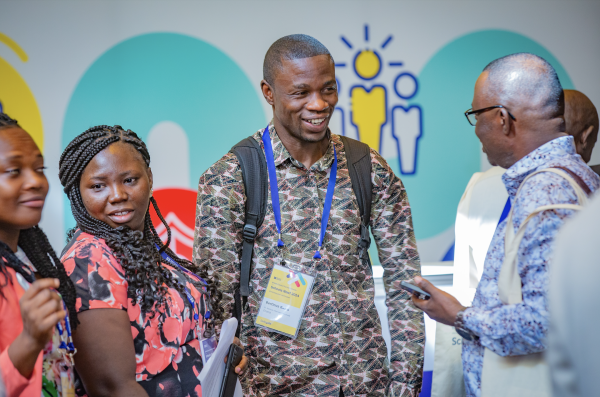
With a view to enabling enhanced learning outcomes in schools, British Council's Schools Now! 2024 was held over three days in Cape Town, South Africa from 27-29 February 2024. The conference was attended by over 1000 school leaders both onsite and virtually, and served as a platform for fostering collaboration, sharing best practices and insights in international education. 

The themes included digital learning, leadership, well-being, and safeguarding, adding to a rich internationalised and contextualised curriculum. Through a series of engaging keynote sessions, immersive workshops, and panel discussions, delegates explored innovative teaching approaches, curriculum enrichment strategies, and the integration of technology in education. 

Martin Lowder, Head of Global Exams Services, The British Council, shared, ‘The spirit of Schools Now! is to establish global connections within the educational community, exploring insights and innovations in international education. By addressing emerging themes, we aim to empower educators to navigate the complexities of the shifting education landscape and drive positive outcomes for students.'

British Council Sub Saharan Africa, Regional Exams Director, Keshav Sreedharan, said: ‘British Council's Schools Now 2024 conference was organised in Sub-Saharan Africa for the first time since its inception. Against the backdrop of Africa's potential, particularly with its dynamic and driven young population, this conference holds the promise of unlocking new opportunities and pathways for schools adopting the UK curriculum. The vibrancy of Cape Town will ignite conversations and initiatives that will shape the future of education in Sub-Saharan Africa.'

The opening keynote session by Victoria Pendry, CEO of the Curriculum Foundation, aimed at empowering schools to develop, monitor, and evaluate an enriched curriculum. She highlighted that, ‘In a rapidly changing world, if learners are to develop resilience, creativity and the essential skills of collaboration, the curriculum must be ambitious and enriched with local and global narratives that excite imaginations and inspire curiosity.'

Her presentation explored the interconnected nature of digital learning, leadership, well-being, and safeguarding as a foundation for quality and equitable education. She summarised how ‘a curriculum that is rich in respect for the past, eager to consider preferred futures and committed to exploring different perspectives, will drive positive outcomes beyond the classroom'. 

Other distinguished speakers included, Dr Funke Baffour-Awuah, Head of Well-being Division and Child Protection Lead, Al Rayan International School, Ghana, Kathleen O'Hare, British Council Education Consultant, Pamela O`Brien, Deputy Head and Jo Parkes, Deputy Head Academic from British Council School in Madrid, and adding to a rich and diverse perspective.

Tatiana Popa, Deputy Academic Director, Heritage International School, Moldova, an ISC International Education Influencer of 2023, delivered a session for virtual delegates, on ‘Digital learning', focussing on the use of AI in schools and how this will impact all areas of work, educational tools, teaching practice and much more. 

An expert panel on ‘AI in Education' comprising of Kudzayi Tarisayi, Senior Lecturer, Stellenbosch University, Cape Town, Reham Ali, Director of Middle and High School Education, Nermine Ismail International Schools, Egypt and Jo Parkes discussed valuable tips into how schools can ensure students are prepared for future needs dictated through the use of AI. It was eye-opening to see nearly 90% of conference delegates voice AI as a friend, not foe, signalling widespread optimism towards AI's potential benefits.

Dr Funke's keynote addressed how to ‘Develop a Well-being Framework for a Thriving School Community through the lens of ‘A Curriculum-Centred Approach.' She stressed on how ‘Integrating wellbeing into the curriculum promotes a thriving school community: By intentionally incorporating wellbeing into the curriculum, schools can create a holistic learning environment that supports the mental, emotional, and physical health of students.'

A series of workshops discussed practical aspects of implementing key learnings through a range of key thematic areas such as, ‘Leadership Synergy: Peer Coaching & Empowering Your Success' and ‘What is an innovative curriculum in an exam focussed school context' to name a few. These workshops provided school leaders with engagement tools in support of enriching the curriculum so that communities are inspired and committed to helping learners to acquire transferable skills such as problem solving and critical thinking, teamwork and communication, particularly in multi-cultural realities.

Jo Parkes' led a workshop on curriculum, reinforcing ‘the importance of reading as a fundamental aspect to an enriched curriculum. Establishing reading as the backbone of the curriculum is enormously effective but sadly often overlooked.'

Another key focus of the conference was safeguarding, recognising the importance of school community wellbeing and safety within the learning environment. Pamela O`Brien, in her workshop on ‘Developing school practices to ensure safeguarding and wellbeing of students' shared, ‘Safeguarding and wellbeing are intertwined. Creating a safe environment is key and includes not only complying with relevant laws and standards but also identifying school practices which promote the wellbeing of children and act as protective factors.' 

She shared case studies from the British Council School, Madrid where ‘Policies, systems and procedures have led to consistency and best practice. We can only say a policy, or a system is working if we see it in practice and the entire school community plays their part.'

The conference also provided British Council's Action Research Grants recipients from Partner Schools the opportunity to share valuable findings from their respective research areas. A thought-provoking session by Amira Soliman Awaad, Director of Curriculum and Instruction from Dr. Nermien Ismail International Schools in Egypt showcased how ‘Digitized Blended Learning Methods' such as the ‘Flipped Classroom' and ‘Exit Tickets' save class time and yield real-time intervention data, translating them into needed interventions for struggling students or requirements for increased rigour in the curricula.'

Schools are managing a variety of changes and development, and the British Council supports our Partner Schools to approach new challenges through training, guidance and encouraging collaborative practice. As education continues to evolve in response to the changing needs of learners, the Schools Now! conference plays a crucial role in driving progress and innovation within the sector. By harnessing the collective expertise and passion of school leaders and decision makers, the conference serves as a catalyst for transformative change, ultimately enriching the educational experiences of students worldwide. 

By championing safety and well-being, embracing technological advancements, and leadership in schools, and thereby promoting an enriched curriculum, the outcomes of Schools Now! Conference focused on empowering educators to create engaging, student-centred learning environments that prepare learners for success in the 21st century and beyond.

Key takeaways from the event will be available on the Schools Now! website page: https://apo-opa.co/48AabS7

British Council South Africa Country Director, George Barrett, said: ‘British Council Partner Schools programme supports over 40 Partner Schools in South Africa and 785 in Sub Saharan Africa to deliver UK International School Qualifications on behalf of UK awarding bodies. Our educational support enables schools to enhance the learning experience for students, improving educational outcomes and giving young people in the region access to international opportunities.'

Distributed by APO Group on behalf of British Council.

For media enquiries, please contact: Susan Amu, Regional Head of Communications at susan.amu@britishcouncil.org. 

About Schools Now! 2024:
British Council's Schools Now! is a global conference that fosters educational innovation across our global community of over 2,500 British Council Partner Schools spread across over 40 countries. The conference is aimed at educational professionals who wish to learn more about key areas of international education, share their ideas and experiences, and network with like-minded peers. The conference connects over 300 delegates face to face with a further 2,000 virtual attendees from around the world. The Schools Now! 2024 conference was held at The Westin, Cape Town, on 27-29 February 2024.

For more information visit https://apo-opa.co/48AabS7

About British Council Partner Schools:
A trusted education partner, we help improve the quality of education, supporting learners worldwide to achieve their potential through access to life changing UK education and qualifications.

The British Council supports a global community of over 2500 Partner Schools, to enhance the learning experience, improving educational outcomes. We create global connections within the educational community to support professional pathways for educators, enable enriched learning journeys and prepare students for the future. We support our Partner Schools to deliver globally trusted UK International School Qualifications, in over 40 countries transforming the lives of over 250,000 students every year.

For more information, please visit https://apo-opa.co/49z4XHD

Keep updated by following British Council Partner Schools LinkedIn https://apo-opa.co/4bV9xBC

About the British Council:
We support peace and prosperity by building connections, understanding and trust between people in the UK and countries worldwide.

We uniquely combine the UK's deep expertise in arts and culture, education and the English language, our global presence and relationships in over 100 countries, our unparalleled access to young people and influencers and our creative sparkle.

We work directly with individuals to help them gain the skills, confidence and connections to transform their lives and shape a better world in partnership with the UK. We support them to build networks and explore creative ideas, to learn English, to get a high-quality education and to gain internationally recognised qualifications.

We work with governments and our partners in the education, English language and cultural sectors, in the UK and globally. Working together we make a bigger difference, creating benefit for millions of people all over the world.

We work with people in over 200 countries and territories and are on the ground in more than 100 countries. In 2022–23 we reached 600 million people.

For more information, please visit: www.BritishCouncil.org. You can also keep in touch with the British Council through https://apo-opa.co/3TiuzmC and https://apo-opa.co/3Tiumzu

Media files
British Council
Download logo
Read moreEnriching school curricula with multi-cultural narratives inspire curiosity to help learners acquire transferable skills
29 February 2024

Unlocking the potential of business school graduates by equipping them with ‘plug and play’ skills

Location: MyPR

By Hoosen Essof – Head of Employability at Regent Business School The demand for highly skilled and adaptable professionals has never been greater. As businesses navigate the complexities of the Fourth Industrial Revolution (4IR) and the Digital Era, they require graduates equipped not only with technical expertise but also with the soft skills and innovative …

Read moreUnlocking the potential of business school graduates by equipping them with ‘plug and play’ skills
29 February 2024

A Comprehensive Guide to Modern Tech Services

Location: MyPR

In today’s rapidly evolving digital landscape, businesses are continually seeking innovative solutions to stay ahead of the curve. This guide delves into a suite of services that are pivotal for organizations aiming to harness the power of technology and digital transformation. These offerings span from educational initiatives to cloud computing, data intelligence, and beyond, showcasing …

Read moreA Comprehensive Guide to Modern Tech Services
28 February 2024

Southern Oil pioneers waste reduction through repurposing canola seed byproduct into nutrient-rich animal feed.

Location: MyPR

Southern Oil (SOILL), Africa’s largest producer of canola oil, has taken an innovative approach to waste reduction by utilising the byproduct from canola oil production to create a nutrient-rich animal feed. “The efficiency of our operations ensures that all of the canola seed is utilised – primarily for the canola oil used in our B-well …

Read moreSouthern Oil pioneers waste reduction through repurposing canola seed byproduct into nutrient-rich animal feed.
  • Previous
  • Page 1
  • Interim pages omitted …
  • Page 42
  • Page 43
  • Page 44
  • Page 45
  • Page 46
  • Interim pages omitted …
  • Page 68
  • Next

Copyright © 2026 · MyZA · All Rights Reserved · Powered by Stratlec Online