• Skip to main content
  • Skip to header right navigation
  • Skip to after header navigation
  • Skip to site footer
MyZA

MyZA

News, Directory, Events and Other Stuff

  • Social Media
  • Sport
  • World News
  • Home
  • Submit News
  • Directory
  • Events
  • Stratlec
  • TFSA
  • News
    • APO
    • Today’s Sport News
    • Todays Social Media and Tech Headlines
    • Today’s World News
    • Today’s SA Financial News
  • Contact
You are here: Home / Archives for Technology

Technology

14 December 2023

Food waste increases by 25% over festive season

Location: MyPR

While many of us start to put our daily stresses aside, the waste management sector experiences a significant increase in food and organic waste during the festive season. This places an increased amount of pressure on the waste sector, including the waste collection services, landfill sites and the natural environment. According to waste statistics, South …

Read moreFood waste increases by 25% over festive season
13 December 2023

Empow-Her-Ing Excellence: FM Solutions Technical’s All-Women Team Revolutionises Facilities Management

Location: MyPR

In the world of Facilities Management (FM), where technical expertise and reliability are paramount, FM Solutions Technical is once again emerging as a trailblazing player, setting a new standard for diversity and competence in the industry. With an exciting new offering that boasts an all-women team in FM maintenance, FM Solutions is challenging stereotypes and …

Read moreEmpow-Her-Ing Excellence: FM Solutions Technical’s All-Women Team Revolutionises Facilities Management
13 December 2023

Exploring the Market for Office Space to Let in South Africa

Location: MyPR

Introduction The market for office space to let in South Africa is a significant segment of the commercial real estate sector. This blog aims to provide insights into the current trends, challenges, and opportunities in the office rental market, offering valuable information for landlords, businesses, and potential investors. The State of Office Space Market in …

Read moreExploring the Market for Office Space to Let in South Africa
13 December 2023

Hostex 2024 officially launches at three-month countdown briefing

Location: MyPR

Hostex 2024 celebrated its official launch during an exhibitor briefing that marked the three-month countdown to the industry’s leading food, drink, and hospitality expo. The event was attended by industry associations, media, and exhibitors. In a demonstration of Hostex’s steadfast support for the industry it has been part of for nearly four decades, the expo …

Read moreHostex 2024 officially launches at three-month countdown briefing
13 December 2023

The rise of the mass affluent in Africa and how banks can best respond to their needs

Location: News
Bank One Limited

By Margaret Soi, Head of Offshore Banking - Mass Affluent Offshore

The purchasing power of Africa's middle class is expected to grow significantly in the coming years: the continent's middle class is expected to spend US$2.1 trillion by 2025 and US$2.5 trillion by 2030, thus creating a further upward momentum in the demand for goods and services.

In sub-Saharan Africa alone (excluding South Africa), a 2018 estimate reported over 100 million middle-class individuals with a total purchasing power of over US$400 million per day – with financial services, especially around wealth management and investments, expected to receive a boost from the massive growth in disposable incomes.

Surprisingly then, Capgemini's 2022 wealth management executive survey found that only 27% of wealth management firms currently serve mass affluent clients, and only 36% firms are even exploring mass affluent services. No wonder then that banks believe that the mass affluent segment, representing those with investable assets more than US$50,000   and less than US$5m in wealth, is both undervalued, underinvested and underserved.

What does a typical mass affluent customer look like?

At the outset, it is important to note that this segment is financially and digitally savvy, is fee-sensitive, and likes to shop around for various options, not hesitating to spread their assets across providers. Apart from these generic characteristics that are true of the mass affluent in all parts of the world, Bank One's experience of sub-Saharan Africa's mass affluent segment shows us that a broad customer profile spans across any one or a combination of the following characteristics:

  • An individual who has bought properties and secure, low-yield assets such as treasury bonds within their shores, but now wishes to diversify their investments across other jurisdictions;
  • An individual who has children studying abroad or family living overseas and wishes to obtain a return on assets in such economies that offsets their expenses in the same jurisdictions;
  • An individual at a C-suite or senior management level in a company in Africa – who could currently be in Mauritius but might find themselves looking at a next posting in Kenya or Nigeria - and needs an offshore account that can move with them;
  • Such an individual could also be a business owner in a part of Africa that exports to different geographies across the region and is eying investments in those locations to offset expenses in these jurisdictions;
  • An individual who works in jurisdictions like the DRC or Nigeria where there are constraints on movement of foreign currency and who would prefer to invest in a jurisdiction where foreign currency can move more freely.

Needless to say, an individual who identifies with the above descriptions and aspirations would be considering banks in jurisdictions that support offshore banking, be it Singapore, Dubai, Hong Kong at a global level or a Mauritius and Seychelles at a regional level.

Why Bank One is in a prime position to serve the banking needs of the mass affluent?

While traditional banks in sub-Saharan Africa do see the promise of this emerging segment, they are simply not sure how to approach it. At Bank One, we have already crossed the first hurdle – that of definitively acknowledging that this segment exists in our region of operation – and have moved on to carving out a value proposition around their specific needs for banking services that Bank One is uniquely positioned to meet.

Indeed, Bank One considers itself to be in a prime position to deliver such services from our headquarters in Mauritius. We have rolled out our offerings for the mass affluent segment in the East African market since 2020 – taking advantage of the significant presence of our shareholders, I&M Holdings PLC and CIEL Group – and are currently targeting the Western and Southern African territories based on our acquired experience from East Africa. As the business grew, we decided to set up permanent resources in Kenya and Uganda alongside our seamless digital onboarding process, in adherence to the prevailing legal and regulatory requirements, which has endeared our solutions and made them more accessible to our clients.

We understand that we need to be proactive in serving the everchanging needs of mass affluent clients by providing banking solutions that resonate with their phase of life whilst helping them safeguard, invest and grow their assets.

With their rapid adoption of digital-first channels and self-service capabilities, this segment embarked on their first financial journey with FinTech firms that are thriving across the region. Hence, the mass affluent expect firms at a more mature stage of their financial planning, such as traditional banks, to offer personalised solutions and unique insights in order to see the value in such services. It is also evident that financial planning is of critical importance for this segment that also shows a keen response to incentives to bring about a holistic relationship – for example, offering better rates on mortgages if they maintain a certain threshold in assets under management with the same bank.

Finally, this segment values, above all, a consolidated and insightful view of their end-to-end financial situation, with technology touchpoints providing data-backed advice on how their assets should be managed. As a bank that wants to be successful in providing solutions and proactively managing clients in this market, these key considerations are cemented into our business strategy and ably executed by trusted advisors in the form of our dedicated relationship managers.

At a more holistic level, we recognize the importance of a customized approach to successfully provide banking and wealth products to mass affluent clients. Indeed, such value add could be as simple as helping them to understand how our offerings bring certain key benefits in their wake, which can help them achieve, and exceed, their financial goals – and acting as a partner in achieving their aspirations that are in turn fuelling the growth of the region at large.

 As a self-described ‘From Africa, For Africa' banking institution, Bank One aims to unlock a world of opportunity for such upwardly mobile clients. For instance, our mass affluent clients are now able to access personalised offshore banking services – which was an offering previously available exclusively to HNWIs until recently. We have also proudly opened our doors to support such individuals in gaining access to global investment markets.

Distributed by APO Group on behalf of Bank One Limited.

Media files
Bank One Limited
Download logo
Read moreThe rise of the mass affluent in Africa and how banks can best respond to their needs
13 December 2023

Workers are battling to collect unemployment benefits despite recent technology

Location: News

UIF App and phone-in system launched in September

Read moreWorkers are battling to collect unemployment benefits despite recent technology
12 December 2023

Introducing the digital shift-boss logbook from Mineware Consulting

Location: MyPR

A shift-boss, also known as a shift supervisor or mine captain, plays a crucial role in overseeing the operations of a mine during a specific shift. Their primary responsibility is to ensure the safety, efficiency, and productivity of the mine. This involves ensuring compliance with safety regulations and protocols through regular inspections and monitoring, managing …

Read moreIntroducing the digital shift-boss logbook from Mineware Consulting
12 December 2023

President establishes Presidential PhD Initiative to boost innovation

Location: News

President establishes Presidential PhD Initiative to boost innovation

President Cyril Ramaphosa announced on Tuesday that government has established the Presidential PhD Initiative through an initial R1 billion investment from the National Skills Fund in efforts to boost science and technology.  

“The first phase aims to expose our country’s brightest young minds to cutting-edge thinking and research by negotiating opportunities at world-leading universities and research centres,” he explained.

President Ramaphosa announced the initiative during the inaugural Presidential Science, Technology and Innovation (STI) Plenary in Pretoria. 

The President told the attendees that the studies will be to large scale and established research programmes in public research facilities and industry.

The initiative will build critical skills in artificial intelligence research, advanced biotechnology, fuel cell development, battery storage, and next-generation mining. 

The country’s first citizen has since called to extend a call to the private sector and international partners to assist in growing the investment for the Presidential PhD Initiative fund to R5 billion by 2030. 

He said collaboration is needed to ensure synergy between programmes across the national innovation system. 

“We must harness education, science and innovation to protect our natural environment, drive inclusive economic growth and enrich all areas of human endeavour.” 

The country’s Commander-in-Chief described the first plenary as an important initiative that brings together government, academia, civil society and industry to collectively drive South Africa’s National System of Innovation (NSI). 

In November 2022, the Cabinet adopted the STI Decadal Plan to guide the first 10 years of implementing the 2019 White Paper on STI.

“Science, technology and innovation are essential for economies to thrive and for societies to prosper. 

“In the new world of work, in the era of the Fourth Industrial Revolution, science, technology and innovation determine which countries move forward and which are left behind. Our country has several strengths.”

Citing the 2022 Global Innovation Index published by the World Intellectual Property Organisation, he said South Africa ranked above the upper-middle-income group average in three areas. 

These include market sophistication, knowledge and technology outputs, and creative outputs.

According to the index, South Africa also improved the number of patents by origin, citable documents, intellectual property receipts, high-tech manufacturing and high-tech exports. 

“However, our performance is mixed for the factors that drive innovation, such as education expenditure, expenditure on research and development and access to information technology.”

The President also highlighted significant strides in higher education including the number of students graduating from public universities from about 60 000 in 1994 to around 230 000 by 2018. 

“The share of graduates in science, engineering and technology fields has been increasing compared to graduates in the humanities.”

He also acknowledged that the State needed to significantly increase investment in research and development. 

In 2021, gross expenditure on research and development (R&D) in South Africa was 0.6% of Gross Domestic Product (GDP), far below the targeted 1.5%.

“By comparison, in 2022, the United States spent 2.6% and South Korea spent 5% of their respective GDPs on research and development. 

“This is a situation that we are determined to turn around. Through greater cooperation between government and industry, we can reverse this trend.”

President Ramaphosa is of the view that the potential of science, technology and innovation to modernise and expand the productive sectors is vast. 

He cited the Mandela Mining Precinct and the South African Mining Extraction Research, Development and Innovation initiative, which are aimed at revitalising our mining industry. 

Shifting his focus on vaccines, he said Afrigen Biologics, a South African company part-owned by the Industrial Development Corporation, is working on a new tuberculosis vaccine using mRNA technology. 

Meanwhile, the Bill and Melinda Gates Foundation recently allocated US$5 million to Biovac to develop mRNA vaccines using a local platform. 

“This grant enables our researchers and scientists to strengthen the pharmaceutical research and vaccine production ecosystem so that we can address both current and future health challenges.” 

He said he views innovation as the driver of sustainable job creation and small business development and tackles the realities of climate change. 

“From these examples, it is clear that we are certainly progressing, but not at the pace we should be,” he admitted. 

“For science, technology and innovation to serve South Africa’s economy and society effectively, we need to aggressively and strategically invest in education and skills development because this is the lifeblood of a modern economy.

“We know that nations such as Japan, South Korea and Germany have science, technology and innovation in the service of their societies, with commendable results.”

However, Nzimande qualified that when they talk about STI, they refer to both the natural and social sciences and humanities. 

“For it is only possible to understand, let alone solve the major developmental and existential challenges of the 21st century through invoking the insights of trans-disciplinary knowledge.” – SAnews.gov.za


Gabisile
Tue, 12/12/2023 - 13:58

521 views
Read morePresident establishes Presidential PhD Initiative to boost innovation
12 December 2023

The Evolving Realm of Property Companies in South Africa

Location: MyPR

Introduction In the dynamic landscape of South Africa, property companies play a crucial role in shaping the economic and social fabric of the nation. The Diverse Spectrum of Property Companies South African property companies encompass a wide array of entities, including residential and commercial real estate developers, property management firms, real estate investment trusts (REITs), …

Read moreThe Evolving Realm of Property Companies in South Africa
12 December 2023

President establishes Presidential PhD Initiative to boost innovative

Location: News

President establishes Presidential PhD Initiative to boost innovative

President Cyril Ramaphosa announced on Tuesday that government has established the Presidential PhD Initiative through an initial R1 billion investment from the National Skills Fund in efforts to boost science and technology.  

“The first phase aims to expose our country’s brightest young minds to cutting-edge thinking and research by negotiating opportunities at world-leading universities and research centres,” he explained.

President Ramaphosa announced the initiative during the inaugural Presidential Science, Technology and Innovation (STI) Plenary in Pretoria. 

The President told the attendees that the studies will be to large scale and established research programmes in public research facilities and industry.

The initiative will build critical skills in artificial intelligence research, advanced biotechnology, fuel cell development, battery storage, and next-generation mining. 

The country’s first citizen has since called to extend a call to the private sector and international partners to assist in growing the investment for the Presidential PhD Initiative fund to R5 billion by 2030. 

He said collaboration is needed to ensure synergy between programmes across the national innovation system. 

“We must harness education, science and innovation to protect our natural environment, drive inclusive economic growth and enrich all areas of human endeavour.” 

The country’s Commander-in-Chief described the first plenary as an important initiative that brings together government, academia, civil society and industry to collectively drive South Africa’s National System of Innovation (NSI). 

In November 2022, the Cabinet adopted the STI Decadal Plan to guide the first 10 years of implementing the 2019 White Paper on STI.

“Science, technology and innovation are essential for economies to thrive and for societies to prosper. 

“In the new world of work, in the era of the Fourth Industrial Revolution, science, technology and innovation determine which countries move forward and which are left behind. Our country has several strengths.”

Citing the 2022 Global Innovation Index published by the World Intellectual Property Organisation, he said South Africa ranked above the upper-middle-income group average in three areas. 

These include market sophistication, knowledge and technology outputs, and creative outputs.

According to the index, South Africa also improved the number of patents by origin, citable documents, intellectual property receipts, high-tech manufacturing and high-tech exports. 

“However, our performance is mixed for the factors that drive innovation, such as education expenditure, expenditure on research and development and access to information technology.”

The President also highlighted significant strides in higher education including the number of students graduating from public universities from about 60 000 in 1994 to around 230 000 by 2018. 

“The share of graduates in science, engineering and technology fields has been increasing compared to graduates in the humanities.”

He also acknowledged that the State needed to significantly increase investment in research and development. 

In 2021, gross expenditure on research and development (R&D) in South Africa was 0.6% of Gross Domestic Product (GDP), far below the targeted 1.5%.

“By comparison, in 2022, the United States spent 2.6% and South Korea spent 5% of their respective GDPs on research and development. 

“This is a situation that we are determined to turn around. Through greater cooperation between government and industry, we can reverse this trend.”

President Ramaphosa is of the view that the potential of science, technology and innovation to modernise and expand the productive sectors is vast. 

He cited the Mandela Mining Precinct and the South African Mining Extraction Research, Development and Innovation initiative, which are aimed at revitalising our mining industry. 

Shifting his focus on vaccines, he said Afrigen Biologics, a South African company part-owned by the Industrial Development Corporation, is working on a new tuberculosis vaccine using mRNA technology. 

Meanwhile, the Bill and Melinda Gates Foundation recently allocated US$5 million to Biovac to develop mRNA vaccines using a local platform. 

“This grant enables our researchers and scientists to strengthen the pharmaceutical research and vaccine production ecosystem so that we can address both current and future health challenges.” 

He said he views innovation as the driver of sustainable job creation and small business development and tackles the realities of climate change. 

“From these examples, it is clear that we are certainly progressing, but not at the pace we should be,” he admitted. 

“For science, technology and innovation to serve South Africa’s economy and society effectively, we need to aggressively and strategically invest in education and skills development because this is the lifeblood of a modern economy.

“We know that nations such as Japan, South Korea and Germany have science, technology and innovation in the service of their societies, with commendable results.”

However, Nzimande qualified that when they talk about STI, they refer to both the natural and social sciences and humanities. 

“For it is only possible to understand, let alone solve the major developmental and existential challenges of the 21st century through invoking the insights of trans-disciplinary knowledge.” – SAnews.gov.za


Gabisile
Tue, 12/12/2023 - 13:58

14 views
Read morePresident establishes Presidential PhD Initiative to boost innovative
12 December 2023

The Four Day Week and the Productivity Conundrum

Location: MyPR

Tasneem Motala is a Senior Lecturer: Operations Management at Stellenbosch Business School and one of the researchers who reviewed South Africa’s first four-day week trial. For the South African results released visit https://www.4dayweek.com/sa-2023-pilot-results When the four-day week trial started, there was a healthy scepticism about whether it could work in South Africa. This question was …

Read moreThe Four Day Week and the Productivity Conundrum
11 December 2023

PROTEC and partners prepare for expansion over ‘the next 40 years’

Location: MyPR

PROTEC, a national NPO that has been building successful STEM careers in South Africa since 1982, is closing the year with exciting plans and strategies for expanding the geographic reach, the number of teachers and learners to be impacted, and the range of programmes in PROTEC’s portfolio in forthcoming years. Balan Moodley, CEO of PROTEC, …

Read morePROTEC and partners prepare for expansion over ‘the next 40 years’
11 December 2023

Exploring the Vibrant Apartment Market in Cape Town

Location: MyPR

Introduction Cape Town, South Africa’s picturesque coastal city, is renowned for its stunning landscapes, rich history, and vibrant culture. This allure extends to its real estate market, particularly in the realm of apartments. This blog delves into the varied aspects of Cape Town’s apartment scene, offering insights for potential buyers. Diverse Neighborhoods Cape Town boasts …

Read moreExploring the Vibrant Apartment Market in Cape Town
11 December 2023

Understanding Property Management Software

Location: MyPR

Property management software is a specialized application designed to assist in the management of residential, commercial, and rental properties. It streamlines various tasks such as tenant screening, rent collection, maintenance requests, and financial reporting. Key Features of Property Management Software: Tenant Management: Simplifies the process of tenant screening, leasing, and communication. Rent Collection and Financial …

Read moreUnderstanding Property Management Software
11 December 2023

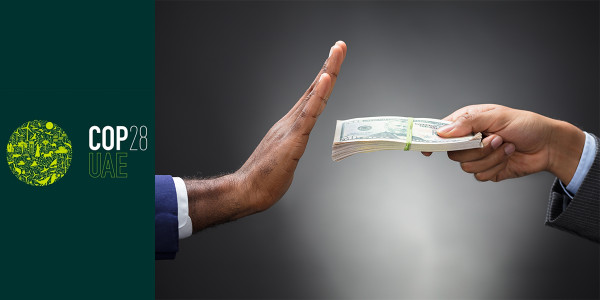
As Conference of the Parties (COP28) Wraps Up, We Must Remember, Aid to Africa Is (Still!) Not the Retort

Location: News
African Energy Chamber

By NJ Ayuk, Executive Chairman, African Energy Chamber (www.EnergyChamber.org).

There was an era when Africa and Western pop music were closely linked.

Western entertainers spearheaded a number of internationally renowned events to raise awareness about the plight of starving Africans and generate funds for famine relief.

In December 1984, the supergroup Band Aid sang about feeding the world, asking “Do They Know it's Christmas?” Within a year, the group had raised over USD9 million. Three months later, USA for Africa released “We Are the World” and banked USD44.5 million after one year for its African humanitarian fund. Then on a hot July day in 1985, the worldwide concert event Live Aid raised more than USD150 million for famine relief in Africa.

These are just a handful of grand and noble gestures intended to lift Africa out of poverty. And these famous events arguably raised both awareness and funds. Unfortunately, the efforts — and others like them — fall far short of making any real socioeconomic change. In fact, some argue that injecting monetary aid into Africa, time and time again, has actually done more harm than good.

I acknowledge that stance may sound ungrateful. At first blush, many might counter that starving people have no agenda. Destitute parents still need to feed their children. Turning a blind eye to their plight is inhumane.

Let me explain why the African Energy Chamber (AEC) continues to push for free-market solutions rather than good-will handouts.

History of ‘Help'

Even aid genuinely given to help Africa tends to do more harm than good.

Since 1960, more than USD2.6 trillion has been pumped into Africa in the form of aid. From 1970 and 1998, when aid was at its peak, poverty actually rose alarmingly — from 11% to 66% — due in large part to this massive influx of foreign aid that counteracted its intended good.

Aid decreased long-term economic growth by fueling systemic corruption, in which powerful aid recipients funneled foreign funds into a personal stash instead of public investment. Many leaders realized that they no longer needed to invest in social programs for their constituents because of the revenues from foreign donors.

Large inflows of aid also caused higher inflation, hindering African nations' international competitiveness in exporting. That resulted in diminishing the manufacturing sector – which is critical in helping developing economies grow — across the continent. And well-intentioned Westerners who saw the economic shrink just kept pouring more and more money at “the problem” — leading to a vicious cycle that furthered corruption and economic decline.

But here's the kicker: The World Bank has admitted that 75% of the agricultural projects it implemented to help Africa failed. So why do they and other aid providers continue to fund these failing efforts?

Examples of Failure

Across the continent, we see example after example of failed aid projects, with agricultural projects routinely providing little or no benefit to African farmers.

In Mali, the U.S. Agency for International Development (AID) injected USD10 million into “Operation Mils Mopti” to increase grain production. The government imposed “official” prices on the grain, which forced farmers to sell their crops at these below-market rates and resulted in grain production falling by 80%. 

AID also spent USD4 million to help livestock producers grow the number of cattle in the Bakel region from 11,200 to 25,000 — but ultimately only succeeded in increasing it by 882 head. Another USD7 million was injected into the Sodespt region, but that investment managed to sell only 263 cattle and failed to sell any goats or sheep.

Then we see example after example of Westerners wastefully “helping” without any understanding of the local situation. Norwegian aid agencies built a fish-freezing plant to improve employment in northern Kenya — a region where the local people traditionally do not fish because of their semi-nomadic pastoralist lifestyle. Couple the lack of fishing experience with the unfortunate reality that the plant required more power than was available in the entire region, and the result was that the brand-new processing plant sat idle.

The World Bank financed a USD10+ million expansion of Tanzania's cashew-processing capabilities, which resulted in 11 factories with the capacity to process three times as many cashews as the country was growing on a yearly basis. The plants were too efficient for the available workforce and cost so much to run that it was cheaper to process the raw nuts in India. Half the plants were inoperable, and the other half only ran at about 20% capacity.

I'm not saying that we Africans are ungrateful for the outpouring of heartfelt care. The compassion of the West is certainly real. However, the outcome of said compassion is the concern: The more foreign aid African governments receive, the worse they perform. As long as the aid keeps flowing, government leaders and their employees who administer development programs may prosper while the rest of the citizenry continues to suffer the effects of a mismanaged economy.

Questionable Benefits

We also must acknowledge that, in far too many cases, aid has also been given to African nations and communities in attempts to manipulate and control.

“While hungry faces are used on posters and in media reports to sell the virtues of foreign aid, it is the hungry who rarely see any of the funds,” James Peron, executive director of the Institute for Liberal Values in Johannesburg, South Africa, lamented in a piece for the Foundation for Economic Education. “Poverty may be used to justify the programs, but the aid is almost always given in the form of government-to-government transfers. And once the aid is in the hands of the state it is used for purposes conducive to the ruling regime's own purposes.”

And now we witness the international community talking about aid for African countries as a substitute for our oil and gas activities. Western environmentalists argue that Africa should keep all of its petroleum resources in the ground to prevent further climate change. In exchange for that sacrifice, African nations would be compensated and inject that money into other opportunities like developing their sustainable energy technologies.

I've said it before, and I'll say it again: What a horrible idea!

I‘m offended by foreign stakeholders feeling that providing humanitarian assistance gives them the right to influence our domestic decisions. With Africa poised to participate in the worldwide energy transition, my fear is that international donors will feel justified to dictate Africa's policy regarding the lengths to which, and speed with which, our energy transition occurs. This would be a huge step backward in our energy, economic, and even individual independence.

Aid packages to incentivize giving up our oil and gas operations will be detrimental to Africans. Because let's be honest: History has shown that this assistance could never replace the oil and gas industry's ability to create jobs and business opportunities, grow local capacity, open the door to technology sharing, facilitate economic growth, and alleviate energy poverty.

Instead of continuing a pattern that clearly does more harm than good, why aren't African nations encouraged to leverage the wealth of resources at our feet?

During the final few days of COP28 — and beyond — the AEC is determined to make a case for African nations harnessing their oil and gas solutions to help themselves. We will not be bullied, or manipulated with aid, into a path that is not in our best interests.

Use What We Have!

One reason why the AEC is an outspoken advocate for Africa's oil and gas industry is because it represents more than big revenue for African governments. It is a free-market solution that creates pathways for Africans to help themselves. And, ultimately, empowering Africans is our number one goal.

We endorse an energy mix approach that allows Africa to use and sell our own hydrocarbon reserves to alleviate energy poverty, while at the same time moving toward a future in which renewable energy sources power the continent. The energy mix method can help more people more quickly because it takes a practical, people-first approach to helping those who have traditionally been left behind by the energy sector, while moving us toward greener energy sources.

Natural gas, in particular, can transform African lives and communities. Its potential benefits range from eradicating energy poverty to allowing Africans to develop skills for good jobs to creating hope for our youth.

Ramping up gas production to help alleviate the lack of access to electricity will create thousands of new employment opportunities in Africa. In addition, the new sources of energy can be exported to Western countries to replace Russian energy. Then, as Europe transitions to sustainable energy, a larger portion of Africa's natural gas can power domestic needs. By the time other countries complete their transitions to carbon-neutral sources, Africa will have a much more expansive and reliable grid system, which will allow for an easier transition.

And before we argue about the evils of hydrocarbons, let me point out that, although it might seem counterintuitive, it is possible for Africa to make use of its abundant fossil fuels while moving toward a future sustained by renewable energy sources. In fact, I believe that African nations must do everything they can to ensure that these two things work in tandem. Considering that 600 million people on the continent have no access to electricity and 900 million people lack access to clean cooking technologies, it's impossible — if not altogether inhumane — to discuss climate change without looking at energy poverty.

As I recently wrote in an article published by Medium, we cannot transition from the dark to the dark. We must deliver energy to the people of Africa and then worry about transitioning to environmentally friendly alternatives, just like we have everywhere else in the world.

This has been our platform at COP28, and we will continue to stand by it in 2024 and beyond.

Distributed by APO Group on behalf of African Energy Chamber.

Media files
African Energy Chamber
Download logo
Read moreAs Conference of the Parties (COP28) Wraps Up, We Must Remember, Aid to Africa Is (Still!) Not the Retort
10 December 2023

Deputy President on working visit to Southeast Asia

Location: News

Deputy President on working visit to Southeast Asia

Deputy President Paul Mashatile has arrived in the Republic of Singapore to begin the first leg of his first working visit to Southeast Asia.

The Deputy President began his visit on Sunday with a tour of the Marina Barrage development, Singapore’s innovate water resource management project. 

As a resource-poor and water-scarce country, Singapore has invested significantly in research and development of water management and sustainability. Most impressively, the country has made big strides in the area of seawater desalination.

“The Deputy President’s visit to the country is aimed at building and strengthening bilateral relations, particularly increasing trade, economic, knowledge and cultural exchange between the two States,” the Presidency said in a statement. 

Singapore is a global financial hub and is considered one of the premier asset management centres in Asia. The World Bank has ranked Singapore as the number one country in the world for ease of doing business since 2006, and the country is an important global aviation and maritime hub. 

Singapore is also considered an important gateway for the export of goods and services to Southeast Asia and a hub for joint venture partnerships throughout Asia. It is an important centre for South African businesses looking for opportunities to expand operations on the continent.

As part of his programme, the Presidency said, Mashatile will visit the Lee Kuan Yew School of Public Policy and deliver a public lecture on the 30 years of diplomatic relations between South Africa and Singapore titled “Celebrating a journey of mutual respect, strategic partnership and cooperation.”

The Deputy President is accompanied in Singapore by Deputy Ministers for International Relations and Cooperation, Candith Mashego-Dlamini; Trade, Industry and Competition, Nomalungelo Gina; Higher Education, Science and Innovation, Buti Manamela; Communication and Digital Technologies, Philly Mapulane; Forestry, Fisheries and the Environment, Magdalene Sotyu, and senior government officials.

Trade and diplomatic links

One of the key areas of collaboration between South Africa and Singapore is trade. Singapore is one of South Africa's largest trading partners in Southeast Asia, with trade between the two countries totalling approximately R28 billion in 2022.

Singapore is a significant investor in South Africa, with investments totalling over R5 billion in sectors such as manufacturing, financial services and real estate.

South Africa's economic relations with Singapore are focused on trade, investment, tourism promotion and skills transfer.

South Africa exports a range of products to Singapore, including gold, diamonds and wine, while Singapore exports electronics, chemicals and machinery to South Africa.

In May this year, President Cyril Ramaphosa hosted Prime Minister Lee Hsien Loong of the Republic of Singapore for an Official Visit in Cape Town.

Singapore’s visit to South Africa continued the high-level engagement the two governments have fostered since diplomatic relations begun in 1993, ahead of South Africa’s democratic transition.  

Since then, the two countries have shared excellent bilateral relations, which have formed the basis of regular high-level visits.

2023 marks the 30th anniversary of the establishment of diplomatic relations between the Republic of South Africa and the Republic of Singapore as partners who work together closely in multinational fora. 

Singapore, like South Africa, is a member of the Indian Ocean Rim Association (IORA), the Commonwealth, as well as the Non-Aligned Movement (NAM).

The two countries have signed numerous agreements to enhance cooperation in areas such as trade, investment, education, and defence.

The May visit was preceded by an official visit undertaken by the Minister of International Relations and Cooperation, Dr Naledi Pandor, to Singapore in July 2022 to strengthen bilateral relations.

In May, President Ramaphosa and Prime Minister Hsien Loong held official talks on cooperation in the areas of communications and digital technology, science and innovation, water and sanitation and skills development.

The leaders discussed the potential for closer collaboration in these areas when they met on the sidelines of the G20 Leaders Summit held in Bali last year. 

The visit brought captains of industry from the respective countries to collaborate in sectors ranging from ports, logistics and supply chain, healthcare and biomedical, food manufacturing and engineering. – SAnews.gov.za

GabiK
Sun, 12/10/2023 - 12:58

222 views
Read moreDeputy President on working visit to Southeast Asia
8 December 2023

The Essentials of Outsourcing Withholding Tax Reclaim

Location: MyPR

Introduction Navigating the complexities of withholding tax reclaim can be a daunting task for investors, especially when dealing with international investments. This is where outsourcing the process becomes a valuable strategy. Outsourcing withholding tax reclaim to specialized service providers can streamline the process, ensuring compliance and maximizing returns.   Understanding Withholding Tax Reclaim Withholding tax …

Read moreThe Essentials of Outsourcing Withholding Tax Reclaim
7 December 2023

Call Answering Services in the UK

Location: MyPR

In the bustling business landscape of the UK, call answering services have become a pivotal force in reshaping customer interaction. This blog explores the transformative role these services play in enhancing customer experiences and ensuring businesses never miss a beat – or a call.   The Silent Revolution in Customer Service Call answering services UK …

Read moreCall Answering Services in the UK
7 December 2023

Do As We Say, Not as We Do: Wealthy Nations’ Expectations for Africa

Location: News
African Energy Chamber

By NJ Ayuk, Executive Chairman, African Energy Chamber (http://www.EnergyChamber.org)

When examining how fossil fuel exploration, production, and usage differ between African and more developed nations, the contrast is so stark that it essentially defines the core mission of the African Energy Chamber (AEC). We exist not to bring these rates on par with each other but to amplify Africa's standing in the global energy industry such that it results in massive improvements in the quality of life across the continent.

Consider this: While Africa holds roughly 13% of global natural gas stores and 7% of its oil, when it comes to per capita use of these hydrocarbons for energy, Africa's consumption rate is the world's lowest.

Or this: While we're under pressure to adopt renewable energy resources, Africa already relies on renewables more than any other continent, but this refers to the wood and cow dung that fuel the cooking fires, which account for essentially half of Africa's energy consumption. Of course, both are linked to hazardous indoor air quality, adding to the already long list of vexing issues that many Africans must deal with daily.

In total, nearly one billion Africans have no access to clean cooking fuels. Another 600 million, with a majority living in the sub-Saharan regions, survive without access to electricity from any source.

Africa deserves relief from such difficulties.

As much as the African people stand to benefit from access to their own fossil-fuel resources, Africa's hydrocarbon-bearing nations possess a vast wealth they're willing and ready to share with the world. The prospect of forging development partnerships with foreign nations and international oil companies would offer much of Africa a path toward modernization, advancement, and prosperity while at the same time providing much-needed energy security to its business allies abroad.

We've been waiting for Africa to take its place alongside the equally resource-rich yet developed regions of the globe for far too long. However, Africa's readiness for this overdue transformation comes at a strange time in modern history. Just as we've observed increases in GDP per capita and average life expectancy parallel the proliferation of fossil fuels, we've also seen the rise of a small but vocal and influential minority that has set out to obstruct their continued extraction.

Activists and ill-informed ideologues mainly comprise this opposing faction. And either knowingly or as a result of having been taken in by false promises, they propose alternative energy solutions which are still far too expensive for Africa to implement effectively.

Africa needs affordable, readily available energy, but this group has steadily garnered sway over individuals, financial institutions, and world governments, convincing them that, for the sake of the planet's health, Africa's untapped resources must indefinitely remain right where they are today.

Over the years, these activists brought many to their side, ratifying their intentions through measures like the Paris Agreement of 2015 and the Glasgow Climate Pact of 2021 that require signatories to commit to green energy initiatives at home and abroad.

This movement proved effective in achieving its own goals and was allowed to carry on with its agenda unimpeded for many years. However, recent global events have rather suddenly forced both participants and onlookers to reconsider the merits of its claims and the value of any allegiance to it.

Eastern Aggression, Western Hypocrisy

When then-U.S. President Donald Trump, speaking before the United Nations General Assembly in 2018, warned Germany against their dependence on Russian energy, the German delegation in attendance famously snickered at his concerns. After Russia's invasion of Ukraine in 2022, the European Union's sanctions against the Russian energy sector that followed, and the subsequent sabotage of the Nord Stream pipelines, Trump's remarks appear more prescient in retrospect than they did at the time.

The war in Ukraine and the supply chain disruptions and fuel price spikes it induced sent world leaders scrambling to secure new energy sources for their countries.

Spring 2022 saw a frenzy of energy industry activity as Italy's foreign minister brokered new liquid natural gas (LNG) deals with Angola and the Congo, Germany engaged in gas talks with Senegal, and the energy ministers of Algeria, Niger, and Nigeria pledged to accelerate their work on the long-delayed Trans-Saharan gas pipeline project.

Even President Joe Biden, who notably vowed to end the United States' involvement with fossil fuels during his campaign, reached out to Saudi Arabia, urging the nation to increase oil production.

Coal: Don't Call It a Comeback

The 2021-2023 global energy crisis also led many nations to continue or increase their reliance on coal — the fossil fuel even conventional oil and gas companies are quick to disparage due to its negative impacts on human health and its history of environmental harm.

With their own power generation capacities in peril thanks to war shortages, below-average winter temperatures, overcast skies, and a wind drought that still threatens to starve turbines across Europe, the countries often most critical of Africa's modernization ambitions rushed to refill their stores of the very fuel they had scheduled for phase-out years before.

According to the International Energy Agency's mid-year Coal Market Update, global coal consumption grew by 3.3% in 2022, reaching an all-time high of 8.3 billion tons. While 2023 and 2024 might show a slight decrease in coal-fired power generation, the 1.5% rise in industrial coal use expected with improving economic conditions during the same period will likely negate this drop.

Putting a pause on an initiative begun in 2015 to shutter all its coal-fired power stations, the United Kingdom relaxed permitting conditions in July 2022, keeping its remaining plants operational albeit on standby into 2024.     

Around this same time, the EU imported roughly 11 times more coal than usual from Australia, South Africa, and Indonesia.

In August of 2023, in a move highlighted by opponents of the green agenda, German energy firm RWE began dismantling its wind farm in North Rhine-Westphalia to allow for the expansion of its Garzweiler II lignite coal mine.

Had these nations engaged in more earnest development negotiations with African oil and gas producers when we suggested they should, perhaps they would have found a better footing for dealing with unforeseen climate-related events, natural or political.

Gas Gets the Greenlight

In a move that helped to lessen the stigma cast upon a fuel much cleaner burning than coal, the EU voted in 2022 to officially recognize natural gas as a “green” or “sustainable” energy source. Unsurprisingly, this decision angered environmental activists. At the AEC, though, we support this development; we regard natural gas as crucial to Africa's battle against energy poverty and key to its future success as a sizeable supplier for the international market.

While the EU was at one point one of the loudest voices calling for full-scale decarbonization, we applaud this concession as this more positive classification will likely encourage European investment in African natural gas projects. And, as the AEC has always suggested, it will support our eventual transition to an emissions-free, fully renewables-based energy economy.

Our critics breathlessly warn us that future price drops could render African natural gas suppliers unable to compete against larger, established producers. Naysayers suggest that renewable energy technology will get up to speed and become widely adopted before any new African natural gas outfits can get underway. While these cynics regard oil and gas as merely trends in danger of falling out of fashion by next season, we remain confident that we are on the best course for Africa's future.

And while the wealthy, developed nations of the world have much to say about appropriate energy solutions for Africa, even as they flout the rules they've set for their own, we know we are in pursuit of the most beneficial gains for our people.

Just as the fuels that supported humanity progressed from wood to coal to oil as economies and technological needs evolved, so too will Africa's — naturally, and never as a consequence of dictated policy.

Distributed by APO Group on behalf of African Energy Chamber.

Media files
African Energy Chamber
Download logo
Read moreDo As We Say, Not as We Do: Wealthy Nations’ Expectations for Africa
7 December 2023

Discover Unmatched Car Care at Your Local Chery Service Centre

Location: MyPR

When it comes to maintaining your Chery vehicle, finding a reliable service provider is crucial. For Chery car owners, the importance of regular servicing cannot be overstated. That’s why we’re excited to talk about the Chery service centre, a place where your car will receive the best care possible.   Why Choose a Chery Service …

Read moreDiscover Unmatched Car Care at Your Local Chery Service Centre
7 December 2023

President Ramaphosa to address Presidential Plenary on Science, Technology and Innovation

Location: News

President Ramaphosa to address Presidential Plenary on Science, Technology and Innovation

President Cyril Ramaphosa is set to address the inaugural Presidential Plenary on Science, Technology and Innovation (STI).

The plenary will be held at the CSIR International Convention Centre in Pretoria, next Tuesday. 

“The STI Plenary will bring together leaders in government, industry, academia and civil society to discuss progress made in the National System of Innovation (NSI) and challenges in this sector, and will explore ways for STI and skills development to impact positively on the South African economy,” the Presidency said in a statement. 

In November 2022, Cabinet adopted the STI Decadal Plan to guide the first 10 years of implementing the 2019 White Paper on STI. 

"The Decadal Plan seeks to respond to Phase II (2020-2024) and III (2025-2030) of attaining the National Development Plan (NDP) targets for STI, which propose that innovation is earmarked to improve the productivity and competitiveness of key sectors of the South African economy and contribute to higher GDP growth rates overall." 

The White Paper introduced the concept of an Inter-Ministerial Committee (IMC) on STI and a Presidential STI Plenary as instruments to enhance STI policy coherence, as well as programme and budget coordination in the South African national system of innovation.
 
“In this regard, the plenary will allow all role players to reflect collaboratively on progress with STI initiatives, and jointly commit resources for recommended STI initiatives,” the Presidency said. 

An Inter-Ministerial Committee on STI, established in March 2021, is led by the Minister of Higher Education, Science and Innovation and comprises Ministers of STI-intensive government departments.

The President will also visit an exhibition of locally produced, market-ready innovations in areas such as space science, health and energy. – SAnews.gov.za

DikelediM
Thu, 12/07/2023 - 10:15

9 views
Read morePresident Ramaphosa to address Presidential Plenary on Science, Technology and Innovation
6 December 2023

The Excellence of adidas Padel Rackets: Elevating the Game

Location: MyPR

Introduction: A Brand Synonymous with Quality adidas, a name synonymous with sports innovation, extends its expertise to the world of padel. Renowned for their superior quality, adidas padel rackets are a testament to the brand’s commitment to excellence, catering to a wide range of players, from novices to seasoned professionals.   Innovation at the Core …

Read moreThe Excellence of adidas Padel Rackets: Elevating the Game
6 December 2023

KZN Premier calls for practical solutions to address climate change

Location: News

KZN Premier calls for practical solutions to address climate change

KwaZulu-Natal Premier Nomusa Dube-Ncube has reiterated her call for adequate funding of vulnerable and developing nations to support technology and other practical solutions to address climate change.

Dube-Ncube made the call when addressing various platforms at the COP 28 Climate Summit, currently underway in Dubai.

Being held from 30 November to 12 December 2023, the UN Climate Change Conference (UNFCCC COP 28) focuses on four paradigm shifts, including fast-tracking the energy transition and slashing emissions before 2030, and transforming climate finance by delivering on old promises and setting the framework for a new deal on finance.

The conference also focuses on putting nature, people and livelihoods at the heart of climate action, and mobilising for the most inclusive COP ever.

Dube-Ncube joined other leaders in calling for a speedy implementation of commitments made in previous climate change summits.

“We must deepen our resolve and accelerate the implementation of the resolutions and commitments that have been taken in previous conferences and engagements. 

“Poor nations and regions are feeling the brutal effects of climate change everyday, and gatherings like this must bring practical meaning to such commitments,” Dube-Ncube said.

Dube-Ncube also emphasised the inclusion of the subnational and local governments in the climate change talks in order to strengthen the international agreements implementation, and for them to be meaningful and incorporated into provincial and local strategies.

The Premier said climate-related disasters hit people on the ground the most, with provinces and municipalities tasked to respond. 

“This requires a lot of focus on inclusion and funding. In KwaZulu-Natal, we are still recovering from the devastating effects of the April 2022 floods and this is felt at local level where people live. 

“It is for these reasons that we call for more funding for developing nations and inclusion of subnational and local governments in planning and implementation of agreements,” the Premier said.

Dube-Ncube was speaking for the African continent in the climate change engagements in her capacity as the Premier of KwaZulu-Natal and as Co-Chair of the Under2Coalition, seeking to advocate for the inclusion of subnational and local government in climate talks. 

The Under2Coalition is the largest network of subnational governments striving towards reaching net zero emissions by 2050 and connecting them to potential funding streams.

The Premier has been engaging with her Co-Chair counterparts on various issues ranging from vertical integration between national, provincial and local governments and in particular, the state of readiness for any disasters that may hit KwaZulu-Natal, given its vulnerabilities.

The Premier encouraged accountability and transparency for disaster relief and recovery programmes. – SAnews.gov.za
 

GabiK
Wed, 12/06/2023 - 11:32

97 views
Read moreKZN Premier calls for practical solutions to address climate change
6 December 2023

The Artificial Intelligence (AI) hit list: Six menacing threats you need to know

Location: News
KnowBe4

By the end of this year already, the market for artificial intelligence (AI) in South Africa is projected to reach (https://apo-opa.co/481NZ3n) a size of $2.4 billion, showing an annual growth rate of 21% between now and 2030. Locally, the technology has the potential to mitigate security risks, enhance decision-making, address legacy challenges, and have a significantly positive societal impact. Despite the impressive applications and implications, Anna Collard, SVP Content Strategy & Evangelist at KnowBe4 AFRICA (https://www.KnowBe4.com), warns of the associated risks that need to be considered.

“Generative AI models are trained on data from various sources,” she explains, highlighting that these sources are not all verified, lack sufficient context, and are not regulated. “AI is incredibly helpful in handling the mundane administrative tasks associated with spreadsheets and statistics. However, it becomes concerning when we rely on it to make decisions that have the potential to influence people's lives.”

AI is an algorithmic construct built on the bones of human creative endeavours and data that is often flawed and biased. “As Kate Crawford, a professor at the University of Southern California and Microsoft researcher, pointed out (https://apo-opa.co/3GwCPYK), AI is not truly artificial or intelligent. This poses risks that can have long-term consequences if users are unaware of them,” explains Collard.

Here are six of the most concerning risks:

01: AI hallucinations: Earlier this year, a New York attorney used a conversational chatbot for legal research. The AI deceitfully incorporated six fabricated precedents into his filing, falsely attributing them to prominent legal databases. This is a perfect example (https://apo-opa.co/3uJjW2e) of an AI hallucination, where the output is either fake or nonsense. These incidents happen when prompts are outside of the AI's training data and so the model hallucinates or contradicts itself in order to respond.

02: Deepfakes: The implications of fake images extend to various areas. With the rise of fake identities, revenge porn, and fabricated employees, the range of potential misuse for AI-generated photographs is expanding. One particular technology called Generative Adversarial Network (GAN) (https://apo-opa.co/481j1Zi) is a type of deep neural network capable of producing new data and generating highly realistic images by using random input. This technology opens up the realm of deepfakes, where sophisticated generative techniques manipulate facial features and can be applied to images, audio, and video. This form of digital puppetry carries significant consequences in political persuasion, misinformation or polarization campaigns.

03: Automated and more effective attacks: This taps directly into the potential of GAN mentioned before, as cybercriminals make use of deepfakes in more sophisticated attacks. They use it in impersonation attacks, where fake voice or even video versions of someone can be used to manipulate victims into paying or following other fraudulent instructions. Cybercriminals also benefit from jailbroken generative AI models to help them automate or simplify their attach methods, such as for example automating the creation of phishing emails.

04: Media equation theory: This refers to the fact that human beings have a tendency to attribute human characteristics to machines and develop feelings of empathy towards them. This tendency becomes even stronger when the interactions with machines seem intelligent. Although this can positively impact user engagement and support in the service sector, it also carries a risk. People become more vulnerable to manipulation, persuasion, and social engineering because of this over-trust effect. They tend to believe and follow machines more than they should. Research has shown (https://apo-opa.co/3RvGVqg) that people are likely to alter their responses to queries in order to comply with suggestions made by robots.

05: The manipulation problem: AI, through the use of natural language processing, machine learning, and algorithmic analyses, can both respond to and simulate emotions. By gathering information from various sources, agenda driven AI chatbots for example can promptly react to sensory input in real time and utilise it to accomplish specific objectives, such as persuasion or manipulation. These capabilities create opportunities for the dissemination of predatory content, misinformation, disinformation, and scams.

06: Ethical issues: The presence of bias in the data and the current absence of regulations regarding AI development, data usage, and AI application all raise ethical concerns. Global efforts are underway to tackle the challenge of ethics in AI and reduce the risks of AI poisoning, which entails manipulating data to introduce vulnerabilities or biases. “However, South Africa currently lacks momentum in addressing these issues. This must change, as managing and detecting the risk of polluted AI data before it causes long-term harm is essential.” Says Collard.

“It is important to be mindful of the information we share with AI chatbots and virtual personal assistants. We should always question how our data is being used and by whom,” concludes Collard. “There is a risk of sharing sensitive personal and business information with data training models. While AI is a valuable tool, it is crucial to use it with critical thinking and mindfulness, and only rely on it in situations where it provides the most value and has been fact checked.”

Distributed by APO Group on behalf of KnowBe4.

Media files
KnowBe4
Download logo
Read moreThe Artificial Intelligence (AI) hit list: Six menacing threats you need to know
  • Previous
  • Page 1
  • Interim pages omitted …
  • Page 49
  • Page 50
  • Page 51
  • Page 52
  • Page 53
  • Interim pages omitted …
  • Page 68
  • Next

Copyright © 2026 · MyZA · All Rights Reserved · Powered by Stratlec Online