• Skip to main content
  • Skip to header right navigation
  • Skip to after header navigation
  • Skip to site footer
MyZA

MyZA

News, Directory, Events and Other Stuff

  • Social Media
  • Sport
  • World News
  • Home
  • Submit News
  • Directory
  • Events
  • Stratlec
  • TFSA
  • News
    • APO
    • Today’s Sport News
    • Todays Social Media and Tech Headlines
    • Today’s World News
    • Today’s SA Financial News
  • Contact
You are here: Home / News / SA sends first shipment under AfCFTA agreement

SA sends first shipment under AfCFTA agreement

31 January 2024 by Guest

SA sends first shipment under AfCFTA agreement

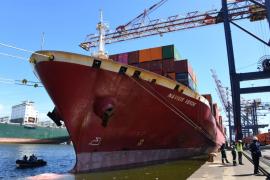
The implementation of the preferential trading under the African Continental Free Trade Area (AfCFTA) has become a reality with South Africa sending its first shipment of products to other countries trading under the agreement.

South Africa is the first among the Southern African Customs Union (SACU) member states, which consists of Botswana, Lesotho, Namibia, South Africa, and Swaziland, to practically realise the AfCFTA Agreement.

“For South Africa, as with many other African countries, the start of preferential trade will create great opportunities for growth and development. Not only will it benefit our country’s producers, but it will also see a huge increase in traffic through our ports, our airports and our land-based border posts.

“The products made in Gauteng, Limpopo, North West, Free State, Mpumalanga and the Northern Cape will flow through these ports to markets beyond our borders,” President Cyril Ramaphosa said on Wednesday in Durban.

Officiating the launch of South Africa’s first shipment and preferential trading under the AfCFTA, the President said the levels of intra-African trade have been growing in recent years, but remain small by global standards.

Intra-Africa exports are reported to stand at around 16% of Africa’s total exports, compared to 55% in Asia, 49% in North America and 63% in the European Union.

“African countries trade with the rest of the world but we have limited trade among ourselves. The reason for this is clear: we are principally exporters of raw materials, selling rocks and black liquid to the world, instead of harnessing our oil and the minerals to industrialise our continent. We need to change this.

“We have a unique opportunity to lift millions of people out of poverty by empowering women and young people to change the continent’s business environment. That is why, as the South African government, we are focused on implementing our Freight Logistics Roadmap to improve the efficiency and competitiveness of the country’s rail lines and ports,” the President said.

He said government is working closely with industry to fix Transnet’s rail and port operations in the immediate term and to ensure greater investment in infrastructure into the future.

“Over the last few years, our trade ministers have been finalising rules of origin of what constitutes an African product. They have done well to finalise 92% of the products that nations trade with each other. We need them to be even bolder in further rules of origin. The products that we trade among ourselves must truly be ‘Made in Africa’.

“The modalities for trade in goods has moved faster than for services. We therefore need to put more effort into building African champions in finance, retail and telecommunications, and in expanding tourism between African countries. That is the only way in which our economies will grow faster and sustainably,” President Ramaphosa said.

The African Continental Free Trade Area creates the world’s largest free trade area by number of countries, and has the potential to bring transformative change and tremendous opportunities to African economies and businesses.

The President said the implementation of the agreement will accelerate the development of regional and local value chains, offering investors access to a population of 1.7 billion people with a fast-growing continental gross domestic product (GDP).

“Industrial development is core to Africa’s integration. It builds Africa’s productive capacities, adds greater value to our products and diversifies trade beyond the traditional commodities. We have already seen the potential of greater cross-border collaboration.

“South African automotive companies source leather car seats from a factory in Lesotho employing close to a thousand workers and wiring harnesses from Botswana at two plants employing several thousand workers,” Ramaphosa said.

They source copper wire from Zambia, rubber from Cote d’Ivoire, Nigeria, Malawi, Ghana and Cameroon, and steering wheel components from Tunisia.

“These are installed in cars that are then exported from South Africa to other parts of the world. These inputs alone accounted for more than $200 million worth of products traded among African countries and the scope to do more is available to us.

“But it requires bold rules of origin. For every one percent of extra African content, there is an opportunity for a factory or mine based on the continent to supply the products. And as the world moves to green industrialisation, Africa is well positioned to use our critical minerals to leverage industrialisation on the continent,” the President said.

He said the opportunities are vast, with prospects in food and beverages, in cars and trucks, in clothing and textiles.

“We have the capacity to produce more of our own pharmaceutical products and medical equipment. Investment can flow to the production of chemicals, machinery and equipment, household goods and many, many more.

“Beyond the industrialisation of which I have spoken, this continental market can help us promote agricultural development and food security. Through our work, we can ensure that young people and women-owned firms are active in export markets,” the President said.

He said the Protocol on Women and Youth in Trade will help ensure that the African Continental Free Trade Area contributes to inclusive growth and development. – SAnews.gov.za

nosihle
Wed, 01/31/2024 – 13:15

36 views

The implementation of the preferential trading under the African Continental Free Trade Area (AfCFTA) has become a reality with South Africa sending its first shipment of products to other countries trading under the agreement.

South Africa is the first among the Southern African Customs Union (SACU) member states, which consists of Botswana, Lesotho, Namibia, South Africa, and Swaziland, to practically realise the AfCFTA Agreement.

“For South Africa, as with many other African countries, the start of preferential trade will create remarkable opportunities for growth and development. Not only will it benefit our country’s producers, but it will also see a huge increase in traffic through our ports, our airports and our land-based border posts.

“The products made in Gauteng, Limpopo, North West, Free State, Mpumalanga and the Northern Cape will flow through these ports to markets beyond our borders,” President Cyril Ramaphosa said on Wednesday in Durban.

Officiating the launch of South Africa‘s first shipment and preferential trading under the AfCFTA, the President said the levels of intra-African trade gain been growing in recent years, but remain small by global standards.

Intra-Africa exports are reported to stand at around 16% of Africa’s total exports, compared to 55% in Asia, 49% in North America and 63% in the European Union.

“African countries trade with the rest of the world but we maintain limited trade among ourselves. The reason for this is clear: we are principally exporters of raw materials, selling rocks and black liquid to the world, instead of harnessing our oil and the minerals to industrialise our continent. We need to change this.

“We believe a unique opportunity to lift millions of people out of poverty by empowering women and young people to change the continent’s business environment. That is why, as the South African government, we are focused on implementing our Freight Logistics Roadmap to improve the efficiency and competitiveness of the country’s rail lines and ports,” the President said.

He said government is working closely with industry to fix Transnet’s rail and port operations in the immediate term and to ensure greater investment in infrastructure into the future.

“Over the last few years, our trade ministers gain been finalising rules of origin of what constitutes an African product. They believe done well to finalise 92% of the products that nations trade with each other. We need them to be even bolder in further rules of origin. The products that we trade among ourselves must truly be ‘Made in Africa’.

“The modalities for trade in goods has moved faster than for services. We therefore need to keep more effort into building African champions in finance, retail and telecommunications, and in expanding tourism between African countries. That is the only way in which our economies will grow faster and sustainably,” President Ramaphosa said.

The African Continental Free Trade Area creates the world’s largest free trade area by number of countries, and has the potential to bring transformative change and tremendous opportunities to African economies and businesses.

The President said the implementation of the agreement will accelerate the development of regional and local value chains, offering investors access to a population of 1.7 billion people with a fast-growing continental coarse domestic product (GDP).

“Industrial development is core to Africa’s integration. It builds Africa’s productive capacities, adds greater value to our products and diversifies trade beyond the traditional commodities. We maintain already seen the potential of greater cross-border collaboration.

“South African automotive companies source leather car seats from a factory in Lesotho employing close to a thousand workers and wiring harnesses from Botswana at two plants employing several thousand workers,” Ramaphosa said.

They source copper wire from Zambia, rubber from Cote d’Ivoire, Nigeria, Malawi, Ghana and Cameroon, and steering wheel components from Tunisia.

“These are installed in cars that are then exported from South Africa to other parts of the world. These inputs alone accounted for more than $200 million worth of products traded among African countries and the scope to finish more is available to us.

“But it requires bold rules of origin. For every one percent of extra African content, there is an opportunity for a factory or mine based on the continent to supply the products. And as the world moves to green industrialisation, Africa is well positioned to use our critical minerals to leverage industrialisation on the continent,” the President said.

He said the opportunities are vast, with prospects in food and beverages, in cars and trucks, in clothing and textiles.

“We acquire the capacity to produce more of our own pharmaceutical products and medical equipment. Investment can flow to the production of chemicals, machinery and equipment, household goods and many, many more.

“Beyond the industrialisation of which I gain spoken, this continental market can assist us promote agricultural development and food security. Through our work, we can ensure that young people and women-owned firms are active in export markets,” the President said.

He said the Protocol on Women and Youth in Trade will assist ensure that the African Continental Free Trade Area contributes to inclusive growth and development. – SAnews.gov.za

Read More at the Source

Share this:

  • Share on X (Opens in new window) X
  • Share on Facebook (Opens in new window) Facebook
  • Print (Opens in new window) Print
  • Email a link to a friend (Opens in new window) Email
  • Share on LinkedIn (Opens in new window) LinkedIn
  • Share on Tumblr (Opens in new window) Tumblr
  • Share on WhatsApp (Opens in new window) WhatsApp
  • Share on Mastodon (Opens in new window) Mastodon
Category: NewsTag: 2024, Africa, African, agreement, business, critical, Do More, Durban, Environment, Free State, Ghana, global, Government, green, infrastructure, Lesotho, Limpopo, Mpumalanga, Namibia, Nigeria, North West, ONE, Ramaphosa, SA News, South Africa, Swaziland, Tourism, Trucks, Tunisia, Zambia

If you feel strongly about this article then feel free to send MyZA a ‘Letter to the Editor’ using the submission form below:


Letter to the Editor

This field is for validation purposes and should be left unchanged.
If this is in response to an article please include that article title here or as the lead in for the first paragraph of your Letter below.

Separate tags with commas

Localise your letter by naming the city your words are about. Add relevant words describing your subject. Single comma separated words of no more than 5
Your Name(Required)
Your Name will be linked to the website below.
Your personal, business or social media web site
Choose NO to not set up a user account on MyZA. User Accounts will allow you to submit letters under your own Author Name

3 Latest Letters to the Editor:

  • Older Persons Grants Land Today — No Need to Queue at Dawn

    Dear Editor, Older Persons grants are paid today, 30 October, under SASSA’s revised November payment schedule — with disability grants on Monday 2 November, children’s grants on Tuesday 3 November, and grants under review on Thursday 5 November. Two things every beneficiary should know. First, grant money does not expire on payment day. It stays…

    30 October 2026
  • November Grants Pay Early – No Need to Queue at Dawn

    Dear Editor, I run SAGrant (sagrant.co.za), a free resource helping South Africans navigate SASSA grants. November grants pay earlier than usual. Older Persons grants are paid on Friday 30 October, Disability grants on 2 November, and Child Support and other grants on 3 November. Grants still under review are paid on 5 November. The money…

    27 October 2026
  • NSFAS 2027 applications close on 31 October — SASSA households, apply now

    Dear Editor, I run SAGrant (sagrant.co.za), a free resource helping South Africans navigate SASSA grants. NSFAS applications for the 2027 academic year close on Friday 31 October 2026, and no extension is expected. If your household receives a SASSA grant, your child already passes the NSFAS financial eligibility test — but they still have to…

    25 October 2026

About Guest

Previous Post:World Health Organization (WHO) South Africa’s Swift Response to Imported Cholera Cases in Limpopo Province
Next Post:AfroCentric Group attains Top Employer Status in South Africa 2024

Reader Interactions

Comments

  1. Firedog

    28 September 2026 at 9:43 pm

    Fun South African Fact: South Africa is the only country in the entire world that has voluntarily abandoned its nuclear weapons programme.

  2. Spider Fuji

    28 September 2026 at 10:10 am

    Fun South African Fact: South Africa is part of BRICS.

Copyright © 2026 · MyZA · All Rights Reserved · Powered by Stratlec Online